Petrarch's Penitential Psalms and Prayers
- 160 pages
- 6 hours of reading
The first English translation of Petrarch’s Psalms and Prayers provides an intimate look at the personal devotions of the “Father of Humanism.”


Francesco Petrarca, known in English as Petrarch, was an Italian scholar, poet, and an early Renaissance humanist. He is often called the 'father of humanism.' Petrarch's works served as a model for the modern Italian language, and his sonnets became a standard for lyrical poems across Europe during the Renaissance. He is also recognized for being among the first to label the Middle Ages the 'Dark Ages.'

![Selected poems [of] Petrarch](https://rezised-images.knhbt.cz/1920x1920/71666191.webp)


The first English translation of Petrarch’s Psalms and Prayers provides an intimate look at the personal devotions of the “Father of Humanism.”
Der Dichter verfolgt unbeirrt seine Themen, doch die Wiederholung ähnlicher Motive führte zu einer Verdichtung der Inhalte. Dies erleichtert den Lesern den Zugang und hebt die Gedichte von überflüssigem Ballast ab. Petrarcas Einfluss auf die Dichtung ist enorm, viele seiner Werke sind auch heute noch eigenständig und relevant.
„Dnes jsem vystoupil na nejvyšší horu zdejšího kraje, kterou po zásluze nazývají Ventosus, tj. Větrnou. Učinil jsem to z pouhé touhy spatřit tuto slavnou výšinu.“ Těmito slovy se počíná líčení slavného italského básníka jeho příteli Francesku Dionigimu v listě, který jeho autorovi vynesl značně nadsazený titul „otce alpinismu“. I když rámcem vyprávění je výstup na známou francouzskou horu, prvoplánové pochopení celého textu zpochybňuje sám Petrarca. Na samém vrcholu bere do ruky Augustinova Vyznání, aby jeho zrak padl na slova: „a jdou lidé, aby obdivovali horské výšiny, mohutné mořské proudy, toky vodnatých řek, zálivy oceánu, dráhy hvězd a přitom zapomínají na sebe samotné.“ Nejen zde, ale i v mnoha dalších detailech se text při bližším pohledu ukazuje daleko komplexnější a mnohovrstevný. Jak pozoruhodné a hluboké interpretace skýtá, ukazují ve svých komentářích k novému překladu Jana Janouška Jiří Špička a Tomáš Nejeschleba.
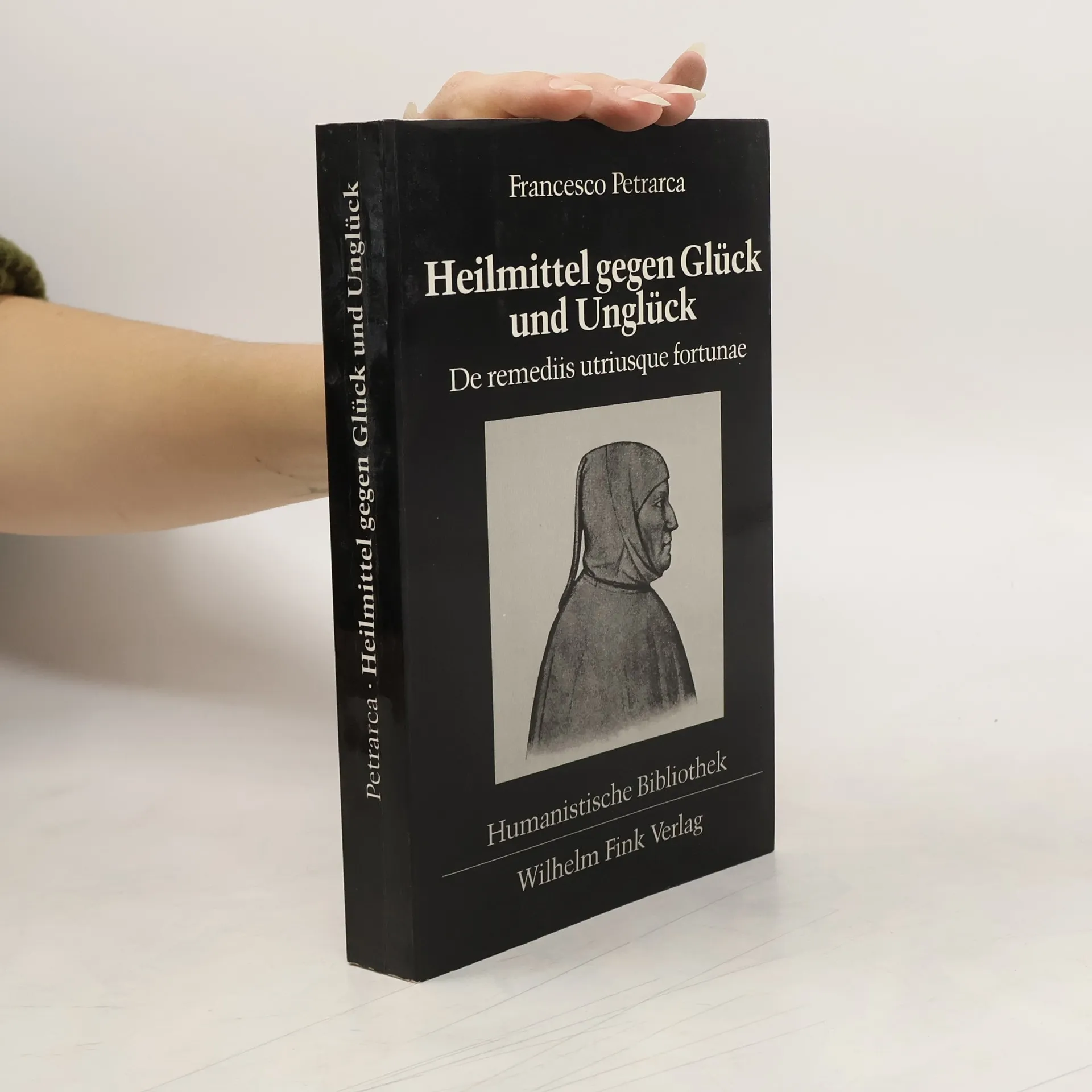
Lateinisch - Deutsch
Francesco Petrarca (1304-1374) schuf mit diesem um 1370 entstandenen Text die Grundlage fur eine humanistische Philosophie, in deren Mittelpunkt der Mensch und seine geistige Welt stehen. Der christliche Humanismus Petrarcas wurde in der Folge zur bestimmenden Position gegen die auf Aristoteles ruckgreifende Scholastik. Unveranderter Print-on-Demand-Nachdruck der Ausgabe von 1993.
Le opere in volgare del Petrarca sono assai meno numerose di quelle in latino: consistono nelle "Rime" e nei "Trionfi". A lungo elaborati e poi lasciati incompiuti, i "Trionfi" vogliono descrivere una sorta di avventura spirituale del poeta, estendibile a tutta l'umanità: nella visione appunto di una serie di sfilate trionfali di tipo antico, fitte di personaggi celebri di ogni tempo e paese, si passa dal trionfo d'Amore, che è vinto dalla Castità, vinto a sua volta dalla Morte, e così via fino al conclusivo trionfo dell'Eternità, in cui ogni cosa dovrebbe dissolversi nel cospetto di Dio.
Francesco Petrarca - vor 700 Jahren (1304) geboren, Schöpfer des Buchs der Lieder (Canzoniere) und der ersten Dichtung des Humanismus in italienischer Sprache (Trionfi), war wegweisend für die europäische Geistesgeschichte; er steht am Anfang der Entwicklung, die zur Moderne geführt hat.Petrarcas Leben war erfüllt von großer Rastlosigkeit. Von seinem Landsitz in der Vaucluse bei Avignon aufbrechend, bereiste er die europäischen Städte und Landschaften, er wurde in Rom zum Dichter gekrönt, lebte acht Jahre in Mailand, dann in Prag und Venedig. Und doch verdanken wir ihm unsterbliche Texte über die Askese, die meditative Abgeschiedenheit, das einsame Leben.Zwei dieser auf lateinisch geschriebenen Texte sind nun zum ersten Mal in deutscher Sprache zu lesen: De vita solitaria zum erstenmal überhaupt, und De secreto conflictu curarum mearum zum erstenmal seit einem Jahrhundert wieder. Der Gegensatz zwischen ländlicher Kontemplation und städtischer, gesellschaftlicher Zerstreuung ist ihr Grundthema, so wie ihr Verfasser zwischen der Sehnsucht nach Muße und neugieriger Weltlust, ehrgeiziger Dichterleidenschaft und ruheloser Frauenliebe hin- und hergerissen war. Eine wunderbare Entdeckung; eine heilsame Lektüre für unsere Zeit.
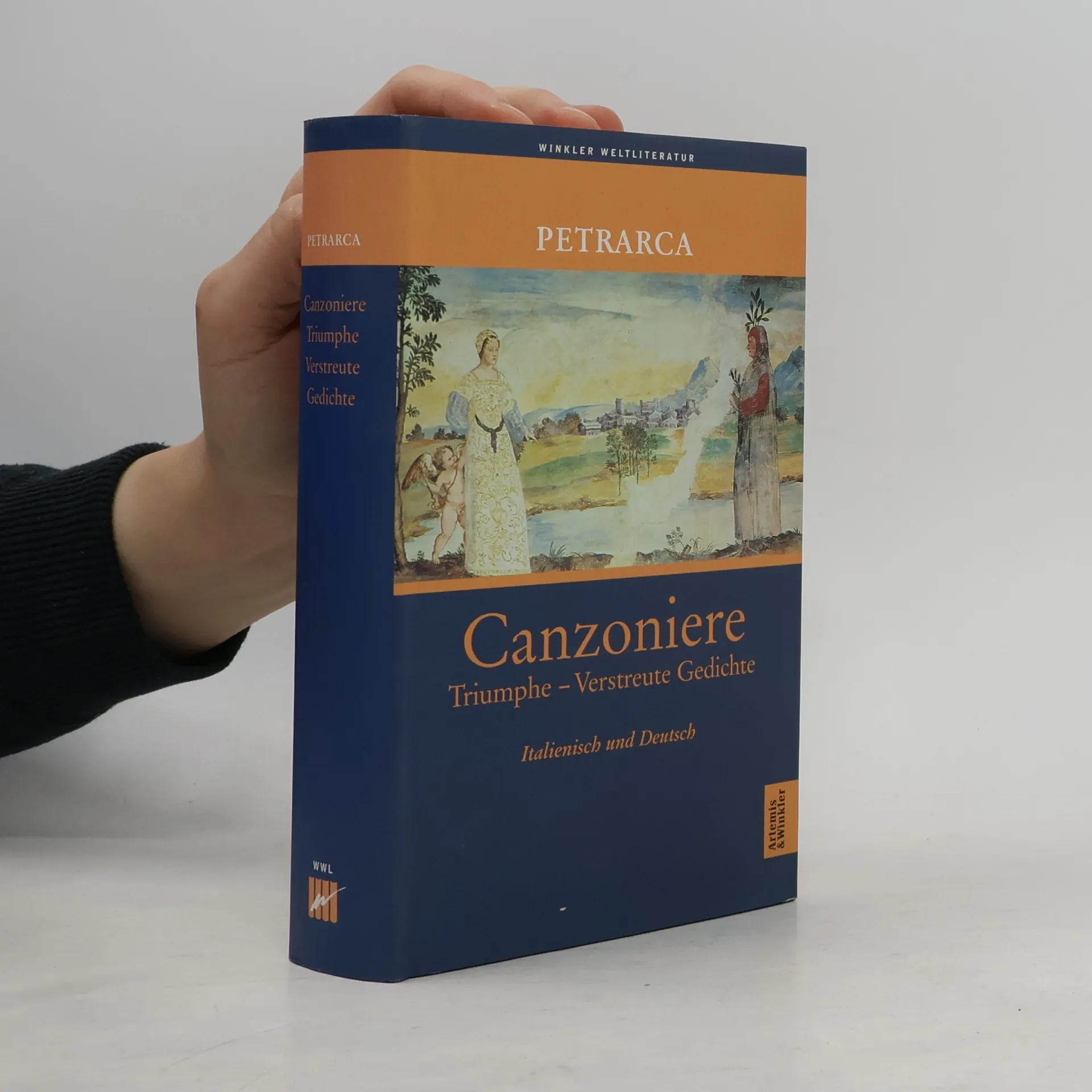
Francesco Petrarca: Canzoniere Il "Canzoniere" di Francesco Petrarca è una raccolta di poesie che esplora temi di amore, natura e meditazione. Attraverso una profonda introspezione, l'autore esprime il suo desiderio e la sua sofferenza, riflettendo sulla condizione umana e sull'idealizzazione dell'amore. La sua opera è considerata un capolavoro della letteratura italiana e ha influenzato profondamente la poesia successiva.
Secretum meum. De secreto conflictu curarum mearum. Petrarkův fingovaný dialog De secreto conflictu curarum mearum, zkráceně Secretum, patří mezi jeho nejvýznamnější latinské spisy. Formou navazuje toto dílo na antickou dialogickou tradici, obsahem je však nové. Jedná se o intimní, plastický, živě komponovaný dialog, založený na rozhovoru dvou konkrétních osobností a na mnoha konkrétních tématech. Autobiografická postava Francesca tu v přítomnosti mlčící Pravdy rozmlouvá s Augustinem, který mu přichází na pomoc v době jeho duševní krize, kdy se cítí bezmocný, jeho myšlenky jsou roztěkané, ztrácí pojem o pravé hodnotě věcí, které ho obklopují, a není s to nalézt řešení. Celý spis je rozdělen do tří knih, z nichž každá odpovídá jednomu dni a jednomu hlavnímu tématu. Náplní dialogu jsou různá morální témata, která lze chápat v obecné rovině, přestože jsou často probírána na konkrétním, Franciskově příkladu. Je to např. otázka opravdové vůle, která je probírána především v první knize, ale v otevřenější či skrytější podobě se prolíná celým dílem. Nejosobnější částí dialogu je kniha třetí, která se věnuje otázkám touhy po světské slávě a lásky k ženě. Právě tato “obecně lidská” témata činí toto dílo nadčasovým a zajímavým i pro současného čtenáře. Připravil R. Psík, úvodní studii připravil Mgr. Jiří Špička.
Petrarch (1304-74), Italy's greatest lyric poet, was a diplomat, a classical scholar, and poet laureate by the age of 37. His most influential legacy is undoubtedly the "Canzoniere," a collection of 366 outstanding love poems. Their inspiration was the elusive lady Laura, the object of Petrarch's unrequited passion for nearly forty years, and at times a metaphor for his other obsession, worldly glory. It is this other theme, and the conflicts created by the poet's yearning for spirituality, that form the subjects of the two autobiographical prose pieces included here, the "Letter to Posterity" and "The Ascent of Mount Ventoux." The hesitations and choices expressed in these letters illuminate the "Canzoniere," whose elegant sophistication belies the strength of its passion. The delicacy of Petrarch's original has been faithfully preserved in this verse translation by Mark Musa. -- From publisher's description
Francesco Petrarca (1304-1374) is een van de grootste figuren in de Europese literatuur, met een enorme invloed door zijn Latijnse brieven en traktaten en zijn Italiaanse gedichten. Hij is de grondlegger van het humanisme en het petrarkisme. Petrarca is vooral bekend als de schepper van de Canzoniere, een sublieme verzameling gevoelige gedichten, voornamelijk sonnetten, die zijn idealiserende liefde voor Laura verkennen. Dit werk geldt als een toonbeeld van élégance, gratie en harmonie, en heeft eeuwenlang als model gediend voor lyrische poëzie. De vierde, uitgebreide druk bevat naast de Italiaanse originelen vertalingen van negenenveertig sonnetten, twee canzonen en een passage uit de Trionfo della Morte, voorafgegaan door een uitvoerige inleiding. Frans van Dooren, laureaat van de Martinus Nijhoffprijs in 1990, heeft talloze Italiaanse klassieken vertaald, waaronder werken van Dante, Michelangelo en Machiavelli. Zijn vertalingen van Petrarca worden geprezen om hun kwaliteit; volgens Kees Fens zijn de Nederlandse dichtregels echte vondsten, terwijl Willem Barnard opmerkt dat Van Dooren de essentie van het origineel weet te vangen in nieuwe Nederlandse gedichten.
Übersetzt, erläutert und mit einem Nachwort von Jürgen von Stackelberg
Zu Ostern 1327 will Petrarca die schöne und wahrscheinlich verheiratete Dame erblickt haben, die er Laura nennt. Die Begegnung soll in Avignon vor der Kirche Sainte Claire stattgefunden haben. Ob das, was er daraus gemacht hat, der Wahrheit entspricht, ist jedoch ebenso unwichtig wie etwa die Frage, ob Hänsel und Gretel wirklich in den Wald gegangen sind. Petrarca geht es hier um eine Begebenheit als Ausgangspunkt einer Liebesgeschichte seines 'Canzoniere'. Auch über die Person der Laura wurde viel spekuliert; doch ist auch hier fraglich, ob sie je existiert hat.§Viel wird in Petrarcas Versen geweint, doch man muß sich das Weinen als einen Genuß vorstellen, ein ehrliches, ungeniertes Interesse am eigenen Empfinden, auch, und gerade, dem traurigen. Vielleicht kommt dieser Subjektivismus einem sich anbahnenden Lebensgefühl unserer Zeit entgegen. Das würde Petrarcas Chance, wieder Gehör zu finden, erhöhen - eine Chance, die durch Jürgen von Stackelbergs neue Wiedergabe in poetischer Prosa ungleich verstärkt wird.
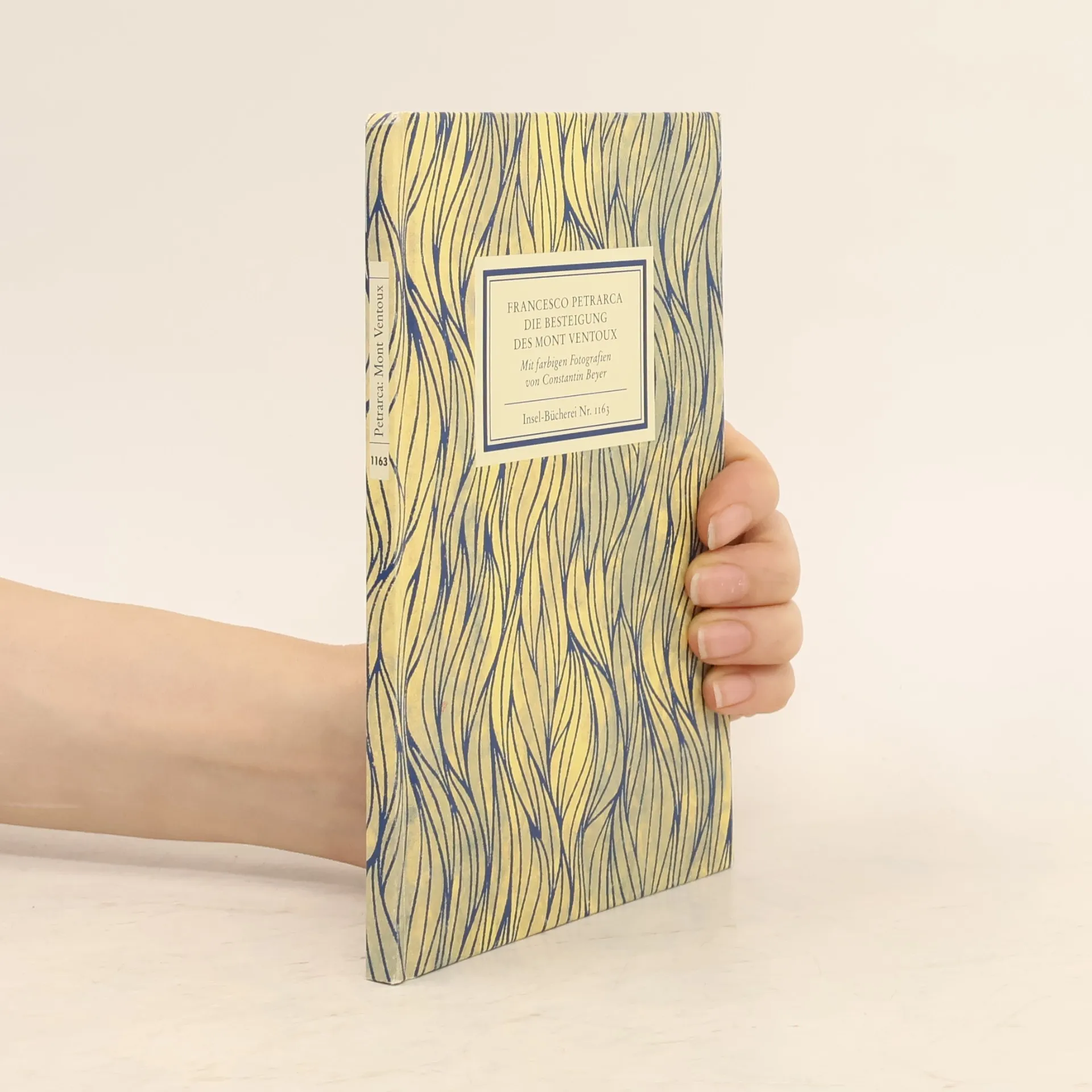
Francesco Petrarca (1304-1374) soll als einer der ersten den höchsten und eindrucksvollsten Berg der Provence, den von Winden umwehten Mont Ventoux, bestiegen haben. Der Brief, in dem er seinen Aufstieg schildert, ist ob des neuen Naturgefühls, das sich in ihm ausspricht, berühmt geworden. Rainer Maria Rilke war Petrarcas Brief bei einem Aufenthalt in der Provence zum Ereignis geworden durch die in ihm formulierte, auf Augustinus zurückgehende Erkenntnis, dass ein noch so reiches »Außen« übertroffen werde von der Tiefendimension unseres Inneren. Petrarcas Aufstieg nachvollzogen hat ein Urenkel Rilkes, der Fotograf Constantin Beyer.
Texte und Untersuchungen
Výbor je uváděn dopisem Francesco Petrarca potomkům, který není zařazen do žádného ze tří souborů autorových latinských listů. Těžištěm svazku, přibližujícího tvůrcovo básnické dílo psané v italštině, jsou základní verše ze Zpěvníku (Na život paní Laury, Na smrt paní Laury) aTriumfů (Triumf smrti, Triumf času). V dokumentární montáži jsou uváděny i výroky o básníkovi a ukázky jeho literárních předloh.
Written by one of the greatest poets of all time, My Secret Book, now in its first English translation, is a profound and deeply personal account of inner suffering and mental anguish. Deeply troubled by his struggle—and failure—to achieve spiritual perfection, Petrarch, considered the forefather of Italian humanism, sought catharsis in the writing of a “secret book.” Only here could he pour out his innermost thoughts, frustrations, and desires. Written in the form of a dialogue between himself and St. Augustine, the book wrestles with the universal themes of suffering, desire, fear, and joy. The result is a rare insight into Petrarch’s life and thought and a remarkable early example of self-revelation and autobiography.
Filosoficky laděné dopisy známým i méně známým osobnostem středověkého světa.
V češtině první úplný soubor kanzón opěvujících Lauru z autorova Zpěvníku (či Veršů), díla psaného 30 let v národním jazyce toskánském, budoucím spisovném jazyce všech Italů, a shrnujícího autorovu milostnou lyriku. Z tohoto originálu, majícího (v přehledném uspořádání Marsandově) 4 díly, z nichž 3 platí Lauře, konkrétní ženě básníkem opěvované, a zahrnující co do formy sonety, kanzóny, sestiny, ballaty, madrigaly a terciny, uvádí zmíněný soubor právě jen kanzóny, v nichž podle kritiky dosahuje autor básnického vrcholu, a jde tedy podle uvedeného členění o kanzóny I. a II. dílu, soubor je shrnuje pod názvy Za života paní Laury a Po smrti paní Laury. Překlad zachovává většinou přesné schéma kanzón podle originálu a k licencím sahá co nejméně.
Mit seinen Gedichten an die Geliebte, dem berühmten Canzoniere , ist Francesco Petrarca zum einflußreichsten Lyriker des Abendlandes geworden. Die einsprachige Ausgabe der Liebesgedichte an Laura umfaßt eine Auswahl von 80 Sonetten und Kanzonen aus dieser Sammlung in der übersetzung von Jürgen von Stackelberg, die, ungereimt, aber in rhythmisierter Prosa, Petrarca auch uns heutigen Lesern nahezubringen versteht.
V díle Zpěvník autor píše milostné básně Lauře a vyjadřuje lásku k Itálii. Zpěvník má dva oddíly, Za Lauřina života a Po Lauřině smrti. Přeložil Pavel Eisner pod pseudonymem Emil Janovský.
auf das Leben und den Tod der Monna Laura