Explore the latest books of this year!
Bookbot

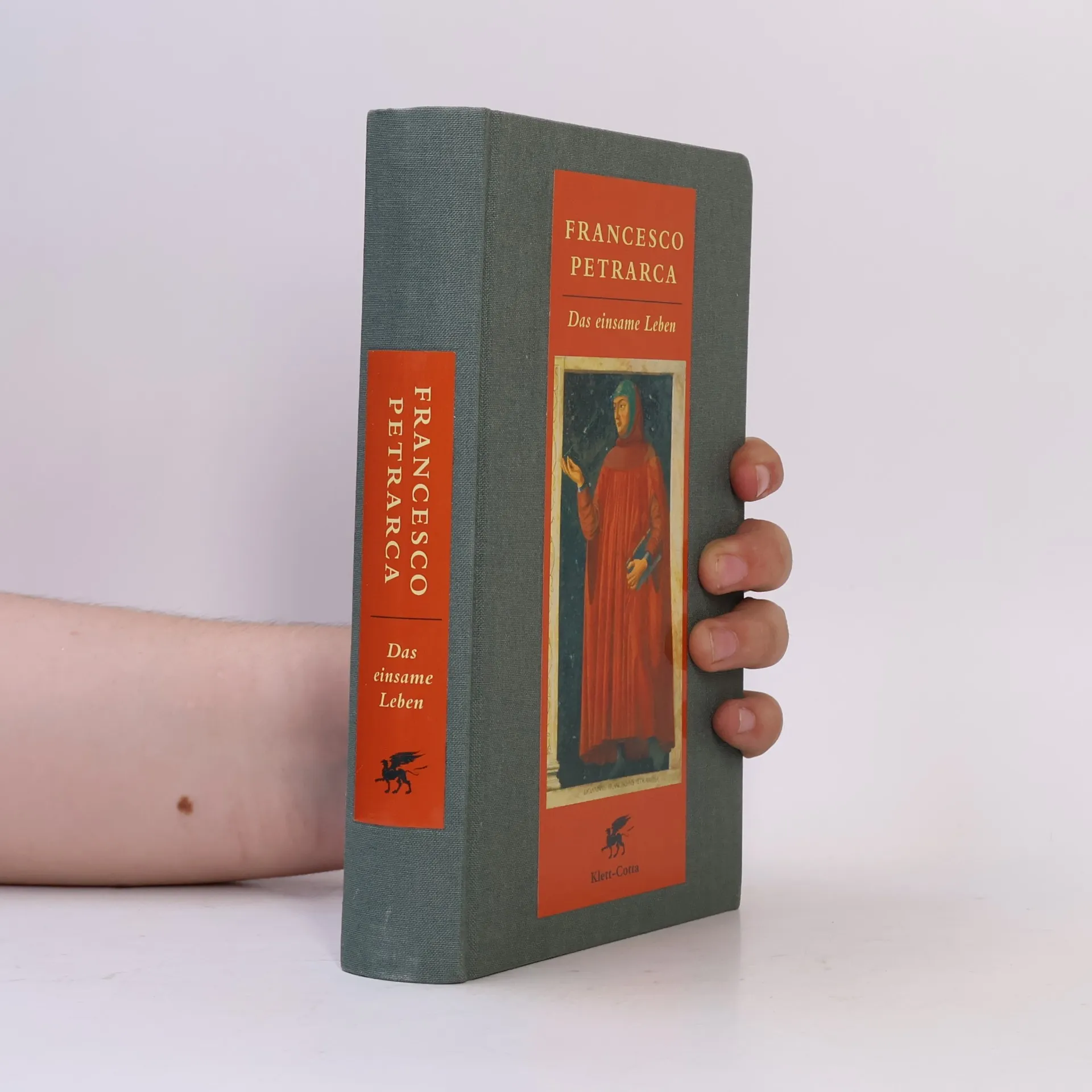
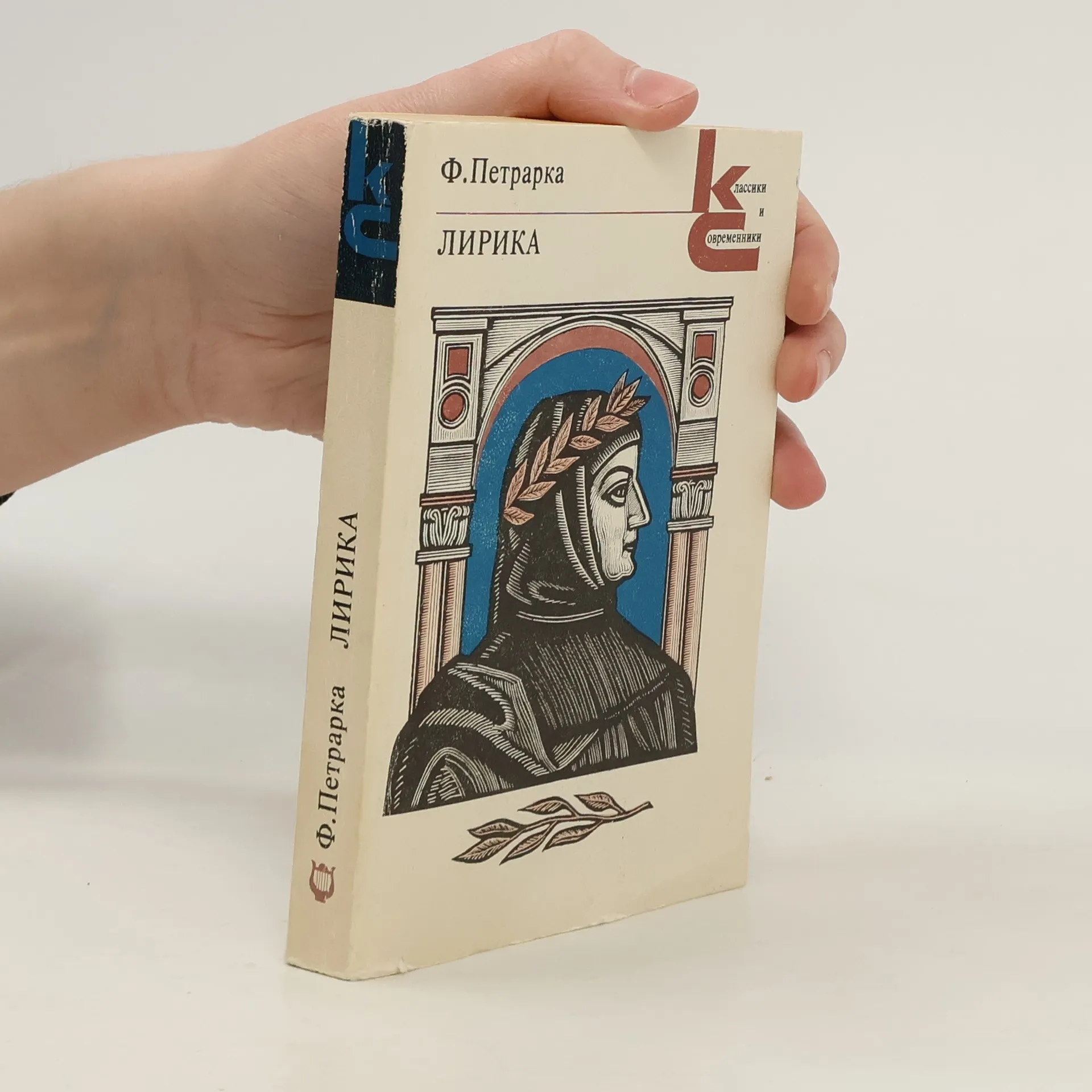
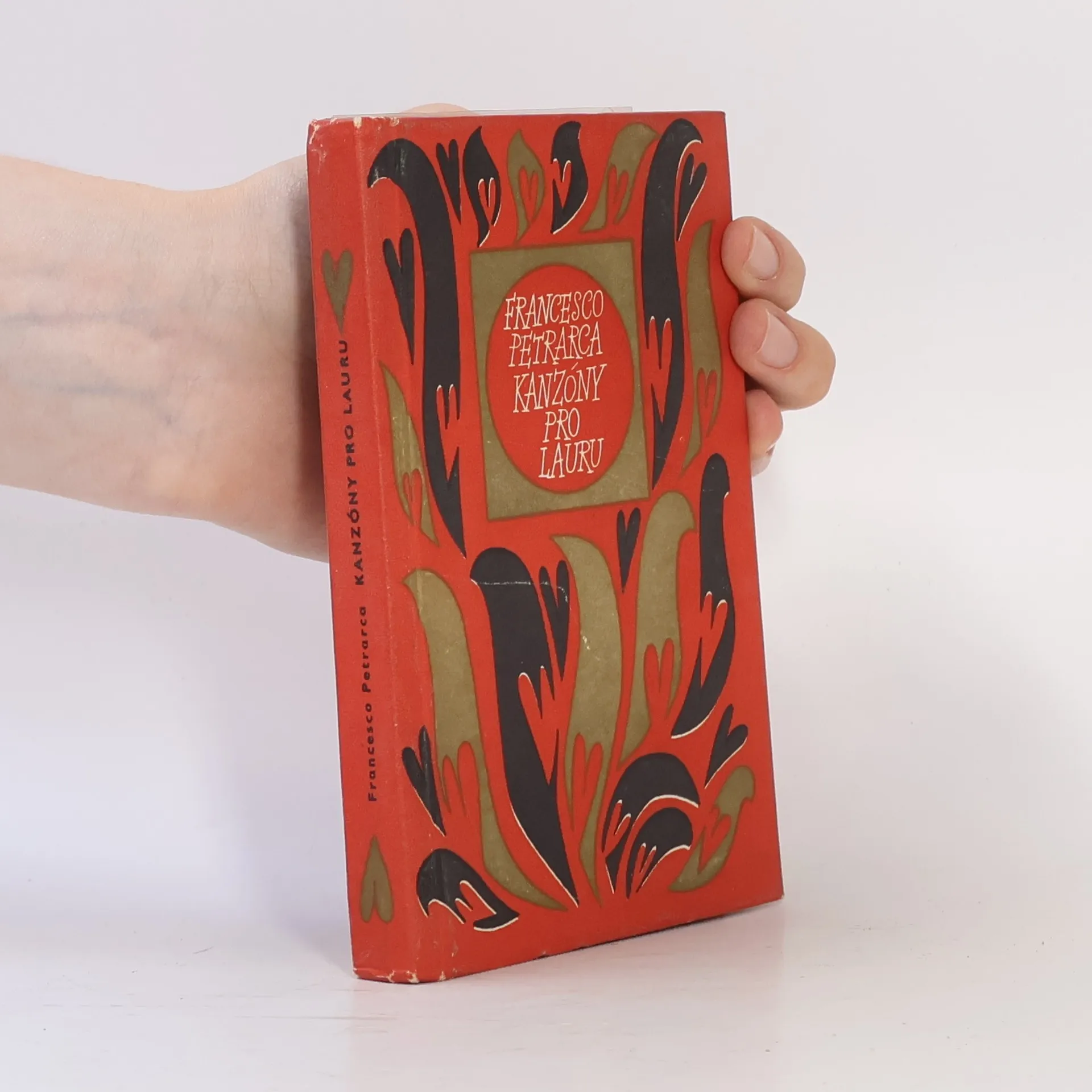
Francesco Petrarca

    July 19, 1304 – July 18, 1374

    Francesco Petrarca, known in English as Petrarch, was an Italian scholar, poet, and an early Renaissance humanist. He is often called the 'father of humanism.' Petrarch's works served as a model for the modern Italian language, and his sonnets became a standard for lyrical poems across Europe during the Renaissance. He is also recognized for being among the first to label the Middle Ages the 'Dark Ages.'

    Francesco Petrarca
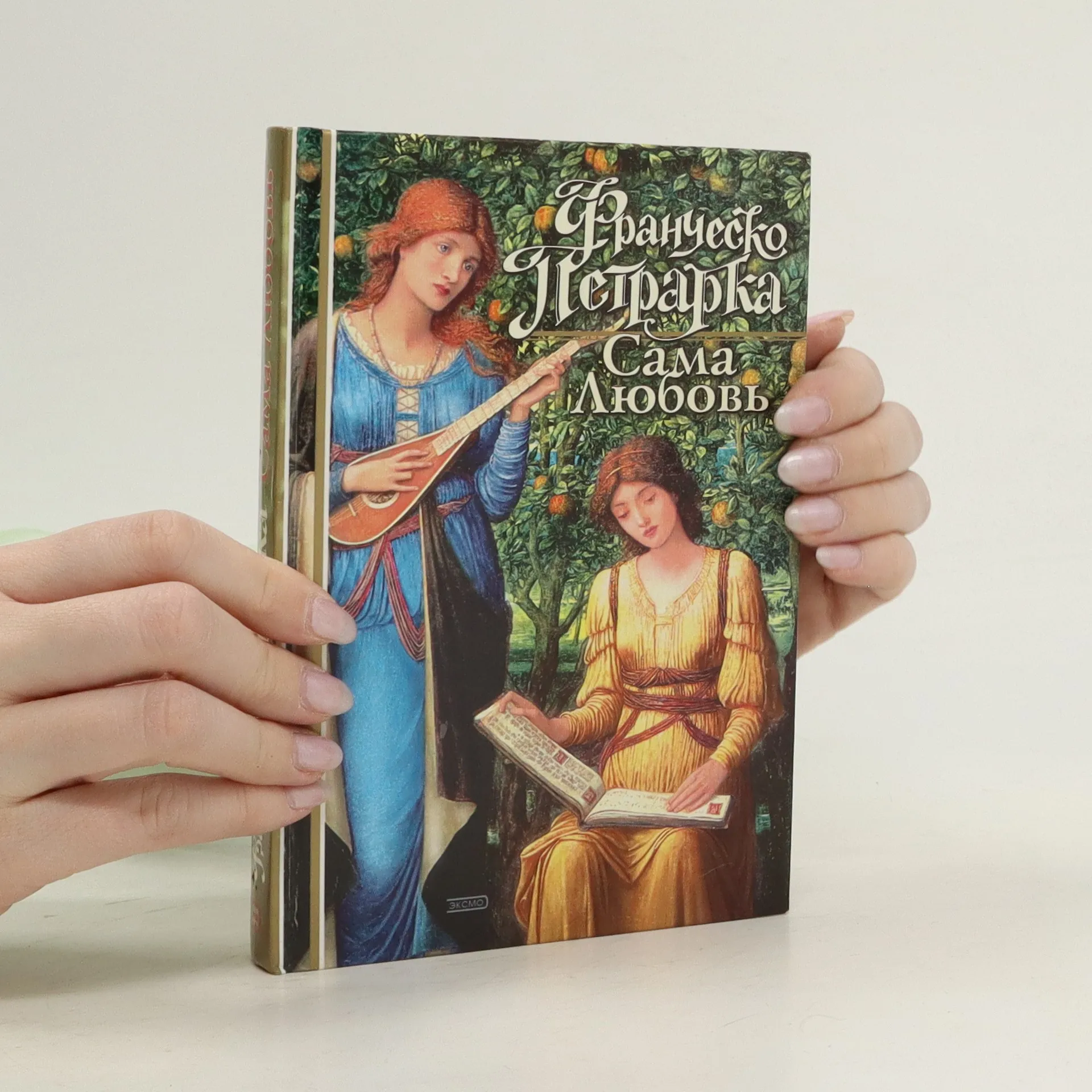
    Сама Любовь. Sama Lyubov
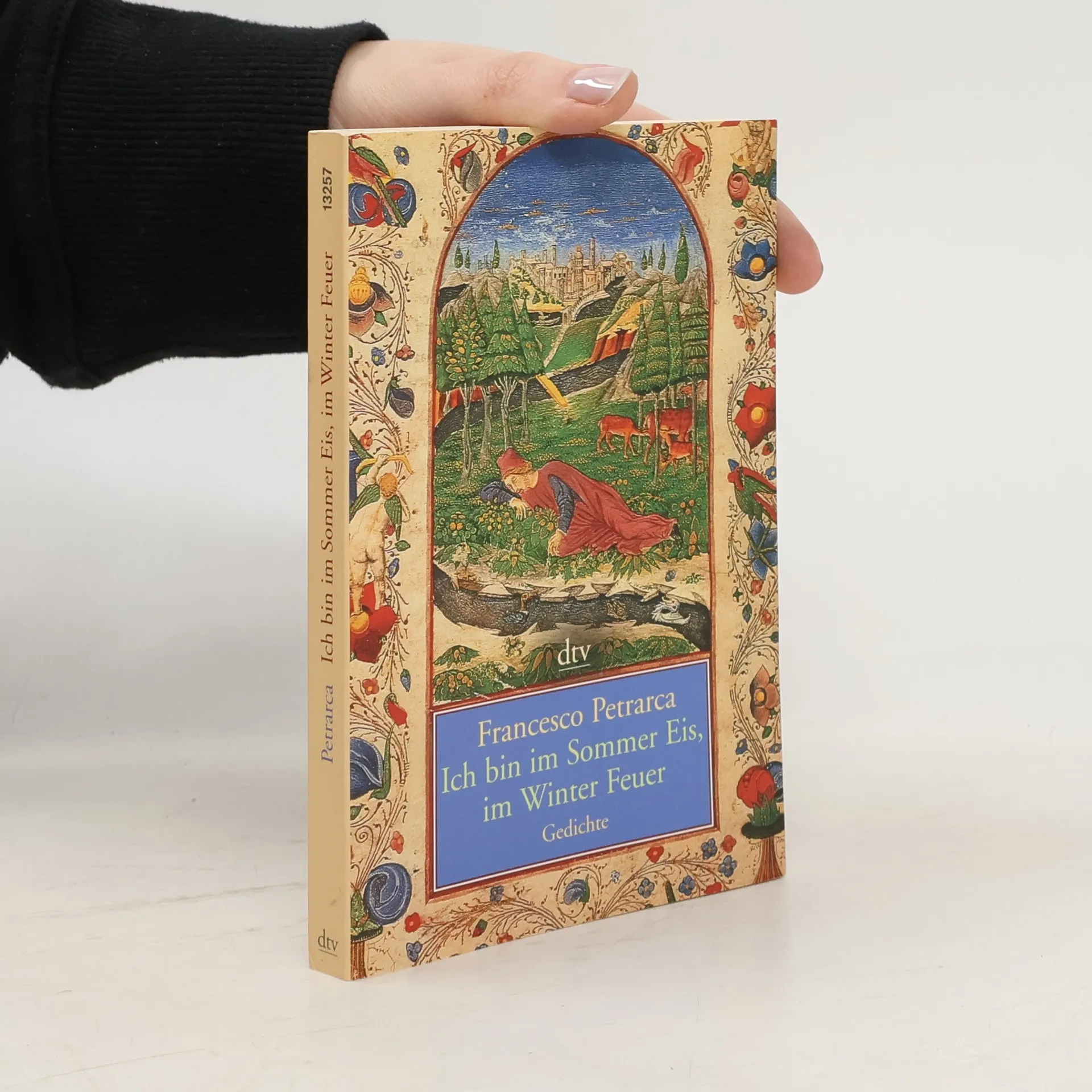
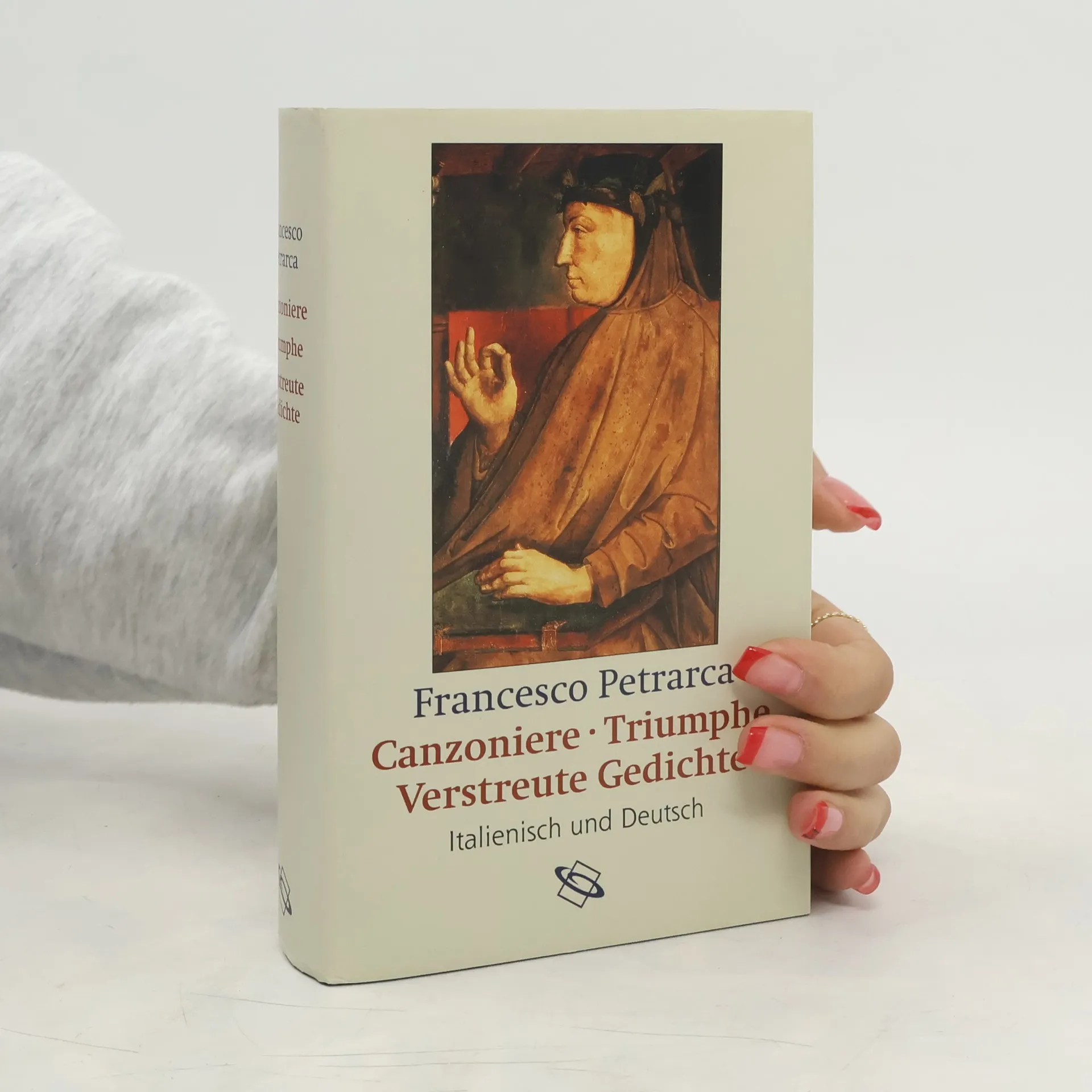
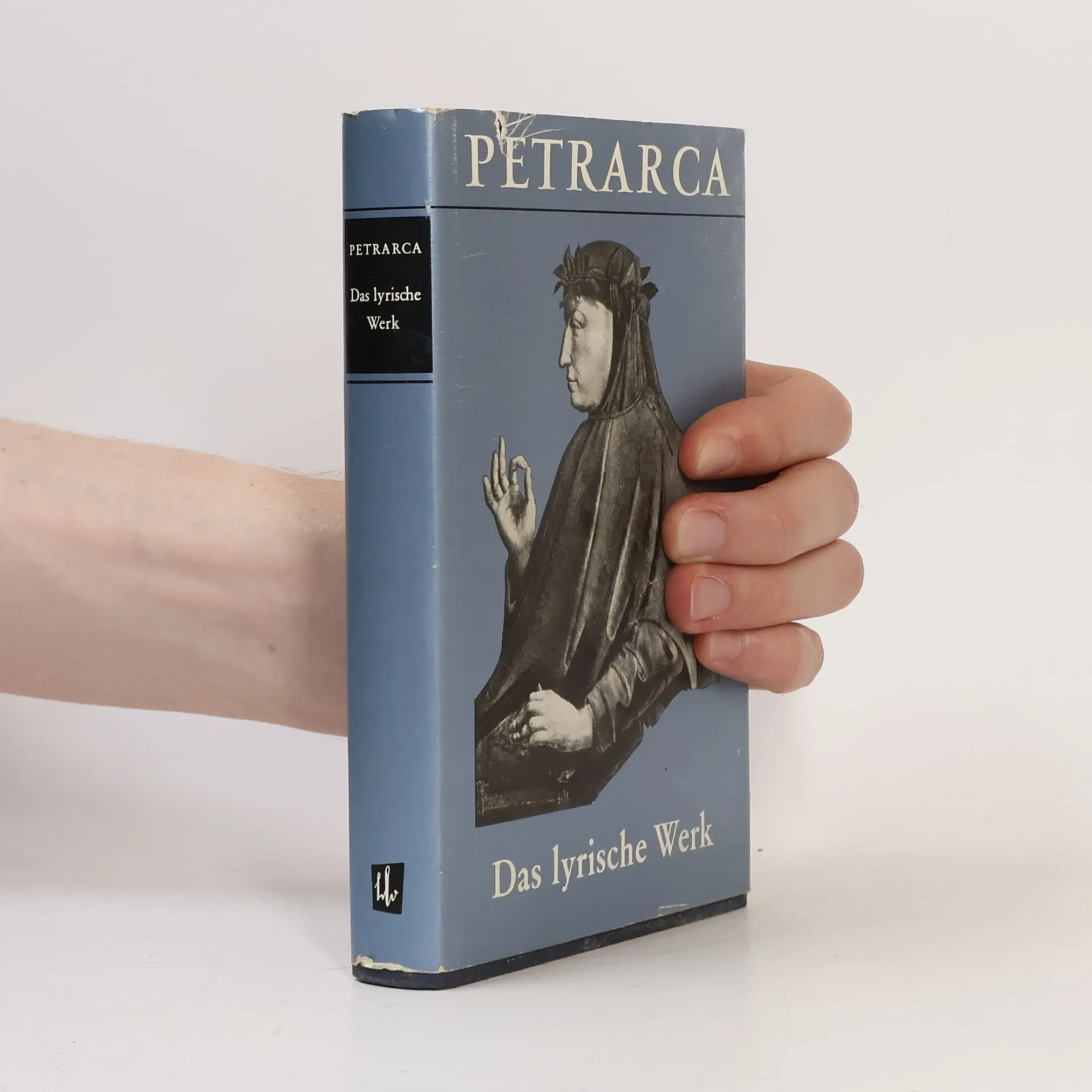
    Das lyrische Werk
    Petrarch's Penitential Psalms and Prayers
    Selections from the Canzoniere and Other Works
    My Secret Book
    Petrarch's Canzoniere
    • My Secret Book

      • 128 pages
      • 5 hours of reading
      4.1(120)Add rating

      Written by one of the greatest poets of all time, My Secret Book, now in its first English translation, is a profound and deeply personal account of inner suffering and mental anguish. Deeply troubled by his struggle—and failure—to achieve spiritual perfection, Petrarch, considered the forefather of Italian humanism, sought catharsis in the writing of a “secret book.” Only here could he pour out his innermost thoughts, frustrations, and desires. Written in the form of a dialogue between himself and St. Augustine, the book wrestles with the universal themes of suffering, desire, fear, and joy. The result is a rare insight into Petrarch’s life and thought and a remarkable early example of self-revelation and autobiography.
      My Secret Book
    • Petrarch (1304-74), Italy's greatest lyric poet, was a diplomat, a classical scholar, and poet laureate by the age of 37. His most influential legacy is undoubtedly the "Canzoniere," a collection of 366 outstanding love poems. Their inspiration was the elusive lady Laura, the object of Petrarch's unrequited passion for nearly forty years, and at times a metaphor for his other obsession, worldly glory. It is this other theme, and the conflicts created by the poet's yearning for spirituality, that form the subjects of the two autobiographical prose pieces included here, the "Letter to Posterity" and "The Ascent of Mount Ventoux." The hesitations and choices expressed in these letters illuminate the "Canzoniere," whose elegant sophistication belies the strength of its passion. The delicacy of Petrarch's original has been faithfully preserved in this verse translation by Mark Musa. -- From publisher's description
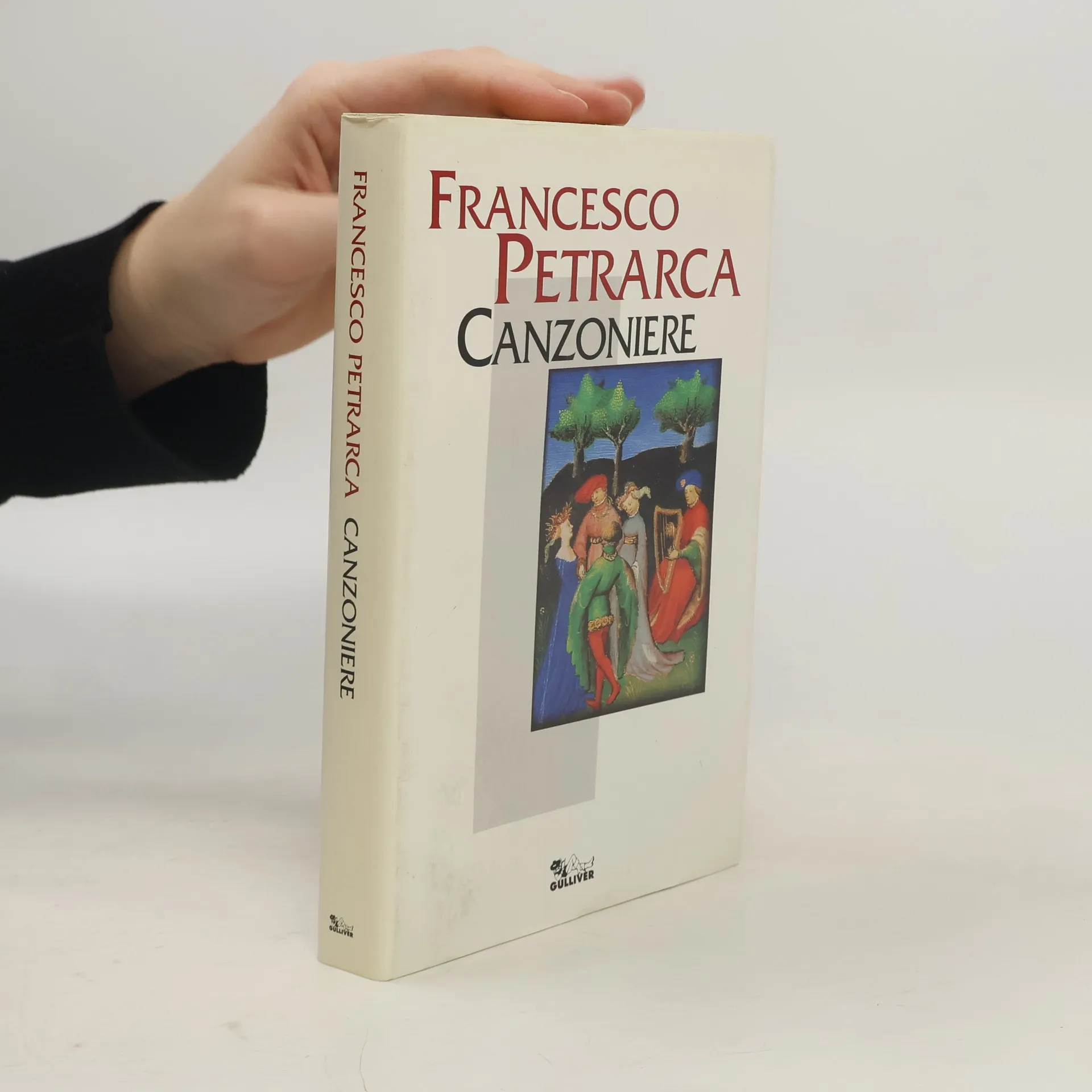
      Selections from the Canzoniere and Other Works
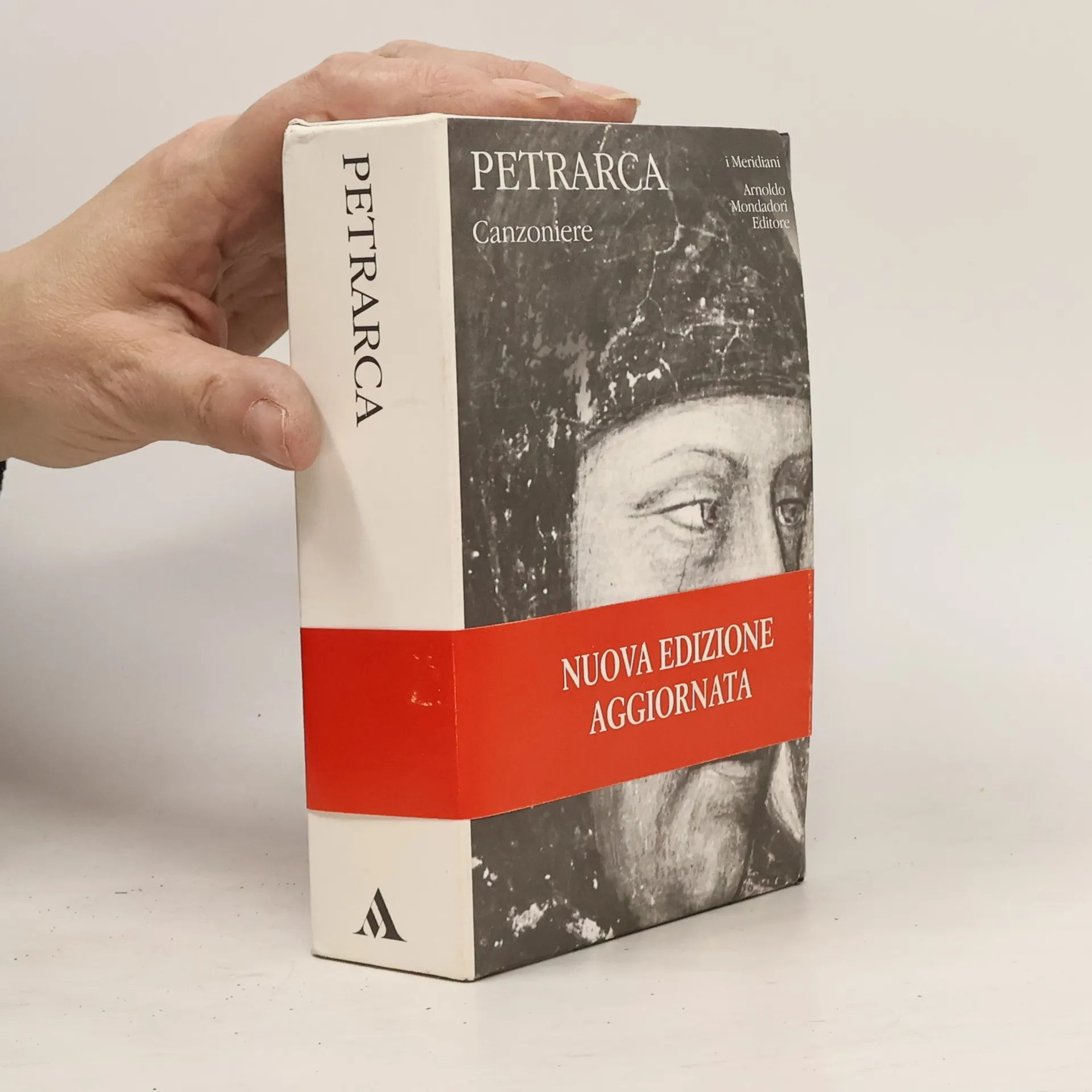
    • Il Canzoniere di Petrarca è uno dei capolavori della poesia di ogni tempo. Un libro capace di parlare con immutata intensità alla nostra epoca: per la sua lingua perenne, per l'universalità del suo sentire, per la complessità di pensiero che vi circola. La presente edizione, che riproduce il testo stabilito da Gianfranco Contini, è corredata da un commento che aiuta il lettore a sciogliere i passi controversi, così che gli sia consentito l'agevole ingresso in un mondo di inesauribile ricchezza.

      Canzoniere
    • Patrarcas Besteigung des Mont Ventoux, datiert auf den 26. April 1336, markiert nicht nur einen Wendepunkt im Leben des Dichters, seine Hinwendung zu Augustin und zum christlichen Humanismus, sondern bezeichnet auch ein literaturgeschichtliches Datum, das für die ästhetische Betrachtung der Natur von großer Bedeutung gewesen ist. Sprachen: Deutsch, Latein

      Die Besteigung des Mont Ventoux