
Explore the latest books of this year!
Bookbot

François de La Rochefoucauld

    September 15, 1613 – March 17, 1680

    The 17th-century French author, François VI, Duc de La Rochefoucauld, is celebrated for his maxims and memoirs. His work offers a clear-eyed and urbane perspective on the world, neither condemning nor sentimentally celebrating human conduct. His thoughtful observations reflect the complex era in which he lived, providing enduring insights into human nature.

    Schule des Herzens
    Reflexionen oder Sentenzen und moralische Maximen
    Denken mit La Rochefoucauld
    The Maxims (Bilingual Edition: French Text, with a Revised English Translation)
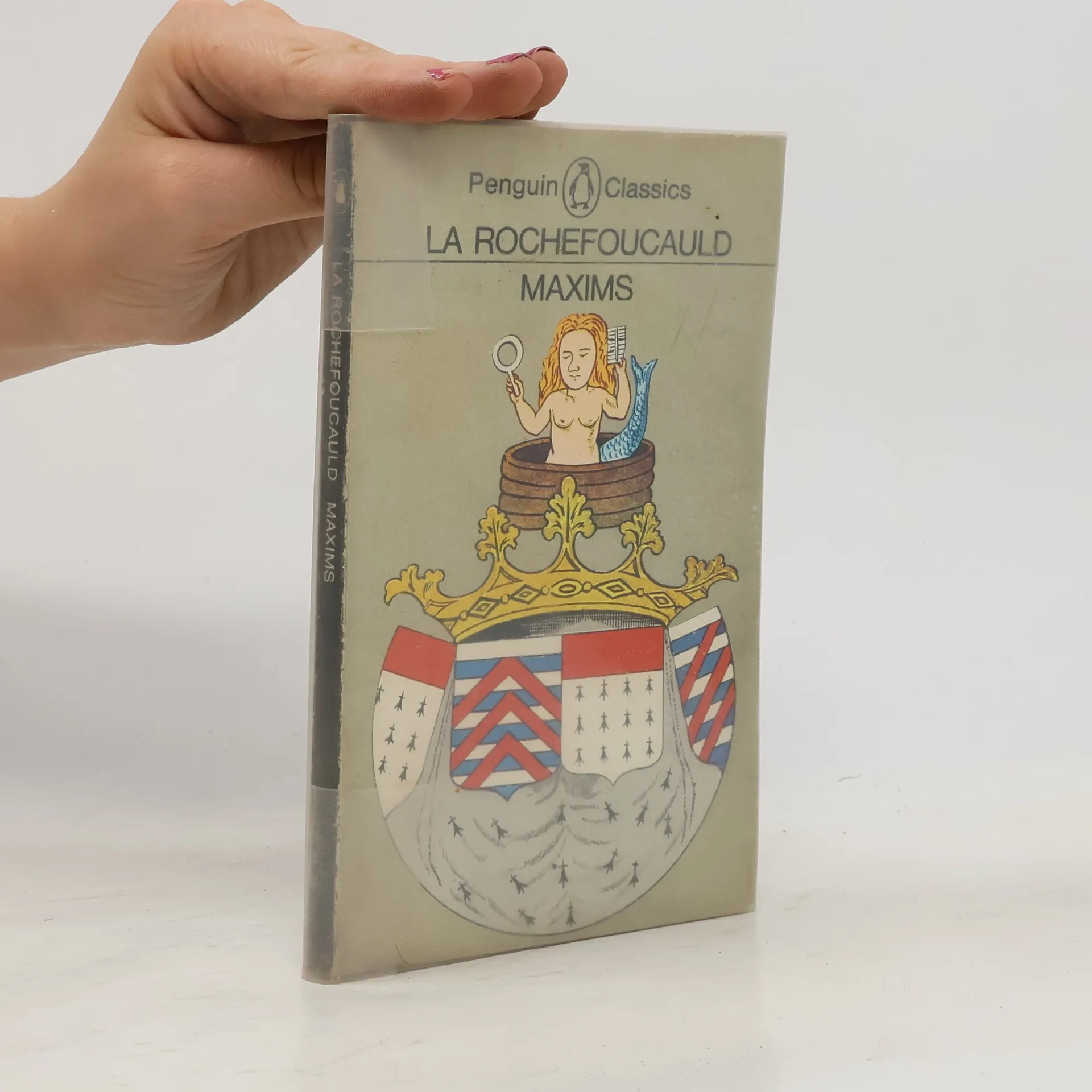
    Maxims
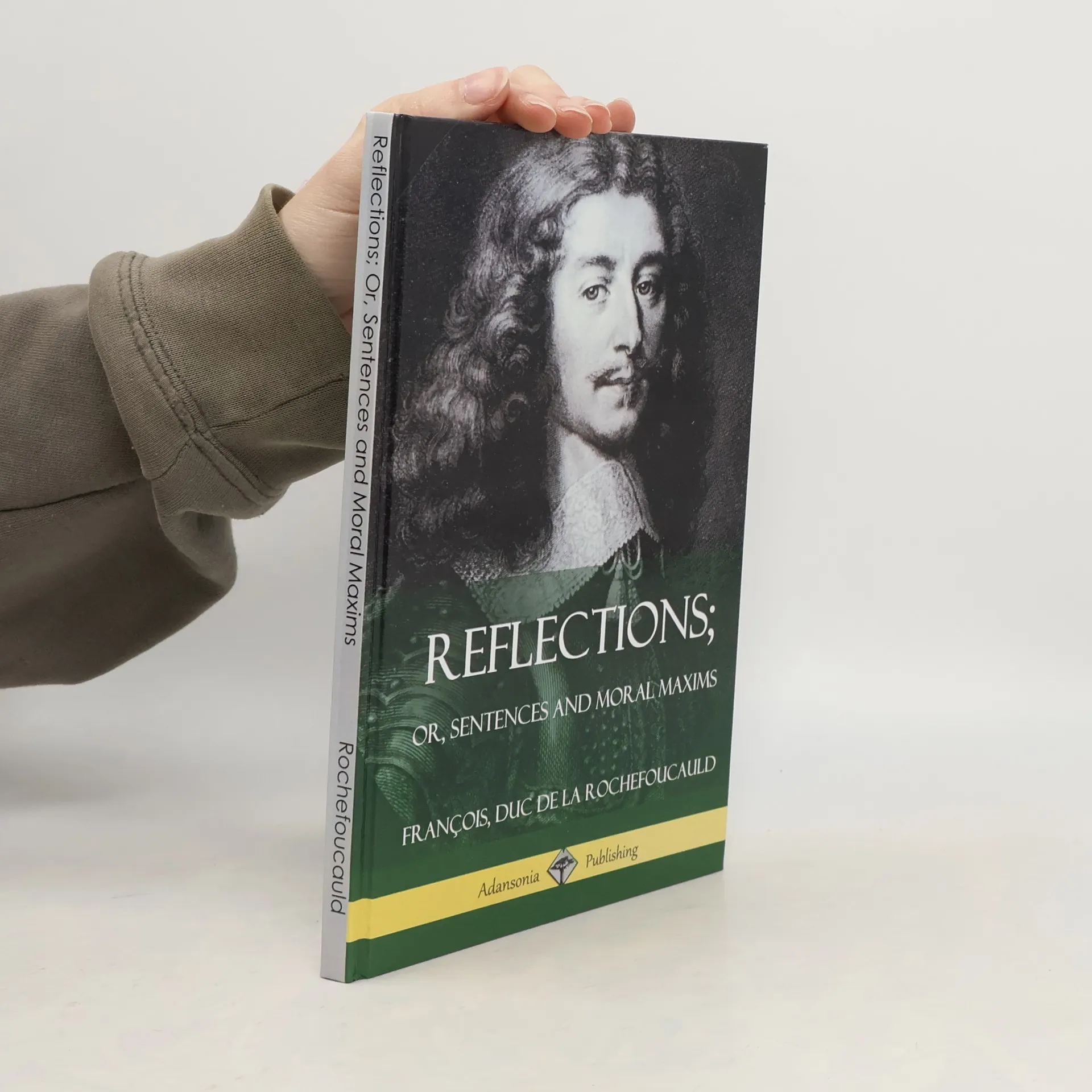
    Collected Maxims and Other Reflections
    • 2022

      The work of La Rochefoucauld is renowned for its insightful exploration of human nature, particularly the theme of self-love as the driving force behind actions. His collection of maxims presents this central idea from diverse perspectives, making it both profound and engaging. Influential figures like Voltaire and Lord Chesterfield have praised its impact on French thought and its ability to reveal the complexities of mankind. The maxims serve as a mirror to human behavior, offering readers a deep understanding of societal motivations and personal interactions.

      The Maxims (Bilingual Edition: French Text, with a Revised English Translation)
    • 2008

      Denken mit La Rochefoucauld

      Maximen über Eigenliebe und Eitelkeit, Liebe und Verrat, Ruhm und Heuchelei, Tugenden und Laster

      La Rochefoucaulds Leben könnte einem Roman von Balzac entnommen sein; seine Wirkung als erster Aphoristiker unserer Kultur war nachhaltig: Lichtenberg wäre ohne ihn nicht zu denken, und Goethe schrieb seine Aphorismen unter dem Titel dieser Sentenzen-Sammlung.

      Denken mit La Rochefoucauld
    • 2005

      Massime

      Edizione integrale

      • 128 pages
      • 5 hours of reading
      Massime
    • 1999

      Maximy

      • 125 pages
      • 5 hours of reading
      4.1(10)Add rating

      Maximy vyšli počas La Rochefoucauldovho života v piatich vydaniach (1665, 1666, 1671,1674, 1678). Toto vydanie je prekladom posledného z nich. Okrem kompletného piateho vydania Maxím obsahuje tento súbor ešte Vyradené maximy a Posmrtné maximy. Vyradené maximy sú maximy, ktoré autor povyraďoval z jednotlivých vydaní a po prvý raz ich vydal Brotier v roku 1789. Posmrtné maximy sú maximy, ktoré autor nikdy nepublikoval a ktoré pochádzajú zo starších stavov textu Maxím (rukopisy, holandské vydanie a listy) a z dodatku Barbinovho vydania z roku 1693. V obidvoch prípadoch sú klasifikácie a číslovania, ako ho vo svojom vydaní ustanovil profesor Jacques Truchet, ktorý v 60-tych až 80-tych rokoch nášho storočia prednášal dejiny francúzskej literatúry na Fakulte filozofie a spoločenských vied v Paríži-Nanterre a na parížskej Sorbonne.

      Maximy
    • 1996

      Il più delle volte, le nostre virtù sono soltanto vizi mascherati. Ci sono persone che non si sarebbero mai innamorate se non avessero sentito parlare dell'amore. La virtù non si spingerebbe tanto avanti, se non le tenesse compagnia la vanità. Per quanto bene dicano di noi, non c'insegnano niente di nuovo. La mente si lascia sempre abbindolare dal cuore. Spesso nei rapporti umani siamo apprezzati di più per i nostri difetti che per le buone qualità. Un uomo di spirito si troverebbe molto disagio senza la compagnia degli sciocchi. Ci sono difetti che, sfruttati bene, brillano più della virtù. C'è merito senza successo, ma non c'è successo senza qualche merito. Spesso si fa del bene per poter impunemente fare del male. È una grande follia voler essere saggio da solo. La suprema abilità sta nel conoscere il valore delle cose.

      Massime
    • 1996
    • 1993

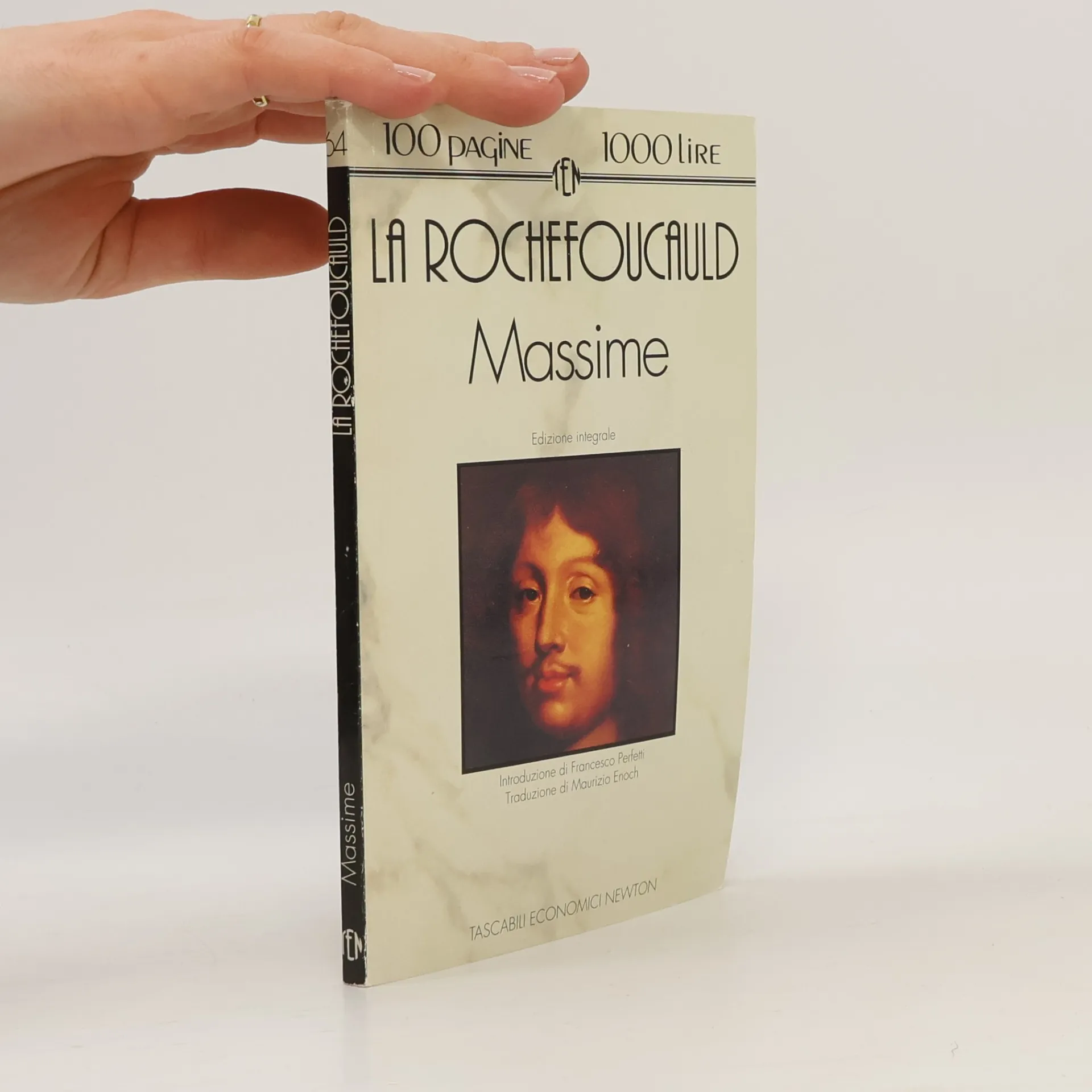
      Tascabili Economici Newton - 64: Massime

      Edizione integrale

      • 96 pages
      • 4 hours of reading

      The philosophy of La Rochefoucauld, which influenced French intellectuals as diverse as Voltaire and the Jansenists, is captured here in more than 600 penetrating and pithy aphorisms.

      Tascabili Economici Newton - 64: Massime