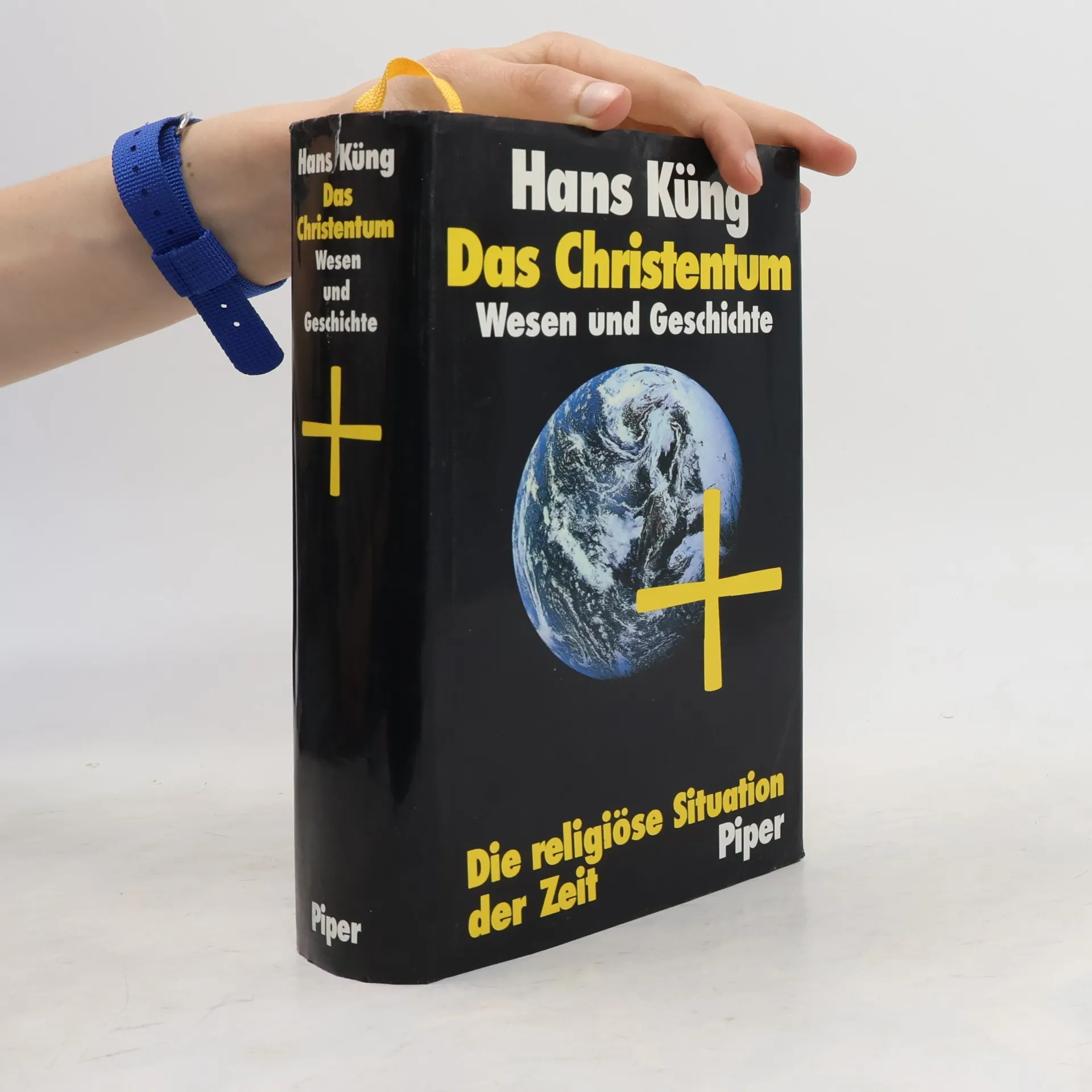
Hans Kung describes the history of the Roman Catholic Church from its origins in St Paul's Rome, through the disputes of the medieval era to the modern world. He examines the historic tension in the Church between pluralism and exclusivity; how the role of the Pope has changed; the motivations of the great reforming pontiffs; the evolving functions of the bishops and cardinals; the story of church's enthusiasm for missionary activity; the origins of the Marian cult; and how the shock waves of the Reformation and Counter-Reformation can still be felt today. The book concludes with a searching assessment of how the Catholic faith confronts the immense challenges - from science, from the empowerment of women, from those seeking reform of the Church's strictures against abortion and contraception - in the new millennium. Though short, this is a major book by a controversial and profoundly influential thinker.
Hans Küng Books
Hans Küng was a Swiss Catholic priest and a significant, though controversial, theologian. His extensive writings explored profound questions of faith and ethics, often challenging established doctrines. Küng dedicated much of his later work to promoting a global ethic, believing in the necessity of interfaith dialogue and shared moral principles for a peaceful world. His intellectual courage and commitment to open inquiry marked him as a distinctive voice in contemporary religious thought.

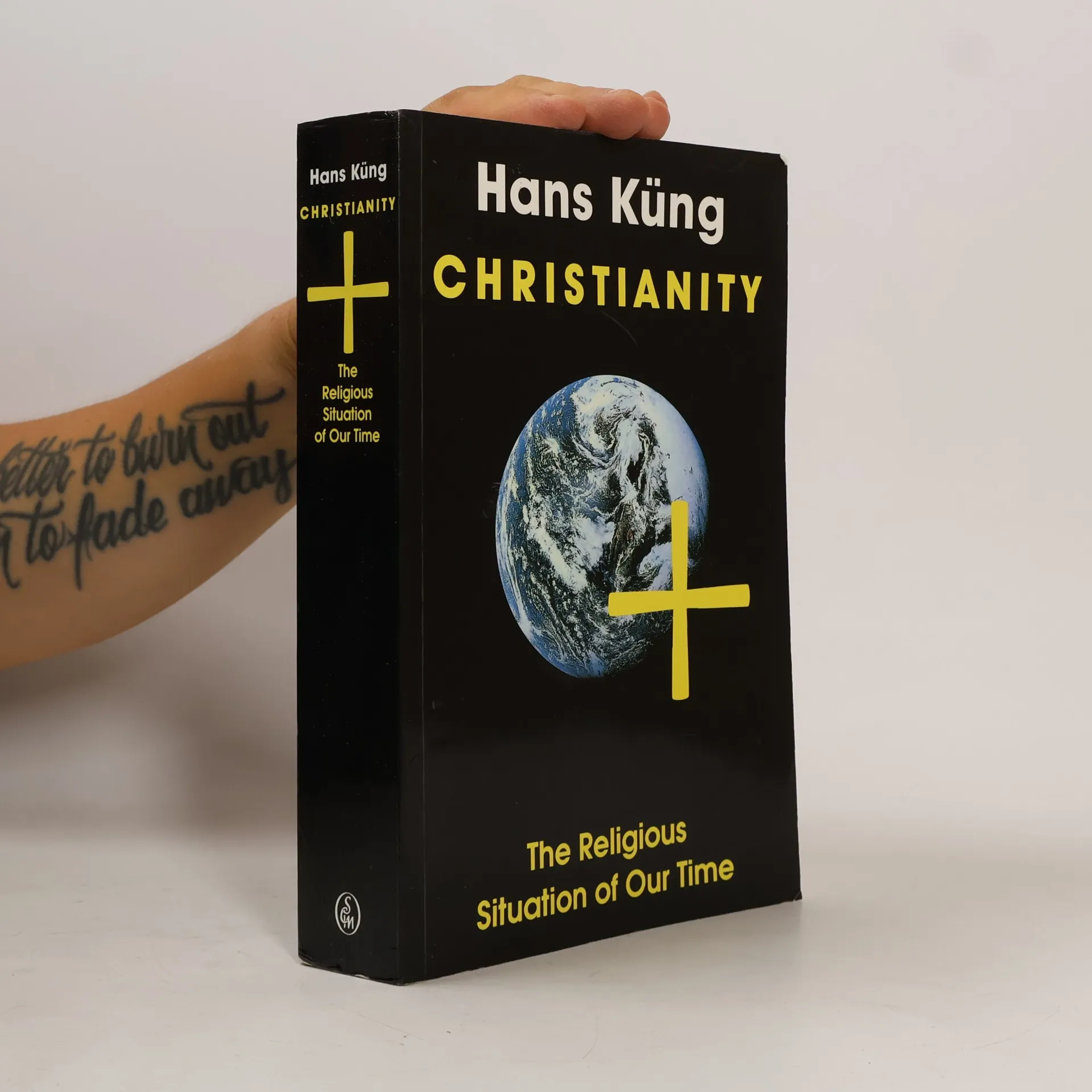
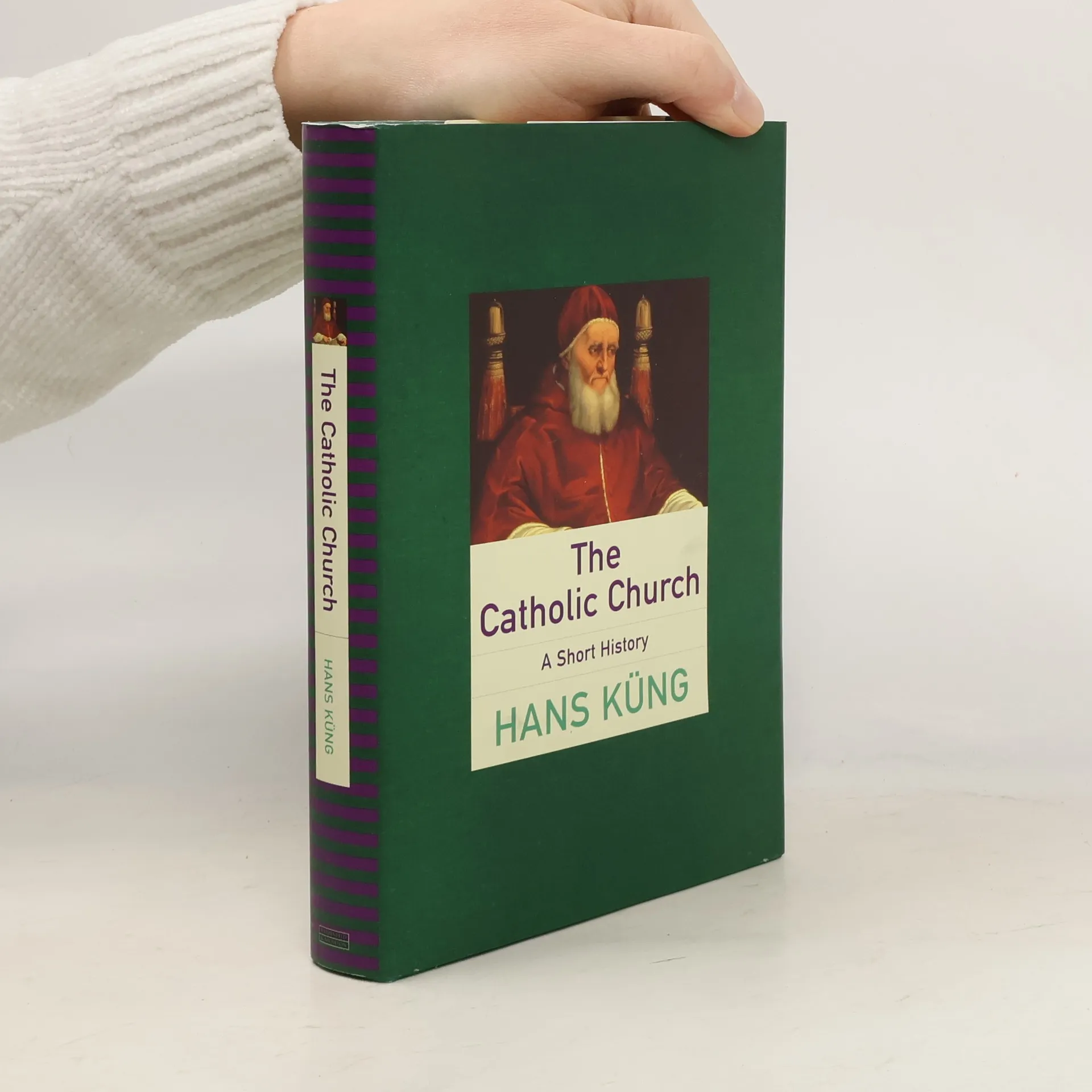
A brilliant and encyclopaedic account of the history of Christianity as a series of changing yet overlapping paradigms.
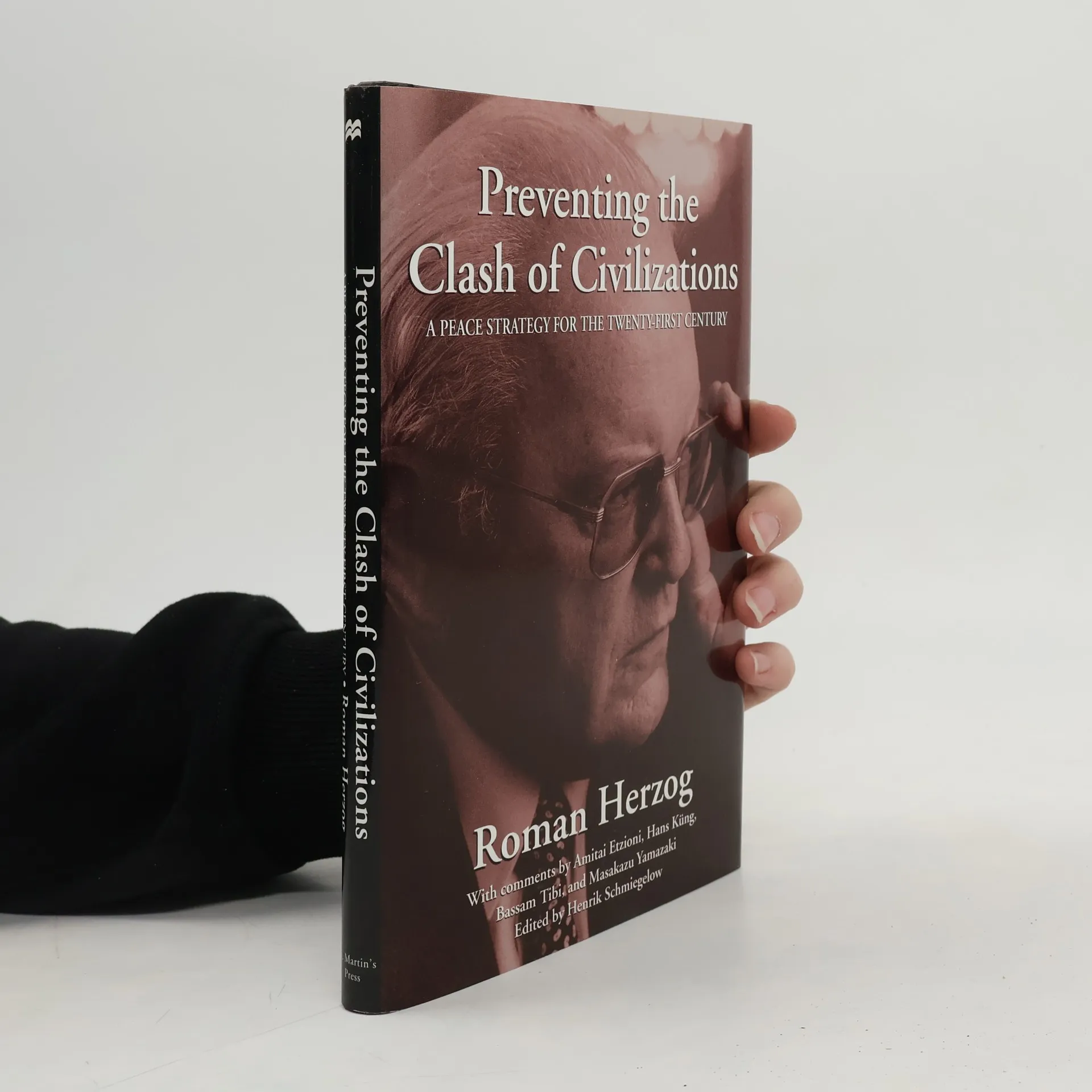
Preventing the Clash of Civilizations
- 136 pages
- 5 hours of reading
The President of the Federal Republic of Germany, Roman Herzog, and four internationally renowned scholars from different cultural backgrounds and academic disciplines argue about ways to prevent the scenario of a clash of civilizations from becoming reality. Recognizing that scenario as an intellectual projection with considerable influence on policy-makers across the world, they agree on the necessity to mobilize ideas of cooperation as countervailing forces against mindsets of conflict and violence; to respect the diversity of cultures, but avoid moral relativism; to recognize the danger of fundamentalist instrumentalization of religion for purposes of political power; to cope with economic and social disequilibria that may lead to eruptions of conflict and violence; and to focus on commonalities between cultures as a strategy of peace in a globalized world.
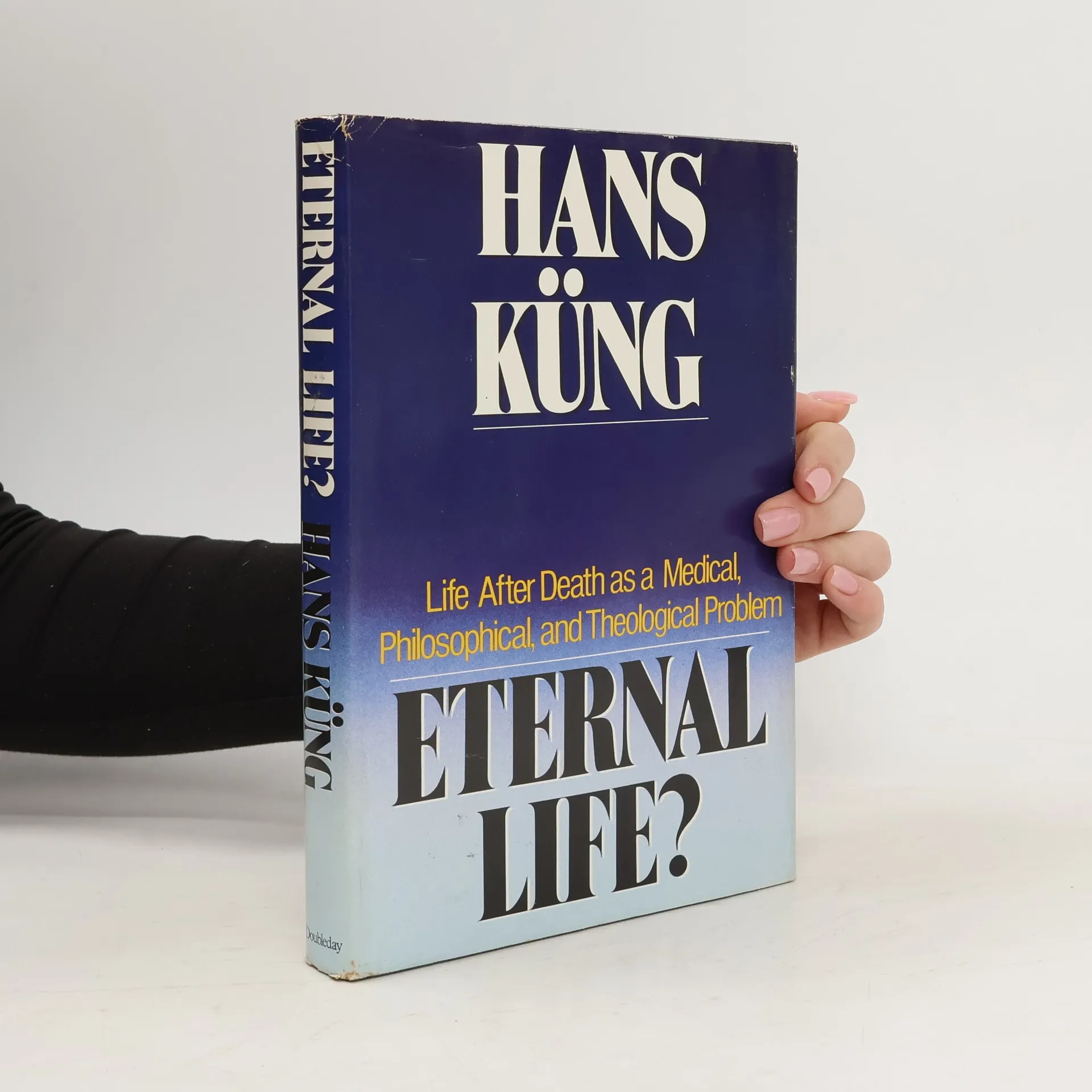
Eternal life?
Life After Death as a Medical, Philosophical, and Theological Problem
- 271 pages
- 10 hours of reading
We are currently experiencing a significant sociological crisis of orientation. New problems and needs have emerged, revealing fresh fears and longings. Many individuals are seeking a new foundation, a fundamental certainty, and a guiding compass for their lives and those of others. Despite the inconsistencies and ambivalence surrounding these issues, religion is gaining increased attention, encompassing both traditional faiths and new spiritual movements, including Christianity, Islam, Hinduism, and Buddhism. In both the East and West, the once-reliable notion of Progress has lost credibility; faith in a better future through science, technology, revolution, and socialism is now met with skepticism. While the elderly struggle to find meaning in death despite psychological advancements, younger generations—often labeled as apathetic and self-destructive—are reexamining the search for life's purpose. Interestingly, although science has largely undermined belief in immortality and has focused on prolonging life, it is now medicine that is challenging taboos surrounding death. Through its research into dying, medicine has revived inquiries about death and survival. However, the question remains: has medicine or parapsychology provided evidence of life after death?
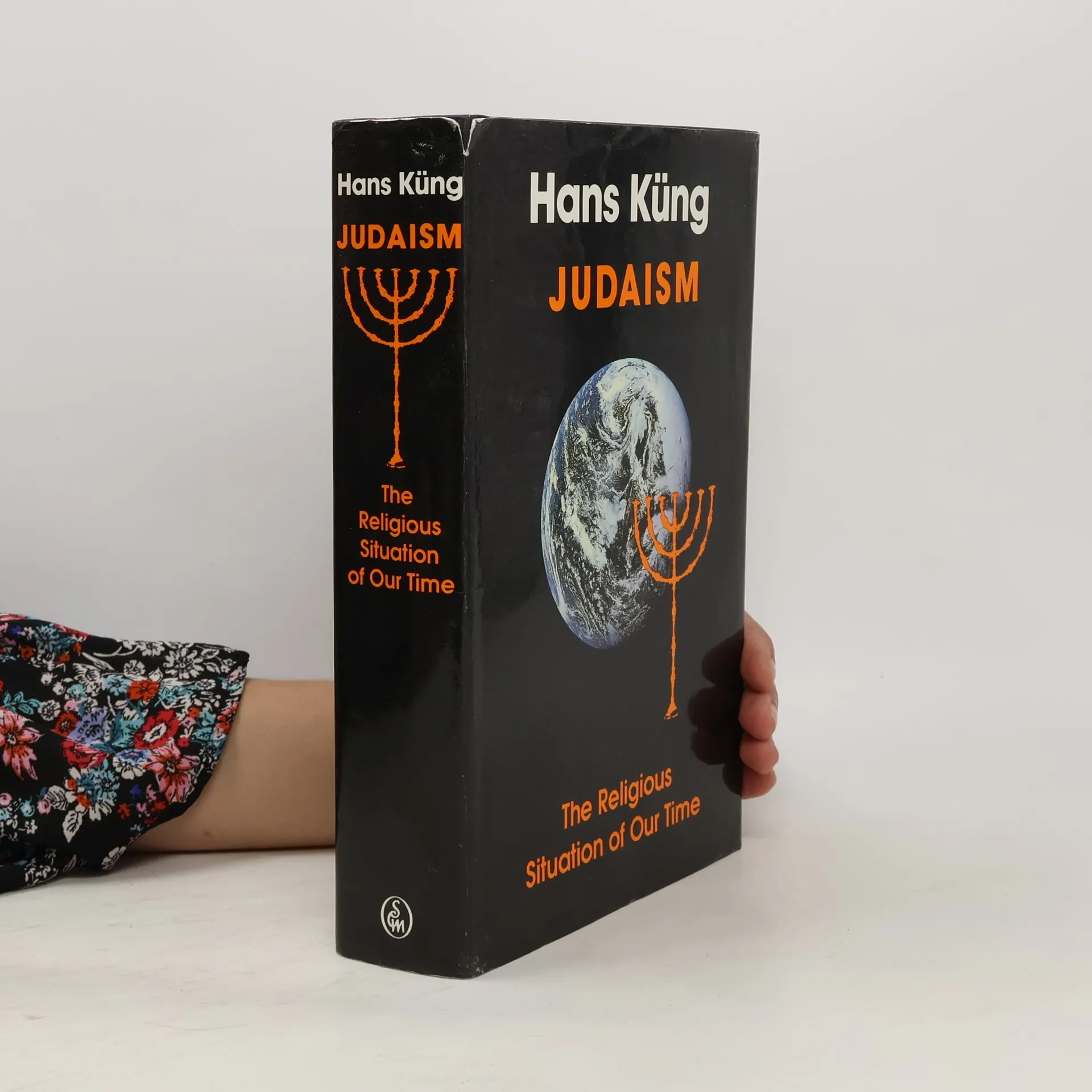
The extensive work of Swiss theologian Hans Küng focuses on Jewish religion within the context of three millennia, from Abraham to 1991. This book is the first in a trilogy that also includes Christianity and Islam. The author divides the text into three sections: The Past Still Present, Problems of the Present, and Perspectives for the Future, analyzing Judaism from theological, historical, and political viewpoints. Küng critically compares Judaism with Christianity and Islam, emphasizing the historical development of church Christianity, particularly Catholicism, while approaching Islam with political correctness. The work categorizes the evolution of Jewish religion into six paradigms, from tribal to postmodern. The author addresses the history of the Jewish people, the Holocaust, and the attitudes of Christian churches toward the Nazi persecution of Jews, as well as the relationship between Jews and Christians, the future of the State of Israel, and the Middle Eastern conflict. He also examines the development of Orthodox, Reform, and Conservative Judaism, questioning how to understand God after Auschwitz. The book is richly fact-based and represents a significant contribution to interreligious dialogue and the ideas of a global ethical world.
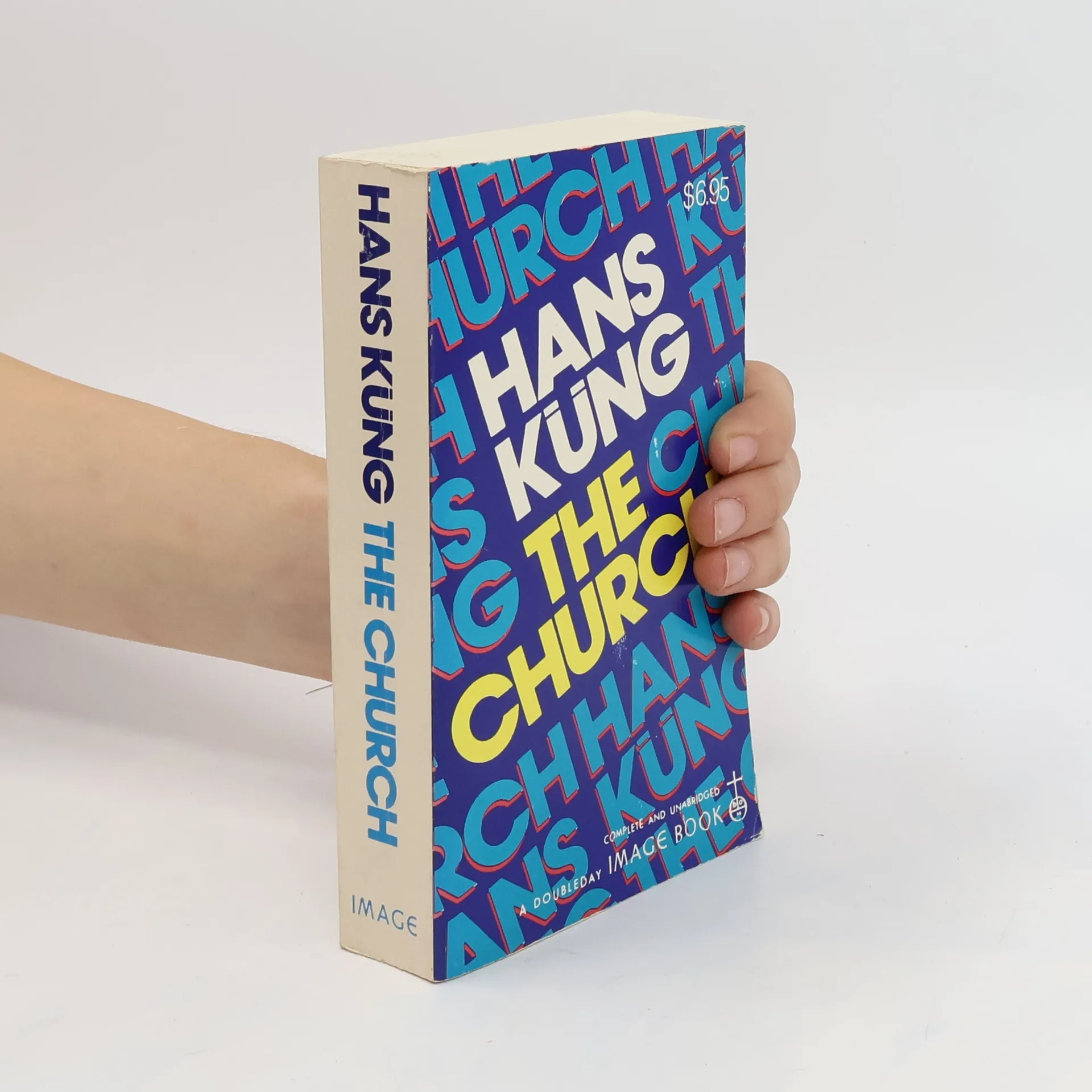
The Church
- 655 pages
- 23 hours of reading
Provides a picture of the Church's theological image as expressed in the historical forms it has taken thru the centuries from the present day back to its origins. The book uncovers, for both Protestant & Roman Catholic, some lessons about the community to which he or she belongs.
Christian faith presented with brilliant clarity and deep understanding, for the widest possible audience.
Christianity and the World Religions
Paths to Dialogue with Islam, Hinduism and Buddhism
- 460 pages
- 17 hours of reading
Kung joins with three esteemed colleagues to address the question: "Can we break through the barriers of noncommunication, fear, and mistrust that separate the followers of the world's great religions?" The authors analyze the main lines of approach taken by Islam, Hinduism, and Buddhism, and give Christian responses to the values and challenges each tradition presents.
Global Responsibility
- 180 pages
- 7 hours of reading
Hans Kung emphasizes the pressing need for dialogue and understanding in a world fraught with division and conflict. He explores themes of faith, ethics, and the importance of global cooperation, urging readers to reflect on their roles in fostering peace and unity. Through a blend of personal insights and philosophical reflections, Kung challenges conventional beliefs and advocates for a more compassionate approach to humanity's shared challenges. This work serves as a call to action for individuals and communities alike.
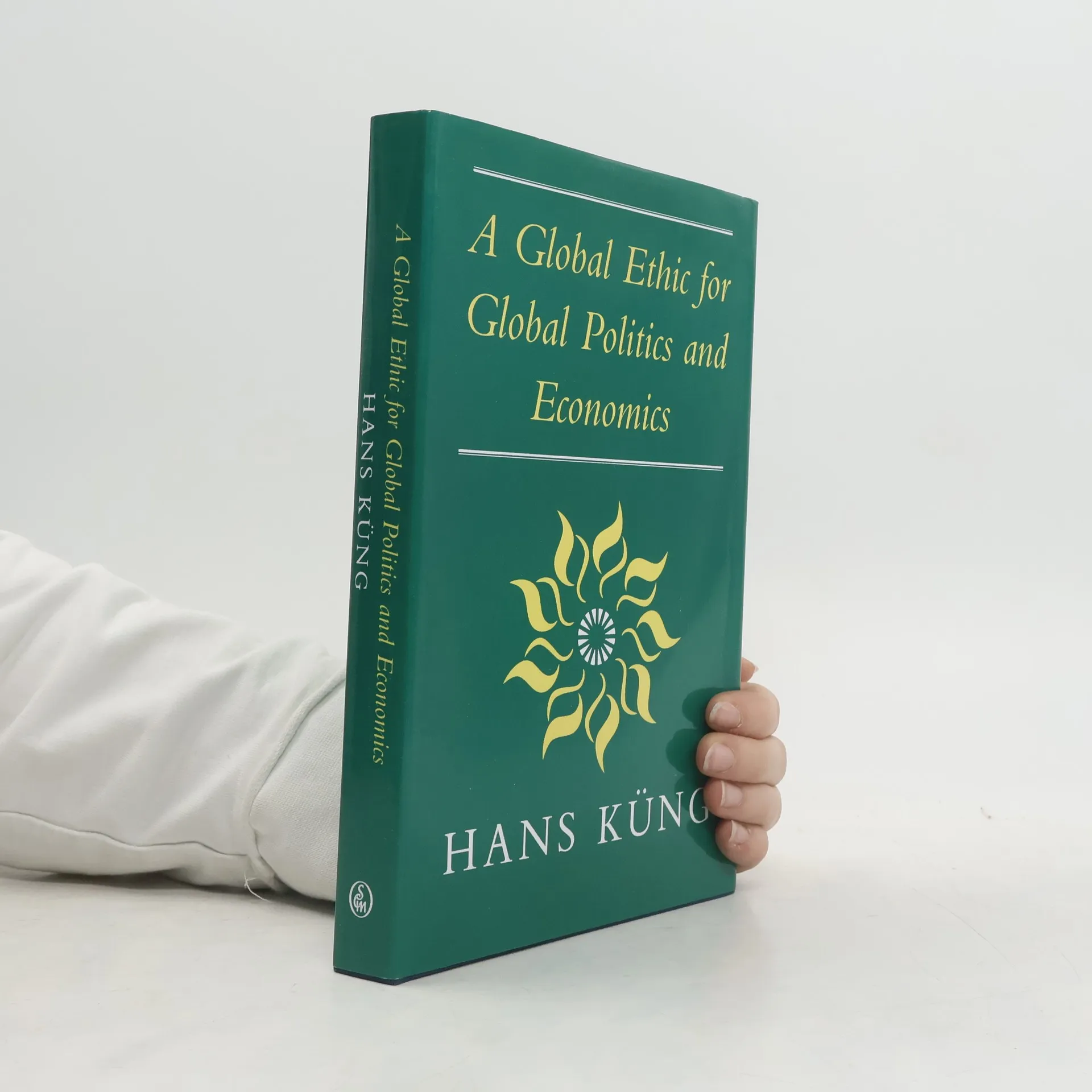
Global Ethic for Global Politics and Economics
- 334 pages
- 12 hours of reading
Hans Kueng's Global Responsibility, published in 1991, marked a significant stage in his work, leading to influential writings on Judaism and Christianity, as well as the Declaration toward a Global Ethic approved by the Parliament of the World Religions in 1993. This book represents a practical advancement in his exploration of ethical issues in politics and economics, surprising those who view him solely as a theologian. Kueng collaborates with experts in these fields, demonstrating a remarkable understanding of contemporary issues and maintaining the professional touch characteristic of his writing. He questions whether politics can disregard ethical norms in international and domestic contexts and whether power justifies any means. The first part examines historical perspectives on Realpolitik and idealistic alternatives, addressing the conflicts in former Yugoslavia and the Gulf War. The second part tackles pressing issues such as the fate of the welfare state, the autonomy of the market, the role of transnational companies, and the ethical dilemmas in a business world plagued by financial scandals. Alongside these challenges, Kueng offers concrete suggestions for fostering a more humane social order, appealing to those seeking a better world, regardless of their religious beliefs. He served as President of the Global Ethic Foundation in Tuebingen, Germany.
Explore how the principles of a global ethic can be found in Judaism and how they can provide the ethical norms for all religions to work together toward a more peaceful humankind. In 1993, the Parliament of the World's Religions endorsed the "Declaration toward a Global Ethic" composed by Hans Küng. In it, representatives from all the world's religions agreed on principles for a global ethic and committed themselves to directives of nonviolence, respect for life, solidarity, a just economic order, tolerance, and equal rights and partnership between men and women. But the declaration was just the first step. In this impressive volume, Hans Küng, probably the most famous living Roman Catholic theologian, and Rabbi Walter Homolka, head of Germany’s Abraham Geiger rabbinical seminary and distinguished professor, draw on the Jewish tradition to show the riches that Judaism can offer people of all faiths and nonbelievers in achieving these directives. Presenting key sacred texts and theological writings, the authors make the case for binding values and basic moral attitudes that can be found in Judaism’s universal message of a better world. Exploring Judaism’s focus on ethical conduct over declarations of faith, the authors show that making ethical decisions is indispensable in an ever-changing world.
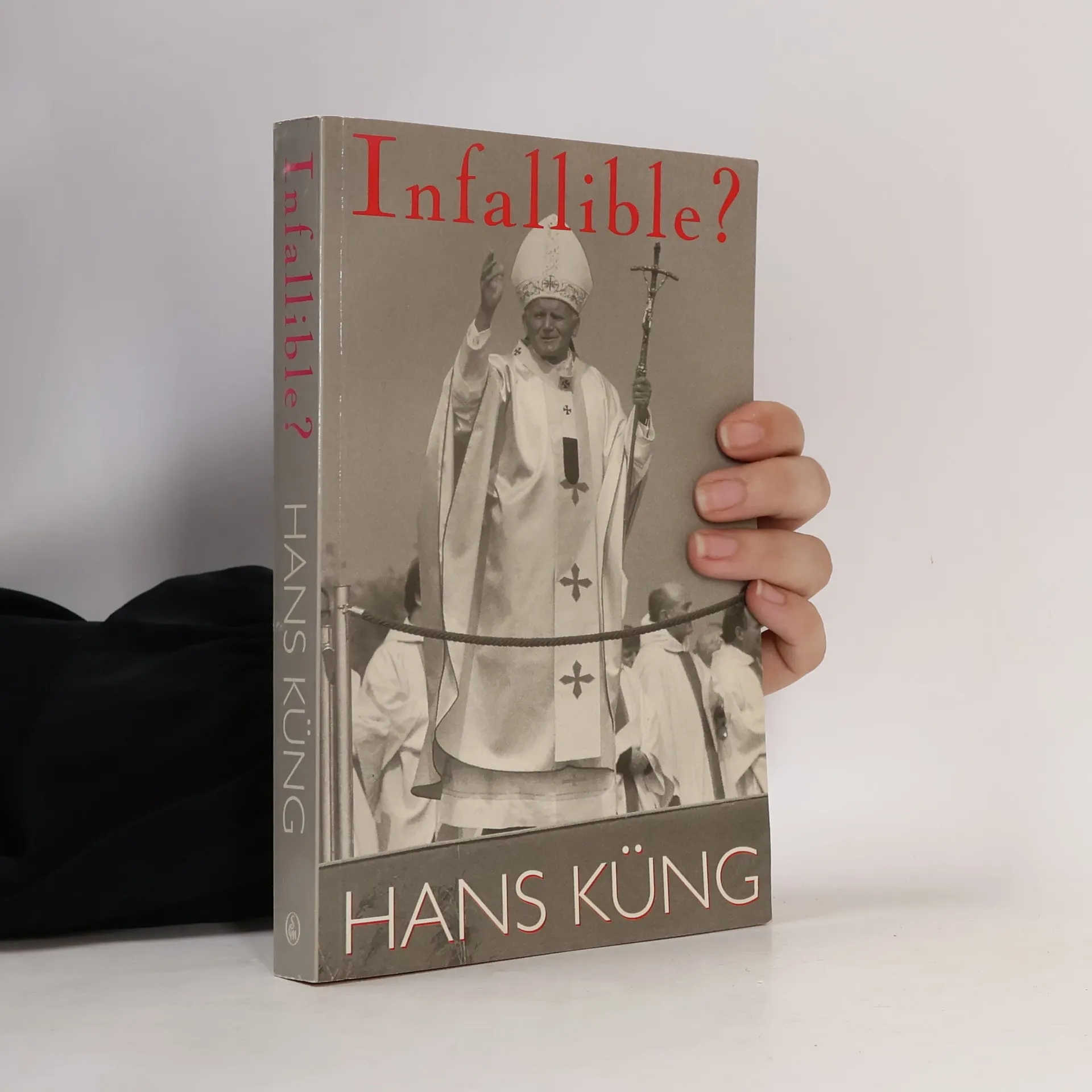
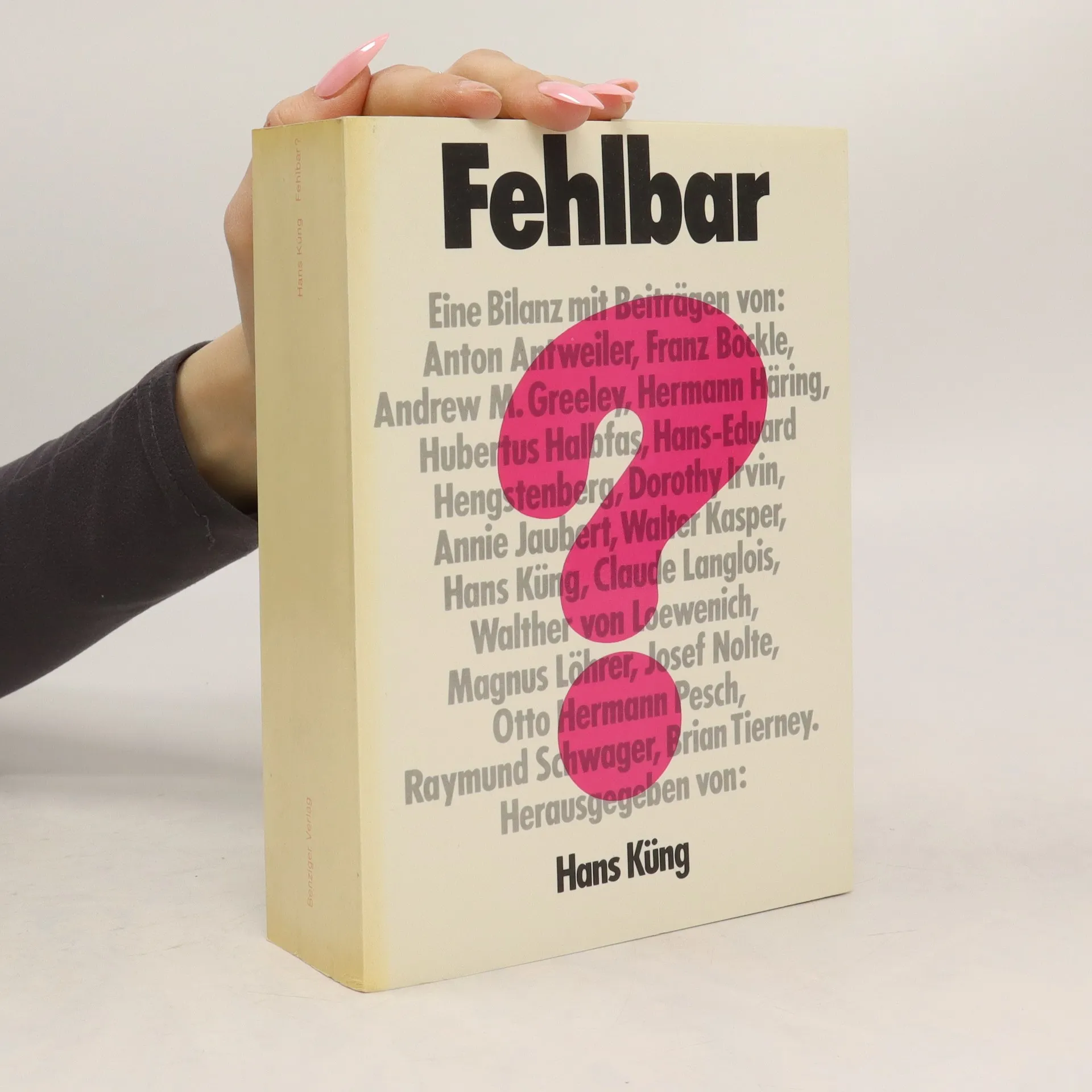
Infallible? An Unresolved Enquiry
- 288 pages
- 11 hours of reading
When it first appeared, in Germany in 1970 and in Britain in 1971, this books sparked the greatest theological debate since the Second Vatican Council and finally caused the author to lose his licence from the church to teach. However, the question is still far from being settled: on the contrary, events of recent times from Pope John Paul II's nomination of bishops and statements on birth control to the publication of a world catechism and "Veritatis Splendor" show that it has become an even ore urgent one. Long unavailable, Infallible? now reappears with a new preface by Gerbert Gaaf and a survey of the discussion.
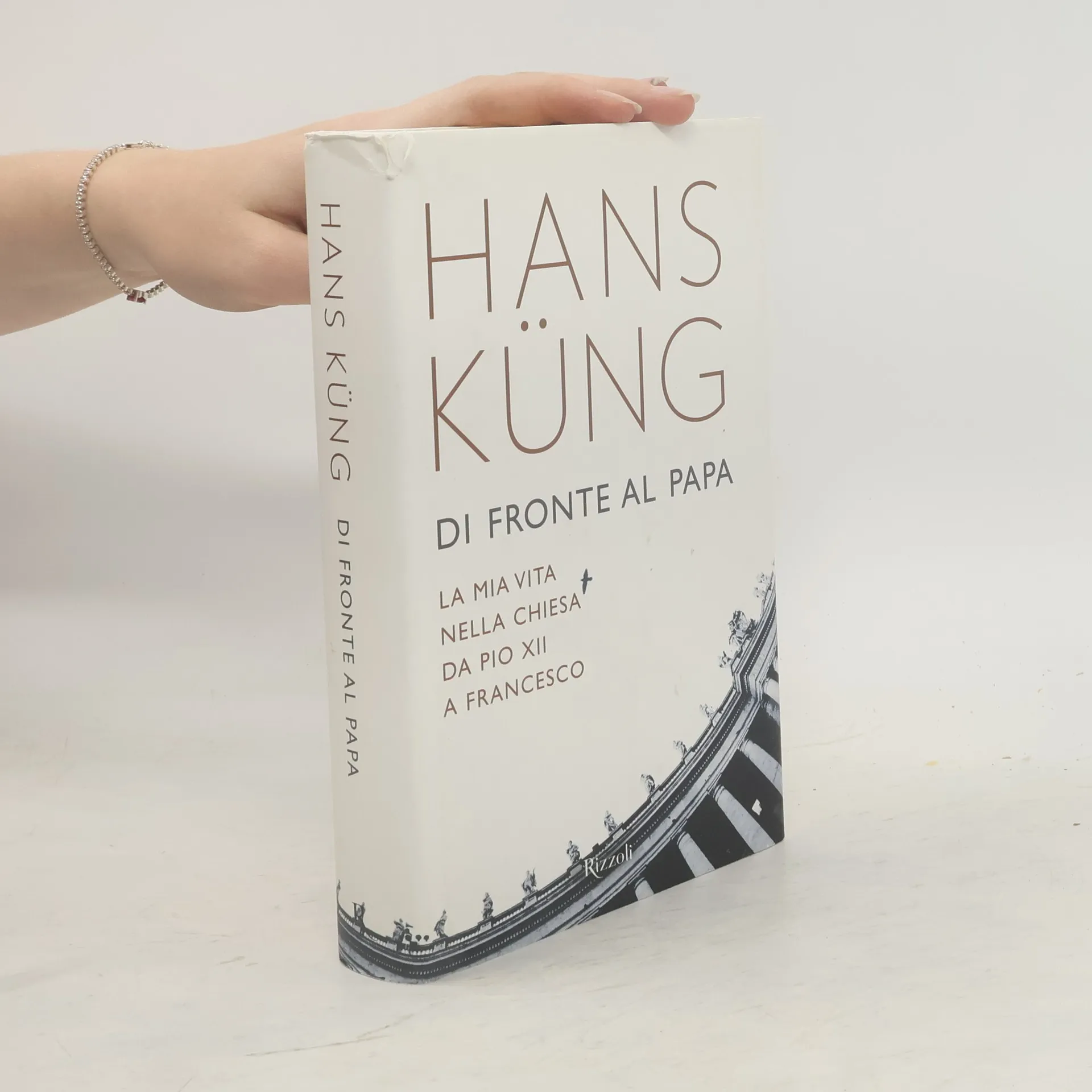
Hans Küng, il “grande vecchio” della teologia dissidente, racconta la sua esperienza con sette papi, da Pio XII a Francesco. Pio XII è il papa della sua giovinezza, e lo osserva da vicino come studente a Roma. Giovanni XXIII e Paolo VI sono i papi del Concilio, a cui partecipa come perito; Paolo VI lo invita a servire la Chiesa. Con Luciani ha un breve scambio epistolare, mentre Giovanni Paolo II diventa il papa-nemico, privandolo della missio canonica. Ratzinger, suo collega al Concilio e a Tubinga, si schiera con Wojtyła. La relazione con Francesco è invece di “simpatia a prima vista”, con il papa che lo chiama hermano. Küng condivide ricordi e aneddoti, offrendo ritratti di questi pontefici, non biografie o agiografie. La sua valutazione è influenzata dal Concilio Vaticano II, che cercava di reinterpretare il Vangelo per i tempi moderni. Küng misura il suo giudizio su questi papi in base alla loro vicinanza al messaggio di Gesù Cristo. La sua relazione con i papi è diretta e senza intermediari, permettendo un confronto costruttivo. Küng difende una visione di Chiesa aperta al mondo e ai suoi problemi, fedele al messaggio cristiano originario: una Chiesa “serva e povera”, e misericordiosa. Con papa Francesco, questa visione trova nuova speranza.
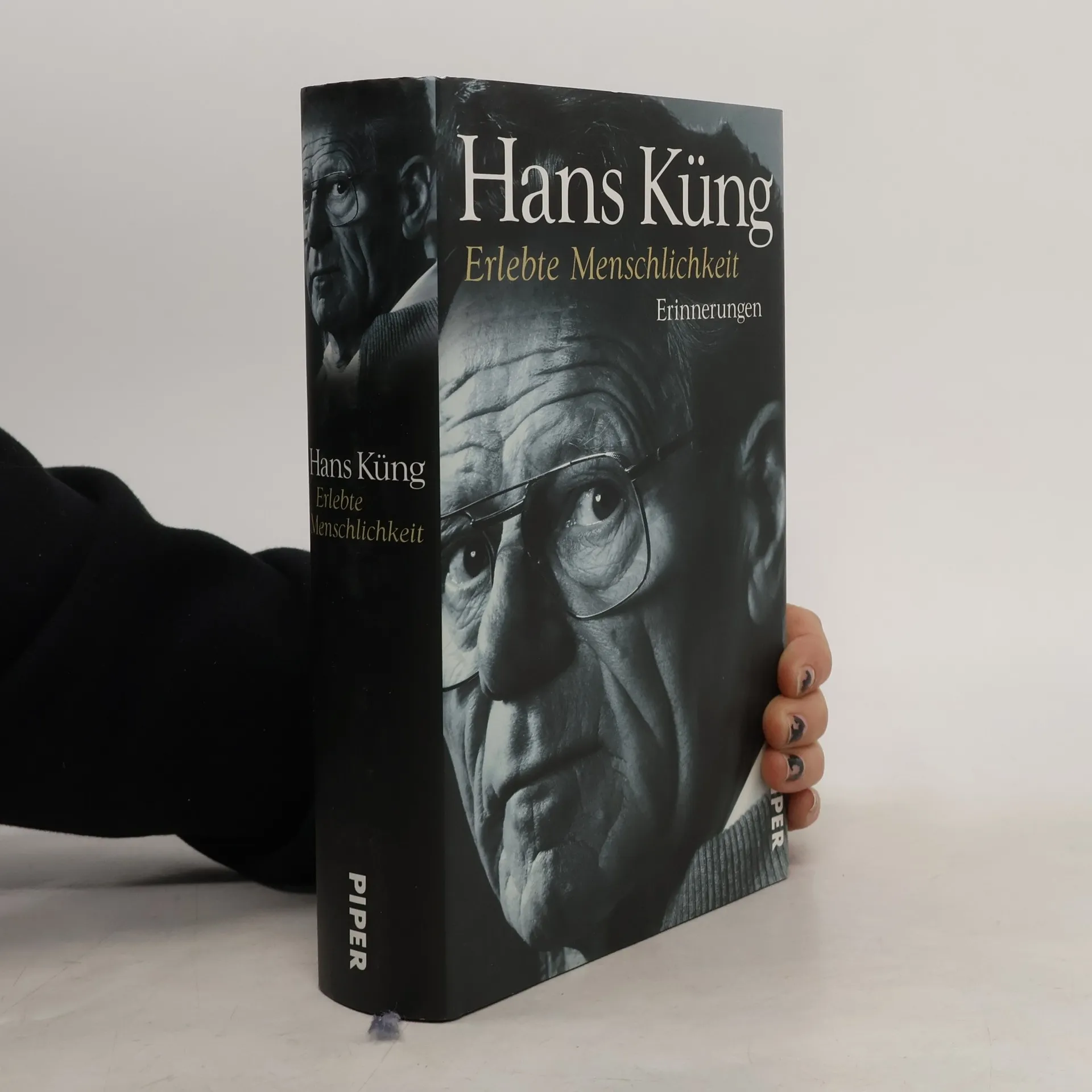
Erlebte Menschlichkeit
- 748 pages
- 27 hours of reading
Mit großer Offenheit erzählt Hans Küng das Leben »meiner letzten drei Jahrzehnte«. Er beschreibt, wie der Versuch der römischen Kirche scheitert, ihren gefährlichsten (weil aus dem Inneren der Kirche stammenden) Kritiker zu isolieren. Die Macht des Papstes reicht auch im ausgehenden 20. Jahrhundert noch weit und könnte das Leben eines Priesters und Professors zerstören. Küng aber wehrt sich – und bleibt Sieger. Er erschließt sich neue Felder, von der Ökumene der Weltreligionen bis hin zum epochalen »Weltethos«, und wird weltweit als einer der großen wegweisenden Denker gesehen. Bunt, spannungsreich, aufregend sei sein Leben gewesen, resümiert Küng, und lässt den Leser teilhaben an Kämpfen und Krisen, an Begegnungen mit den Großen der Erde und seinen eigenen Erkenntnissen über sein Leben. Denn damit schließt das Buch, mit persönlichen Antworten auf die großen Fragen eines jeden Menschen am Ende des Lebens: War es das wert? Wie will ich sterben? Was kommt dann?
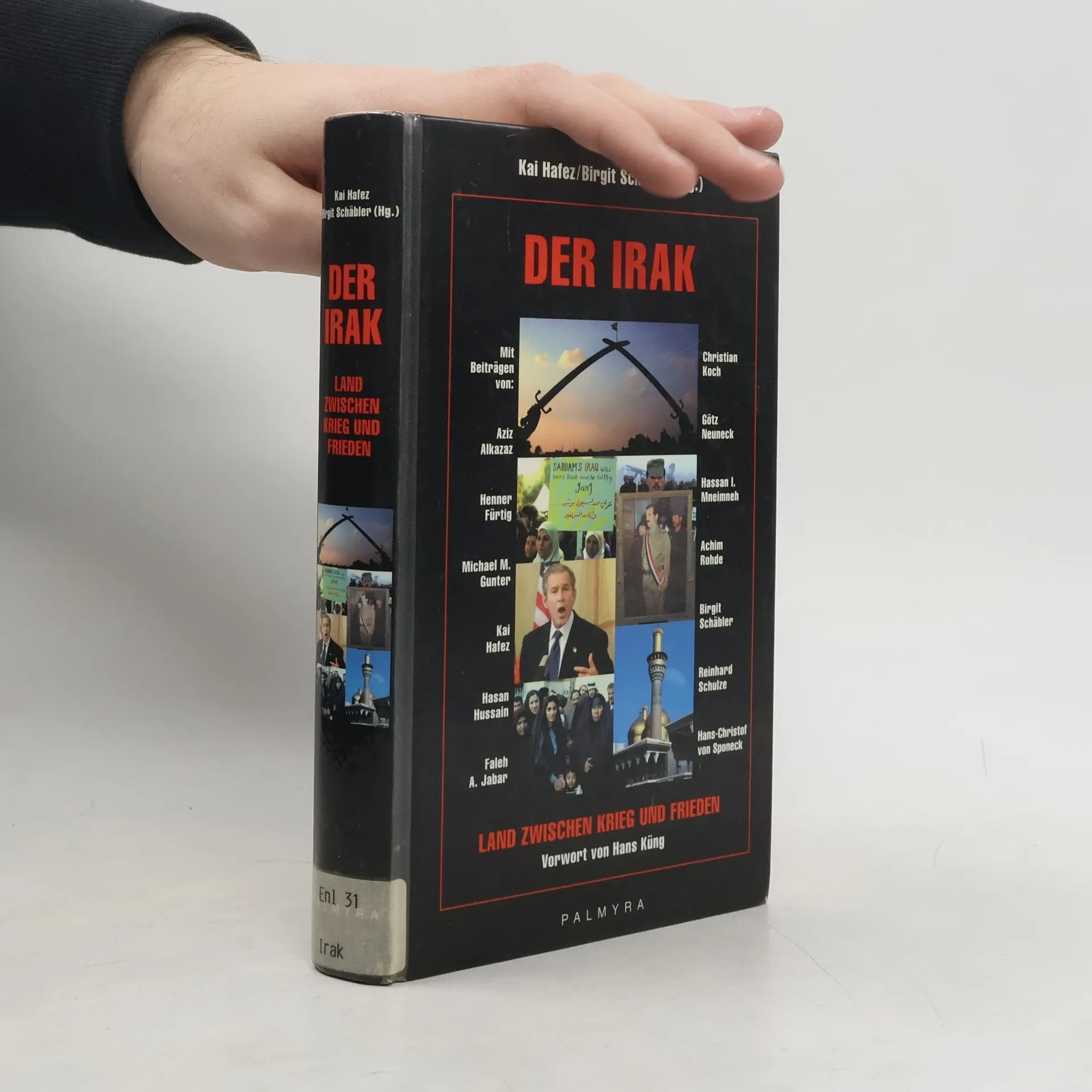
Der Irak - Ein Land zwischen Krieg und Frieden
- 300 pages
- 11 hours of reading
Das Buch bietet eine umfassende Analyse der komplexen Lage im Irak und beleuchtet die vielfältigen innen- und außenpolitischen Aspekte des Konflikts. Es behandelt kritisch Themen wie den Irakkrieg 2003, die Hegemonialinteressen der USA, Perspektiven einer Nachkriegsordnung, die irakische Opposition, das Waffenarsenal, die Bedeutung der Erdölvorkommen sowie den Einfluss des Islamismus. Zudem wird die Geschichte des Irak im 20. Jahrhundert, das Herrschaftssystem unter Saddam Hussein, die irakische Gesellschaft und ihre Stammesstruktur sowie die ungelöste Kurdenfrage thematisiert. Auch die Nahost- und Irakpolitik der USA und Europas sowie die Auswirkungen der 1990 verhängten Sanktionen werden beleuchtet. Das Buch gilt aufgrund seiner Informationsfülle als Standardwerk und leistet einen wertvollen Beitrag zum Verständnis der aktuellen politischen Probleme im Irak. Die Autoren, Kai Hafez und Birgit Schäbler, sind erfahrene Wissenschaftler auf ihrem Gebiet und bringen ihre fundierten Kenntnisse ein, um die komplexen Zusammenhänge und Herausforderungen der Region zu erläutern.
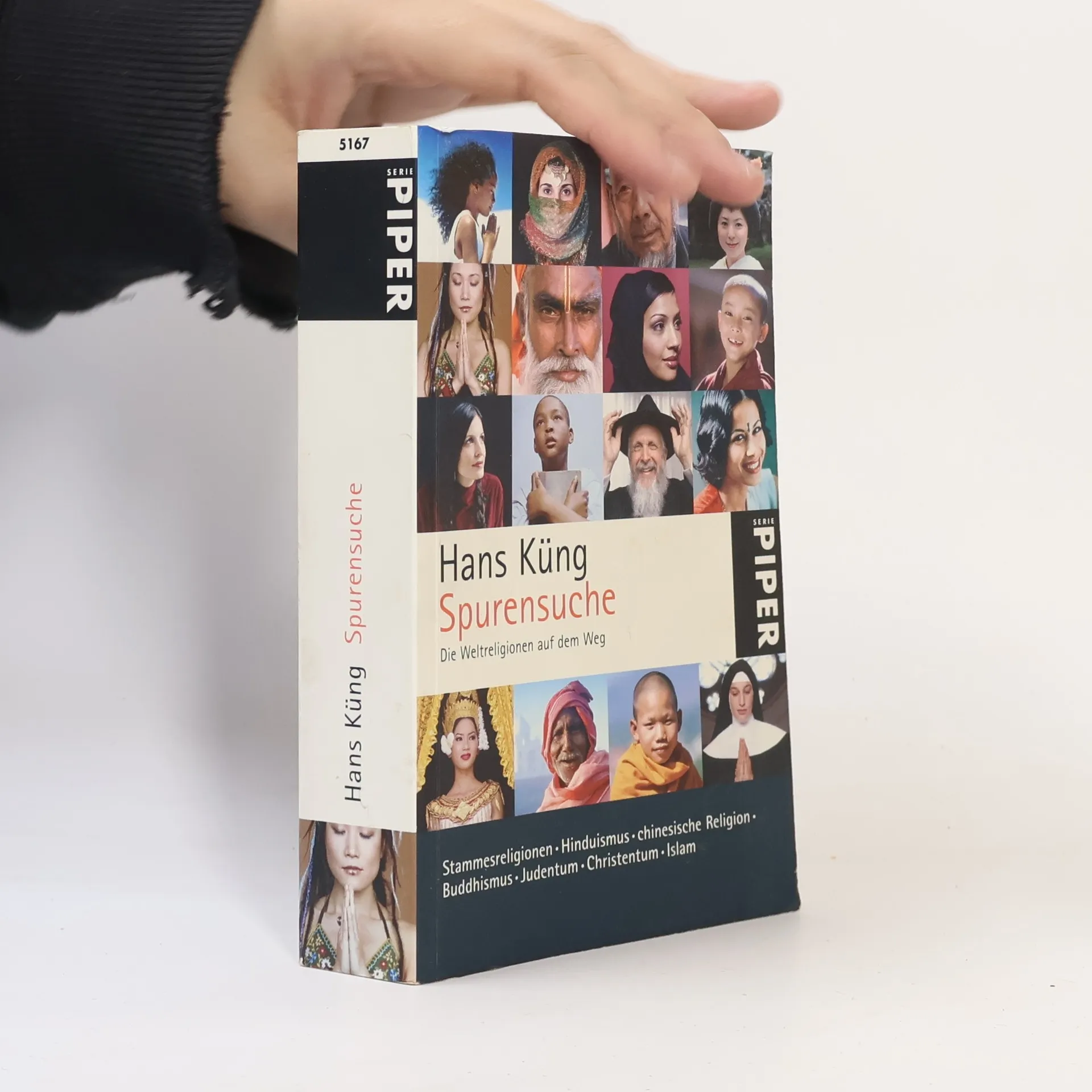
Spurensuche
Die Weltreligionen auf dem Weg 1 und 2 | Stammesreligionen, Hinduismus, chinesische Religion, Buddhismus, Judentum, Christentum, Islam. Mit zahlreichen Farb- und Schwarzweißabbildungen
Hans Küng, einer der berühmtesten Theologen der Gegenwart, erzählt und erklärt das Spektrum der großen Weltreligionen – von den Stammesreligionen, dem Hinduismus, der chinesischen Religion und dem Buddhismus bis hin zu Judentum, Christentum und Islam. Seine »Spurensuche« deckt Verbindendes und Trennendes auf und begibt sich auf die Suche nach einem gemeinsamen Weltethos.
Diese Ausgabe vereint die heiligen Schriften der großen Weltreligionen (Judentum, Christentum, Islam, Hinduismus, Buddhismus) in einer Schmuckkassette und bietet einen wertvollen Schatz an religiösem Wissen und spirituellem Erbe der Menschheit.
Die Schweiz ohne Orientierung?
- 117 pages
- 5 hours of reading
Der bedeutende deutsche katholische Theologe versucht, den Platz der Kirche in der gegenwärtigen und zukünftigen Welt zu definieren. Für diese Studie hat der Autor Teile aus seinem umfangreichen Werk "Kirche" verwendet und jene Passagen ausgewählt, die für das ökumenische Treffen aller Christen von Bedeutung sind. Er beschäftigt sich mit der Frage nach dem Entstehen und Ursprung der Kirche, ihrer Wesensart und ihren Hauptmerkmalen. Dabei berücksichtigt er sowohl die ursprünglichen katholischen als auch reformatorischen Standpunkte und strebt eine Formulierung von Fragen an, die für alle Zweige der ursprünglichen Kirche akzeptabel sind und gleichzeitig Anregungen für deren eigenes Suchen bieten.
De kern van Küng in één boek De oogst van 50 jaar denken Wat kan ik weten? Waar vind ik houvast? Waar komt het in het leven op aan? In Wat blijft geeft Hans Küng (1928) antwoord op deze oermenselijke vragen. Het is een samenvatting van de centrale thema s uit zijn werk. Küng schreef standaardwerken over de wereldgodsdiensten en boog zich over de grote ethische vragen van mens en maatschappij. In dit nieuwe boek vraagt hij zich o.a. af welke waarden religies aanreiken voor politiek, samenleving en opvoeding. Alles mondt uit in de vraag: wat blijft?
Grosse christliche Denker
- 287 pages
- 11 hours of reading
Die Entwicklung der abendländischen Theologie, aufgezeigt am Werk von Paulus, Origenes, Augustin, Thomas von Aquin, Martin Luther, Friedrich Schleiermacher und Karl Barth.
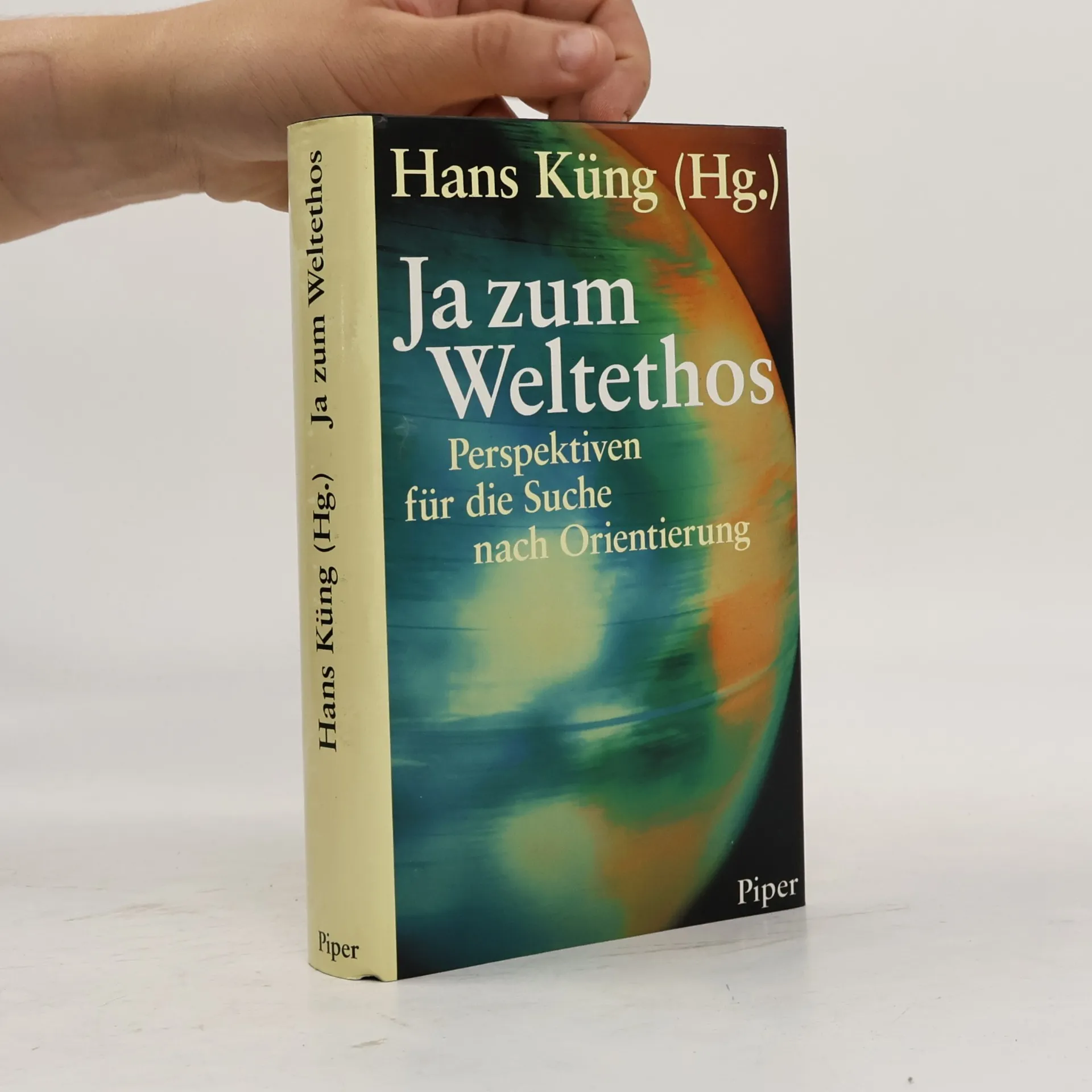
Ja zum Weltethos
- 319 pages
- 12 hours of reading
International bekannte Persönlichkeiten (u.a. Lew Kopelew, Richard von Weizsäcker, Desmond Tutu, Teddy Kollek) berichten aus ihrem jeweiligen Blickwinkel, aus ihrer spezifischen Lebenssituation, und zeigen, welche Möglichkeiten sie für ein gemeinsames Weltethos sehen.
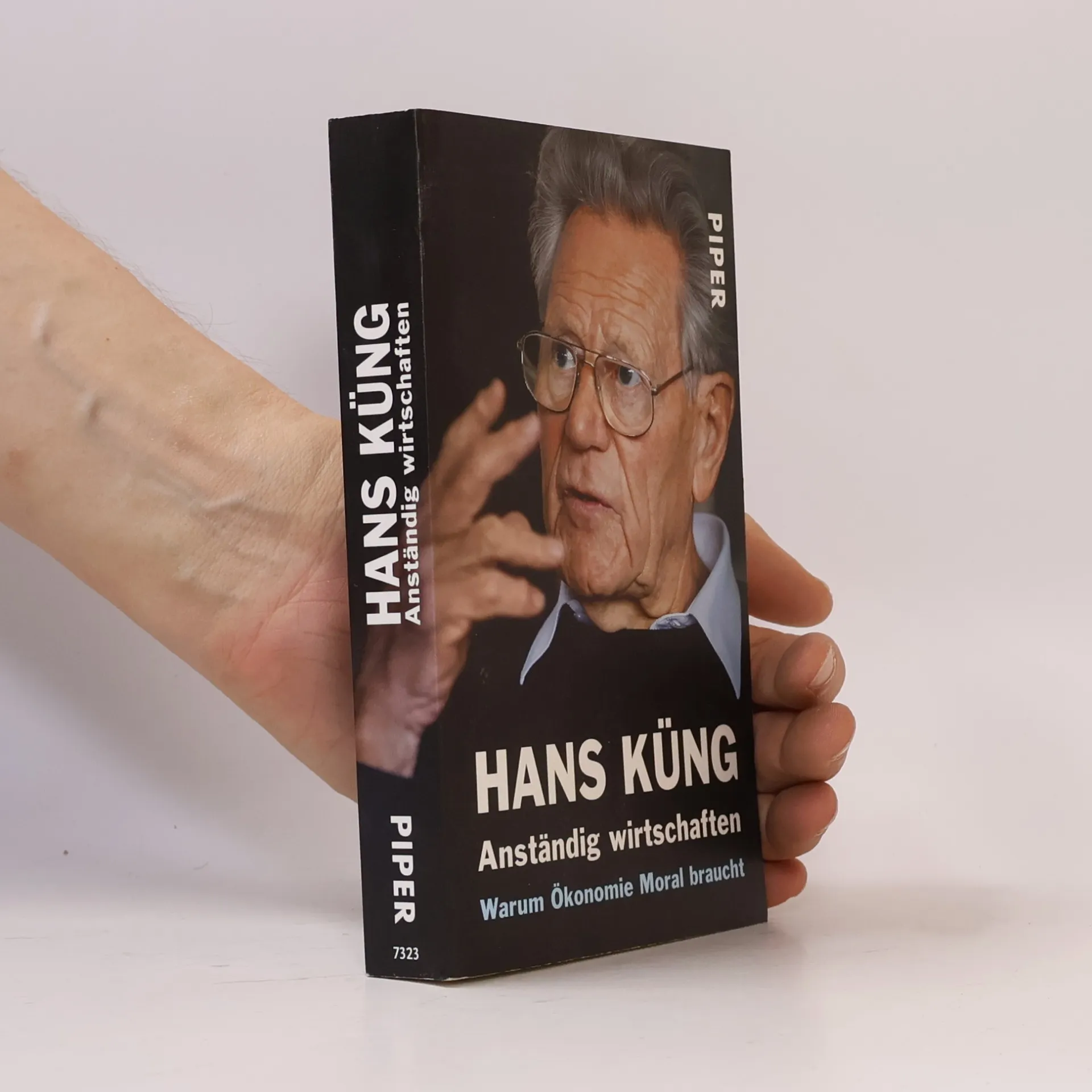
Neue Werte braucht die Wirtschaft – aber welche? Seitdem Hans Küng 1990 ein gemeinsames Weltethos vorgeschlagen hat (die Übersetzung liegt in 22 Sprachen vor), beschäftigt er sich mit dem Problem des gerechten Wirtschaftens. Er fragt nach den Grundlagen der Globalisierung ebenso wie nach der moralischen Begründung des Gewinns und den wahren Kosten der Marktwirtschaft. So plädiert er für einen Wertekanon, der dem Einzelnen wie der Gesellschaft insgesamt sagen kann, was »anständig« ist in der Wirtschaft – und was nicht.
Serie Piper - 100: 20 Thesen zum Christsein
- 75 pages
- 3 hours of reading
German
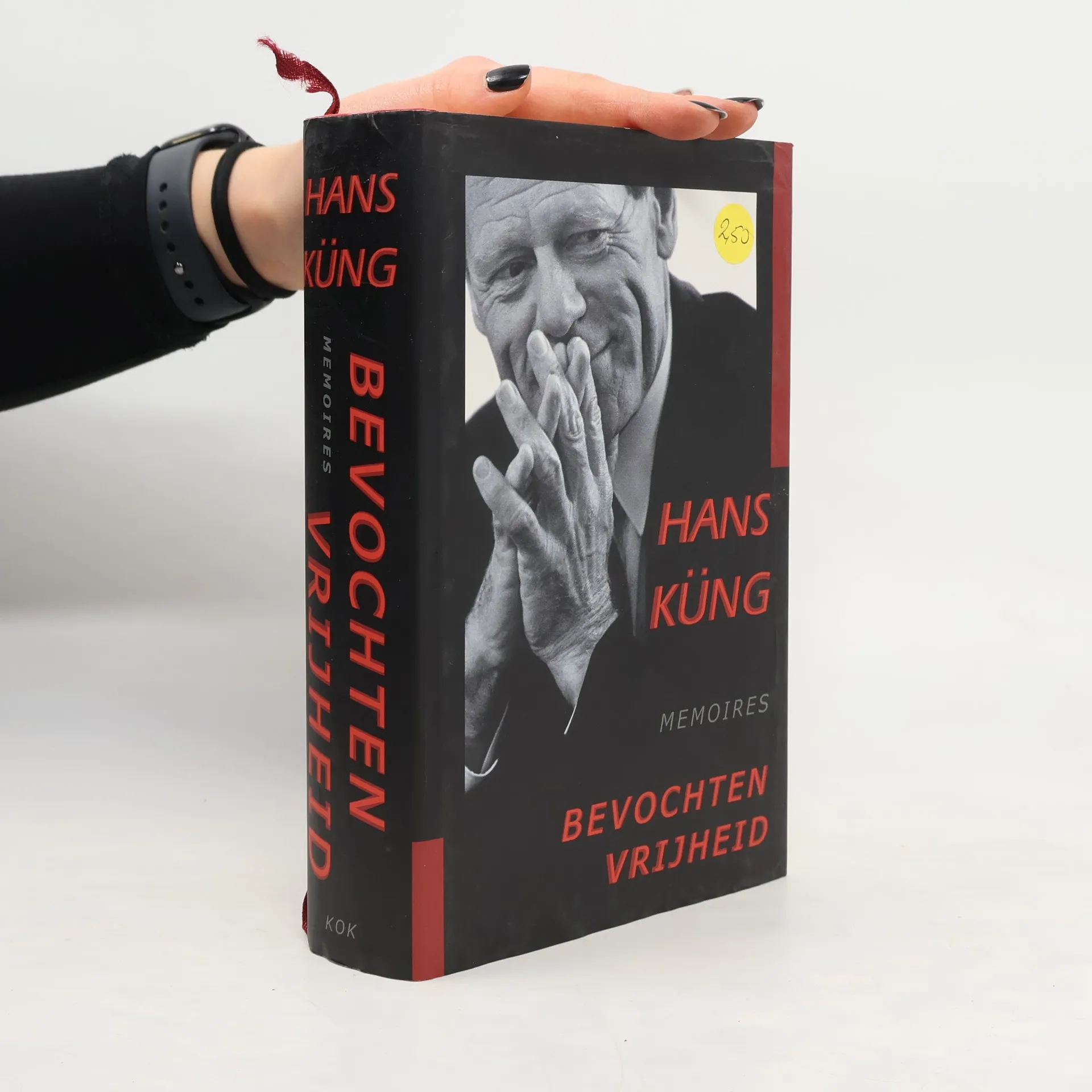
Bevochten vrijheid
- 564 pages
- 20 hours of reading
Schon seit gemeinsamen Tübinger Tagen stehen sich die Jesus-Bilder von Joseph Ratzinger und Hans Küng diametral gegenüber. Hier der verkirchlichte, dogmatisierte Christus Ratzingers, dort der lebendige Jesus aus historischer Perspektive. Hans Küng hat die zentralen Texte zu Jesus von Nazareth aus seinem Buch »Christ sein« gelöst und neu gefasst: für einen befreiten Zugang, gegen alle Enge.
Ist die Kirche noch zu retten?
- 261 pages
- 10 hours of reading
Sein Leben lang hat Hans Küng der katholischen Kirche gedient (allerdings nicht immer zur Freude der Päpste): als weltweit geachteter Theologe, als Priester und vielgelesener Autor. Jetzt erweist er ihr wieder einen Dienst, indem er klar ausspricht, woran die Kirche krankt. Deren Krise geht weit über die Missbrauchsfälle und deren Vertuschung hinaus: Es handelt sich um eine grundlegende Systemkrise. Eine Kirche, die weiterhin an ihrem Machtund Wahrheitsmonopol, an ihrer Sexual- und Frauenfeindlichkeit festhält, sich Reformen und der aufgeklärten modernen Welt verweigert, wird nicht überleben – das ist Hans Küngs Fazit. Deshalb legt er eine Agenda für ein 'Zukunftsgespräch' vor.
Seit über zwei Jahrzehnten sind die Weltreligionen zentrales Thema von Hans Küng. Mit seinen weltweit einflußreichen Büchern hat er Pionierarbeit für einen Dialog der Kulturen geleistet. In seinem neuen großen Werk bietet der Autor eine profunde Gesamtdarstellung des Islam: Er beschreibt die Paradigmenwechsel im Lauf seiner 1400jährigen Geschichte, zeichnet die unterschiedlichen Strömungen nach und sichtet die Positionen des Islam zu den drängenden Fragen der Gegenwart. Eine umfassende Analyse der politischen, kulturellen und religiösen Bedeutung der zahlenmäßig größten Weltreligion neben dem Christentum, wie sie unter den Theologen unserer Zeit nur Hans Küng schreiben kann. Dieses Buch zeigt: Ohne einen Dialog mit dem Islam wird es weder einen dauerhaften Weltfrieden noch ein konfliktfreies Miteinander mit den Muslimen in Europa geben. Wer die heutige Welt verstehen will, sollte Grundkenntnisse über den Islam besitzen.
Mozart - Spuren der Transzendenz
- 89 pages
- 4 hours of reading
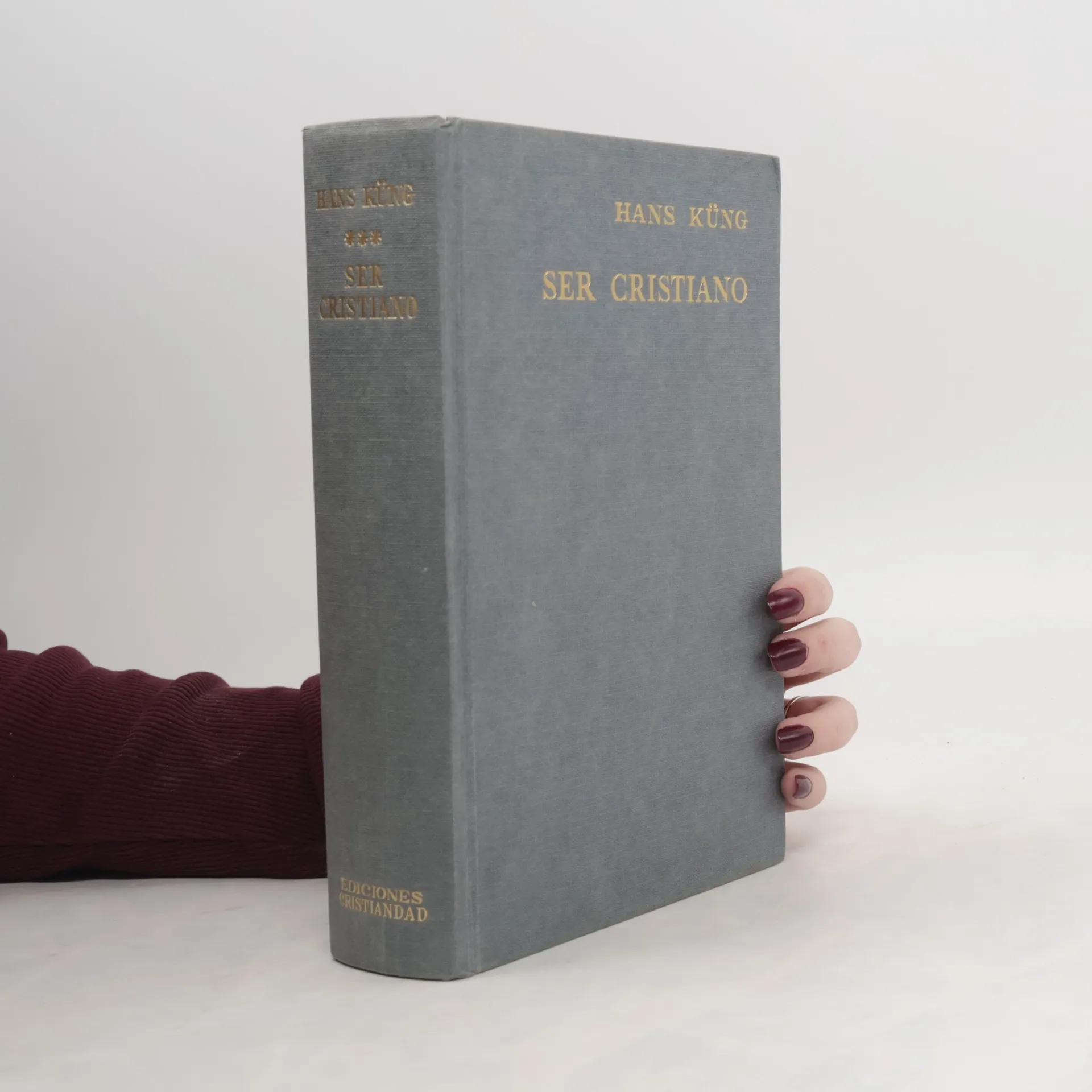
Ser cristiano - Cuarta edición
- 764 pages
- 27 hours of reading
One of this century's most prominent and outspoken theologians affirms the vitality and uniqueness of Christianity by tracing it back to the reality of the historical Christ.
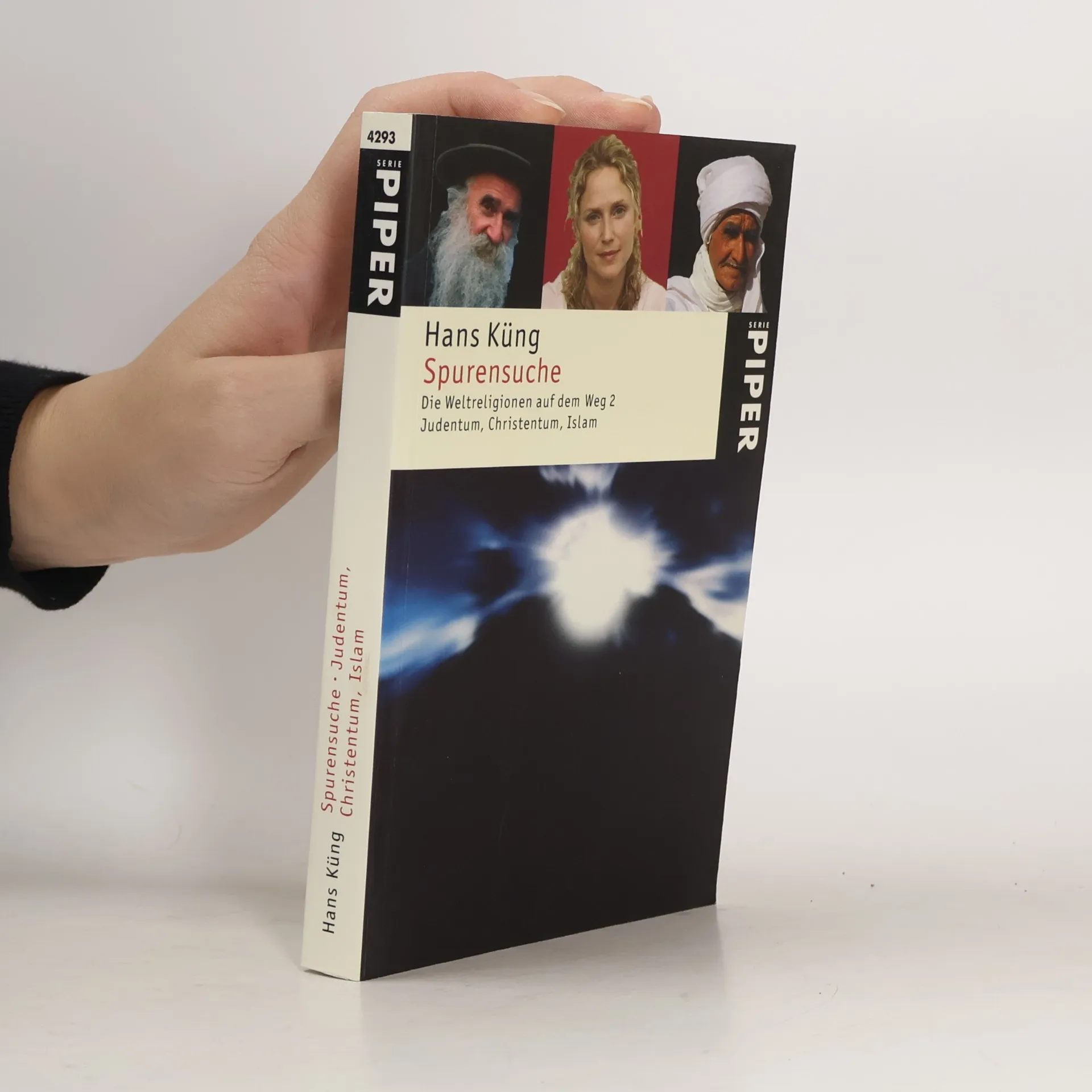
Spurensuche 2
- 200 pages
- 7 hours of reading
Hans Küng, einer der berühmtesten Theologen der Gegenwart, beschreibt, erzählt und erklärt das Spektrum der großen Weltreligionen. Seine 'Spurensuche' deckt Verbindendes und Trennendes auf und verfolgt die Frage nach einem gemeinsamen Weltethos in den großen Religionen. Mit faszinierenden Farbfotos aufwendig ausgestattet, zeigt das Buch, wie aufregend und informativ das Thema dargestellt werden kann. Der vorliegende Band behandelt die Religionen nahöstlicher Herkunft: das Judentum, das Christentum und den Islam. 'Küngs Einblicke in die Geschichte und sein Auge für aktuelle Probleme sind beispiellos in ihrer stets wachen Sensibilität für das andere, für das Fremde, das es zu akzeptieren gilt.' Börsenblatt
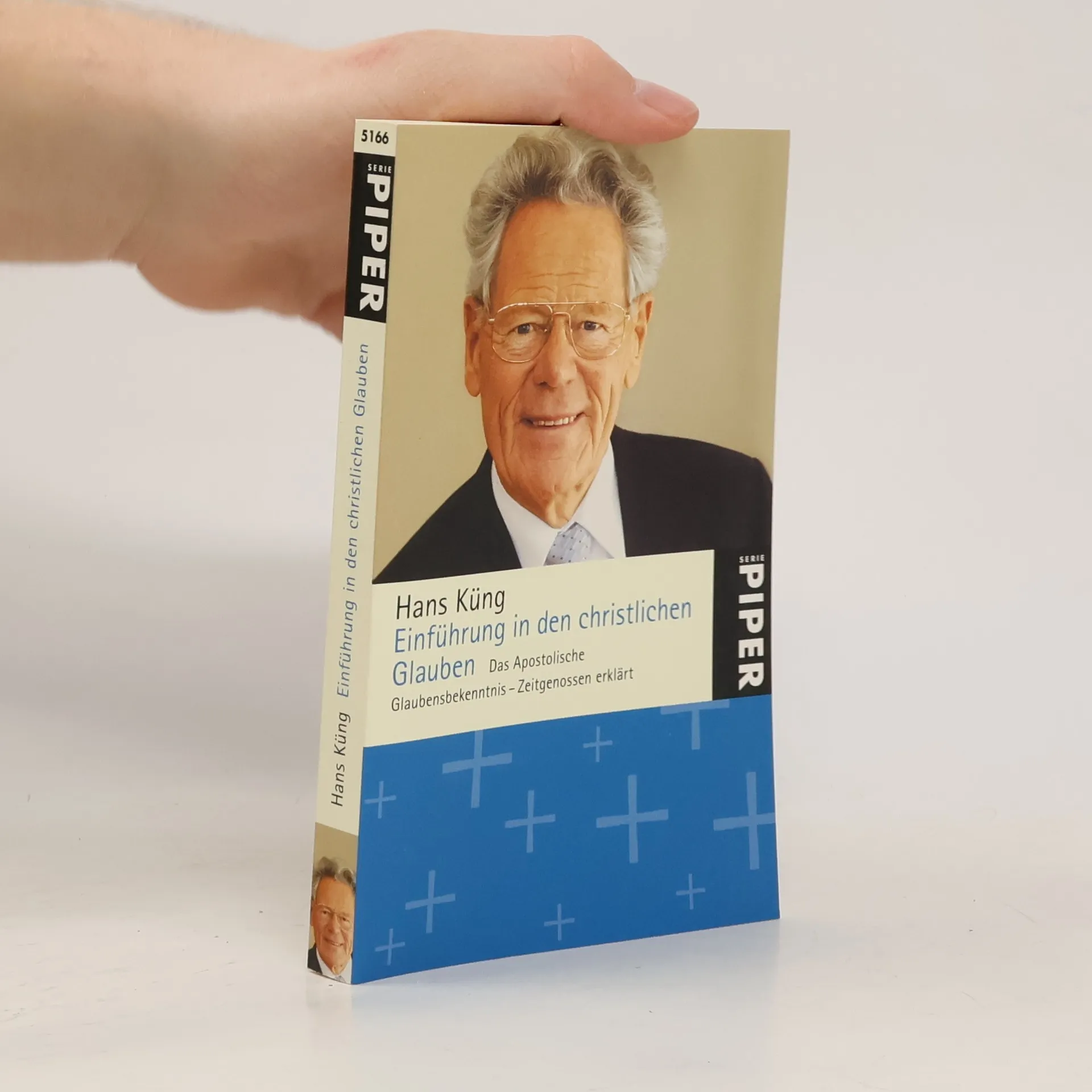
Einführung in den christlichen Glauben
Das Apostolische Glaubensbekenntnis - Zeitgenossen erklärt
Eine zeitgemäße Erklärung des christlichen Glaubens.
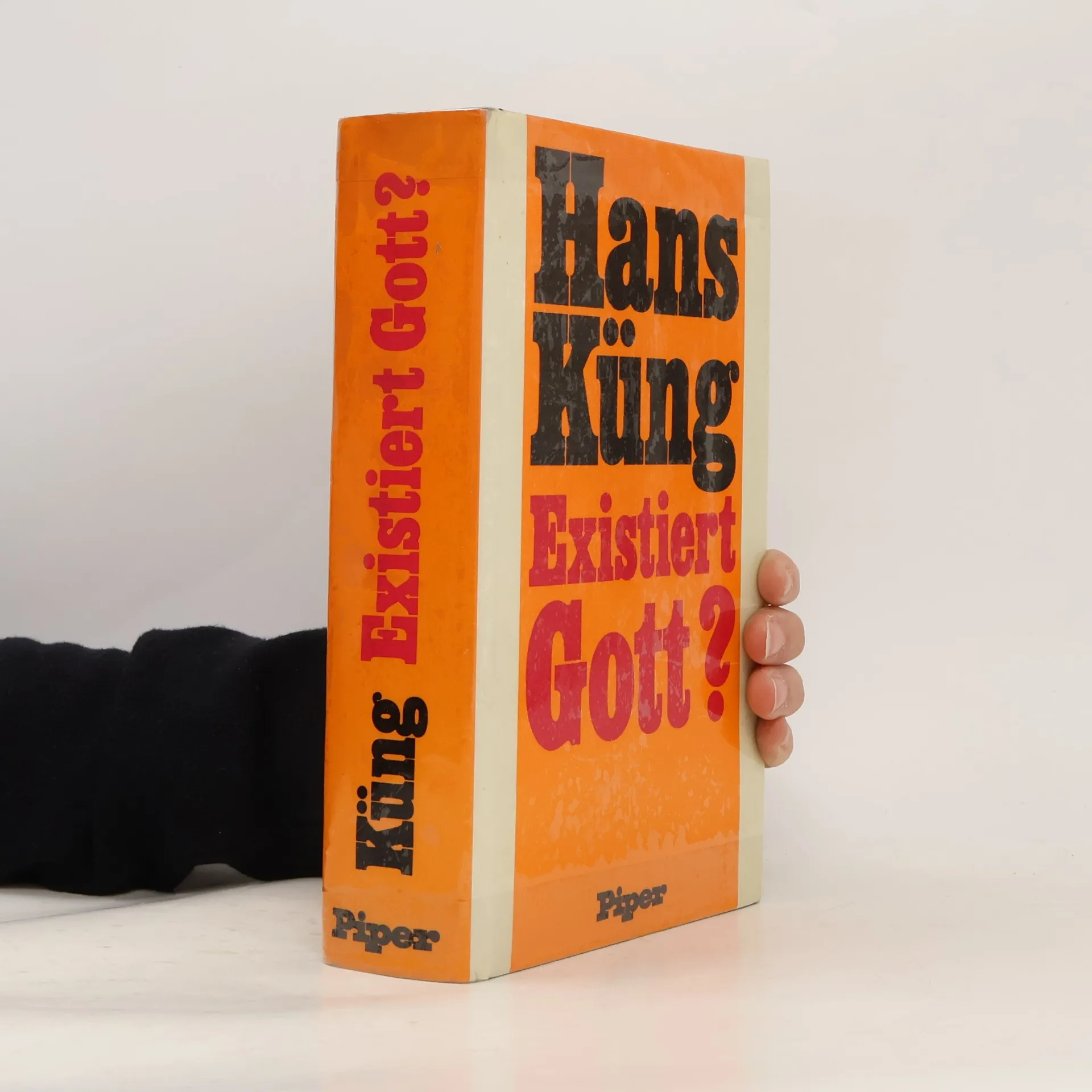
Wer ist Gott? Und warum an ihn glauben? Hat die Religion noch eine Zukunft? Warum an Gott glauben und nicht einfach an humane Werte - an Brüderlichkeit, Freiheit und Liebe? Existiert Gott überhaupt? Viele Menschen zweifeln an ihrem Glauben, sind ratlos und unentschieden, sehnen sich nach Gewissheit. Hans Küng nimmt ihre Zweifel ernst. Er untersucht die historischen Wurzeln der Gottesfrage und kommt zu dem Ergebnis: Gott existiert, und auch als Mensch der Gegenwart kann man vernünftig an Gott, vielleicht sogar an den christlichen Gott glauben.
Musik und Religion
- 233 pages
- 9 hours of reading
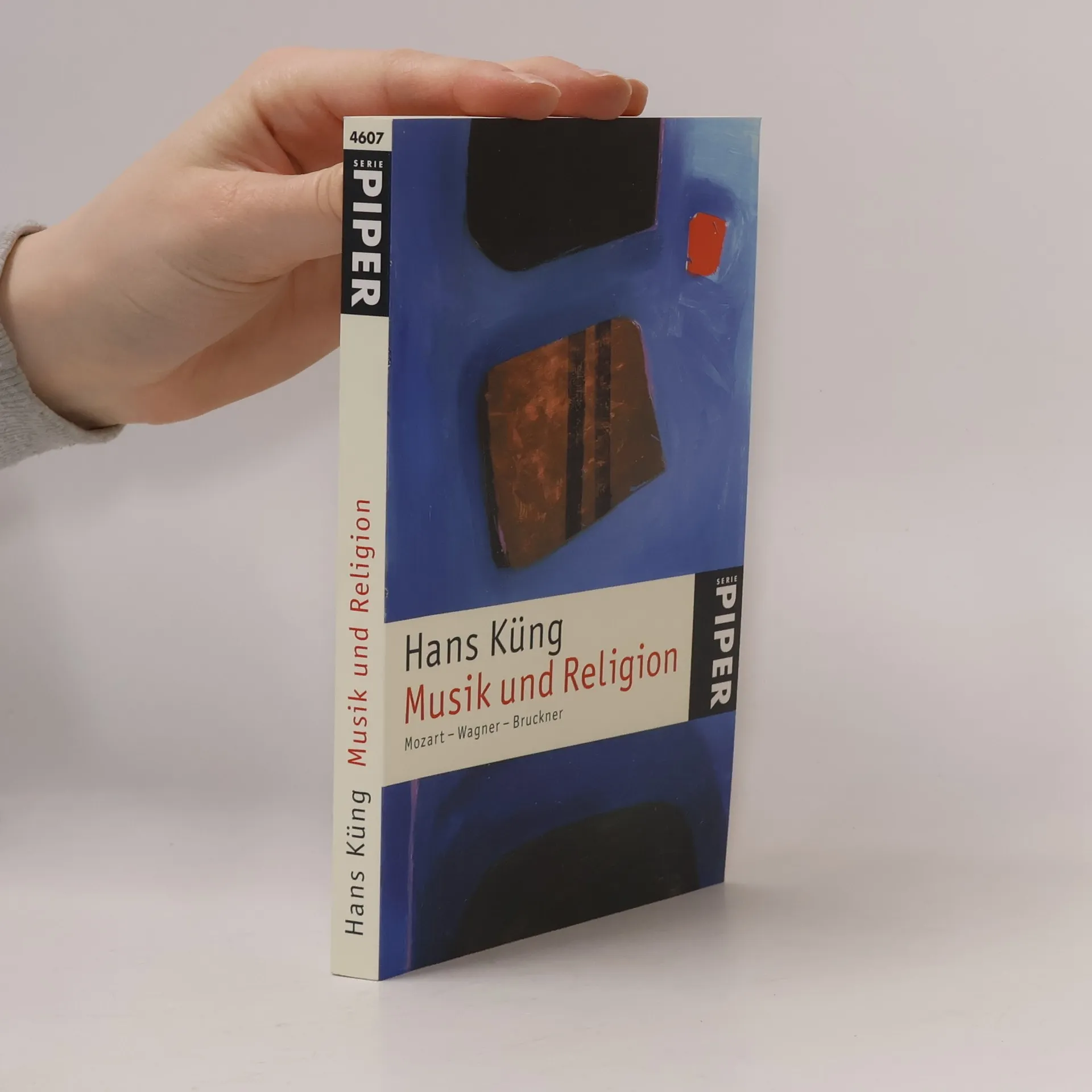
Als leidenschaftlicher Musikhörer hat der Theologe Hans Küng in diesem Buch das Verhältnis von Mozart, Wagner und Bruckner zur Religion exemplarisch untersucht. Denn sowohl in Mozarts Werken als auch in Wagners Musikdramen und Bruckners Symphonik spielt der religiöse Aspekt eine wichtige Rolle. Küngs Buch ist nicht in erster Linie musiktheoretisch oder rein biografisch, sondern richtet sich an alle, die mehr über das Zusammenspiel von Religion und Musik erfahren wollen. »Ganz fein und dünn ist die Grenze zwischen Musik und Religion. Eine einzigartige Intensität des Erlebnisses wird dort erreicht, wo die Musik ihre Energie mit der der Religion im selben Sinn und Ziel vereint. In gewissen Momenten ist es dem Menschen gegeben, sich zu öffnen, so weit zu öffnen, dass er in dem unendlich schönen Klang den Klang des Unendlichen hört.« Hans Küng
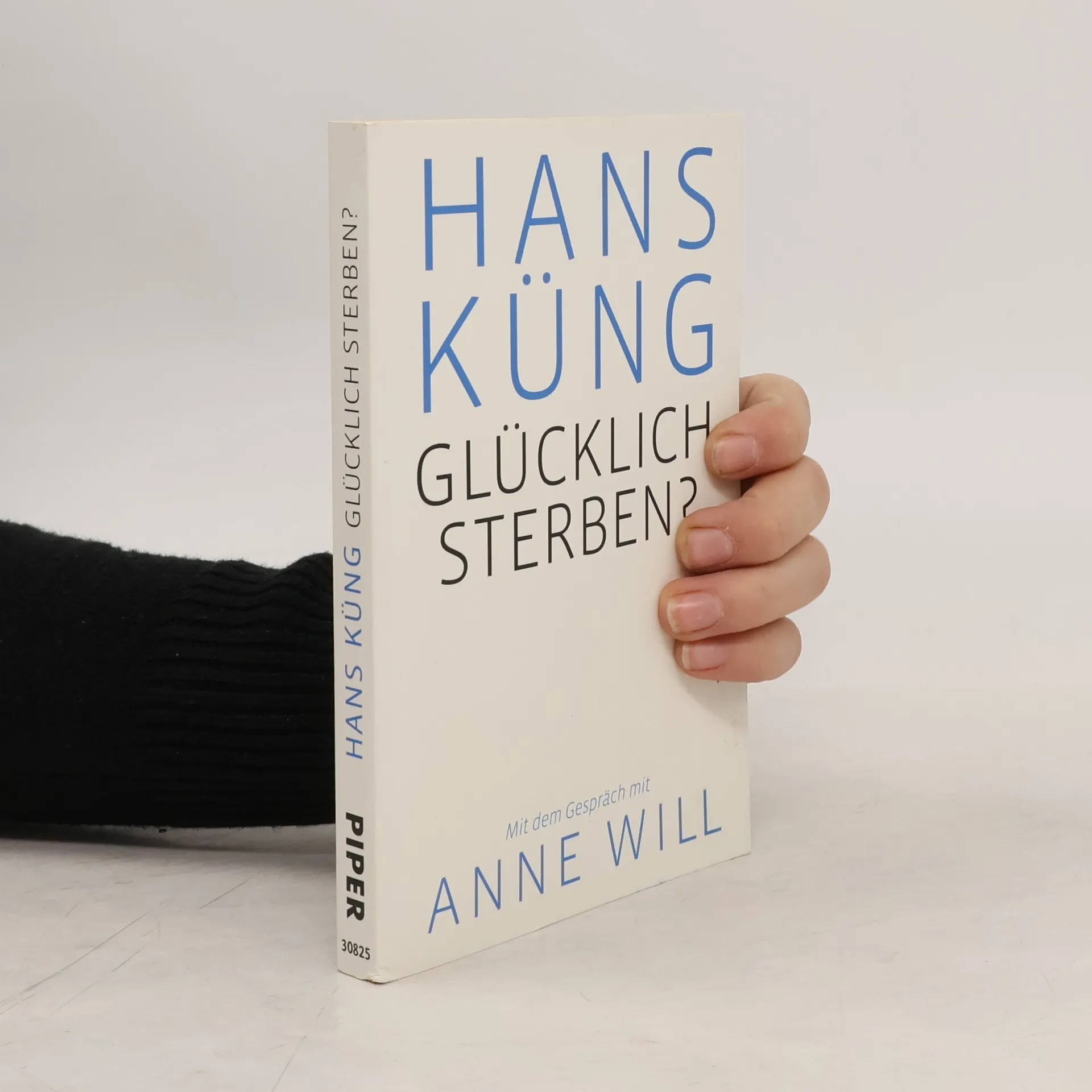
Lange war es ein Tabu in Deutschland, und nun hat es ausgerechnet ein katholischer Theologe gebrochen. Hans Küng hat im Gespräch mit Anne Will erklärt, dass er es für erlaubt hält, sein Leben zu beenden, wenn es unerträglich geworden ist. Seitdem ist eine Diskussion im Gange, die keinen unberührt lässt. In seinem Buch verbindet Küng frühere Texte über das Sterben mit seinen Glaubensüberzeugungen und theologischen Einsichten zu einer klaren Position: »Glücklich sterben« hat in seinen Augen nichts mit »Selbstmord« zu tun, sondern meint ein menschenwürdiges Ende des Lebens.
Ciò che credo
- 359 pages
- 13 hours of reading
Verso la fede cieca e l'amore cieco, ho nutrito sospetti fin dai tempi degli studi a Roma. Questa diffidenza verso ogni assolutismo ha sempre guidato Hans Küng, il critico tra i teologi cattolici, che ha detto sì alla pillola e no all'infallibilità papale. Si chiede se sia possibile oggi credere in una religione, o se la complessità del mondo contemporaneo ci spinga verso un'etica globale condivisibile. Per rispondere a queste domande, Küng ripercorre momenti fondamentali della sua vita, dai dubbi universitari ai dissidi con le gerarchie ecclesiastiche negli anni Settanta, dall'impegno per il dialogo interconfessionale al conferimento della medaglia d'oro Otto Hahn per la pace nel 2008. Le tappe di questo itinerario esemplare toccano temi attuali come il multiculturalismo, la contraddittorietà della libertà, la relazione tra morale e scienza, e la necessità di superare l'intolleranza religiosa. Questo libro racconta una ricerca personale instancabile e coraggiosa, opponendosi al nichilismo di molti pensatori moderni. Küng guida il lettore in una straordinaria ascesa spirituale, alla ricerca di una nuova prospettiva fondata su amore, consapevolezza di sé e rispetto per il diverso.
Weltethos aus den Quellen des Judentums
- 223 pages
- 8 hours of reading
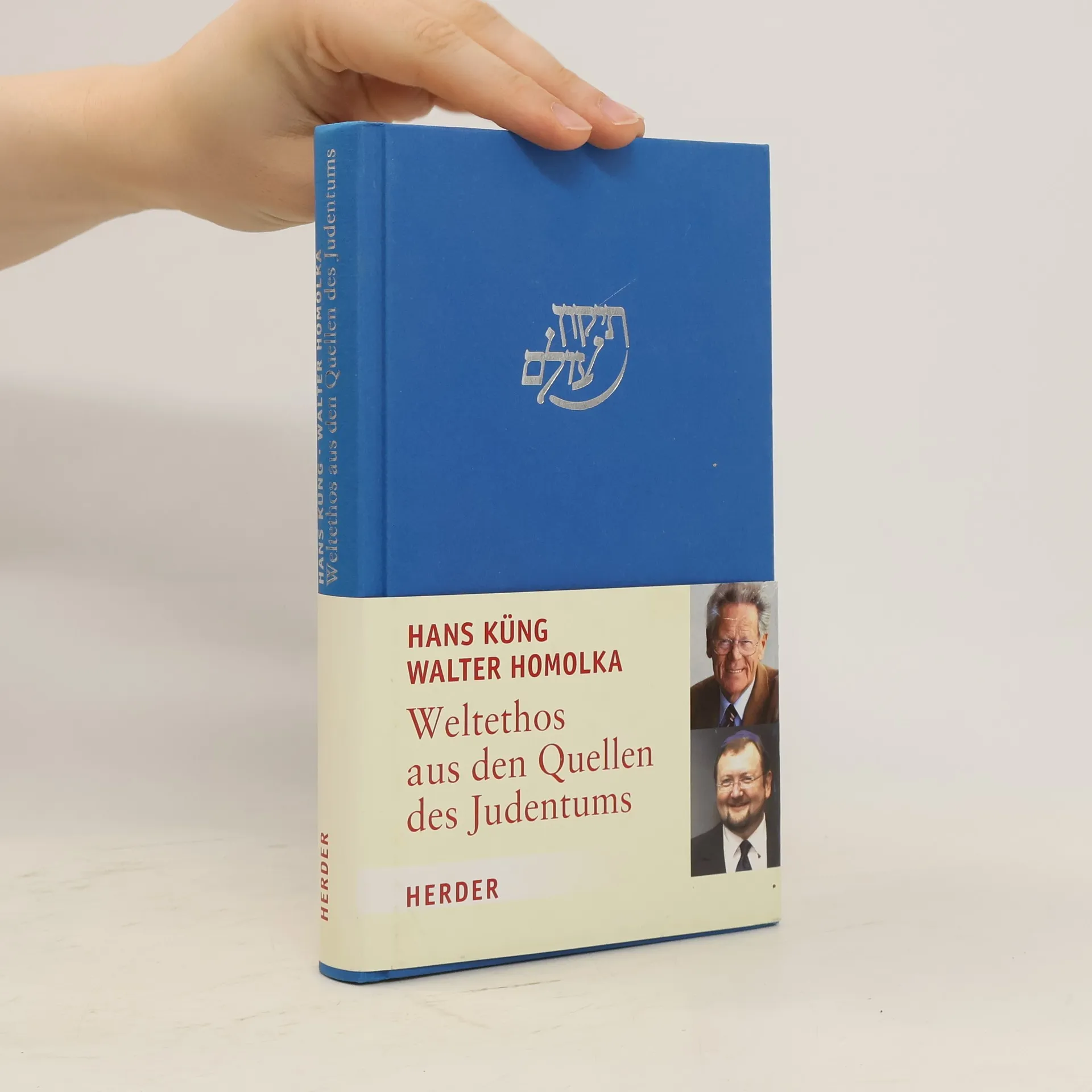
In der Menschheitsgeschichte war und ist es das Judentum, das Gerechtigkeit, also den rechten Umgang von Menschen untereinander, zur Kernfrage der Religion gemacht hat. Hans Küng und Walter Homolka führen ein in die zentrale Idee vom ethischen Zusammenleben der Menschen. Dabei bieten sie auch Einblick in Kerntexte zur Ethik aus drei Jahrtausenden jüdischer Weisheit, angefangen von der Hebräischen Bibel bis zu den jüdischen Religionsphilosophen der Moderne. Die repräsentative Textsammlung orientiert sich an den Leitlinien der „Erklärung zum Weltethos“, die unter Federführung von Hans Küng entstand und 1993 von Vertretern aller Weltreligionen verkündet wurde: Gewaltlosigkeit, Solidarität, Toleranz und Partnerschaft zwischen Frauen und Männern.
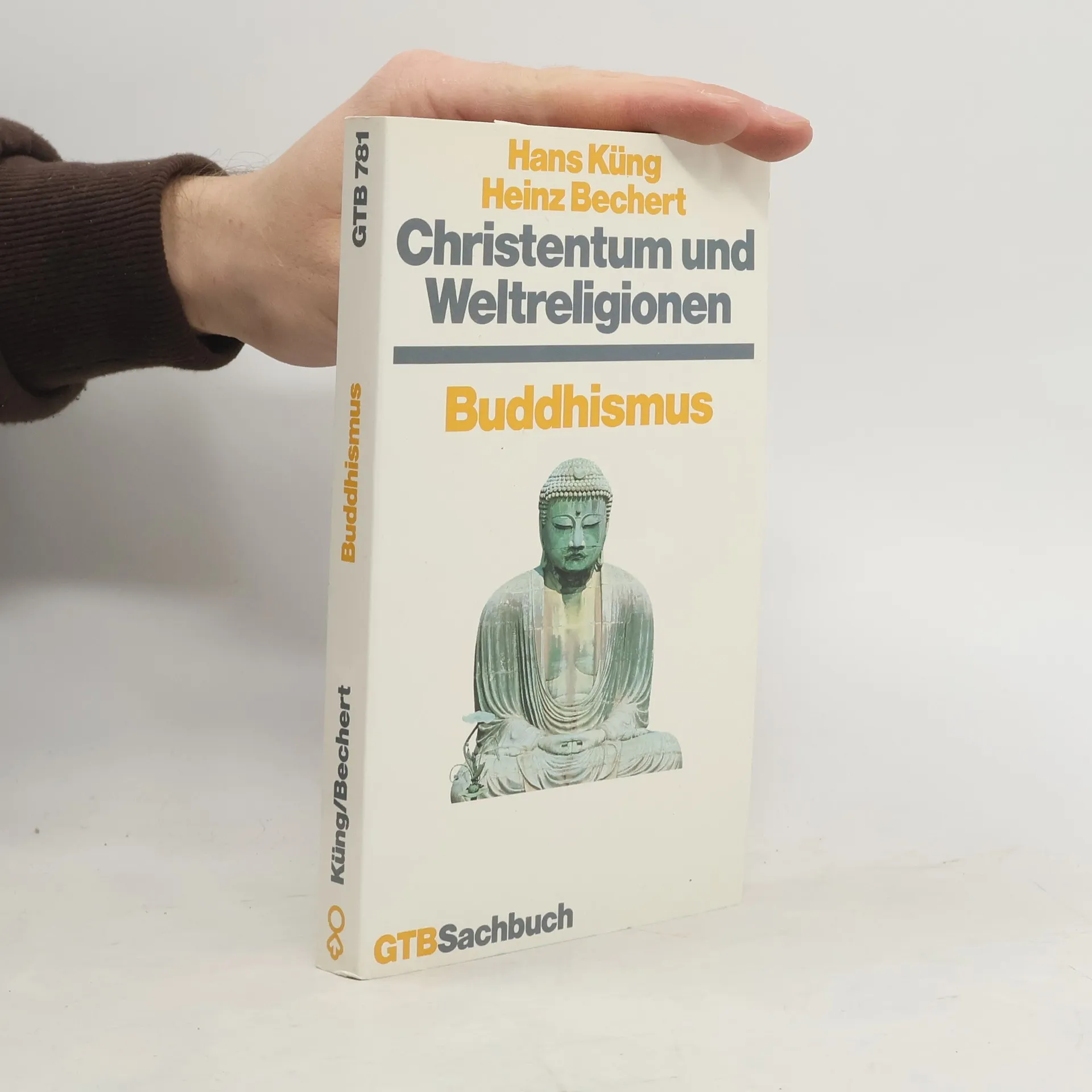
Christentum und Weltreligionen
- 234 pages
- 9 hours of reading
Immer mehr Menschen des Westens fühlen sich vom Buddhismus angesprochen. Die Lehre von der Eigenverantwortlichkeit jedes Einzelnen und die Aufforderung Buddhas, die Richtigkeit seiner Lehre durch eigene Praxis nachzuprüfen, fasziniert in zunehmendem Maß. Der Buddhismusforscher Heinz Bechert legt die Wurzeln der Lehre Buddhas dar und ihre Veränderungen auf dem Weg zur Massenreligion der Gegenwart. In seinen »Antworten« zeigt Hans Küng, was Christen daraus lernen können – und was nicht.
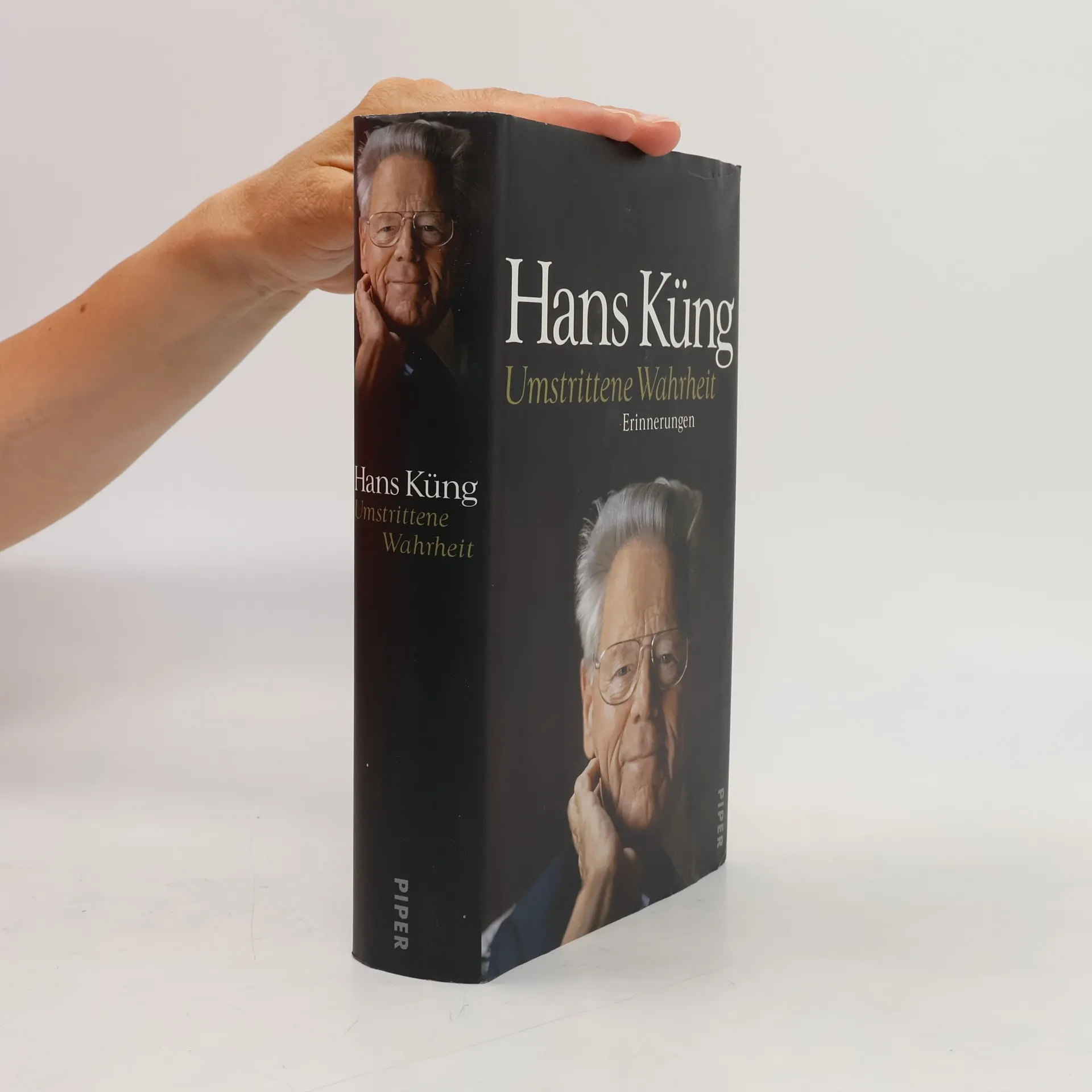
Umstrittene Wahrheit
- 719 pages
- 26 hours of reading
Seit Hans Küng 1957 sein erstes Buch geschrieben hat, versuchen die Mächtigen in der Kirche, ihren ebenso brillanten wie unbotmäßigen Theologen zu disziplinieren, zuletzt 1979 mit dem Entzug der Lehrerlaubnis. Hans Küng ist Theologe, Christenmensch und Weltbürger, der sich den Herausforderungen der Zeit stellt. Er wird zu einem der meistgelesenen Theologen weltweit und zum 'Gegenspieler' seines früheren Kollegen Joseph Ratzinger, jetzt Papst Benedikt XVI. Temperamentvoll und anschaulich schildert Küng, wie ihn die dramatischen Umbrüche in Kirche und Gesellschaft veränderten und warum er jenen Lebensweg ging, der ihn zum Pionier der Ökumene, zum Partner im interreligiösen Dialog, zum Hoffnungsträger für eine erneuerte Kirche gemacht hat.
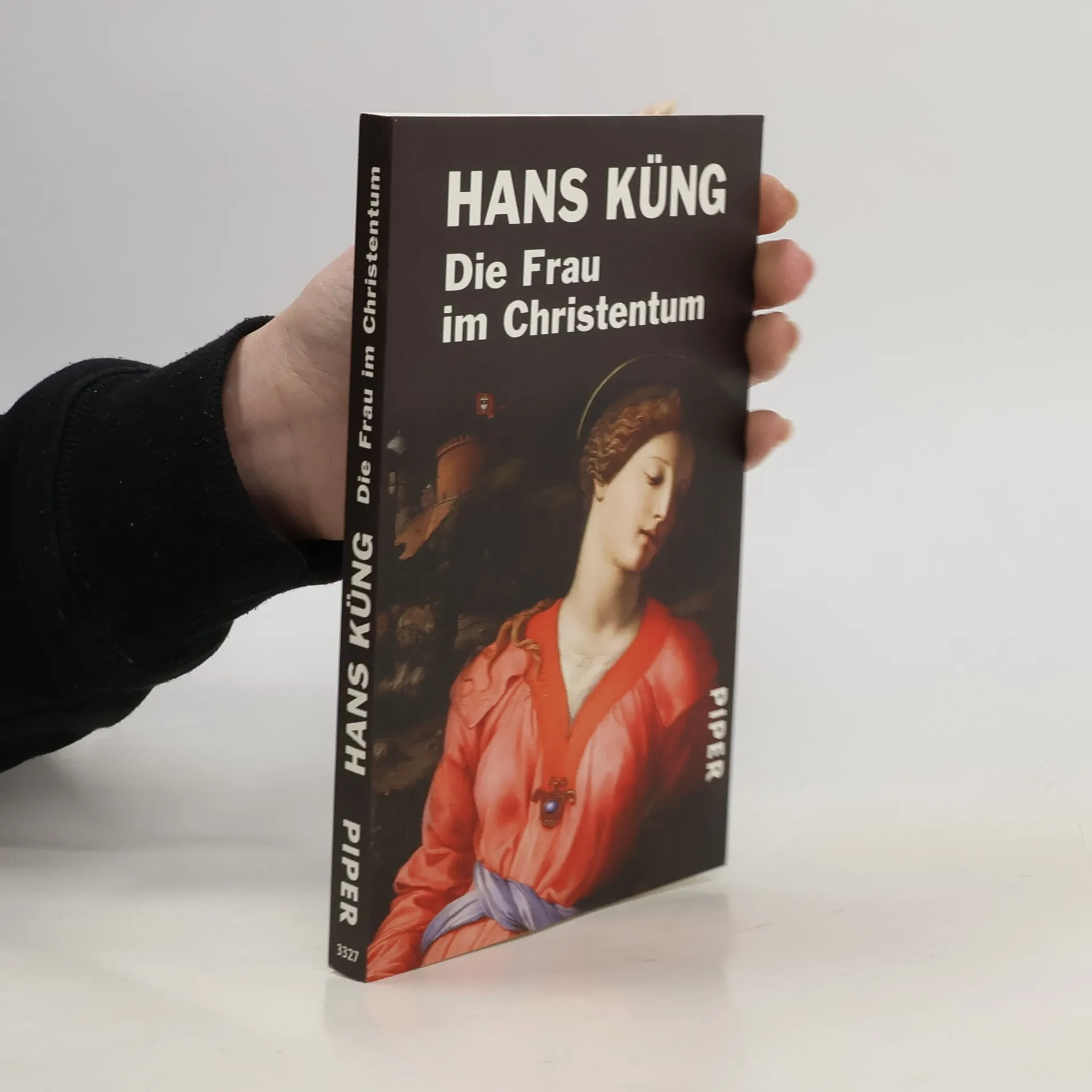
Die Frau im Christentum
- 157 pages
- 6 hours of reading
Nach wie vor dürfen Frauen in der katholischen Kirche das Priesteramt nicht ausüben, und auch in Fragen der Ehe, Abtreibung und Verhütung verharrt die katholische Kirche auf ihrem rigorosen Standpunkt. Dass das keineswegs immer so war, zeigt der große Theologe Hans Küng in diesem Buch: Im Urchristentum und in der frühen Kirche beispielsweise waren Frauen ganz selbstverständlich auch Jüngerinnen und Prophetinnen. Erst im Mittelalter wurde die Frau stärker aus der Kirche verdrängt. Anschaulich und umfassend schildert Küng, wie sich die Stellung der Frau im Christentum im Lauf der Geschichte entwickelt hat – von der Frühzeit über Mittelalter und Reformation bis in die Gegenwart.
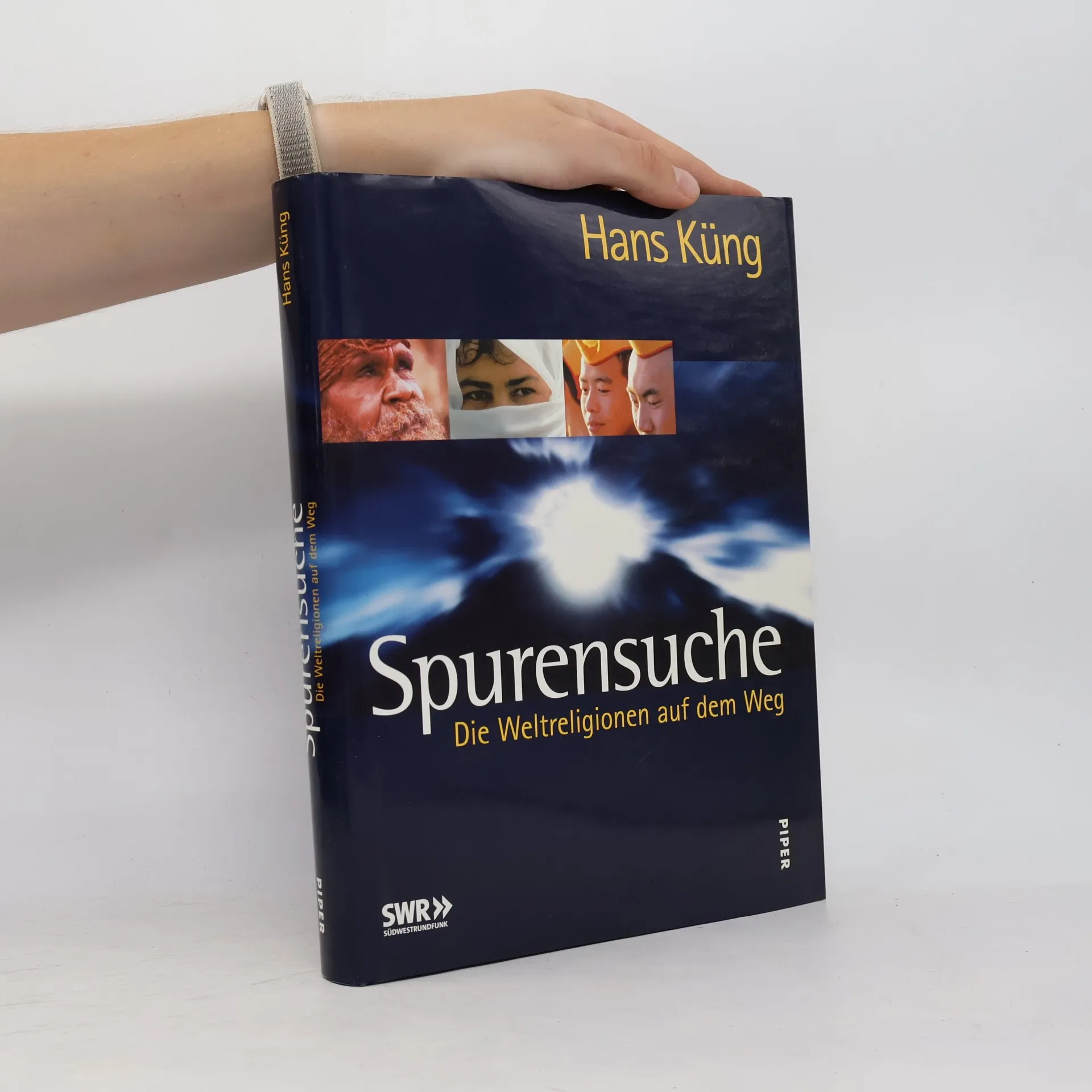
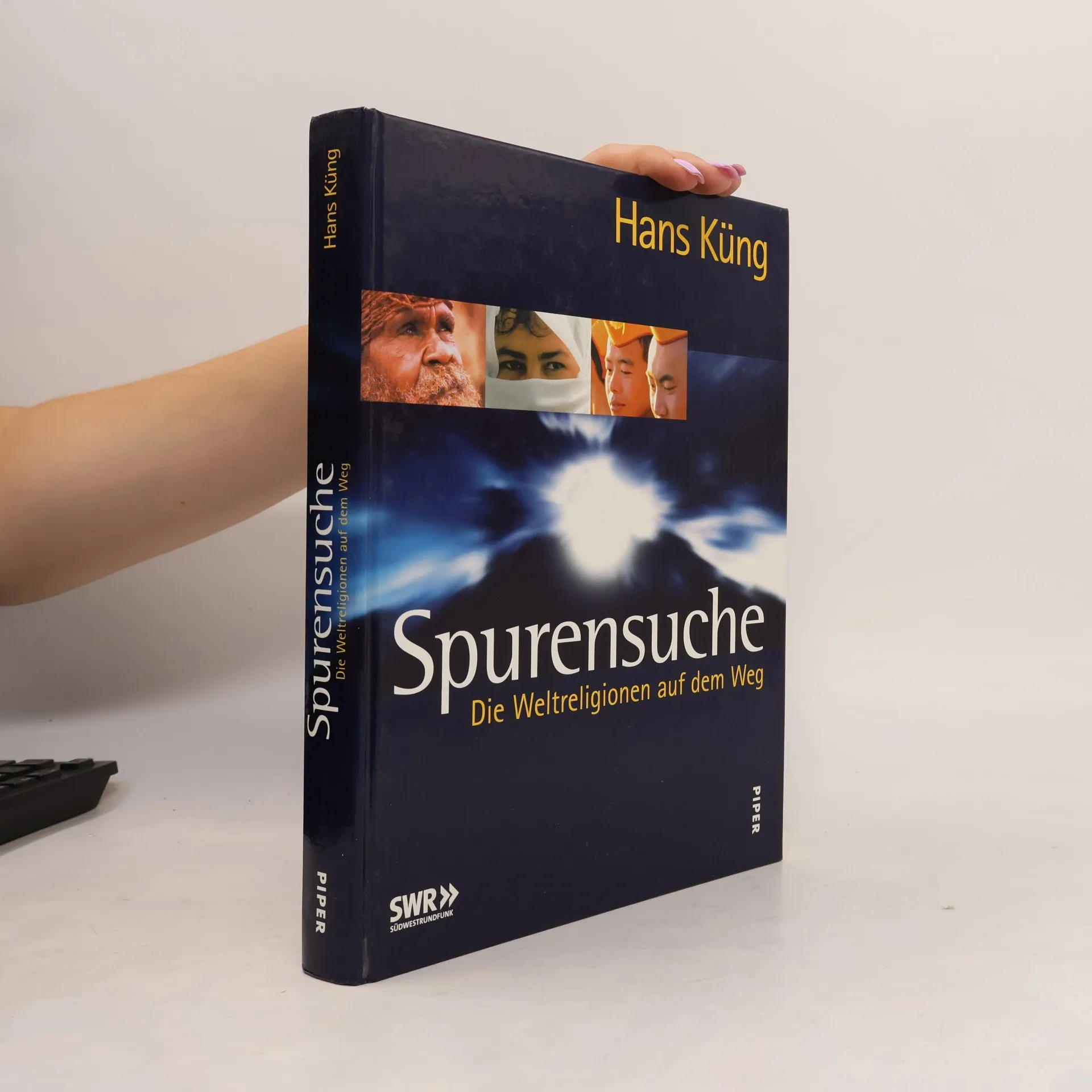
Spurensuche. Die Weltreligionen auf dem Weg.
- 314 pages
- 11 hours of reading
Der grossformatige, reich und instruktiv bebilderte Band ist die Langfassung der Textgrundlage für eine vom SWR aufwändig produzierte 7-teilige TV-Serie als filmische Darstellung der grossen Weltreligionen: Hinduismus, Buddhismus, Judentum, Christentum, Islam, chinesischen Religionen und Stammesreligionen (Quelle: Verlagsinformation).
"Hans Küng unternimmt eine aufregende Exkursion zu den Fragen, die die menschheit seit Anbeginn beschäftigt haben: Was ist der Anfang von Welt und Mensch? Ist alles Zufall? Und er zeigt: Nur Naturwissenschaft und Religion zusammen können Antwort geben auf die Frage, 'was die Welt im Innersten zusammenhält'"--P. [4] of cover.
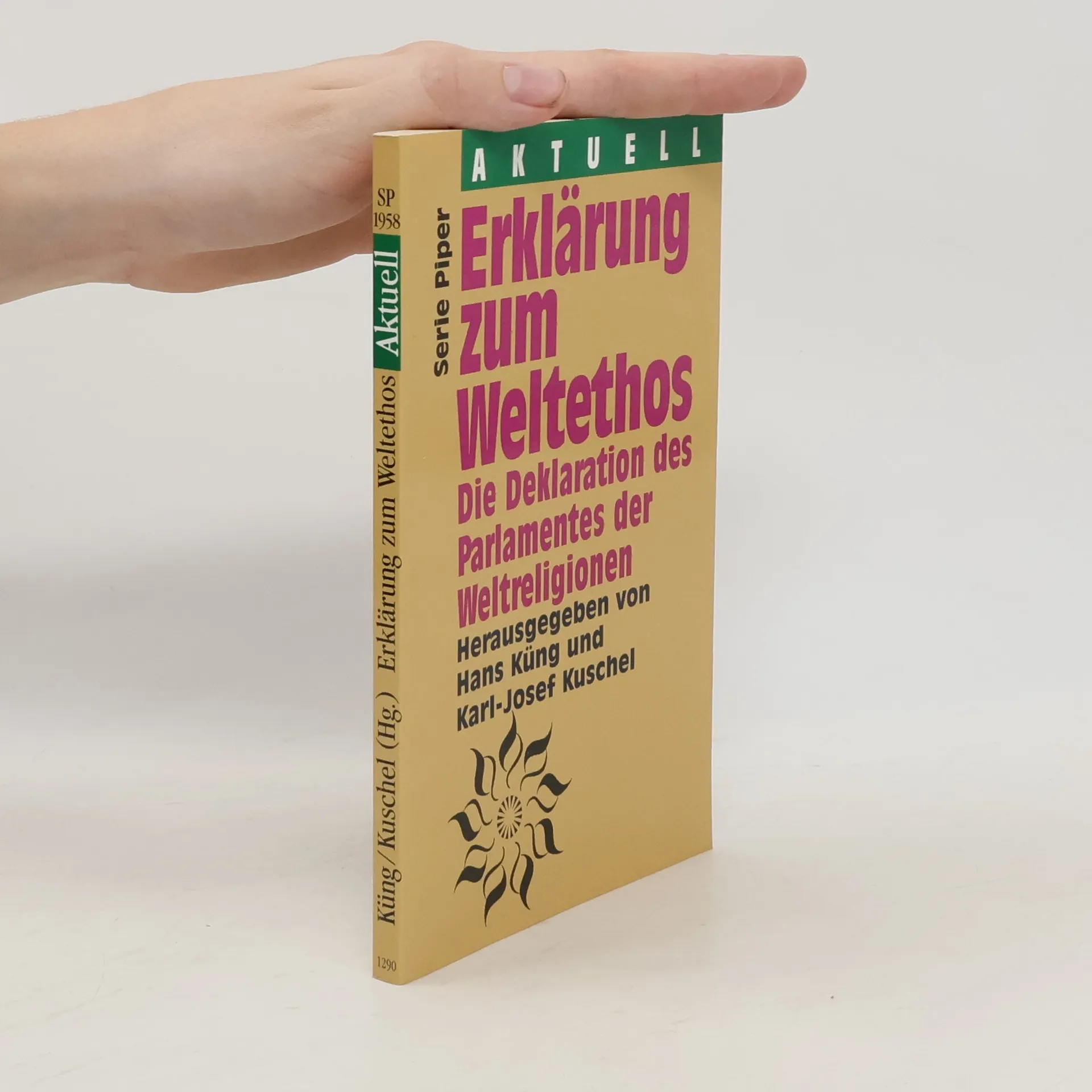
Erklärung zum Weltethos
Die Deklaration des Parlamentes der Weltreligionen
- 138 pages
- 5 hours of reading
German
Wie der Papst unfehlbar wurde
- 318 pages
- 12 hours of reading
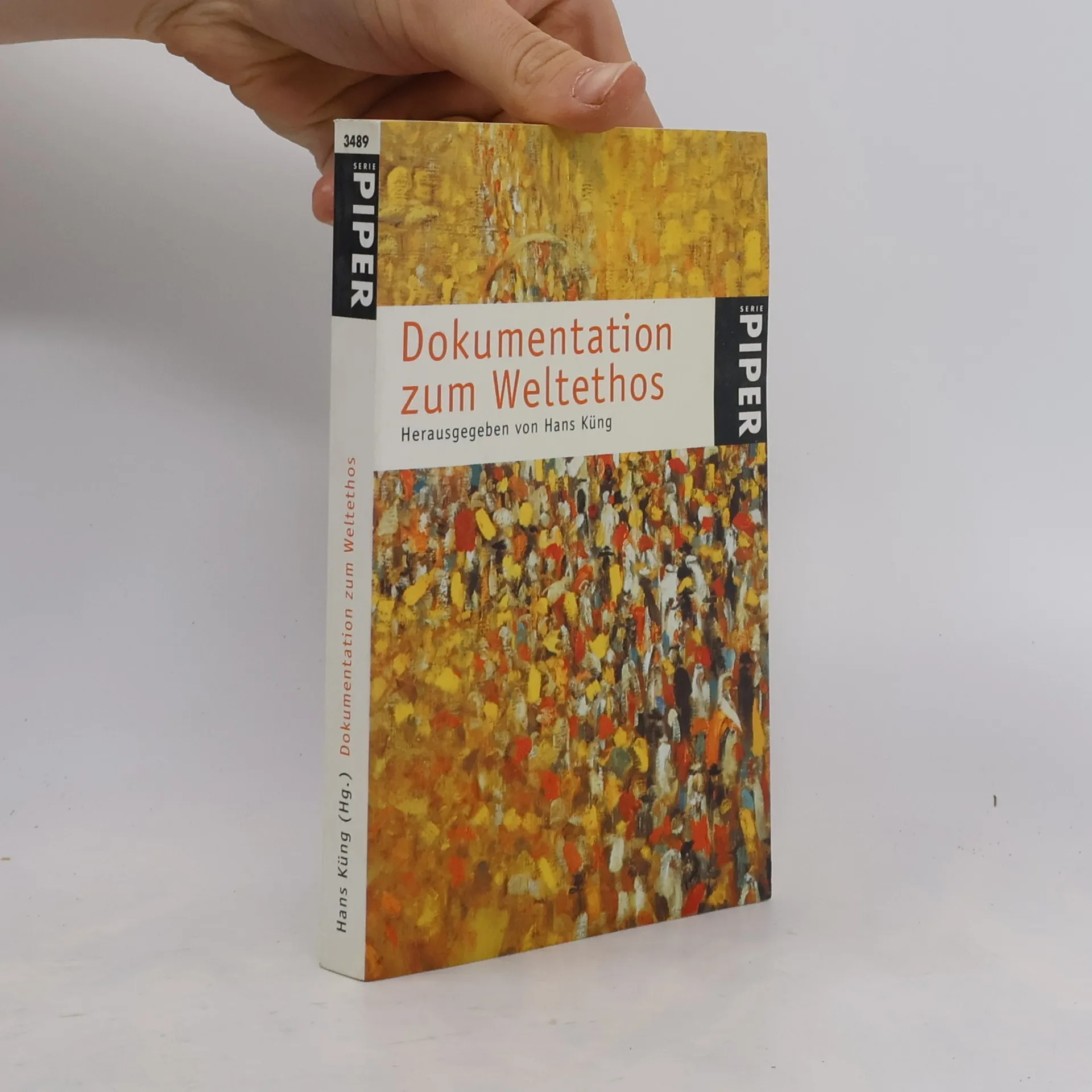
Dokumentation zum Weltethos
- 303 pages
- 11 hours of reading
Kirche, gehalten in der Wahrheit?
- 75 pages
- 3 hours of reading
Was ist Firmung?
- 52 pages
- 2 hours of reading
Der grossformatige, reich und instruktiv bebilderte Band ist die Langfassung der Textgrundlage für eine vom SWR aufwändig produzierte 7-teilige TV-Serie als filmische Darstellung der grossen Weltreligionen: Hinduismus, Buddhismus, Judentum, Christentum, Islam, chinesischen Religionen und Stammesreligionen (Quelle: Verlagsinformation).
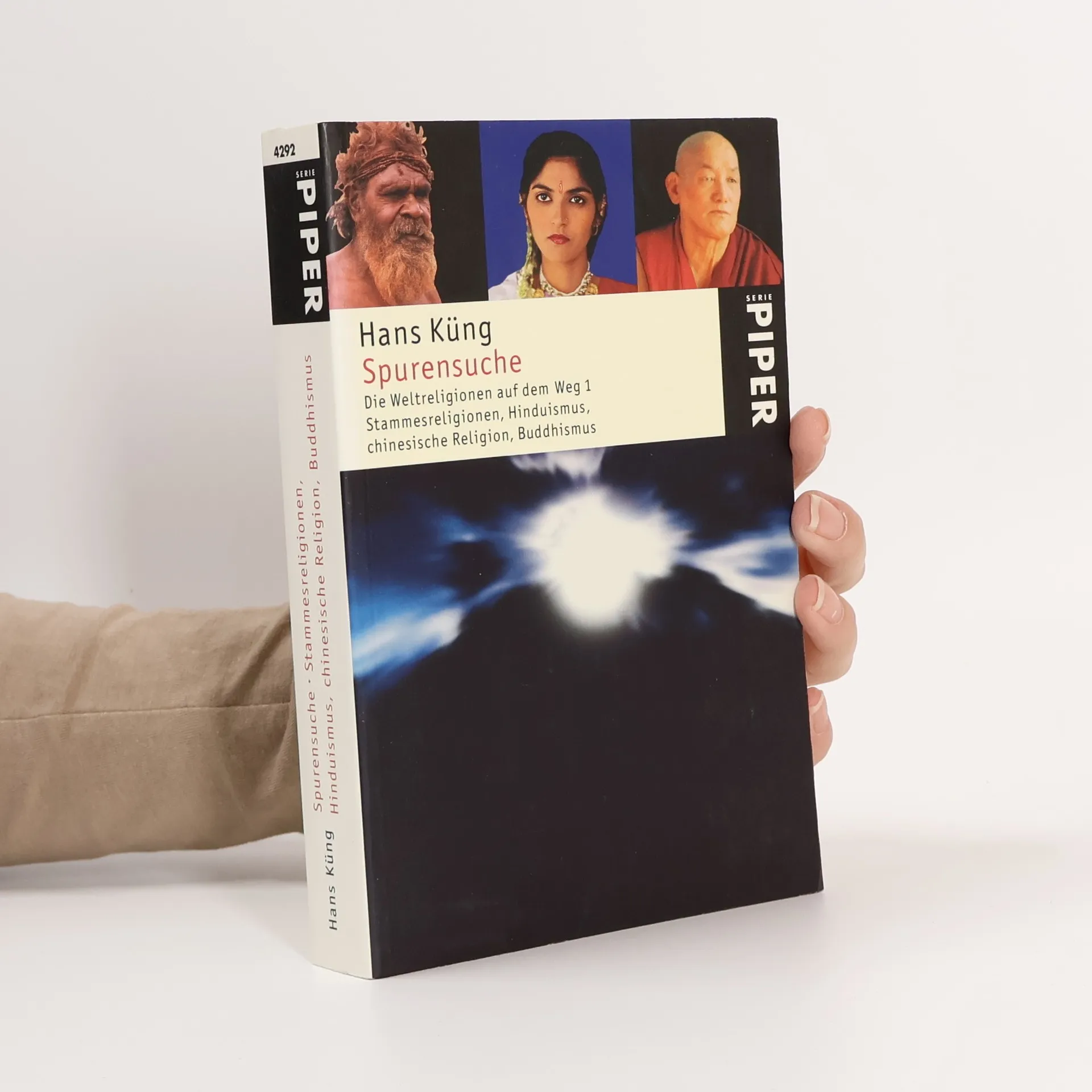
Spurensuche 1
- 308 pages
- 11 hours of reading
Hans Küng, einer der berühmtesten Theologen der Gegenwart, beschreibt, erzählt und erklärt das Spektrum der großen Weltreligionen. Seine 'Spurensuche' deckt Verbindendes und Trennendes auf und verfolgt die Frage nach einem gemeinsamen Weltethos in den großen Religionen. Mit faszinierenden Farbfotos aufwendig ausgestattet, zeigt das Buch, wie aufregend und informativ das Thema dargestellt werden kann. Der vorliegende Band behandelt die Stammesreligionen, den Hinduismus, die chinesische Religion und den Buddhismus. 'Eine farbenreiche Reise durch die Kulturen und ihre Geschichte. Nicht an der Nivellierung von Differenzen ist Hans Küng gelegen, sondern daran, die spirituellen Schätze zu bergen, die im Boden der Religionen ruhen, um sie heute als Energiereserven ins Spiel zu bringen.' Die Zeit
Denkwege
- 309 pages
- 11 hours of reading
Hans Küng zählt zu den bekanntesten Theologen der Gegenwart. Er hat nicht nur die zeitgenössische Theologie, er hat vor allem auch das Denken der Öffentlichkeit über Jahrzehnte maßgeblich beeinflusst. Das vorliegende Buch bietet einen repräsentativen Querschnitt durch sein Werk. Es geht um Grundfragen christlicher Existenz, um die Gestalt Jesu im Vergleich mit anderen großen Gestalten der Religionsgeschichte, um das Gespräch zwischen den großen Weltreligionen, um das »Projekt Weltethos« und schließlich um die religiöse Situation unserer Zeit.
Erinnerungen III
- 624 pages
- 22 hours of reading
Der dritte Teil der Erinnerungen von Küng thematisiert die Ökumene der Weltreligionen und das Konzept des Weltethos. Der Autor gewährt Einblicke in seine persönlichen Kämpfe und Krisen und reflektiert über zentrale Lebensfragen wie den Wert des Lebens, den eigenen Tod und das, was danach kommt. Diese tiefgründigen Überlegungen laden die Leser ein, sich mit den existenziellen Herausforderungen und Antworten des Autors auseinanderzusetzen.
Erinnerungen I
- 560 pages
- 20 hours of reading
Der erste von drei Erinnerungsbänden beleuchtet die ersten vier Jahrzehnte im Leben des Theologen Hans Küng. Beginnend mit seiner Jugend in der Schweiz und dem Entschluss, Priester zu werden, beschreibt das Buch seine Ausbildung in Rom sowie seinen Kampf um Freiheit. Es thematisiert auch seine prägenden Jahre in Paris und Tübingen und führt bis zum Zweiten Vatikanische Konzil. Der Band bietet einen tiefen Einblick in Küngs persönliche und berufliche Entwicklung in einer Zeit des Wandels.
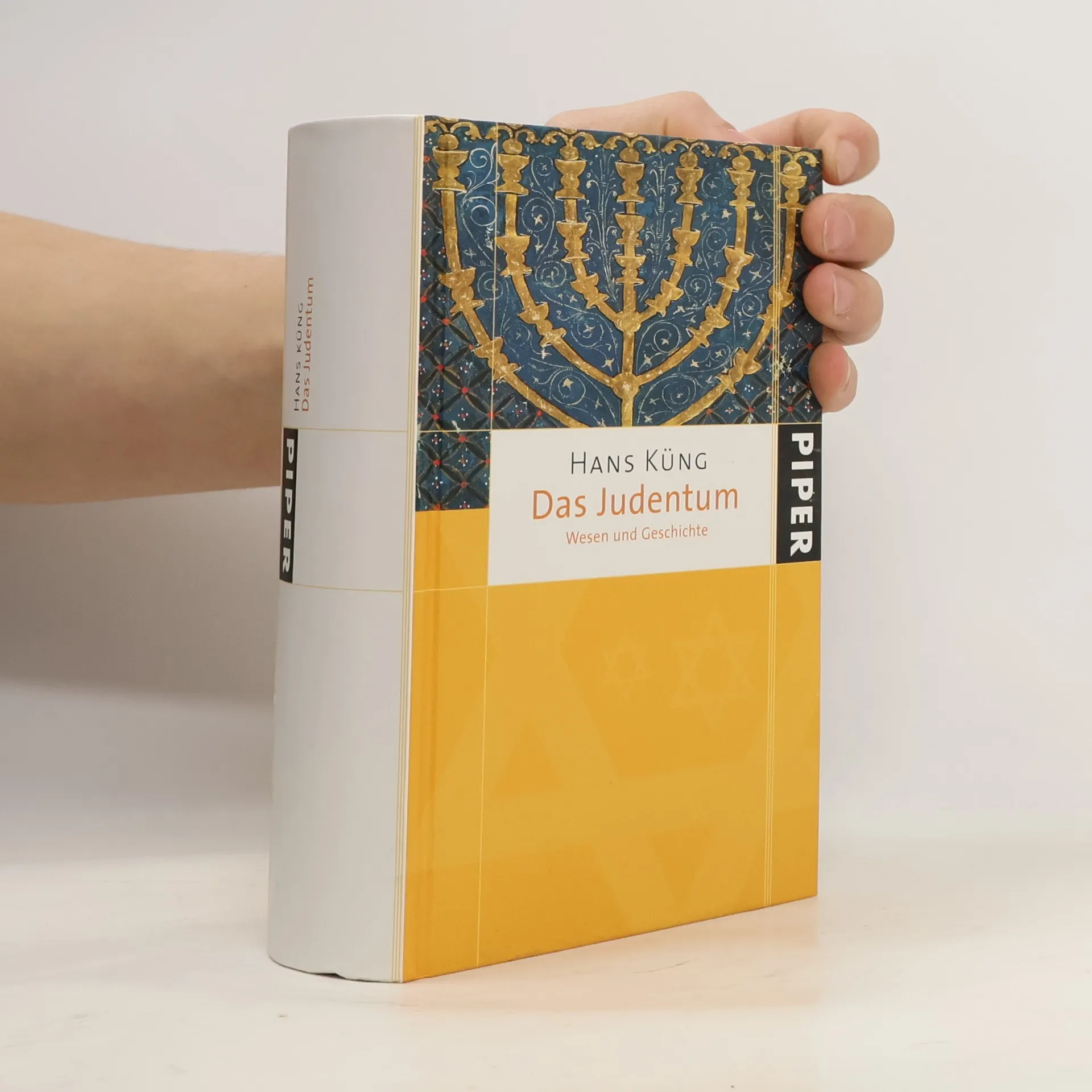
Das Judentum. Wesen und Geschichte
- 905 pages
- 32 hours of reading
Hans Küng beleuchtet in seiner umfassenden Darstellung die geistigen Strömungen des Judentums im Dialog mit Christentum und Islam. Er bietet Lesern neue Perspektiven auf die jüdische Religion und Kultur und zeigt, wie das Judentum die religiösen Fragen unserer Zeit widerspiegelt.
Weltpolitik und Weltethos. Staus quo und Perspektiven
- 64 pages
- 3 hours of reading
Hans Küng, ein führender deutscher Theologe, präsentiert sein "Projekt Weltethos" und die Erklärung der Menschenpflichten. Er betont die Bedeutung des interkulturellen Dialogs und sieht den Frieden der Weltreligionen als Grundlage für globalen Frieden zwischen den Nationen.
Erklärung zum Weltethos
- 139 pages
- 5 hours of reading
Sonne und Schatten
- 150 pages
- 6 hours of reading
Życie wieczne?
- 346 pages
- 13 hours of reading
Rechtfertigung
- 371 pages
- 13 hours of reading