

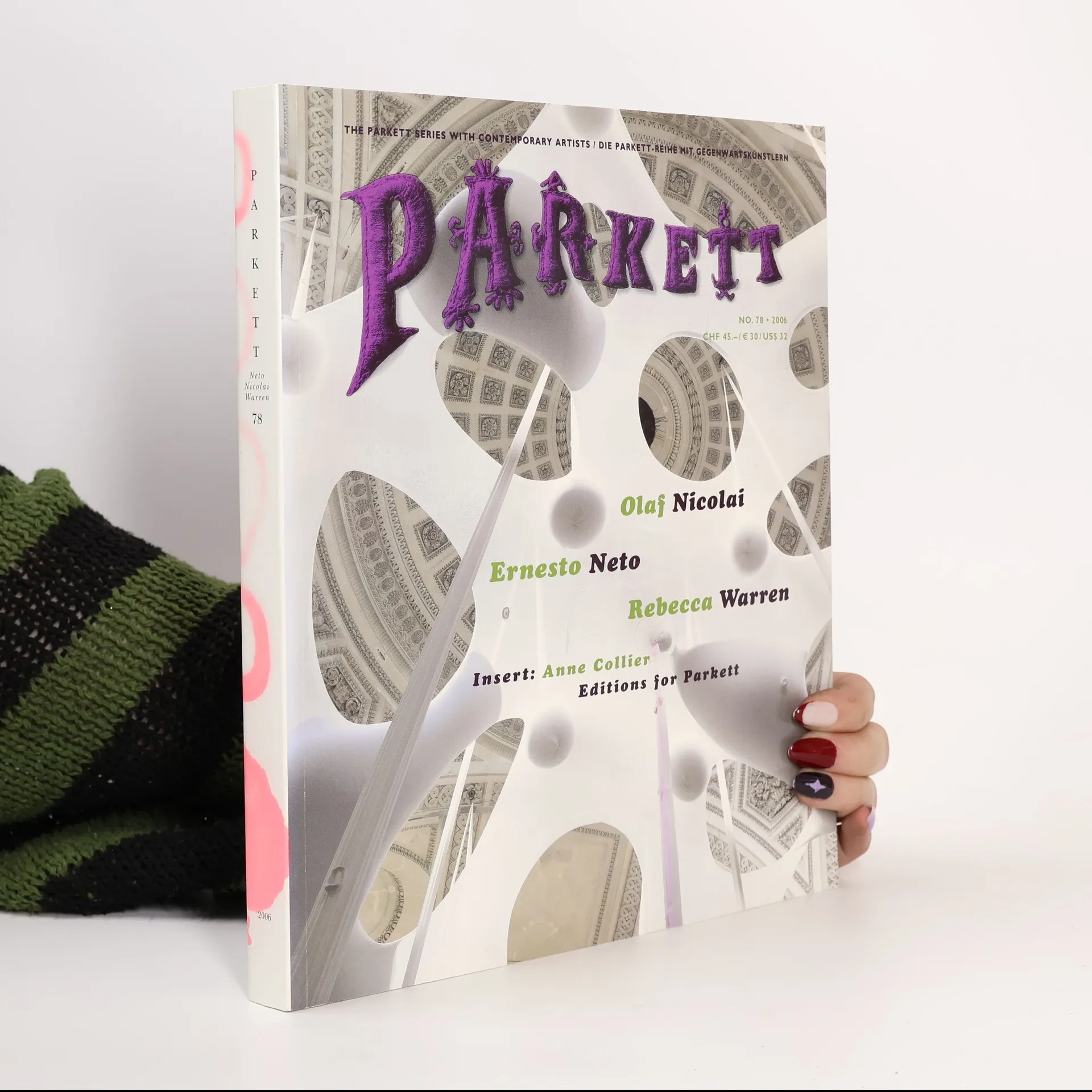
Parkett 78 features the artists Ernesto Neto, Olaf Nicolai and Rebecca Warren. Neto's drooping, opaque lycra installations envelop the viewer in a fog of fabric, a cushion for the gaze, their milky skins leaving children ecstatic and adults in a Fredric Jamesonian "Hyperspace." Olaf Nicolai's concept-driven art, like much of the avant-garde work of the last half-century, remains set on integrating art with daily life. We experience this "blurring" in his randomly arranged pre-fabricated Pantone colors, ornamental stones taken from a 1960s Dresden shopping mall and wall text reading, "A short catalogue of things that you think you want…" Rebecca Warren makes vulgar, lumpy plasticine figures that show the influence of Giacometti and R. Crumb alike. As Neal Brown writes, her figures are, "fingered and improperly squeezed into something that is compulsively-chaotic-masturbatory-fat-ugly-disfigured-repressed-incontinent-excretory-bestial-bulimic…" The issue also features Erwin Wurm, Andro Wekua and Vito Acconci, with texts by Yuko Hasegawa, Paulo Herkenhoff, Charles Esche, Vincent Pécoil, Catherine Lampert, Marjorie Perloff and Kate Fowle, among others.
Rebecca Warren Book order (chronological)
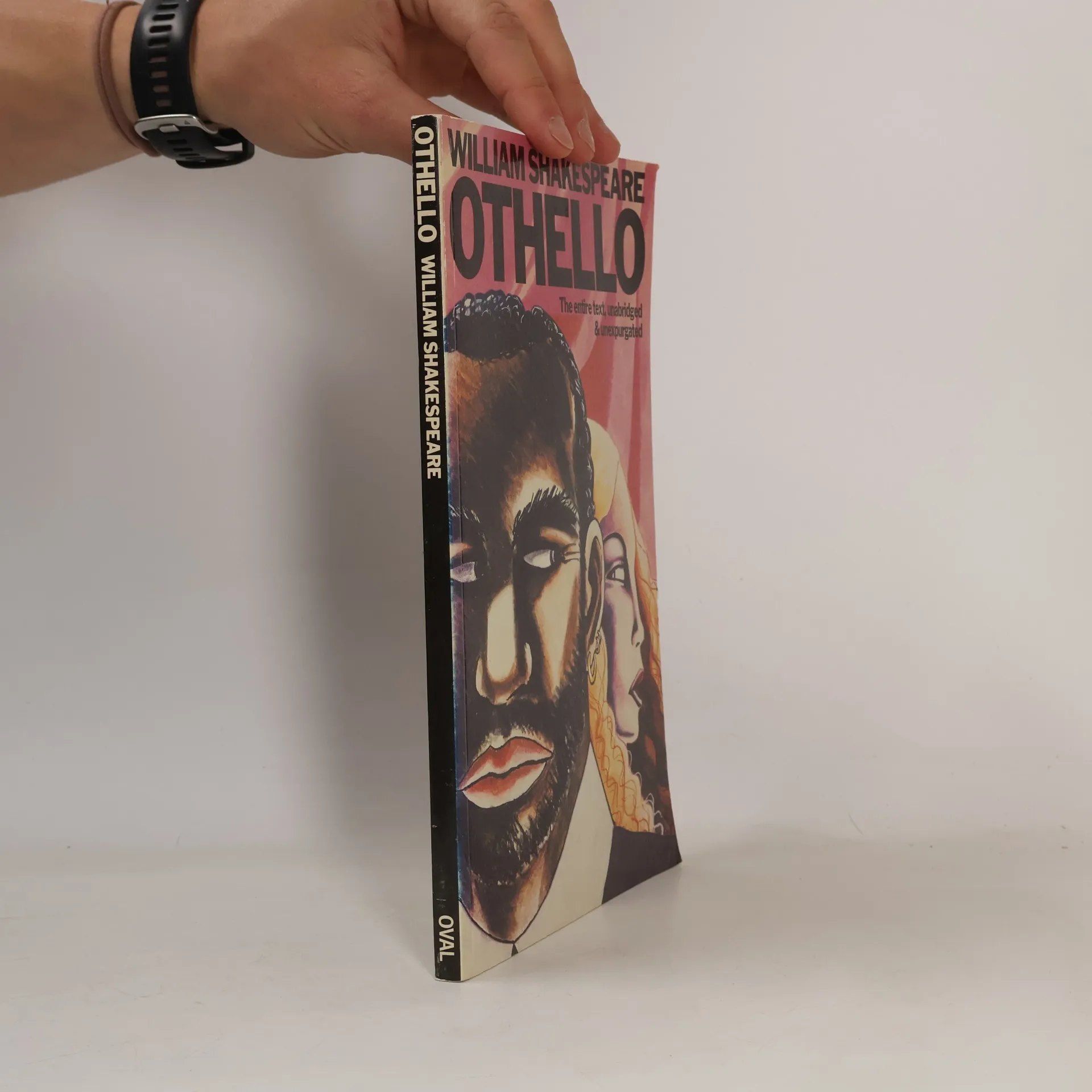
Othello
- 130 pages
- 5 hours of reading
Shakespeare's tragedy of jealousy and suspicion presented scene by scene in comic book format.
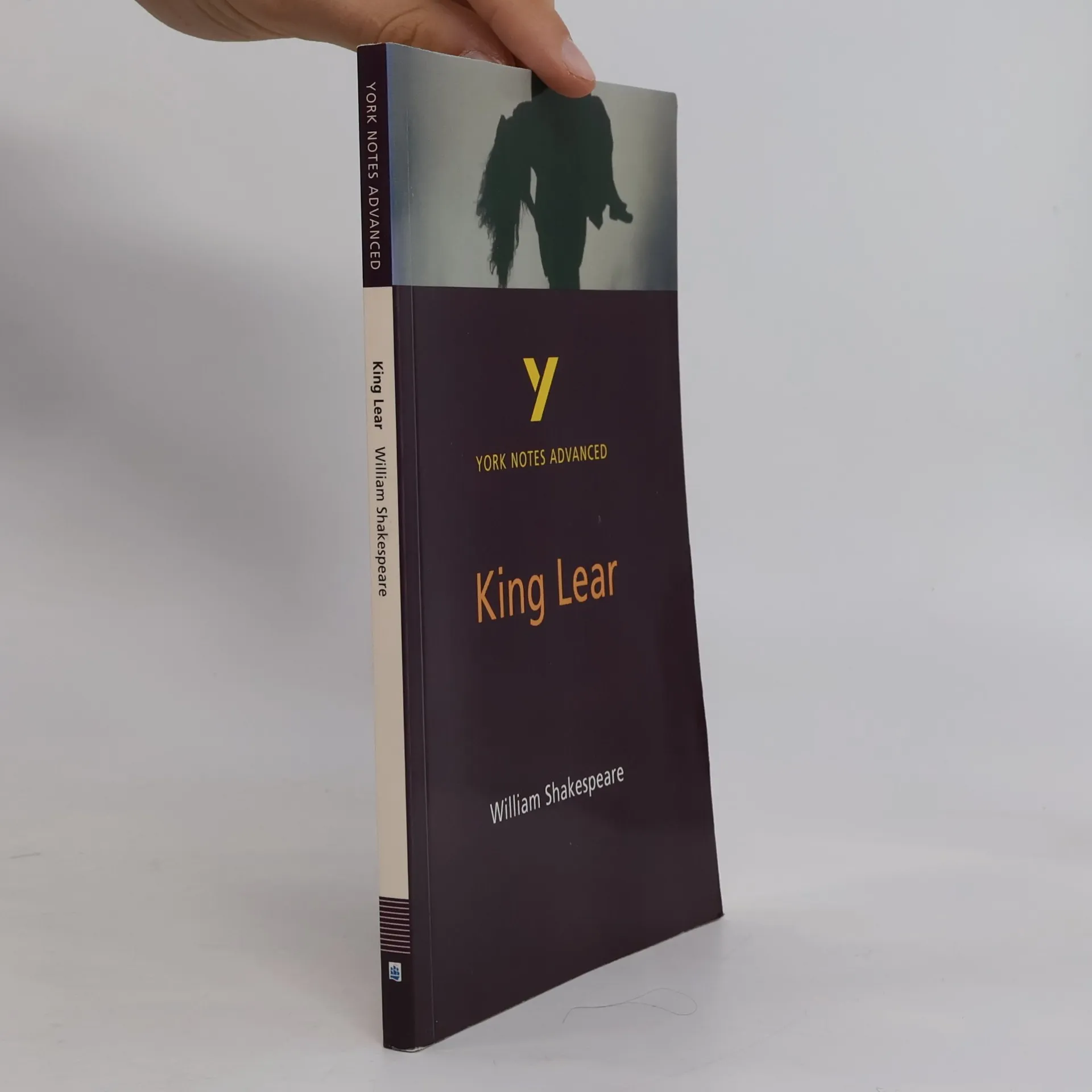
York Notes Advanced on King Lear by William Shakespeare
- 128 pages
- 5 hours of reading
Building on the formula of York Notes, this Advanced series introduces students to more sophisticated analysis and wider critical perspectives. The notes enable students to appreciate contrasting interpretations of the text and to develop their own critical thinking. Key features include: study methods; an introduction to the text; summaries with critical notes; themes and techniques; textual analysis of key passages; author biography; historical and literary background; modern and historical critical approaches; chronology; and glossary of literary terms.