Lži, které svazují
Nové úvahy o identitě: víra, vlast, rasa, třída a kultura


Kwame Anthony Appiah delves into the intricate concepts of identity and ethics in his writings. His work frequently bridges philosophy with our daily lives, offering sharp insights into the moral quandaries we confront. Appiah's prose is celebrated for its clarity and accessibility, making complex ideas understandable to a broad readership. He prompts readers to reflect on how we construct our identities and our responsibilities within a global context.



Nové úvahy o identitě: víra, vlast, rasa, třída a kultura
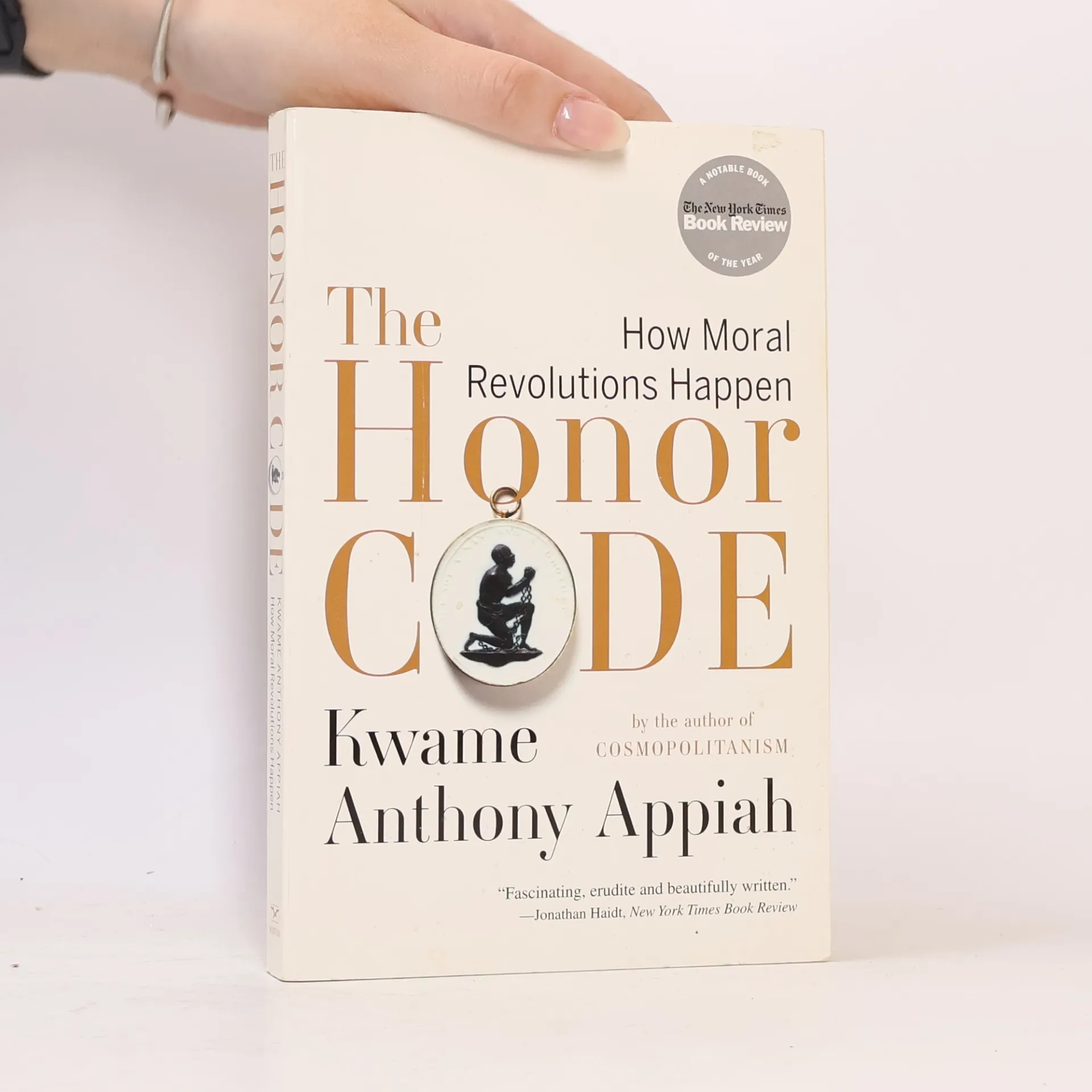
Jak dochází k morálním revolucím
We often think identity is personal. But the identities that shape the world, our struggles, and our hopes, are social ones, shared with countless others. Our sense of self is shaped by our family, but also by affiliations that spread out from there, like our nationality, culture, class, race and religion.Taking these broad categories as a starting point, Professor Appiah challenges our assumptions about how identity works. In eloquent and lively chapters, he weaves personal anecdote with historical, cultural and literary example to explore the entanglements within the stories we tell ourselves. We all know there are conflicts among identities; but Professor Appiah explores how identities are created by conflict. Identities are then crafted from confusions - confusions this book aims to help us sort through. Religion, Appiah shows us, isn't primarily about beliefs. The idea of national self-determination is incoherent. Our everyday racial thinking is an artefact of discarded science. Class is not a matter of upper and lower. And the very idea of Western culture is a misleading myth. We will see our situation more clearly if we start to question these mistaken identities. This is radical new thinking from a master in the subject and will change forever the way we think about ourselves and our communities.
[Appiah's] work reveals the heart and sensitivity of a novelist. . . .Fascinating, erudite and beautifully written.-The New York Times Book Review
Challenges the separatist doctrines which have come to dominate our understanding of the world. This work revives the ancient philosophy of Cosmopolitanism, which dates back to the Cynics of the 4th century, as a means of understanding the complex world.
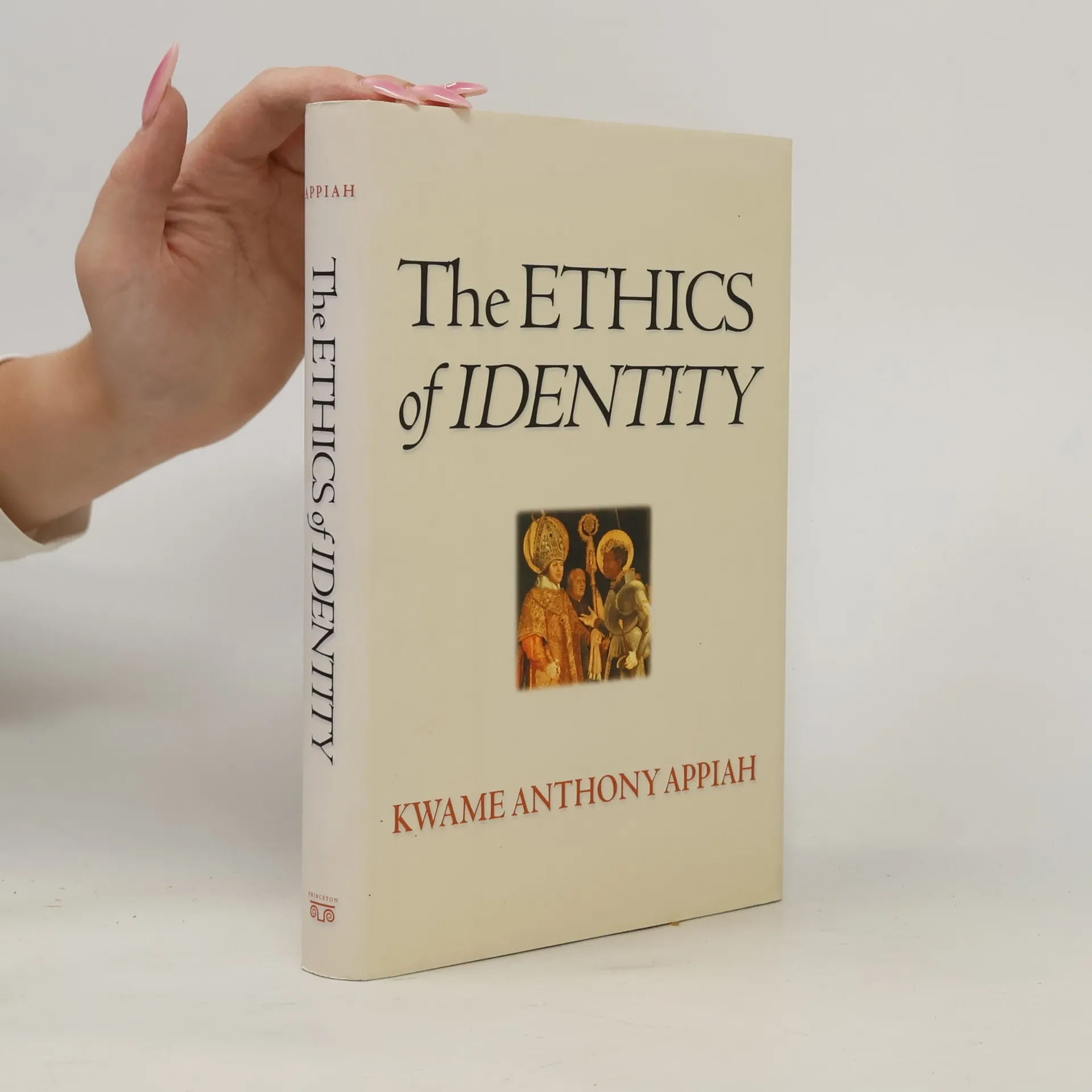
This text explores the ethical significance of identity, including our gender, race, ethnicity, nationality, religion and sexuality, for our obligations to others and to ourselves.
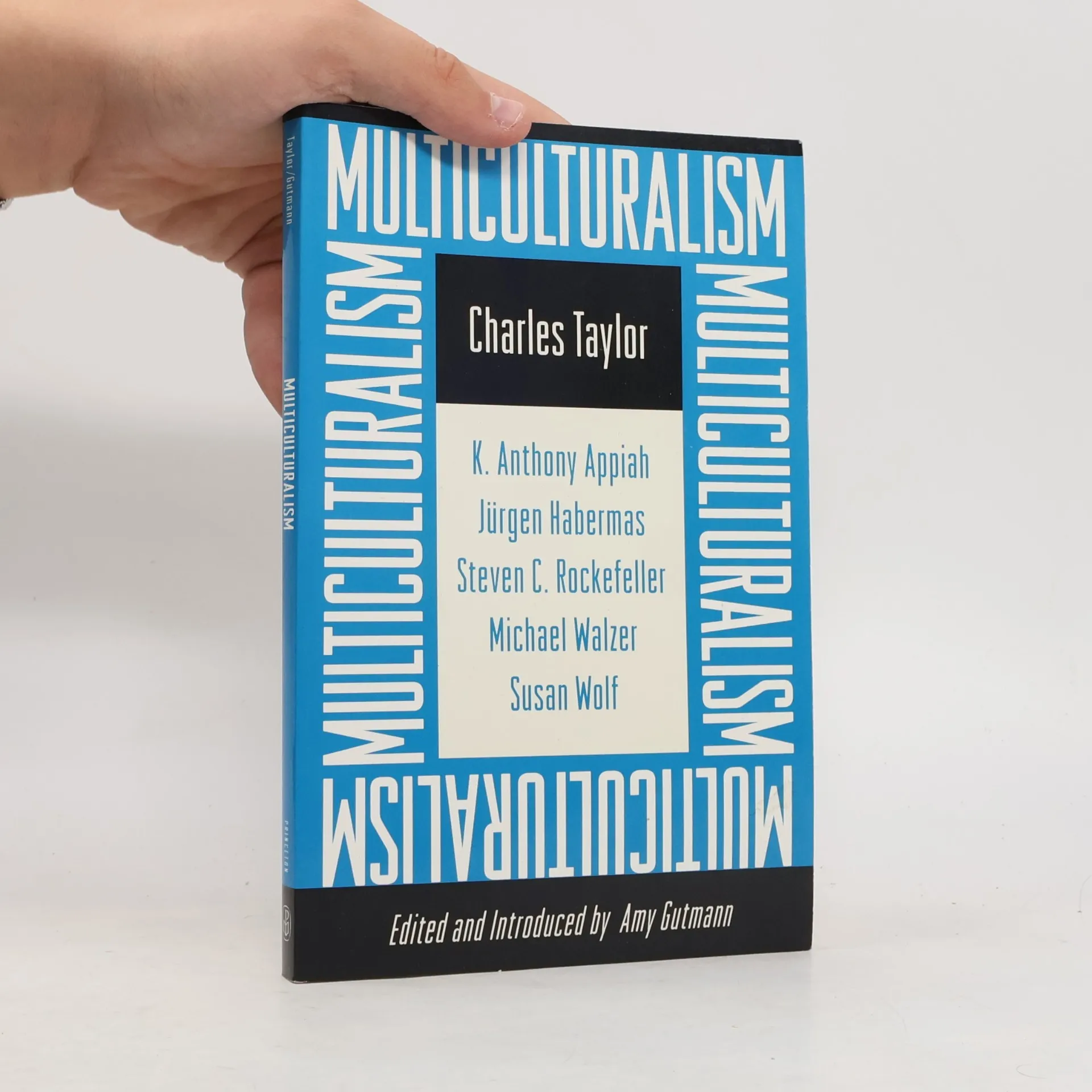
A new edition of the highly acclaimed book Multiculturalism and "The Politics of Recognition," this paperback brings together an even wider range of leading philosophers and social scientists to probe the political controversy surrounding multiculturalism. Charles Taylor's initial inquiry, which considers whether the institutions of liberal democratic government make room--or should make room--for recognizing the worth of distinctive cultural traditions, remains the centerpiece of this discussion. It is now joined by Jürgen Habermas's extensive essay on the issues of recognition and the democratic constitutional state and by K. Anthony Appiah's commentary on the tensions between personal and collective identities, such as those shaped by religion, gender, ethnicity, race, and sexuality, and on the dangerous tendency of multicultural politics to gloss over such tensions. These contributions are joined by those of other well-known thinkers, who further relate the demand for recognition to issues of multicultural education, feminism, and cultural separatism. Praise for the previous edition:
A survey of the historical development of the idea of race, this anthology offers pre-twentieth century theories about the concept of race, classic twentieth century sources reiterating and contesting ideas of race as scientific, and several philosophically relevant essays that discuss the issues presented. A general Introduction gives an overview of the readings. Headnotes introduce each selection. Includes suggested further readings.
A guide to the history and current state of Africa and African American heritage includes entries on topics ranging from affirmative action to zydeco.
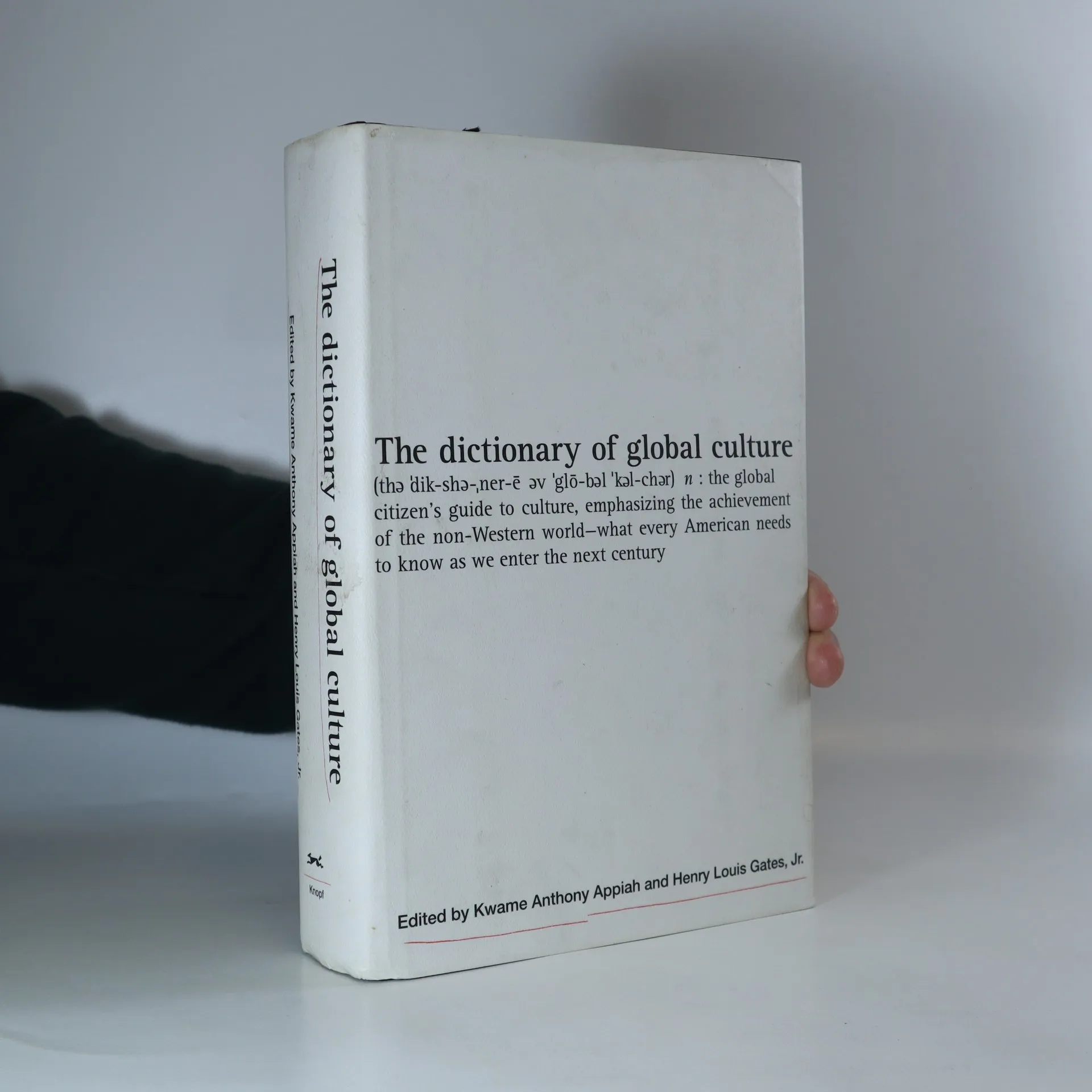
"The global citizen's guide to culture, emphasizing the achievement of the non-Western world -- what every American needs to know as we enter the next century."--Cover