

Explore the latest books of this year!
Bookbot

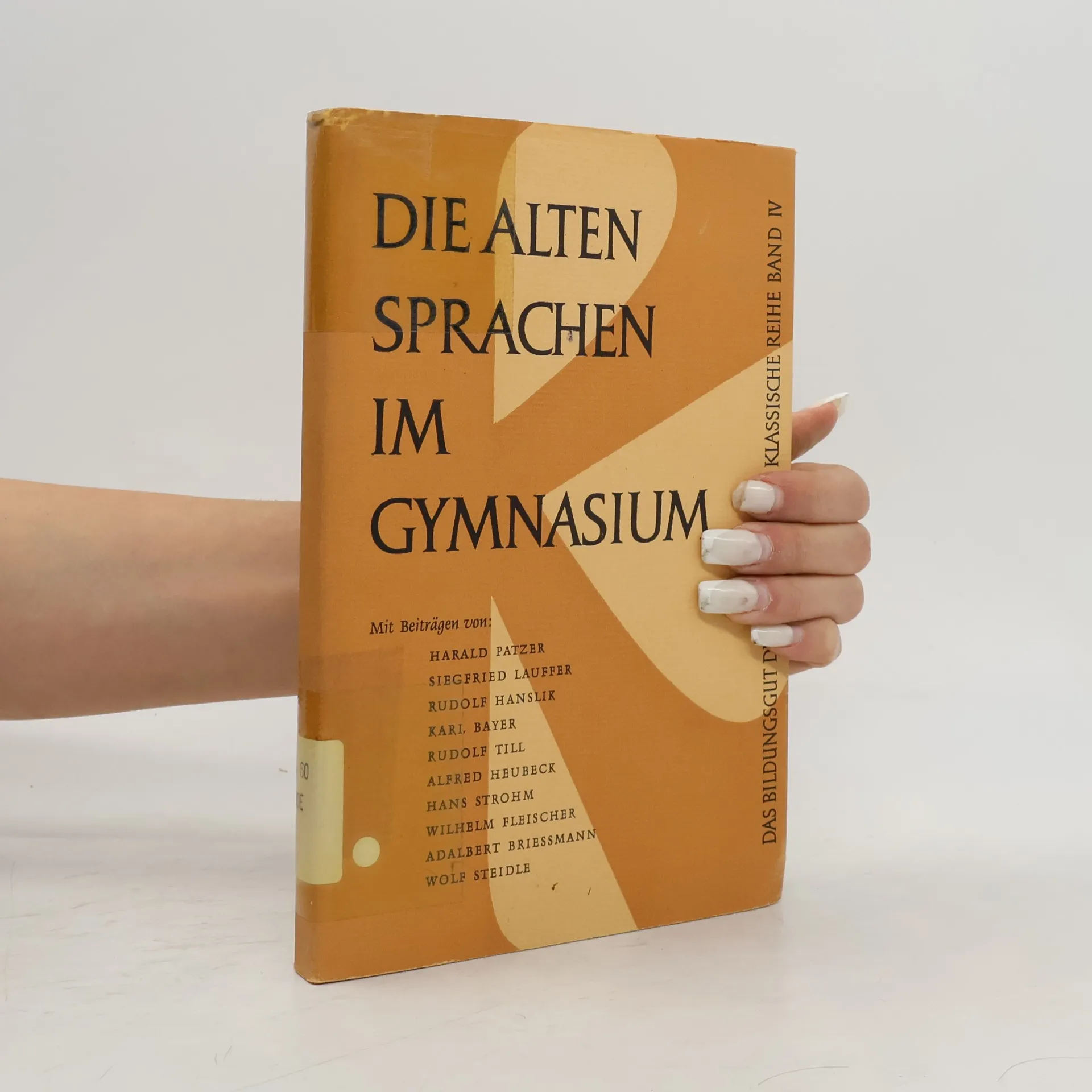
Karl Bayer

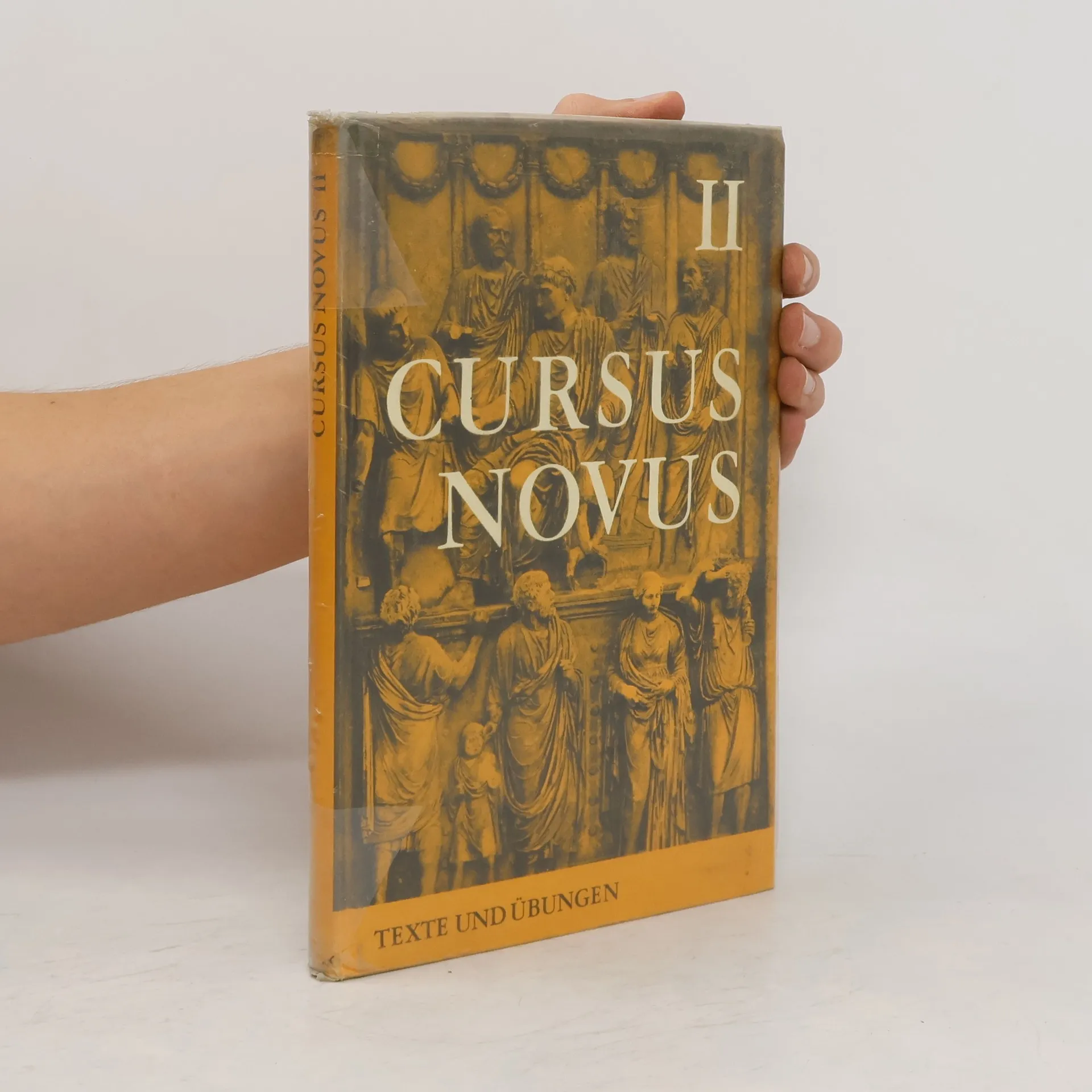
    Cursus novus II
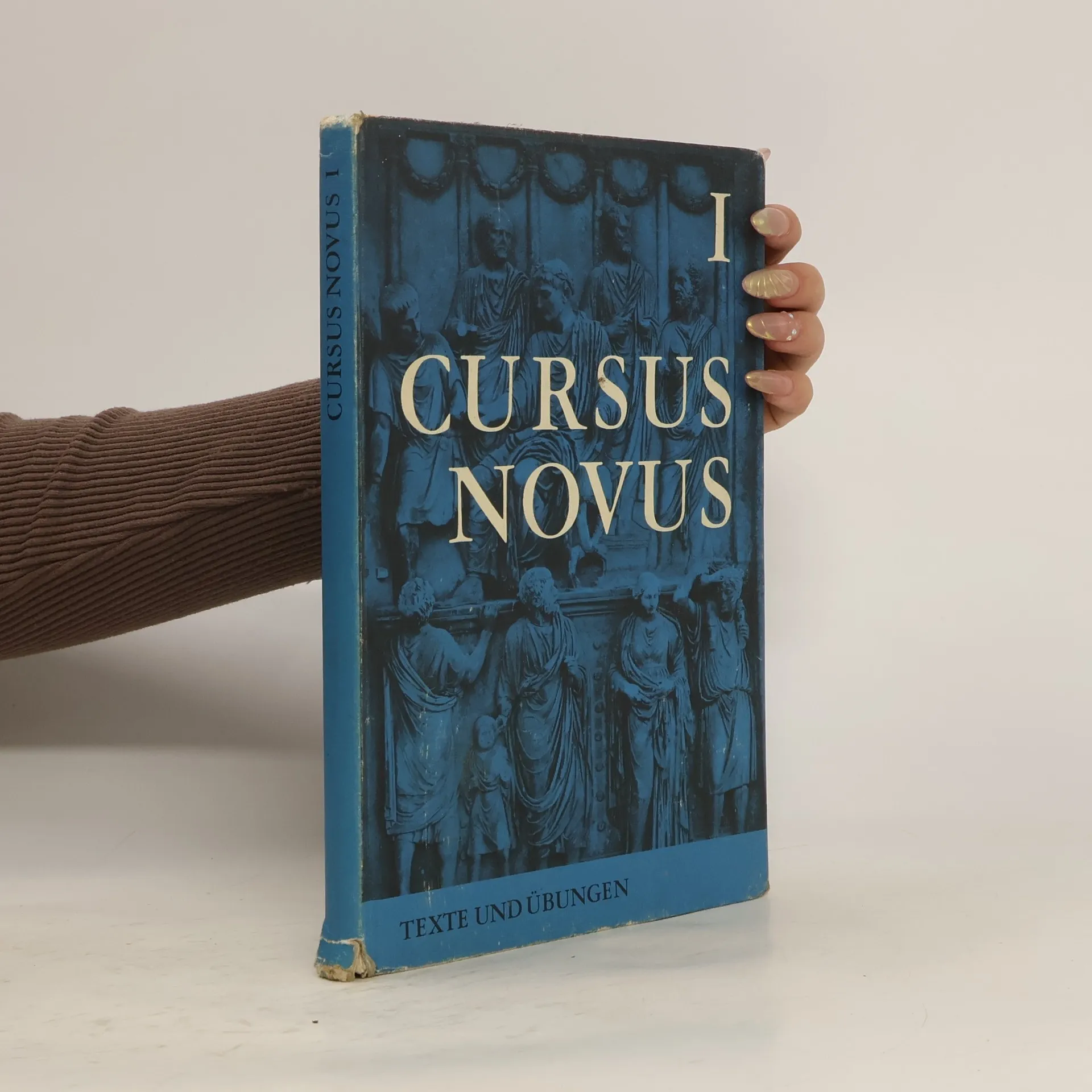
    Cursus novus I.
    Cursus novus compactus
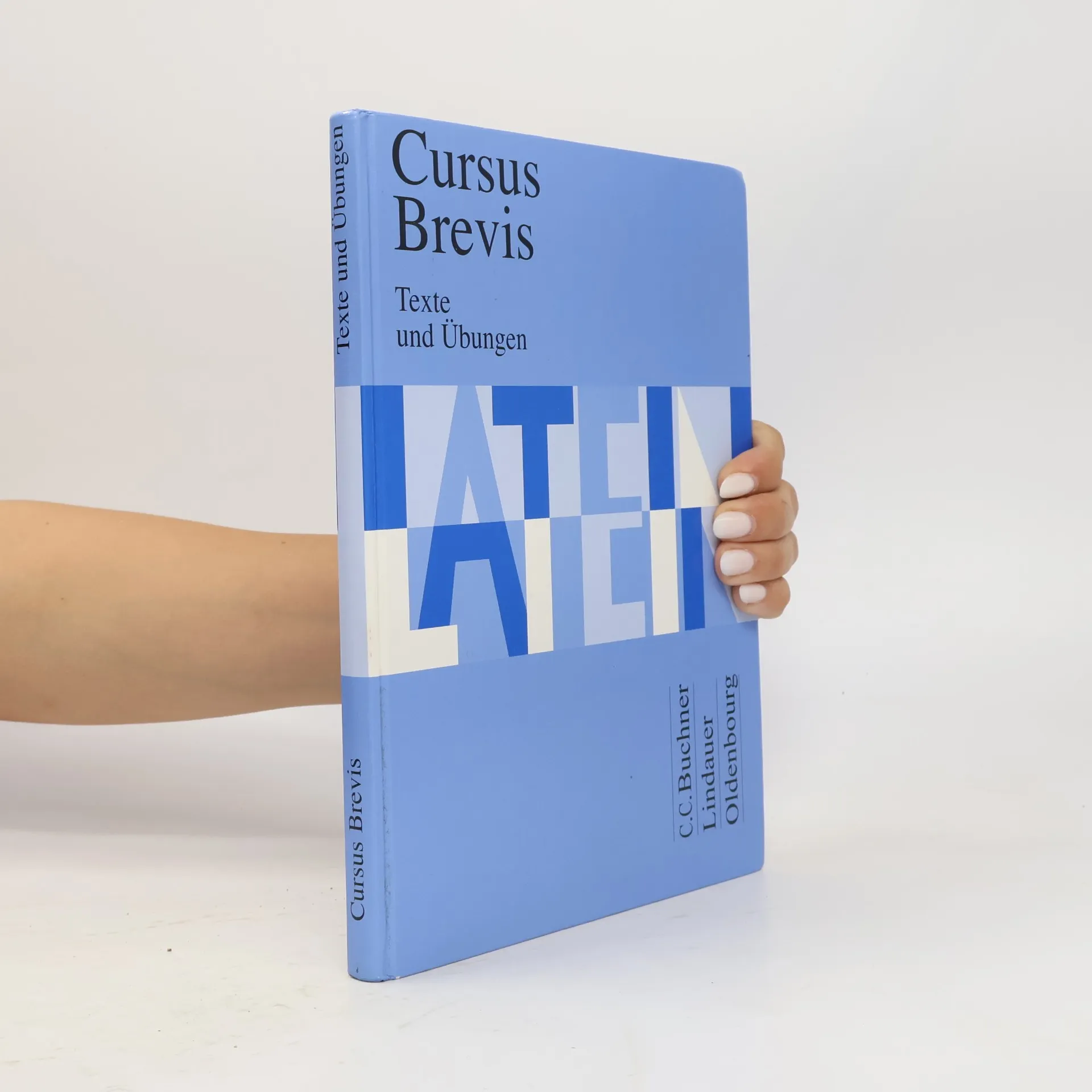
    Cursus Brevis
    Phaedo
    Nota bene!
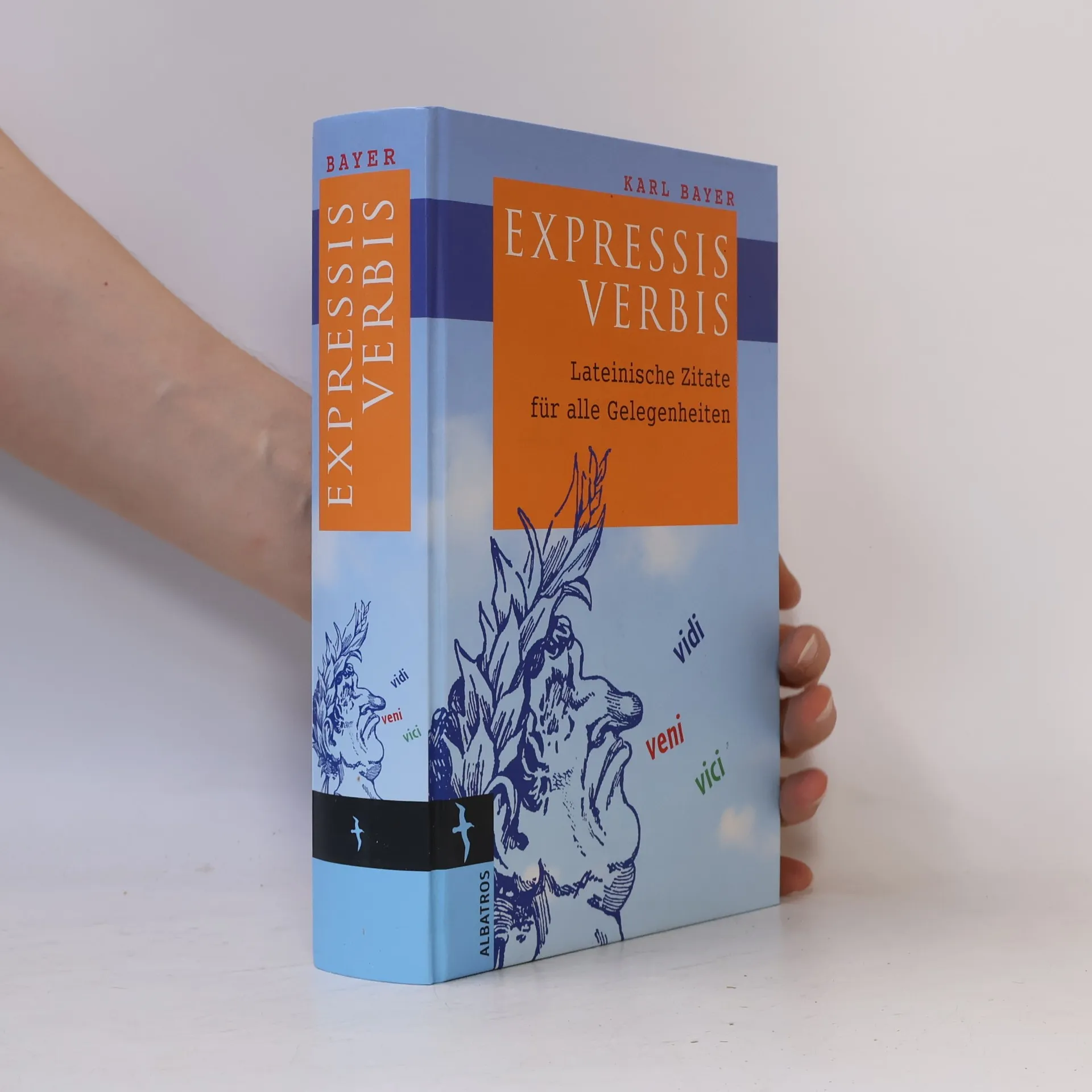
    • Expressis verbis

      • 702 pages
      • 25 hours of reading

      Sie würden gerne mal so richtig fluchen, ohne dass Ihr Umfeld daran Anstoß nimmt und Sie zudem noch für einen sehr gebildeten Menschen hält? Wie wäre es dann mit einem herzhaften 'Pro Iuppiter, tu homo adigis me ad insaniam!' Oder Sie möchten bei einem Geschäftsessen Ihren Chef beeindrucken? Dann weisen Sie ihn doch darauf hin, dass 'Consilium rerum omnium sapiens, non exitum spectat.' Mit einem passenden lateinischen Zitat an der richtigen Stelle lässt sich so manche Unterhaltung würzen. Karl Bayers umfangreiche Sammlung lateinischer Zitate zu allen Lebenslagen ist eine wahre Fundgrube sinnreicher Sprüche – von humorvoll bis philosophisch bietet sie eine Fülle von Aphorismen, so bunt wie das Leben selbst.

      Expressis verbis1996
    • Nota bene!

      • 676 pages
      • 24 hours of reading

      Mit 3000 Zitaten, Redewendungen, Aphorismen und Sentenzen zu allen Lebensbereichen bietet dieses Standardwerk ein buntes Gemenge von Geistesblitzen aus den verschiedensten Zeiten, Verhältnissen und Zusammenhängen. Schmunzelnd, belächelnd oder bedauernd, ratend oder warnend geben die berühmten antiken Autoren wie Caesar, Ovid oder Seneca ihre Lebensweisheiten zum besten.

      Nota bene!1993
      5.0
    • Lateinische Grammatik

      • 274 pages
      • 10 hours of reading

      Das Nachfolgewerk der „legendären“ Lateinischen Schulgrammatik von Landgraf-Leitschuh ist Begleitgrammatik zum Unterrichtswerk ROMA, kann aber auch neben anderen Unterrichtswerken eingesetzt werden.

      Lateinische Grammatik1974
    • Phaedo

      • 105 pages
      • 4 hours of reading

      Plato's Phaedo is deservedly one of the best known works of Greek literature, but also one of the most complex. Set in the prison where Socrates is awaiting execution, it portrays Plato's model philosopher in action, spending his last hours in conversation with two other seasoned members of his circle about the fate of the human soul after death. Professor Rowe attempts to help the reader find a way through the intricate structure both of individual passages and arguments and of the dialogue as a whole, stressing its intelligibility as a unified work of art and giving equal attention to its literary and philosophical aspects. The notes also aim to provide the kind of help with Plato's Greek which is needed by comparative beginners in the language, but the commentary is intended for any student, classical scholar, or philosopher with an interest in the close reading of Plato.

      Phaedo1958
      4.0