What's going on?
- 327 pages
- 12 hours of reading


This author delves into the philosophy and theory of culture and communication, with their work centering on the interdisciplinary practice of cultural studies. Their research initially focused on American popular music and youth culture, but has more recently shifted to contemporary U.S. political culture and the global struggle over possible ways of being modern. Their approach is deeply rooted in theoretical reflection, offering incisive perspectives on the dynamics of contemporary society.
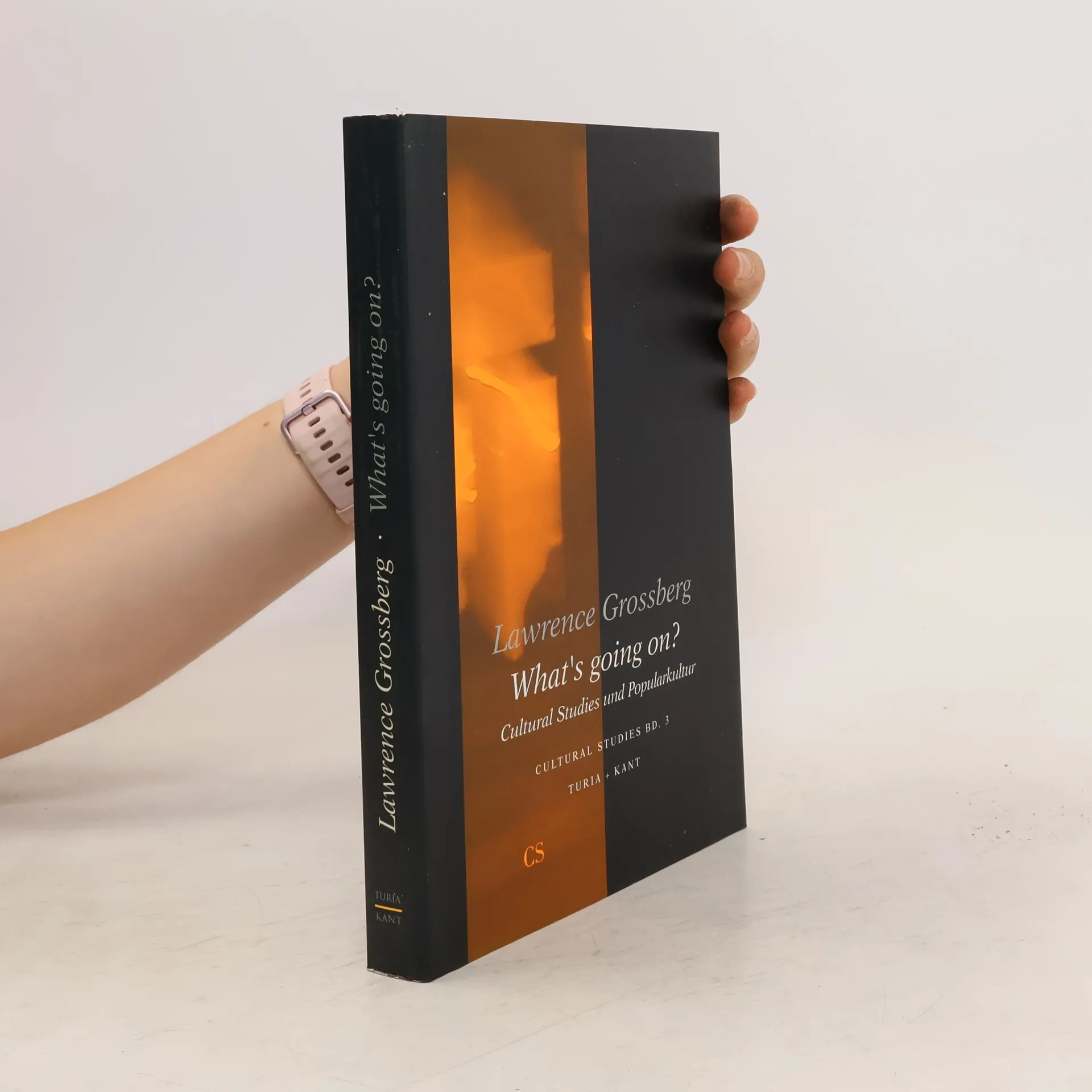
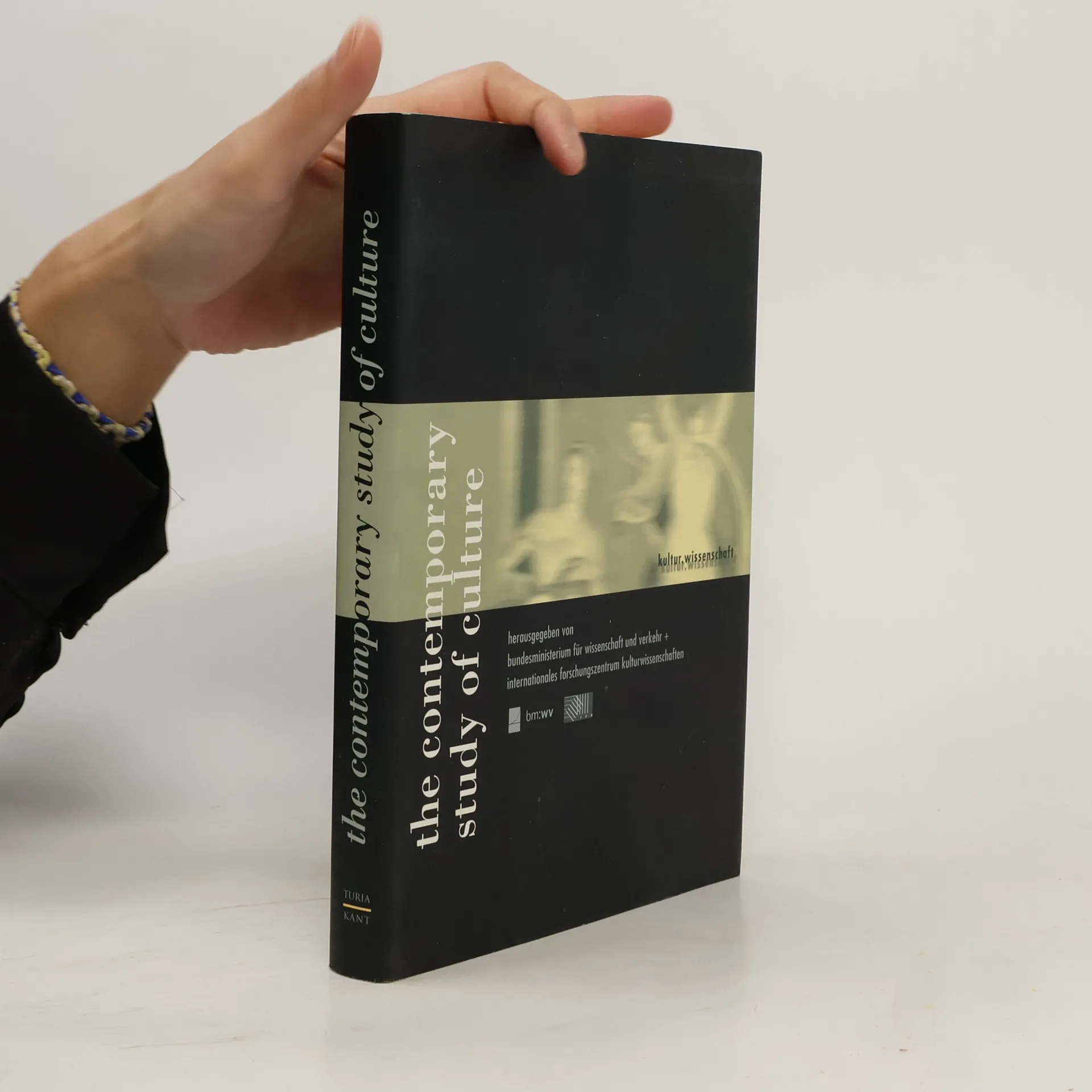
Der Reader hat mit seinem englischen Titel einen Standard für die Einführung der »Cultural Studies« im deutschen Sprachraum gesetzt. Die Inhalte umfassen eine Einführung von Lutz Musner und Gotthart, die eine Gebrauchsanleitung für Kulturstudien bieten. Es folgen Beiträge zu Themen wie Globalisierung und der Ökonomisierung der Kulturstudien von Lawrence, sowie zur Hegemonie und dem politischen Dimensionen der Kultur von Chantal. Paul diskutiert die Notwendigkeit und Unmöglichkeit, ein Schwarzer Europäer zu sein, während Aleida die Gewalt der Sprache und die Beziehung zwischen Erinnerung und Geschichte thematisiert. David befasst sich mit Kultur, Gedächtnis und metropolitaner Modernität, und Anson betrachtet den Übergang von Geschichte zu Erinnerung. Martin behandelt die Textualisierung hermeneutischer Distanzierung, während Renate die Anwendung und den Missbrauch der Hermeneutik in der heutigen Zeit analysiert. Mieke diskutiert Kunst, Sprache und kulturelle Analyse, und Ernst van beleuchtet interdisziplinäre Ansätze zur Kunstgeschichte. Ulf gibt Einblicke in die Kulturansichten in der Globalisierungsforschung, und Wolfgang thematisiert Transkulturalität. Daniel A. bietet ethnografische Beispiele, während James urbane Ethik und Rolf das imaginäre Bild der Stadt behandelt.