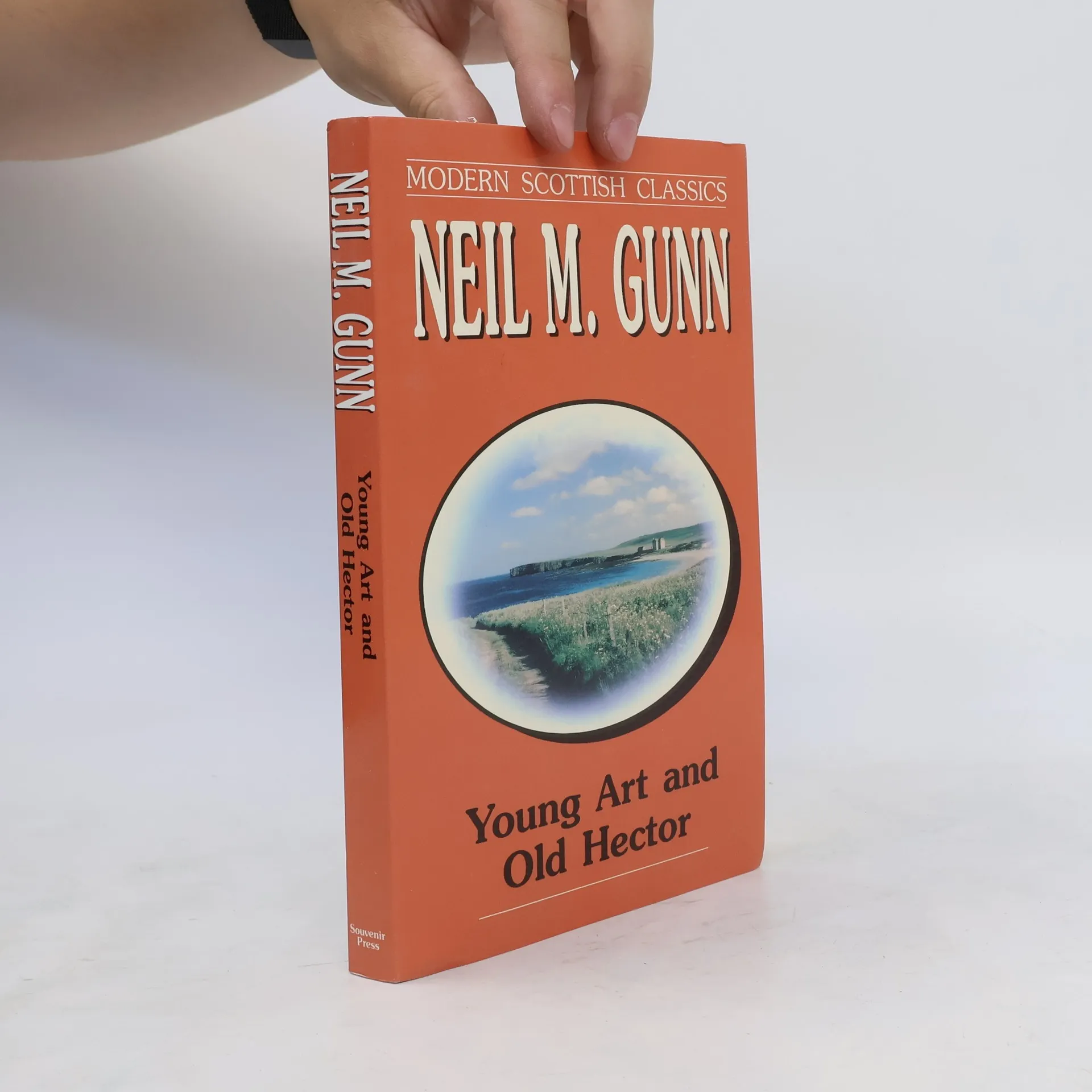
When the sheer intensities of family life become too much for eight-year-old Art, it is to Old Hector that he turns for comfort. Thwarted from fulfilling his burning desire to go to the River, he seeks out the old man who can still poach a salmon with the best when he chooses. Through Old Hector's tales and his own experiences, Young Art gradually learns about the painful business of growing up.Young Art and Old Hector shows Neil Gunn's artistry at its very best; above all, his genius for clothing a simple story of Caithness crofter-fishermen in the rich garb of myth. It is also one of the finest evocations of childhood ever written, conveying all the magic and misery and the bursting joys of being a small boy in the great and mysterious world.
Neil Miller Gunn Books
Neil Gunn stands as one of Scotland's most distinguished novelists, whose work is defined by a profound search for meaning amidst times of crisis. Though his narratives are predominantly set in the Scottish Highlands, Gunn transcends regionalism to explore philosophical, archaeological, and metaphysical dimensions. His novels skillfully weave together compelling action with deep contemplation, often drawing analogies to a Highland river seeking its source. Celebrated for their balance of concrete events and abstract inquiry, Gunn's literary contributions offer readers a unique perspective on enduring questions of existence and purpose.

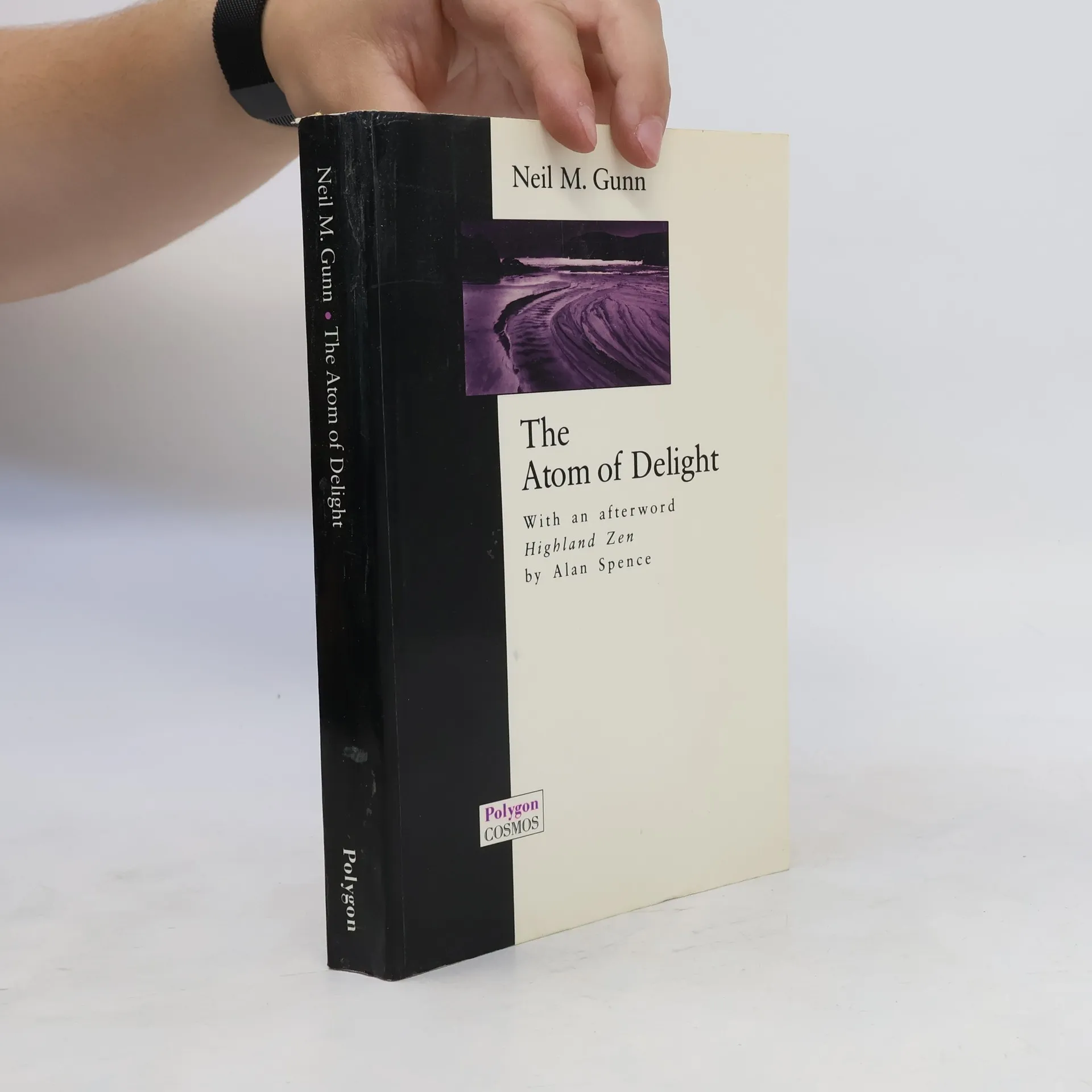
The Atom of Delight
- 246 pages
- 9 hours of reading
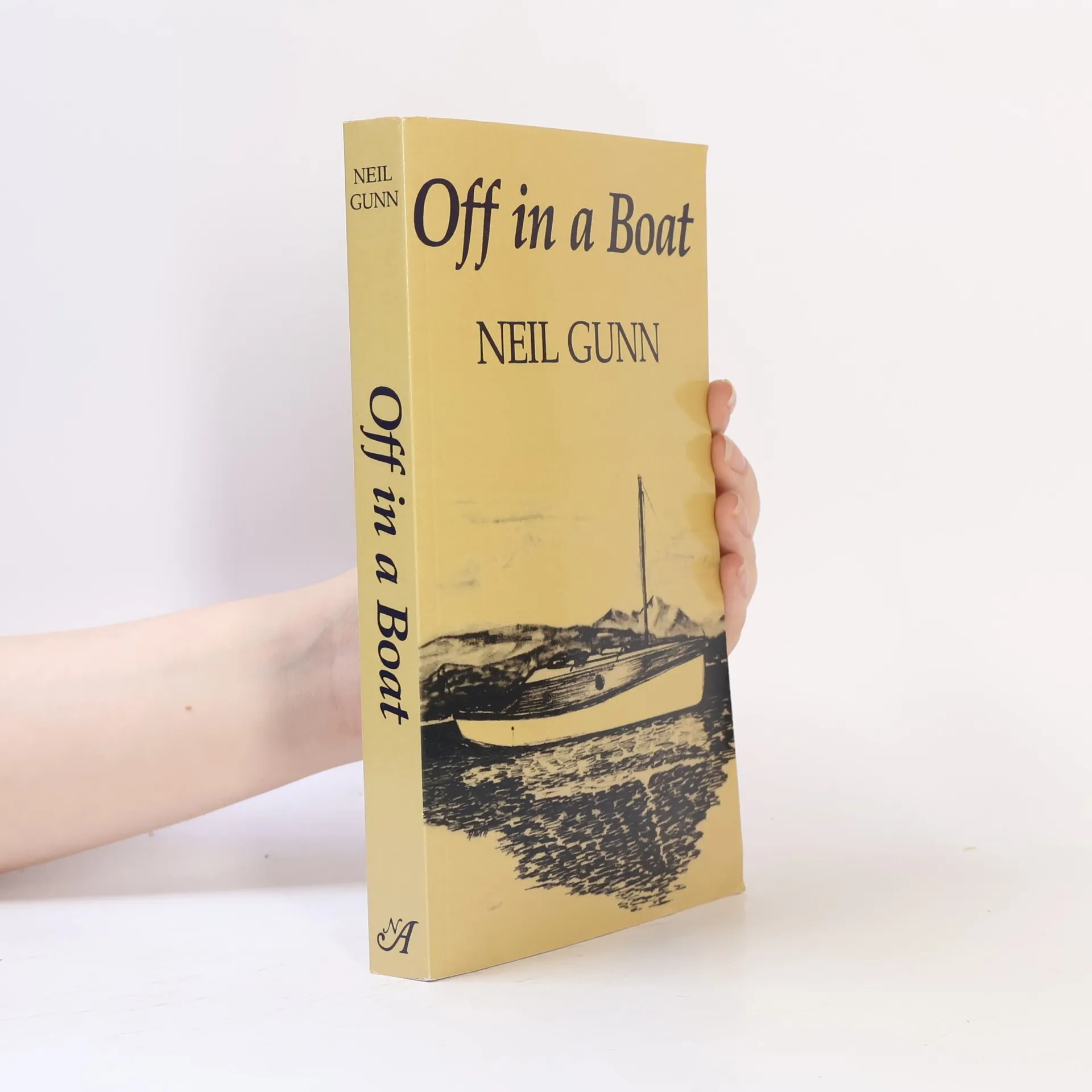
Off in a Boat
- 348 pages
- 13 hours of reading
His ability scrupulously to evoke the landscapes and the peoples of the Highlands, his blending together of myth and reality and his wide-ranging imagination make Neil Gunn the most important Scottish novelist of the 20th century.-Trevor Royle, The Macmillan Companion to Scottish Literature
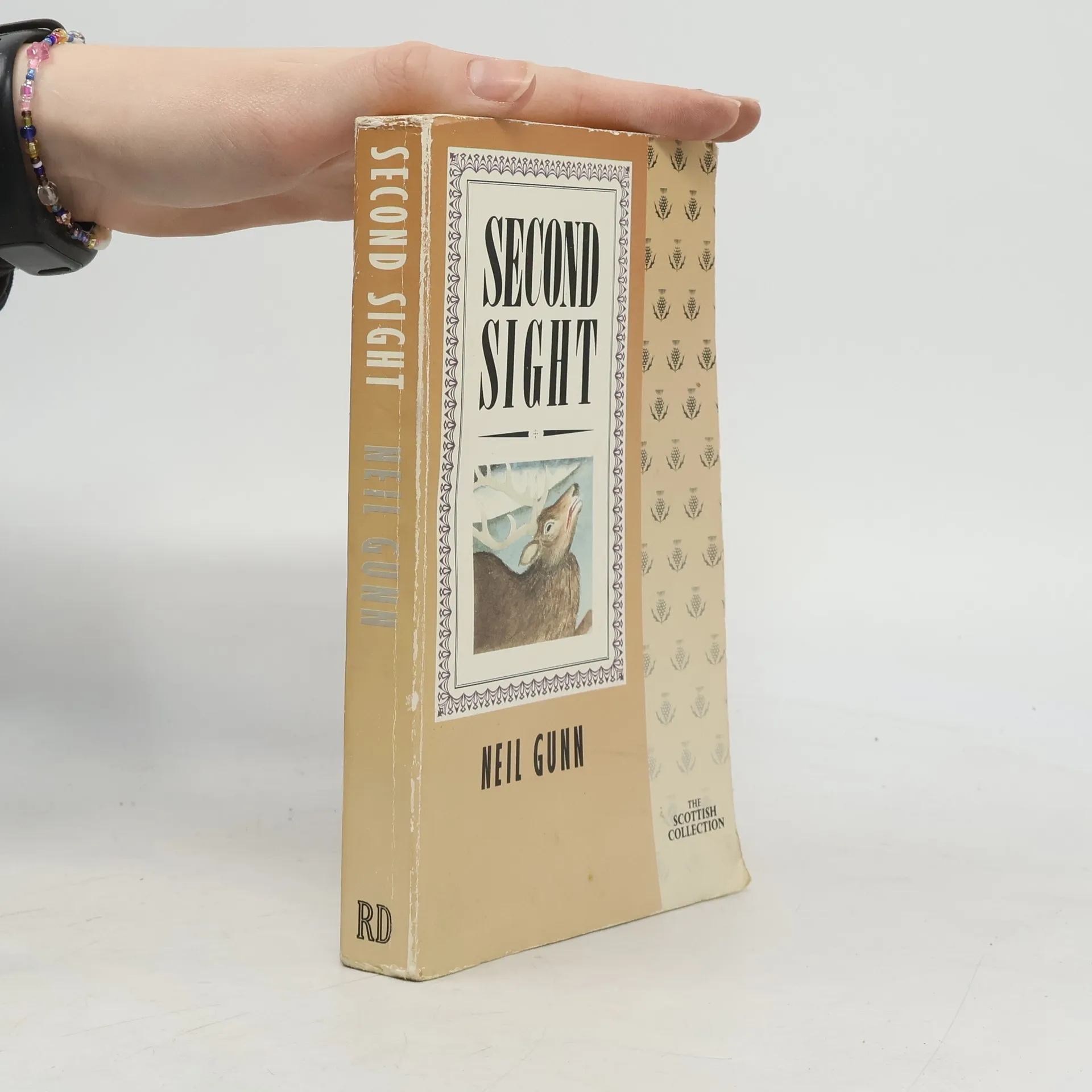
Second Sight
- 327 pages
- 12 hours of reading
Mystery, set in a Highland shooting lodge.
The Other Landscape
- 288 pages
- 11 hours of reading
Exploring profound themes of life, death, and the inexplicable nature of tragedy, this classic Scottish fiction serves as Gunn's final literary work. The narrative delves into the complexities of human experience, reflecting on the inevitability of loss and the mysteries that surround existence.
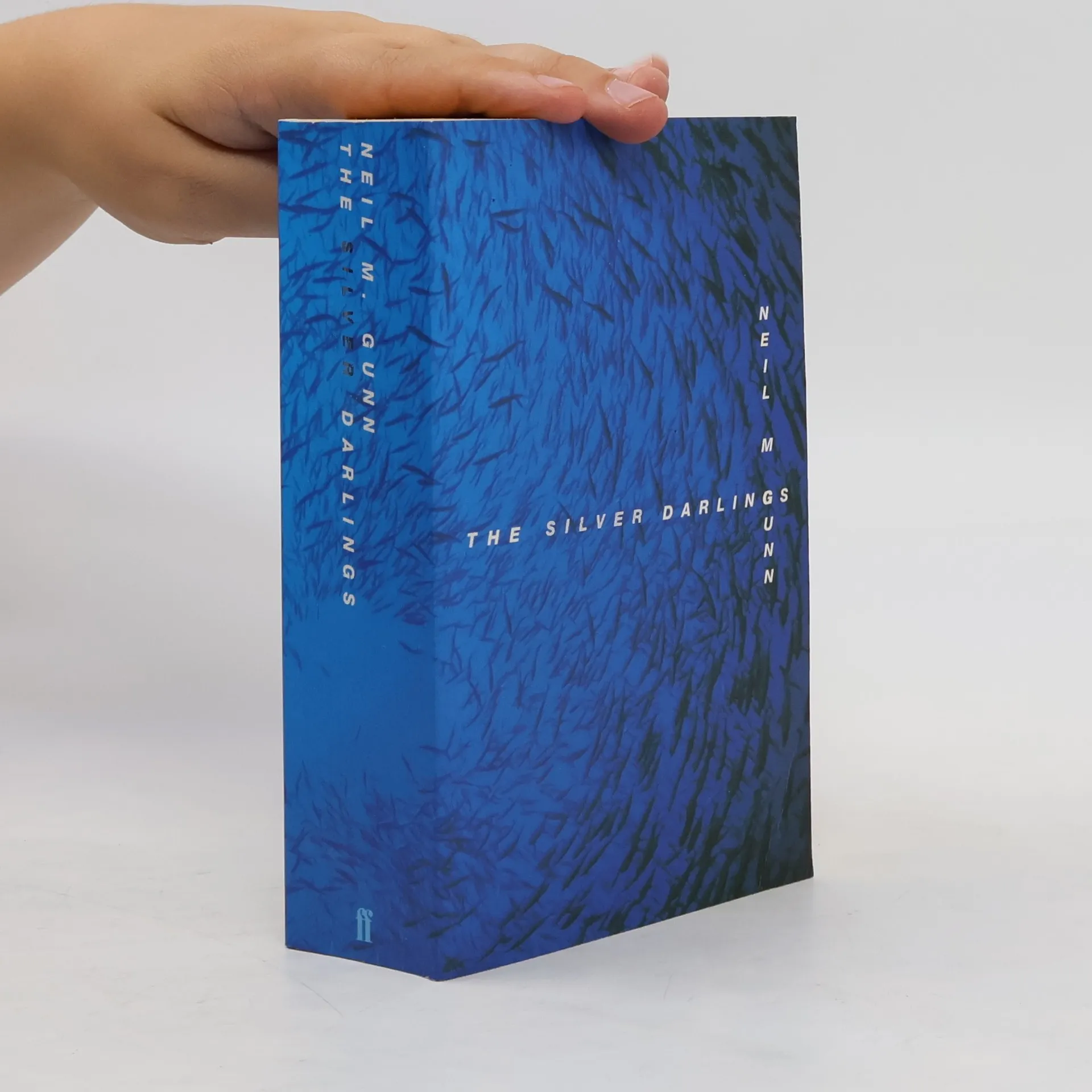
The Silver Darlings
- 592 pages
- 21 hours of reading
The tale of lives won from a cruel sea and crueller landlords. The dawning of the herring fisheries brought with it the hope of escape from the Highland Clearances, and this story paints a vivid picture of a community fighting against nature and history, and refusing to be crushed.
At the heart of The Silver Bough is a cairn on a knoll surrounded by standing stones. This is of professional interest to an archaeologist, around whom the story revolves. The life-enhancing qualities of the crofting family with whom he lodges and the quiet tenor of Highland life bear a curious similarity to his speculations on how 'the cairn people' lived in the distant past. His ideas spread outwards like ripples in a loch, fascinating his colleagues and giving some meaning to the life of a neighbouring landowner, who is mentally scarred from his experiences in the War. The plot of the book is imaginative and intricate, and includes the mystery of skeletons found in a cist in the cairn. As the dig proceeds, gold is discovered and then disappears. Has it been taken by the lad the archaeologist has been employing and, if so, where is it? The search is on and the standing stone claims its sacrificial victim.
The Lost Chart
- 256 pages
- 9 hours of reading
Set against an urban backdrop, this classic Scottish thriller by Neil M. Gunn explores themes that resonate with contemporary issues. Uncharacteristic of his usual style, the narrative delves into suspense and intrigue, reflecting on societal dynamics and human experiences relevant to modern times.