

The Connected Parent
- 304 pages
- 11 hours of reading
An essential guide for parents navigating the new frontier of hyper-connected kids
John Palfrey is Head of School at Phillips Academy, Andover. His works delve into the digital age and intellectual property strategy, exploring how children develop in a digital environment and the strategies for protecting intellectual property. Palfrey's writings offer profound insights into the contemporary challenges and opportunities within the digital world.


An essential guide for parents navigating the new frontier of hyper-connected kids
The most enduring change wrought by the digital revolution is neither the new business models nor the new search algorithms, but rather the massive generation gap between those who were born digital and those who were not. The first generation of "digital natives"--children who were born into and raised in the digital world--is now coming of age, and soon our world will be reshaped in their image. Our economy, our cultural life, even the shape of our family life will be forever transformed. But who are these digital natives? How are they different from older generations, and what is the world they're creating going to look like? Based on original research and advancing new theories, the authors explore a broad range of issues, from the highly philosophical to the purely practical.--From publisher description.
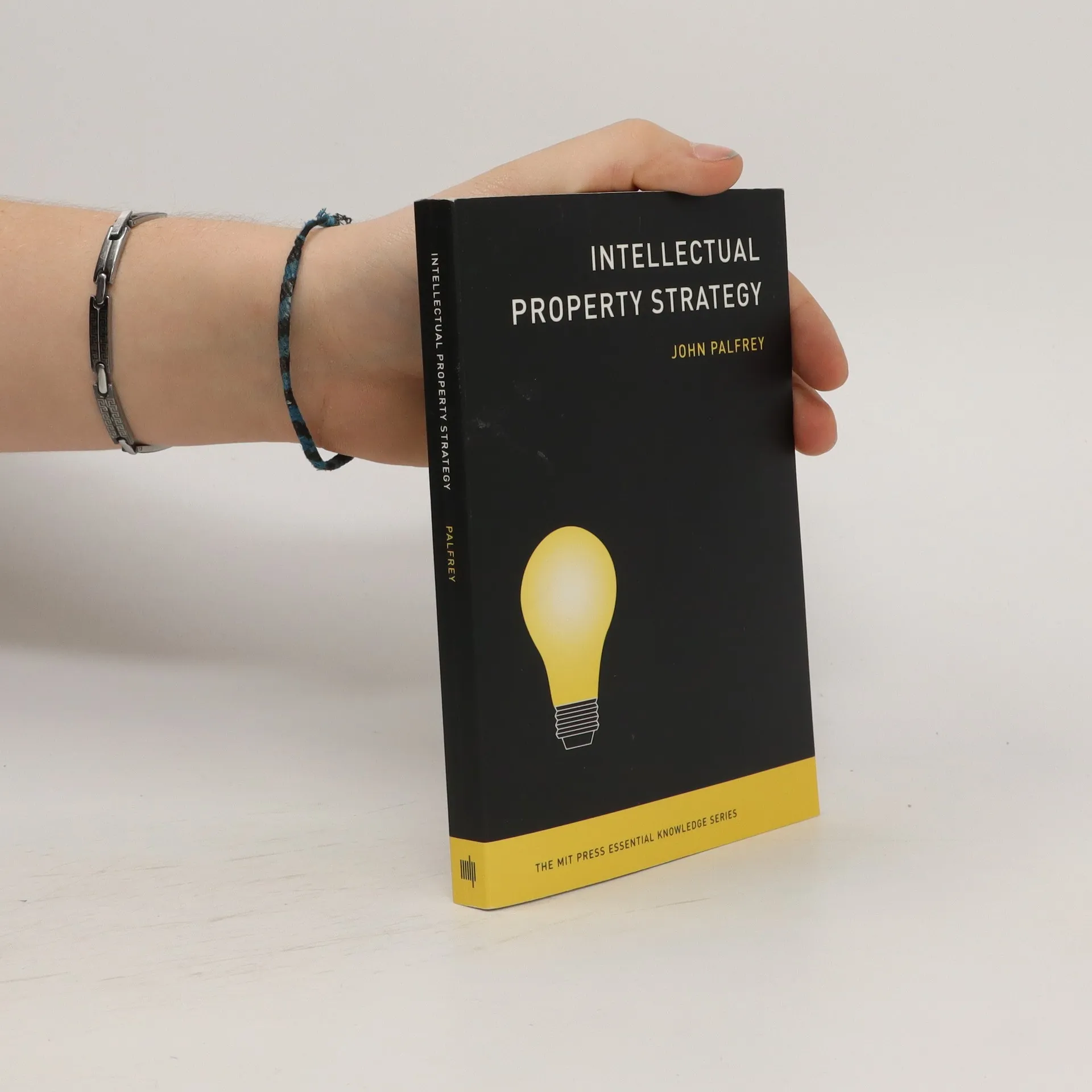
Most managers often delegate intellectual property issues to legal departments, overlooking how it can help achieve various management goals, such as entering new markets, enhancing products, and creating new revenue streams. In this insightful work, intellectual property expert and Harvard Law School professor John Palfrey provides a concise overview of intellectual property strategy tailored for corporate managers and nonprofit leaders. He advocates for strategies that extend beyond the conventional restrictive "sword and shield" mindset, emphasizing the importance of flexibility and creativity for a sustainable intellectual property strategy in today's evolving media landscape. Palfrey asserts that intellectual property should be viewed as a vital strategic asset class, as nearly every organization possesses a valuable intellectual property portfolio, necessitating a coherent strategy. He highlights key areas of intellectual property—patent, copyright, trademark, and trade secret—and outlines strategic approaches for each within various organizational contexts, structured around four fundamental steps. The most innovative organizations adopt diverse intellectual property strategies based on specific circumstances, posing critical, context-driven questions. This approach enables them to reap both immediate and long-term advantages while positioning themselves for success in the global information economy.
Der Wandel, den die digitale Revolution ausgelöst hat, besteht nicht nur in ausgefeilten Suchmaschinen und neuen Geschäftsmodellen. Weit folgenreicher ist die wachsende Kluft zwischen denen, die im Sternzeichen „Internet“ geboren sind, und jenen, für die das nicht gilt. Die Kinder einer neuen Generation, die sich ein Leben ohne Google nicht vorstellen kann, sind nun volljährig. Sie sind die ersten „Digital Natives“, deren Mediengewohnheiten unsere Wirtschaft, unsere Kultur, ja sogar unser Familienleben tiefgreifend verändern. Die bisher sichtbaren Veränderungen stellen dabei nur die Spitze des Eisbergs dar. Wie lebt diese global vernetzte Generation? Wie unterscheiden sich die „Digital Natives“ von früheren Generationen? Wie gehen sie mit Informationen um? Wahren sie ihre Privatsphäre? Was bedeutet Identität für junge Menschen, die Online-Profile und Avatare haben? Wie müssen Unternehmen mit ihnen kommunizieren? Welche Chancen und Risiken ergeben sich für die Gesellschaft? Basierend auf aktuellen Forschungsergebnissen zeichnet dieses Buch der Internetexperten John Palfrey und Urs Gasser das Porträt einer digital geborenen Generation und gewährt faszinierende Einblicke für alle, die unsere digitale Gegenwart begreifen wollen, um zu wissen, wie die Zukunft zu gestalten ist.