
Explore the latest books of this year!
Bookbot

John W. Boyer

    John W. Boyer is a distinguished historian focusing on the political and cultural history of modern Europe, with a particular emphasis on Germany and the Habsburg Empire. His scholarship delves into the intricate relationship between religion and politics throughout European history, as well as the evolution of universities. Boyer is recognized for his insightful analyses that illuminate complex social and political dynamics. His work offers profound perspectives on pivotal moments in European history, highlighting their cultural and ideological underpinnings.

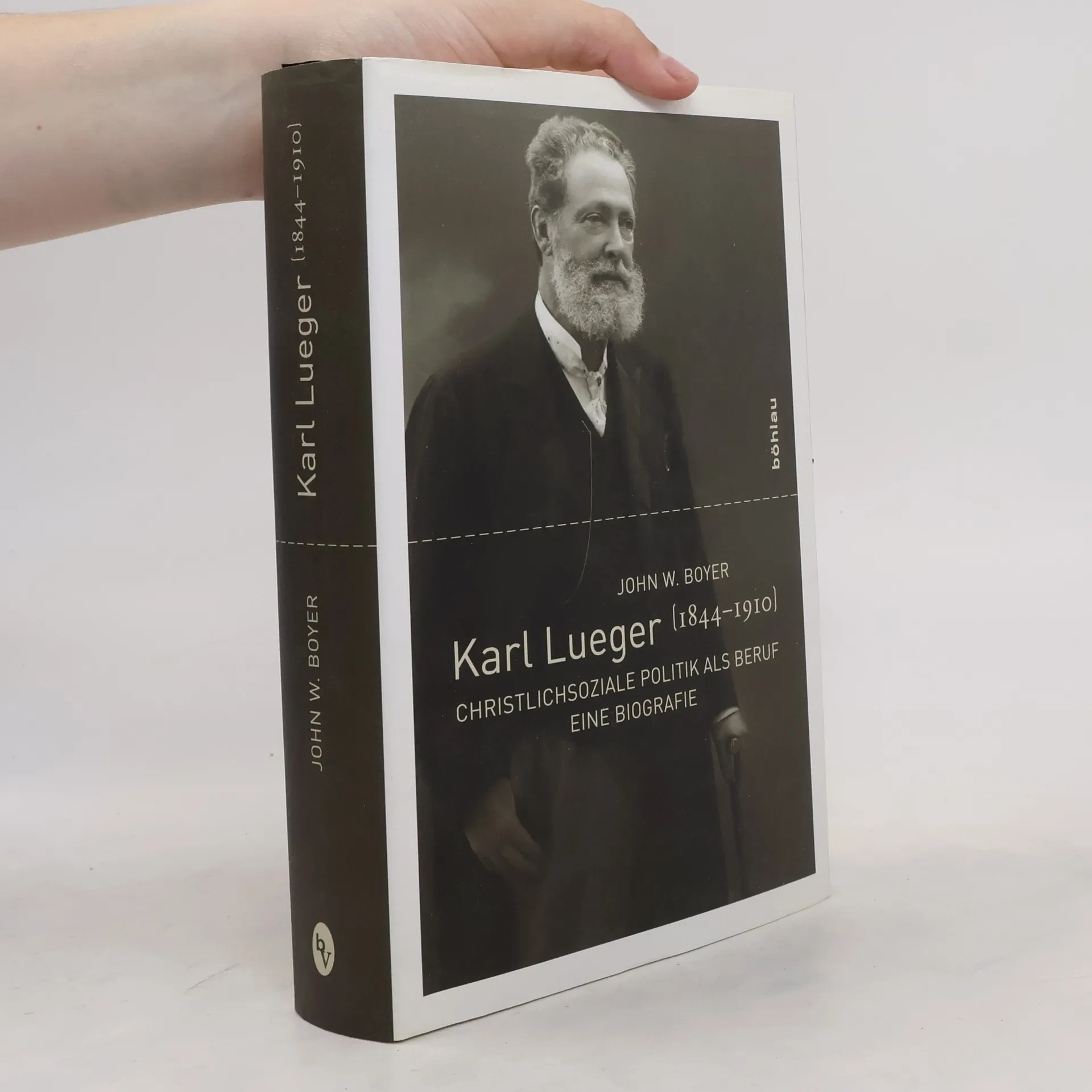
    Karl Lueger
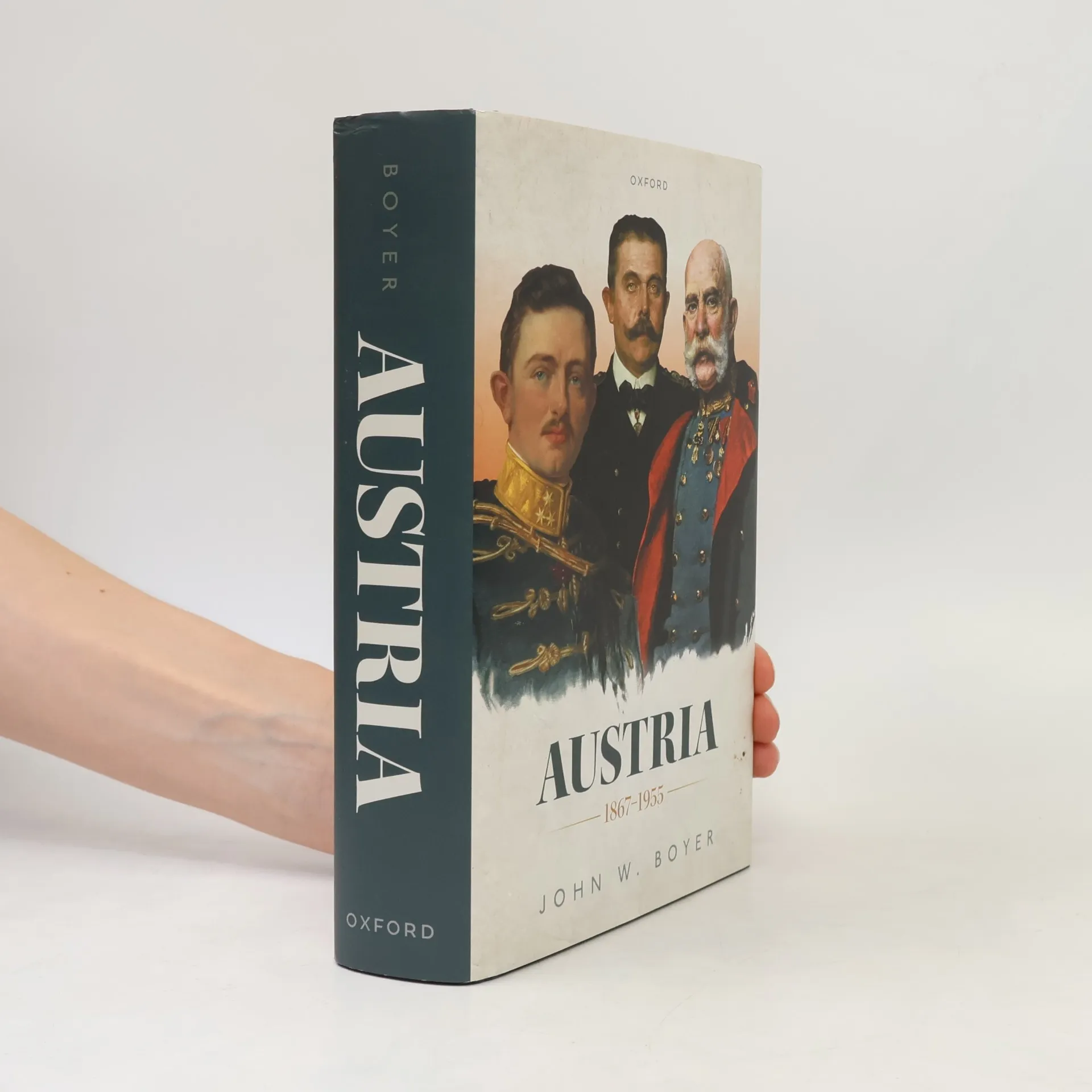
    Oxford History of Modern Europe: Austria 1867-1955
    • Austria 1867-1955 connects the political history of German-speaking provinces of the Habsburg Empire before 1914 (Vienna and the Alpine Lands) with the history of the Austrian Republic that emerged in 1918. John W. Boyer presents the case of modern Austria as a fascinating example of democratic nation-building. The construction of an Austrian political nation began in 1867 under Habsburg Imperial auspices, with the German-speaking bourgeois Liberals defining the concept of a political people (Volk) and giving that Volk a constitution and a liberal legal and parliamentary order to protect their rights against the Crown. The decades that followed saw the administrative and judicial institutions of the Liberal state solidified, but in the 1880s and 1890s the membership of the Volk exploded to include new social and economic strata from the lower bourgeoisie and the working classes. Ethnic identity was not the final structuring principle of everyday politics, as it was in the Czech lands. Rather social class, occupational culture, and religion became more prominent variables in the sortition of civic interests, exemplified by the emergence of two great ideological parties, Christian Socialism and Social Democracy in Vienna in the 1890s. The war crisis of 1914/1918 exploded the Empire, with the Crown self-destructing in the face of military defeat, chronic domestic unrest, and bitter national partisanship. But this crisis also accelerated the emergence of new structures of democratic self-governance in the German-speaking Austrian lands, enshrined in the republican Constitution of 1920. Initial attempts to make this new project of democratic nation-building work failed in the 1920s and 1930s, culminating in the catastrophe of the 1938 Nazi occupation. After 1945 the surviving legatees of the Revolution of 1918 reassembled under the four-power Allied occupation, which fashioned a shared political culture which proved sufficiently flexible to accommodate intense partisanship, resulting, by the 1970s, in a successful republican system, organized under the aegis of elite democratic and corporatist negotiating structures, in which the Catholics and Socialists learned to embrace the skills of collective but shared self-governance.

      Oxford History of Modern Europe: Austria 1867-19552022
    • Karl Lueger

      • 595 pages
      • 21 hours of reading

      Dies ist die erste fundierte Biografie, die Karl Luegers Leben in den Kontext der von ihm gegründeten Christlichsozialen Partei einbettet. Das Leben des Wiener Bürgermeisters war in so überragender Weise ein öffentlich-politisches, so untrennbar mit der Politik in Wien verknüpft, dass man Lueger als Person nicht verstehen kann, ohne die Partei mit zu bedenken, die er gründete. John W. Boyer untersucht, wie Luegers Verwaltung in Wien funktionierte, was seine Prioritäten waren, und wie sein politisches Agieren mit den größeren Problemen zusammenhing, die sich in der österreichischen Monarchie zwischen 1895 und 1914 entwickelten. Erstmals unternimmt der Autor auch den Versuch, die Christlichsozialen Karl Luegers der Zeit vor 1914 mit den Christlichsozialen nach 1918 unter der Führung von Ignaz Seipel zu vergleichen und kommt zum Schluss, dass Lueger und Seipel sich in ihren Anliegen sehr stark unterschieden und einem völlig anderen politischen Führungsstil folgten. Der Autor nimmt das Problem des Antisemitismus in einer kritischen Phase der europäischen Geschichte in den Blick. Wer pauschalierende Zusammenfassungen sucht, wird diese bei Boyer nicht finden; hingegen wird fündig, wer eine ganze Epoche aus einer Vielzahl, zum Teil einander widersprechender Quellen verstehen will.

      Karl Lueger2010