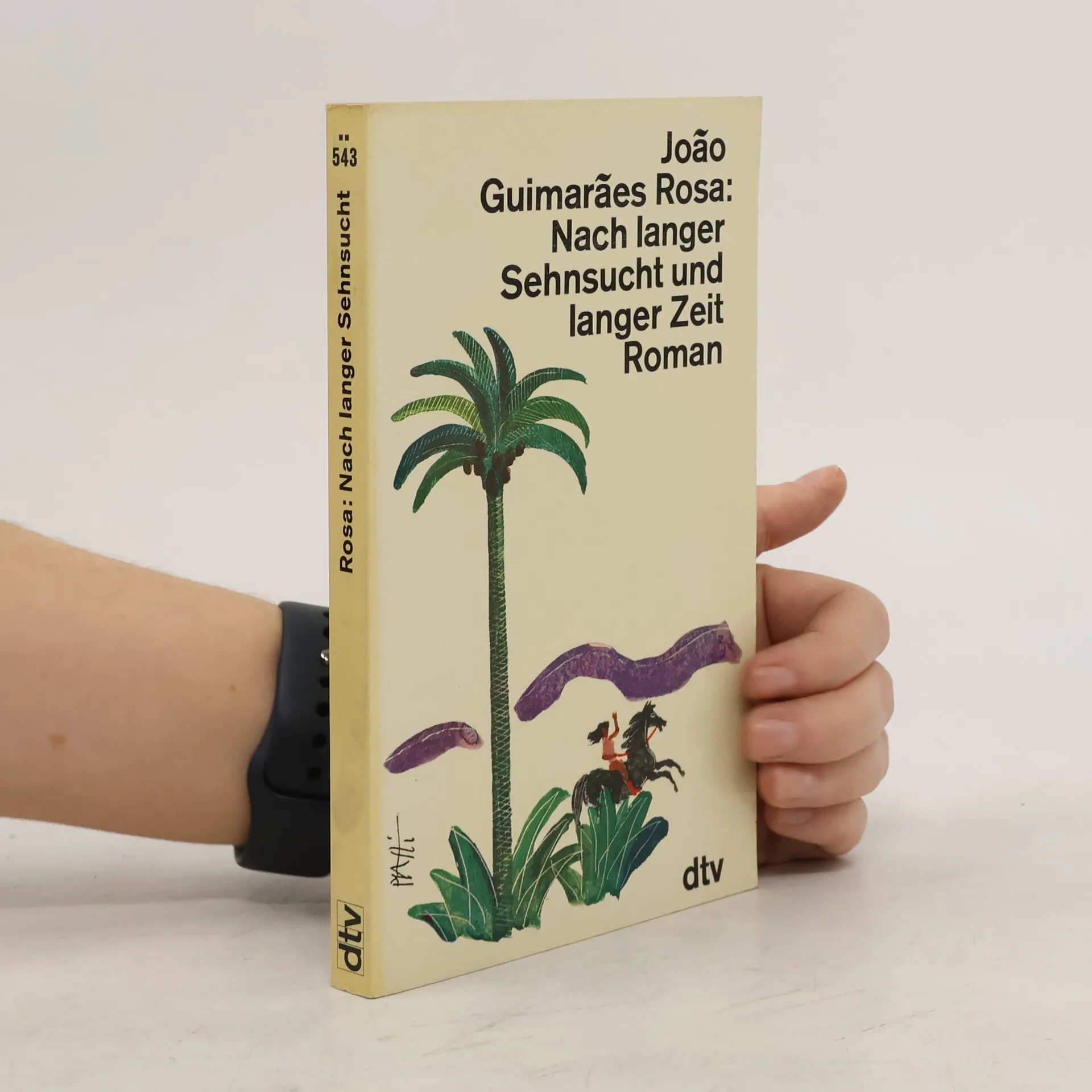
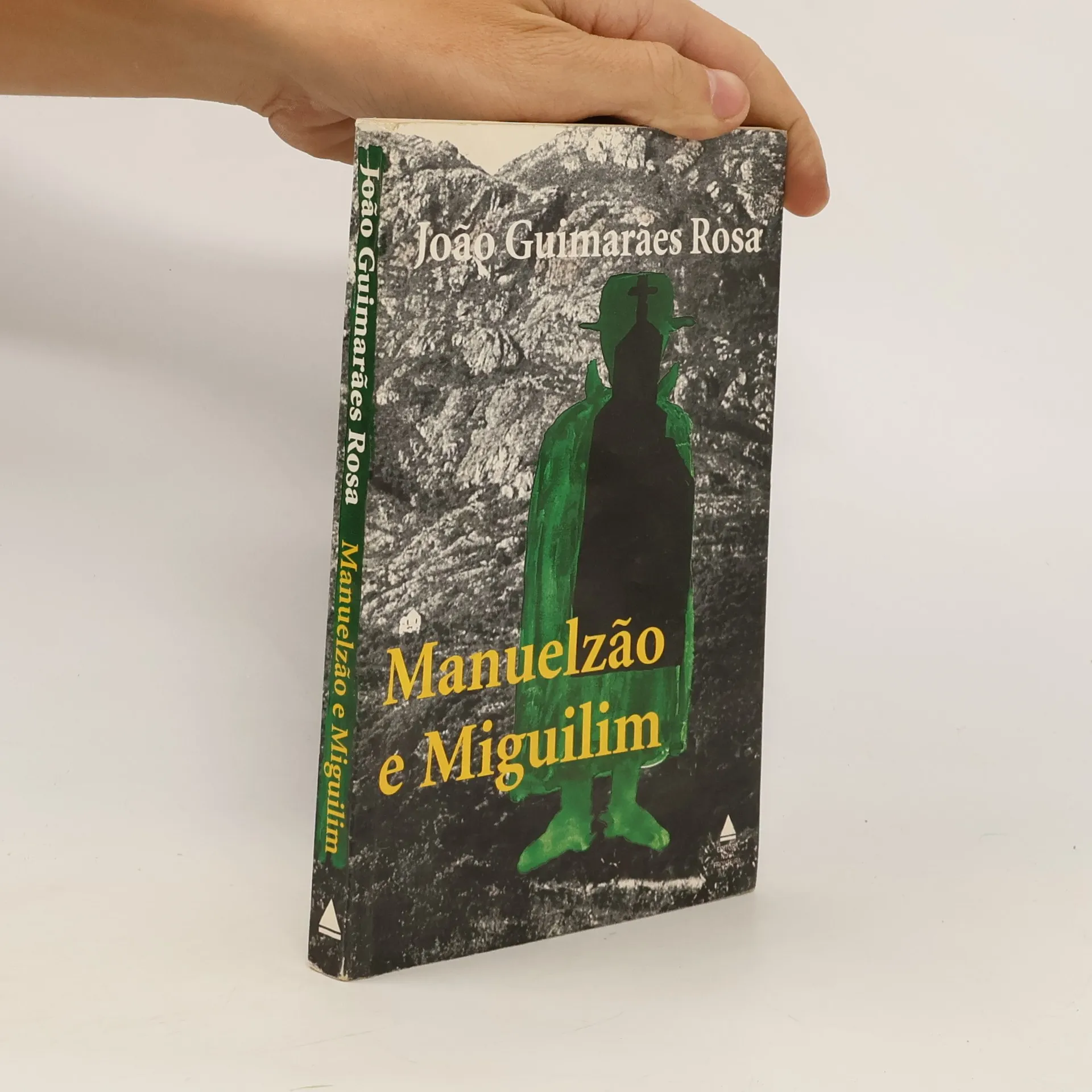
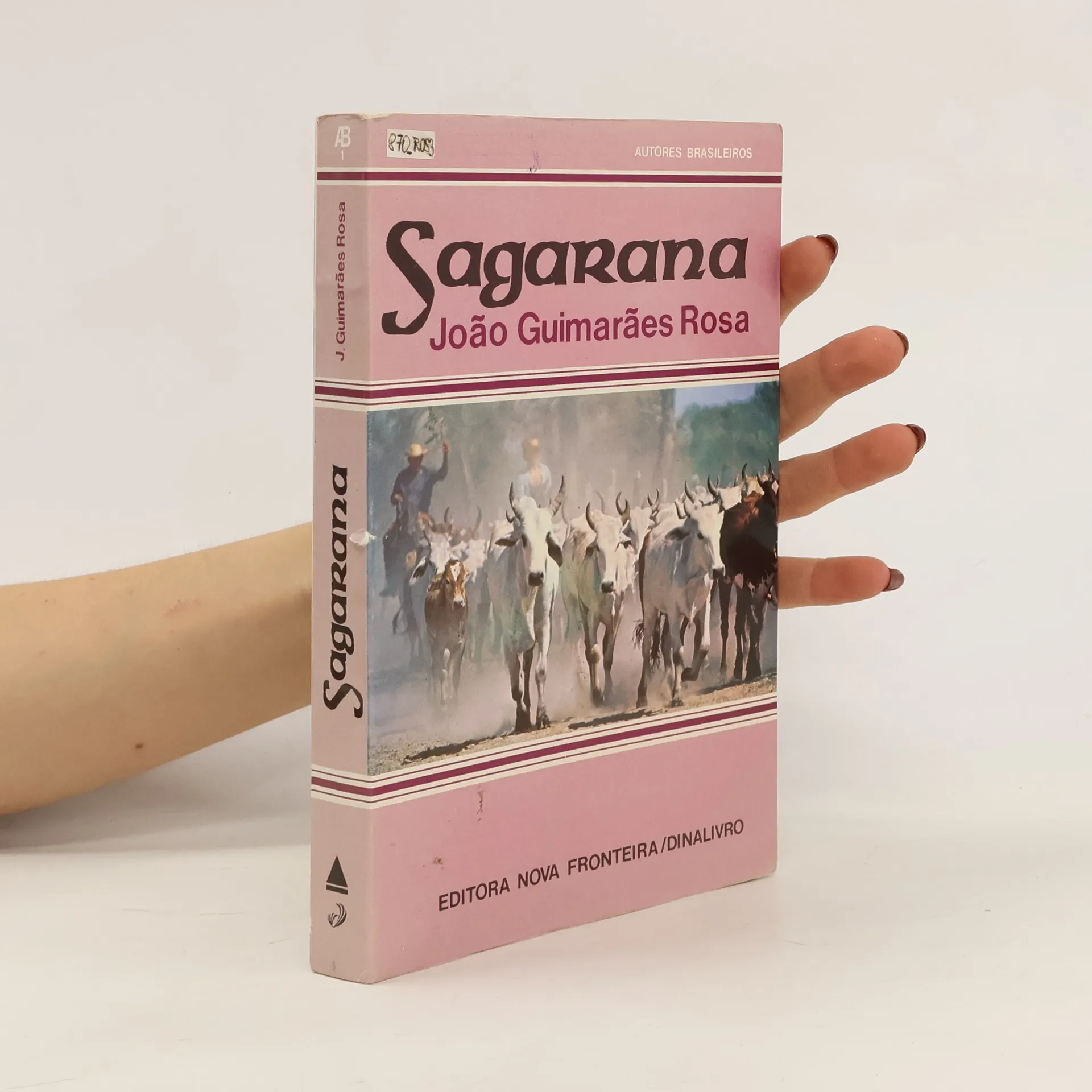
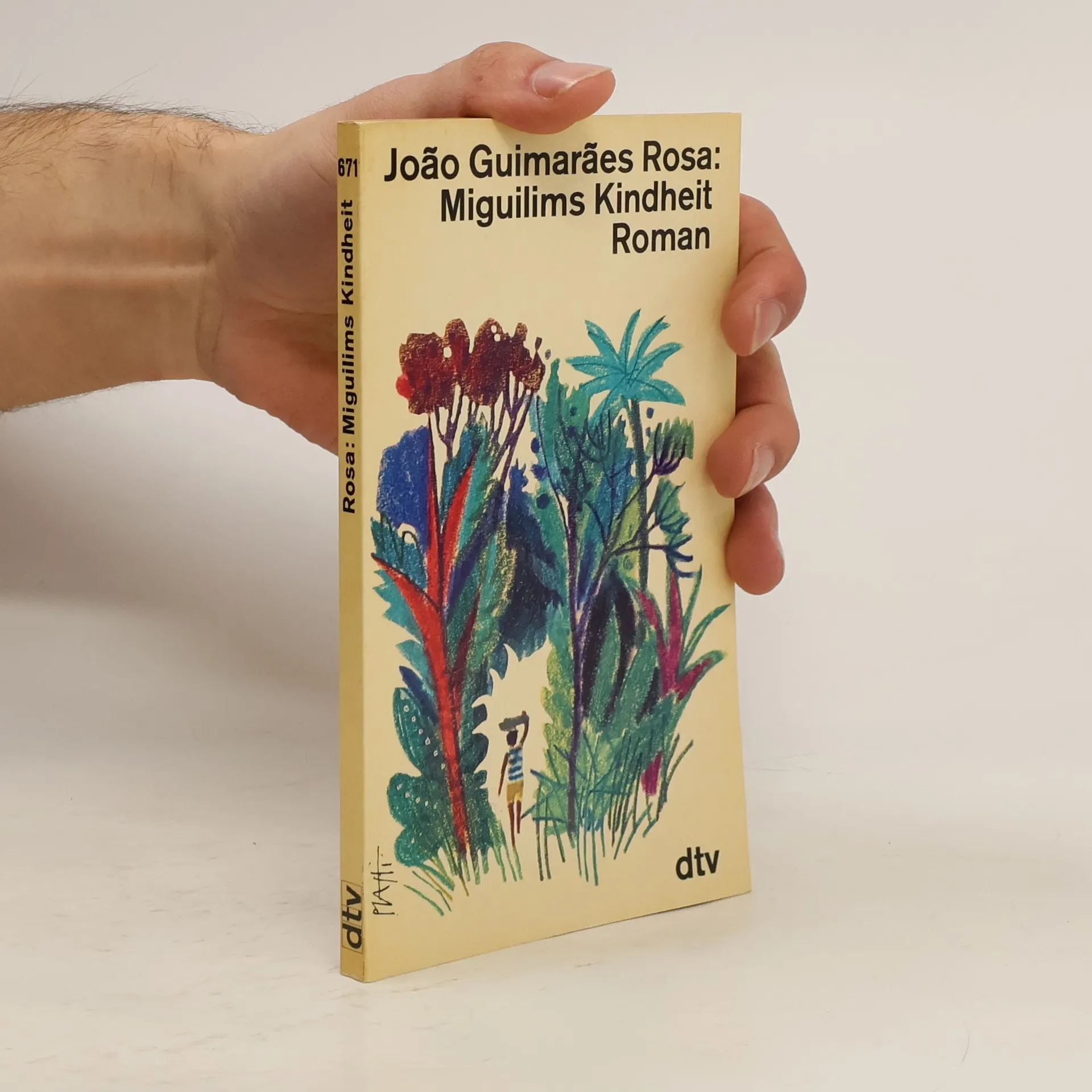
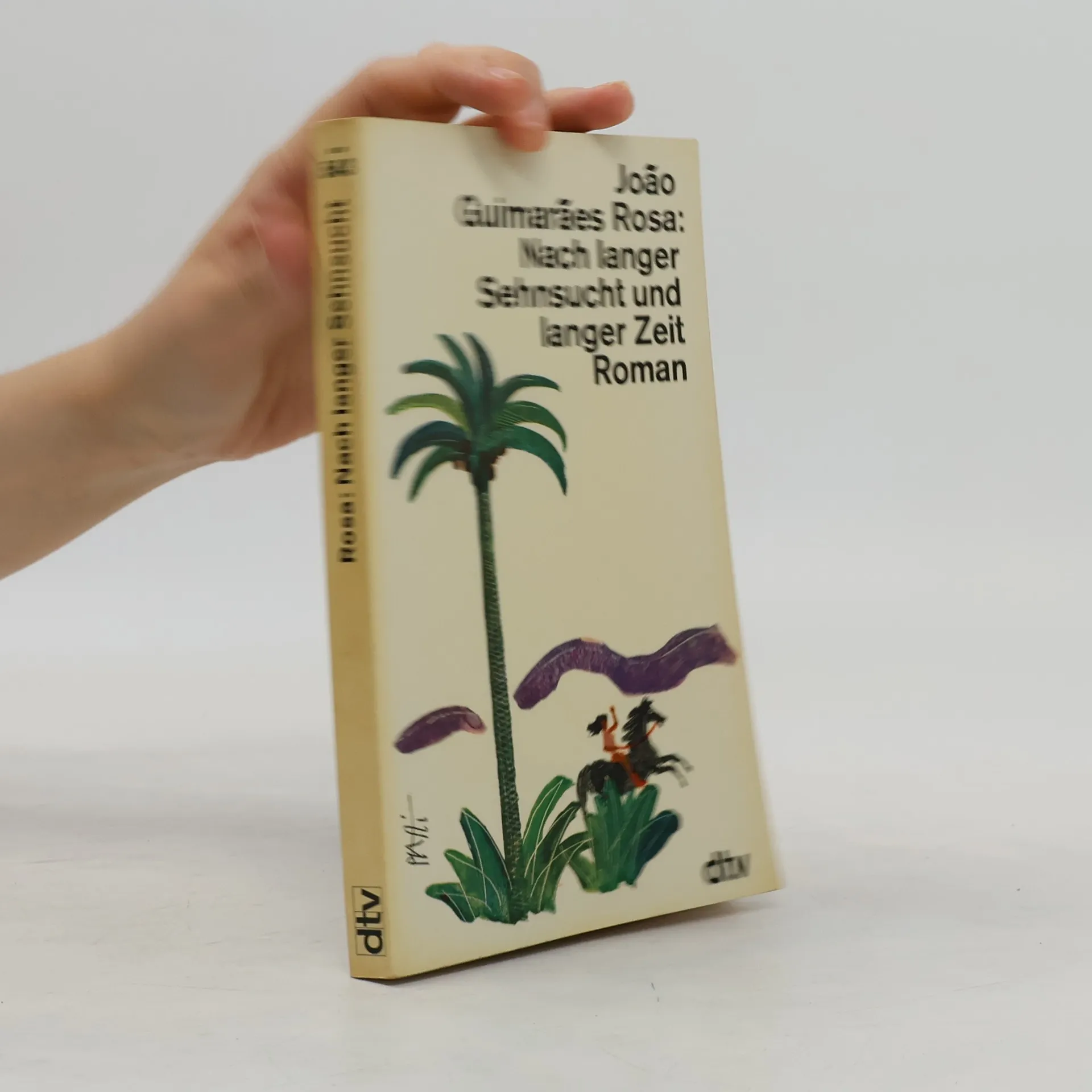
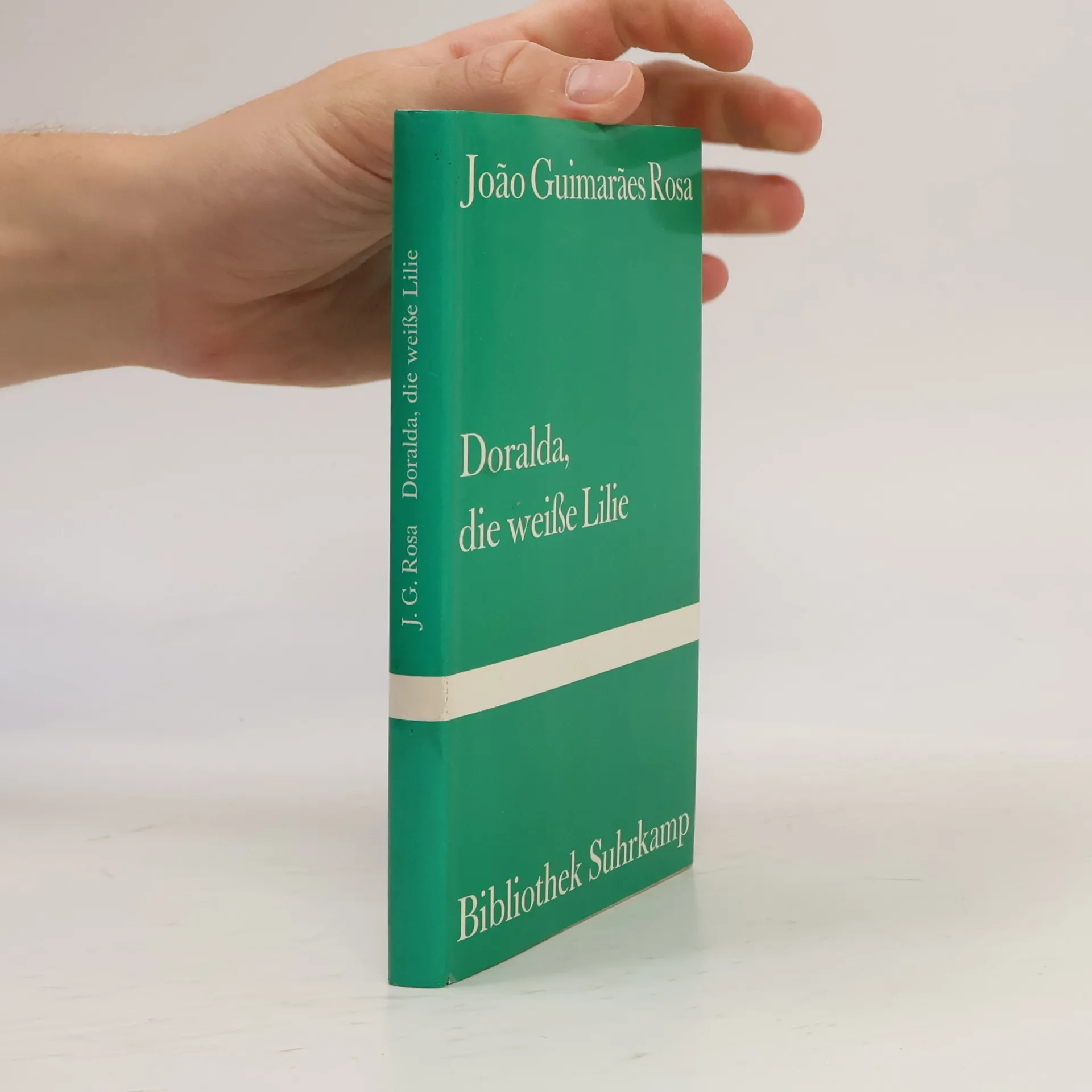
João Guimarães Rosa stands as a monumental figure in 20th-century Brazilian literature, celebrated for his profound explorations of the human psyche and existential themes. His narratives delve into universal truths through the evocative landscape of the Brazilian sertão, offering readers a deeply philosophical and engaging experience. Rosa's distinctive literary style, marked by linguistic innovation and a unique narrative voice, cements his legacy as a master storyteller. His work invites readers on a journey of introspection and discovery, reflecting the complexities of existence.
Joao Guimaraes Rosa (1908-1967) - one of the most acclaimed Brazilian writers of the 20th Century - explored the twisting frontiers that lie between "white man" and Indio, human and animal-kind, city life and the far backwoods, madness and sanity. With constant, startling imaginative leaps and an emotional poetry sometimes of redemption, sometimes of irreparable exclusion, he wrote the secret inner history of modern Brazil.
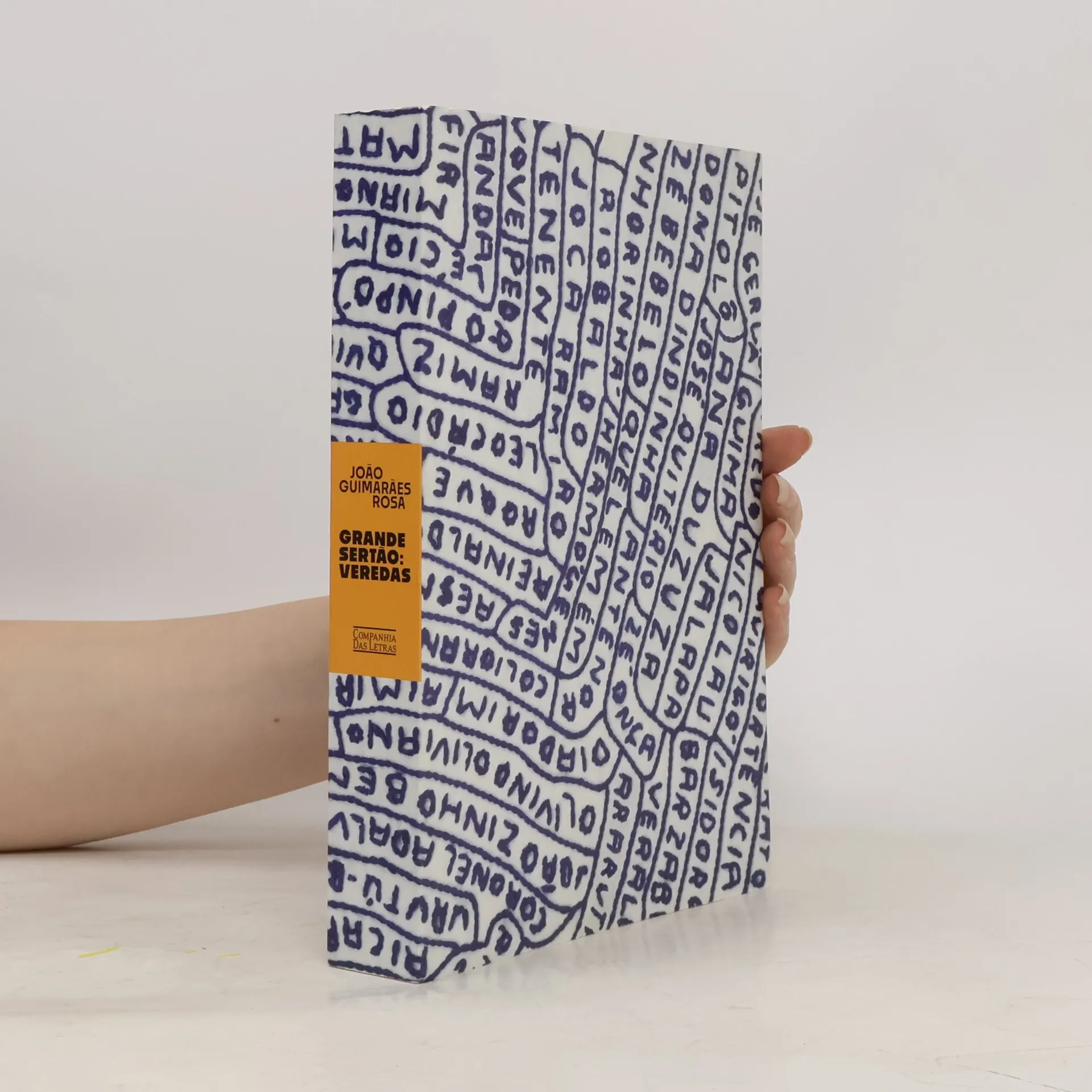
Publicado originalmente em 1956, Grande sertão: veredas, de João Guimarães Rosa, revolucionou o cânone brasileiro e segue despertando o interesse de renovadas gerações de leitores. Ao atribuir ao sertão mineiro sua dimensão universal, a obra é um mergulho profundo na alma humana, capaz de retratar o amor, o sofrimento, a força, a violência e a alegria. Esta nova edição conta com novo estabelecimento de texto, cronologia ilustrada, indicações de leituras e célebres textos publicados sobre o romance, incluindo um breve recorte da correspondência entre Clarice Lispector e Fernando Sabino e escritos de Roberto Schwarz, Walnice Nogueira Galvão, Benedito Nunes, Davi Arrigucci Jr. e Silviano Santiago. Dispostos cronologicamente, os ensaios procuram dar a ver, ao menos em parte, como se constituiu essa trama de leituras. A capa do volume é reprodução da adaptação em bordado do avesso do Manto da apresentação, do artista Arthur Bispo do Rosário, com nomes dos personagens de Grande sertão: veredas. O projeto gráfico conta ainda com desenhos originais de Poty Lazzarotto, que ilustrou as primeiras edições do livro.
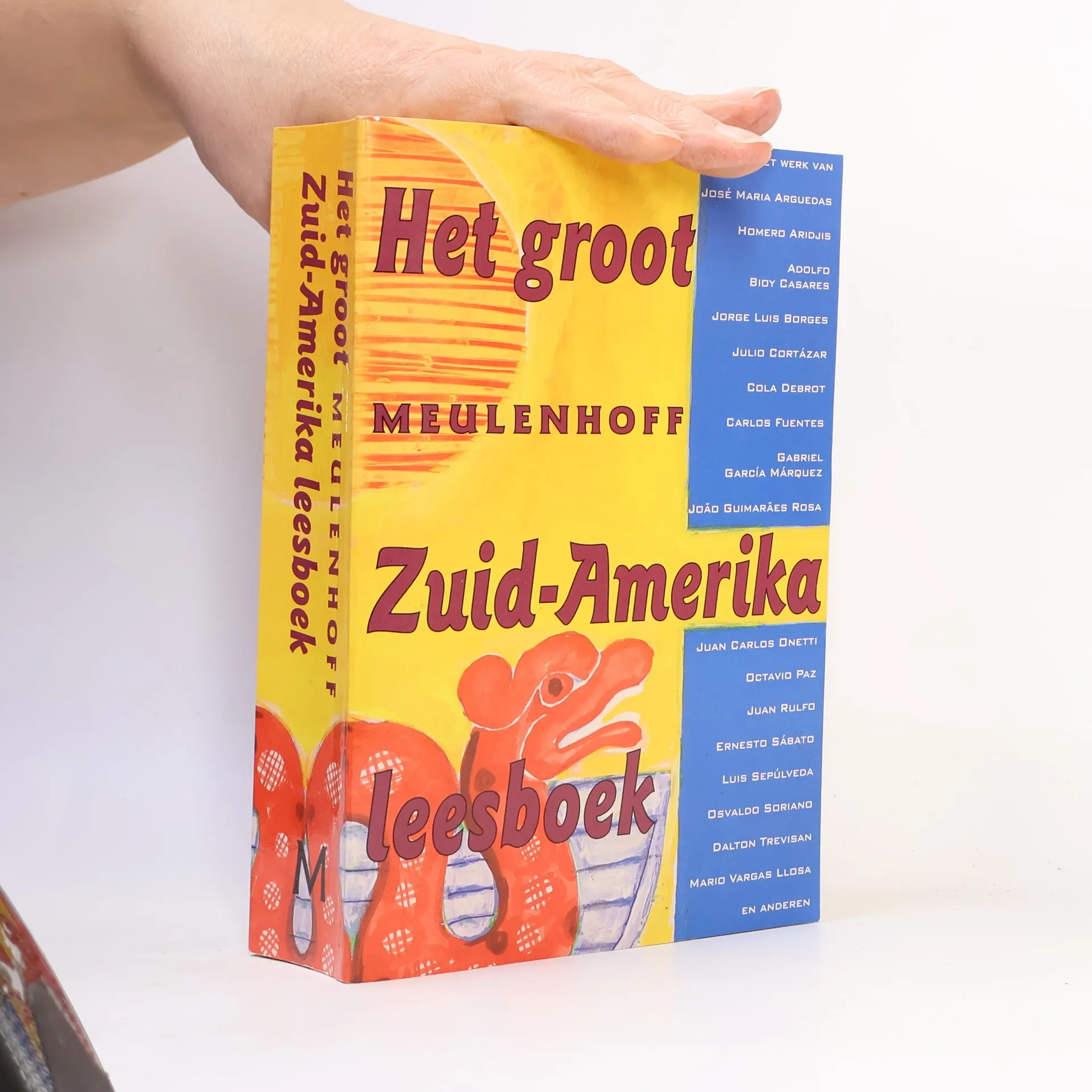
Drieëntwintig romans, novellen en verhalen van José Maria Arguedas, Carlos Fuentes, Cola Debrot, Julio Cortázar, Adolfo Bioy Casares, Gabriel García Márquez, Jorge Luis Borges, João Guimarães Rosa, Juan Carlos Onetti, Octavio Paz, Juan Rulfo, Ernesto Sábato, Luis Sepúlveda, Osvaldo Soriano, Dalton Trevisan, Mario Vargas Llosa en anderenHet is nog maar een kwarteeuw geleden dat de Zuidamerikaanse literatuur de wereld stormenderhand veroverde. Sindsdien zijn meesterlijke vertellers als Gabriel García Márquez, Carlos Fuentes, Joâo Guimarâes Rosa en Mario Vargas Llosa niet meer weg te denken uit de alom gelezen wereldliteratuur. Het groot Meulenhoff Zuid-Amerika leesboek geeft een rijk overzicht van alle aspecten van de magische werkelijkheid van Zuid-Amerika, zoals die wordt opgeroepen in de vierentwintig romans en verhalen die deze bundel telt. Naast vele beroemde namen biedt dit boek natuurlijk ook alllerlei bijzondere ontdekkingen.
Joao Guimaraes Rosa (1908-1967) - einer der angesehensten brasilianischen Schriftsteller des 20. Jahrhunderts - erkundete die verworrenen Grenzen zwischen "weißer Mensch" und Indio, Mensch und Tier, Stadtleben und abgelegener Wildnis, Wahnsinn und Vernunft. Mit ständigen, überraschenden imaginativen Sprüngen und einer emotionalen Poesie, die manchmal von Erlösung, manchmal von irreparabler Ausgrenzung geprägt ist, schrieb er die geheime innere Geschichte des modernen Brasilien.
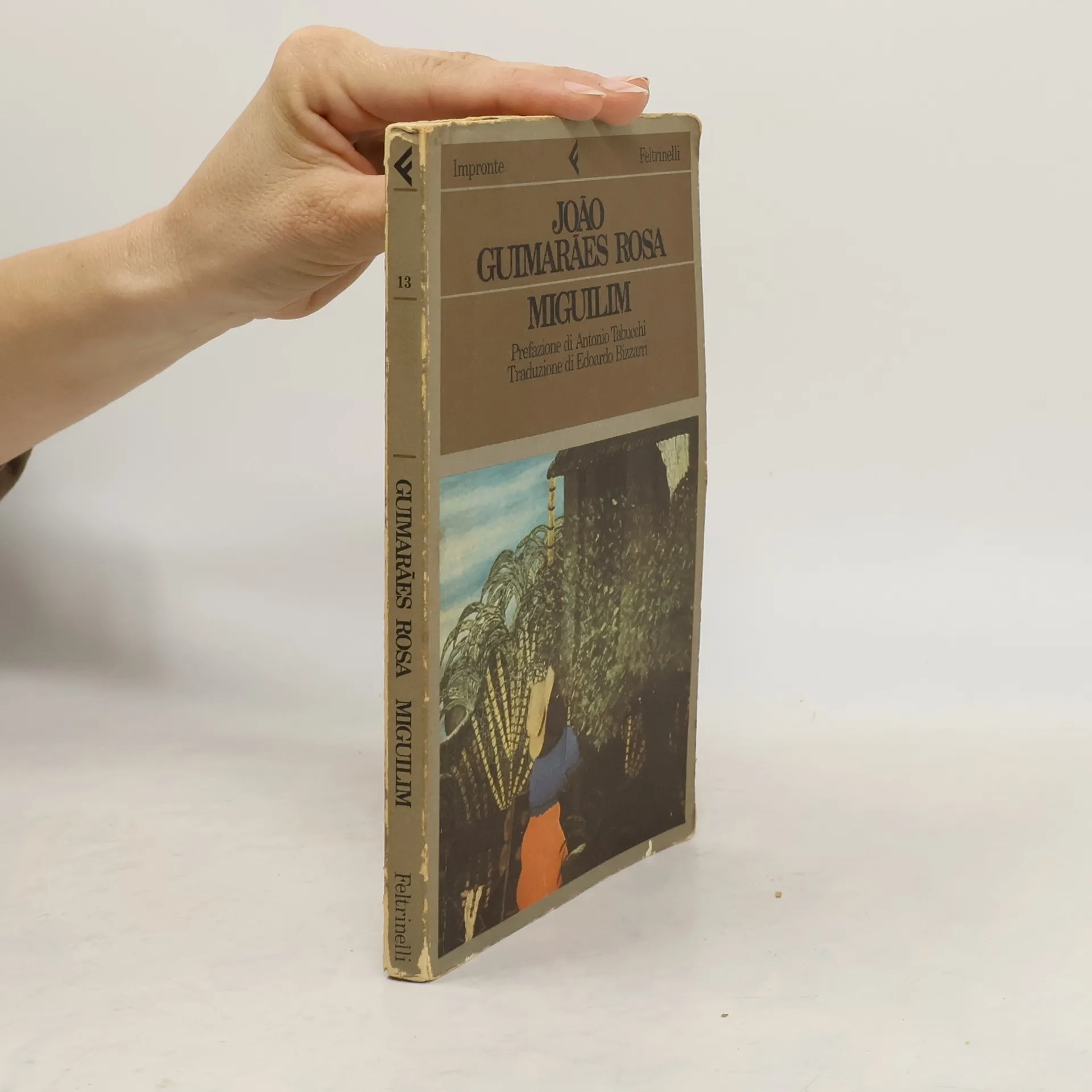
"Manuelzão e Miguilim" é composto por duas novelas: "Campo Geral" e "Uma Estória de Amor". Em “Campo Geral”, os leitores experimentam o mundo pelos olhos do menino Miguilim que vive seu cotidiano em uma família sertaneja. Já em “Uma estória de amor”, a prosa rosiana nos conduz às reflexões que brotam do coração sofrido do vaqueiro Manuelzão por ocasião da festa que marca a inauguração de uma capela que ele constrói em memória de sua mãe.
200 Anos de Literatura Brasileira / 200 Jahre Brasilianische Literatur
Esta antologia representa 200 anos de contos brasileiros em português e alemão, abrangendo desde 1822 até a contemporaneidade. Dividida em dois volumes, reúne 81 contos de 25 autoras e autores, incluindo narrativas fantásticas, crônicas que retratam o cotidiano brasileiro, além de contos psicológicos, regionalistas e brutalistas. Os textos foram traduzidos e revisados por 40 tradutores da Áustria, Alemanha e Brasil, em colaboração com várias universidades e a Embaixada do Brasil em Viena, sendo a maioria traduções inéditas. A coletânea oferece uma visão abrangente da diversidade de vozes e realidades da sociedade brasileira, tanto do passado quanto do presente. A antologia é uma celebração da rica tapeçaria literária do Brasil, refletindo a complexidade e a pluralidade cultural do país ao longo de duas séculos.
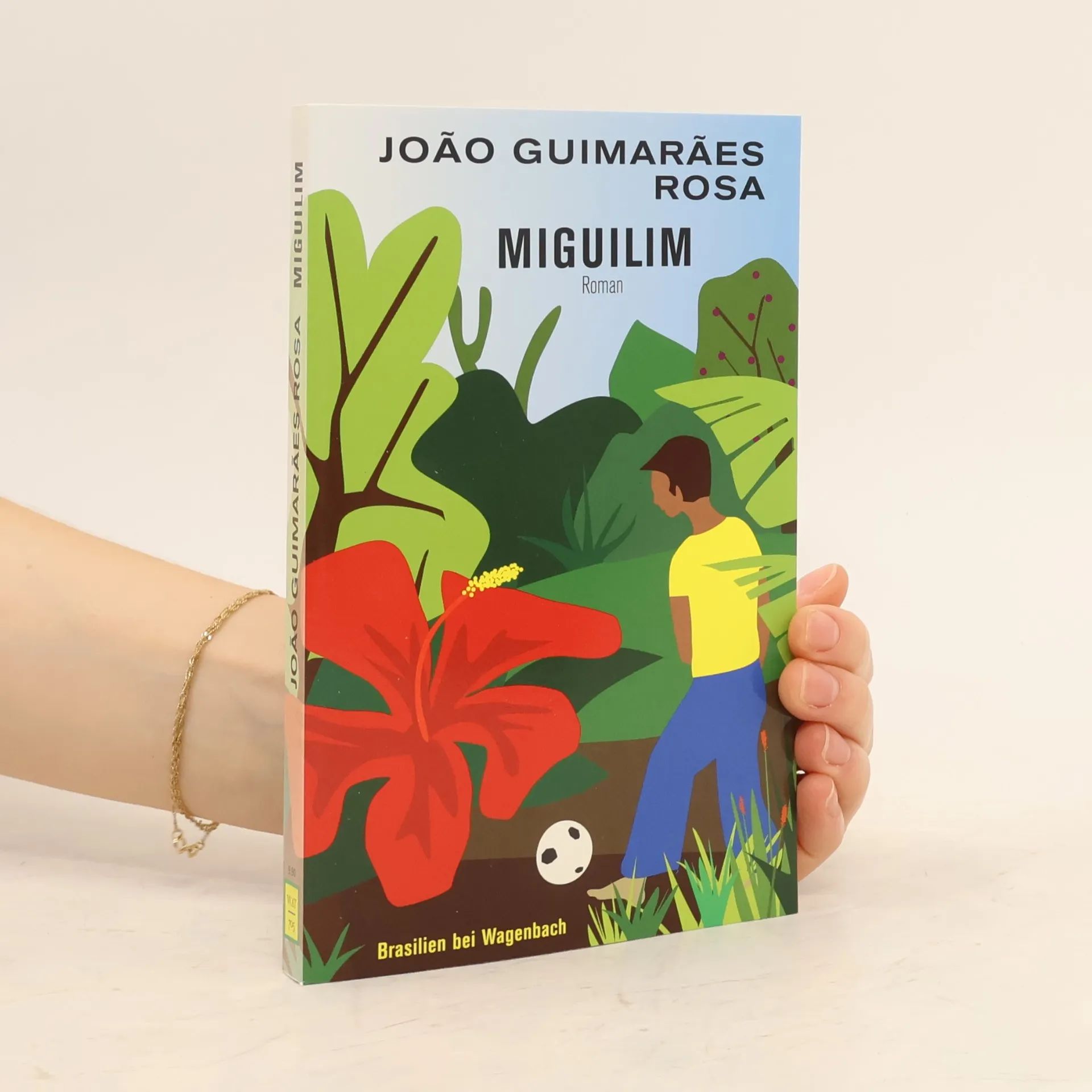
Der achtjährige Miguilim und seine Familie wohnen in Mutúm, einem entlegenen Ort in den brasilianischen Campos Gerais. Gemeinsam mit seinem älteren Bruder Dito erkundet Miguilim dieses Kindheitsparadies jeden Tag aufs Neue – bis auf einmal der Tod in die Idylle einbricht und Onkel Terêz nach Mutúm zurückkehrt … João Guimarães Rosa (1908–1967) hat mit „Miguilim“, dem Auftakt zu seinem großartigen Romanzyklus „Corps de ballet“, eines der populärsten Bücher des Landes geschrieben.
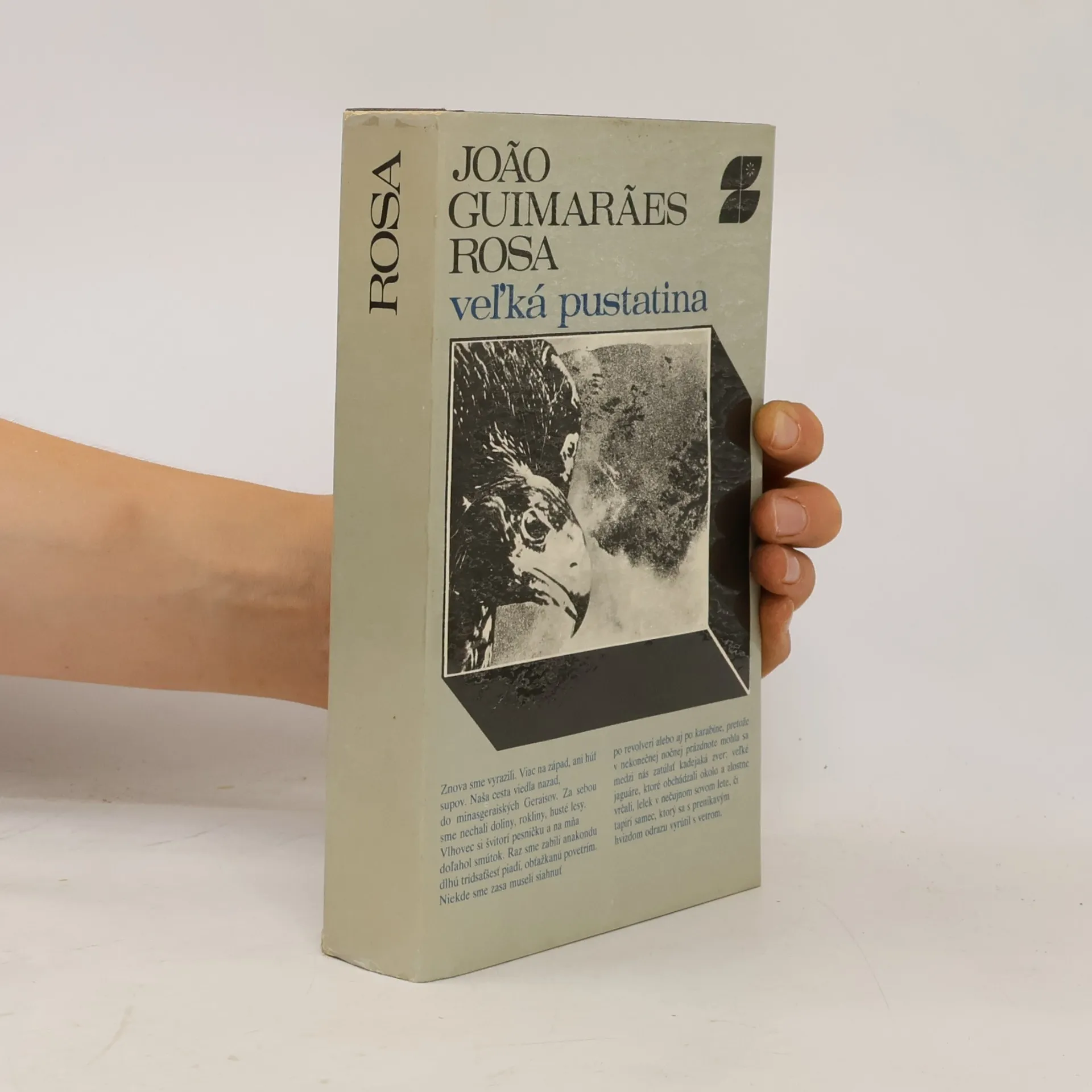
Autor podáva príbehy a životné osudy detí sertaa – banditov jaguncov brázdiacich pusté a neľútostné planiny, kde na každom kroku číha smrť v rozličných podobách, proti ktorej bojujú, dôsledne zachovávajúc pravidlá vlastného mravného zákonníka. Za samotným príbehom vykresleným ústamihrdinu Riobalda – bývalého banditu, skrýva sa motív hľadania princípu dobra a zla symbolizovaného jednotlivými charaktermi.
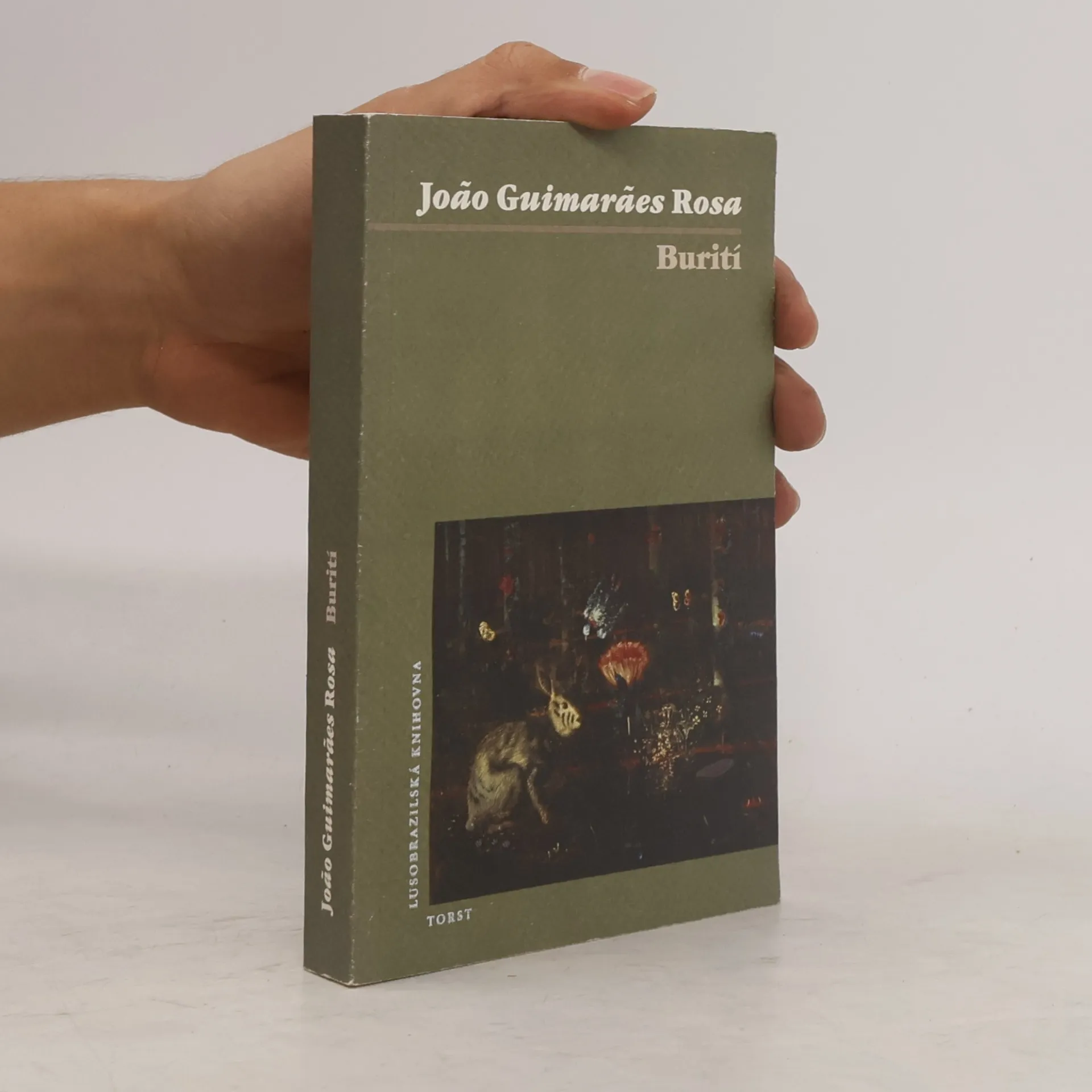
Novela jednoho z největších latinskoamerických autorů 20. století, z jehož díla byl do češtiny již v 70. letech přeložen román Velká divočina: cesty, vtahuje čtenáře do magického světa brazilského sertaa. Spolu s agrotechnikem Miguelem, jehož osud zavede na statek U dobré palmy burití, vstupujeme do pozdně patriarchálního světa, jemuž jako hlava rodiny vévodí pan Liodoro a v němž se mnohé točí kolem tří mladých žen, Liodorovy slunečné dcery Glórie, její temné sestry Marie Behú a jejich bývalé švagrové, městské dívky Leandry. Tento takřka neprodyšně uzavřený svět, kde čas plyne, jako by stál, se i zde Guimaraesi Rosovi stává mikrokosmem, v němž vystupují do popředí klíčové otázky lidské existence, tentokrát především láska a různé podoby, které na sebe v životě bere. Jazykově mnohovrstevné dílo s prvky básnické prózy vychází v mistrovském překladu Vlasty Dufkové.
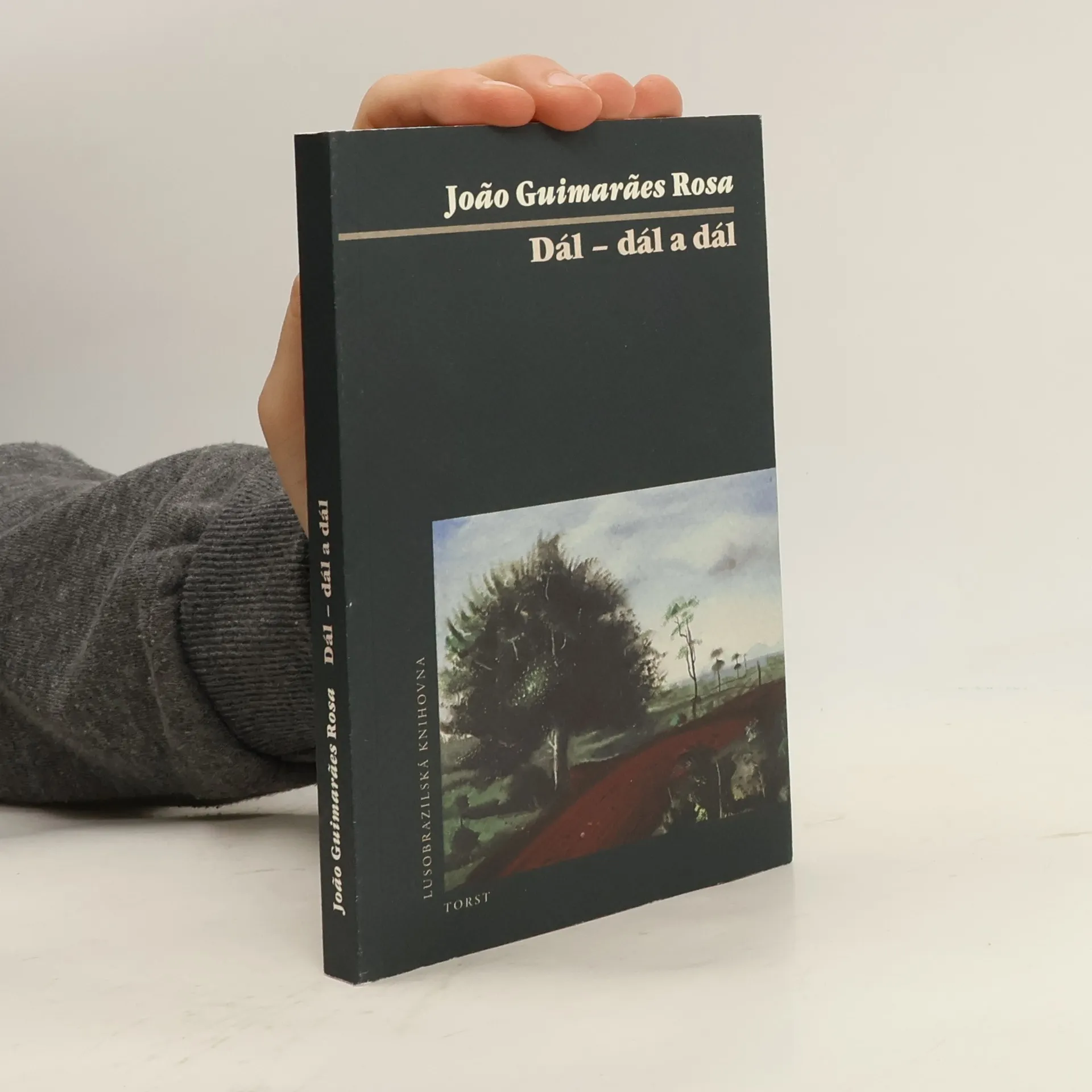
Honák Soropita si vzal za ženu dívku z nevěstince, dobrodružný život pověsil na hřebík a stal se váženým hospodářem. Nečekaná návštěva starého přítele v něm však probudí pochybnosti nad ženinou věrností a počestností, žárlivost i starou touhu udělat pořádek po pistolnicku. Druhé, přepracované vydání překladu této neobvyklé milostné novely z brazilského Tanečního souboru Joa Guimarese Rosy navazuje na vydání novely Burití v nakladatelství Torst, jež se setkalo s mimořádným ohlasem. Knihu doplňuje obsáhlý Rosův rozhovor o jeho pojetí literatury a fundovaná studie překladatelky Vlasty Dufkové.
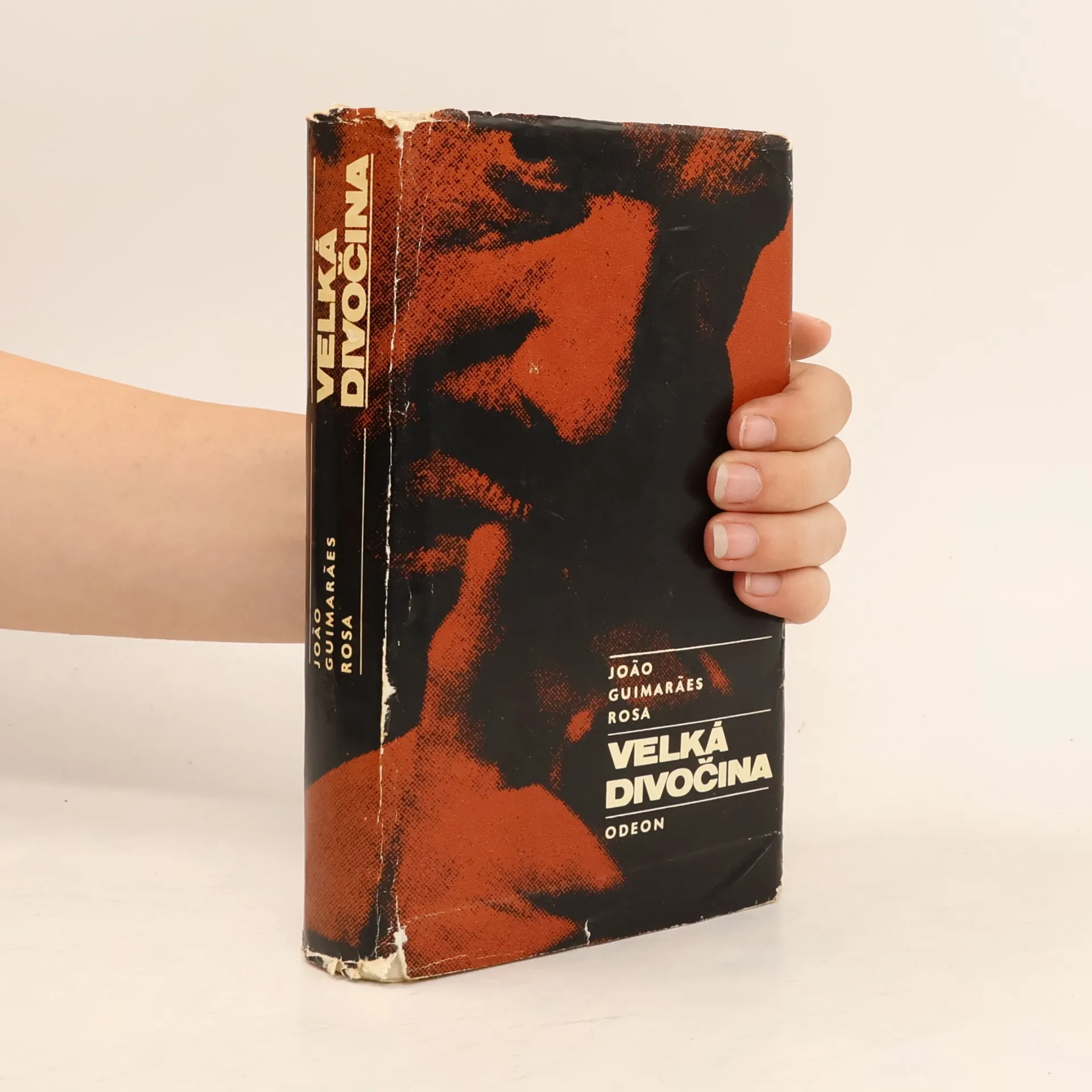
Dramatický román z roku 1956 prošel v mnoha překladech světem jako ojedinělý obraz brazilského vnitrozemí, „velké divočiny“, které bylo počátkem dvacátého století krajem nehostinným, ale uhrančivým svou drsnou exotičností. Strhující příběh zbojníků, kteří chtějí pomstít smrt svého vůdce, je zároveň příběhem osudové lásky. Střetají se tu síly dobra a zla na poli válečném i v nitru muže, osudově spjatého s přítelem, který jej provází na nebezpečné cestě životem.