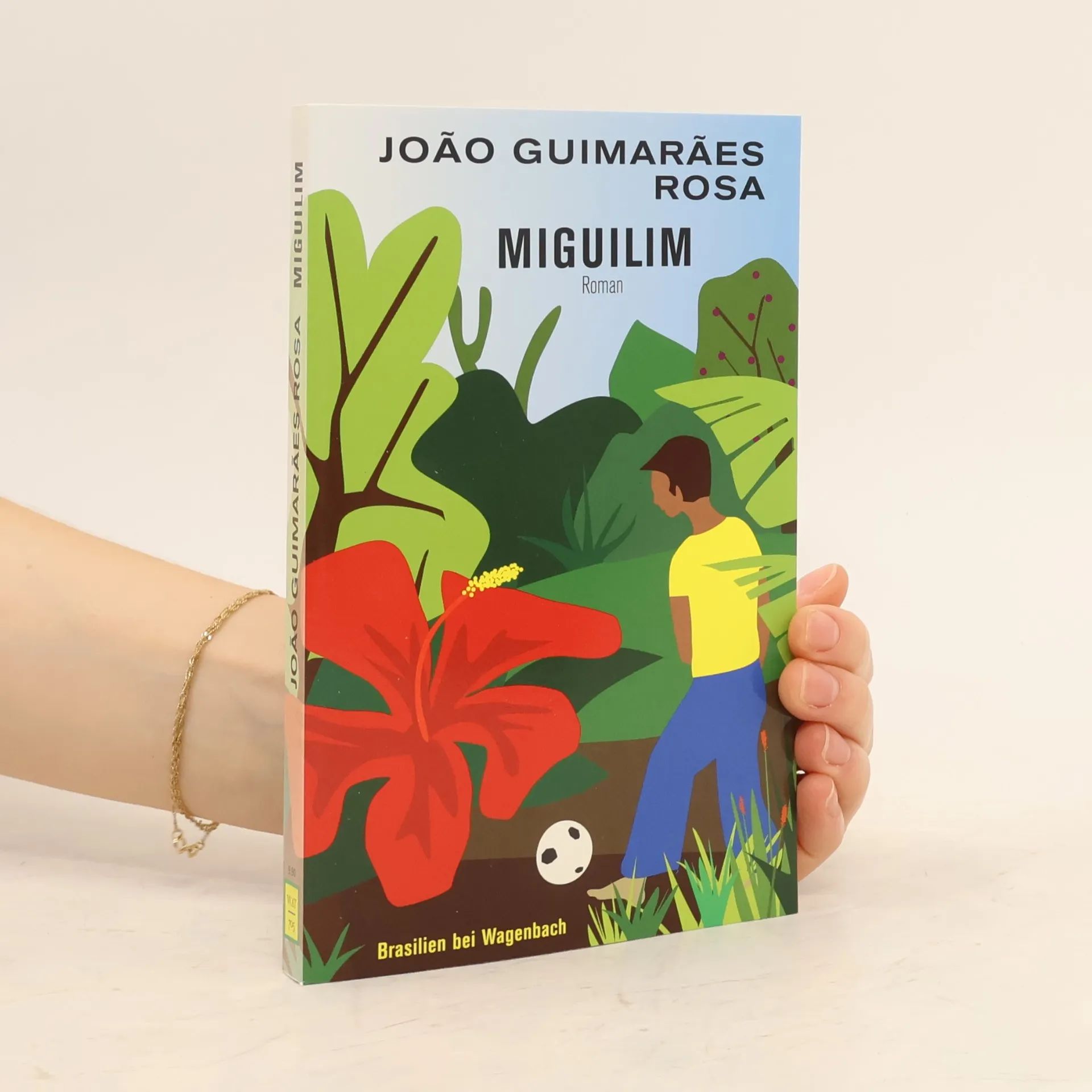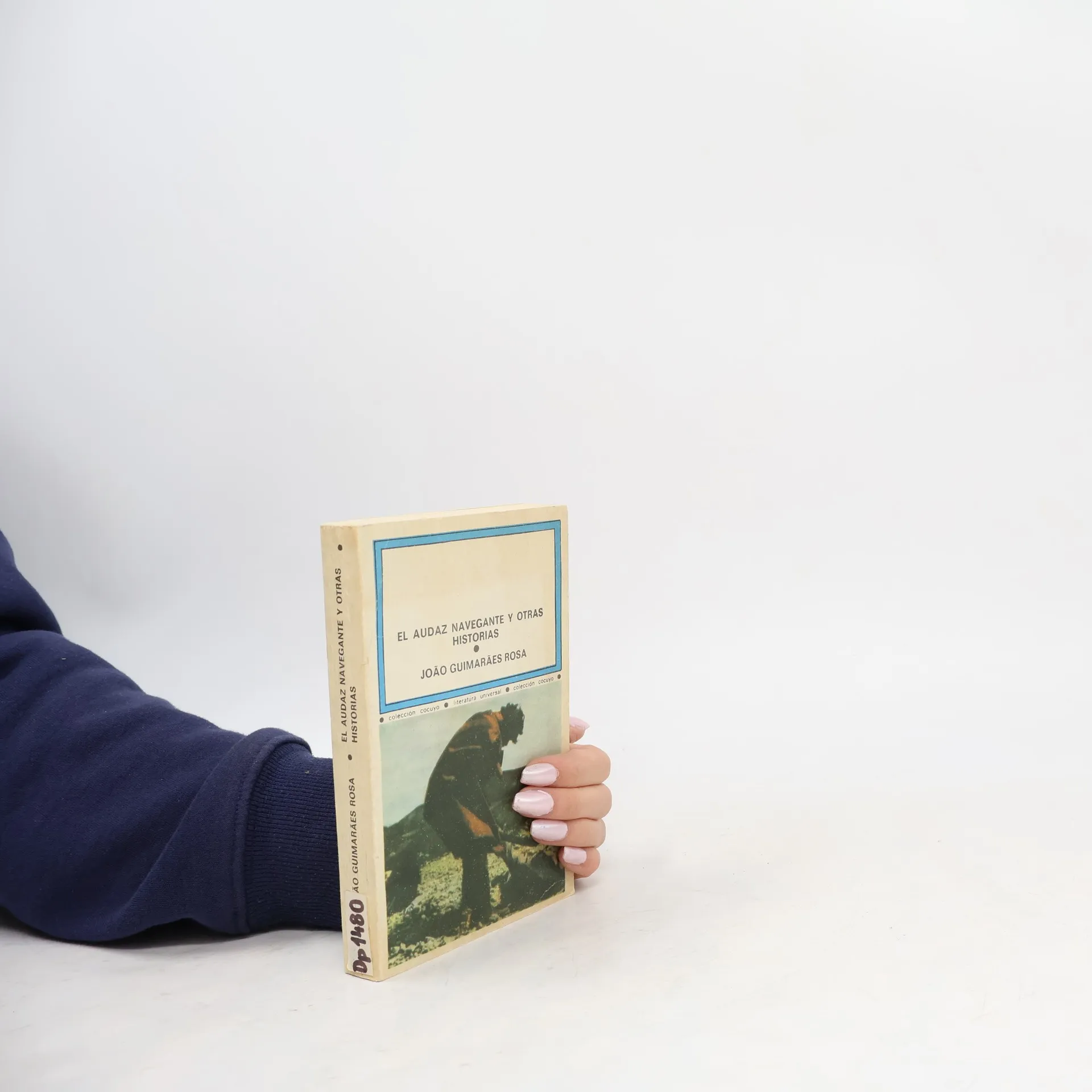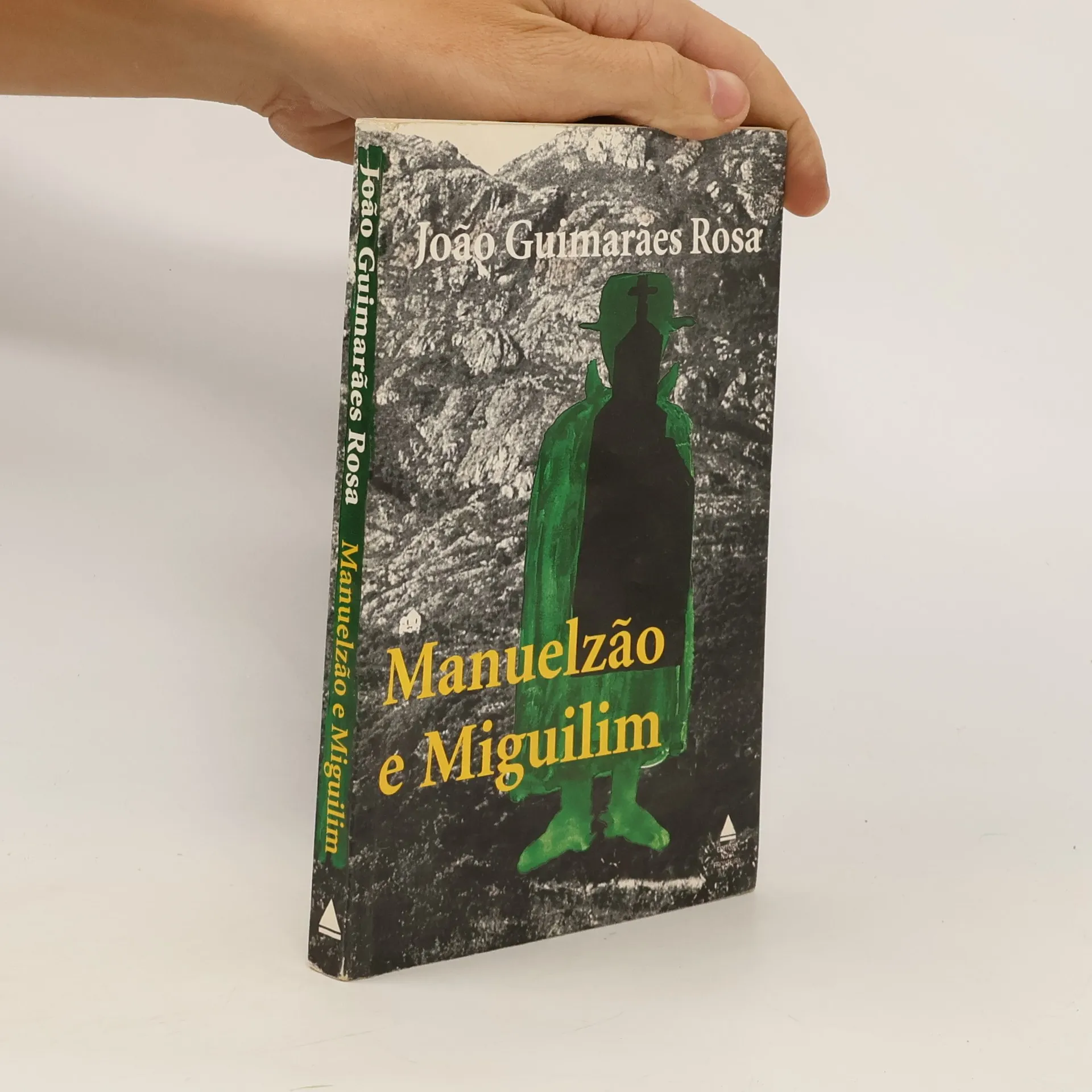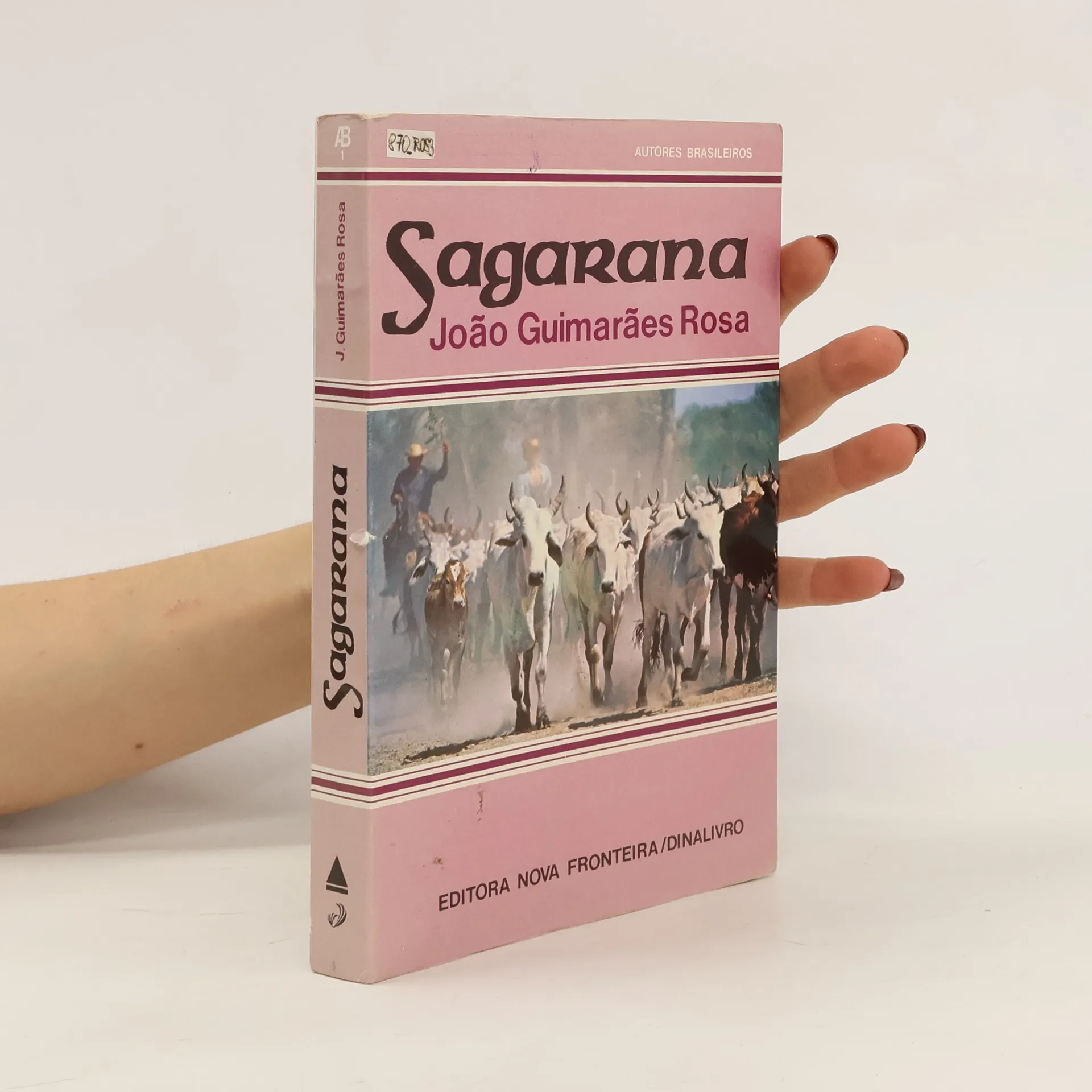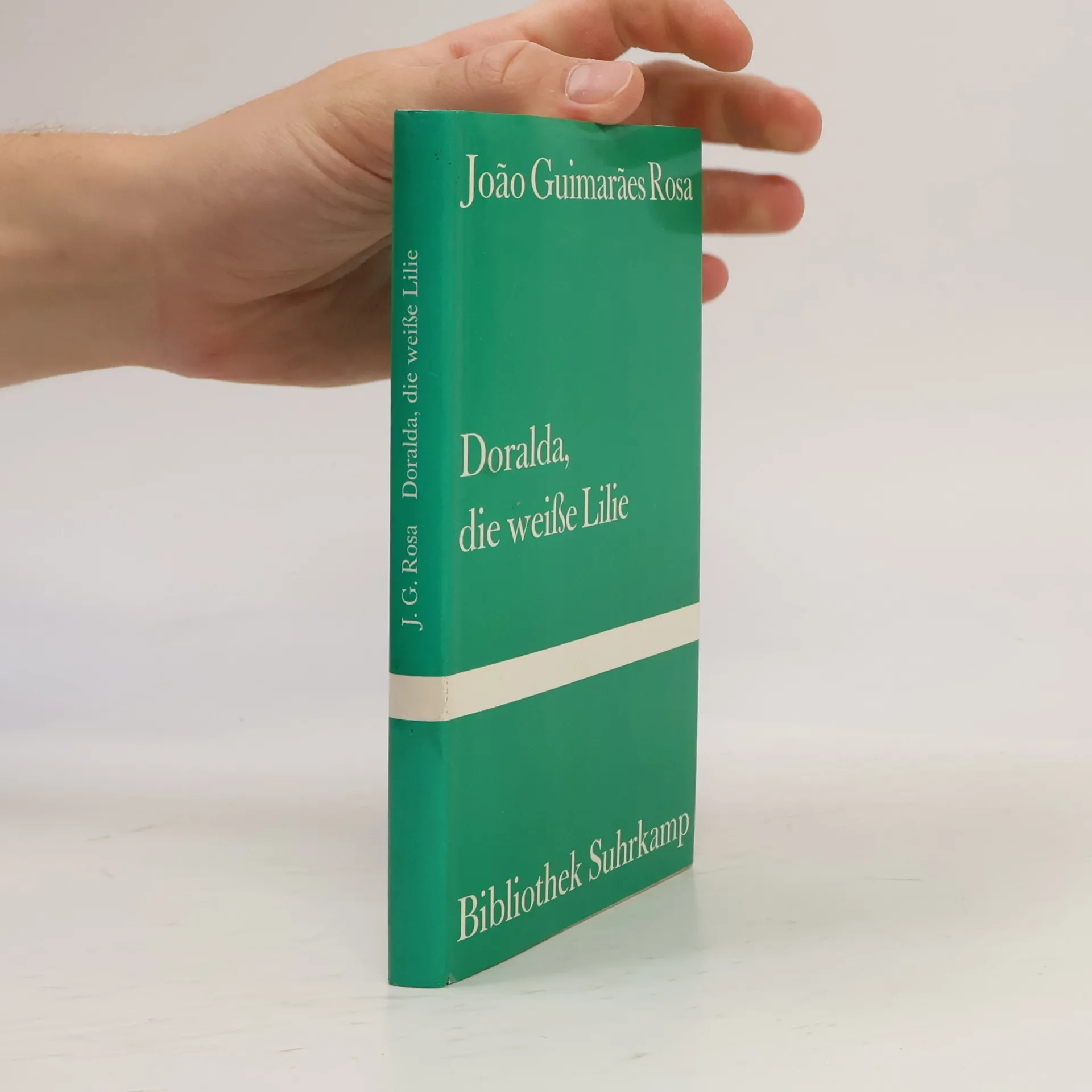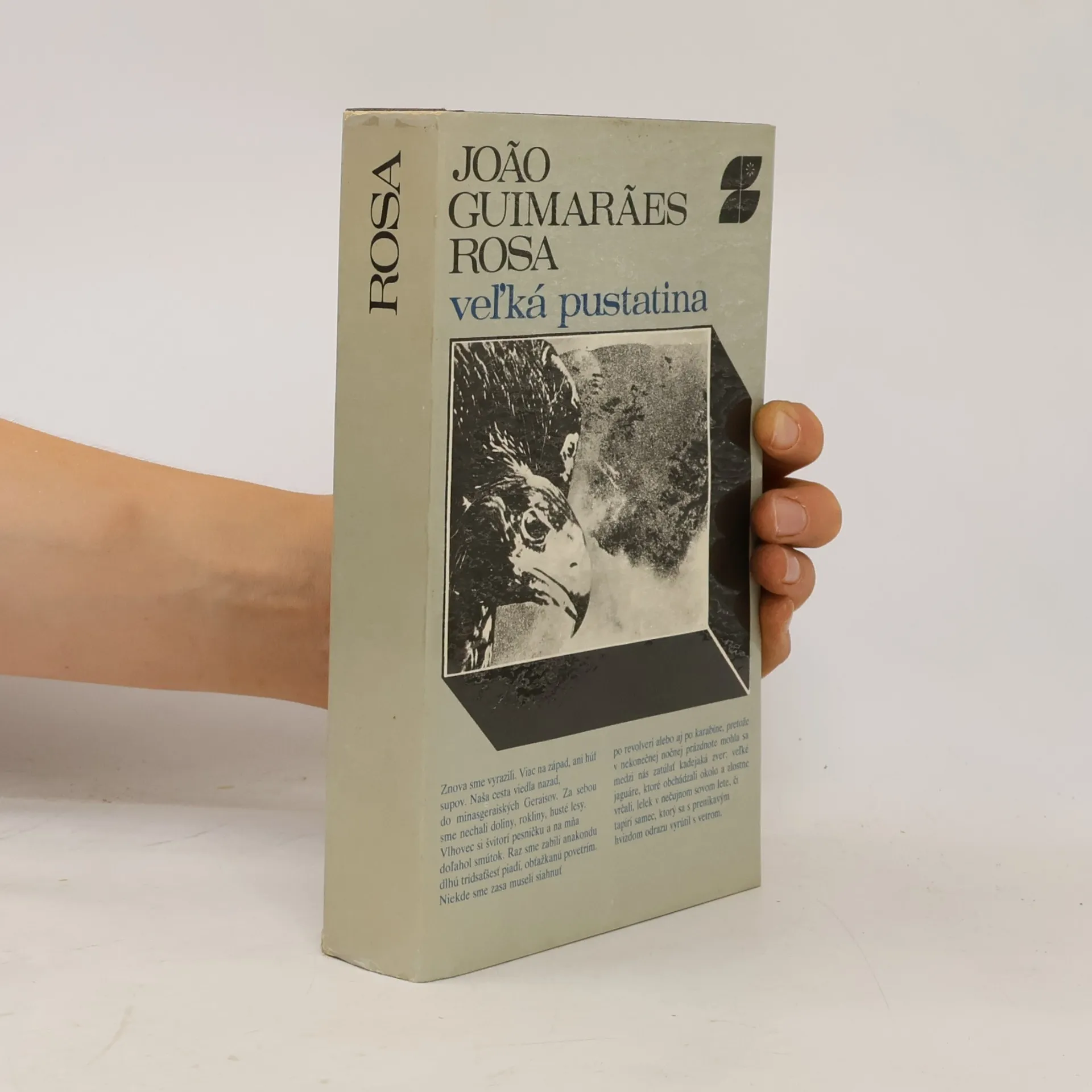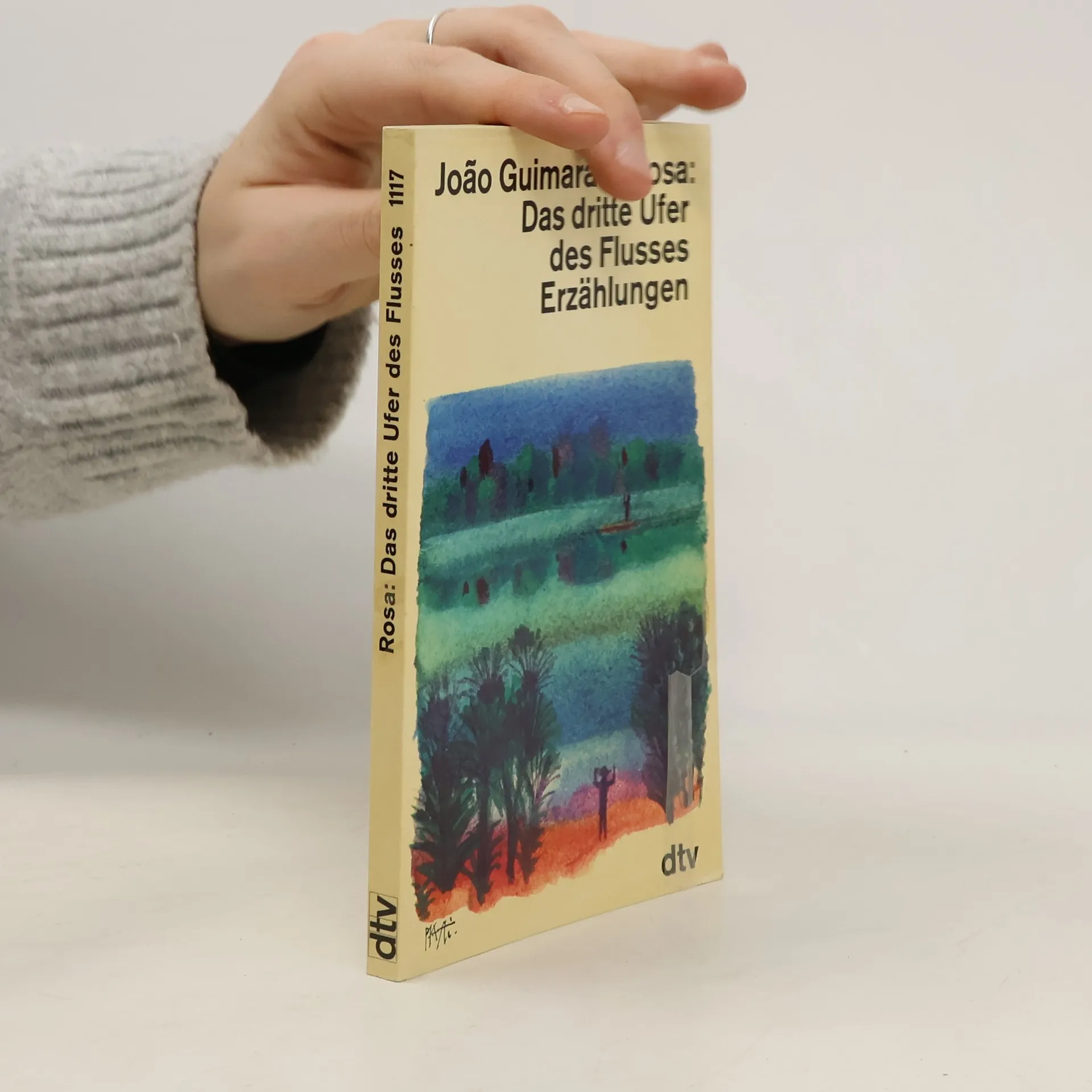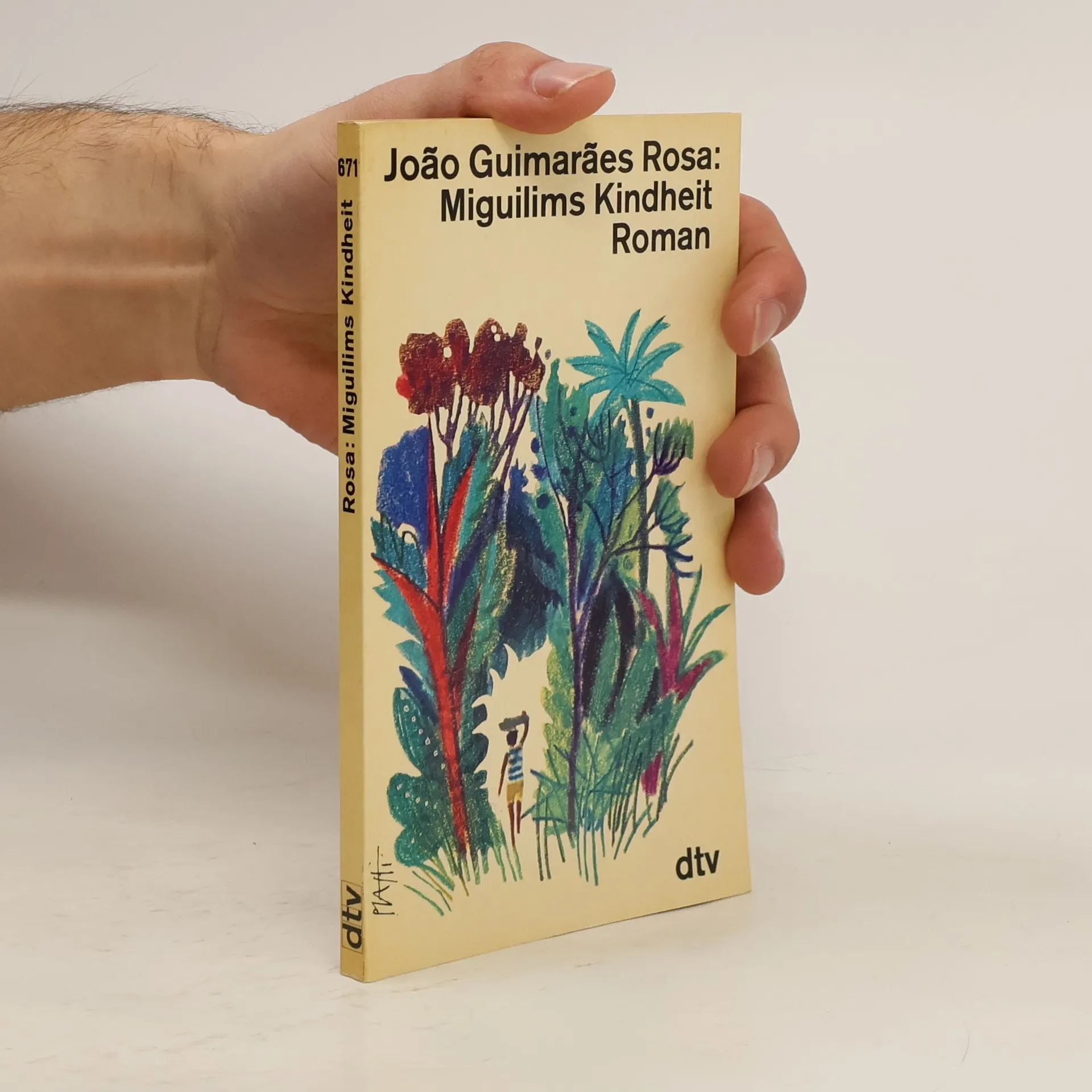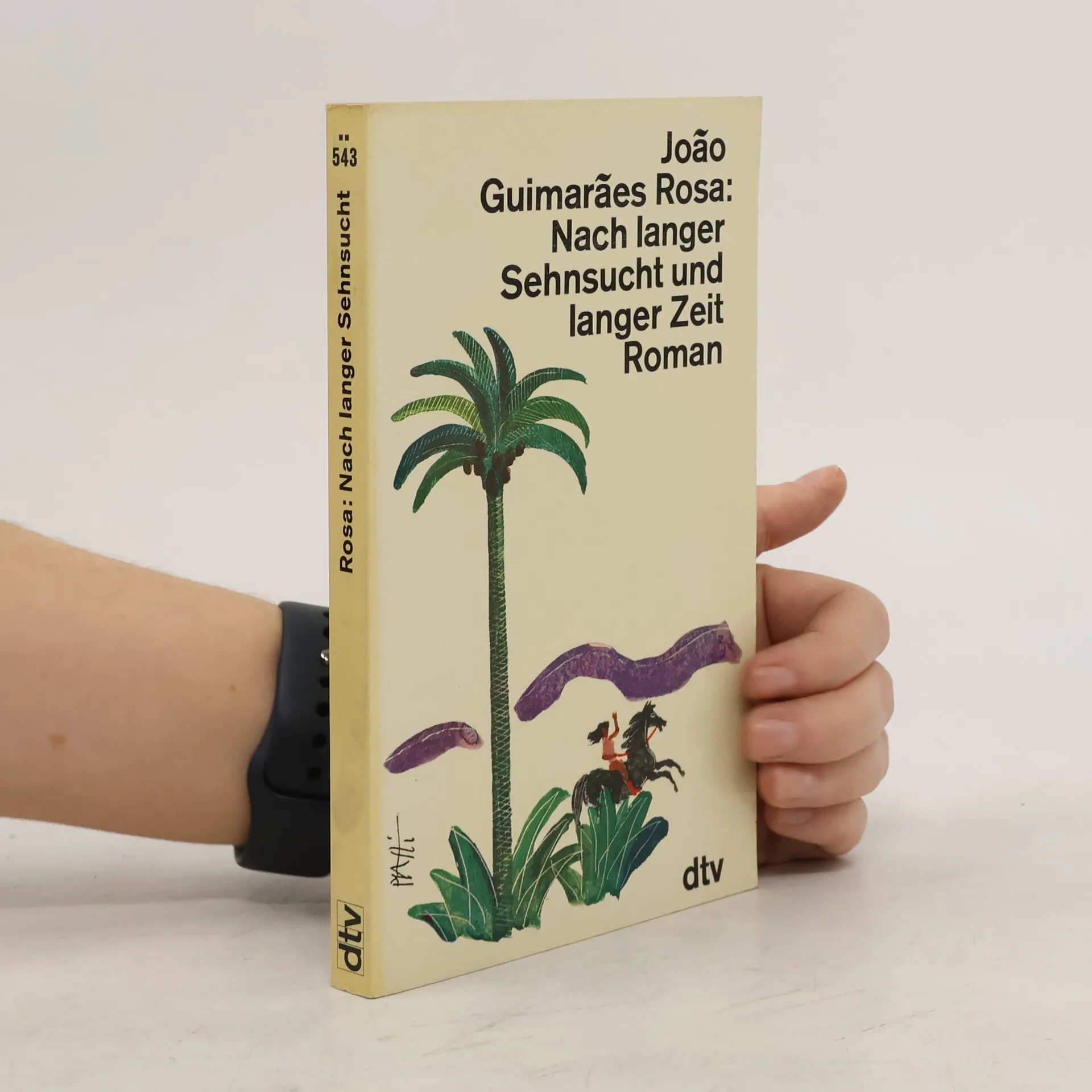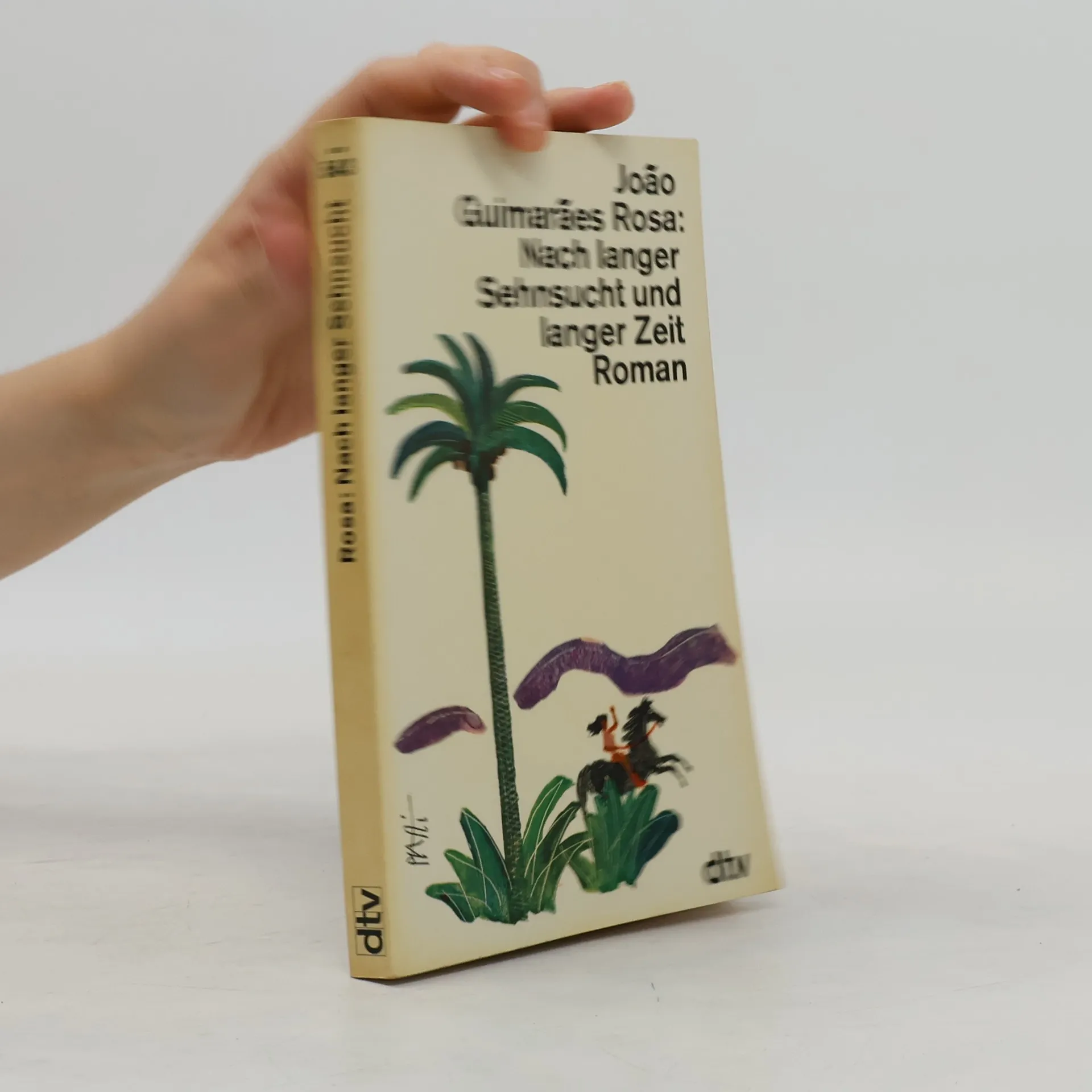
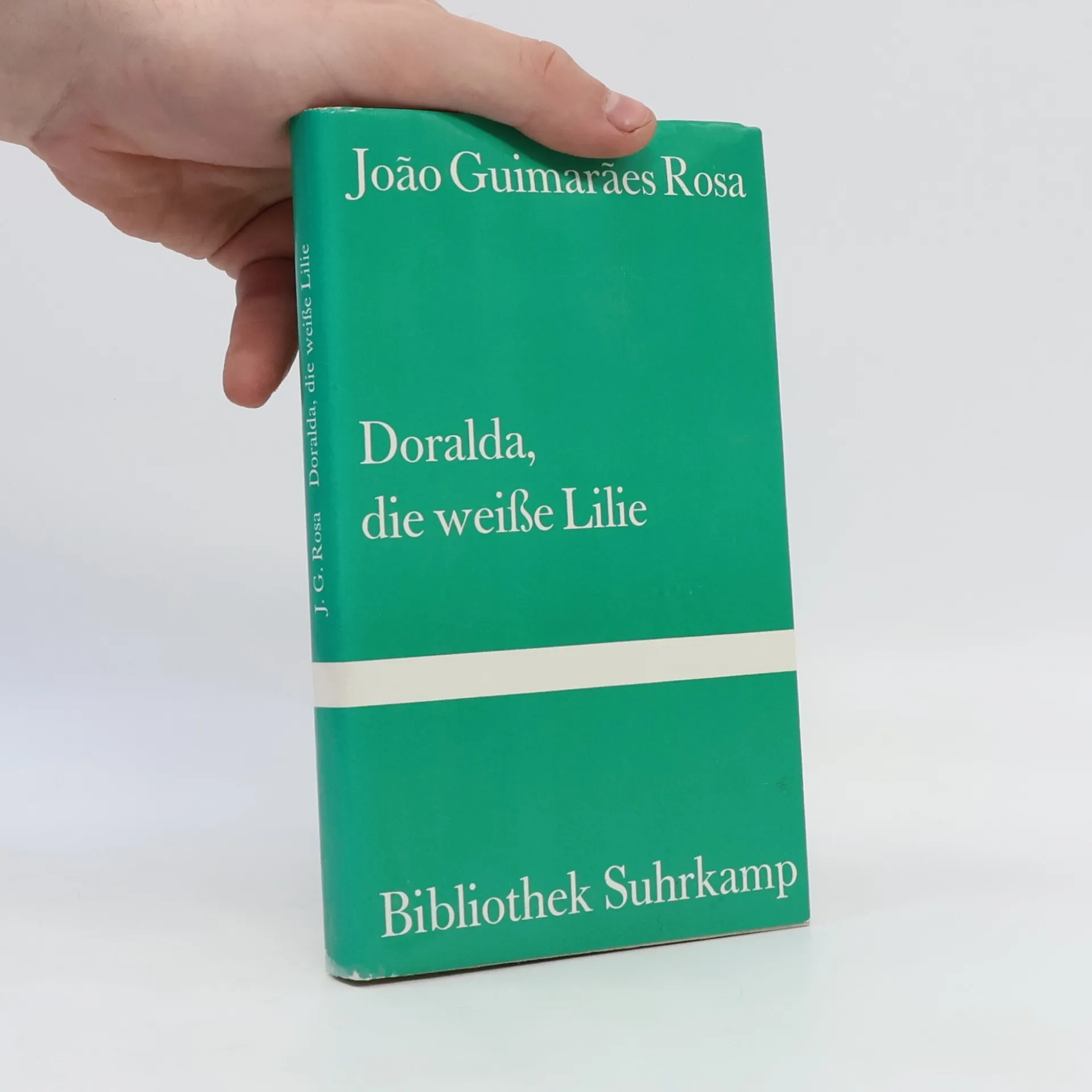

Der achtjährige Miguilim und seine Familie wohnen in Mutúm, einem entlegenen Ort in den brasilianischen Campos Gerais. Gemeinsam mit seinem älteren Bruder Dito erkundet Miguilim dieses Kindheitsparadies jeden Tag aufs Neue – bis auf einmal der Tod in die Idylle einbricht und Onkel Terêz nach Mutúm zurückkehrt … João Guimarães Rosa (1908–1967) hat mit „Miguilim“, dem Auftakt zu seinem großartigen Romanzyklus „Corps de ballet“, eines der populärsten Bücher des Landes geschrieben.
Guimarães Rosa Book order
João Guimarães Rosa stands as a monumental figure in 20th-century Brazilian literature, celebrated for his profound explorations of the human psyche and existential themes. His narratives delve into universal truths through the evocative landscape of the Brazilian sertão, offering readers a deeply philosophical and engaging experience. Rosa's distinctive literary style, marked by linguistic innovation and a unique narrative voice, cements his legacy as a master storyteller. His work invites readers on a journey of introspection and discovery, reflecting the complexities of existence.


- 2013
- 2011
Pedagogy in the Age of Media Control
- 187 pages
- 7 hours of reading
Offers a purposeful engagement with bodies of knowledge rooted in popular culture, yet routinely excluded from common sense visions of curriculum. It is aimed at teachers as well as teacher-educators and examines areas such as Disney, African American stand-up comedy, intersections of film/disability and race, as well as video games.
- 2010
Dál - dál a dá
- 216 pages
- 8 hours of reading
Honák Soropita si vzal za ženu dívku z nevěstince, dobrodružný život pověsil na hřebík a stal se váženým hospodářem. Nečekaná návštěva starého přítele v něm však probudí pochybnosti nad ženinou věrností a počestností, žárlivost i starou touhu udělat pořádek po pistolnicku. Druhé, přepracované vydání překladu této neobvyklé milostné novely z brazilského Tanečního souboru Joa Guimarese Rosy navazuje na vydání novely Burití v nakladatelství Torst, jež se setkalo s mimořádným ohlasem. Knihu doplňuje obsáhlý Rosův rozhovor o jeho pojetí literatury a fundovaná studie překladatelky Vlasty Dufkové.
- 2008
Novela jednoho z největších latinskoamerických autorů 20. století, z jehož díla byl do češtiny již v 70. letech přeložen román Velká divočina: cesty, vtahuje čtenáře do magického světa brazilského sertaa. Spolu s agrotechnikem Miguelem, jehož osud zavede na statek U dobré palmy burití, vstupujeme do pozdně patriarchálního světa, jemuž jako hlava rodiny vévodí pan Liodoro a v němž se mnohé točí kolem tří mladých žen, Liodorovy slunečné dcery Glórie, její temné sestry Marie Behú a jejich bývalé švagrové, městské dívky Leandry. Tento takřka neprodyšně uzavřený svět, kde čas plyne, jako by stál, se i zde Guimaraesi Rosovi stává mikrokosmem, v němž vystupují do popředí klíčové otázky lidské existence, tentokrát především láska a různé podoby, které na sebe v životě bere. Jazykově mnohovrstevné dílo s prvky básnické prózy vychází v mistrovském překladu Vlasty Dufkové.
- 2001
The Jaguar and Other Stories
- 183 pages
- 7 hours of reading
Joao Guimaraes Rosa (1908-1967) - one of the most acclaimed Brazilian writers of the 20th Century - explored the twisting frontiers that lie between "white man" and Indio, human and animal-kind, city life and the far backwoods, madness and sanity. With constant, startling imaginative leaps and an emotional poetry sometimes of redemption, sometimes of irreparable exclusion, he wrote the secret inner history of modern Brazil.
- 1994
- 1991
Belletristik : Brasilien/Campos Gerais ; Viehtreiber - Liebe.
- 1987
In einer Hütte im brasilianischen Hinterland des Sertão erzählt ein mestizischer Einsiedler seinem unsichtbaren und stummen Gast während einer Nacht und in einem ununterbrochenen Redefluss davon, wie er sich vom Jaguarjäger zu einem Menschen jagenden Jaguar gewandelt hat. Diese Erzählung über eine sich zwischen der europäischen und indigenen Kultur verlierenden Existenz, über die „Tragödie der Auslöschung und der Konstitution von Kulturen“ bildet einen der Höhepunkte im Werk des Brasilianers João Guimarães Rosa (1908-1967). Das Jahr seines 100. Geburtstags bildet den Anlass, sie in der Übersetzung von Curt Meyer-Clason dem deutschsprachigen Lesepublikum wieder zugänglich zu machen. Begleitet wird die Erzählung von einem Nachwort von Walnice Nogueira Galvão. Ihre Lektüre der „Unmöglichen Rückkehr“ des Protagonisten und Erzählers zu den Ursprüngen seiner von allen ethnischen, sozialen und kulturellen Elementen der Kolonisierung und Entstehung Brasiliens durchkreuzten Existenz gilt als eine der erhellendsten Deutungen dieses Textes.
- 1984