

Fjodor Michailowitsch Dostojewski Biography
Fyodor Dostoyevsky is renowned for his profoundly psychological novels that delve into the complexities of the human soul and moral dilemmas. His works explore themes of faith, doubt, suffering, and redemption with an intensity that compels readers to introspection. Dostoyevsky masterfully crafts characters grappling with internal conflicts and societal pressures. His unique style and piercing insight into human nature establish him as one of the most influential writers in world literature.

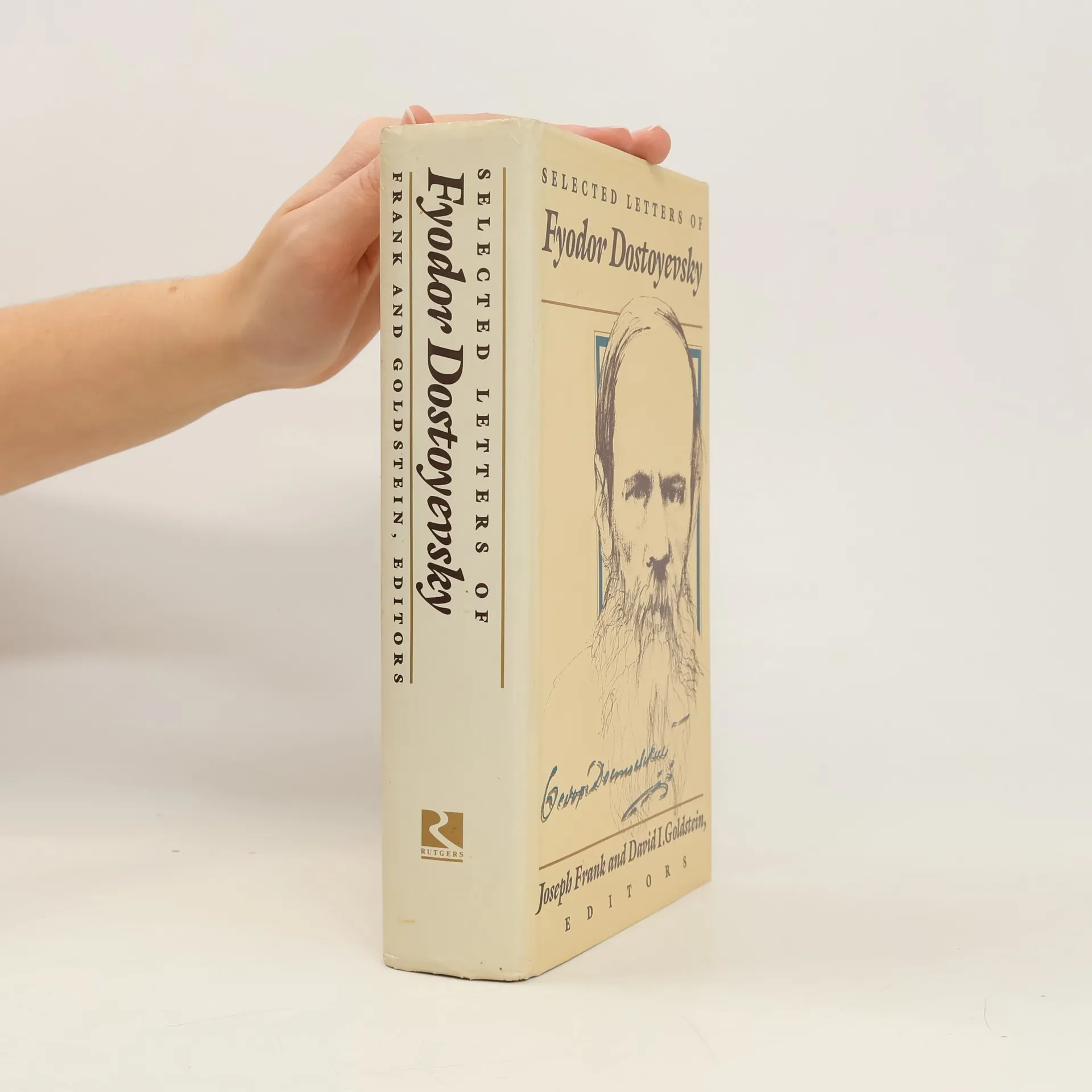

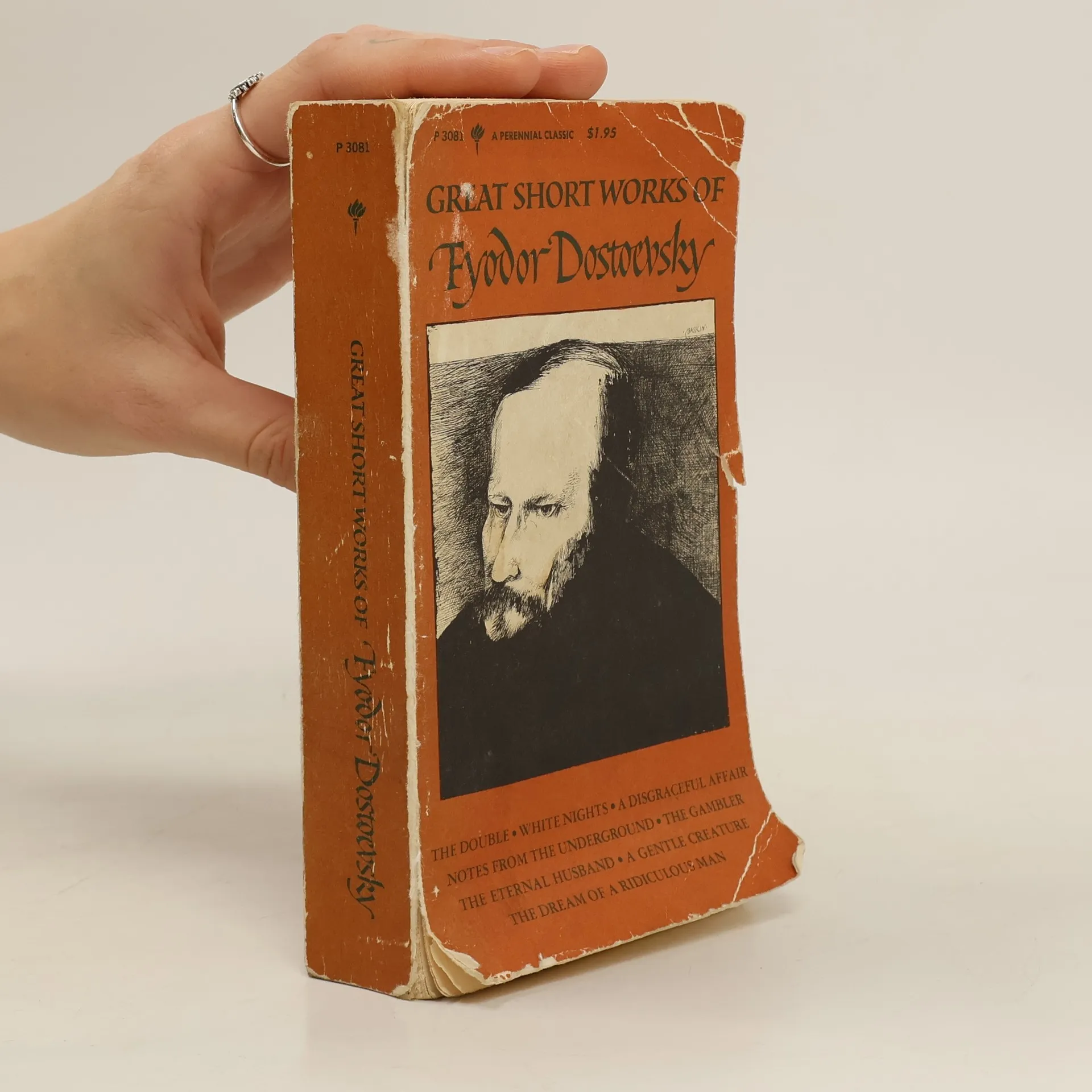

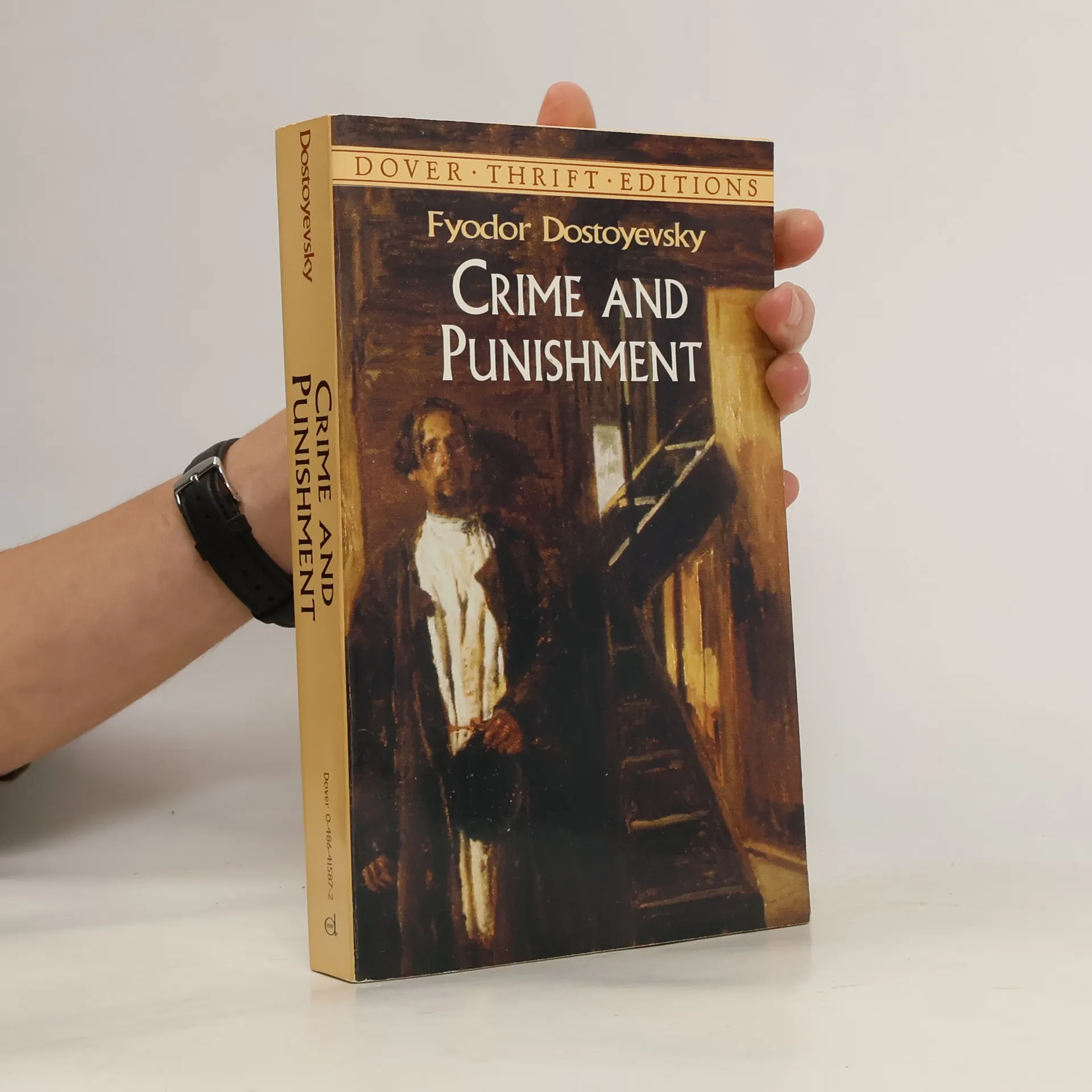

Fyodor Mikhailovich Dostoyevsky was a novelist, novelist, columnist and thinker, was one of the most important writers of all time. At first he attended a private school, but after his mother's death in 1837 he was sent to a military engineering school in St Petersburg for existential reasons. After seven years of study, he left so that he could devote himself fully to writing - his literary origins were heavily influenced by Belinosky. In 1846, he joined a ring associated with the Russian revolutionary Mikhail Vasilievich Petrashevsky (1821-1866), in which the Russian intelligentsia met.
However, this circle was exposed and labelled as anti-state, and Dostoyevsky was an adherent to social utopian ideas, but in 1849 he and twenty other "petrashevskis" were sentenced to death. But the court eventually (fortunately for the literary world) changed the verdict, sending Dostoyevsky only to forced labor in an Omsk prison (1850-54) and to subsequent military service in Siberia (1854-59). In 1859 Dostoyevsky fell ill (physically and soon after, mentally) and was released. He returned to freedom as a writer with a religious mission.
In the 1960s, his wife and brother died, and debts flooded in, which he decisively took a turn for the worse when he fell into gambling. At the time, he proclaimed a return to the patriarchal foundations of national life as a rescue from the consequences of modern civilizational processes. He was co-publisher of 'Epoch' and 'Vremya'.
In his essays, he strongly supported Russia's direction toward the West and its modernization. Demonstrating crisis symptoms in the psychology of contemporary society, perniciously scarring human relations, he captured the contemporary movement of anarchist terrorists as well as moral and existential issues. Towards the end of his life, he was markedly influenced by mysticism.
Dostoevsky had been epileptic all his life, for which he eventually died. Paradoxically, it was only just before the author's death that his nation understood how great a writer he was.