

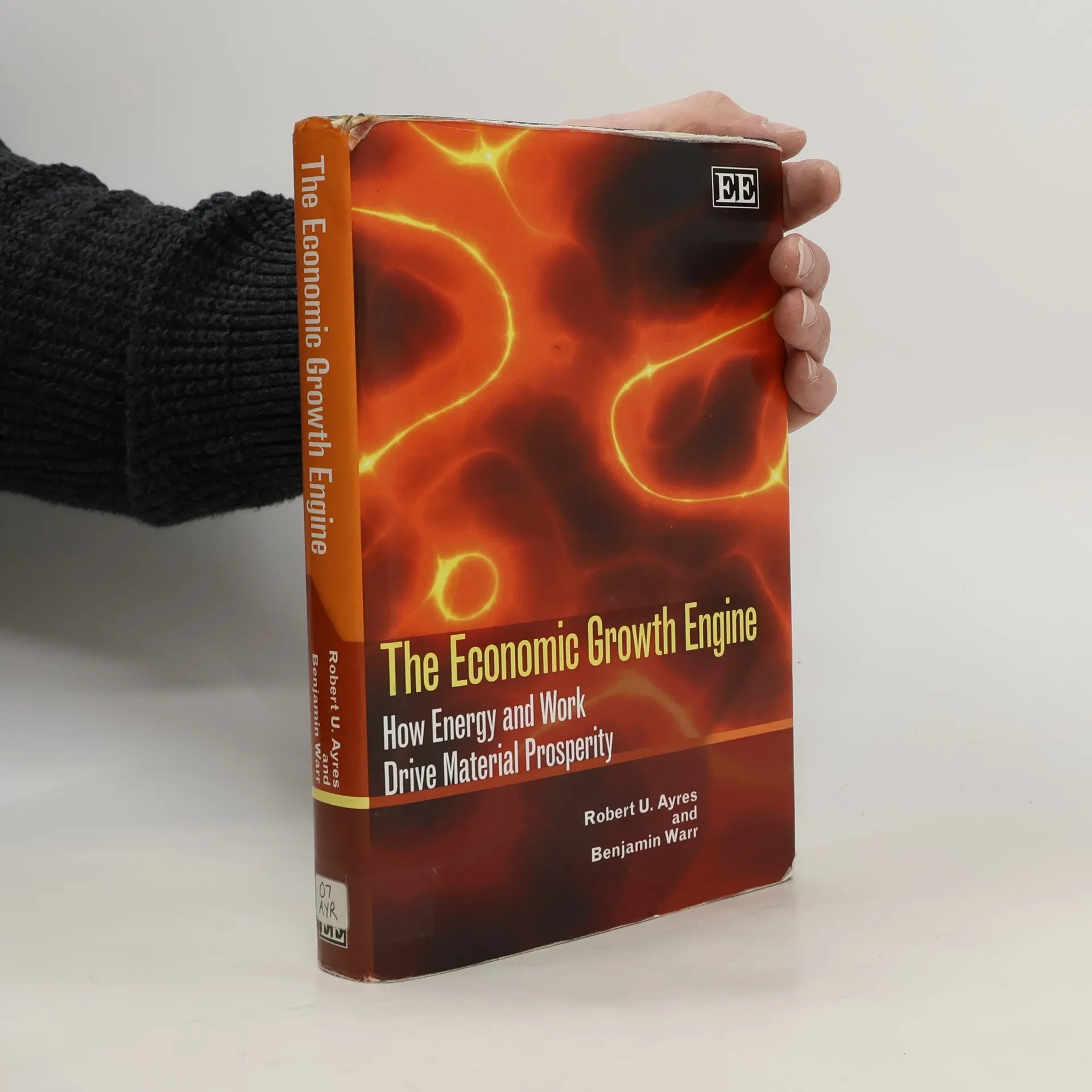
Would you want your great-grandchildren in 2100 to inherit a 22nd-century industrial economy? This book emphasizes the critical relationship between wealth and energy efficiency, urging a shift in perspective on fossil energy—from a continuous income source to a finite capital that should be invested in sustainable energy solutions. Without this change, future generations may face a broken economy reliant on cheap fossil fuels. Current economic theories often attribute income growth to technical progress, which is poorly defined and measured. However, the authors demonstrate that access to "useful work" explains most income changes since 1900 in countries like Japan, Britain, and the USA. They warn that rising fossil fuel prices and stagnating energy conversion efficiencies threaten future income growth. Following the energy shocks of 2008, the authors provide a unique analysis of the role of energy services in GDP growth, challenging conventional economic assumptions. They argue that economic growth has been largely driven by decreasing energy costs, and without technological improvements, rising energy prices could stifle growth in advanced economies. This work explores the relationship between thermodynamics and economics, integrating neo-classical and evolutionary growth theories. It raises crucial questions about whether efficiency gains can offset impending energy scarcity, highlighting that future economic growth
Robert Ayres Books
Robert U. Ayres is an American physicist and economist whose work frequently explores the intersection of physics, economics, and environmental studies. He examines the long-term impacts of technological development and industrial production on society and the planet. Ayres's style is characterized by a multidisciplinary approach, linking scientific rigor with critical assessments of social and economic systems. His extensive publications reflect a deep contemplation of sustainable development and the future of civilization.

The History and Future of Technology
Can Technology Save Humanity from Extinction?
- 848 pages
- 30 hours of reading
Focusing on the interplay between technology and societal evolution, Robert Ayres explores how technological advancements emerge primarily from societal needs rather than existing independently. He delves into the historical context of technology as a change agent, emphasizing its development in response to human demands and the evolutionary factors that shape these needs. This perspective challenges the notion of technology as a self-sustaining force, highlighting its deep connections to societal progress and challenges.
The History and Future of Economics
- 412 pages
- 15 hours of reading
Exploring the concept of energy as the fundamental substance of the universe, this book delves into the relationship between energy consumption and material transformation or information transmission. It critiques the labor theory of value as proposed by economists like Adam Smith and Karl Marx, suggesting that while it offers an initial understanding of value creation, it requires further refinement. The text aims to provide a deeper insight into the dynamics of value and energy in the context of economic theory.
The book critically examines the current state of capitalism, highlighting the tension between its defenders and skeptics. It discusses how speculative practices, particularly in the financial sector, contribute to wealth inequality and environmental degradation. By analyzing evidence and arguments from both sides, the author delves into issues of wealth distribution, social mobility, and the impact of capitalism on billions of people. The exploration aims to provide a comprehensive understanding of the challenges facing modern capitalism.
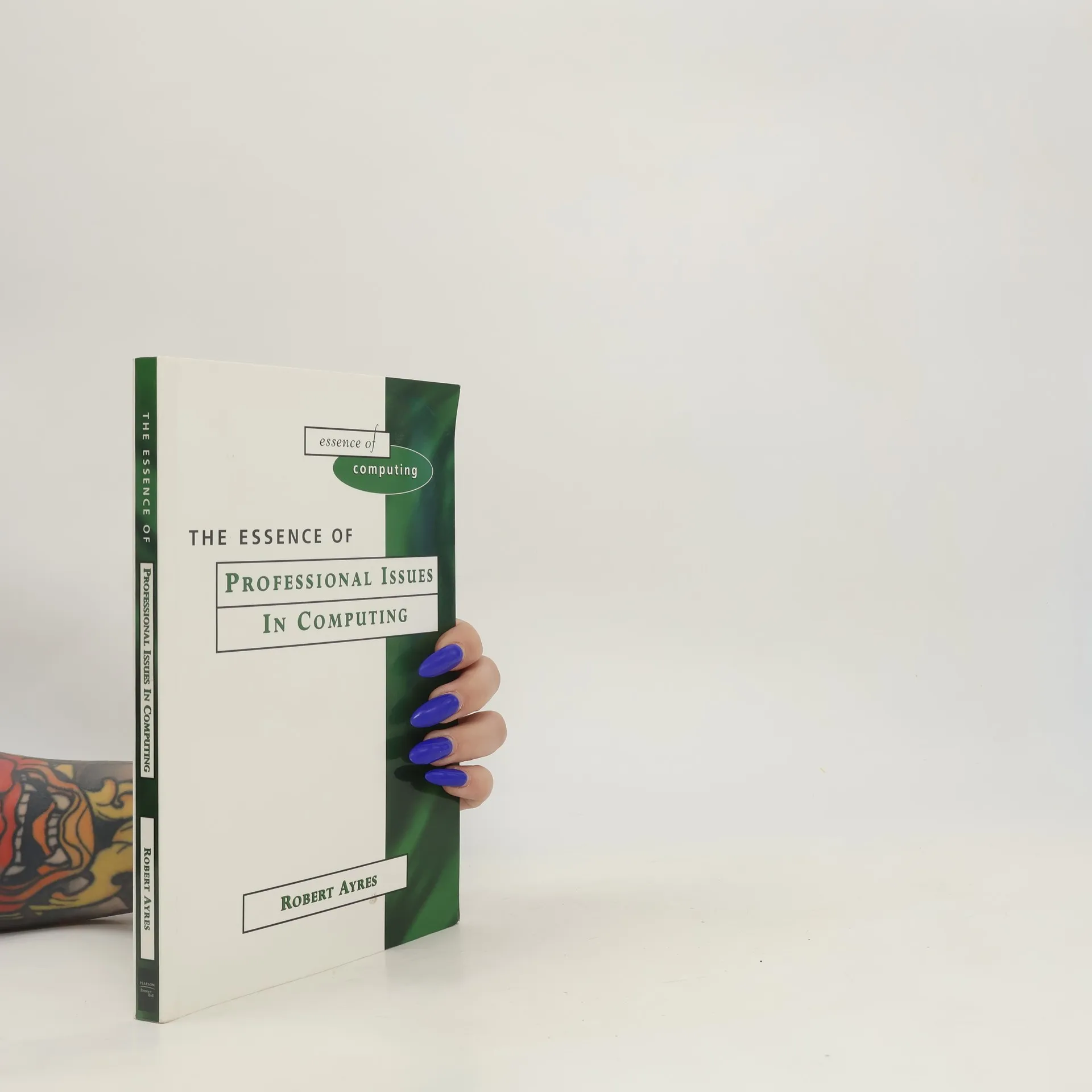
The Essence of Professional Issues in Computing
- 232 pages
- 9 hours of reading
The Essence of Professional Issues in Computing is a unique introduction to the social, legal and ethical issues which are raised by the development of software. The book has been designed to cover the most important aspects of the topic specified by the British Computer Society (BCS) syllabus. It assumes no prior knowledge of computing and contains a short insight into the British legal system to make the discussion of computer law easier to understand.