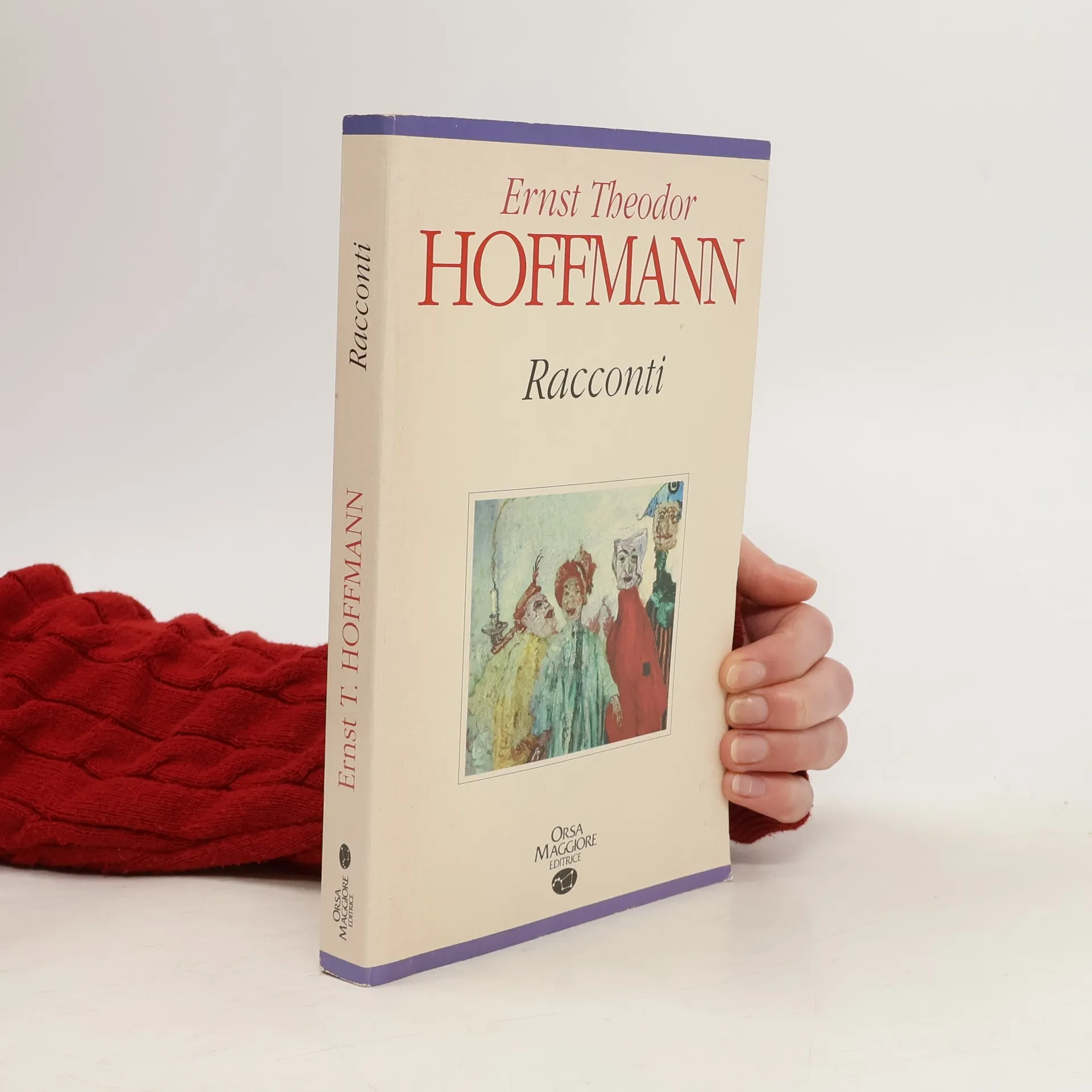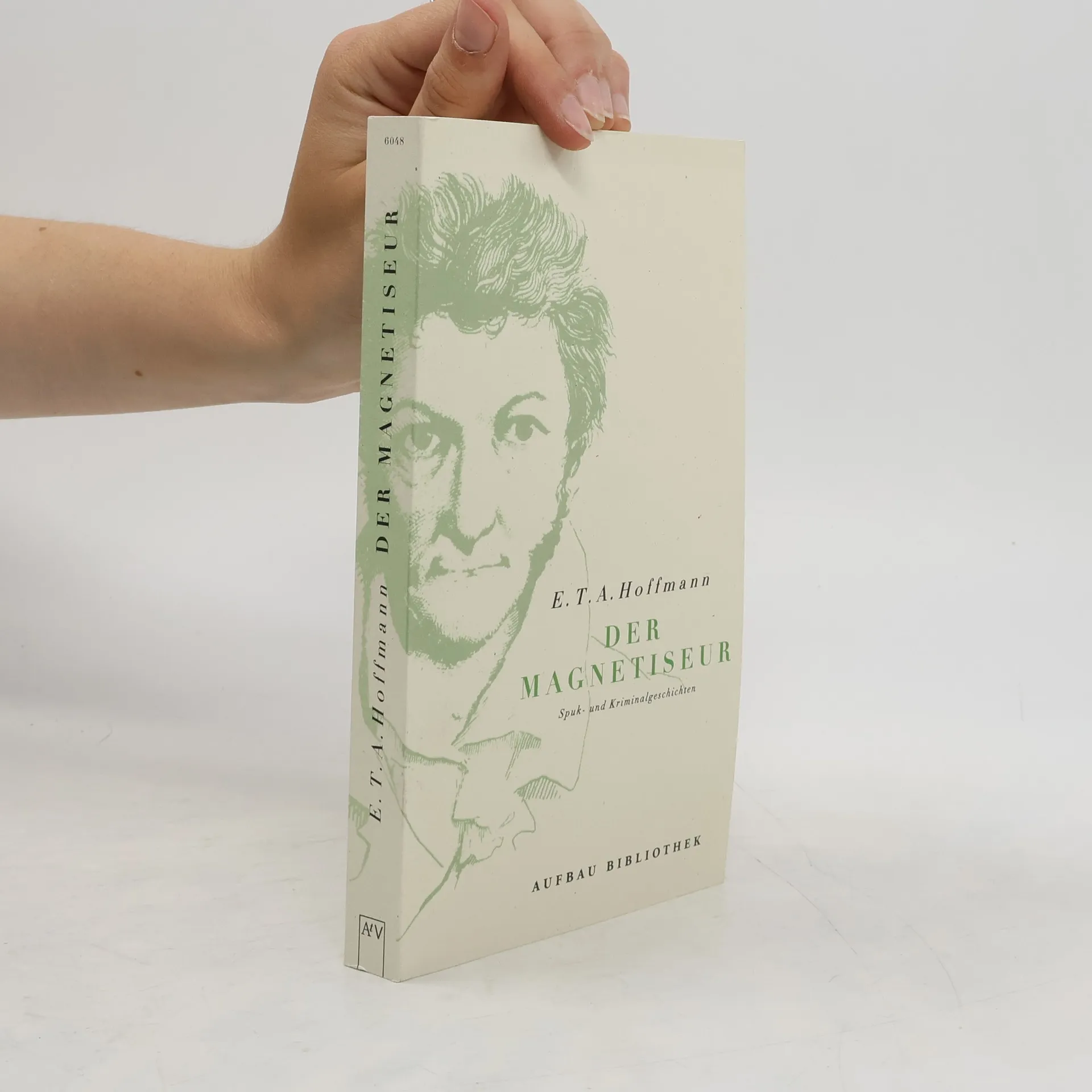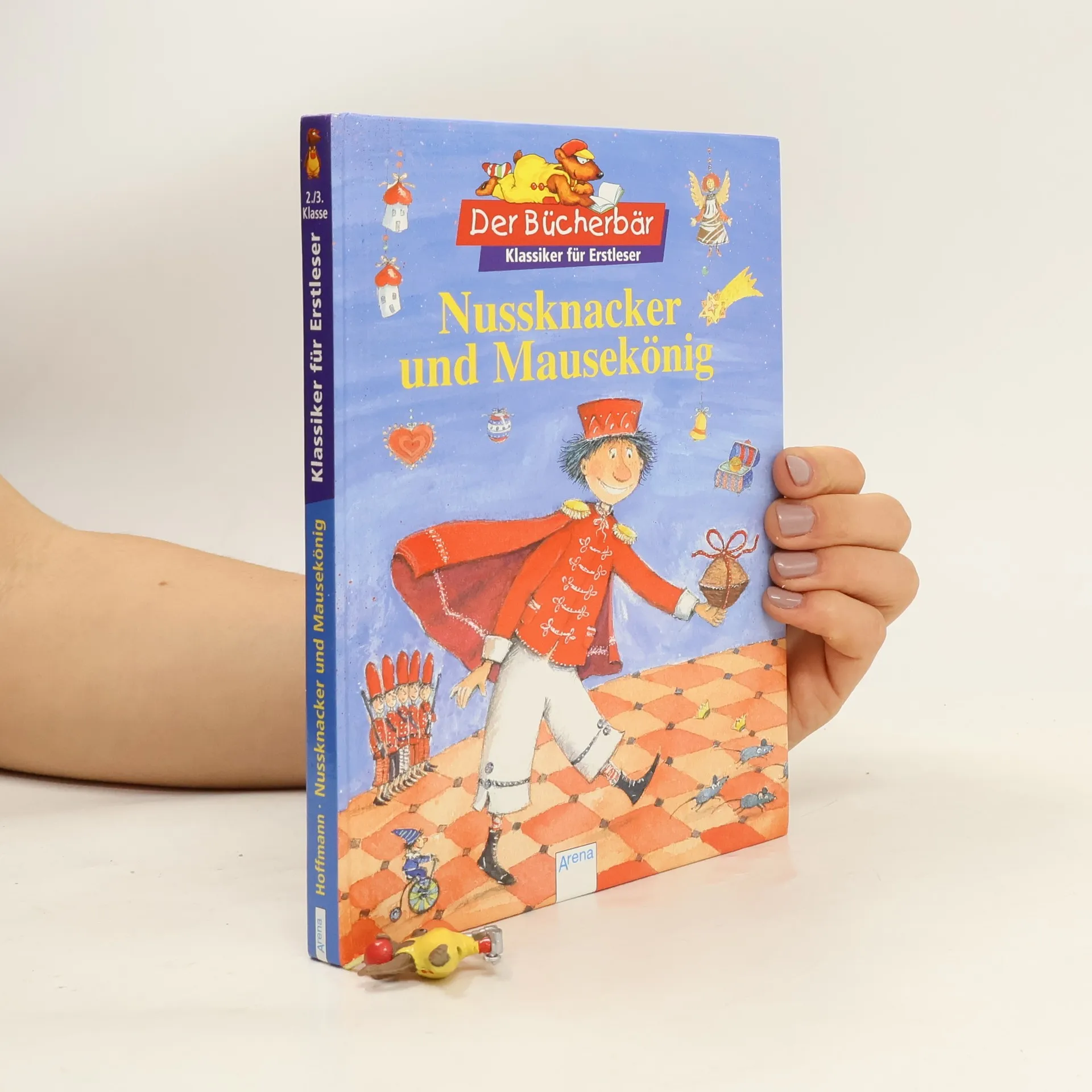

Explore the latest books of this year!
Bookbot

E. T. A. Hoffmann

  • E. T. A. Hoffmann
January 24, 1776 – June 25, 1822
E. T. A. Hoffmann
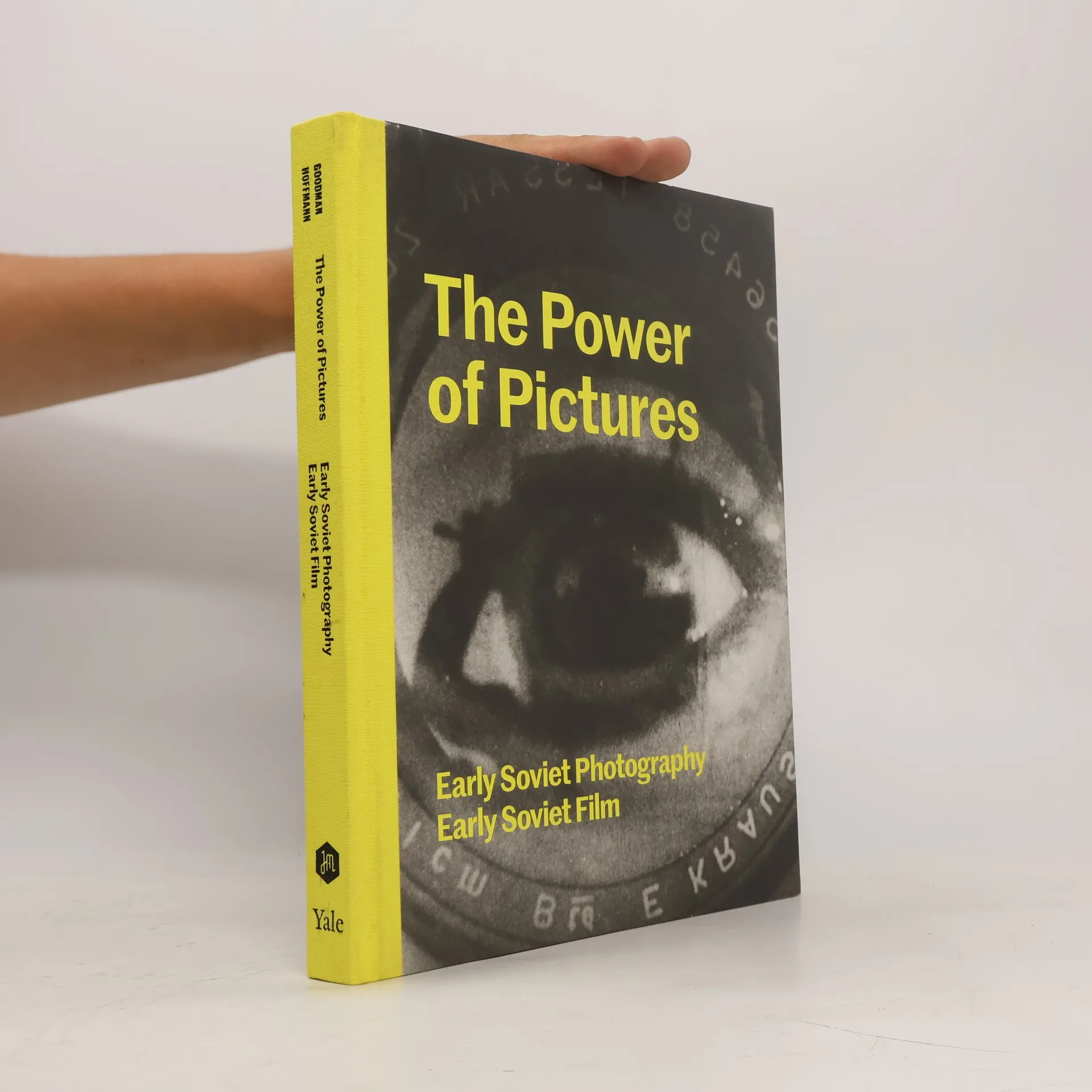
The Power of Pictures
The Nutcracker and the Mouse King: The Graphic Novel
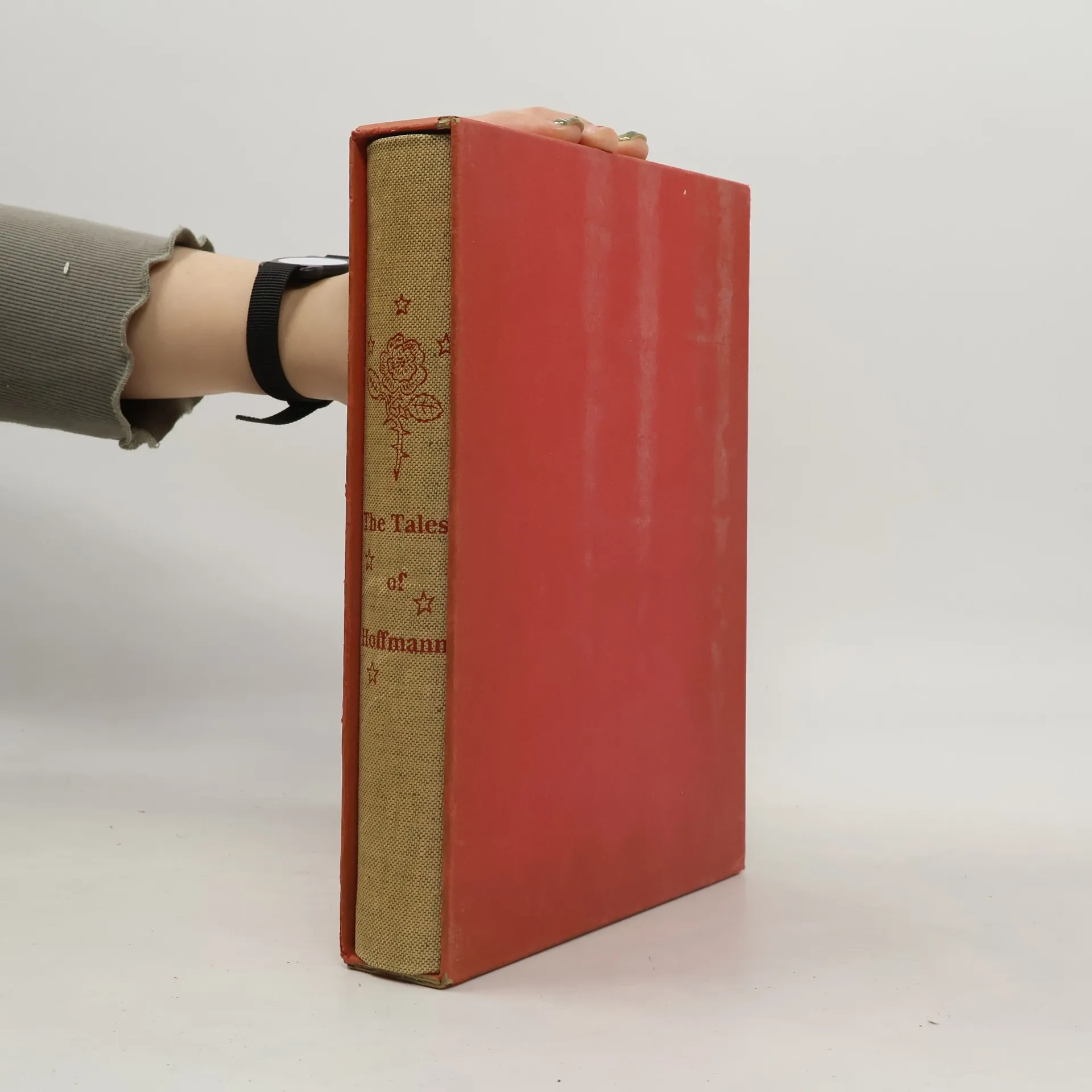
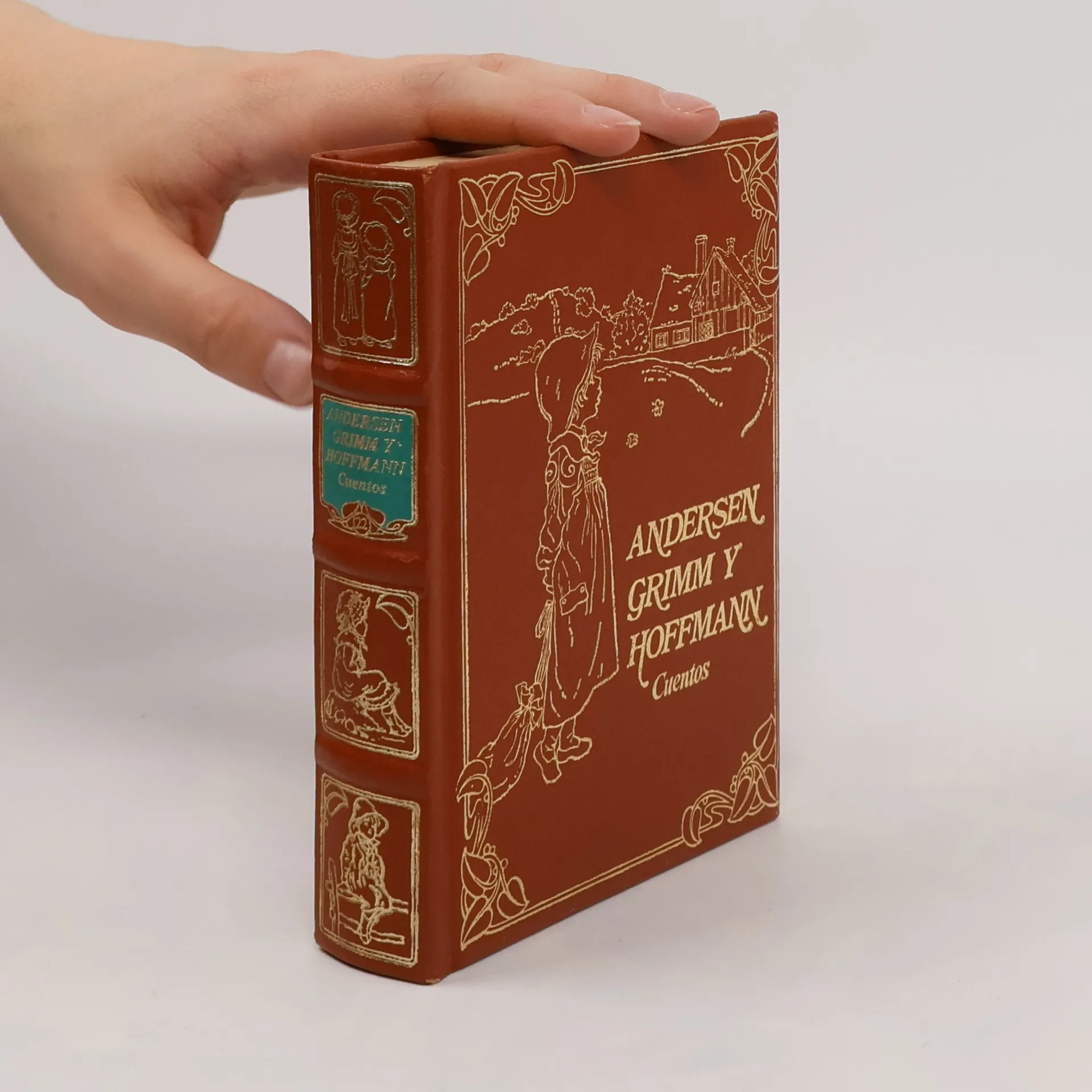
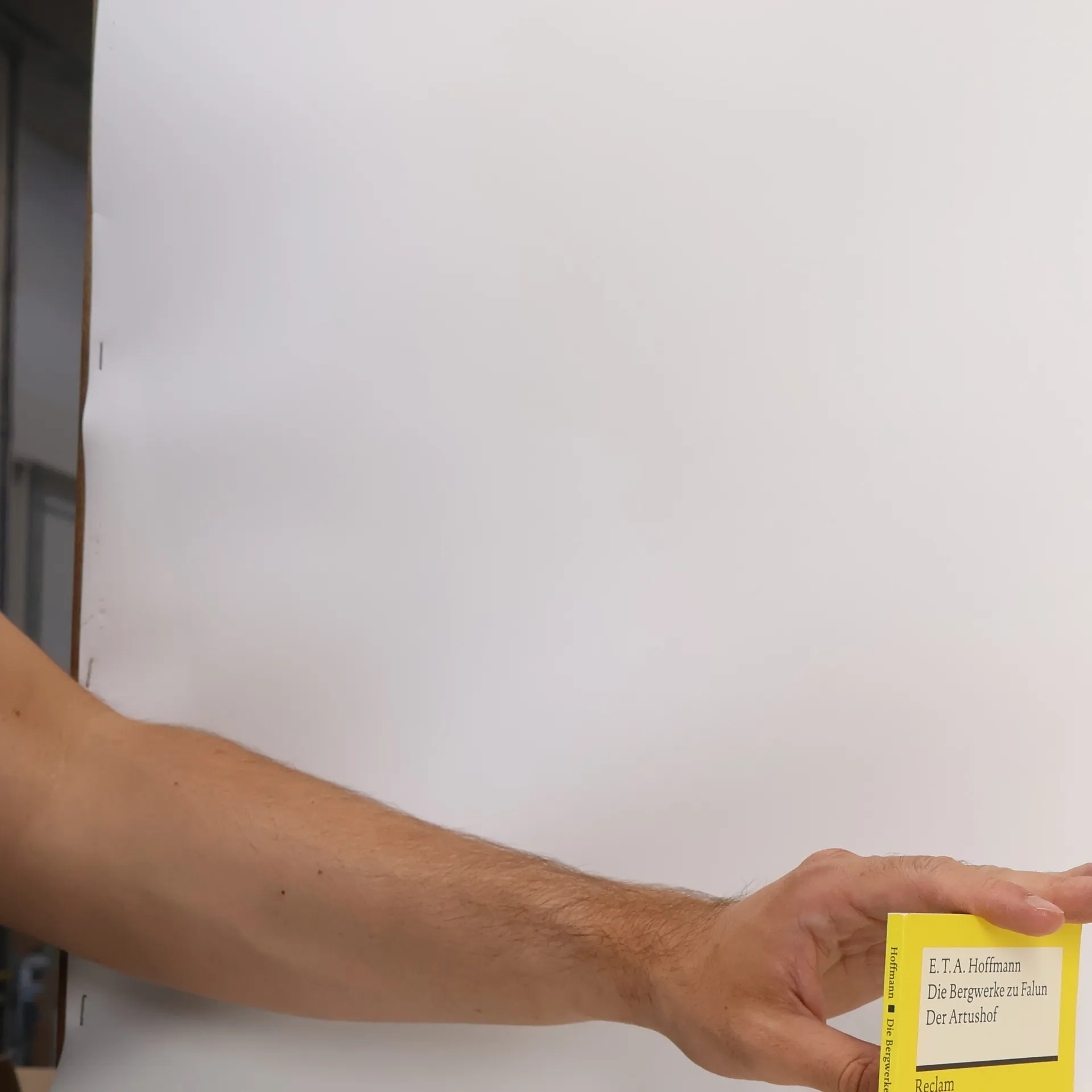
Tales of E. T. A. Hoffmann
The Wounded Storyteller
Weird Tales
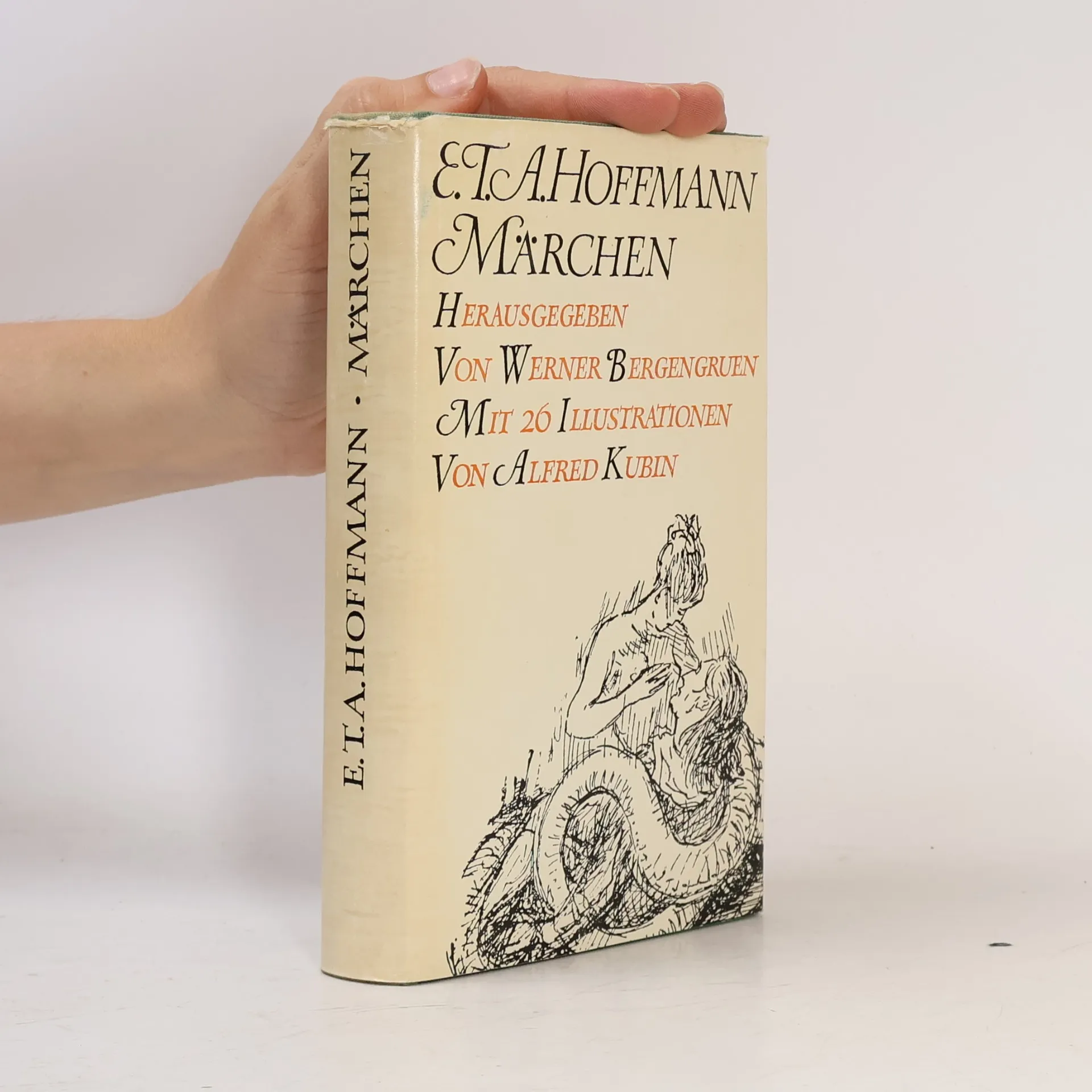
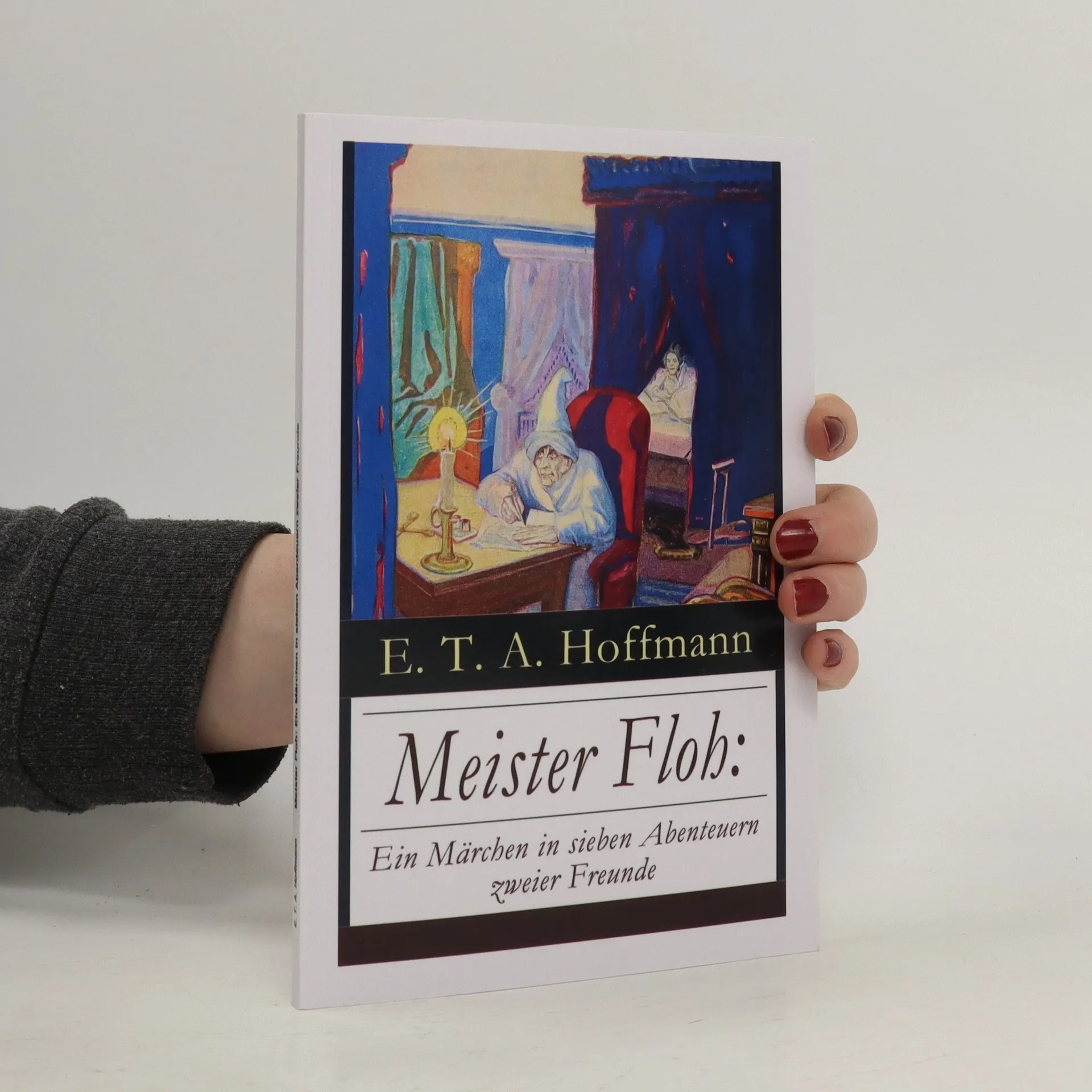
Meister Floh: Ein Märchen in Sieben Abenteuern Zweier Freunde
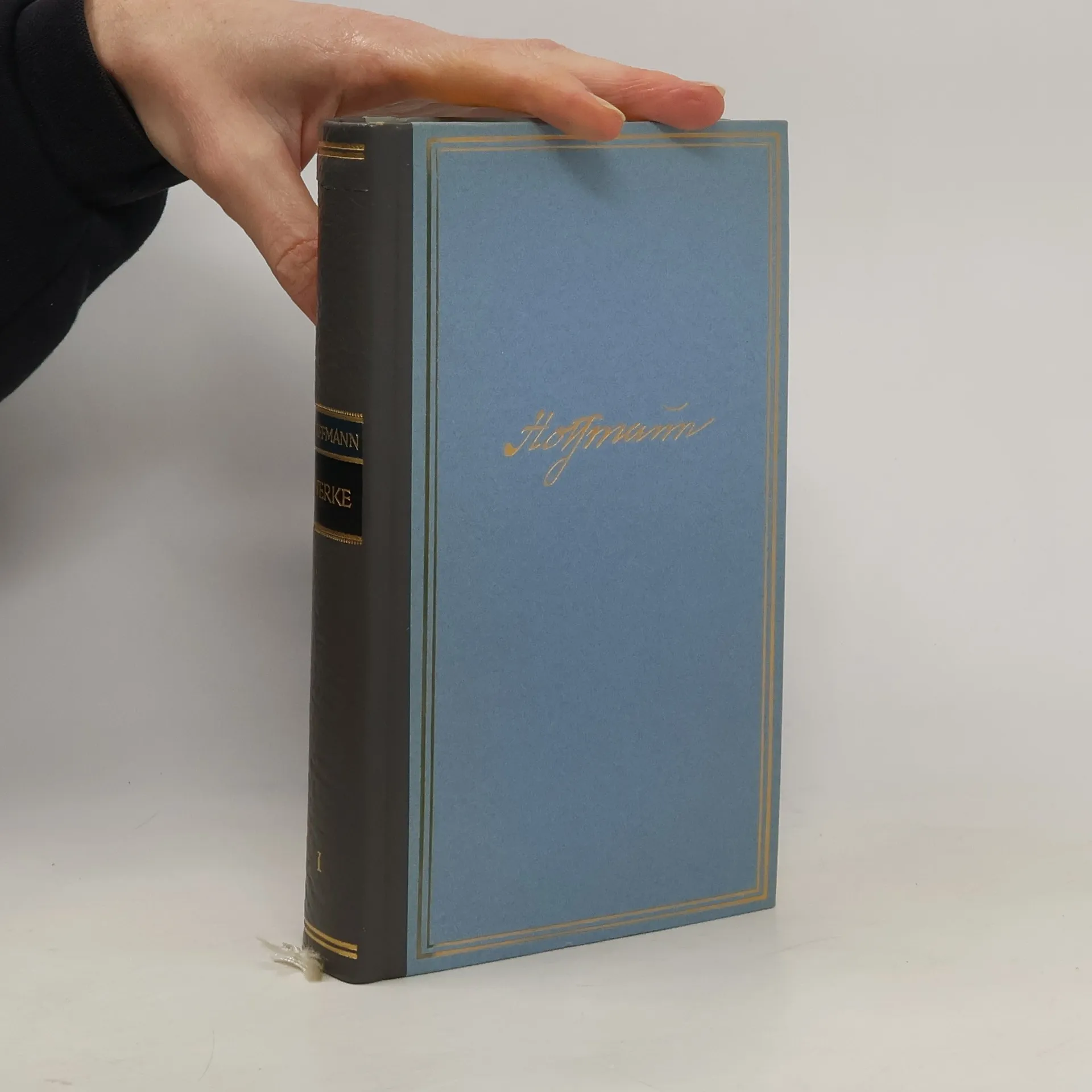
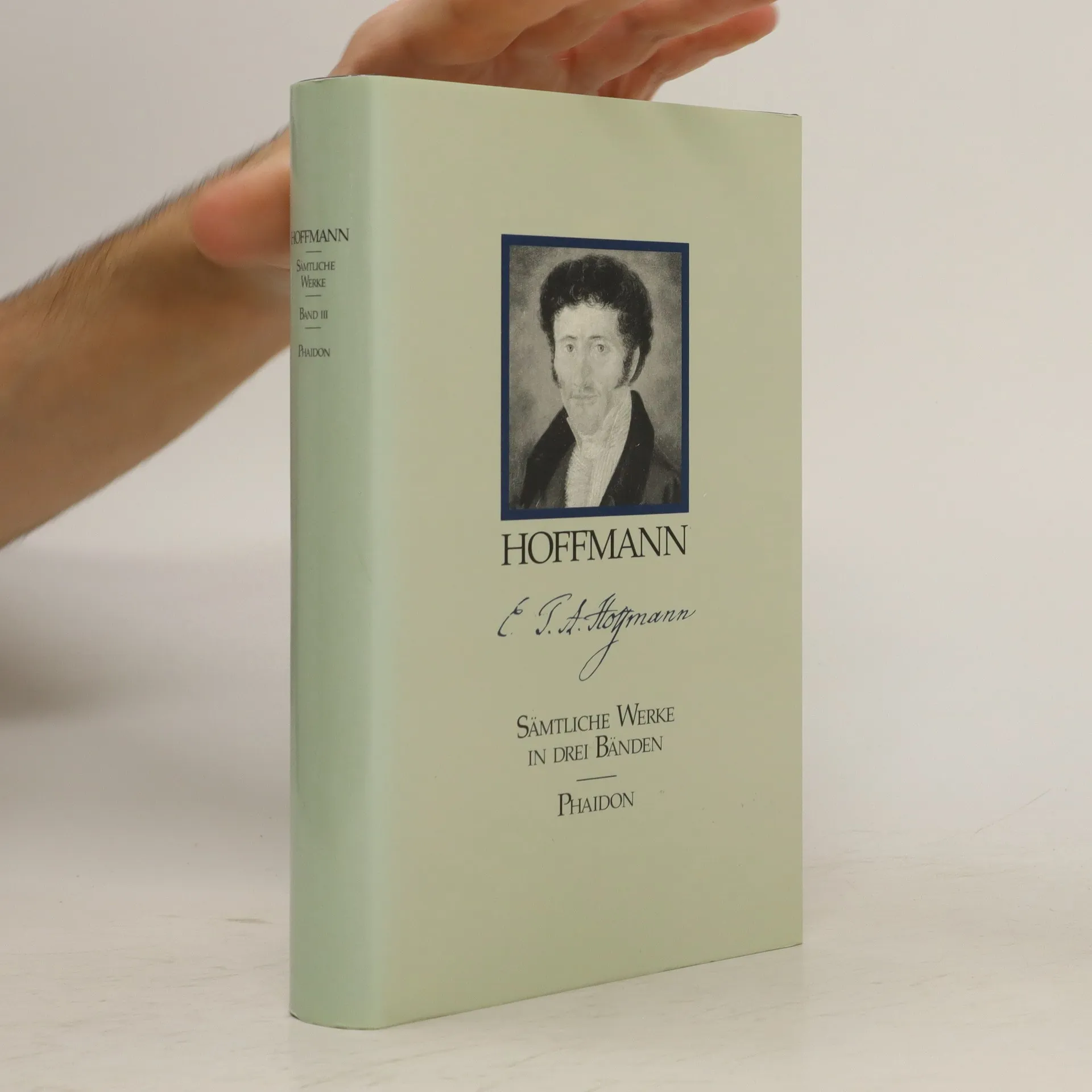
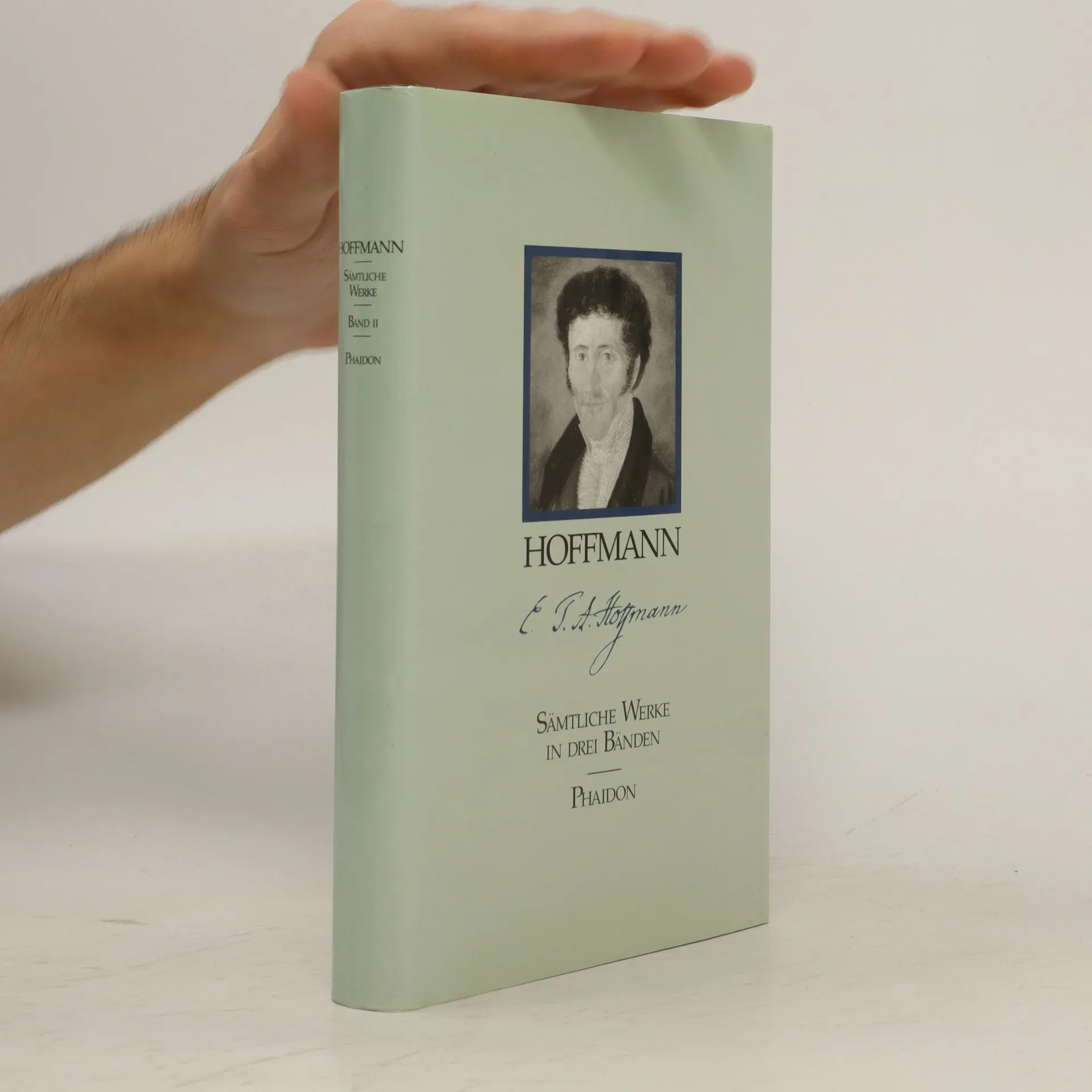
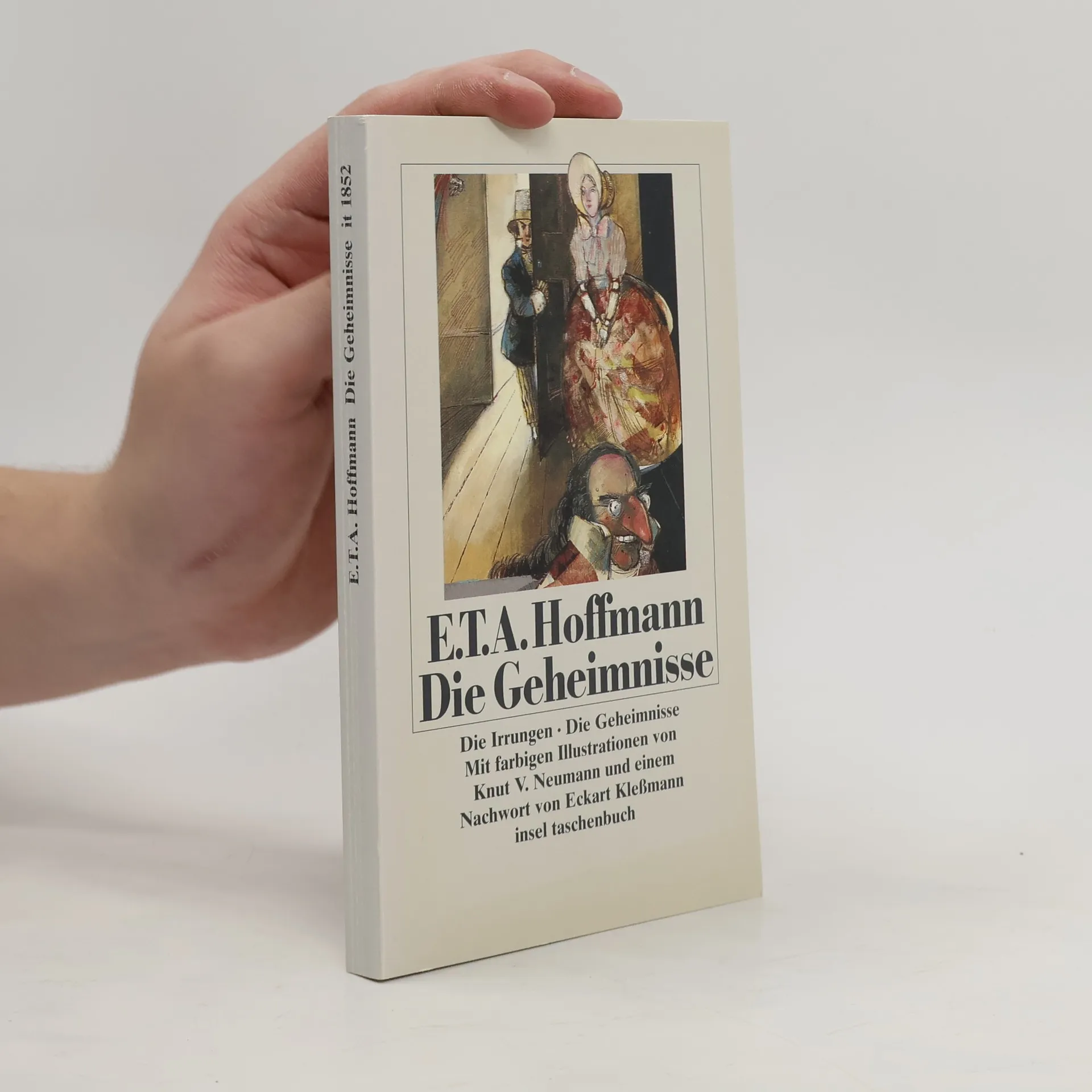
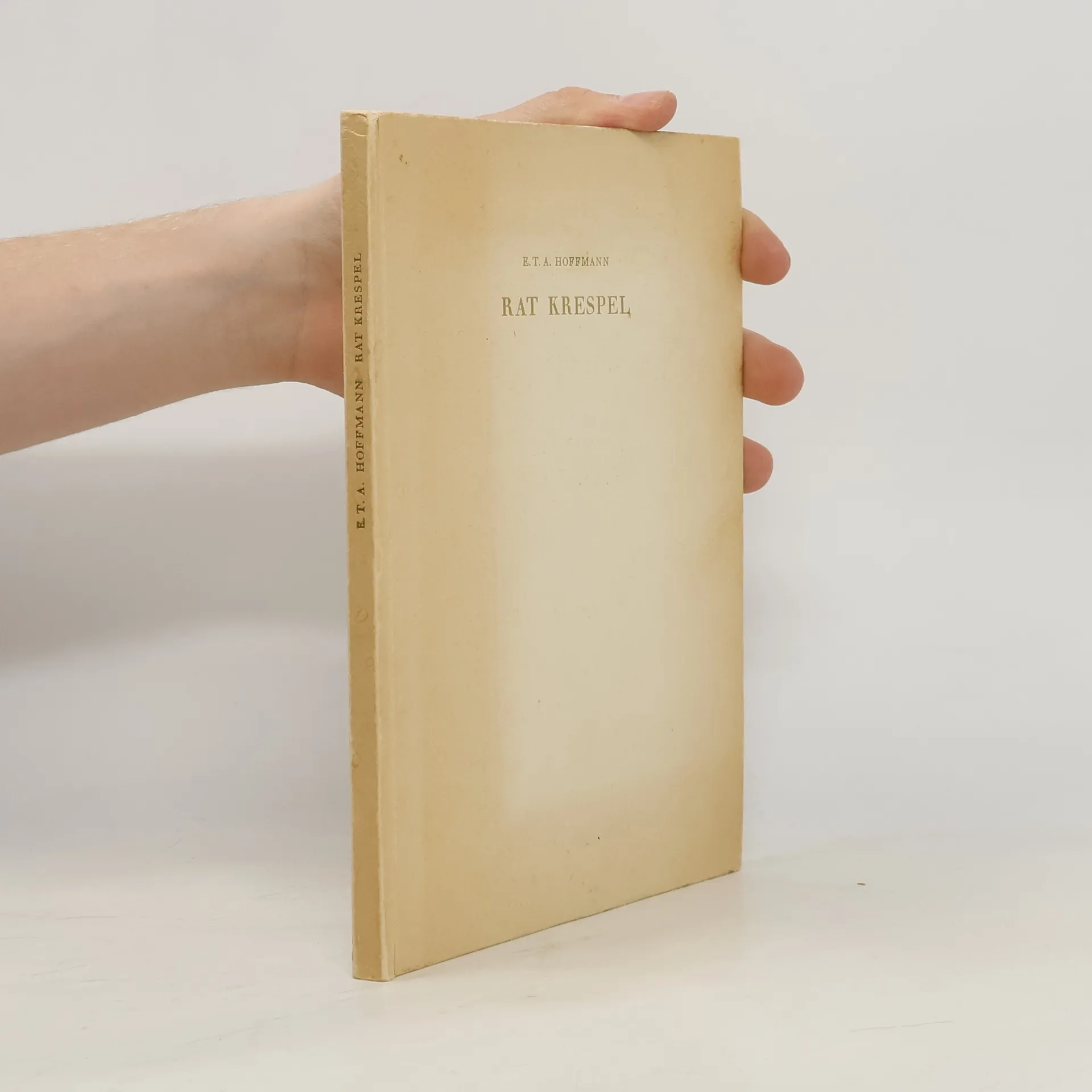
  • Ernst Theodor Amadeus Hoffmann, a contemporary of Beethoven, was not only a composer and music critic but also a significant figure in the late German Romantic movement. His sharp wit and poetic imagery provide insight into societal flaws and human psychology. Notably, his satirical approach in works like Master Flea led to legal challenges, resulting in censorship and revisions due to criticisms of the court system. Hoffmann's unique blend of humor and critique makes his writing both engaging and thought-provoking.
    Meister Floh: Ein Märchen in Sieben Abenteuern Zweier Freunde
    4.2
  • Weird Tales

    • 340 pages
    • 12 hours of reading

    E.T.A. Hoffmann was an enormous talent writing long before the market for weird fiction came into focus. One of the first great horror magazines -- Weird Tales -- stole the title of this two-volume collection without so much as a note of thanks! Anyway, if you like weird fiction (probably a better word for the genre than horror), you'll love Hoffmann's Weird Tales.

    Weird Tales
    3.0
  • E. T. A. Hoffmann's classic tales of Gothic horror and fantasy are presented in a new translation accompanying the beguiling drawings of Natalie Frank

    The Wounded Storyteller
    4.0
  • Tales of E. T. A. Hoffmann

    • 320 pages
    • 12 hours of reading

    Ranging from macabre fantasies to fairy tales and tales of crime, these stories from the author of The Nutcracker create a rich fictional world. Hoffman paints a complex vision of humanity, where people struggle to establish identities in a hostile, absurd world. "The editors have made an excellent selection, and the result is a book of great distinction."—Denis Donoghue, New York Review of Books "The translators have proved fully equal to all the challenges of Hoffmann's romantic irony and his richly allusive prose, giving us an accurate and idiomatic rendering that also retains much of the original flavor."—Harry Zohn, Saturday Review

    Tales of E. T. A. Hoffmann
    4.0
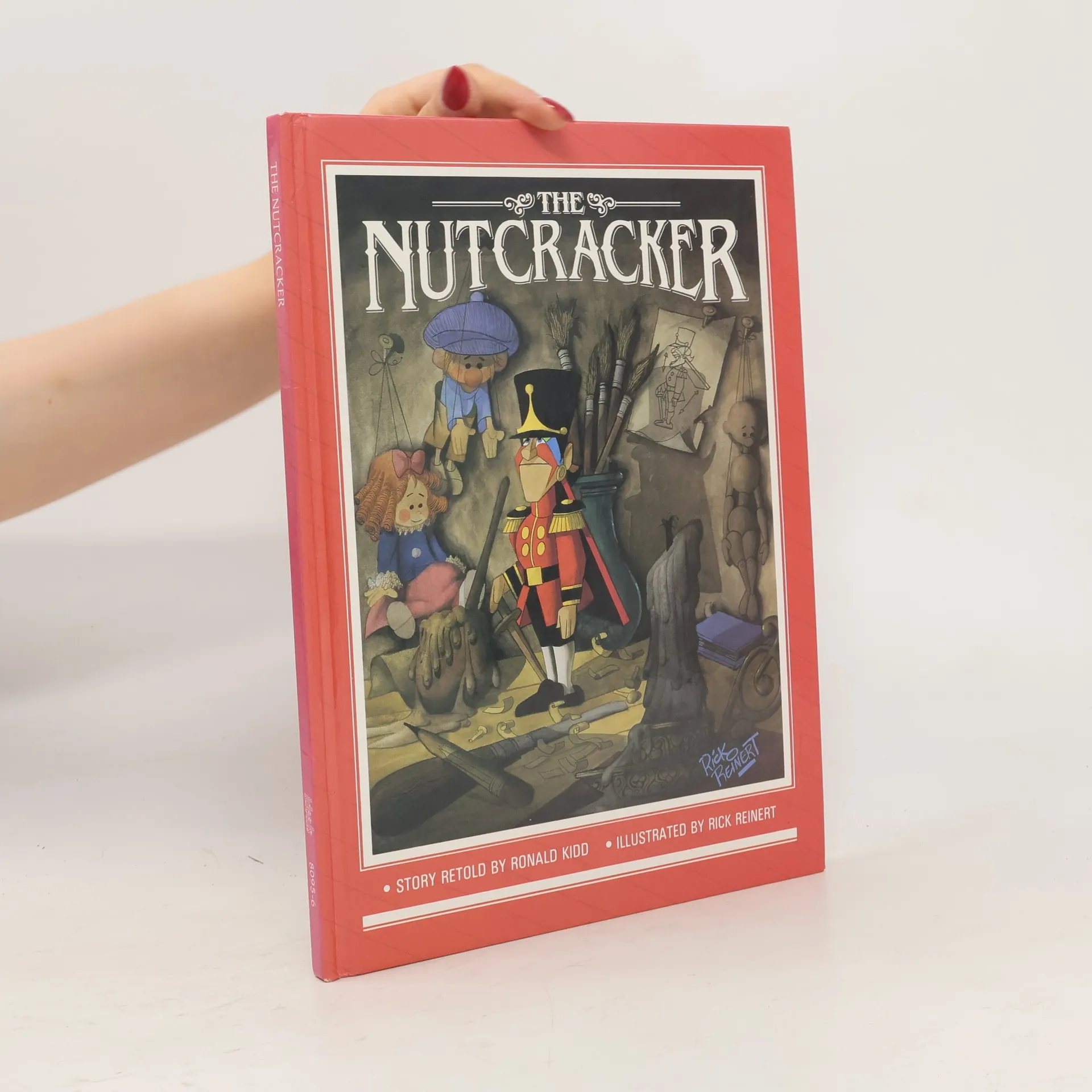
  • Of all the gifts under the tree on Christmas Eve, only one captures Marie Stahlbaum’s heart: a humble nutcracker. He’s a curious little man, with kind eyes, sweet red cheeks, and a friendly appearance. And as midnight nears, he comes to life, revealing a fairy-tale world of magic and wonder, wicked princesses and fierce battles . . . and an ancient curse that can only be broken with the help of a true friend. With the evil Mouse King looming and her dream world threatened, Marie will have to find the strength to stand up for her nutcracker—no matter what it takes. Natalie Andrewson brings E.T.A. Hoffmann’s surreal and fantastical story to life like never before in this vibrant graphic novel adaptation of a beloved Christmas classic.

    The Nutcracker and the Mouse King: The Graphic Novel
    4.0
  • The Power of Pictures

    Early Soviet Photography, Early Soviet Film

    • 238 pages
    • 9 hours of reading

    Covering the period from the Revolution to the beginning of World War II, this book considers Soviet avant-garde photography and film in the context of political history and culture. Three essays trace this generation of artists, their experiments with new media, and their pursuit of a new political order. A wealth of stunning photographs, film stills, and film posters, as well as magazine and book designs, demonstrate that their output encompassed a spectacular range of style, content, and perspective, and an extraordinary sense of the power of the photograph to change the world.--Yale University Press website (viewed on September 16, 2015)

    The Power of Pictures
    3.7
  • The Devil's Elixirs

    • 276 pages
    • 10 hours of reading

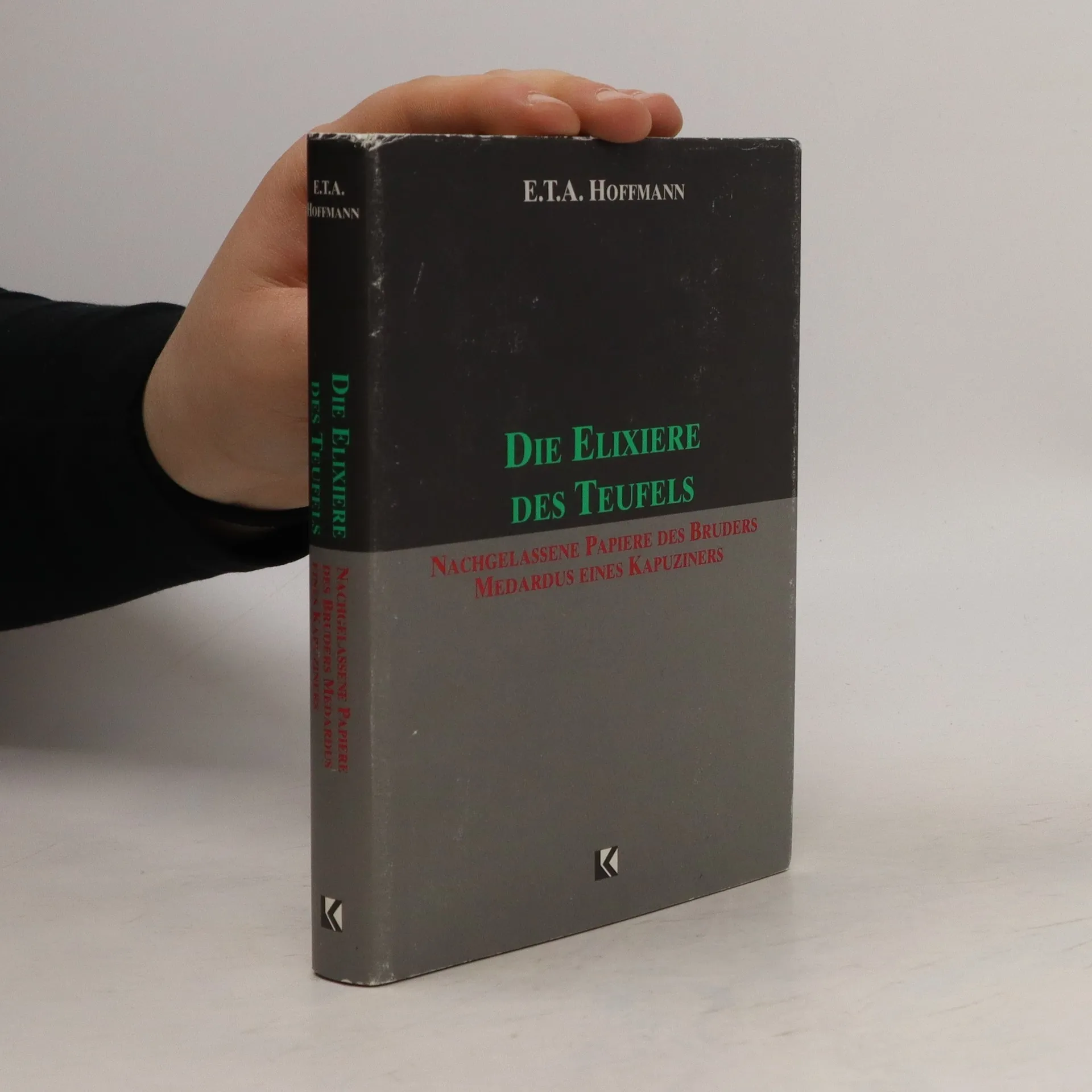
    The Devil's Elixirs is a macabre masterpiece of German literature, and is essential reading for anyone seeking to understand the Romantic movement, or the genres of fantasy and horror which it spawned. The son of a heinous sinner, Medardus is brought up in a monastery to atone for his father's wicked ways. However, after succumbing to temptation, Medardus himself is lured into a life of sin. A labyrinthine plot sees him embarking on a fantastical journey into the world, meeting his doppelganger, involving himself in a game of double impersonation, and becoming embroiled in murderous intrigues at the Vatican, before the mysterious curse hanging over him and his family is finally explained. First published in 1815, ""The Devil's Elixirs"" is a macabre masterpiece of German literature, and is essential reading for anyone seeking to understand the Romantic movement, or the genres of fantasy and horror which it spawned.

    The Devil's Elixirs
    3.8
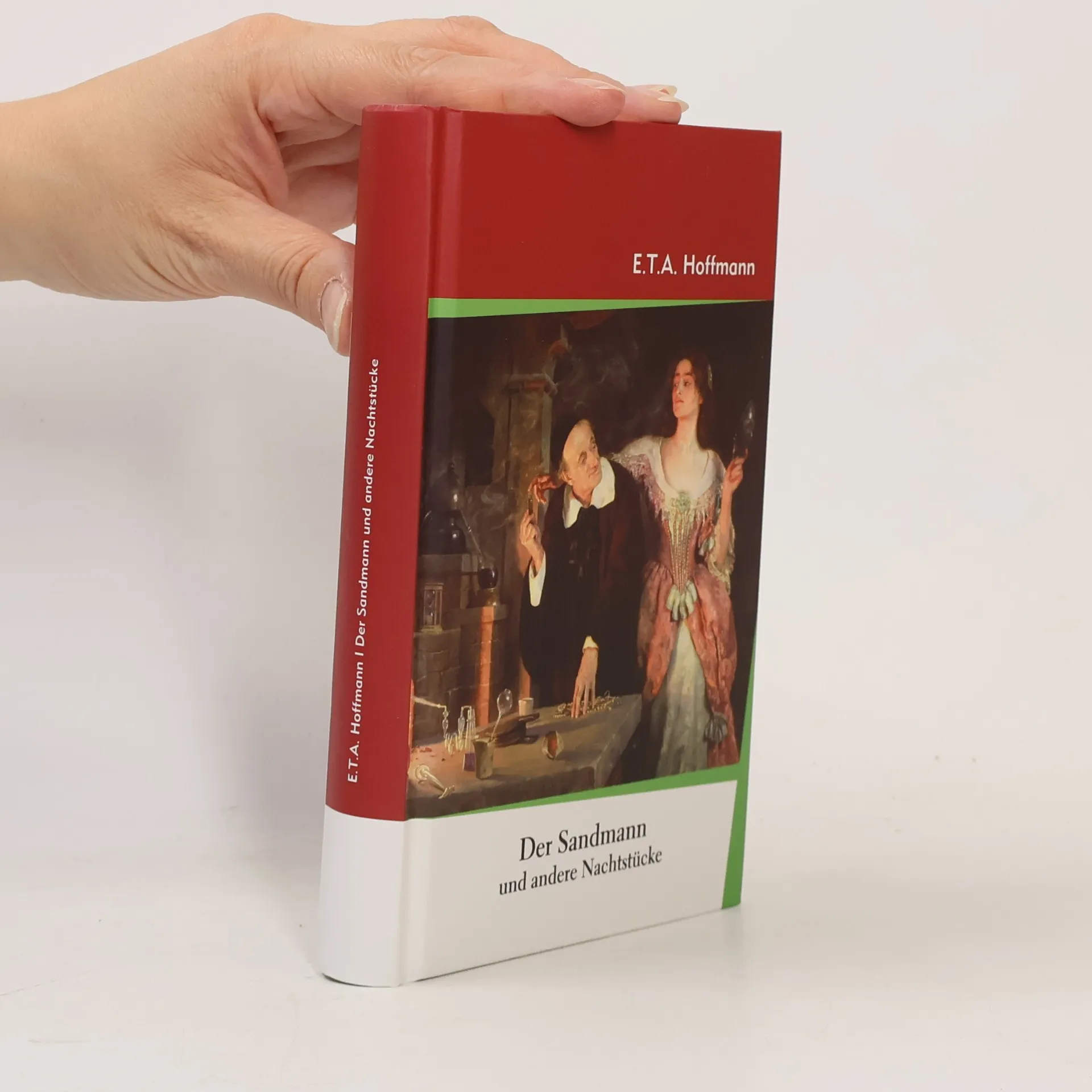
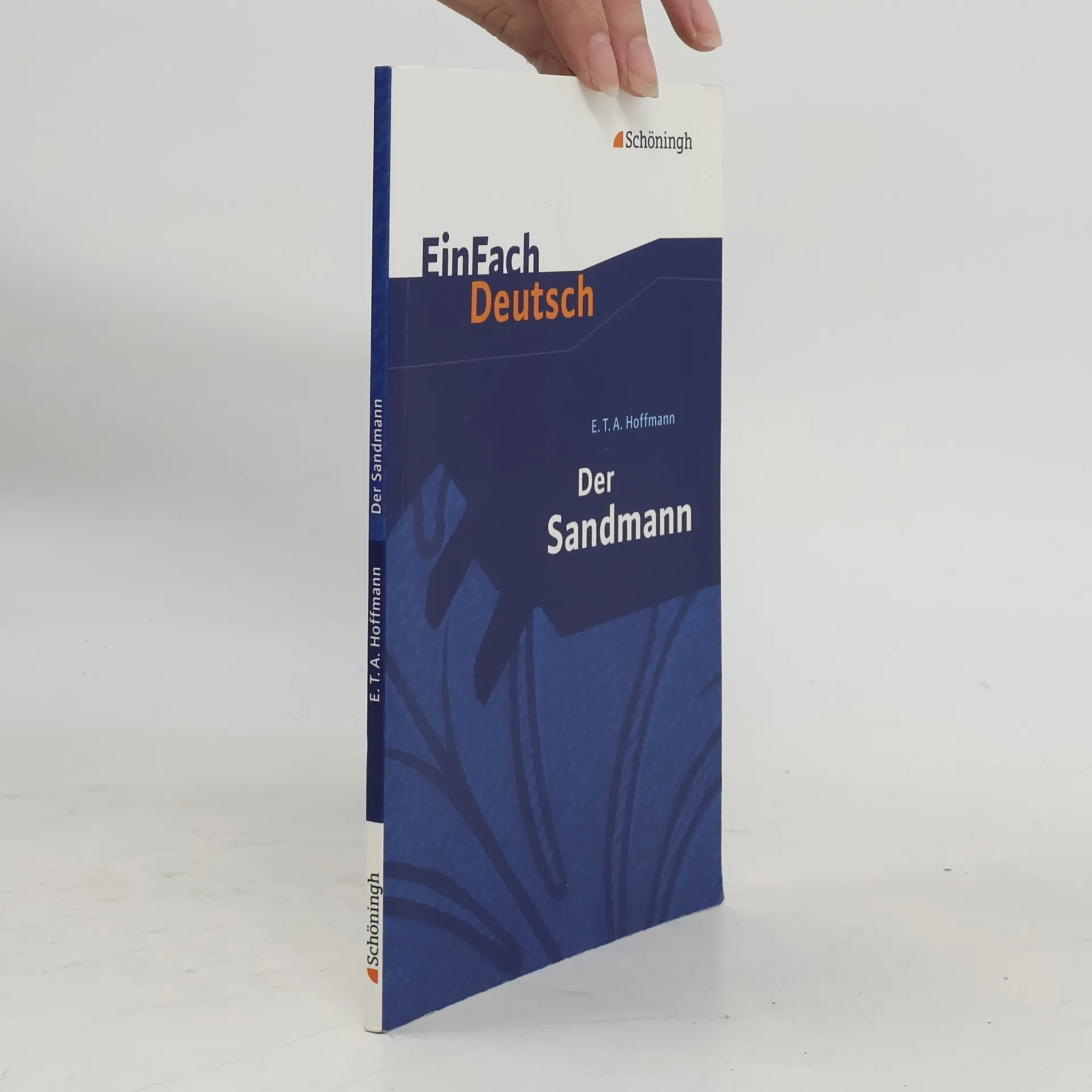
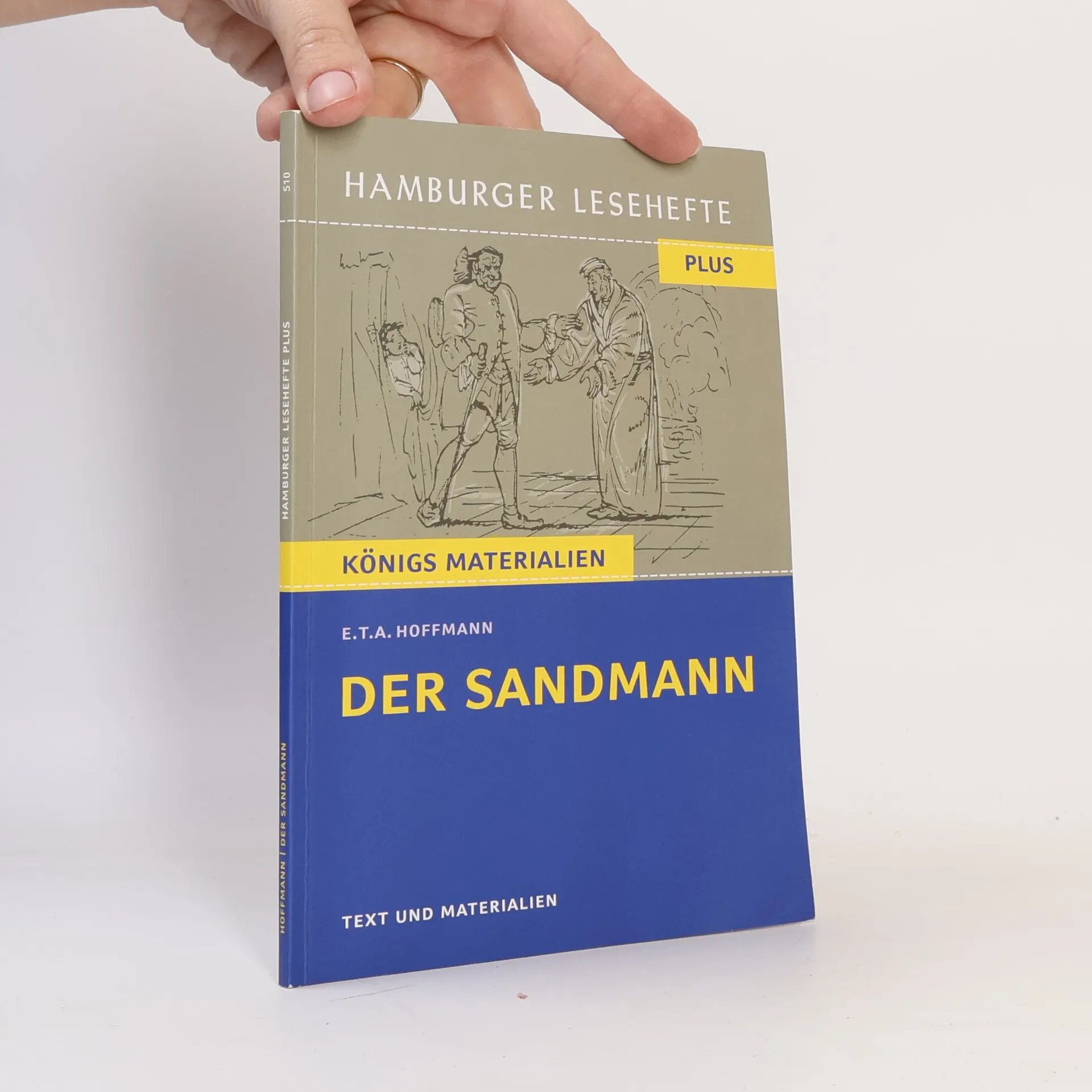
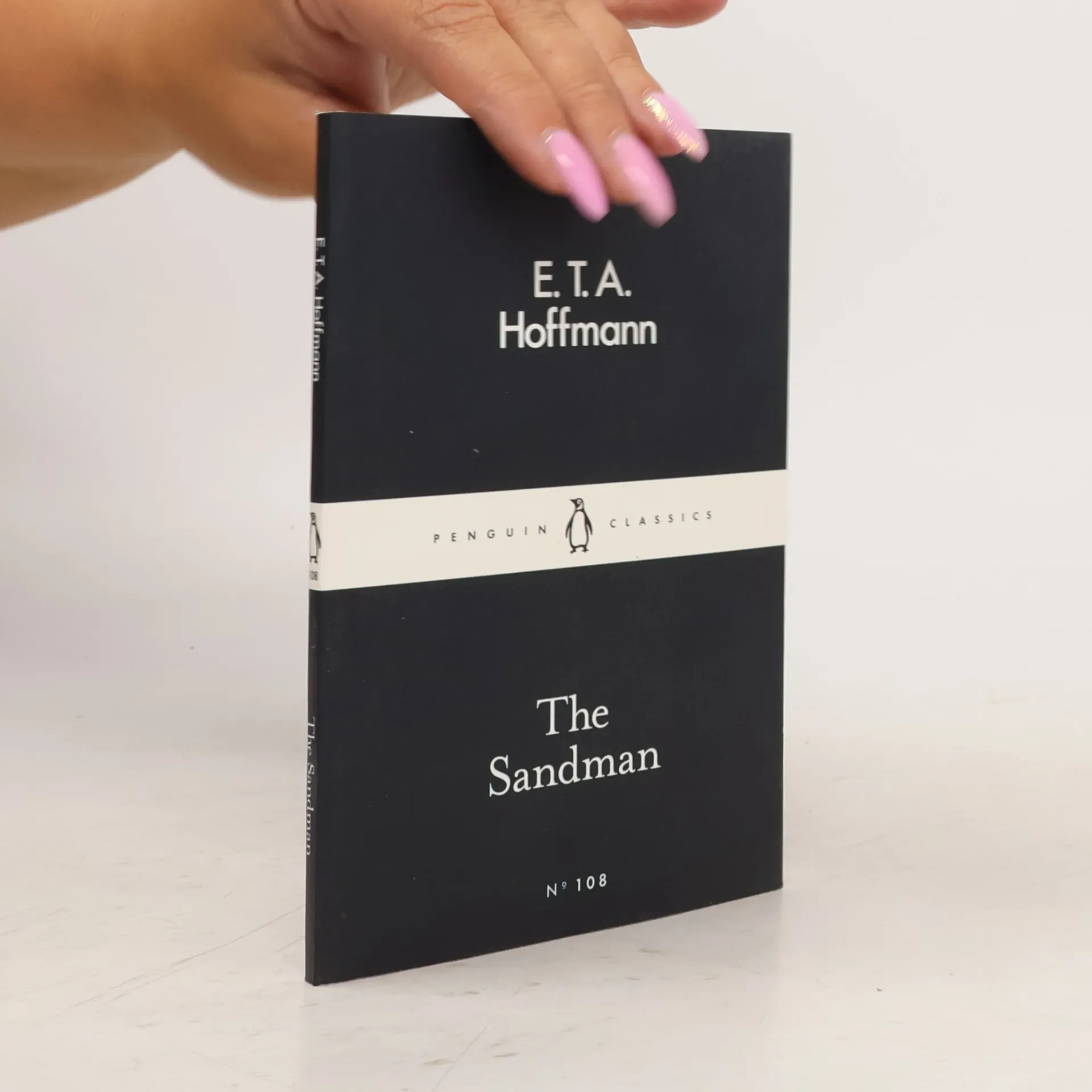
  • This book is a new translation of E. T. A. Hoffmann's The Sandman. The text contains an introduction to Hoffmann's life and an introduction to his novella. The Sandman is the story of Nathanael and his obsession with the titular figure. This narrative is over two hundred years old still and has many interesting and prescient questions at its core.

    Der Sandmann/The Sandman By E. T. A. Hoffmann
    3.7
  • Other People's Children

    • 352 pages
    • 13 hours of reading

    "A riveting debut novel about a couple whose dream of adopting a baby is shattered when the teenage mother reclaims her child"--

    Other People's Children
    3.8
  • The Fermata

    • 36 pages
    • 2 hours of reading

    E. T. A. Hoffmann, originally encouraged to pursue law, shifted his focus to literature and philosophy, influenced by German classicists and Immanuel Kant. His most famous works include "The Nutcracker and the Mouse King," which inspired Tchaikovsky's ballet, and "The Sandman," which influenced both Léo Delibes's ballet "Coppélia" and Sigmund Freud's essay "The Uncanny." Hoffmann is celebrated for his mastery of the uncanny in literature, making his early 19th-century works both significant and sought after in modern republishing efforts.

    The Fermata
    3.2