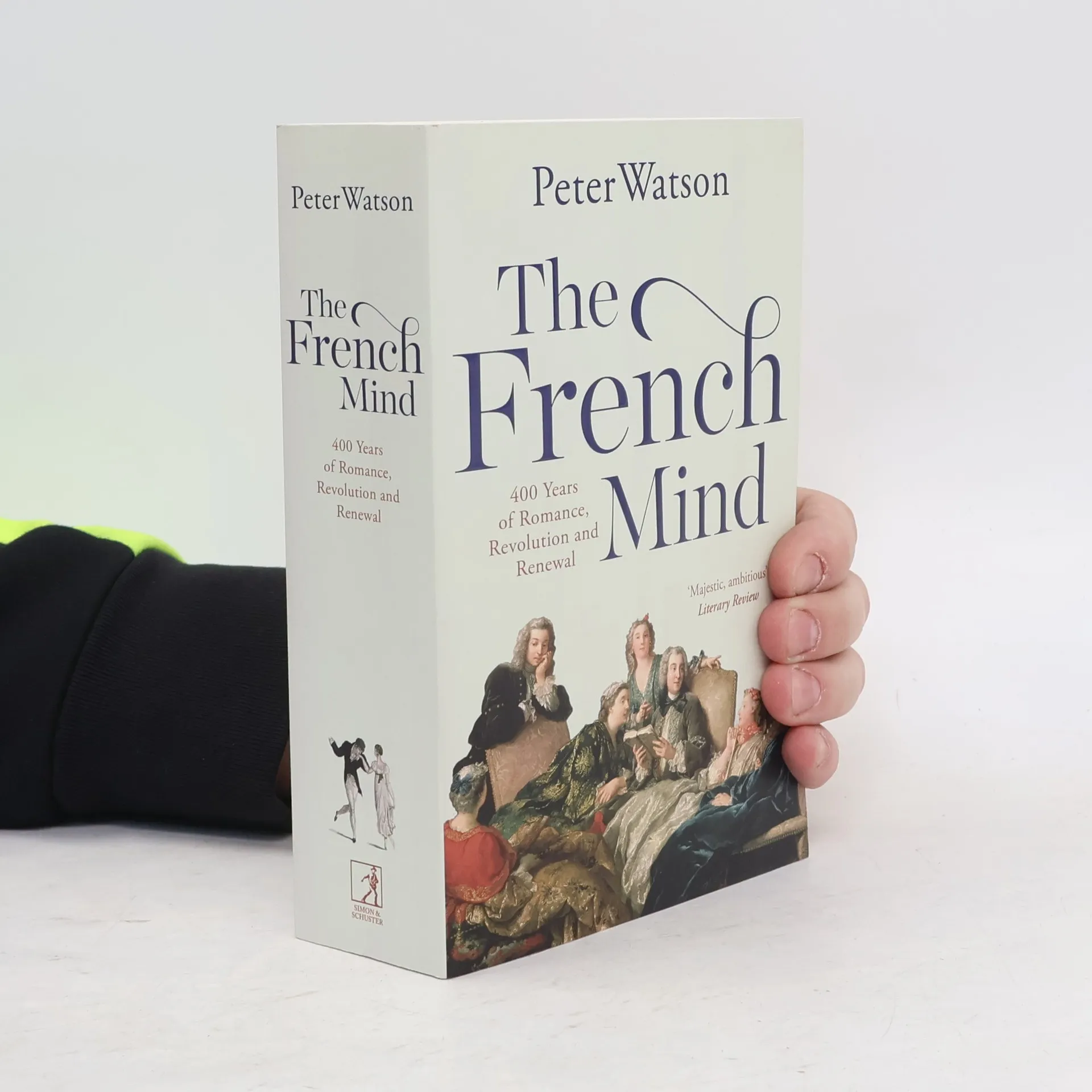
We are endlessly fascinated by the French—their creativity, sophistication, and belief in their exceptionalism. Historian Peter Watson explores how France evolved into its current state and what distinguishes it from other nations. This captivating history spans from the seventeenth century to the present, highlighting the contributions of influential thinkers. Watson invites readers into the Renaissance salons where poets, philosophers, and scientists gathered, shedding light on the remarkable women who led these cultural hubs and nurtured a unique intellectualism. The narrative traverses Bohemian cafés and cabarets, delving into Parisian high culture through the lenses of food, fashion, and sexuality, while also recounting two significant revolutions. The story is driven by the writers, revolutionaries, and artists who inspired and challenged each other over four centuries. It chronicles the development of a nation whose impact on art, culture, and politics is profound. This work serves as an encyclopedic tribute to French intellectuals who embrace universal principles while navigating the complexities of modern life, including recent confrontations with extremism, exceptionalism, and empire.
Peter Watson Books
Peter Watson is an author whose work delves into the realm of art and antiquities. His career as an investigative journalist provided him with a unique vantage point for uncovering hidden narratives and manipulations within these fields. Through his writings, he exposes the complexities of the art market, exploring themes of deception and history. Watson's style is characterized by in-depth research and compelling storytelling, drawing readers into the intricate world of art conspiracies and buried truths. His writing often examines the moral quandaries and ethical questions surrounding the value and ownership of art.
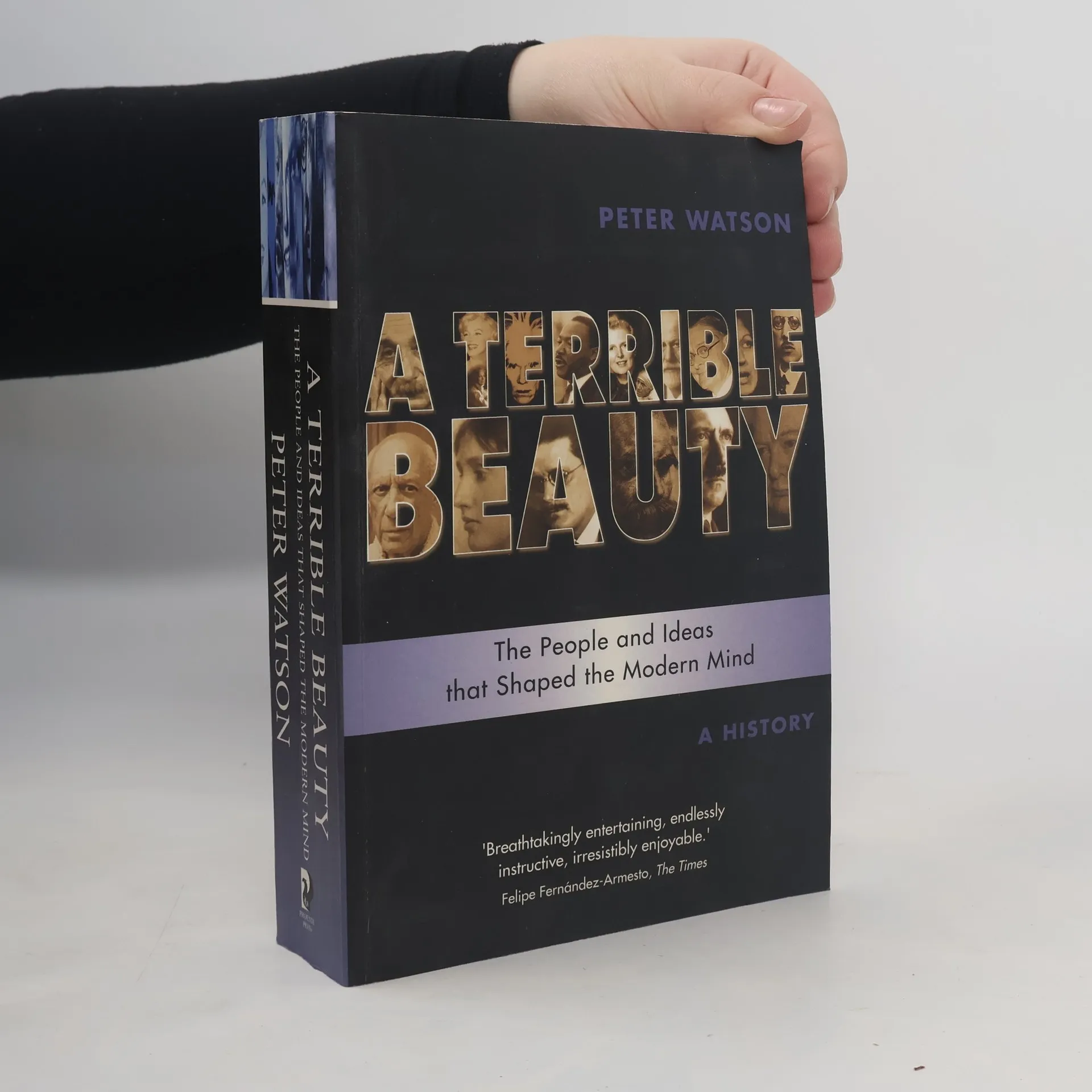
Terrible Beauty: A Cultural History of the Twentieth Century
- 854 pages
- 30 hours of reading
A history of the twentieth century which covers all the ideas, people, great events, literary and artistic movements, scientific discoveries which have shaped the twentieth century. schovat popis
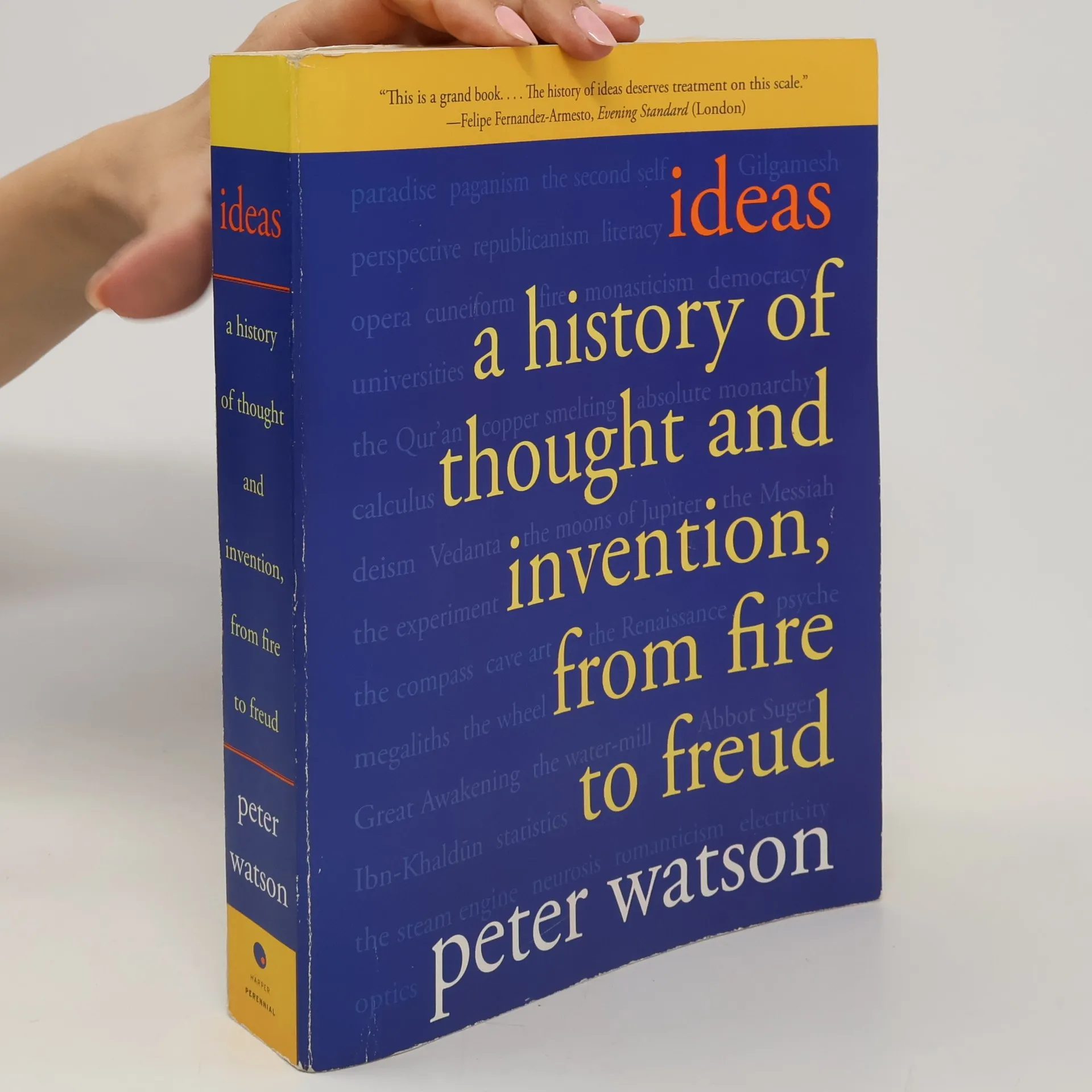
Exploring a wide range of concepts, this book delves into the evolution of Western thought, examining significant ideas such as the belief in God and the foundations of psychoanalysis. It offers an engaging look at how these beliefs and theories have shaped philosophical discourse and influenced cultural development throughout history. The narrative provides insights into the interplay of various intellectual movements, making it a compelling read for those interested in the progression of ideas that define Western civilization.
The Modern Mind
- 864 pages
- 31 hours of reading
From Freud to Babbitt, from Animal Farm to Sartre to the Great Society, from the Theory of Relativity to counterculture to Kosovo, The Modern Mind is encyclopedic, covering the major writers, artists, scientists, and philosophers who produced the ideas by which we live. Peter Watson has produced a fluent and engaging narrative of the intellectual tradition of the twentieth century, and the men and women who created it.
The German Genius
- 964 pages
- 34 hours of reading
"Peter Waton's virtuoso sweep through modern German thought and culture, from 1750 to the present day, will challenge and confound both the stereotypes the world has of Germany and those that German has of itself.'--Book jacket.
Convergence : the deepest idea in the universe
- 576 pages
- 21 hours of reading
Peter Watson's Convergence is an impressive and original journey through the history of scientific ideas. In this work, Watson meticulously examines the close relationship between physics and chemistry, how quantum theory converges with other sciences, and the connections between climatology and mythology, as well as botany and archaeology, addressing all matters of interdisciplinary harmony. Different sciences come together despite their varied starting points and interests; they converge to narrate the dominant story of the universe's history. Initially met with skepticism, "convergence" is, as Nobel laureate physicist Steven Weinberg expressed, "the deepest idea that explains the universe." In today's knowledge societies, it has become a significant trend, influencing various fields such as business, education, and technology. This provocative historical study explores connections that help unite scientific disciplines. Watson compellingly reveals how these connections are woven together. Whether you are a biologist, mathematician, or astrophysicist, one thing is certain: everyone ultimately works on the same system.
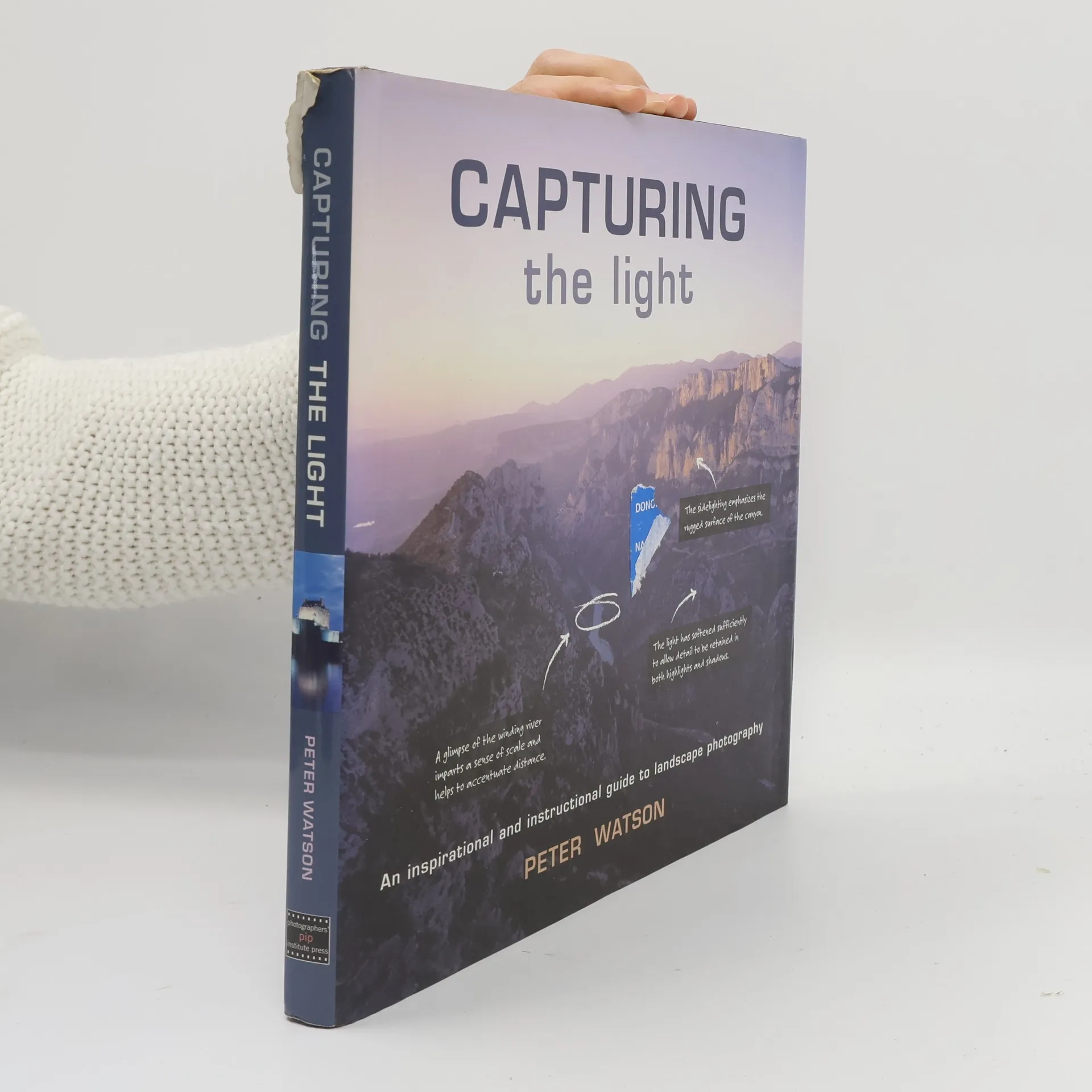
Capturing the Light
An Inspirational and Instructional Guide to Landscape Photography
- 192 pages
- 7 hours of reading
Book by Watson, Peter
Combining insights from archaeology, climatology, genetics, and religious symbolism, the author presents a compelling and speculative exploration of interconnected themes. This multidisciplinary approach invites readers to consider the intricate relationships between these fields, offering a fresh perspective on historical and cultural narratives. Watson's work challenges conventional thinking, making it a thought-provoking read for those interested in the intersections of science and belief.
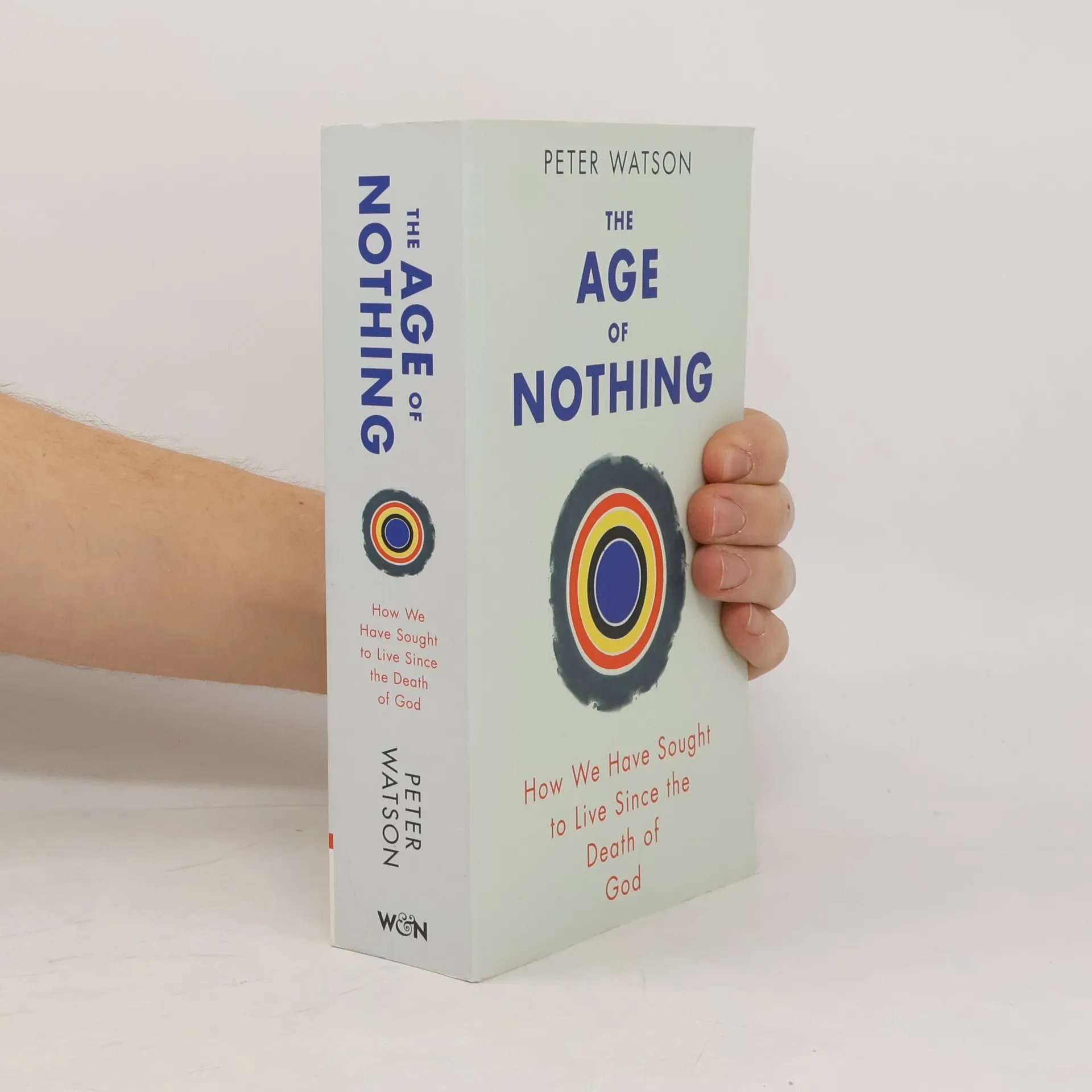
The Age of Nothing
- 624 pages
- 22 hours of reading
A dazzling investigation into psychology, art and religion; the demise of capitalism; and the beginning of a new era from the author of IDEAS.
Reader's Digest Condensed Books.
Toy Soldiers/The Bears and I/A Time to Die/Landscape of Lies
Die Medici-Verschwörung
- 367 pages
- 13 hours of reading
Die Geschichte beginnt, wie es in guten Thrillern üblich ist, mit einem misslungenen Raubüberfall und einer Verfolgungsjagd. Acht apulische Vasen aus dem vierten Jahrhundert v. Chr. werden im Schwimmbecken eines in Deutschland ansässigen Kunstschmugglers entdeckt. Wertvoller als die Wiederentdeckung der Vasen ist jedoch die Entdeckung des Karteikastens des Schmugglers, der seine Geschäfte und Händler dokumentiert. Er offenbart die Existenz eines Netzwerks von Tombaroli – Grabräubern – die klassische Artefakte stehlen, sowie ein Netzwerk von Händlern und Schmugglern, die diese aus Italien in die Hände reicher Sammler und Museen bringen. Peter Watson, ein ehemaliger investigativer Journalist, benennt die Schlüsselpersonen in diesem Netzwerk, das Europas klassische Artefakte geplündert hat. Unter der Beute befinden sich die unersetzlichen und hochgradig sammelbaren Vasen des Euphronius, das Äquivalent in ihrem Bereich zur Skulptur von Bernini oder dem Gemälde von Michelangelo. Die Erzählung führt zu den Türen einiger bedeutender Institutionen: Sothebys, dem Getty Museum in L.A., dem Museum of Fine Arts in Boston und dem Metropolitan Museum of Art in New York. Gefüllt mit großartigen Charakteren und menschlichem Drama, deckt der Autor von "Die Medici-Verschwörung" autoritativ eine weitere beschämende Runde in einem der ältesten Spiele der Welt auf: Diebstahl, Schmuggel und hinterhältige Geschäfte, alles im Namen der Kunst.
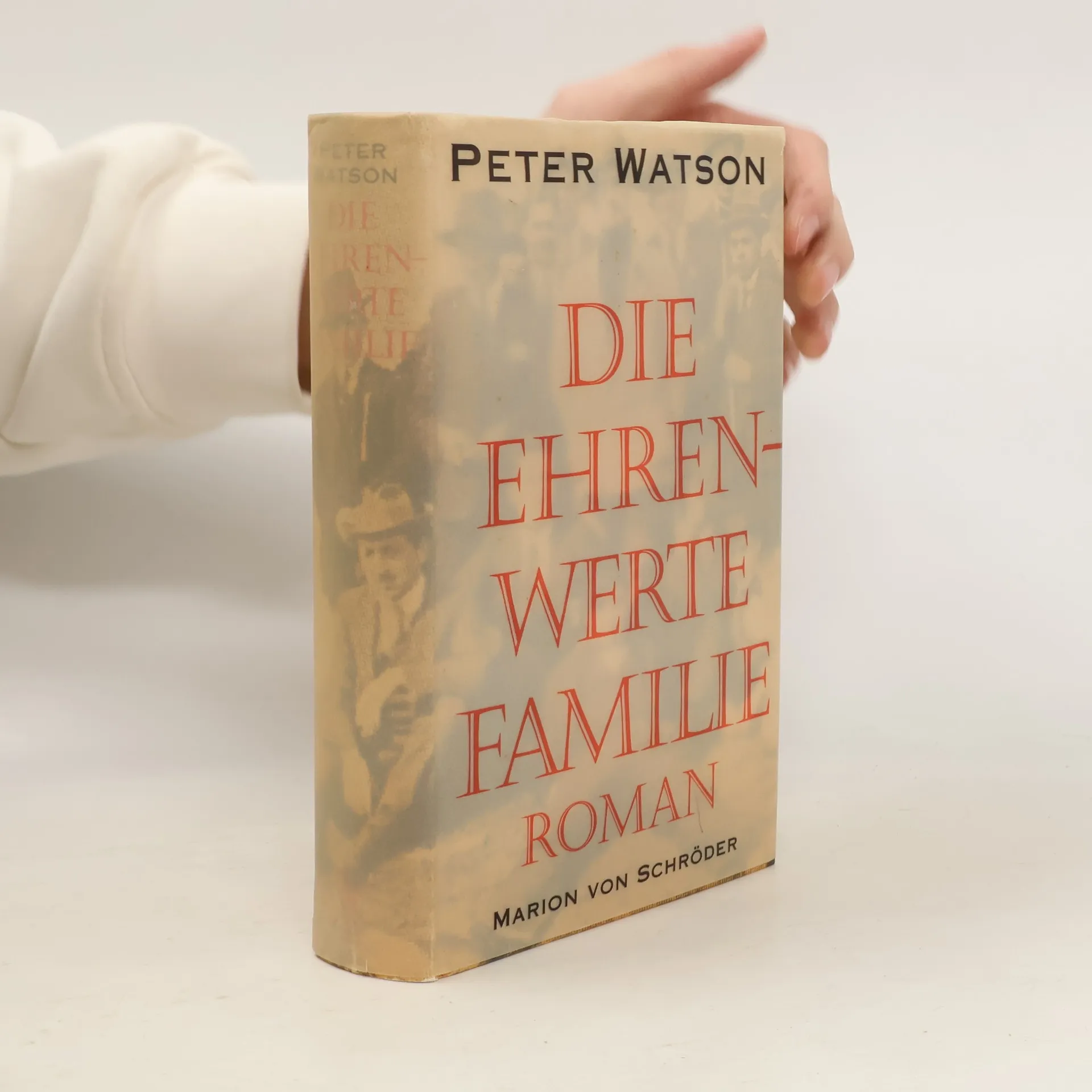
Die ehrenwerte Familie
- 463 pages
- 17 hours of reading
Nino Greco, Kopf der sizilianischen Mafia, flieht mit seinem Neffen in die USA. In New York werden beide wegen Entführung und Mord verurteilt. Während sie ihre Strafe absitzen, wird die Stadt vom blutigen Kleinkrieg verfeindeter Gangs heimgesucht. - Ein halbes Jahrhundert Mafiageschichte von 1866 bis 1921.
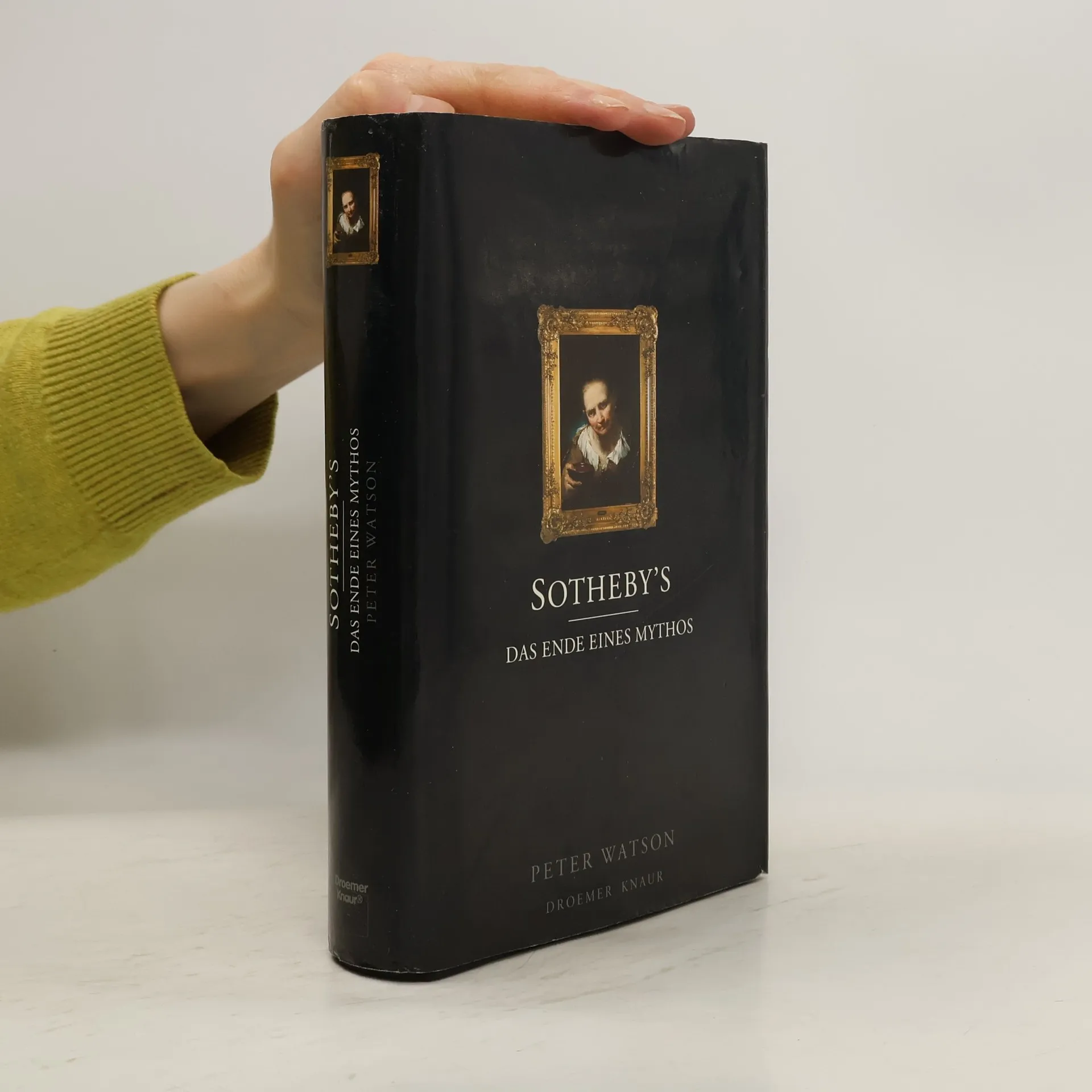
Journalist Peter Watson deckt Schmuggel und die Umgehung von Zoll- und nationalen Gesetzen auf und hinterfragt bestimmte Praktiken im Umfeld des angesehenen Auktionshauses Sotheby's. Anhand von Hinweisen und einem großen Fundus gestohlener Dokumente beschreibt Watson echte Experten und Grabräuber sowie falsche Namen und Ansprüche, Bewertungen, Plünderungen nationaler Schätze und mehr.
Die sixtinische Auktion
- 399 pages
- 14 hours of reading
Die spektakulärste Versteigerung der Der fesselnde Vatikan-Thriller »Die sixtinische Auktion« von Peter Watson jetzt als eBook bei dotbooks.Wenn Machthunger, Geldgier und Niedertracht aufeinandertreffen … David Colwyn leitet eines der berühmtesten Auktionshäuser Londons und hat es mit seinen großen Coups zu internationaler Anerkennung gebracht. Doch nichts davon kann ihn auf das vorbereiten, was dann Er wird zu einer Geheimaudienz nach Rom beordert – wo der Papst ihm unterbreitet, dass er die legendären Kunstschätze des Vatikans versteigern lassen will, um den Armen zu helfen! Zunächst ist Colwyn begeistert, als Organisator der größten Kunstauktion aller Zeiten in die Geschichte einzugehen. Aber der Papst hat noch weitaus größere Pläne – und einen gewissenlosen Gegner, der vor nichts zurückschreckt. Bald schon ist Colwyn in einem Netz aus Geheimnissen, Intrigen und Brutalität gefangen, aus dem es kein Entkommen zu geben scheint …Er erzählt in seinen Krimis aus erster Hand – der renommierte Kunstkenner Peter Watson hat selbst schon bei der Aufklärung spektakulärer Kriminalfälle »Non-stop Action, die eine unglaubliche Anziehungskraft besitzt!« Publishers WeeklyJetzt als eBook kaufen und genieß Der mitreißende Kunst-Krimi »Die sixtinische Auktion« von Bestsellerautor Peter Watson. Wer liest, hat mehr vom dotbooks – der eBook-Verlag.
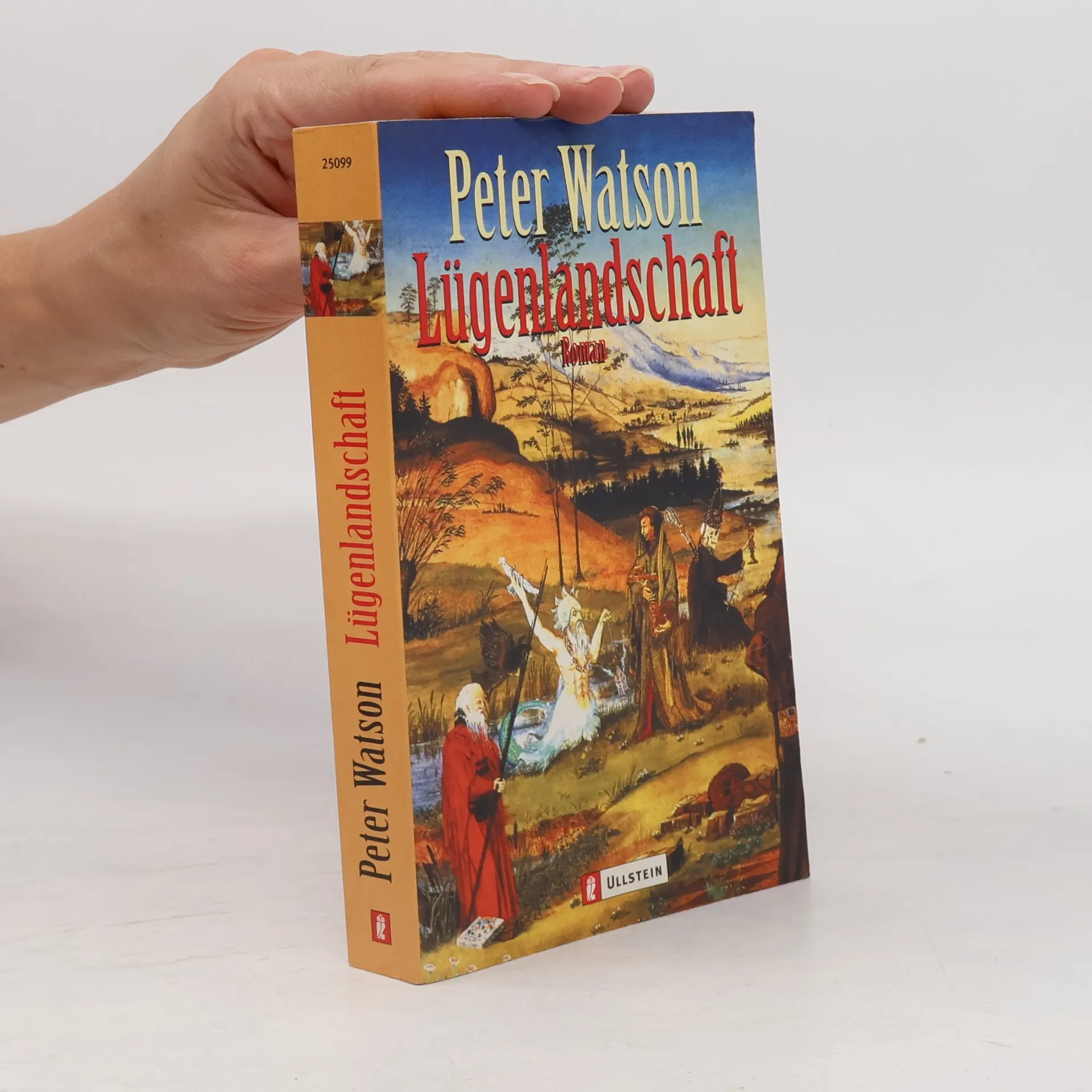
Als die attraktive Isobel Sadler den Kunsthändler Michael Whiting aufsucht, ahnen beide noch nichts von dem gefährlichen Abenteuer, auf das sie sich einlassen müssen. Das Ölgemälde "Lügenlandschaft", das die junge Frau vorlegt, hat allenfalls dekorativen Wert und doch haben Einbrecher versucht, das Gemälde zu stehlen. Whiting nimmt sich der Sache an - auch um die rothaarige Isobel näher kennenzulernen. Er findet heraus, dass es sich bei "Lügenlandschaft" um ein Bilderrätsel handelt: Es geht um Hinweise auf einen Millionenschatz.
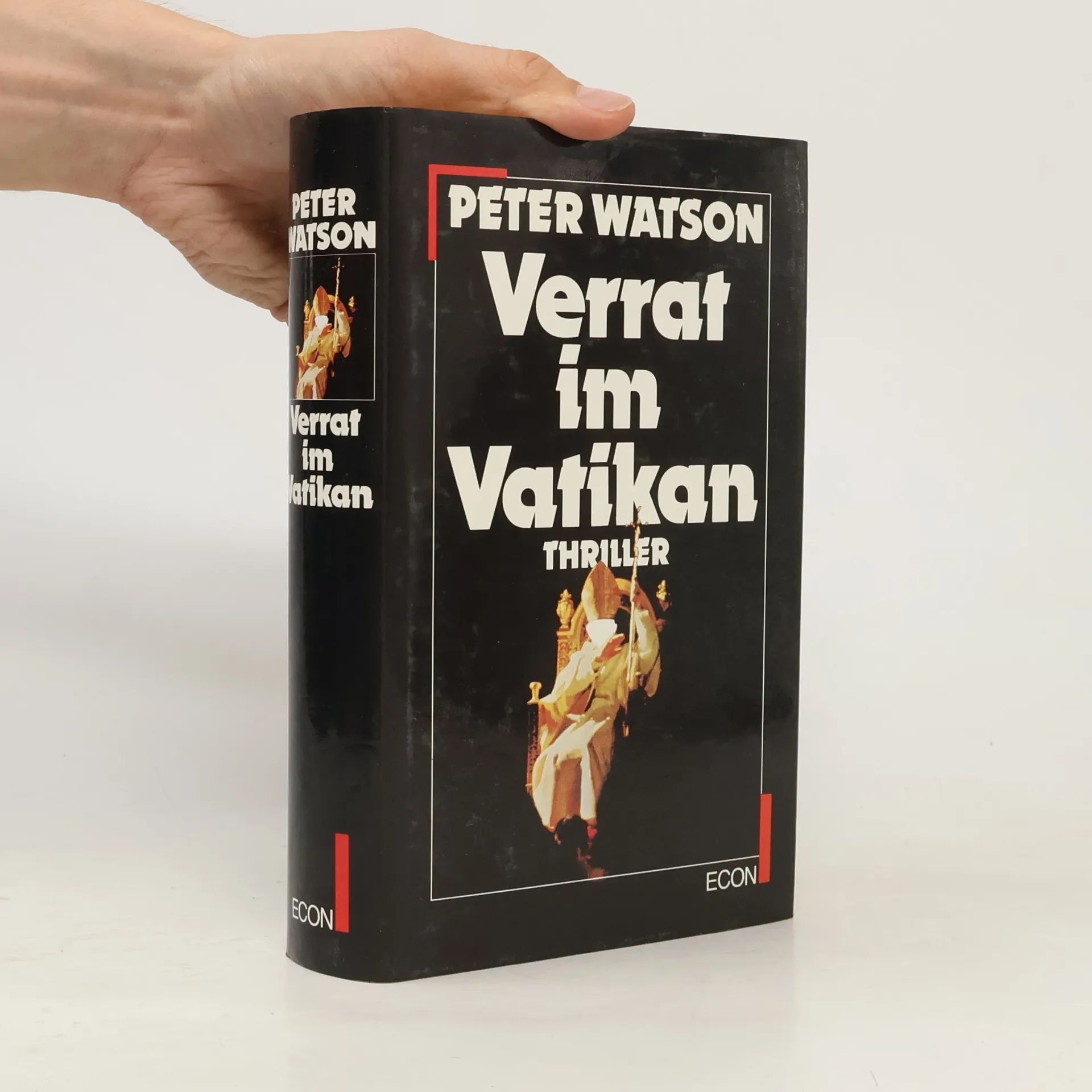
Verrat im Vatikan
- 399 pages
- 14 hours of reading
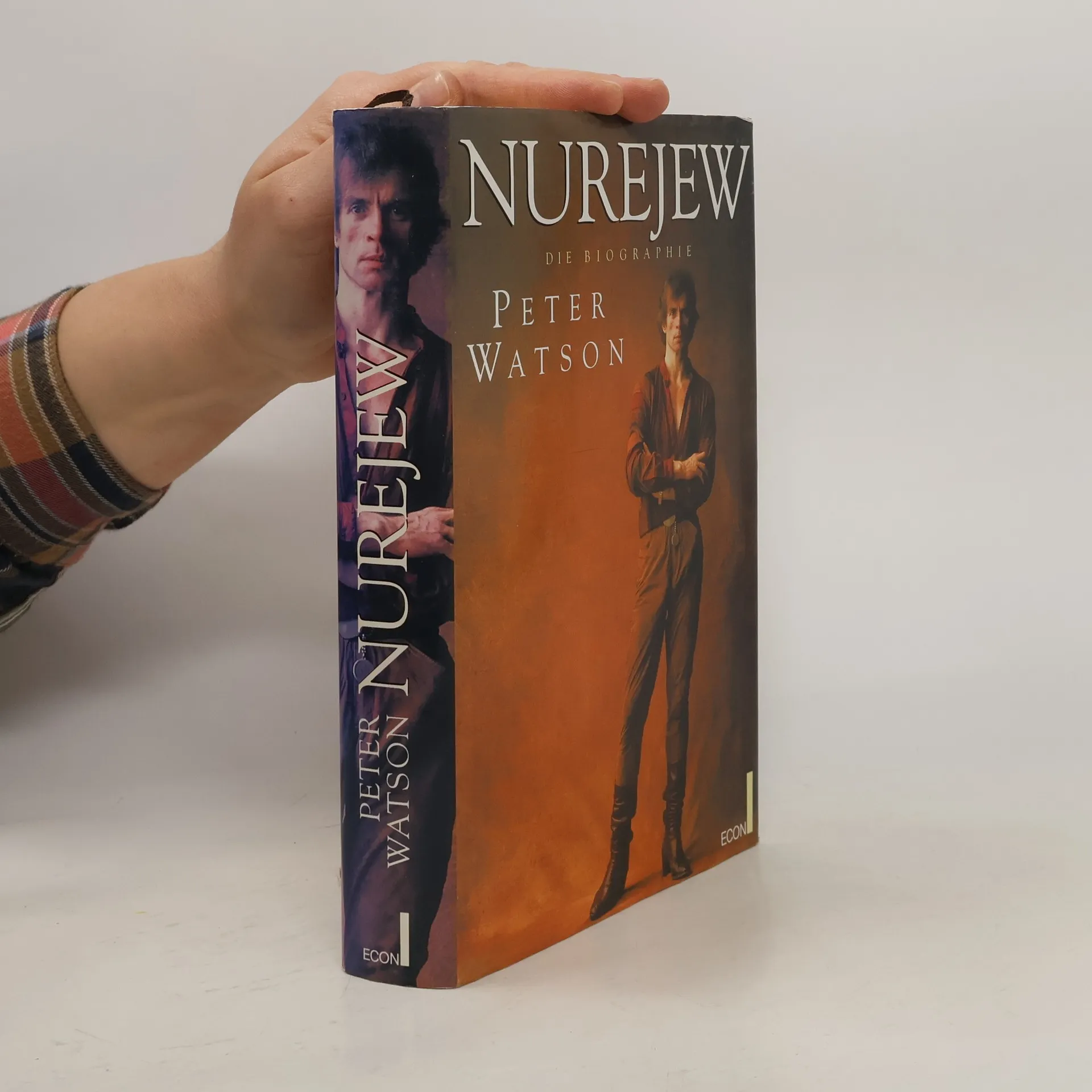
Nurejev
- 496 pages
- 18 hours of reading
Nurejew war der größte männliche Tänzer seiner Generation, aber auch ein großer romantischer Star sowohl auf als auch neben der Bühne. Er wurde in einem Zug geboren, wuchs in Armut auf und begann sein künstlerisches Leben mit Volkstänzen in seinem Dorf. Er machte schnell Fortschritte im Kirov, aber seine Flucht im Jahr 1961 war arguably seine größte Aufführung. Peter Watson, der preisgekrönte Journalist des Observer, betrachtet Nurejew sowohl als Ballettstar mit technischem Genie als auch als bisexuellen Einzelgänger und politischen Exilanten. Die Beziehung zwischen Fonteyn und Nurejew wird sowohl auf als auch neben der Bühne untersucht, unterstützt durch viel neues und umstrittenes Material, während Watson Dutzende von Nurejews Freunden und Kollegen auf der ganzen Welt interviewt hat, indem er durch Europa, nach New York, nach Moskau und in Nurejews Kindheitsdorf reiste, um diese Biografie zu recherchieren.
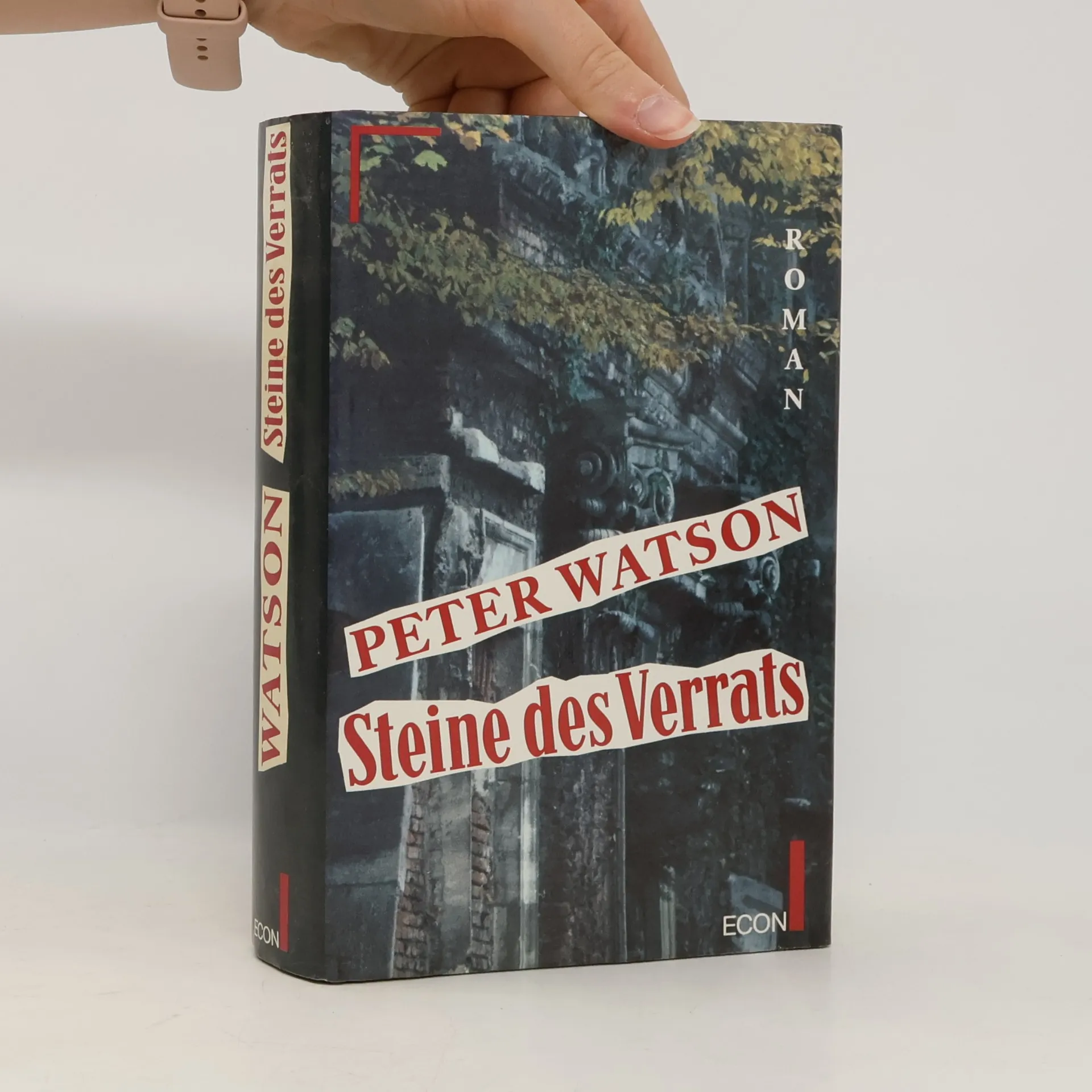
Steine des Verrats
- 493 pages
- 18 hours of reading
London 1996. Edward Andover, Direktor der Königlichen Gemäldesammlung, wird in eine Erpressung grossen Stils verwickelt, bei der das Ansehen des englischen Königshauses auf dem Spiel steht.
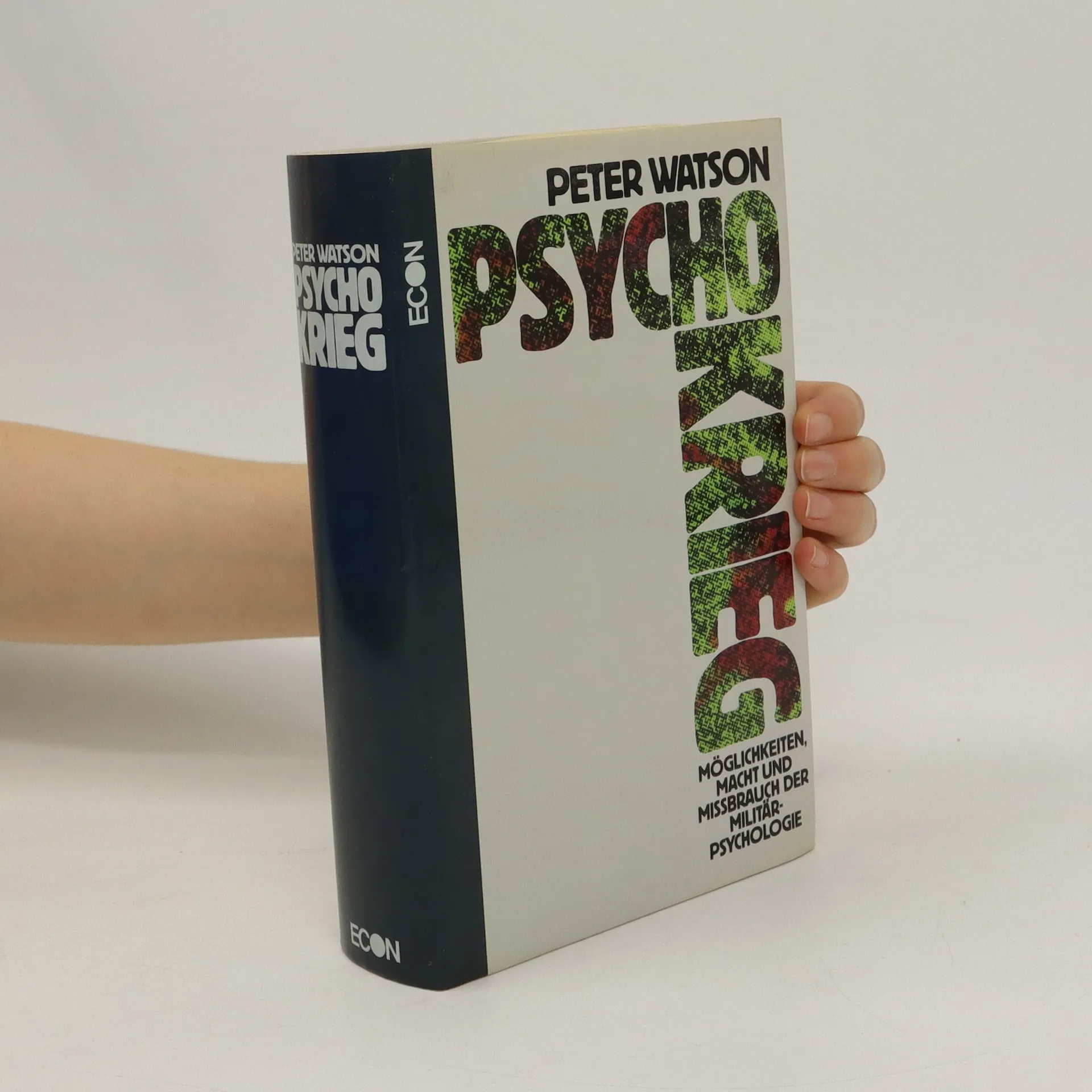
Psycho-Krieg
- 461 pages
- 17 hours of reading
Ein Bericht über die psychologischen Forschungen – vieles davon geheim – die von militärischen Behörden in Amerika, Großbritannien, Israel, Australien und sogar Russland während des Kalten Krieges und des Vietnamkriegs in Bereichen wie Verhör, Folter, Schießkunst, Sabotage, Propaganda und Taktik durchgeführt wurden. Nach der Veröffentlichung wurde es zur Pflichtlektüre im Pentagon.
Reader's Digest Auswahlbücher
Der Schwarze Tod . Auf der Fährte der Silberwölfin. Lügenlandschaft. Frei wie ein Drachen im Wind
Hitlerova smrt
- 189 pages
- 7 hours of reading
Tato kniha obsahuje tajemství, které Rusové ukrývali po celých 50 let. Od roku 1945 bránila železná opona a studená válka, aby se svět dozvěděl pravdu o jednom z nejvytrvalejších tajemství našich dnů: Jak přesně zemřel Adolf Hitler?