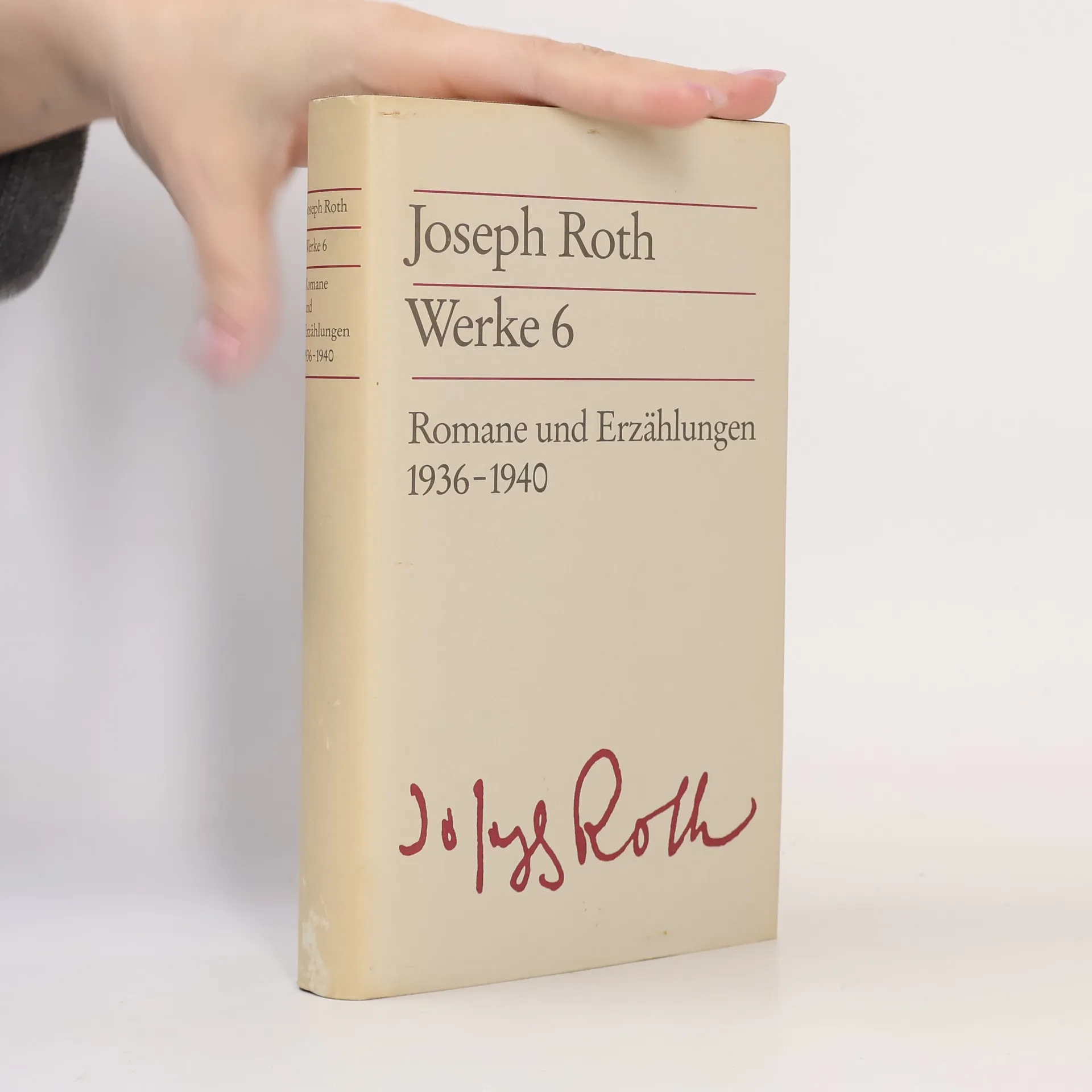
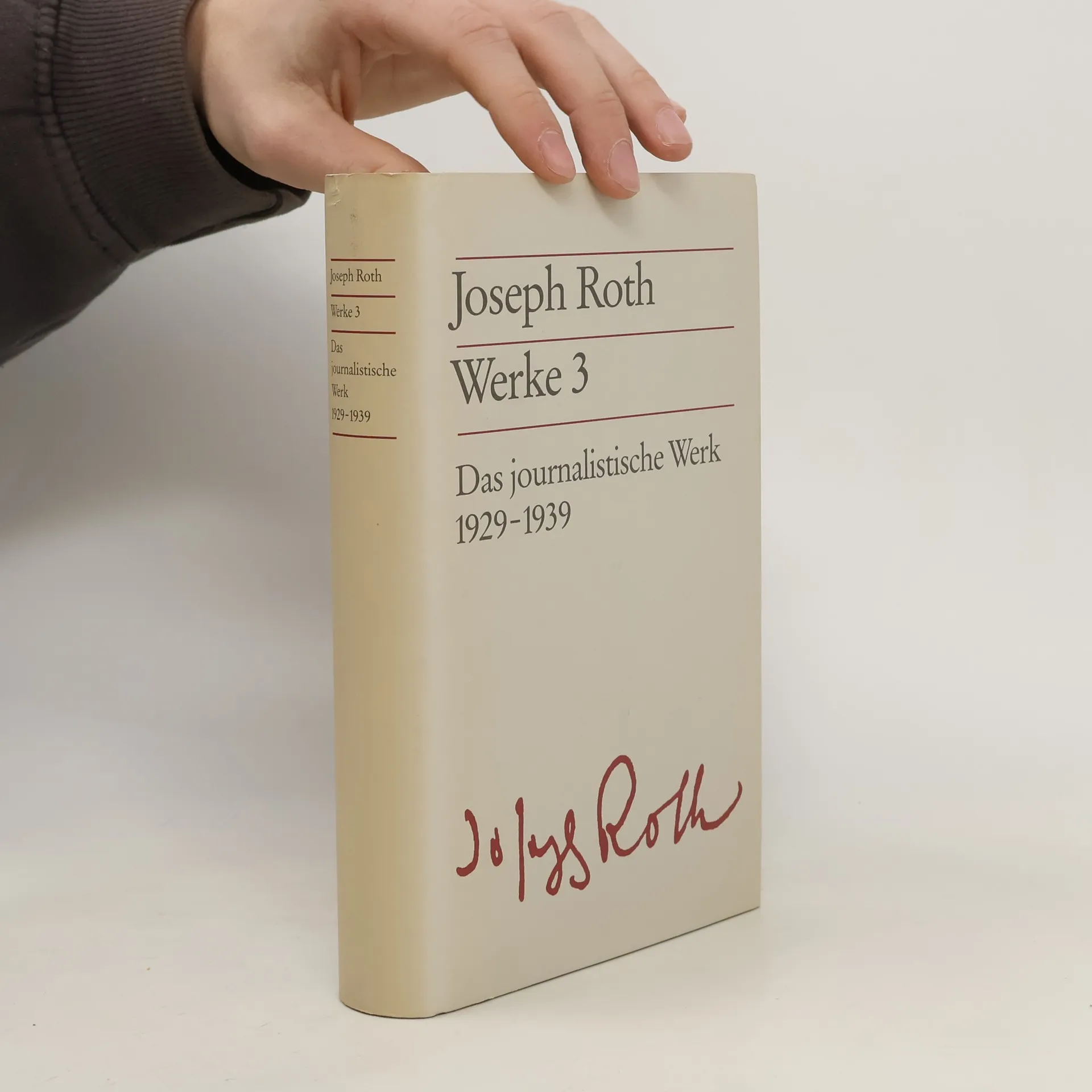
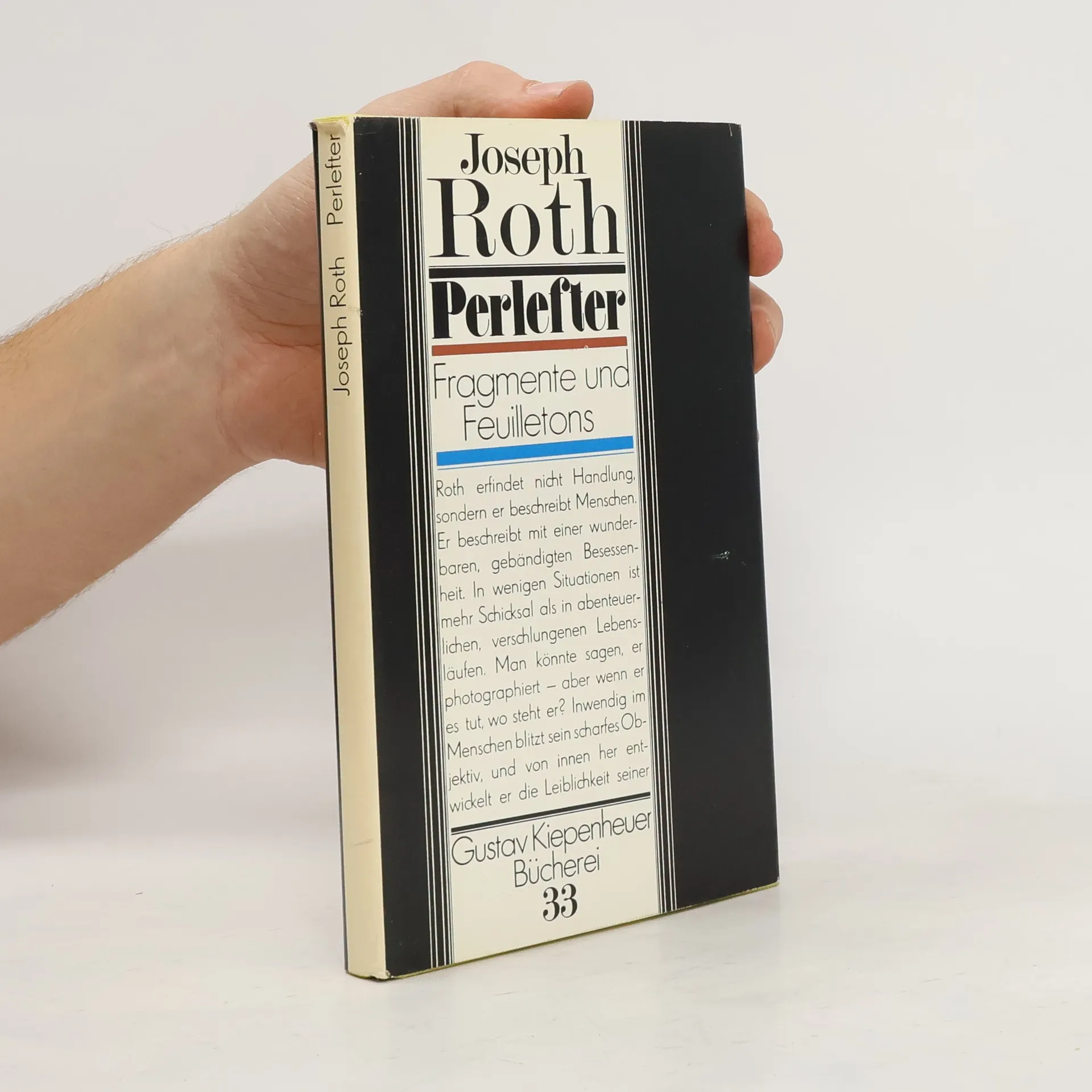
Joseph Roth's "Report from a Parisian Paradise" serves as a poignant reflection on France during the 1920s and 1930s, capturing the nation's beauty and despair through vivid landscapes and compelling characters. As an exile in Paris, Roth's prose combines haunting imagery with deep philosophical insights, portraying a country on the brink of change. This work stands as both a tribute to a fading European order and a profound commentary on the human condition, showcasing Roth's mastery as one of the era's greatest foreign correspondents.
Joseph Roth Books
September 2, 1894 – May 27, 1939
Joseph Roth was an Austrian journalist and novelist whose work is characterized by a melancholic perspective on the disintegration of a world and the loss of identity. His writing often draws from his own experiences and observations, creating a strong sense of authenticity and depth. Roth masterfully captures the complexities of human relationships and the social transformations of his era with penetrating insight. His texts are marked by elegance, irony, and a profound understanding of the fragility of human destiny.


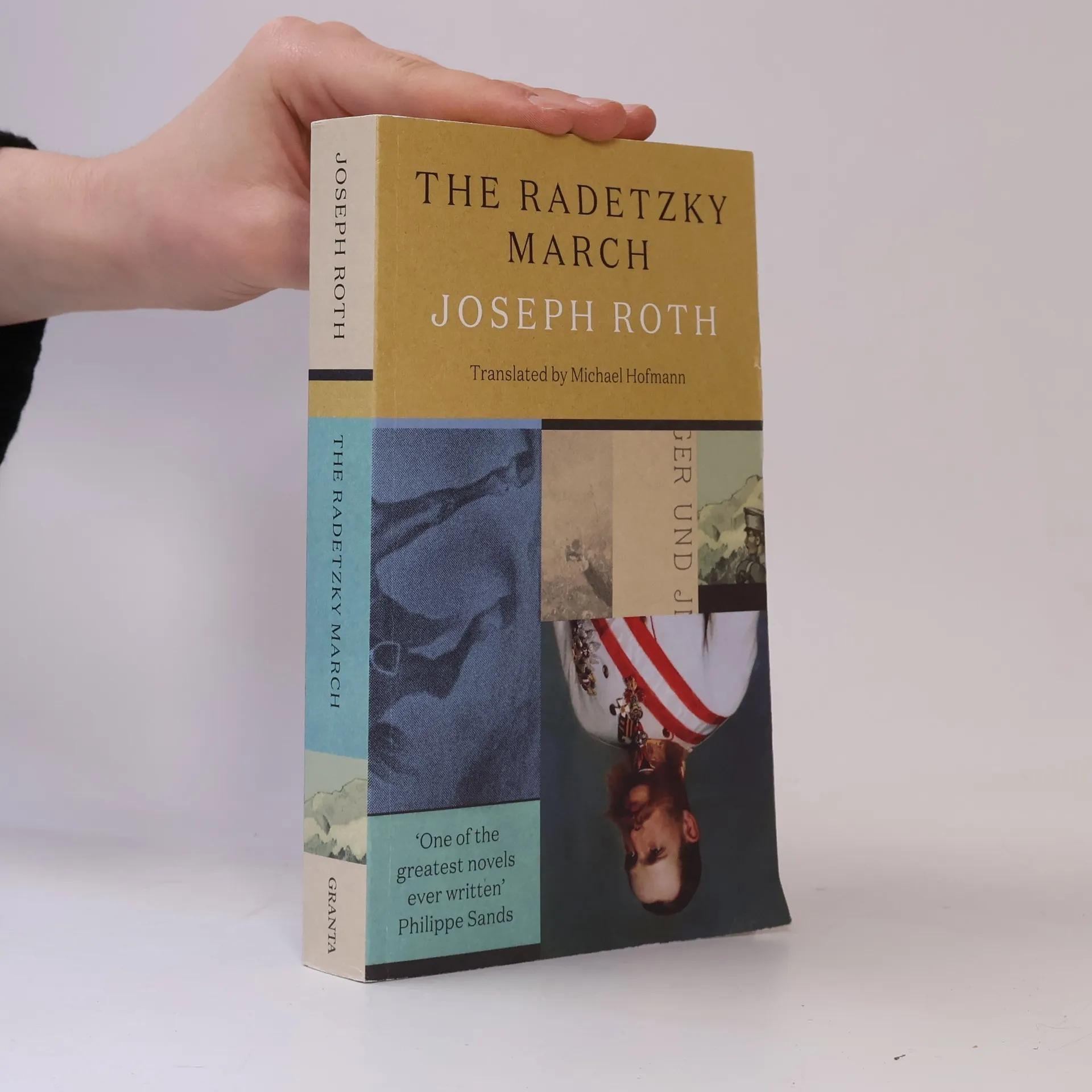
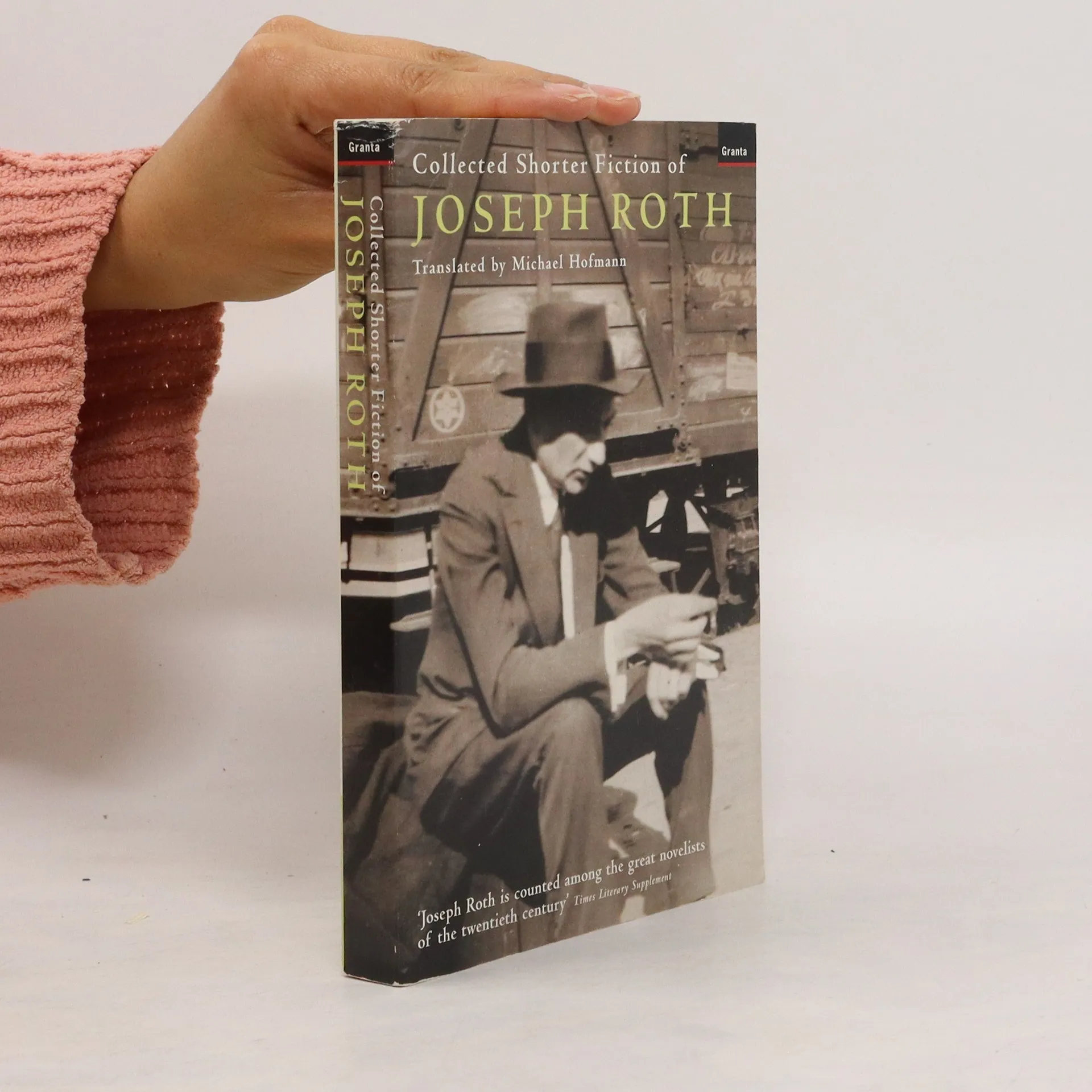
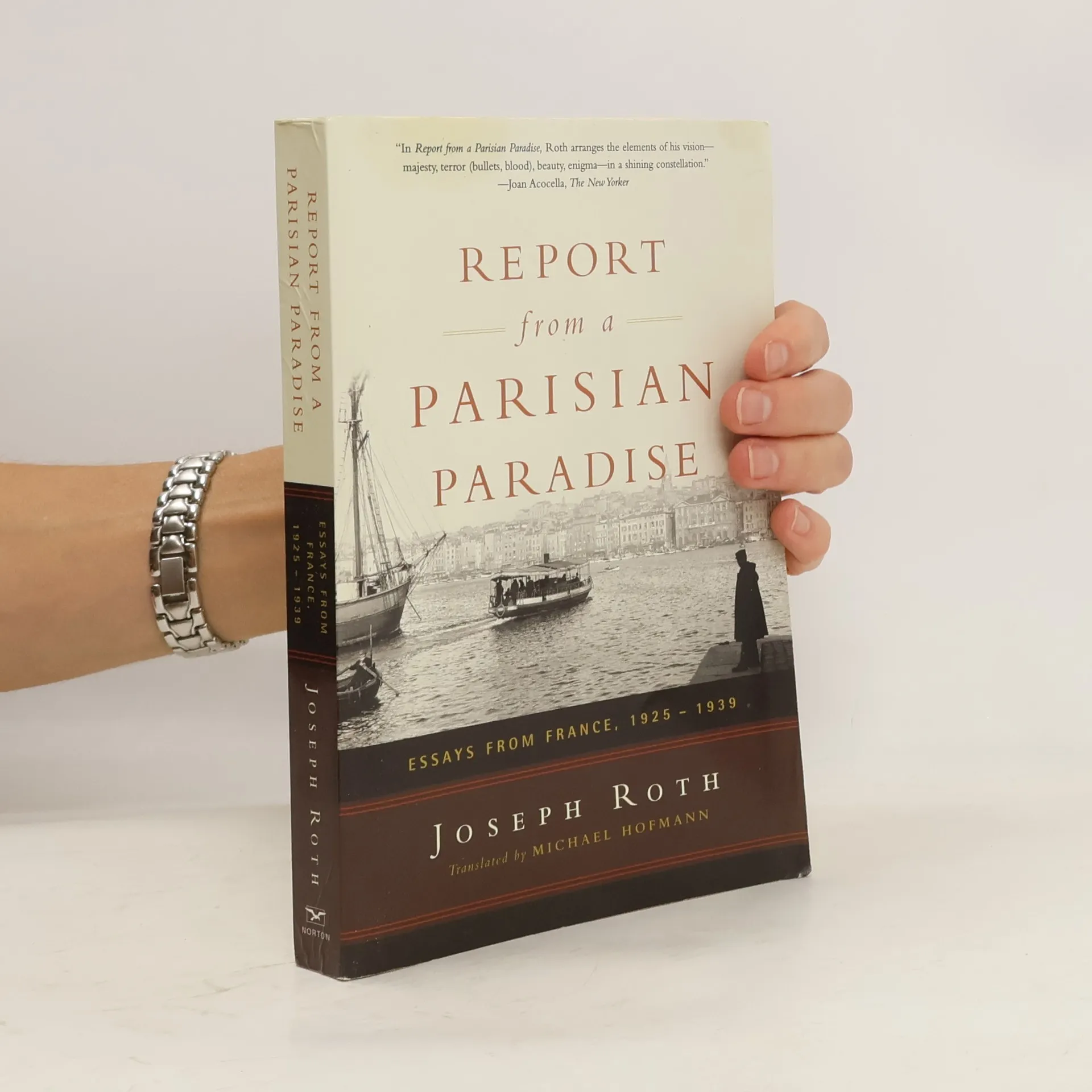
Collected shorter fiction of Joseph Roth
- 256 pages
- 9 hours of reading
"Roth's prose is quick, lucid and ironic; his fictions read like realist fables. Granta here presents his stories and novellas in new translations by the poet Michael Hofman."
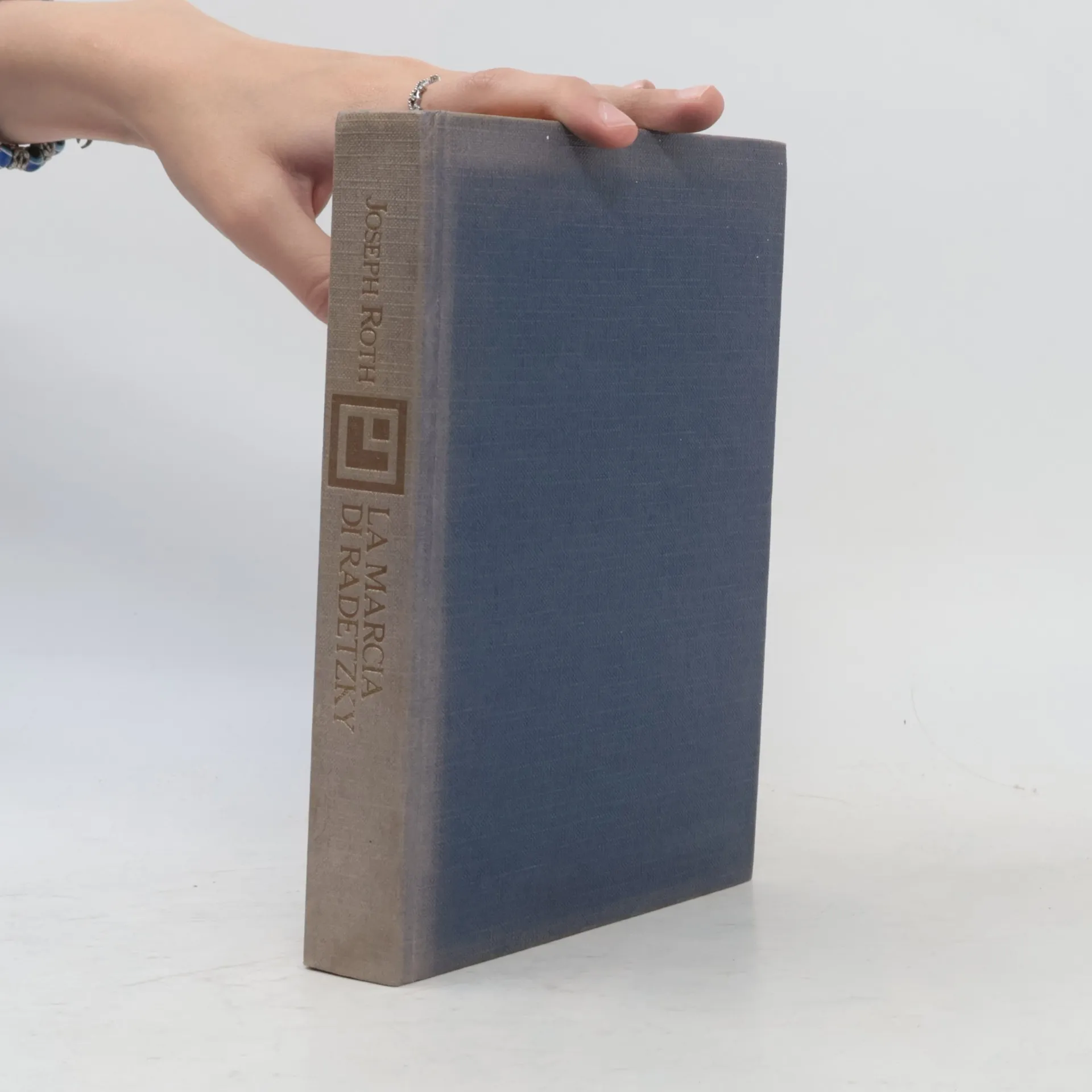
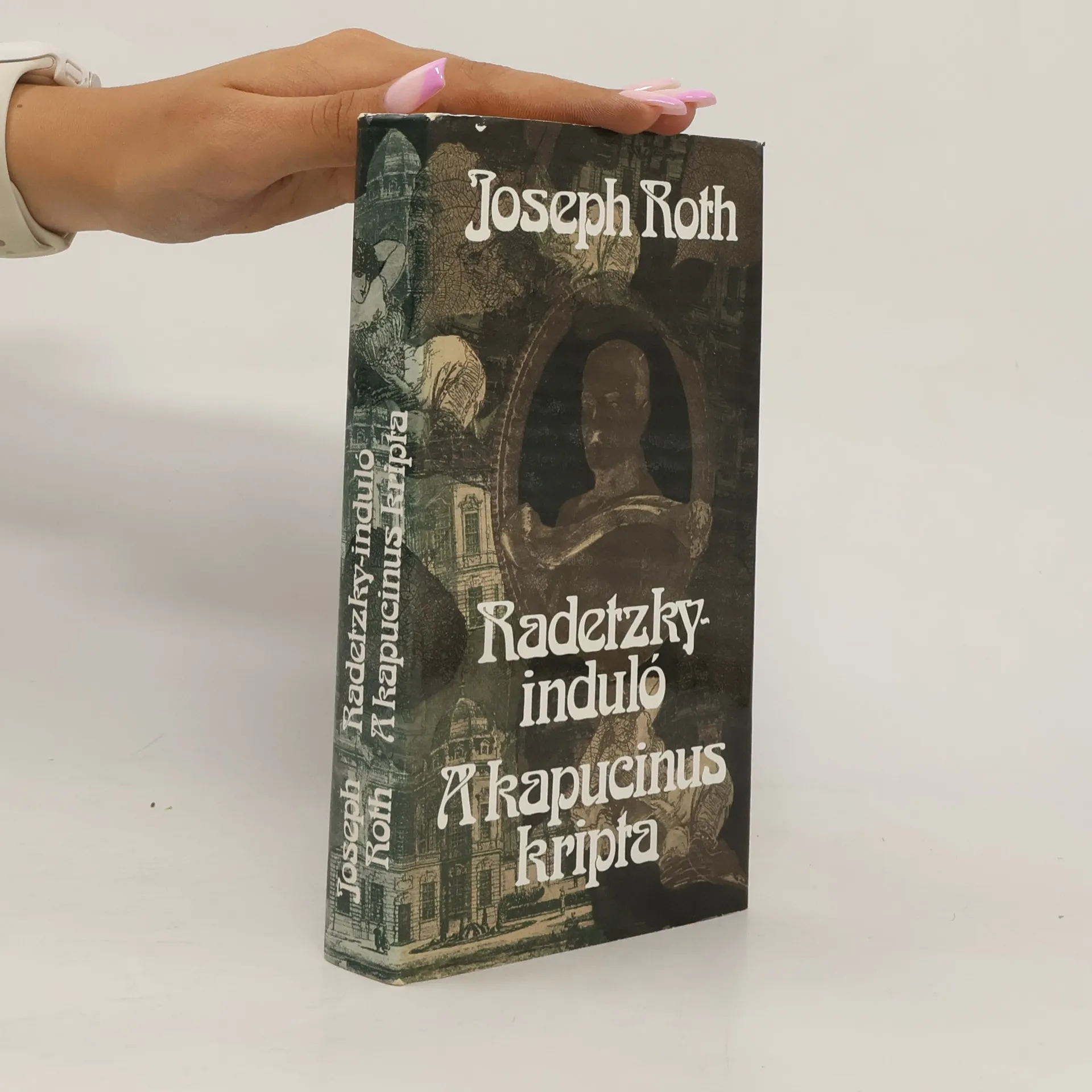
Roth's masterpiece: an epic, moving account of the final days of the Austro- Hungarian empire, told through the fortunes of one family.
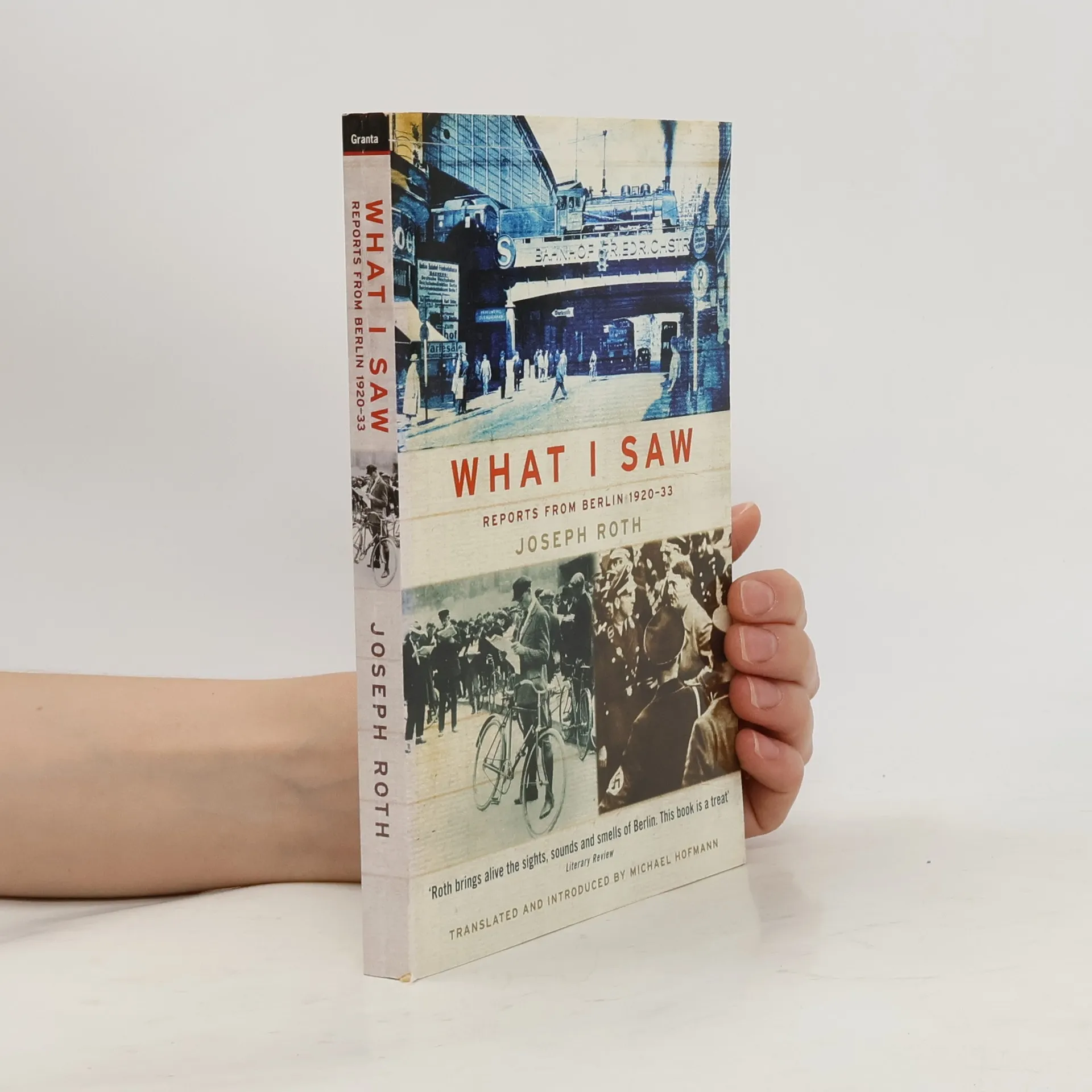
What i saw
- 288 pages
- 11 hours of reading
Glowingly reviewed, the revival of Roth's work--about the tragicomic world of 1920s Berlin as seen by its greatest journalistic eyewitness--introduces a new generation to the genius of this tortured author.
From Joseph Roth, author of The Radetzky March, a new selection of writings about Europe between the wars, by turns poignant, witty and unsettling.
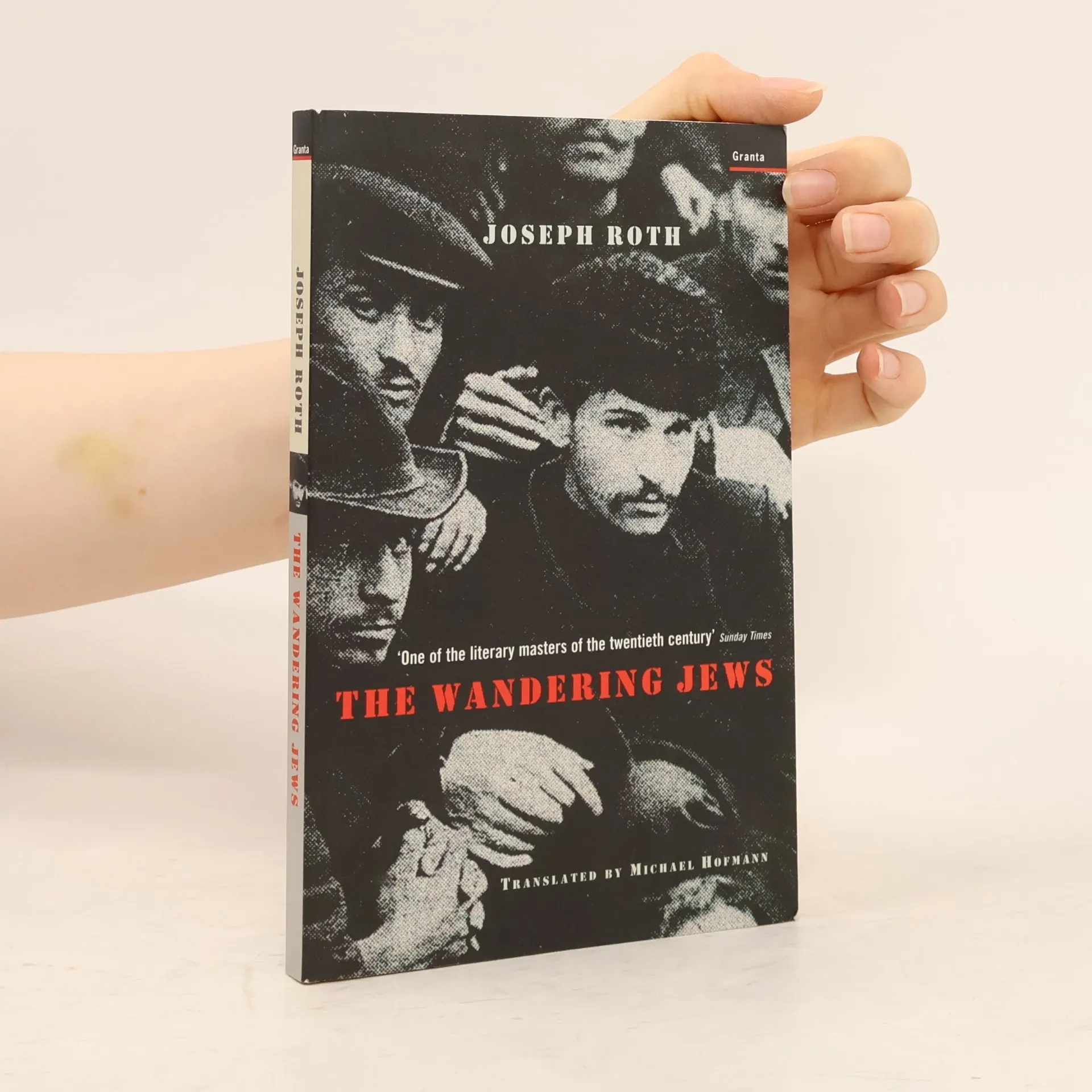
The Wandering Jews
- 168 pages
- 6 hours of reading
In the last years of Weimar Germany, the great novelist Joseph Roth set out to explore the Jewish communities scattered across Europe and the USA.
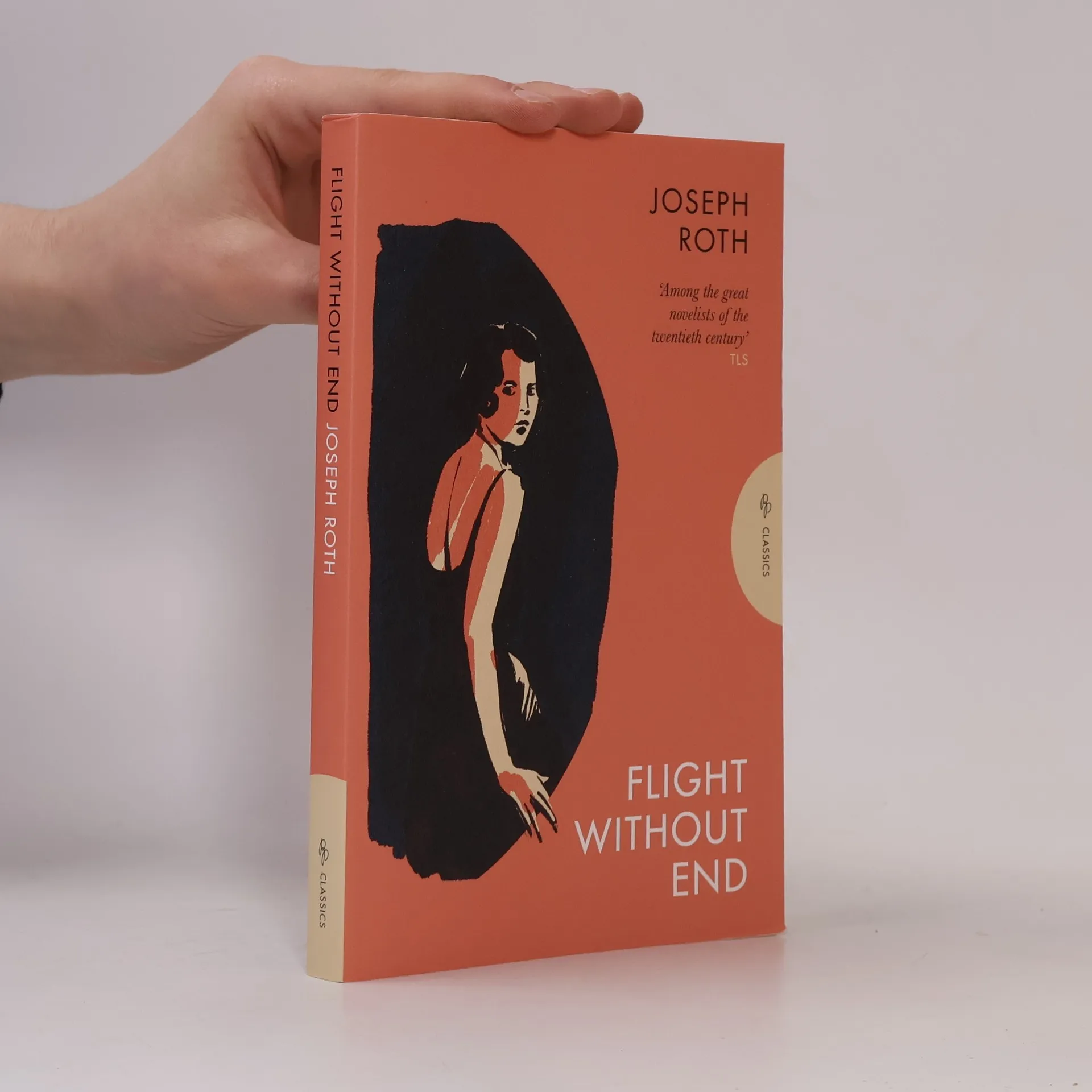
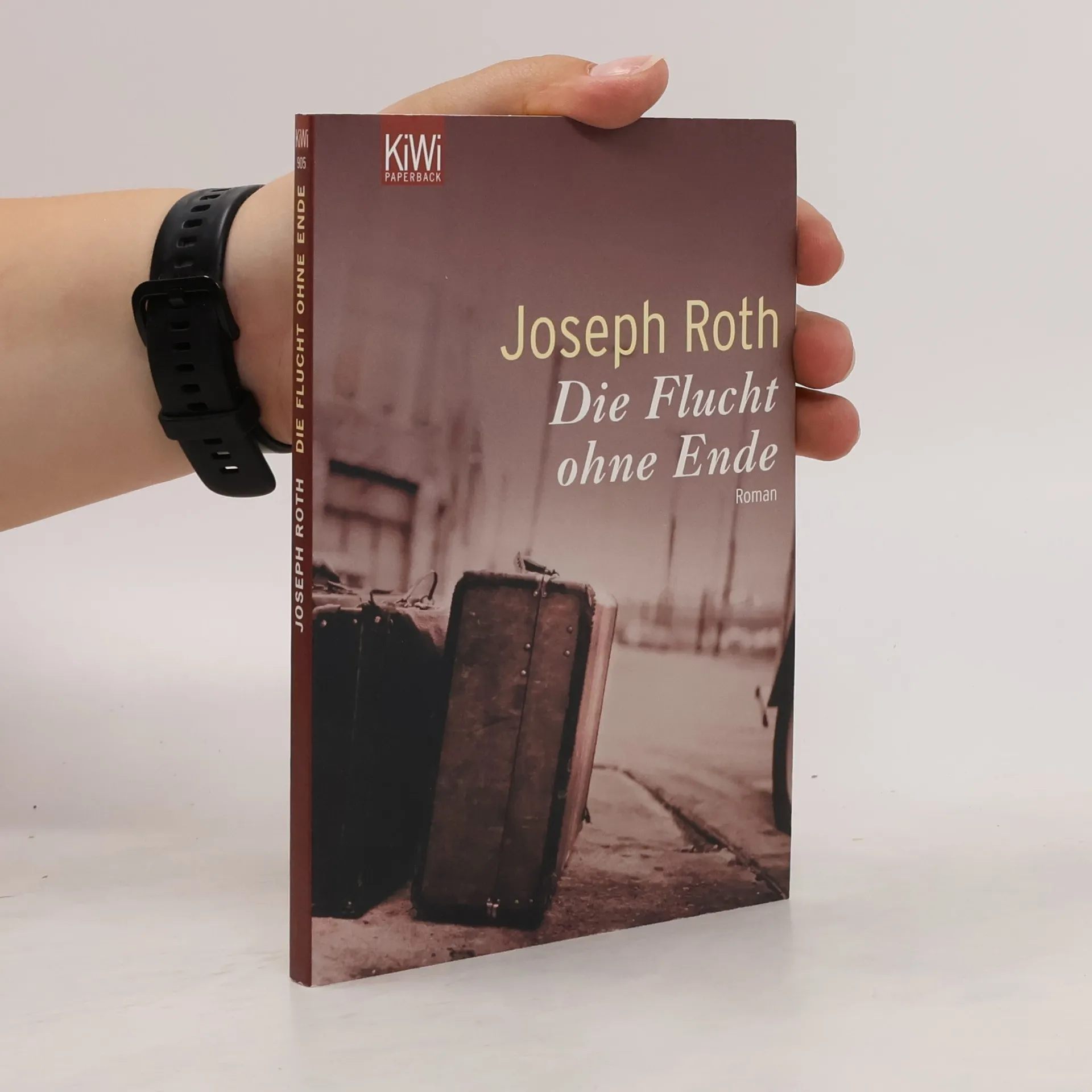
Flight Without End
- 144 pages
- 6 hours of reading
“An almost perfect novel” — Rolling Stone A soldier travels through Europe on a doomed mission to track down his fiancée in this masterful and vivid evocation of life between the wars Franz Tunda, an officer in the Austro-Hungarian army, is captured by the Russians in World War I. Imprisoned in Siberia, he escapes to a remote farm, hiding out in such deep cover that he only learns of the end of the war months after the final shots have been fired. When peace is at last declared, Tunda pulls out a crumpled photo of a fiancée he doesn’t know—Irene is simply a beautiful face who represents the world before—and sets off in search of home. But the old order has vanished, and Tunda finds himself swept along in the current of this new, terrifying world, surrendering to an impassioned love affair with a Russian revolutionary before drifting phantom-like through Europe's cities. Meanwhile, Irene has made her own accommodation with the course of events, and grows ever more distant from the young woman in that photograph—that photograph carried next to Tunda’s breast across a decade and a continent, heading inexorably toward a confrontation with its original in interwar Paris. One of the most personal novels by the great eulogist of the Austro-Hungarian empire, this story melds wry humour and the experience of exile to reflect on the predicament of a man who can find no role for himself in a changed world.
Rebellion
- 168 pages
- 6 hours of reading
At the end of the Great War, Andreas Pum has lost a leg but at least he has a medal and a barrel-organ which he plays on the streets of Vienna. At first the simple-minded veteran is satisfied with his lot, and he even finds an ample widow to marry. But then a public quarrel with a respectable citizen on a tram turns Andreas's life onto a rapid downward trajectory. As he loses first his beggar's permit, then his new wife, and even his freedom, he is finally provoked into rejecting his blind faith in the benevolence of both government and God.
The Emperor's Tomb
- 185 pages
- 7 hours of reading
A companion piece to Roth's masterpiece, The Radetzky March: an aching novel reckoning with the legacy of war, the Austro-Hungarian Empire, and the rise of the Nazi party.
A witty novel of 'sublime simplicity' about an alcoholic vagrant who has a series of lucky breaks that lift him briefly onto a different plane of existence.
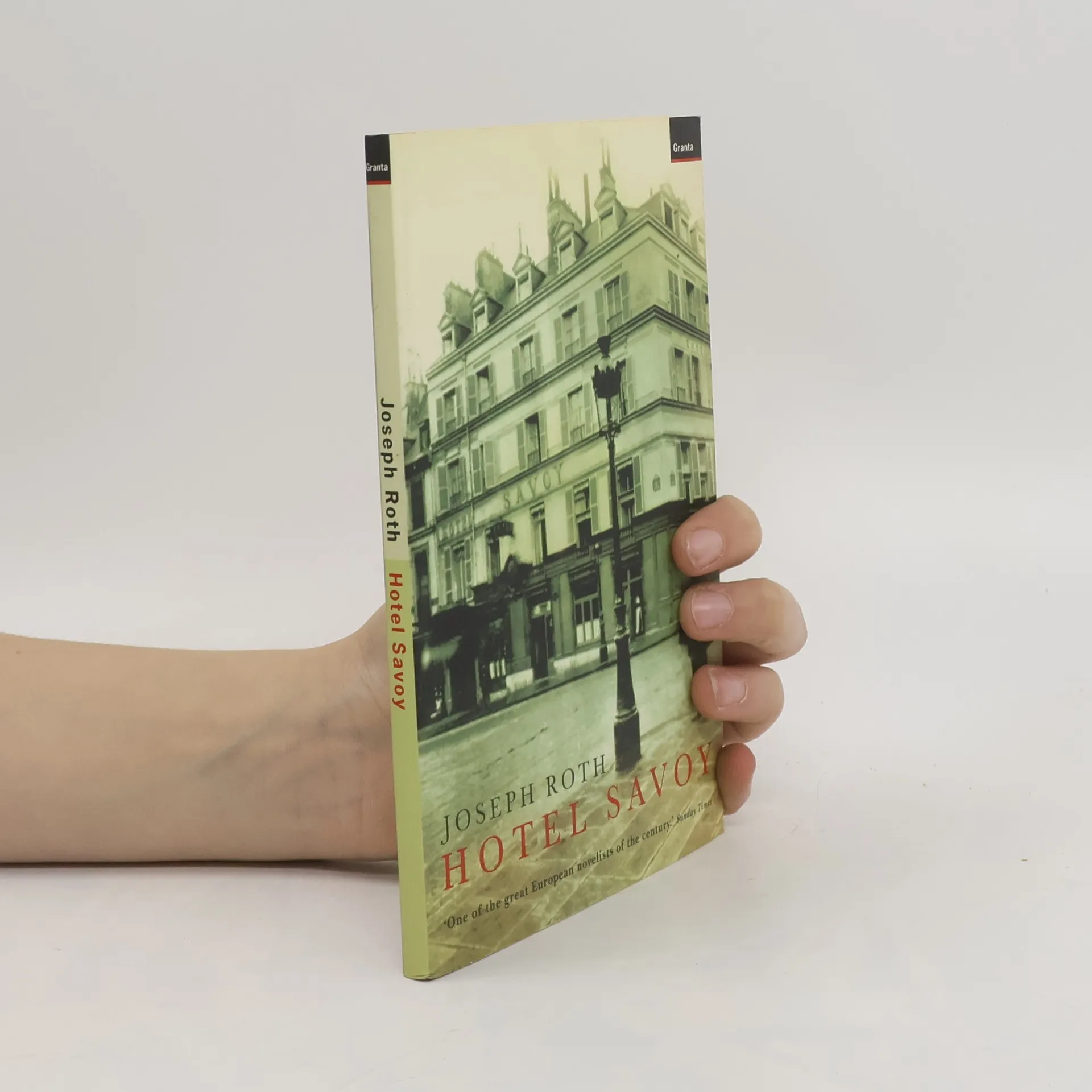
Hotel Savoy
- 133 pages
- 5 hours of reading
Gabriel Dan is a former soldier in the Austrian Army who returns from a Siberian prison camp some time after the First World War. He arrives in an unnamed town and lodges at the Hotel Savoy. The owner is absent, the guests are deranged and murder and chaos ensue.
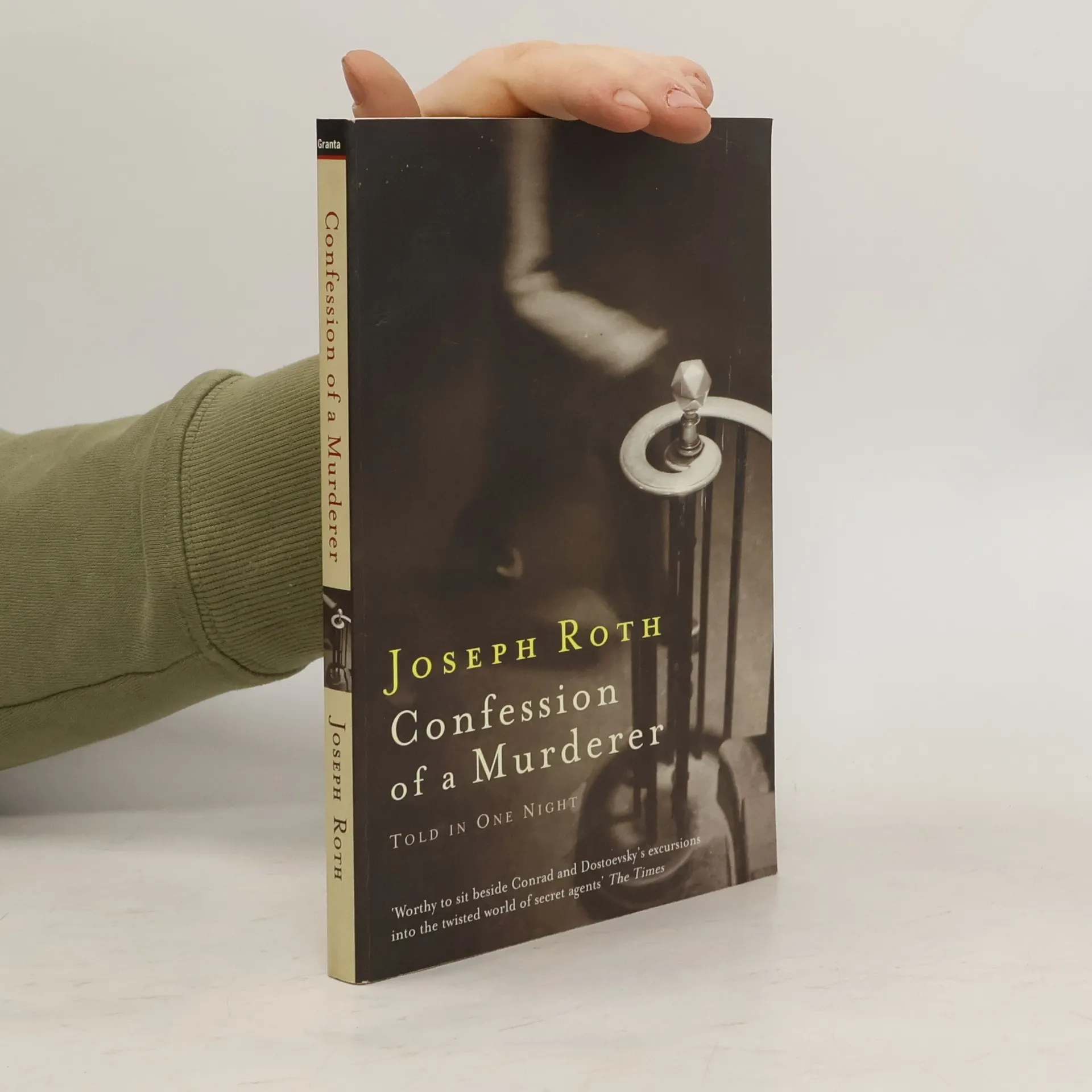
Confession of a Murderer
- 192 pages
- 7 hours of reading
A tale of deception and murder in the days leading up to the Russian Revoution
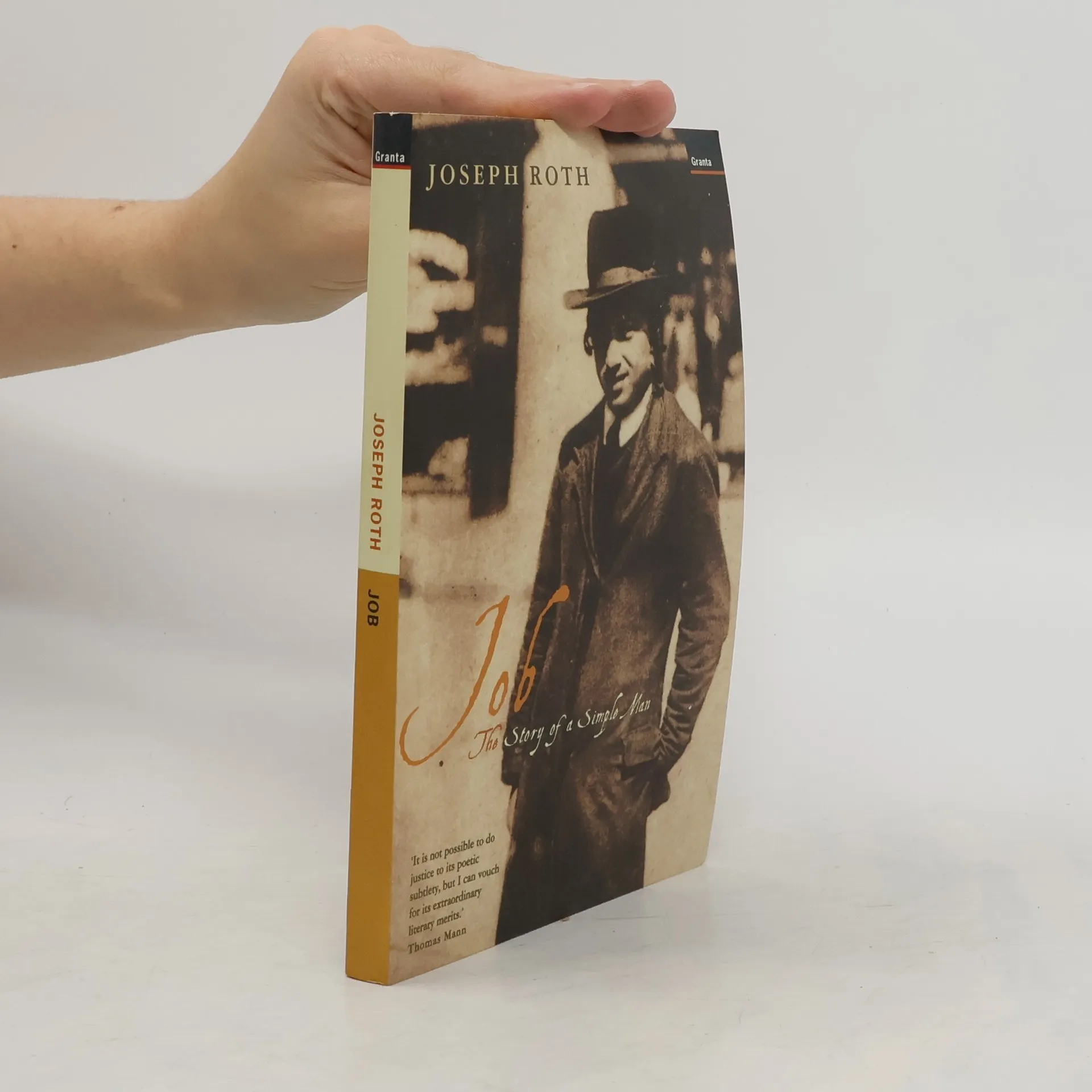
Translated by Dorothy Thompson ..'Many years ago there lived in Zuchnow, in Russia, a man named Mendel Singer. He was pious, God-fearing and ordinary, an entirely commonplace Jew . . . ' ..So Roth begins his novel about the loss of faith and the experience of suffering. His modern Job goes through his trials in the ghettos of Tsarist Russia and on the unforgiving streets of New York. Mendel Singer loses his family, falls terribly ill and is badly abused. He needs a miracle . . . ..Thomas Mann wrote of this novel: 'It is not possible to do justice to its poetic subtlety, but I can vouch for its extraordinary literary merits.'
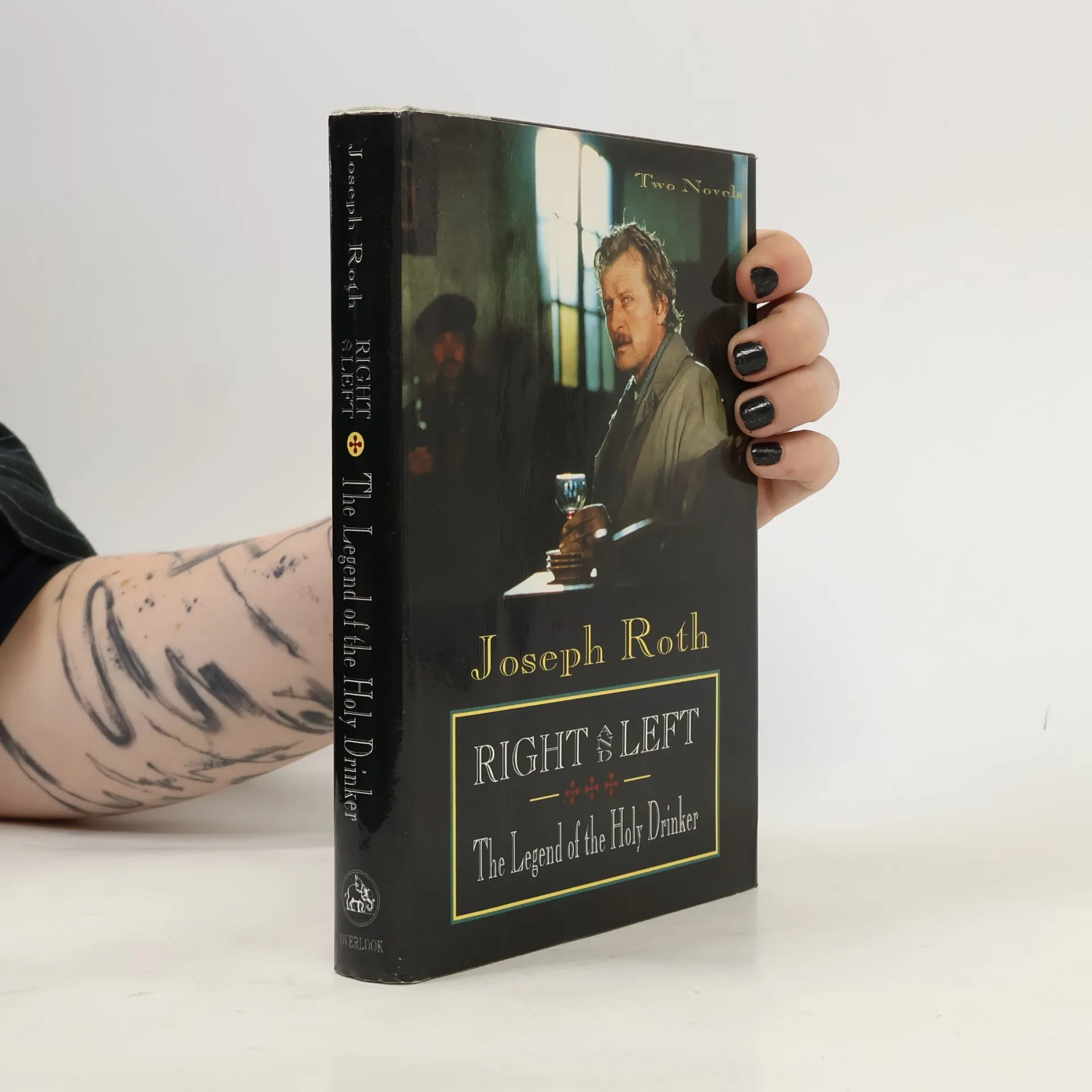
Right and Left and the Legend of the Holy Drinker
- 320 pages
- 12 hours of reading
With tragic foresight, Right and Left, first published in 1929, evokes the nightlife, corruption, political unrest, and economic tyranny of Berlin in the twenties, the same territory covered trenchantly in Roth’s reportage, recently published as What I Saw: Reports from Berlin 1920-33. After serving in World War I, Paul Bernheim returns to Berlin to find himself heir to his recently deceased father’s banking empire. Increasingly beset by skyrocketing inflation, and dismayed by his brother’s infatuation with the brownshirts; Bernheim turns to an outsider for help—a profiteering Russian émigré whose advice proves alternately advantageous and disastrous. Too late to change his fate, he realizes he has been deceived by a master in the craft of manipulation.
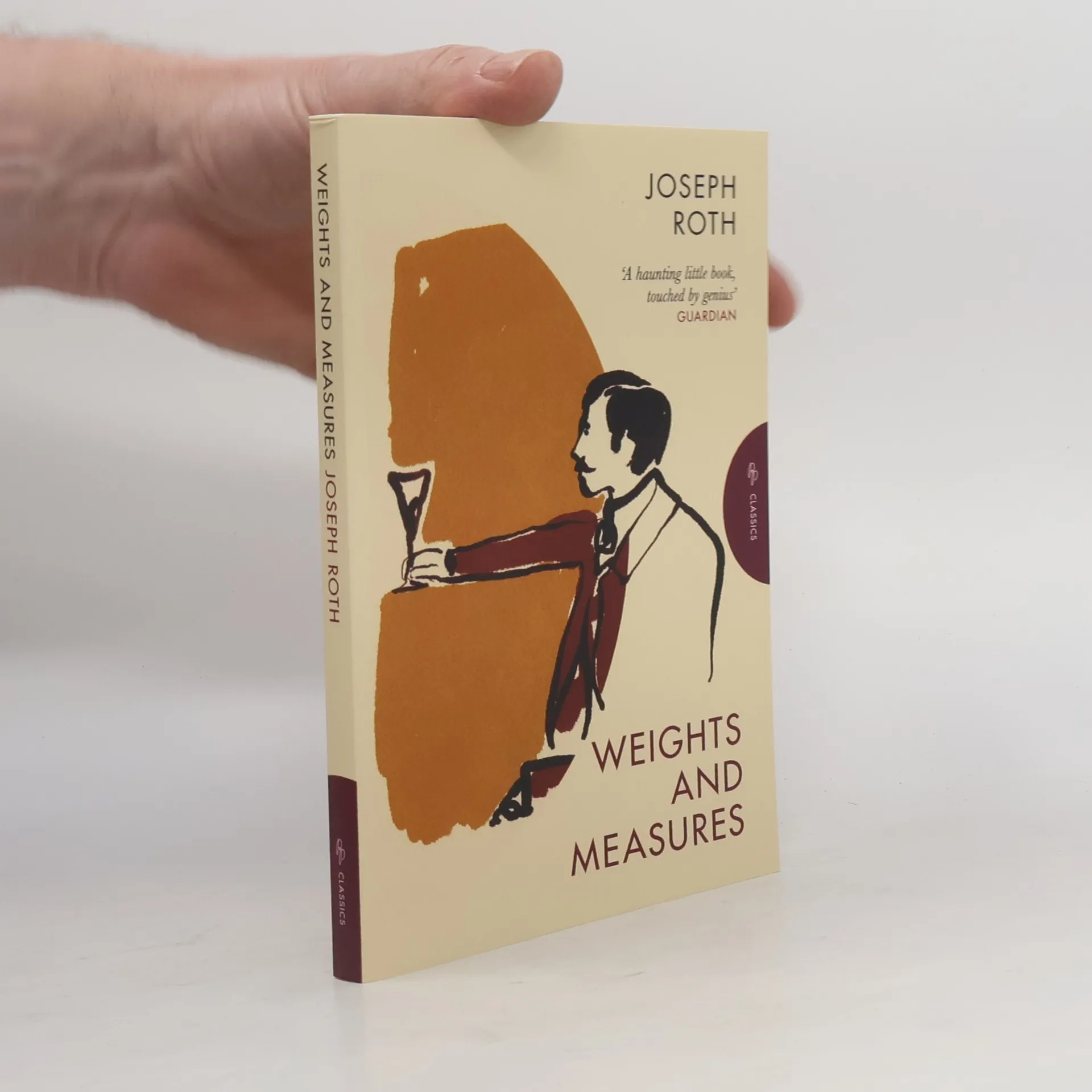
Weights and Measures
- 112 pages
- 4 hours of reading
Set against the backdrop of the Austro-Hungarian Empire's decline, this novel follows Anselm Eibenschütz, an artillery officer who transitions to a civilian role as an Inspector of Weights and Measures. His journey into a secluded territory near the Russian border leads him into a world of corruption and moral decay. The story poignantly explores themes of identity, destiny, and loneliness, capturing the essence of a good man's unraveling amidst the chaos of early 20th-century Eastern Europe. It is celebrated for its lyrical prose and philosophical depth.
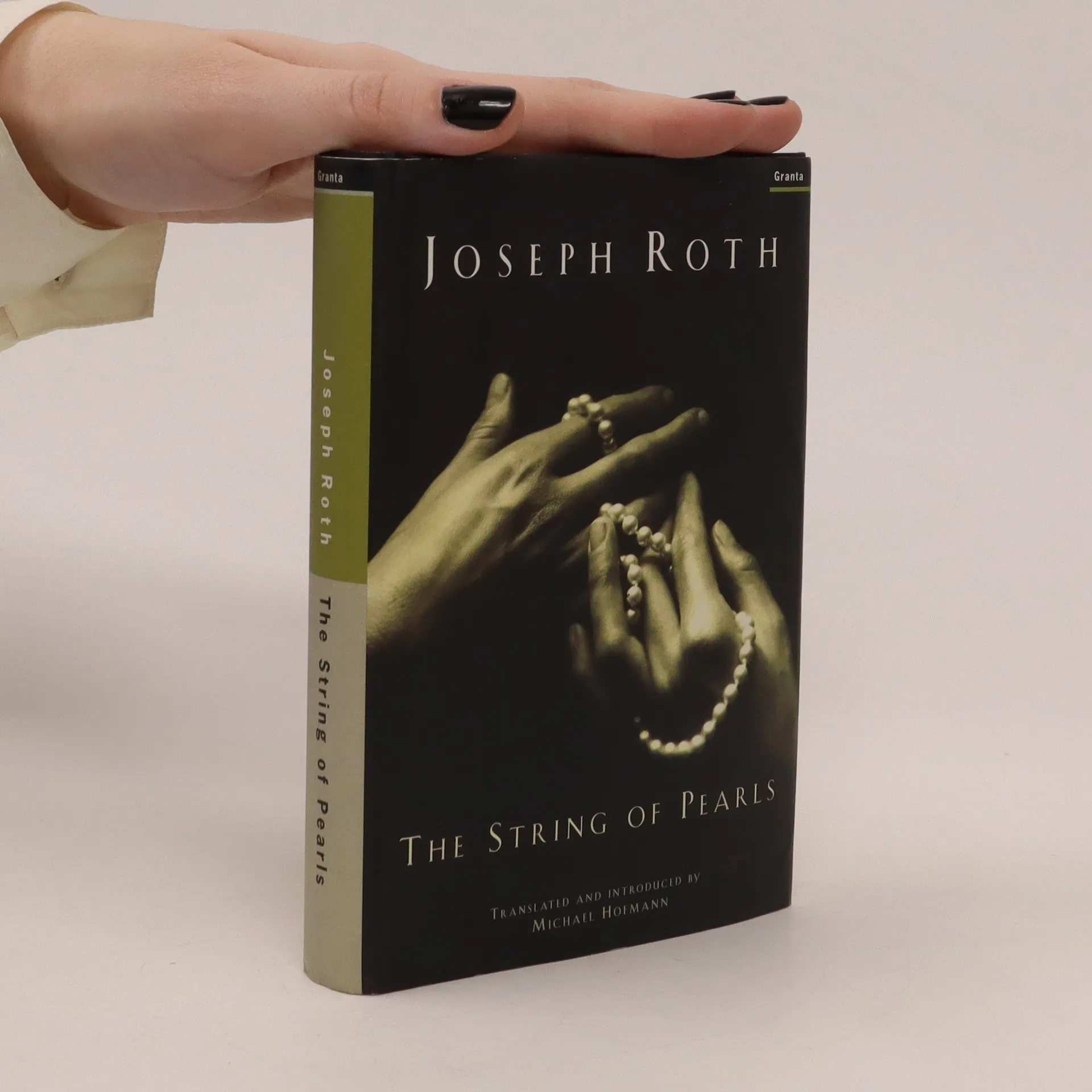
The String of Pearls
- 224 pages
- 8 hours of reading
While visiting Vienna, the Shah of Persia falls for a beautiful countess. The Austrian officials arrange for him to spend the night with the "countess", but unbeknown to the Shah she is a prostitute who merely resembles the countess. From this night follows a chain of ruinous consequences.
Antichrist
- 168 pages
- 6 hours of reading
Joseph Roth's least-known yet most autobiographical novel begins with a dire warning: T̀he Antichrist has come; so disguised that we...cannot recognize him.' He is in our very midst, cleverly disguised as one of us. It is a race against time as the Antichrist seeks to spread his trickery and to poison the minds of the innocent masses.
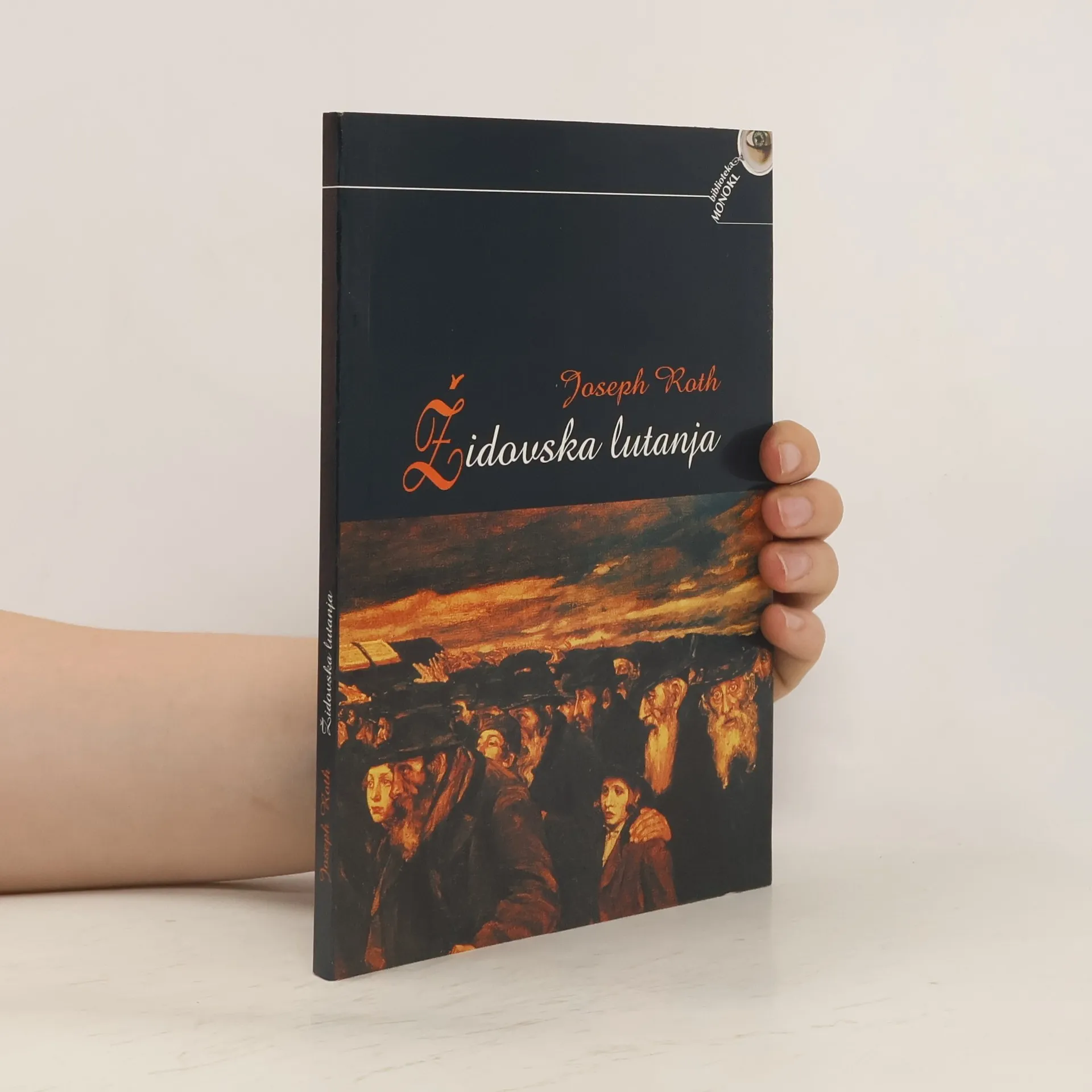
Židovska lutanja
- 87 pages
- 4 hours of reading
Klett Lektürehilfen. Hiob
- 135 pages
- 5 hours of reading
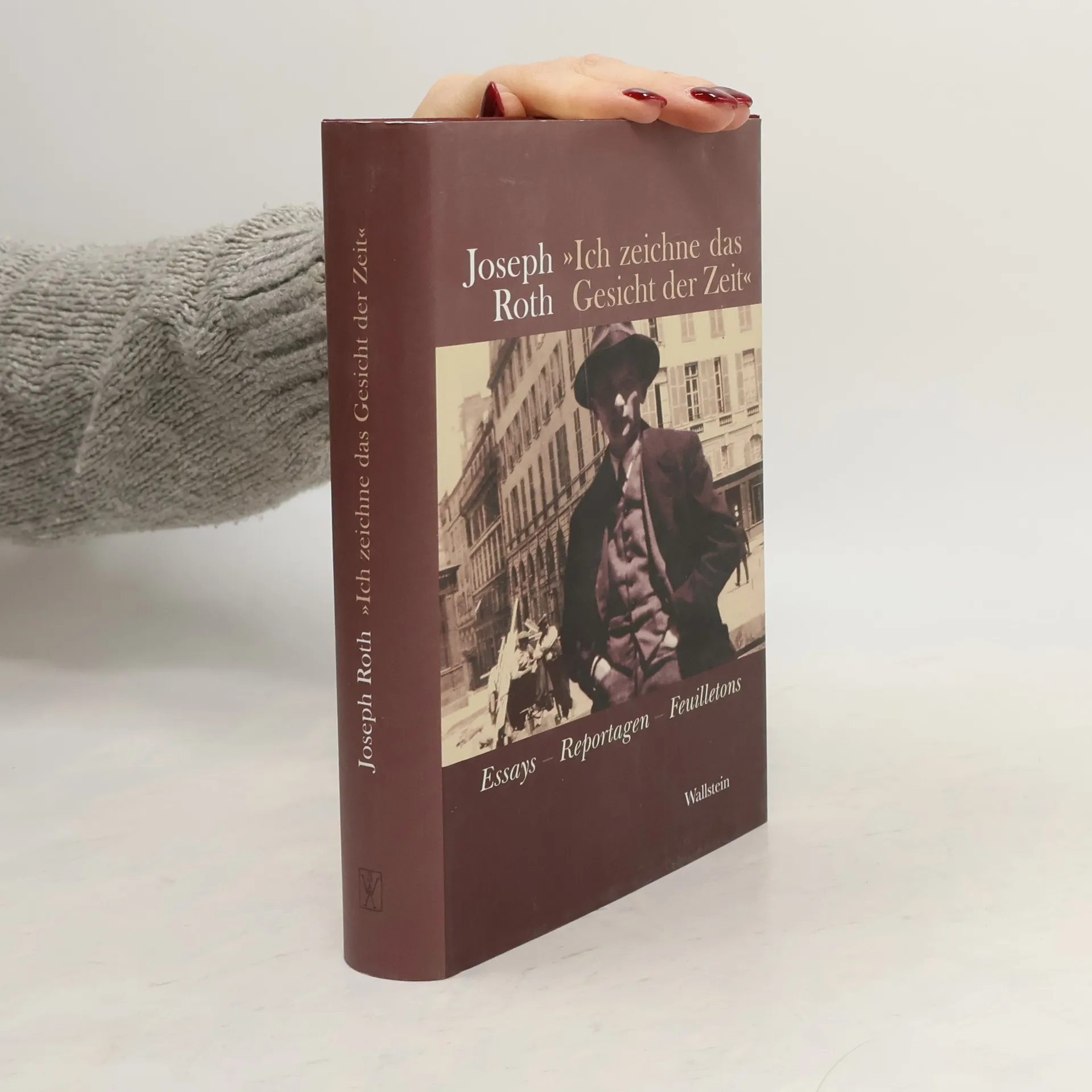
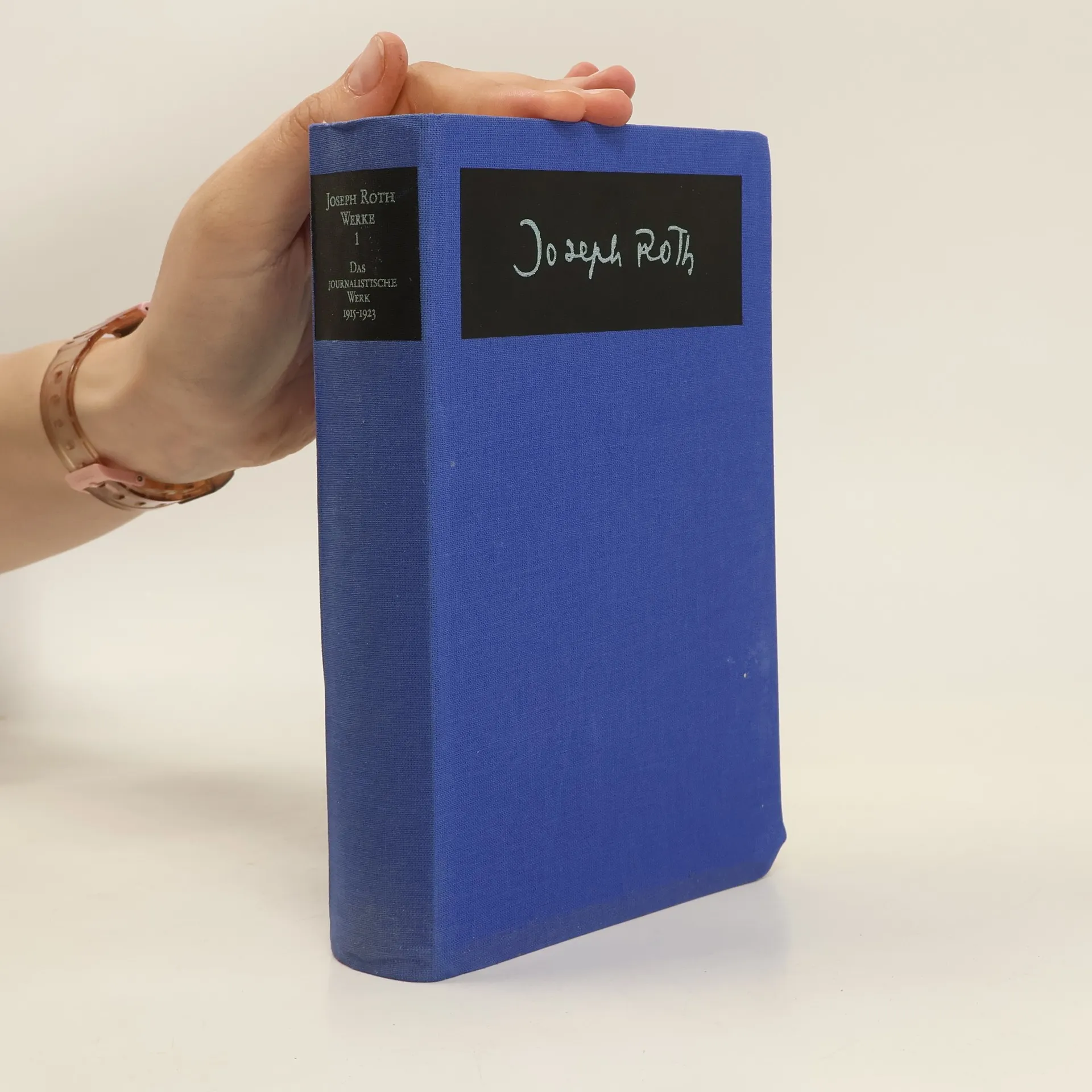
Heute ist er für uns der Autor von Klassikern wie ›Radetzkymarsch‹ oder ›Hiob‹. Doch viele seiner Zeitgenossen kannten ihn zunächst vor allem als Journalisten: Joseph Roth. Seine glänzend geschriebenen Reportagen, Essays und Feuilletons funkeln vor hellsichtiger Wahrnehmungskraft und leidenschaftlicher Subjektivität: »Alles wird bei mir persönlich«, sagte Joseph Roth über seine Arbeit für die Presse. In dieser Ausgabe sind seine schönsten und wichtigsten journalistischen Texte chronologisch zusammengestellt, erstmals in der Gestalt der Erstdrucke; Artikel, die über die Tagesaktualität hinausleuchten und bis heute nichts von ihrer Faszination verloren haben.
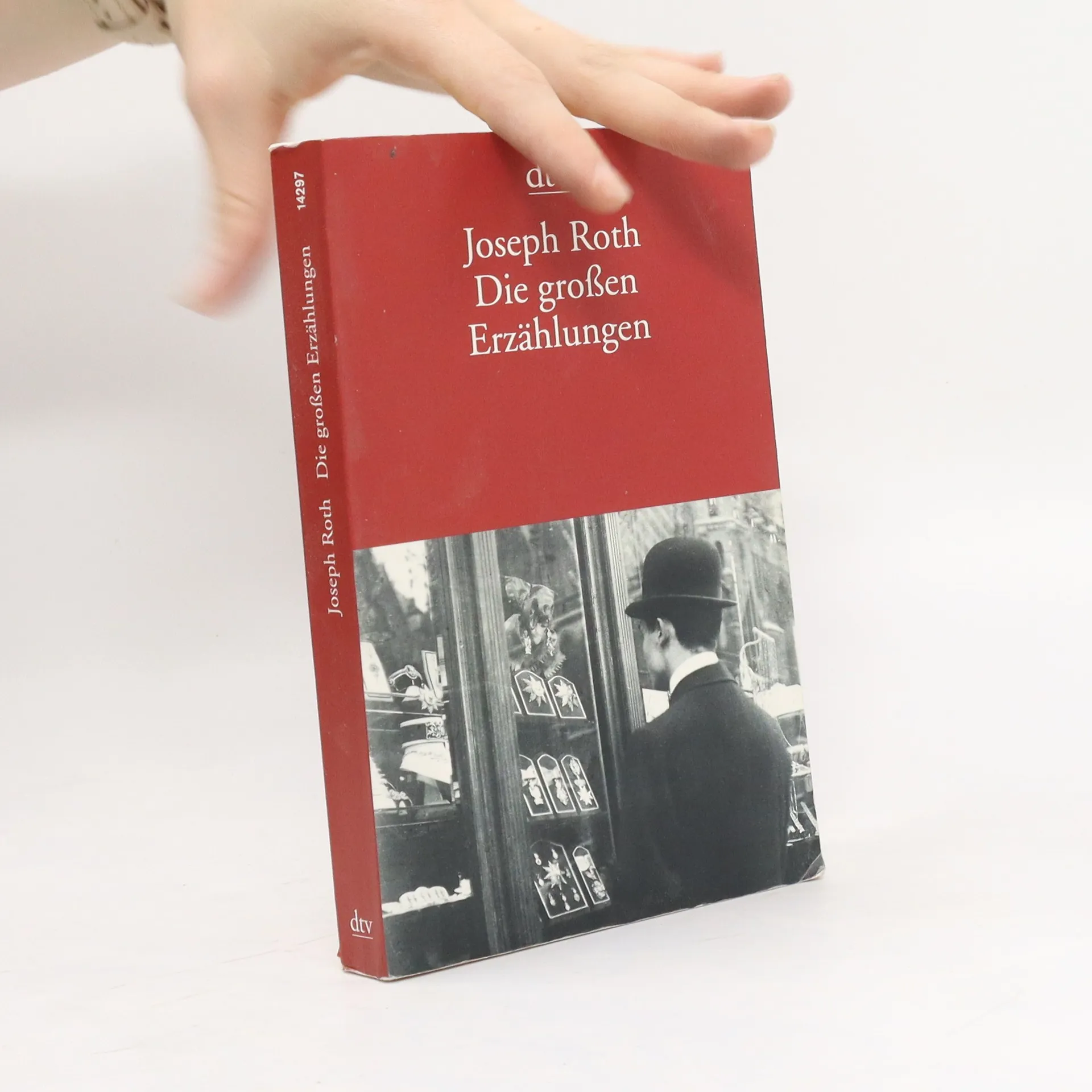
Zum 75. Todestag von Joseph Roth am 27. Mai 2014 Joseph Roths Romane, allen voran ›Radetzkymarsch‹ und ›Hiob‹, sind weltberühmt. Und auch die Erzählungen des Sprachvirtuosen sind wahre Kleinode. Der Wanderer zwischen den Welten erzählt darin vom Ringen der Menschen um ein lebenswertes Dasein in Zeiten des Untergangs. Immer wieder stellt sich für seine Protagonisten die Frage nach persönlicher Schuld, Wahrheit und Gerechtigkeit. Aber der Autor zeigt in seinen Geschichten vor allem auch die desaströsen Einflüsse einer Gesellschaft, die vom Verlust aller Werte gezeichnet ist. Enthalten sind: ›Der Vorzugsschüler‹, ›Barbara‹, ›April‹, ›Stationschef Fallmerayer‹, ›Triumph der Schönheit‹, ›Die Büste des Kaisers‹, ›Der Leviathan‹
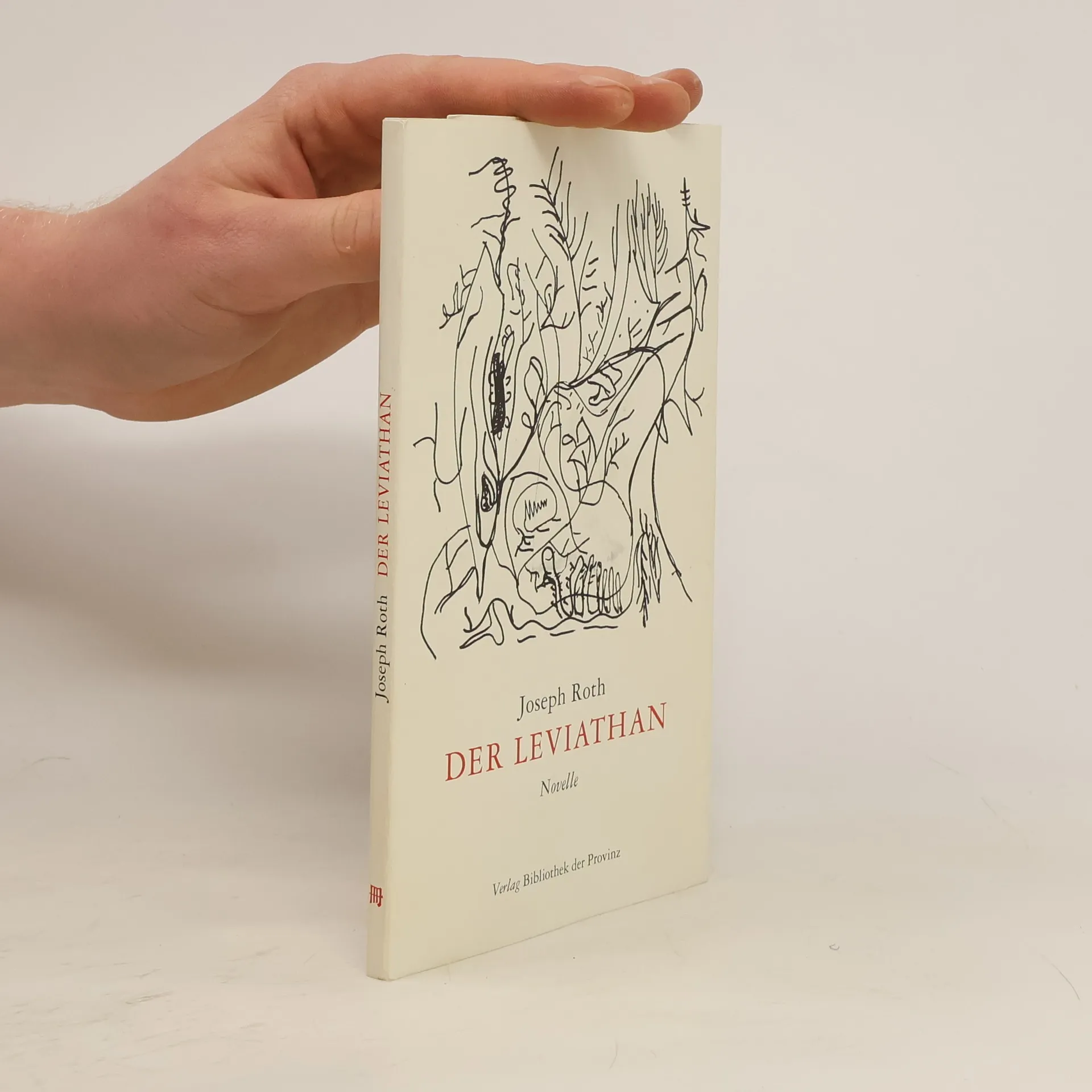
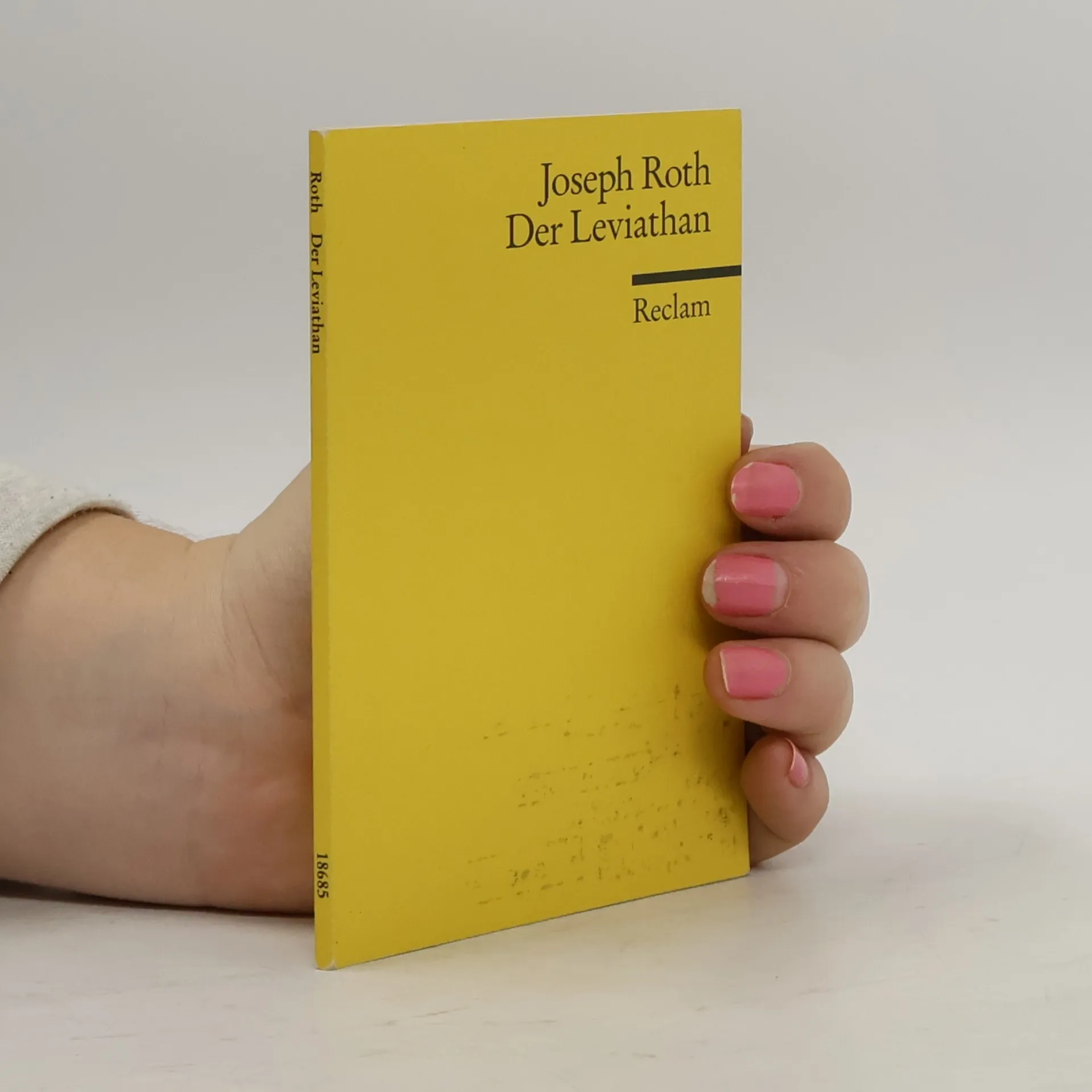
„Der Leviathan“ von Joseph Roth handelt vom jüdischen Korallenhändler Nissen Piczenik, seiner Sehnsucht nach dem Meer und einem Pakt mit dem Teufel.
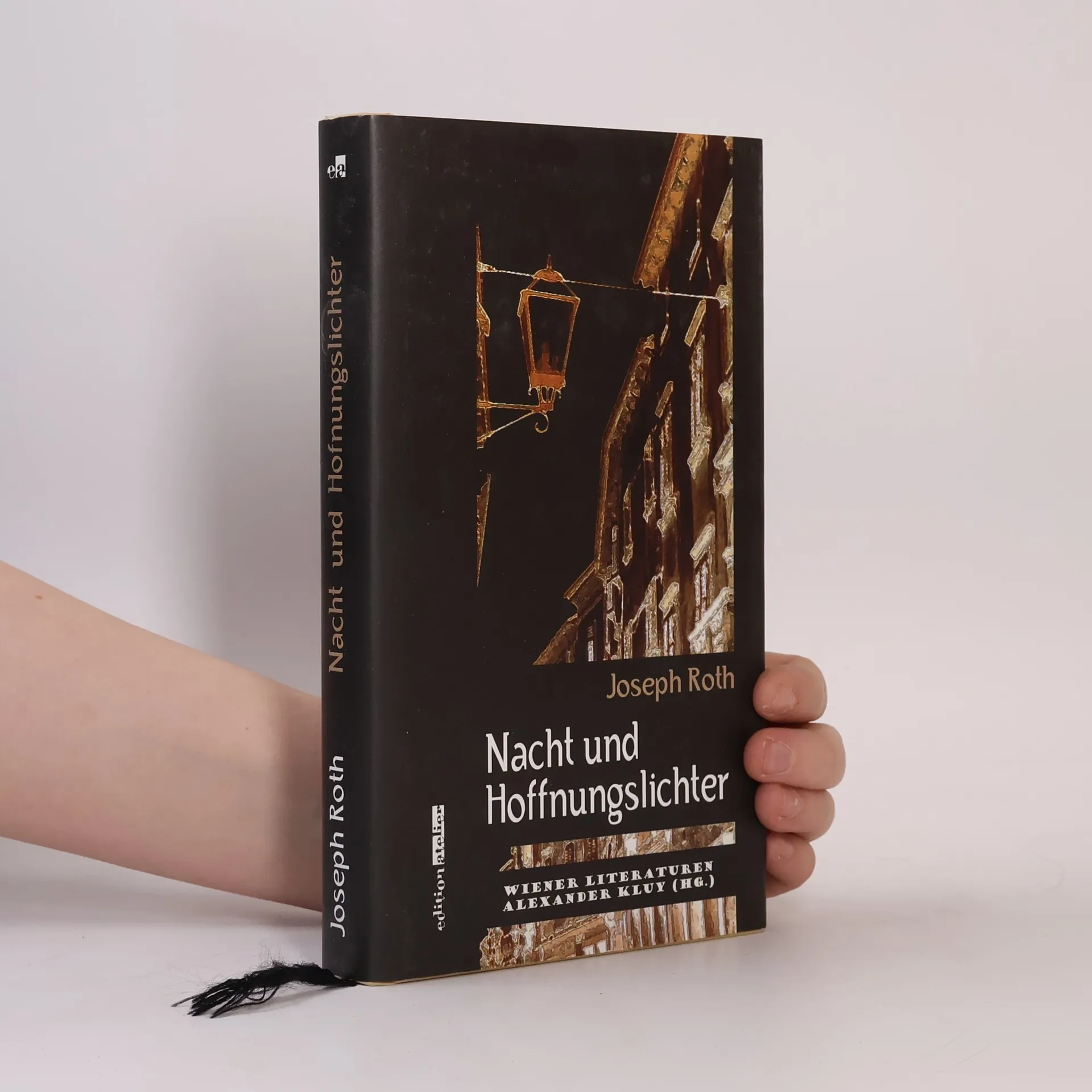
Nacht und Hoffnungslichter
- 241 pages
- 9 hours of reading
»Radetzkymarsch«, »Die Legende vom heiligen Trinker«, »Hotel Savoy«: Die Romane von Joseph Roth gehören auch heute noch zum viel gelesenen Teil des literarischen Kanons. Dass der Vielschreiber aber auch sehr engagiert als Journalist tätig war, ist weniger bekannt. Sowohl in Wien als auch in Berlin machte sich Joseph Roth früh einen Namen als kritischer Beobachter seiner Zeit. Diese sorgfältig zusammengestellte Ausgabe präsentiert eine Auswahl von Feuilletons und Kolumnen aus Berlin und Wien sowie den »kleinen Roman« Der blinde Spiegel. Ein umfassender Anhang gibt Einblick in das Leben und die Zeit von Joseph Roth.
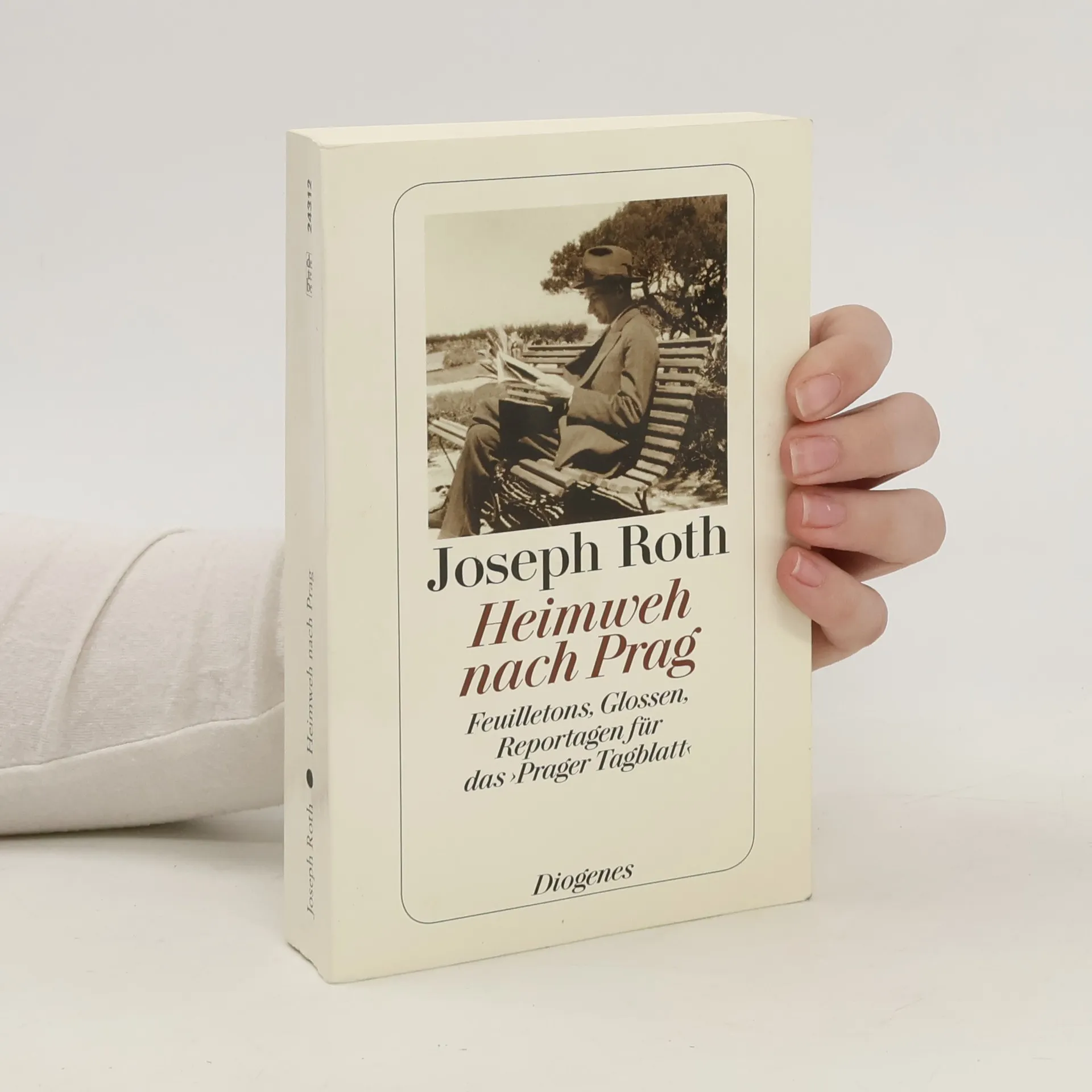
Heimweh nach Prag
Feuilletons – Glossen – Reportagen für das ›Prager Tagblatt‹
- 640 pages
- 23 hours of reading
Für keine andere Zeitung hat Joseph Roth so lange geschrieben wie für das seinerzeit weit über die Grenzen der Tschechoslowakei hinaus gelesene ›Prager Tagblatt‹. Roth waren seine Reportagen ebenso wichtig wie seine Romane. Der sorgfältig kommentierte Band versammelt Roths brillante ›Tagblatt‹-Texte von 1917 über seine Berliner Zeit bis 1937. Ein eminentes Zeugnis über die Entwicklung in Deutschland.
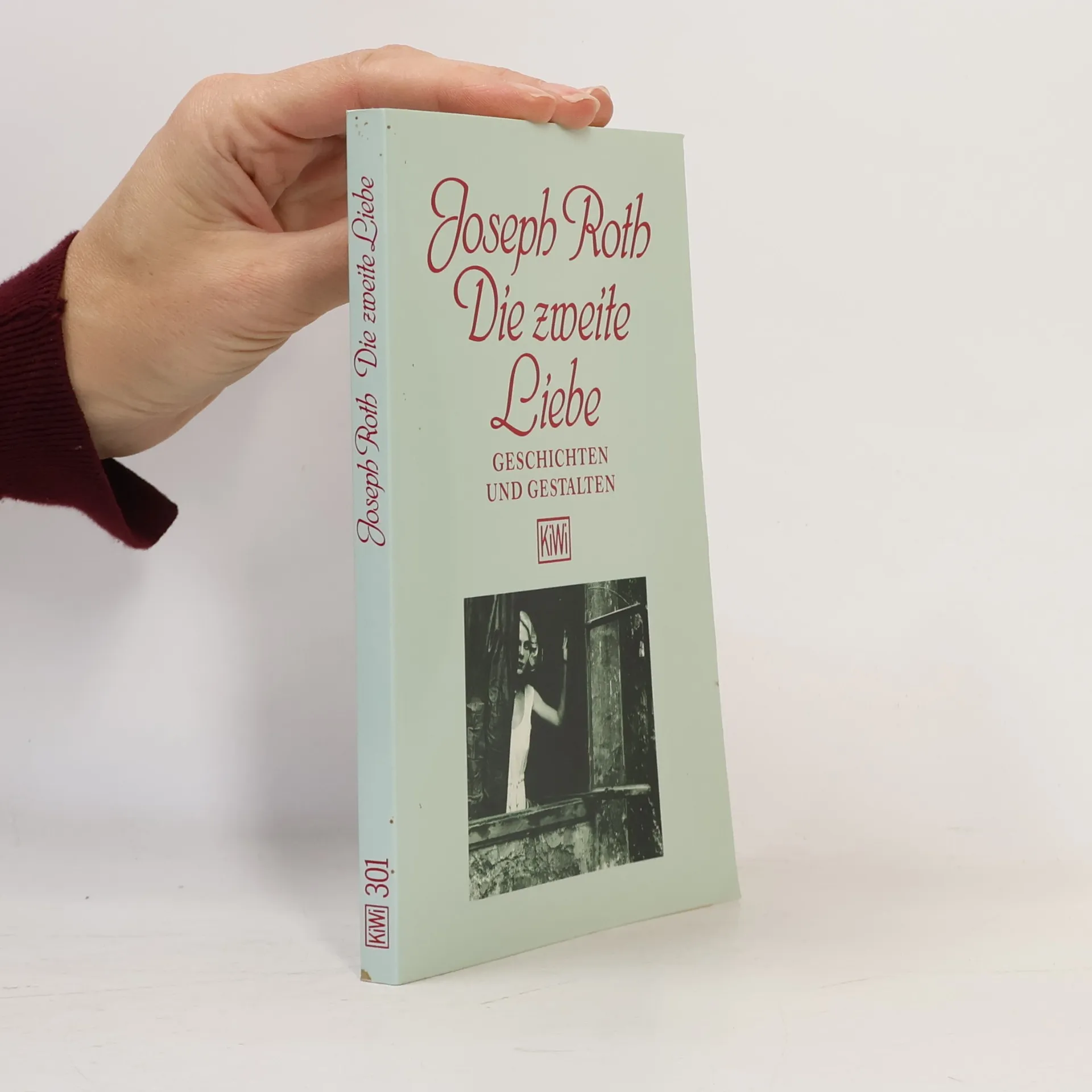
Die zweite Liebe
Geschichten und Gestalten
»Meine kritischen Erzählungen und erzählenden Kritiken (...) sind Geschichten aus dem Leben«, hat Joseph Roth über seine Prosa gesagt. Und er hat dabei nicht zwischen literarischen und journalistischen Arbeiten unterschieden. In den vorliegenden Geschichten, die aus dem großen journalistischen CEuvre der Werkausgabe ausgewählt wurden, ist derselbe große Erzähler am Werk wie in den berühmten literarischen Texten. Jeder alltägliche Moment konnte für Roth zur Geschichte werden. Die Zeit, in der er lebt, war aus den Fugen und bot unerschöpflichen Stoff für seine ironische Fantasie, die die Menschen und Dinge auf ihre poetische wie kritische Wahrheit — kurz auf ihre »Geschichte« brachte. Roth, der »Mythomane«, dem sich alles fabulierend verwandelte, erweist sich hier zugleich als scharfblickender Chronist seiner Zeit. Mit Recht hat er selbst gesagt: »Ich wüßte nicht, weshalb ein ausgeprägter Sinn für die Atmosphäre der Gegenwart die Unsterblichkeit hindern soll.«
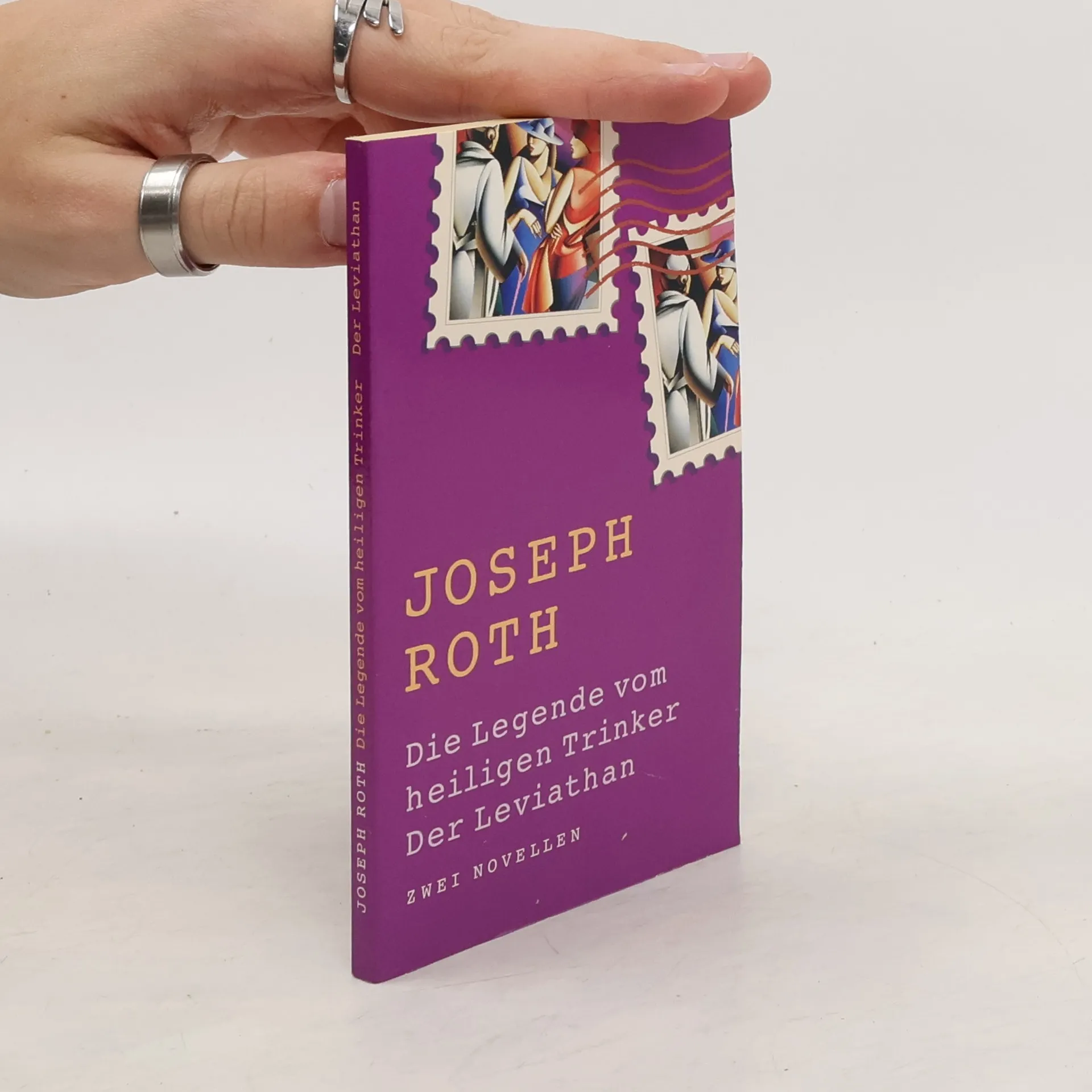
Die Legende vom heiligen Trinker. Der Leviathan
- 125 pages
- 5 hours of reading
Sie haben Fragen an das Werk? - Warum ist Menuchim ein „Besonderer“? - Was prophezeit der Wunderrabbi? - Steht der Romanschluss für ein „Wunder“? Lektürehilfen - damit keine Fragen offen bleiben! Ausführliche Inhaltsangabe: schnell nachlesen, was geschieht Umfassende Interpretation und Analyse: zentrale Themen und Motive verständlich erklärt Typische Fragen mit ausführlichen Lösungen: Gut vorbereitet durch Abitur-Fragen mit Lösungen
Joseph Roth, Leben und Werk
- 494 pages
- 18 hours of reading
In diesem Band zeichnen Erinnerungen von Zeitgenossen und Freunden wie Ludwig Marcuse, Hermann Kesten, Soma Morgenstern, Géza von Cziffra oder Irmgard Keun ein lebendiges Bild des Menschen Joseph Roth.
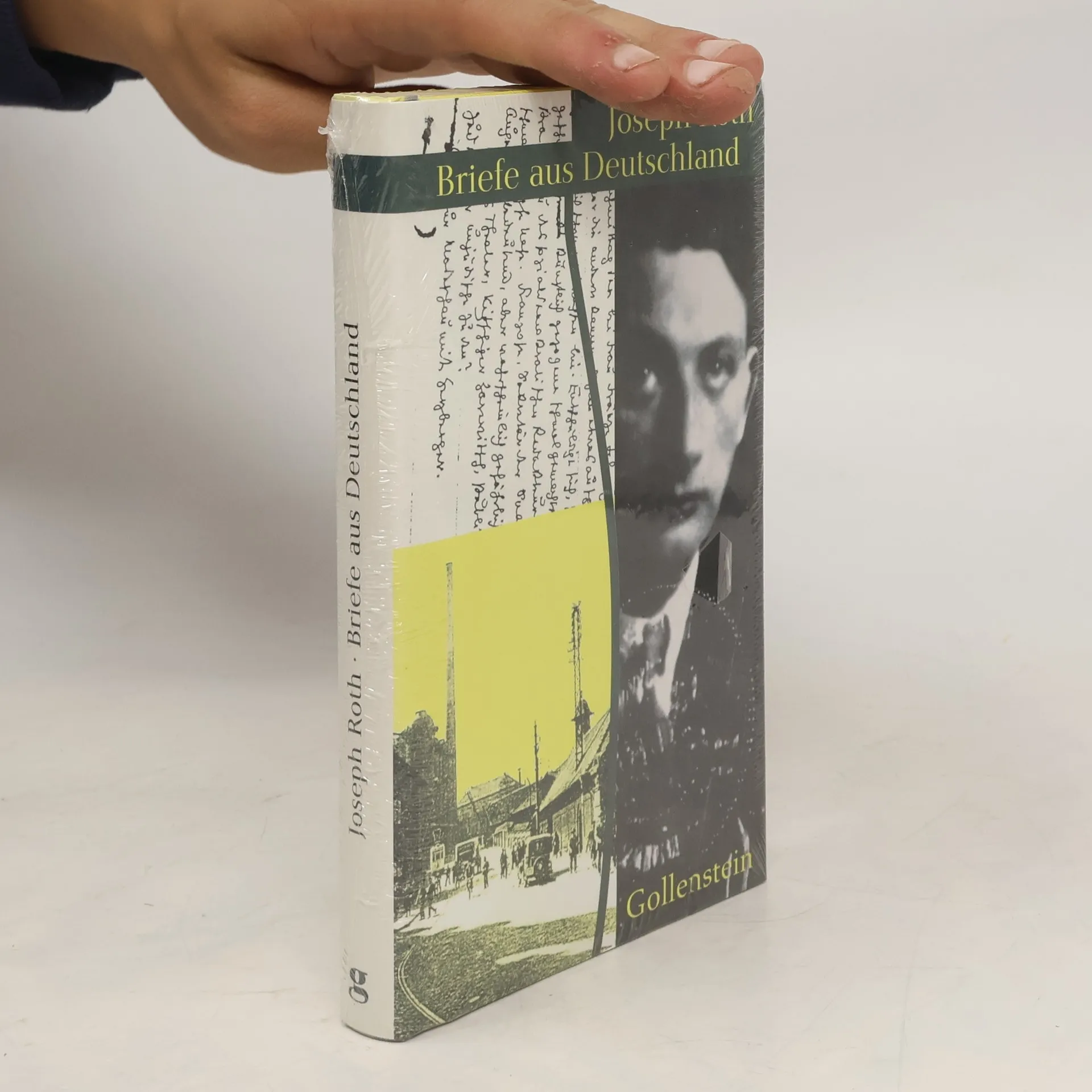
Briefe aus Deutschland
- 176 pages
- 7 hours of reading
„Ich bin durchsättigt vom Saargebiet und kenne es wie Wien. Sie werden sehen.“ Mit dieser Bemerkung in einem Brief an Benno Reifenberg, den Feuilleton-Leiter der „Frankfurter Zeitung“, kündigte Roth im Herbst 1927 seine ersten Reportagen über die Saar an. Seine „Briefe aus Deutschland“, so der Titel der siebenteiligen Serie, erschienen unter dem Pseudonym „Cuneus“.
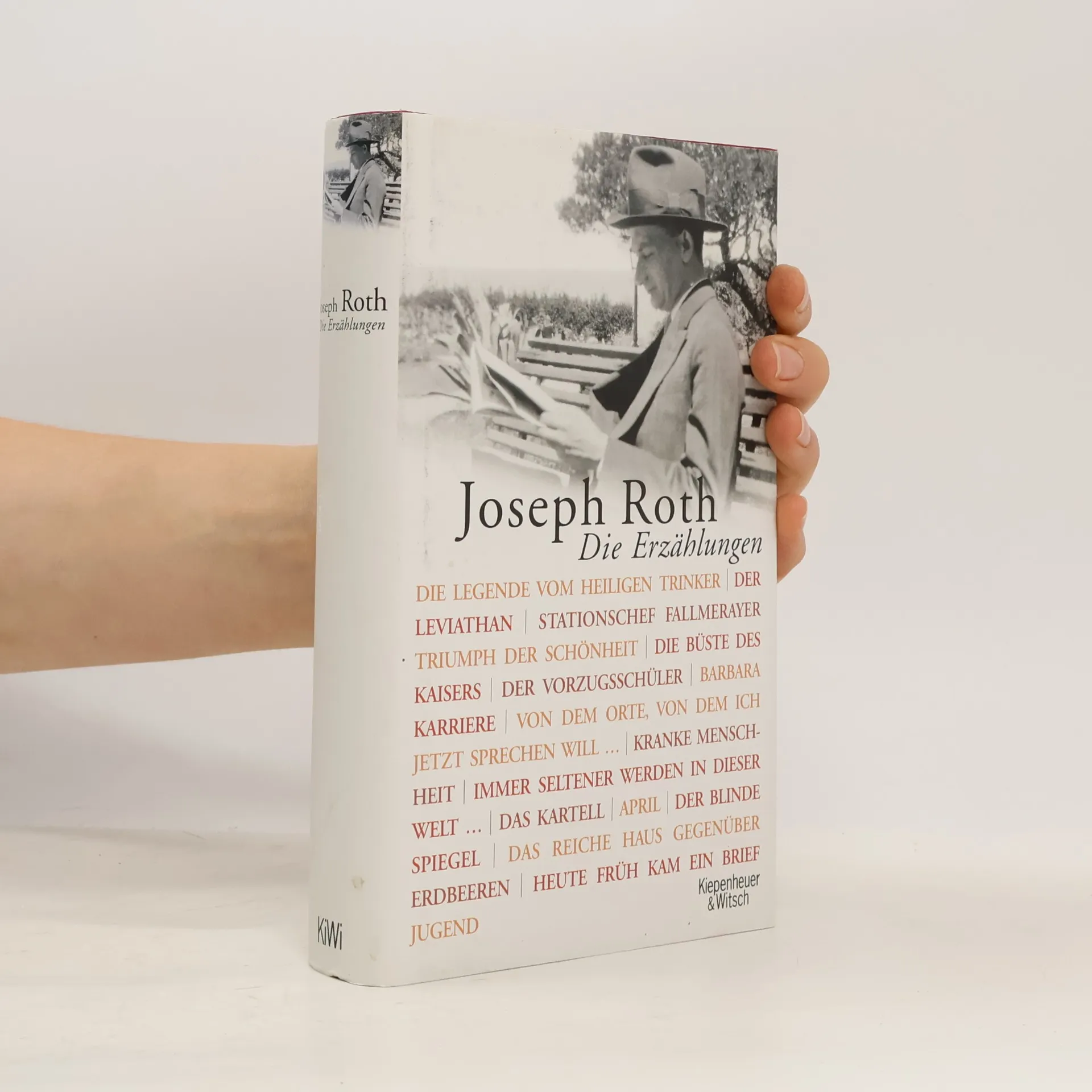
Sämtliche Erzählungen des »größten Schriftstellers, den Österreich je hervorgebracht hat« (André Heller), in einer SonderausgabeJoseph Roth erlangte Weltruhm mit den Romanen Hiob und Radetzkymarsch. Die scharfe Beobachtungsgabe und minutiöse Prosa, die seine Romane und Feuilletons auszeichnen, lassen sich auch in seinen kunstvollen Erzählungen bewundern. Dieser Band präsentiert alle Geschichten Roths in einer besonderen Ausstattung, zum Sonderpreis und mit einem brillanten Nachwort von André Heller. Der chronologische Aufbau der zwischen 1916 und 1939 entstandenen Erzählungen vermittelt ein genaues Bild von der literarischen Entwicklung Joseph Roths: Der Bogen seiner Erzählkunst spannt sich vom Frühwerk Der Vorzugsschüler über Die Legende vom heiligen Trinker, »eine der schönsten Legenden, die im 20. Jahrhundert gedichtet wurde« (Marcel Reich-Ranicki), zur Novelle Der Leviathan, Roths letzter gleichnishafter Erzählung vom Korallenhändler Nissen Pizenik. Joseph Roth erzählt lauter alltägliche Geschichten, bevölkert von lauter traurigen Figuren, die lauter unglückliche Schicksale haben. Wie er diese Verliebten und Sonderlinge, diese Schmuggler und Rittmeister, Huren und Eisenbahner, Briefträger und Lehrer mit leichter Hand in unvergessliche Figuren verwandelt, grenzt an Zauberei und ist doch nichts als große Literatur.
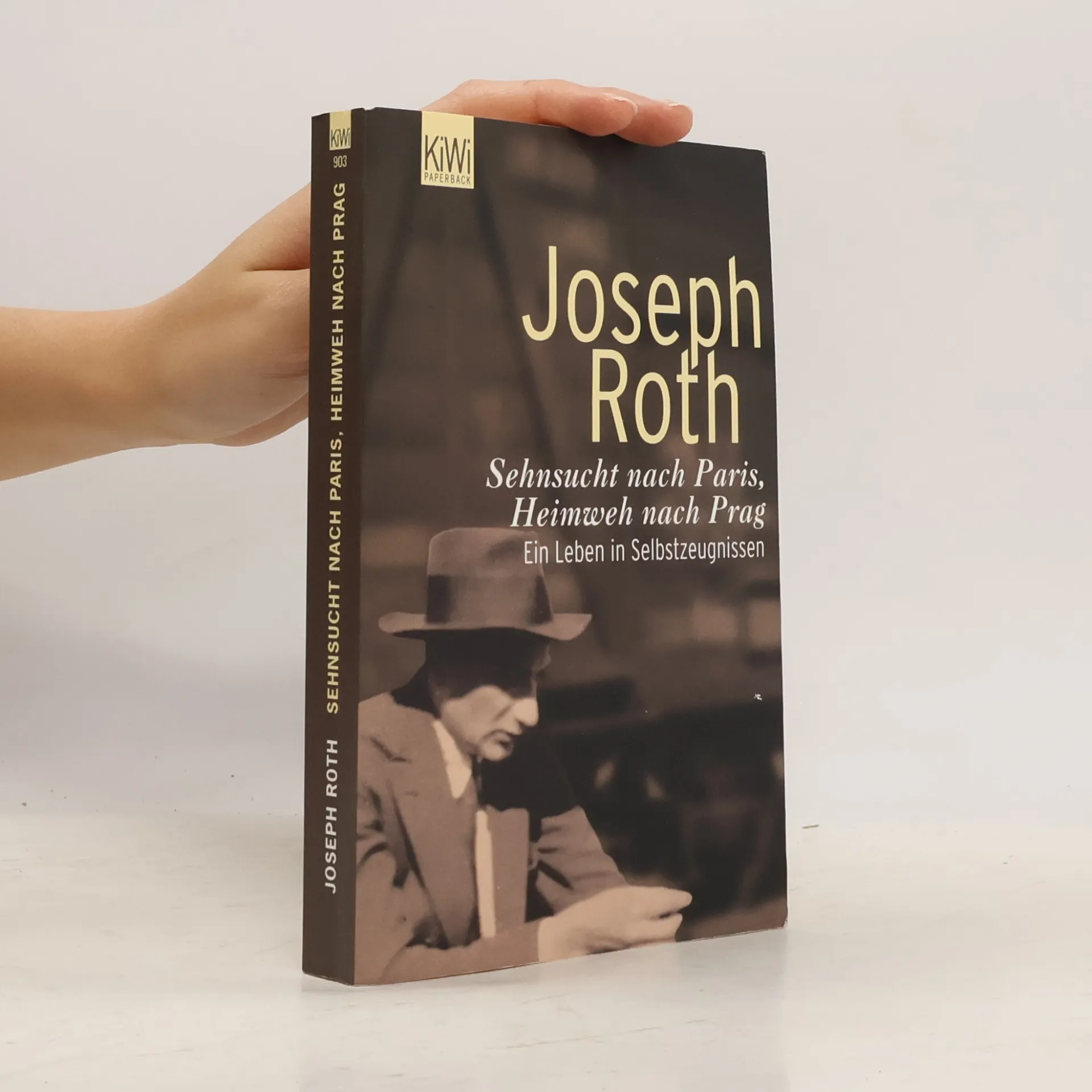
Sehnsucht nach Paris, Heimweh nach Prag
Ein Leben in Selbstzeugnissen
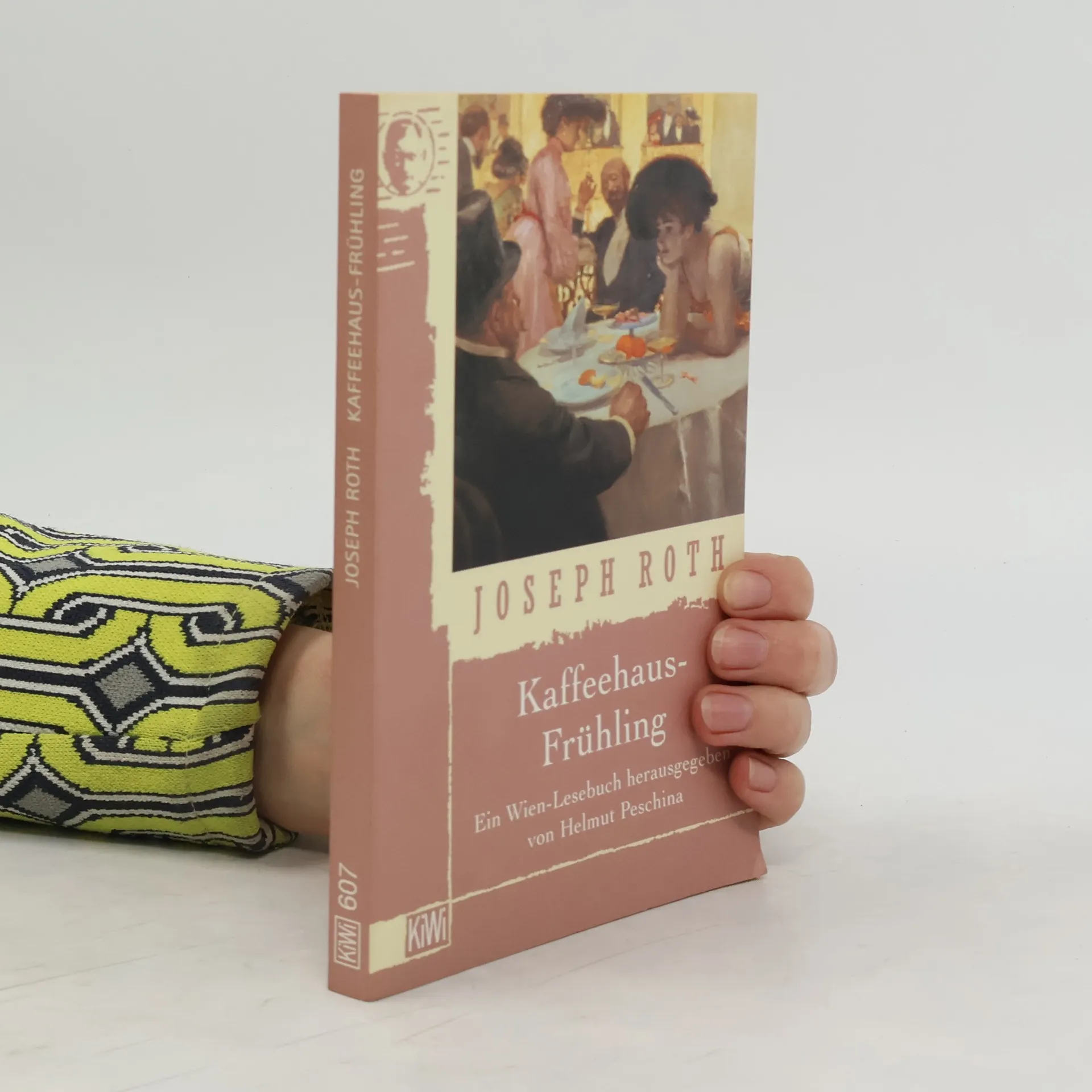
»Alles, was ich besitze, sind drei Koffer.« – ein Lebensmosaik Joseph Roths. Aus eigenen Briefen, Feuilletons und ausgewählten Prosaarbeiten entsteht ein Mosaik seiner Lebensstationen. Roth beschreibt seine Empfindungen und Eindrücke von Menschen, Situationen und politischen Verhältnissen. Ein prägnanter Satz charakterisiert ihn: »Ich habe keine Heimat, wenn ich von der Tatsache absehe, dass ich in mir selbst zu Hause bin.« Dieser Ausdruck spiegelt sein rastloses Leben wider. 1913 kam der Neunzehnjährige aus Lemberg nach Wien, und 1939 starb er im Pariser Exil. Dazwischen liegt ein Leben als Dichter, Schriftsteller und Journalist, das ihn von Wien über Berlin nach Paris führte. Zwischen 1933 und 1939 entstand fast die Hälfte seines literarischen Werks, darunter bedeutende Texte wie Die Beichte eines Mörders und Die Kapuzinergruft. Roths Feuilletons, die er seit 1919 regelmäßig verfasste, zeigen ihn als aktiven Chronisten seiner Zeit, der unermüdlich gegen Staatswillkür und den Nationalsozialismus schreibt. In seinen Briefen an Persönlichkeiten wie Benno Reifenberg und Stefan Zweig wird der private, kämpfende Roth als Opfer seiner Zeit und seiner selbst sichtbar. Helmut Peschina hat diese Texte chronologisch angeordnet und mit einem Vorwort versehen, um ein beeindruckendes Lebensmosaik zu schaffen.
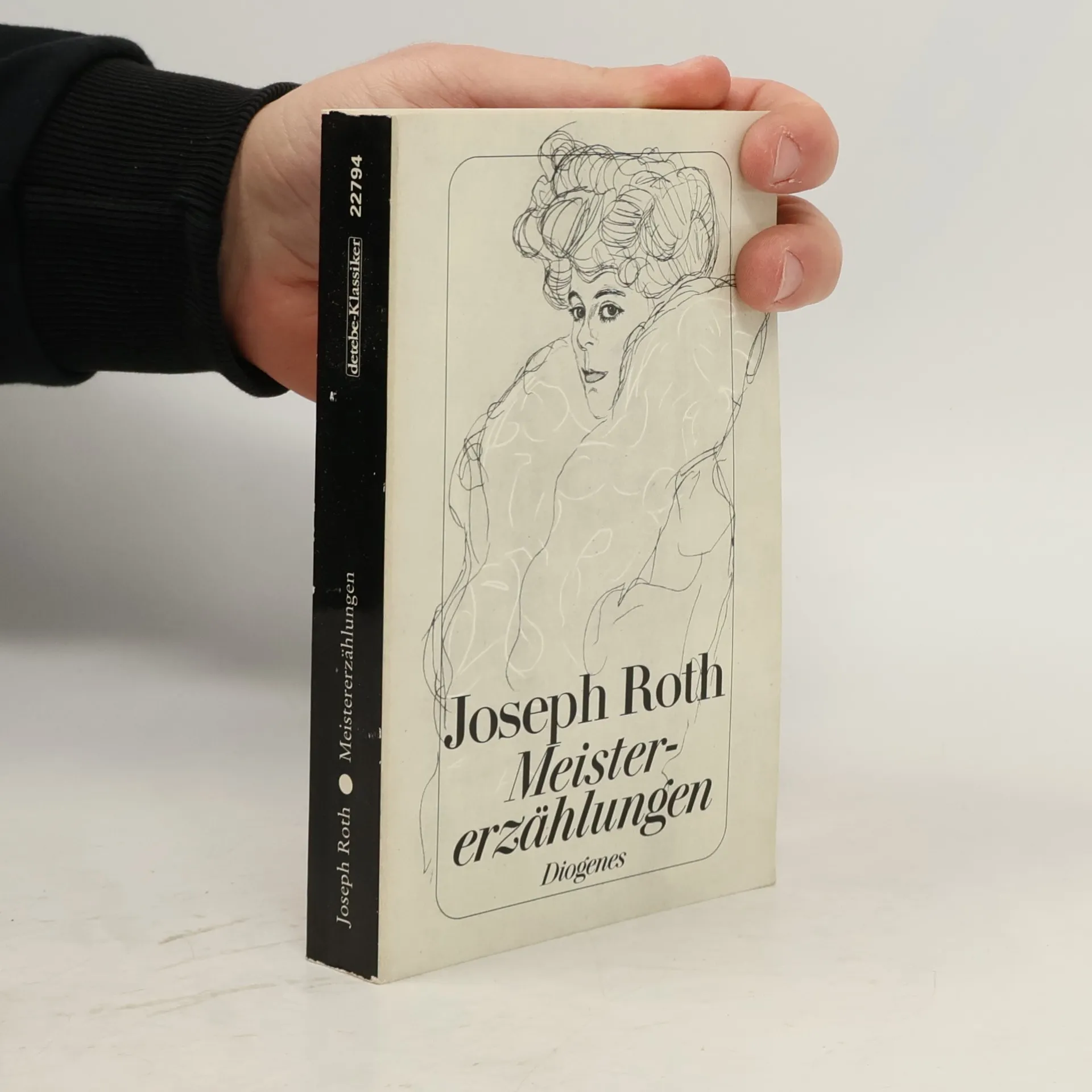
Meistererzählungen
- 409 pages
- 15 hours of reading
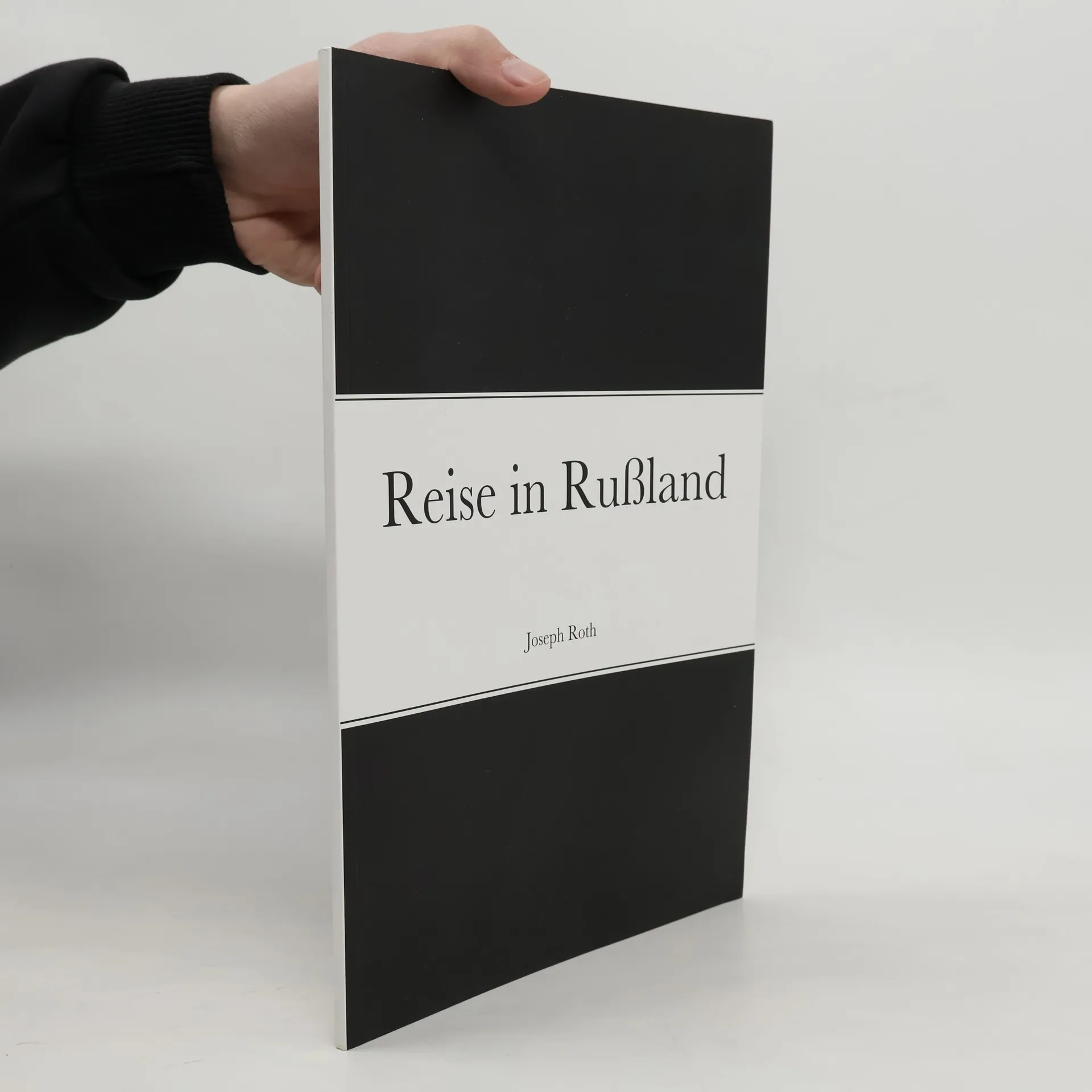
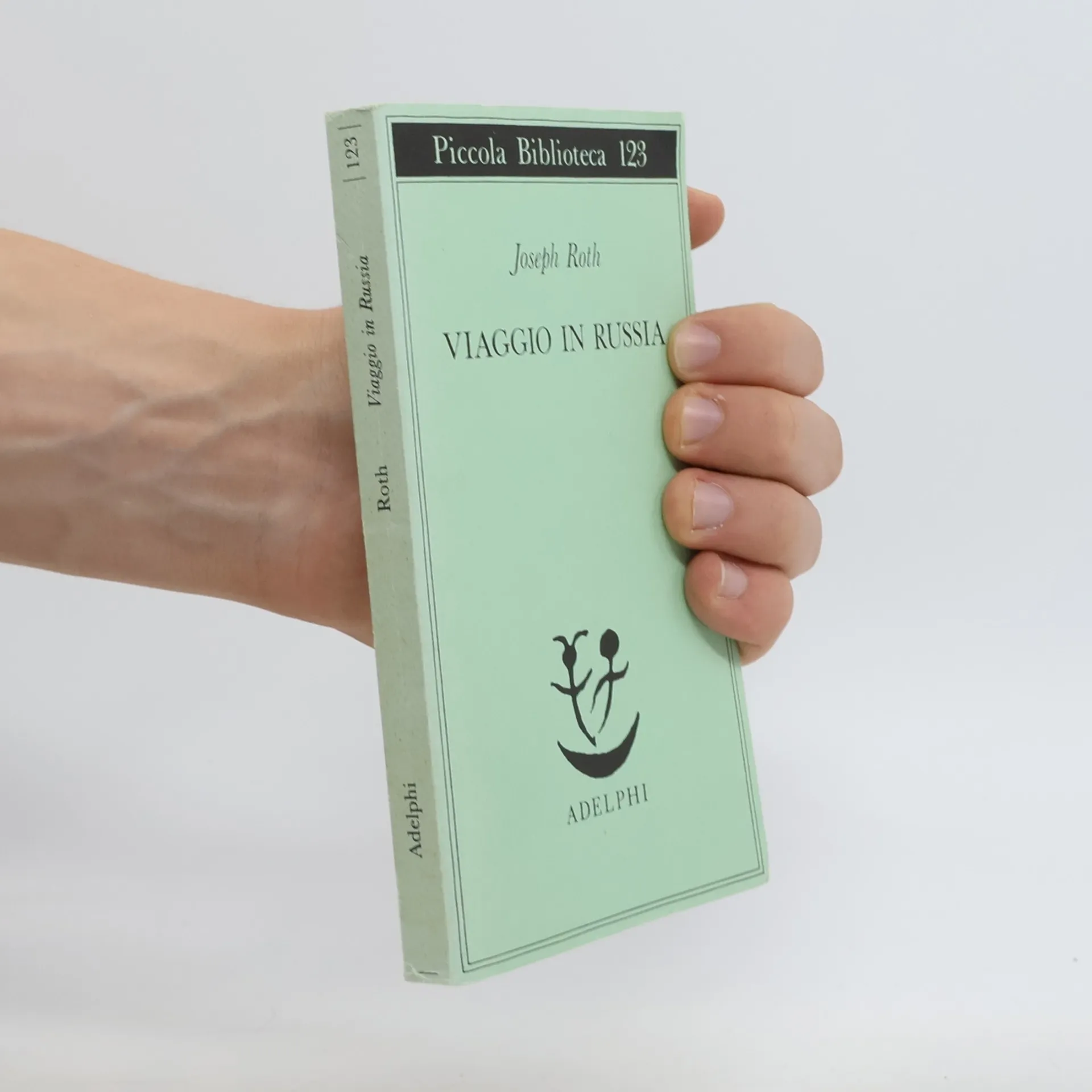
Joseph Roth schildert in "Reise in Russland" eindrucksvoll seine Erlebnisse während seiner Reise durch die Sowjetunion in den Jahren 1926 und 1927. Das Buch bietet nicht nur persönliche Eindrücke, sondern reflektiert auch die gesellschaftlichen und politischen Veränderungen der damaligen Zeit. Roths Beobachtungen und Erfahrungen zeichnen ein facettenreiches Bild des Landes und seiner Menschen, wodurch der Leser in die Atmosphäre der frühen Sowjetunion eintauchen kann.
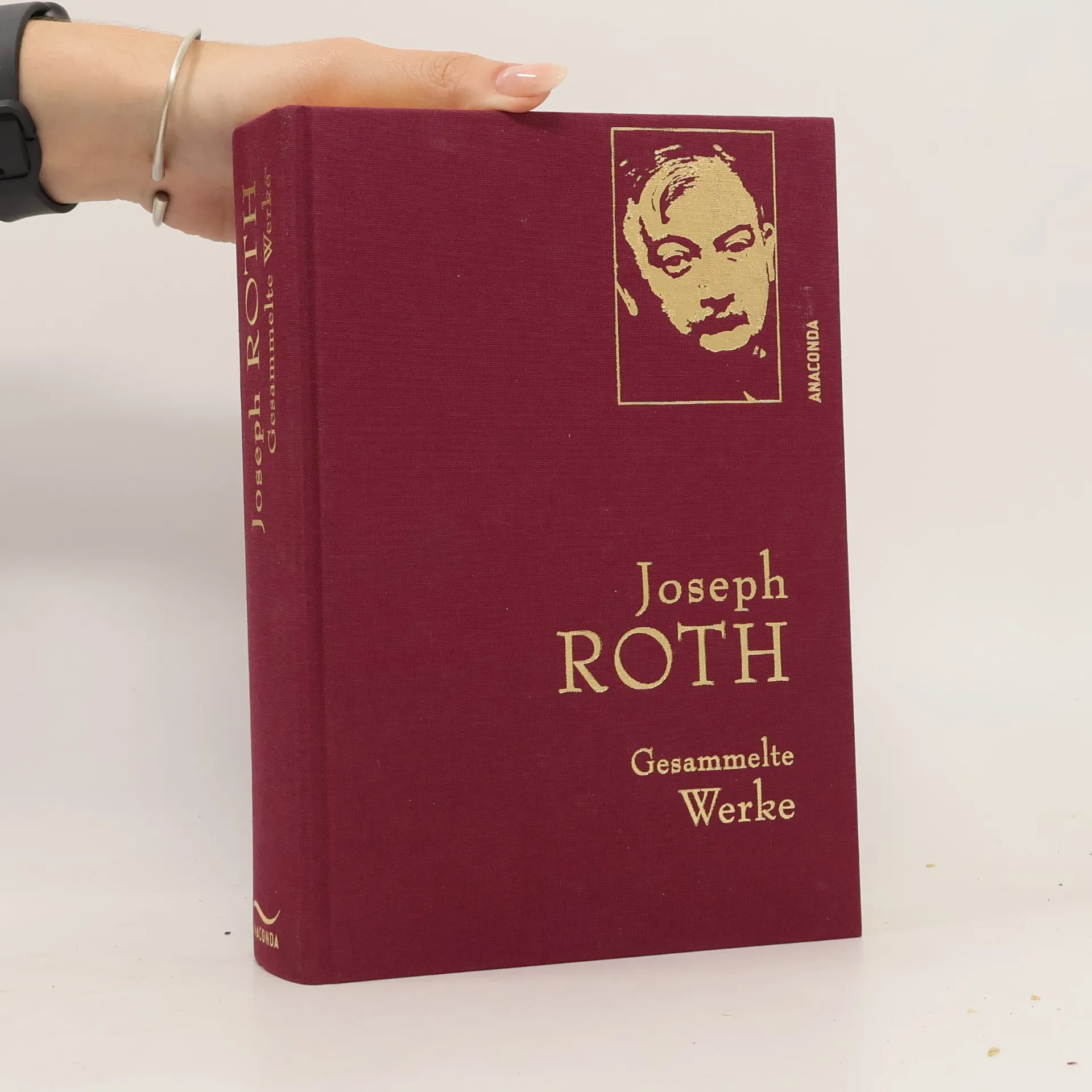
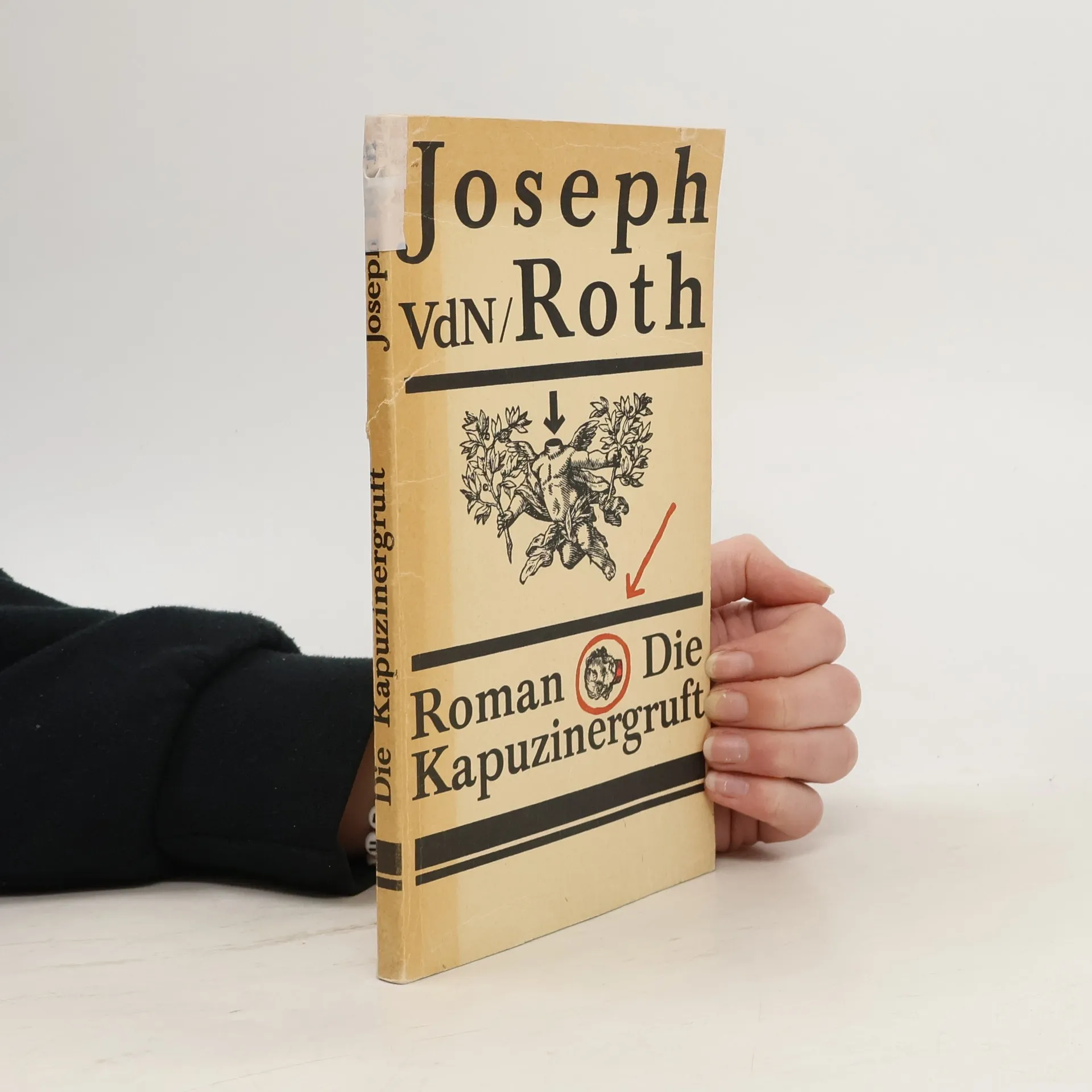
Joseph Roth war ein so scharfsinniger wie mitfühlender Porträtist seiner Zeit. Als er 1939 mit nur 44 Jahren starb, hatte er mit seinem Erzählwerk ein wortgewaltiges Panorama der wechselvollen Geschichte Österreichs geschaffen, bevölkert mit Mächtigen und Gescheiterten, mit wundervollen Figuren voller Liebe, Stolz und Verzweiflung. Dieser Band umfasst drei seiner besten Romane, 'Hiob', 'Hotel Savoy' und 'Die Kapuzinergruft', sowie die gesammelten Erzählungen, darunter 'Stationschef Fallmerayer' und 'Die Legende vom heiligen Trinker'.
Kaum jemand wäre besser geeignet, über das Leben im Hotel zu schreiben, als Joseph Roth. Der neben Stefan Zweig wohl bekannteste österreichische Autor der ersten Hälfte des 20. Jahrhunderts war ein besonderes schriftstellerisches Talent, dem die Ideen scheinbar mühelos aus der Feder flossen; sein umfangreiches Werk zeugt davon. Denn Joseph Roth war – auch getrieben von ständiger Geldnot, die sich spätestens seit seinem erzwungenen Gang ins französische Exil nach Paris noch verschärfte – ein Vielschreiber. Neben Romanen entstanden über die Jahre mehrere tausend Seiten an Glossen, Reportagen und Feuilletons für verschiedene Zeitungen, pointiert-nüchterne Beobachtungen zu allen möglichen Themen, immer mit einem wohlwollend-ironischen Blick auf seine Umgebung. So entstanden die in diesem Band versammelten Hotel-Geschichten auch als Artikelserie für die Frankfurter Zeitung, wo die Texte in kurzer Abfolge Anfang 1929 erschienen sind. »Ich bin ein Hotelbürger, ein Hotelpatriot«, schreibt Roth, und nichts scheint seinem Blick zu entgehen. Roth weiß, worüber er schreibt, denn er war nicht nur ein großer Reisender, sondern auch ständiger Hotelgast.
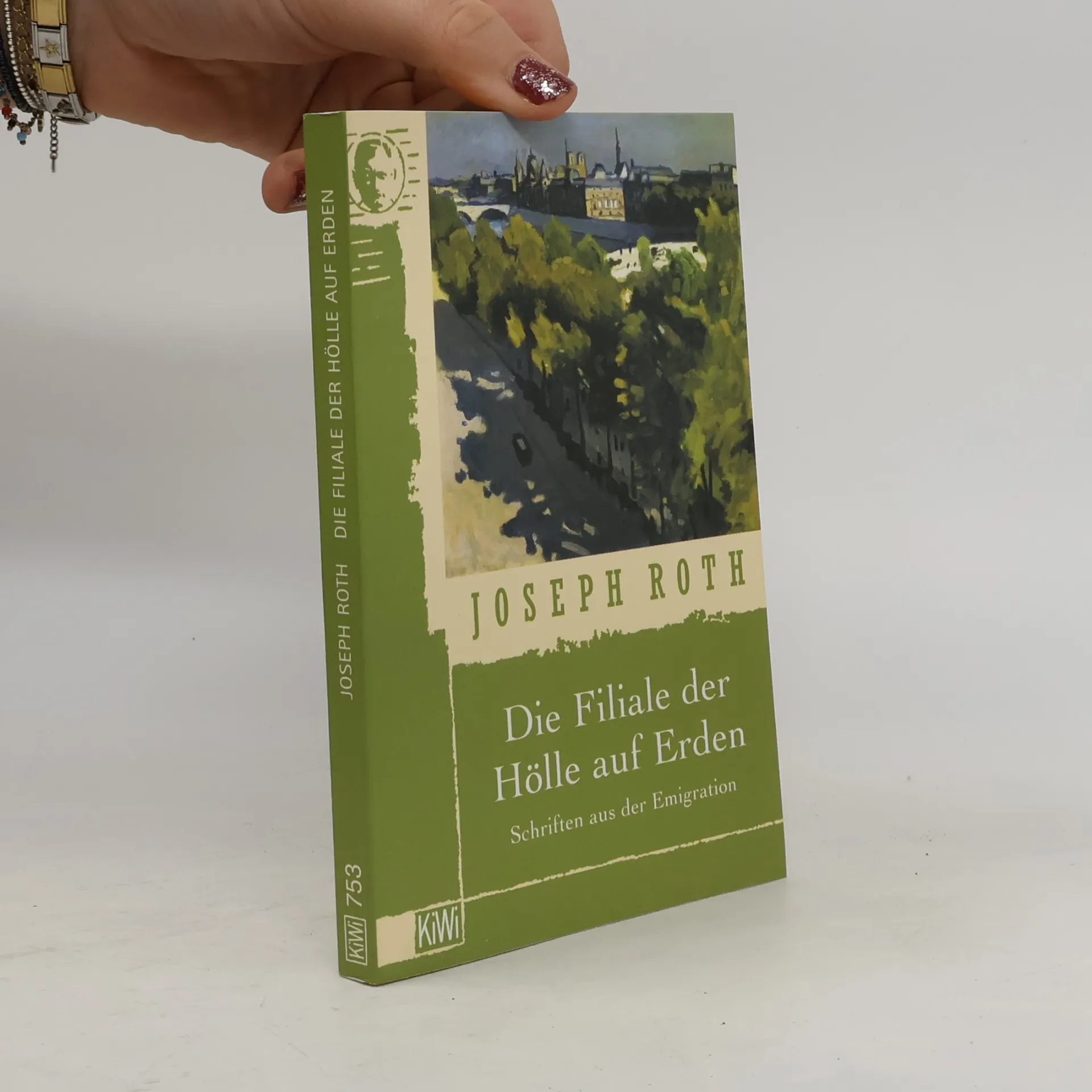
»Es ist Zeit wegzugehen.« Roths politische Schriften aus der Emigration erstmals in einem Band Bereits 1932 soll Joseph Roth in einem seiner Berliner Stammlokale gesagt haben: »Es ist Zeit wegzugehen. Sie werden unsere Bücher verbrennen und uns damit meinen. Wenn einer jetzt Wassermann heißt, oder Döblin oder Roth, darf er nicht länger abwarten. Wir müssen fort, damit es nur die Bücher sind, die in Brand gesteckt werden.«Ein halbes Jahr später emigriert Joseph Roth nach Paris. In den folgenden sechs Jahren bis zu seinem Tod im Jahr 1939 entsteht mehr als die Hälfte seines literarischen Werkes. Neben einigen seiner wichtigsten Romane wie Beichte eines Mörders, Die Kapuzinergruft und seinem letzten Werk Die Legende vom heiligen Trinker schreibt Joseph Roth in diesen Jahren zahlreiche Aufsätze und Feuilletons, in denen er unermüdlich die Diktatur der Nationalsozialisten anprangert. Er veröffentlicht diese Texte in verschiedenen Zeitungen und Zeitschriften, ab 1934 unter anderem regelmäßig im _Pariser Tageblat_t. Mit dem vorliegenden Band werden Joseph Roths politische Schriften aus der Emigration zum ersten Mal gesammelt herausgegeben.
Im Bistro nach Mitternacht
Joseph Roth in Frankreich
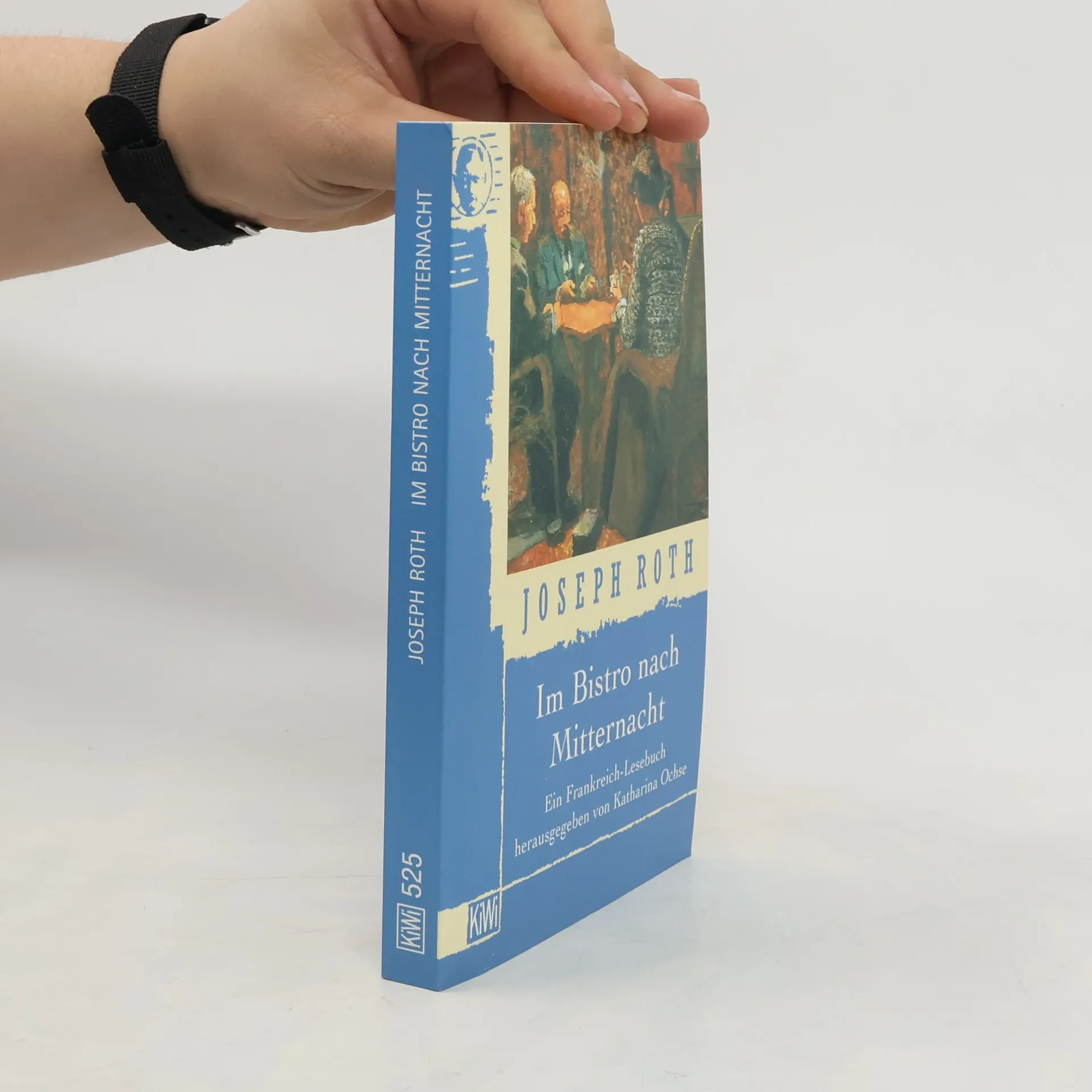
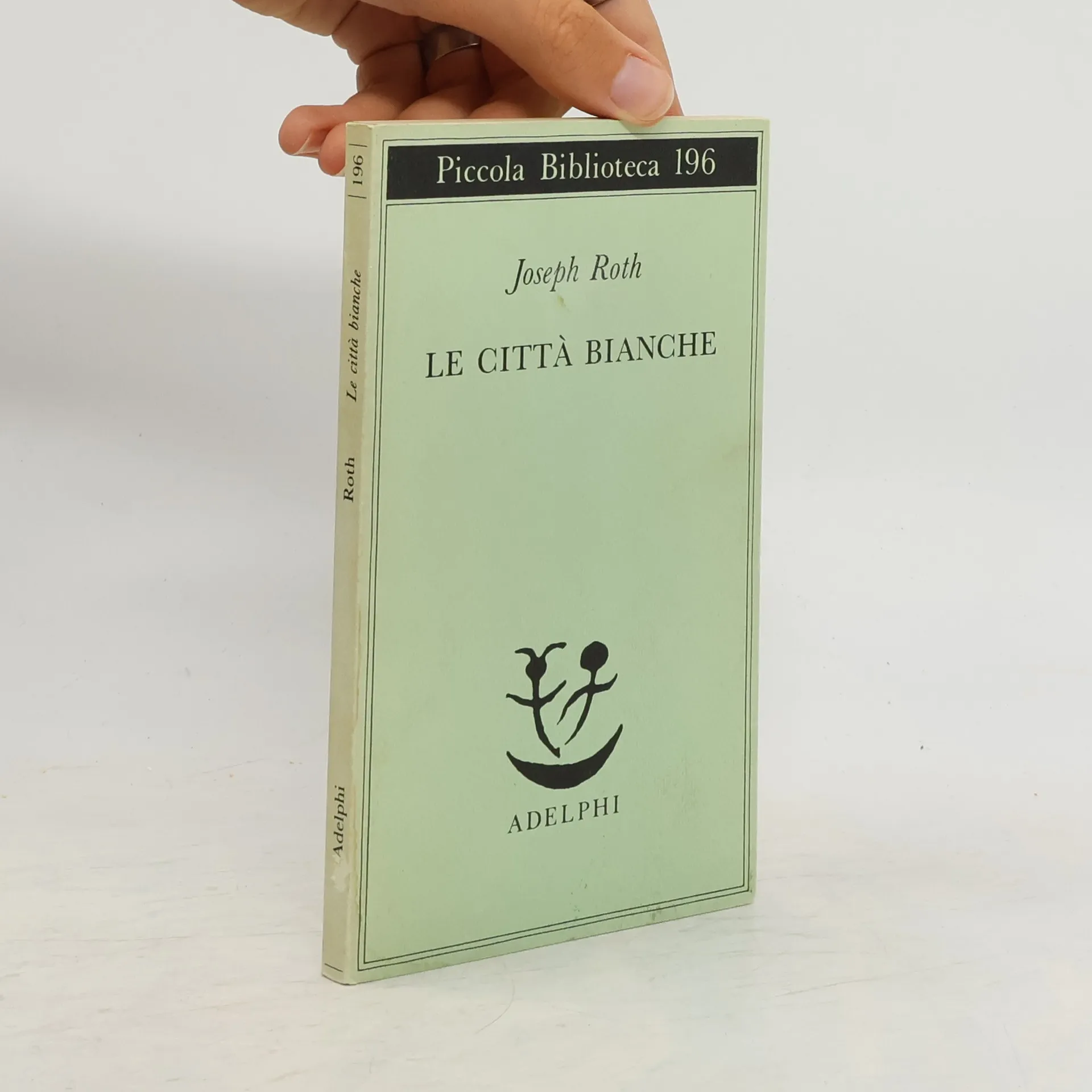
„Ich bin berauscht von Paris... Hier gibt es pausenlos Bewegung und Leben“ Im Mai 1925 reiste Joseph Roth das erste Mal nach Paris, um dort als Korrespondent für die Frankfurter Zeitung zu leben und zu arbeiten. Dieser erste Aufenthalt legte den Grundstein für seine wachsende Frankreichliebe: Die Hauptstadt an der Seine und das Land, das er bereiste und in zahlreichen Reportagen, Essays und Feuilletons beschrieb, übten eine unwiderstehliche Anziehungskraft auf ihn aus. Ob in den Reisereportagen _ Die weißen Städte_ oder Im mittäglichen Frankreich, ob in Einzelberichten oder in Briefen – die ungeheure Beobachtungsgabe und die brillante sprachliche Umsetzung laden ein, Frankreich mit den Augen Roths neu zu entdecken. Katharina Ochse legt mit diesem Band erstmals eine Sammlung der Texte Joseph Roths über Frankreich vor, die den großen Schriftsteller und Journalisten in seiner ganzen Meisterschaft zeigen und dem Leser das Land nahebringen, dem Roths ganze Liebe galt. Sonderedition zum 60. Todestag von Joseph Roth am 27.05.1999
Bisher unveröffentlichte Reportagen und journalistische Arbeiten aus den JAhren 1919 - 1939
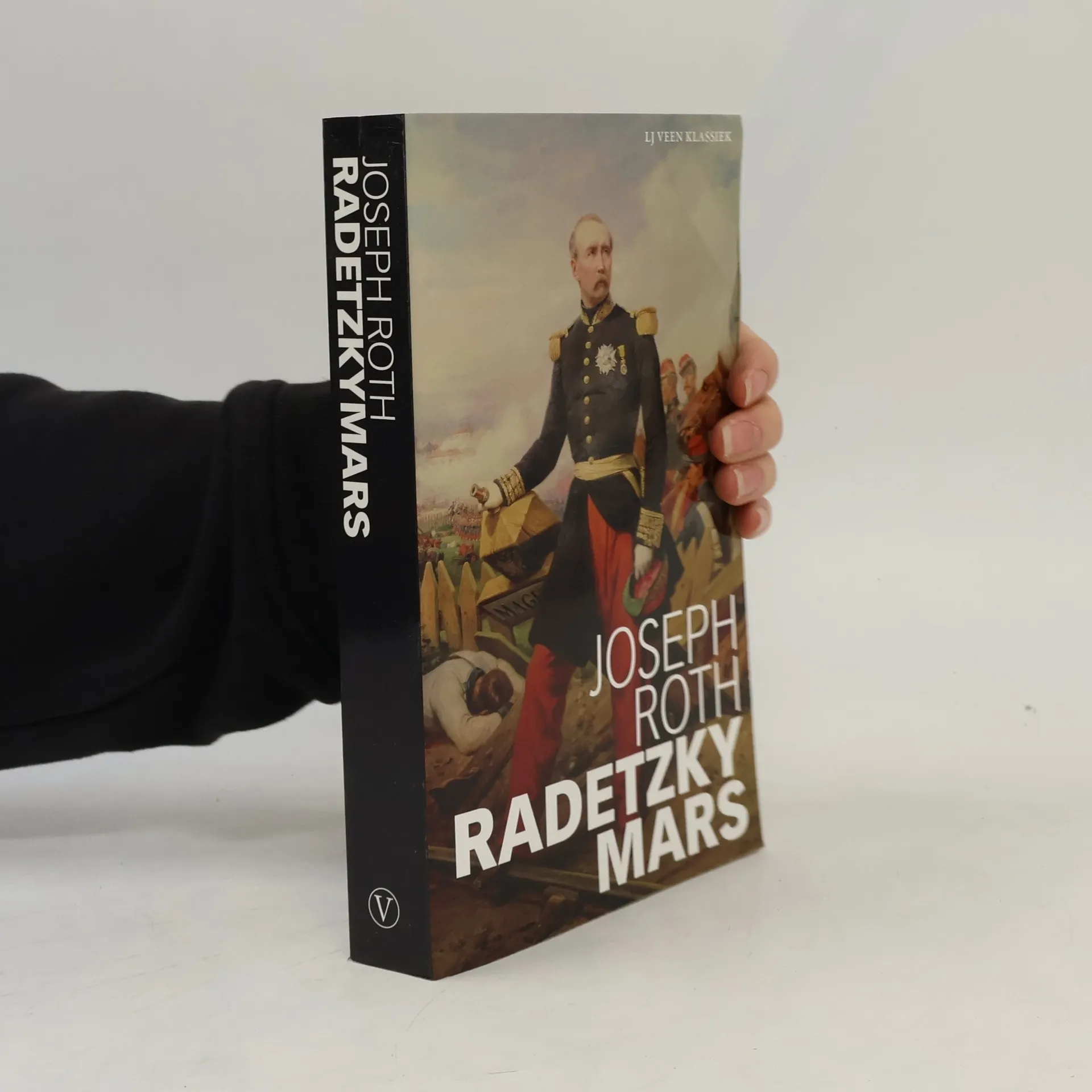
LJ Veen Klassiek: Radetzkymars
- 384 pages
- 14 hours of reading
Radetzkymars is de geschiedenis van het verval van de Habsburgse monarchie, gezien door de ogen van de hoofdpersoon, luitenant Von Trotta. Het verhaal begint in 1859 met diens grootvader, die door een toeval het leven van de jonge keizer Franz Joseph redt, en het eindigt met de dood van de keizer in 1916. De Eerste Wereldoorlog is dan gaande en de oude wereldorde van de adellijke familie Von Trotta, steunpilaar van keizer en staat, is definitief verdwenen. Terwijl luitenant Von Trotta zijn wereld langzaam ziet vergaan, zoekt hij zijn heil in gokken, alcohol en vrouwen. Radetzkymars is een ongeëvenaard portret van een beschaving in verval.
Die Sammlung präsentiert eine Reihe von Kurzgeschichten, die das Leben und die Schicksale von Menschen in der Zwischenkriegszeit beleuchten. Joseph Roth erforscht Themen wie Einsamkeit, Sehnsucht und das Streben nach Erlösung, oft vor dem Hintergrund einer sich wandelnden Gesellschaft. Die Erzählungen sind geprägt von Roths einfühlsamer Prosa und seinem feinen Gespür für die menschliche Psyche, wodurch sie sowohl berührend als auch nachdenklich stimmen.
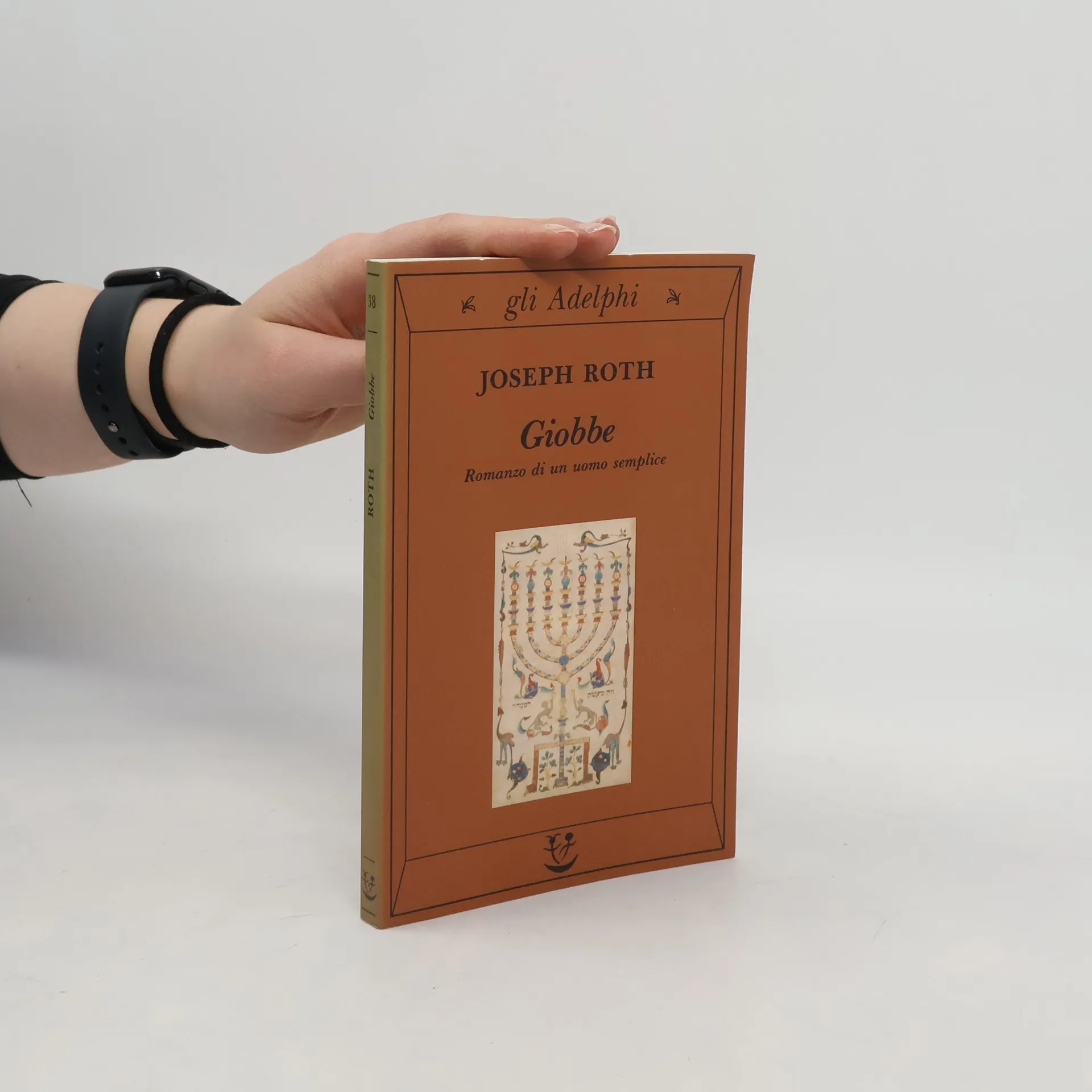
Il protagonista è Mendel Singer ed è un «uomo semplice» che insegna la Bibbia ai bambini di una cittadina della Volinia russa. La sua vita scorre quietamente fino alla nascita del quarto figlio, Menuchim, che è minorato. Da allora in poi molti mali cominciano a sfrecciare nella sua vita. Tanto che Mendel dovrà abbandonare la sua terra per andare a New York mentre la moglie e i figli saranno uno dopo l'altro toccati dalla guerra, dalla morte, dalla pazzia.
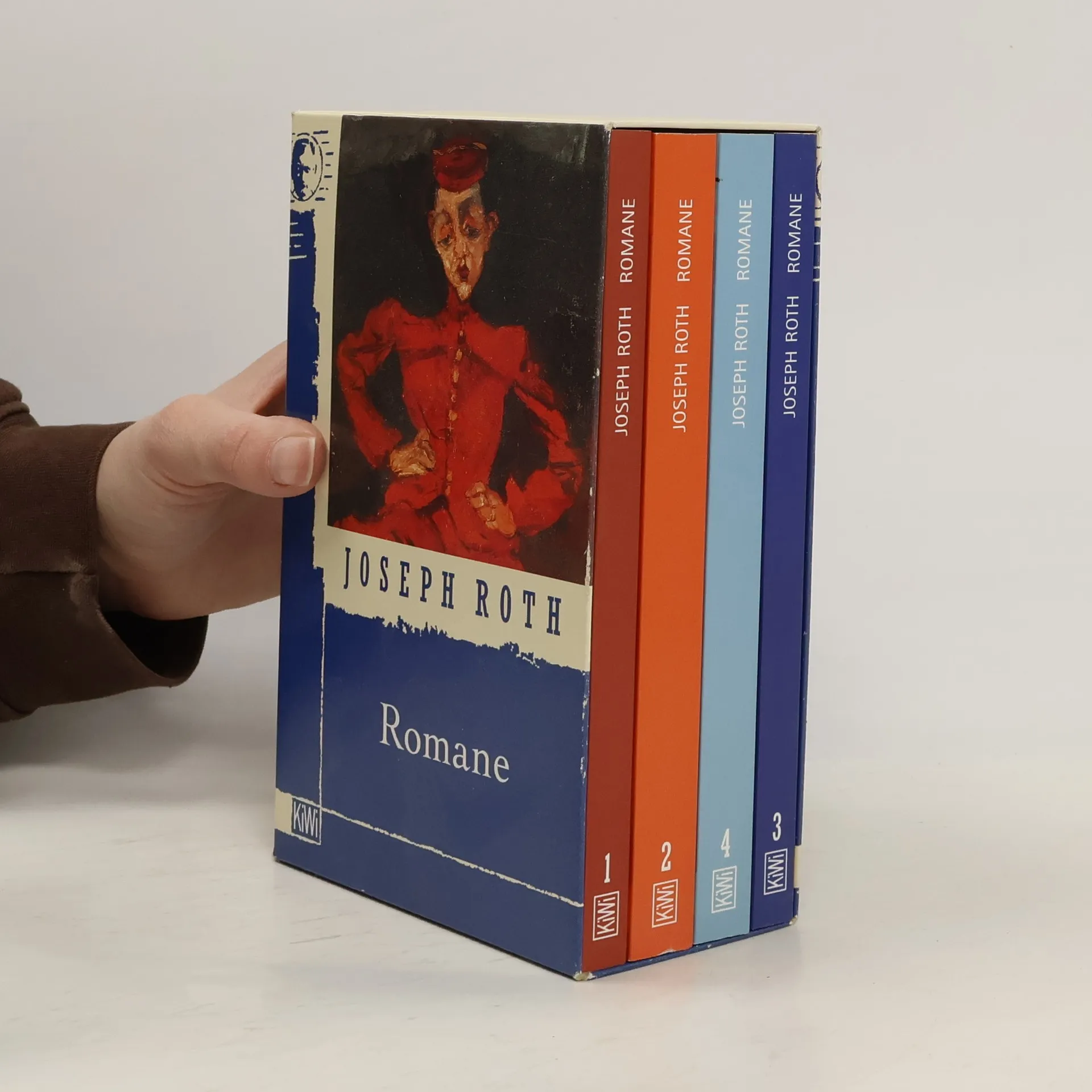
Der gesamte Joseph Roth – neu gestaltet als KiWi-Paperback! »Joseph Roth – einer der besten deutschen Erzähler. Andere hatten im Leben größeren Ruhm. Sein Ruhm wird länger dauern.« Hermann Kesten»Jede Seite, jede Zeile ist wie die Strophe eines Gedichts, gehämmert mit dem genauesten Bewusstsein für Rhythmus und Melodik.« Stefan Zweig
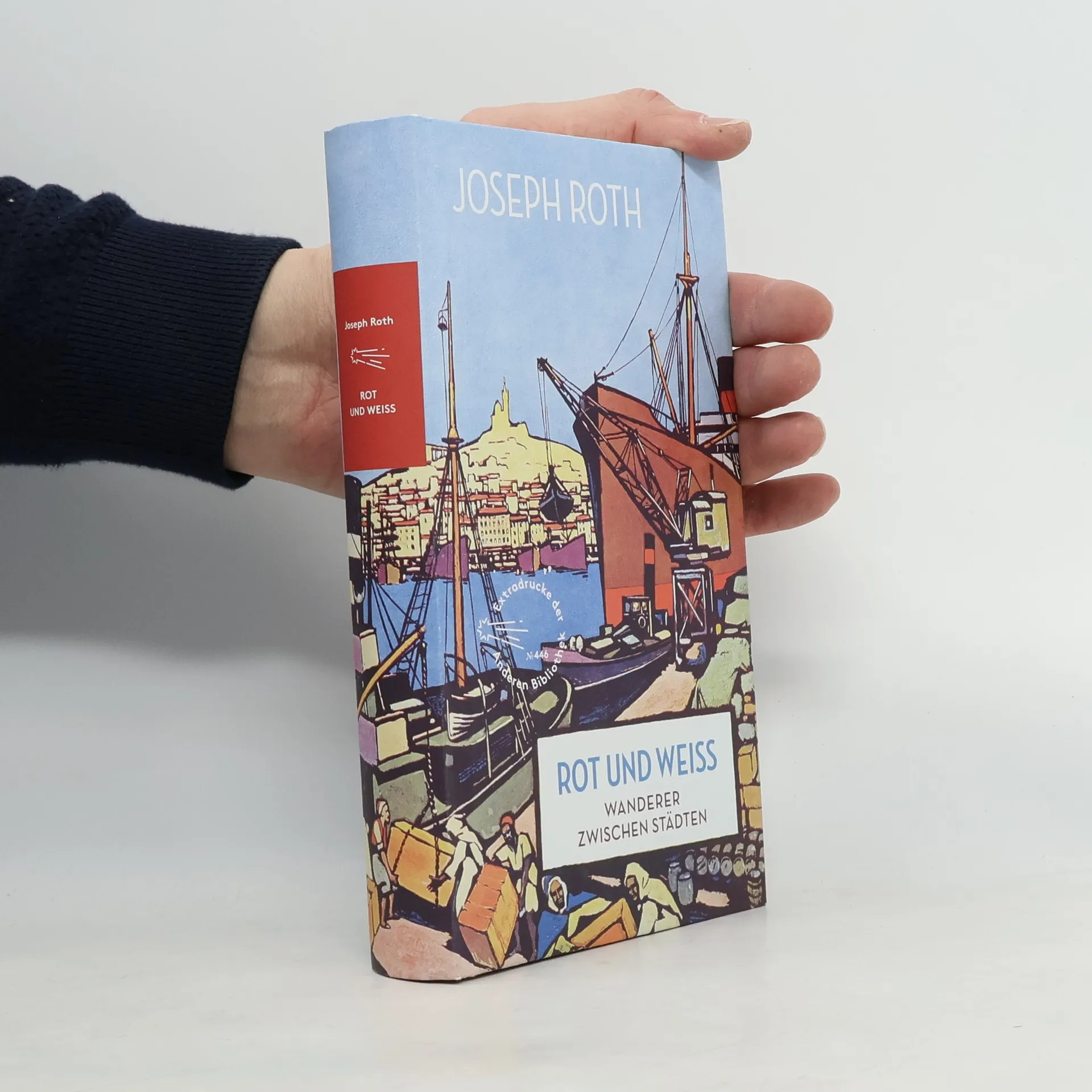
Rot und Weiß
Wanderer zwischen Städten
Wir folgen Joseph Roth auf seinen Wanderungen zwischen Ost und West, von habsburgischem Galizien bis zur weißen Glut Südfrankreichs. Mit dreißig Jahren begibt sich Roth auf eine Reise durch den französischen Midi, von Lyon über Vienne, Les Baux, Nîmes, Avignon und Arles nach Marseille. Ausgestattet mit einem Reportageauftrag der »Frankfurter Zeitung« erfüllt er sich den Traum seiner Kindheit aus dem galizischen Schtetl Brody. Was er als Reisebuch unter dem Titel Die weißen Städte verfasst, bleibt ungedruckt und existiert nur als Typoskript. Dieses Schlüsselwerk wird nun erstmals vollständig veröffentlicht, basierend auf Roths letzter Hand. Roth reflektiert auf seiner Reise durch Südfrankreich eine Traumreise in ost-westlicher Richtung. Zuvor hatte er 1927 seinen Großessay über das Ostjudentum, Juden auf Wanderschaft, veröffentlicht, in dem er von galizischen Städten und Ostjuden in westeuropäischen Ghettos berichtet. In der Verbindung zwischen den Weißen Städten und den Wanderschaften der Juden finden wir die zentrale Stelle von Roths Werk, zwischen persönlichem Essay und literarischem Schreiben. Volker Breidecker führt durch beide Texte und bereichert sie mit Lektüren von Briefen, unveröffentlichten Texten und einem biographischen Essay, der uns den Joseph Roth der 1920er-Jahre näherbringt.
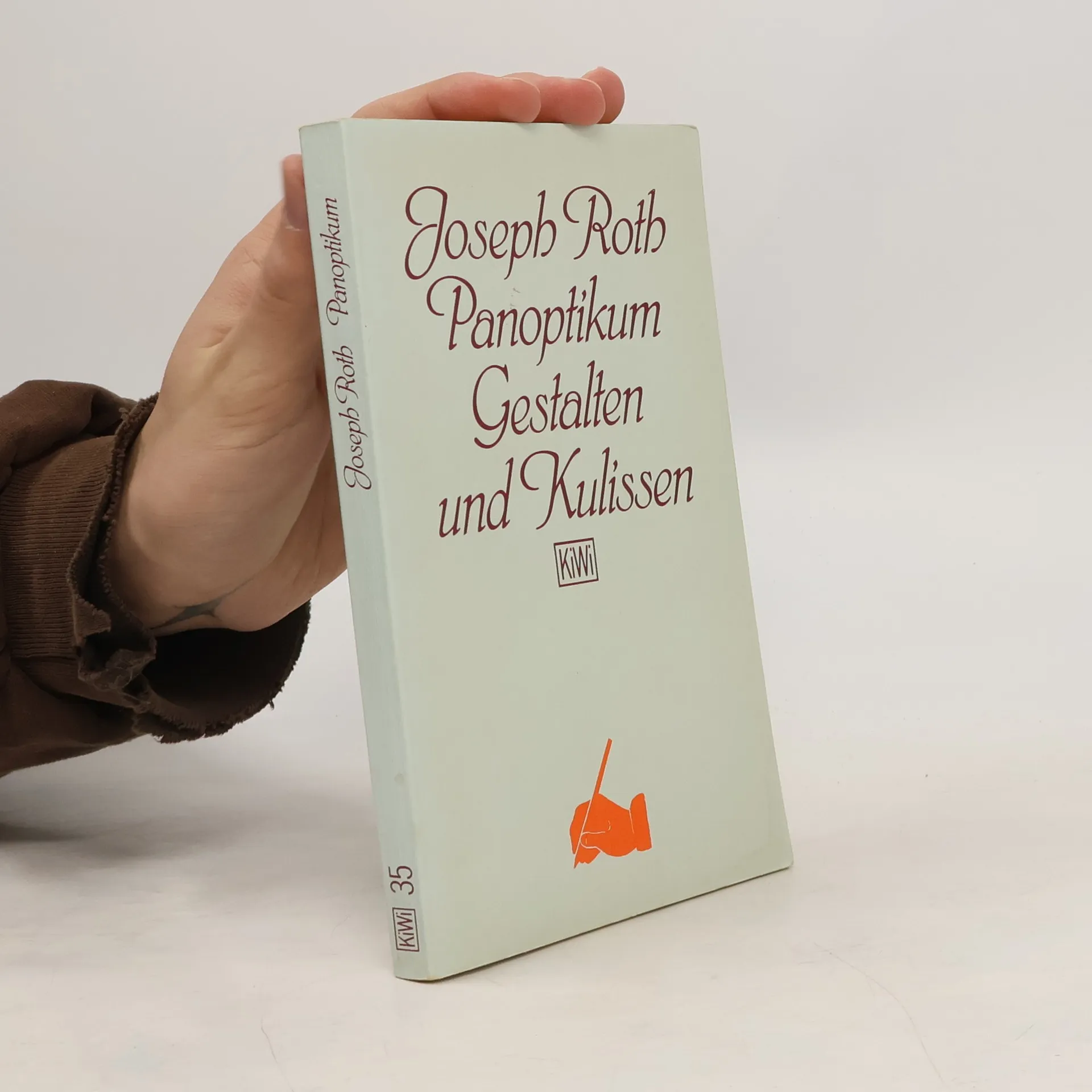
Panoptikum
Gestalten und Kulissen
Joseph Panoptikum. Gestalten und Kulissen Erstdruck als München, Knorr und Hirth, 1930. Die Texte wurden größtenteils in der Frankfurter Zeitung in den 1920er Jahren vorabgedruckt. Inhaltsverzeichnis Panoptikum Panoptikum am Sonntag Gedicht von Wandkalendern Man munkelt bei Schwannecke Trübsal einer Straßenbahn im Ruhrgebiet Der Rauch verbindet Städte Der Polizeireporter Heinrich G Fräulein Larissa, der Modereporter Der Nachtredakteur Gustav K. Der Kongreß Sentimentale Reportage Ankunft im Hotel Der Portier Der alte Kellner Der Koch in der Küche Der Patron Madame Annette Abschied vom Hotel Einzug in Albanien Artikel über Albanien Die russische Grenze Briefe aus Deutschland Brief aus Polen Weihnachten in Cochinchina Bemerkungen zum Tonfilm Seine k. und k. apostolische Majestät Bei der Betrachtung von Schlachtenbildern Auf das Antlitz eines alten Dichters Neuausgabe. Herausgegeben von Karl-Maria Guth. Berlin 2017. Umschlaggestaltung von Thomas Schultz-Overhage unter Verwendung des Ernst Ludwig Kirchner, Straßenbahn, um 1920. Gesetzt aus der Minion Pro, 11 pt.
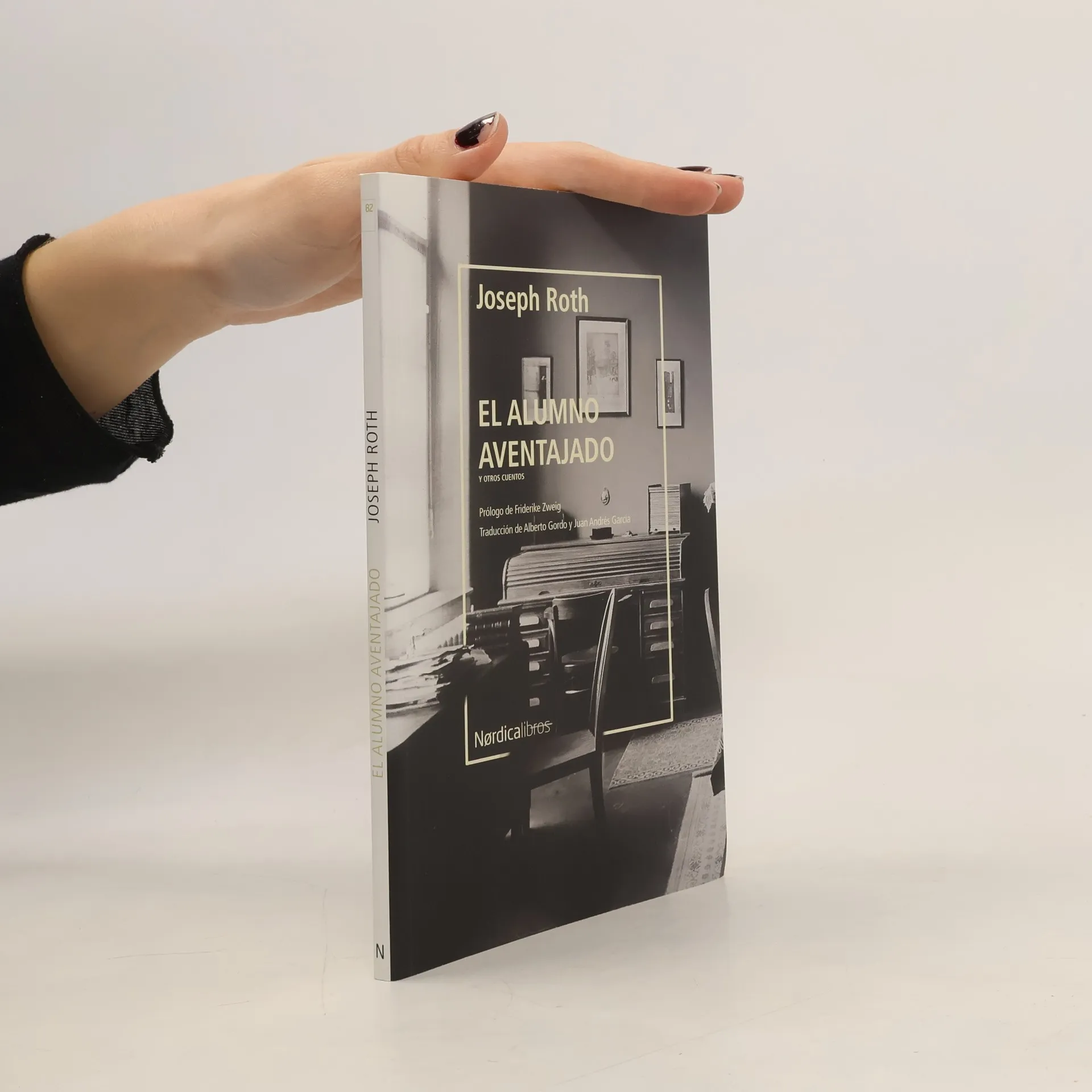
El alumno aventajado
- 128 pages
- 5 hours of reading
«Bajo la influencia del alcohol era un hombre alegre y optimista, capaz de culminar las tareas más brillantes y precisas, y así llenaba una página tras otra con su hermosa y firme letra. Trabajaba casi siempre en las terrazas de los cafés, y nunca se impacientaba cuando alguno de sus amigos, que eran muchos y de las más variadas naciones, razas y capas sociales, se dejaba caer por allí para interrumpirlo. Había vivido varios años en Berlín, pero, cuando Hitler asumió el mando de la cancillería alemana, Roth abandonó definitivamente la ciudad para entregarse a una vida de cafés parisinos que emulaba la de Verlaine».Así presenta Friederike Zweig a su amigo Joseph Roth en el texto que prologa esta edición, compuesta por tres joyas del escritor nacido en el Imperio austrohúngaro: «El alumno aventajado», «Barbara», y una de sus obras más conocidas y leídas, «La leyenda del santo bebedor». Un escritor esencial al que siempre es un placer regresar.
Das Leben ist ein Wartesaal
Über die Kunst, sich Neuem zu stellen
Von Brody nach Lemberg und Wien, von dort weiter nach Berlin und schließlich nach Paris: Joseph Roth war zeitlebens unterwegs, auf der Suche nach Arbeit und Anregungen, auf der Flucht vor den Nazis. Und das im Wissen, nie wirklich ankommen zu können bei sich und in der Welt. „Ich wäre unwürdig des großen Glücks, ein Fremder zu sein, wenn ich noch länger bliebe“, schreibt er im „Abschied vom Hotel“, einem seiner berühmten Feuilletons. „Ich will hier heimisch sein, aber nicht zu Hause.“ Susanne Schaber beobachtet Joseph Roth in den Wartesälen und Vorzimmern des Lebens: ein Brevier übers Aufbrechen und Unterwegssein und über die Kunst, sich dem Unbekannten zu stellen.
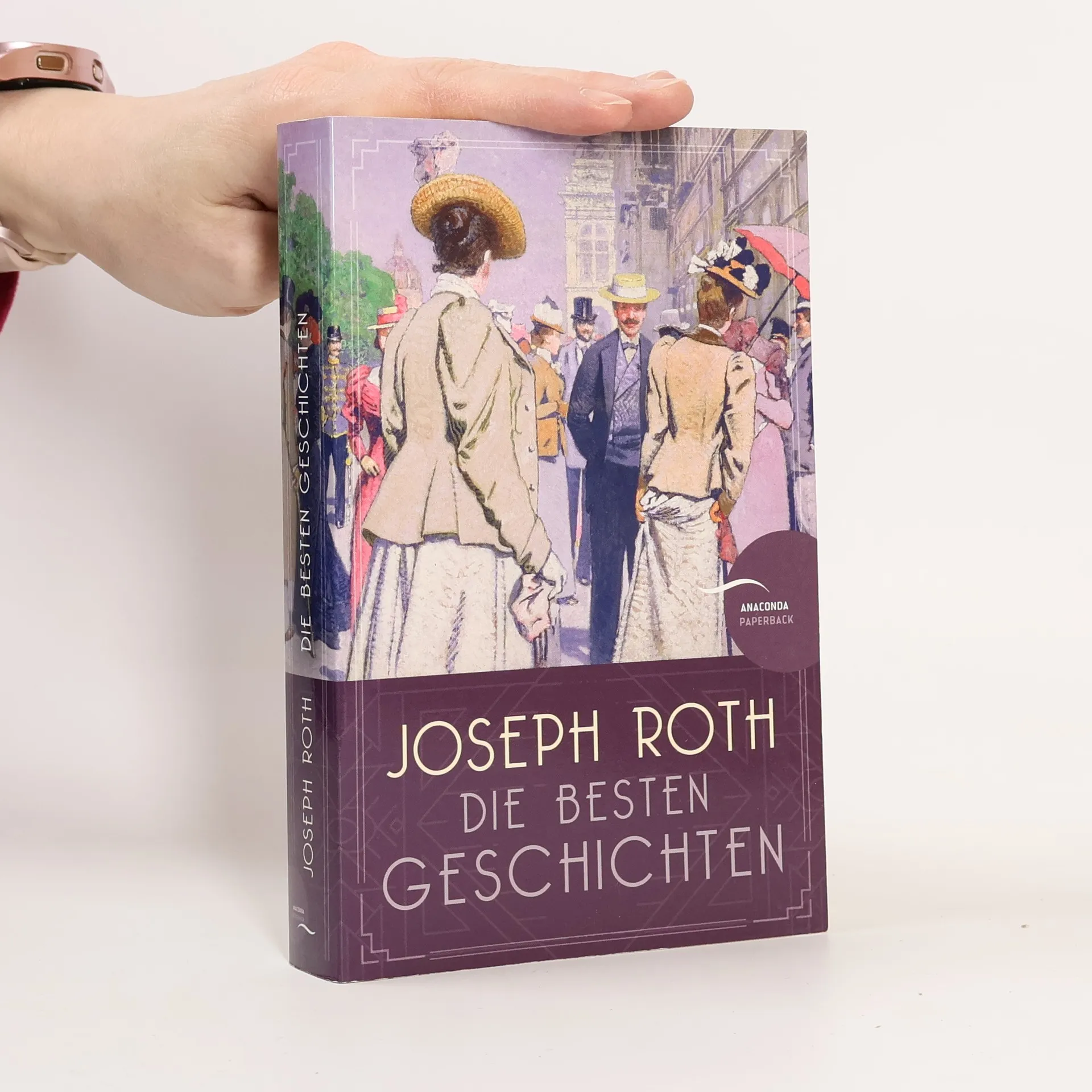
Die besten Geschichten
- 320 pages
- 12 hours of reading
Voller Melancholie und Güte blickte Joseph Roth auf eine Welt, die dem ruhelosen jüdischen Erzähler oft genug übel mitgespielt hat. Neben großen Romanen schrieb er zahlreiche Novellen und Geschichten. Sie sind bevölkert von erstaunlichen Typen und entfalten berührende Schicksale vor dem Hintergrund der im Niedergang begriffenen Habsburger-Monarchie. Dieser Band versammelt seine besten Geschichten, unter ihnen »Der blinde Spiegel«, »Stationschef Fallmerayer«, »Die Legende vom heiligen Trinker« und »Der Leviathan«.
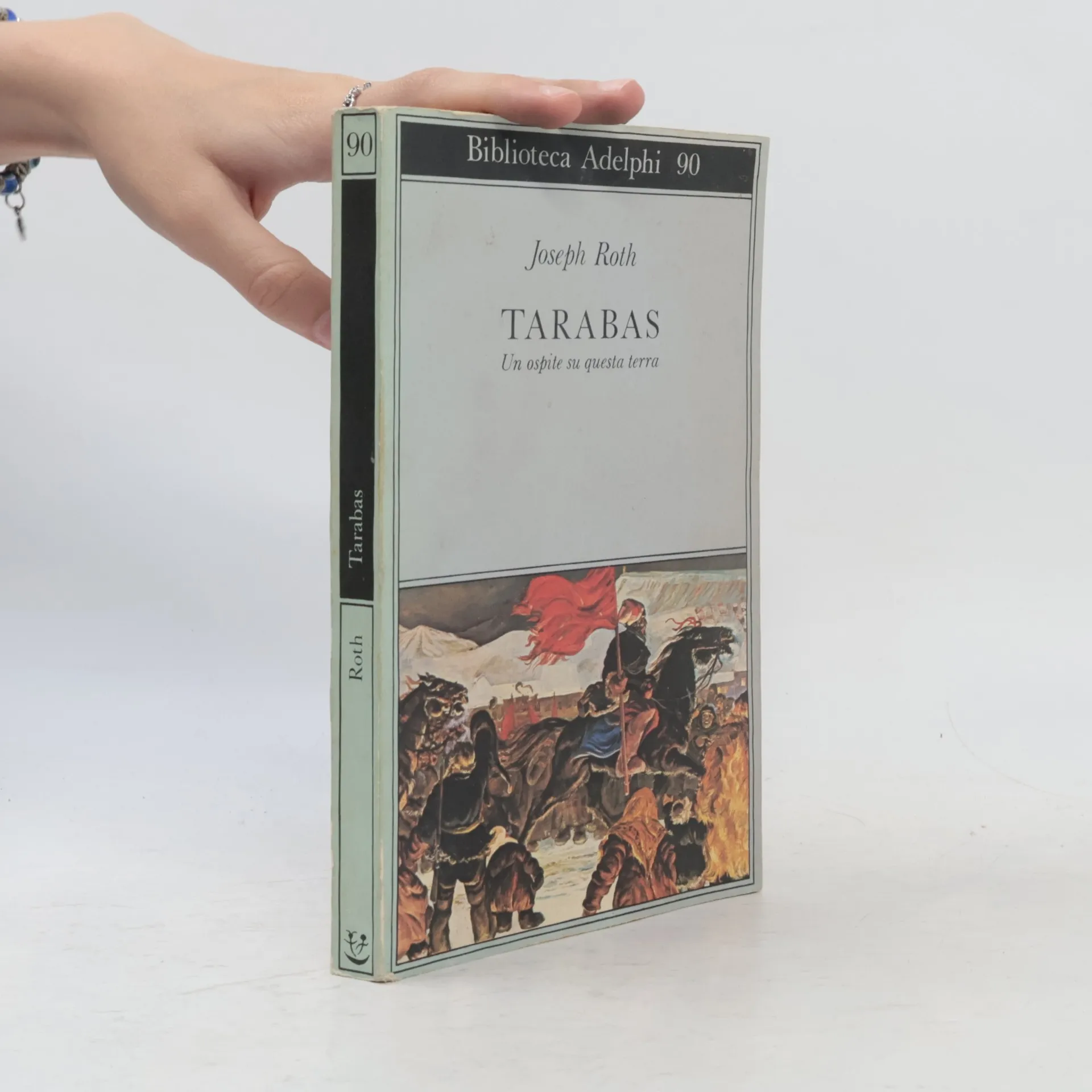
Le città bianche menzionate nel titolo sono le francesi Lione, Vienne, Tournon, Avignone, Les Baux, Nîmes, Arles, Tarascona, Beaucaire e Marsiglia. In qualità di rinomato corrispondente, Roth aveva abbandonato nel 1925 la repubblica di Weimar per trasferirsi a Parigi. Le cronache contenute in questo libro rappresentano un sogno coltivato nel corso di diverse decadi. Quando Roth le visitò, poté finalmente contemplare con i propri occhi delle città sognate nella sua infanzia. A questo affetto personale si aggiungono una grande capacità di osservazione, una saggia documentazione e una scrittura abile che riesce a catturare la bellezza di queste popolazioni, le loro peculiarità e a ricoprirle con un velo di malinconia, scaturito dalle cicatrici lasciate dalla Grande Guerra, che si combina con una certa visione ottimista e utopica del futuro dell'Europa.
Joseph Roth wurde 1894 in Brody als Sohn jüdischer Eltern geboren. Sein halbes Leben verbrachte er in Hotels, ohne festen Wohnsitz. Roth starb 1939 im Exil in Paris. Das gesamte Werk von Joseph Roth ist lieferbar bei Kiepenheuer & Witsch. Helmut Peschina, geboren 1943 in Klosterneuburg, studierte Latein, Germanistik und Theaterwissenschaft und an der Filmhochschule in Wien. Seit 1975 freischaffender Schriftsteller, verfasst hauptsächlich Fernsehspiele, Theaterstücke, Hörspiele und Bearbeitungen für Funk und Fernsehen, so z. B. 1994 „Hotel Savoy“ und 1999 „Hiob“ von Joseph Roth, erschienen im HörVerlag.
Die Geschichte folgt dem alten Zipper, der seine Söhne Arnold und Cäsar zu Genies erziehen möchte, jedoch scheitert. Während Cäsar im Krieg schwer verletzt wird und stirbt, entwickelt sich Arnold, der kein Genie ist, zu einem bescheidenen Sologeiger und später zu einem Filmredakteur. Seine unglückliche Ehe mit der Schauspielerin Erna, die in Berlin zum Filmstar aufsteigt, führt zu Spannungen und Entfremdung. Arnold unterstützt sie trotz ihrer Untreue, während er selbst als Musikclown im Varieté endet, was das tragische Schicksal der Familie Zipper widerspiegelt.
Reclam Universal-Bibliothek Nr.18685 Der Leviathan, der sagenumwobene, letztlich aus der heidnischen Mythologie stammende gewaltige Fisch des Alten Testaments, hat von Gott auch die Aufsicht über die Korallen bekommen. Roths gleichnamige Novelle dreht sich um das Leben des kleinen Korallenhändlers Nissen Piczenik, der am Ende nach Verlust seines Geschäftes sich immer weiter aus seiner kleinen dörflichen Heimat und seinem Glauben löst und schließlich im Meer zu Tode kommt. Der Text dieser Neuausgabe folgt zum ersten Mal dem Erstdruck der Pariser Tageszeitung von 1938. Ein Nachwort und ein vollständig neuer Kommentar geben Verständnishilfen.
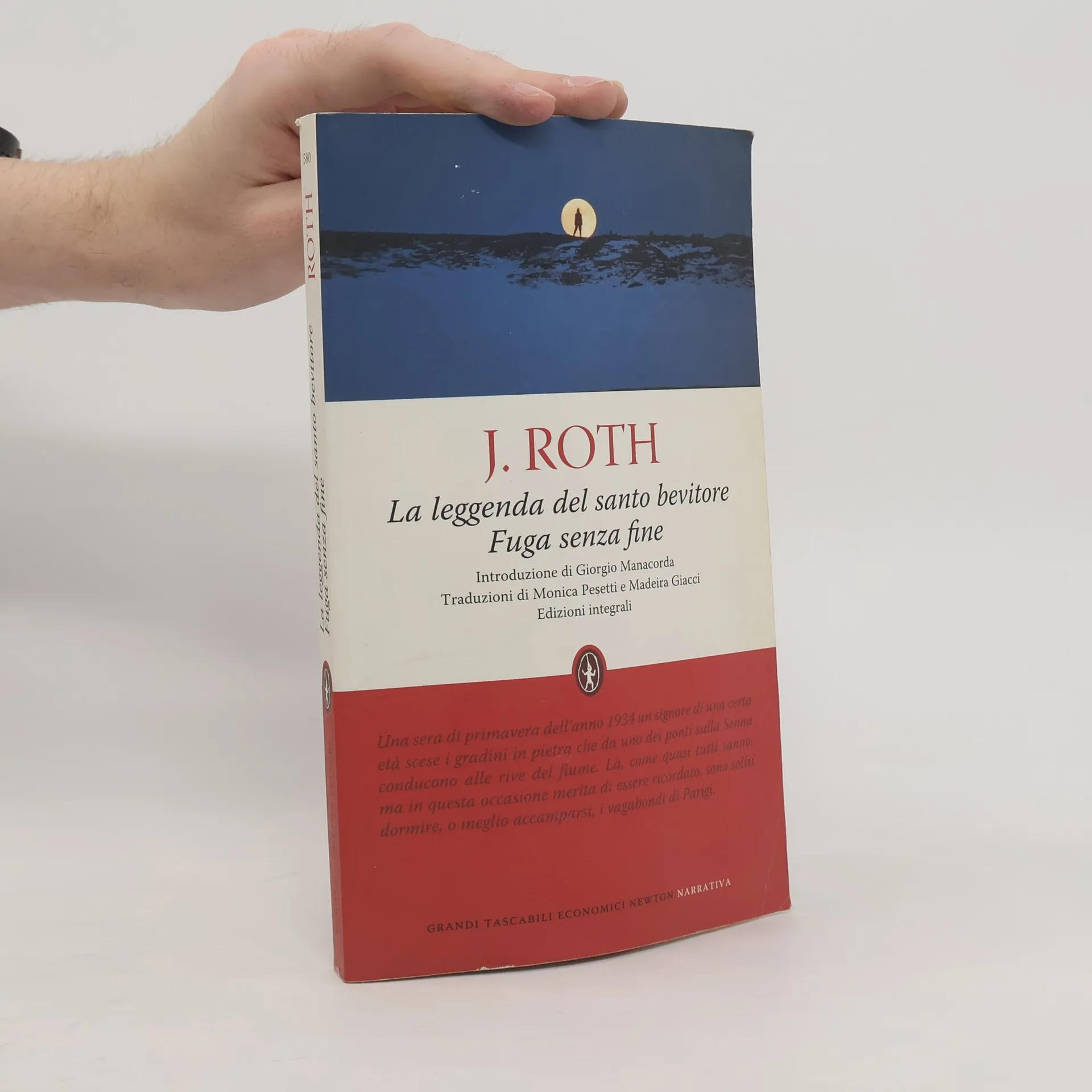
Grandi tascabili economici Newton narrativa: La leggenda del santo bevitore / Fuga senza fine
- 141 pages
- 5 hours of reading
This book, one of the most haunting things that Roth ever composed, was published in 1939, the year the author died. Like Andreas, the hero of the story, Roth drank himself to death in Paris, but this is not an autobiographical confession. It is a secular miracle-tale, in which the vagrant Andreas, after living under bridges, has a series of lucky breaks that lift him briefly onto a different plane of existence. The novella is extraordinarily compressed, dry-eyed and witty, despite its melancholic subject-matter.
Sulle sue spedizioni a Kiev, Mosca e Odessa, a Leopoli, Baku o Astrachan, lo scrittore e giornalista Joseph Roth, nato in Galizia, si immerge nel variegato cosmo dell'Europa orientale. I suoi reportage e saggi degli anni '20 sono testimonianze toccanti di grande attualità. L'attenzione di Roth è rivolta alle persone e alla loro realtà di vita nell'Unione Sovietica, caratterizzata da un insieme di lingue, culture e religioni. Che si tratti del trambusto quotidiano per le strade di Leningrado, al valico di frontiera di Niegoreloje o a bordo di un battello sul Volga, le descrizioni di Roth colpiscono sempre per le ricerche approfondite e il suo stile distintivo. Egli delinea immagini cariche di tensione delle realtà sociali tra i poli opposti di Stato e Chiesa, dittatura e libertà di stampa, povertà e ricchezza. In questo modo, mostra come, da esule, riesca a riconquistare un pezzo di patria viaggiando, scrivendo e sondando criticamente.
Geboren als Moses Joseph Roth (geb. 2. September 1894 in Brody, Ostgalizien, Österreich-Ungarn; gest. 27. Mai 1939 in Paris, österreichischer Schriftsteller und Journalist, prominenter Chronist seiner Zeit.
Die letzten Tage Napoleons in Frankreich und die Schlacht bei Waterloo sind geprägt von Desaster. Die Geschichte der korsischen Wäscherin Angelina Pietri wird erzählt, die für ihre Verehrung des Kaisers mit dem Leben bezahlt. Nach dem Tod ihres Sohnes Pascal wird Angelina von einer aufgebrachten Menge in Paris getötet, während Napoleon nach St. Helena flieht.
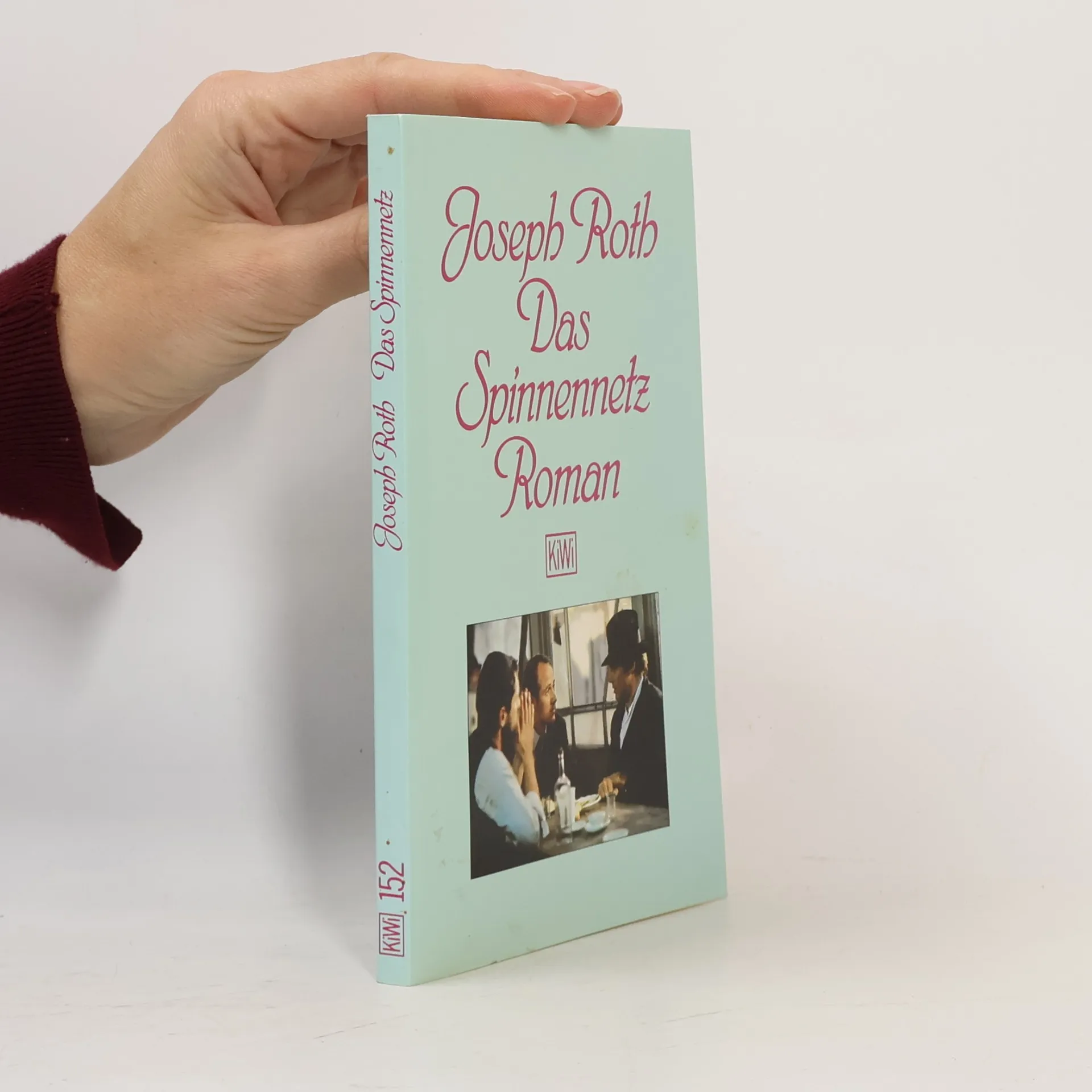
Das Spinnennetz
Roman
Joseph Roths Erstling Im Mittelpunkt steht Leutnant Lohse, ein enttäuschter Heimkehrer aus dem Ersten Weltkrieg. In Berlin gerät er in die Umtriebe rechtsradikaler Organisationen und Geheimbünde, in die politischen Kämpfe jener Jahre zwischen Nationalsozialisten und Kommunisten, Bürgertum und Proletariat. In verschiedenen Rollen arbeitet er für eine geheime Organisation, deren Zentrale in München ist und die Verbindungen unterhält zu Ludendorff und Hitler. Mit hellsichtigem Scharfblick erkennt Roth die faschistische Gefahr in der Gestalt eines Theodor Lohse, die exemplarisch ist für die enttäuschten, der sicheren Führung beraubten, im Grunde lebensuntüchtigen und feigen Mitläufer seiner Generation. Unverkennbar zeigt sich schon in diesem Roman die Handschrift Roths in der visionären Sicht seiner Darstellung, in der Leidenschaft seiner zeitkritischen Haltung als Skeptiker und Revolutionär, in seinem moralischen Rigorismus.(less)
Joseph Roth Romane 2
- 514 pages
- 18 hours of reading
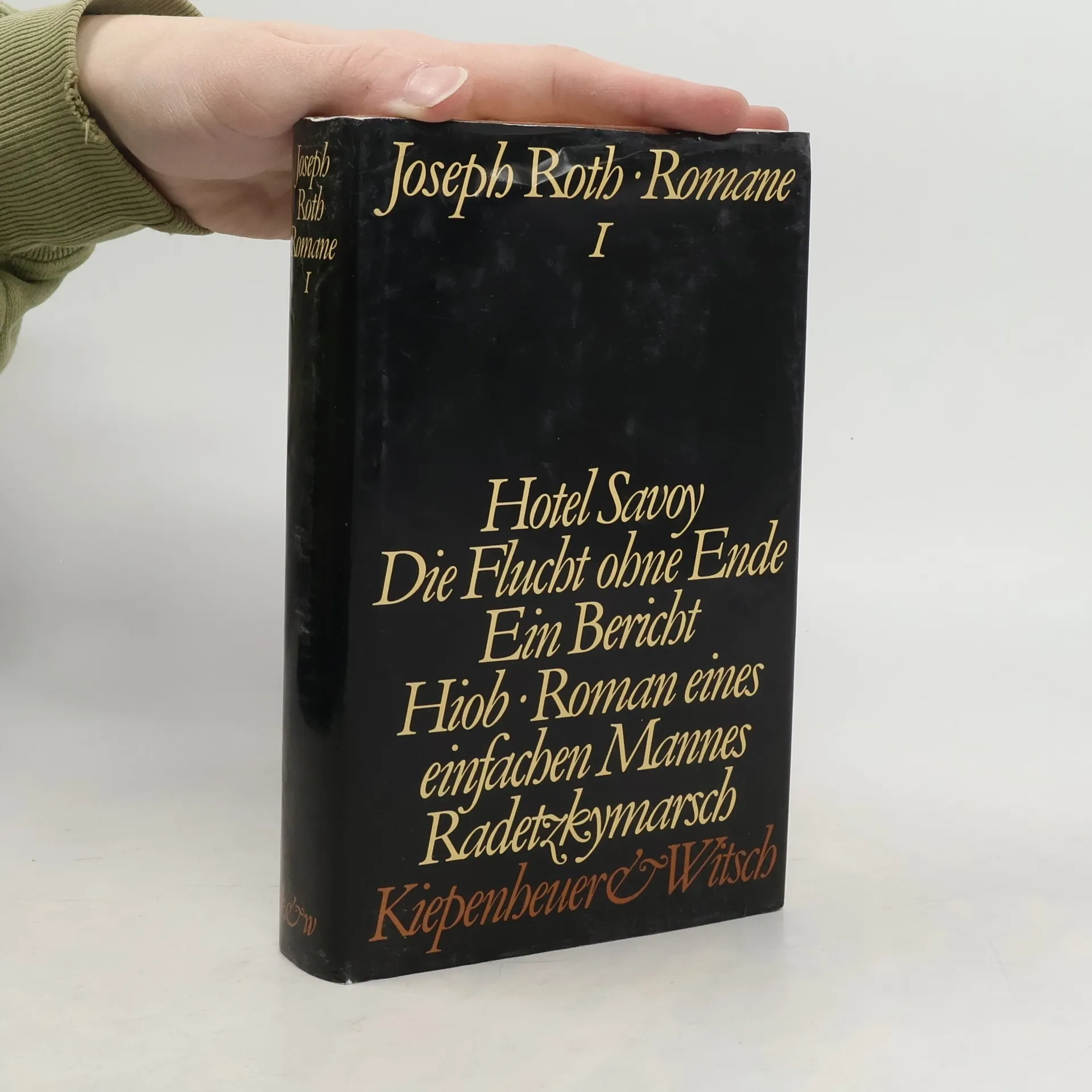
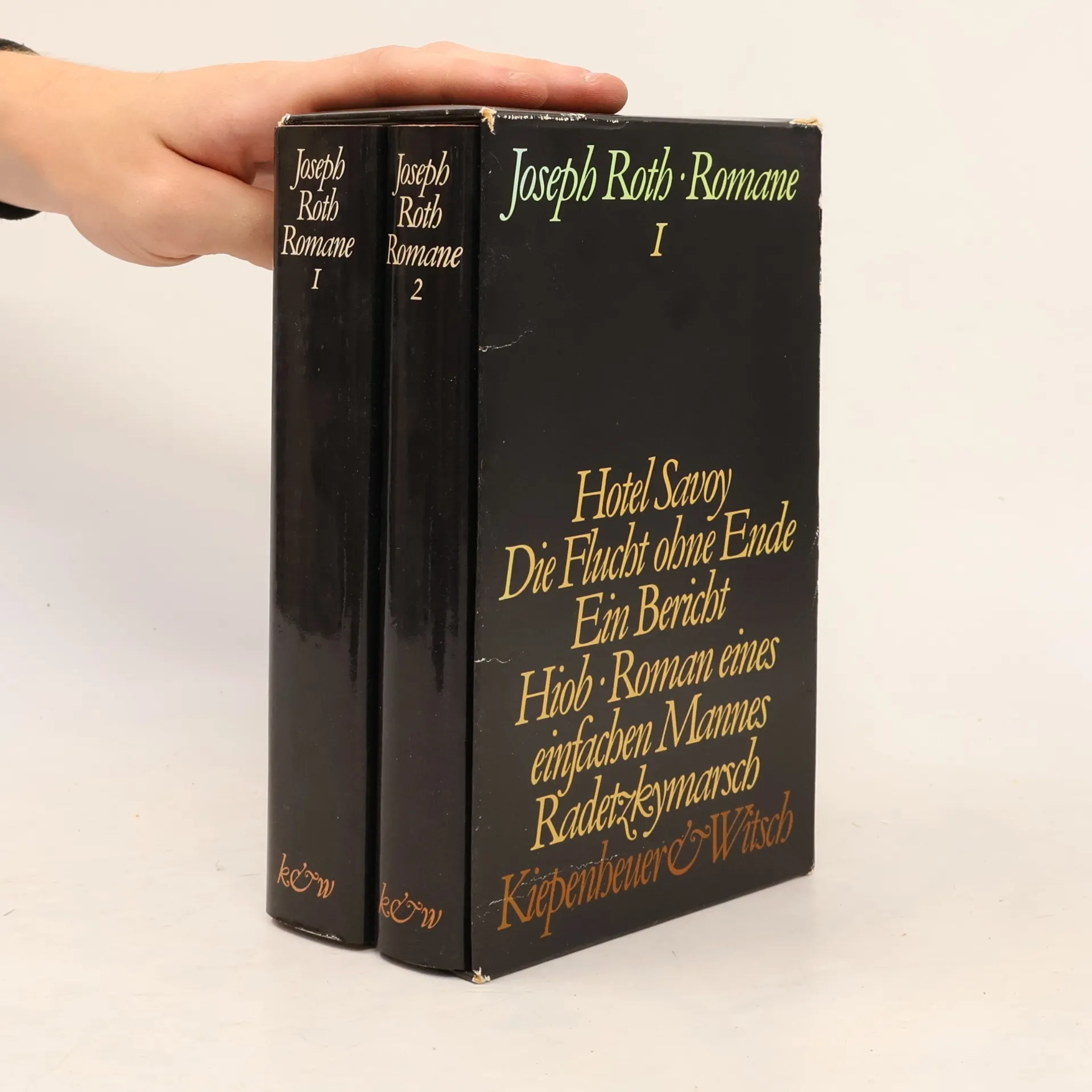
Inhalt: Hotel Savoy, Flucht Ohne Ende, Hiob, Radetzkymarsch
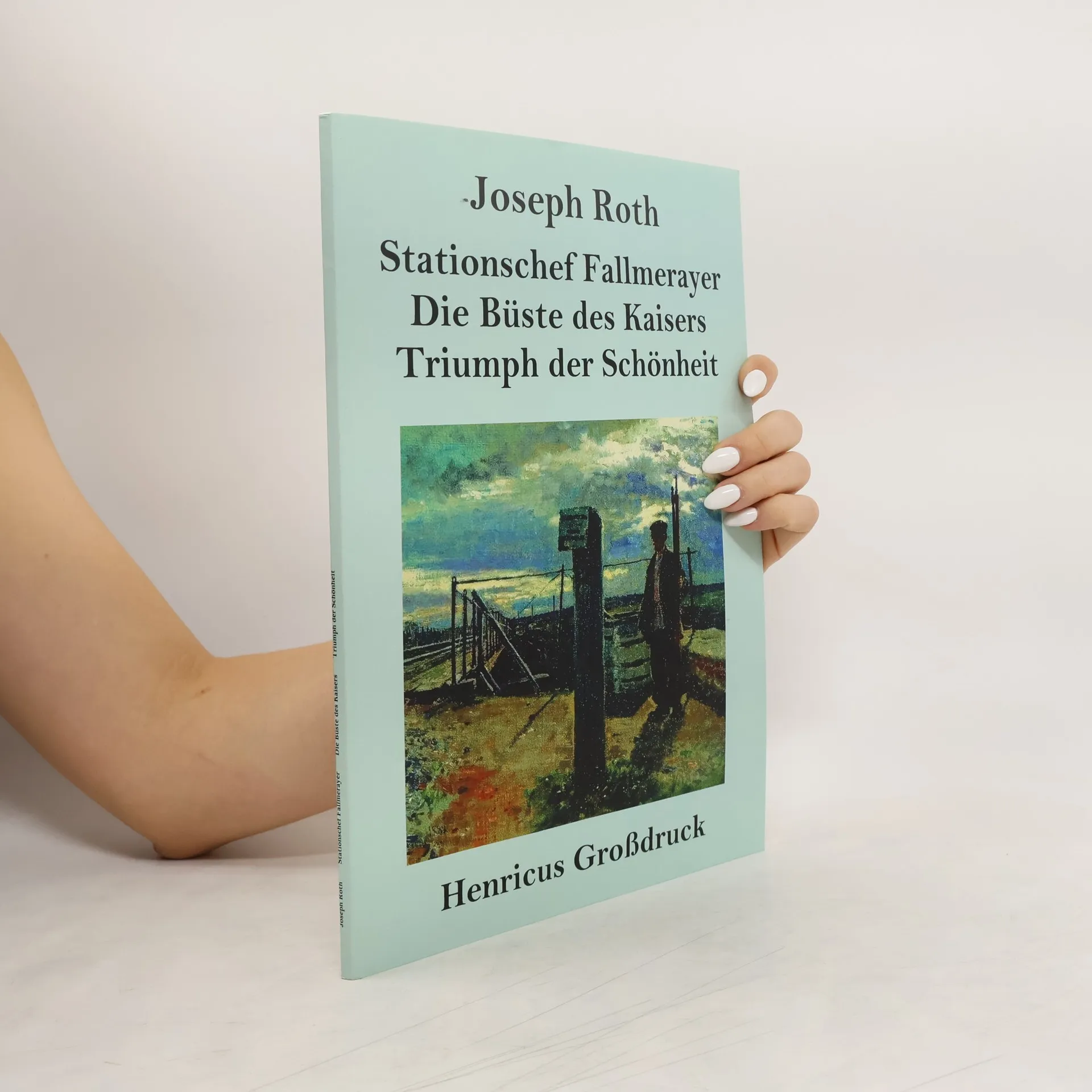
Stationschef Fallmerayer / Die Büste des Kaisers / Triumph der Schönheit (Großdruck)
Drei Novellen
- 88 pages
- 4 hours of reading
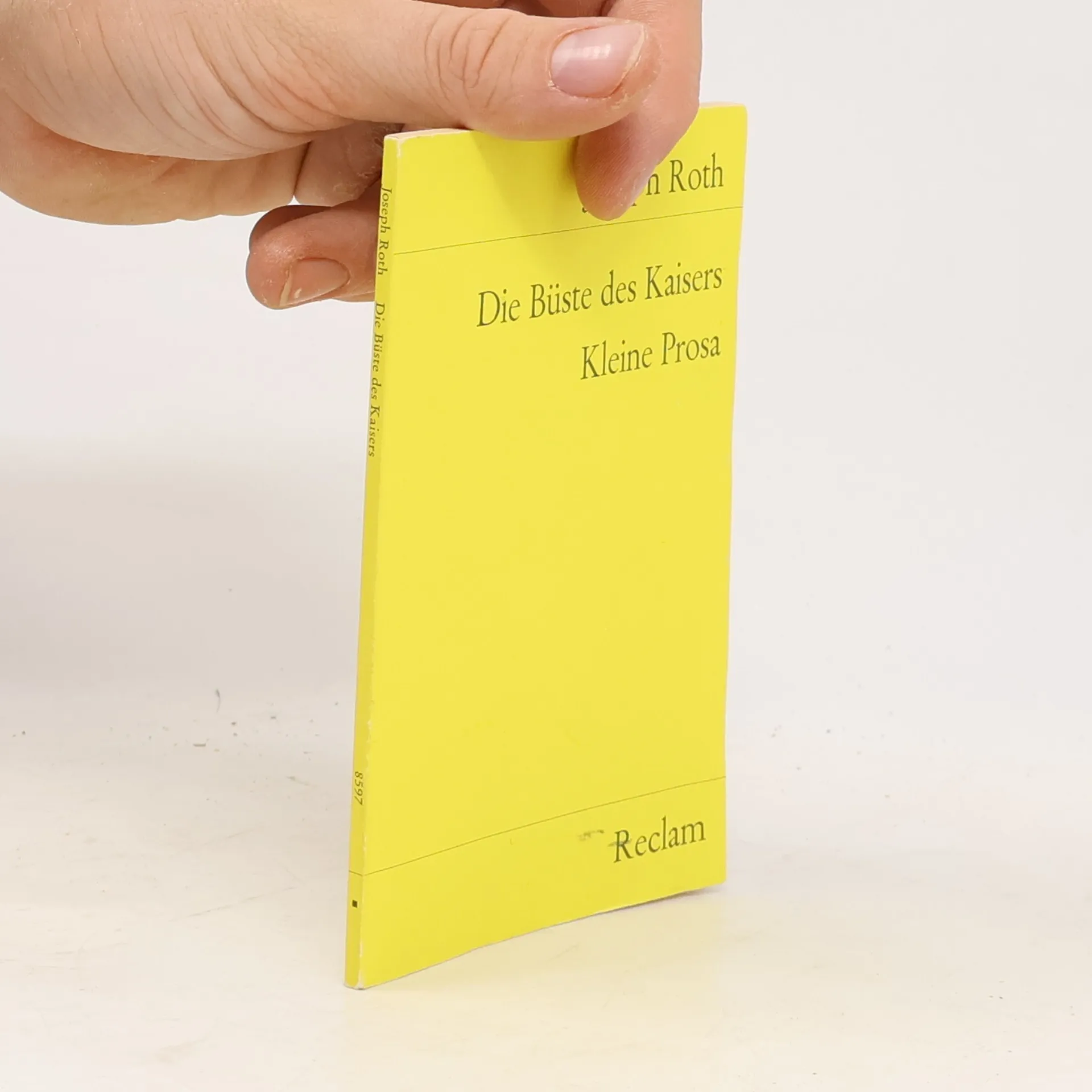
In dieser Sammlung von drei Novellen thematisiert Joseph Roth die menschliche Existenz und den Einfluss der Geschichte auf das Individuum. "Stationschef Fallmerayer" beleuchtet die Einsamkeit und den Verlust von Identität, während "Die Büste des Kaisers" die Vergänglichkeit von Macht und Ruhm reflektiert. "Triumph der Schönheit" thematisiert die Suche nach Schönheit in einer von Verfall geprägten Welt. Roths prägnante Erzählweise und tiefgründige Charakterstudien bieten einen eindrucksvollen Einblick in die komplexe Beziehung zwischen Mensch und Gesellschaft.
Der Roman thematisiert die existenzielle Suche nach Identität und Heimat in einer von Krieg und Verzweiflung geprägten Welt. Protagonist ist ein jüdischer Flüchtling, der durch Europa reist und dabei die Zerrissenheit seiner Herkunft und die Hoffnung auf eine bessere Zukunft spürt. Roth schildert eindringlich die inneren Konflikte und die gesellschaftlichen Umbrüche der Zeit, während der Charakter mit Verlust und Entfremdung kämpft. Die Erzählung verbindet persönliche Schicksale mit historischen Ereignissen und bietet einen tiefen Einblick in die menschliche Psyche.
April. Die Geschichte einer Liebe
- 32 pages
- 2 hours of reading
"April. Die Geschichte einer Liebe" von Joseph Roth erzählt von einem Reisenden, der in einem kleinen Städtchen nach der Liebe sucht. Er verliebt sich in zwei sehr unterschiedliche Frauen, flüchtet jedoch vor beiden und strebt nach einem neuen Ziel: New York. Das Werk ist ein modernes Märchen über den Traum von einem anderen Leben.
Die Büste des Kaisers. Kleine Prosa
- 79 pages
- 3 hours of reading
Geschichte vom heiligen Trinker
und andere Erzählungen
Der Pariser Obdachlose Andreas erhält Geld von einem Geistlichen und genießt vorübergehend Essen und Hygiene. Doch er ist entschlossen, die Schulden zurückzuzahlen, auch wenn das Leben oft dazwischenkommt. Eine Geschichte über Ehrlichkeit und die Herausforderungen im Umgang mit Geld.
Joseph Roth: Hiob. Vollständige Neuausgabe
- 121 pages
- 5 hours of reading
"Ich bin allein, und ich will allein sein. Alle Jahre habe ich Gott geliebt, und er hat mich gehaßt. Alle Jahre hab' ich ihn gefürchtet, jetzt kann er mir nichts mehr machen. Alle Pfeile aus seinem Köcher haben mich schon getroffen. Er kann mich nur noch töten. Aber dazu ist er zu grausam. Ich werde leben, leben, leben." (Zitat S. 92 in diesem Buch) Mendel Singer, ein "ganz alltäglicher Mann", lebt als Lehrer in einfachen Verhältnissen. Doch wie dem biblischen Hiob ereilen ihn härteste Schicksalschläge, und er beginnt an seiner Frömmigkeit und an Gott zu zweifeln. Joseph Roth schrieb diesen Roman, als er selbst in aller Härte vom Schicksal getroffen wurde: Seine Frau Friederike litt an einer psychischen Erkrankung. Ihr Zustand verschlechterte sich zunehmend, bis sie als unheilbar galt. Roth konnte nicht akzeptieren, dass seine geliebte Frau "dem Wahnsinn verfallen" war, zumal Wahnsinn im galizischen Judentum als "Strafe Gottes" interpretiert wurde. Roths Frau wurde in eine Nervenheilanstalt gebracht, rechtlich entmündigt und 1940 im Rahmen der "Aktion T4" von den Nazis ermordet. Mit "Hiob" verarbeitete Roth seinen Schicksalschlag. Er zählt bis heute zu den meistgelesenen Romanen des Autors. Joseph Roth. Hiob. Roman eines einfachen Mannes. Erstdruck: Kiepenheuer Verlag, Berlin 1930. Durchgesehener Neusatz, der Text dieser Ausgabe folgt dem Erstdruck. Gebundene Ausgabe mit Lesebändchen. LIWI Literatur- und Wissenschaftsverlag