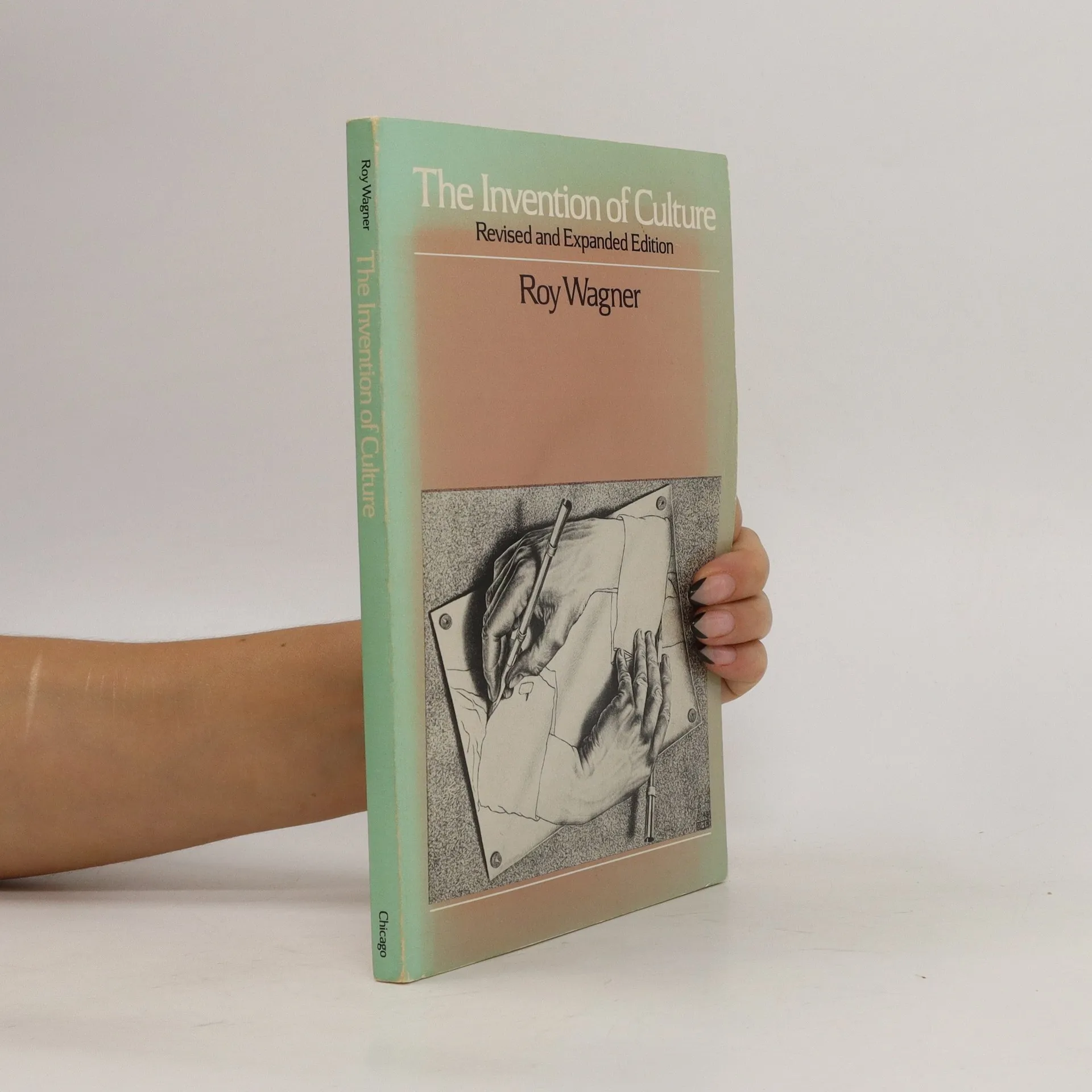
The Invention of Culture, one of the most important works in symbolic anthropology in recent years, argues that culture is not a given that shapes the lives of the people who share it. Rather, it is people who shape their culture by constantly manipulating conventional symbols taken from a variety of everchanging codes to create new meanings. Wagner sees culture arising from the dialectic between the individual and the social world; his analysis is situated in the relation between invention and convention, innovation and control, meaning and context. Finally, the author points out that the symbolization processes that generate the construction of meaning in culture are the same as those that anthropologists use to "invent" the cultures they study.
Roy Wagner Books
This author delves deeply into indigenous conceptual systems, particularly concerning kinship, ritual, myth, and worldview across Melanesia, Australia, and North America. Their work investigates the pragmatics of cultural representation, including imagery, writing, and speech, as a foundation for symbolism. Special attention is given to shamanism and curing practices, intentionally sidestepping psychological, political, or "ethnic" perspectives, while also examining the human element within technology and concepts of power.