

Explore the latest books of this year!
Bookbot

John Shook

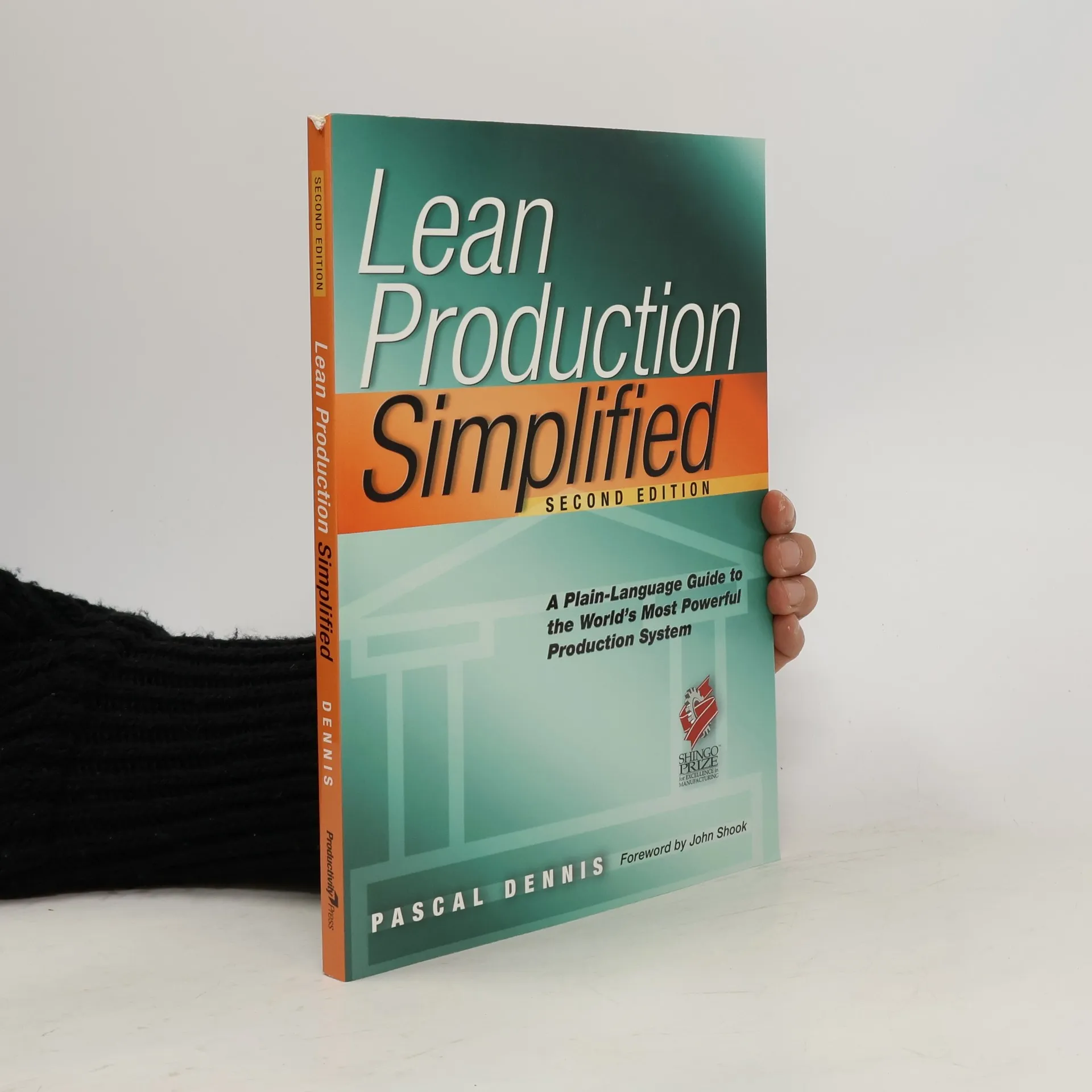
    Lean Production Simplified
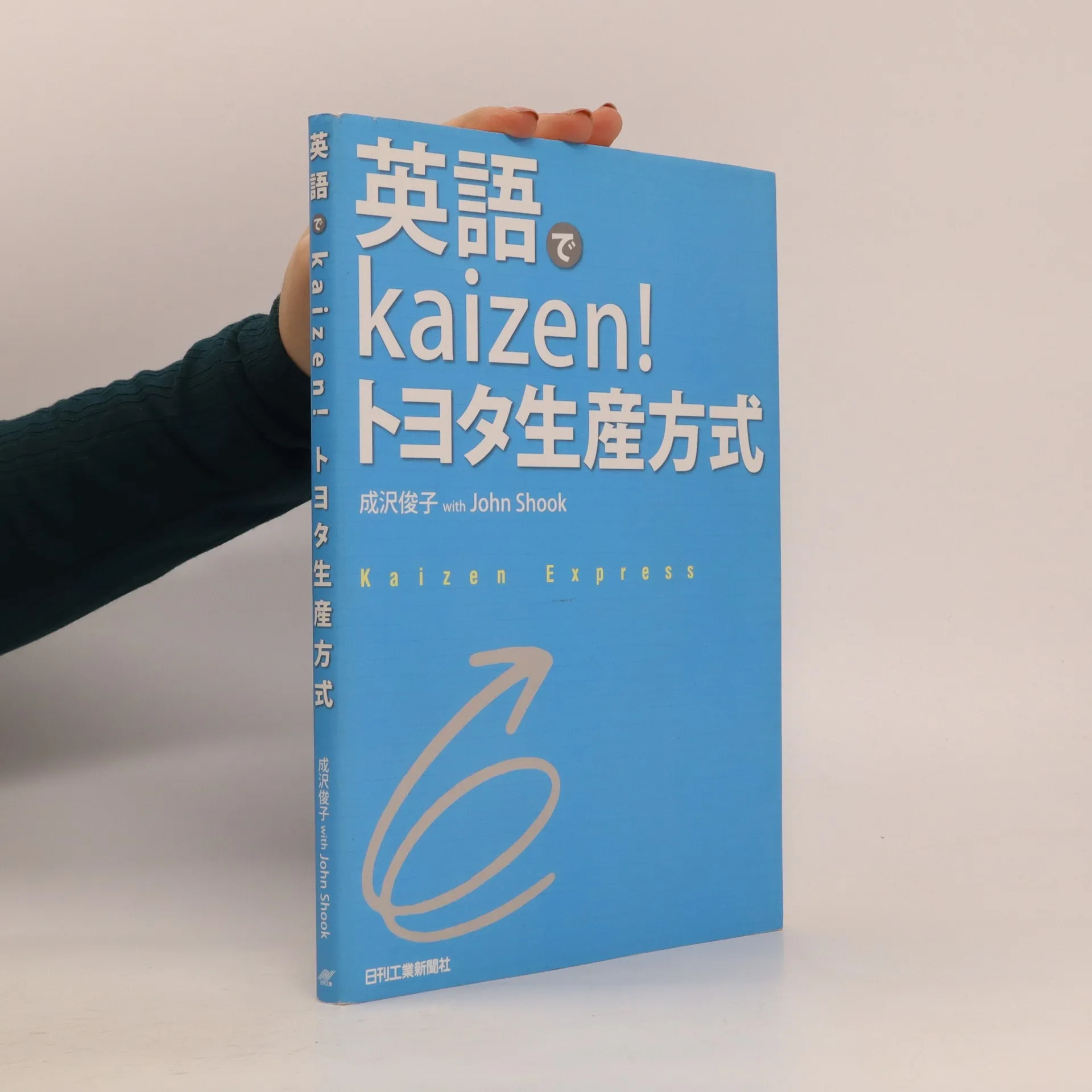
    英語でkaizen!トヨタ生産方式 (Eigo de kaizen! Toyotaseisanhōshiki)
    Pragmatism
    Gemba Walks
    Managing to Learn
    Value-Stream Mapping Workshop Participant Guide
    • 2023

      A concise, reader-friendly overview of pragmatism, the most influential school of American philosophical thought. Pragmatism, America’s homegrown philosophy, has been a major intellectual movement for over a century. Unlike its rivals, it reaches well beyond the confines of philosophy into concerns and disciplines as diverse as religion, politics, science, and culture. In this concise, engagingly written overview, John R. Shook describes pragmatism’s origins, concepts, and continuing global relevance and appeal. With attention to the movement’s original thinkers—Charles Sanders Peirce, William James, John Dewey, and George Herbert Mead—as well as its contemporary proponents, he explains how pragmatism thinks about what is real, what can be known, and what minds are doing. And because of pragmatism’s far-reaching impact, Shook shows how its views on reality, truth, knowledge, and cognition coordinate with its approaches to agency, sociality, human nature, and personhood.

      Pragmatism
    • 2019

      We've developed the contents of this participant guide to enhance learning. The structure of the modules in the guide matches the learning structure used in the Training to See Kit. The page design includes space for note taking, working on an operator balance chart, and drawing both current and future state value-stream maps along with the instructor.Modules begin with a page showing the learning framework of where students are in the course content, what they’ve covered, and what comes next. Each section ends with a short quiz to check and reinforce understanding.20 Participant Guides are included in each Training to See Kit, giving you everything you need to run value-stream mapping workshops. The guides are also sold individually for additional training sessions.
      Value-Stream Mapping Workshop Participant Guide
    • 2011

      Gemba Walks

      • 348 pages
      • 13 hours of reading

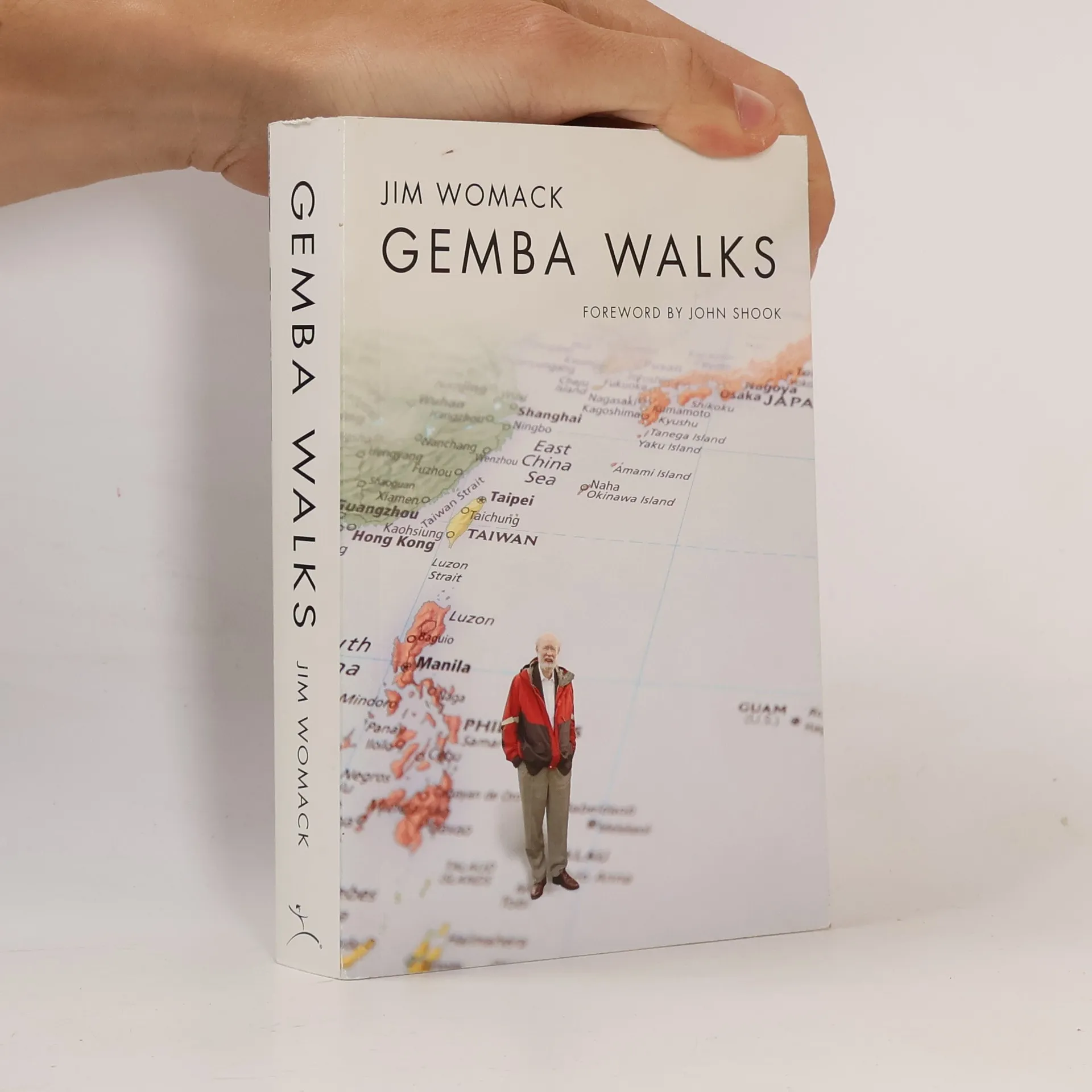
      The life of lean revolves around experiments, with authority stemming from real-world observations at the gemba, rather than rigid interpretations of doctrine. Jim Womack emphasizes that lean is a daily practice of experimentation and knowledge accumulation. Over three decades, he has visited numerous companies to observe how teams create value, sharing his insights with the Lean Community through a monthly letter. In Gemba Walks, he compiles and reorganizes these letters, adding new material for context. The book explores various lean principles and the essential practice of "go see, ask why, and show respect." Womack discusses the need for organizations to prioritize continuous improvement over heroics, explaining how "good" employees can become ineffective in flawed processes. He highlights the importance of empowering workers to identify and solve their own issues, and how short-term lean tool gains can lead to lasting change through effective management. Furthermore, he describes the lean manager's role as one of relentless inquiry into organizational challenges, probing root causes, and leading experiments to identify effective solutions. Womack's personal journey of discovery offers valuable insights into the transformative potential of lean practices.

      Gemba Walks
    • 2008

      Managing to Learn

      • 138 pages
      • 5 hours of reading
      4.1(589)Add rating

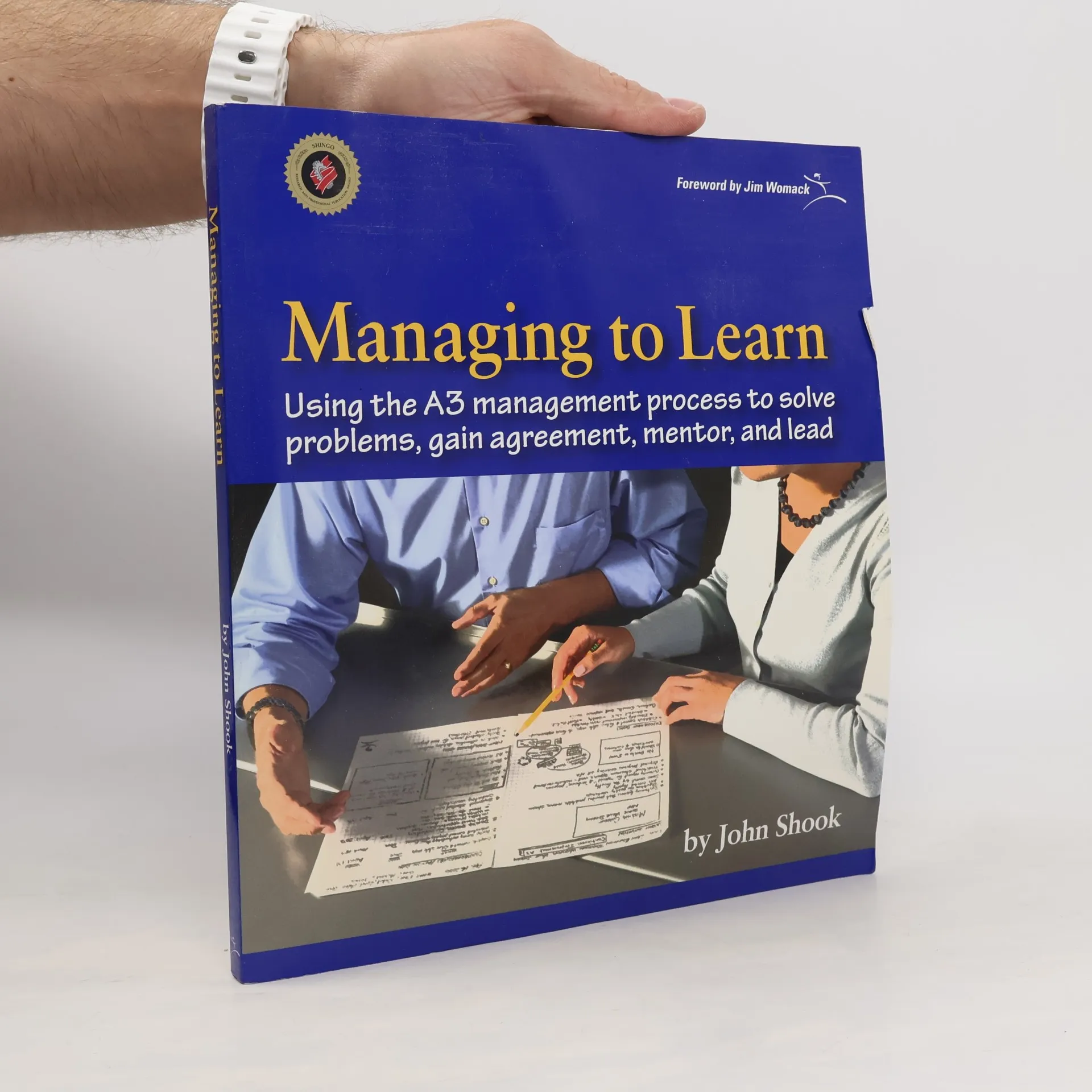
      "The process by which a company identifies, frames, acts and reviews progress on problems, projects and proposals can be found in the structure of the A3 process ... follow the story of a manager ... and his report ... which will reveal how the A3 can be used as a management process to create a standard method for innovating, planning, problem-solving, and building structures for a broader and deeper form of thinking - a practical and repeatable approach to organizational learning"--Publisher's description.

      Managing to Learn
    • 2007

      Lean Production Simplified

      A Plain-Language Guide to the World's Most Powerful Production System - Second Edition

      • 192 pages
      • 7 hours of reading

      Winner of a Shingo Research and Professional Publication Award Lean Production Simplified, Second Edition is a plain language guide to the lean production system written for the practitioner by a practitioner. It delivers a comprehensive insider's view of lean manufacturing. The author helps the reader to grasp the system as a whole and the factors that animate it by organizing the book around an image of a house of lean production . Highlights include: A comprehensive view of Toyota�s lean manufacturing system A look at the origins and underlying principles of lean Identifying the goals of lean production Practical problem solving for lean production Activities that support involvement - Kaizen circles, suggestion systems, and problem solving This second edition has been updated with expanded information on the Lean Improvement Process; Production Physics and Little's Law - the fundamental equation for both manufacturing and service industries (cycle time = work in process/throughput); Value Stream Thinking - combining processes required to bring the product or service to the customer; Hoshin Planning -- using the Planning and Execution Tree diagram and Problem Solving -- including the "Five Why" method and how to use it. Lean Production Simplified, Second Edition covers each of the components of lean within the context of the entire lean production system. The author's straightforward common sense approach makes this book an easily accessible on-the-floor resource for every operator.

      Lean Production Simplified
    • 2007

      TPSを英語で伝えようとして困った経験はありませんか?シンプルかつ具体的な表現で、基本事項はきちんとおさえたい。それでいて全体像をいつも念頭においておきたい。座学+実践会用として使える確かなテキストがあったら!本書はそのような声から生まれました。

      英語でkaizen!トヨタ生産方式 (Eigo de kaizen! Toyotaseisanhōshiki)
    • 2003

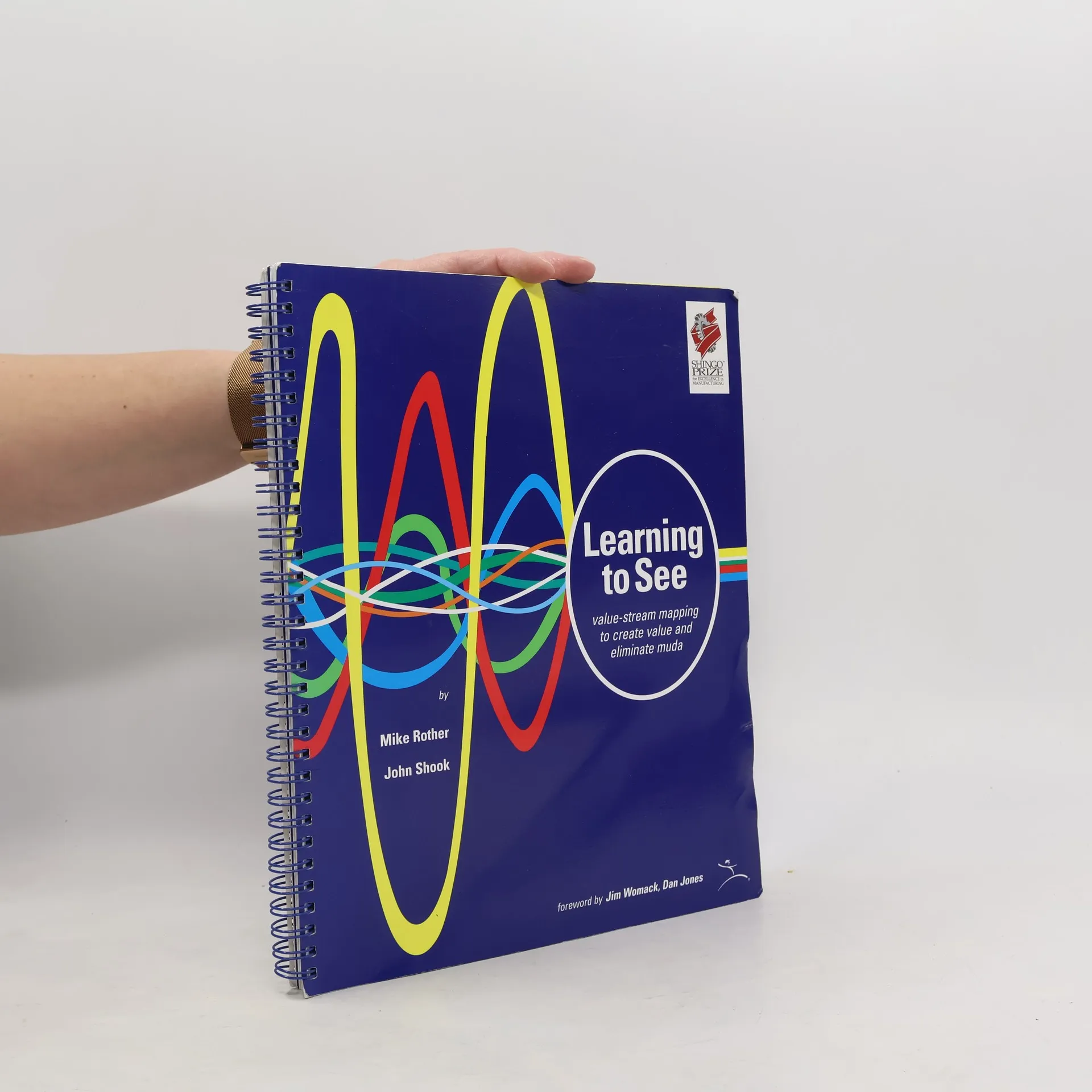
      Learning to See

      Value Stream Mapping to Add Value and Eliminate Muda

      Much more important, these simple maps - often drawn on scrap paper - showed where steps could be eliminated, flows smoothed, and pull systems introduced in order to create a truly lean value stream for each product family. In 1998 John teamed with Mike Rother of the University of Michigan to write down Toyota's mapping methodology for the first time in Learning to See . This simple tool makes it possible for you to see through the clutter of a complex plant. You'll soon be able to identify all of the processing steps along the path from raw materials to finished goods for each product and all of the information flows going back from the customer through the plant and upstream to suppliers. With this knowledge in hand it is much easier to envision a "future state" for each product family in which wasteful actions are eliminated and production can be pulled smoothly ahead by the customer. In plain language and with detailed drawings, this workbook explains everything you will need to know to create accurate current-state and future- state maps for each of your product families and then to turn the current state into the future state rapidly and sustainably. In Learning to See you will find:

      Learning to See