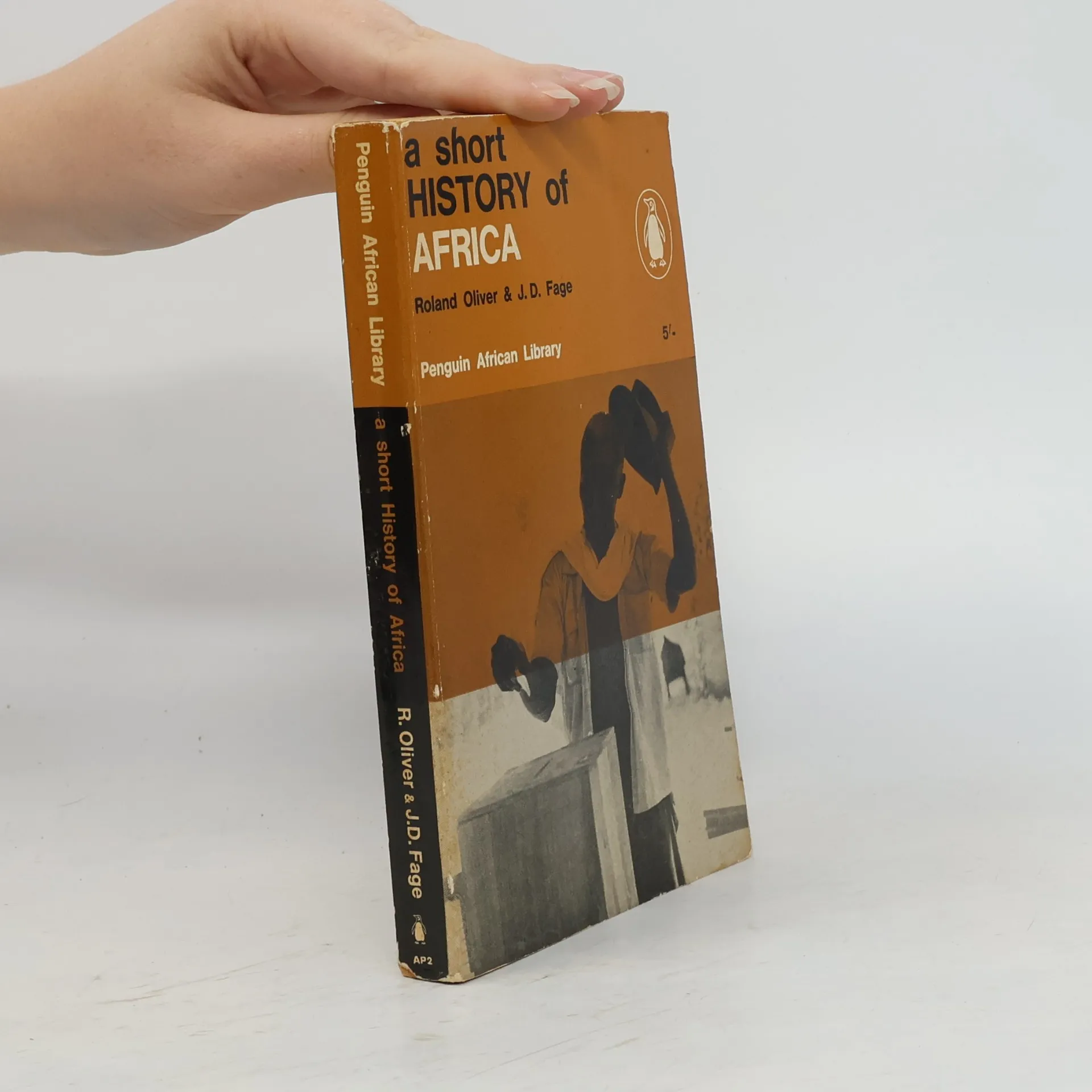
Focusing on the transformation of Africa from the late 18th to the 20th century, the book examines the impact of external forces through commercial and ideological penetration. It details the partition and colonization processes, along with the nature of colonial rule from 1885 to 1960. The latter section addresses the developments in independent Africa, culminating in events up to mid-2003, providing a comprehensive overview of the continent's historical trajectory and its ongoing challenges.
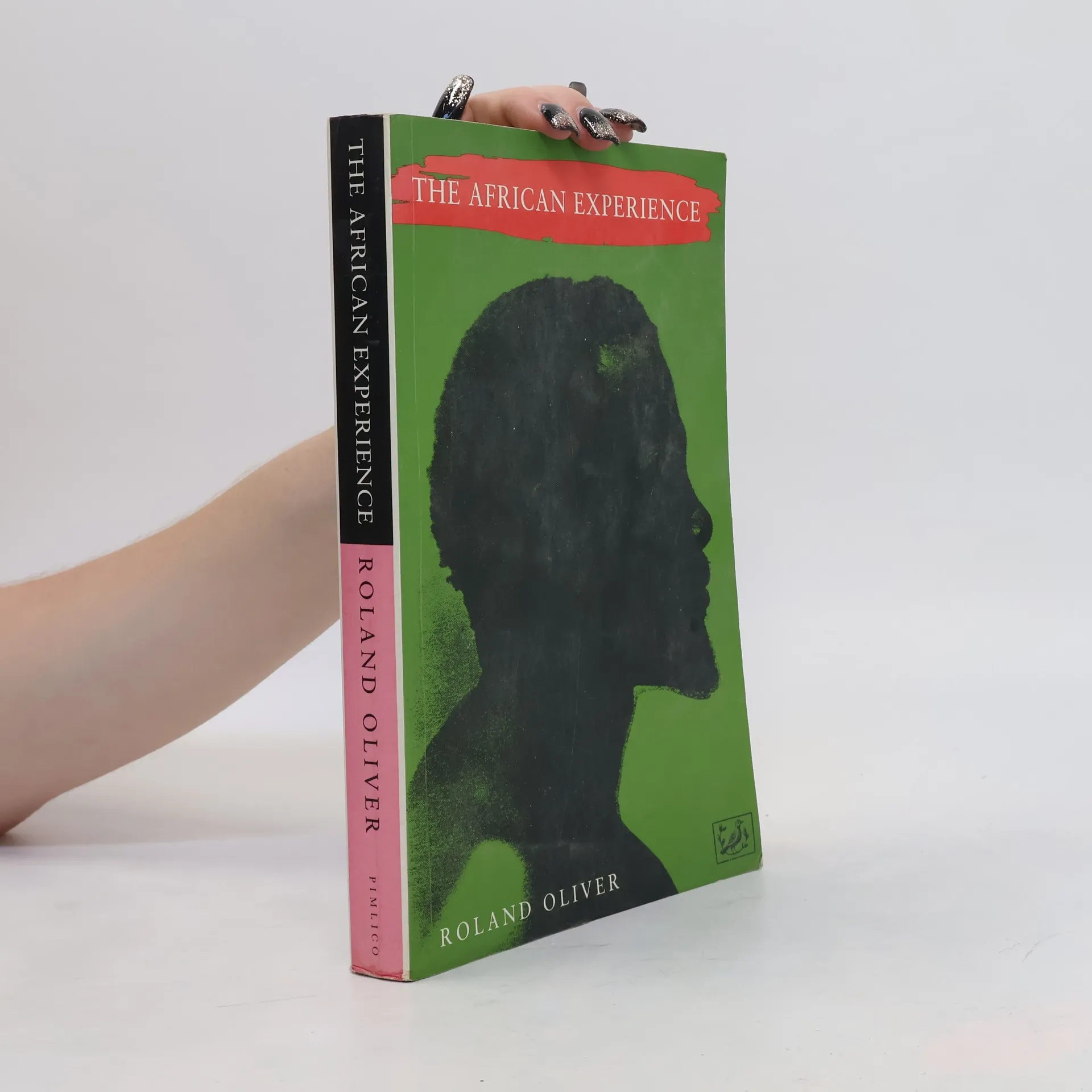
This second edition of The African Experience offers a comprehensive overview of human history across Africa, from the emergence of hominids to contemporary times. Drawing on over forty years of research and teaching, Professor Oliver organizes the book thematically. It begins with the colonization of various African regions, the origins of food production, and the development of African languages. The achievements of Ancient Egypt are contextualized alongside broader continental developments, including the spread of Judaism, Christianity, and Islam. The tradition of urban settlement, particularly in western Africa, and the formation of complex societies through the interaction of pastoralists and cultivators in eastern and southern Africa are explored.
The book thoroughly examines the nature and extent of slavery in Africa, the external slave trade, and precolonial caravan trade. It analyzes the strengths and weaknesses of African political systems, particularly their inability to withstand external pressures leading to colonization in the early nineteenth century. The colonial era saw the amalgamation of smaller units, resulting in modernization at the expense of indigenous structures. Later chapters discuss the emergence of modern African nation-states amid a belief in state planning, now being reassessed as political elites reconsider single-party systems. The new edition includes revisions and a chapter on the 1990s, hig
Dramatic alterations in political power have corrected the once prevalent vision of a European-centered world. While the centers of European culture flourished, decayed and sprouted in turn, empires in Africa rose, ruled, resisted, and succumbed. Much of Africa's past has now been excavated from ignorance and error, revealing a rich and previously little-known human heritage. This classic work draws on the whole range of literature about Africa as well as evidence provided by archaeology, oral traditions, language relationships, and social institutions. It marshals the most authoritative views of African specialists into an absorbing narrative and puts forward original conclusions that take the study of Africa a stage further.