Culturally significant, this work is a reproduction of an original artifact, preserving its historical integrity. It includes original copyright references and library stamps, reflecting its importance in the knowledge base of civilization. The text remains faithful to the original, offering readers a glimpse into the past and the scholarly value of the work.
Ninety-three, the last of Victor Hugo's novels, is regarded by many including such diverse critics as Robert Louis Stevenson and André Maurois as his greatest work. 1793, Year Two of the Republic, saw the establishment of the National Convention, the execution of Louis XVI, the Terror, and the monarchist revolt in the Vendée, brutally suppressed by the Republic. Hugo's epic follows three protagonists through this tumultuous year: the noble royalist de Lantenac; Gauvain, who embodies a benevolent and romantic vision of the Republic; and Cimourdain, whose principles are altogether more robespierrean.The conflict of values culminates in a dramatic climax on the scaffold.
Prompted by his theories of heredity and environment, Zola set out to show Nana, "the golden fly," rising out of the underworld to feed on society—a predetermined product of her origins. Nana's latent destructiveness is mirrored in the Empire's, and they reflect each others' disintegration and final collapse in 1890. Built around the book's scientific skeleton is a powerful, sensual atmosphere, and a rich use of words which elevate the novel beyond the realistic platform into a "poem of male desires."
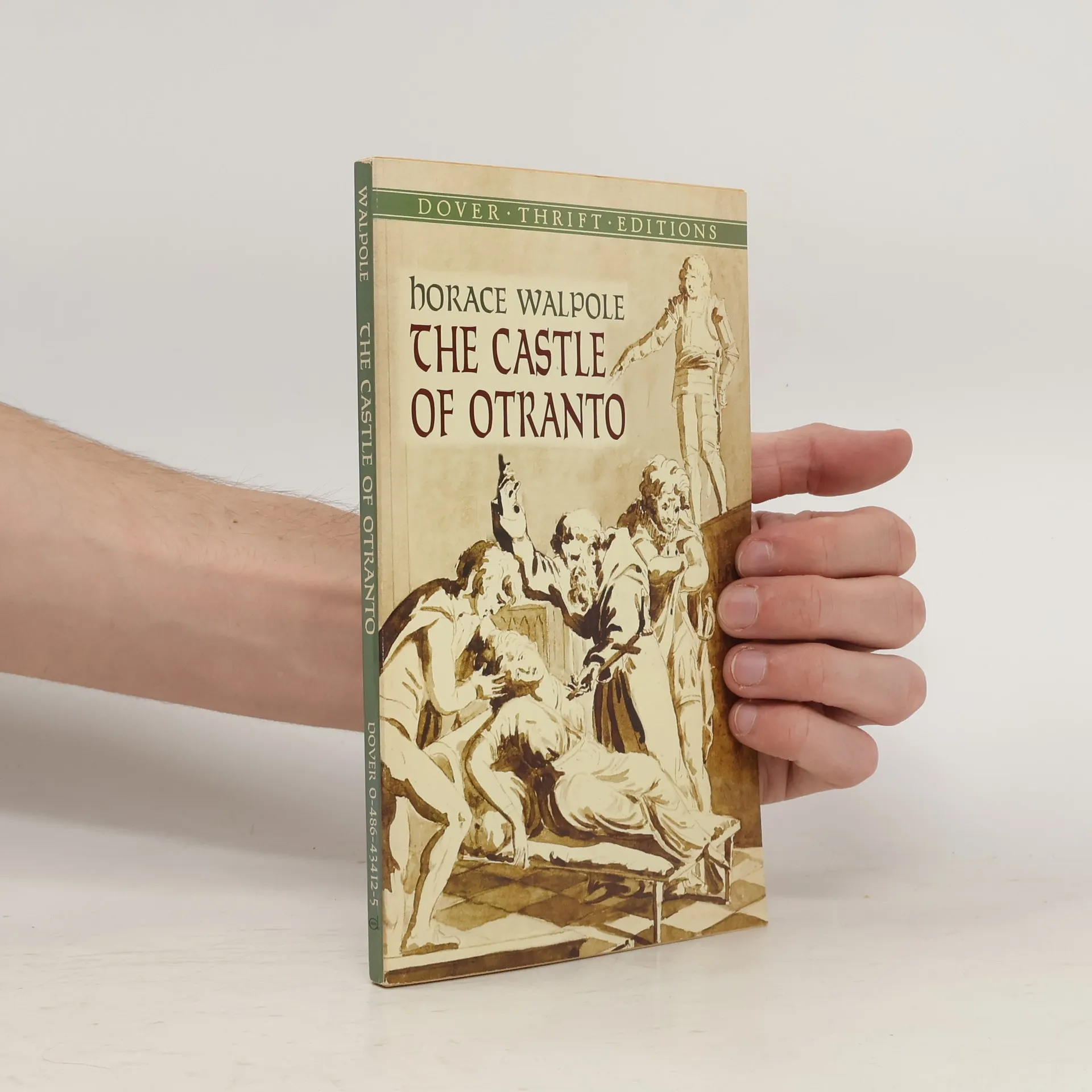
Si suppone che gli avvenimenti si svolgano nel Duecento. Manfredo, signore di Otranto, nipote dell'usurpatore del regno che ha avvelenato Alfonso, il legittimo sovrano, vive sotto l'incubo di una profezia, secondo cui la stirpe dell'usurpatore continuerà a regnare, finché il legittimo sovrano non sia divenuto troppo grosso per abitare il castello e finché discendenti maschi dell'usurpatore lo occupino. Quando la profezia sembra avverarsi, Manfredo atterrito confessa il modo dell'usurpazione e si ritira in un monastero con la moglie. Il romanzo fu pubblicato nel 1764 e, nella prima edizione, era descritto come una versione dall'italiano.
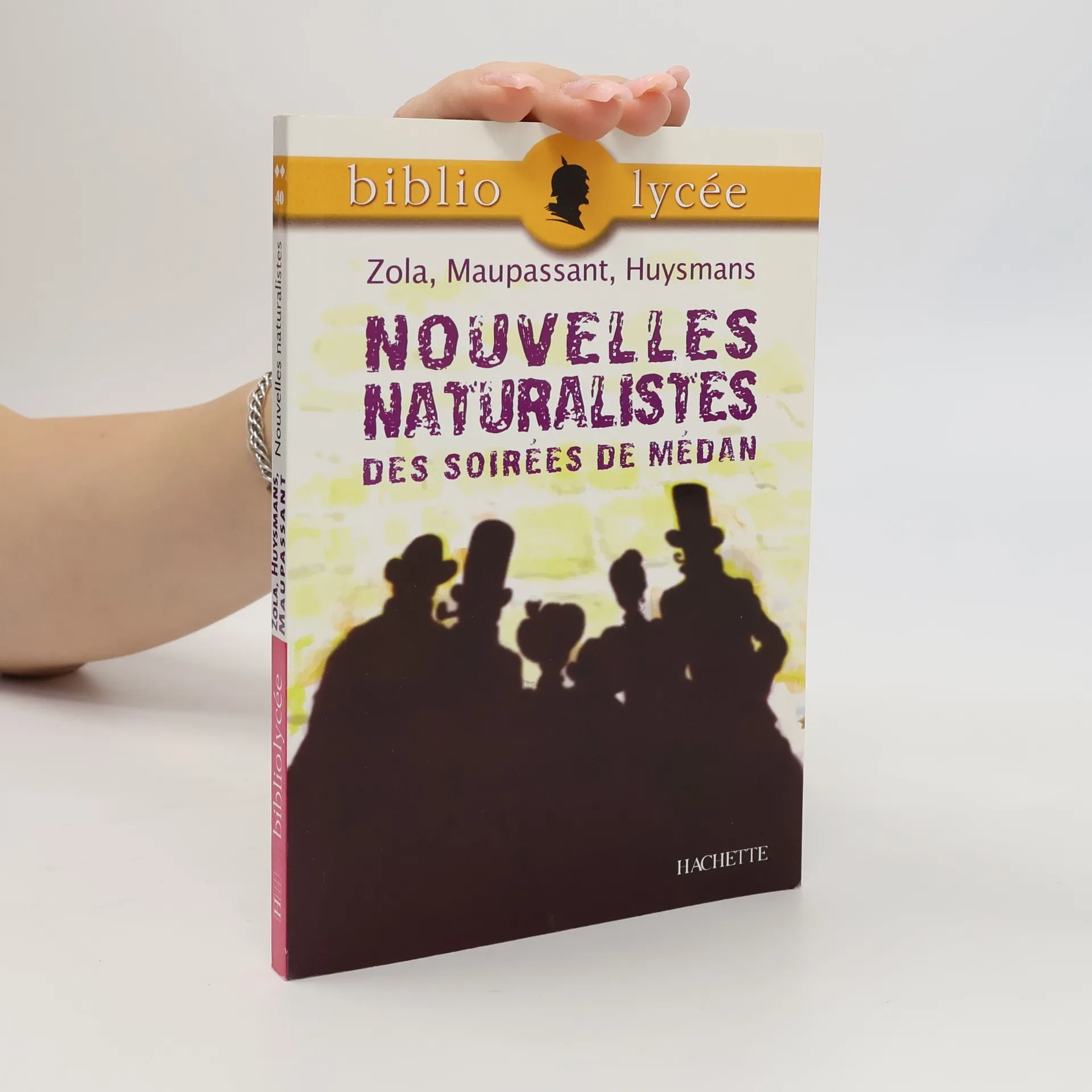
Les Soirées de Médan Collectif: Emile Zola, Guy de Maupassant, J.K Huysmans, Henry Céard, Léon Hennique, Paul Alexis G. Charpentier, 1880 Ce livre numérique présente "Les Soirées de Médan", de Collectif, édité en texte intégral. Une table des matières dynamique permet d'accéder directement aux différentes sections. Les Soirées de Médan est un recueil collectif de six nouvelles écrits par les six écrivains du "groupe de Médan". Liste des sections: - Présentation - L’Attaque du moulin, Emile Zola - Boule de Suif, Guy de Maupassant - Sac au dos, J.-K. Huysmans - La Saignée, Henry Céard - L’Affaire du Grand 7, Léon Hennique - Après la bataille, Paul Alexis
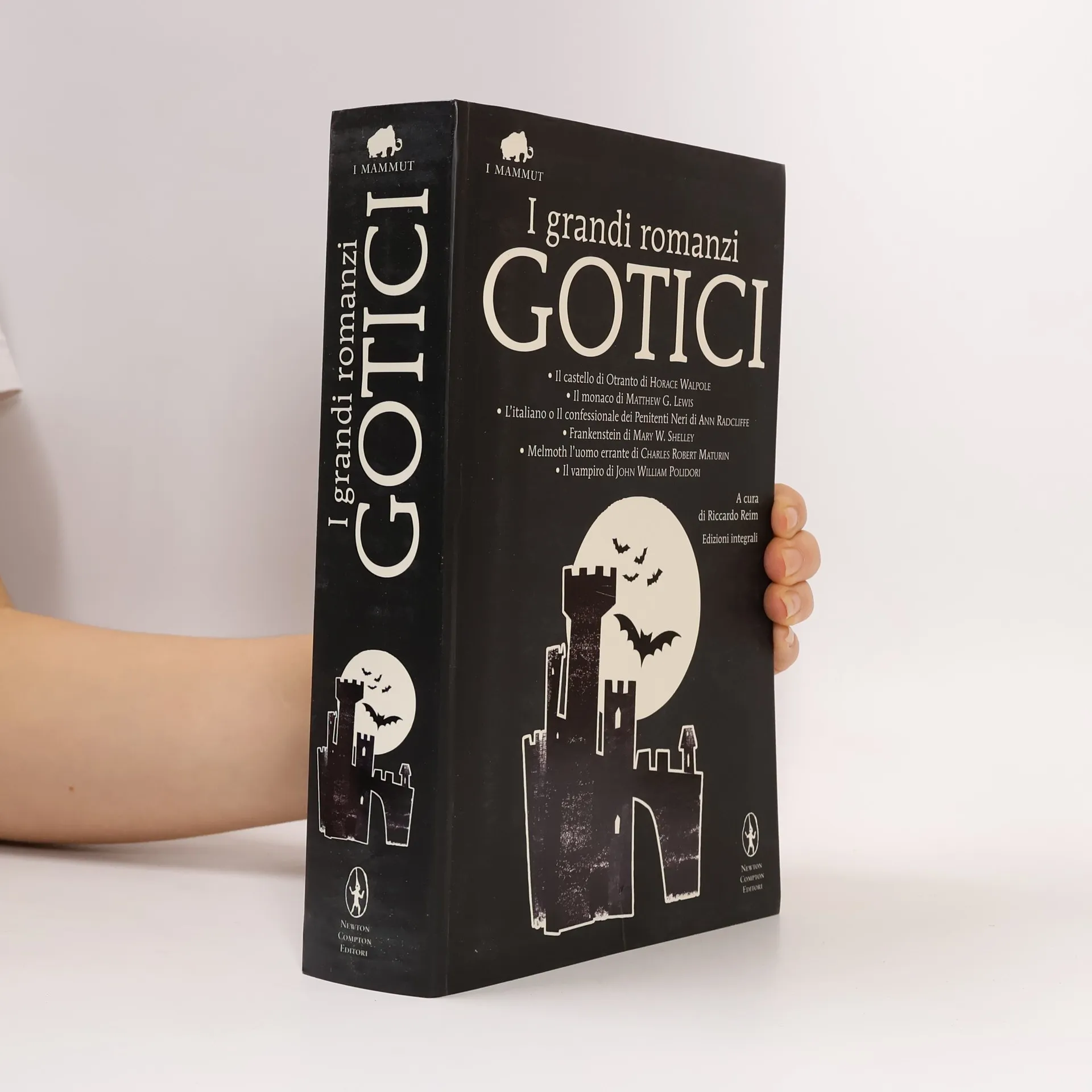
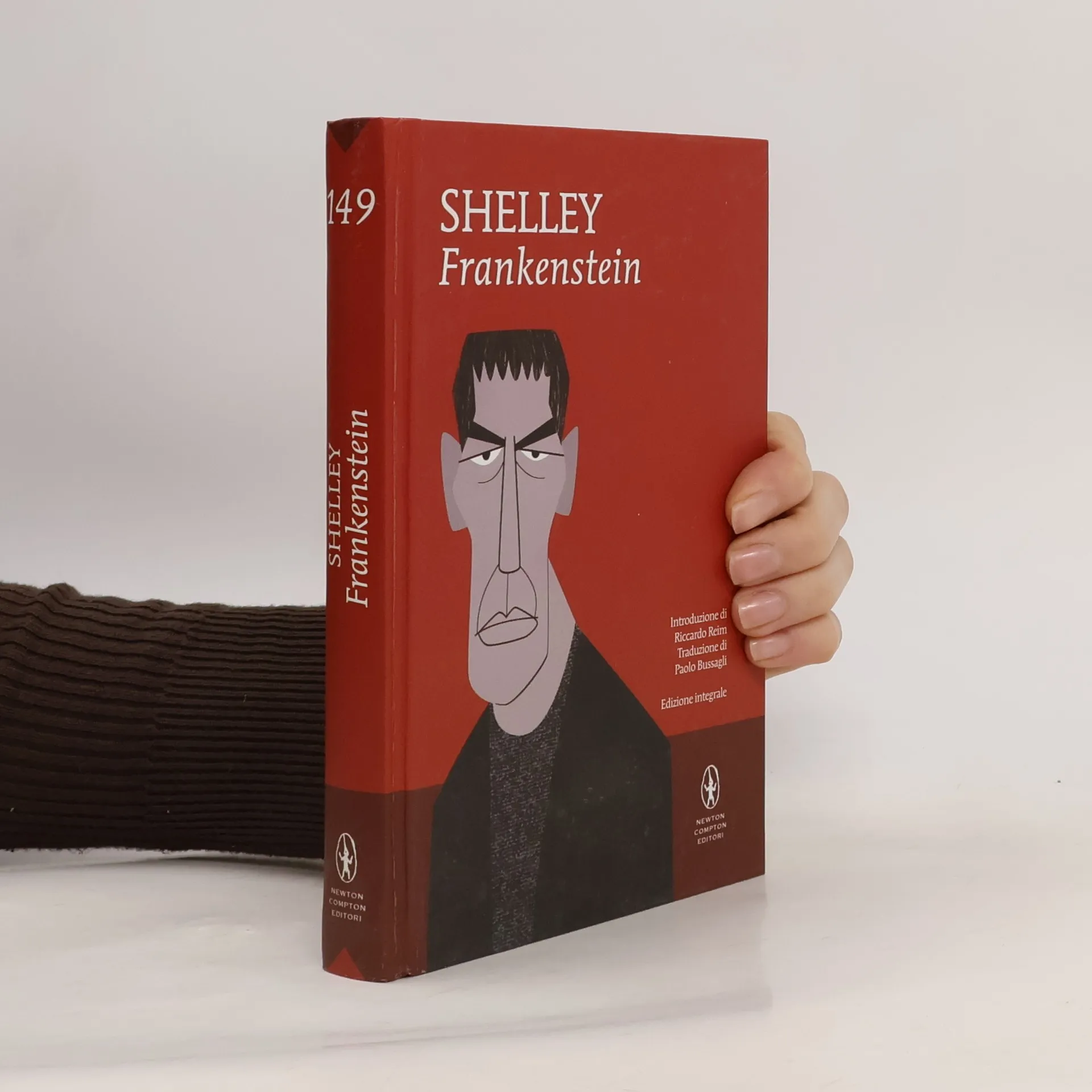
Lugubri castelli infestati da spettri, sinistre apparizioni notturne, giovani eroine preda di indescrivibili orrori, tenebrosi e fatali persecutori, mostri, licantropi, vampiri...Il romanzo “gotico”, dal Castle of Otranto di Walpole (1764) al Melmoth di Maturin (1820) – per indicare due libri che, secondo una certa convenzione, segnerebbero gli estremi cronologici del fenomeno – è davvero soltanto questo cupo bric-à-brac di luoghi, personaggi e situazioni? O invece la narrativa gotica, con il suo «sublime del terrore», in reazione al predominio della ragione e del common sense, nasconde angosce e inquietudini che oggi torniamo a sentire sorprendentemente vicine?...Attraverso i capolavori dei maestri indiscussi del genere (Horace Walpole, M.G. Lewis, Ann Radcliffe, Mary Shelley, C.R. Maturin, John William Polidori) il lettore è chiamato a esplorare i labirintici sentieri della paura – elemento cardine della Gothic Fiction, e che, come notava D. Punter, «non è semplicemente un tema o un atteggiamento, ma ha anche delle conseguenze in termini di forma, stile e rapporti sociali dei testi» –, a godere, con un brivido di delizia, la caotica, trionfante irruzione del terrore sulla pagina scritta.