



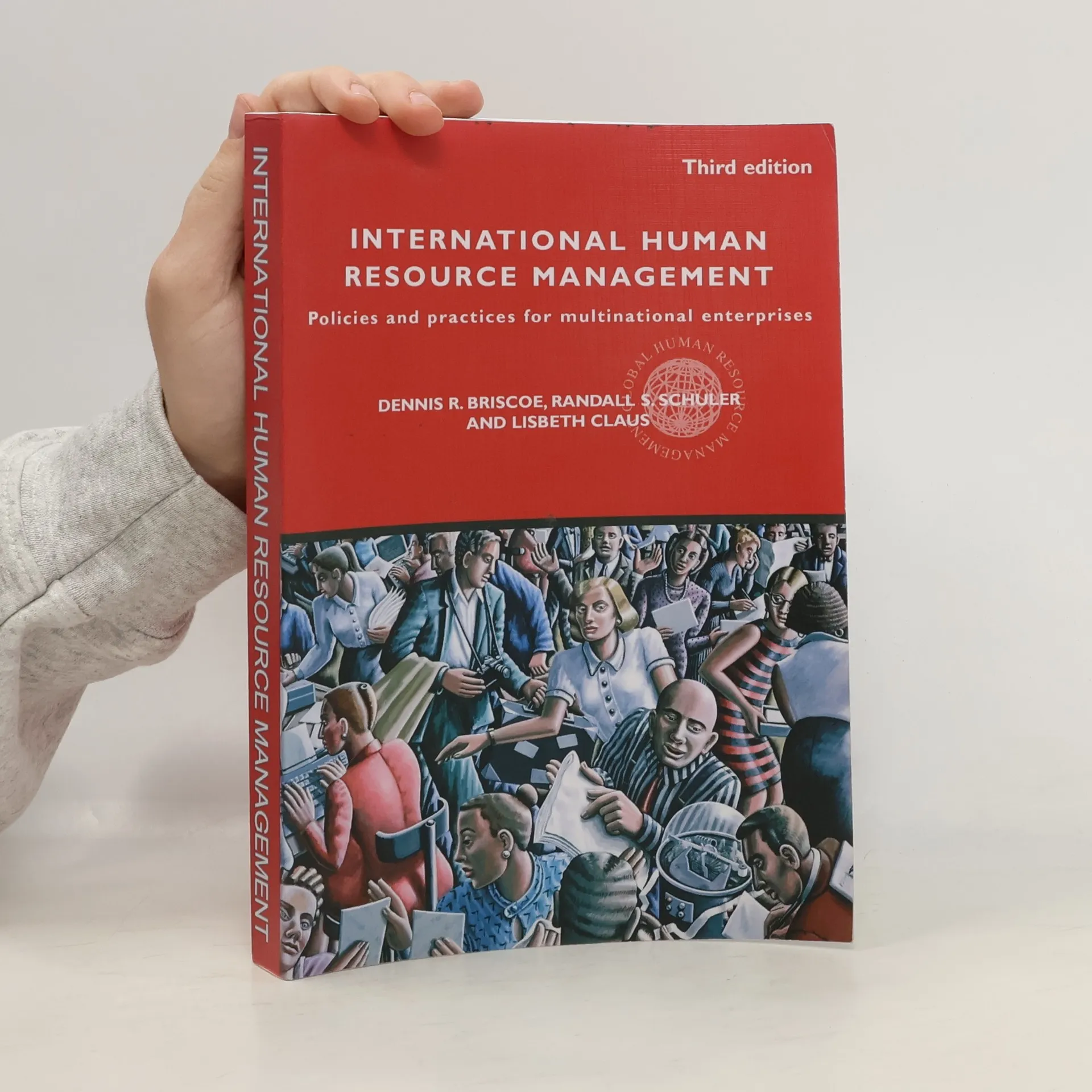
Global Human Resource Management: International Human Resource Management
Policies and Practices for Multinational Enterprises - Third Edition
- 397 pages
- 14 hours of reading
This essential resource offers a comprehensive foundation for those studying or working in international human resource management. It incorporates data and examples from international business, consulting, academic research, and interviews with IHRM managers in multinational organizations. The book presents both theoretical and practical insights into this dynamic field, drawing on the authors' diverse international backgrounds. The thoroughly updated third edition includes learning objectives, key terms, discussion questions, and end-of-chapter vignettes to facilitate application of the concepts discussed. Designed to engage readers, the language is accessible, and the content is globally relevant. It addresses IHRM within multinational enterprises, covering topics such as globalization of business and HRM, global strategy and structure, HR planning and forecasting, talent management, training and development, compensation and benefits, employee performance management, and emerging trends in international HRM. By highlighting the significance of IHRM for organizational success, this textbook serves as a vital resource for understanding both the theory and practice of IHRM, making it essential reading for students, lecturers, and professionals in the field.