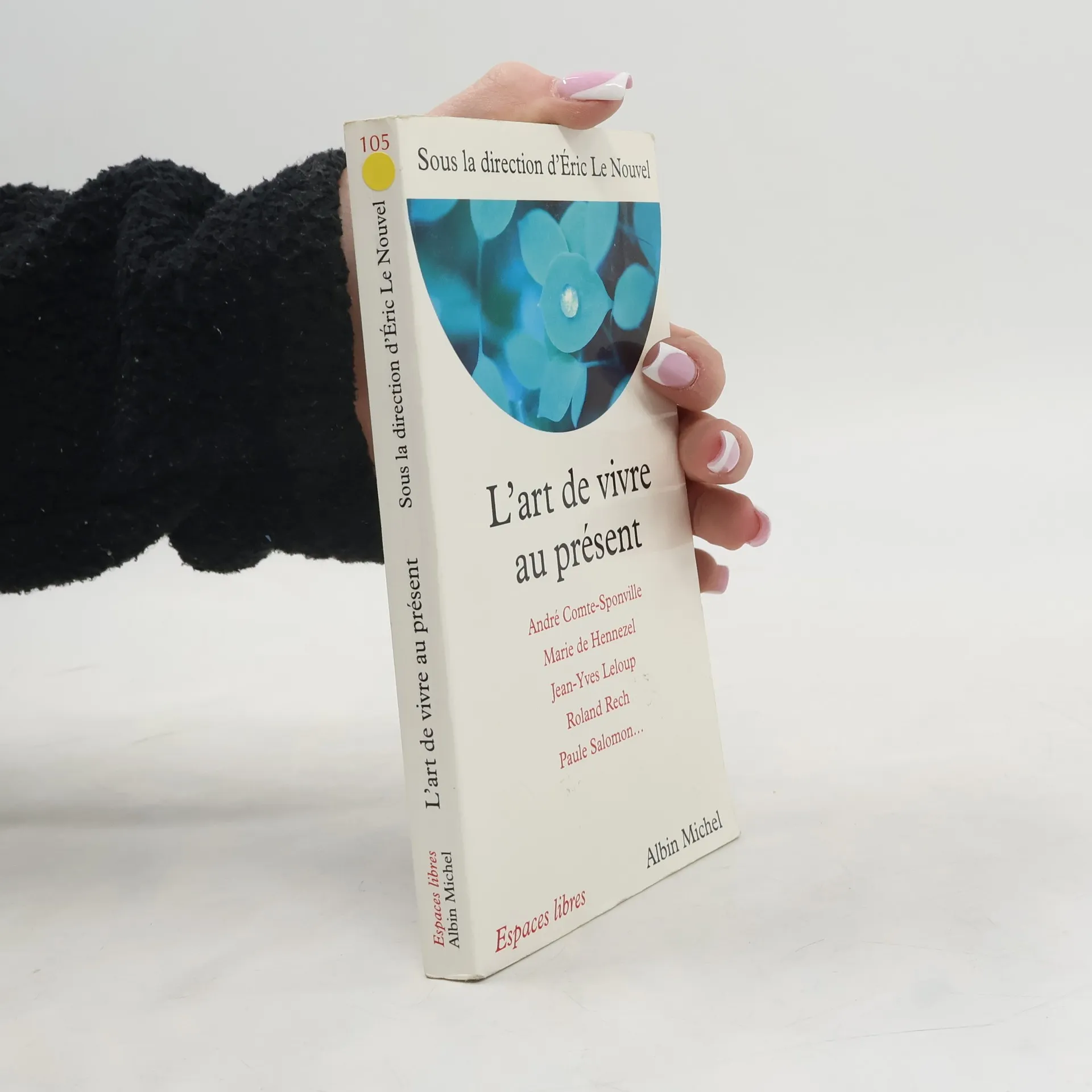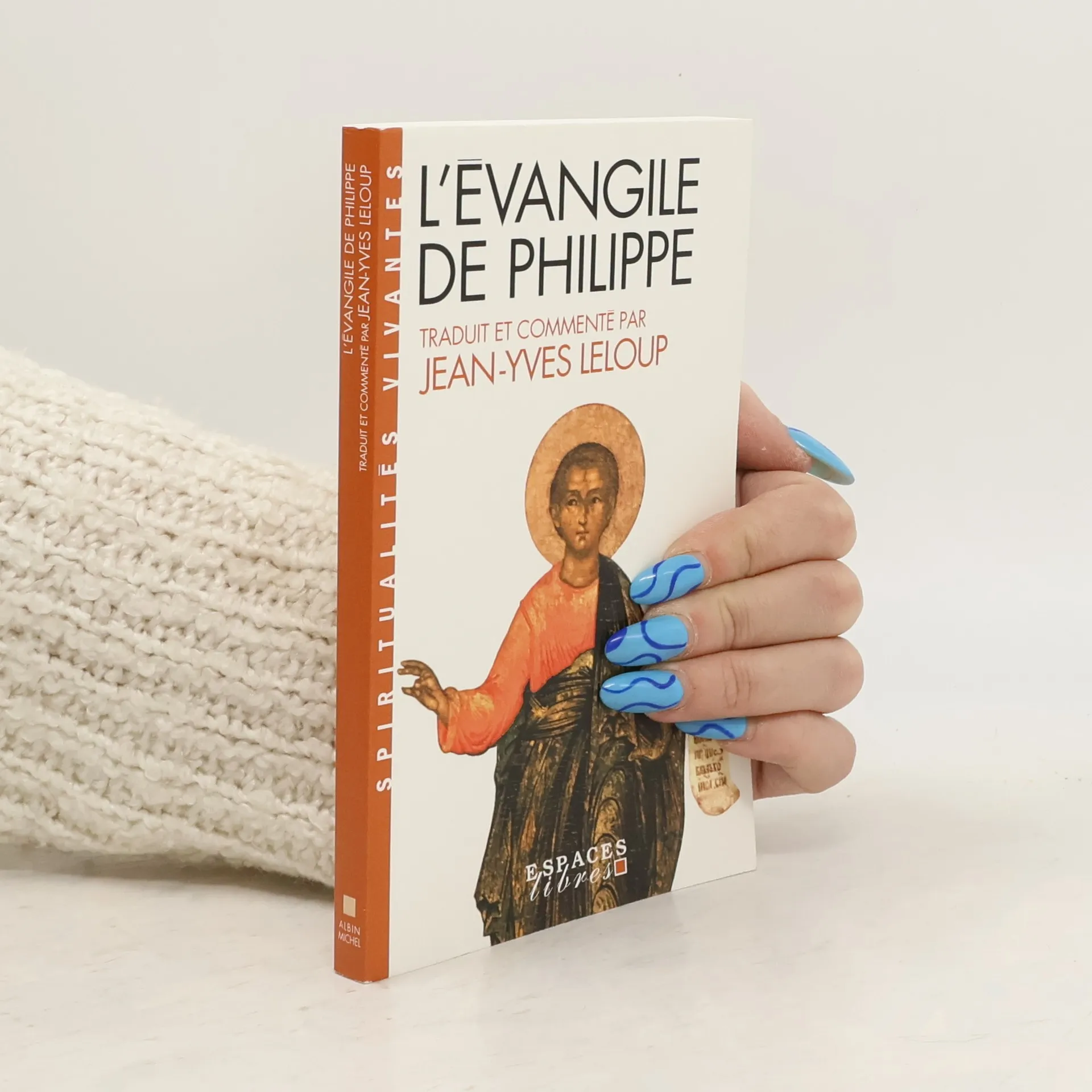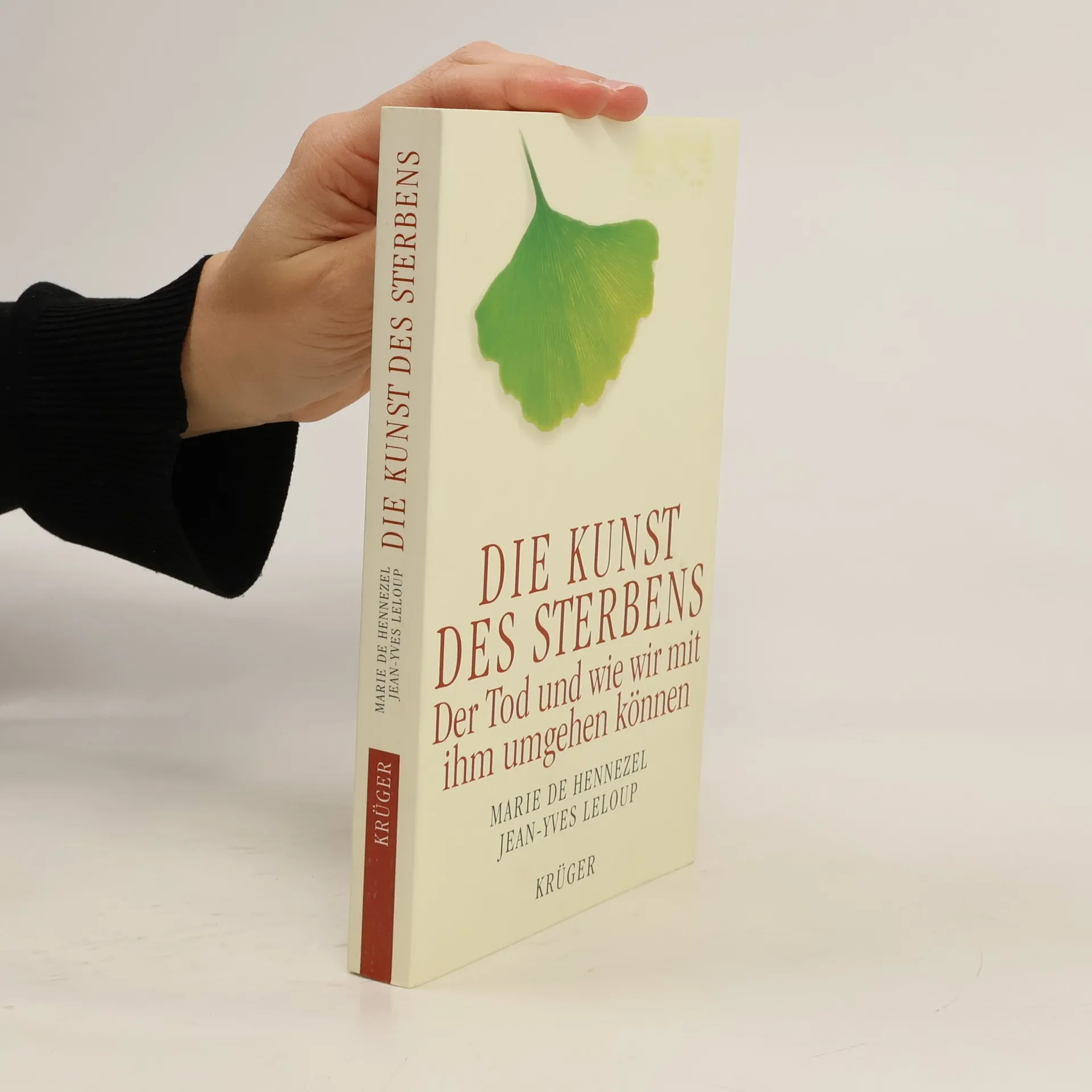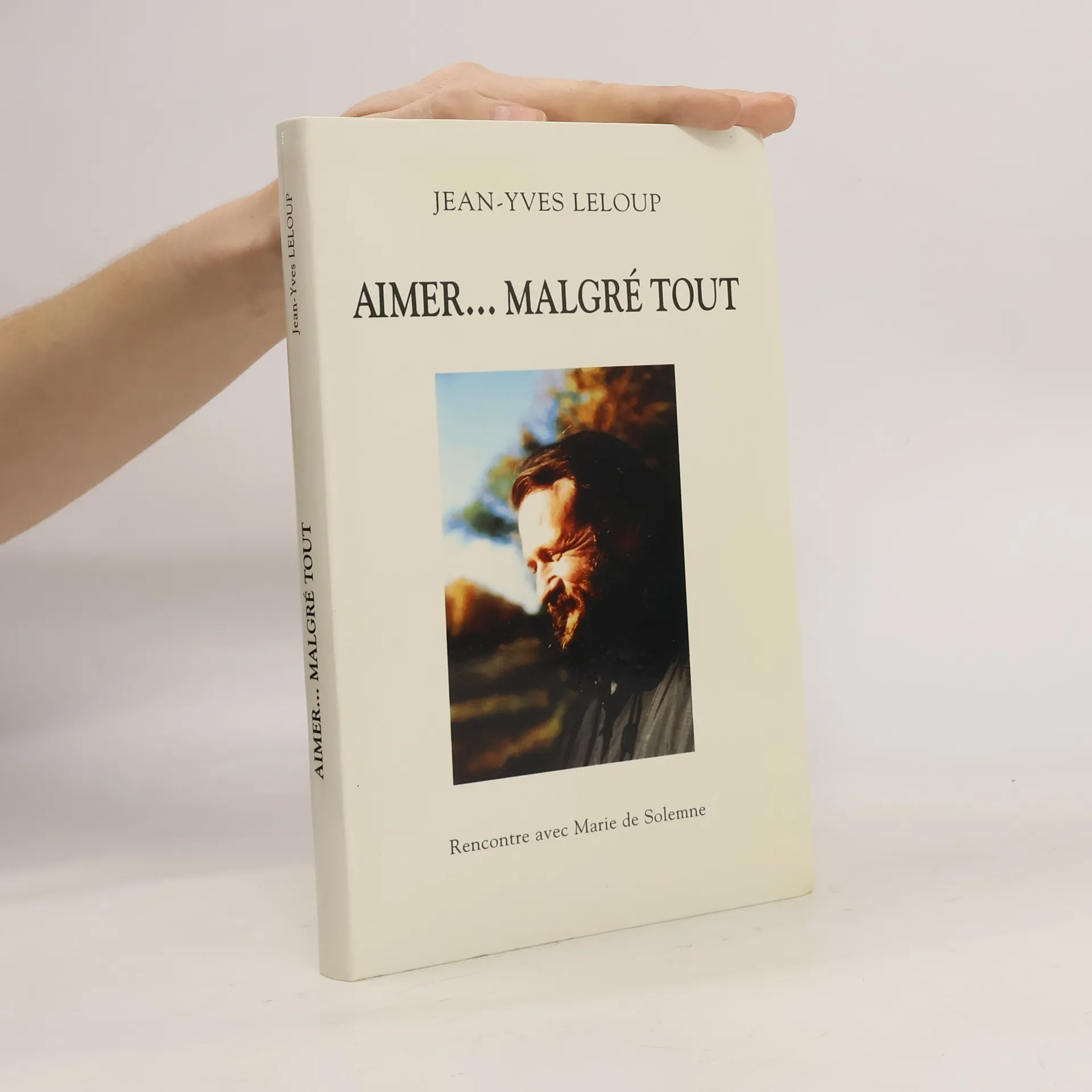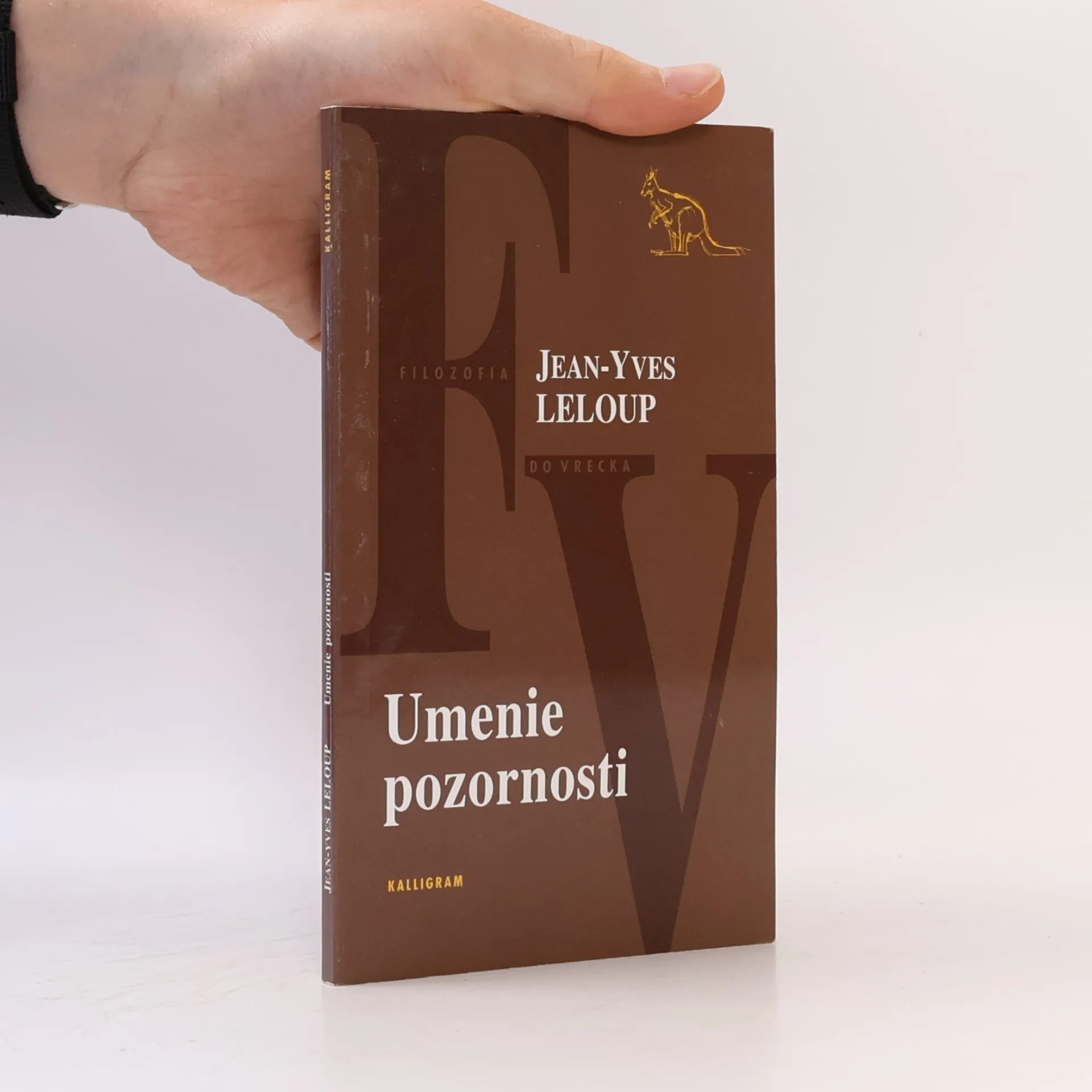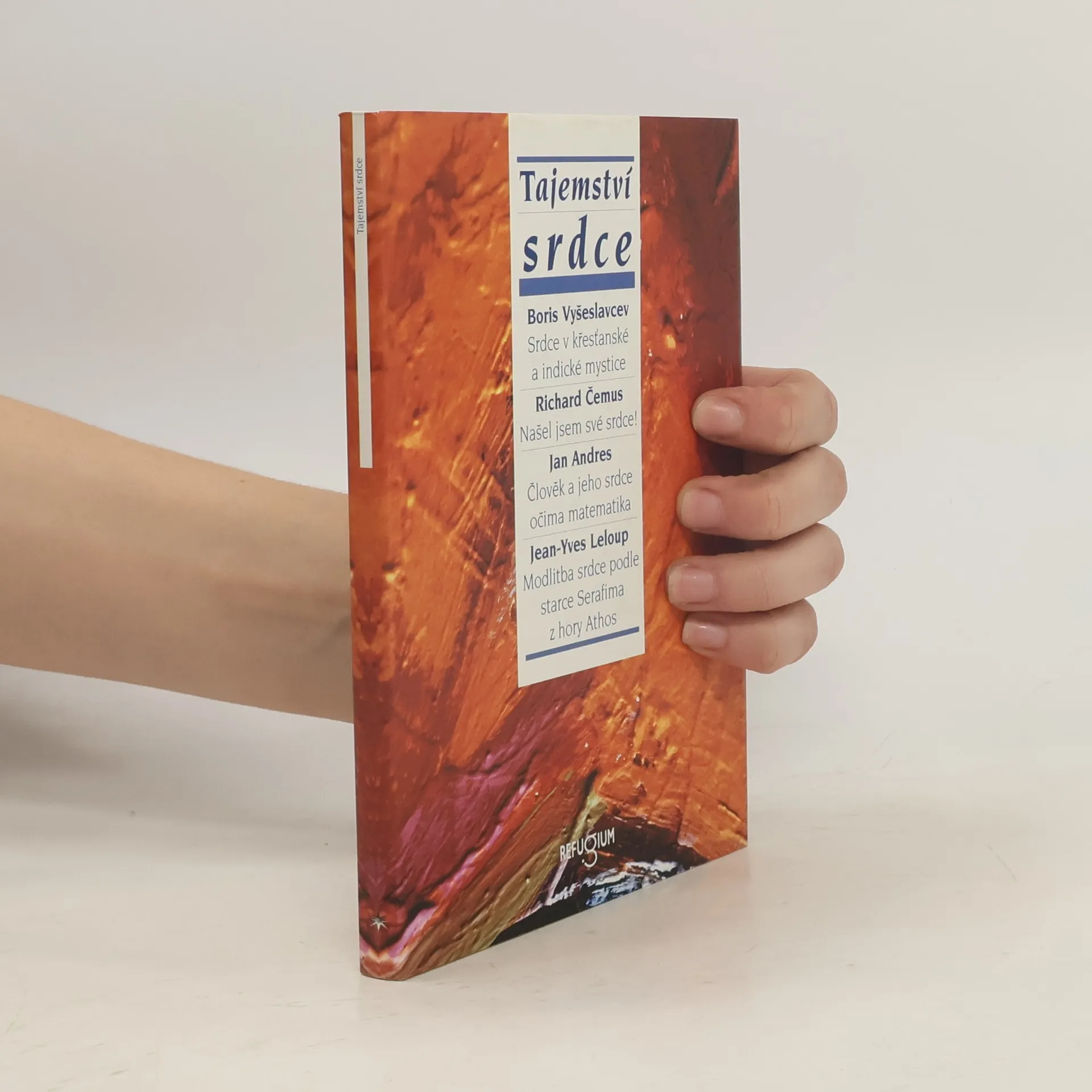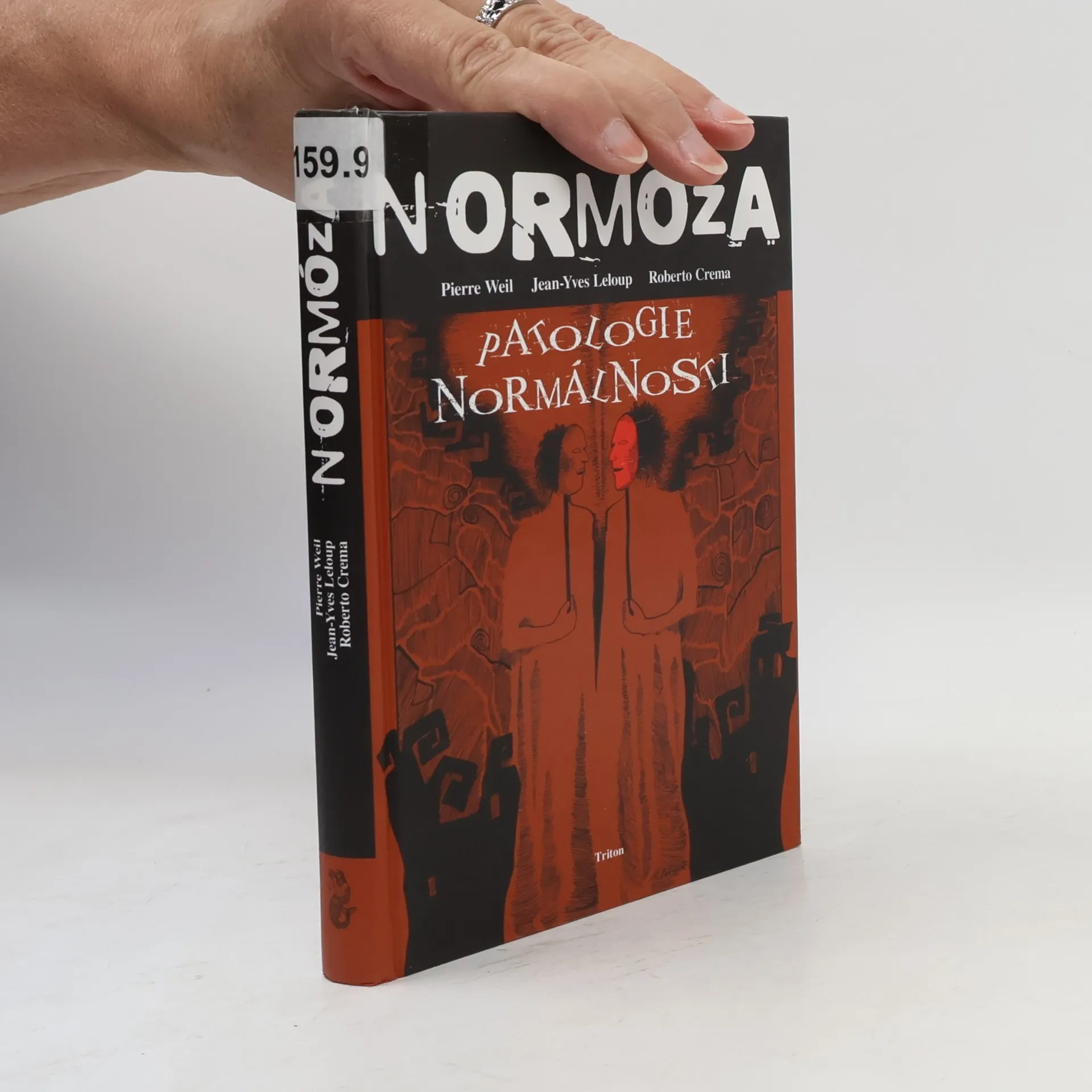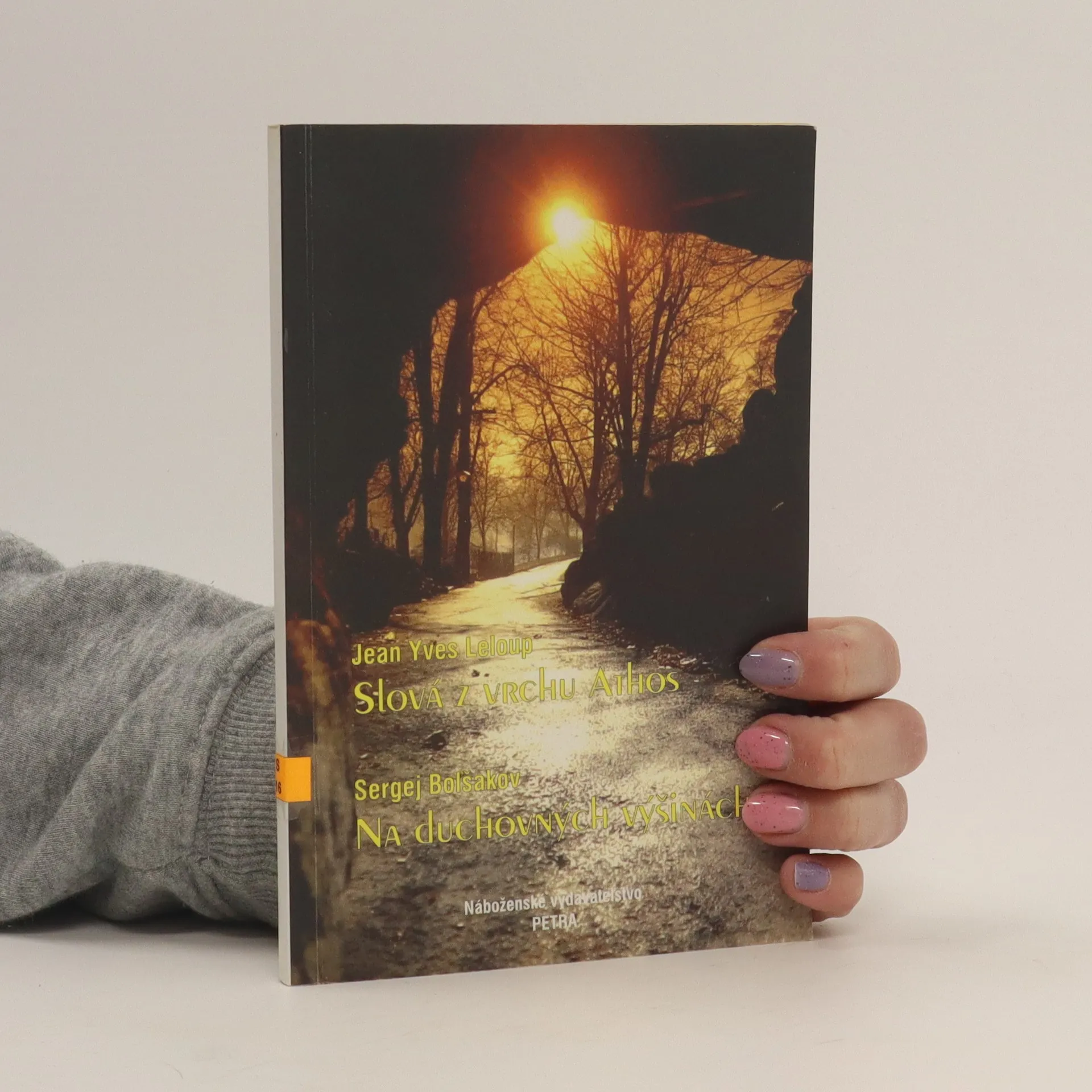
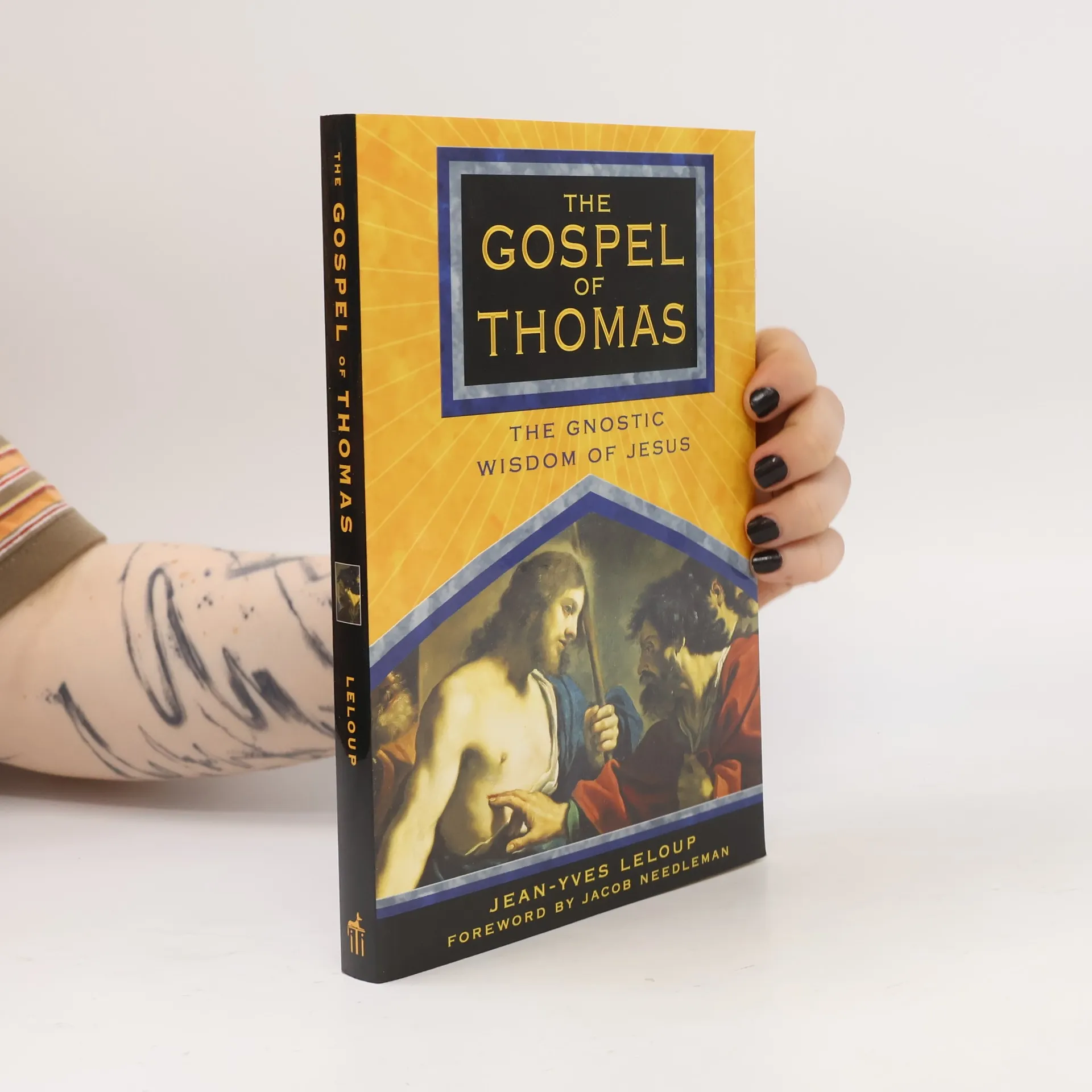

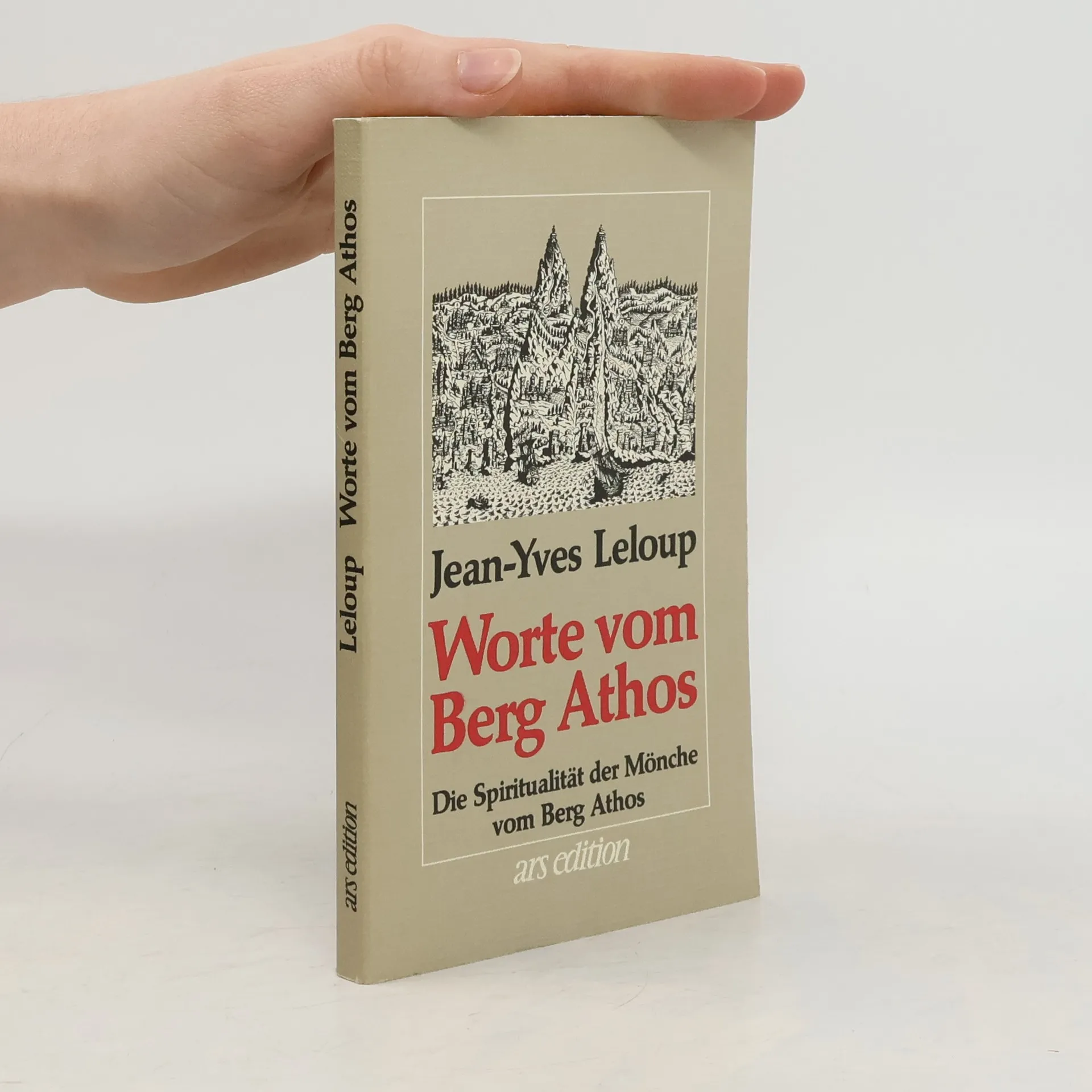
Jean-Yves Leloup is an Orthodox theologian, widely recognized for his engaging explorations of spirituality and psychology. His prolific work, appreciated across continents, masterfully blends theological depth with psychological insight. Leloup delves into the human spiritual journey, drawing from ancient traditions to illuminate paths toward profound self-understanding. His distinctive approach lies in the seamless integration of time-tested wisdom with contemporary psychological thought.
The book explores the long-standing Christian teachings on stillness and inner calm, highlighting their relevance in addressing modern psychological challenges related to achieving inner peace. It delves into over fifteen centuries of wisdom, offering insights and practices that can guide readers toward tranquility amidst contemporary life’s stresses.
The book explores the unique stance of Christianity on sexuality, arguing that it has been dismissed as a means to enlightenment and salvation. Jean-Yves Leloup emphasizes the sacredness of the intimate connection between man and woman, suggesting it reflects humanity's divine image. He posits that this embrace can serve as a profound path to personal transformation, aligning with Christ's intentions for spiritual growth and fulfillment.
Accompanying the exhibition Electronic: From Kraftwerk to The Chemical
Brothers, this book offers an insight into the visual culture of electronic
music.
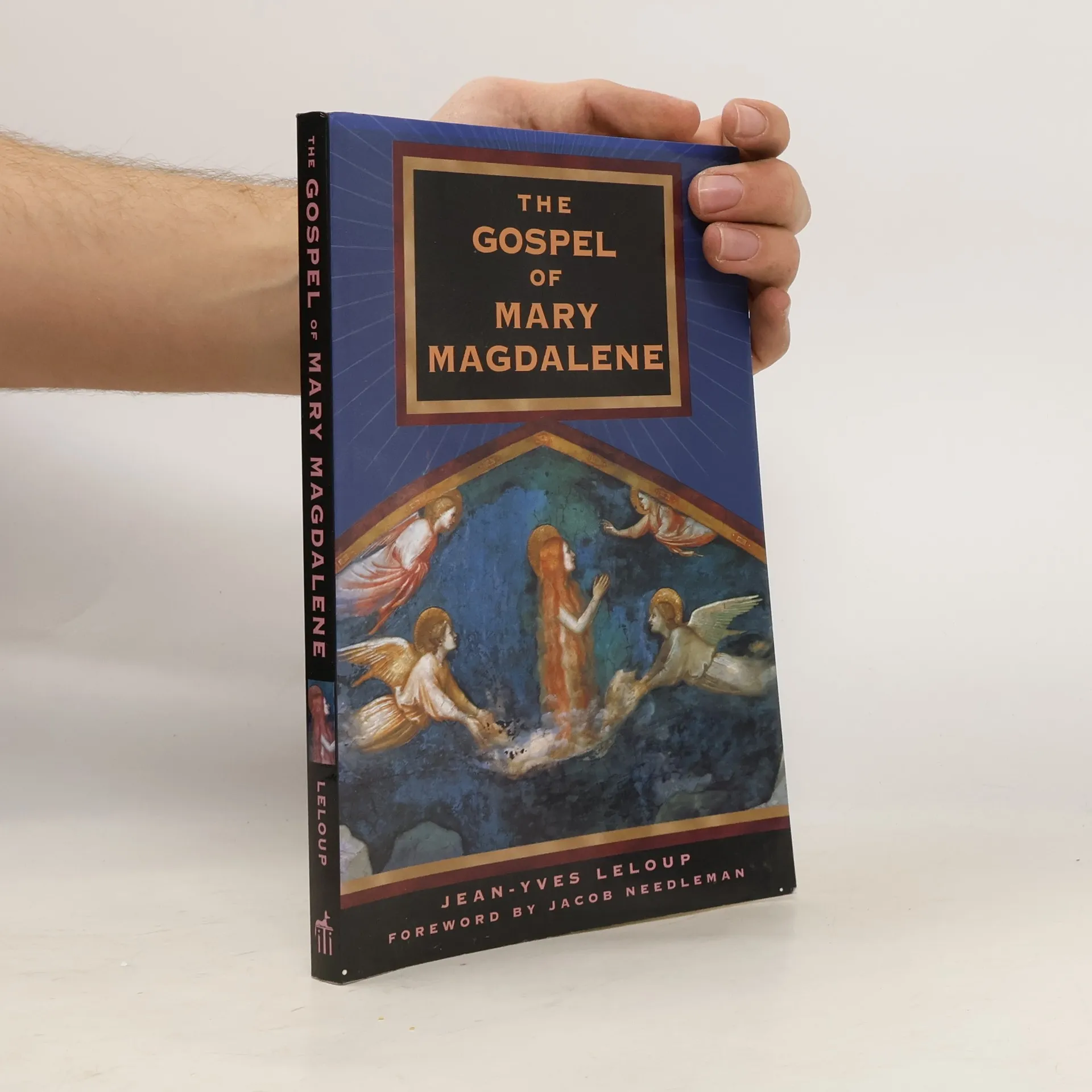
Die verbotene Göttin hinter »Gott dem Vater« – eine Reise zur ursprünglichen christlichen Lehre Die weibliche Stimme des Urchristentums: Jahrhundertelang von der Kirche unterdrückt, bringt das verborgene Evangelium der Maria Magdalena Licht in die mysteriöse Frühzeit des christlichen Glaubens. Es führt zu einer Frau, die die wichtigste spirituelle Vertraute Jesu war – vielleicht sogar seine Gattin, der er seine geheimen Lehren vermittelte. Einer der wichtigsten christlichen Basistexte, der Leben und Lehre Jesu in einem ganz neuen Licht erscheinen lässt.
Maria Magdalena wird in den Evangelien des Neuen Testaments als Nebenfigur dargestellt, während gnostische Evangelien sie als Jesu Frau und wichtigste Vertraute zeigen. "Das Evangelium der Maria" bietet einen neuen Blick auf Jesu Lehren und das frühe Christentum. Jean-Yves Leloups Kommentierung eröffnet eine bedeutende spirituelle Perspektive.
Ewangelia Filipa, tak jak Ewangelia Tomasza (również komentowana przez Jeana-
Yvesa Leloupa i wydana w tej samej kolekcji), należy do tekstów apokryficznych
napisanych w języku koptyjskim. Odkrywano je począwszy od roku 1945 w grotach
Nag Hammadi w Górnym Egipcie. Ta ewangelia gnostycka z III wieku,
prawdopodobnie pełniąca rolę ówczesnego katechizmu dla wtajemniczonych, wydaje
się oryginalnym świadectwem życia i nauczania Chrystusa w Jego czasach. Jako
tekst przypisywany jednemu z najbliższych uczniów Jezusa pozwala, być może,
odkryć Jego bardziej ludzką postać, charakteryzującą się dużą swobodą
wypowiedzi i zachowania w stosunku do otaczających Go mężczyzn i kobiet.
Szczególnego znaczenia nabiera osoba Marii Magdaleny, towarzyszki Mistrza,
oraz inicjalny charakter ich związku i uosabiany przezeń obraz powrotu do
pierwotnej Jedności pierwiastków męskiego i żeńskiego.