Explore the latest books of this year!
Bookbot

Edward Seidensticker

    Edward George Seidensticker was a distinguished post-World War II scholar, historian, and preeminent translator of Japanese literature. His work was instrumental in making classical and contemporary Japanese authors accessible to Western readers. Seidensticker focused on a deep understanding of Japanese culture and its literary heritage. His translations are highly regarded for their fidelity and literary merit.

    Tuttle Classics: Snow Country
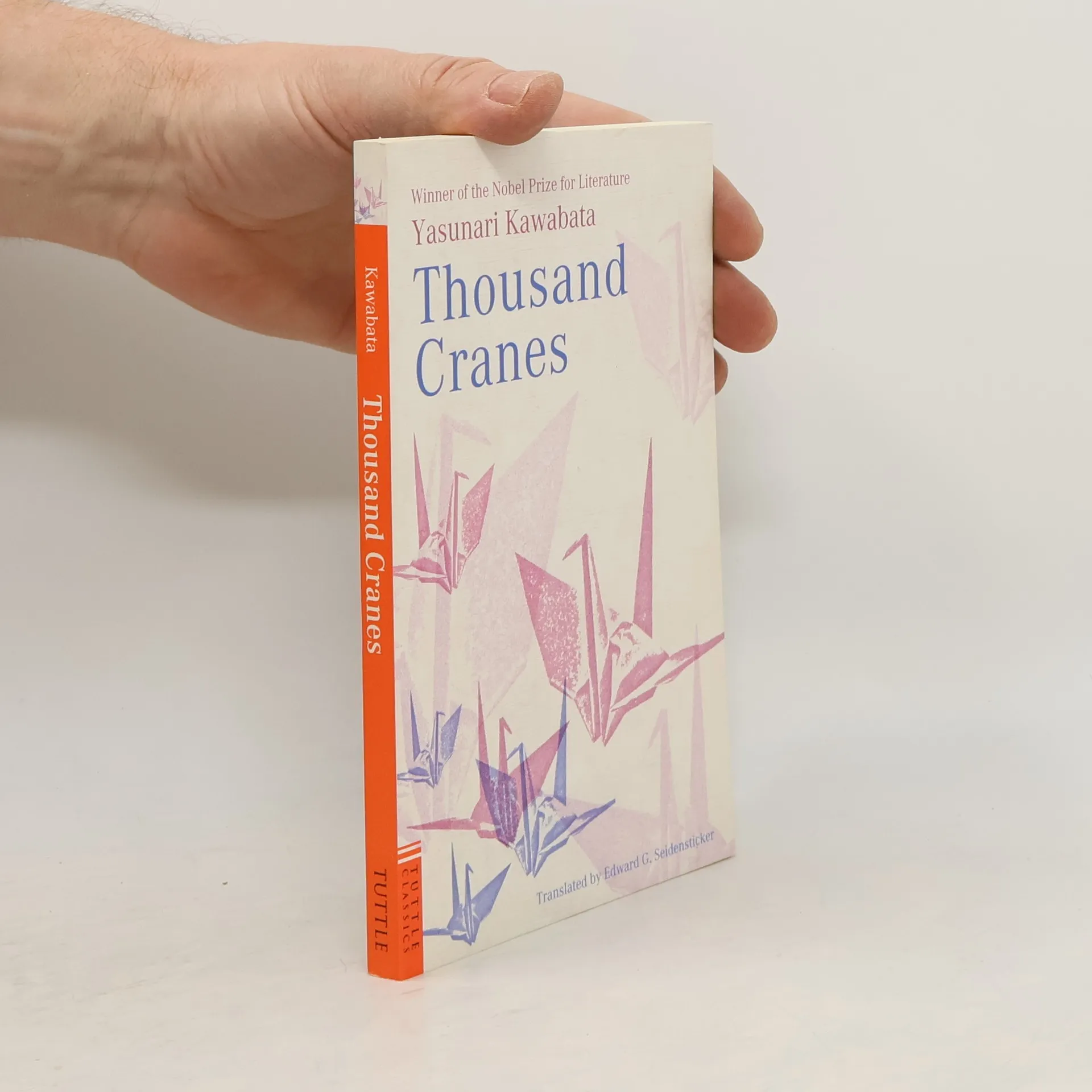
    千羽鶴(英文版) - Thousand Cranes
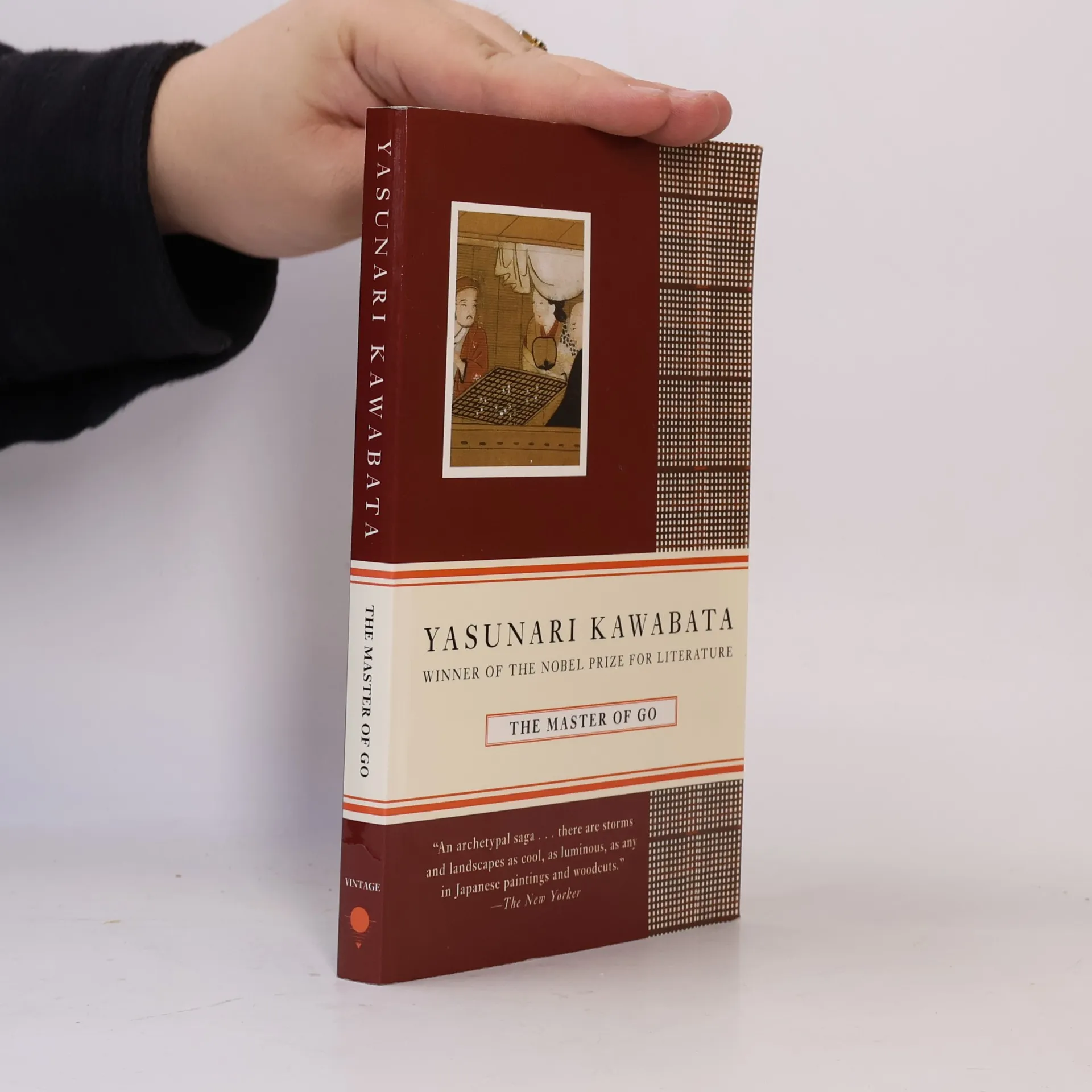
    The Master of Go
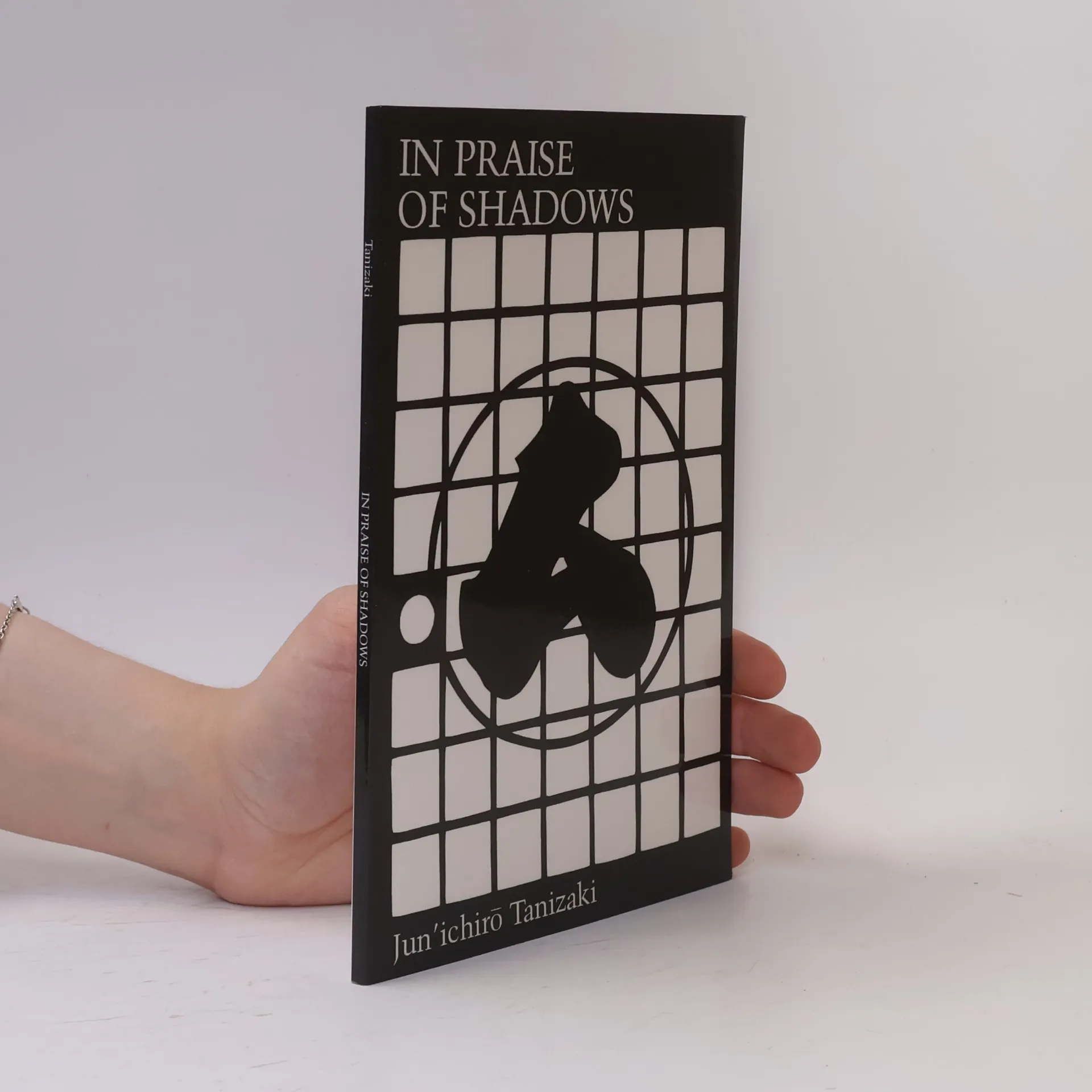
    In Praise of Shadows
    Death in Midsummer and Other Stories
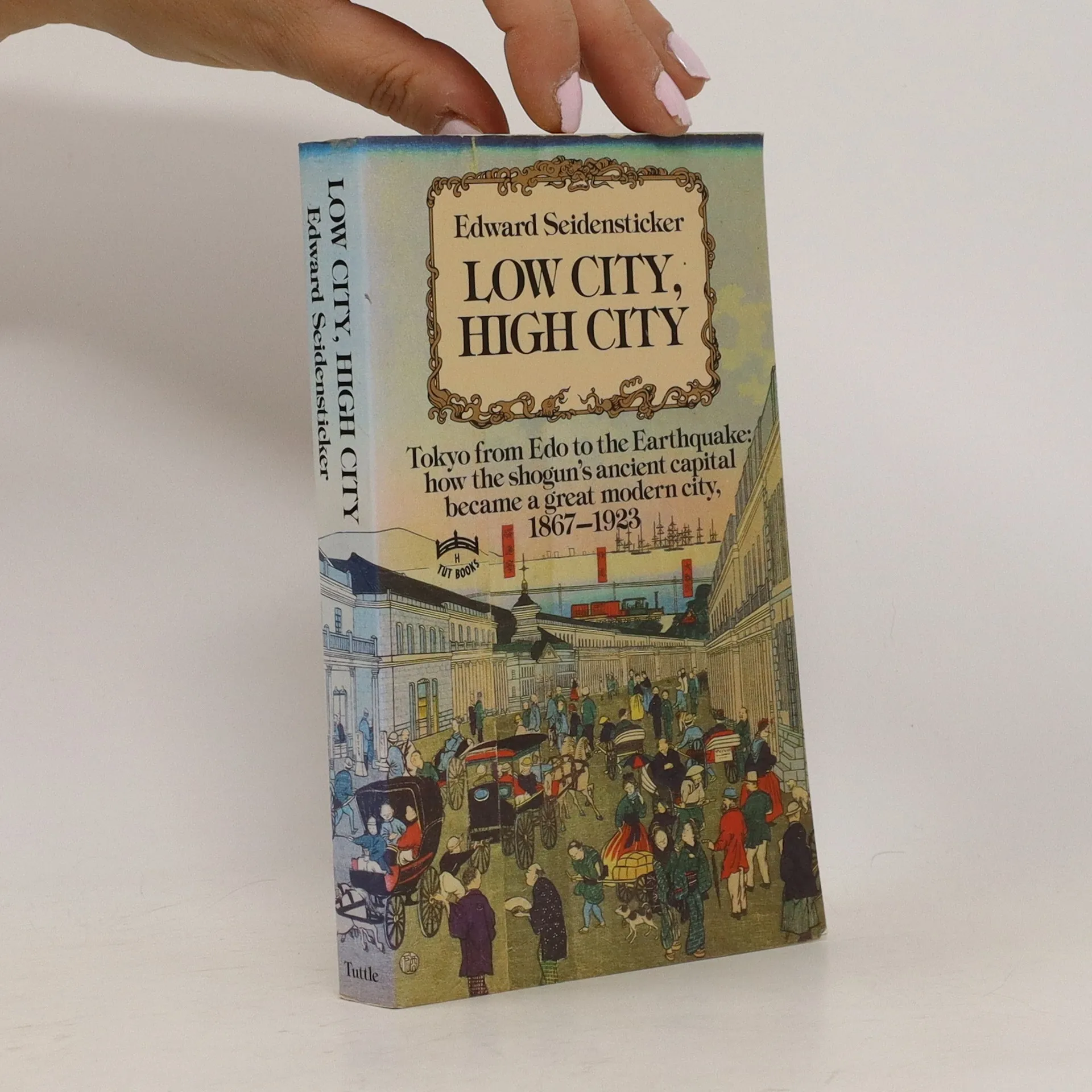
    Low City, High City
    • Low City, High City

      • 302 pages
      • 11 hours of reading

      Certain conjunctions of time and place exert a special fascination--Paris in the twenties, turn-of-the-century Vienna, Weimar Berlin. Tokyo in the years between the Meiji Restoration and the Earthquake of 1923 is one of these. Until 1867 the city was called Edo--it was the shogun's capital, the biggest city in a country almost completely closed to the outside world for two and a half centuries. Then, helter-skelter, it became a modern metropolis brimming with Western fads, ideas, and technologies, exuberantly inventing and imitating even as it yearned for the past it was destroying. East and West met here as never before--or since.

      Low City, High City
      5.0
    • Death, homosexuality and the spiritual emptiness of post-war Japan: these are the often shocking subjects which Mishima explores. The old world meets the new in this collection of fiction and drama by one of Japan's most celebrated writers. A husband prepares to commit hara-kiri in the name of patriotism; an ascetic struggles with temptation; and a businessman meets a past love in the streets of San Francisco. Violence colours the work of Mishima, as it did his life. But there is also delicate observation, pathos, humour and irony in these beautifully crafted tales. Contents: - Death in Midsummer - Three Million Yen - Thermos Flasks - The Priest of Shiga Temple and His Love - The Seven Bridges - Patriotism - Dōjōji - Onnagata - The Pearl - Swaddling Clothes

      Death in Midsummer and Other Stories
      4.1
    • In Praise of Shadows

      • 56 pages
      • 2 hours of reading

      Widely considered to be a classic, this essay on Japanese aesthetics by a major author ranges from the patina of lacquerware and the custom of moon-viewing to monastery toilets and the lighting in a brothel, while contrasting the Japanese sense of subtlety and nuance with Western imports such as electric lighting

      In Praise of Shadows
      4.0
    • The Master of Go

      • 208 pages
      • 8 hours of reading

      From the Nobel Prize-winning author and acclaimed writer of Thousand Cranes comes the luminous chronicle of a match of the Japanese game Go played between a master and a younger, more modern challenger that serves as a suspenseful elegy for an entire society.Go is a game of strategy in which two players attempt to surround each other’s black or white stones. Simple in its fundamentals, infinitely complex in its execution, Go is an essential expression of the Japanese spirit. And in his fictional chronicle of a match played between a revered and heretofore invincible Master and a younger, more modern challenger, Yasunari Kawabata captured the moment in which the immutable traditions of imperial Japan met the onslaught of the twentieth century.The competition between the Master of Go and his opponent, Otaké, is waged over several months and layered in ceremony. But beneath the game’s decorum lie tensions that consume not only the players themselves but their families and retainers—tensions that turn this particular contest into a duel that can only end in death. Luminous in its detail, both suspenseful and serene, The Master of Go is written with the poetic economy and psychological acumen that brought Kawabata the Nobel Prize for Literature.

      The Master of Go
      3.9
    • 千羽鶴(英文版) - Thousand Cranes

      • 147 pages
      • 6 hours of reading

      Thousand Cranes is a story of love given and love withheld. Set against the backdrop of Japan's traditional tea ceremony, it is a taut, highly dramatic novel gleaming with sudden passages of poetic beauty. In one of the book's strongest scenes, the two characters are symbolized by the two fine old China bowls, one female and one male, that sit before them. The novel opens with Kikuji on his way to a tea ceremony given by Chikako, one of his father's former mistresses. He is also on his way to act out the unfinished drama of his father's life. Kikuji's father had been a cultivated man, an art lover and a pleasure seeker. He had cast off one mistress, Chikako, but had loved another, Mrs Ota, until his death. Kikuji, like his father, tries to escape from Chikako, now masculine and meddlesome. Like his father, too, he is drawn to Mrs Ota, who has remained young, alluring and pliant even though her daughter, Fumiko, is only twenty years old. Kikuji's guilty passion for Mrs Ota and Fumiko's efforts to alter the family fate lead to the novel's stunning climax.

      千羽鶴(英文版) - Thousand Cranes
      3.8
    • Tuttle Classics: Snow Country

      • 175 pages
      • 7 hours of reading

      Nobel Prize-winner Yasunari Kawabata's Snow Country is widely considered to be the writer's masterpiece, a powerful tale of wasted love set amid the desolate beauty of western Japan. At an isolated mountain hot spring, with snow blanketing every surface, Shimamura, a wealthy dilettante meets Komako, a lowly geisha. She gives herself to him fully and without remorse, despite knowing that their passion cannot last and that the affair can have only one outcome. In chronicling the course of this doomed romance, Kawabata has created a story for the ages, a stunning novel dense in implication and exalting in its sadness.

      Tuttle Classics: Snow Country
      3.7
    • McLellan Book: Tokyo Central

      A Memoir

      • 250 pages
      • 9 hours of reading

      This memoir is by a translator who has introduced two generations of English-language audiences to the masterpieces of classical and modern Japanese literature. His patient rendering of novels ranging from the 11th-century Tale of Genji to works of such modern masters as Junichiro Tanizaki, Yukio Mishima and Nobel-Prize winner Yasunari Kawabata has earned him the National Book Award as well as the Order of the Rising Sun, Japan's highest honour for foreigners.

      McLellan Book: Tokyo Central
      3.2
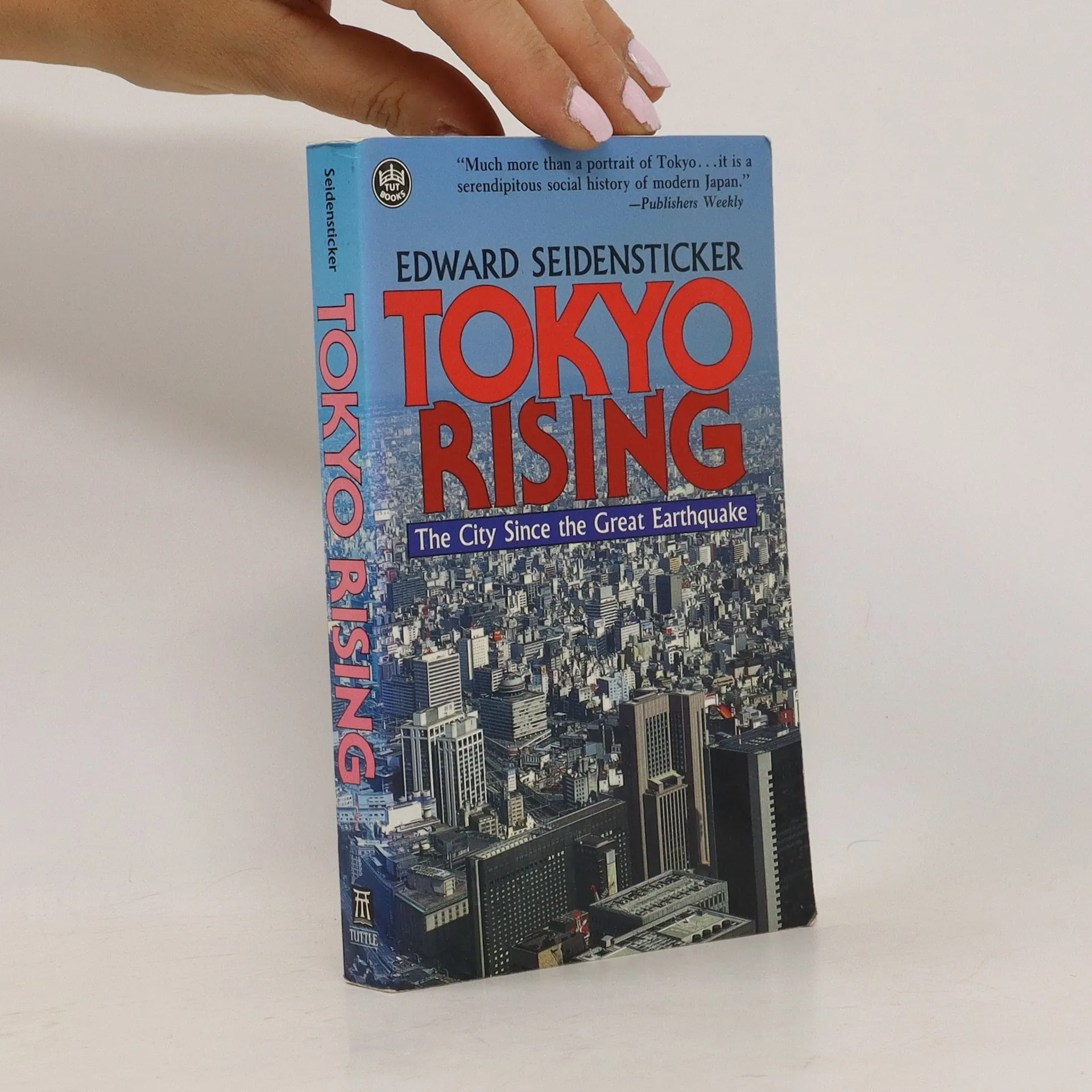
    • Tokyo Rising

      • 378 pages
      • 14 hours of reading

      A continuation of the author's history of Tokyo explains how the city recovered from both a major earthquake and Allied bombing raids in World War II

      Tokyo Rising