From the grandmaster of science fiction, a dozen memorable tales filled with wonder and imagination. From the Paperback edition.
Arthur C. Clarke Books
December 16, 1917 – March 19, 2008
Arthur C. Clarke was a visionary whose work delved into the vastness of space and the future of humanity. As a prolific author, he became renowned for his prescient insights into scientific and technological possibilities, often exploring the ethical and philosophical implications of advancement. His writing style was characterized by clarity, scientific accuracy, and a sense of awe-inspiring imagination that captivated readers worldwide. Clarke's legacy lies in his ability to inspire wonder and foster curiosity about the cosmos and our place within it.


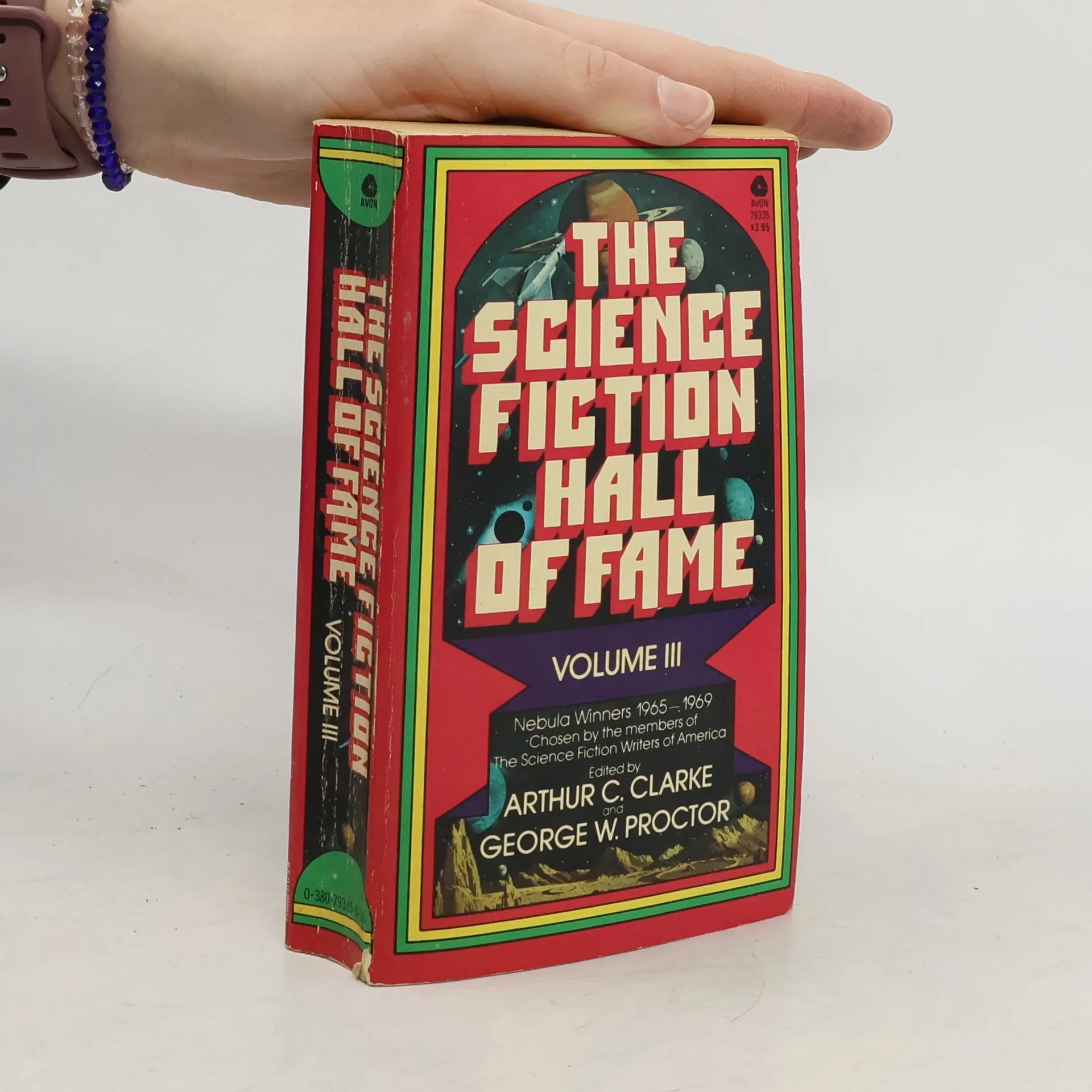

ix • Introduction (Science Fiction Hall of Fame Volume III) • (1981) • essay by Arthur C. Clarke2 • "Repent, Harlequin!" Said the Ticktockman • (1965) • shortstory by Harlan Ellison15 • The Doors of His Face, the Lamps of His Mouth • (1965) • novelette by Roger Zelazny49 • The Saliva Tree • (1965) • novella by Brian W. Aldiss122 • He Who Shapes • (1965) • novella by Roger Zelazny216 • The Secret Place • (1966) • shortstory by Richard McKenna232 • Call Him Lord • (1966) • novelette by Gordon R. Dickson254 • The Last Castle • (1966) • novella by Jack Vance318 • Aye, and Gomorrah. . . • (1967) • shortstory by Samuel R. Delany329 • Gonna Roll the Bones • (1967) • novelette by Fritz Leiber352 • Behold the Man • (1966) • novella by Michael Moorcock406 • The Planners • (1968) • shortstory by Kate Wilhelm422 • Mother to the World • (1968) • novelette by Richard Wilson461 • Dragonrider • (1967) • novella by Anne McCaffrey580 • Passengers • (1968) • shortstory by Robert Silverberg593 • Time Considered as a Helix of Semi-Precious Stones • (1968) • novelette by Samuel R. Delany632 • A Boy and His Dog • [Vic and Blood • 2] • (1969) • novella by Harlan Ellison
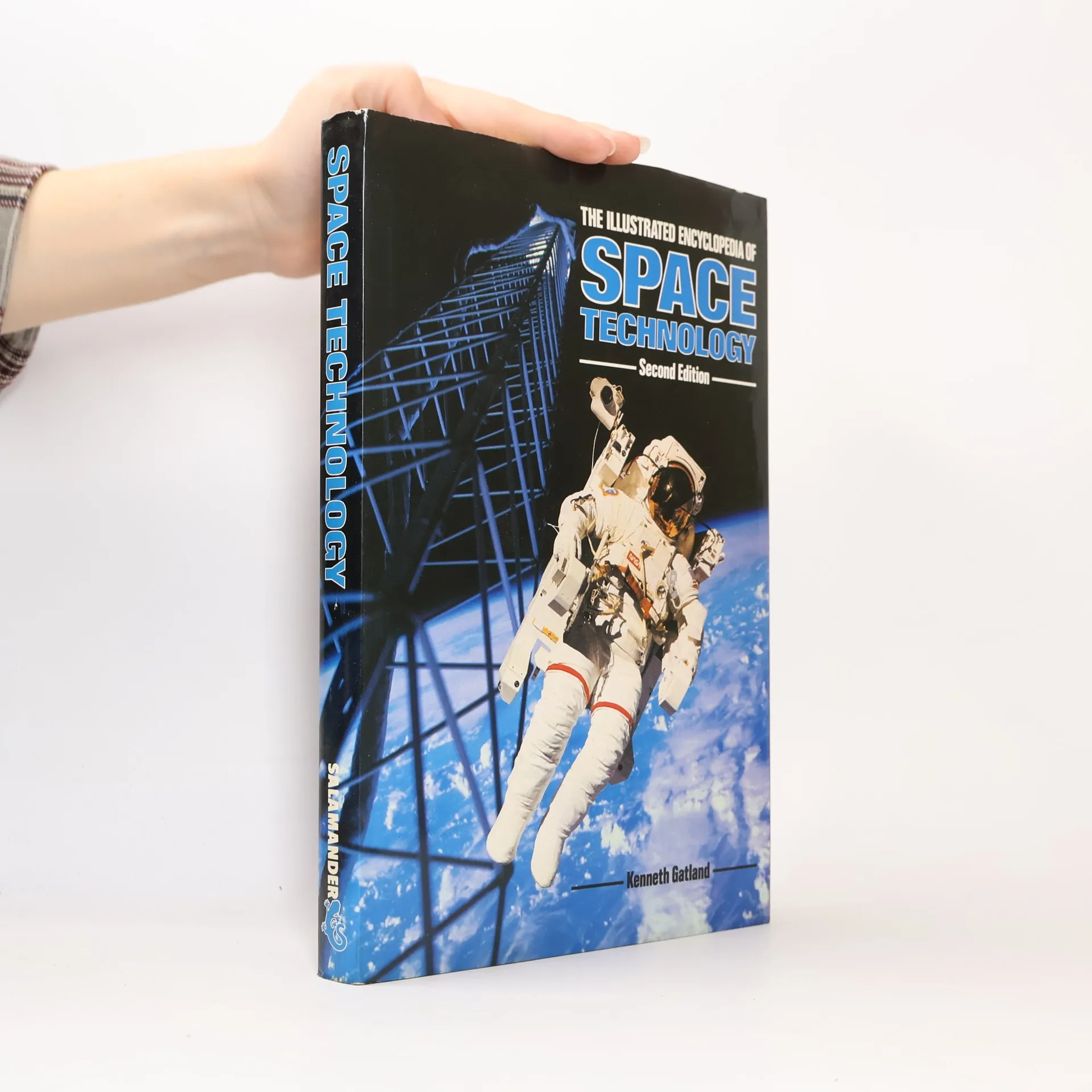
Beskriver udviklingen inden for rumfartsteknik og rumfart
Our World in Colour
- 191 pages
- 7 hours of reading
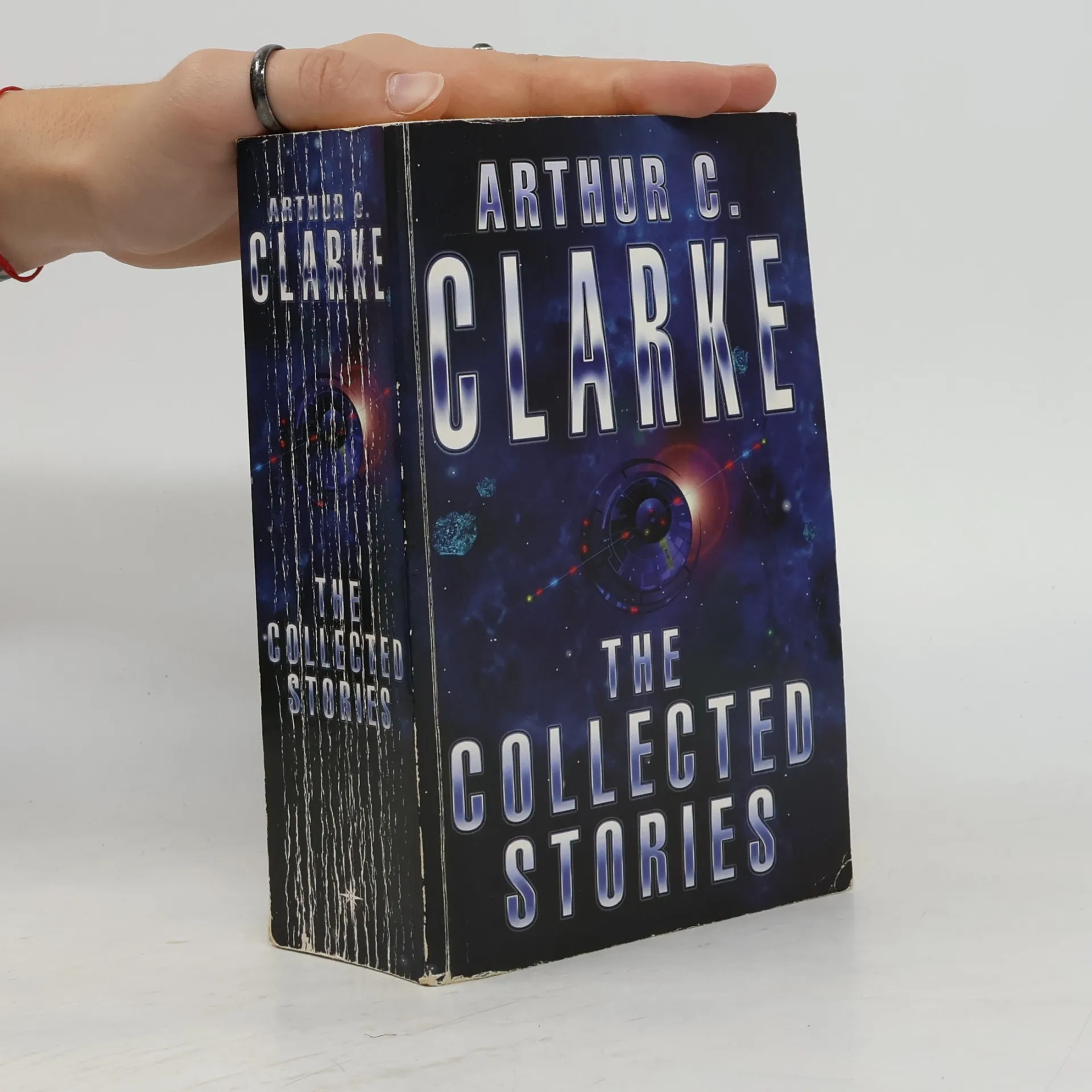
The collected stories
- 976 pages
- 35 hours of reading
The definitive collection of short stories from the century's greatest science fiction writer.
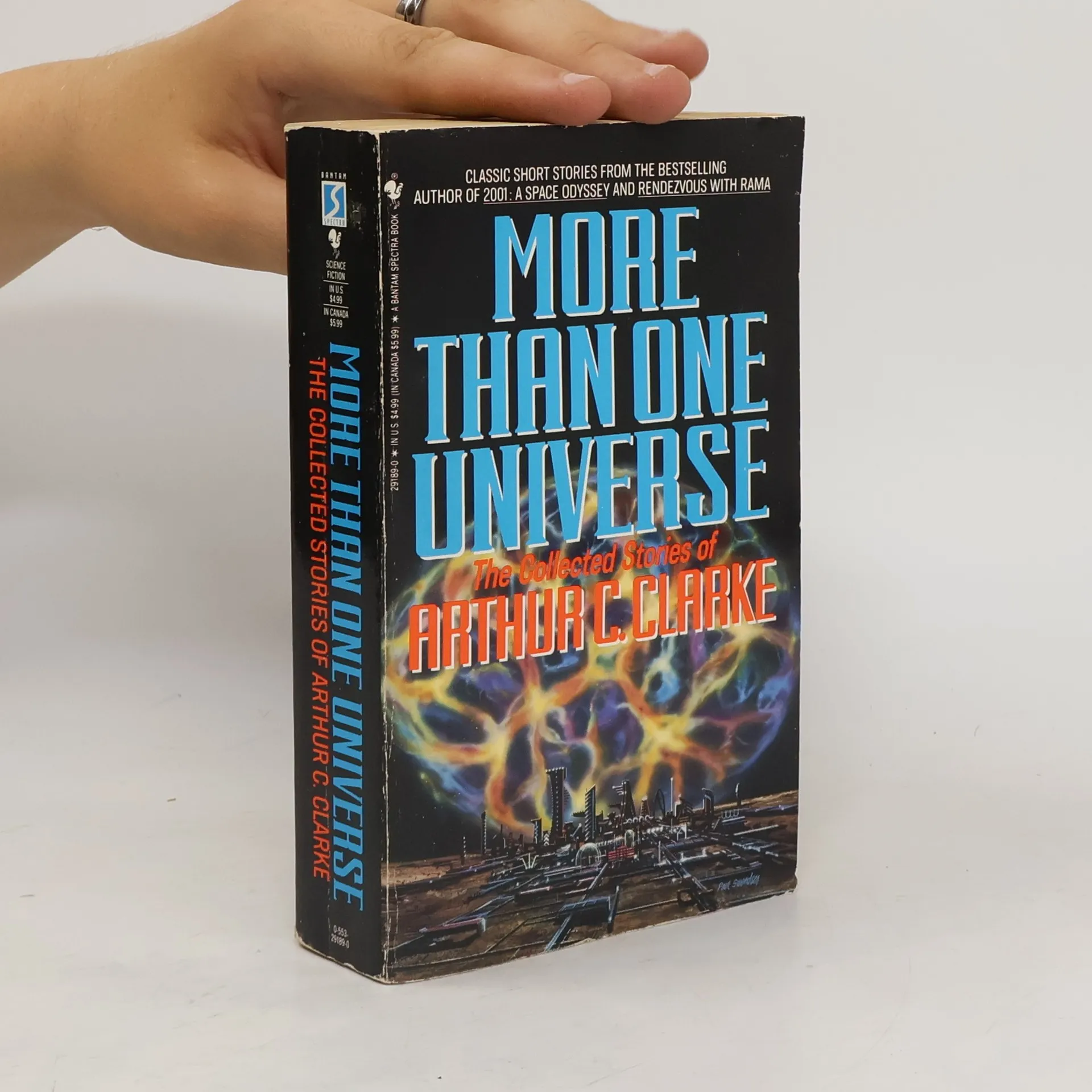
More Than One Universe
- 576 pages
- 21 hours of reading
Fifty-four short stories from a Grand Master of Science Fiction. Find the seed idea for 2001: A Space Odyssey, and more. From humorous to serious, a celebrated collection of worlds and words.
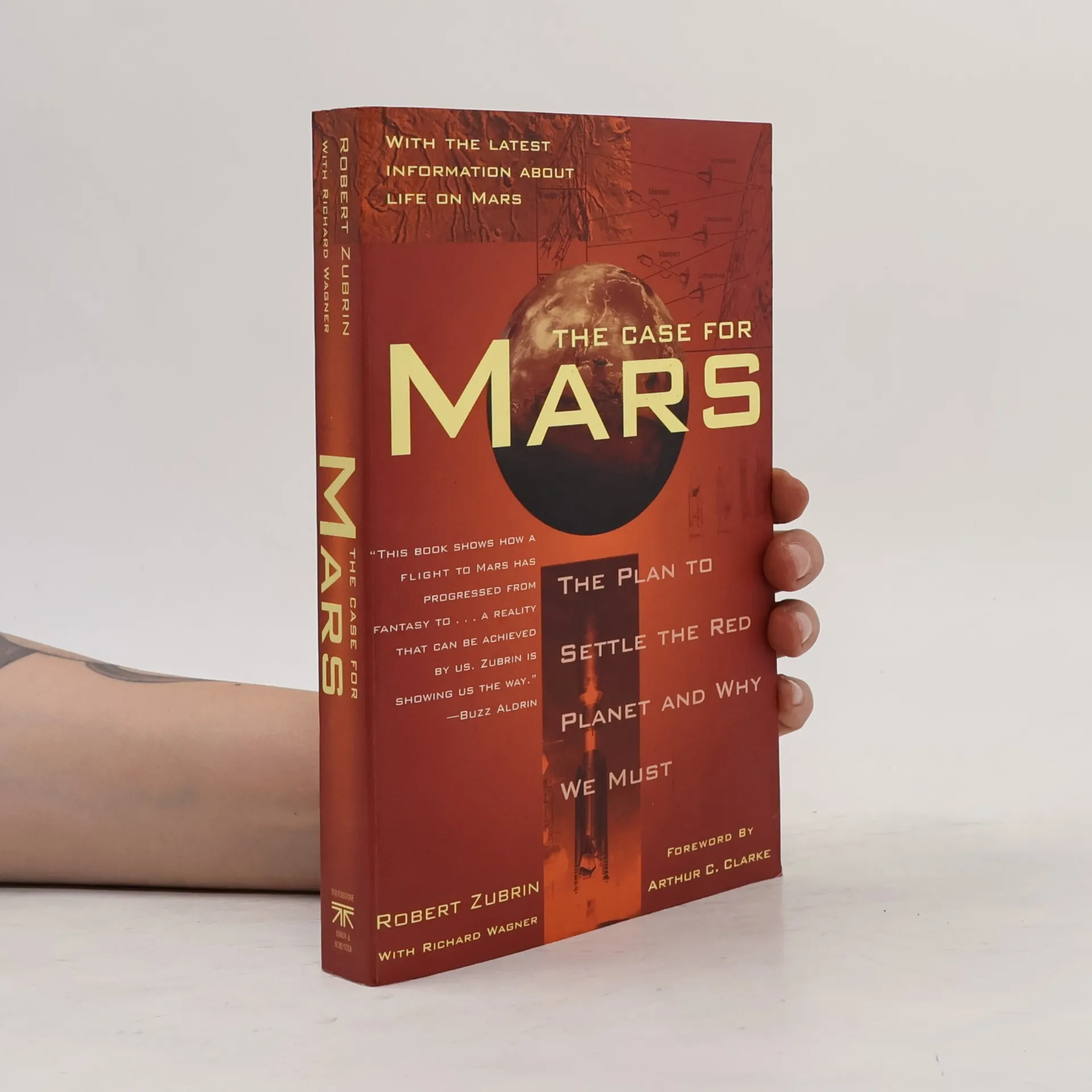
The Case for Mars
- 368 pages
- 13 hours of reading
Since the beginning of human history Mars has been an alluring dream--the stuff of legends, gods, and mystery. The planet most like ours, it has still been thought impossible to reach, let alone explore and inhabit.Now with the advent of a revolutionary new plan, all this has changed. leading space exploration authority Robert Zubrin has crafted a daring new blueprint, Mars Direct, presented here with illustrations, photographs, and engaging anecdotes.The Case for Mars is not a vision for the far future or one that will cost us impossible billions. It explains step-by-step how we can use present-day technology to send humans to Mars within ten years; actually produce fuel and oxygen on the planet's surface with Martian natural resources; how we can build bases and settlements; and how we can one day "terraform" Mars--a process that can alter the atmosphere of planets and pave the way for sustainable life.
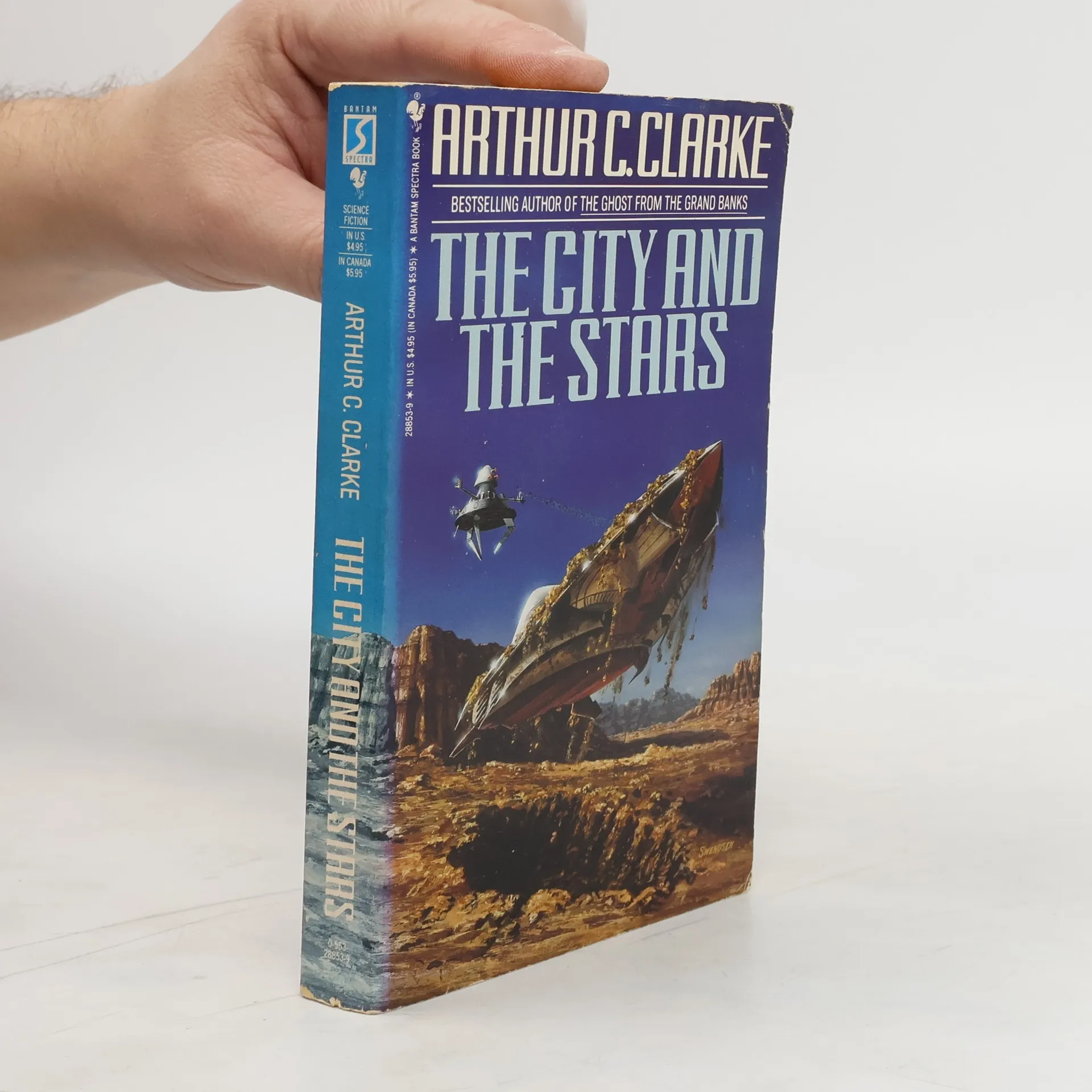
Men had built cities before, but never such a city as Diaspar; for millennia its protective dome shutout the creeping decay and danger of the world outside. Once, it held powers that rules the stars. But then, as legend had it, The invaders came, driving humanity into this last refuge. It takes one man, A Unique to break through Diaspar¿s stifling inertia, to smash the legend and discover the true nature of the Invaders.
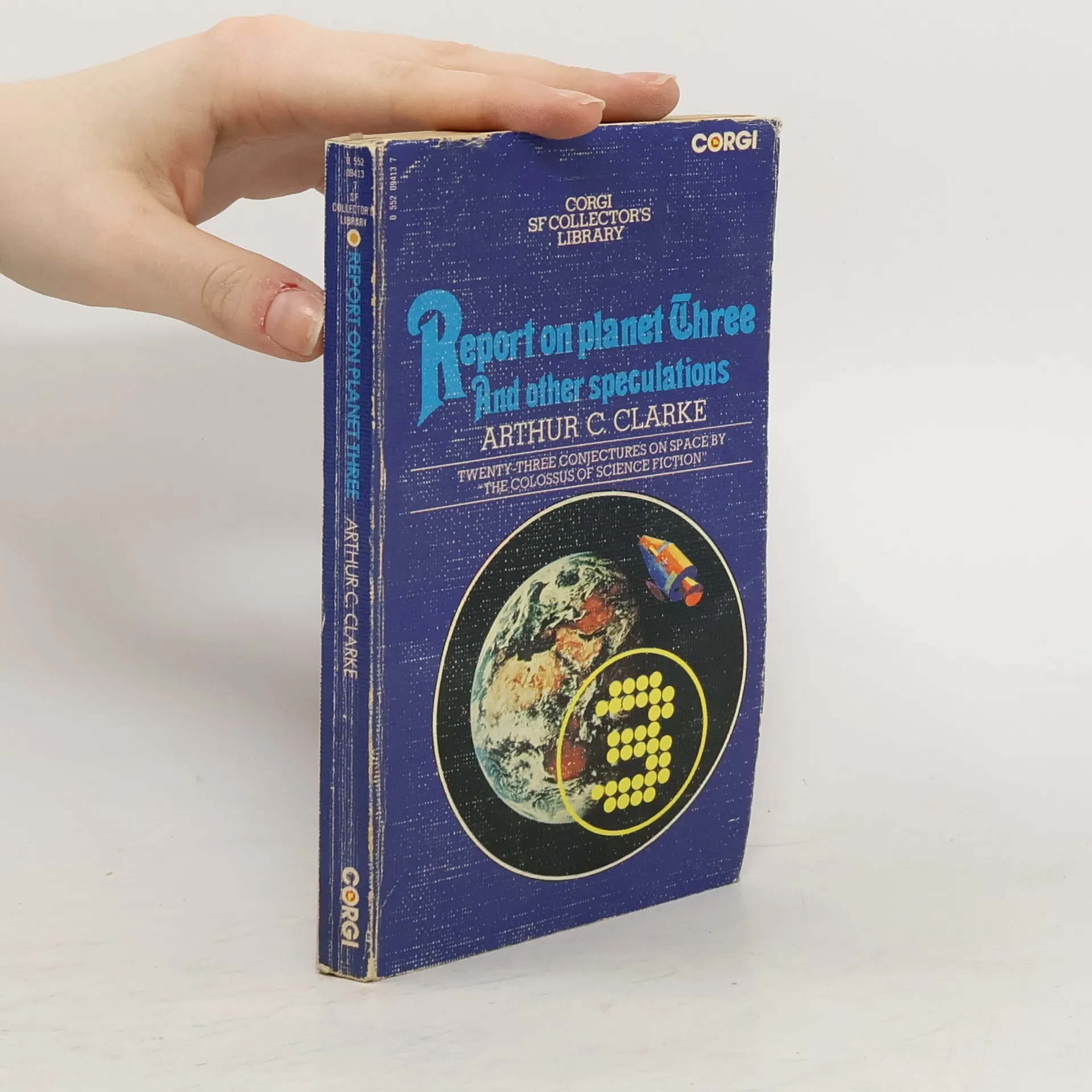
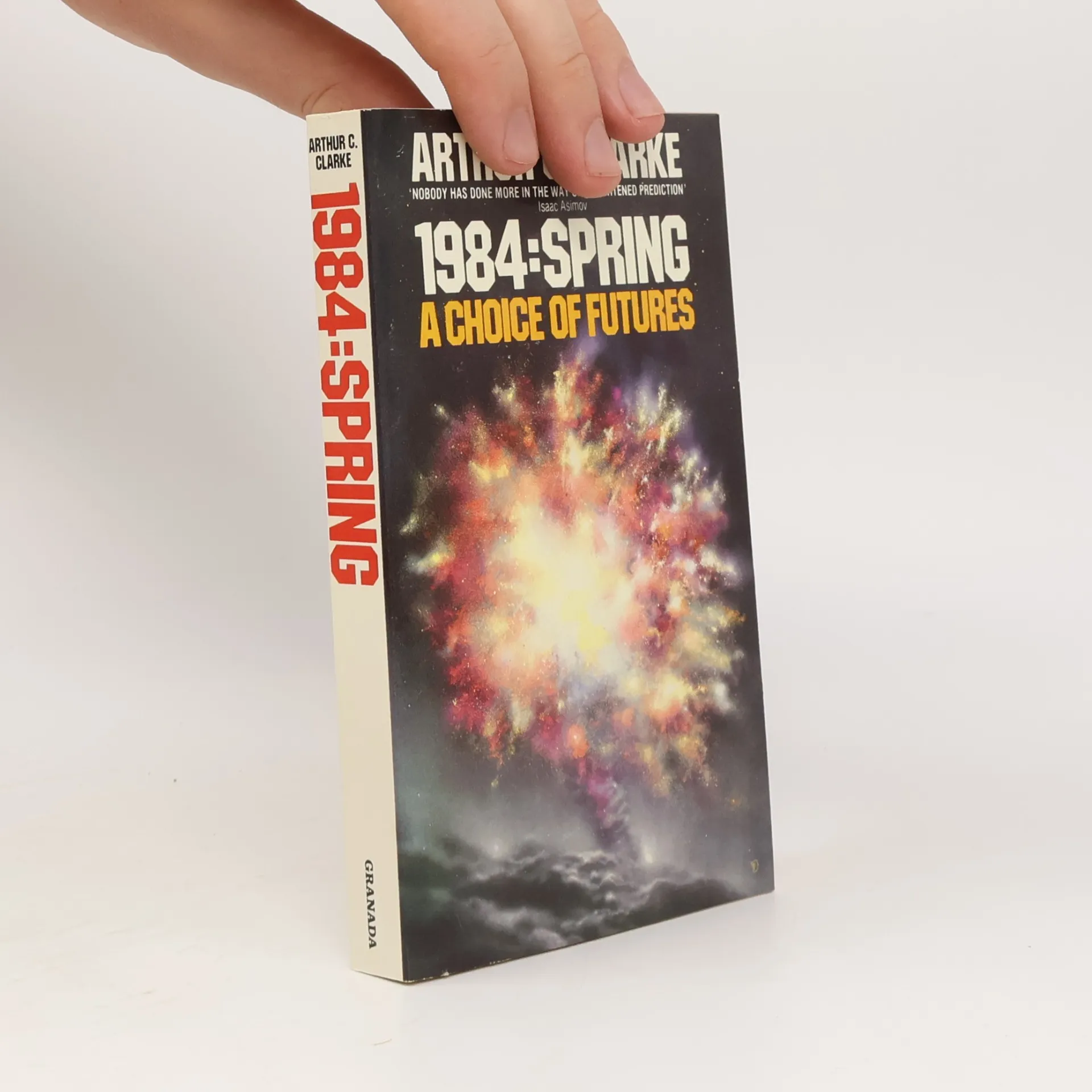
From the author who brought you 2001: A Space Odyssey comes a delightful and fascinating universe of ideas. For those of you who are worried about what the neighbors will think, there is what is purported to be an old Martian document which tells us what our nearest neighbor has to say about life on Earth. Later in the book, Clarke goes on to explain the proper etiquette for contacting and dealing with aliens from outer space, or what to do if they get here first... Ranging from the light fantastic to the extremely possible, this collection is divided into five sections: Talking of Space; Outward from Earth; The Technological Future; Frontiers of Science; and Son of Dr. Strangelove, Etc. From Martians to Magi, here is Arthur C. Clarke's unforgettable tour of the Universe - known, unknown and yet to come.
"'The chaos point' argues that we are at a critical point in history, one in which resources are fast being depleted, hundreds of millions live in crushing poverty, and local choices have global impact. Laszlo says society can either break down or break through to a new future by making different choices--choices he outlines in the book"--Provided by publisher.
Arthur C. Clarke's Richter Ten
- 373 pages
- 14 hours of reading
The only surviving member of his family after the 1994 Los Angeles earthquake, young Lewis Crane devotes his life to seismology and is terrified when he predicts "the big one." 40,000 first printing. $40,000 ad/promo.
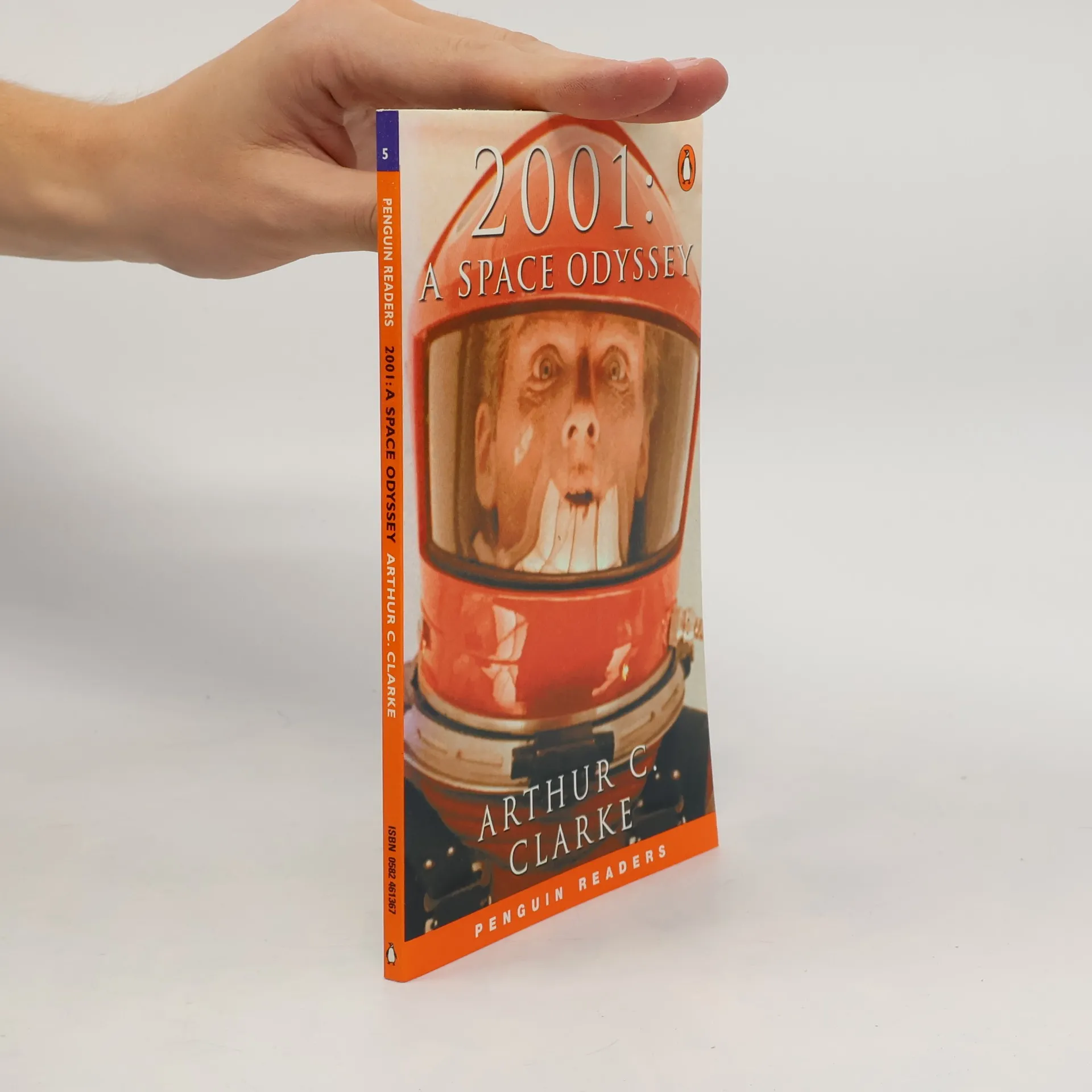
2001: a space odyssey
- 96 pages
- 4 hours of reading
It has been more than forty years since the publication of this classic science fiction novel that changed the way we look at the stars and ourselves. From the savannas of Africa at the dawn of mankind to the rings of Saturn as man adventures to the outer rim of our solar system, 2001: A Space Odyssey is a journey unlike any other. This allegory about humanity's exploration of the universe, and the universe's reaction to humanity, was the basis for director Stanley Kubrick's immortal film, and lives on as a hallmark achievement in storytelling.
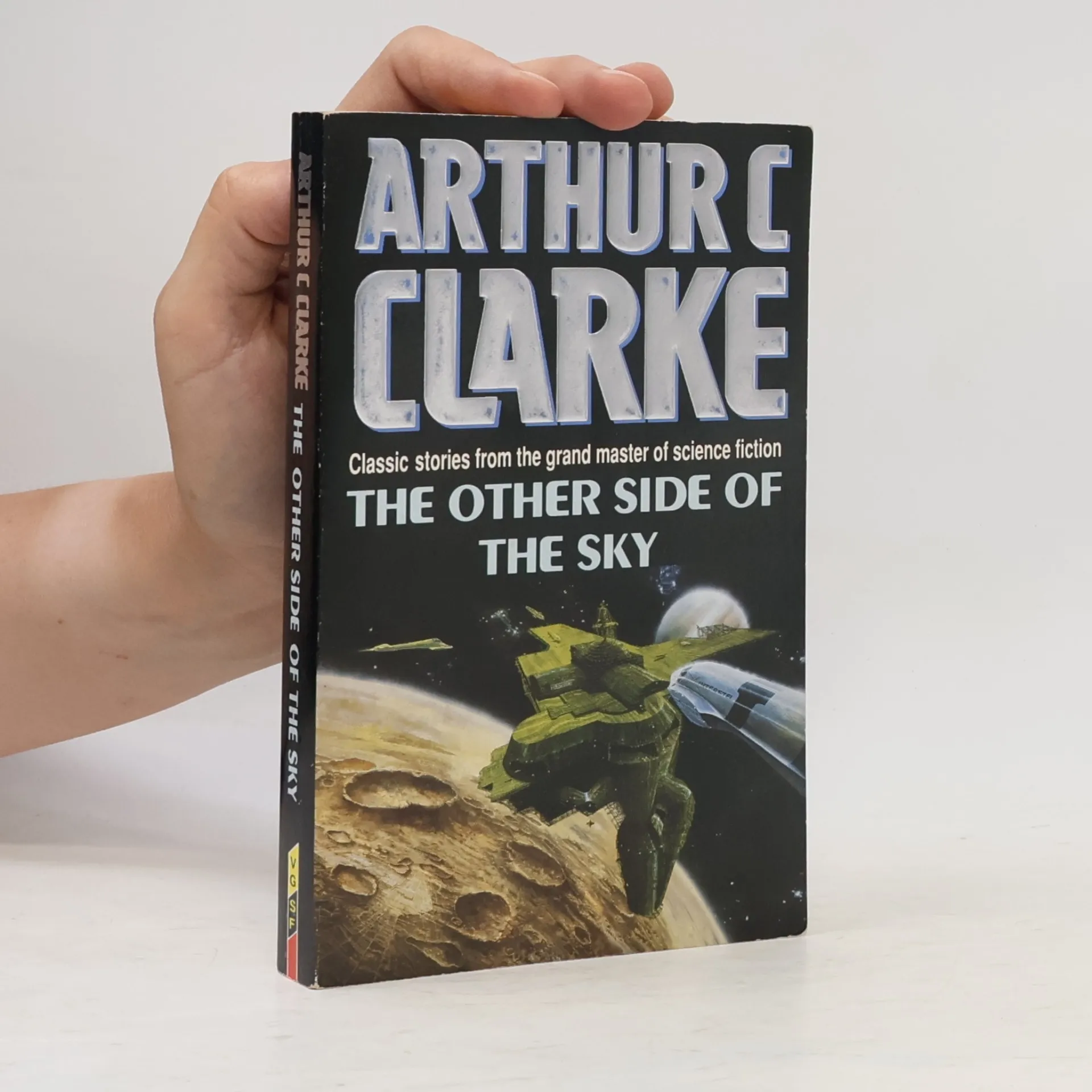
The Other Side of the Sky
- 245 pages
- 9 hours of reading
The Other Side of the Sky presents a glimpse of our future: a future where reality is no longer contained in earthly dimensions, where man has learned to exist with the knowledge that he is not alone in the universe. These stories of other planets and galactic adventures show Arthur C Clarke at the peak of his powers: sometimes disturbing, always intriguing.
Historical outline of the history of Sri Lanka.
Beyond the world we can quantify, classify and analyse there is another, more mysterious world. In this book Arthur C Clarke investigates this supra-scientific world. Under his direction, Simon Welfare and John Fairley travelled five continents interviewing witnesses of strange and unexplained phenomena. They talked to men and women who had seen monsters from the depths of oceans and lakes, had been showered by frogs and fishes and had watched 'unidentified flying objects' crossing the night sky in brilliant light; they talked to explorers and mountain people who had seen the yeti, the abominable snowman and his cousin 'Bigfoot'. More threatening events are also evaluated in the hope that we can glean evidence which may prevent future catastrophe.Arthur C Clarke would not wish, even if it were possible, to provide answers to all the questions posed in this book. As he 'The universe is such a strange and wonderful place that reality will always out-reach the wildest imnagination.'
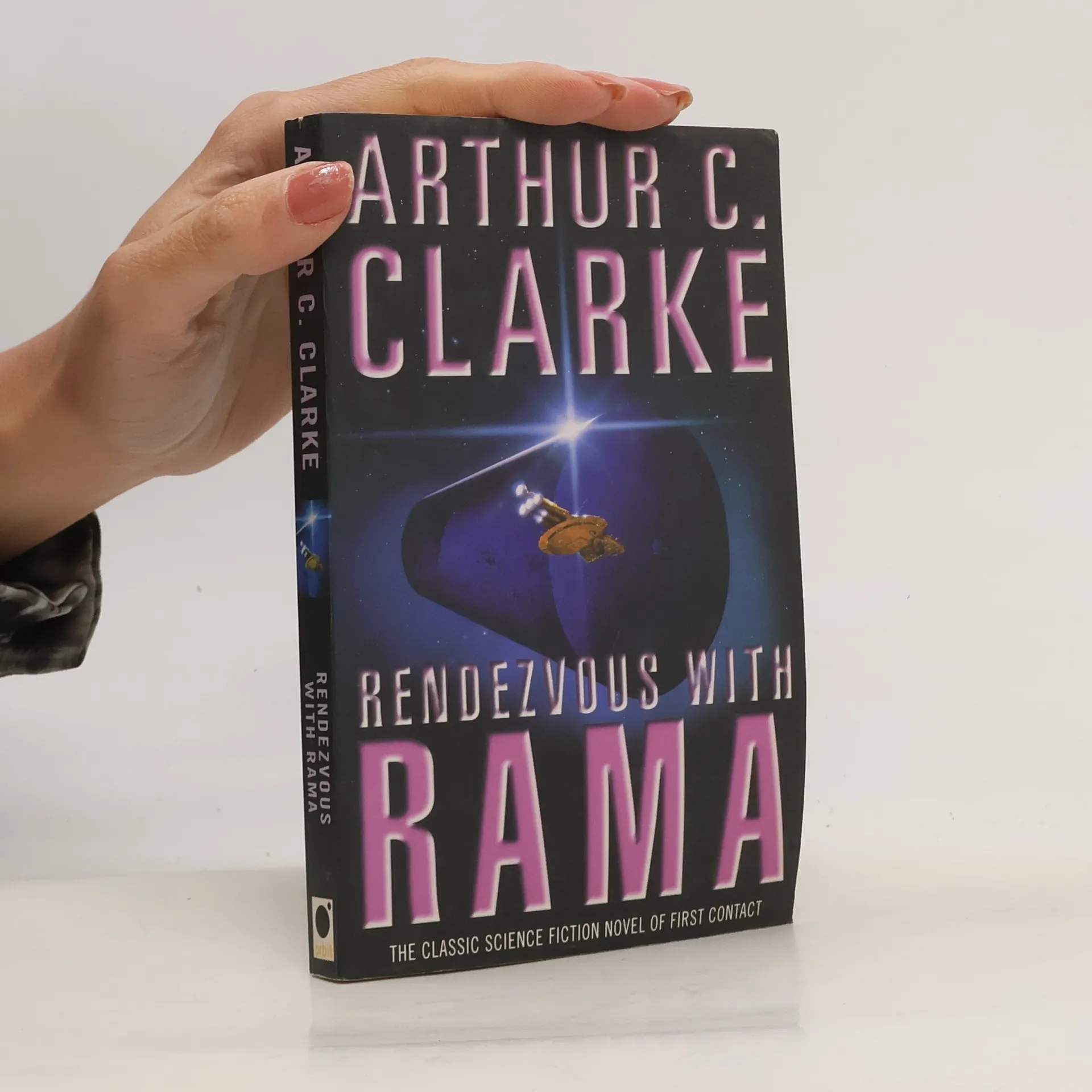
Rendezvous with Rama
- 252 pages
- 9 hours of reading
The astonishing and groundbreaking Rama series begins. Rama - a metallic cylinder approaching the sun at a tremendous velocity Rama - first product of an alien civilization to be encountered by man Rama - a world of technological marvels and artificial ecology What is its purpose in this year 2131? Who is inside it? And why?
If you love space adventure stories such as Larry Niven's RINGWORLD or Arthur C. Clarke's 2001, this is the perfect collection. Rama is a huge cylindrical object, weighing more than ten trillion tons. And it is hurtling through the solar system at inconceivable speed. Then a space probe confirms the unthinkable: Rama is no natural object. It is, incredibly, an interstellar spacecraft. Space explorers and planet-bound scientists alike prepare for mankind's first encounter with alien intelligence. It will kindle their wildest dreams . . . and fan their darkest fears. For no one knows who the Ramans are or why they have come. And now the moment of rendezvous awaits - just behind a Raman airlock door.
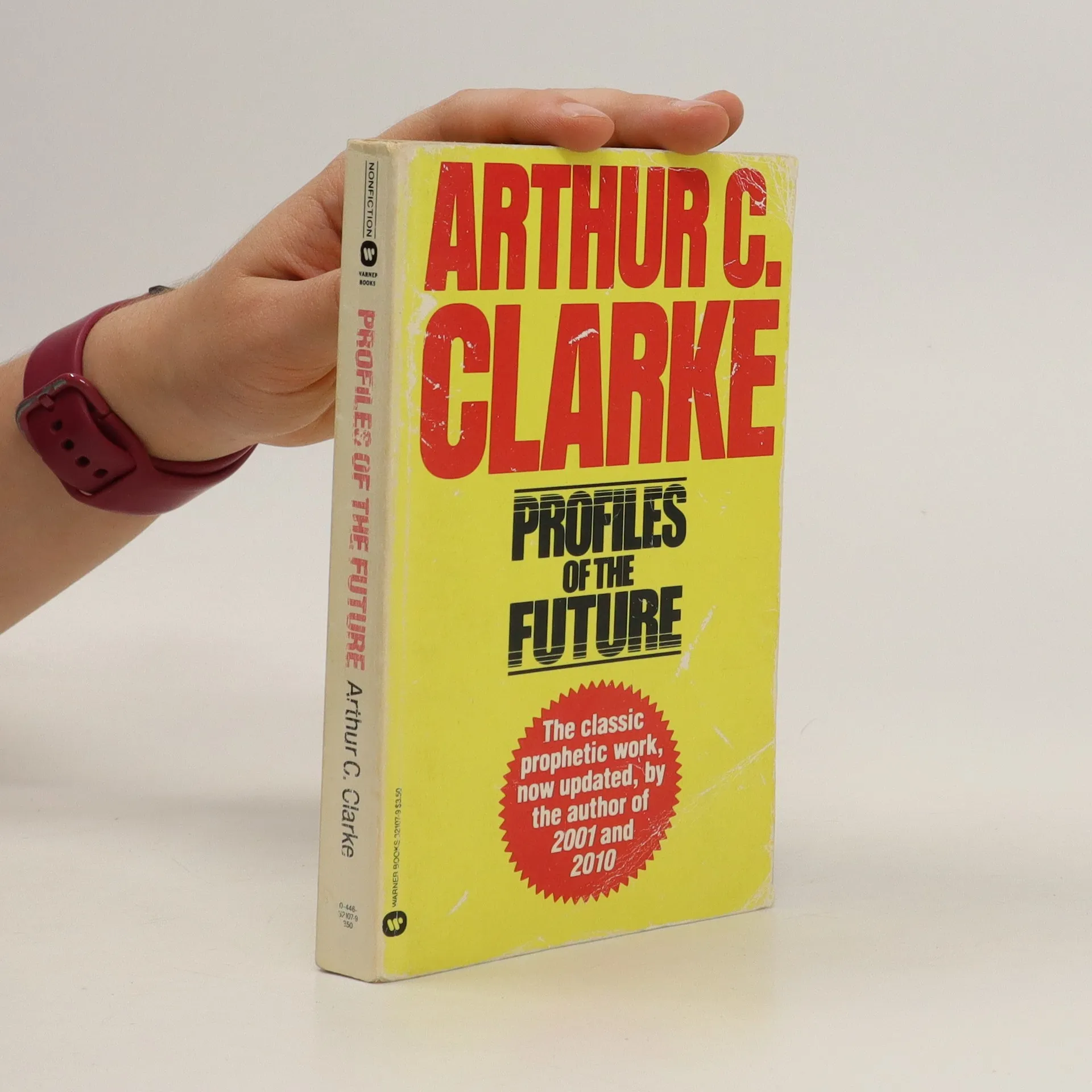
Profiles of the Future
- 304 pages
- 11 hours of reading
Examines the potential future directions of technological development and assesses the advantages and disadvantages of progress
The War of the Worlds
- 208 pages
- 8 hours of reading
Humans battle evil aliens to save Earth and its people from certain doom when the Martians land in England.
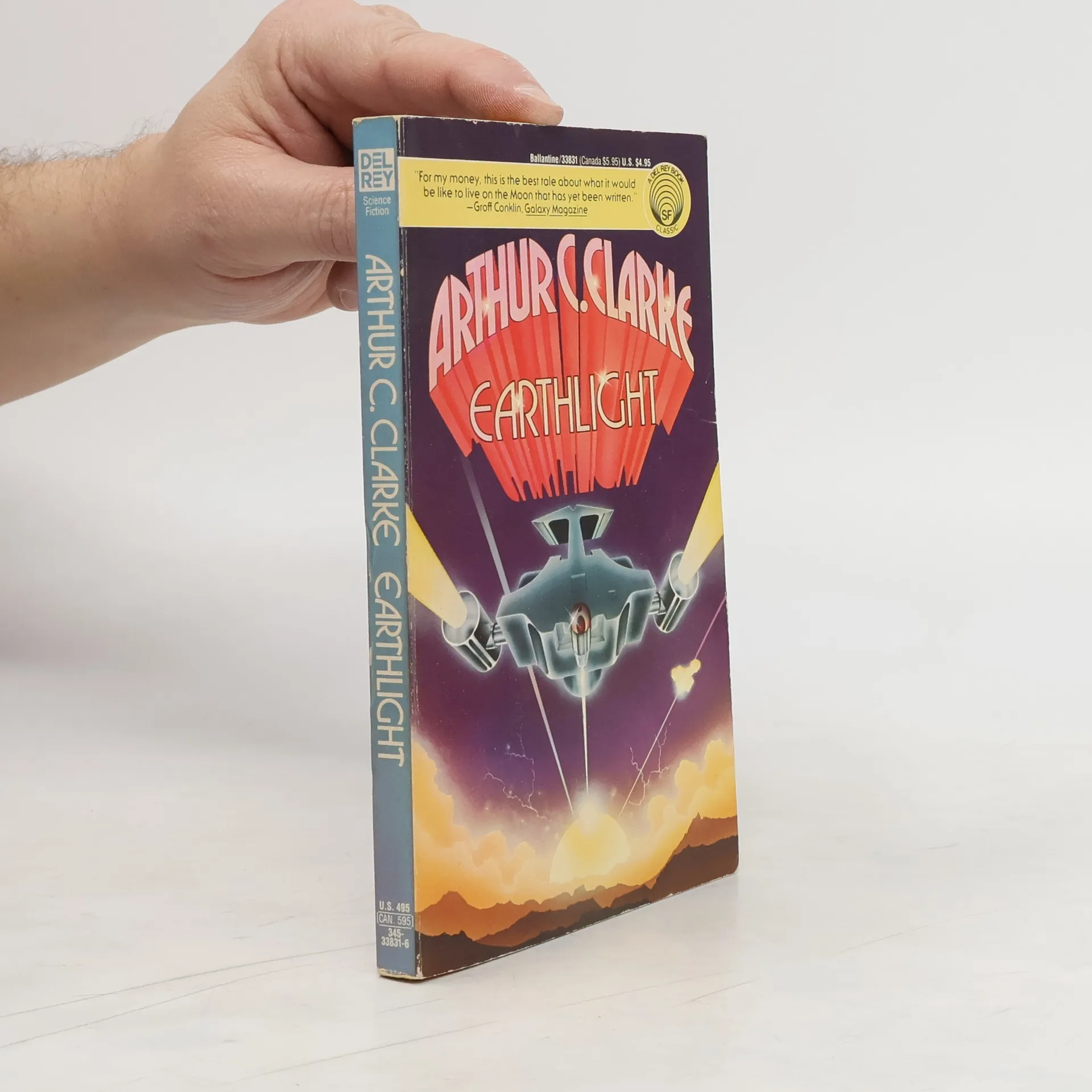
For a million years the bubble had been growing, like a vast abscess, below the root of the mountains. Now the abscess was about to burst. Captain Harris had left the controls on autopilot and was talking to the front row of passengers as the first tremor shook the boat. For a fraction of a second he wondered if a fan blade had hit some submerged obstacle; then, quite literally, the bottom fell out of his world.It fell slowly, as all things must upon the Moon. The sea was alive and moving . . . Every stage of that nightmare transformation was pitilessly illuminated by the earth light, until the crater was so deep that its firewall was completely lost in shadow, and it seemed as if Selene were racing into a curving crescent of utter blackness – an arc of annihilation.In darkness and in silence, they were sinking into the Moon. . . .
A collection of short stories which span the career of the author. The book includes the previously uncollected On Golden Seas and each story features a black and white illustration. The author also wrote 2001: A Space Odyssey.
The Wind from the Sun
- 192 pages
- 7 hours of reading
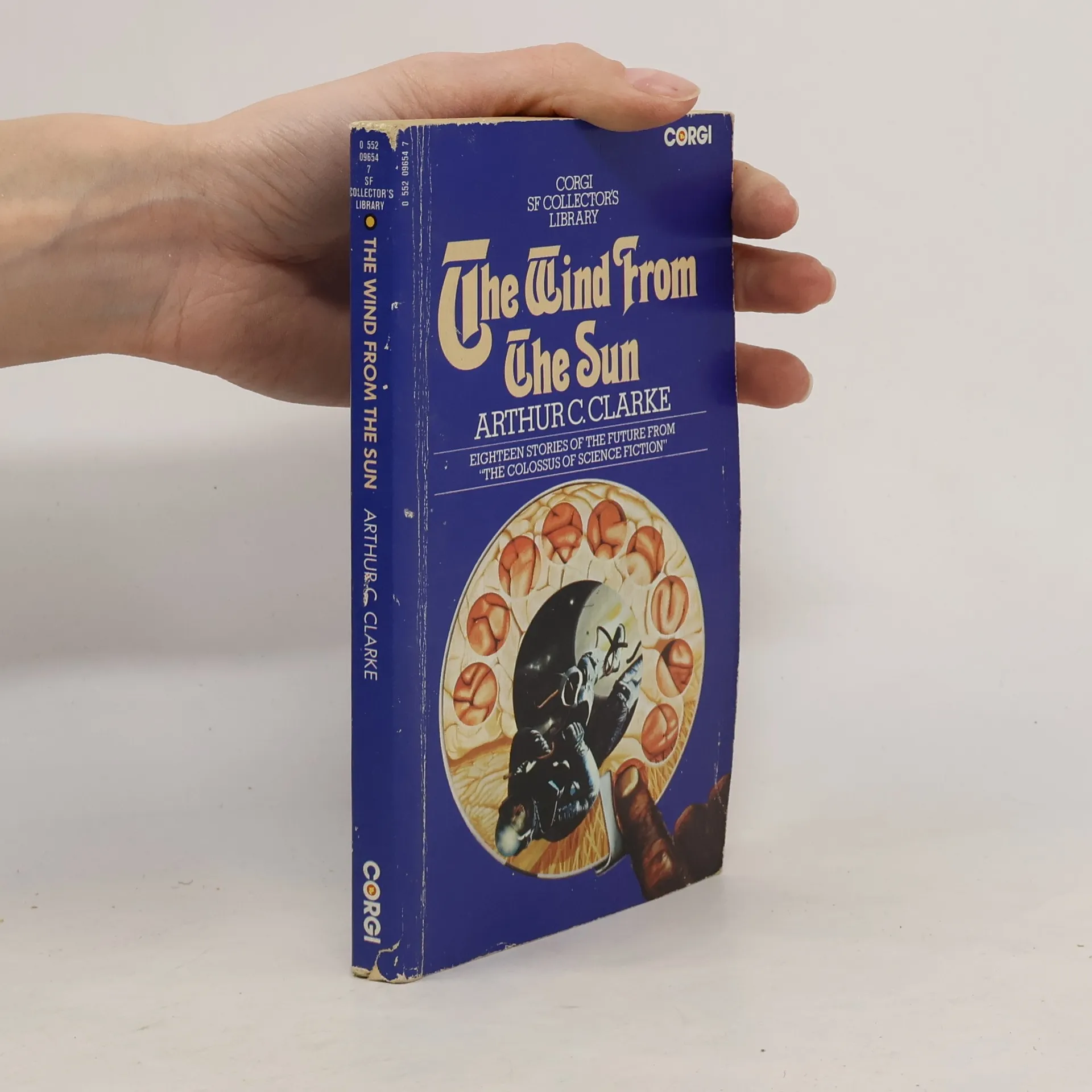
A volume containing all 18 short stories written by Arthur C. Clarke in the 1960s. They depict a future in which technologies are beginning to dictate man's lifestyle - even to demand life for themselves.
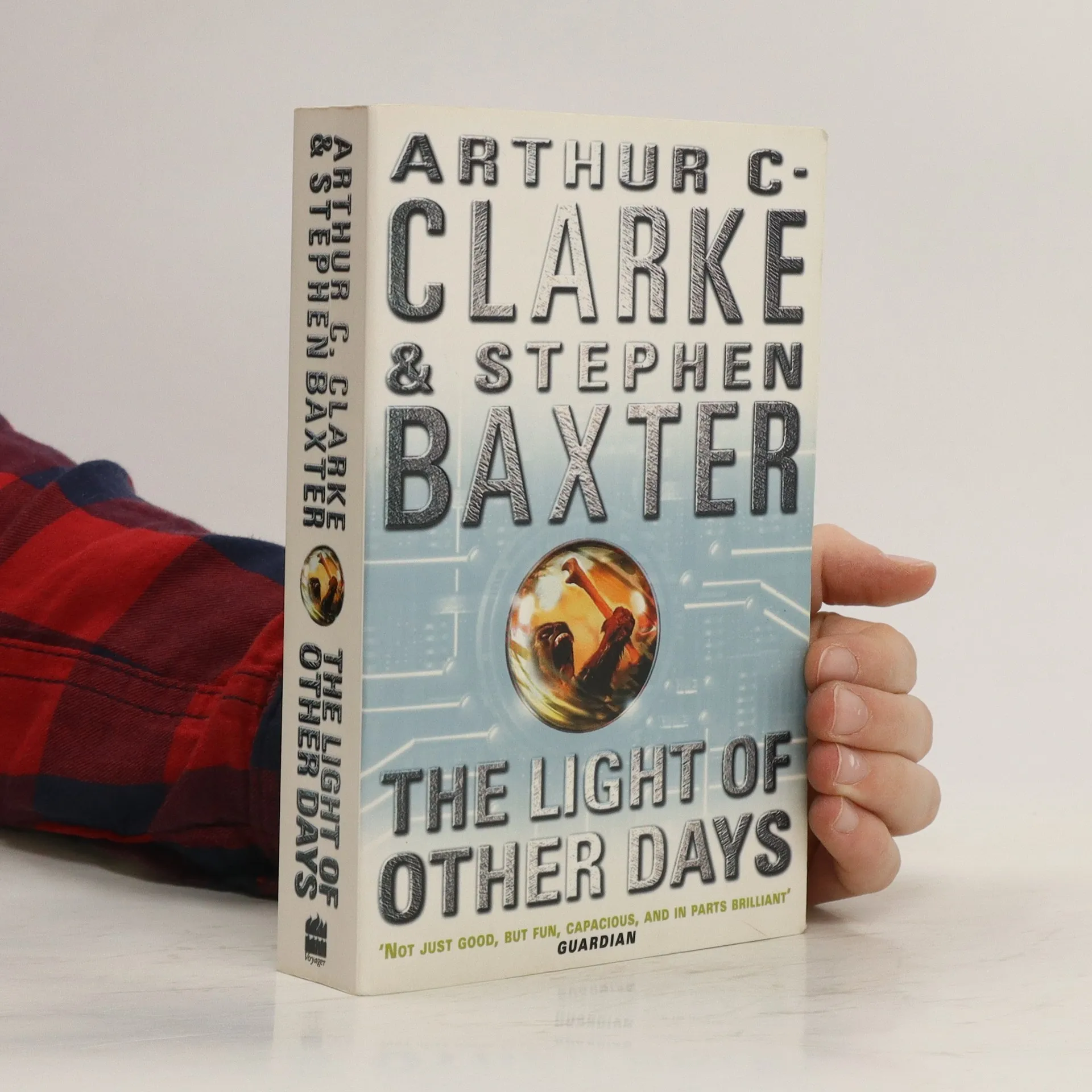
In the most exciting SF collaboration ever, Arthur C. Clarke and his universally acknowledged heir Stephen Baxter pool talent, fantastic ideas, unprecedented cosmic insights as well as page-turning plotting skills and breathlessly good writing to produce the most awesome novel of the future since 3001. 'Space is what keeps everything from being in the same place. Right?' With these words Hiram Patterson, head of the giant media corporation OurWorld, launches the greatest communications revolution in history. With OurWorld's development of wormhole technology, any point in space can be connected to any other, faster than the speed of light. Realtime television coverage is here: earthquakes and wars, murders and disasters can be watched, exactly as they occur, anywhere on the planet. Then WormCams are made to work across time as well as space. Humanity encounters itself in the light of other days. We witness the life of Jesus, go to the premiere of Hamlet, solve the enigmas that have baffled generations. Blood spilled centuries ago flows vividly once more - and no personal treachery or shame can be concealed. But when the world and everything in it becomes as transparent as glass and there are no more secrets, people find new ways to gain vengeance and commit crime, and Hiram Patterson finds new ways to keep his Machiavellian schemes secret.
If I Forget Thee, Oh Earth... • (1951) All the Time in the World • (1952) An Ape About the House • (1962) Feathered Friend • [The Other Side of the Sky] • (1957) Green Fingers • [Venture to the Moon] • (1956) Hide and Seek • (1949) Into the Comet • (1960) Introduction • (1972) J.B. Priestley No Morning After • (1954) Robin Hood, F.R.S. • [Venture to the Moon] • (1956) Security Check • (1956) The Fires Within • (1947) The Forgotten Enemy • (1948) The Nine Billion Names of God • (1953) The Reluctant Orchid • [Tales from the White Hart] • (1956) The Sentinel • [A Space Odyssey] • (1951) Trouble with the Natives • (1951) Who's There? • (1958) Encounter at Dawn • [A Space Odyssey] • (1953)
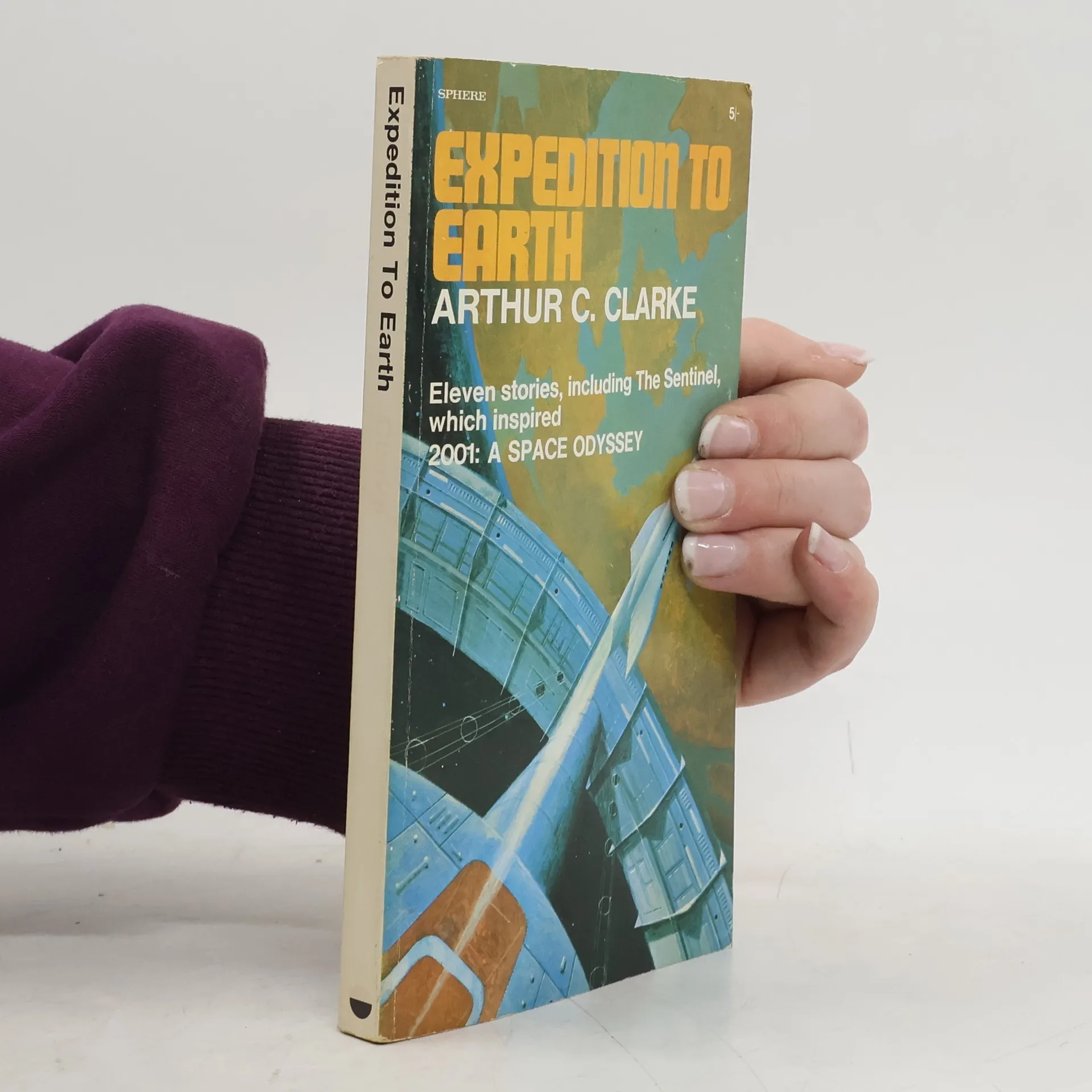
Arthur C. Clarke has been the presiding genius of science fiction for almost fifty years. His novels include the groundbreaking and profound Childhood's End and Rendezvous with Rama, and his collaboration with Stanley Kubrick produced one of the most enduring and important of all science fiction films, 2001: A Space Odyssey. It was the last story in this collection, 'The Sentinel', that provided the starting point for that film.His first ever collection of short stories, Expedition to Earth displays all the versatility and range of imagination which has made Arthur C. Clarke one of the world's most popular and acclaimed science fiction authors. Thought-provoking and memorable, this volume, with a new preface by the author, shows Clarke writing at his extraordinary best.
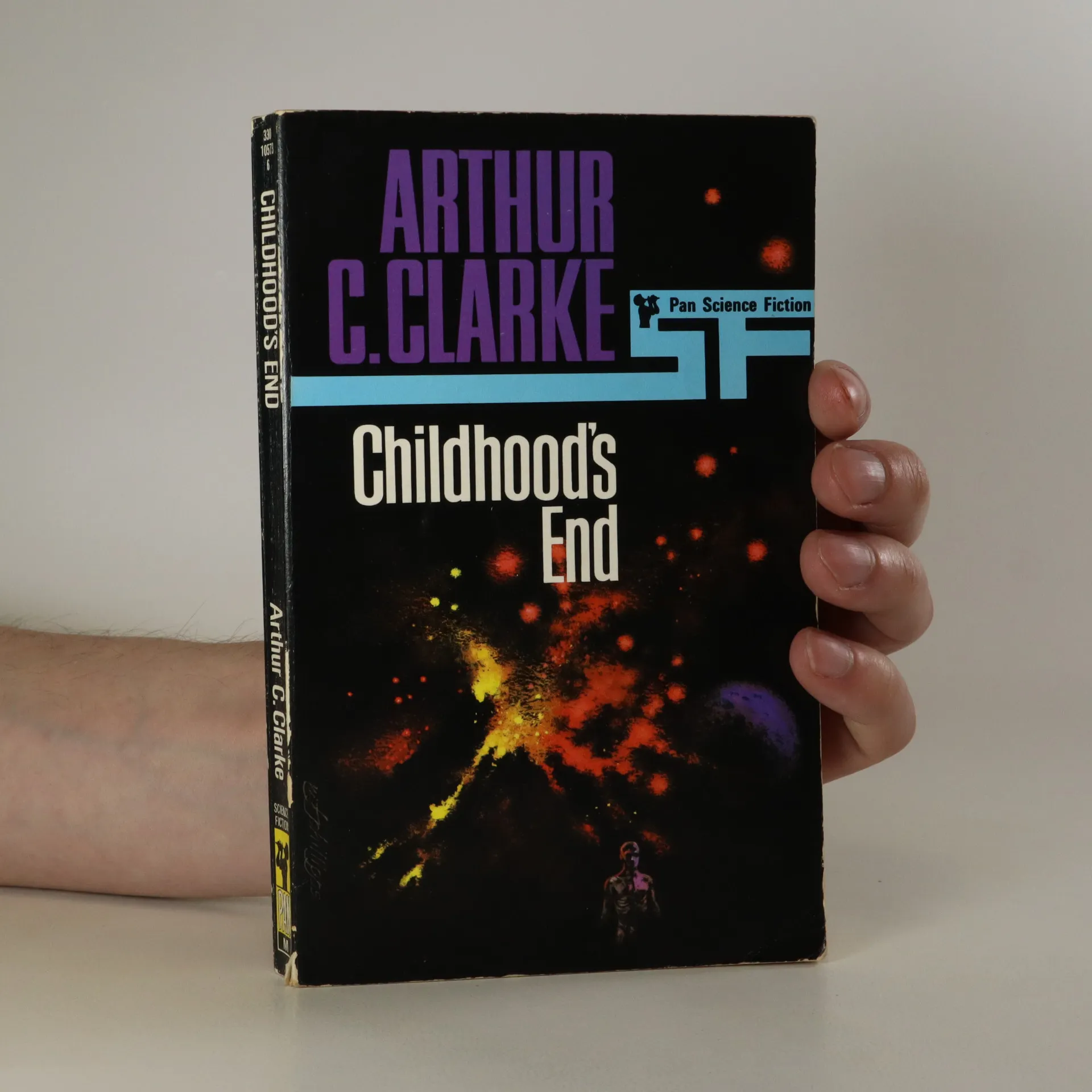
Without warning, giant silver ships from deep space appear in the skies above every major city on Earth. Manned by the Overlords, in fifty years, they eliminate ignorance, disease, and poverty. Then this golden age ends--and then the age of Mankind begins....
To the spaceship Discovery, floating in the silent depths of space since Dave Bowman passed through the alien 'Star Gate', comes Heywood Floyd on a mission of recovery. What he finds near Jupiter is beyond the imaginings of any mere human.
What if a device could render guns and bombs virtually harmless? What would that mean for crime, terrorism, and international relations? Would it signal the end of war or usher in a new kind of conflict? This gripping novel by Arthur C. Clarke and Michael Kube-McDowell explores these questions through the story of the Trigger, a groundbreaking invention that promises to eliminate violence in a world plagued by it. This technology could take weapons out of the hands of armies and dictators, offering a chance for true peace. However, like the misguided belief in nuclear deterrence, could the creators of the Trigger be wrong? Dr. Jeffrey Horton, the young physicist behind this revolutionary device, grapples with the implications of his discovery. Who should control such power, and how can its potential be realized without falling into the wrong hands? As the American government becomes aware of the Trigger, a fierce struggle ensues among Washington's elite to possess or destroy it. Science becomes entangled in political machinations, and trust erodes among colleagues and mentors. Betrayal lurks, and those with the best intentions may pose the greatest threat to peace.
The Songs of Distant Earth
- 79 pages
- 3 hours of reading
This series of readers offers students six graded levels from elementary to advanced. All stages contain exercises at the back of the book, plus a glossary to help with vocabulary.
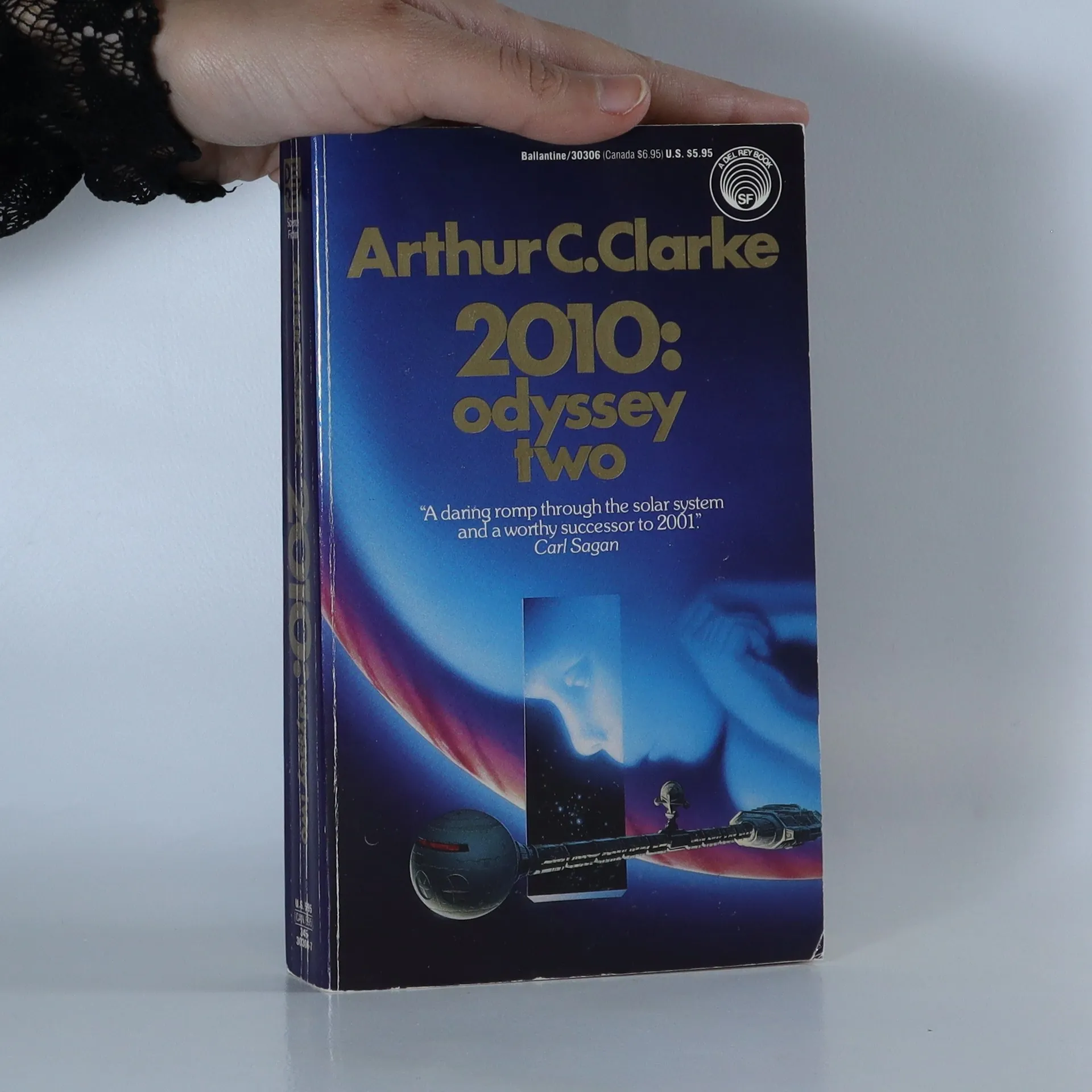
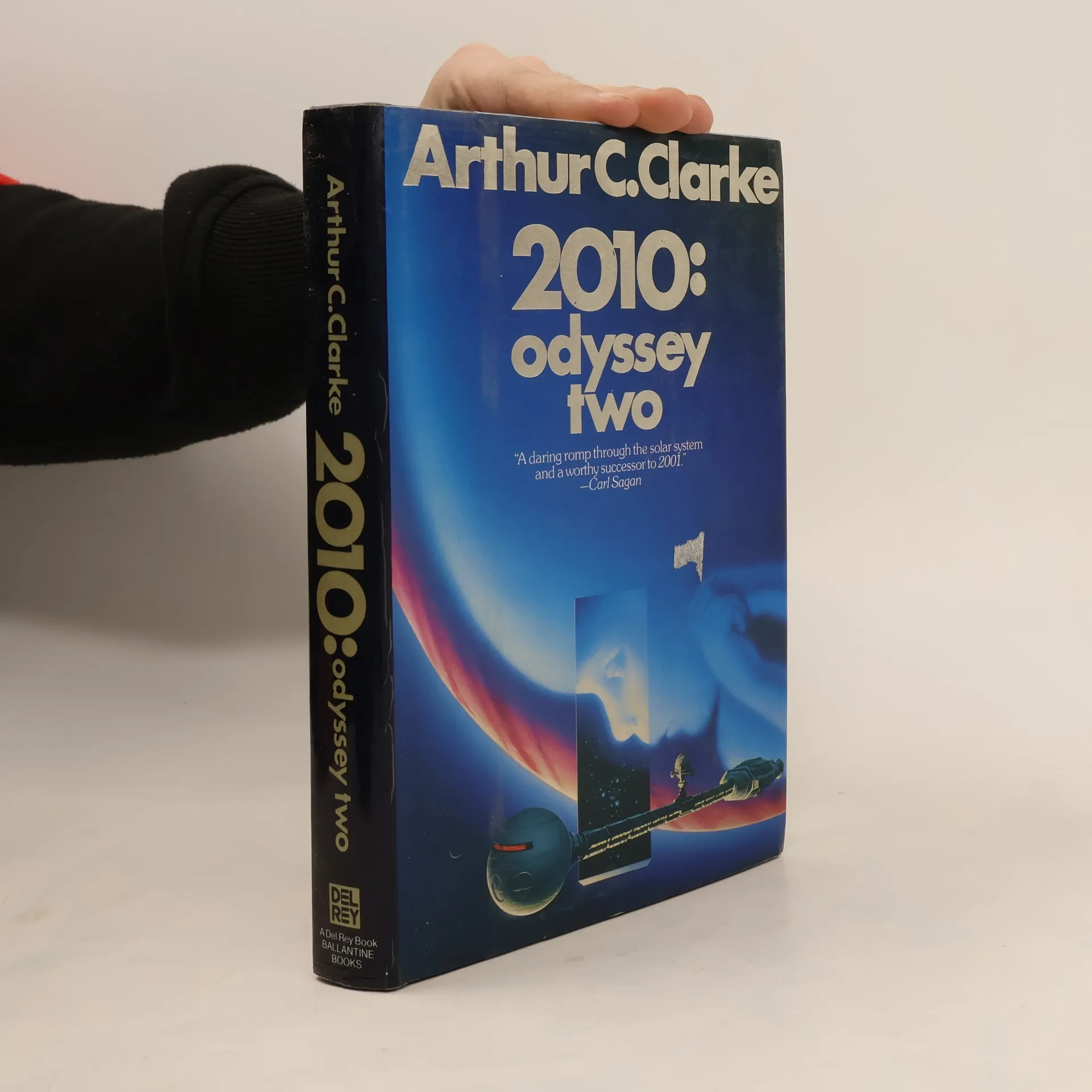
2001: A Space Odyssey shocked, amazed, and delighted millions in the late 1960s. An instant book and movie classic, its fame has grown over the years. Yet along with the almost universal acclaim, a host of questions has grown more insistent through the years, for example: who or what transformed Dave Bowman into the Star-Child? What alien purpose lay behind the monoliths on the Moon and out in space? What could drive HAL to kill the crew? Now all those questions and many more have been answered, in this stunning sequel to the international bestseller. Cosmic in sweep, eloquent in its depiction of Man's place in the Universe, and filled with the romance of space, this novel is a monumental achievement and a must-read for Arthur C. Clarke fans old and new. "A daring romp through the solar system and a worthy successor to 2001." -- Carl Sagan
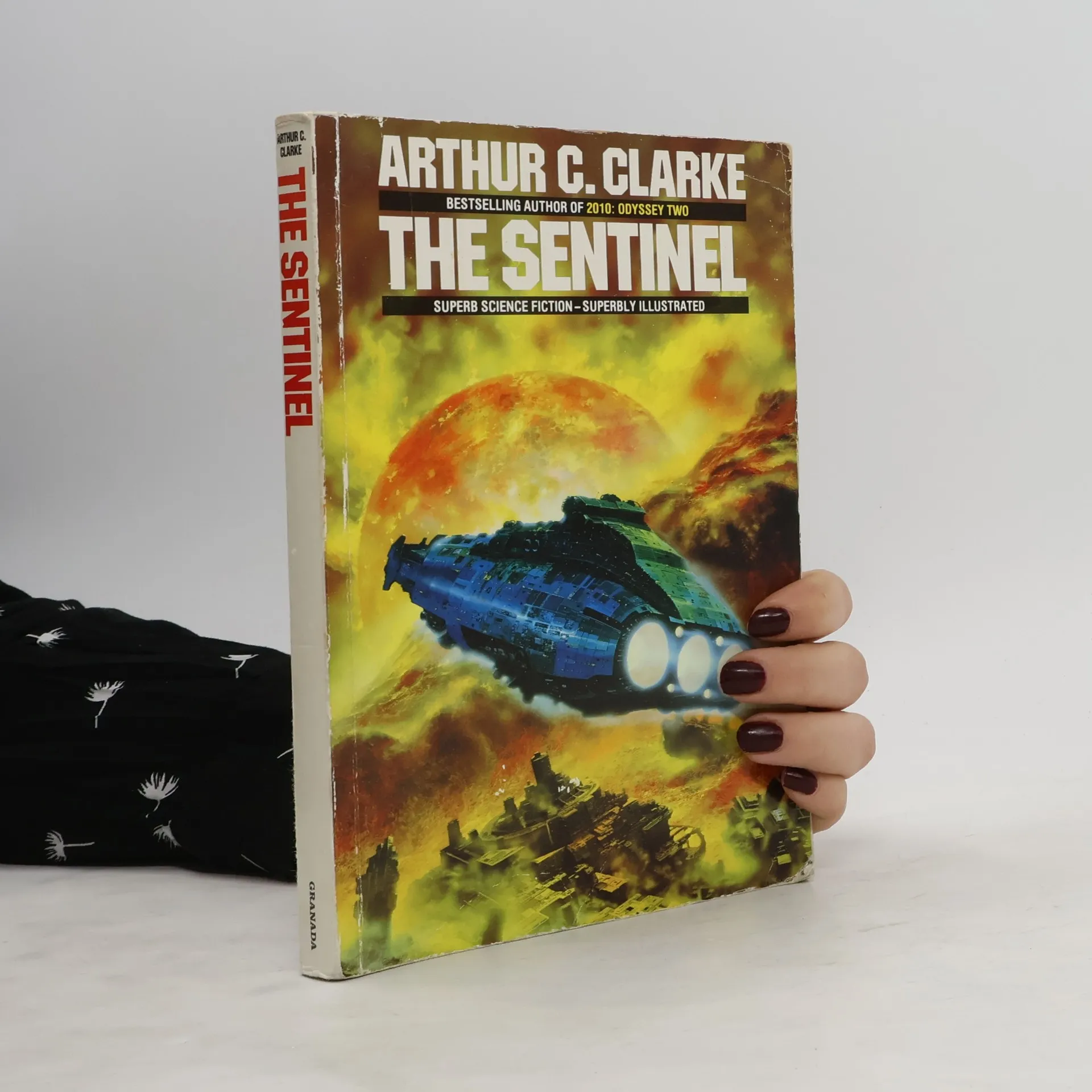
Few masters of science fiction have brought us glimpses of the near future as vividly as Arthur C. Clarke. It is the startling realism of his vision that has made classics of his novels, such as CHILDHOOD'S END and 2001: A SPACE ODYSSEY. It has also made Clarke himself one of the genre's most successful writers. The trade paperback was published to commemorate the arrival of the year 2001, one of the most notable dates in science fiction history. THE SENTINEL is a brilliant collection of Clarke's highest calibre short fiction.
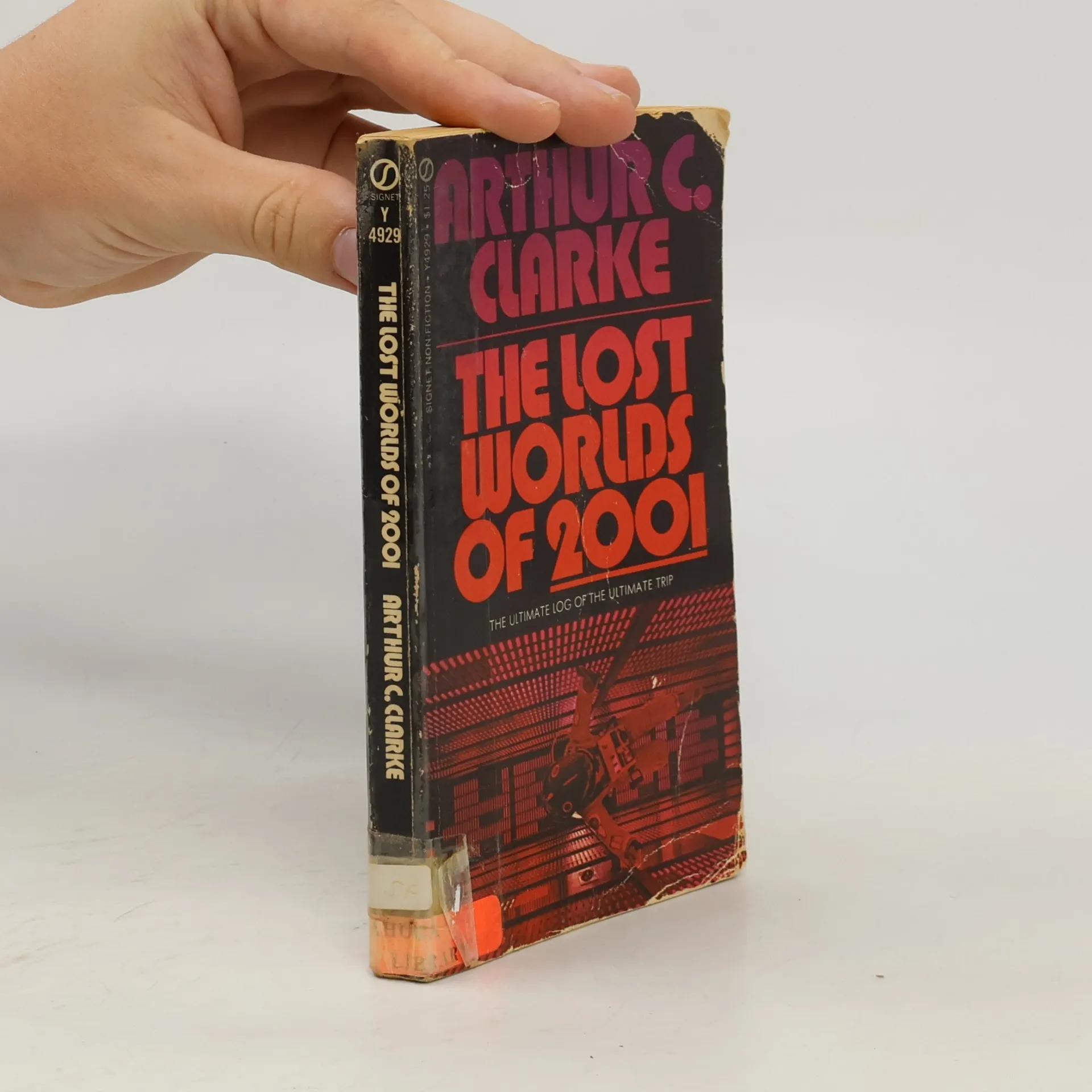
Includes chapters on the making of the film '2001'.
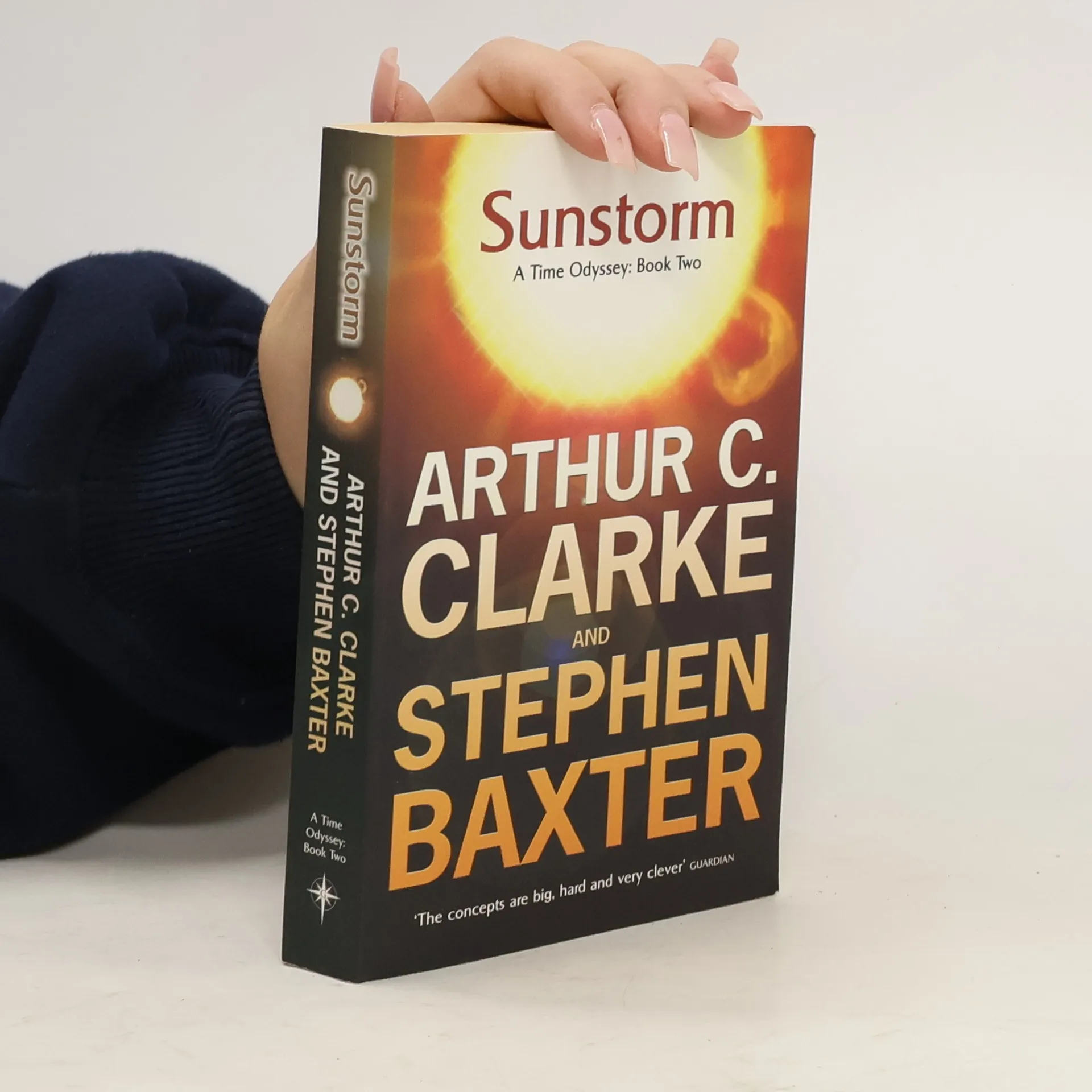
Sunstorm
- 336 pages
- 12 hours of reading
Two of the biggest names in SF together again; the sequel to the acclaimed Time's Eye.
In order to avert Earth's involvement in a war with Mars and Venus, Sadler must find the scientist responsible for disseminating classified information
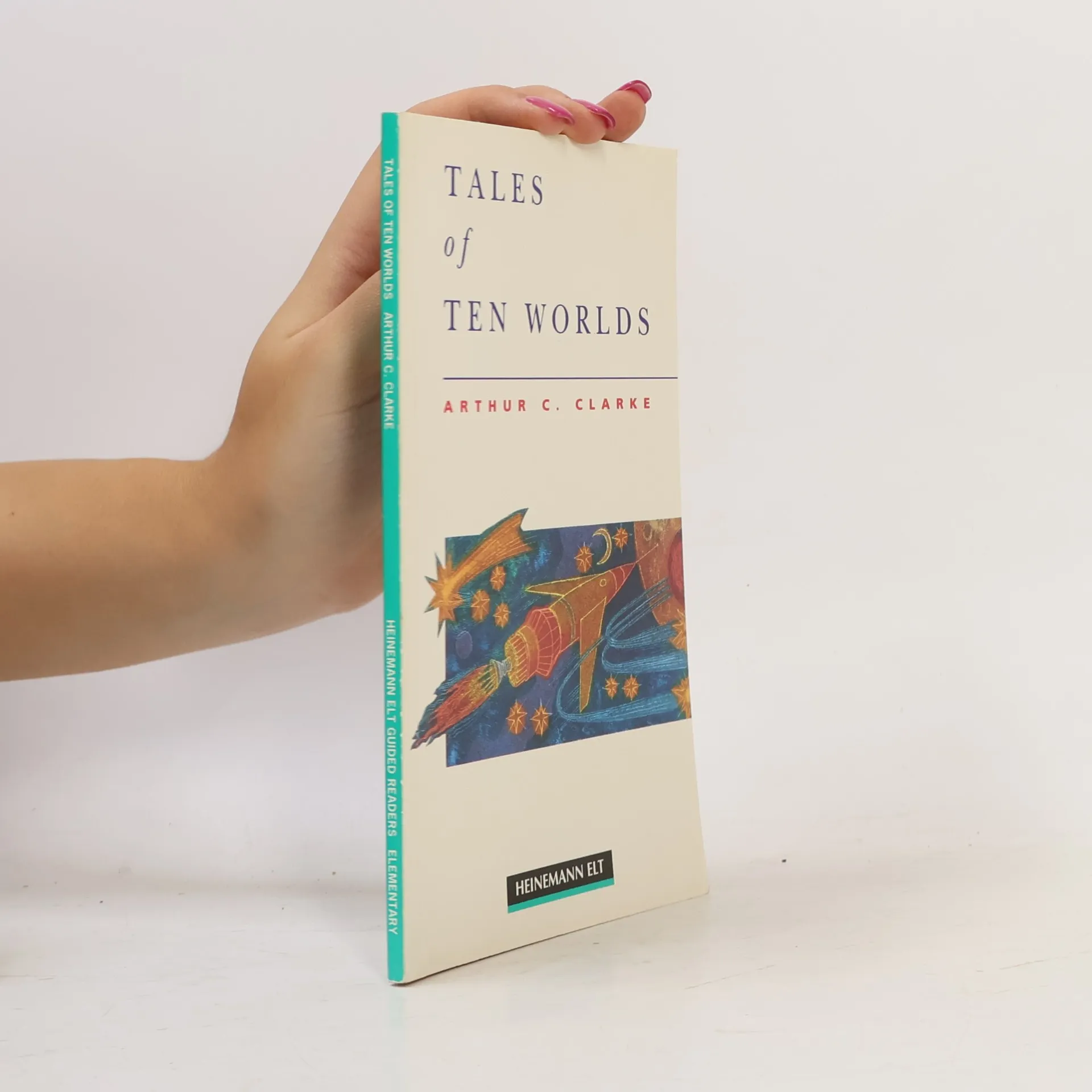
Tales of ten worlds
- 61 pages
- 3 hours of reading
Selected reading materials; Selection of science fiction stories.
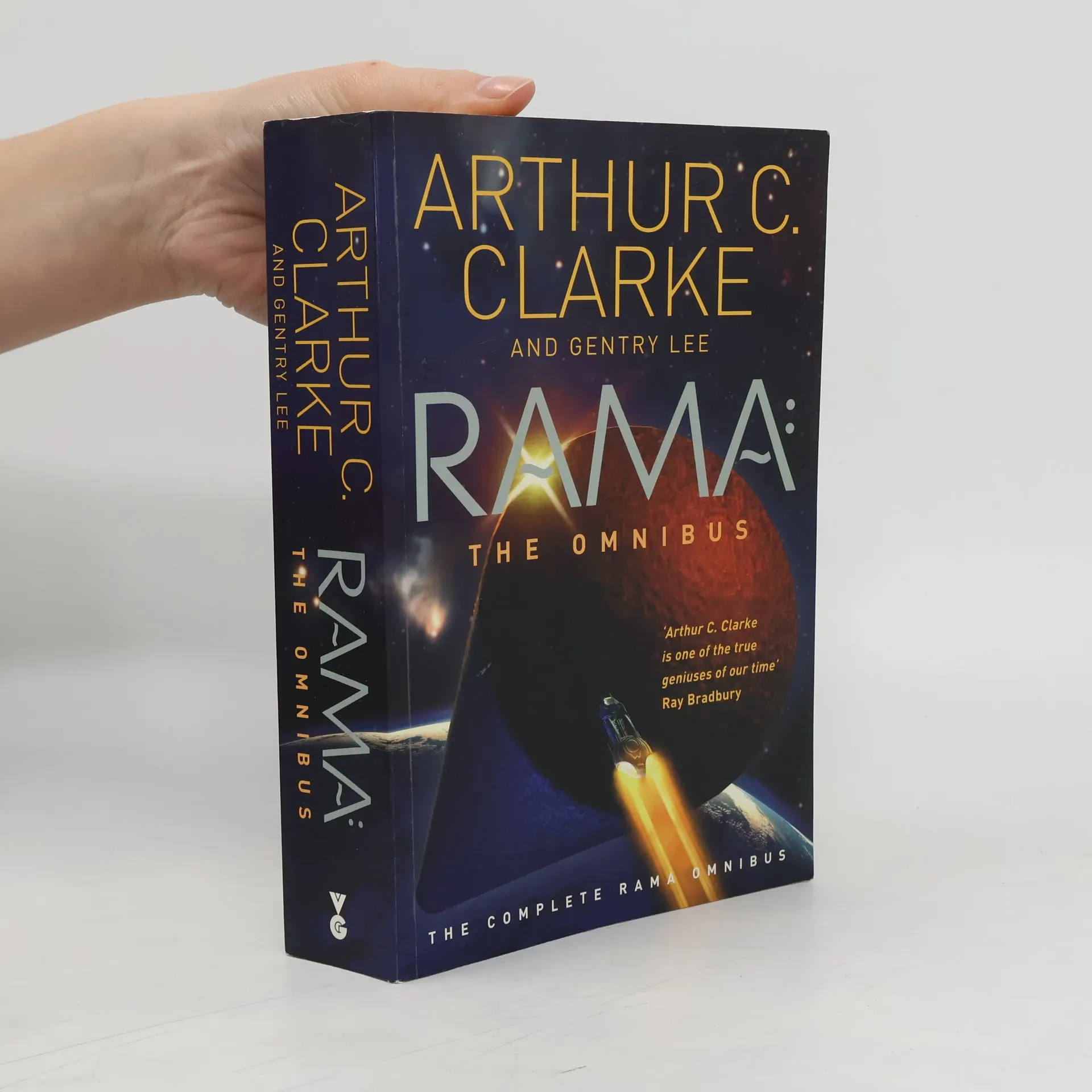
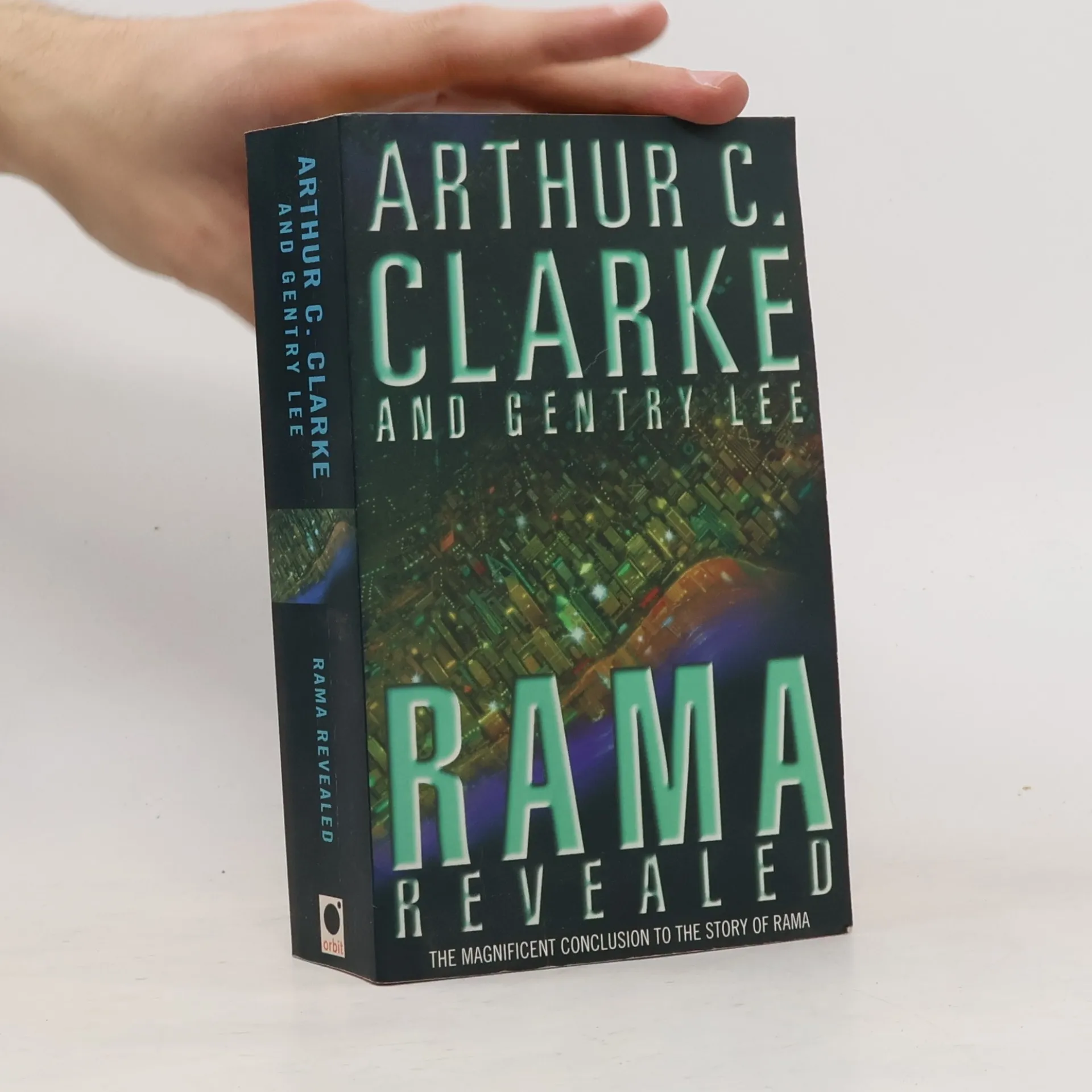
Rama Revealed (1993) is a science fiction novel by Arthur C. Clarke and Gentry Lee. It is the last of three sequels to Clarke's Rendezvous with Rama by these authors. The book picks up the story immediately after the end of The Garden of Rama. The book follows the story of Nicole Wakefield and her escape from imprisonment left at the cliffhanger of the previous book.
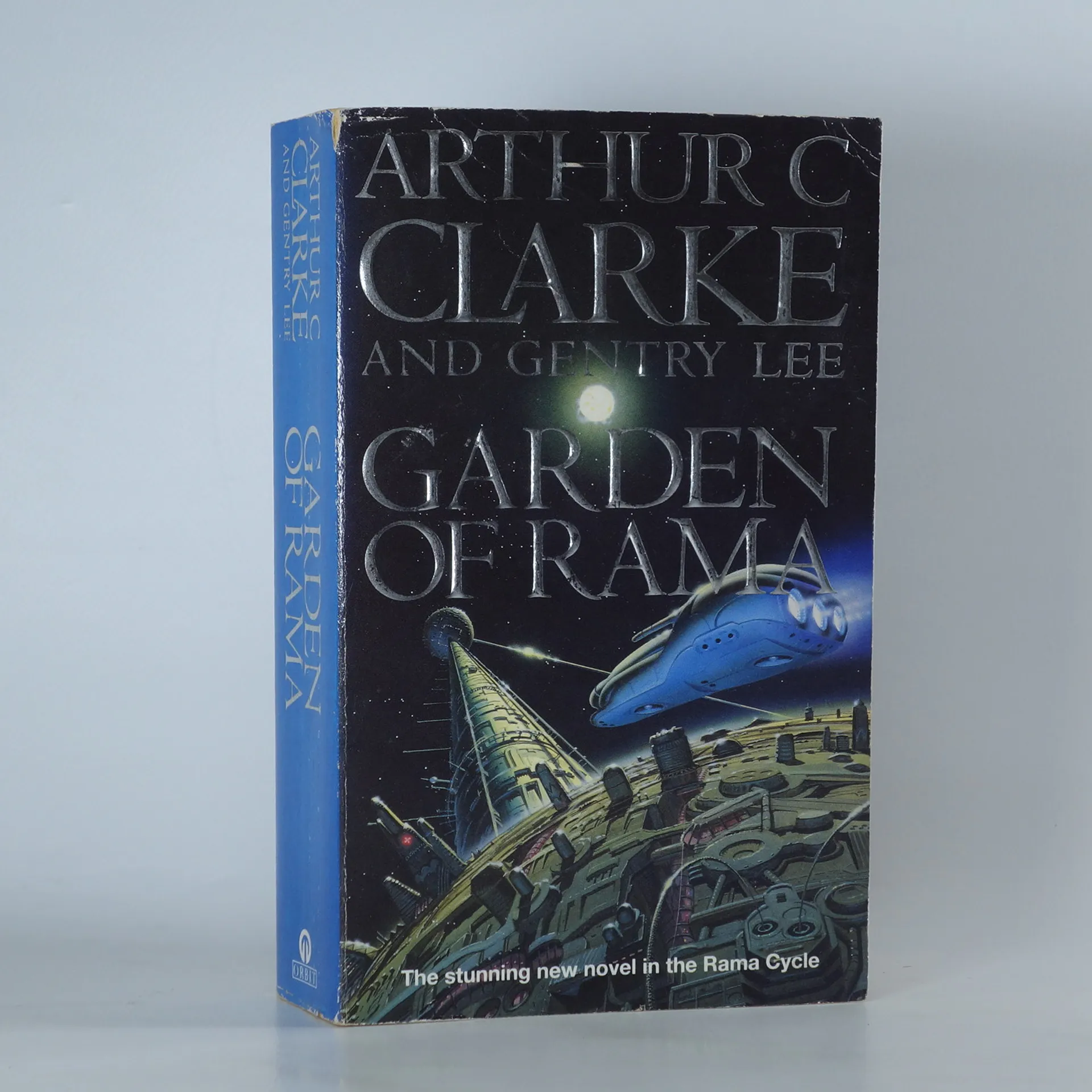
In the year 2130 a mysterious spaceship, Rama, arrived in the solar system. It was huge - big enough to contain a city and a sea - and empty, apparently abandoned. By the time Rama departed for its next, unknown, destination many wonders had been uncovered, but few mysteries solved. Only one thing was clear: everything the enigmatic builders of Rama did, they did in threes.Eighty years later the second alien craft arrived in the solar system. This time, Earth had been waiting. But all the years of preparation were not enough to unlock the Raman enigma.Now Rama II is on its way out of the solar system. Aboard it are three humans, two men and a woman, left behind when the expedition departed. Ahead of them lies the unknown, a voyage no human has ever experienced. And at the end of it - and who could tell how many years away that might be? - may lie the truth about Rama...
Glidepath
- 234 pages
- 9 hours of reading
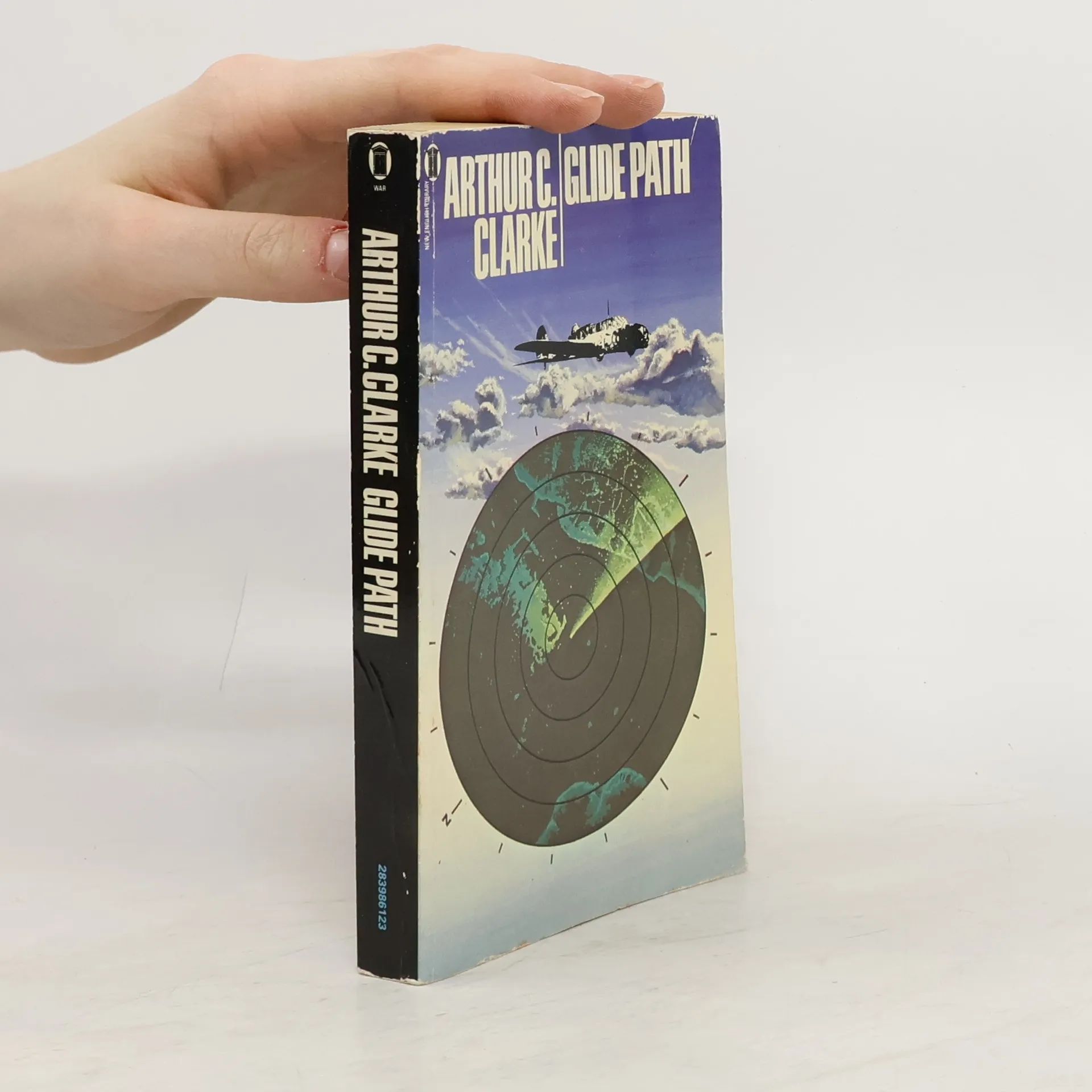
A fascinating departure for the renowned Science Fiction author, Glide Path is an alternative history of the development of Ground Control Approach radar set during World War II.Clarke draws upon his own wartime experience as a radar control operator during World War II to tell a story fascinating not just for its plotting-combining science, intrigue, and a host of compelling characters-but also for its prescience and technical insight. Glide Path is sure to be an enthralling read not just for Science Fiction fans, but history aficionados.
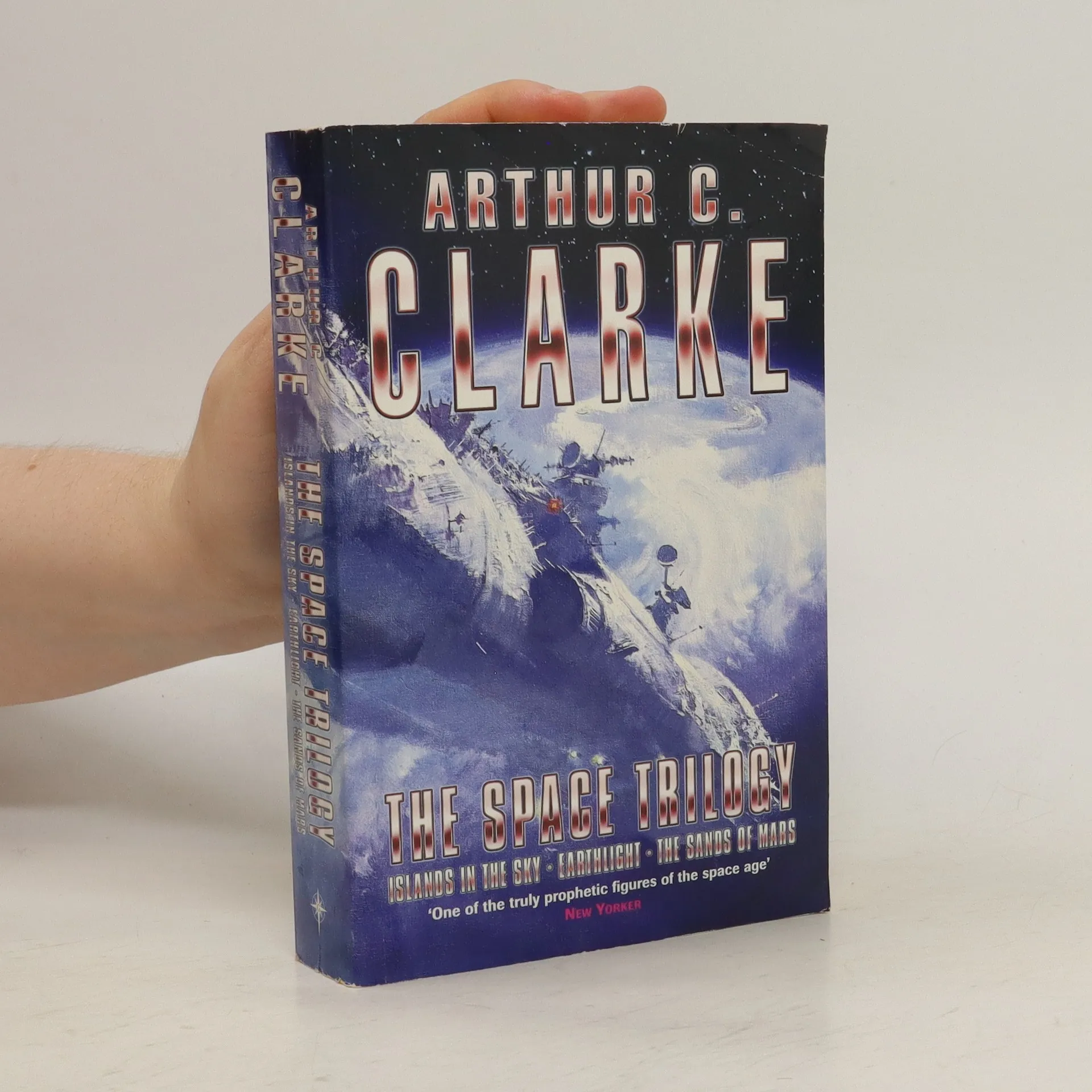
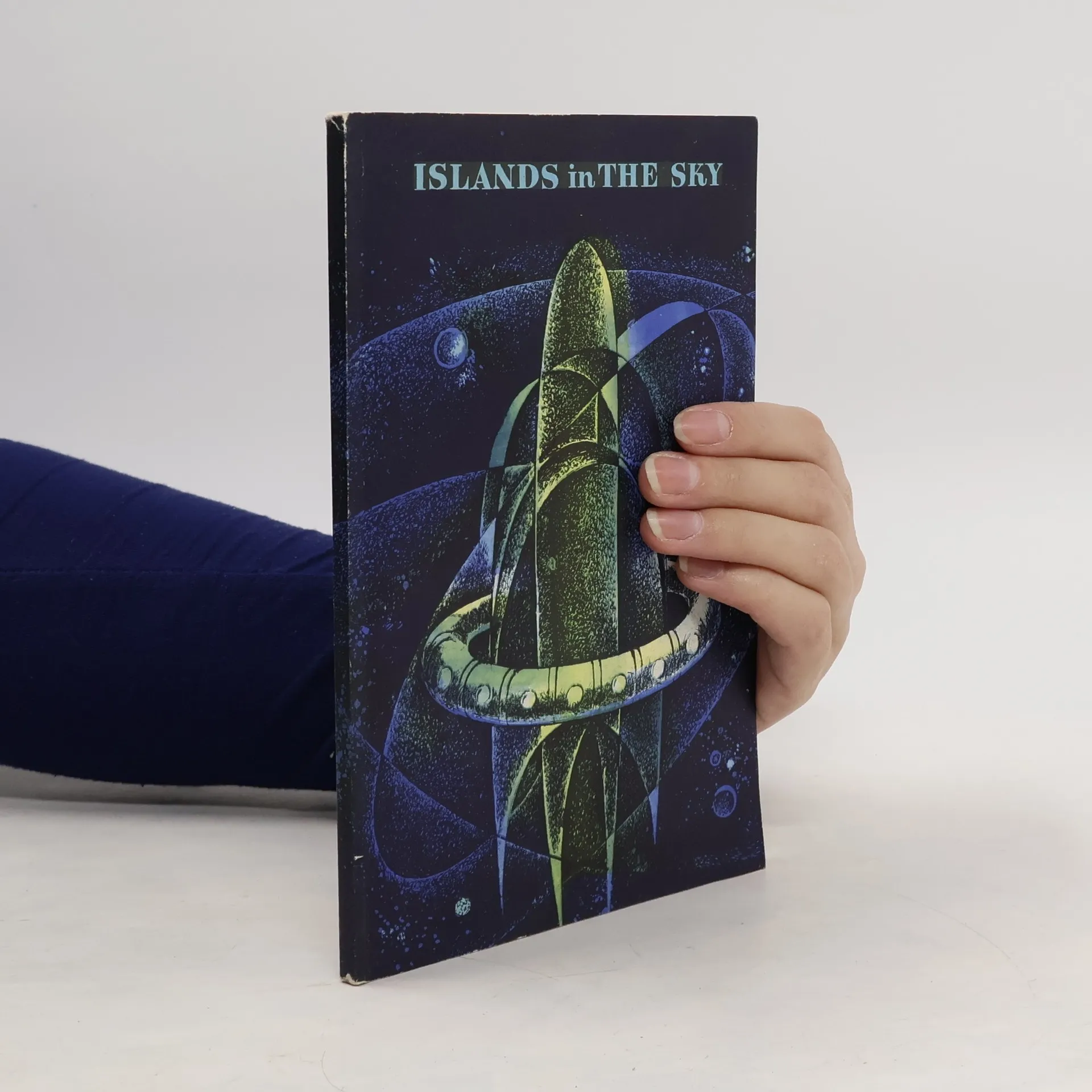
Islands in the Sky, first published in 1954, sees Roy Malcolm win a trip to the Inner Station, a space station rotating 500 miles from Earth.The Sands of Mars, set in the 21st century, has a group of pioneers struggling to change the face of this inhospitable planet.Earthlight is set in a human colony on the moon.This omnibus edition of Arthur C. Clarke's early novels shows the author of 2001: A Space Odyssey exploring space and time in adventurous and thoughtful ways. Although the course of recent history has been different, these novels offer a glimpse of what-might-have-been, as envisioned nearly 50 years ago by the greatest sci-fi writer of them all.
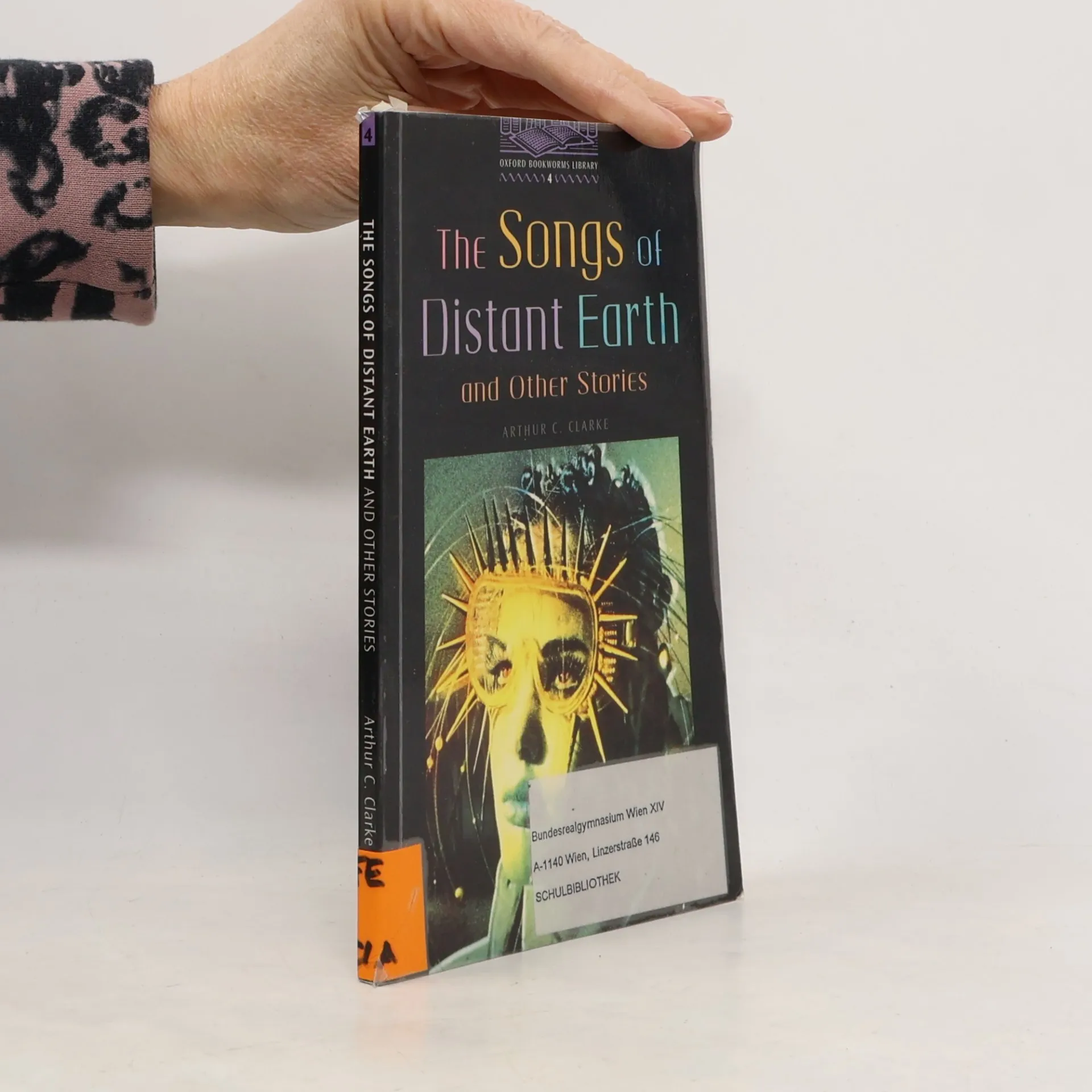
The songs of distant earth and other stories
- 96 pages
- 4 hours of reading
The Oxford Bookworms Library offers new editions of the original Oxford Bookworms Black and Green series, merging the two series into one with new covers. Each new edition builds on the success of the original series and provides enhanced teaching support.
The Deep Range is a 1957 Arthur C. Clarke science fiction novel concerning a future sub-mariner who helps farm the seas. The story includes the capture of a sea monster similar to a kraken. It is based on a short story of the same name that was published in April 1954, in Argosy magazine. The short story was later featured in Tales from Planet Earth and Frederik Pohl's Star Science Fiction No.3. References Tuck, Donald H. (1974). The Encyclopedia of Science Fiction and Fantasy. Chicago: Advent, 101. ISBN 0-911682-20-1.
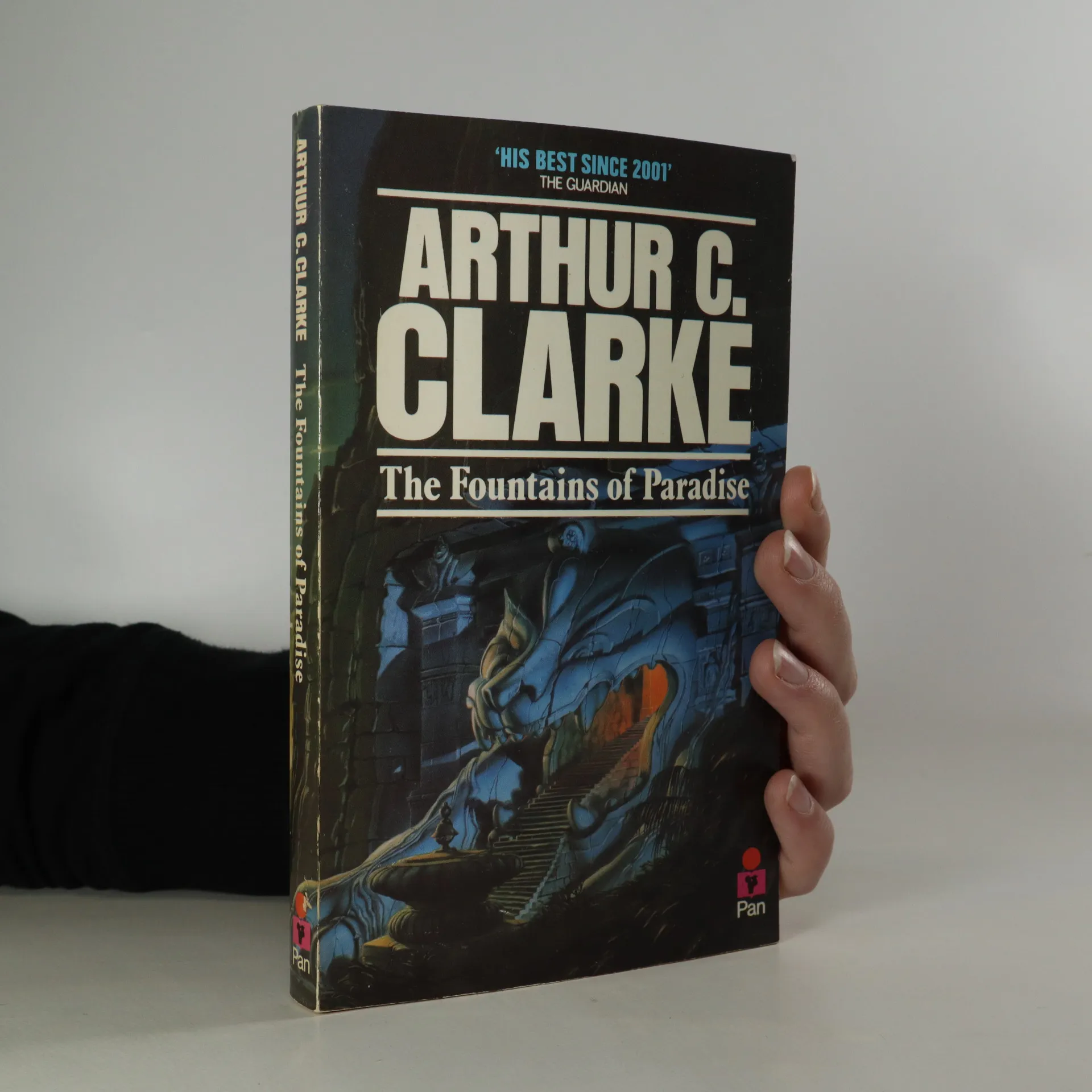
In the 22nd century visionary scientist Vannevar Morgan conceives the most grandiose engineering project of all time, and one which will revolutionize the future of humankind of space: a Space Elevator, 36,000 kilometres high, anchored to an equatorial island in the Indian Ocean.
The Sands of Mars
- 240 pages
- 9 hours of reading
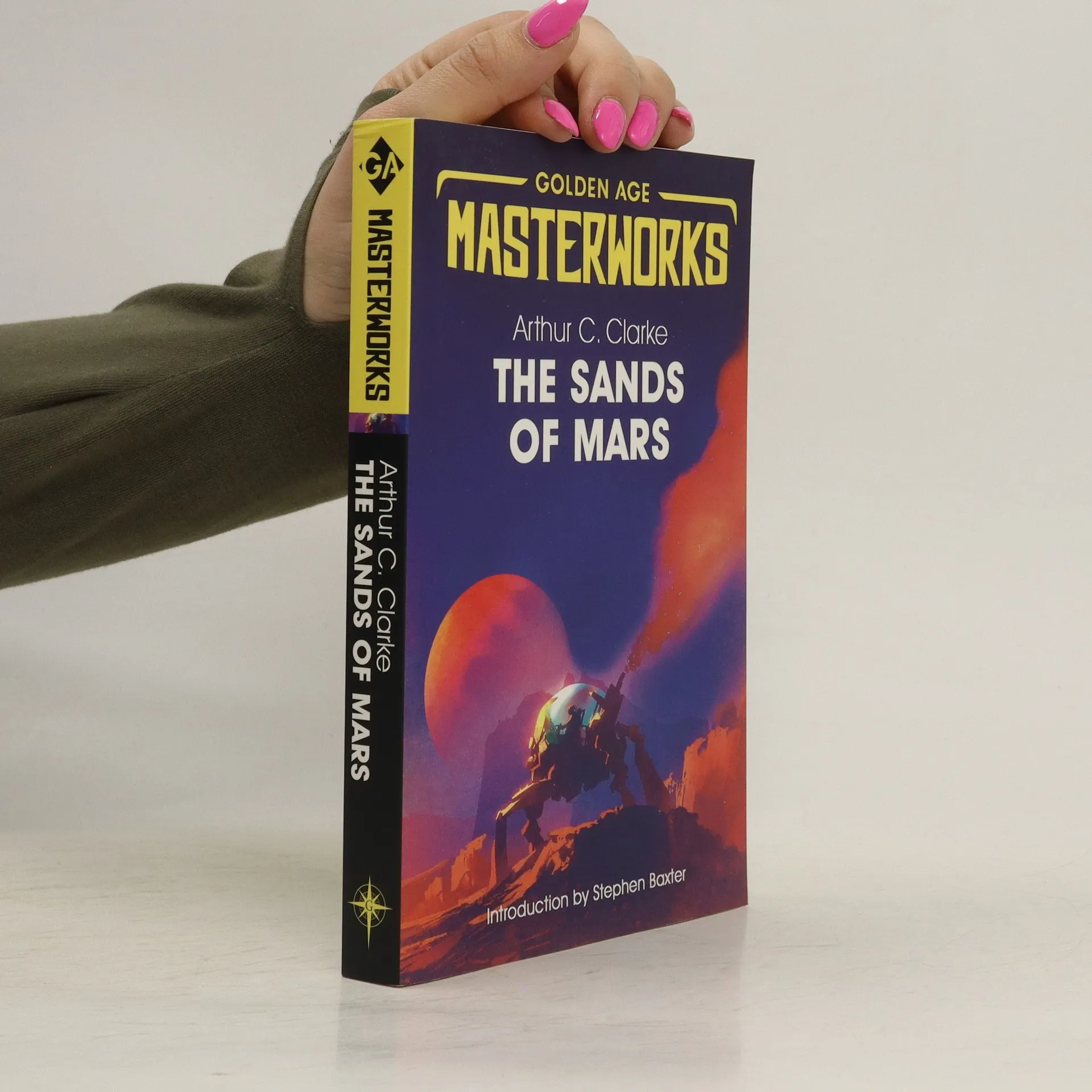
It is the twenty-first century. On Mars a dedicated group of pioneers - among them some of Earth's finest brains - struggle to change the face of the planet . . . Science fiction writer Martin Gibson finally gets a chance to visit the research colony on the Red Planet. It's a dream come true - until he discovers the difficulties and perils of survival on another world . . . and the very real terror it holds.
A A Time's Eye
- 272 pages
- 10 hours of reading
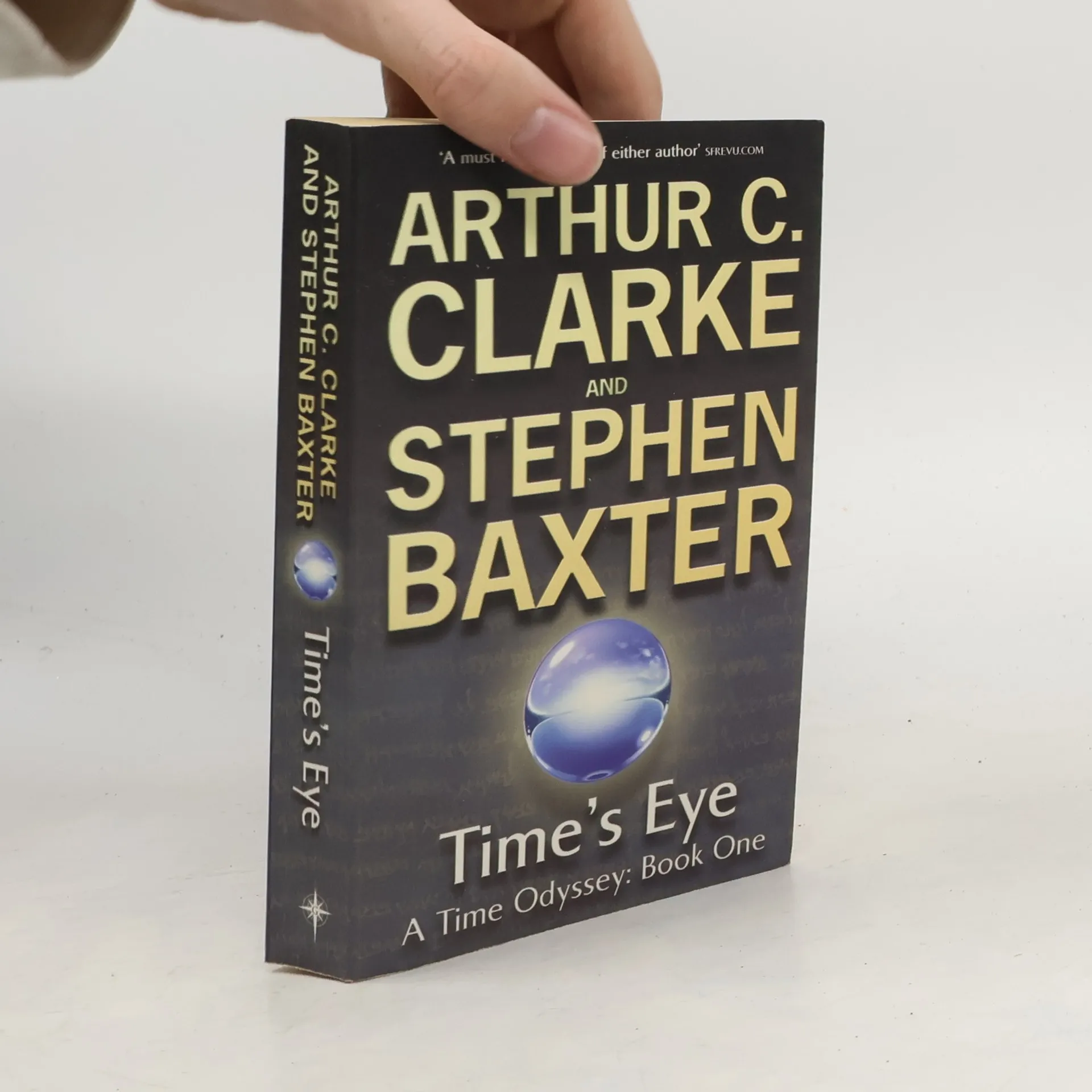
A stunning new companion series to 2001 A SPACE ODYSSEY from the world's most important living SF writer and his acknowledged heir.
A Time Odyssey - 3: Firstborn
- 416 pages
- 15 hours of reading
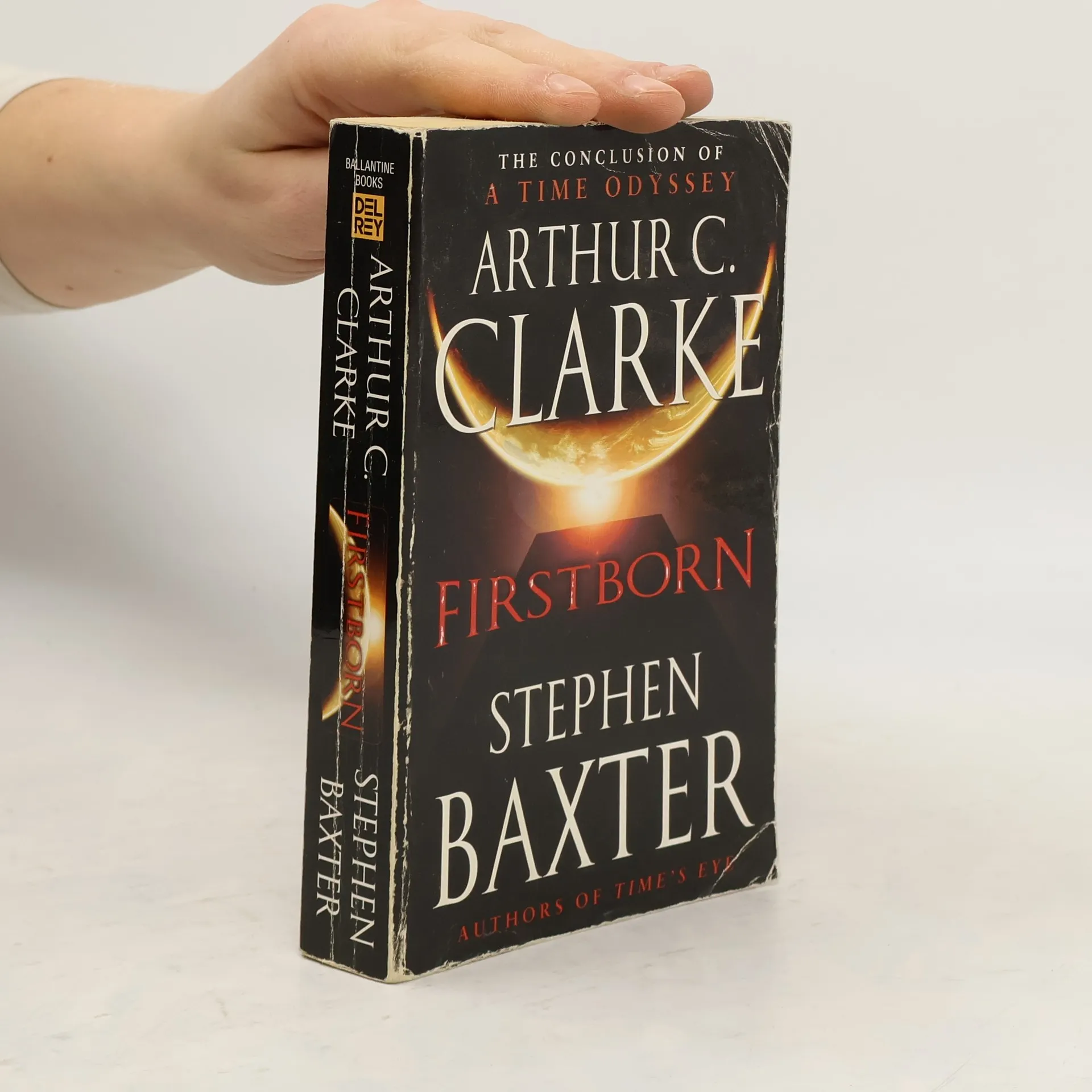
The Firstborn, a mysterious alien race first introduced in 2001: A Space Odyssey, have long been a part of Sir Arthur C. Clarke’s science fiction legacy. In the Time Odyssey series, co-authored with Stephen Baxter, they seek to halt human progress using technology akin to magic. Their initial act, the Discontinuity, transformed Earth into Mir, a patchwork world featuring figures like Alexander the Great and Genghis Khan. Bisesa Dutt, a UN peacekeeper, communicates with an alien artifact of immense power, which ultimately returns her to Earth. She becomes crucial in humanity's struggle against a doomsday solar storm orchestrated by the Firstborn, aimed at wiping out all life. This catastrophe is narrowly averted, but at a great cost. Twenty-seven years later, the Firstborn return with a "quantum bomb," an incomprehensible device that threatens to annihilate Earth. Bisesa embarks on a desperate quest for answers, traveling to Mars and then back to Mir, which faces its own extinction. As the situation grows dire, new revelations about the Firstborn's intentions emerge, and an unexpected ally arrives from light-years away, offering a glimmer of hope in a seemingly hopeless scenario.
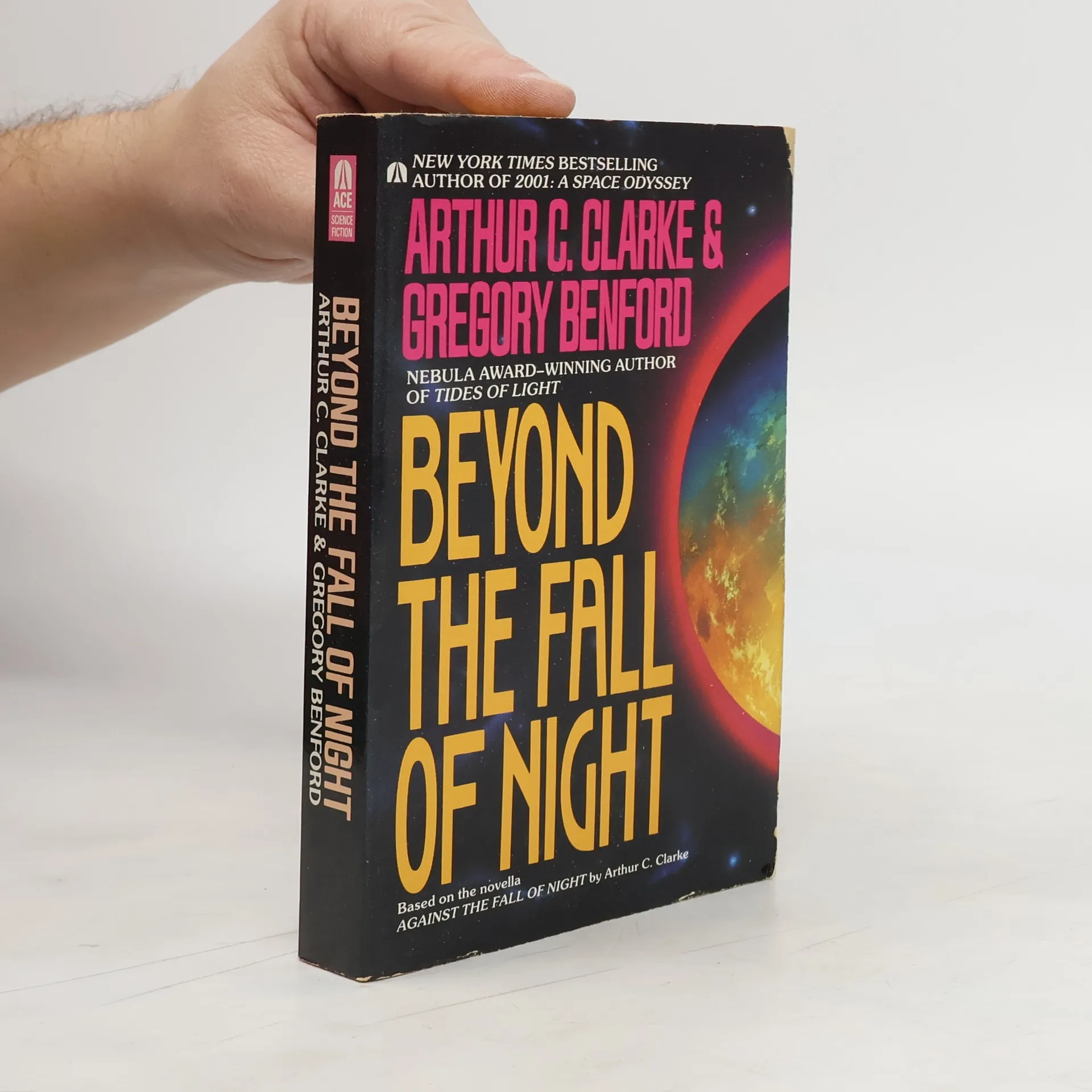
Beyond the Fall of Night
- 339 pages
- 12 hours of reading
Gregory Benford expands Arthur C. Clarke's novella, Against the Fall of Night, into a novel-length adventure set billions of years in the future about human destiny among the stars.
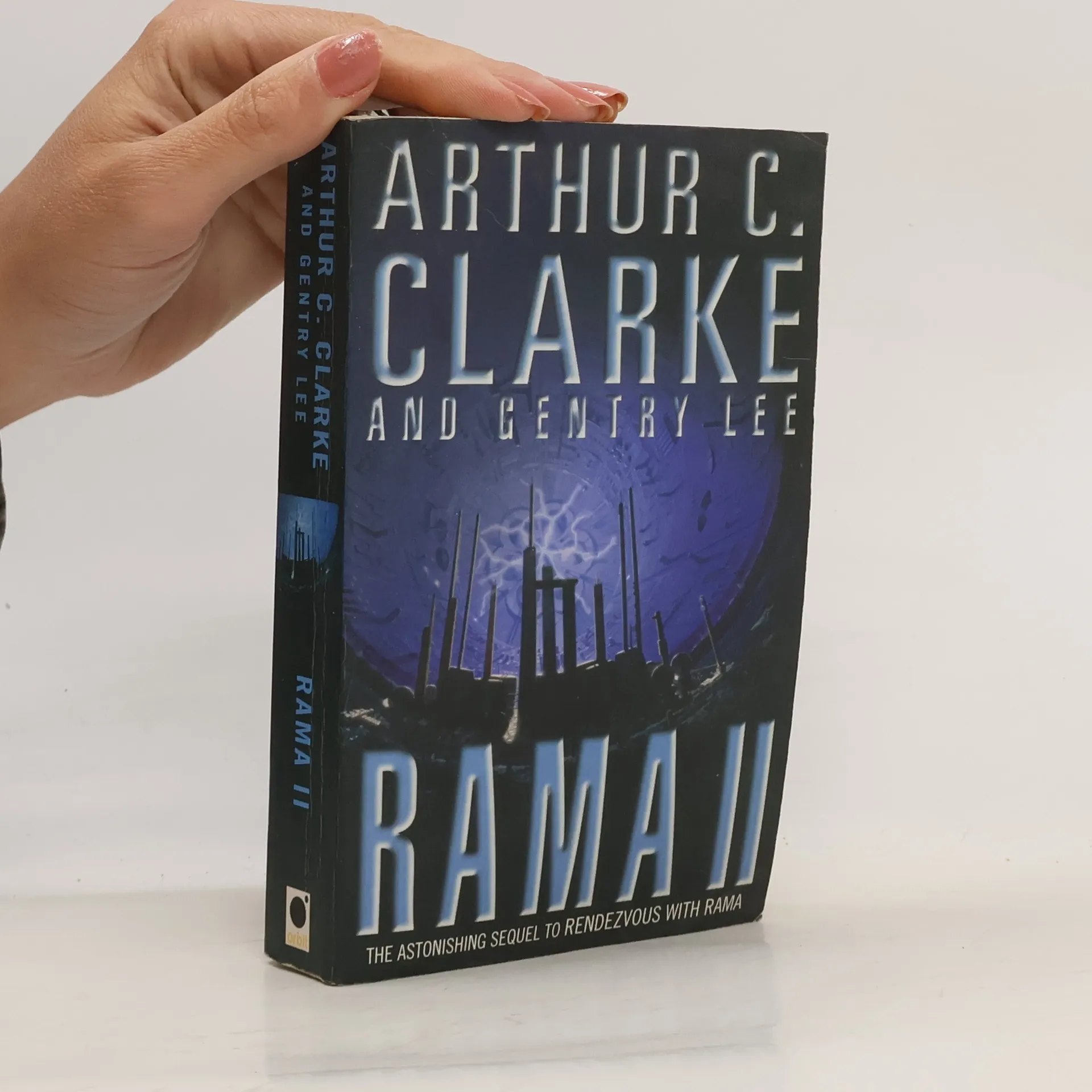
Rama II
- 496 pages
- 18 hours of reading
In the year 2130 a mysterious and apparently abandoned alien spaceship, Rama, entered our solar system. Now the Ramans return - in an enthralling sequel as brilliantly imagined as its predecessor. RAMA II is set in 2200, four years after a second approaching ship has been detected. But this time, Earth is ready ... And now, with the arrival of RAMA II, some of the questions may be answered ...
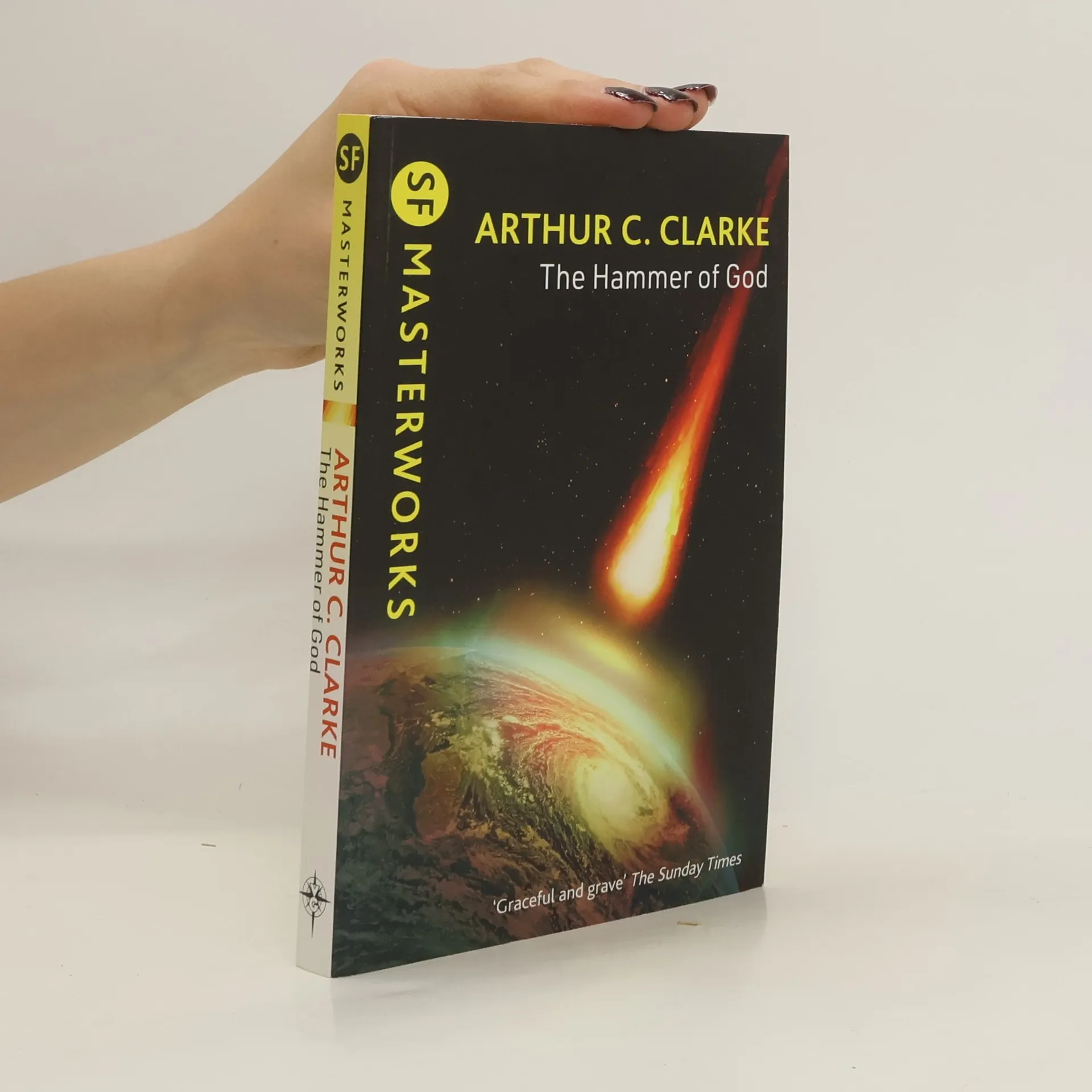
The year is 2110. Humankind is entering a new golden age.But when an amateur astronomer points his telescope at just the right corner of the night sky, he sees disaster hurtling toward Earth: a chunk of rock that could annihilate civilization. While a few fanatics welcome the apocalyptic destruction as a sign from God, the greatest scientific minds of Earth desperately search for a way to avoid the inevitable. On board the starship Goliath, Captain Robert Singh and his crew must race against time to redirect the meteor from its deadly collision course. Suddenly they find themselves on the most important mission in human history - a mission whose success may require the ultimate sacrifice.
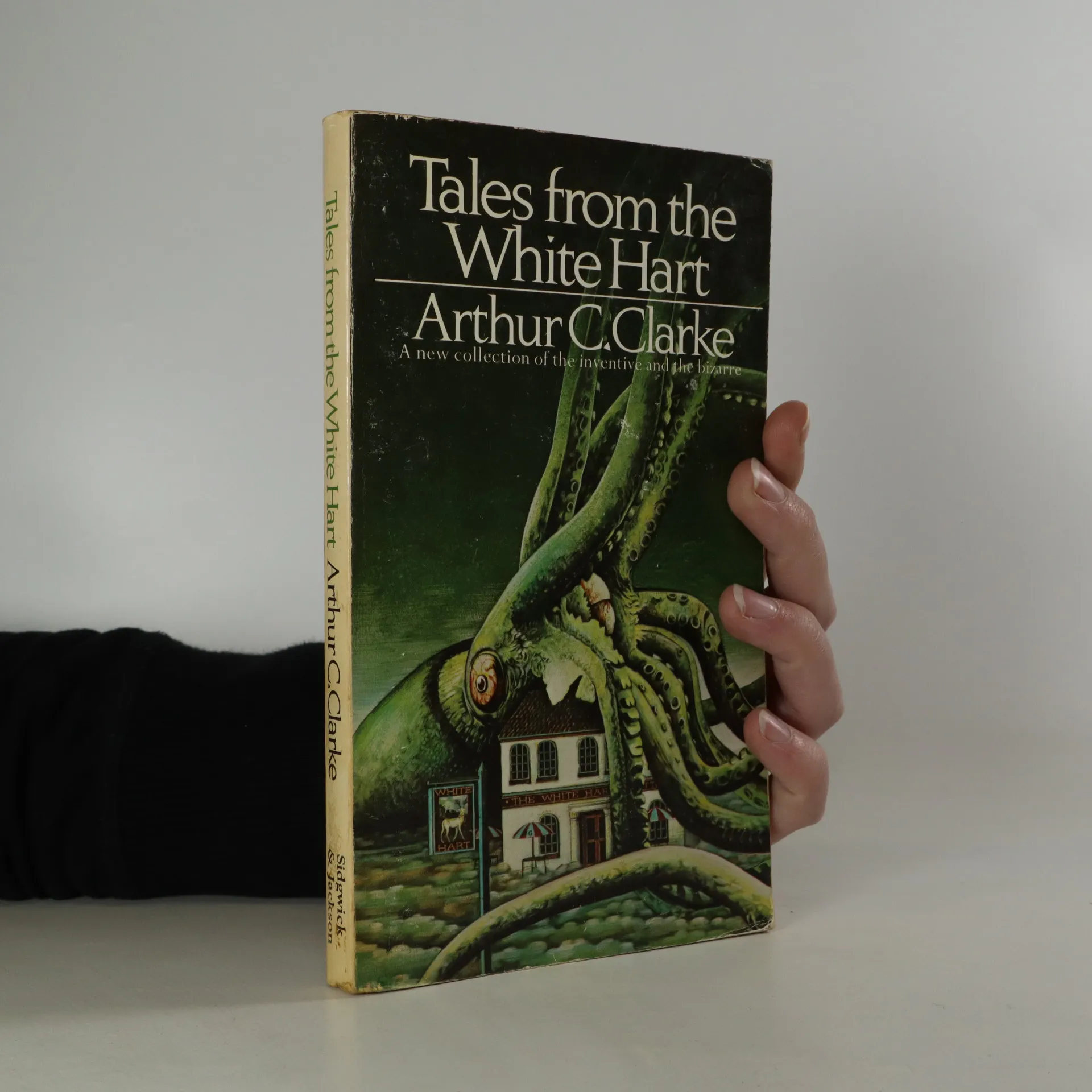
This entertaining volume by Arthur C. Clarke collects fifteen improbable stories narrated in a London pub where a select group of writers, scientists, journalists, and editors gather weekly. The star of these gatherings is Harry Purvis, a boastful and witty storyteller who seizes any opportunity to overwhelm his friends with strange occurrences he claims to have witnessed or been privy to. Surprising inventions, unexpected situations, and bold experiments—such as machines that produce silence, recreate sexual pleasure, or compose perfect melodies; ships that plow the oceans; military computers that adopt pacifist behaviors; and colonies of termites that incorporate human knowledge—form the clever and imaginative fabric of these tales from the White Hart tavern.
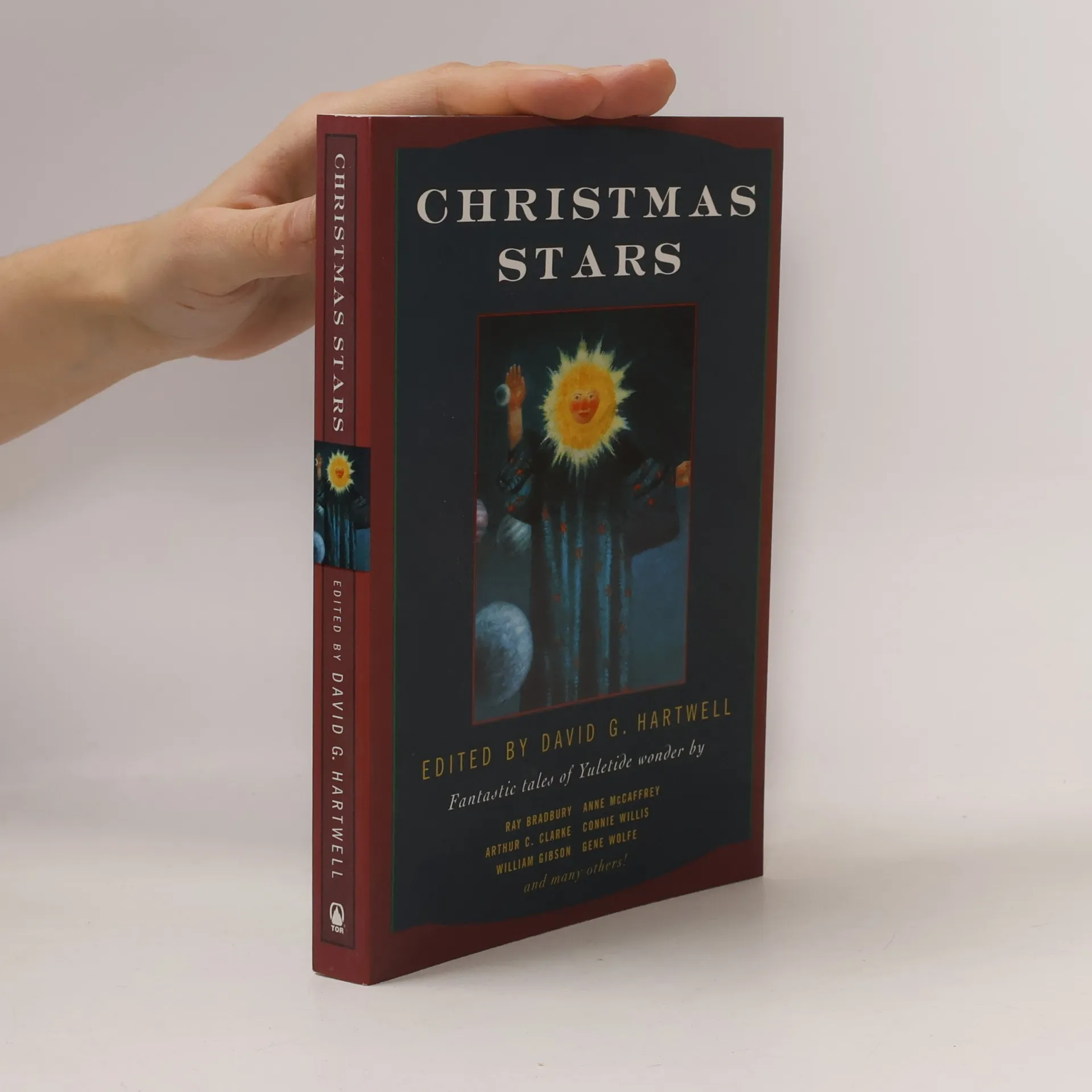
The best of Christmas--past, present, and yet to come Christmas is a time for miracle, scientific and otherwise, and for surprises that can only occur at this time of the year. But what marvels will the holidays bring to the far future--or to alien worlds light-years from the North Pole? In this celebratory collection, many of today's finest writers of fantasy and science fiction unwrap startling visions of the future of Christmas. An unusual Christmas spirit brings confusion-and romance-to a modern young woman. A father's gift opens up the universe for all humanity. And a devout researcher uncovers the shattering secret of the original Star of Bethlehem. These and other stories shine like sparkling, unearthly ornaments on a fresh green tree of holiday traditions. 'Twas the night before tomorrow, and all through the galaxy, nothing burns as bright as... Christmas Stars.
2061. Odyssey three
- 304 pages
- 11 hours of reading
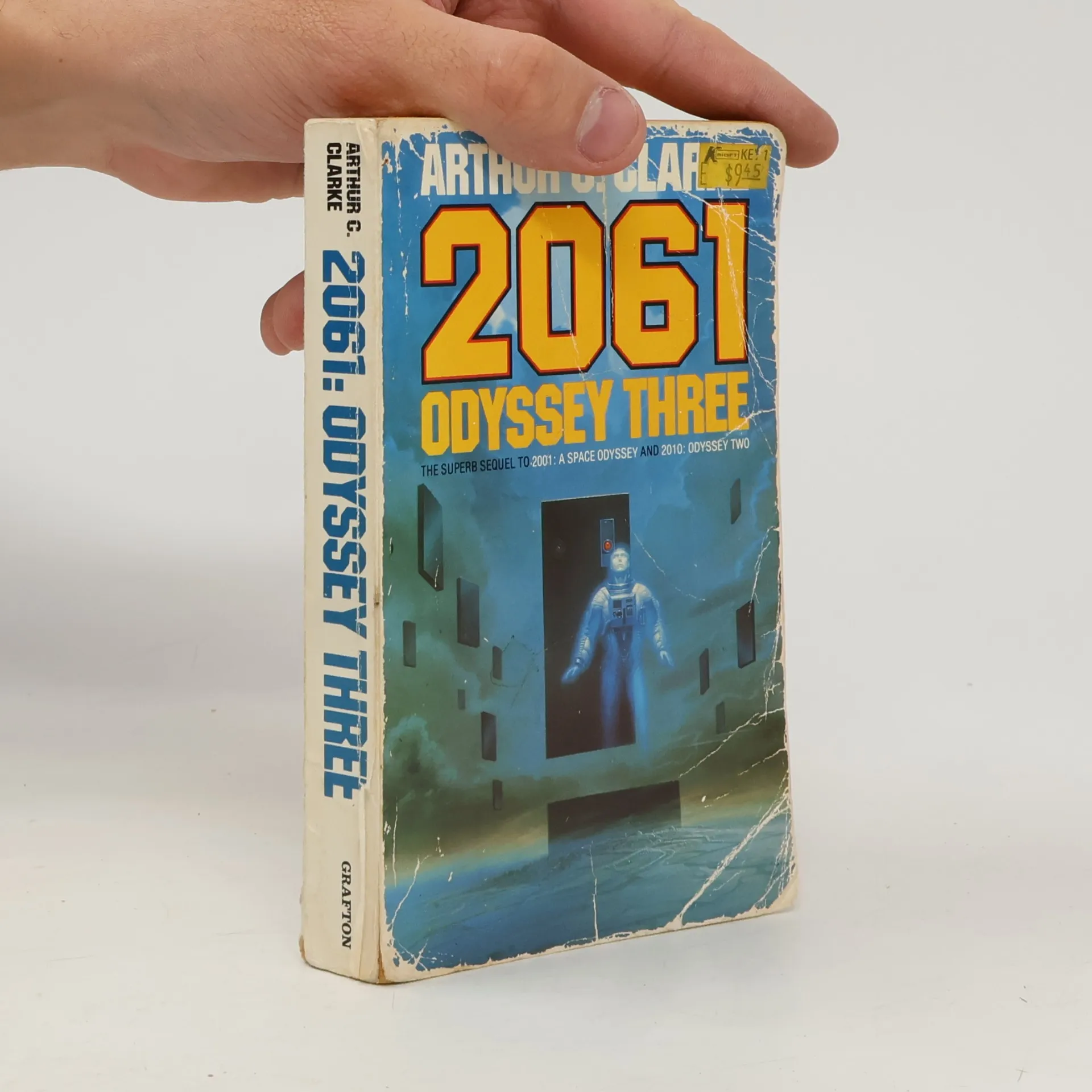
Arthur C. Clarke, creator of one of the world's best-loved science fiction tales, revisits the most famous future ever imagined in this NEW YORK TIMES bestseller, as two expeditions into space become inextricably tangled. Heywood Floyd, survivor of two previous encounters with the mysterious monloiths, must again confront Dave Bowman, HAL, and an alien race that has decided that Mankind is to play a part in the evolution of the galaxy whether it wishes to or not. --This text refers to an out of print or unavailable edition of this title.
The Madness of Cthulhu Anthology, Vol 1
- 400 pages
- 14 hours of reading
Features sixteen stories inspired by the 20th century's great master of horror, H P Lovecraft, and his acknowledged masterpiece, At the Mountains of Madness.
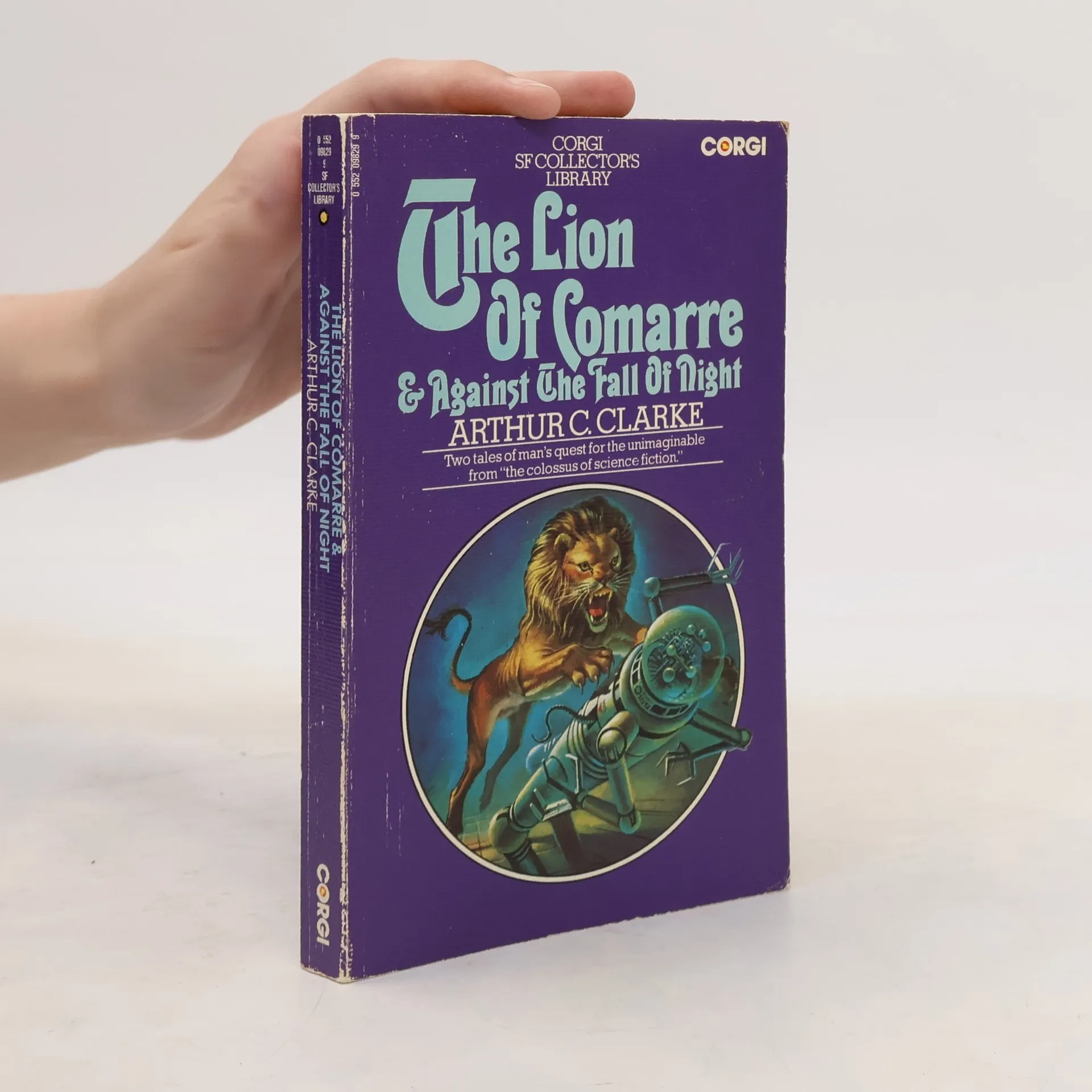
Against the Fall of Night
- 332 pages
- 12 hours of reading
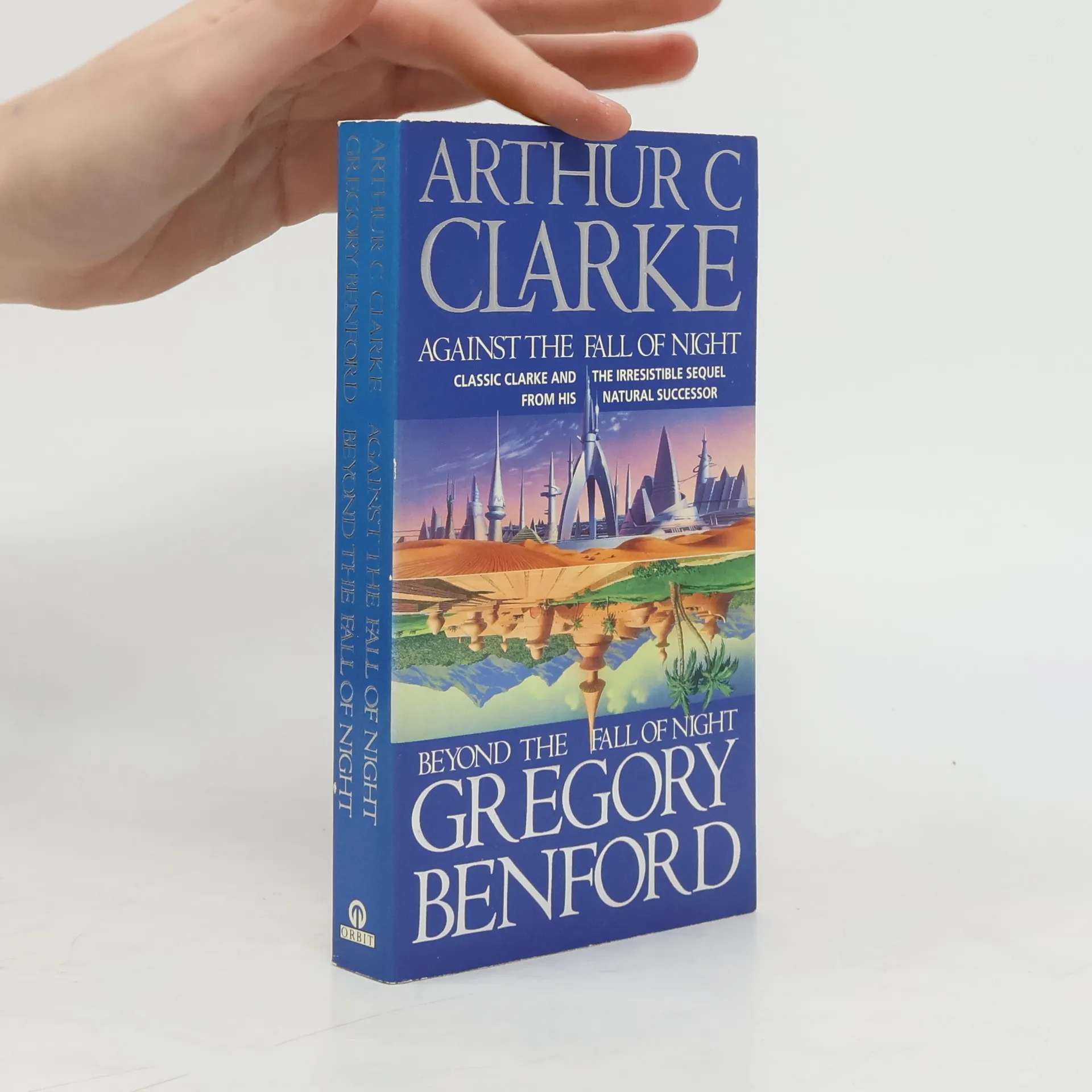
Arthur C.Clarke's early novel Against the Fall of the Night, set far in the future, and a sequel by Gregory Benford. Alvin, the only child for many centuries born in what is believed to be the only city left on Earth, leads a renaissance. Man is reclaiming the Earth, but evil has also returned.
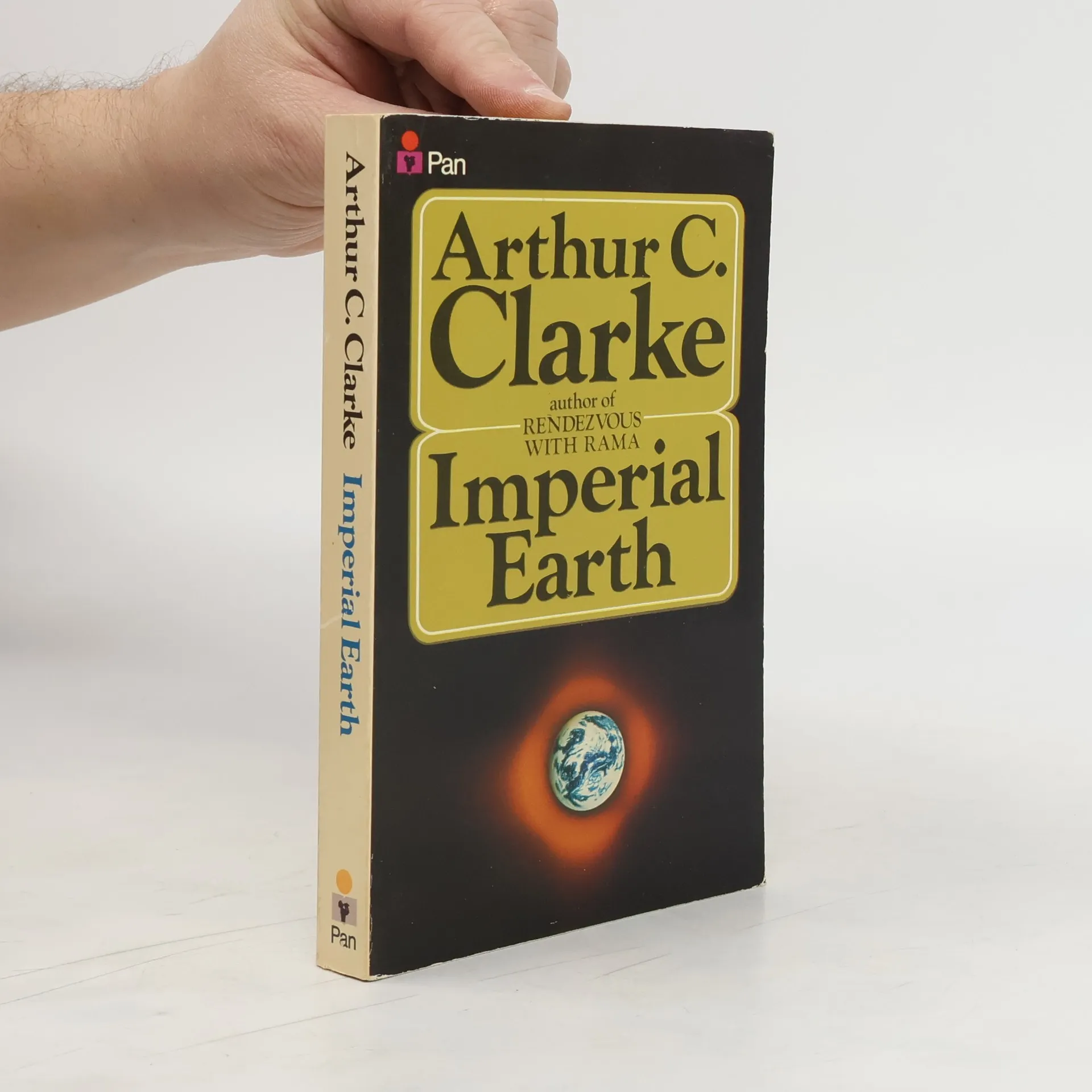
A science fiction story in which one man leaves his native planet, Titan, in order to join in celebrations held on Mother Earth. However he has other things on his mind; he has a delicate mission to perform - for himself, his family and the future of his home planet. From the author of GARDEN OF RAMA and RICHTER 10.
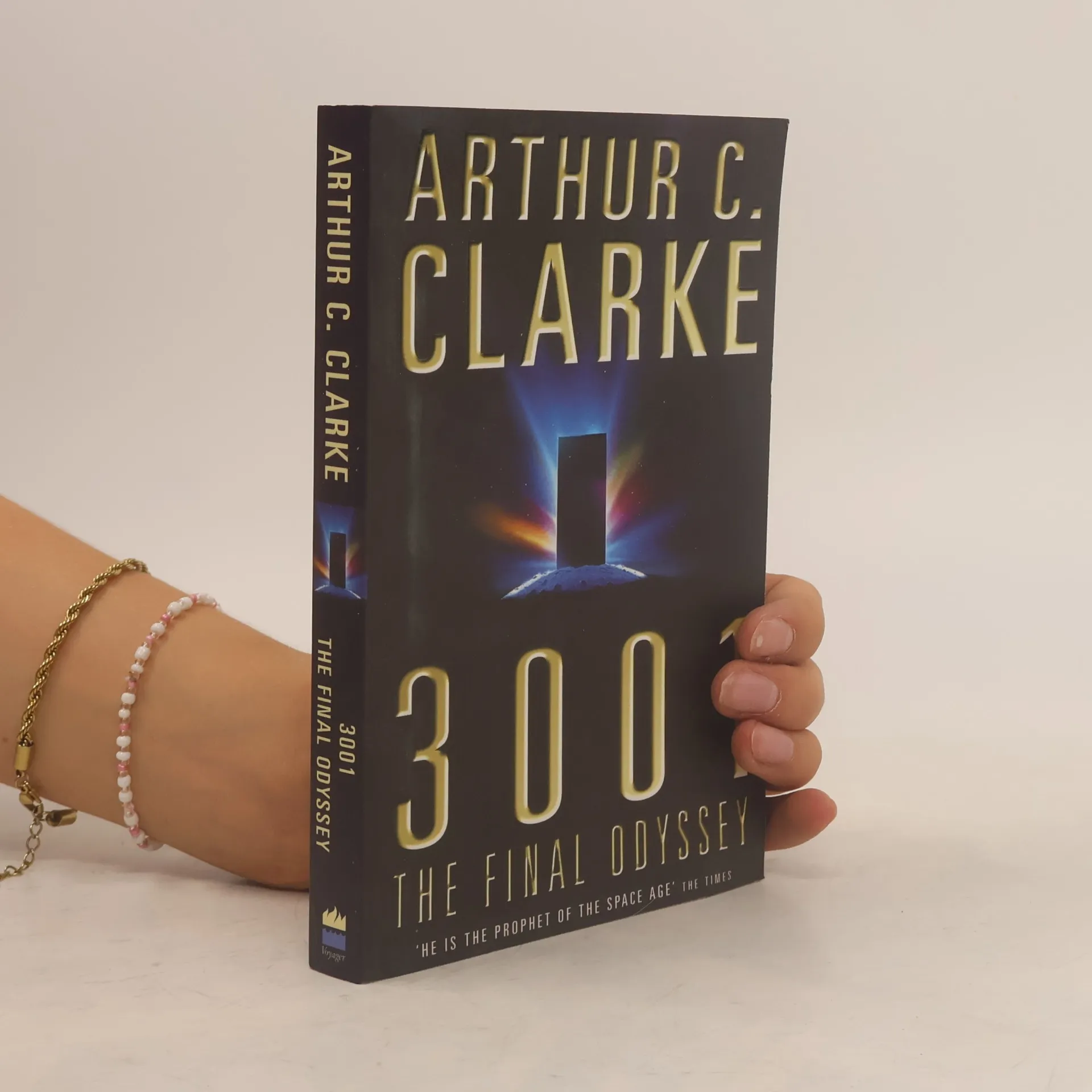
3001 : the final odyssey
- 288 pages
- 11 hours of reading
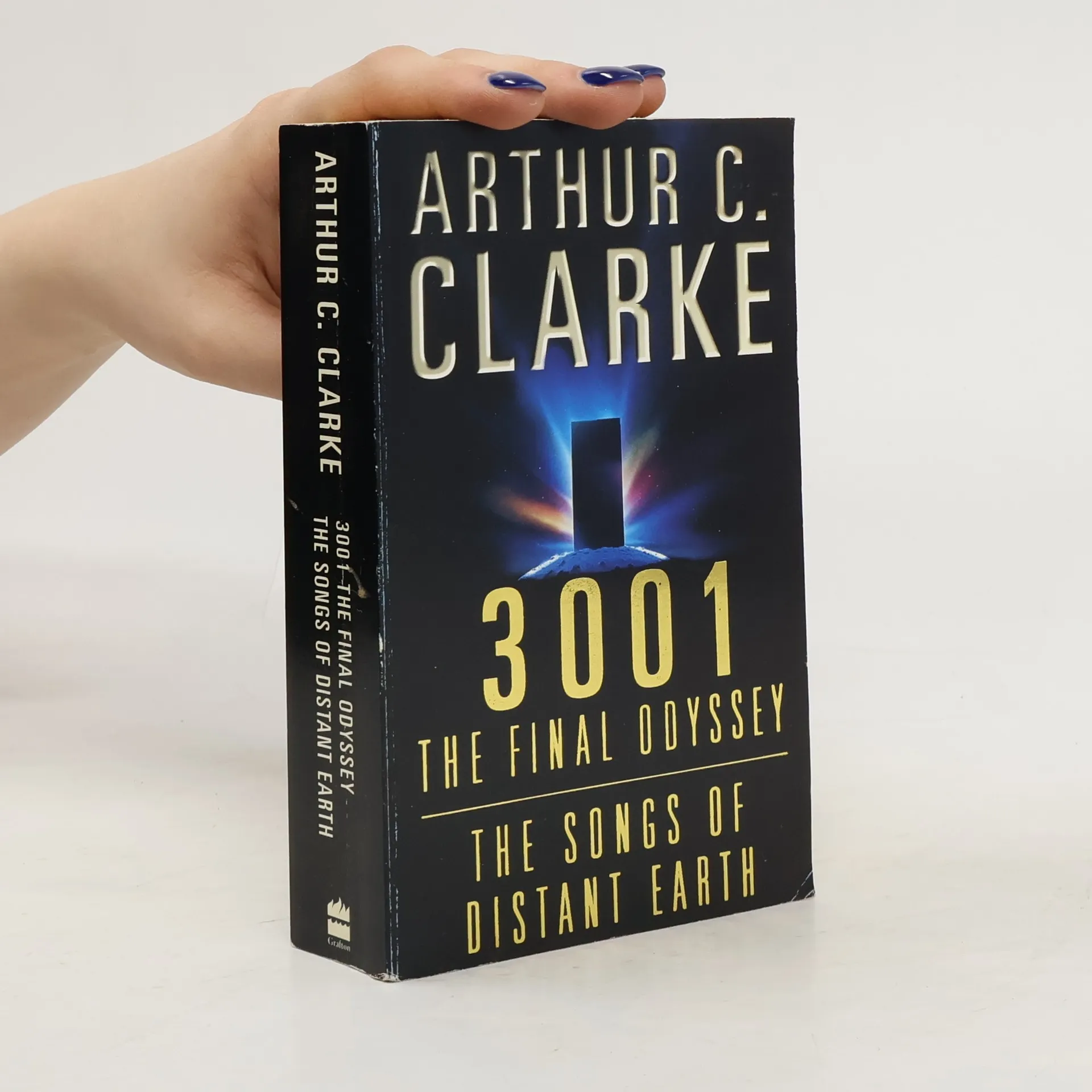
When Frank Poole, whose body has been frozen in deep space for 1000 years, is resurrected, his second life brings him enlightening culture shocks a-plenty, but his Odyssey eventually leads him to defy the limitless power of an alien technology. The final sequel to 2001: A Space Odyssey.
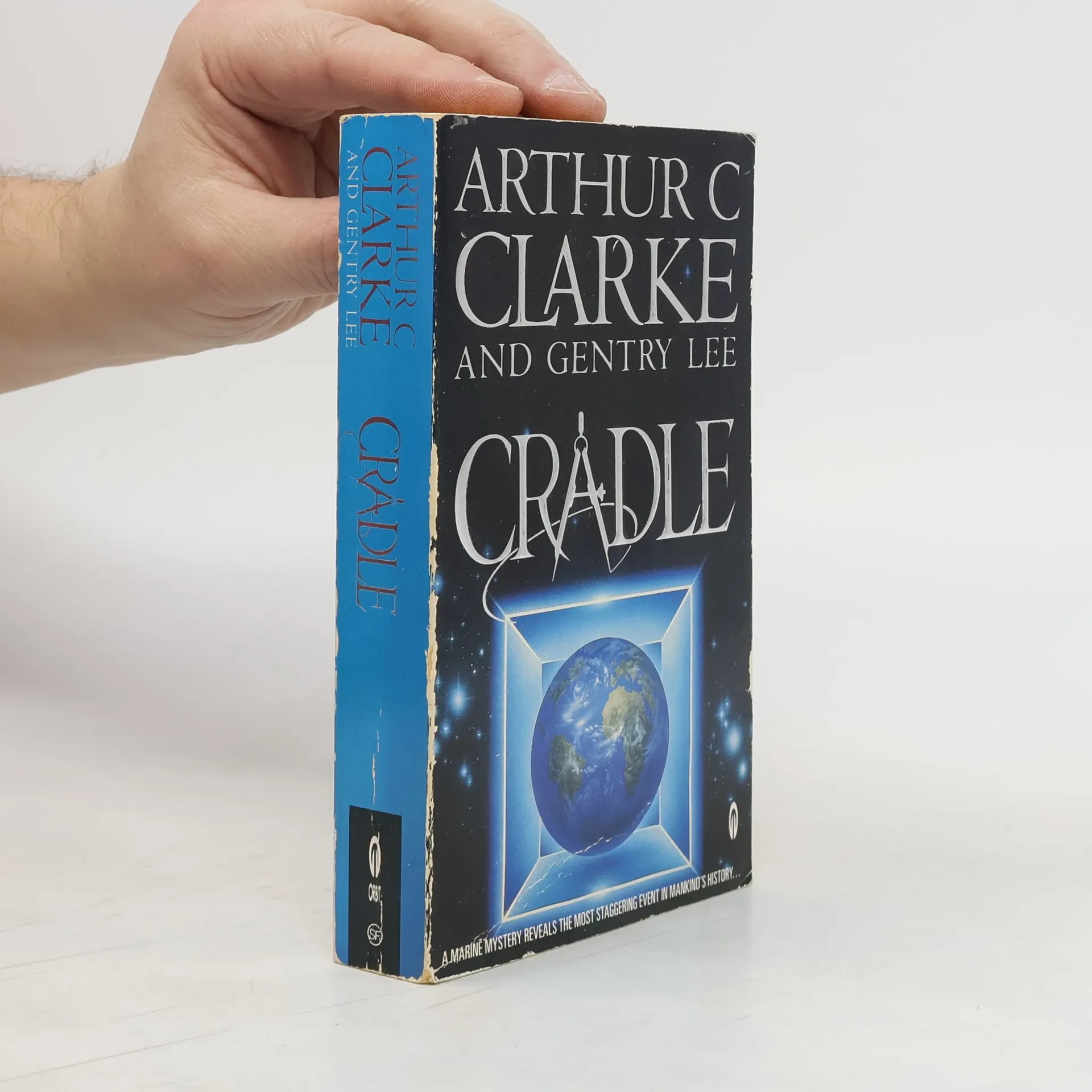
Two seemingly unconnected events trigger off the discovery of nothing less than the secret of humanity's existence. Written in conjunction with author and senior NASA scientist Gentry Lee.
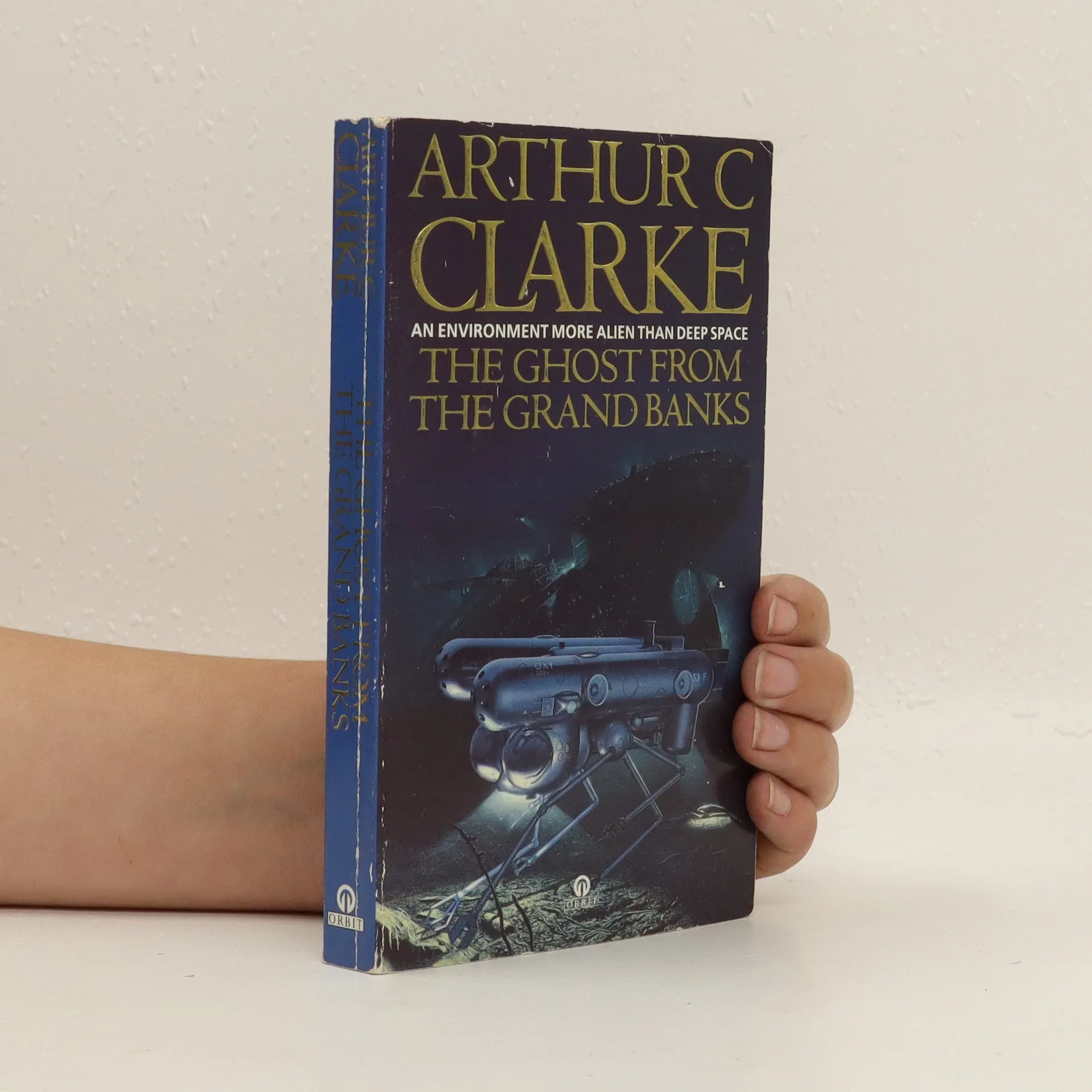
It is 2010. In just two years' time it will be the centennial of an event that has haunted the world: the sinking of the Titanic. The remains of what was once the world's greatest ocean liner lie four kilometers down on the Grand Banks of the Atlantic Ocean, an endless reminder of the frailty of man's technology in the face of natural perils. But, a hundred years on, the urge to raise the wreck is just as strong as ever. From the West comes one solution; from the East another. Both are marvels of technological imagination; both can succeed. But there are other powers at work, and the wreck on the Grand Banks may still hold a surprise or two for those who would return her to the eyes of the world.
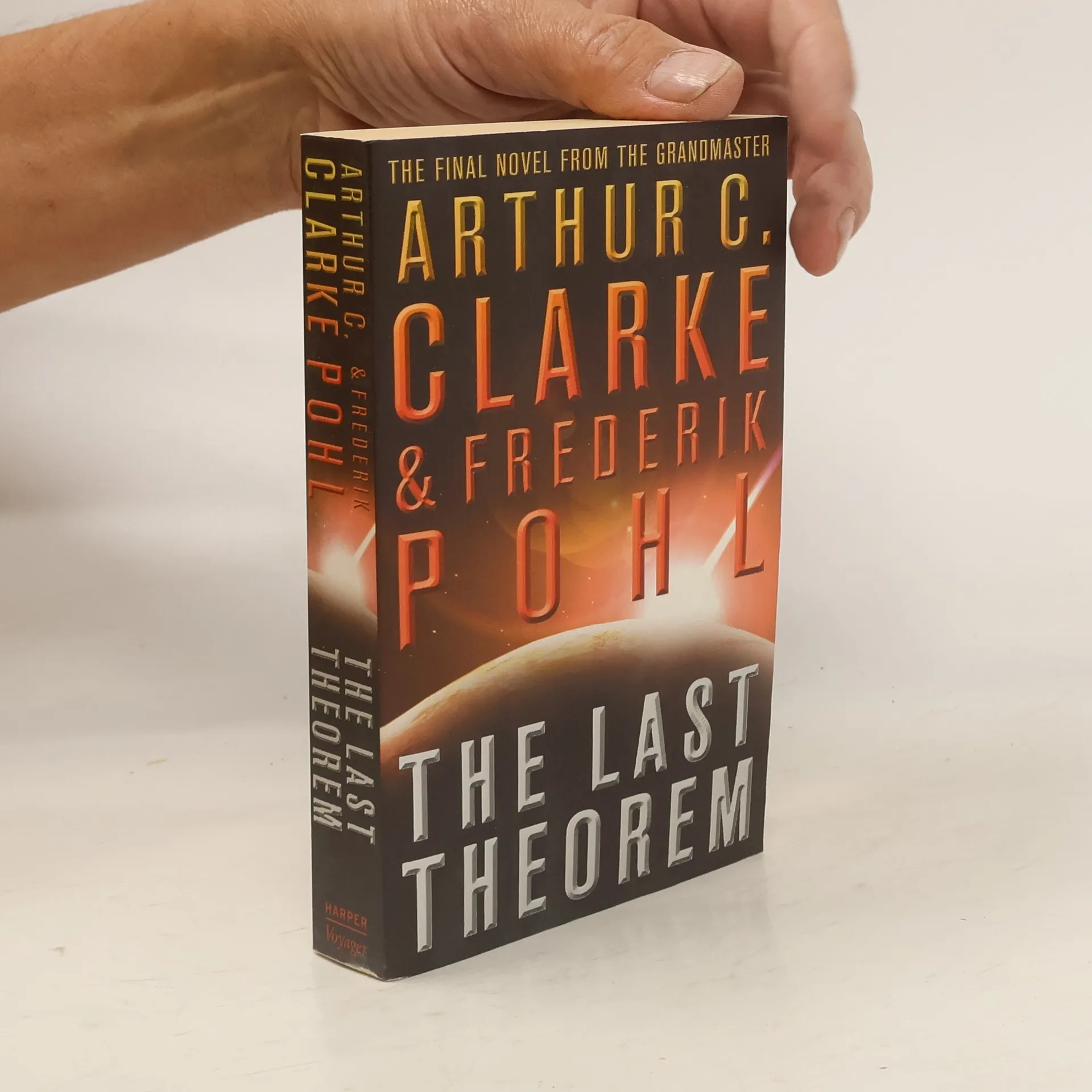
The last theorem charts the story of Ranjit Subramanian, a man fascinated by Fermat's Last Theorem - so simple that anyone can understand it, yet not proved for more than three centuries. Ranjit learns about the Indian mathematical genius Ramanujan (1887-1920) and discovers a three-page proof of the Last Theorem: this might even be Fermat's own proof. The discovery of the Theorem wins Ranjit the Fields Medal - and the attention of the NSA cryptography branch. However, Ranjit soon finds himself drawn by physics rather than cryptography, as there have been some spectacular advances in fusion technology. And these in turn lead to a plasma drive that can open up the solar system.
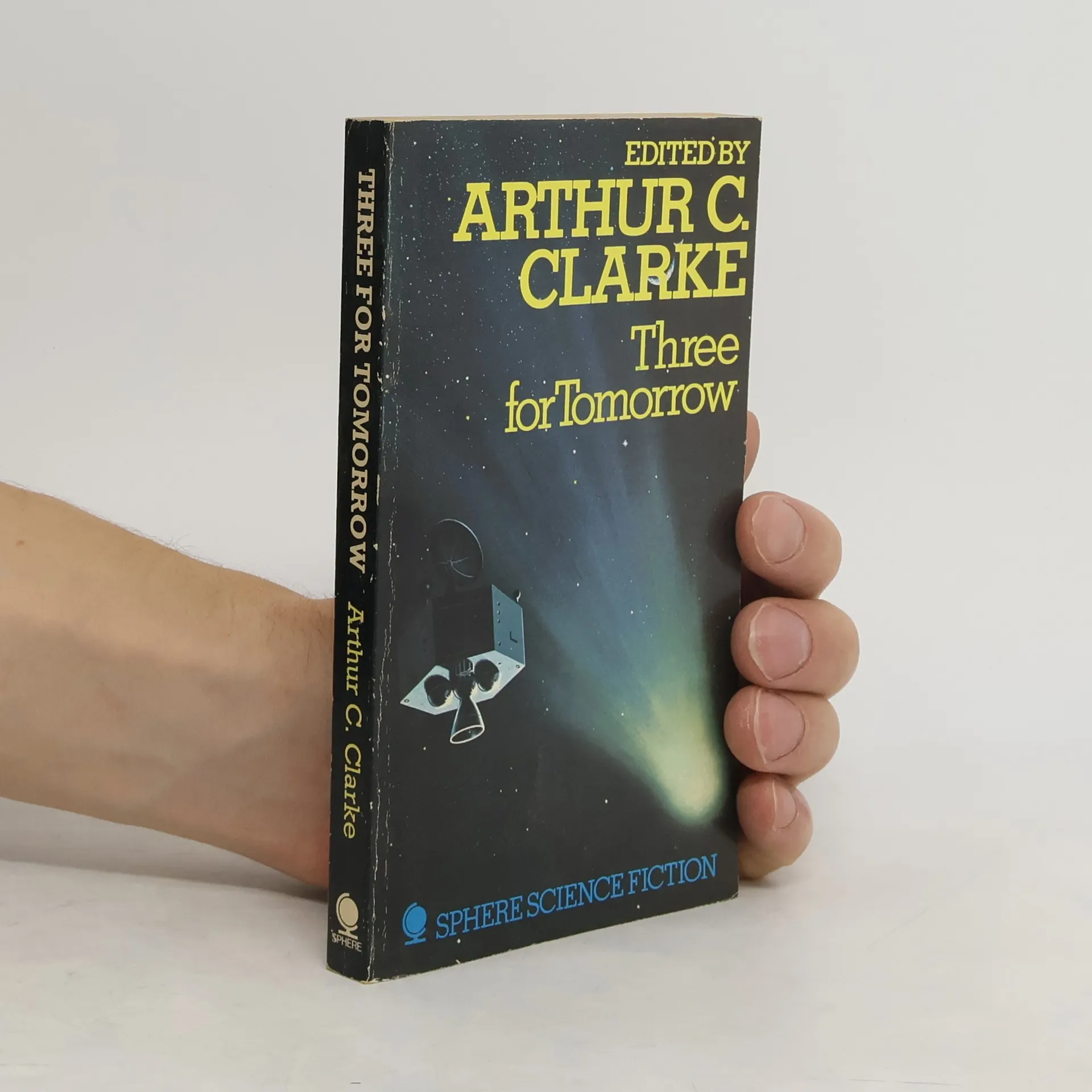
Three for Tomorrow
- 192 pages
- 7 hours of reading
3 authors give their take on an idea of Clarke's -the theme being a disaster and how a community is affected and how they deal with the situation.
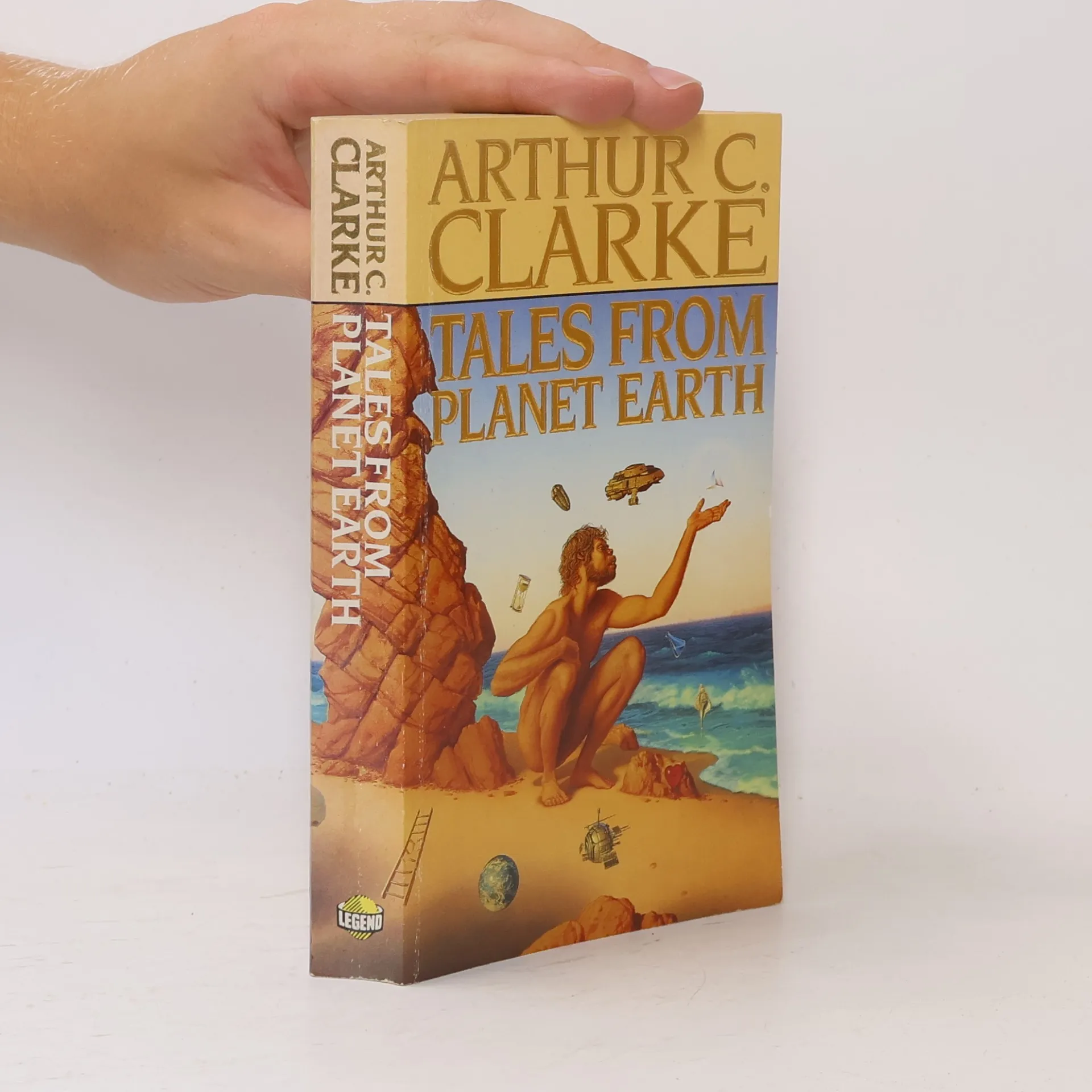
Alternate cover for ISBN10: 0-7221-2410-4 (ISBN13: 978-0-7221-2410-9) Includes the following short stories: - Travel by Wire! - Retreat from Earth - The Awakening - Whacky - Castaway - History Lesson - Hide and Seek - Second Dawn - The Sentinel - The Star - Refugee
Profiles of the Future
A daring look at tomorrow’s fantastic world.
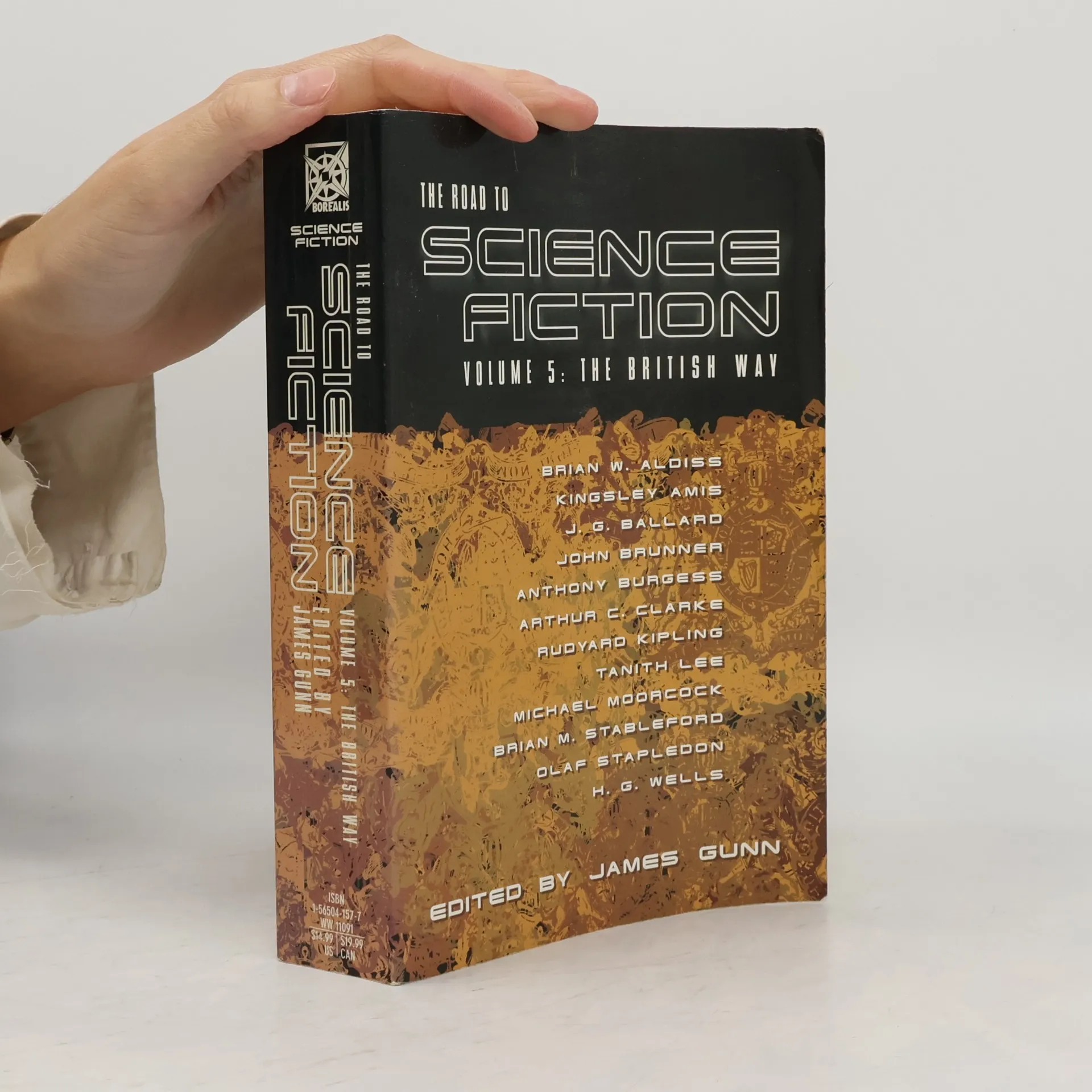
The stories we tell are not limited to monsters and harsh otherworlds. Yet the fiction books in the Borealis imprint certainly belong to a world other than our own. This line encompasses our science fiction, fantasy and horror novels and anthologies.
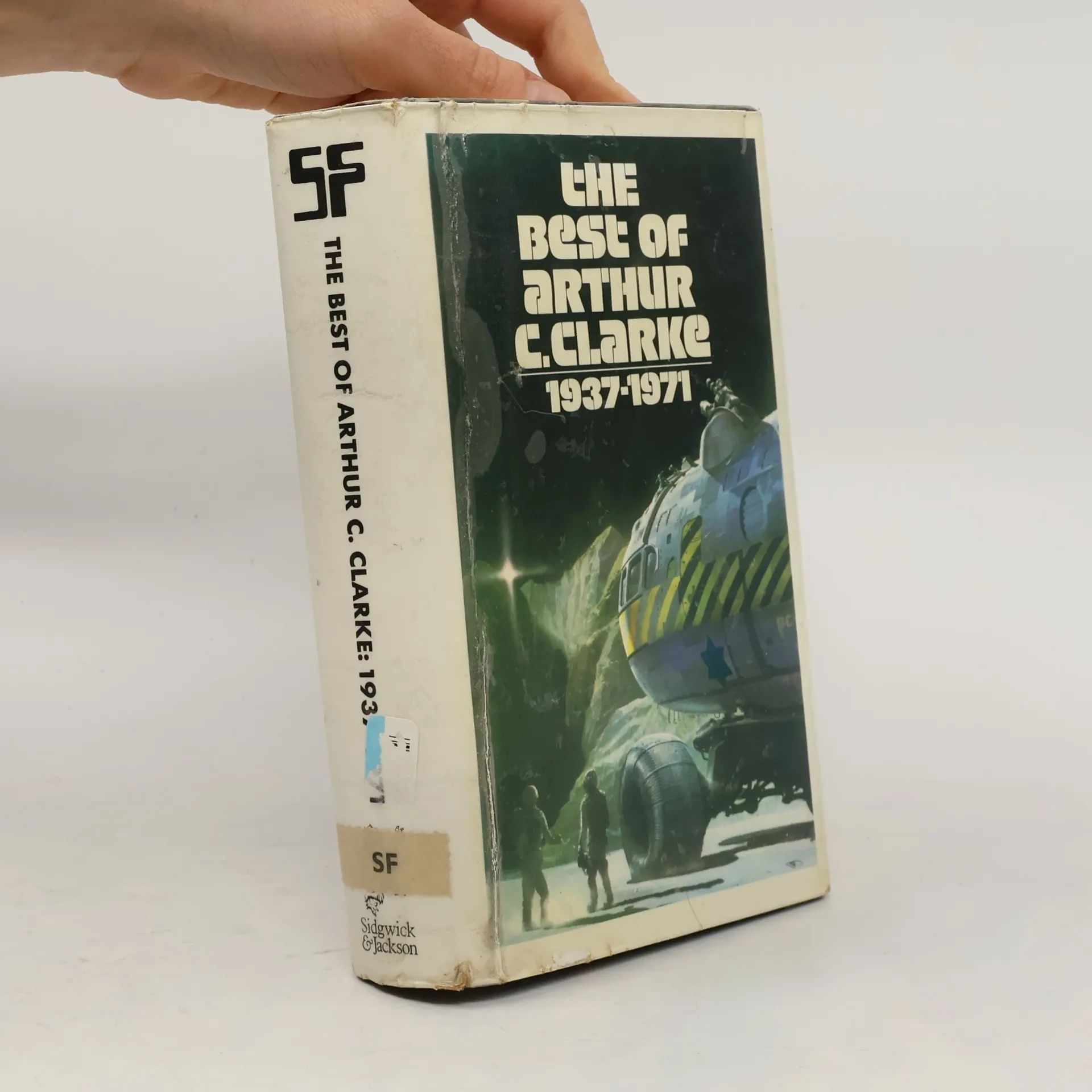
The Best of Arthur C. Clarke
- 336 pages
- 12 hours of reading
The author of such science fiction classics as The Sands of Mars, Childhood's End and the world-famous 2001: A Space Odyssey is concerned with both the scientific and the metaphysical aspects of SF. A founder member of the British Interplanetary Society, Clarke originated the proposal for the use of satellites for communications; his technical knowledge is equalled only by his skill as a writer. These eighteen stories are chosen to show Clarke's development in both areas. The collection includes: Hide and Seek One man against a murderously efficient space cruiser-on an asteroid only 20 kilometres wide. The Sentinel The short story on which the author based 2001. Sunjammer A fleet of mighty gunships embarks upon a fabulous voyage. This anthology includes a complete bibliography and an introduction by Arthur C. Clarke.
The Golden Age of Science Fiction
- 368 pages
- 13 hours of reading
This collection features a range of influential science fiction works, showcasing the genre's evolution and creativity. It begins with essays by Kingsley Amis, setting the stage for the Golden Age of Science Fiction. The anthology includes notable stories such as Anthony Boucher's "The Quest for Saint Aquin," R. S. Richardson's "The Xi Effect," and Frederik Pohl's "The Tunnel Under the World." Additionally, readers will find Brian W. Aldiss's "Old Hundredth," James Blish's "A Work of Art," and Kurt Vonnegut Jr.'s iconic "Harrison Bergeron." J. G. Ballard's "The Voices of Time" and Robert Sheckley's "Specialist" further explore imaginative themes. The collection also features H. Beam Piper's "He Walked Around the Horses," Cordwainer Smith's "The Game of Rat and Dragon," and Arthur C. Clarke's thought-provoking "The Nine Billion Names of God." Other highlights include Harry Harrison's "The Streets of Askelon," Damon Knight's "The Country of the Kind," and Isaac Asimov's "The Machine That Won the War." The anthology concludes with F. L. Wallace's "Student Body" and Jerome Bixby's "It's a Good Life," along with Poul Anderson's novella "Sister Planet," offering a rich tapestry of speculative fiction.
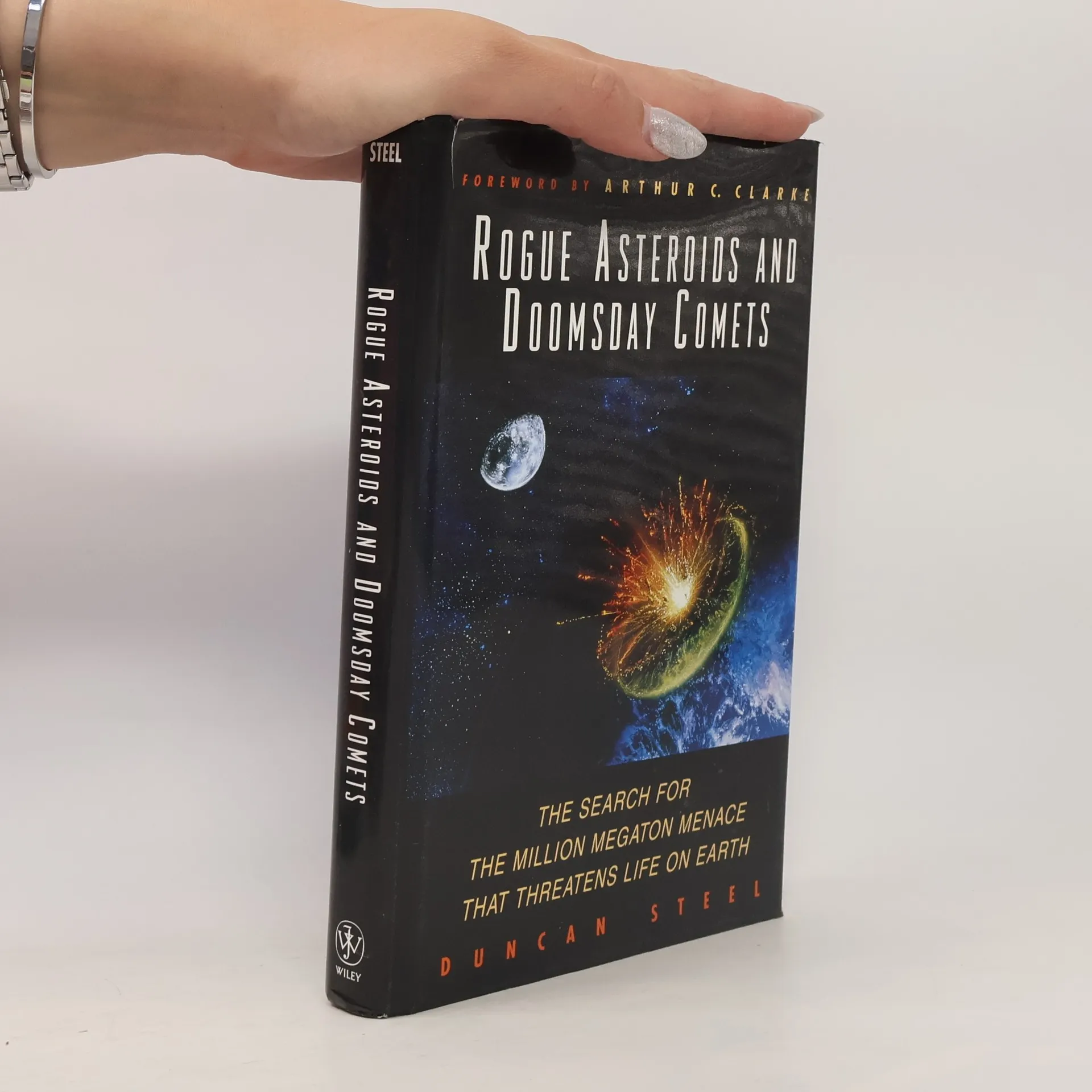
Rogue Asteroids and Doomsday Comets
The Search for the Million Megaton Menace That Threatens Life on Earth
- 308 pages
- 11 hours of reading
Could a giant asteroid or comet crash into Earth and annihilate life as we know it? Many astronomers, once skeptical of such risks, now recognize the serious danger. In this exploration, Duncan Steel, a leading expert and director of a global asteroid and comet search program, delves into chilling scientific findings. He narrates the compelling story of how detection efforts revealed a troubling history of impacts, including the comet likely responsible for the dinosaurs' extinction. Advances in telescope tracking have identified at least 2,000 objects orbiting Earth that could strike with nuclear force. Calculations indicate that Earth is bound to face another catastrophic collision eventually. Potential outcomes include towering ocean waves that could devastate coastal areas, massive fires, and clouds of dust blocking sunlight, crippling agriculture. Steel expertly assesses these threats and discusses proposed strategies for detecting and neutralizing incoming celestial bodies, including Edward Teller's controversial suggestion of using a nuclear bomb. This account vividly illustrates the existential threat from space and the scientific community's response. With an unprecedented opportunity to avert disaster, the book argues that failing to act would be both dangerous and unwise.