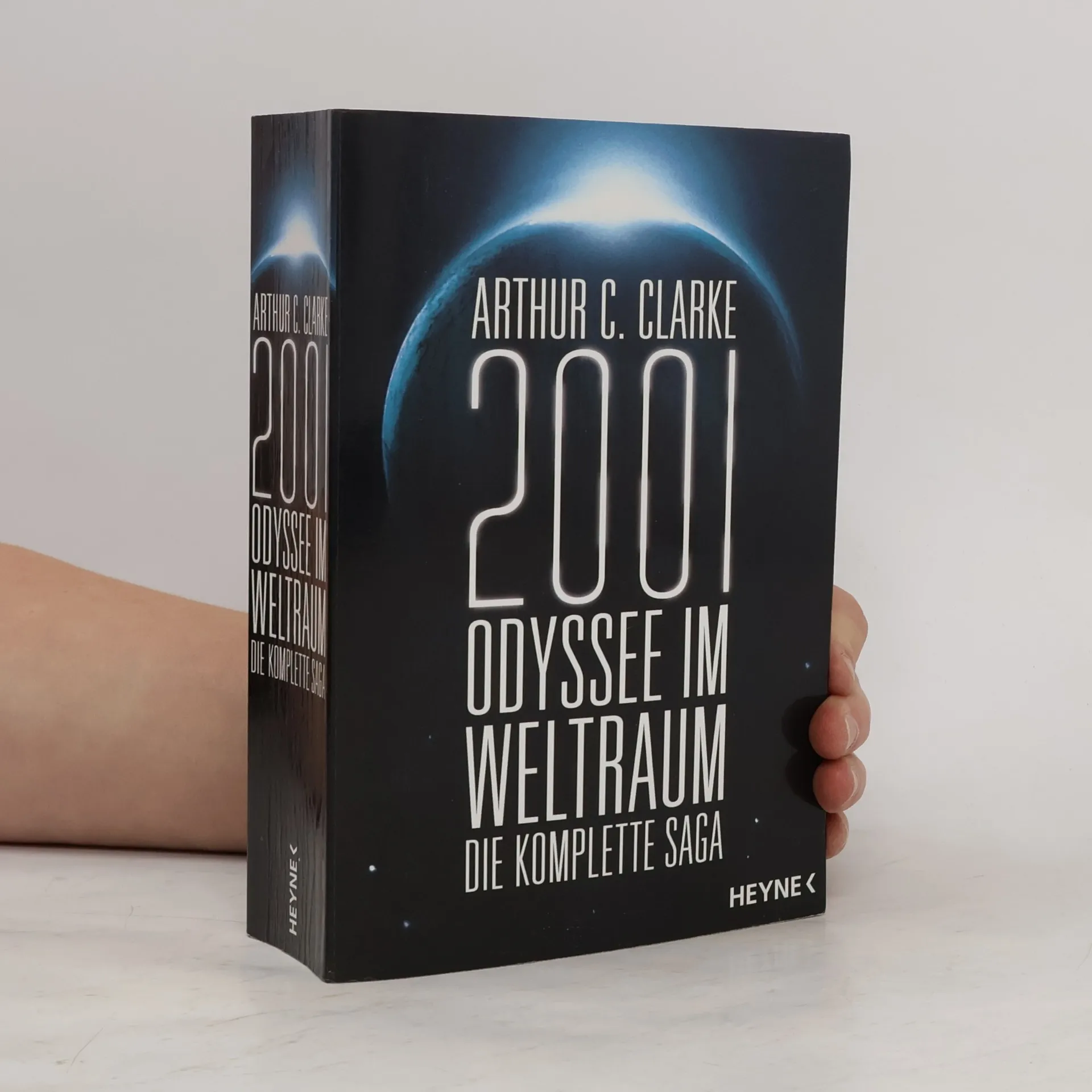
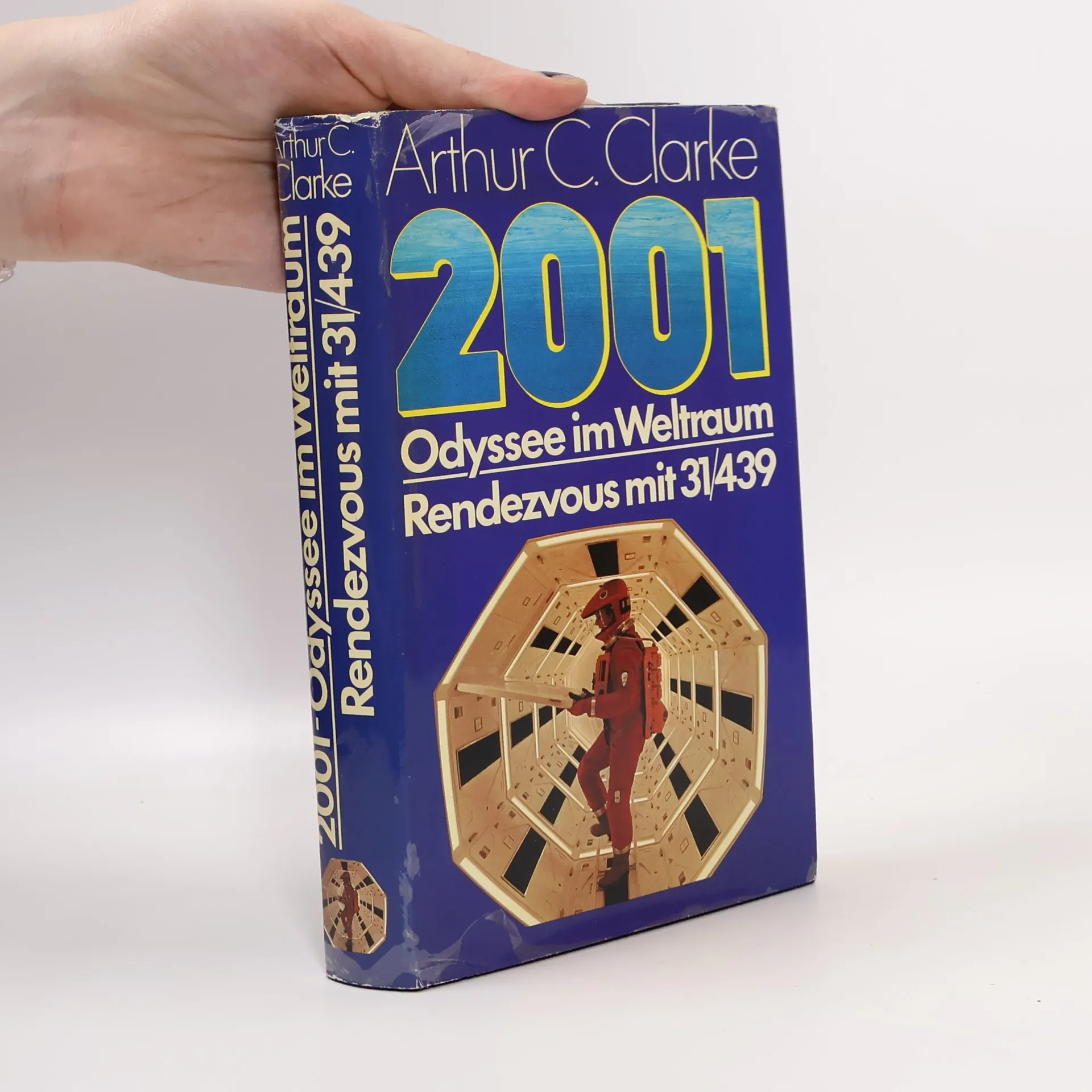
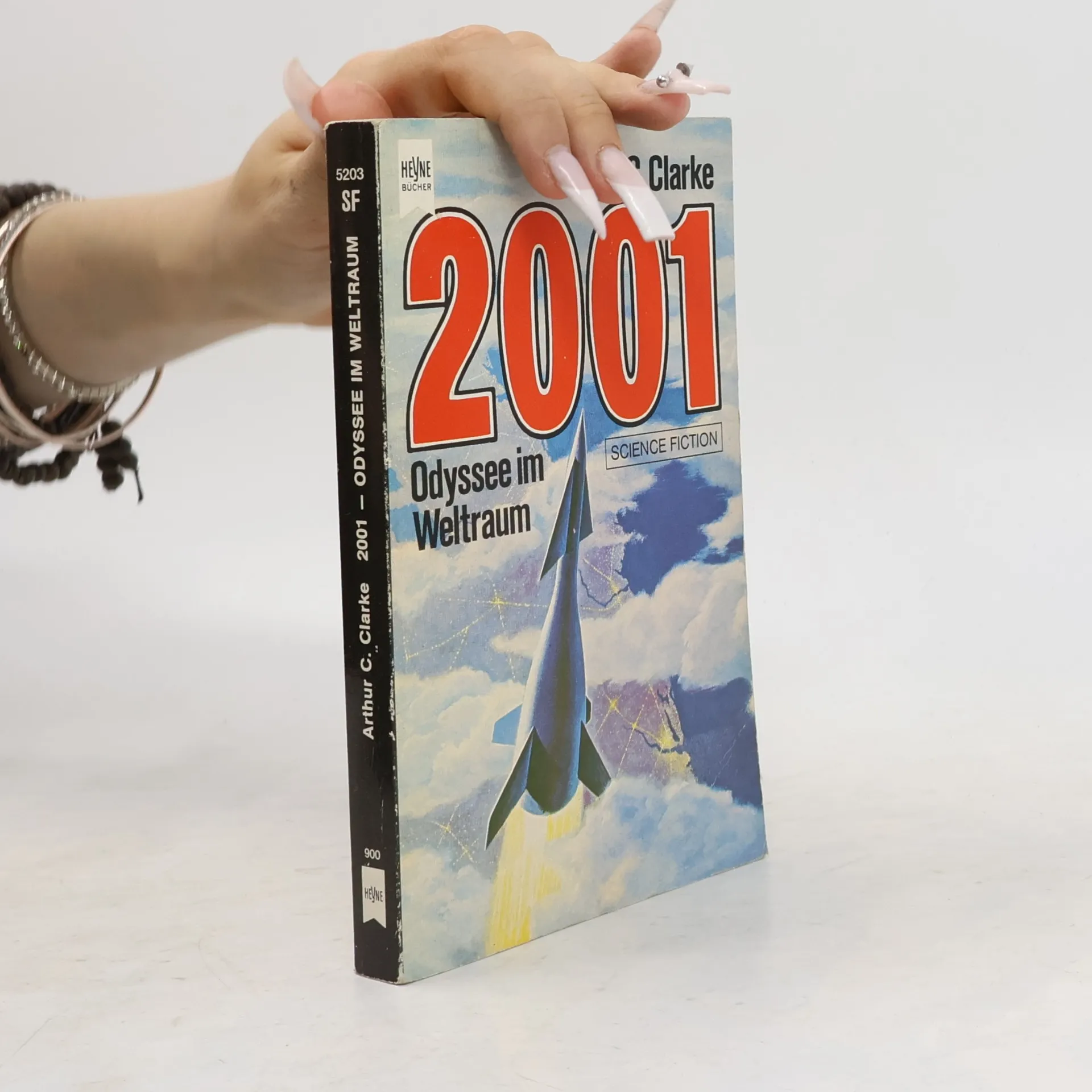
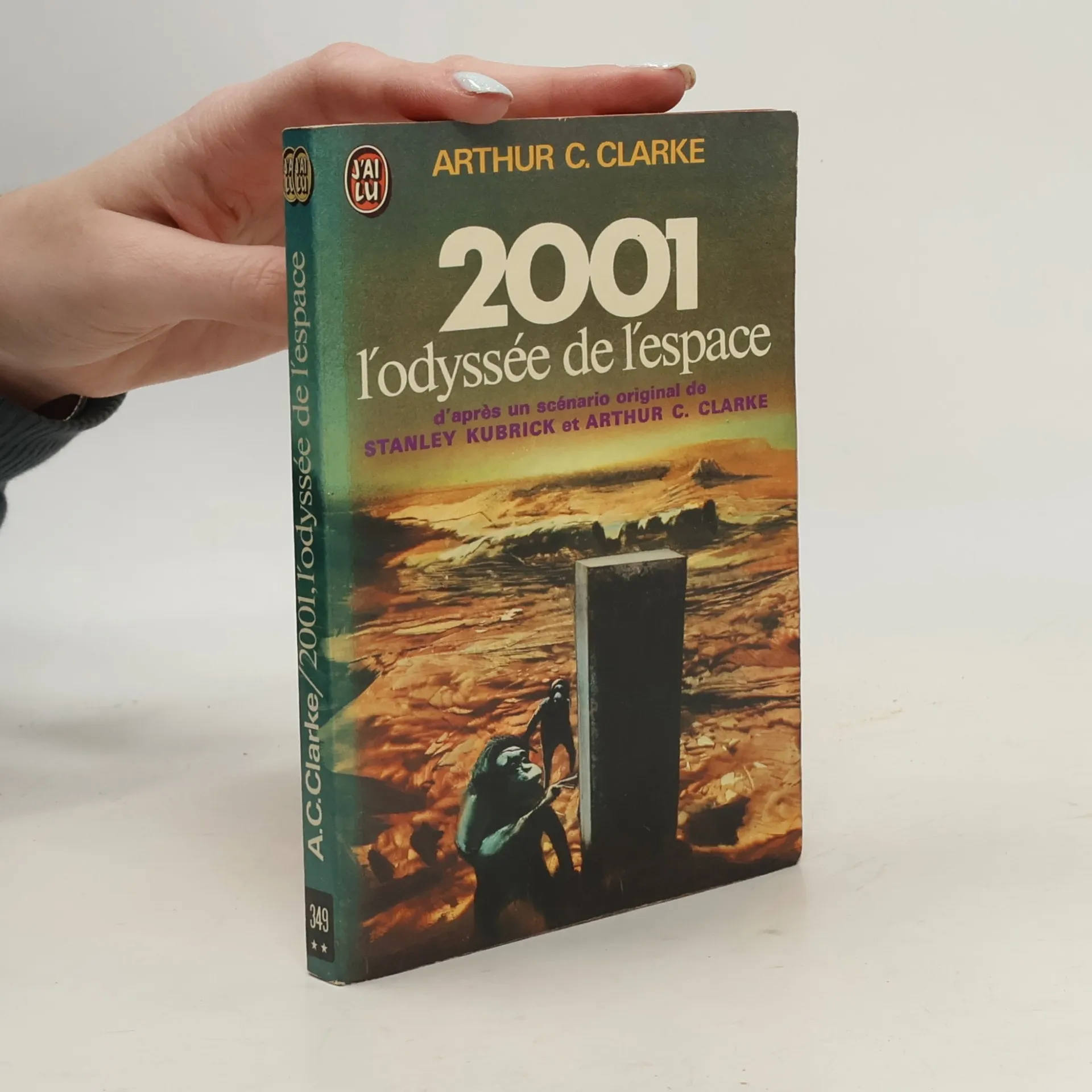
Eine Reise in die Unendlichkeit Zu Beginn des 21. Jahrhunderts entdecken Wissenschaftler auf dem Mond einen Monolithen, der ein Signal in Richtung Saturn sendet. An Bord der Discovery macht sich eine Forschungsexpedition auf den Weg zum Mond, um das Geheimnis des außerirdischen Objektes zu lüften. Zur Besatzung gehört auch der intelligente Supercomputer HAL 9000. Doch als es zwischen HAL und der menschlichen Crew zum offenen Kampf kommt, ist das erst der Beginn einer Kette von Ereignissen, die die Geschichte der Menschheit für immer verändern werden …
Arthur C. Clarke Book order (chronological)
December 16, 1917 – March 19, 2008
Arthur C. Clarke was a visionary whose work delved into the vastness of space and the future of humanity. As a prolific author, he became renowned for his prescient insights into scientific and technological possibilities, often exploring the ethical and philosophical implications of advancement. His writing style was characterized by clarity, scientific accuracy, and a sense of awe-inspiring imagination that captivated readers worldwide. Clarke's legacy lies in his ability to inspire wonder and foster curiosity about the cosmos and our place within it.


The Madness of Cthulhu Anthology, Vol 1
- 400 pages
- 14 hours of reading
Features sixteen stories inspired by the 20th century's great master of horror, H P Lovecraft, and his acknowledged masterpiece, At the Mountains of Madness.
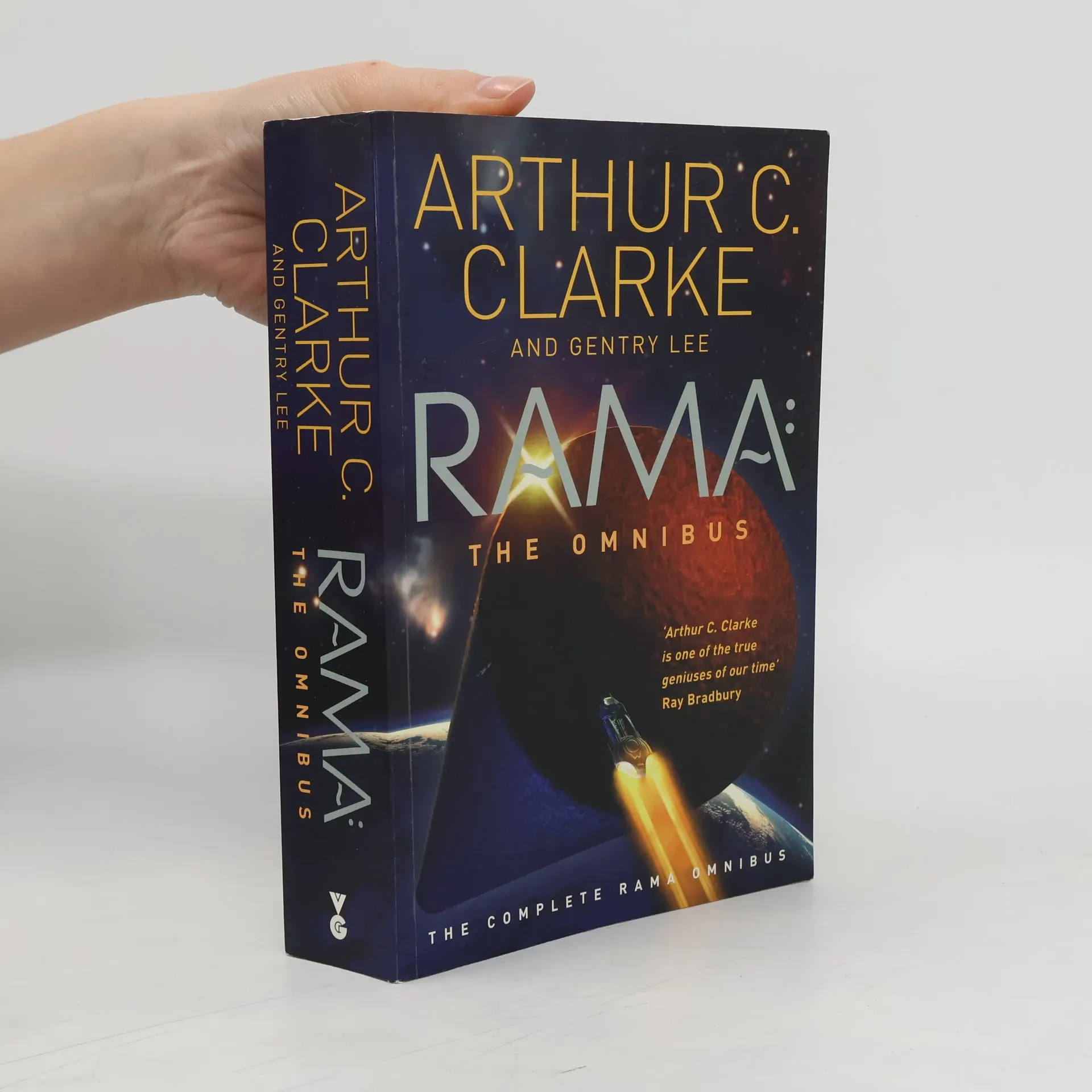
If you love space adventure stories such as Larry Niven's RINGWORLD or Arthur C. Clarke's 2001, this is the perfect collection. Rama is a huge cylindrical object, weighing more than ten trillion tons. And it is hurtling through the solar system at inconceivable speed. Then a space probe confirms the unthinkable: Rama is no natural object. It is, incredibly, an interstellar spacecraft. Space explorers and planet-bound scientists alike prepare for mankind's first encounter with alien intelligence. It will kindle their wildest dreams . . . and fan their darkest fears. For no one knows who the Ramans are or why they have come. And now the moment of rendezvous awaits - just behind a Raman airlock door.
A Time Odyssey - 3: Firstborn
- 416 pages
- 15 hours of reading
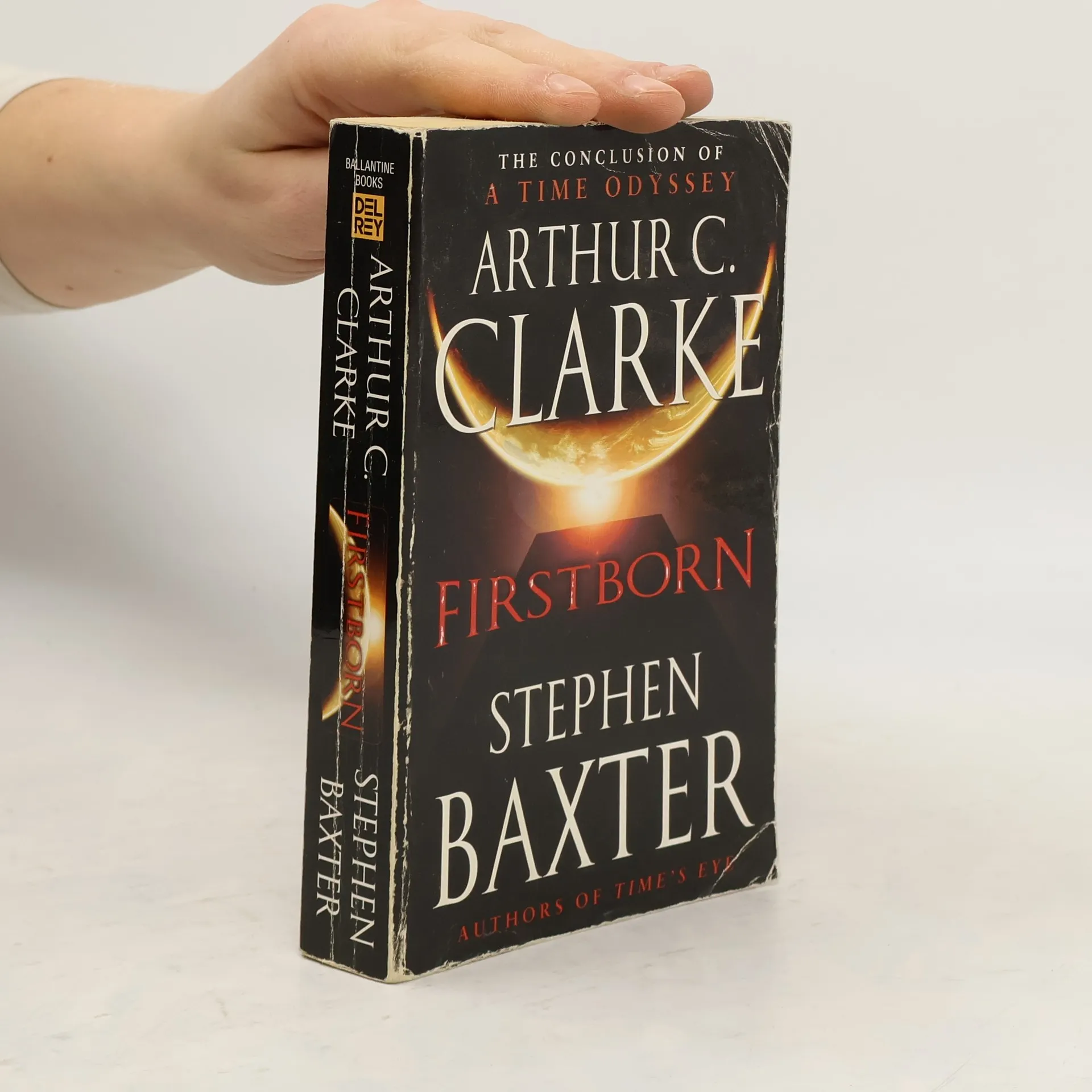
The Firstborn, a mysterious alien race first introduced in 2001: A Space Odyssey, have long been a part of Sir Arthur C. Clarke’s science fiction legacy. In the Time Odyssey series, co-authored with Stephen Baxter, they seek to halt human progress using technology akin to magic. Their initial act, the Discontinuity, transformed Earth into Mir, a patchwork world featuring figures like Alexander the Great and Genghis Khan. Bisesa Dutt, a UN peacekeeper, communicates with an alien artifact of immense power, which ultimately returns her to Earth. She becomes crucial in humanity's struggle against a doomsday solar storm orchestrated by the Firstborn, aimed at wiping out all life. This catastrophe is narrowly averted, but at a great cost. Twenty-seven years later, the Firstborn return with a "quantum bomb," an incomprehensible device that threatens to annihilate Earth. Bisesa embarks on a desperate quest for answers, traveling to Mars and then back to Mir, which faces its own extinction. As the situation grows dire, new revelations about the Firstborn's intentions emerge, and an unexpected ally arrives from light-years away, offering a glimmer of hope in a seemingly hopeless scenario.
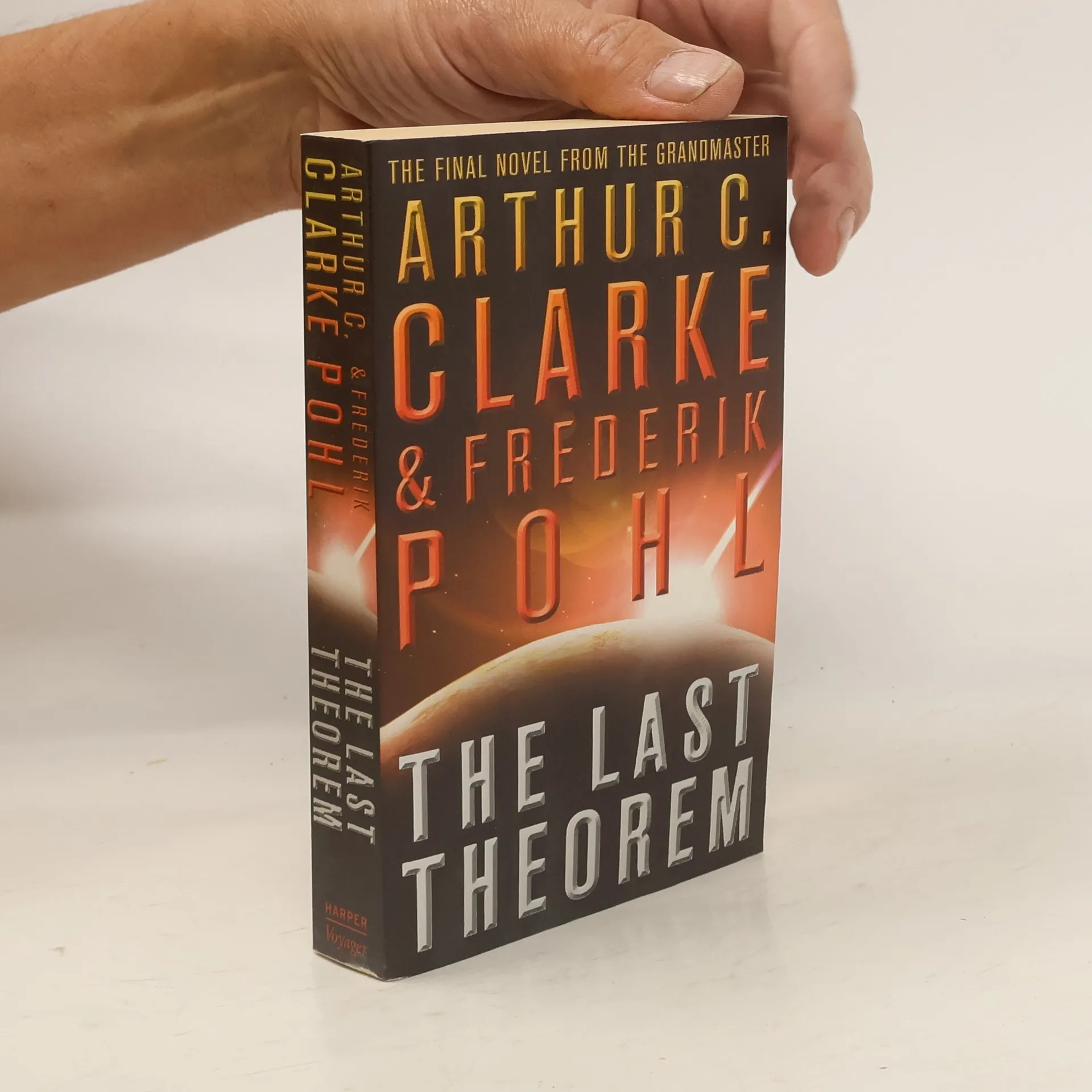
The last theorem charts the story of Ranjit Subramanian, a man fascinated by Fermat's Last Theorem - so simple that anyone can understand it, yet not proved for more than three centuries. Ranjit learns about the Indian mathematical genius Ramanujan (1887-1920) and discovers a three-page proof of the Last Theorem: this might even be Fermat's own proof. The discovery of the Theorem wins Ranjit the Fields Medal - and the attention of the NSA cryptography branch. However, Ranjit soon finds himself drawn by physics rather than cryptography, as there have been some spectacular advances in fusion technology. And these in turn lead to a plasma drive that can open up the solar system.
Kouzlo této klasické sbírky, která poprvé vyšla 1958, spočívá zejména v tom, že se v ní čtenář znovu setká s těmi nejlepšími autorovými povídkami. Je zde Hvězda (The Star), jež byla vyhlášena nejlepší SF povídkou roku 1956, neobvyklá, smutná povídka Pomíjivost (Transience) a další proslulé Devět miliónů božích jmen a Zpěv vzdálené země. A dalších více než dvacet mistrovsky podaných příběhů - kniha jež určitě nezklame žádného milovníka SF.
Povídky z deseti světů
- 264 pages
- 10 hours of reading
Klasická sbírka povídek prvně vydaná v roce 1963 obsahuje některé z Clarkeových nejlepších prací. Patnáct námětů potvrzuje autorův nevšedně živý a originální pohled do budoucnosti, ať blízké či velmi vzdálené. Je ukázkou jeho mnohotvárnosti a překvapivých zvratů děje a ironického stylu.
"'The chaos point' argues that we are at a critical point in history, one in which resources are fast being depleted, hundreds of millions live in crushing poverty, and local choices have global impact. Laszlo says society can either break down or break through to a new future by making different choices--choices he outlines in the book"--Provided by publisher.
Sunstorm
- 336 pages
- 12 hours of reading
Two of the biggest names in SF together again; the sequel to the acclaimed Time's Eye.
A A Time's Eye
- 272 pages
- 10 hours of reading
A stunning new companion series to 2001 A SPACE ODYSSEY from the world's most important living SF writer and his acknowledged heir.
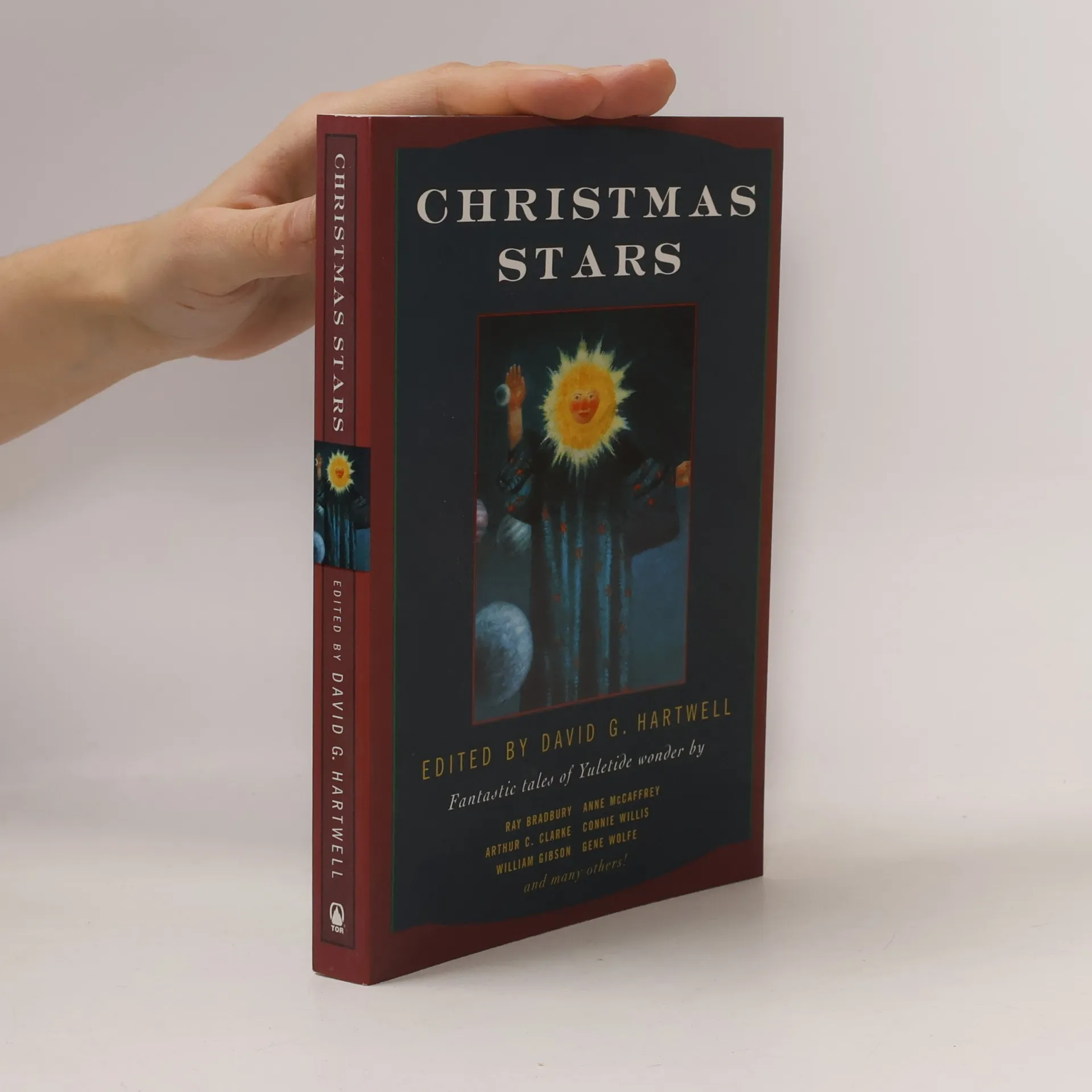
The best of Christmas--past, present, and yet to come Christmas is a time for miracle, scientific and otherwise, and for surprises that can only occur at this time of the year. But what marvels will the holidays bring to the far future--or to alien worlds light-years from the North Pole? In this celebratory collection, many of today's finest writers of fantasy and science fiction unwrap startling visions of the future of Christmas. An unusual Christmas spirit brings confusion-and romance-to a modern young woman. A father's gift opens up the universe for all humanity. And a devout researcher uncovers the shattering secret of the original Star of Bethlehem. These and other stories shine like sparkling, unearthly ornaments on a fresh green tree of holiday traditions. 'Twas the night before tomorrow, and all through the galaxy, nothing burns as bright as... Christmas Stars.
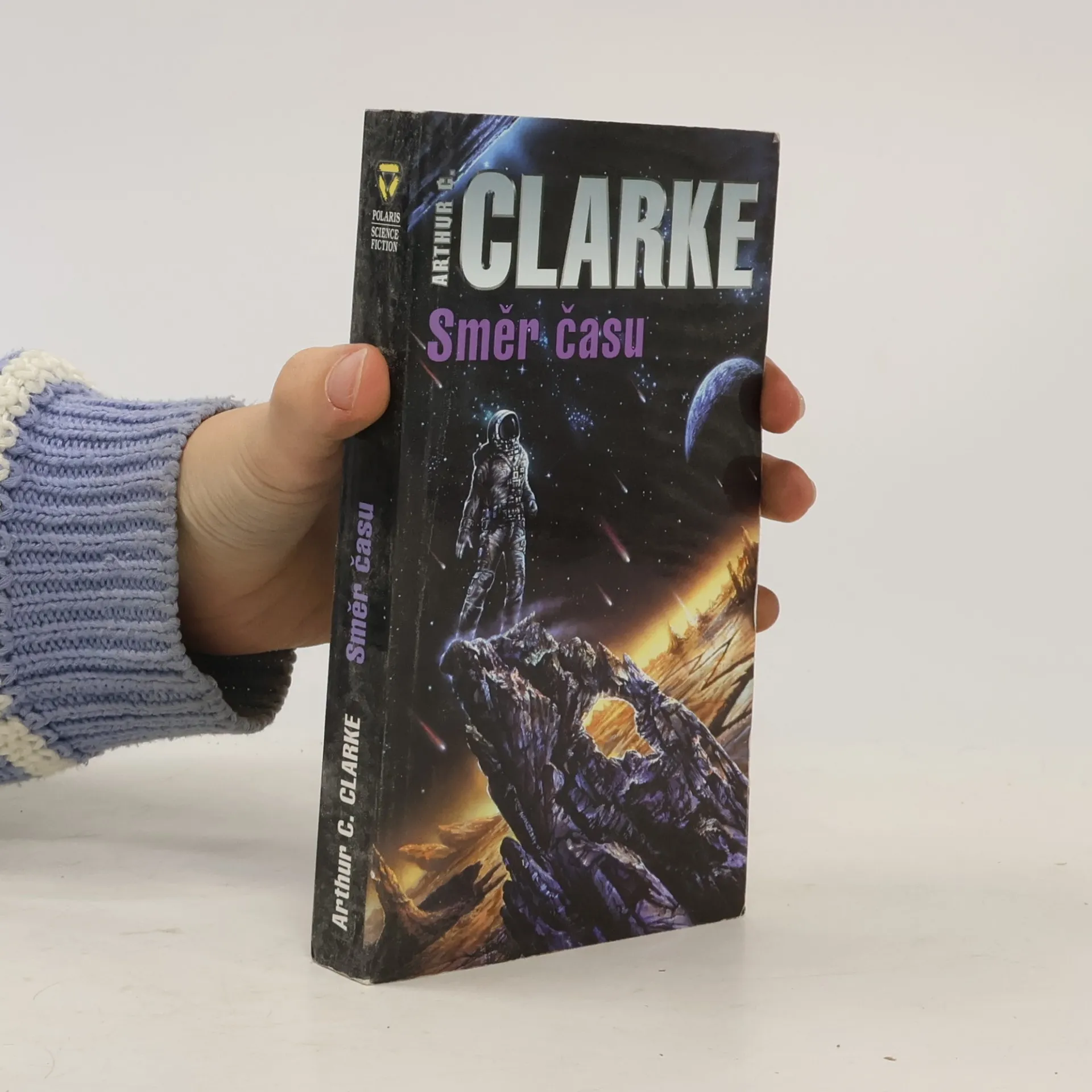
Arthur C. Clarke je bezesporu nejznámějším a nejčtenějším autorem SF na světě. Jeho spisovatelská kariéra, trvající už více než šedesát let, prakticky nemá obdoby. Sbírka Směr času představuje asi čtvrtinu celé jeho povídkové tvorby, tedy více méně tu část, která u nás dosud nebyla knižně publikována. Nejstarší z nich, „Cestujte po drátě!" vyšla poprvé v roce 1937, poslední, „Žádná škoda sousedů", v roce 1999.
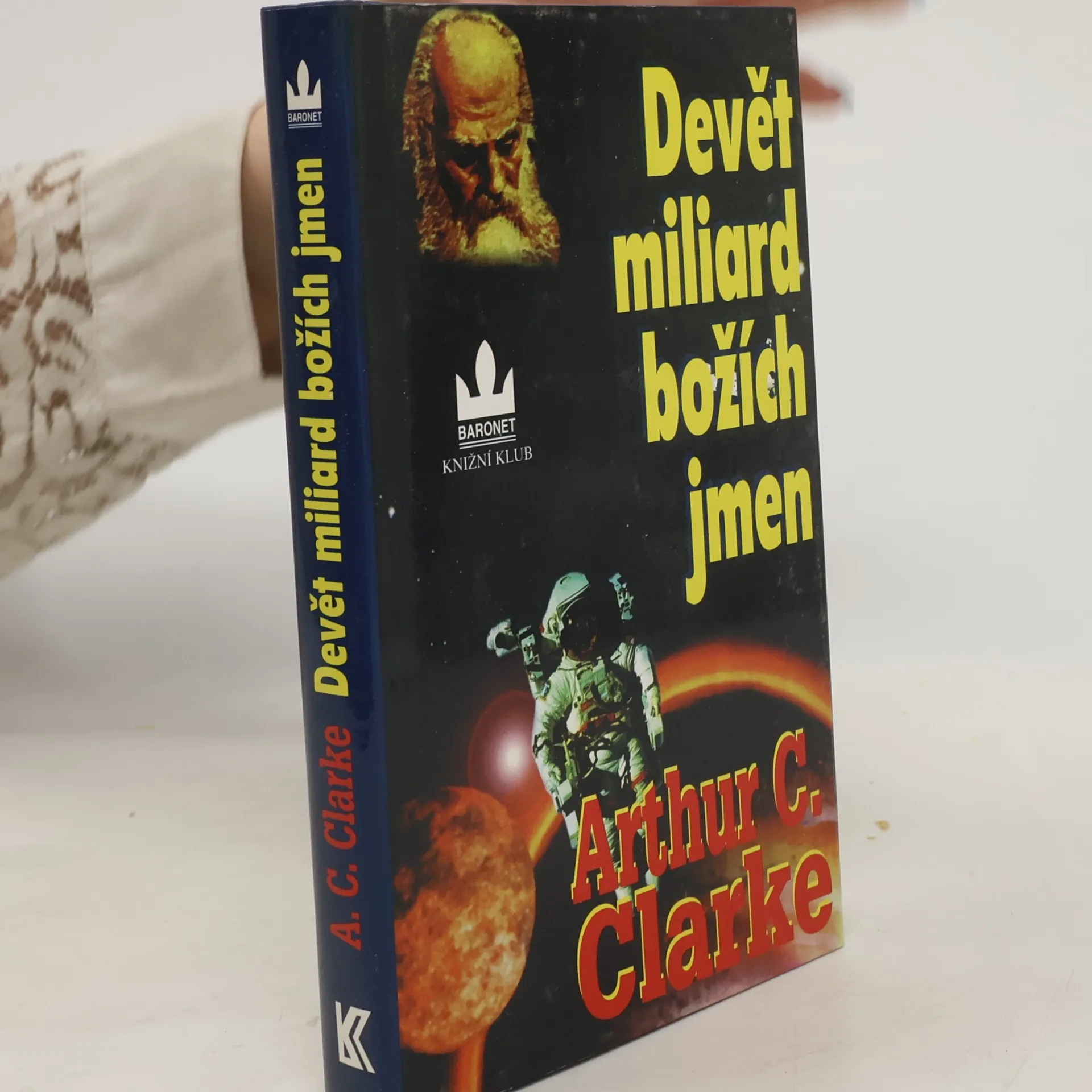
Devět miliard božích jmen
- 330 pages
- 12 hours of reading
Sbírka Devět miliard božích jmen přináší výběr nejlepších Clarkových povídek. Mezi čtyřiadvaceti příběhy čtenář nalezne nejen Hlídku, ale také všechny ostatní slavné povídky: Hvězdu, Setkání s Medúzou či titulních Devět miliard božích jmen. Knížka je doslova nabitá povídkami oceněnými Hugy či Nebulami.
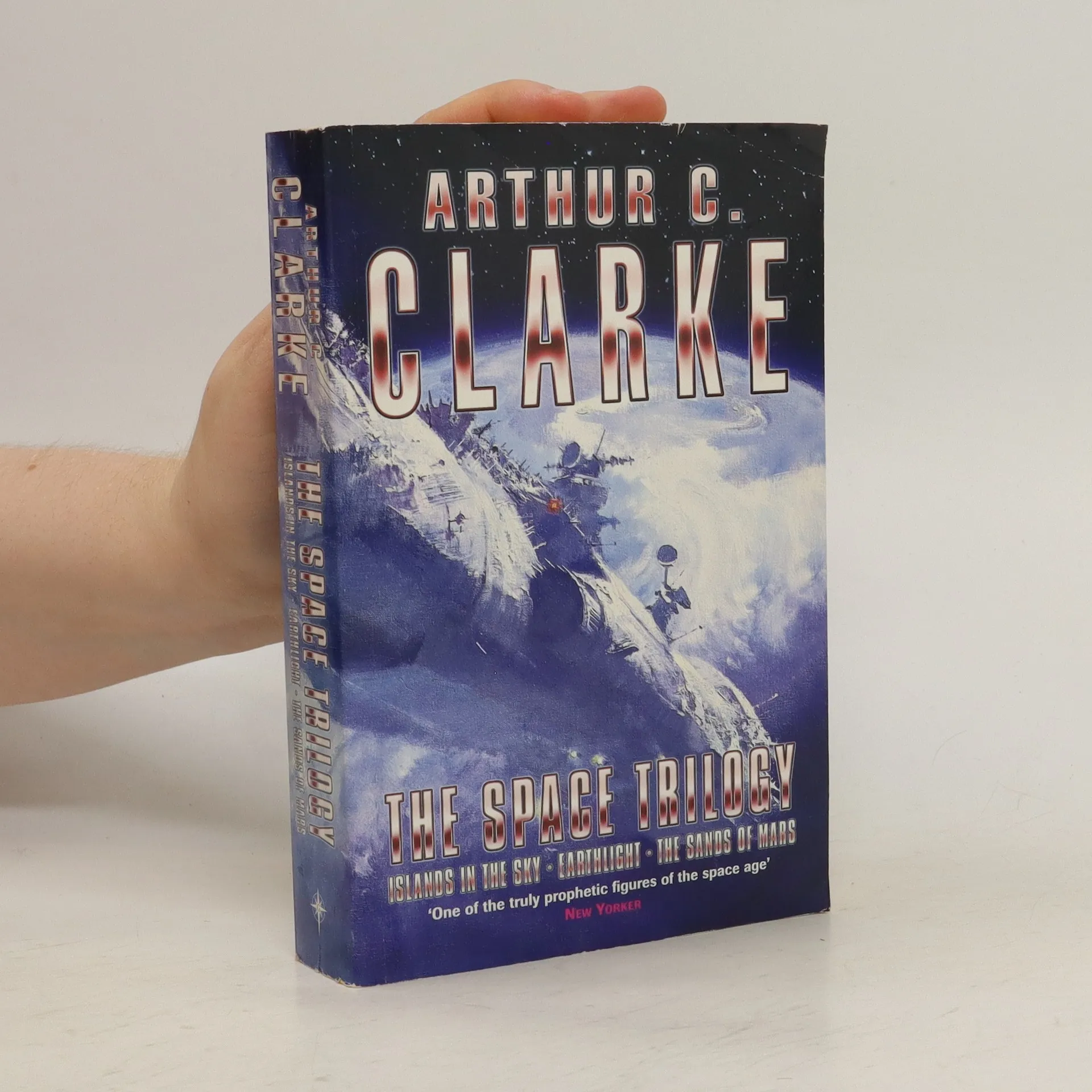
Islands in the Sky, first published in 1954, sees Roy Malcolm win a trip to the Inner Station, a space station rotating 500 miles from Earth.The Sands of Mars, set in the 21st century, has a group of pioneers struggling to change the face of this inhospitable planet.Earthlight is set in a human colony on the moon.This omnibus edition of Arthur C. Clarke's early novels shows the author of 2001: A Space Odyssey exploring space and time in adventurous and thoughtful ways. Although the course of recent history has been different, these novels offer a glimpse of what-might-have-been, as envisioned nearly 50 years ago by the greatest sci-fi writer of them all.
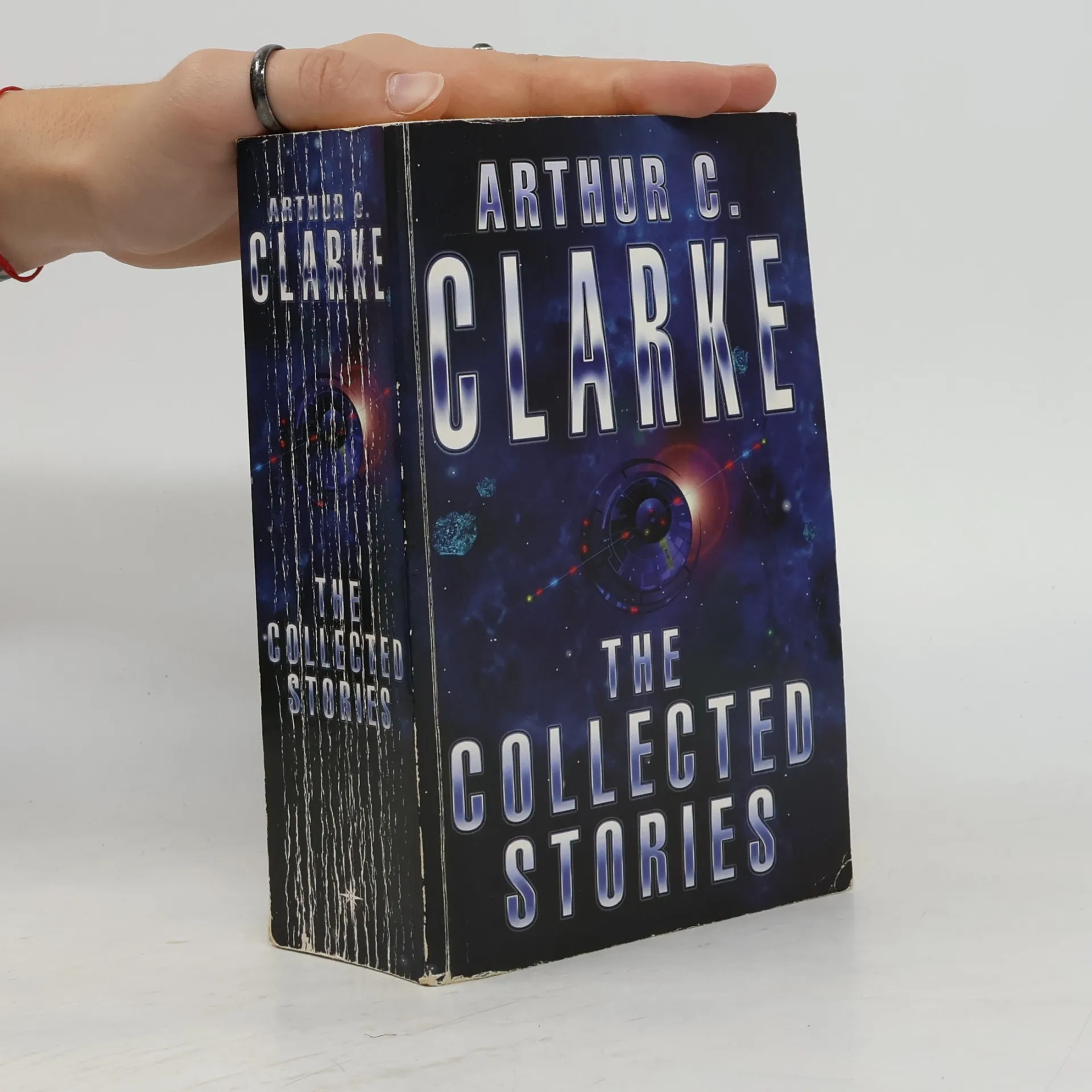
The collected stories
- 976 pages
- 35 hours of reading
The definitive collection of short stories from the century's greatest science fiction writer.
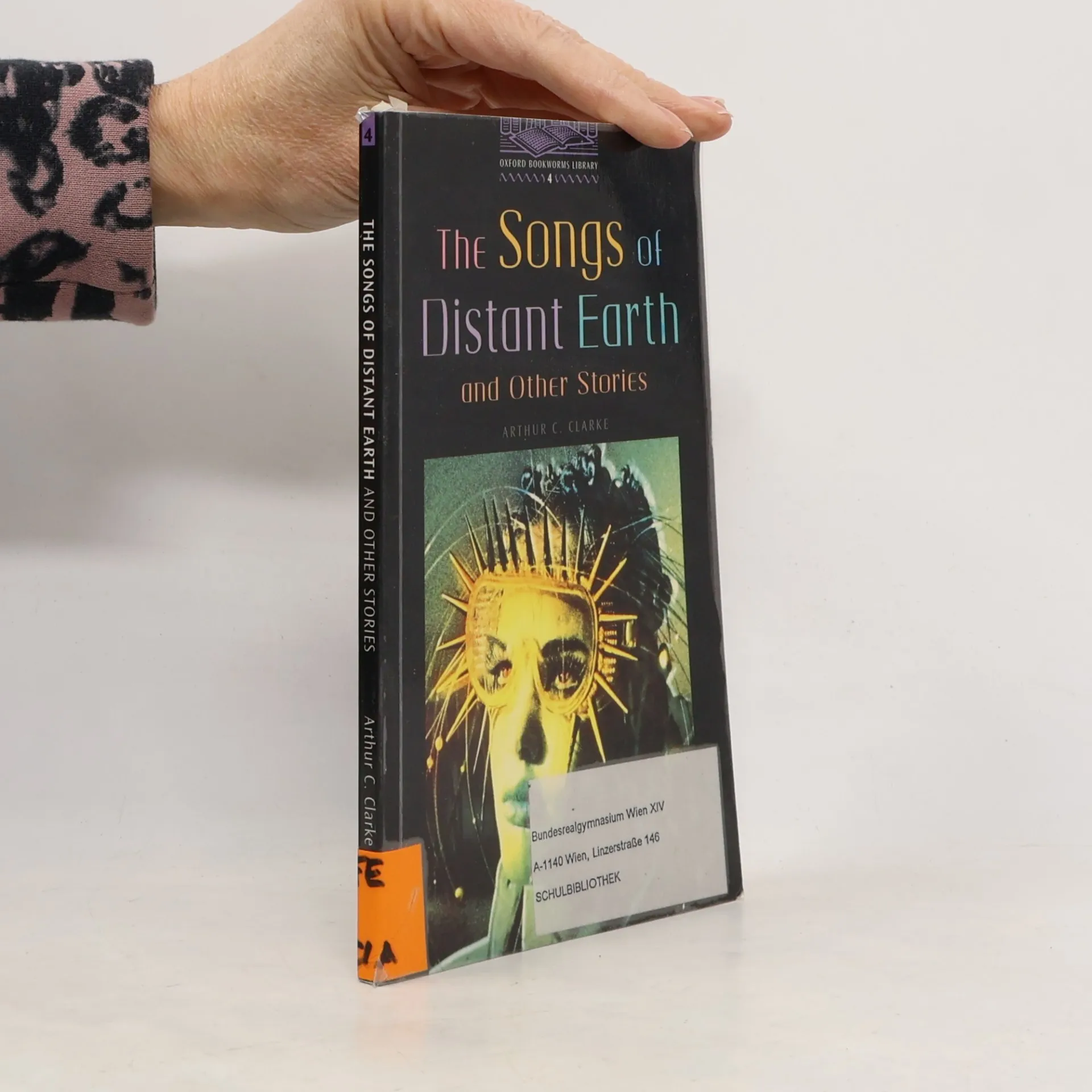
The songs of distant earth and other stories
- 96 pages
- 4 hours of reading
The Oxford Bookworms Library offers new editions of the original Oxford Bookworms Black and Green series, merging the two series into one with new covers. Each new edition builds on the success of the original series and provides enhanced teaching support.
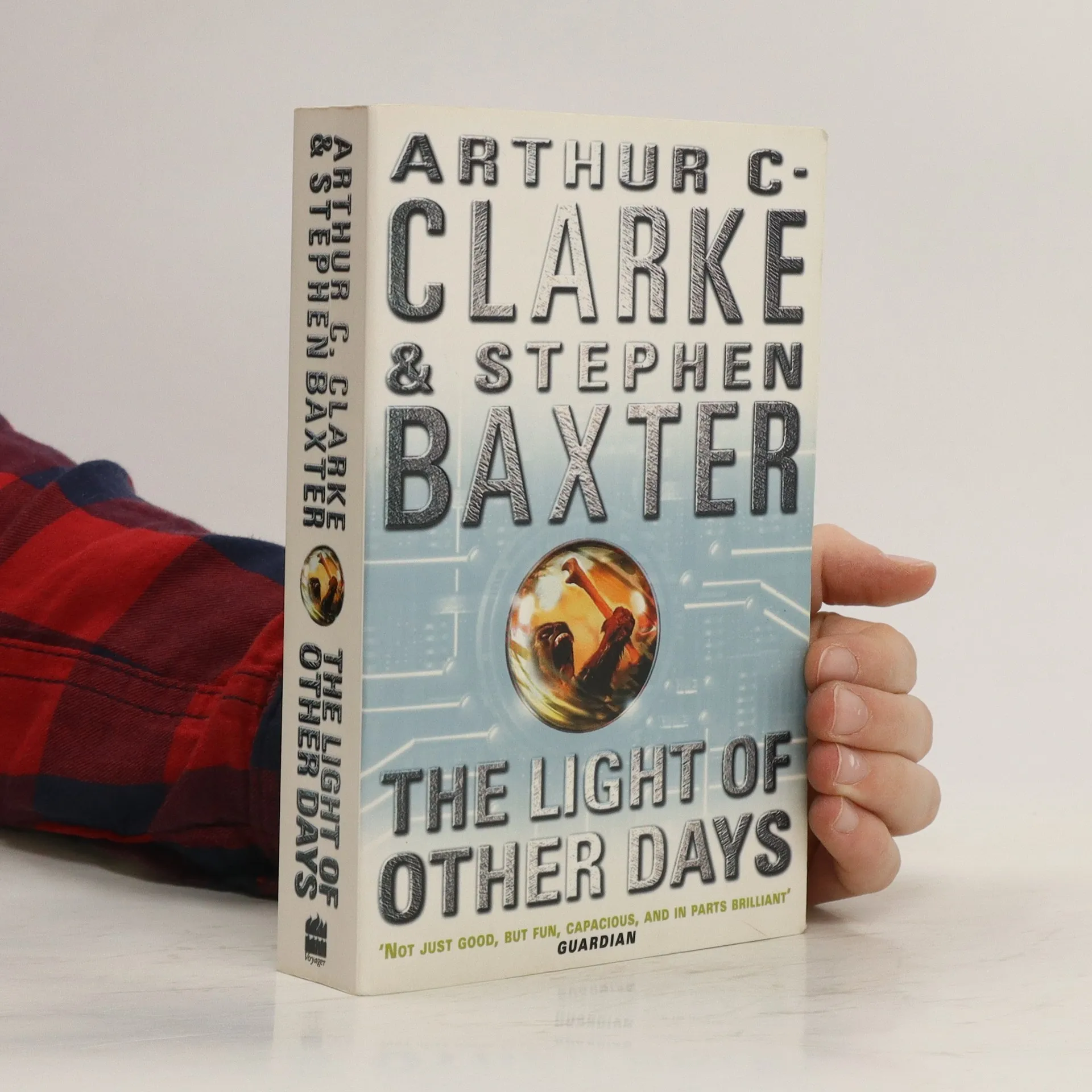
In the most exciting SF collaboration ever, Arthur C. Clarke and his universally acknowledged heir Stephen Baxter pool talent, fantastic ideas, unprecedented cosmic insights as well as page-turning plotting skills and breathlessly good writing to produce the most awesome novel of the future since 3001. 'Space is what keeps everything from being in the same place. Right?' With these words Hiram Patterson, head of the giant media corporation OurWorld, launches the greatest communications revolution in history. With OurWorld's development of wormhole technology, any point in space can be connected to any other, faster than the speed of light. Realtime television coverage is here: earthquakes and wars, murders and disasters can be watched, exactly as they occur, anywhere on the planet. Then WormCams are made to work across time as well as space. Humanity encounters itself in the light of other days. We witness the life of Jesus, go to the premiere of Hamlet, solve the enigmas that have baffled generations. Blood spilled centuries ago flows vividly once more - and no personal treachery or shame can be concealed. But when the world and everything in it becomes as transparent as glass and there are no more secrets, people find new ways to gain vengeance and commit crime, and Hiram Patterson finds new ways to keep his Machiavellian schemes secret.
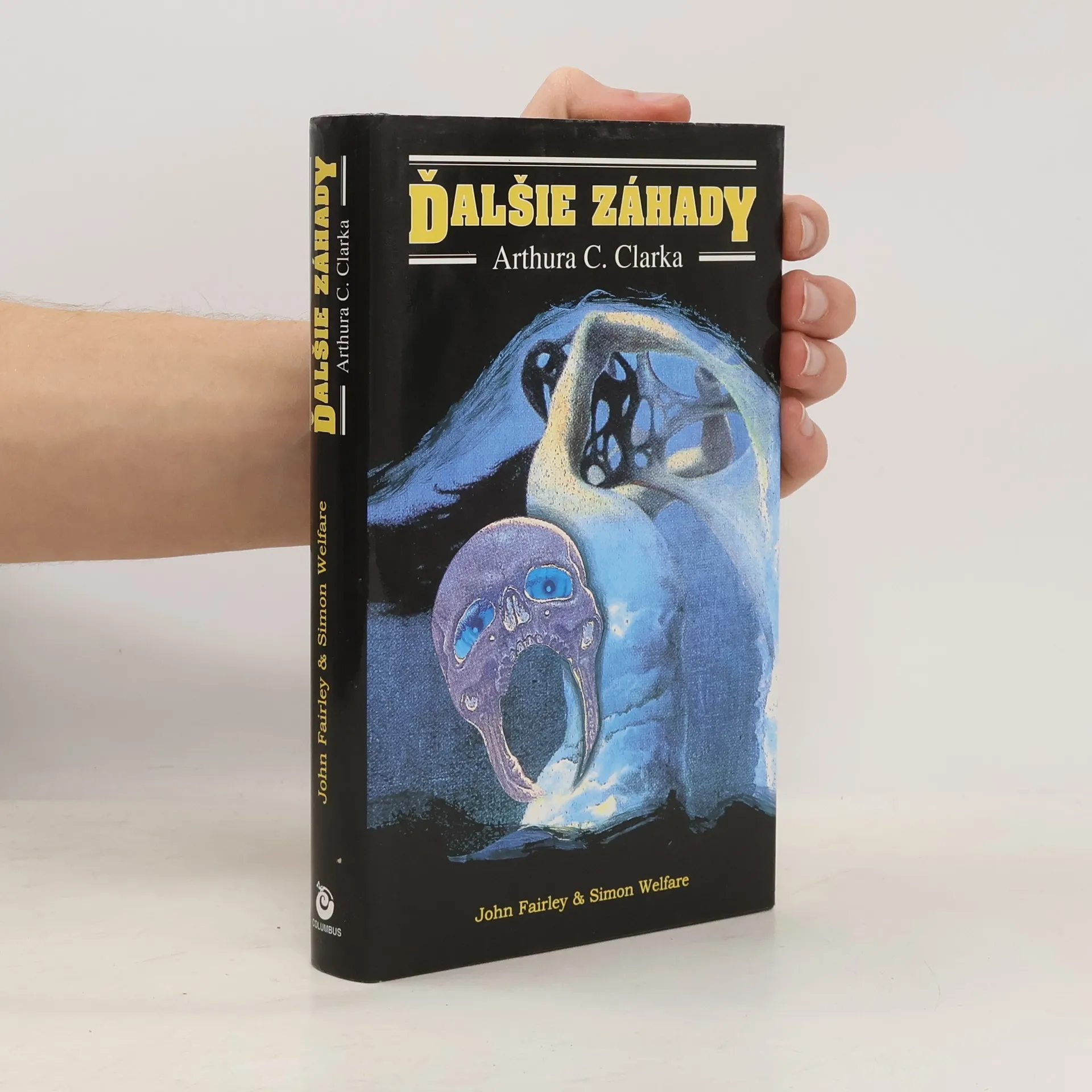
Ďalšie záhady Arthura C. Clarka
- 276 pages
- 10 hours of reading
Kniha pojednává o záhadných jevech, událostech a nálezech, jež je těžko vysvětlit. Témat je třináct - jako kapitol knihy. Kniha je plná záhad a těžko vysvětlitelných jevů. Vrací se k některým tématům, která už Clarke zmiňoval ve svém úspěšném televizním seriálu Svět tajemných sil. Oba autoři trochu těží ze slavného Clarkova jména, protože přebírají jeho nápady a "záhadologa" samého nechávají jen kraťoučce promluvit na konci každé kapitoly. Těch má kniha třináct a rozebírají různorodá témata: pád tuguzského meteoritu, existenci yettiho, nessie, obřích chobotnic, dále příběhy o stigmatech, černé magii, jasnovidectví, o nevysvětlitelných archeologických nálezech a o dalších záhadách.
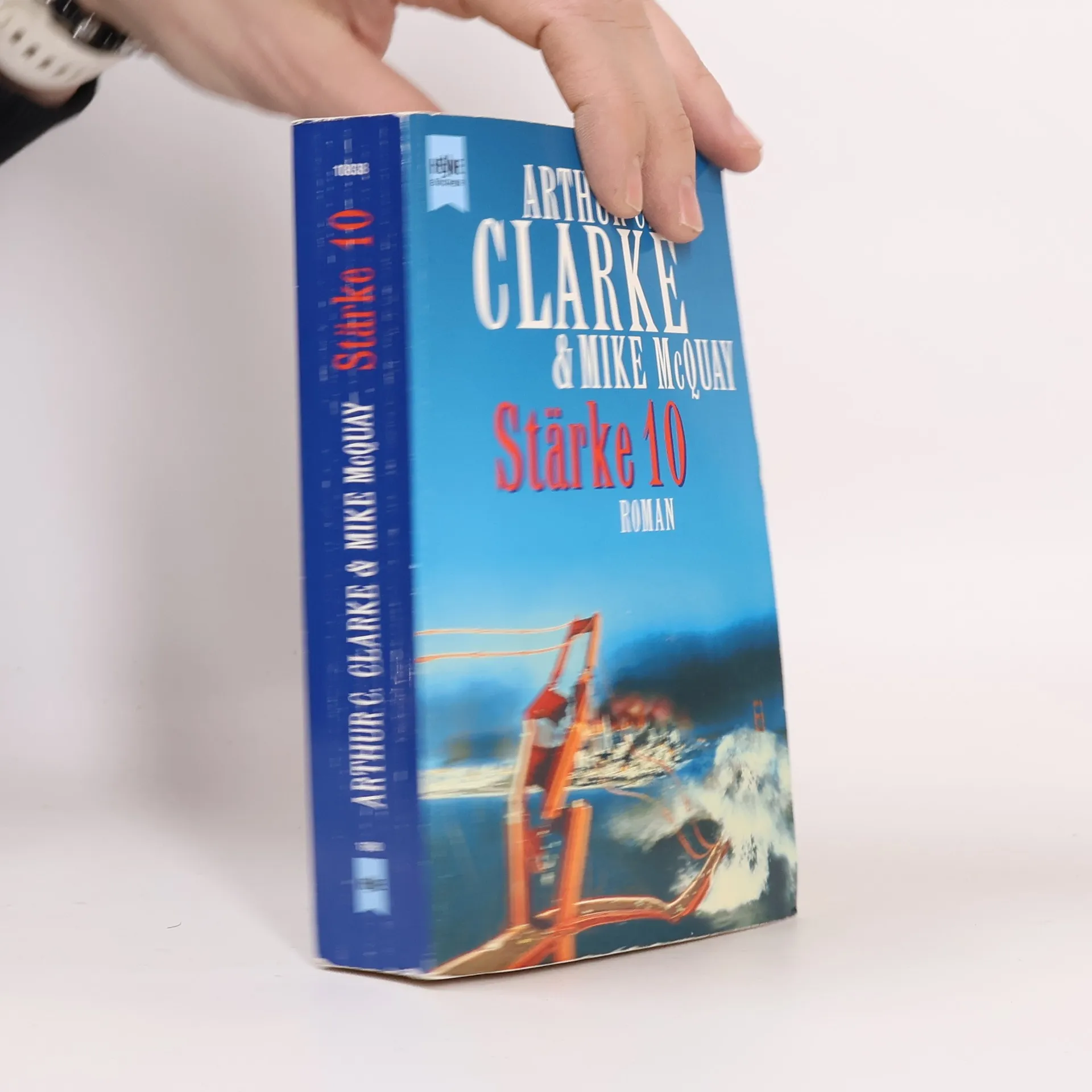
Stärke 10
- 477 pages
- 17 hours of reading
Dem Seismologen Lewis Crane ist es gelungen, ein Erdbeben der Stärke 10 vorauszusagen. Er weiß, wann und wo es zuschlagen wird - aber den Mächtigen des Jahres 2024 würde eine Katastrophe sehr gelegen kommen. Also beginnt für Crane nicht nur ein mörderischer Wettlauf mit der Zeit, sondern auch der Kampf ums Überleben.
What if a device could render guns and bombs virtually harmless? What would that mean for crime, terrorism, and international relations? Would it signal the end of war or usher in a new kind of conflict? This gripping novel by Arthur C. Clarke and Michael Kube-McDowell explores these questions through the story of the Trigger, a groundbreaking invention that promises to eliminate violence in a world plagued by it. This technology could take weapons out of the hands of armies and dictators, offering a chance for true peace. However, like the misguided belief in nuclear deterrence, could the creators of the Trigger be wrong? Dr. Jeffrey Horton, the young physicist behind this revolutionary device, grapples with the implications of his discovery. Who should control such power, and how can its potential be realized without falling into the wrong hands? As the American government becomes aware of the Trigger, a fierce struggle ensues among Washington's elite to possess or destroy it. Science becomes entangled in political machinations, and trust erodes among colleagues and mentors. Betrayal lurks, and those with the best intentions may pose the greatest threat to peace.
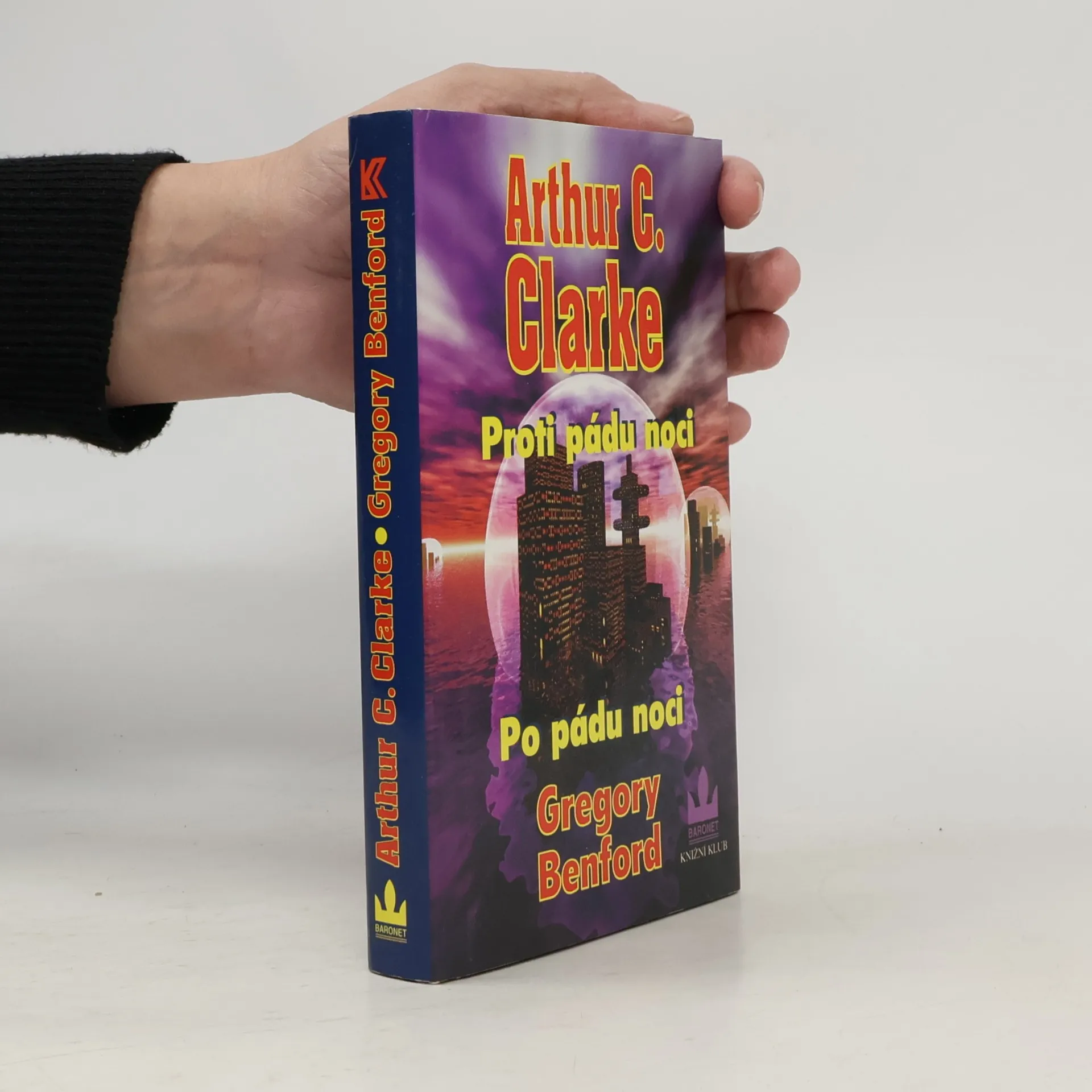
Proti pádu noci / Po pádu noci
- 336 pages
- 12 hours of reading
Proti pádu noci se odehrává v daleké budoucnosti ve městě Diaspar, jehož prakticky nestárnoucí obyvatelé mají k dispozici všechny vymoženosti, které lidstvo za miliony let své existence vytvořilo. Přesto se neodvažují vyjít za hranice Diasparu a prozkoumat pustinu, v níž se obrátil zbytek celé planety, natož aby obrátili oči ke hvězdám. Až mladý Alvin se vydává na cestu do neznáma. Napínavý příběh ani za několik desetiletí v ničem nezastaral a dokazuje ohromnou míru autorova talentu. Profesor astrofyziky a poradce NASA Gregory Benford je rovněž úspěšným autorem sci-fi, dokonce držitelem ceny Nebula za román Timescape. Po dohovoru s Clarkem napsal pokračování původního příběhu pod názvem Po pádu noci, v němž představuje novou Zemi, která již není pustinou, ale oplývá ohromným bohatstvím. Přesto jí hrozí smrtelné nebezpečí. -- zdroj: legie.info --
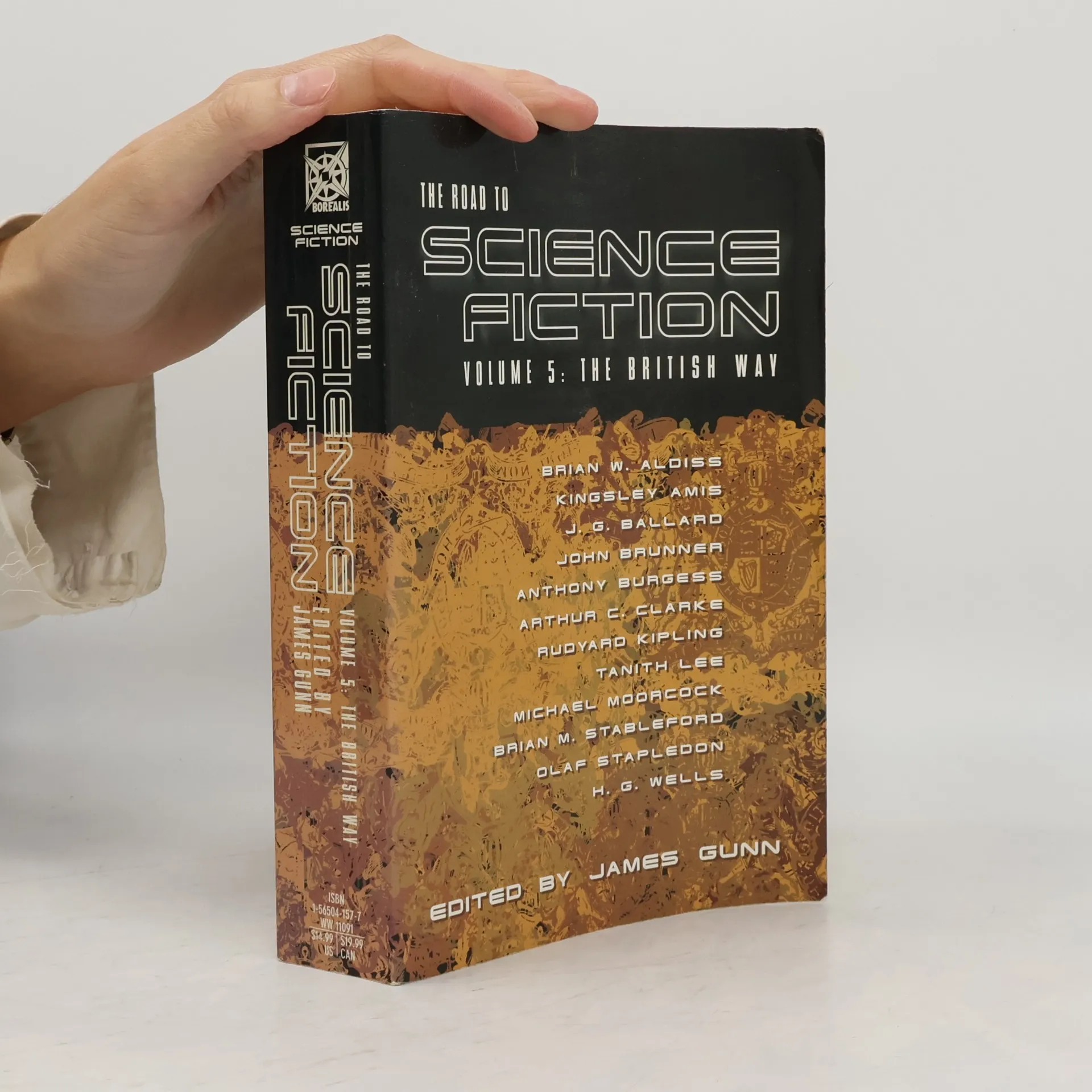
The stories we tell are not limited to monsters and harsh otherworlds. Yet the fiction books in the Borealis imprint certainly belong to a world other than our own. This line encompasses our science fiction, fantasy and horror novels and anthologies.
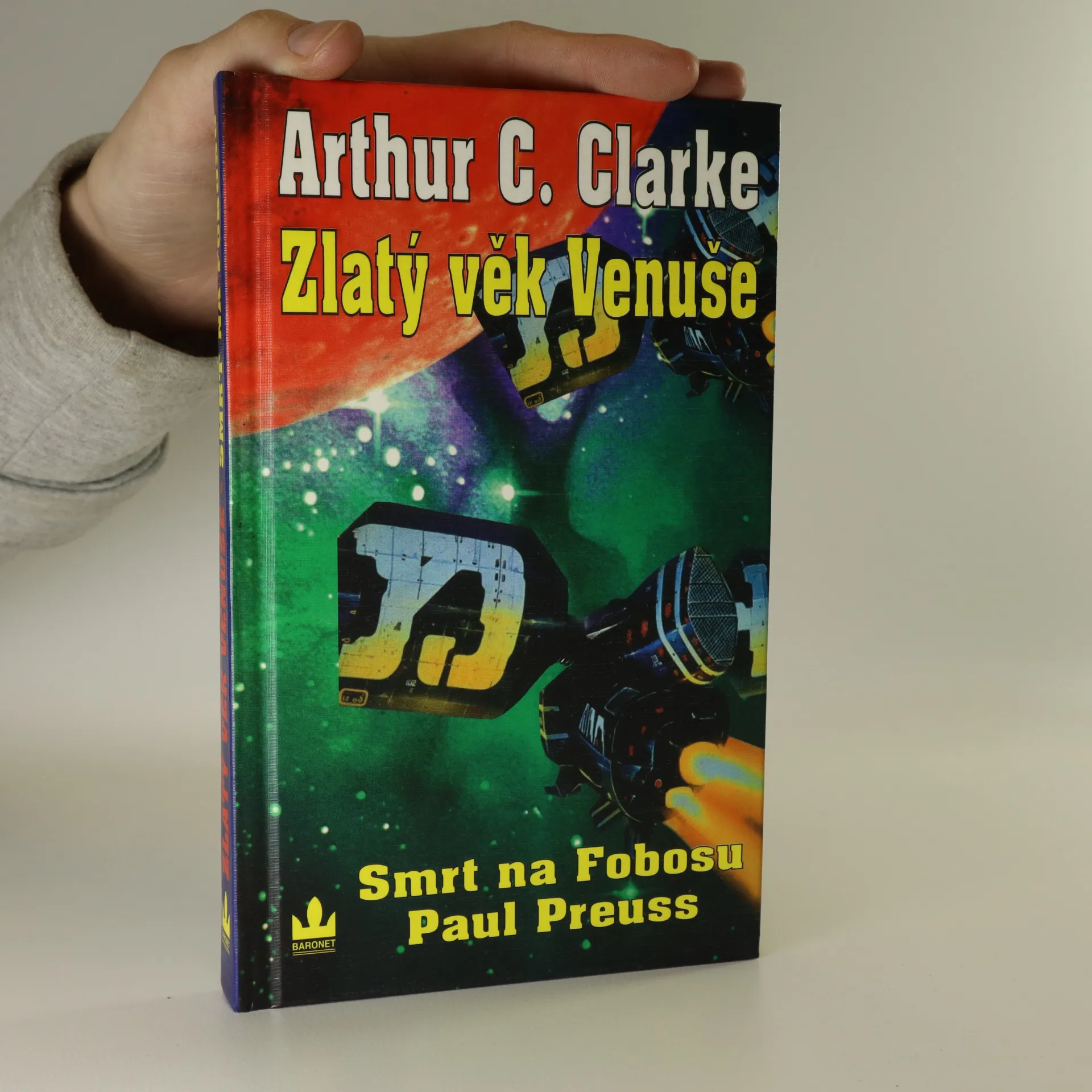
The concluding volume in a series of science fiction thrillers evolved from the works of Arthur C. Clarke. This volume includes a section of computer- generated tech specs and blueprints of the spacecraft and hardware from Venus Prime.
Arthur C. Clarke's Venus Prime 6-The Shining Ones
- 318 pages
- 12 hours of reading
Blending elements of mystery and science fiction, this book draws comparisons to the renowned works of Isaac Asimov, particularly the Lije Baley-Daneel Olivaw series. It promises a thrilling narrative that intertwines intricate plots with futuristic themes, appealing to fans of both genres. The story likely explores complex characters and thought-provoking dilemmas, offering a captivating experience for readers who enjoy speculative fiction infused with suspense.
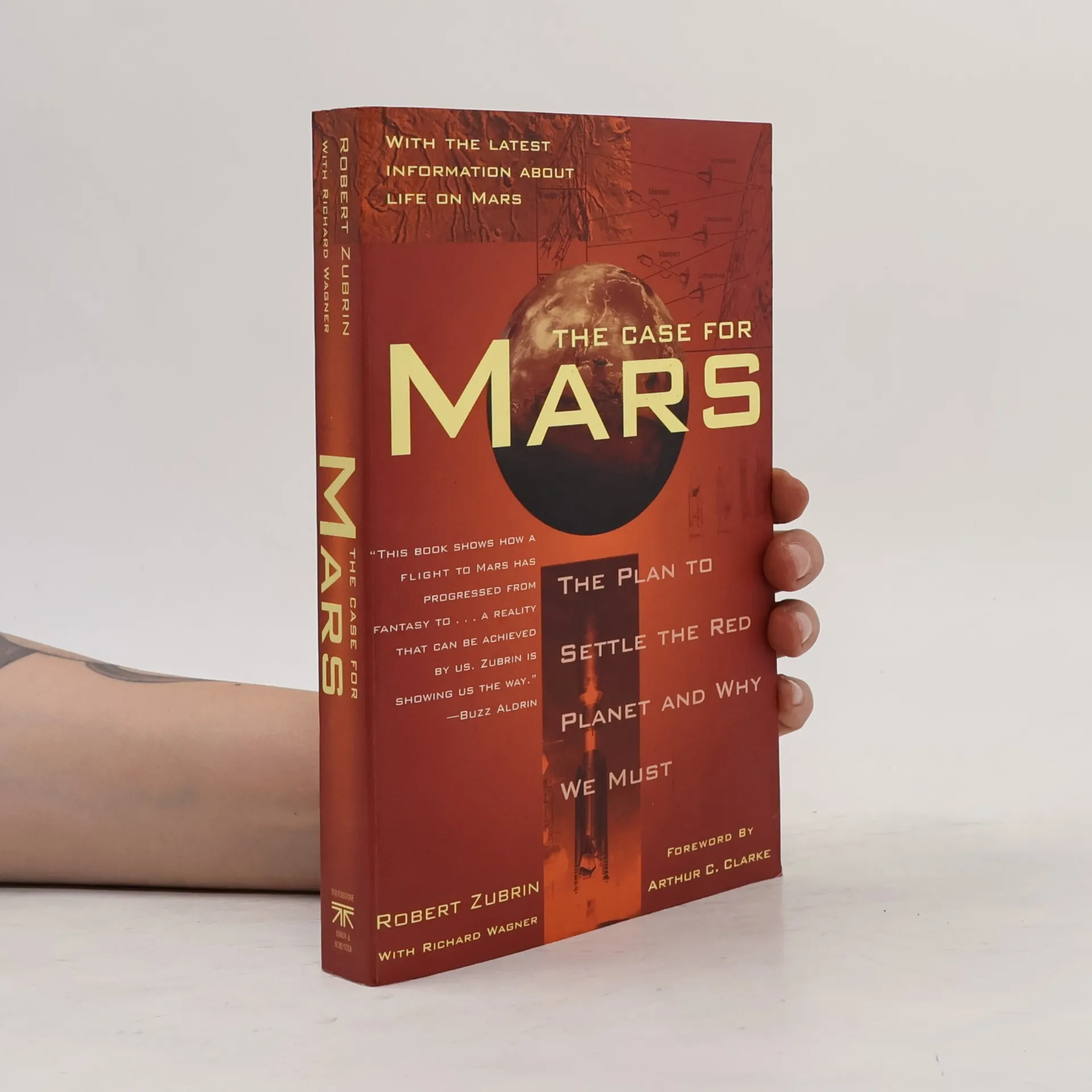
The Case for Mars
- 368 pages
- 13 hours of reading
Since the beginning of human history Mars has been an alluring dream--the stuff of legends, gods, and mystery. The planet most like ours, it has still been thought impossible to reach, let alone explore and inhabit.Now with the advent of a revolutionary new plan, all this has changed. leading space exploration authority Robert Zubrin has crafted a daring new blueprint, Mars Direct, presented here with illustrations, photographs, and engaging anecdotes.The Case for Mars is not a vision for the far future or one that will cost us impossible billions. It explains step-by-step how we can use present-day technology to send humans to Mars within ten years; actually produce fuel and oxygen on the planet's surface with Martian natural resources; how we can build bases and settlements; and how we can one day "terraform" Mars--a process that can alter the atmosphere of planets and pave the way for sustainable life.
Recovering from a mission on Mars, Sparta finds herself the guest of the Space Board. But relaxation is short-lived as Sparta soon sets out to investigate the Board itself. It appears that members of Free Spirit, a religious cult bent on galactical control, have infiltrated the Space Board. schovat popis
Děj se odehrává na Marsu, kde je Sparta povolána vyšetřovat případ ztracené plakety. Kniha navazuje na předchozí díly a zase poodkrývá o něco více faktů o Spartině minulosti a tajném spolku, které se čtenáři dostane s postupným rozplétáním zločinu, ke kterému je povolána.
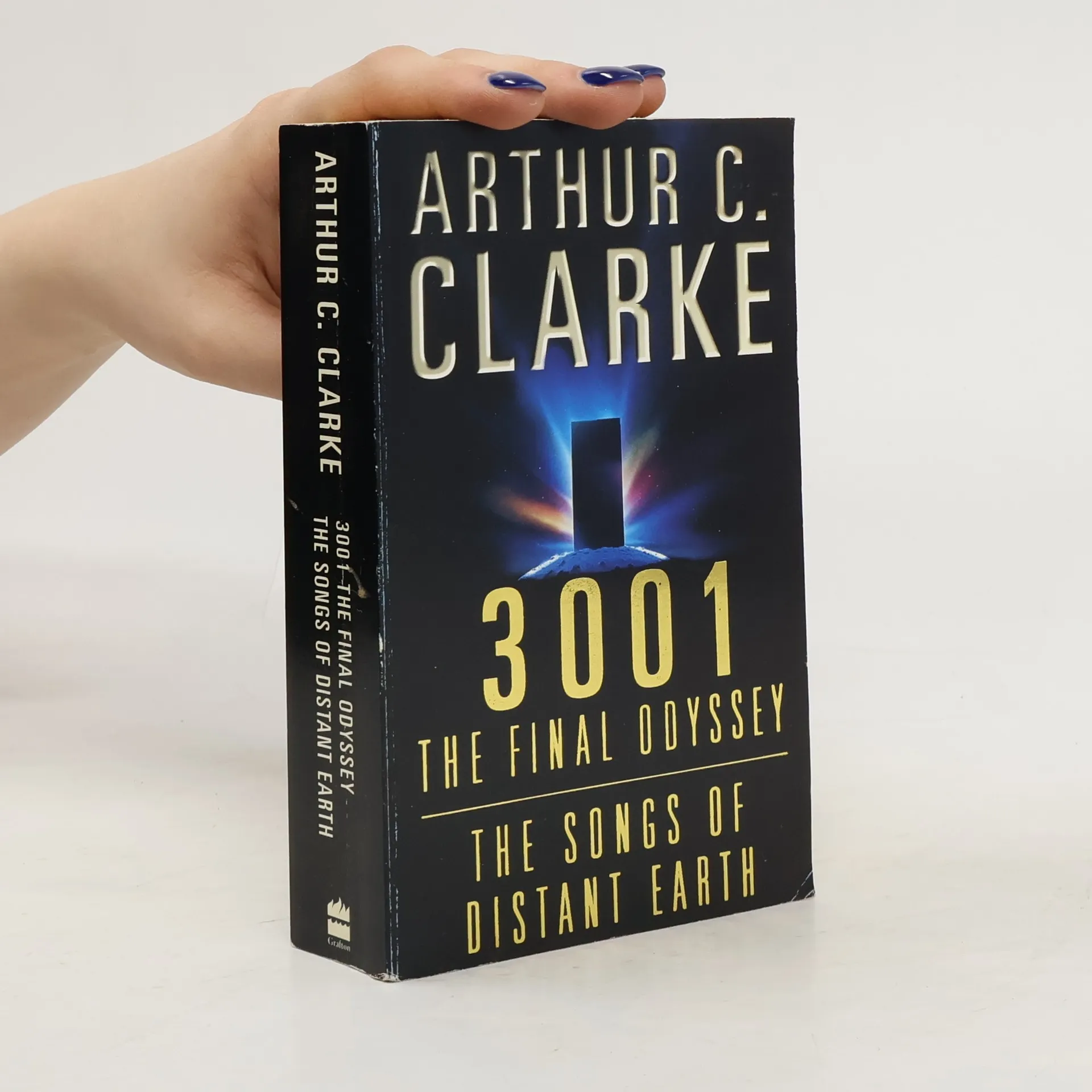
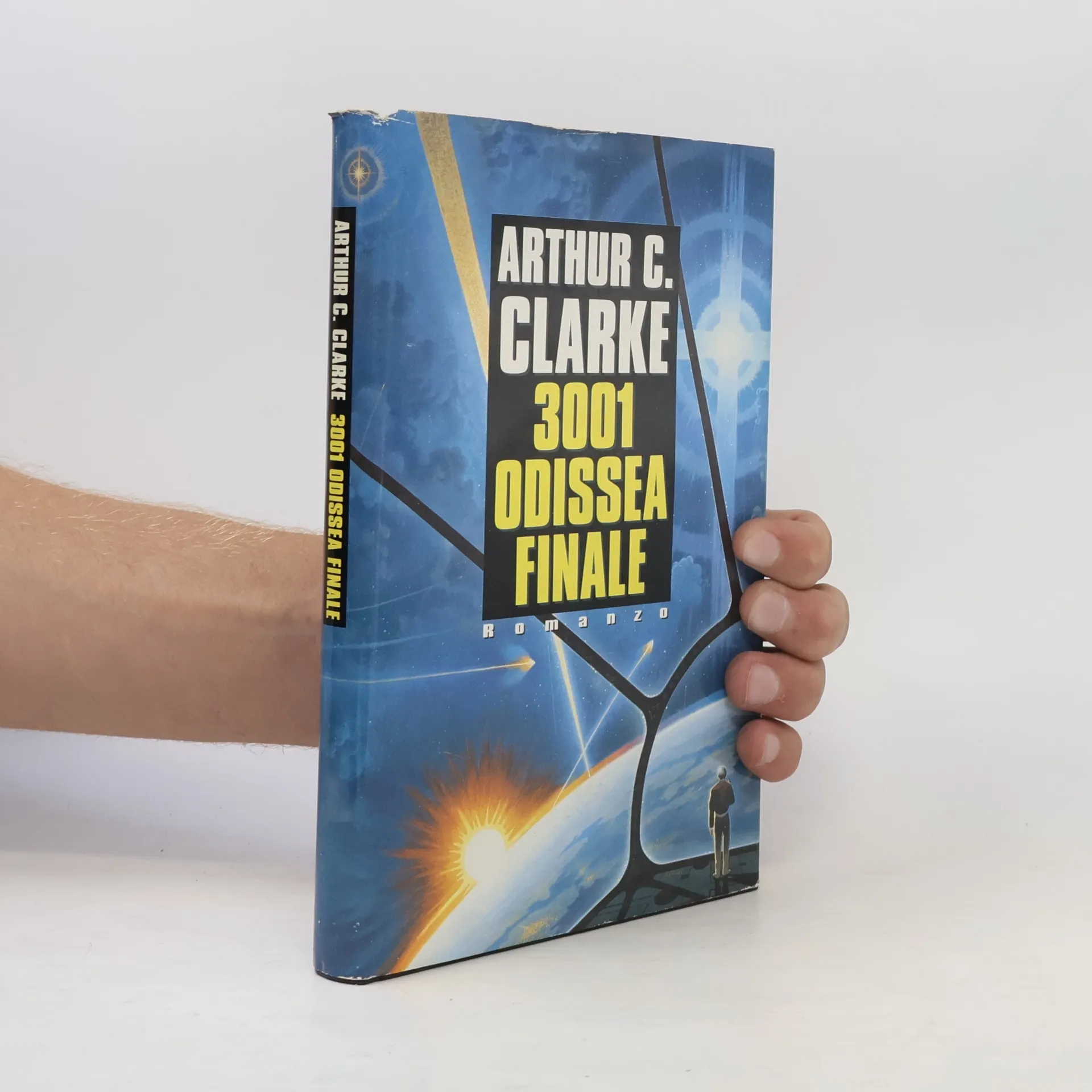
3001 : the final odyssey
- 288 pages
- 11 hours of reading
When Frank Poole, whose body has been frozen in deep space for 1000 years, is resurrected, his second life brings him enlightening culture shocks a-plenty, but his Odyssey eventually leads him to defy the limitless power of an alien technology. The final sequel to 2001: A Space Odyssey.
Arthur C. Clarke's Richter Ten
- 373 pages
- 14 hours of reading
The only surviving member of his family after the 1994 Los Angeles earthquake, young Lewis Crane devotes his life to seismology and is terrified when he predicts "the big one." 40,000 first printing. $40,000 ad/promo.
Historical outline of the history of Sri Lanka.
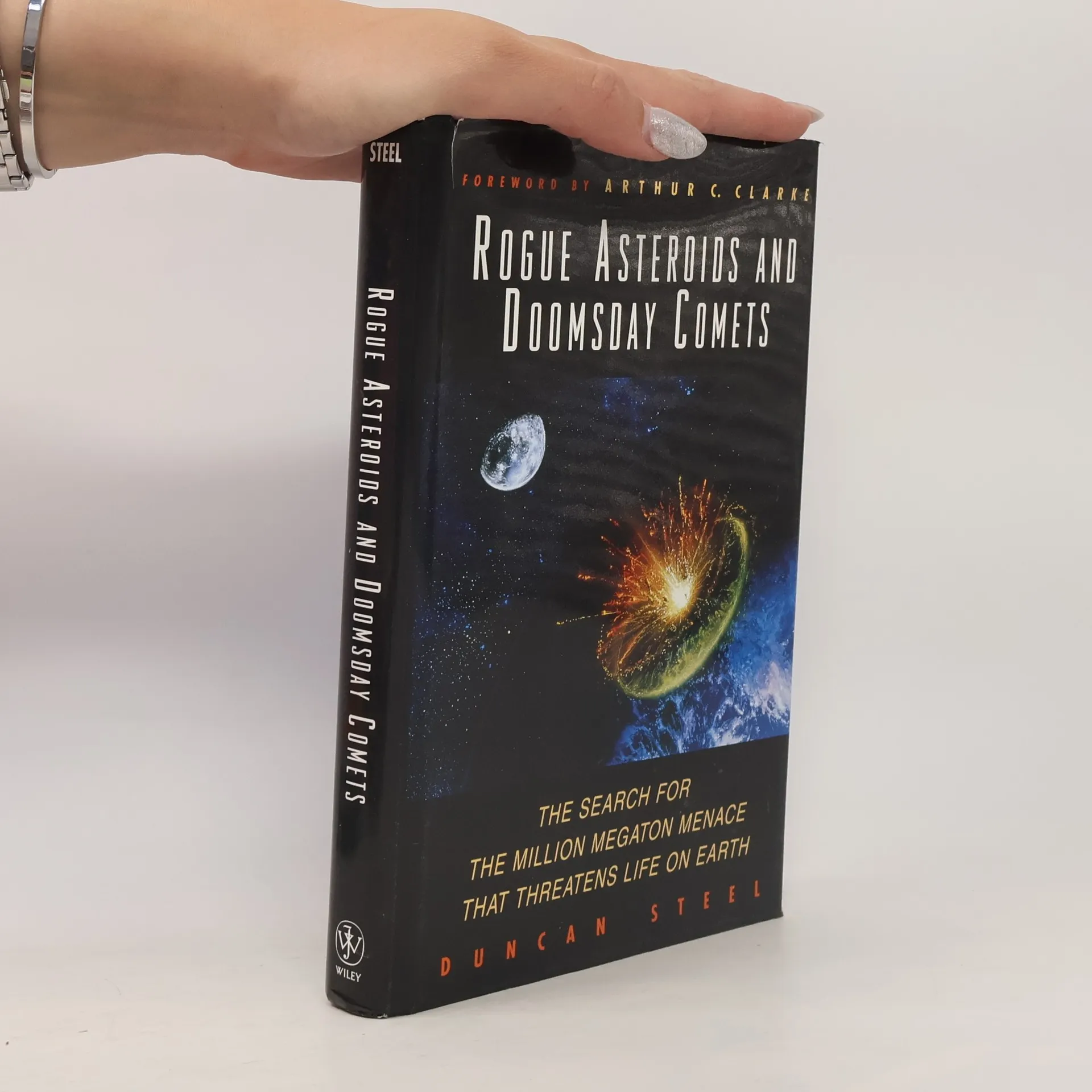
Rogue Asteroids and Doomsday Comets
The Search for the Million Megaton Menace That Threatens Life on Earth
- 308 pages
- 11 hours of reading
Could a giant asteroid or comet crash into Earth and annihilate life as we know it? Many astronomers, once skeptical of such risks, now recognize the serious danger. In this exploration, Duncan Steel, a leading expert and director of a global asteroid and comet search program, delves into chilling scientific findings. He narrates the compelling story of how detection efforts revealed a troubling history of impacts, including the comet likely responsible for the dinosaurs' extinction. Advances in telescope tracking have identified at least 2,000 objects orbiting Earth that could strike with nuclear force. Calculations indicate that Earth is bound to face another catastrophic collision eventually. Potential outcomes include towering ocean waves that could devastate coastal areas, massive fires, and clouds of dust blocking sunlight, crippling agriculture. Steel expertly assesses these threats and discusses proposed strategies for detecting and neutralizing incoming celestial bodies, including Edward Teller's controversial suggestion of using a nuclear bomb. This account vividly illustrates the existential threat from space and the scientific community's response. With an unprecedented opportunity to avert disaster, the book argues that failing to act would be both dangerous and unwise.
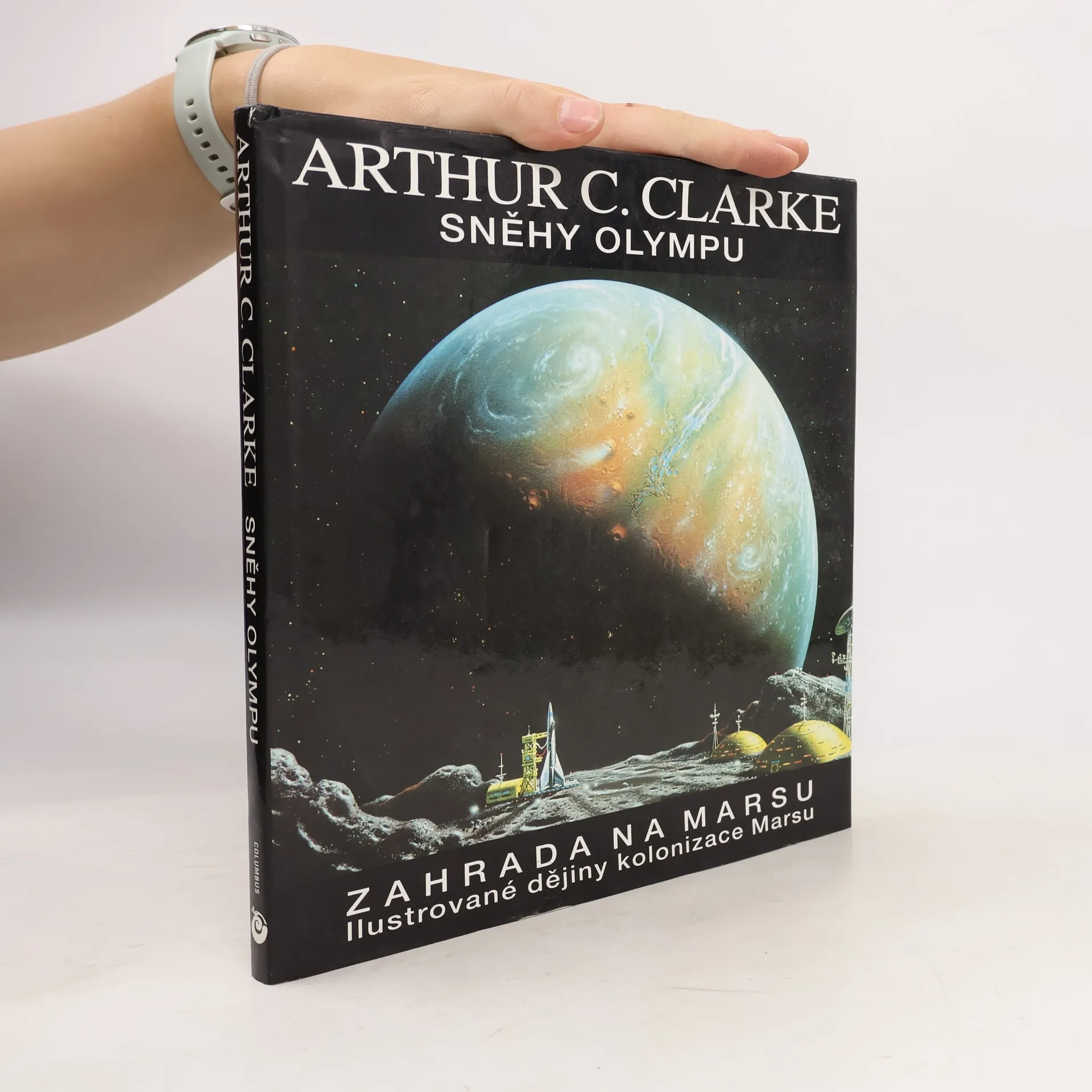
Sněhy Olympu. Zahrada na Marsu.
- 120 pages
- 5 hours of reading
Kniha Sněhy Olympu s podtitulem Zahrada na Marsu popisuje a ukazuje pomocí počítačového programu, jak by se proměňoval povrch planety Mars, kdyby byla postupně vytvářena příhodná atmosféra a uměle zvyšována teplota. Díky fotografiím povrchu Marsu je v knize nastíněno, jak by se měnil ráz krajiny celé planety. Výsledkem je poutavě naučné dílo, které velmi zajímavým způsobem ilustruje hypoteticky možný přerod Marsu v živou a obyvatelnou planetu....
2001. Odyssee im Weltraum
Science Fiction
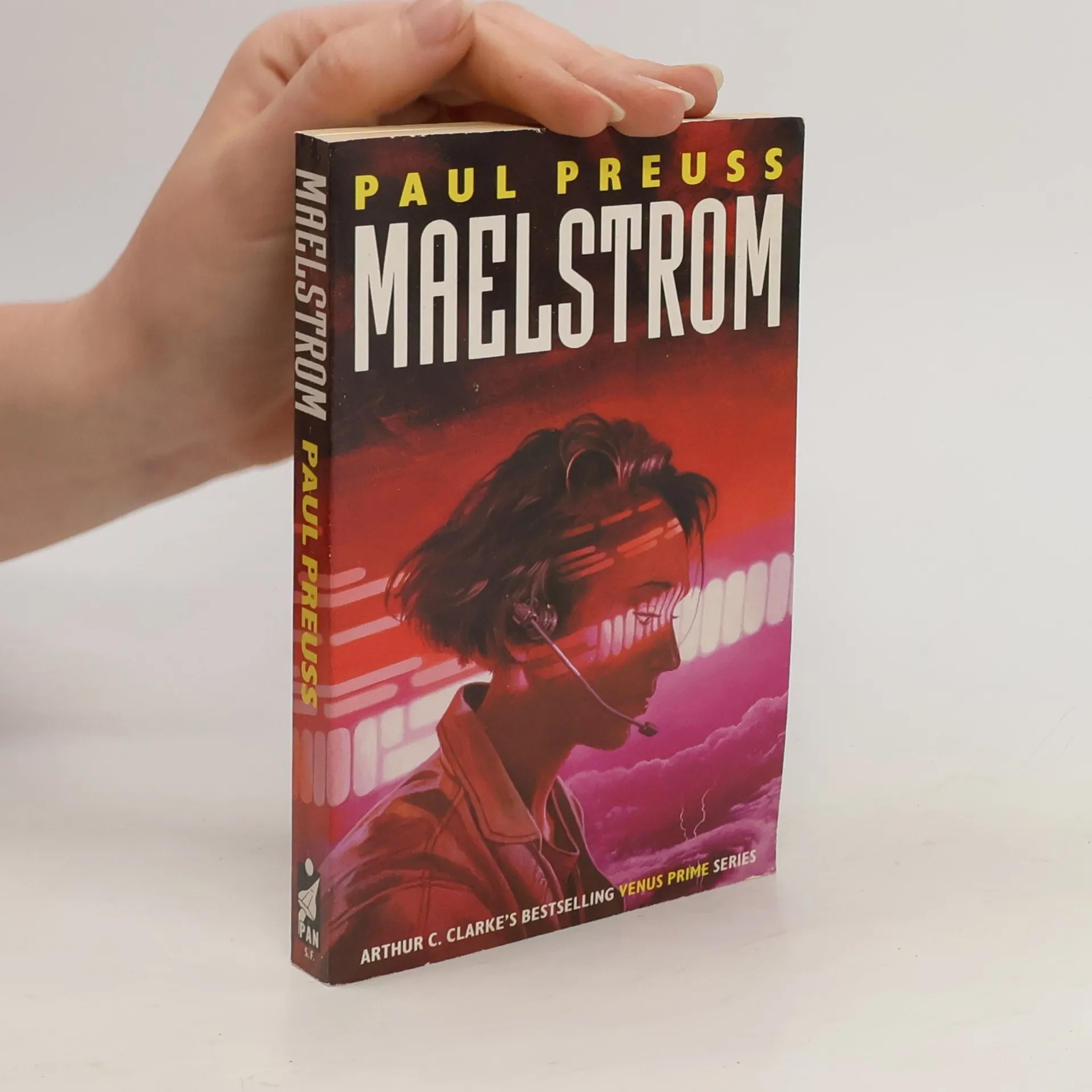
Maelstrom
- 268 pages
- 10 hours of reading
The second volume of the spectacular science-fiction thriller evolving from the works of Arthur C. Clarke, grandmaster of science fiction and author of 2001: a space odyssey.. Her code name is Sparta. Her beauty veils a mysterious past and abilities of superhuman dimension-the product of advanced biotech engineering. When a team of scientists is trapped in the gaseous inferno of Venus, Sparta must risk her life to save them, unaware that her actions will help recover a mysterious artifact: irrefutable evidence of life on another planet. . . As the secrets of the artifact are revealed, Sparta uncovers a mystery which may lead her to the truth of her own destiny. This gripping saga brings together the genius of Arthur C. Clarke and the talents of distinguished science-fiction writer Paul Preuss. The book has an introduction by Arthur C. Clarke.
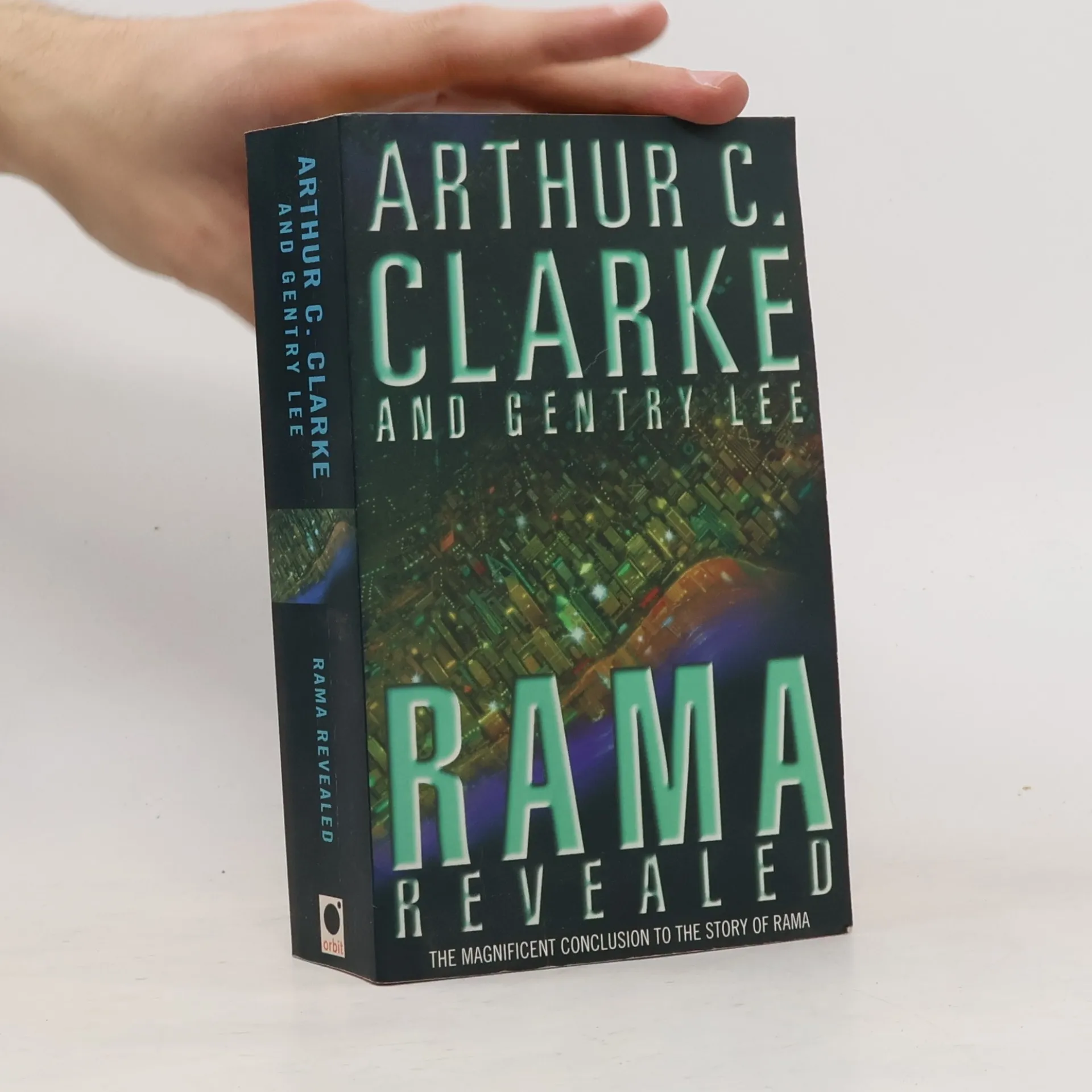
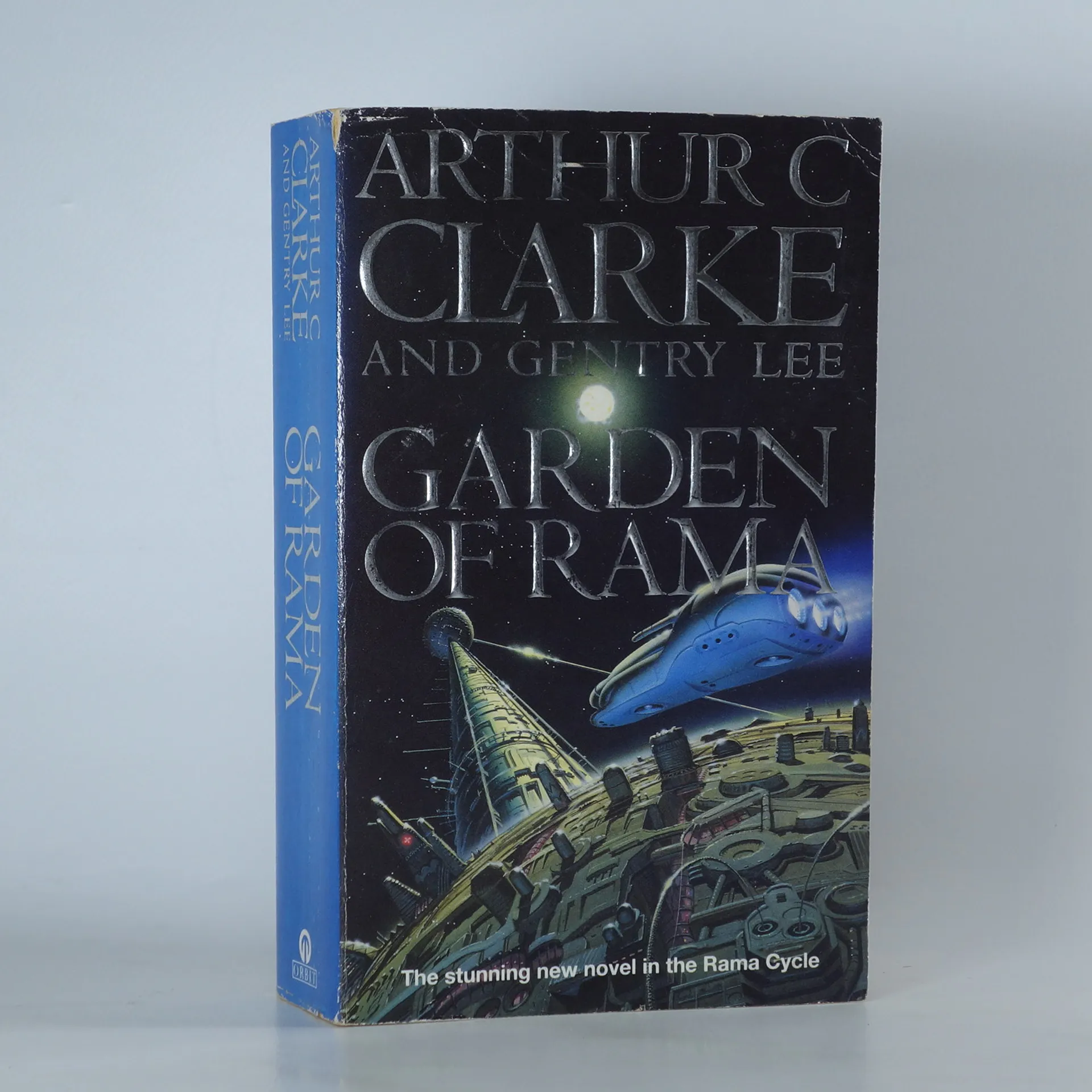
Rama Revealed (1993) is a science fiction novel by Arthur C. Clarke and Gentry Lee. It is the last of three sequels to Clarke's Rendezvous with Rama by these authors. The book picks up the story immediately after the end of The Garden of Rama. The book follows the story of Nicole Wakefield and her escape from imprisonment left at the cliffhanger of the previous book.
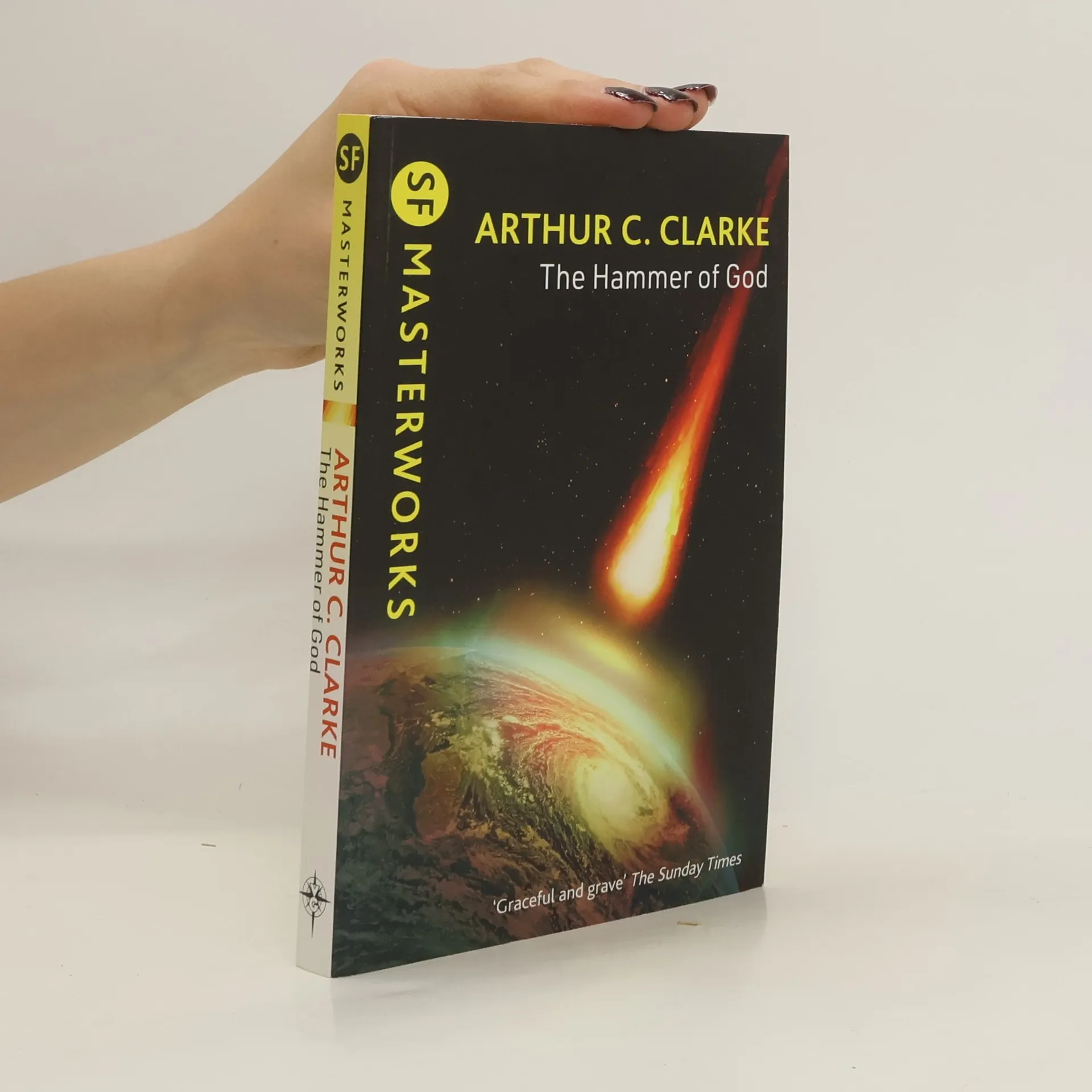
The year is 2110. Humankind is entering a new golden age.But when an amateur astronomer points his telescope at just the right corner of the night sky, he sees disaster hurtling toward Earth: a chunk of rock that could annihilate civilization. While a few fanatics welcome the apocalyptic destruction as a sign from God, the greatest scientific minds of Earth desperately search for a way to avoid the inevitable. On board the starship Goliath, Captain Robert Singh and his crew must race against time to redirect the meteor from its deadly collision course. Suddenly they find themselves on the most important mission in human history - a mission whose success may require the ultimate sacrifice.
HarperCollins is proud to present its incredible range of best-loved, essential classics.
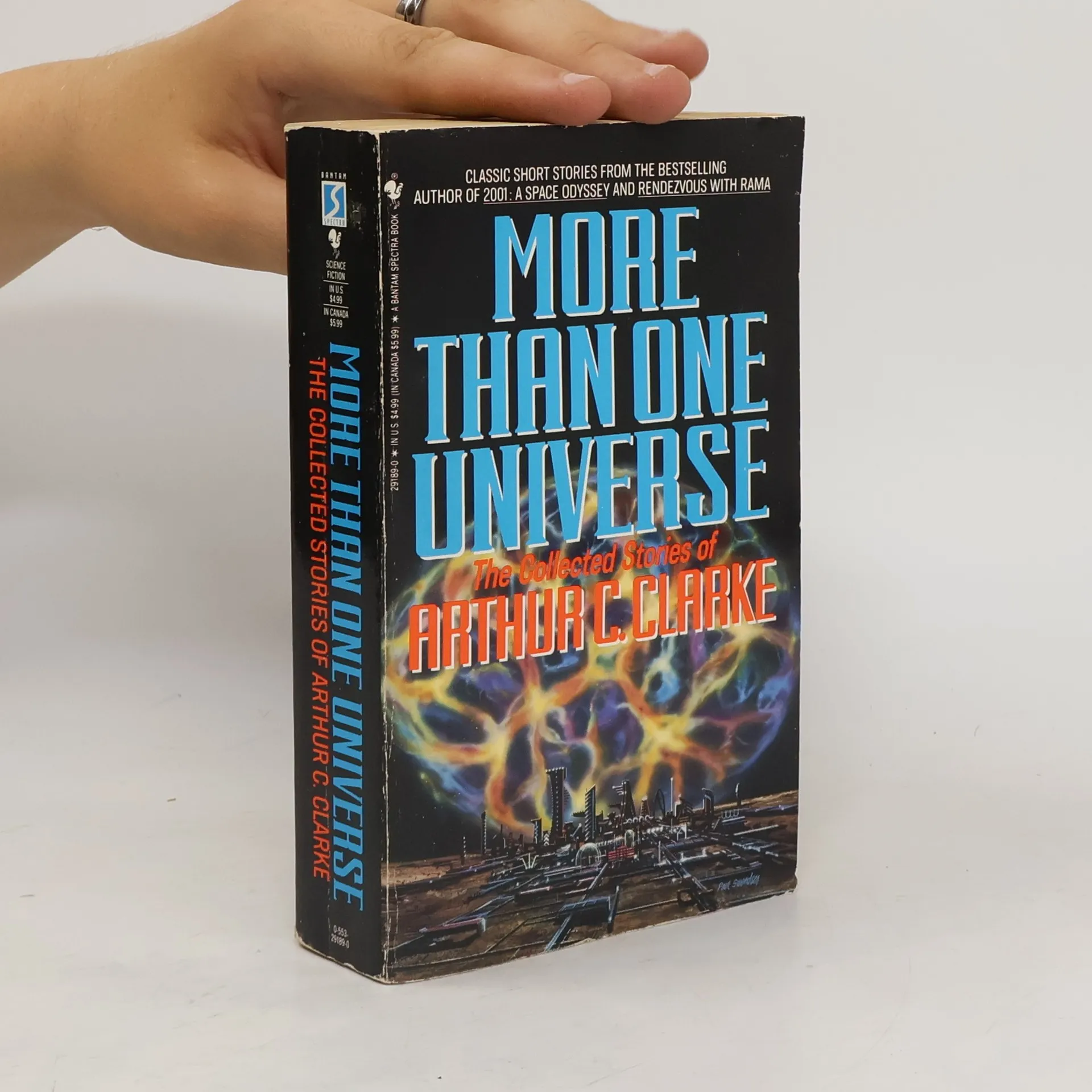
More Than One Universe
- 576 pages
- 21 hours of reading
Fifty-four short stories from a Grand Master of Science Fiction. Find the seed idea for 2001: A Space Odyssey, and more. From humorous to serious, a celebrated collection of worlds and words.
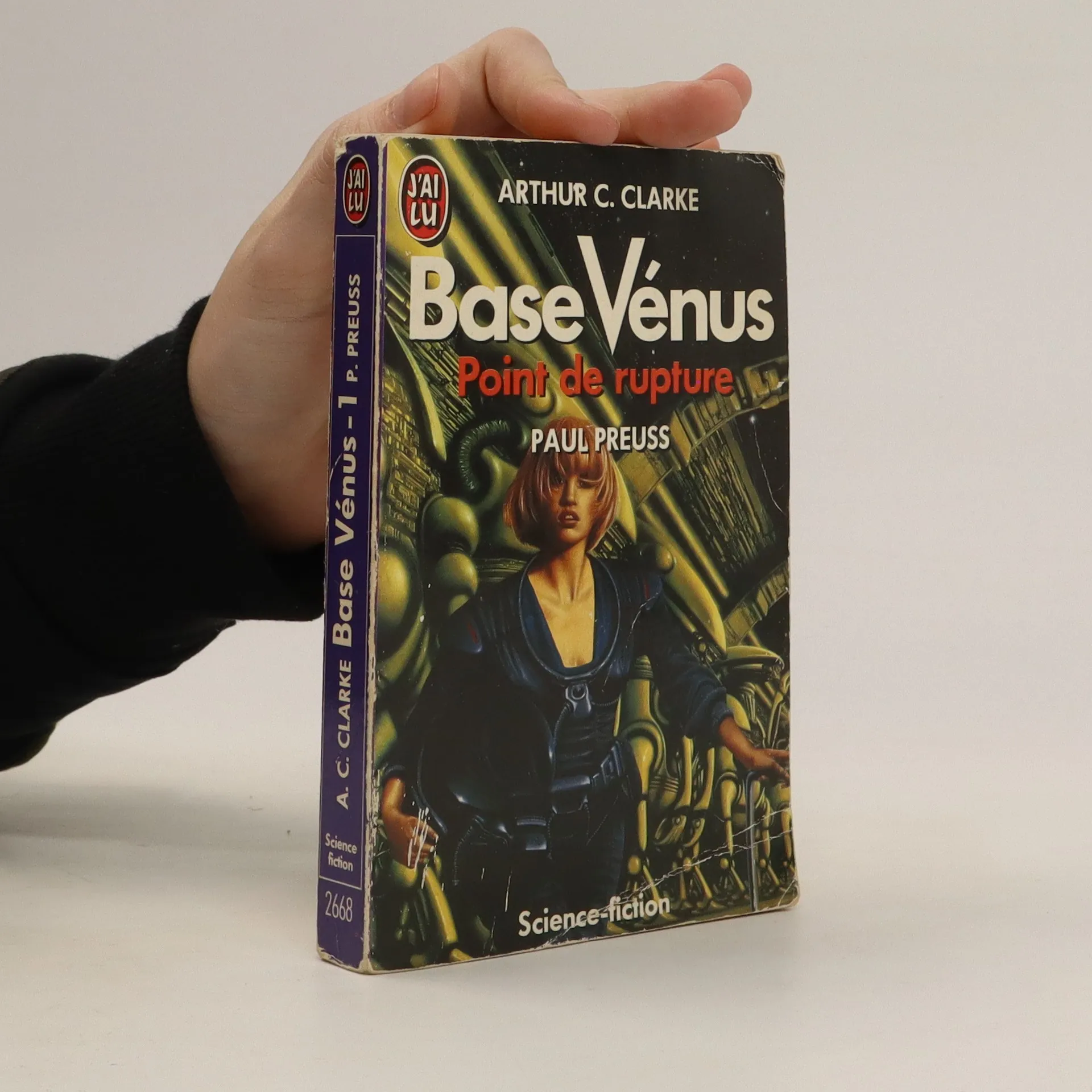
Lorsqu'elle reprend conscience, Sparta s'aperçoit que trois ans de sa vie ont totalement disparu de sa mémoire. Trois années envolées ! D'autant plus troublant qu'au fil de son " réveil ", elle se découvre d'étranges pouvoirs. Comme si son corps et ses perceptions avaient été reconfigurés ... Mais par qui, et pourquoi ? Est-elle une fugitive, une criminelle, une aberration ? A la recherche d'elle-même, en quête de son passé, Sparta rejoindra l'orbite de Vénus, pur y croiser la route d'une société secrète, d'une poignée de robots minéraliers, d'un manuscrit mythique du Xxe siècle ...
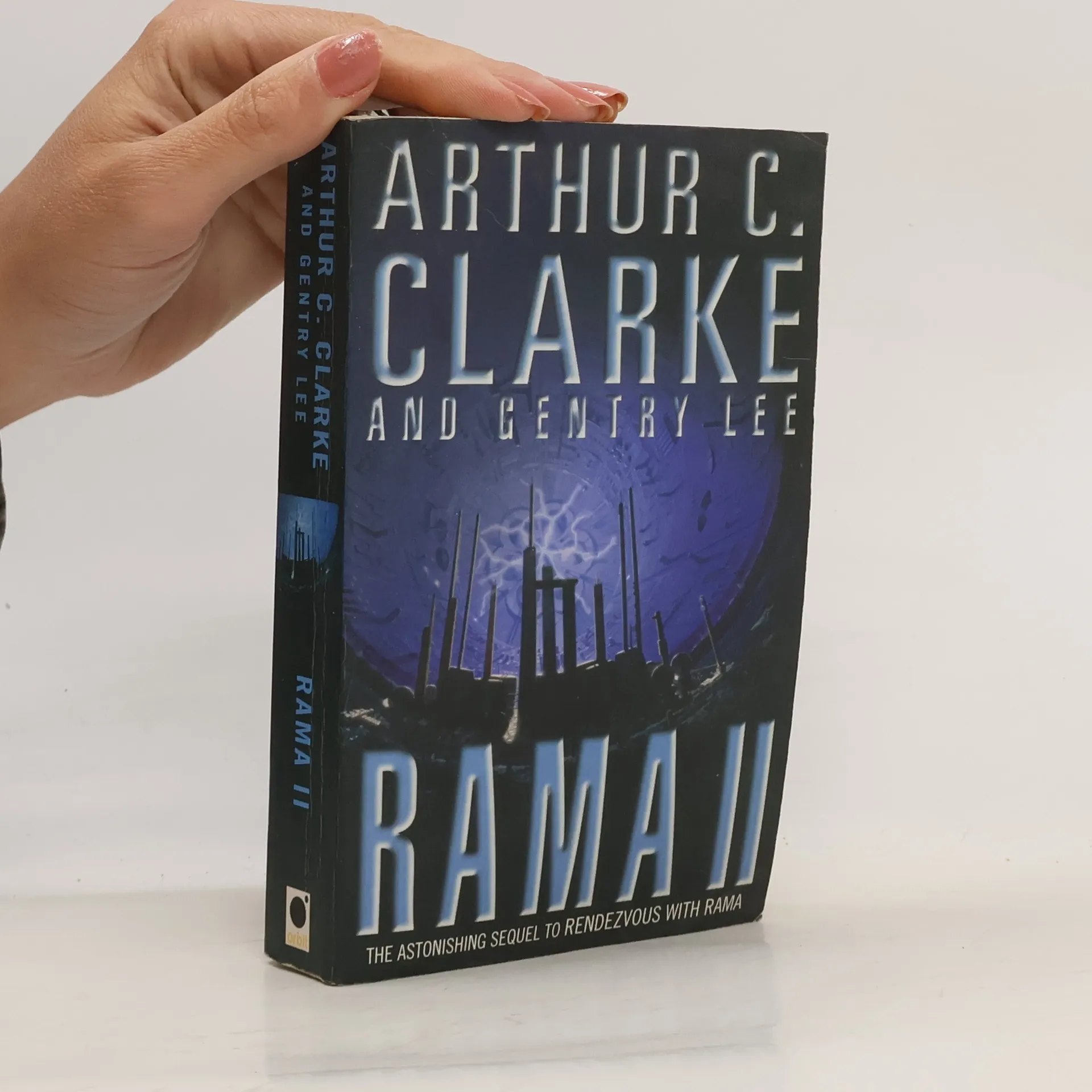
In the year 2130 a mysterious spaceship, Rama, arrived in the solar system. It was huge - big enough to contain a city and a sea - and empty, apparently abandoned. By the time Rama departed for its next, unknown, destination many wonders had been uncovered, but few mysteries solved. Only one thing was clear: everything the enigmatic builders of Rama did, they did in threes.Eighty years later the second alien craft arrived in the solar system. This time, Earth had been waiting. But all the years of preparation were not enough to unlock the Raman enigma.Now Rama II is on its way out of the solar system. Aboard it are three humans, two men and a woman, left behind when the expedition departed. Ahead of them lies the unknown, a voyage no human has ever experienced. And at the end of it - and who could tell how many years away that might be? - may lie the truth about Rama...
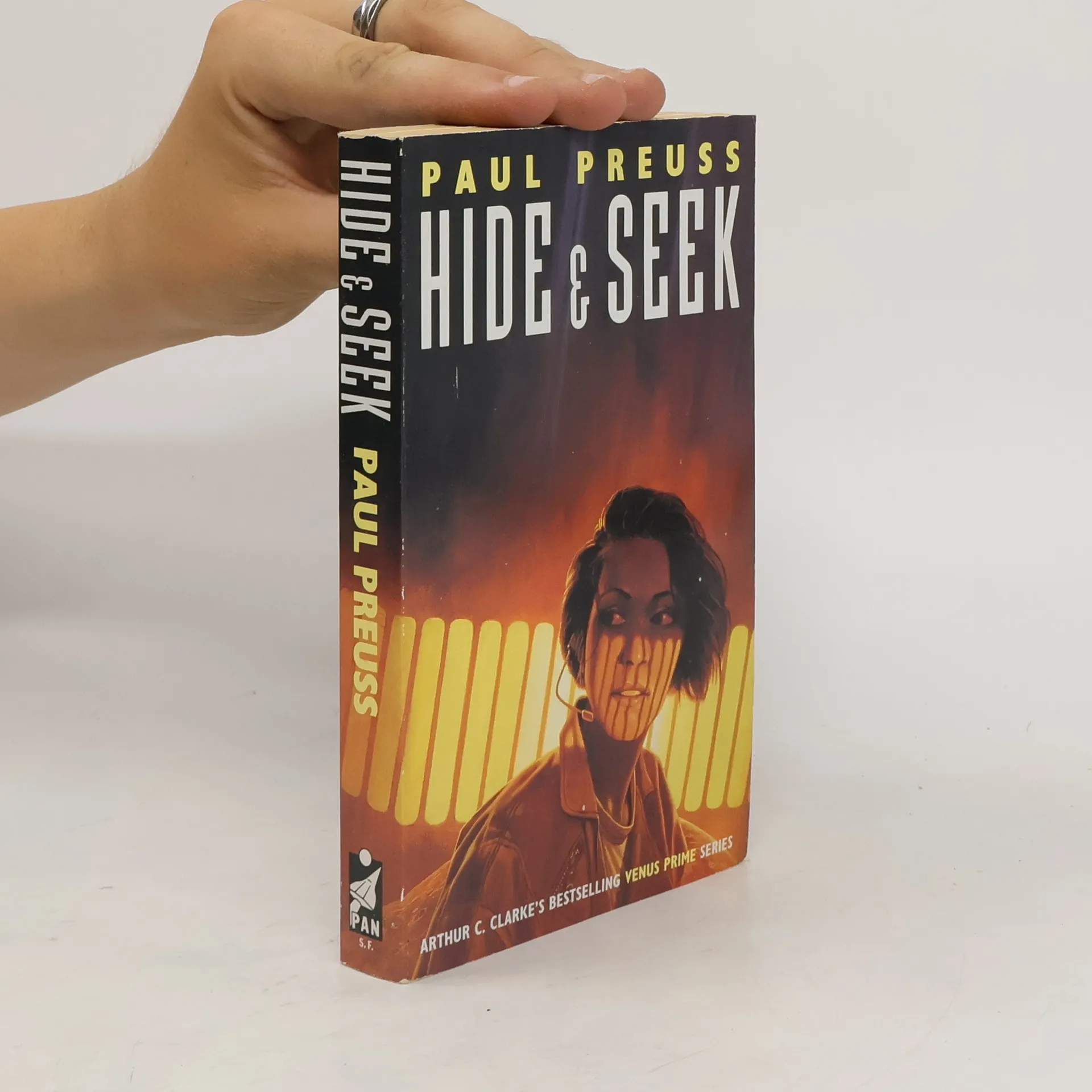
Hide and Seek
- 281 pages
- 10 hours of reading
the third volume in a series of science-fiction thrillers evolving from the works of arthur c. clarke, grandmaster of science fiction and author of 2001: a space odyssey. Her code name is Sparta. Her beauty veils a mysterious past and abilities far surpassing those of a normal human?the first product of advanced biotech engineering. At long last, evidence of extraterrestrial life has been found: a plaque discovered on the edge of the north polar icecap on Mars. And when the theft of that alien artifact leads to two murders in the Labyrinth City, Sparta must risk her life?and her identity?to solve the case. As the mystery unravels, the investigation becomes a race across the stars to retrieve the plaque?a quest which will ultimately uncover even more evidence than Earth's scientists have ever discovered This star-spanning adventure brings together the genius of Arthur C. Clarke and the talents of distinguished science- fiction writer Paul Preuss. Introduction by Arthur C. Clarke.
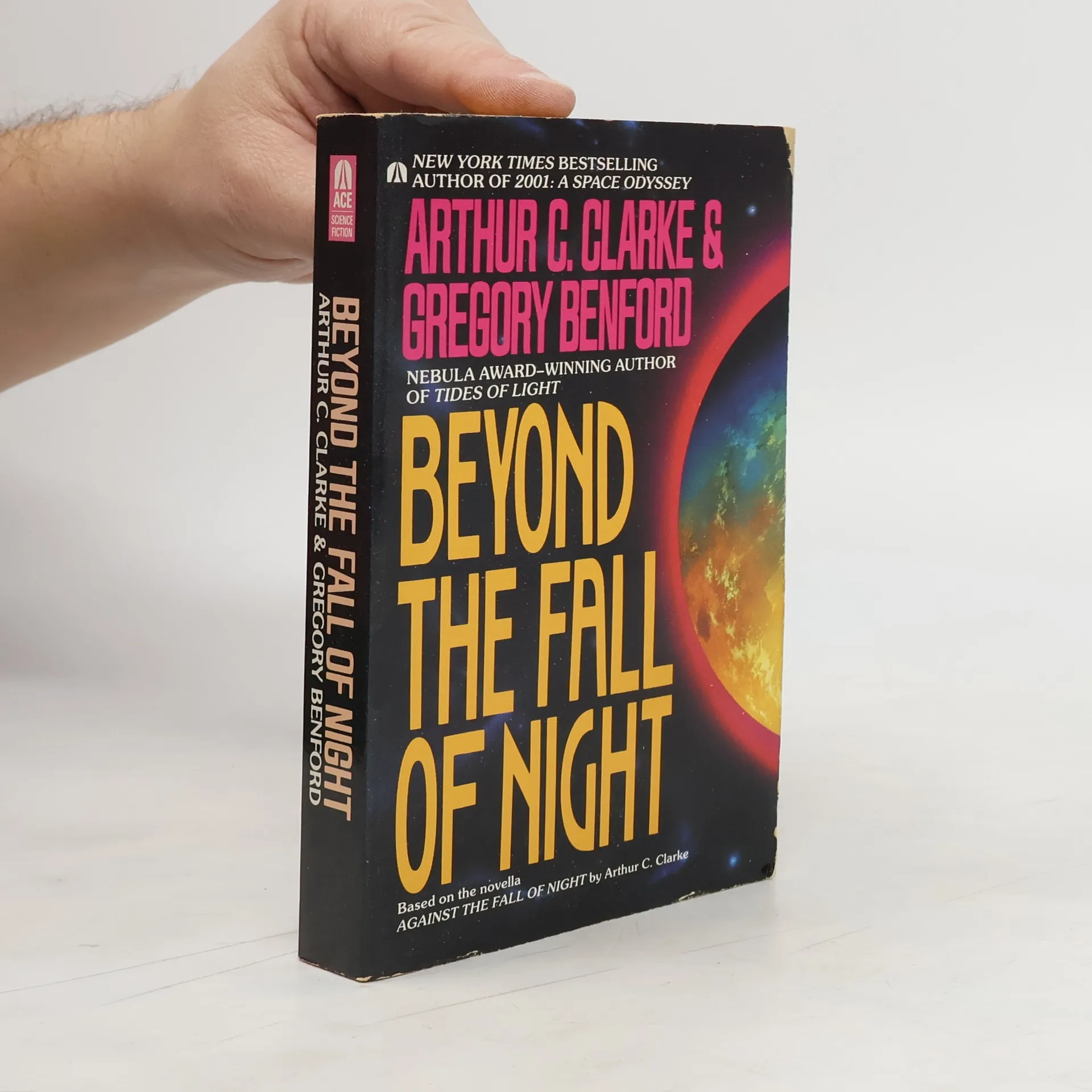
Beyond the Fall of Night
- 339 pages
- 12 hours of reading
Gregory Benford expands Arthur C. Clarke's novella, Against the Fall of Night, into a novel-length adventure set billions of years in the future about human destiny among the stars.
De verre Aarde
Als het lot van de aarde bezegeld is, begint de uittocht naar de sterren...
- 225 pages
- 8 hours of reading
Confrontatie tussen een van de aarde vertrokken expeditie met een vredige kolonie op de waterplaneet Thalassa.
Ein Treffen mit Medusa. Science Fiction Geschichten aus drei Jahrzehnten
- 492 pages
- 18 hours of reading
Geschichten aus einer Zukunft, die bereits begonnen hat, und in die der Mensch mit Kräften spielt, die er nur teilweise versteht und vieleicht nie gänzlich beherrrschen wird.Geschichten, die Raum und Zeit überwinden und den Menschen in seiner ganzen Winzigkeit im Angesicht des Universums zeigen - un in seiner ganzen inneren Größe.Dieser Band enthält die Geschichten:- Rettungsexpedition - Ein Gang durch die Nacht (A WALK IN THE DARK)- Der vergessene Feind- Technischer Irrtum- Der Parasit - Im Dunkel der Erde- Das Erwachen- Ärger mit den Eingeborenen- Der Fluch- Der Pfeil der Zeit- Jupiter Fünf- Die Besessenen (THE POSSESSED) - Die Speise der Götter (THE FOOD OF THE GODS) - Mahlstrom II- Die Leuchtenden (THE SHINING ONES)- Vor dem Sonnenwind- Das Geheimnis (THE SECRET) - Der letzte Befehl (THE LAST COMMAND)- Wähle F wie Frankenstein- Wiedervereinigung- Playback- Das Licht der Finsternis (THE LIGHT OF DARKNESS) - Die längste SF-Geschichte, die jemals erzählt wurd (THE LONGEST SCIENCE FICTION STORY EVER TOLD) - Euer Wohlgeboren, Herbert George Morley Roberts Wells- Liebt das Universum!- Kreuzzug - Neutronenflut- Der Durchgang der Erde (TRANSIT OF EARTH) - Ein Treffen mit Medusa (A MEETING WITH MEDUSA)
A collection of short stories which span the career of the author. The book includes the previously uncollected On Golden Seas and each story features a black and white illustration. The author also wrote 2001: A Space Odyssey.
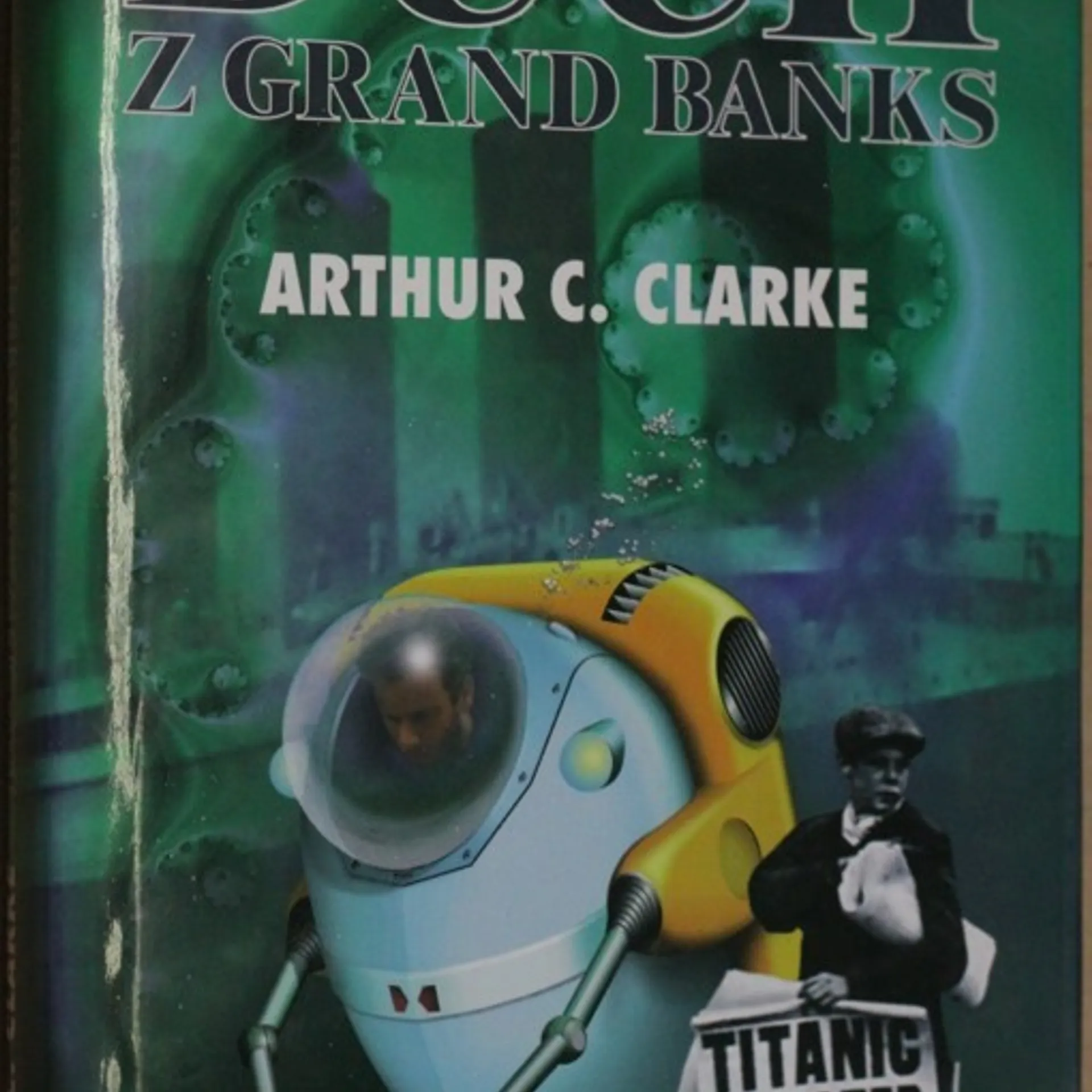
It is 2010. In just two years' time it will be the centennial of an event that has haunted the world: the sinking of the Titanic. The remains of what was once the world's greatest ocean liner lie four kilometers down on the Grand Banks of the Atlantic Ocean, an endless reminder of the frailty of man's technology in the face of natural perils. But, a hundred years on, the urge to raise the wreck is just as strong as ever. From the West comes one solution; from the East another. Both are marvels of technological imagination; both can succeed. But there are other powers at work, and the wreck on the Grand Banks may still hold a surprise or two for those who would return her to the eyes of the world.
Komet der Blindheit. Eine Science- Fiction- Anthologie.
- 221 pages
- 8 hours of reading
Rama II
- 496 pages
- 18 hours of reading
In the year 2130 a mysterious and apparently abandoned alien spaceship, Rama, entered our solar system. Now the Ramans return - in an enthralling sequel as brilliantly imagined as its predecessor. RAMA II is set in 2200, four years after a second approaching ship has been detected. But this time, Earth is ready ... And now, with the arrival of RAMA II, some of the questions may be answered ...
Two seemingly unconnected events trigger off the discovery of nothing less than the secret of humanity's existence. Written in conjunction with author and senior NASA scientist Gentry Lee.
Dopo la trasformazione di Giove in una stella giunge sulla Terra, da parte di misteriose creature, un messaggio: "Tutti questi mondi sono vostri tranne Europa, non mettete piede su Europa". Per molti decenni si tenta di scoprire i segreti nascosti nel satellite, e un giorno l'astronave da crociera 'Galaxy' vi viene dirottata senza apparente motivo sulla sua superficie. In soccorso arriva la 'Universe', dopo il disperato messaggio di soccorso lanciato nello spazio, ma verranno alla luce inquietanti e dirompenti rivelazioni.
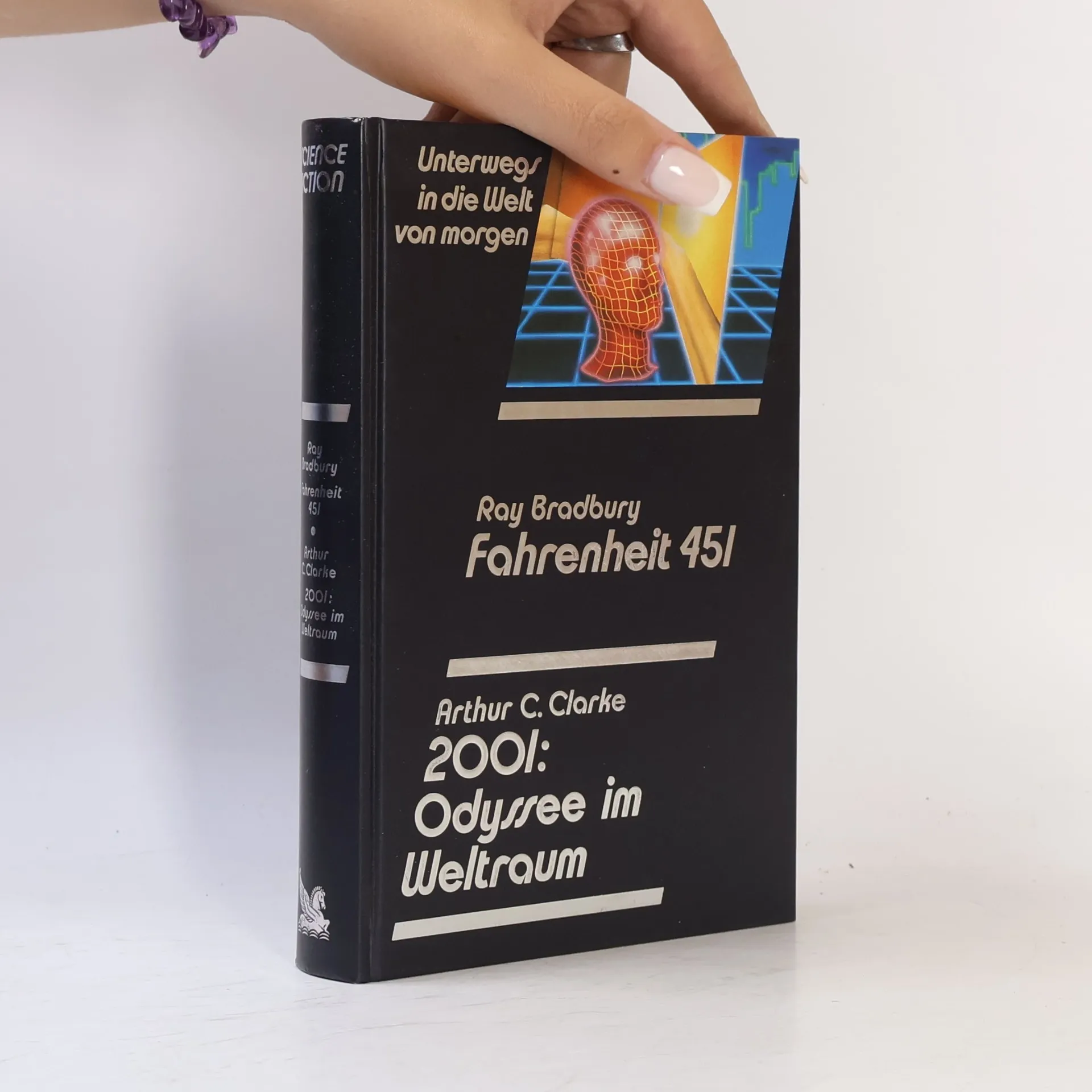
Unterwegs in die Welt von morgen, Fahrenheit 45l, 200l Odyssee im Weltraum
- 349 pages
- 13 hours of reading
Zwei utopische Romane (Bradbury: Fahrenheit 451 / Clarke: 2001 - Odyssee im Weltraum) und ein illustrierter Anhang
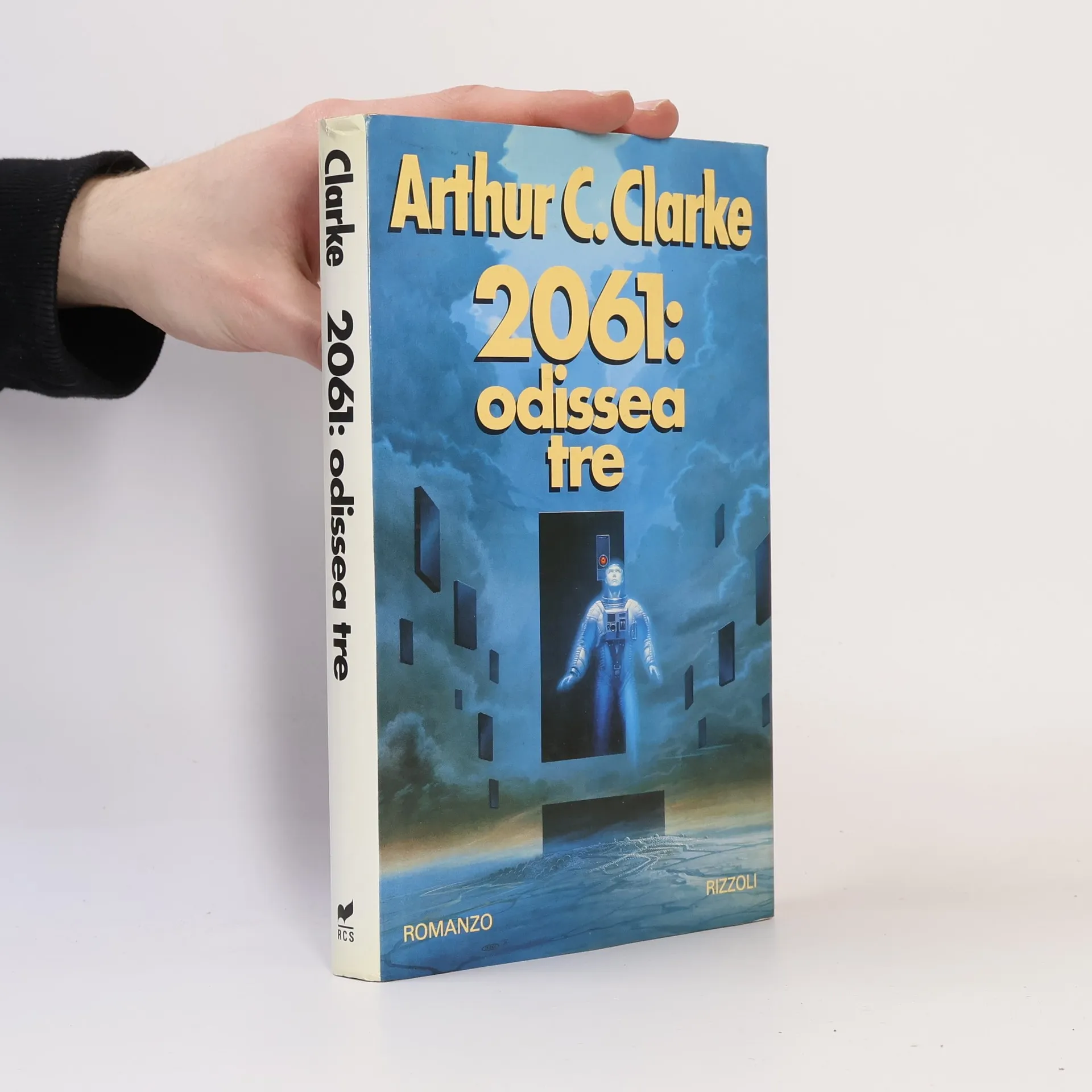
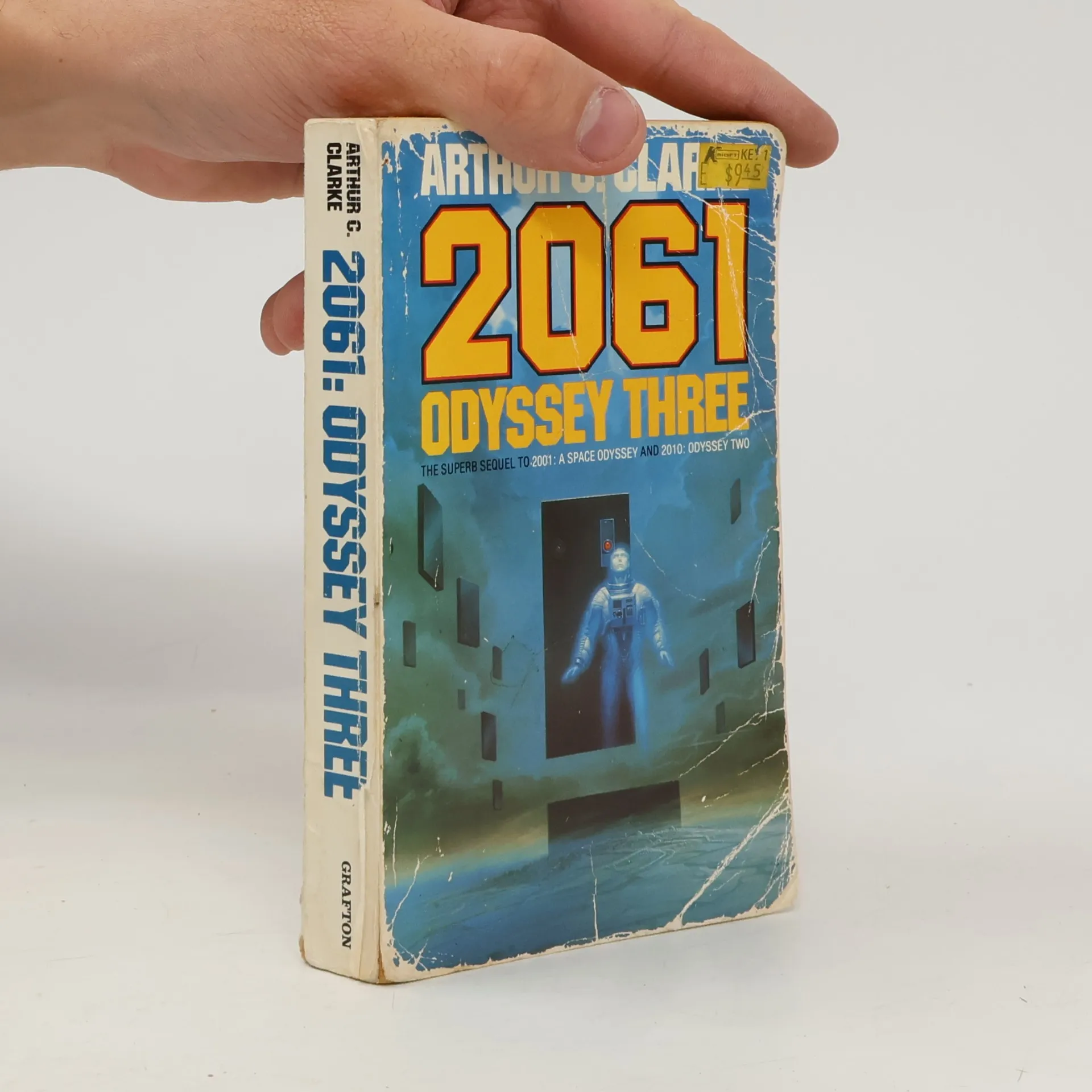
2061. Odyssey three
- 304 pages
- 11 hours of reading
Arthur C. Clarke, creator of one of the world's best-loved science fiction tales, revisits the most famous future ever imagined in this NEW YORK TIMES bestseller, as two expeditions into space become inextricably tangled. Heywood Floyd, survivor of two previous encounters with the mysterious monloiths, must again confront Dave Bowman, HAL, and an alien race that has decided that Mankind is to play a part in the evolution of the galaxy whether it wishes to or not. --This text refers to an out of print or unavailable edition of this title.
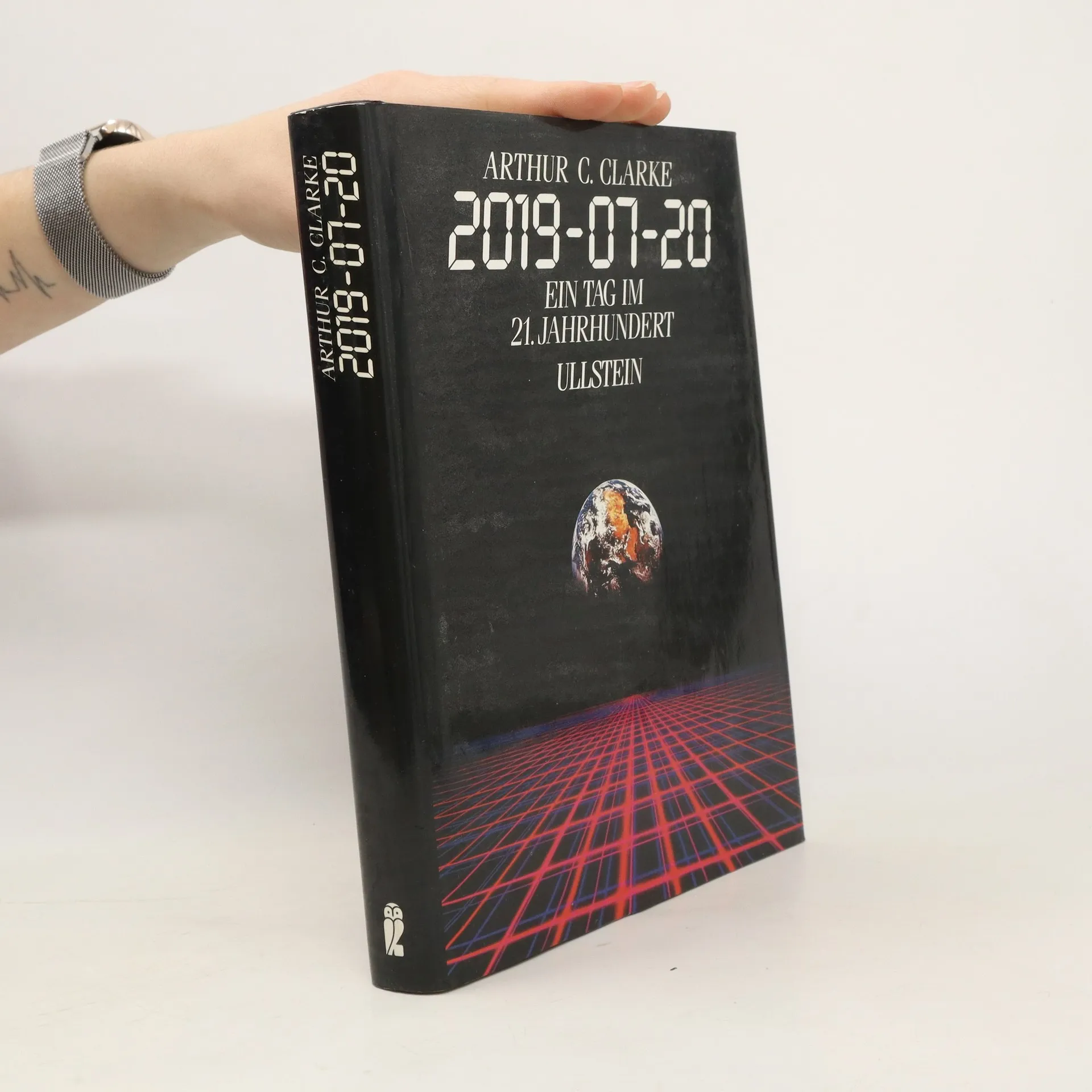
2019-07-20
- 300 pages
- 11 hours of reading
The Songs of Distant Earth
- 79 pages
- 3 hours of reading
This series of readers offers students six graded levels from elementary to advanced. All stages contain exercises at the back of the book, plus a glossary to help with vocabulary.
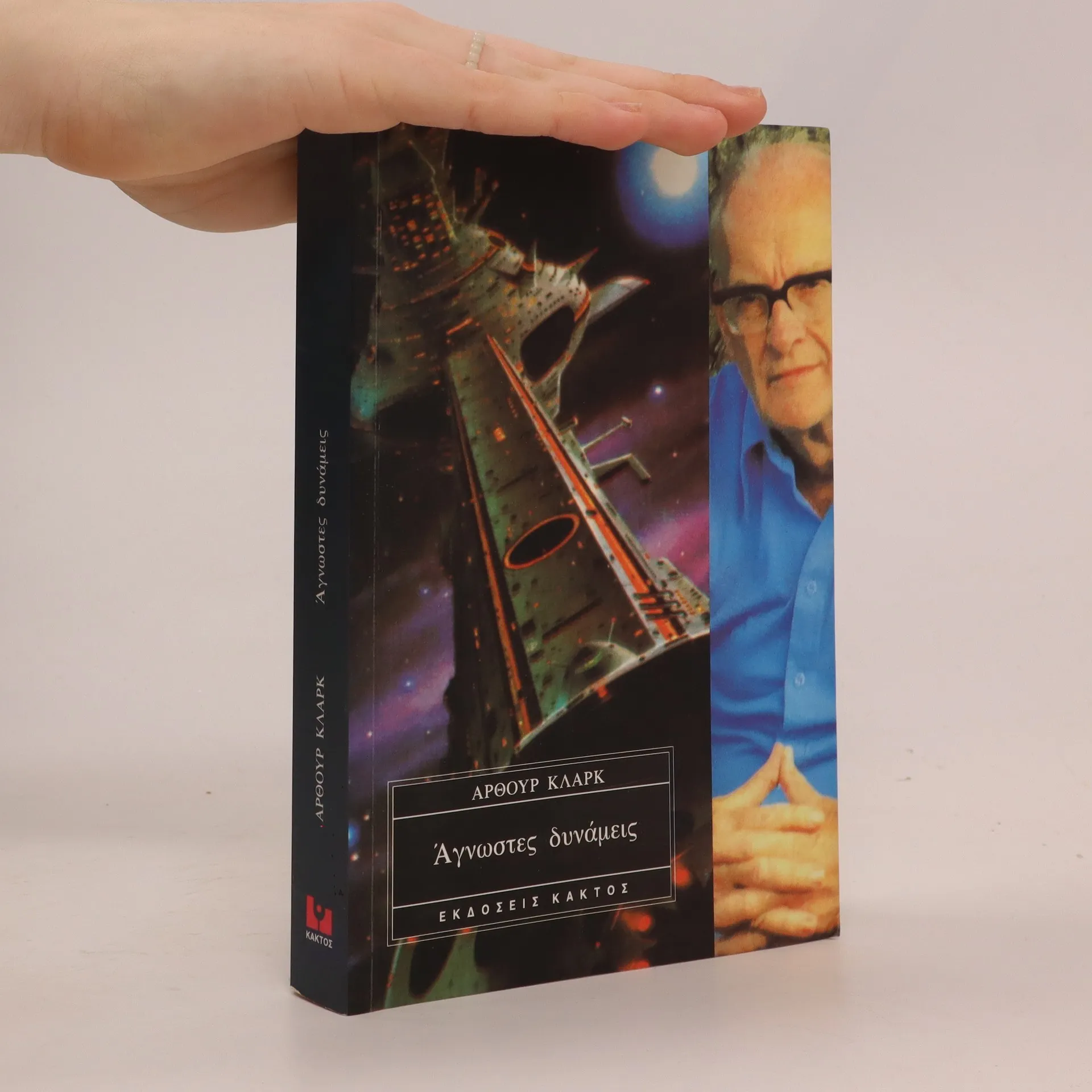
Άγνωστες δυνάμεις. Ágnostes dynámeis
- 344 pages
- 13 hours of reading
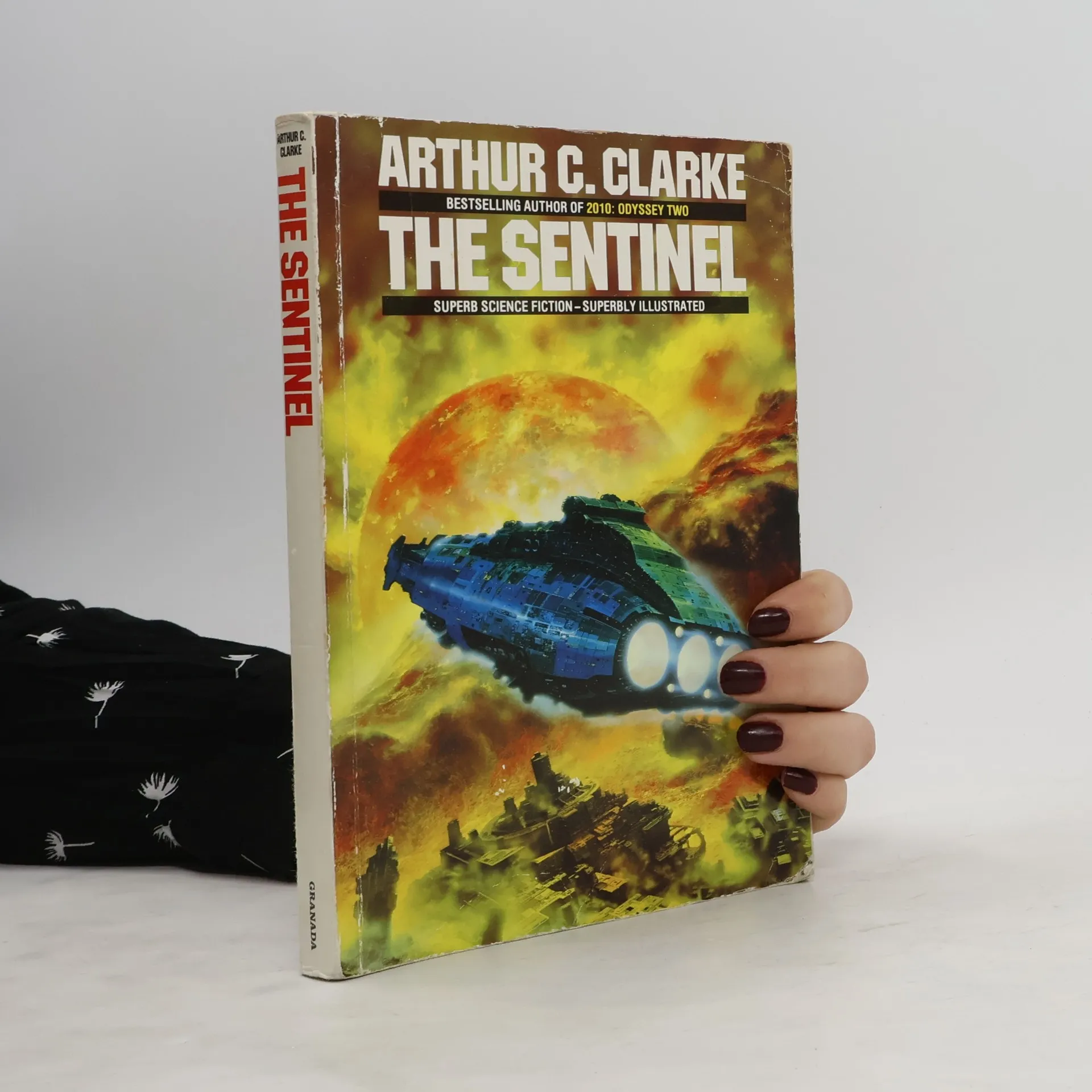
Few masters of science fiction have brought us glimpses of the near future as vividly as Arthur C. Clarke. It is the startling realism of his vision that has made classics of his novels, such as CHILDHOOD'S END and 2001: A SPACE ODYSSEY. It has also made Clarke himself one of the genre's most successful writers. The trade paperback was published to commemorate the arrival of the year 2001, one of the most notable dates in science fiction history. THE SENTINEL is a brilliant collection of Clarke's highest calibre short fiction.
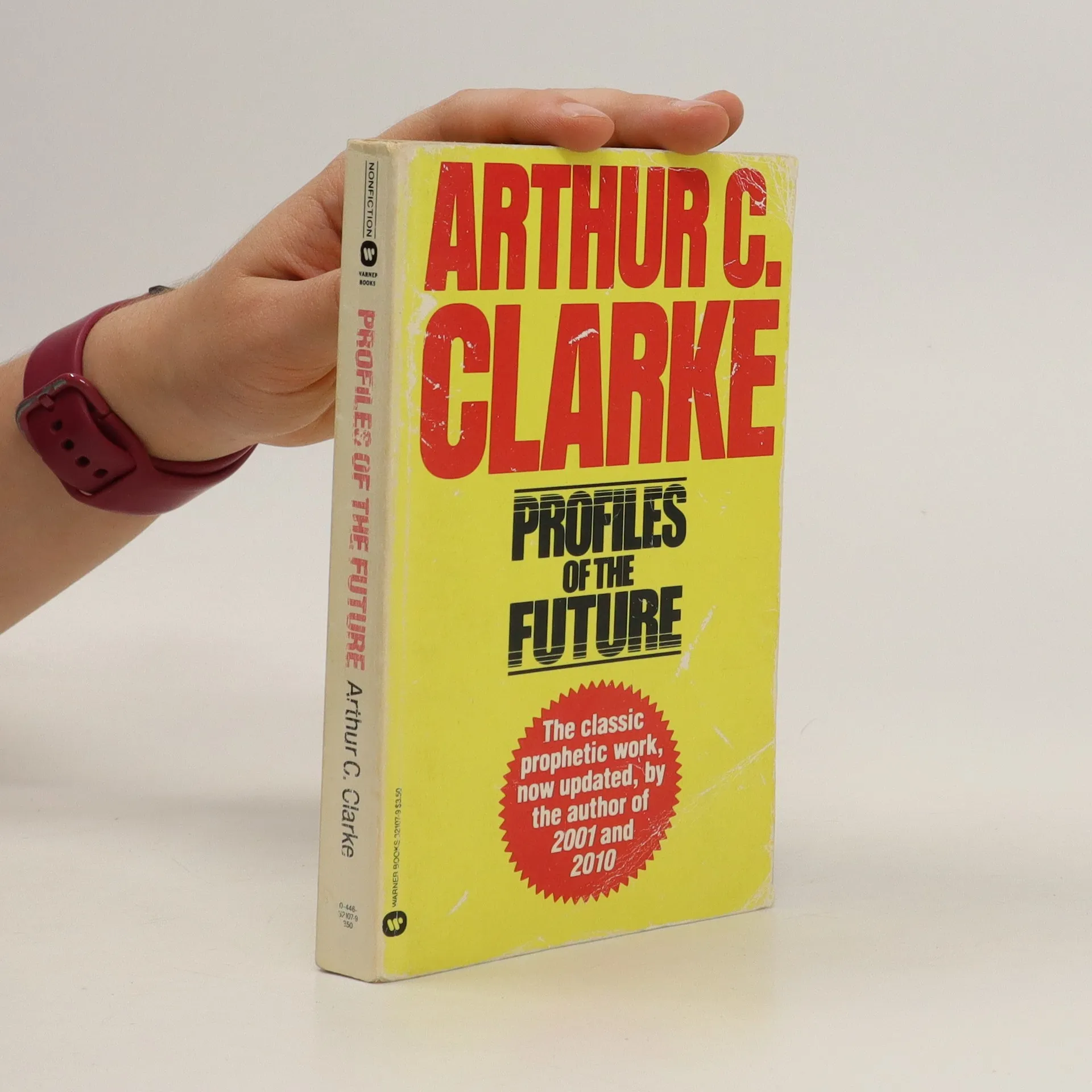
Profiles of the Future
- 304 pages
- 11 hours of reading
Examines the potential future directions of technological development and assesses the advantages and disadvantages of progress
The Golden Age of Science Fiction
- 368 pages
- 13 hours of reading
This collection features a range of influential science fiction works, showcasing the genre's evolution and creativity. It begins with essays by Kingsley Amis, setting the stage for the Golden Age of Science Fiction. The anthology includes notable stories such as Anthony Boucher's "The Quest for Saint Aquin," R. S. Richardson's "The Xi Effect," and Frederik Pohl's "The Tunnel Under the World." Additionally, readers will find Brian W. Aldiss's "Old Hundredth," James Blish's "A Work of Art," and Kurt Vonnegut Jr.'s iconic "Harrison Bergeron." J. G. Ballard's "The Voices of Time" and Robert Sheckley's "Specialist" further explore imaginative themes. The collection also features H. Beam Piper's "He Walked Around the Horses," Cordwainer Smith's "The Game of Rat and Dragon," and Arthur C. Clarke's thought-provoking "The Nine Billion Names of God." Other highlights include Harry Harrison's "The Streets of Askelon," Damon Knight's "The Country of the Kind," and Isaac Asimov's "The Machine That Won the War." The anthology concludes with F. L. Wallace's "Student Body" and Jerome Bixby's "It's a Good Life," along with Poul Anderson's novella "Sister Planet," offering a rich tapestry of speculative fiction.
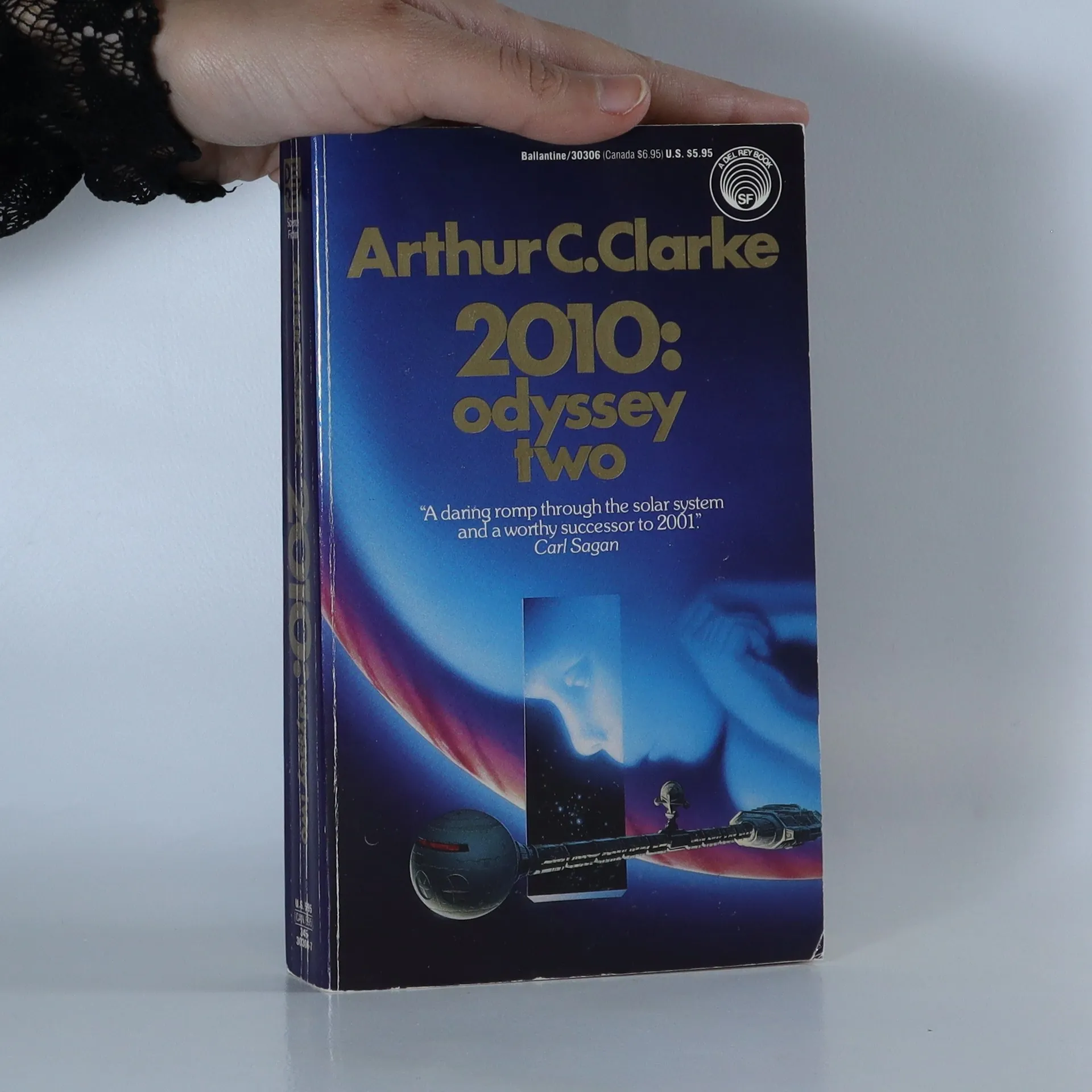
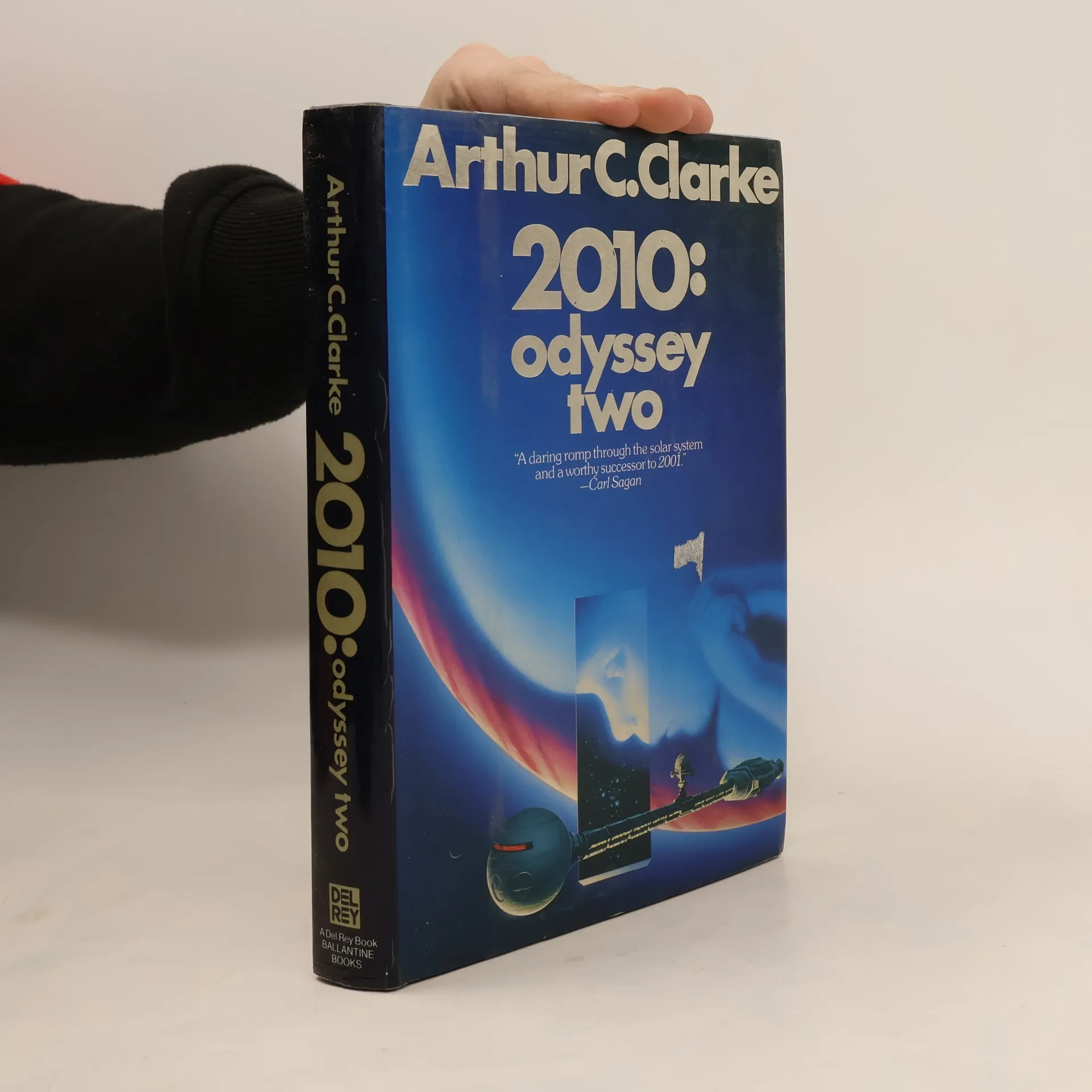
To the spaceship Discovery, floating in the silent depths of space since Dave Bowman passed through the alien 'Star Gate', comes Heywood Floyd on a mission of recovery. What he finds near Jupiter is beyond the imaginings of any mere human.
Quelque part du côté d'un satellite de Saturne, on a localisé une source de radiation extraordinairement puissante. Un vaisseau y est envoyé en mission ultra-secrète, emportant à son bord un équipage dont une partie est en état d'hibernation, et aussi Carl 9000, le prodigieux cerveau électronique qui, tout à la fois, est le navigateur, l'interlocuteur, voire le partenaire aux échecs de ces hommes. Ce voyage fantastique entraîne l'Explorateur 1 et son équipe jusqu'aux confins du cosmos et leur permet de percer en partie les origines et le mystère de la vie. Ce roman complète et explicite admirablement le film qu'a réalisé sur son thème Stanley Kubrick et qui poursuit une carrière fabuleuse dans le monde entier.
2001: A Space Odyssey shocked, amazed, and delighted millions in the late 1960s. An instant book and movie classic, its fame has grown over the years. Yet along with the almost universal acclaim, a host of questions has grown more insistent through the years, for example: who or what transformed Dave Bowman into the Star-Child? What alien purpose lay behind the monoliths on the Moon and out in space? What could drive HAL to kill the crew? Now all those questions and many more have been answered, in this stunning sequel to the international bestseller. Cosmic in sweep, eloquent in its depiction of Man's place in the Universe, and filled with the romance of space, this novel is a monumental achievement and a must-read for Arthur C. Clarke fans old and new. "A daring romp through the solar system and a worthy successor to 2001." -- Carl Sagan