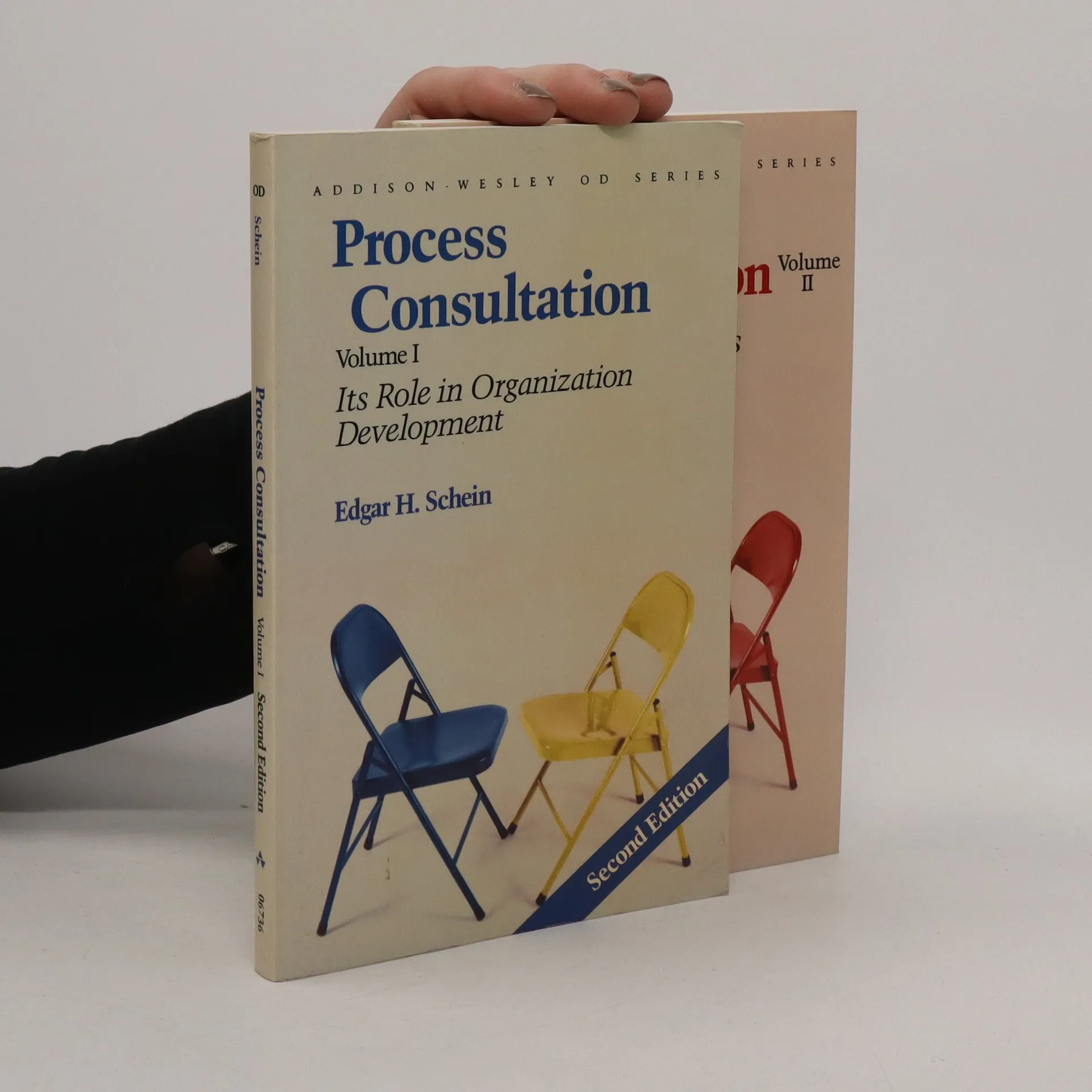
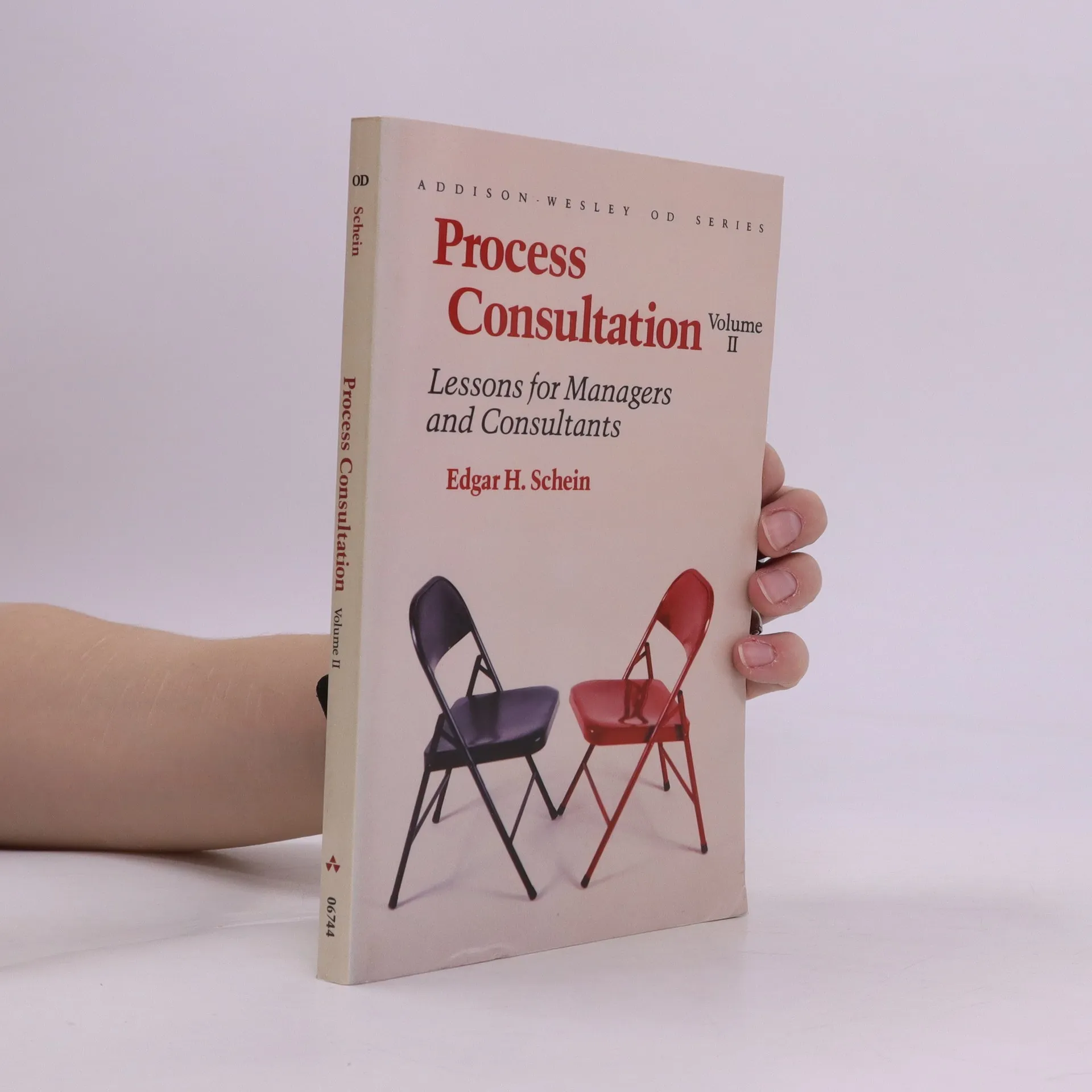
A member of the PH OD Series! Volume II clarifies the concept of process consultation as a viable model of how to work with human systems as defined in the previous volume, Process Its Role in Organization Development (19 69), and introduces modifications and new ideas that elaborate on and have evolved beyond the material in the first volume. Included are such topics as cultural rules of interaction; initiating and managing change; intervention strategy; tactics and style; and emerging issues in process consultation.
Edgar Schein Books
March 5, 1928 – January 26, 2023
Edgar Schein's extensive research delves into the intricate dynamics of organizational culture, process consultation, and the evolving nature of careers. He meticulously analyzes how various cultural contexts—national, organizational, and occupational—profoundly shape organizational performance. Schein offers critical insights into the helping process within human systems, guiding consultants and managers alike. His work provides a framework for understanding and diagnosing both individual career needs and the complex cultural landscapes that organizations navigate, emphasizing the practical application of his findings.
The book that defined the field, updated and expanded for today's organizations Organizational Culture and Leadership is the classic reference for managers and students seeking a deeper understanding of the inter-relationship of organizational culture dynamics and leadership.
Most corporations at one time or another must take a hard look inward to discover what needs to change to keep up with the competitive business environment. Although most understand how they need to be different -- for example, by encouraging creativity over regiment or by shifting from casual to formal -- their changeover attempts, often fail because they try to impose new systems and rules onto entrenched and seemingly successful modus operandi.The Corporate Culture Survival Guide shows readers how to institute real change by outlining the elements of corporate culture and laying down in plain terms how corporations can assess their own atmosphere to determine if they have the "right" culture for their product and organization. This essential book is framed around the questions managers most often ask: "What is corporate culture?" "How can I assess it?" and "How can I change it?" Case studies culled from real organizations show what successful change looks like and how to dismantle a dysfunctional corporate culture.
Process Consultation I. Its Role in Organization Development
- 204 pages
- 8 hours of reading
A member of the PH OD Series! How can you influence a situation in the workplace without the direct use of power of formal authority? This book shows you how by presenting the core theoretical foundations and basic prescriptions for effective management.
Organizational Psychology
- 288 pages
- 11 hours of reading
Written by an authority on organizational psychology, this interdisciplinary text can be used as a supplement in organizationsl behavior courses in departments of psychology and business.
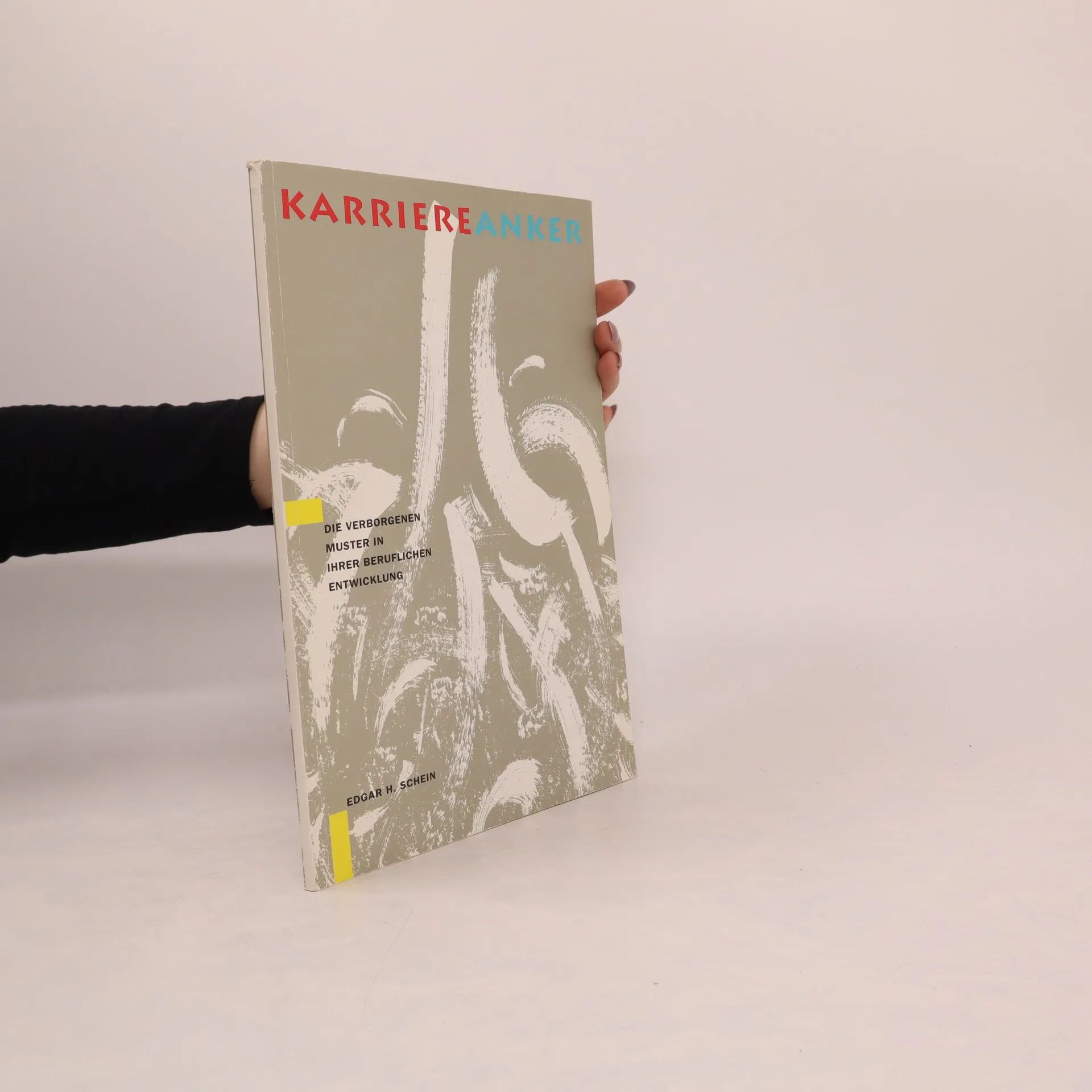
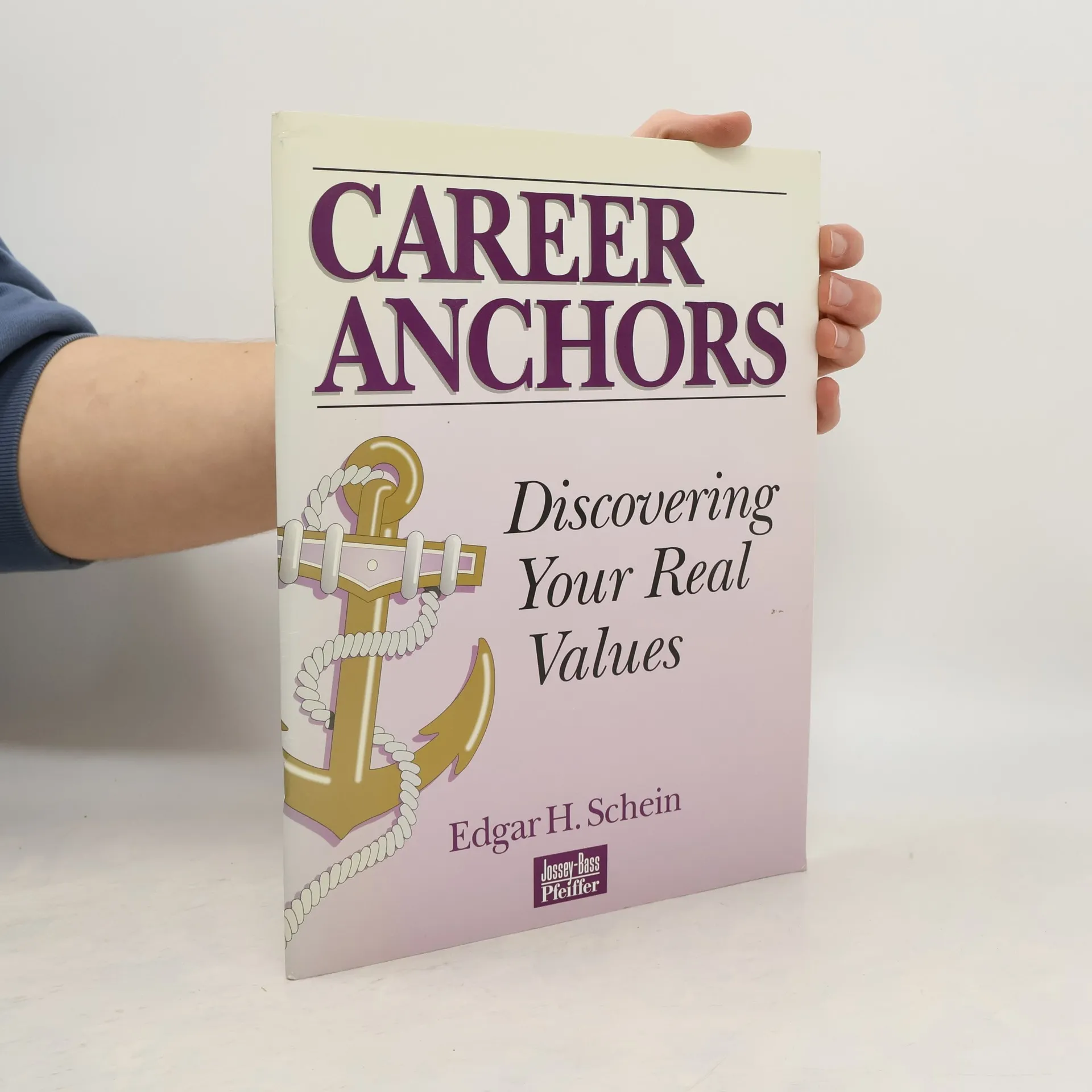
Career Anchors
Discovering Your Real Values
In many cases, people select a career for all the wrong reasons, and find their responses to the workplace are incompatible with their true values. This situation results in feelings of unrest and discontent and in lost productivity. To help people avoid these problems, the newly-revised Career Anchors is designed to help people uncover their real values and use them to make better career choices. This revised edition includes two new sections, "Major Stages of the Career" and "Career Movement, Progress, or Success." Instructions and other components have been revamped for clarification, the references have been updated, and the contents have been rearranged for more convenient usage in classes and workshops. Career Anchors can help you think through your career options and give you a clear understanding of: * Your own orientations toward work * Your motives * Your values * Your talents The Career Anchors Instrument and Trainer's Manual provide a systematic way of exploring how you perceive yourself, based on your own experiences. The instrument is divided into three parts?the orientations inventory, the career anchor interview, and the conceptual material. Career Anchors will help people: * Define the themes and patterns dominant in your life * Understand your own approach to work and a career * Provide reasons for choices * Take steps to fulfill your own self-image
Humble Consulting: How to Provide Real Help Faster
- 240 pages
- 9 hours of reading
Consulting in Complex and Changing Times Organizations face challenges today that are too messy and complicated for consultants to simply play doctor: run a few tests, offer a neat diagnosis of the “problem,” and recommend a solution. Edgar Schein argues that consultants have to jettison the old idea of professional distance and work with their clients in a more personal way, emphasizing authentic openness, curiosity, and humility. Schein draws deeply on his own decades of experience, offering over two dozen case studies that illuminate each stage of this humble consulting process. Just as he did with Process Consultation nearly fifty years ago, Schein has once again revolutionized the field, enabling consultants to be more genuinely helpful and vastly more effective.
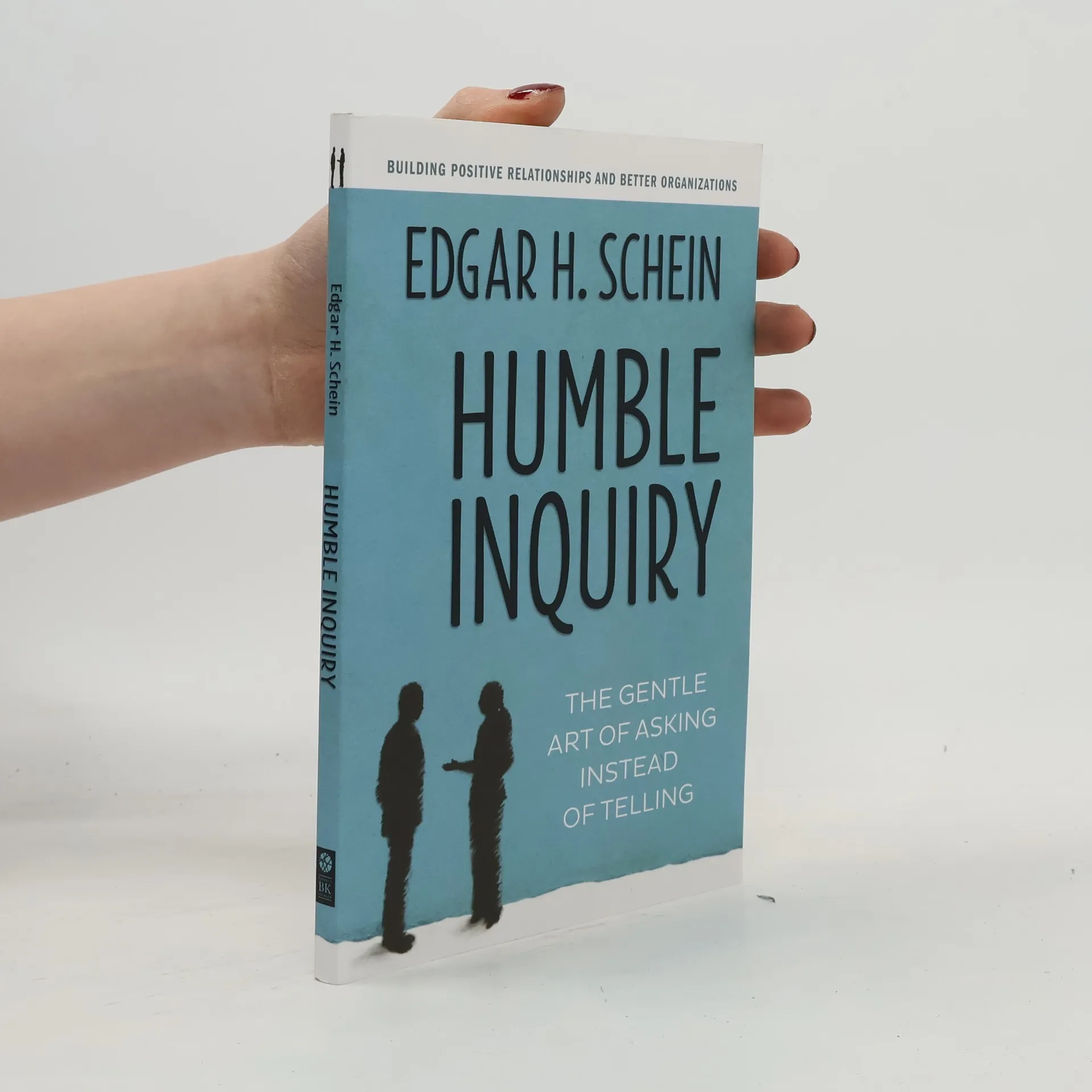
Humble Inquiry; The Gentle Art of Asking Instead of Telling
- 123 pages
- 5 hours of reading
Communication is essential in a healthy organization. But all too often when we interact with people—especially those who report to us—we simply tell them what we think they need to know. This shuts them down. To generate bold new ideas, to avoid disastrous mistakes, to develop agility and flexibility, we need to practice Humble Inquiry. Ed Schein defines Humble Inquiry as “the fine art of drawing someone out, of asking questions to which you do not know the answer, of building a relationship based on curiosity and interest in the other person.” In this seminal work, Schein contrasts Humble Inquiry with other kinds of inquiry, shows the benefits Humble Inquiry provides in many different settings, and offers advice on overcoming the cultural, organizational, and psychological barriers that keep us from practicing it.
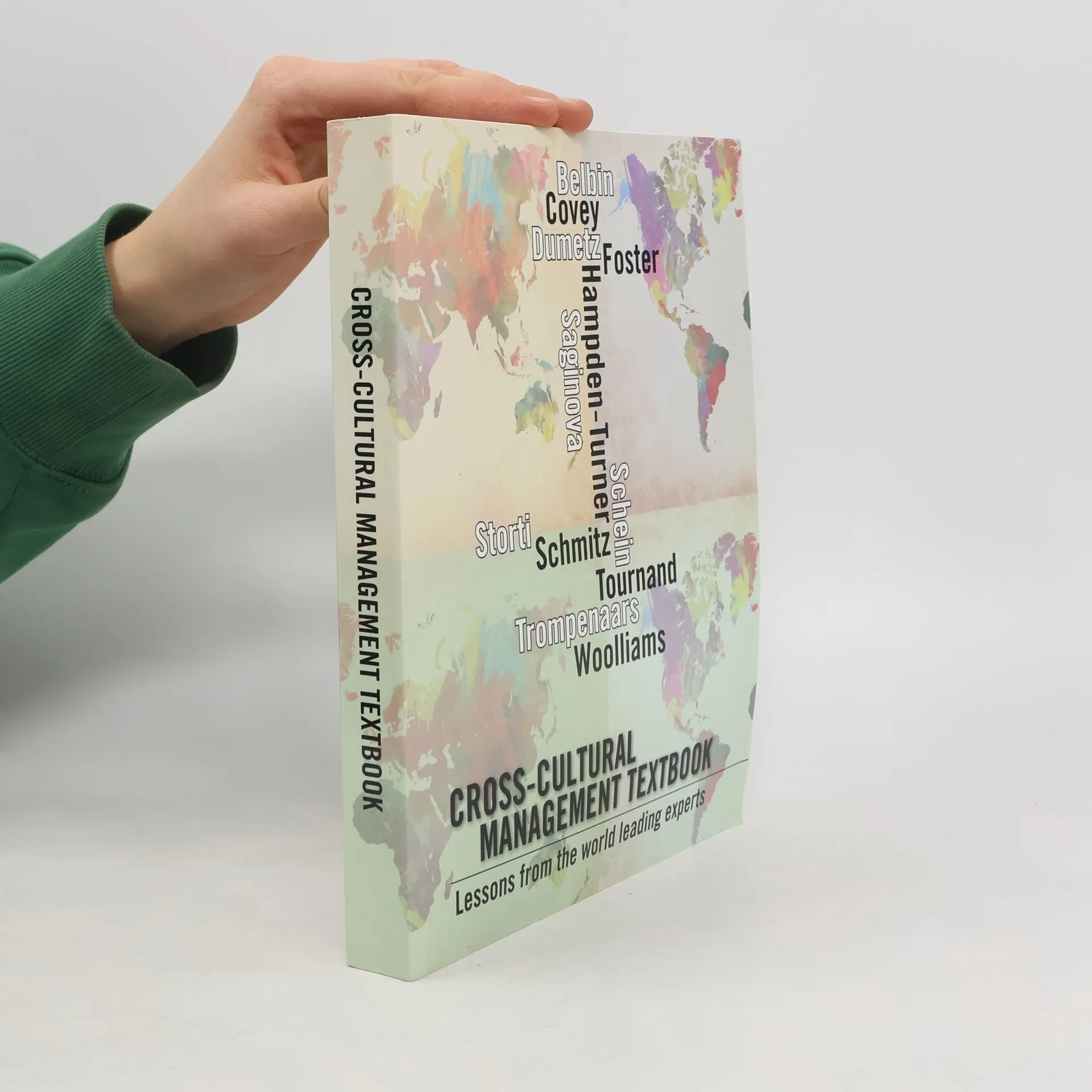
Cross-Cultural Management Textbook
Lessons From The World Leading Experts In Cross-Cultural Management
- 416 pages
- 15 hours of reading
This practical course-book synthesizes contemporary cross-cultural communication and management knowledge for students and professionals. Authored by twelve respected authorities from diverse countries and cultures, it prepares students to understand the influence of culture in management and communication, equipping them with the necessary skills to adapt in an increasingly multicultural world. Each contributor is a published expert in cross-cultural management, and the textbook is supported by several European universities. Comprising 12 comprehensive chapters, it features up-to-date theories, real-life examples, case studies, and workshops, all presented in an easy-to-use format. The contributions from international practitioners and professors bridge the gap between academic writings and the practical realities faced by those dealing with intercultural situations. With insights from various nations and cultures, the book encourages readers to expand their perspectives. It is primarily aimed at students and instructors, particularly those seeking a structured outline for management courses. Additionally, professionals, consultants, managers, and trainers engaged in international and cross-cultural challenges will find it beneficial. The textbook is available in multiple formats, including Black and White Student edition, Color Deluxe edition, and Kindle edition.
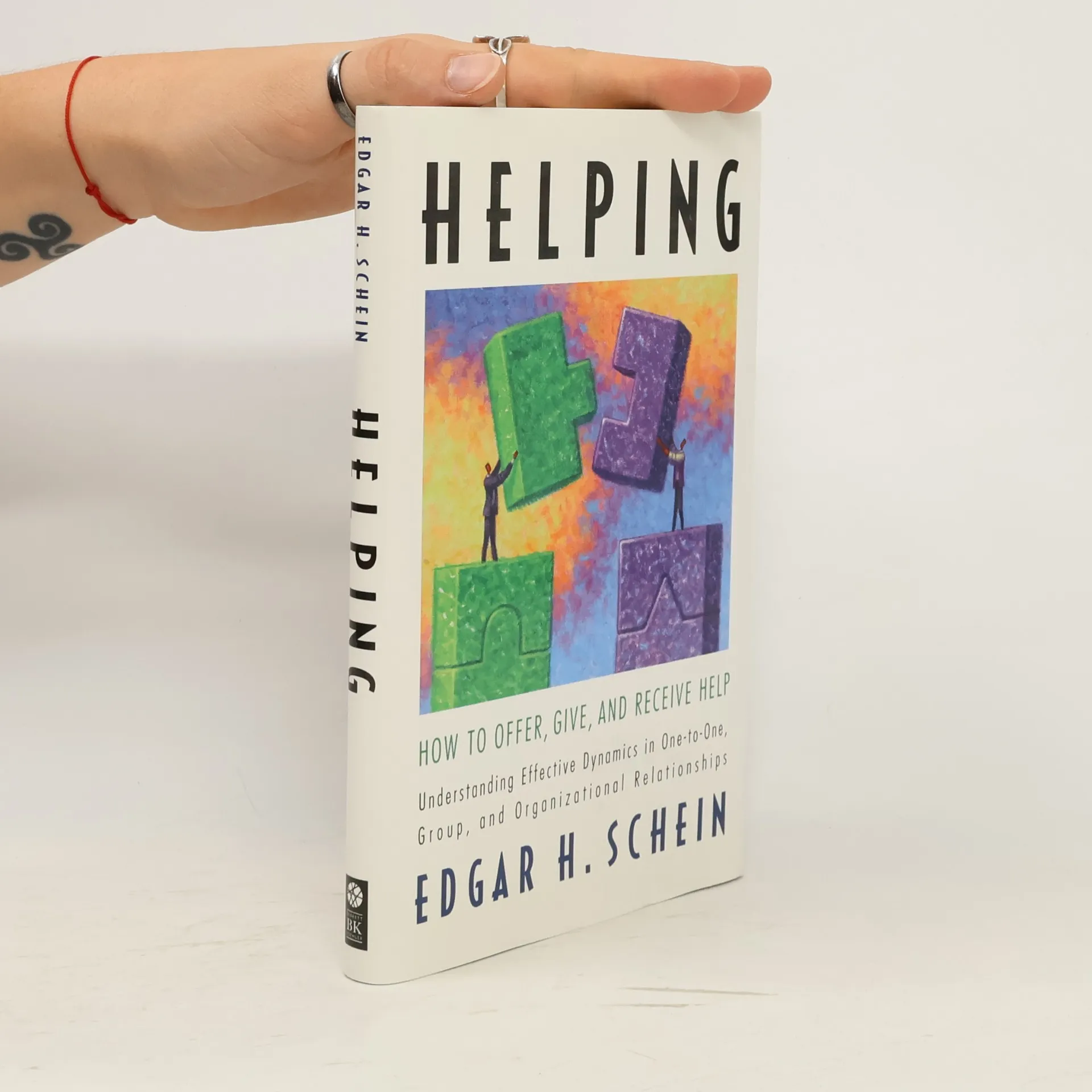
In this seminal book on helping, corporate culture and organizational development guru Ed Schein analyzes the dynamics of helping relationships, explains why help is often not helpful, and shows what any would-be-helper must do to insure that help is actually provided.Many words are used for helping -- assisting, aiding, advising, coaching, consulting, counseling, supporting, teaching, and many more -- but they all have common dynamics and processes. Schein exposes and shows how to resolve the inequities and role ambiguities of helping relationships, describes the different roles that helpers can take once the relationship is balanced, and explains how to build a balanced relationship and how to intervene as that relationship develops. In this short but profound book Schein examines the social dynamics that are at play in helping relationships in order to better understand why offers of help are sometimes refused or resented, and how to make help more helpful.
Process Consultation Vol. I & II
- 2 volumes
Führung auf Augenhöhe
Humble Leadership: Die Kraft von Beziehungen, Offenheit und Vertrauen
- 200 pages
- 7 hours of reading
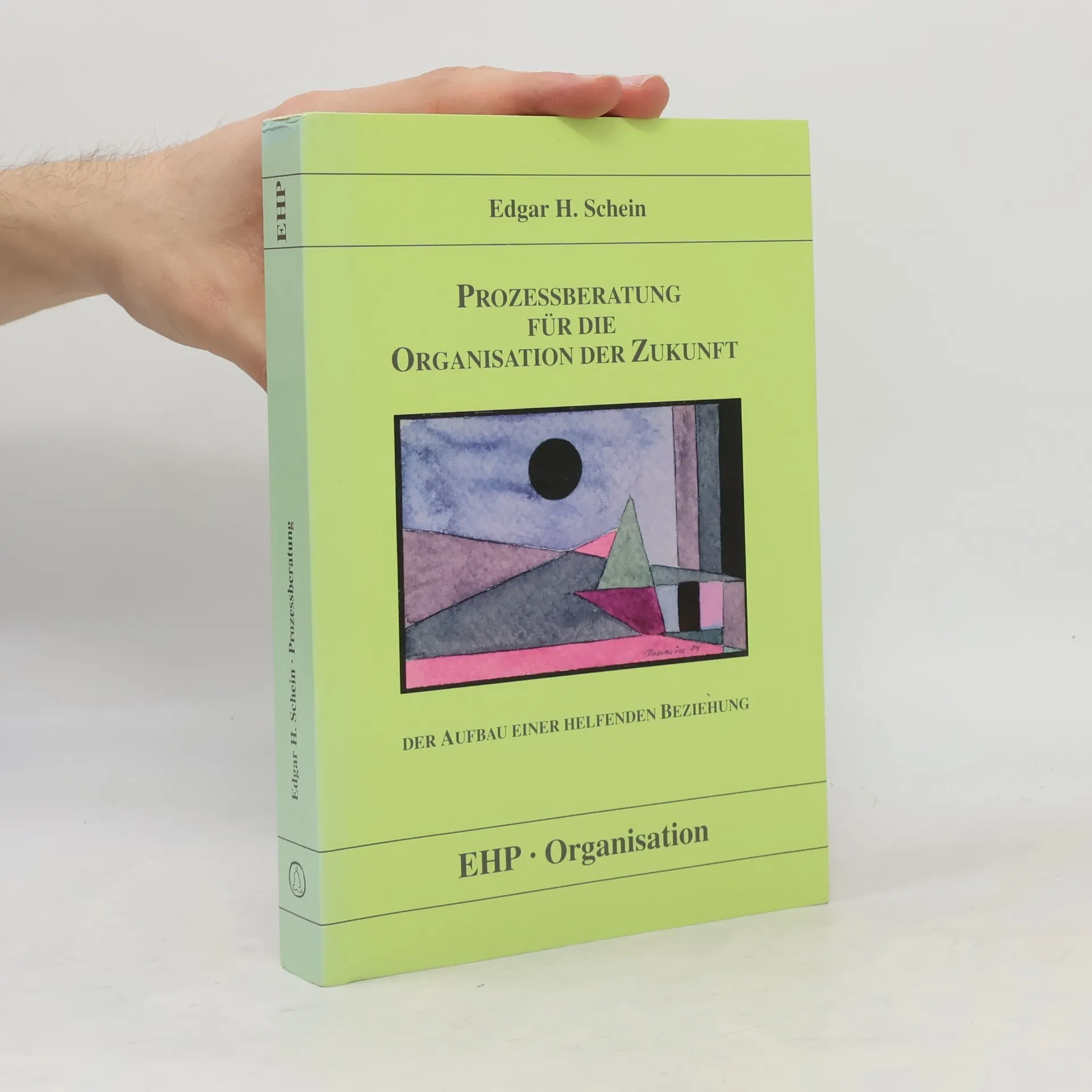
Prozessberatung für die Organisation der Zukunft
Der Aufbau einer helfenden Beziehung
Ed Schein, Mitbegründer der Organisationsentwicklung, hat die Prozessberatung fit gemacht für das 21. Jahrhundert. Das vorliegende Buch ist ein Klassiker der Organisationsliteratur. Nach über 40 Jahren internationaler Erfahrung als Berater in großen Unternehmen und mit allen Arten von Kunden gelingt es Schein, die wichtigsten Grundlagen der Organisationspsychologie in einer verblüffend einfachen Sprache darzustellen und kunstvoll ihren Gegenstand in seiner ganzen Komplexität zu erfassen. Ein Standardwerk zur helfenden Beziehung in Coaching, Führung, Teamentwicklung und OE, mit zahlreichen illustrativen Übungen aus der Praxis; für Führungsverantwortliche und Manager und alle Berater, Psychotherapeuten und Ärzte, Coaches und Wissenschaftler, die mit Veränderung und neuen Organisationsformen zu tun haben.
Führung und Veränderungsmanagement
Persönlichkeit als Motor von Organisationskultur und Organisationstransformation
- 105 pages
- 4 hours of reading
Das neueste Buch von Ed Schein entwickelt vor dem Hintergrund seiner Theorien von Prozessberatung, Unternehmenskultur und den ›Karriereankern‹ ein neues Modell von Führung. Sein Bild von visionären Führungspersönlichkeiten, die eigene Unternehmenskulturen entwickeln, untersucht er nach den Kriterien von Transformation und Transition. In welchem Verhältnis steht die Führungspersönlichkeit zur Veränderungsfähigkeit des Unternehmens? Wie lässt sich im Spannungsverhältnis von Führungspersönlichkeit und Unternehmenskultur eine Organisation adäquat verändern? 'Ein großer neuer Wurf und wie immer bei Schein, großartig geschrieben und unterhaltsam zu lesen!'
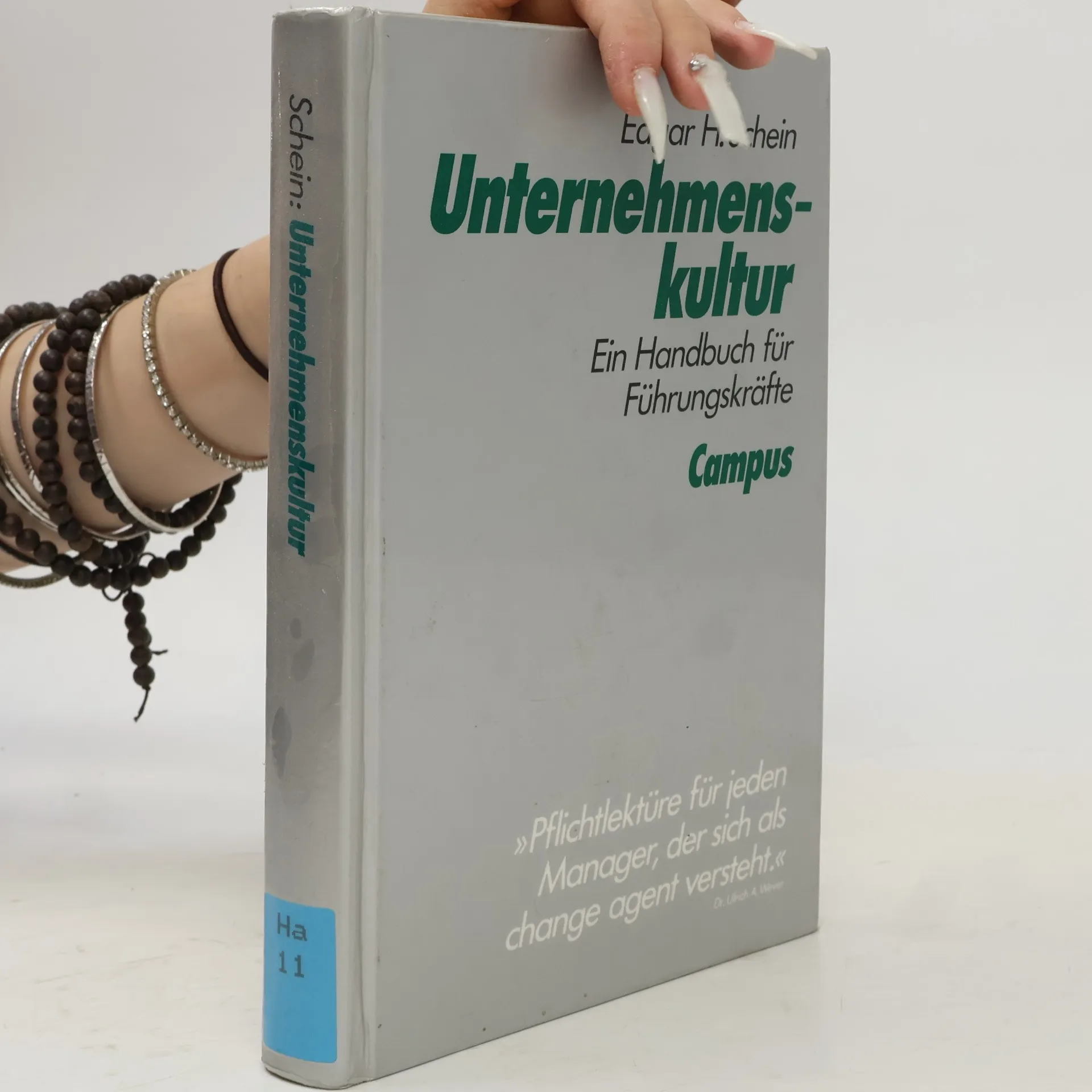
AuszugUnternehmenskultur ist ein wichtiger Faktor für die Anpassungs- fähigkeit eines Unternehmens an eine sich immer rascher verän- dernde Umwelt. Unternehmen, die auch in Zukunft erfolgreich sein wollen, sehen die Gestaltung von Unternehmenskultur als eine der ersten und entscheidensten Aufgaben von Führungskräften. Anhand von zwei durchgehend beschriebenen Fallstudien zeigt der Autor anschaulich, welches Potential die Kultur im Unternehmen besitzt und welchen Einfluß Führungskräfte auf den Wandel besitzen. »Für Insider ein Klassiker - für Neueinsteiger ein Geheimtip. Wer sich ernsthaft mit Unternehmenskultur beschäftigt, kann Edgar Schein nicht ignorieren, sein Buch ist in jeder Weise grund- legend.« Professor Dr. Knut Bleicher
Profesor sociální psychologie na Massachusetts Institute of Technology v Bostonu shrnuje a objasňuje základní přístupy psychologie práce ke studiu člověka a různých forem jeho činnosti na pracovišti v podmínkách současné ekonomiky. Autorovo komplexní systémové pojetí nespočívá v konečných řešeních či řazení poznatků. Schein třídí problémy a k problematice lidí v organizacích se snaží přistupovat pružným způsobem.