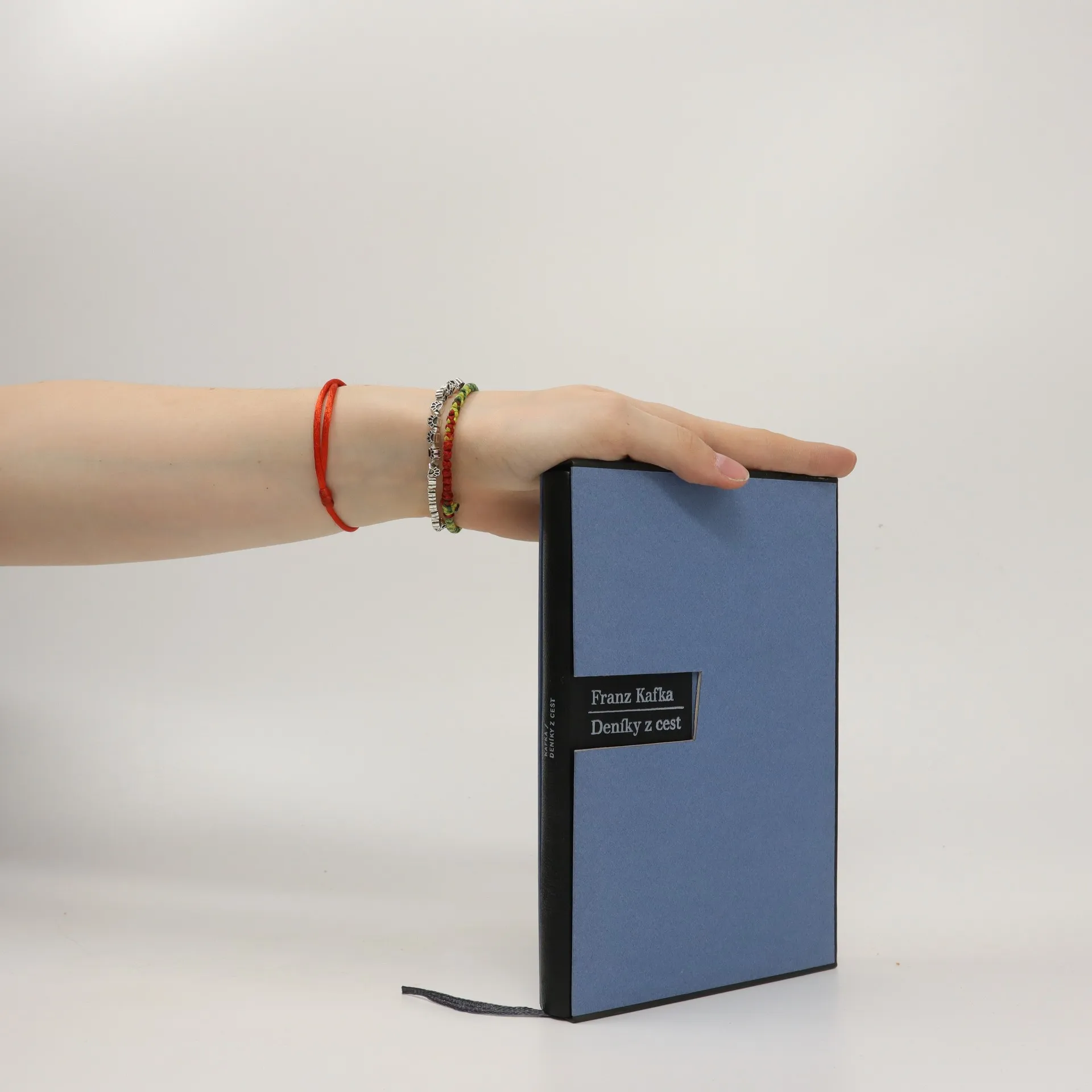
Soubor Kafkových kratších próz. Obsahuje povídky Proměna, Ortel, Topič, V Kárném táboře a další texty vydané za jeho života.
Věra Koubová Books
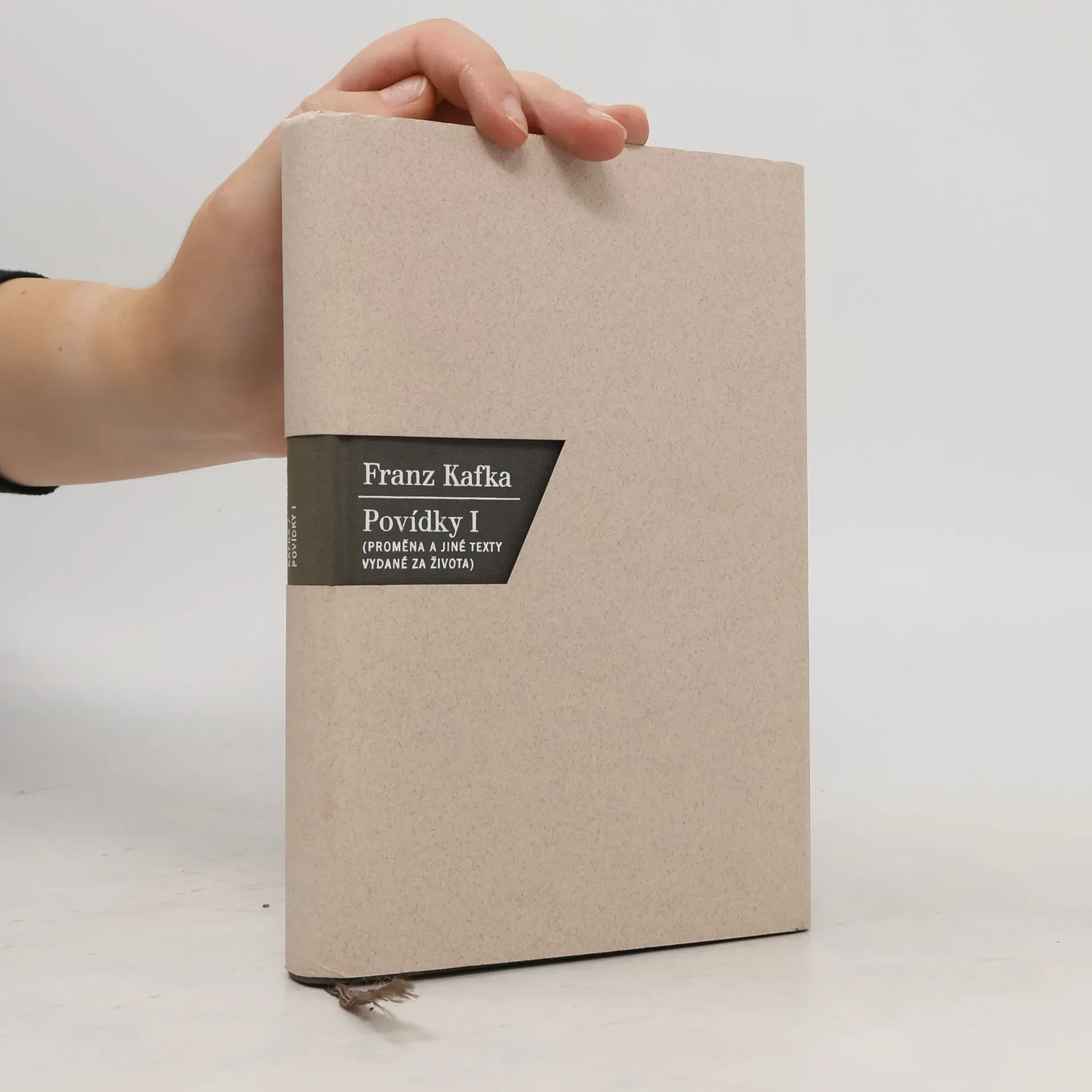
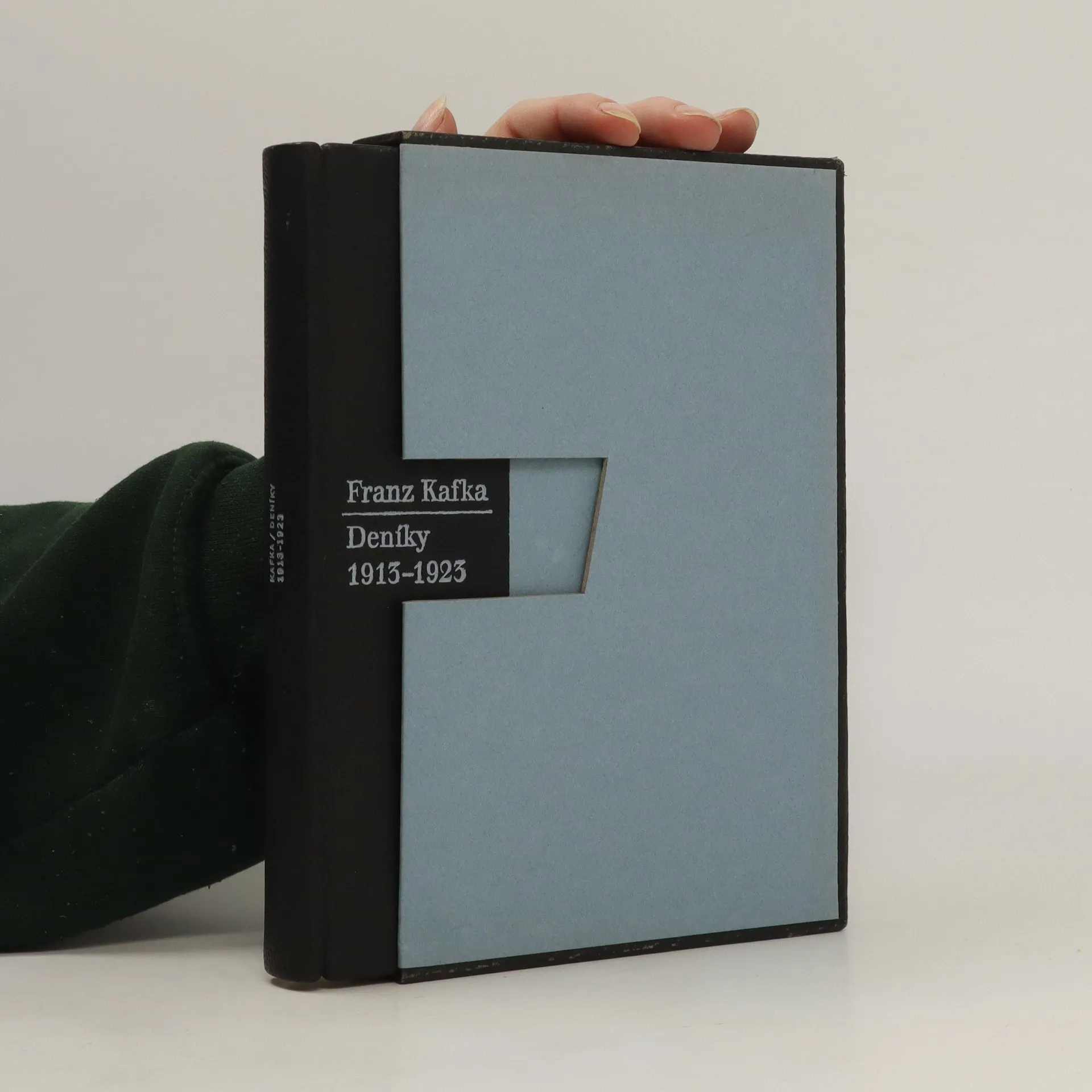
Deníky obsahují nejen deníkové záznamy, ale i beletristické texty.
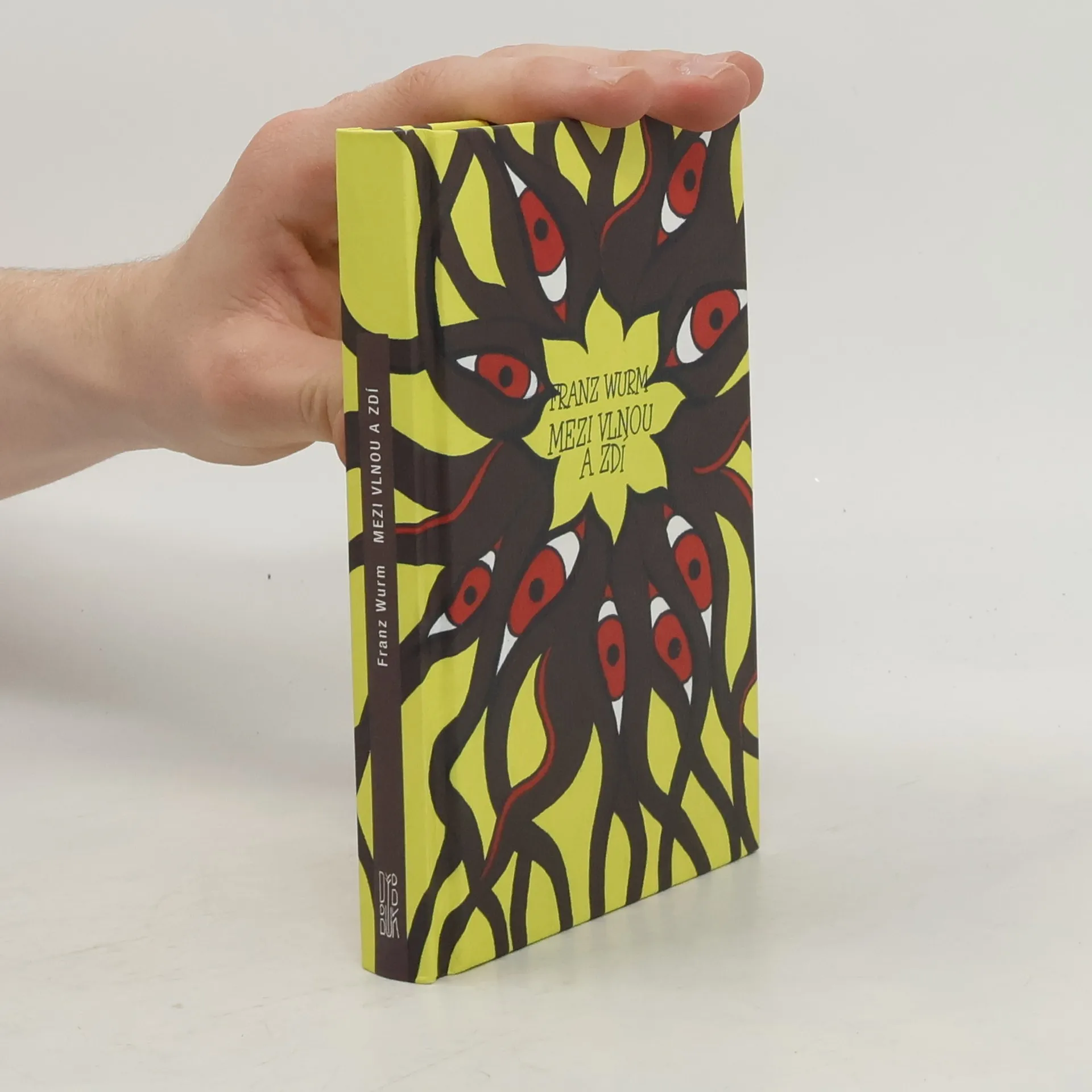
Mezi vlnou a zdí
- 192 pages
- 7 hours of reading
Musí velký básník prožít velké trauma, aby se rozepsal? V případě Franze Wurma tomu tak bylo. Jako dítě za války doslova ztratil svou rodnou řeč. A když ji postupem času nacházel — v anglické podobě u pěstounů — nacházel ji ve formě básní, hudebních básní, jeho nadšení pro hudbu se do nich jednoznačně vepsalo. Jeho poezie vytváří „děje“ přímo z jazyka, už v něm hledá a pátrá po vyjádření vztahu, hrubiánství, útočnosti i útěšnosti nikoli na ulici, nýbrž mezi slovy. Franz Wurm nám poskytuje příklad dvou různých pólů poetiky, ke kterým během svého života dospěl. Jeho výpověď odehrává kdesi vzadu, hlouběji v jazyce…
In "Über Wahrheit und Lüge" untersucht Nietzsche die Entstehung der Sprache und deren Bedeutung für menschliche Erkenntnis. Diese überarbeitete kommentierte Ausgabe bietet eine präzise Wiedergabe des Textes, eine historische Einordnung, eine Analyse der Argumentationsstruktur sowie Informationen über den Autor und relevante Literatur.
Nietzsche wrote The Gay Science, which he later described as 'perhaps my most personal book', when he was at the height of his intellectual powers, and the reader will find in it an extensive and sophisticated treatment of the philosophical themes and views which were most central to Nietzsche's own thought and which have been most influential on later thinkers. These include the death of God, the problem of nihilism, the role of truth, falsity and the will-to-truth in human life, the doctrine of the eternal recurrence, and the question of the proper attitude to adopt toward human suffering and toward human achievement. This volume presents the work in a new translation by Josefine Nauckhoff, with an introduction by Bernard Williams that elucidates the work's main themes and discusses their continuing philosophical importance.
Oáza štěstí
- 61 pages
- 3 hours of reading
Napínavý příběh, v němž studenti kriminalistiky otevřou zdánlivě vyřešený případ vícenásobného vraha.
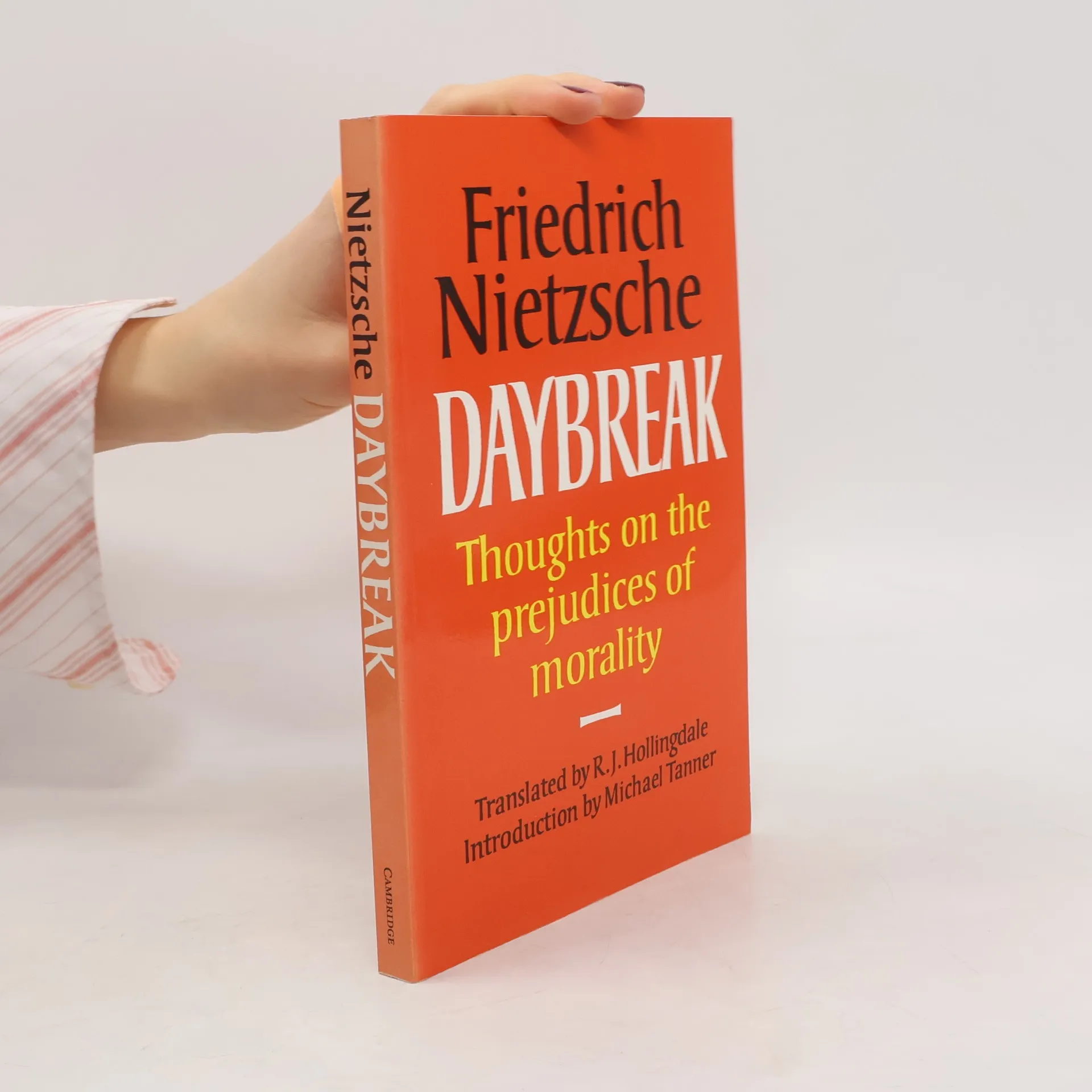
An entirely new translation of Nietzsche's fourth book, which falls in what is regarded as his "positivist" period. Especially notable for the advance it represents in his understanding of psychology.
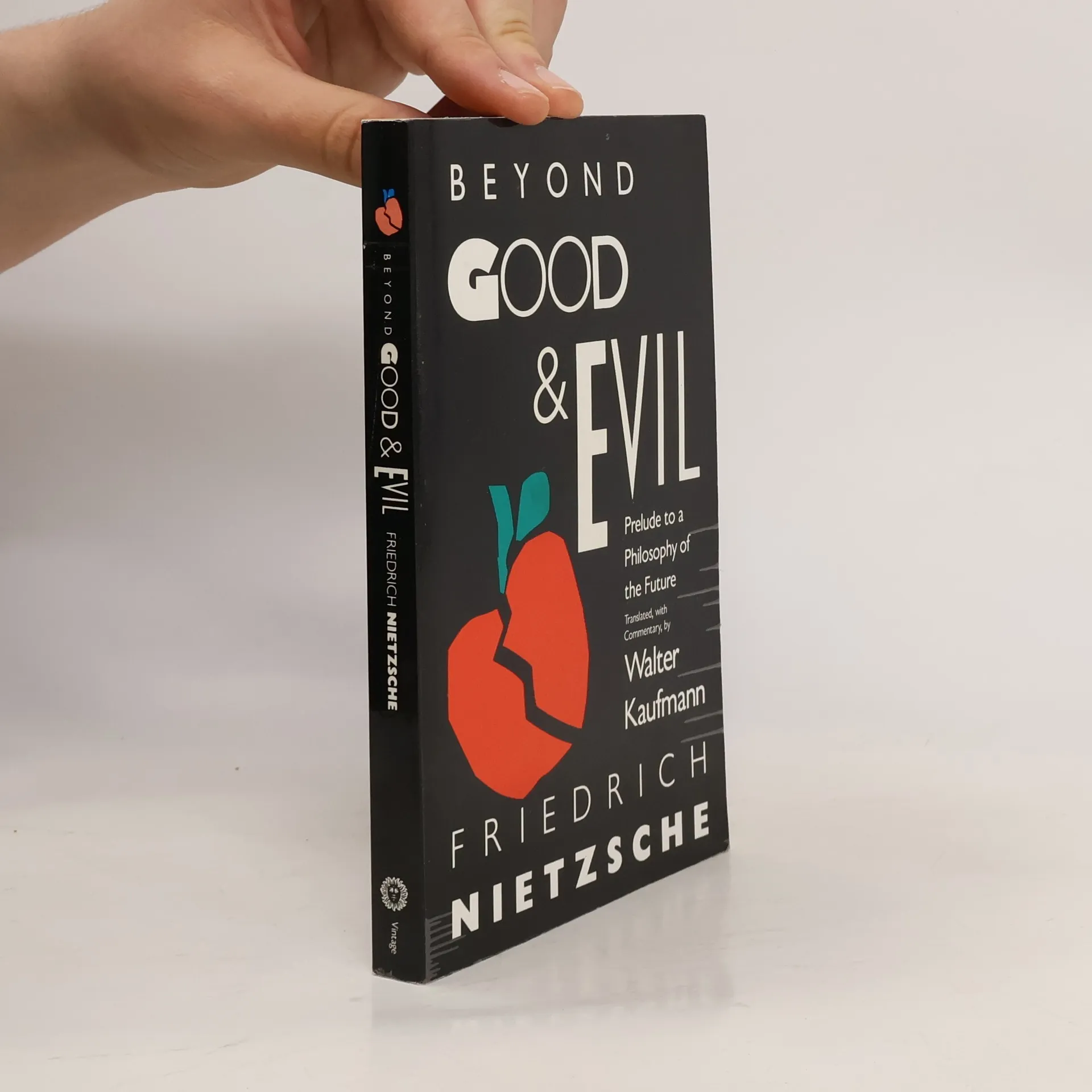
One of the most remarkable and influential books of the nineteenth century—Nietzsche's attempt to sum up his philosophy. In nine parts the book is designed to give the reader a comprehensive idea of Nietzsche's thought and style: they span "The Prejudices of Philsophers," "The Free Spirit," religion, morals, scholarship, "Our Virtues," "Peoples and Fatherlands," and "What Is Noble," as well as epigrams and a concluding poem. This translation by Walter Kaufmann has become the standard one, for accuracy and fidelity to the eccentricities and grace of the style of the original. The translation is based on the only edition Nietzsche himself published, and all variant reading in later editions. This volume offers an inclusive index of subjects and persons, as well as a running footnote commentary on the text.
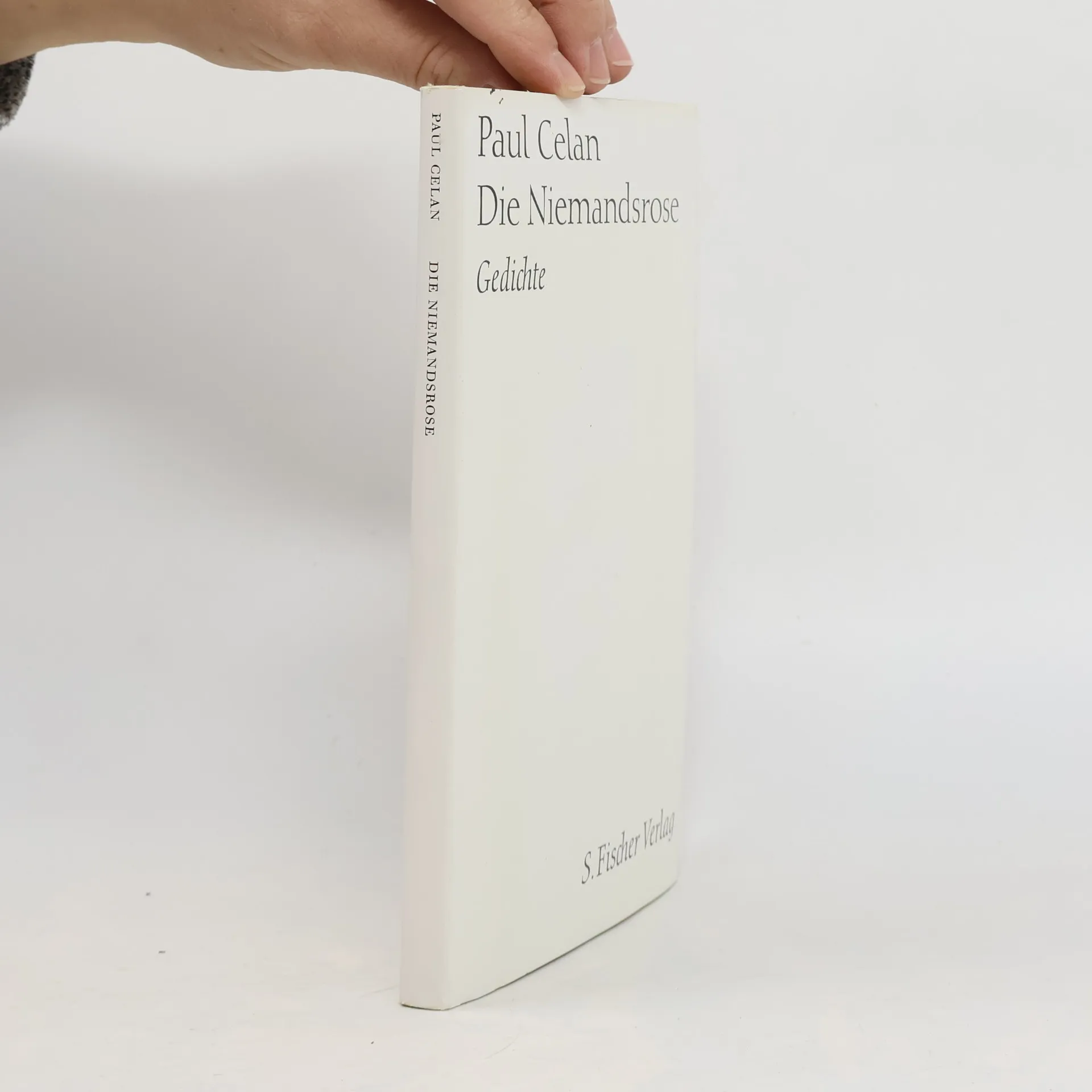
Das Gedicht heute behauptet sich am Rande seiner selbst; es ruft und holt sich, um bestehen zu können, unausgesetzt aus seinem Schon-nicht-mehr in sein Immer-noch zurück. Das Gedicht ist einsam. Es ist einsam und unterwegs. Das Gedicht will zu einem Andern, es braucht dieses Andere, es braucht ein Gegenüber. Es sucht es auf, es spricht sich ihm zu. Paul Celan
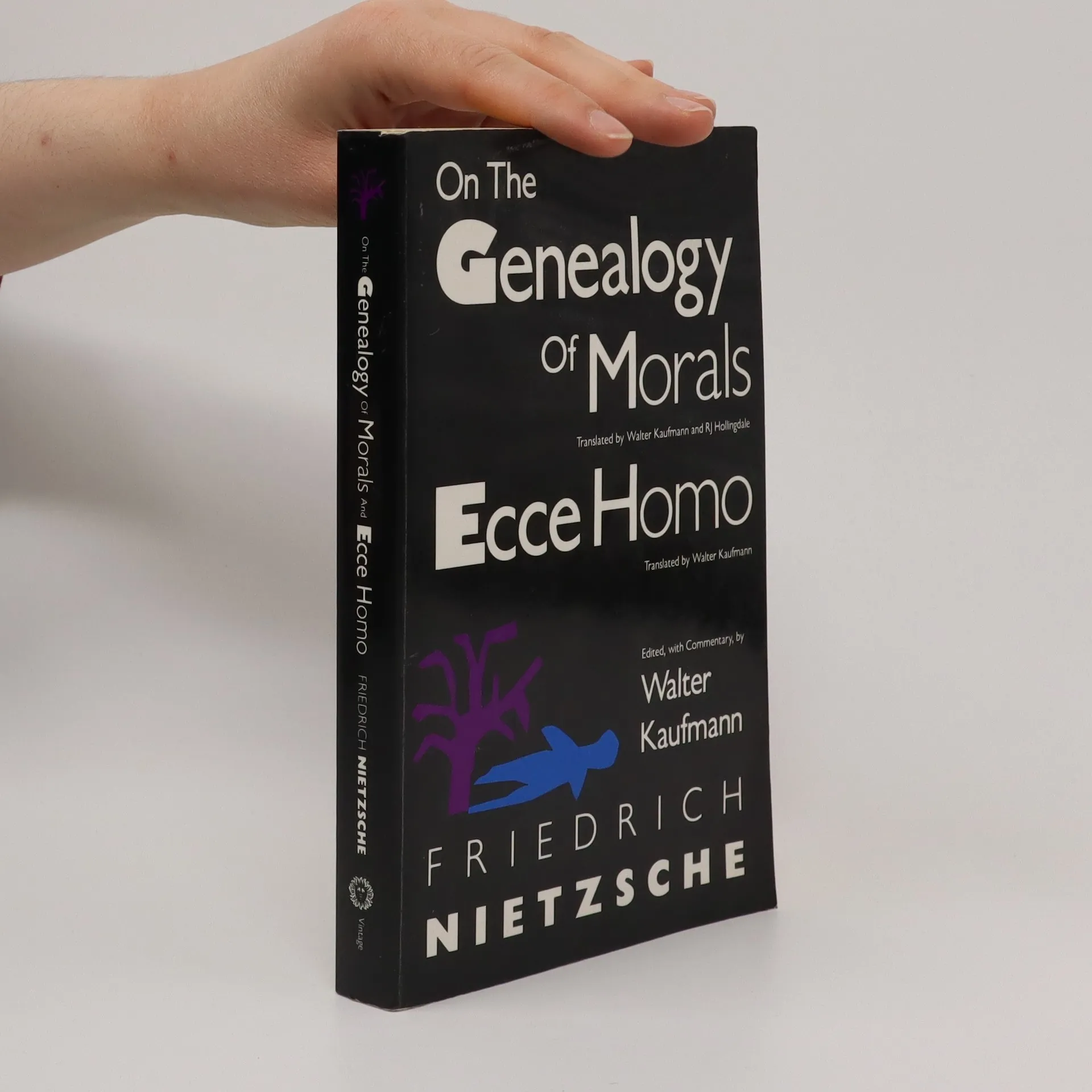
Masterful translations of the great philosopher’s major work on ethics, along with his own remarkable review of his life and works. On the Genealogy of Morals (1887) shows Nietzsche using philsophy, psychology, and classical philology in an effort to give new direction to an ancient discipline. The work consists of three essays. The first contrasts master morality and slave morality and indicates how the term "good" has widely different meanings in each. The second inquiry deals with guilt and the bad conscience; the third with ascetic ideals—not only in religion but also in the academy. Ecce Homo, written in 1898 and first published posthumously in 1908, is Nietzsche's review of his life and works. It contains chapters on all the books he himself published. His interpretations are as fascinating as they are invaluable. Nothing Nietzsche wrote is more stunning stylistically or as a human document. Walter Kaufmann's translations are faithful of the word and spirit of Nietzsche, and his running footnote commentaries on both books are more comprehensive than those in his other Nietzsche translations because these two works have been so widely misunderstood.
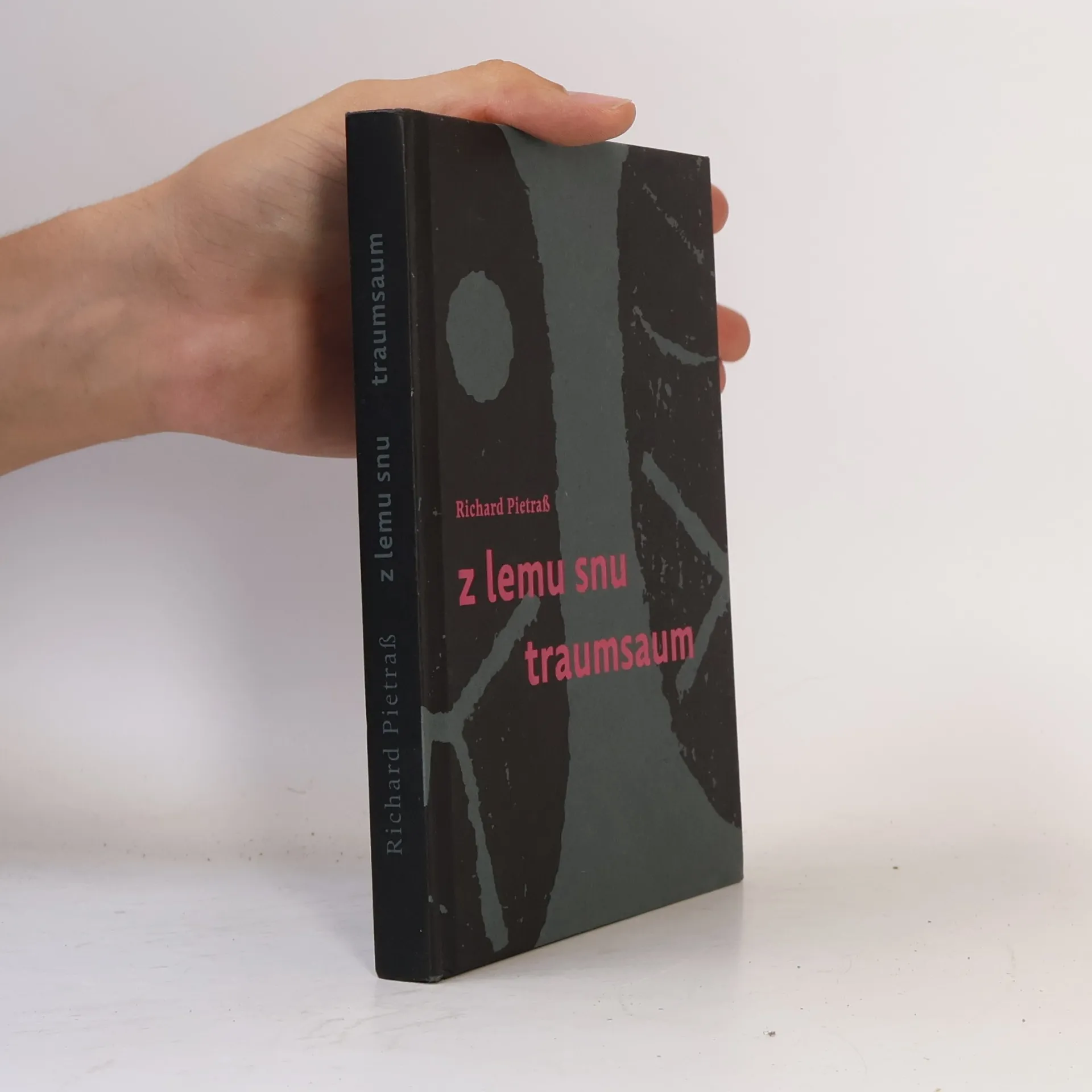
"Déšť chmuří duši. Vydal už rok své nejlepší? / Léto sceluje jizvy, do uzlů svazuje v přehršlích / vlasy… Jen mezi námi je otevřeno. / My jako oblaka jsme se setkali. Sjeďme jak blesky, / co třasy a křečemi svá mlna přestály." Sbírku Z lemu snu (Traumsaum), kterou lze číst mimo jiné jako hutný milostný příběh, napsal jeden z nejlepších současných německých básníků Richard Pietrass coby hostující "městský kronikář" na zámku Rheinsberg v roce 2008. V Edici Revolver Revue vychází její česko-německé vydání, s českým překladem Věry Koubové a s ilustracemi a v grafické úpravě Luboše Drtiny.
Franz Wurm patří k poslední generaci německy píšících autorů, jejichž kořeny jsou neoddělitelně spojeny s českou kulturou i s atmosférou a mytologií Prahy. Exil prožil ve Velké Británii, po válce se usadil ve Švýcarsku a jeho dílo se postupně vřadilo do kontextu německé literatury. Na rozdíl od mnoha jiných, kteří sdíleli podobný osud, se však do Čech vracel (v Praze prožil přelom let šedesátých a sedmdesátých) a vztahy s pražskými přáteli nikdy nepřerušil. Překlady Věry Koubové se soustřeďují na básníkovu tvorbu od sedmdesátých let (několika básněmi se ocitáme i v Praze oněch temných let), zahrnující milostnou a eroticky laděnou poezii, až po sbírky vydané v devadesátých letech, v nichž jsou témata básní odkrývána ze zorného úhlu řeči a jazyka. Kniha je tak výborem ze tří Wurmových sbírek (Psí dny, Zadřený vzdor a 53) a je doplněná vzpomínkou Wurmova pražského přítele Ivana Vyskočila. Překladatelka Věra Koubova obdržela za svůj převod poezie Franze Wurma Cenu Josef Jungmanna 2005 .
Nietzsche v Čechách
- 91 pages
- 4 hours of reading
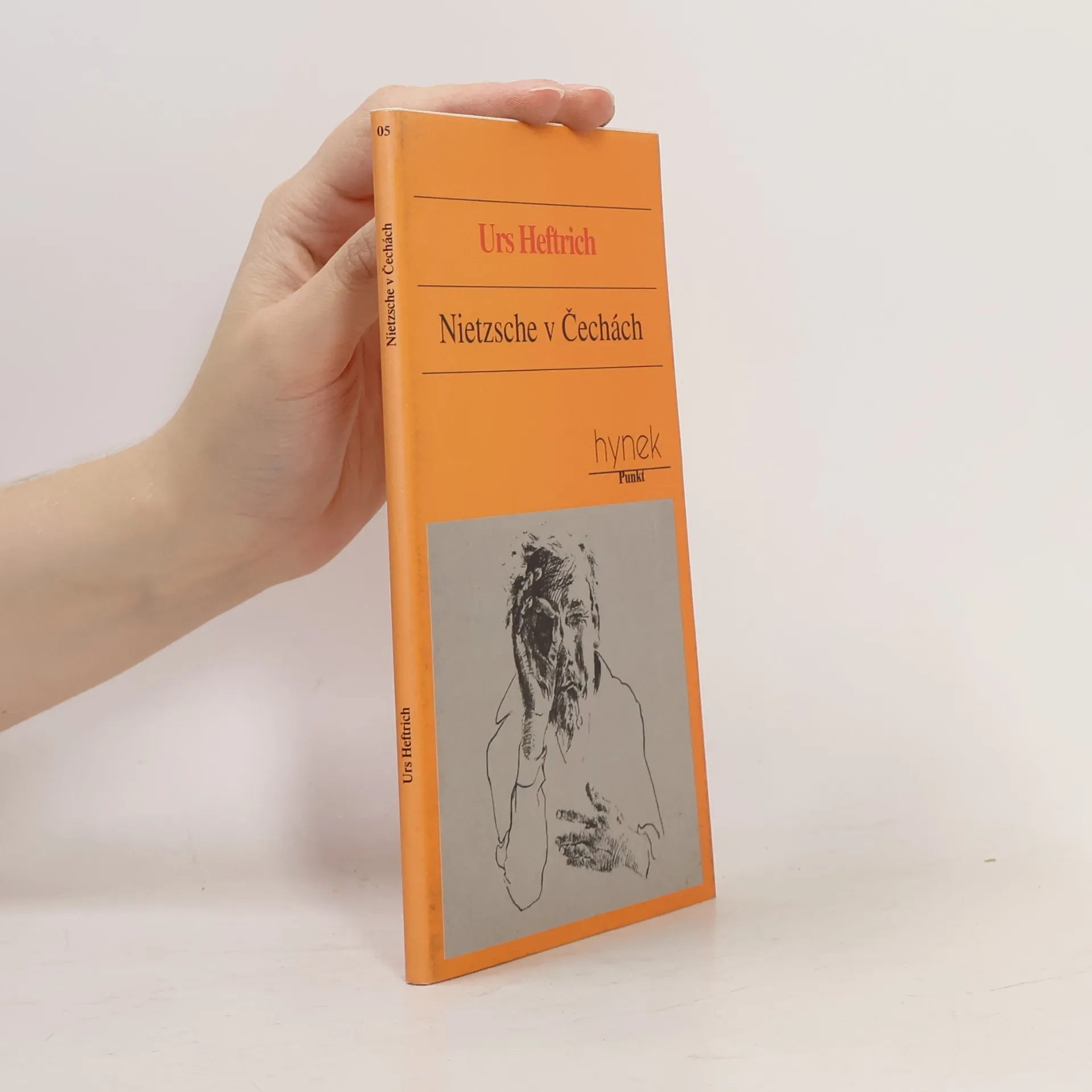
Studie zkoumá vliv Friedricha Nietzscheho na české duchovní prostředí. Vliv se neomezil pouze na filozofii (např. Masaryk, L. Klíma), ale silně zapůsobil i na českou literární kritiku (Šalda) a básnickou tvorbu (Březina). Masarykova razantní kritika, zdůrazňující antagonismus s ideály humanity, se opírá o hluboké nepochopení díla. Březina se kriticky vyrovnává s učením německého voluntaristy, avšak některé postoje přijímá za své (např. přitakání životu). F.X.Šaldu výrazně obohatila metodologie hodnocení uměleckého díla. Filozofický systém L.Klímy bohužel trpí nedostatkem originality, neboť ideové kořeny lze nalézt u F. Nietzscheho. Shrnující výklad vlivu německého filozofa na české prostředí od konce 19. po počátek 20.století.
The Essays of Arthur Schopenhauer
The Art of Literature : Translated by T. BaiIey Saunders
- 96 pages
- 4 hours of reading
The book explores the philosophy of Arthur Schopenhauer, highlighting his key work, which presents the world as a manifestation of a blind, insatiable will. It delves into his rejection of German idealism and his embrace of transcendental idealism, influenced by Kant. Schopenhauer's unique perspective incorporates elements of Indian philosophy, such as asceticism and self-denial, contributing to his reputation as a pioneer of philosophical pessimism. His ideas offer a profound critique of contemporary thought and explore the nature of existence.
Tak pravil Zarathustra
- 367 pages
- 13 hours of reading
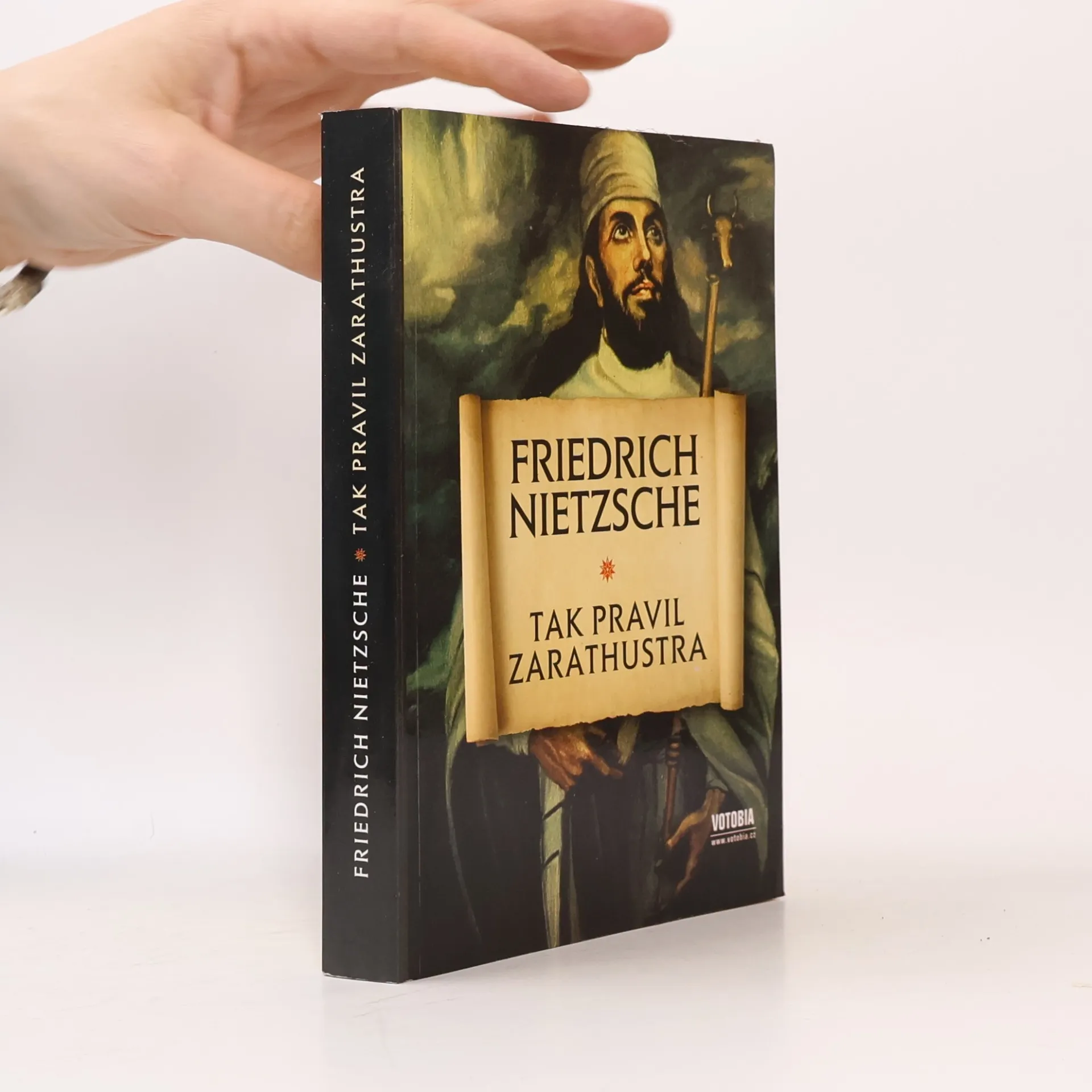
Friedrich Nietzsche napsal své hlavní básnicko-filozofické dílo s názvem Tak pravil Zarathustra. Formou aforismů, legend a mýtů formuluje základní teze své filozofie. Nietzsche zde rozpoutává celý ohňostroj rétorického a poetického umění. Dává jasně najevo, že člověk není cílem sám o sobě, ale že jeho posláním je „překročit sám sebe“.
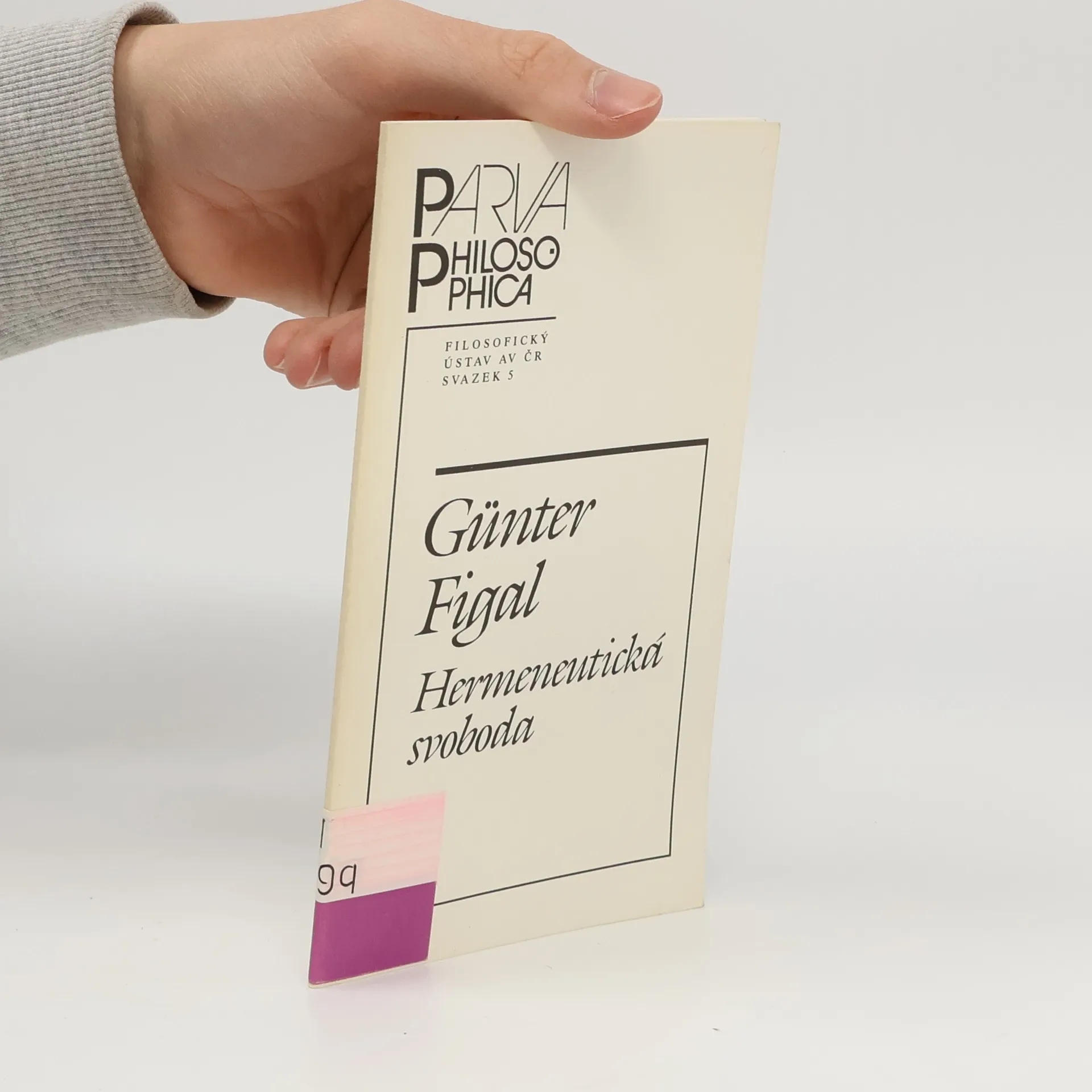
Obsahuje eseje: O mlčení textů. K hermeneutickému pojmu interpretace a Esej o svobodě. Ontologické úvahy s praktickým zaměřením. V prvním zmíněném eseji Figal zkoumá charakter, postavení a možnosti interpretace k její svobodě na jedné a závaznosti interpretovanému dílu na druhé straně. Ve výsledku je tak dílo "trvalým prostorem svobody svých interpretací", jejich prezencí, "zatímco interpretace jsou právě časovou přítomností díla". V Eseji o svobodě se Figal snaží o ontologické založení či zdůvodnění pojmu svobody, a sice ve smyslu revize mnohdy dogmatického praktického pojetí svobody. Tak jeho úvahy přispívají k rozvinutí politična z ontologického základu.
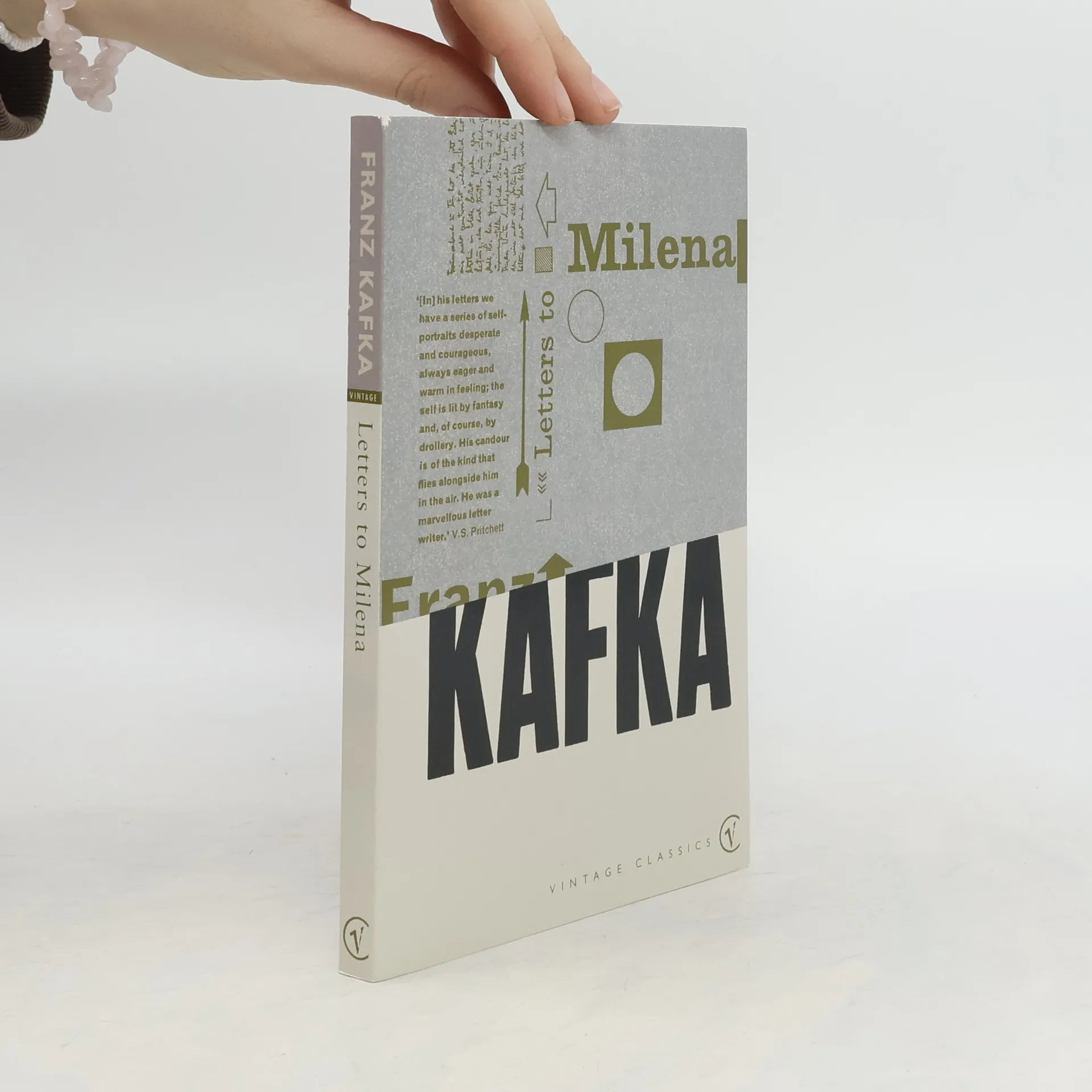
Kafka first made the aquaintance of Milena Jesenska in 1920 when she was translating his early short prose into Czech, and their relationship quickly developed into a deep attachment. Such was his feeliing for her that Kafka showed her his diaries and, in doing so, laid bare his heart and his conscience. Milena, for her part, was passionate and intrepid, cool and intelligent in her decisions but reckless when her emotions were involved. Kafka once described her as living her life 'so intensely down to such depths'. If she did suffer through him, it was part of her great appetite for life. However while at times Milena's 'genius for living' gave Kafka new life, it ultimately exhausted him, and their relationship was to last little over two years. Kafka died in 1944 at the hands of the Nazis - these letters are a moving record of their relationship.
Amerika
- 288 pages
- 11 hours of reading
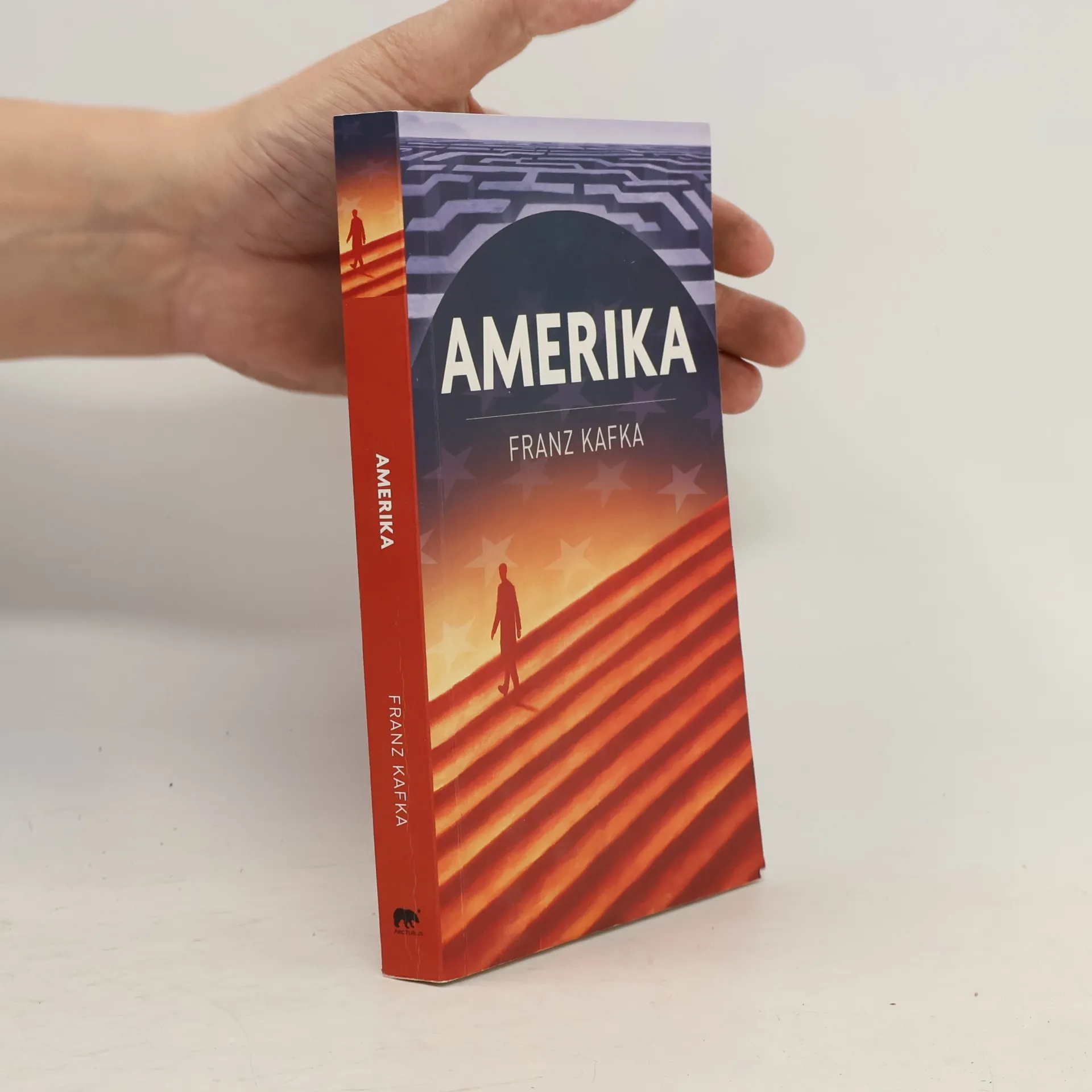
In America, Kafka leads the reader through a world of strips, hotels and offices that grow stranger and stranger and more comic and bewildering, the more realistically the author describes them.
Nesmrtelní - Smrtelní (Sterbliche - unsterbliche)
- 325 pages
- 12 hours of reading
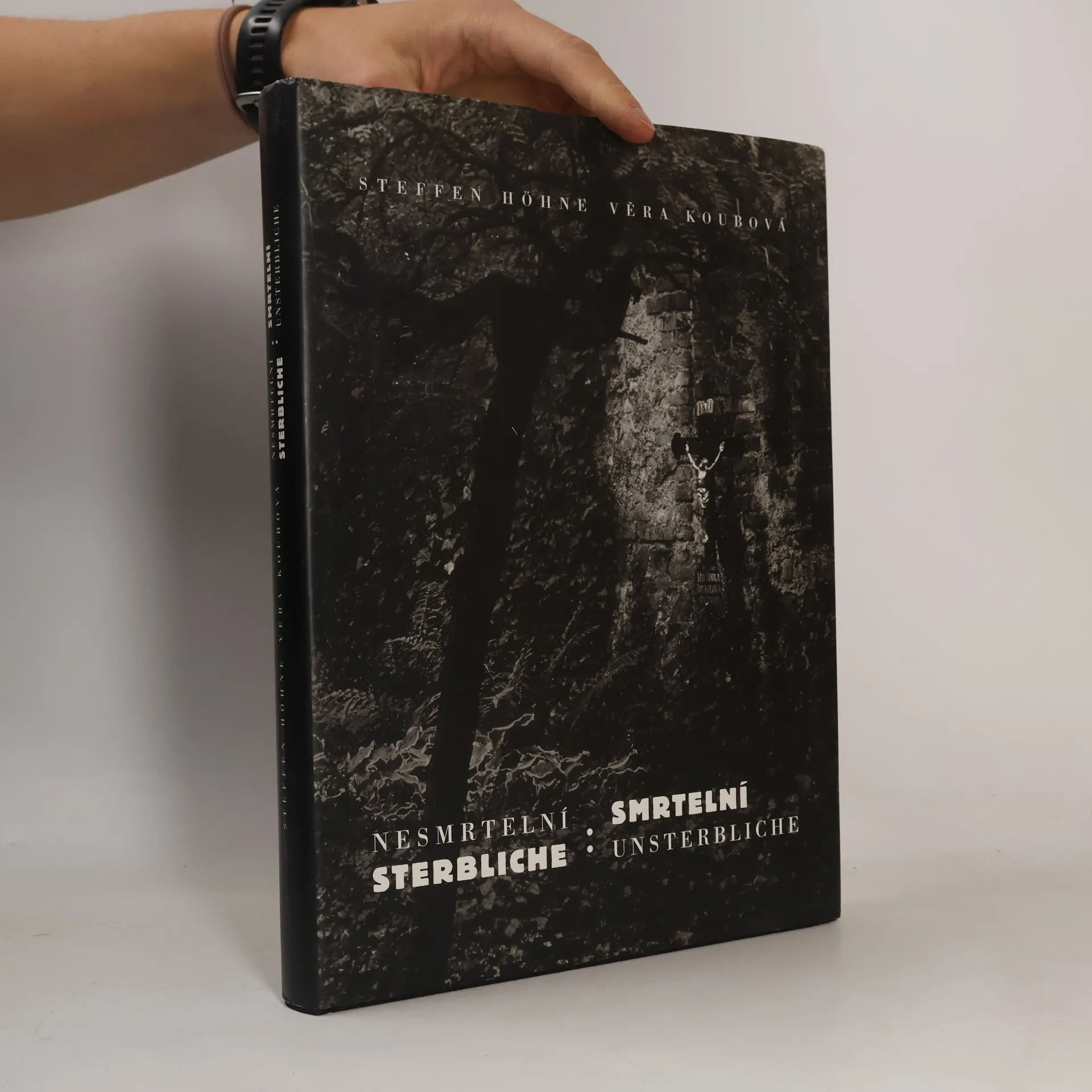
Kniha je kombinací odborného textu, poezie a fotografie. Nese podtitul: Příběh zániku ćesko-německo-židovského soužití na území Čech slovem i obrazem.