The New Art of Loving
- 96 pages
- 4 hours of reading
Book by Fisher, Mark







Book by Fisher, Mark
What do you do if you find yourself weeping in the stalls? How should you react to Jude Law's trousers or David Tennant's hair? Are you prepared to receive toilet paper in the post? What if the show you just damned turns out to be a classic? If you gave it a five-star rave will anyone believe you? Drawing on his long years of experience as a national newspaper critic, Mark Fisher answers such questions with candour, wit and insight. Learning lessons from history's leading critics and taking examples from around the world, he gives practical advice about how to celebrate, analyse and discuss this most ephemeral of art forms - and how to make your writing come alive as you do so. Today, more people than ever are writing about theatre, but whether you're blogging, tweeting or writing an academic essay, your challenges as a critic remain the same: how to capture a performance in words, how to express your opinions and how to keep the reader entertained. This inspirational book shows you the way to do it. Foreword by Chris Jones, Chief theater critic, Chicago Tribune
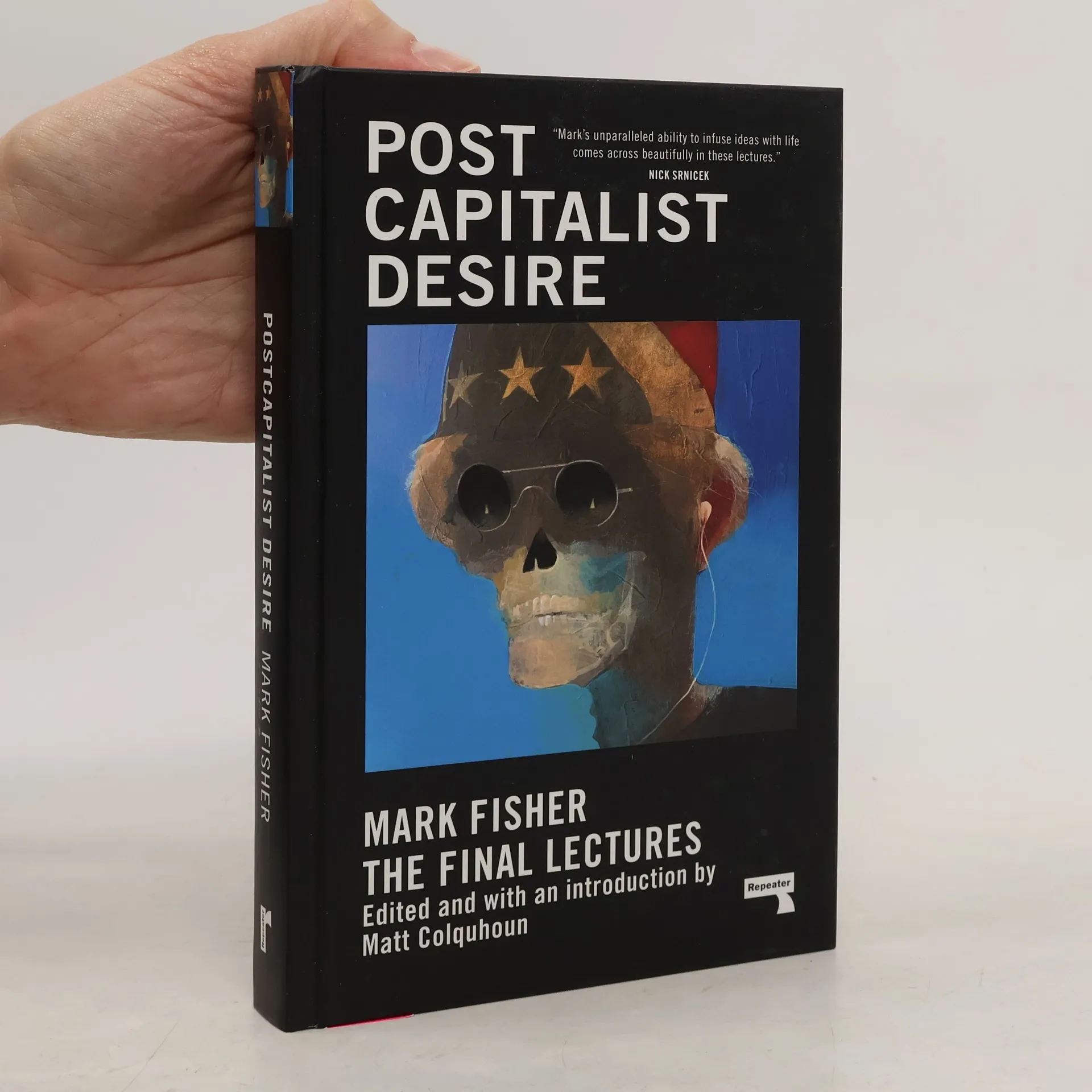
A collection of transcripts from Mark Fisher's final series of lectures at Goldsmiths, University of London, in late 2016. Edited and with an introduction by Matt Colquhoun, this collection of lecture notes and transcriptions reveals acclaimed writer and blogger Mark Fisher in his element -- the classroom -- outlining a project that Fisher's death left so bittersweetly unfinished. Beginning with that most fundamental of questions -- "Do we really want what we say we want?" -- Fisher explores the relationship between desire and capitalism, and wonders what new forms of desire we might still excavate from the past, present, and future. From the emergence and failure of the counterculture in the 1970s to the continued development of his left-accelerationist line of thinking, this volume charts a tragically interrupted course for thinking about the raising of a new kind of consciousness, and the cultural and political implications of doing so. For Fisher, this process of consciousness raising was always, fundamentally, psychedelic -- just not in the way that we might think...
“One of the most striking fanzines of recent years is Laura Oldfield Ford’s Savage Messiah, focussing on the politics, psychology and pop- cultural past of a different London postcode. Ford’s prose is scabrous and melancholic, incorporating theoretical shards from Guy Debord and Marc Augé, and mapping the transformations to the capital that the property boom and neoliberalist economics have wrought. Each zine is a drift, a wander through landscape that echoes certain strands of contemporary psychogeography. Ford—or a version of her, at least—is an occasional character, offering up narcotic memories of a forgotten metropolis. The images, hand-drawn, photographed and messily laid out, suggest both outtakes from a Sophie Calle project and the dust jacket of an early 1980s anarcho-punk compilation record: that is, both poetry and protest.” —Sukhdev Sandhu, New Statesman Savage Messiah collects the entire set of Laura Oldfield Ford’s fanzine to date. Part graphic novel, part artwork, the book is both an angry polemic against the marginalization of the city’s working class and an exploration of the cracks that open up in urban space.
The symbiotic relationship of man and non-human animals is the result of a long intertwined history of the evolution of biological, social and cultural needs. This book explores the development of that relationship.
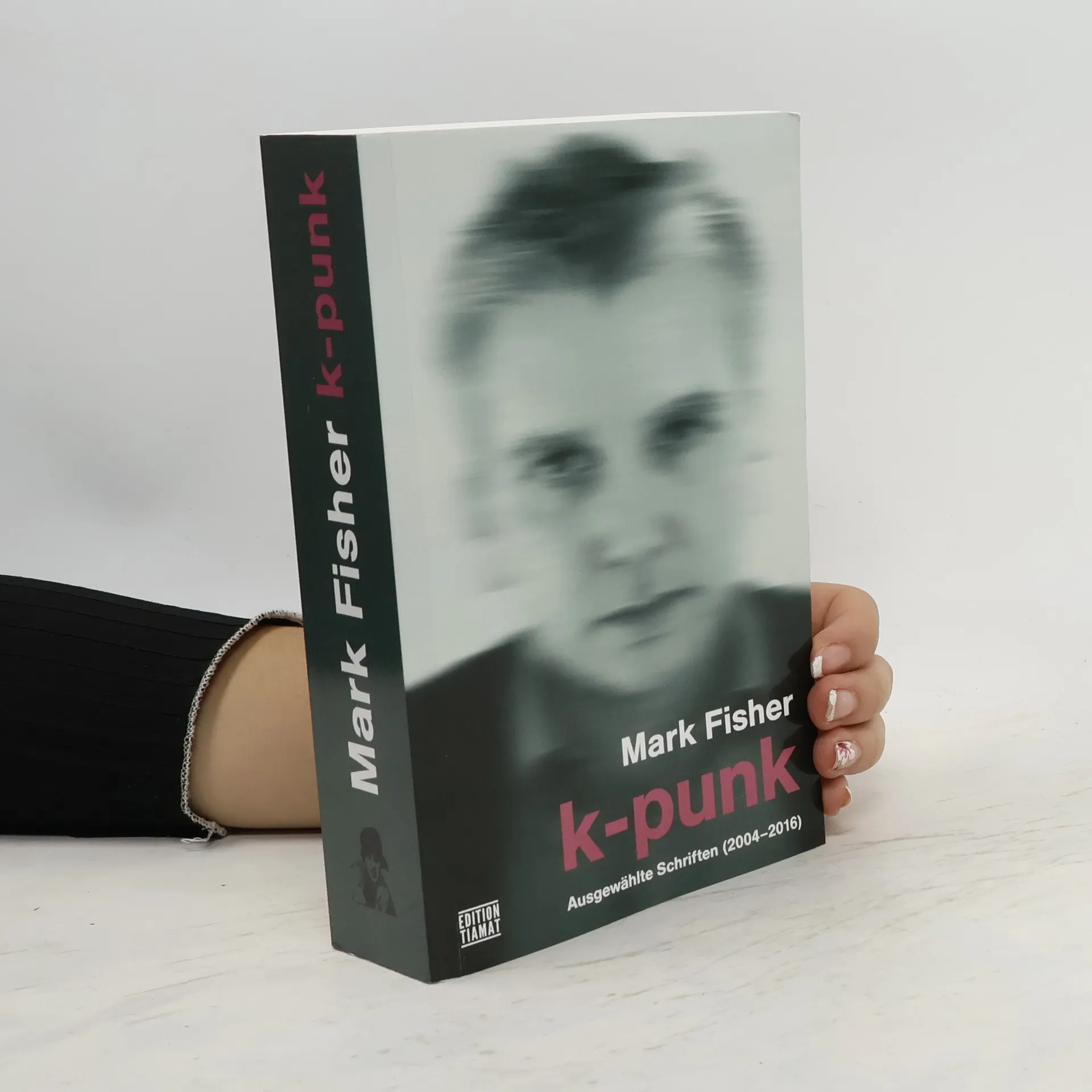
A comprehensive collection of the writings of Mark Fisher (1968-2017), whose work defined critical writing for a generation. This comprehensive collection brings together the work of acclaimed blogger, writer, political activist and lecturer Mark Fisher (aka k-punk). Covering the period 2004 - 2016, the collection will include some of the best writings from his seminal blog k-punk; a selection of his brilliantly insightful film, television and music reviews; his key writings on politics, activism, precarity, hauntology, mental health and popular modernism for numerous websites and magazines; his final unfinished introduction to his planned work on "Acid Communism"; and a number of important interviews from the last decade. Edited by Darren Ambrose and with a foreword by Simon Reynolds.
M.F.K. Fisher, whom John Updike has called our "poet of the appetites," here pays tribute to that most delicate and enigmatic of foods---the oyster. As she tells of oysters found in stews, in soups, roasted, baked, fried, prepared à la Rockefeller or au naturel--and of the pearls sometimes found therein--Fisher describes her mother's joy at encountering oyster loaf in a girls' dorm in he 1890's, recalls her own initiation into the "strange cold succulence" of raw oysters as a young woman in Marseille and Dijon, and explores both the bivalve's famed aphrodisiac properties and its equally notorious gut-wrenching powers. Plumbing the "dreadful but exciting" life of the oyster, Fisher invites readers to share in the comforts and delights that this delicate edible evokes, and enchants us along the way with her characteristically wise and witty prose.
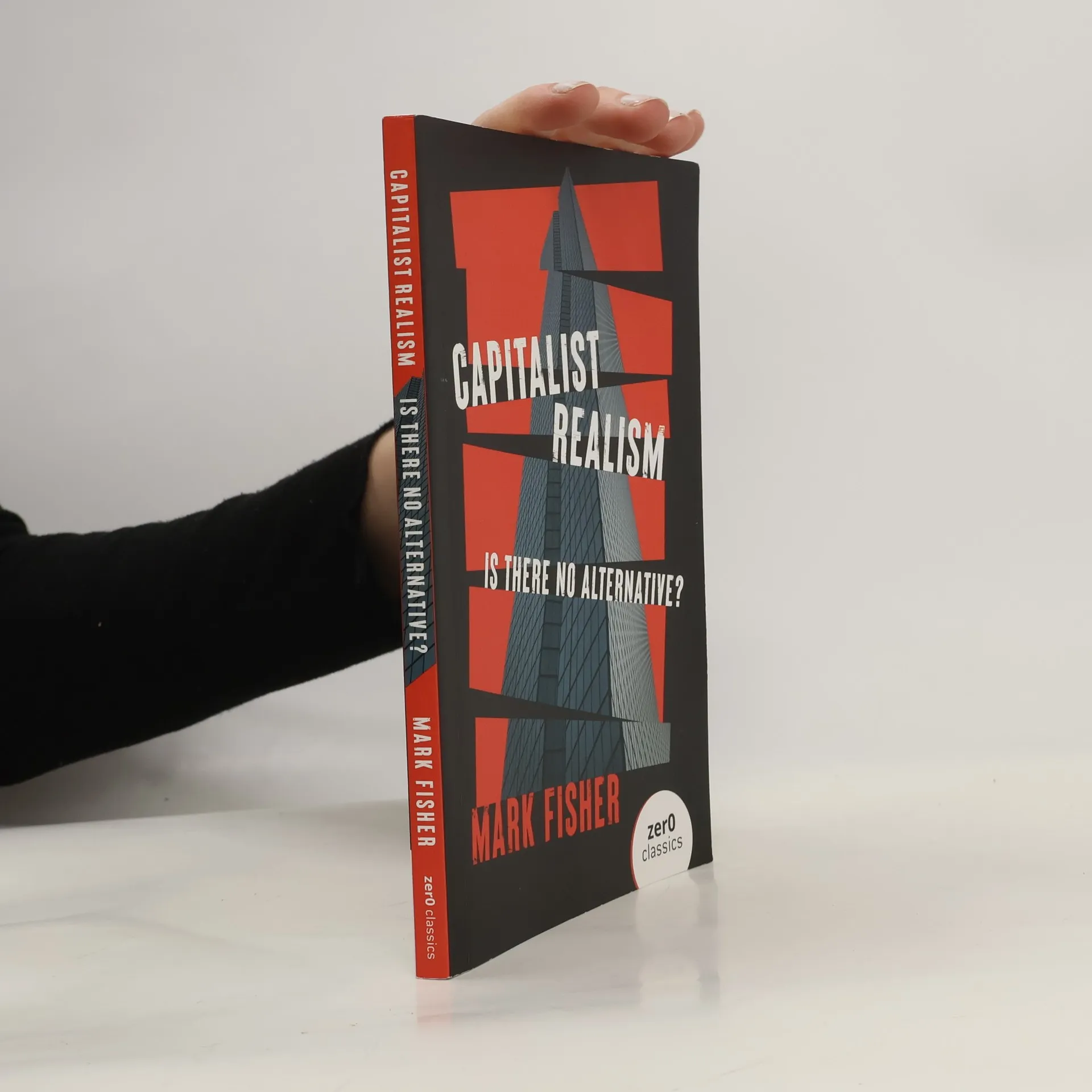
An analysis of the ways in which capitalism has presented itself as the only realistic political-economic system.
Donna Haraway's celebrated observation that "our machines are disturbingly lively, while we ourselves are frighteningly inert" has given this issue a certain currency in contemporary cyber-theory. But what is in- teresting about Haraway's remark - its challenge to the oppositional think- ing that sets up free will against determinism, vitalism against mechanism - has seldom been processed by a mode of theorizing which has tended to reproduce exactly the same oppositions. These theoretical failings, it will be argued here, arise from a resistance to pursuing cybernetics to its limits (a failure evinced as much by cyberneticists as by cultural theorists, it must be added). Unraveling the implications of cybernetics, it will be claimed, takes us out to the Gothic flatline. The Gothic flatline designates a zone of radical immanence. And to theorize this flatline demands a new approach, one committed to the theorization of immanence. This thesis calls that approach Gothic Materialism.
A noted British cultural critic takes on some of the strangest works of art from the 20th century and dissects our fascination with the unsettling in popular music, film, and writing What exactly are the Weird and the Eerie? Two closely related but distinct modes, and each possesses its own distinct properties. Both have often been associated with Horror, but this genre alone does not fully encapsulate the pull of the outside and the unknown. In several essays, Mark Fisher argues that a proper understanding of the human condition requires examination of transitory concepts such as the Weird and the Eerie. Featuring discussion of the works of: H. P. Lovecraft, H. G. Wells, M.R. James, Christopher Priest, Joan Lindsay, Nigel Kneale, Daphne Du Maurier, Alan Garner and Margaret Atwood, and films by Stanley Kubrick, Jonathan Glazer and Christopher Nolan.
In this inspirational story, follow a down-on-his-luck golf pro whose chance encounter with a mysterious multimillionaire changes his game—and his life—forever. Using golf as a metaphor for life, the millionaire teaches the golfer important keys to success such as how to: • Overcome self-doubt and fear • Visualize desired outcomes • Conquer negative thoughts • Break patterns of failure • Knock down mental barriers • Give unselfishly Like the golfer, you too will discover how the lessons in this book can be put into immediate practice—on the golf course, in business, and in every part of your life. Triumph over your self-imposed limitations and start fresh down a road of new opportunities. Let The Golfer and the Millionaire be your guide.
The essays in The Resistible Demise of Michael Jackson consummately demonstrate that writing on popular culture can be both thoughtful and heartfelt. The contributors, who include accomplished music critics as well as renowned theorists, are some of the most astute and eloquent writers on pop today. The collection is made up of new essays written in the wake of Jackson's death, and includes Barney Hoskyns' classic NME piece written at the time of Thriller, and contributions from Ian Penman, David Stubbs, Paul Lester, and Chris Roberts.
Collected essays on popular culture by a major critic.
The Millionaire's Secrets: Life Lessons in Wisdom and Wealth is a powerful parable about an encounter with an eccentric but wise millionaire whose mysterious words and probing questions open the door to financial prosperity and a rich, fulfilling life. The path to wisdom and wealth reveals itself in stages, but with faith, love, and perseverance all is possible for those who discover the magic of having a goal and the power to think big. Every age requires its own fables, especially those that enforce a timeless truth. Through a series of thought-provoking tales and lessons, The Millionaire's Secrets: Life Lessons in Wisdom and Wealth gives specific advice on business, life, love, and personal enrichment. With the millionaire's secrets you will learn to discover and set your own greatest goals, listen to the secrets of your heart, realize your own potential, concentrate for sure success, and realize the power of thinking big.
A comprehensive biography of Donald Trump, the Republican candidate in the presidential election campaign. Trump Revealed will be reported by a team of award-winning Washington Post journalists and co-authored by investigative political reporter Michael Kranish and senior editor Marc Fisher. Trump Revealed will offer the most thorough and wide-ranging examination of Donald Trump's public and private lives to date, from his upbringing in Queens and formative years at the New York Military Academy, to his turbulent careers in real estate and entertainment, to his astonishing rise as the Republican presidential nominee. The book will be based on the investigative reporting of more than two dozen Washington Post reporters and researchers who will leverage their expertise in politics, business, legal affairs, sports and other areas. The effort will be guided by a team of editors headed by Executive Editor Martin Baron, who joined the newspaper in 2013 after his successful tenure running The Boston Globe, which included the "Spotlight" team's investigation of sexual abuse in the Catholic Church.
After the Wall offers a probing look at Germany and the Germans today--five decades after the end of World War II and five years after the fall of the Berlin Wall--revealing the most conflicted, powerful, promising, and dangerously divided country in Europe.
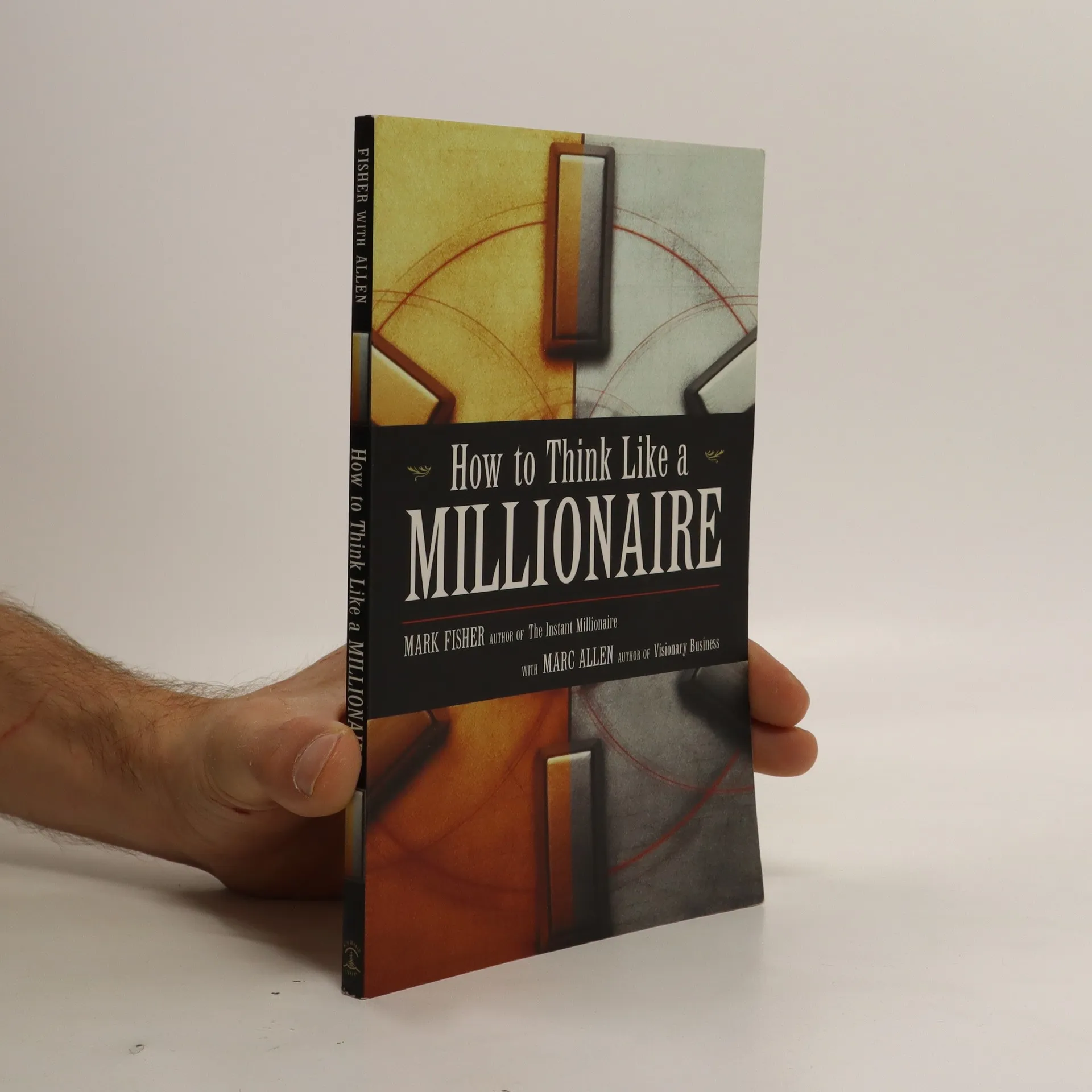
In this inspiring book, millionaires Mark Fisher and Marc Allen demonstrate that success is available to all who want it and who put their desires into action. Rather than waiting for a stroke of fate to change your situation, you can immediately begin to work with your most powerful ally -- your own subconscious mind. When you do this by applying the specific and easy-to-learn principles presented here, success soon follows. By imprinting a personal success formula on your subconscious, you can program yourself to succeed, instead of failing by default or, even worse, never trying in the first place. In these pages, you'll learn how to weed out limiting beliefs and to plant positive new ones. You'll also discover other components of the millionaire mind-set, including why it's better to make quick decisions based on intuition and to stick to them rather than to vacillate, the importance of balancing persistence with flexibility, and how to effectively implement step-by-step strategies to move toward a chosen goal. Clear, simple, and wise, How to Think Like a Millionaire offers the tools you need to live the life of your dreams.
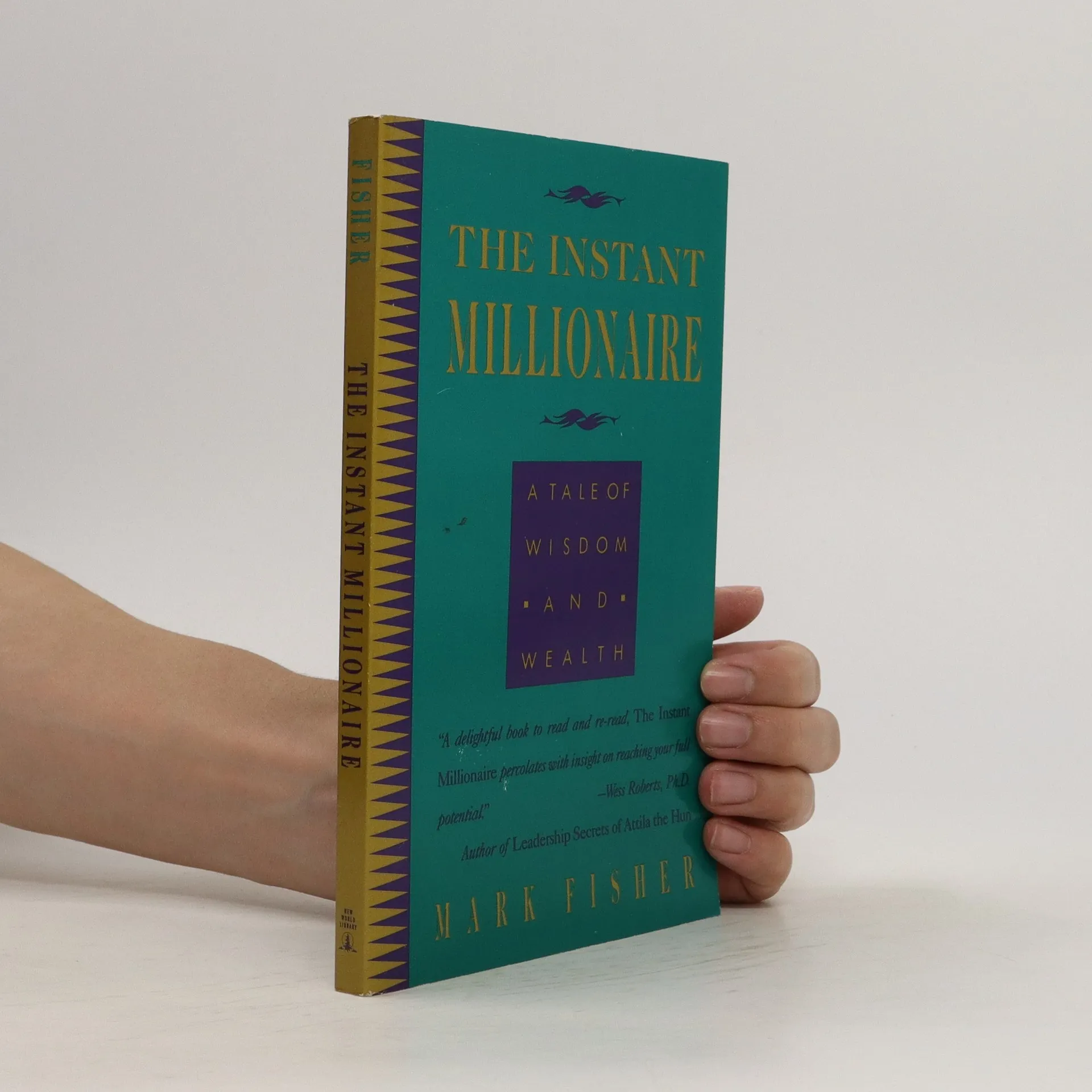
This delightful allegory by self-made millionaire Mark Fisher imparts the principles of wealth as Fisher learned them. A dissatisfied young man meets an old millionaire who reveals to him the secrets of acquiring not just material abundance, but also true wealth.
Build a Three-Tier Enterprise Java™ Application Using the Latest the Spring Framework 2.x Has to Offer
Spring has made a remarkable rise in popularity since its conception in 2002. Many users have found the lightweight, open-source Spring Framework 2.x ideal for building their applications in Java EE environments. Written by Interface21, Building Spring 2 Enterprise Applications will take developers through the following:Covers the first steps of using Spring while discussing the relevant technologies that Spring can be integrated with, what to be aware of, and how working with Spring makes them easier to use Focuses on the most useful features of Spring, including persistence and transaction management as well as the complete Spring web tools portfolio Introduces three-tier application design and how to test these designs
In »Sehnsucht nach dem Kapitalismus« geht der britische Kulturtheoretiker Mark Fisher unseren Wünschen und Begierden im und nach dem Kapitalismus auf den Grund. Das Buch ist Mark Fishers letztes Werk: Seine Vorlesungen am Goldsmiths College vom November 2016 bis zu seinem tragischen Tod im Januar 2017. Es erschien anschließend auf Englisch bei Repeater Books unter dem Buchtitel »Postcapitalist Desire: The Final Lectures« – und liegt nun erstmalig ins Deutsche übersetzt bei Brumaire vor.
Auswahl von Texten des Kulturtheoretikers, Schriftstellers, Philosophen, Publizisten und politischen Aktivisten Mark Fisher (1968–2017), ursprünglich für den Blog k-punk verfasst.
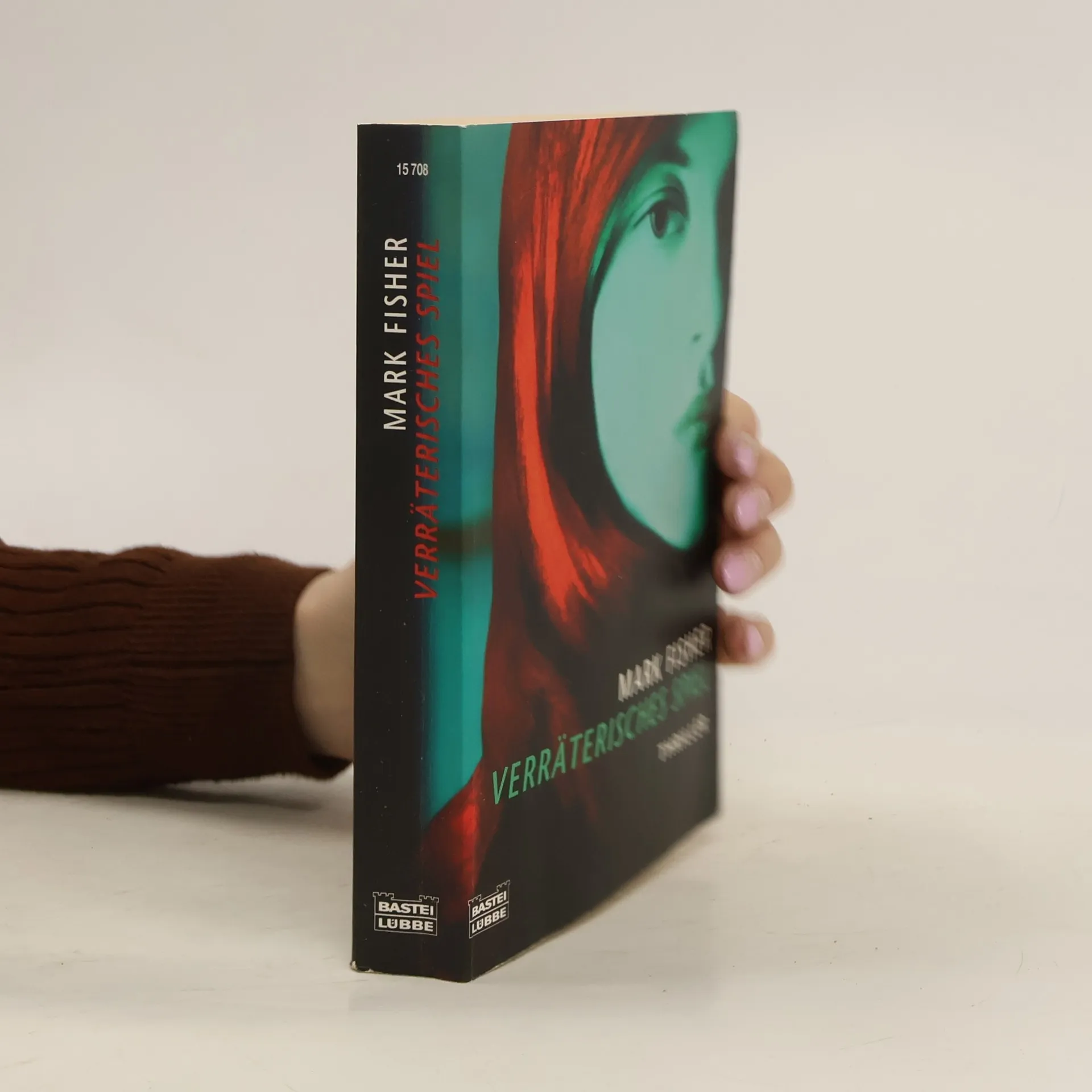
Bei der Beerdigung seiner Mutter bemerkt Simon Bormes eine schöne Unbekannte mit flammend rotem Haar. Bevor er nach ihr fragen kann, ist sie verschwunden. Simon lässt der Gedanke nicht mehr los, sie könnte etwas mit dem Tod seiner Mutter zu tun haben. Als sie ihm wieder begegnet, forscht er nach und stößt auf ein Netz von Lügen. Simon lässt sich in den Sog des Verdachts ziehen, und er beginnt eine fieberhafte Jagd nach der Wahrheit. Zu spät merkt er, dass dies ein Spiel mit dem Feuer ist - und dass diese Jagd tödlich könnte ...
New York City. Un giovane autista di limousine, che sogna di diventare milionario, incontra per caso un uomo ricchissimo. Recatosi nella lussuosa villa di questi per restituire un guanto che l'uomo ha dimenticato nel suo taxi, il giovane trova sulla scrivania del magnate una specie di testamento spirituale che spiega in modo rigoroso le immutabili leggi del successo personale. Grazie a quella provvidenziale lettura l'ambizioso autista riuscirà a coronare i suoi sogni. Fiaba e apologo morale, questo nuovo romanzo di Mark Fisher prosegue la saga narrativa inaugurata da "Il Milionario".
In dieser unterhaltsamen Erzählung schildert der fiktive Erzähler Leonard seine Suche nach Liebe und Glück. Im Laufe der Geschichte erfährt der Leser, wie er lernt, was wirkliche Liebe ist, welche Stolpersteine er sich bei der Suche selbst in den Weg legt und wie jeder Mensch zu einem erfüllten Liebesleben finden kann. In einfacher und verständlicher Weise werden dem Leser wertvolle Lebensweisheiten vermittelt. Nicht aufdringlich, sondern voller Verständnis, Klarheit und Liebe.
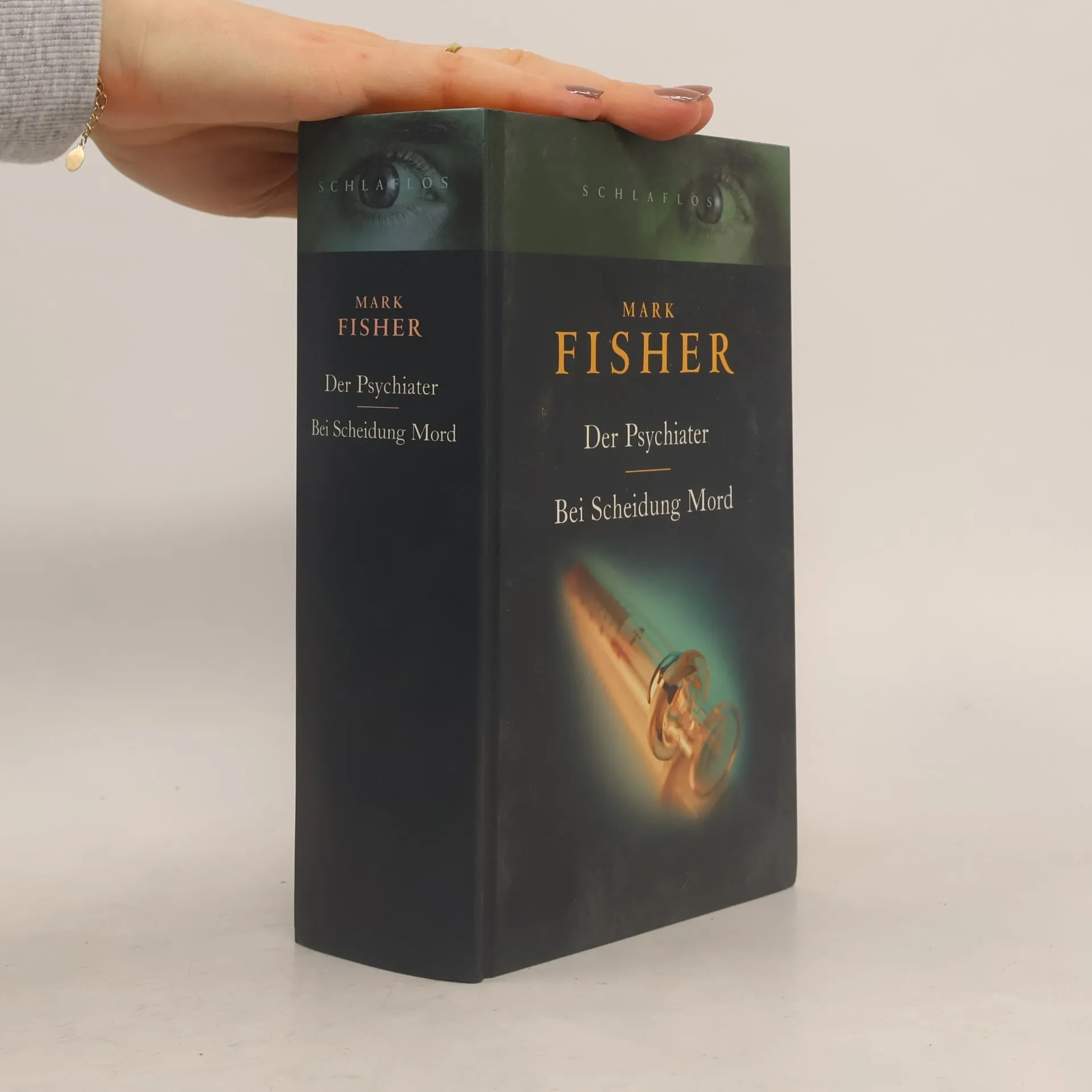
Weil sie wegen eines lange zurückliegenden Fehltritts von ihrem Verlobten verlassen wurde, unternimmt Catherine Shield einen Selbstmordversuch. Erst in letzter Minute wird sie gerettet. Dr. Gibson, ein New Yorker Psychiater, betreut seitdem die labile junge Schauspielerin. Wenige Wochen später wird Catherine im Auto des Psychiaters bewußtlos aufgefunden. Wie sich herausstellt, wurde sie brutal mißhandelt und vergewaltigt. Obwohl Dr. Gibson für die vermutliche Tatzeit ein Alibi vorweisen kann, gilt er als Hauptverdächtiger. Mit Hilfe von einer Kollegin, versucht er, Tatverdächtige und Zeugen ausfindig zu machen. Die Spur führt zu vier hochrangigen New Yorker Persönlichkeiten, deren Anwälte auch vor Einschüchterung und Mord nicht zurückschrecken.
David Berger, ein attraktiver Mann im Golfclub auf Long Island, zieht die Aufmerksamkeit der Frauen auf sich, besonders die von Mrs. Eaton. Nach einer leidenschaftlichen Nacht mit einer anderen Frau entdeckt er am nächsten Morgen eine Leiche – die von Mrs. Eaton.
David Berger ist der Schwarm aller Frauen im exklusiven Golfclub auf Long Island.Vor allem die attraktive Mrs. Eaton hat es auf ihn abgesehen. Als David mit einer anderen Frau die Nacht verbringt, entdeckt er am nächsten Morgen eine Leiche. Doch es ist nicht die Frau, mit der er das Bett geteilt hat, sondern Mrs. Eaton ...
Nincs alternatíva?
Роман "Психиатр" принадлежит перу одного из наиболее успешных североамериканских романистов Марка-Анде Пуассона, публикующему свои произведения под псевдонимом Марк Фишер. Динамичное, временами почти пародийно-неправдоподобное повествование балансирует между криминальным и психологическим романом. Жизнь преуспевающего психиатра в одно прекрасное утро оказывается нарушенной, когда его арестовывают по обвинению в зверском изнасиловании собственной пациентки. Беда в том, что сам врач не имеет ни малейшего понятия о том, как он провел последние 24 часа.
Ein junger Mann erfährt, wie man mit auf ein eindeutig bestimmtes Ziel gerichteter Gedankenkraft alles erreicht, was man sich nur vorstellen kann. In dieser ansprechenden Geschichte führt der Autor seine Leser Stück für Stück in die Gedankenwelt des Helden. Man lernt seine inneren Widerstände kennen, seine Zweifel, aber auch die allmähliche Erkenntnis und die innere Erlösung. Die Geschichte bietet diese Erkenntnisse gleichsam an, sie erlaubt dem Leser, die Idee der Wirksamkeit der geistigen Kraft zunächst als Märchen anzusehen. Erst nach und nach fragt man sich vielleicht, wie man selbst reagieren würde und gerät so gemeinsam mit dem Helden in einen eigenen inneren Prozeß. Weise, voller Einsicht und dennoch voller innerer Widersprüche schildert der fiktive Erzähler Leonard - stellvertretend für den Leser - seine Suche nach Liebe und Glück. Wie er lernt, was wirkliche Liebe ist, welche Stolpersteine er sich dabei selbst in den Weg legt und wie auch der Leser zu einem erfüllten Liebesleben finden können, erfährt man hier in Form einer unterhaltsamen Erzählung.
Fisher/Allen, Das Arbeitsbuch zu „Der alte Mann und das Geheimnis der Rose“. Für alle, die sich fragen, wie Millionäre denken oder selbst einer werden können, bietet „Denken wie ein Millionär“ einen Weg zu einer lebendigen Lebensweise, die Denken und Leben grundlegend verändert. Mark Fischer und Marc Allen, beide Selfmade-Millionäre, zeigen in klarer Sprache, dass Erfolg durch eine zielgerichtete Denkweise erreicht wird. Der Schlüssel liegt darin, an den eigenen Erfolg zu glauben und diesen Wunsch aktiv zu verfolgen. Selbst Menschen, die bisher Misserfolg erlebt haben, können diesen Ansatz nutzen, sobald sie geistige und emotionale Blockaden überwinden. Die Autoren erläutern, wie wir eine Formel für persönlichen Erfolg in unser Unterbewusstsein integrieren können, um uns auf Erfolg zu programmieren. Glück wird als das Zusammentreffen von Vorbereitung und Gelegenheit beschrieben. Es wird erklärt, wie man sich auf die Verbesserung des Lebens konzentriert. Durch Fragen und Übungen erhält der Leser Werkzeuge, um positive Veränderungen zu bewirken. Das Buch fordert dazu auf, die eigenen Träume und Ziele zu erkunden und ihnen Flügel zu verleihen, denn deren Kraft führt zu wahrem, dauerhaften Erfolg und Erfüllung. Es ist ein Werk zum Lesen und Wiederlesen, das auch aktiv genutzt werden kann – und wer dies tut, kann sich auf wunderbare Ergebnisse einstellen!
Unter der Leitung von Michael Kranish und Marc Fisher versammelte die „Washington Post“ ein Team preisgekrönter Reporter, um jeden Aspekt von Trumps Leben zu durchleuchten: von seiner privilegierten Erziehung über seine Rechtsstreitigkeiten, seinem berüchtigten Womanizing, seiner sich ständig ändernden Parteizugehörigkeit bis hin zu seiner disruptiven Wahl zum Präsidenten im November 2016. Das Ergebnis ist das Porträt eines unentschlossenen Mannes mit einer Vorliebe für große Wetten – auf Immobilien, Markenunternehmen und letztendlich auf sich selbst. „Die Wahrheit über Trump“ bietet detaillierte Einblicke in das Leben und die Denke dieses Milliardärs, Geschäftsmanns und TV-Stars, der heute der US-Präsident ist. Die unverzichtbare und aktualisierte Biografie des 45. Präsidenten der Vereinigten Staaten!
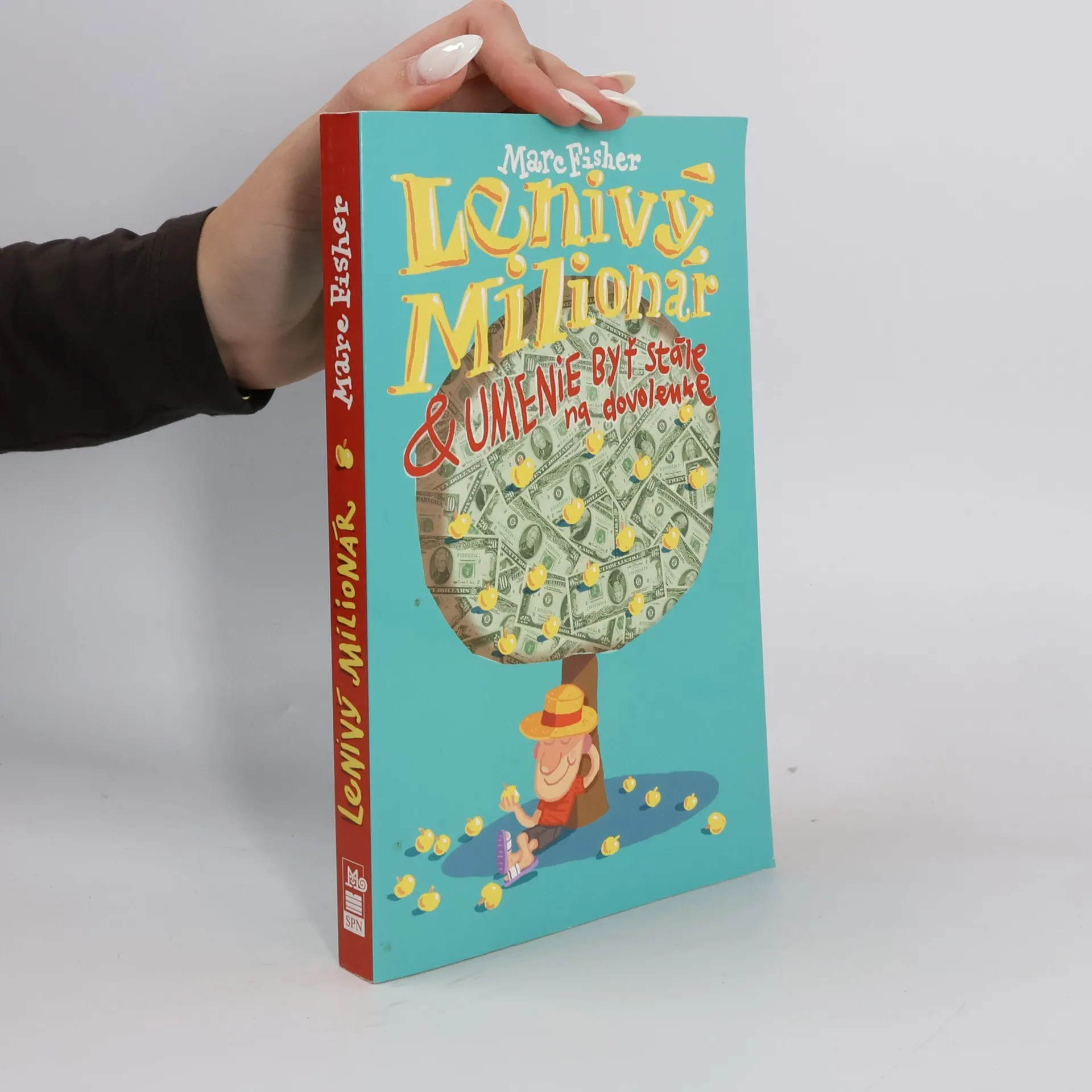
V této knize se starý milionář svěřuje se svými zkušenostmi mladému muži. Plný napětí a téměř senzační děj umožňuje autorovi zasvětit čtenáře do tajemství lidské psychiky a ukázat možnosti, které otevírá spolupráce s podvědomím.
Příběh mladého muže, jenž se seznámí se starým podivínským výstředním milionářem, který jej zasvětí do tajů lidské psychiky a ukáže mu skryté možnosti dřímající v jeho mysli a podvědomí, obletěl doslova celý svět. Knížka byla od svého prvního vydání přeložena do bezmála čtyřiceti jazyků a dnes patří mezi klasická díla s tematikou pozitivního myšlení, duchovního rozvoje, osobnostního růstu a motivace. „Hlavní poselství příběhu je pochopení, že všechny události našeho života jsou jen zrcadlovým obrazem našich myšlenek. Ať už prahnete po milionech nebo toužíte po bohatství duchovním, vždy musíte pátrat uvnitř sebe a Mark Fisher ukazuje, jak začít.“
Texty o depresi, hauntologii a ztracených budoucnostech
Mark Fisher, jeden z nejvlivnějších britských kulturních teoretiků 21. století, se v této knize vrací k hudbě, filmům a televizním pořadům, které formovaly jeho vnímání světa, a skrze ně zkoumá hlubší pocity ztráty, melancholie a kulturní stagnace.Po zhroucení vize budoucnosti, kterou nabízely modernistické projekty minulého století, se podle Fishera naše kultura stala posedlou vlastní minulostí. Pop se stal hauntologickým – pronásledovaným přízraky toho, co by mohlo být, ale nikdy se nestalo.Fisher s typickou pronikavostí píše o Joy Division, Burialovi, Stanleym Kubrickovi nebo BBC. Odhaluje, jak kulturní produkty posledních desetiletí stále znovu a znovu recyklují minulost a jak se kolektivní představivost zasekla v opakování, protože si už nedokáže představit nic radikálně nového.
V této knize se starý milionář svěřuje se svými zkušenostmi mladému muži. Plný napětí a téměř senzační děj umožňuje autorovi zasvětit čtenáře do tajemství lidské psychiky a ukázat možnosti, které otevírá spolupráce s podvědomím.
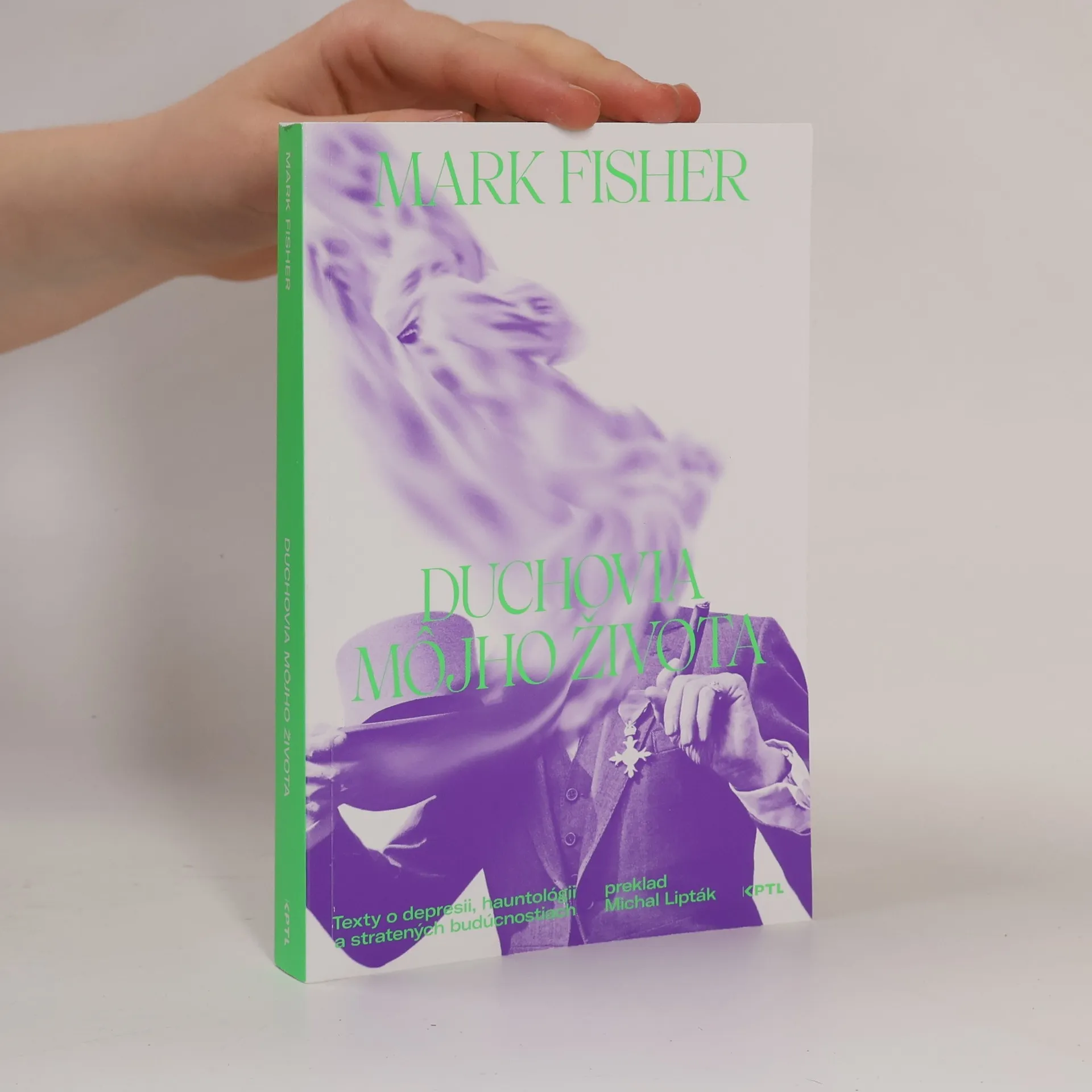
Texty o depresii, hauntológii a stratených budúcnostiach
V knihe Duchovia môjho života britský kultúrny teoretik Mark Fisher skúma, ako súčasná populárna kultúra trpí stratou budúcnosti. Cez hudbu, film a literatúru analyzuje jav „hauntológie“ – prítomnosť minulých vízií budúcnosti, ktoré sa nikdy nenaplnili, no stále nás prenasledujú. Fisher sa venuje tvorbe umelcov ako Burial, Joy Division, Tricky či David Peace a ukazuje, ako ich diela odzrkadľujú melanchóliu, stagnáciu a túžbu po alternatívnych budúcnostiach. Kniha je prenikavou kritikou neschopnosti súčasnosti oslobodiť sa od minulosti a zároveň výzvou k obnove kultúrnej a politickej predstavivosti.