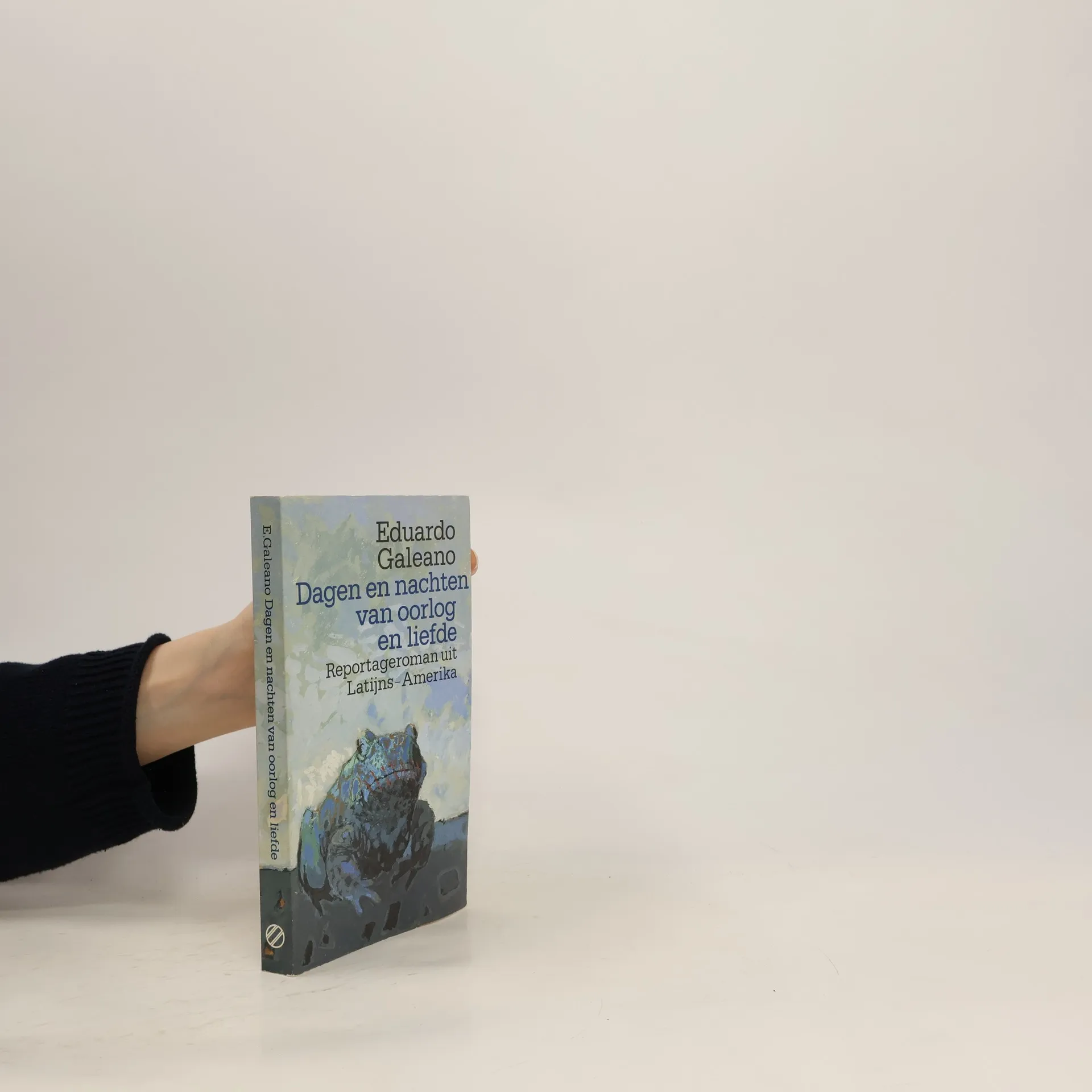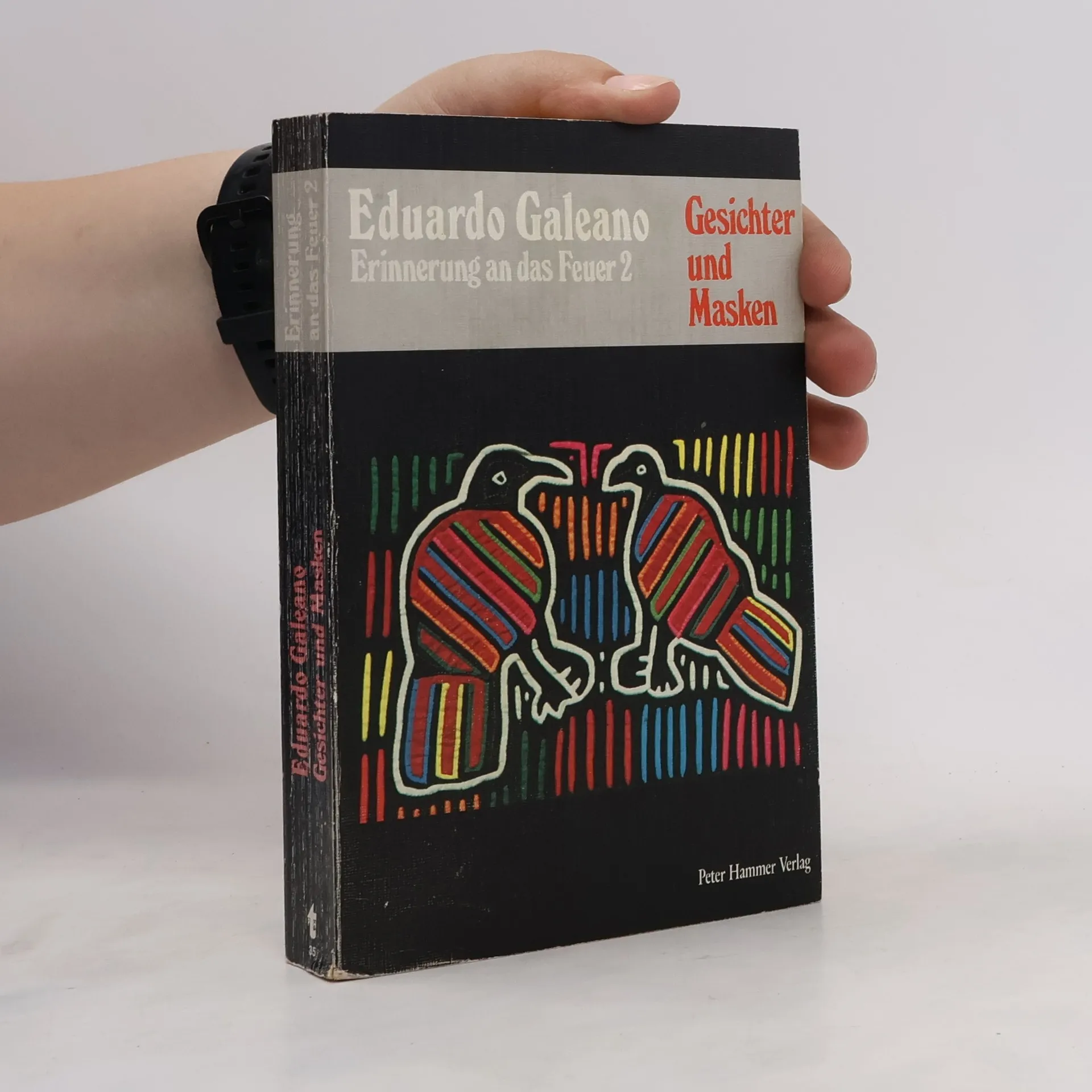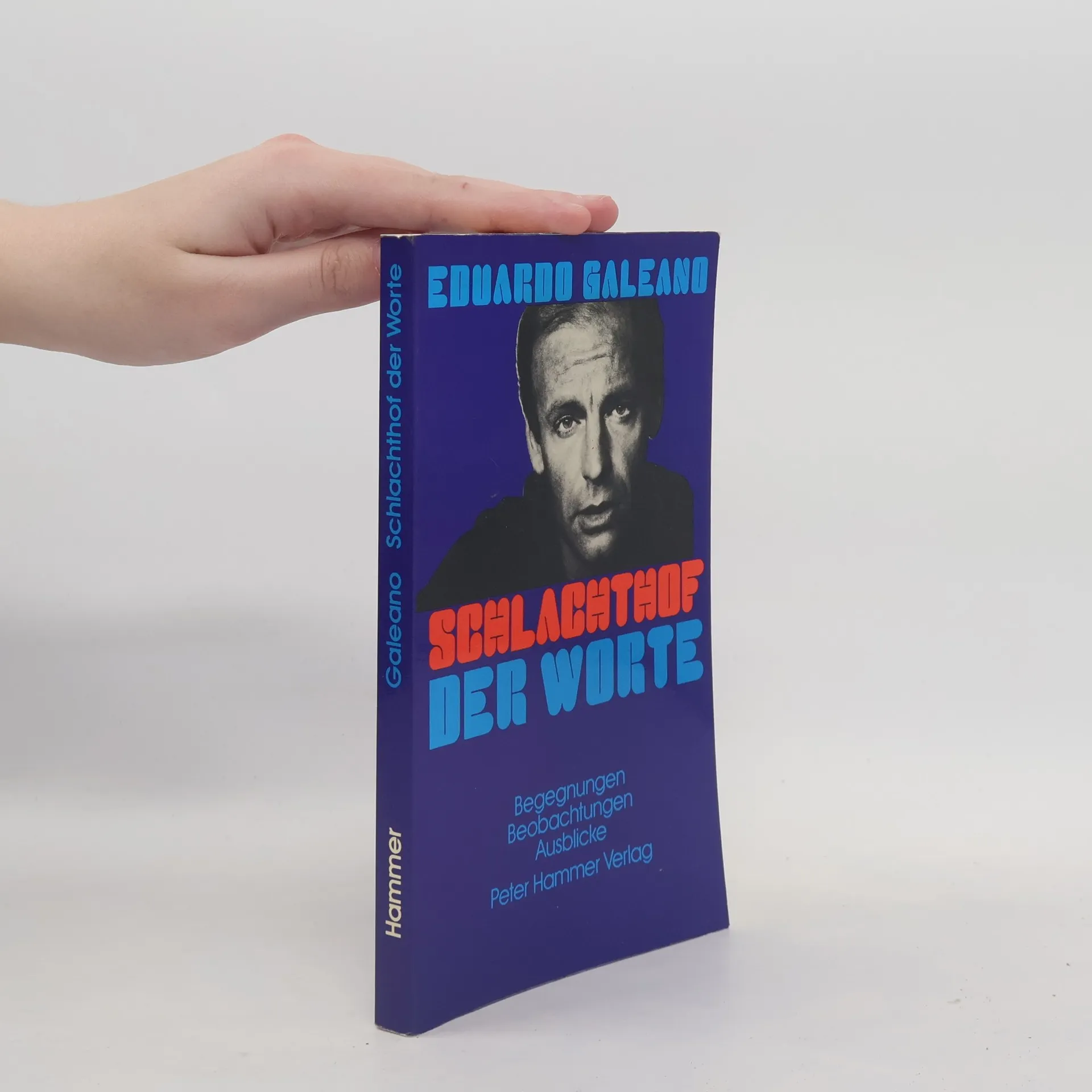

The personal testimoney of a contemporary political writer. In this journal, the author records the lves of strugegels of the Latin American people under two decades of unimaginable violence and repression. This book alternates between reportage, personal vignettes, interviews and travelogues. schovat popis
Eduardo Galeano Books
Eduardo Galeano was a Uruguayan journalist and writer whose works artfully blend fiction, journalism, political analysis, and history. He was driven by an obsession with remembering the past of America, particularly Latin America, which he described as a land condemned to amnesia. His writing style is both poetic and political, often exploring themes of injustice and human resilience. Galeano's narratives compel readers to reflect on history and uncover truth within forgotten stories.


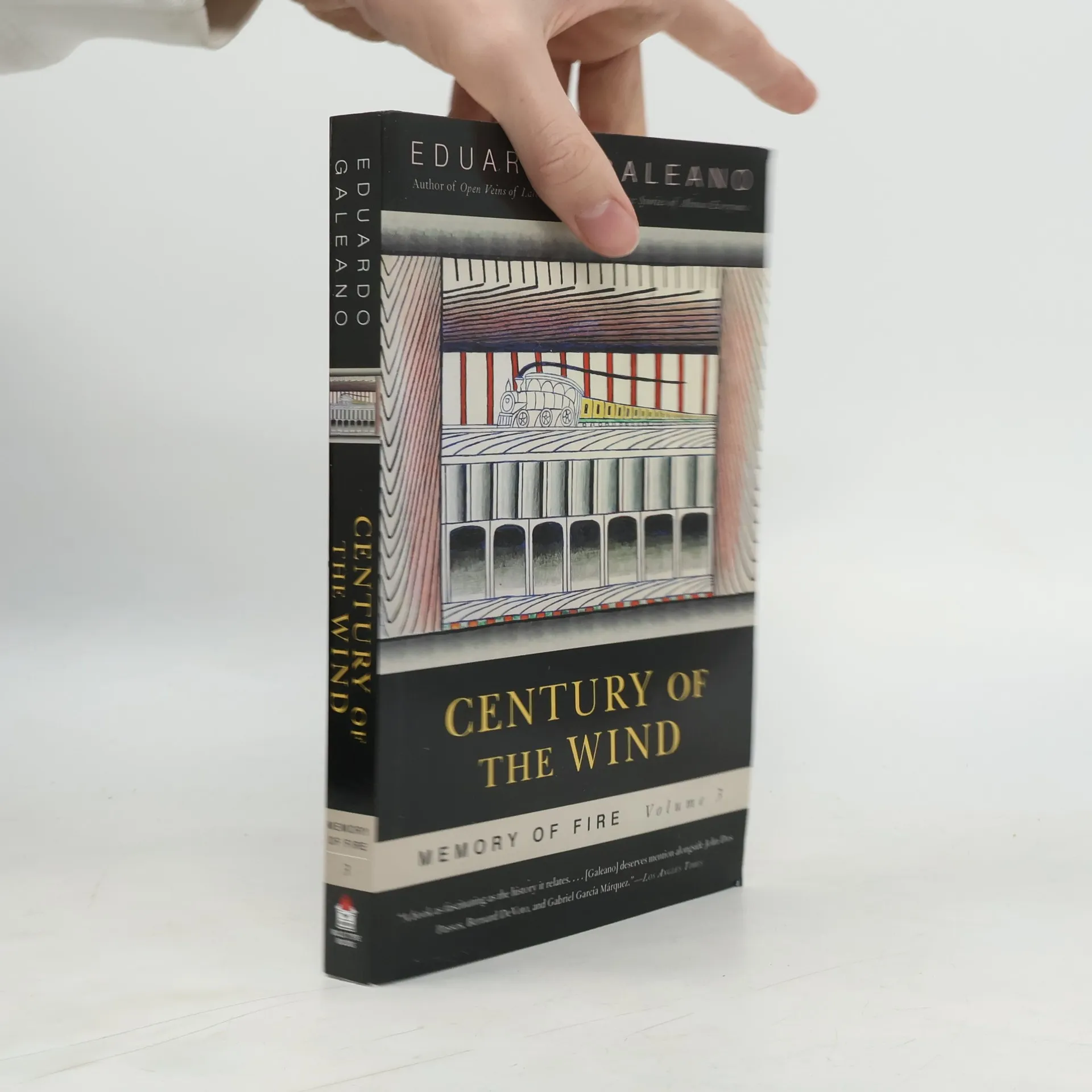
Memory of Fire - 3: Century of the Wind
- 336 pages
- 12 hours of reading
Dizzying, enraging, and beautifully written, the third volume of Eduardo Galeano's Memory of Fire trilogy, Century of the Wind serves up the turbulent 20th century's worth of U.S.-Latin American relations, from the bucolic New Jersey laboratory of Thomas Alva Edison to the armies of Emiliano Zapata and Fidel Castro to the Reagan-era CIA "neutralizations" in the forests of Central America.
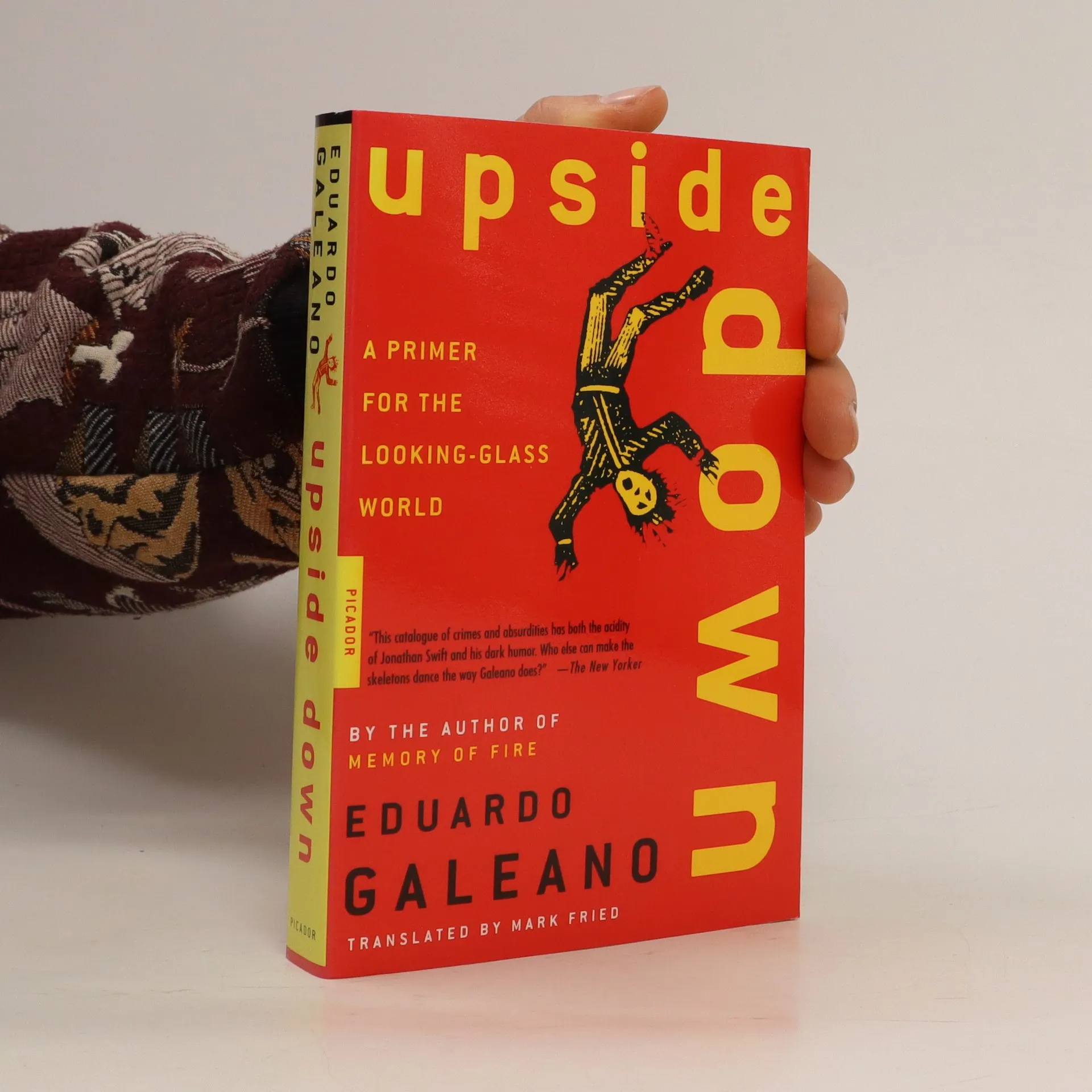
Upside Down
- 368 pages
- 13 hours of reading
In a series of mock lesson plans and a "program of study" Galeano provides an eloquent, passionate, funny and shocking exposé of First World privileges and assumptions. From a master class in "The Impunity of Power" to a seminar on "The Sacred Car"—with tips along the way on "How to Resist Useless Vices" and a declaration of the "The Right to Rave"—he surveys a world unevenly divided between abundance and deprivation, carnival and torture, power and helplessness. We have accepted a "reality" we should reject, he writes, one where poverty kills, people are hungry, machines are more precious than humans, and children work from dark to dark. In the North, we are fed on a diet of artificial need and all made the same by things we own; the South is the galley slave enabling our greed.
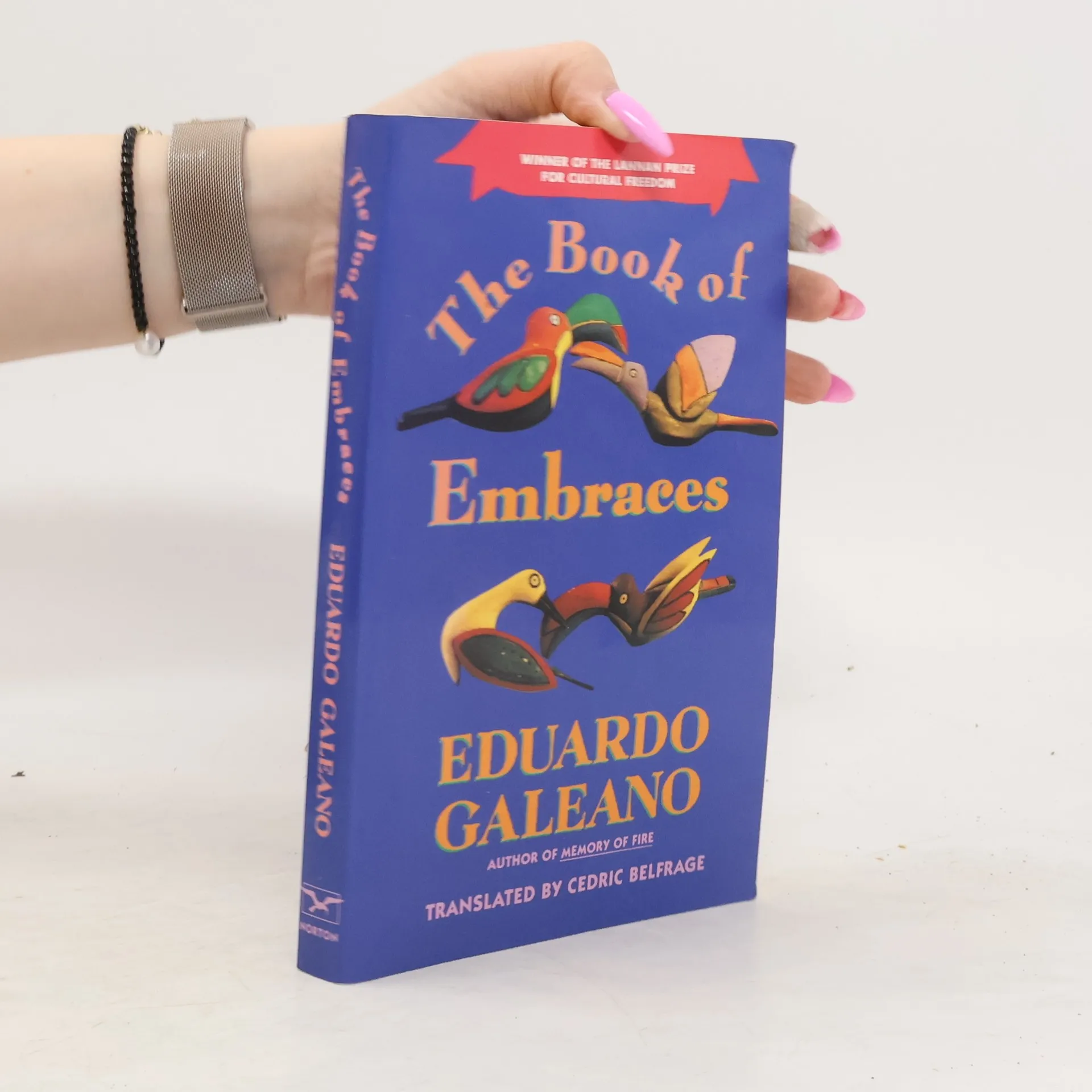
The Book of Embraces
- 282 pages
- 10 hours of reading
Parable, paradox, anecdote, dream, and autobiography blend into an exuberant world view and affirmation of human possibility.
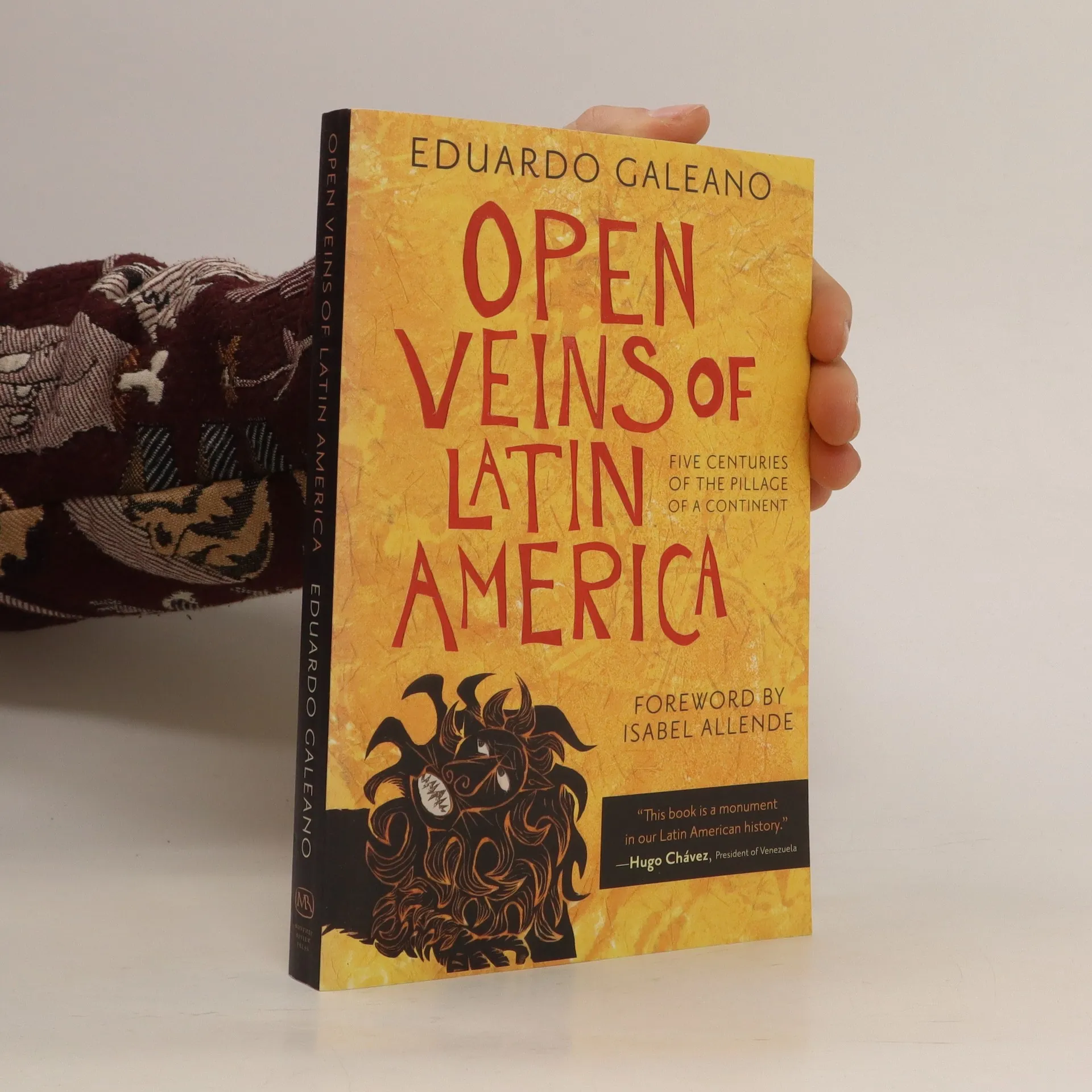
[In this book, the author's] analysis of the effects and causes of capitalist underdevelopment in Latin America present [an] account of ... Latin American history. [The author] shows how foreign companies reaped huge profits through their operations in Latin America. He explains the politics of the Latin American bourgeoisies and their subservience to foreign powers, and how they interacted to create increasingly unequal capitalist societies in Latin America.-Back cover
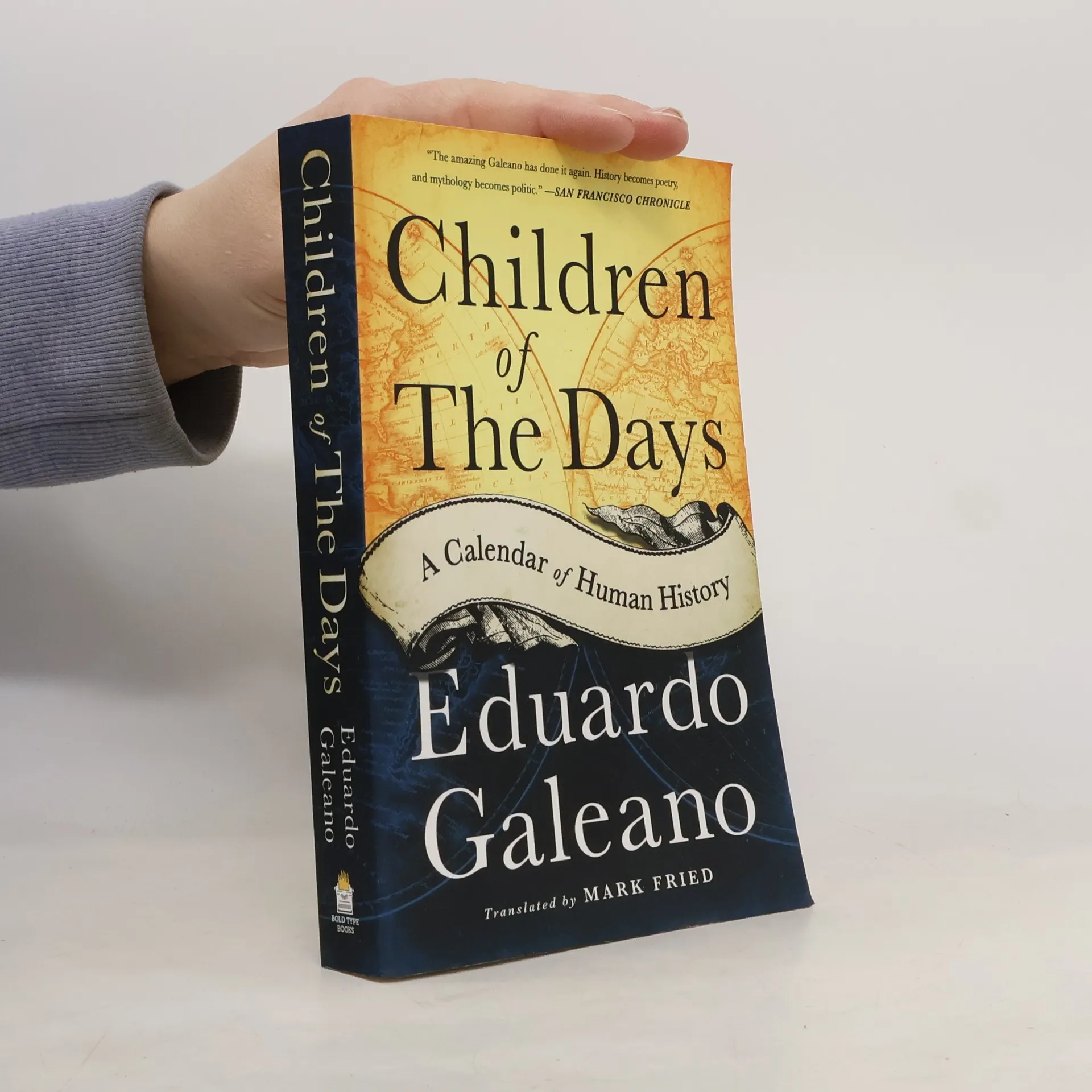
Selected by Guernica magazine as an "Editors’ Picks: Best of 2013" Unfurling like a medieval book of days, each page of Eduardo Galeano’s Children of the Days has an illuminating story that takes inspiration from that date of the calendar year, resurrecting the heroes and heroines who have fallen off the historical map, but whose lives remind us of our darkest hours and sweetest victories. Challenging readers to consider the human condition and our own choices, Galeano elevates the little-known heroes of our world and decries the destruction of the intellectual, linguistic, and emotional treasures that we have all but forgotten. Readers will discover many inspiring narratives in this collection of vignettes: the Brazilians who held a “smooch-in” to protest against a dictatorship for banning kisses that “undermined public morals”; the astonishing day Mexico invaded the United States; and the “sacrilegious” women who had the effrontery to marry each other in a church in the Galician city of A Coruña in 1901. Galeano also highlights individuals such as Pedro Fernandes Sardinha, the first bishop of Brazil, who was eaten by Caeté Indians off the coast of Alagoas, as well as Abdul Kassem Ismael, the grand vizier of Persia, who kept books safe from war by creating a walking library of 117,000 tomes aboard four hundred camels, forming a mile-long caravan. Beautifully translated by Galeano’s longtime collaborator, Mark Fried, Children of the Days is a majestic humanist treasure that shows us how to live and how to remember. It awakens the best in us.
Football in Sun and Shadow
- 224 pages
- 8 hours of reading
Galeano can run rings round our glamorous football intelligentsia. When Saturday Comes
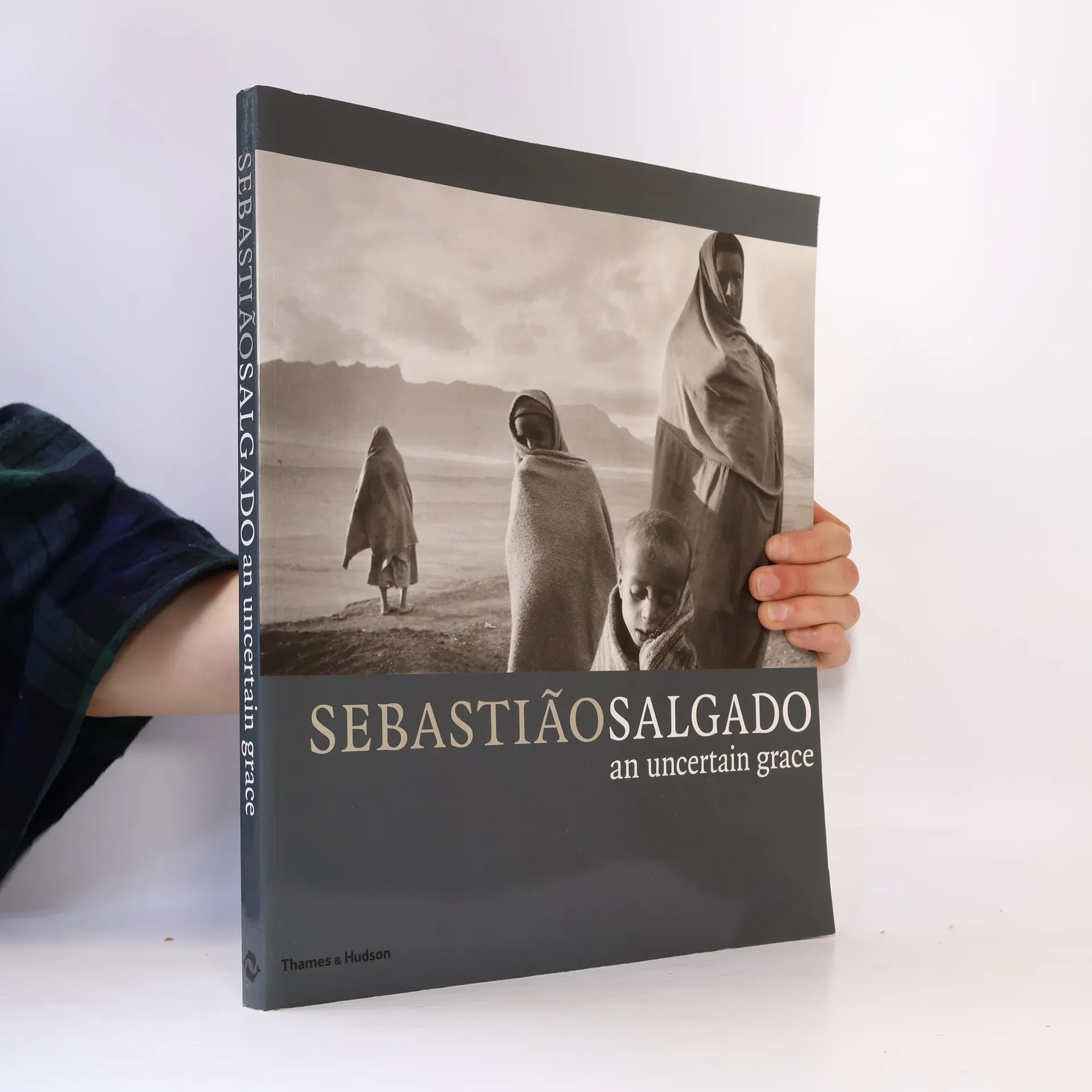
Sebastião Salgado. An Uncertain Grace
- 158 pages
- 6 hours of reading
From a Brazilian mine where 50,000 mud-covered men haul heavy bags of dirt up and down slippery ladders in search of a stray nugget of gold, to a former lake in western Africa now swallowed by the encroaching desert, where emaciated, starving people walk over its surface of sand, photographer Sebastião Salgado explores the live of the planet's often ignored people with a critical eye and an empathetic heart.
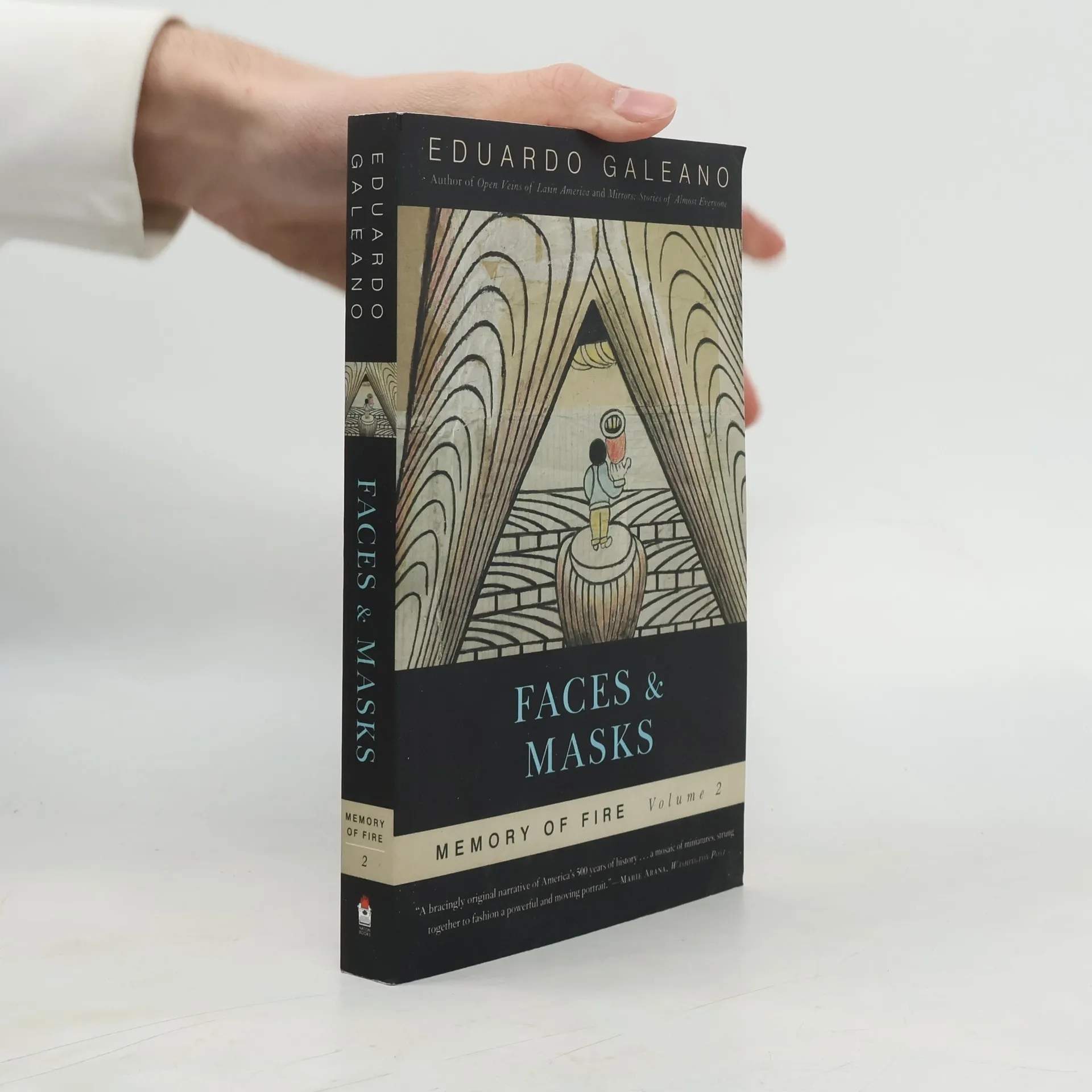
Memory of Fire - 2: Faces and Masks
- 312 pages
- 11 hours of reading
The second volume of Eduardo Galeano's Memory of Fire trilogy, Faces and Masks is an astonishing Latin American-eye view of the New World in the making. Here is the tangled, cataclysmic history of our hemisphere from the 1700s up to the dawn of our present century, told through characters as resonant and compelling as Simon BolÃr, Toussaint L'Ouverture, and Billy the Kid. With its brilliant and imaginative blend of journalism, scholarship, and political passion, Faces and Masks is a panoramic interpretation of the Americas no work of history has previously imagined.

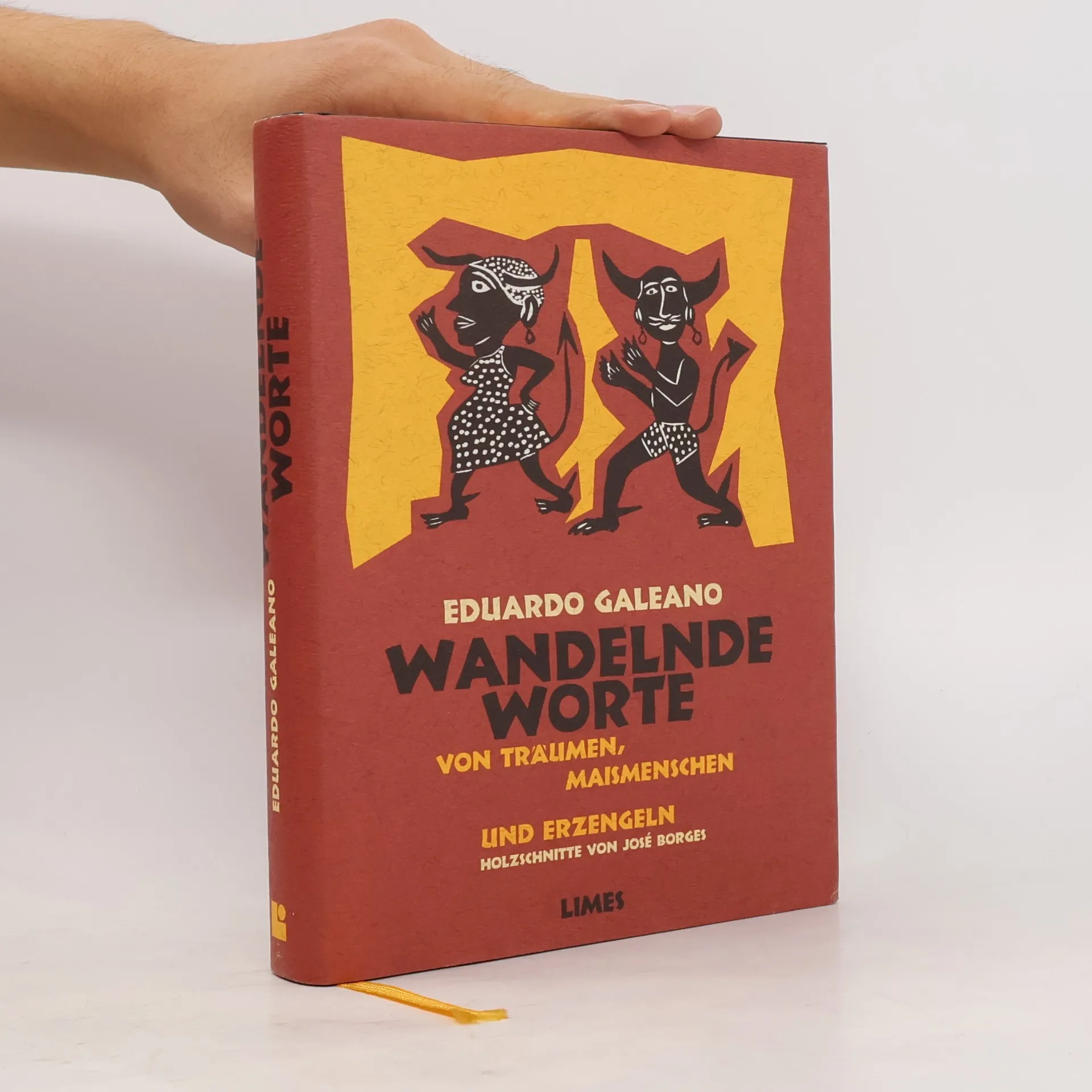
=Changing words. Of dreams, corn people and archangels
Este libro aborda temas de ciencia política y relaciones internacionales, explorando conceptos generales y teorías relevantes en el campo. Ofrece un análisis profundo de las dinámicas globales y las interacciones entre naciones, ideal para estudiantes y profesionales interesados en entender el panorama internacional.
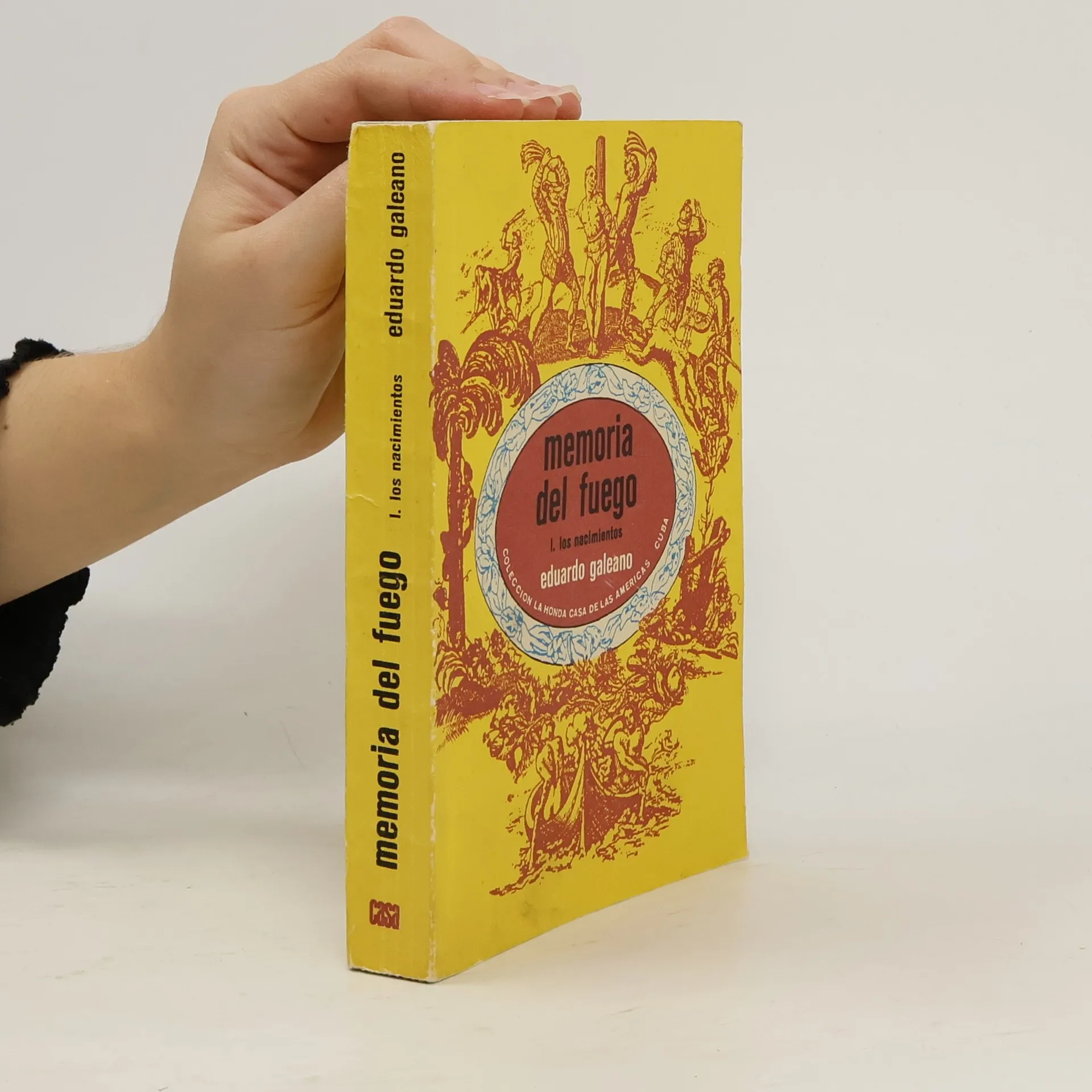
Los nacimientos
- 330 pages
- 12 hours of reading
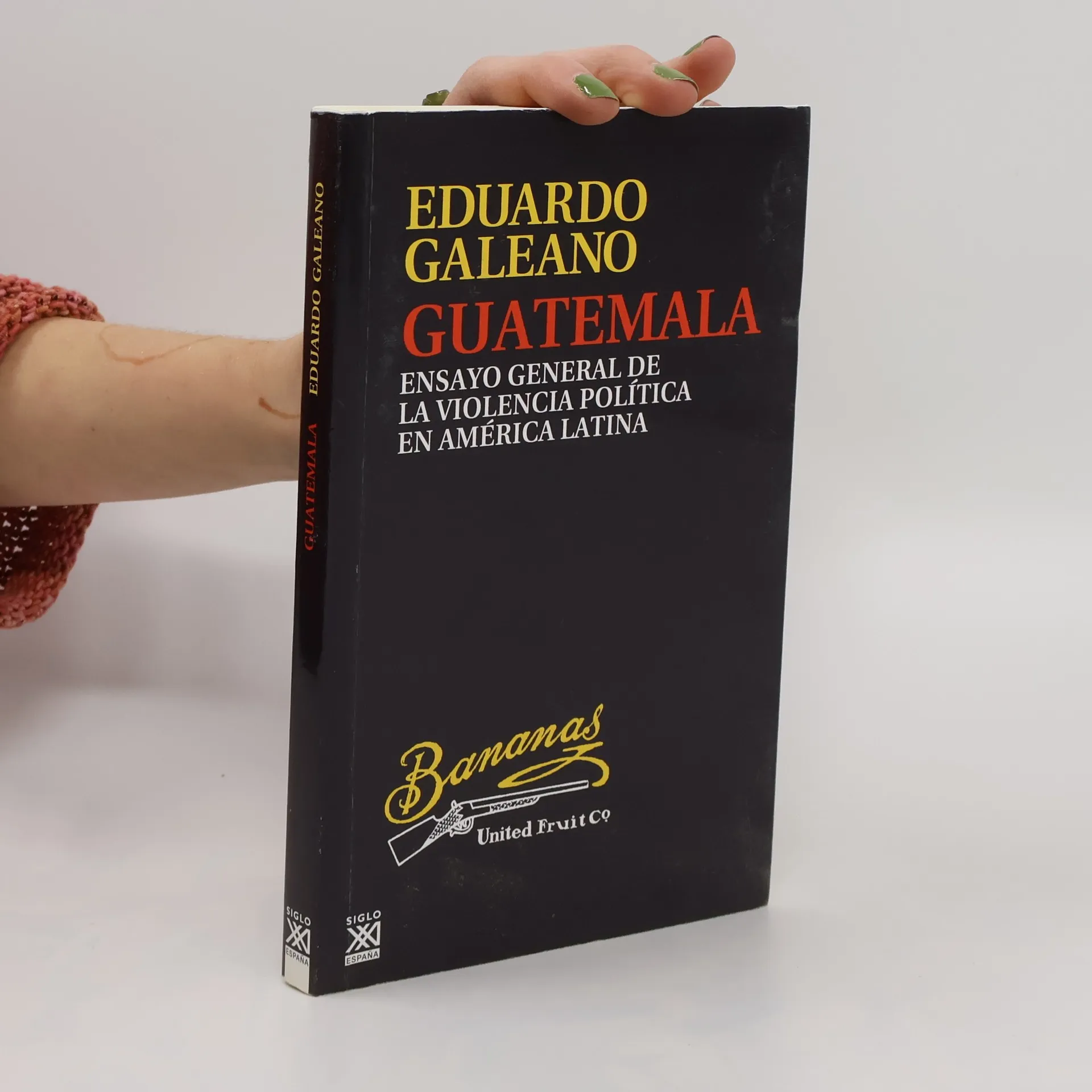
Guatemala : ensayo general de la violencia política en América Latina
- 232 pages
- 9 hours of reading
En 1967, un joven Eduardo Galeano viajó a Guatemala para entrevistar a los líderes de los grupos guerrilleros FAR y MR 13, que desafiaban al poder político-militar desde 1954, tras el derrocamiento del presidente Jacobo Árbenz Guzmán, que evidenció el intervencionismo estadounidense en América Latina. Este libro, publicado hace más de cincuenta años, narra esa experiencia y presenta una crónica periodística cautivadora que anticipa el estilo que consagraría a Galeano, además de un análisis político internacional riguroso. Juntos, subrayan la idea central del autor: Guatemala fue, durante la Guerra Fría, un laboratorio de barbarie y violencia que se expandiría por el continente en la década de 1970. La edición actual, enriquecida con textos de especialistas que contextualizan la época y la obra de Galeano, permite al lector acompañar al autor en la vida y riesgos de los guerrilleros, regresando a un tiempo en que la revolución se contemplaba como una posible solución. El lector contemporáneo puede encontrar ecos de las turbulencias y la inestabilidad política de aquel entonces, que hoy resurgen en la región.
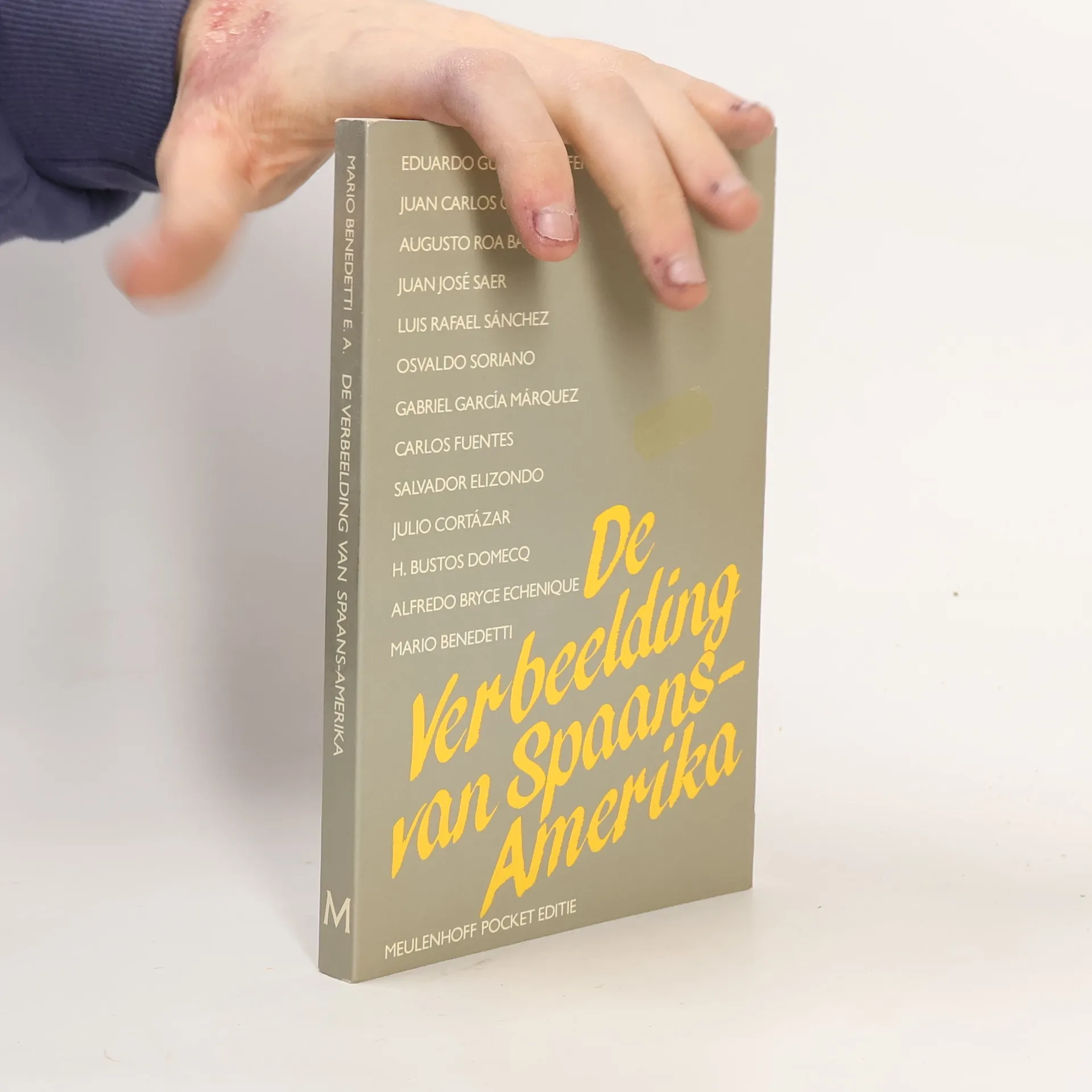
De verbeelding van Spaans Amerika
- 153 pages
- 6 hours of reading
Textos Breves - 8: Querido Che - 2ª edición
- 96 pages
- 4 hours of reading
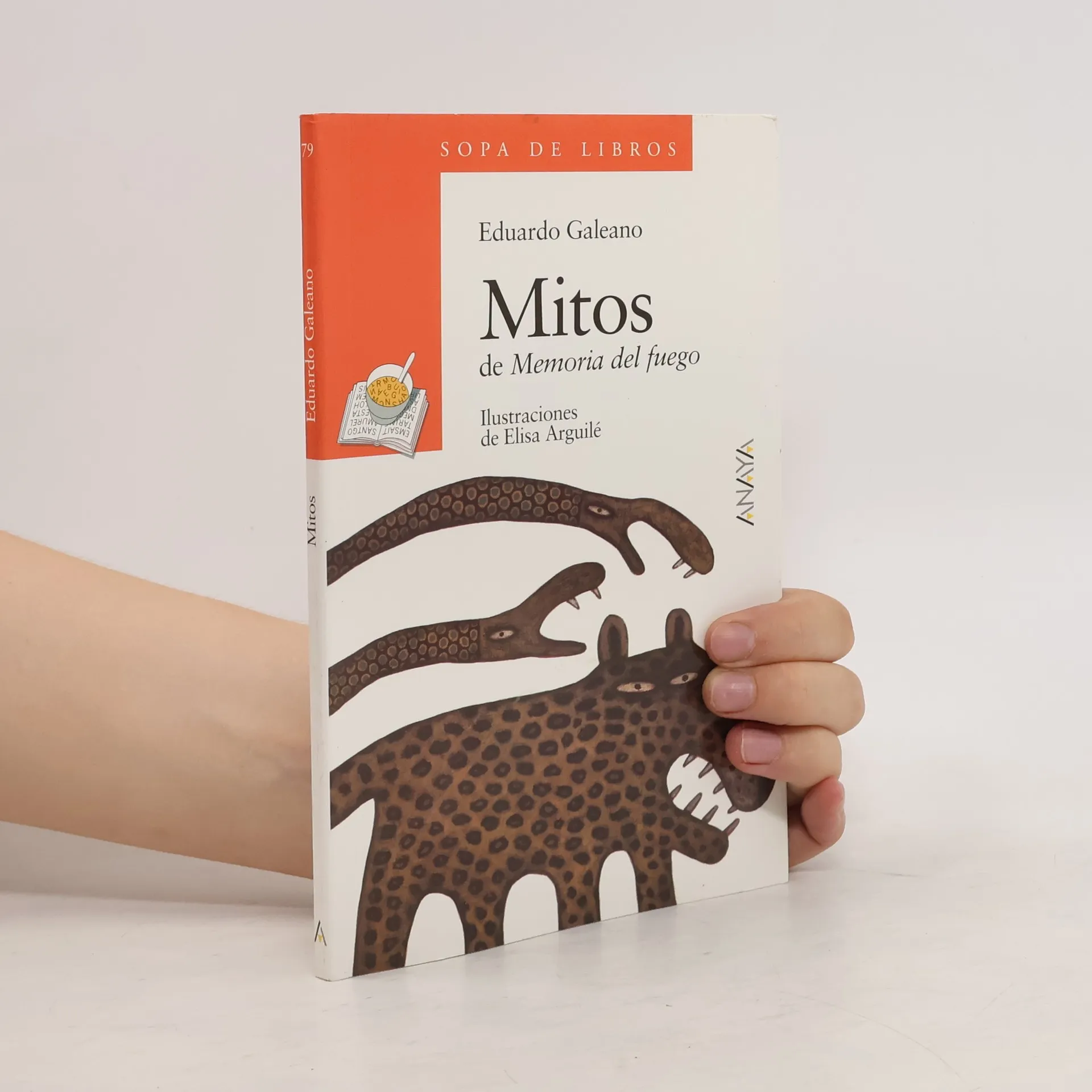
Mitos de memoria del fuego
- 80 pages
- 3 hours of reading
"Quise contar historias, las historias de la historia americana, al oído de quien tuviera ganas de escucharlas, a cualquier edad y en cualquier lugar..." Un libro de cuentos sobre el mito de la creación destinado a oídos jóvenes y curiosos que quieran saber cómo nacieron las nubes, el tiempo, los colores, la lluvia, o ¿por qué el cuervo tiene la voz ronca y el oso camina torpemente?...
Il cacciatore di storie
- 252 pages
- 9 hours of reading
Il cacciatore di storie, l'ultimo libro terminato da Eduardo Galeano, si può considerare un vero e proprio testamento artistico, umano e spirituale dello scrittore. Accanto ai temi a lui cari - le origini mitiche delle nostre culture, i soprusi subiti dai nativi americani, le discriminazioni e il razzismo, la libertà, il viaggio, la memoria, le imprese di eroi silenziosi - si trovano infatti qui, per la prima volta dopo i cenni contenuti in Giorni e notti d'amore e di guerra, pagine autobiografiche. Testi che raccontano con humor e tenerezza, nella sua inconfondibile prosa poetica, dell'infanzia, di incontri, di città, di insegnamenti ricevuti, del destino dei suoi libri. E rivelano alcune delle ragioni profonde che l'hanno portato a essere un formidabile «cacciatore di storie», istruito, nei vecchi caffè di Montevideo, da «ammirevoli bugiardi che si riunivano per incontrare il tempo perduto».
Nowy przekład jednej z najsłynniejszych książek XX wieku, uznawanej za „biblię latynoamerykańskiej lewicy”, uczynił Eduarda Galeana klasykiem już za życia. Powstała w latach siedemdziesiątych opowieść o historii kontynentu, od czasów Kolumba po współczesność, była jednym z pierwszych dzieł ekonomii politycznej napisanym z perspektywy wykluczonych. Galeano pragnął, by jego książka była czytana jak „opowieść o piratach” czy „historia miłosna”, łącząc elementy fikcji, reportażu i eseju. Jego prace stały się synonimem przekraczania klasycznych gatunków literackich, inspirując wiele pokoleń pisarzy. Dziennikarz z Urugwaju ukazał zależność rodzimych peryferii od amerykańskiego centrum gospodarki kapitalistycznej. Galeano, pisząc, starał się zrozumieć trudności regionu, łącząc historię wzlotu Europy i USA z upokorzeniem Ameryki Łacińskiej. Nowe wydanie książki zawiera posłowie Artura Domosławskiego, który zauważa, że „żyły Ameryki Łacińskiej pozostają otwarte”, a zmiany w regionie są wynikiem uświadomienia sobie tej sytuacji przez mieszkańców i liderów. Galeano, poprzez swoją wrażliwość i prawdomówność, staje się głosem przeciwko zakłamaniu i zapomnieniu.
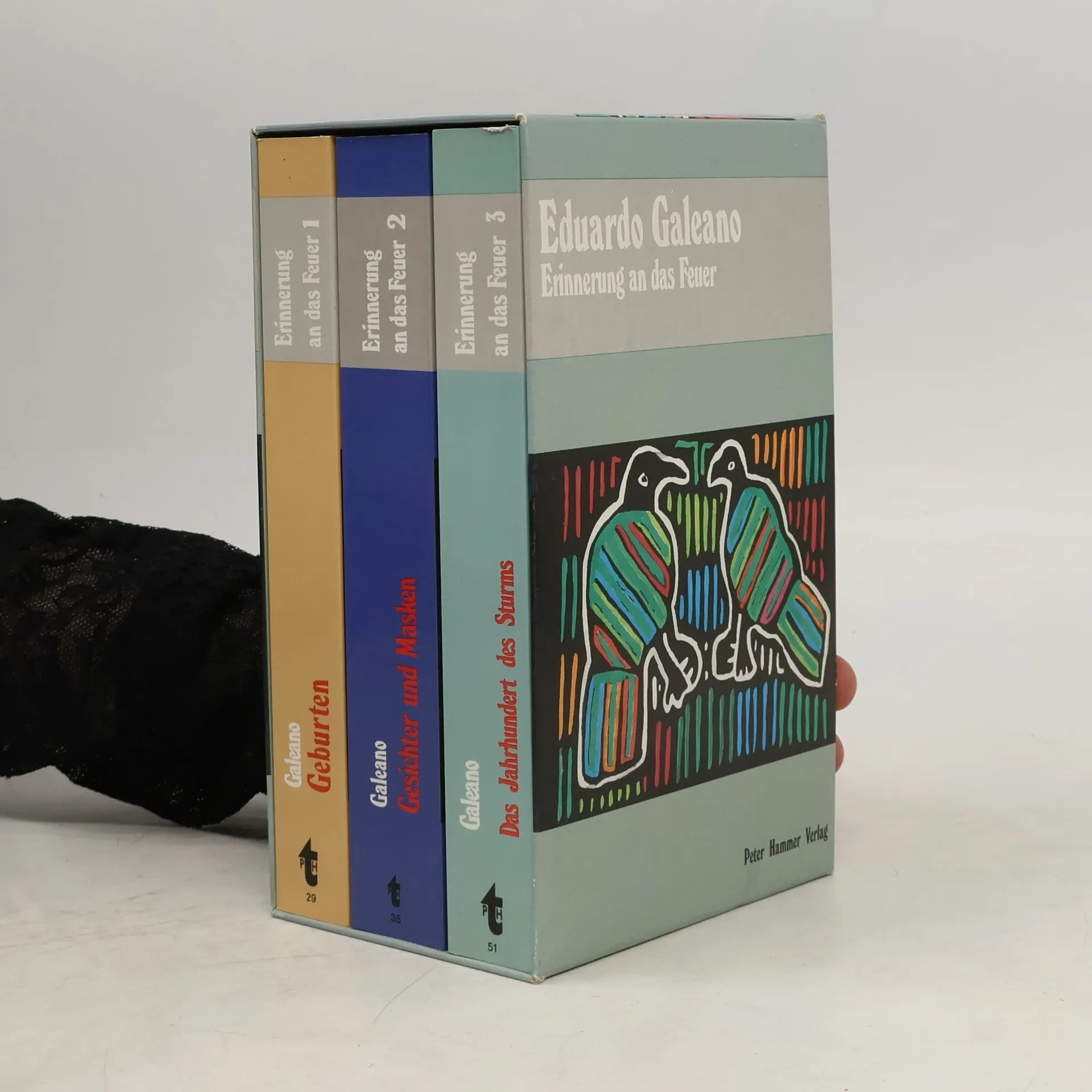
Erinnerung an das Feuer 3
- 398 pages
- 14 hours of reading
Wenn die Erde aufsteigt
- 205 pages
- 8 hours of reading
Вскрытые вены Латинской Америки. Vskrytyye veny Latinskoy Ameriki
- 397 pages
- 14 hours of reading
Эта книга - главная в творчестве уругвайского писателя Э. Галеано - лучшее произведение по экономической истории континента и одновременного классика политической литературы
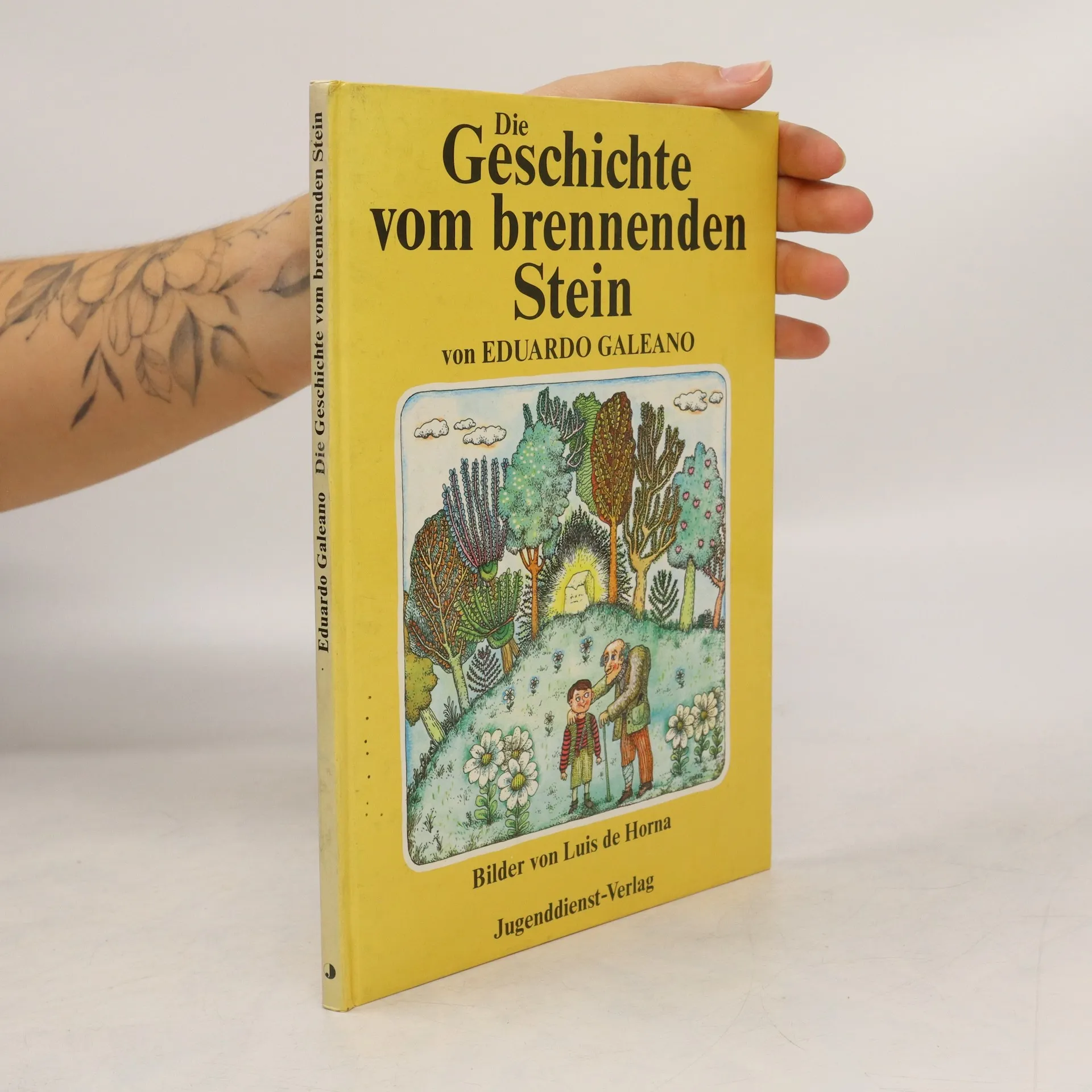
Die Geschichte vom brennenden Stein
- 26 pages
- 1 hour of reading
Erinnerung an das Feuer
- 352 pages
- 13 hours of reading
Eduardo Galeano, der Autor, dessen Werke zur Geschichte Lateinamerikas seit Jahrzehnten nichts von ihrer Bedeutung eingebüßt haben, gehört zu den Gallionsfiguren des Peter Hammer Verlages. Ehemals dreibändig erscheint die Erinnerung an das Feuer nun in einem Band. Erinnerung als das Feuer war und ist ein literarischer Glücksfall; eine neue Form von Geschichtsschreibung, die Geist, Atem und Dramatik einer Epoche vermittelt. Eduardo Galeano hat den handelnden und ertragenden, den besessenen und gestaltenden Menschen in den Mittelpunkt gestellt; ein Mosaik aus tausend Quellen, ein Steinbruch unerhörter, unbekannter Geschehnisse, vereint zu einer großen Vision von der menschlichen Existenz.
Belletristik : Uruguay ; kulturelle Identität - Lateinamerika.
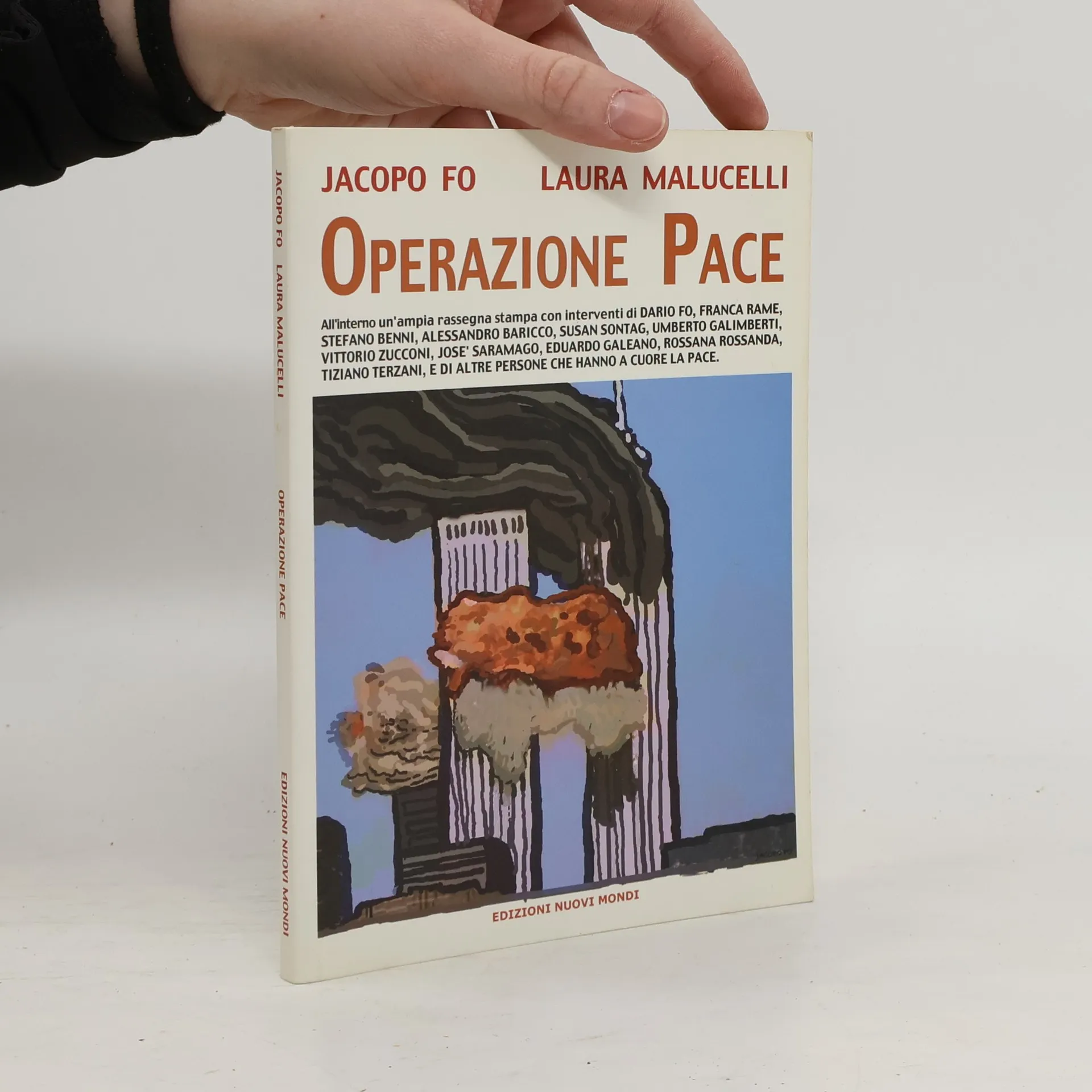
Operazione pace
- 116 pages
- 5 hours of reading
Latinamerikas aareladning
- 300 pages
- 11 hours of reading