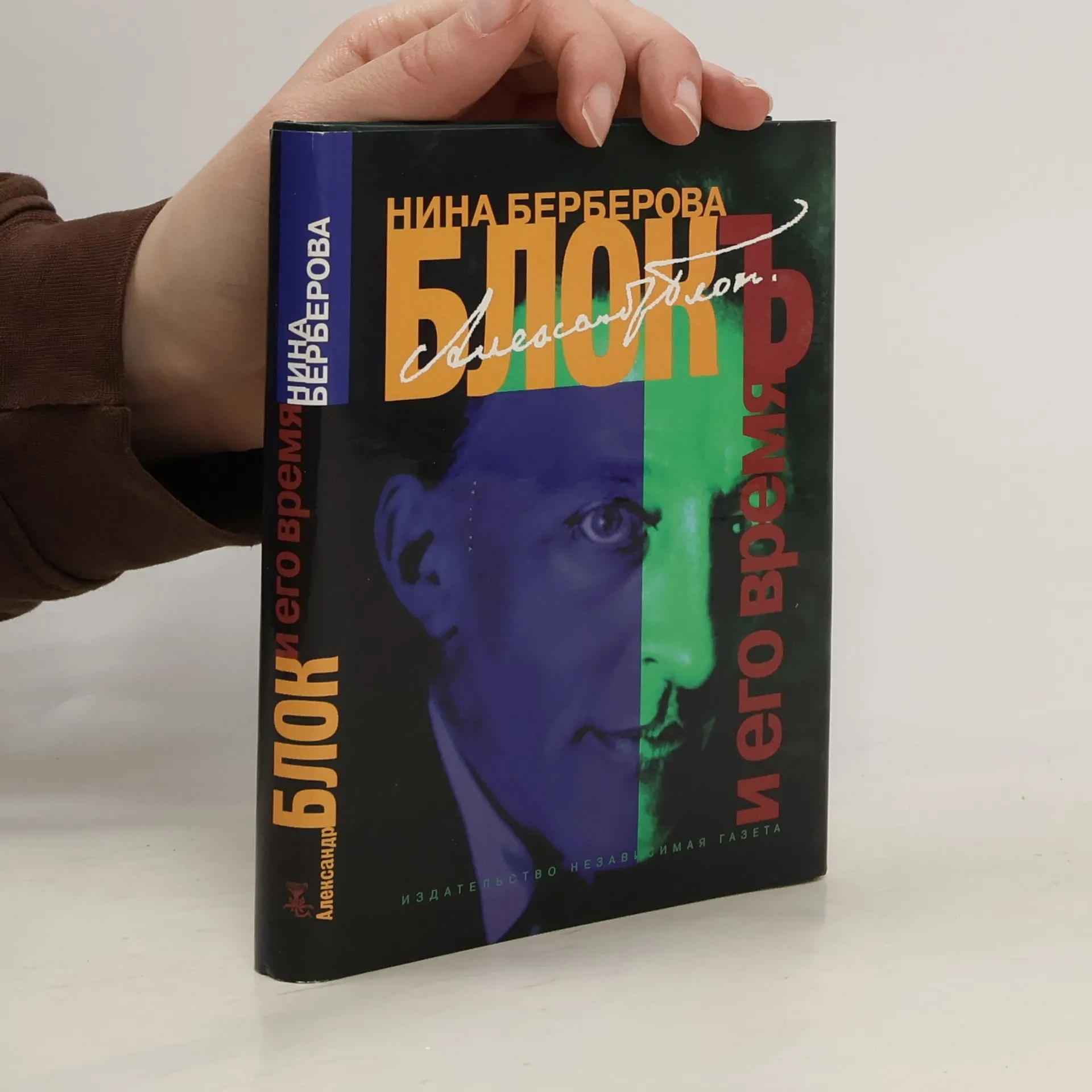
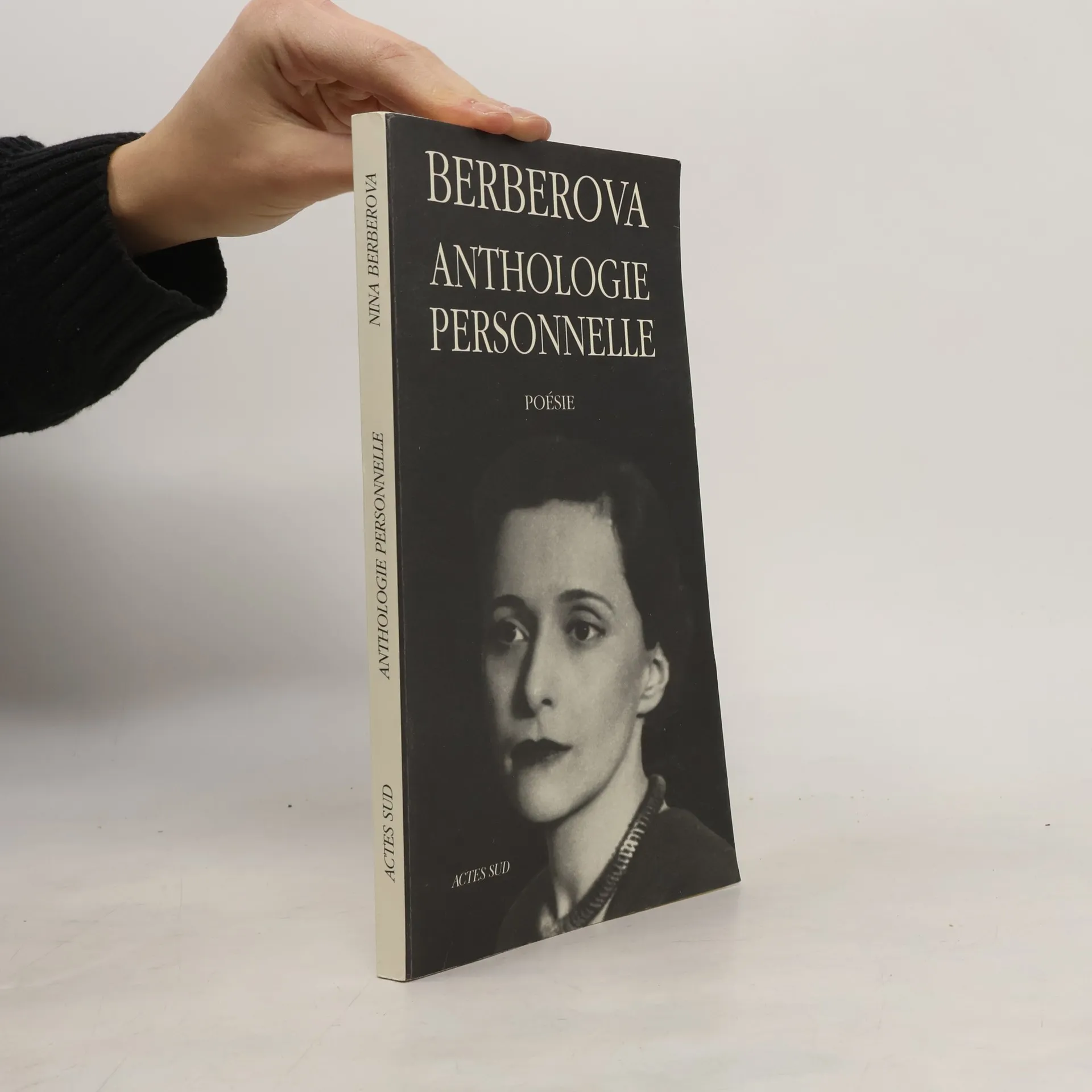
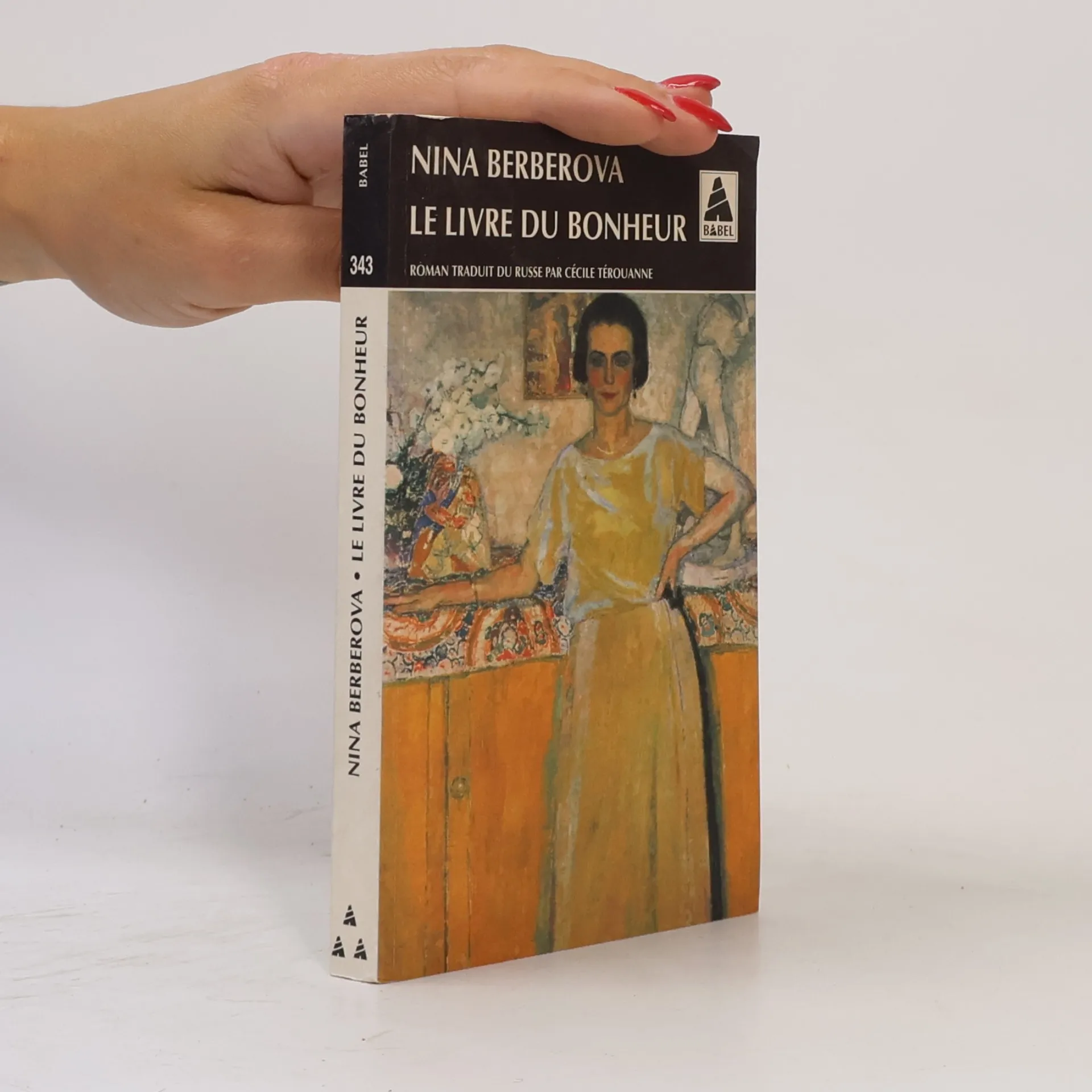
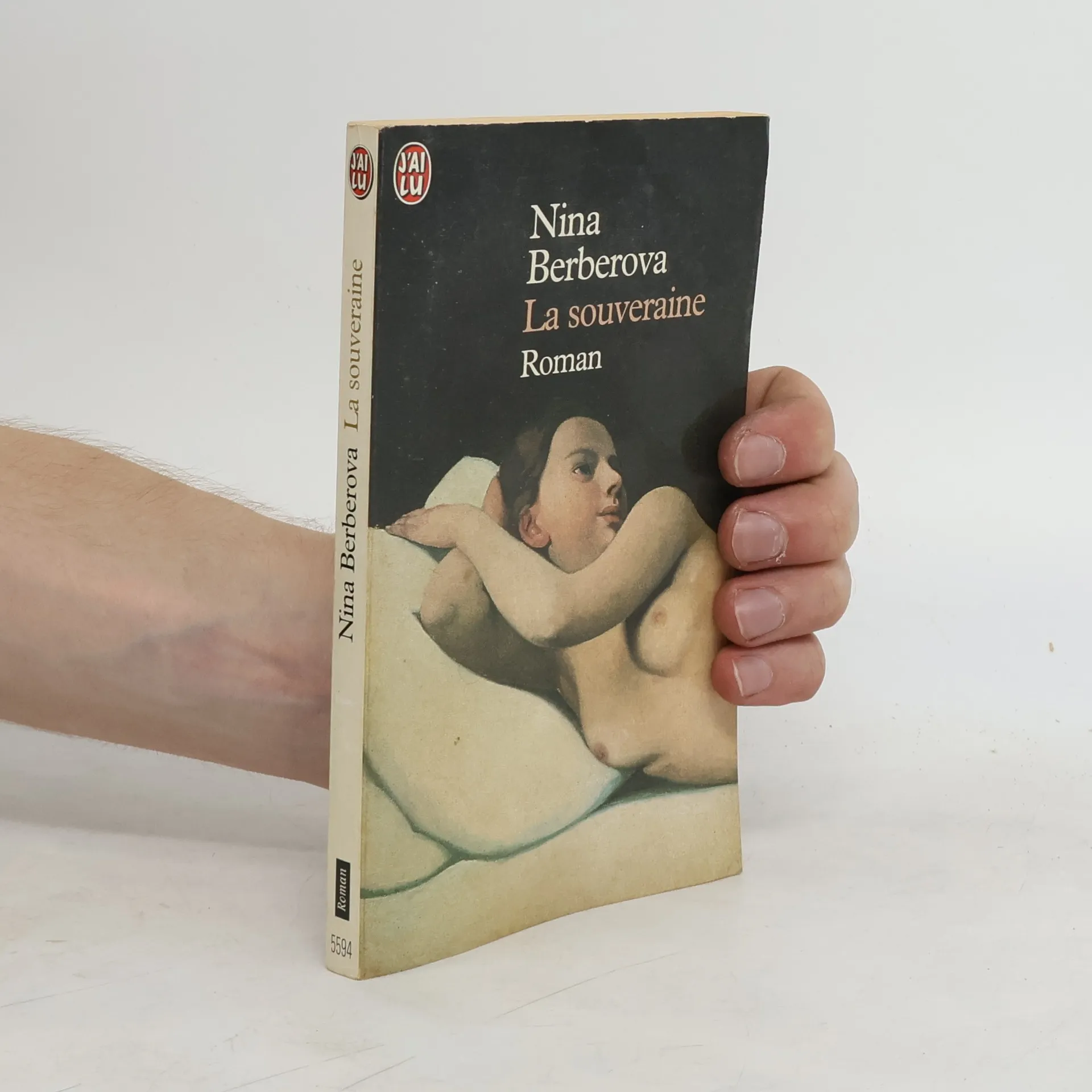
Nina Nikolajewna Berberowa Book order (chronological)
- Nina Nikolajevna Berberova
Nina Berberova was a Russian writer who chronicled the lives of Russian exiles in Paris in her short stories and novels. Her work captures the profound sense of displacement and the search for identity experienced by those forced to leave their homeland. Berberova masterfully depicted the intricate fates of her characters, weaving their personal journeys into the rich tapestry of interwar European cultural and social life. Through her poignant prose, she offered readers an intimate glimpse into the lives of emigrants navigating the complexities of a new existence.

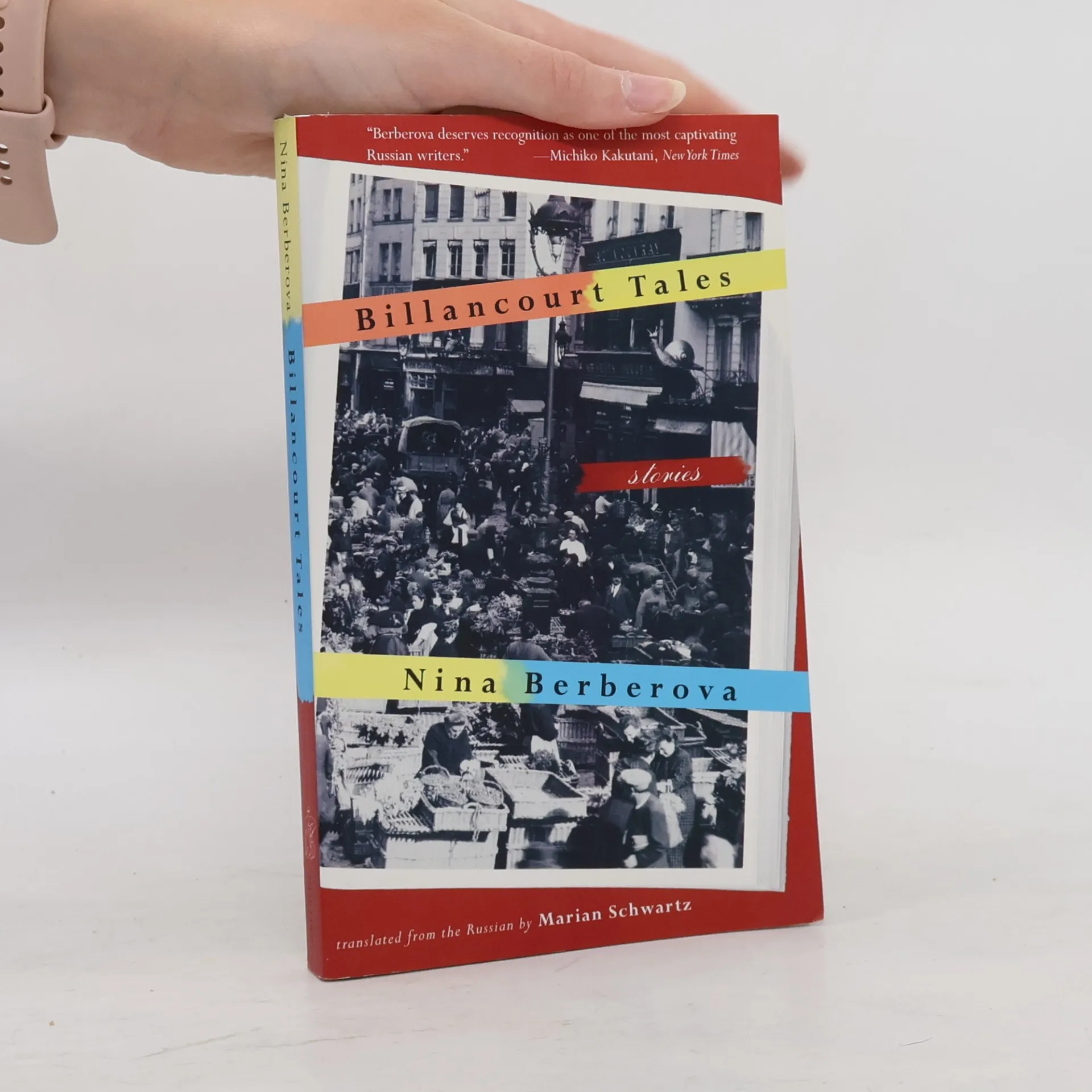

Billancourt Tales
- 192 pages
- 7 hours of reading
The collection features a variety of human emotions, blending humor and sadness in its narratives. Berberova's storytelling is highlighted for its grace and subtlety, drawing comparisons to the renowned Chekhov. Each story showcases her literary prowess, offering readers a deep and poignant exploration of the human experience.
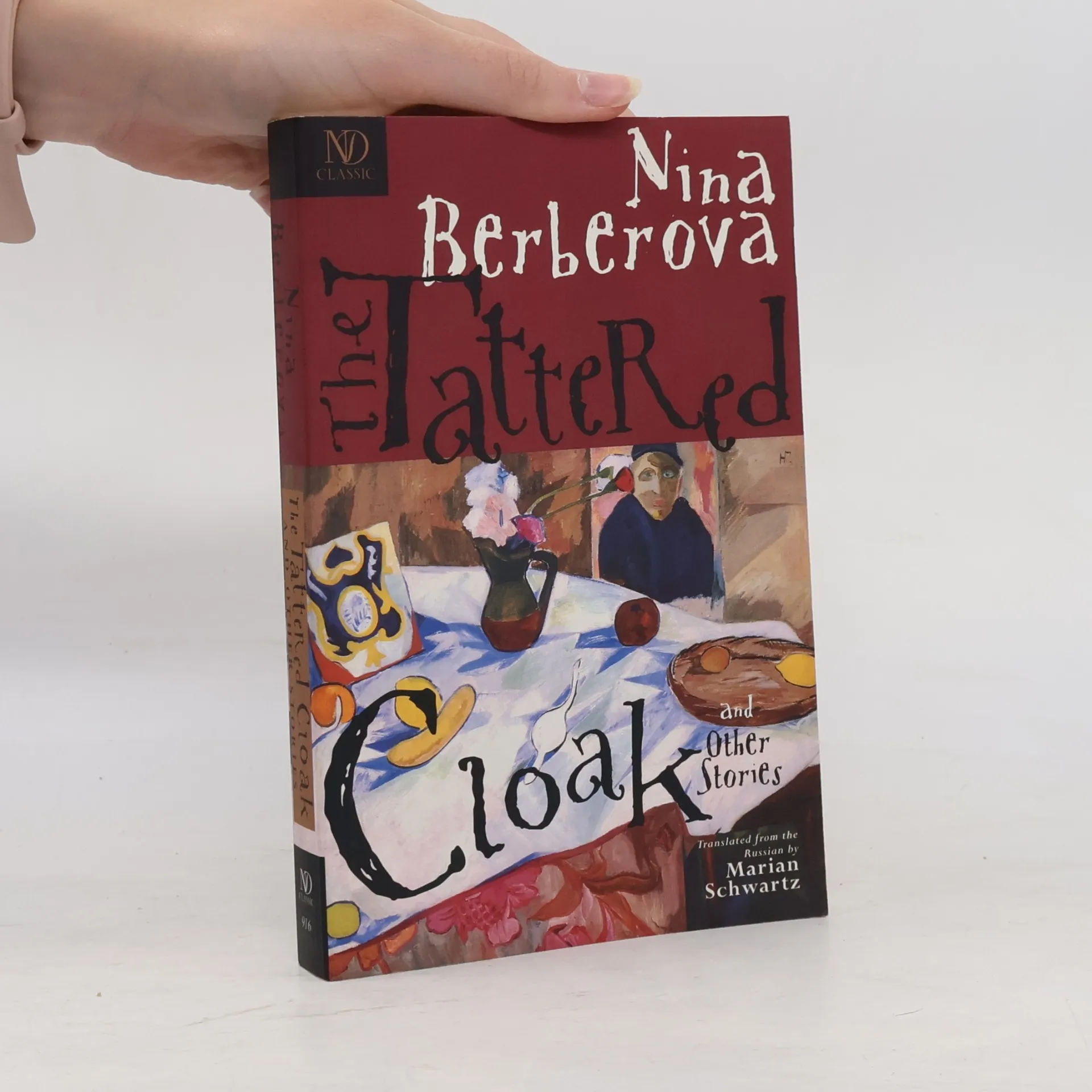
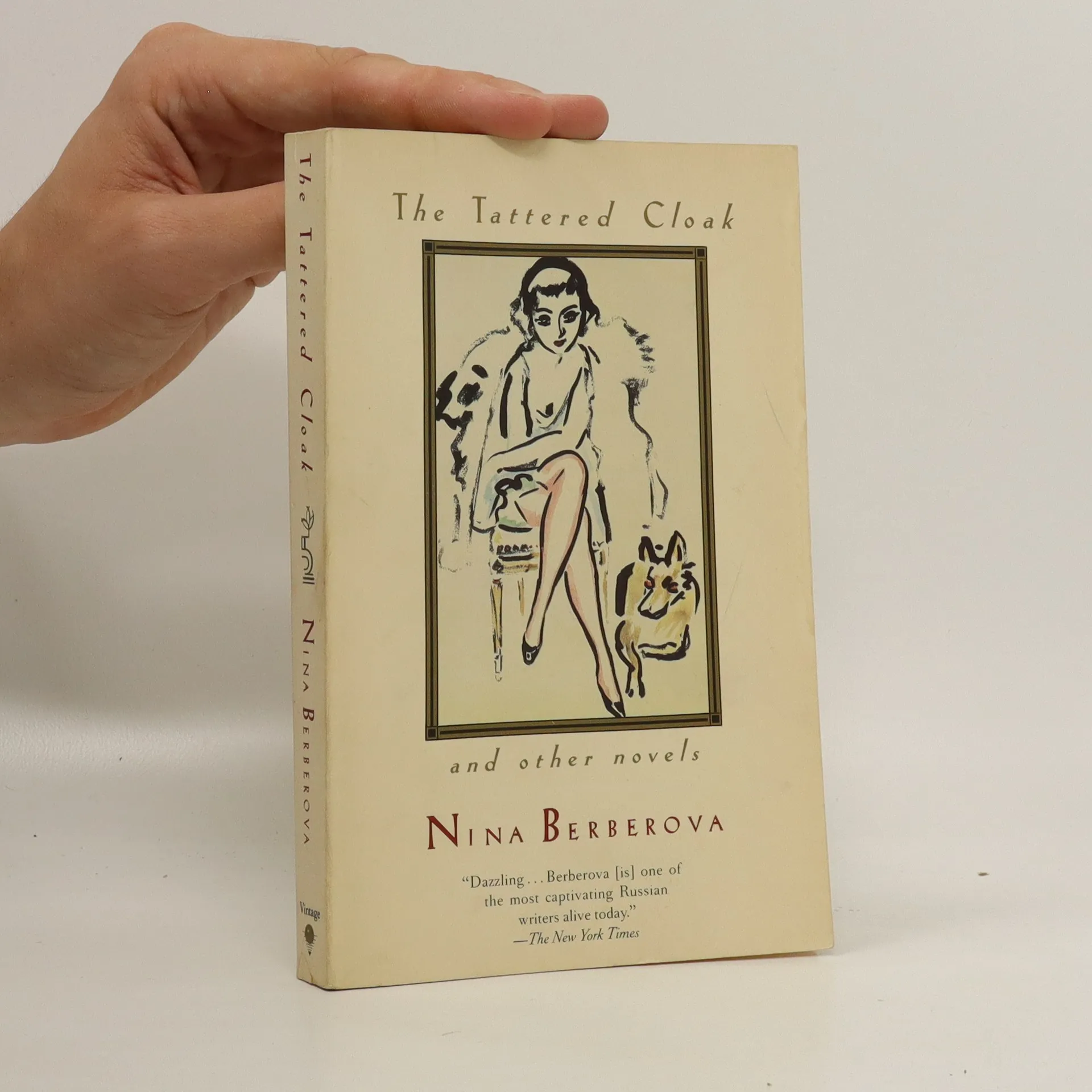
The Tattered Cloak and Other Stories
- 307 pages
- 11 hours of reading
The greatest collection by one of the great Russian writers is now back in print. First published in Europe in the 1930s and '40s, these searing, evocative stories by the late emigre writer Nina Berberova (1901-1993) are portraits of the lives of Russian exiles in Paris on the eve of World War II. The protagonists range from housekeepers and waiters to shabby-genteel aristocrats and intellectualsbut all are united in a haunting displacement from their pasts, and all share a troubling uncertainty about the future.
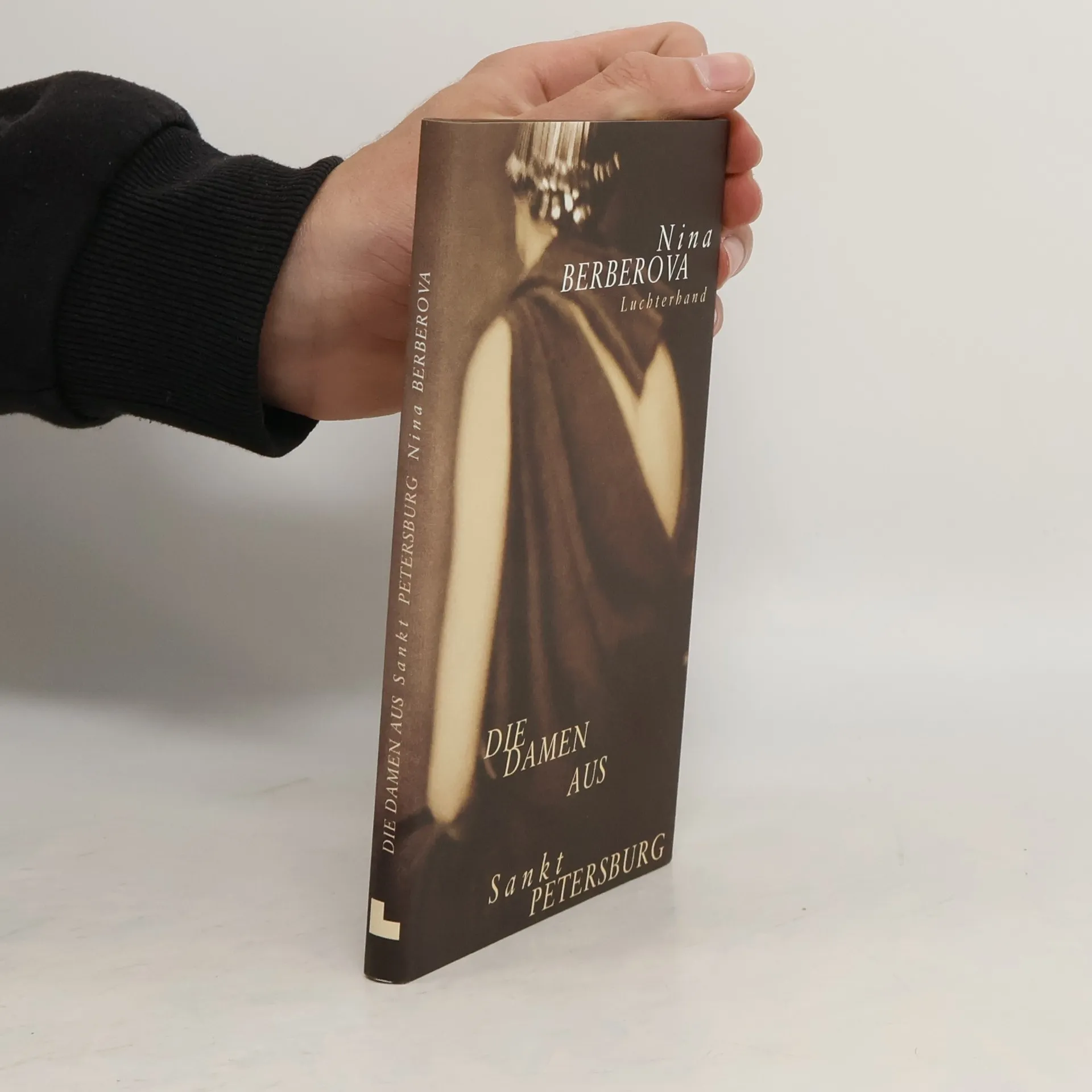
Die Damen aus Sankt Petersburg
- 91 pages
- 4 hours of reading
Zwei Erzählungen über Menschen, die gezwungen sind zu fliehen. Ein innerer Exil, dargestellt durch Opfer der bolschewistischen Revolution, die nach einem neuen Ziel suchen.
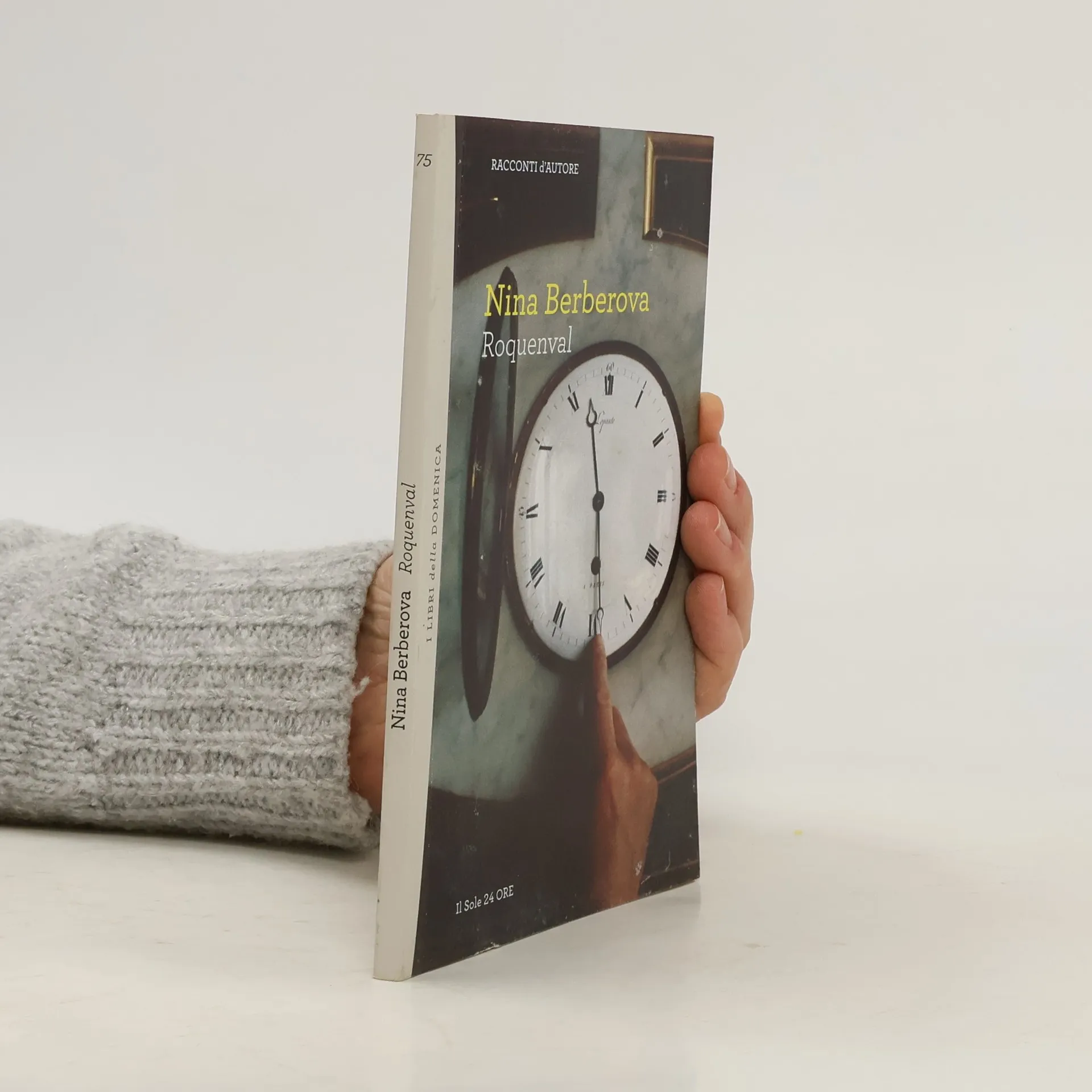
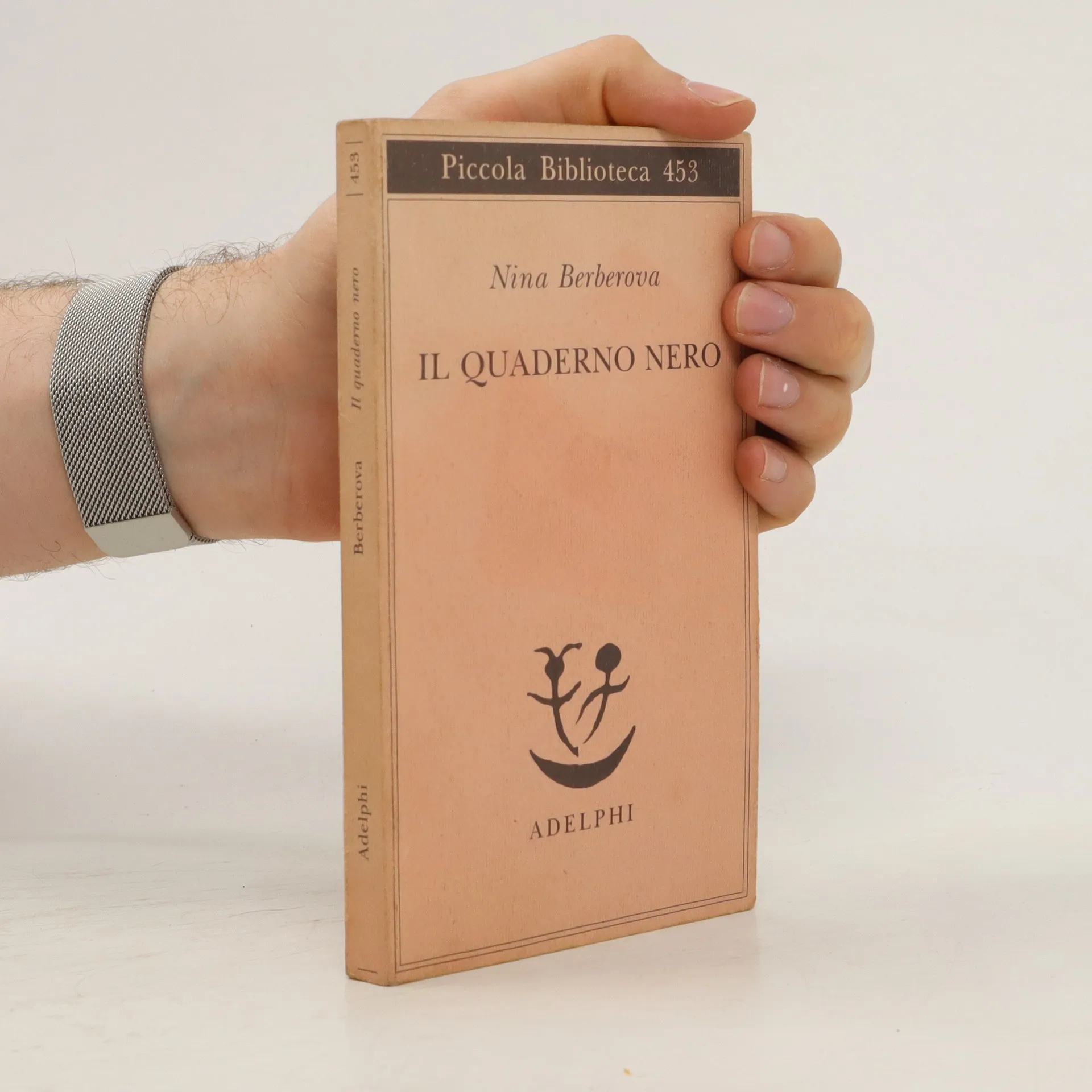
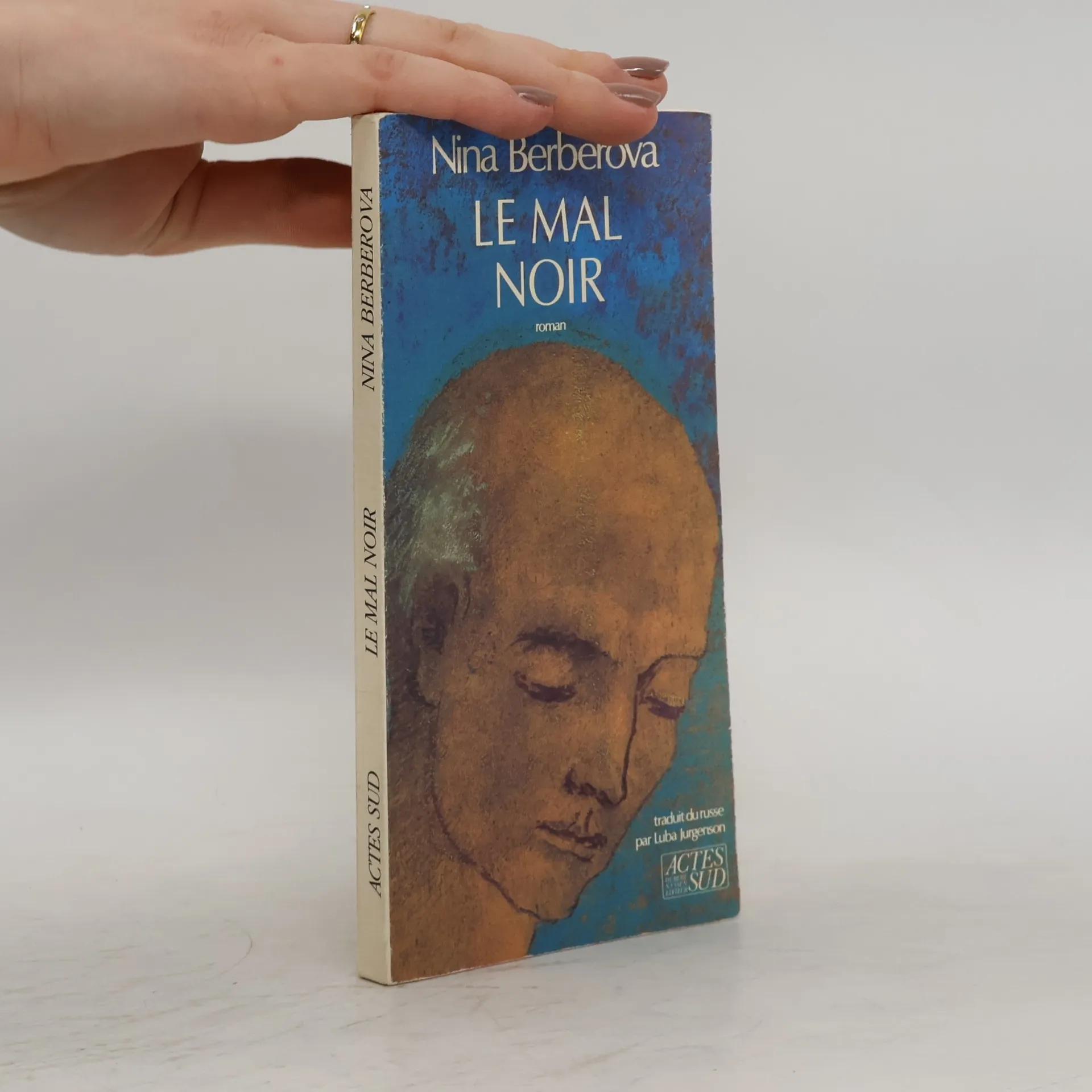
Il quaderno nero
- 175 pages
- 7 hours of reading
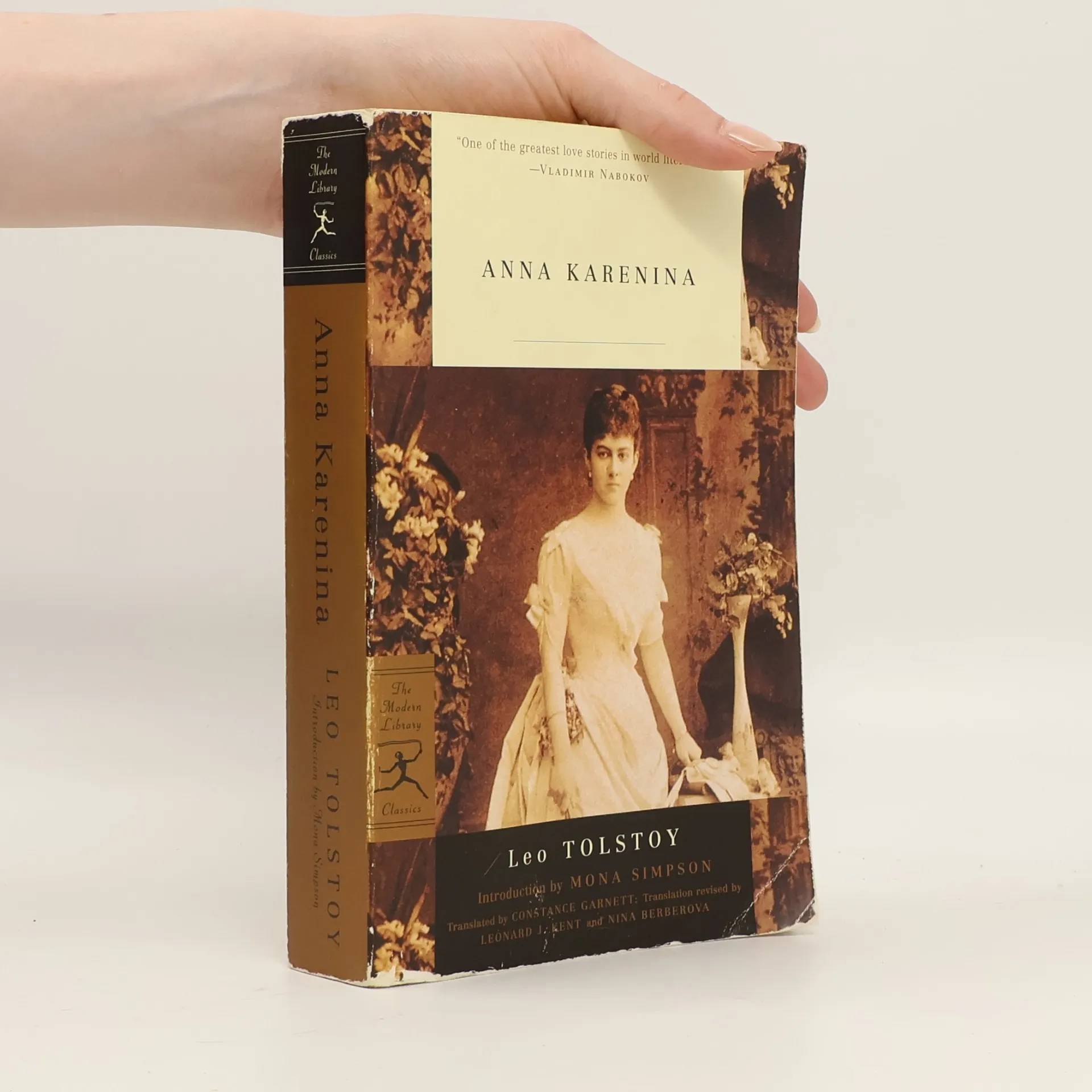
The Modern Library Classics: Anna Karenina
- 938 pages
- 33 hours of reading
Considered by some to be the greatest novel ever written, Anna Karenina is Tolstoy's classic tale of love and adultery set against the backdrop of high society in Moscow and Saint Petersburg. A rich and complex masterpiece, the novel charts the disastrous course of a love affair between Anna, a beautiful married woman, and Count Vronsky, a wealthy army officer. Tolstoy seamlessly weaves together the lives of dozens of characters, and in doing so captures a breathtaking tapestry of late-nineteenth-century Russian society. As Matthew Arnold wrote in his celebrated essay on Tolstoy, "We are not to take Anna Karenina as a work of art; we are to take it as a piece of life."
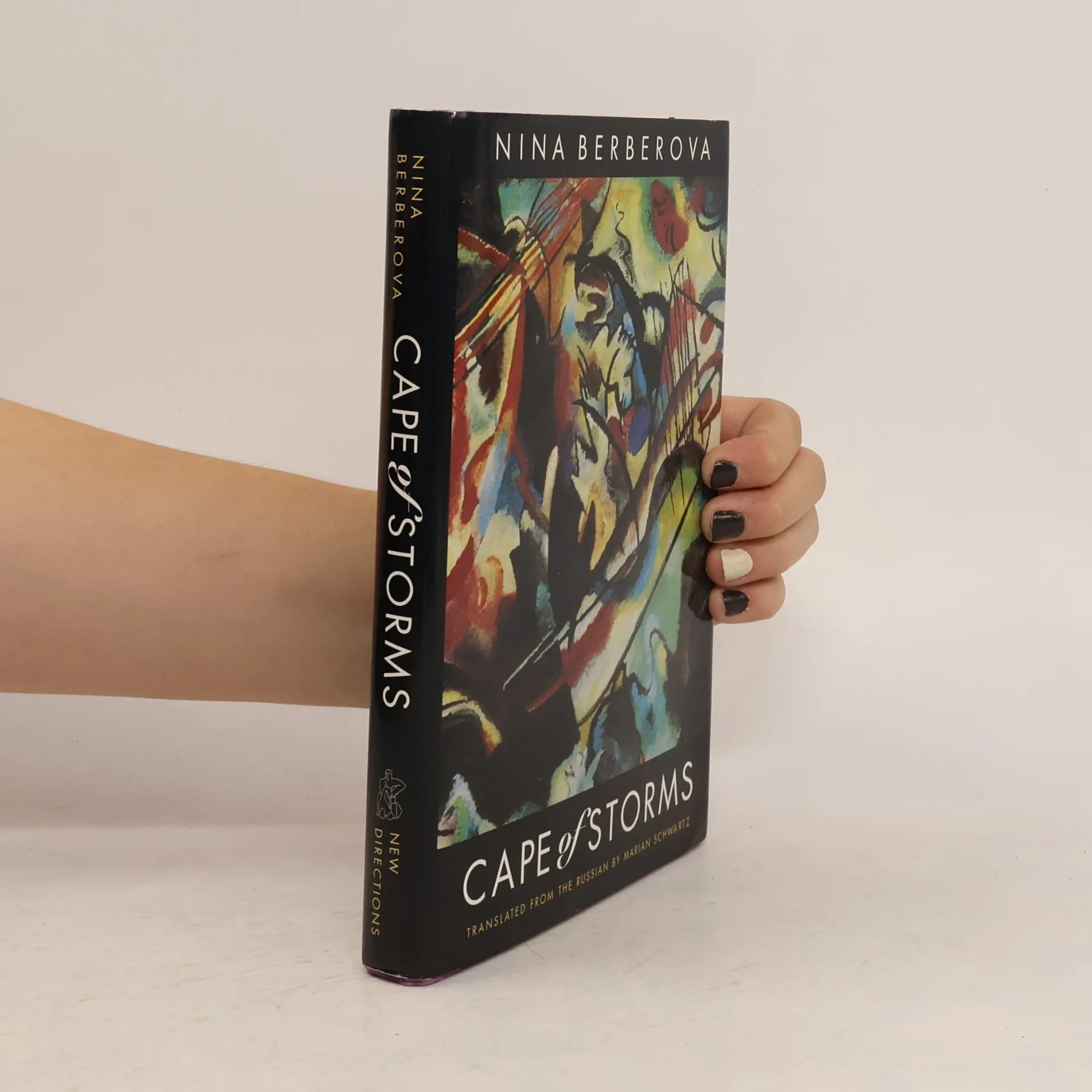
Cape of Storms
- 244 pages
- 9 hours of reading
In Cape of Storms , Nina Berberova portrays a very specific generation––one born in Russia, displaced by the Revolution, and trying to adapt to a new home, Paris. Three sisters––Dasha, Sonia, and Zai––share the same father, Tiagen, an attractive, weak-willed, womanizing White Russian, but each thinks differently about her inner world of beliefs and aspirations, and consequently each follows a different path. Dasha marries and leaves for a bourgeois expatriate life in colonial Africa. Zai, the youngest, and an appealing adolescent, flirts with becoming an actress or a poet. Sonia, the middle daughter, completes a university degree but falls victim to a shocking tragedy. Cape of Storms is a shattering book that opens with a hair-raising scene in which Dasha witnesses her mother’s murder at the hands of Bolshevik thugs, and ends with the Blitzkrieg sweeping toward Paris. It is unparalleled in Berberova’s work for its many shifts of mood and viewpoint and secures the author’s place as “Chekhov’s most vital inheritor” ( Boston Review ).
Чайковский. Железная женщина. Chaykovskiy. Zheleznaya zhenshchina
- 573 pages
- 21 hours of reading
В том вошли произведения биографического жанра, принесшие Нине Берберовой мировую известность. С мастерством строгого историка, наблюдательного мемуариста и проницательного биографа писательница рисует портреты удивительной женщины Марии Закревской-Бенкендорф-Будберг и великого русского композитора Петра Ильича Чайковского.
The fourth book by the great Russian writer (author of The Accompanist, The Italics Are Mine) to be translated into English. Three stories which chronologically paint a picture of the dawn of the Russian Revolution, the flight from its turmoil, and the plight of an exile in a new and foreign place -- all of which Berverova knew from personal experience.
Pour une édition russe, parue aux Etats-Unis en 1984, Nina Berberova avait sélectionné une centaine de poèmes parmi ceux qu'elle avait écrits entre 1921 et 1983. Après quoi, à l'en croire, elle avait sans remords détruit tous les autres, ce que le dépouillement de ses archives paraît confirmer. C'est la même et sévère sélection qu'avant sa mort elle retint pour la composition de la présente " anthologie personnelle " dont le projet lui était soumis. Et en guise de préface, elle suggéra de rassembler des extraits de son autobiographie, C'est moi qui souligne, extraits qu'elle désigna comme " souvenirs en poésie ". Ces fragments, on les retrouvera donc ici rassemblés, qui font voir une jeune fille véritablement propulsée dans la vie par la poésie, et par elle animée d'une force qui la rendait capable d'affronter son terrible destin. Mais on ne manquera pas d'observer que ces souvenirs s'interrompent en 1922 - l'année où Nina Berberova rencontre Vladislav Khodassevitch et avec lui quitte la Russie -, alors même que les poèmes survivants, à l'exception des cinq premiers, sont tous postérieurs à cette date. Comme s'il était un temps pour parler de la poésie, et un autre pour s'y enfermer, s'y réfugier ou lui confier la parole qui n'a pas d'asile ailleurs.
Le Livre du bonheur
- 240 pages
- 9 hours of reading
Joy is often deemed uninteresting in literature, as Tolstoy suggested that "happy families are all alike." Yet, this novel's heroine proves that happiness can be as unique and compelling as any tragedy. Nina Berberova, an émigrée who experienced loneliness and loss, emerges as an unexpected champion of happiness. Her writings, now being translated into English, are beautifully crafted, albeit somewhat distant. In contrast, Vera, the protagonist, is vibrant and full of life, offering a refreshing departure from the typical Russian character. Her journey unfolds in three parts, each linked to a significant love. The first part reflects on the suicide of her oldest friend, leading Vera to reminisce about her idyllic childhood. The second part recounts her tumultuous marriage to a tyrannical invalid and their subsequent emigration to Paris. The third part culminates in a very happy ending. Berberova's writing balances deep emotion with restraint, exemplified in the invalid's poignant description of love. Vera seeks not just "peace" or "freedom," but the elusive state of genuine happiness. In this elegant translation by Marian Schwartz, Berberova captures the essence of joy, making it as palpable on the page as it is in life.
La souveraine
- 157 pages
- 6 hours of reading
" Sacha sentit soudain qu'il était seul et cette découverte le troubla. Ce n'était pas cette "fière solitude", livresque et sans âme, dont il lui arrivait parfois de rêver. Solitude sans fierté, solitude sans grandeur [...], il se sentait pareil à une ombre délaissée de tous, malheureuse et triste. " Jeune émigré russe des années vingt, Sacha vit à Paris avec Ivan, son frère aîné. Ses proches, tous fiancés, lui font sentir toute la pesanteur de sa solitude. Subissant le bonheur indécent de ceux qui l'entourent, il se sent plus que jamais exclu du manège amoureux. Du moins jusqu'à cette nuit passée avec une femme de haute condition. Une simple nuit qui suffit à bouleverser sa façon d'être. Mais cette nuit, loin de lui permettre de se retrouver, menace au contraire de l'isoler davantage et de lui faire connaître le sentiment définitif d'un échec fatal.
Рассказы в изгнании. Rasskazy v izgnanii
- 331 pages
- 12 hours of reading
В сборник известной писательницы русского зарубежья, мемуаристки и исследователя, на этот раз вошли произведения собственно художественной прозы. Среди них рассказы "Аккомпаниаторша", "Мыслящий тростник" и другие, отличающиеся тонким психологизмом и классической стилевой культурой.
Der Traum von Liebe, die bleibt - Drei Novellen - bk1433; Claassen Verlag; Nina Berberova; Paperback; 1993
Die Affäre Krawtschenko
- 320 pages
- 12 hours of reading
Nina Berberova captures the physical and emotional details of the lives of European emigres with vivid, wry, insightful precision, and with extraordinary feeling, presenting six unforgettable portraits of the world and lives of these people.
Records Nina Berberova's life in St Petersburg before and during the Russian Revolution, then her life in Paris, where she was central to the influential literary Russian emigre circle which included Akhmatova, Gorky, Nabokov, Pasternak and Svetaeva.
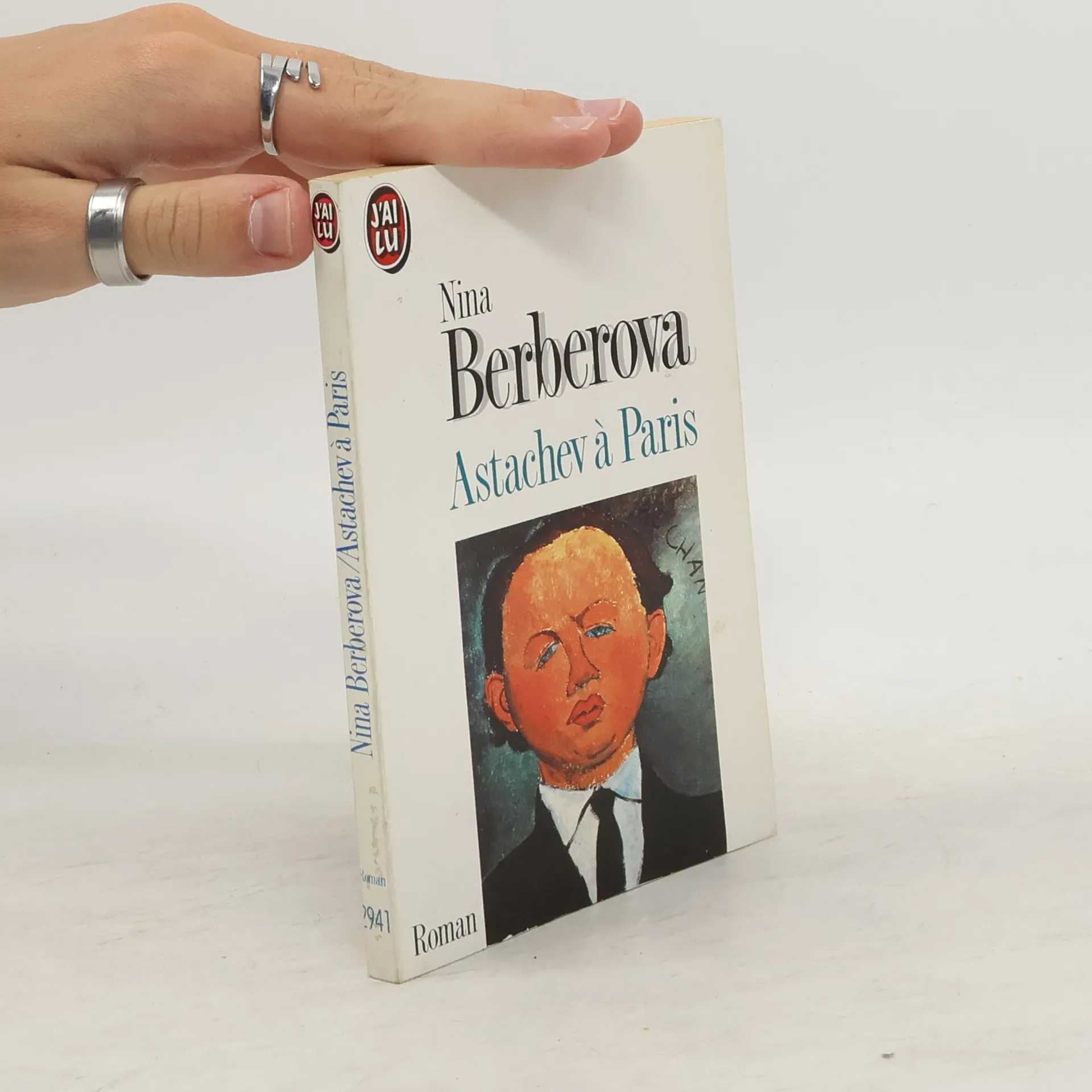
Astachev à Paris
- 128 pages
- 5 hours of reading
Come un sogno a occhi aperti si svolge la vicenda di Sasa, una piccola emigrata russa che in una Parigi fredda e povera guarda se stessa con occhi estranei e assiste allo svolgimento della sua vita. Una vita mancata per eccesso di fedeltà e di delicatezza; una vita precaria, mai vissuta davvero, ma solo transitata dagli eventi. Così come è mancata la vita di Alësa Astasev, il protagonista del primo racconto, anch'egli immigrato in una Parigi ostile, che cerca negli altri una ragione per vivere o meglio uno scongiuro contro la morte. Due vicende rappresentate come due misteriose metafore e il potere della sua asciuttezza narrativa basta con poche incisive pagine a illuminare la vita dei suoi personaggi di una luce metafisica e conturbante.
Evgenij Petrovic, esule russo, non è più un uomo è irrimediabilmente segnato dal suo male nero, così come una delle gemme che ha riscattato dal Monte di pietà si rivela colpita dal «male nero» che la priva di qualunque valore. Al centro di un flusso di personaggi e racconti vitali, il protagonista rifiuta di esserne lambito e persegue con tenacia una condizione di indifferenza e distacco. Le tappe del suo esilio diventano fughe da legami che si fanno troppo stretti con cose, luoghi, fughe dalla vita. E soltanto nell'epilogo la sua indifferenza si rivelerà per ciò che è: la commovente fedeltà a una felicità perduta.
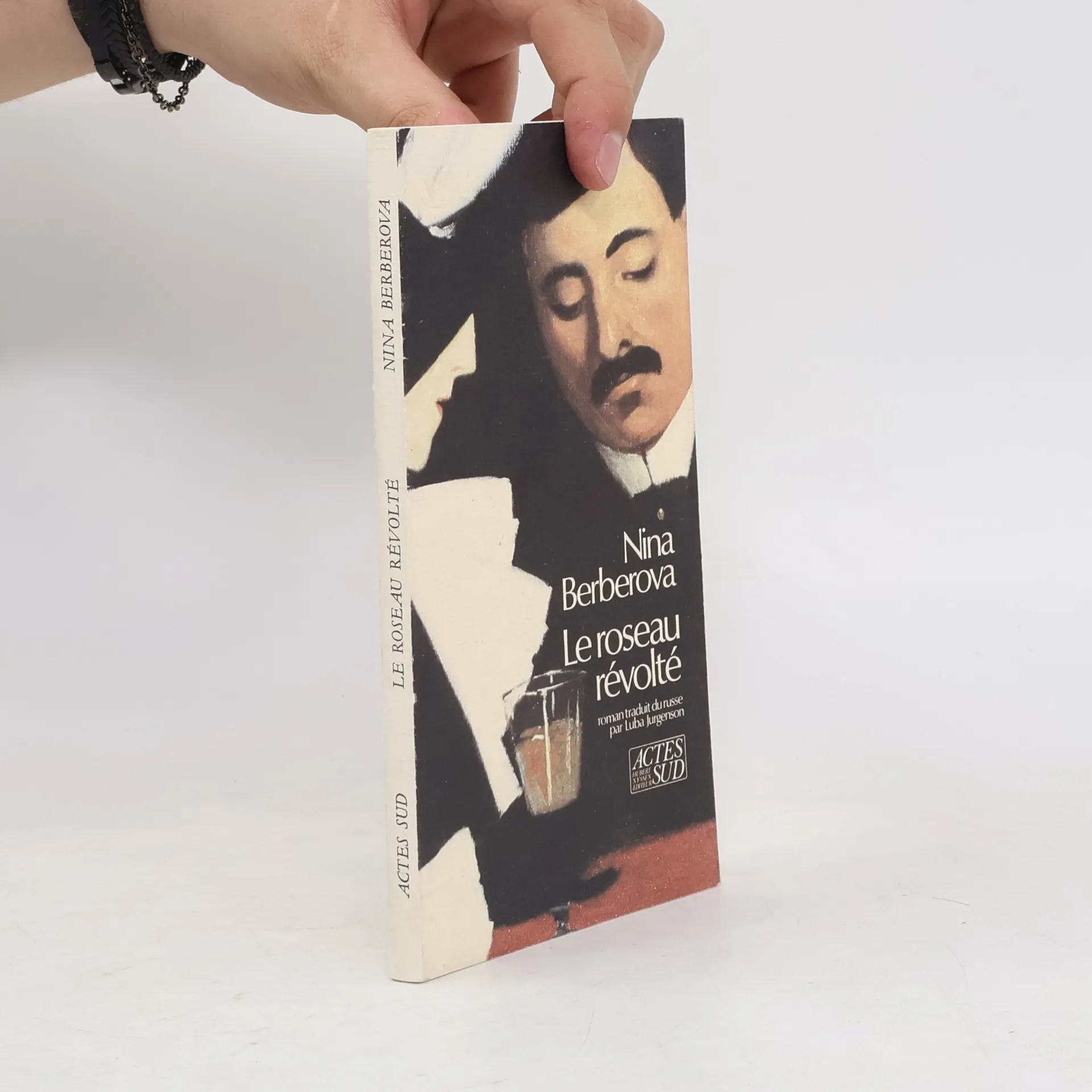
Le roseau révolté
- 72 pages
- 3 hours of reading
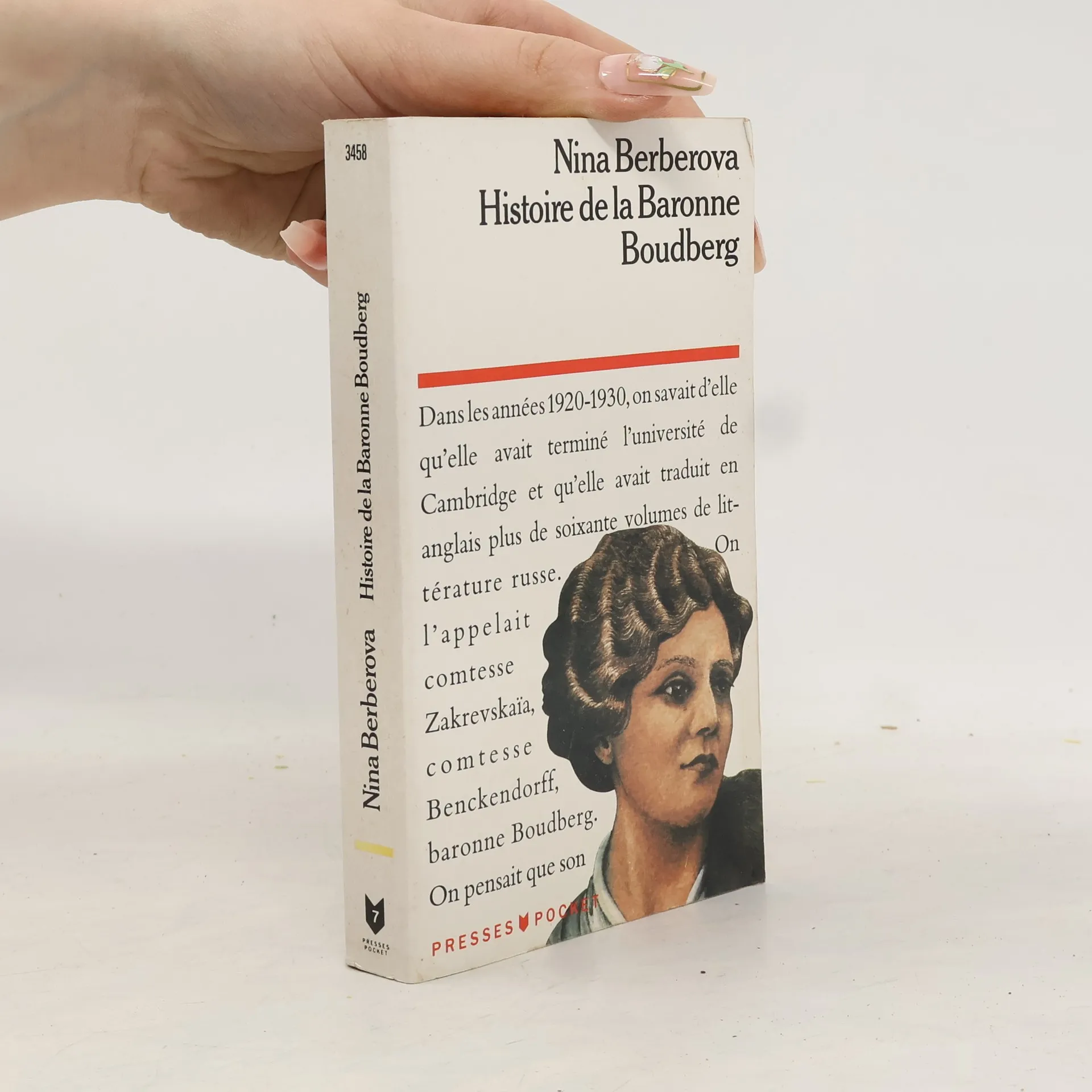
Histoire de la baronne Boudberg
- 369 pages
- 13 hours of reading
" C'était une aristocrate : elle aurait pu être communiste, bourgeoise jamais. " Mais qui était-elle donc ? Baronne Boudberg ? Comtesse Zadrevskaïa ? La simple et belle Moura ? Ou une espionne de haut rang ? D'octobre 1917 à sa mort, en 1974, elle sillonne l'Europe, brille dans les salons de l'intelligentsia occidentale, traduit les grandes œuvres de son temps, bouleverse le destin des hommes qu'elle aime : le diplomate et agent britannique Lockhart, puis Maxime Gorki, enfin H.-G. Wells. Femme fascinante et fuyante, à mi-chemin entre Mata-Hari et Lou Salomé, la baronne Boudberg s'impose sous la plume de Nina Berberova comme une de ces femmes d'exception que l'on n'oubliera plus.
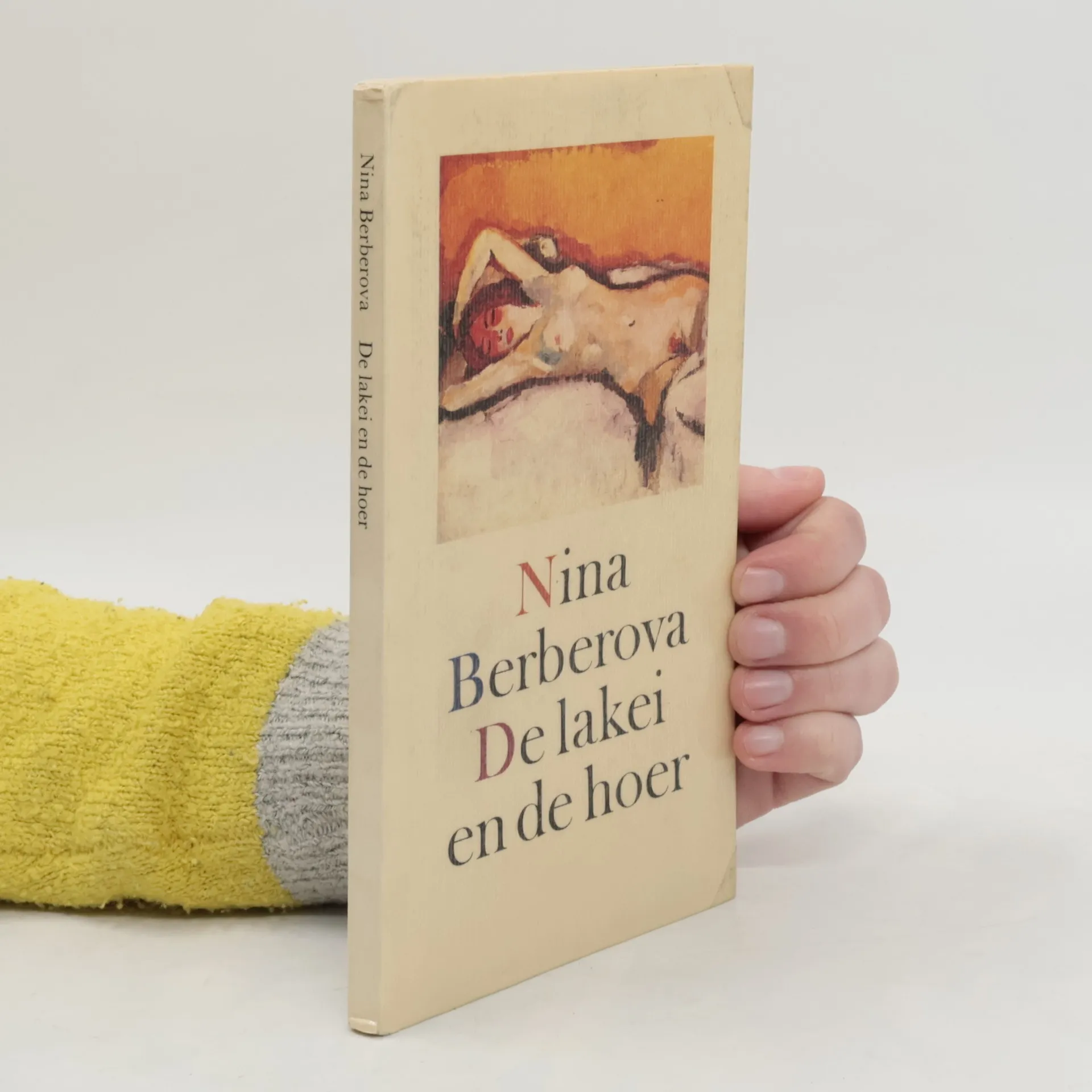
De lakei en de hoer
- 82 pages
- 3 hours of reading
Een Russisch meisje trekt na de revolutie langs grote omwegen uit Petersburg naar Parijs.
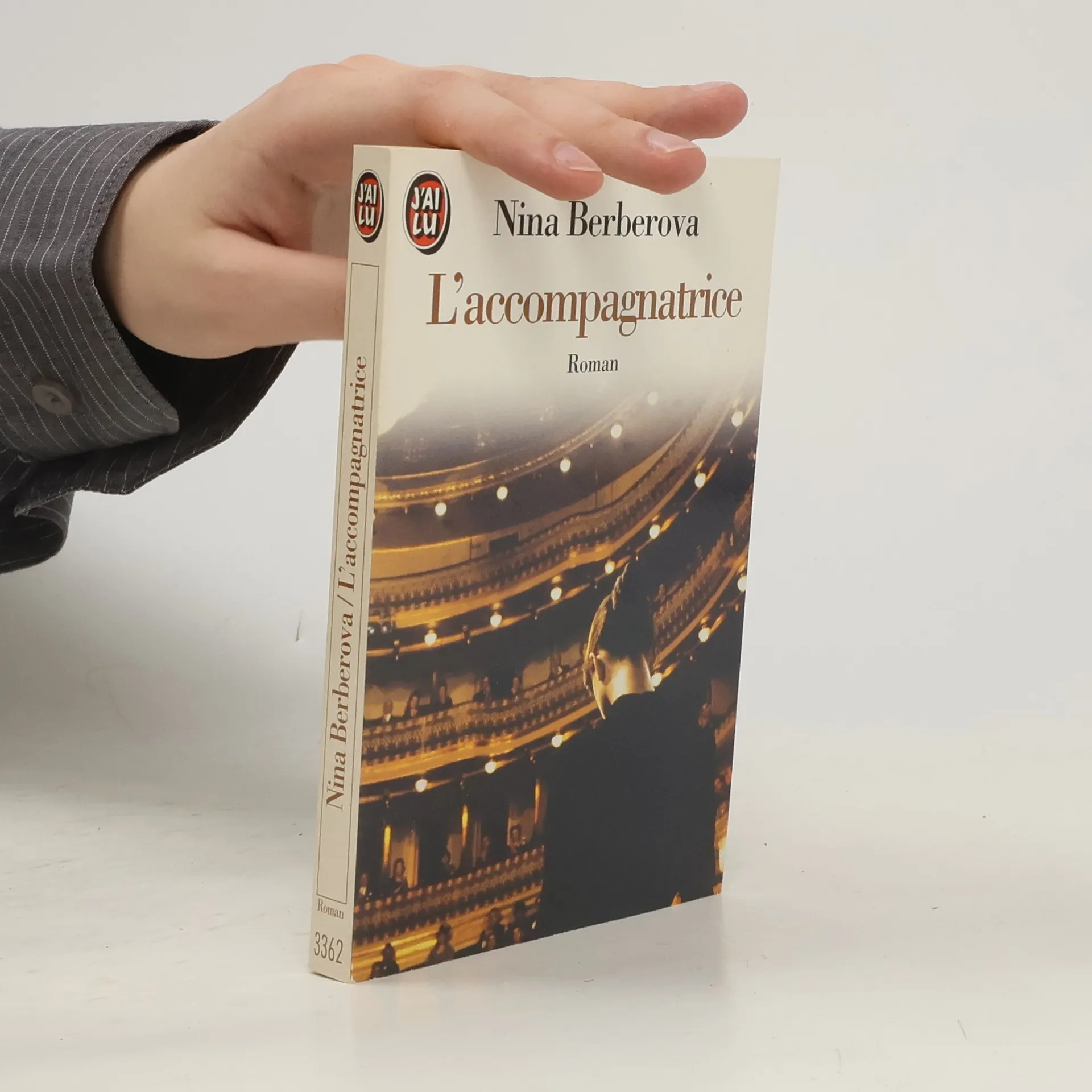
L'accompagnatrice
- 179 pages
- 7 hours of reading
In alcune scene in cui l'economia dei mezzi rafforza l'efficacia del tratto, Nina Berberova racconta le relazioni di una soprano proveniente dall'alta società di Pietroburgo con Sonetchka, la sua accompagnatrice, bastarda e povera. Descrive il loro esilio negli anni successivi alla rivoluzione d'Ottobre e il loro trasferimento a Parigi, dove la loro liaison si conclude nel silenzioso parossismo dell'amore e dell'odio. Virtuosa dell'implicito, Nina Berberova riesce a far pesare sui rapporti dei suoi personaggi l'antagonismo subdolo delle classi sociali e l'incanto della musica, con alcune notazioni indimenticabili sulla voce. Attraverso questo romanzo compatto, violento e sottile, l'autrice ha ricevuto nel 1985 riconoscimenti in Francia, dove aveva trascorso oltre vent'anni prima di esiliarsi definitivamente negli Stati Uniti.
Tschaikowsky
- 279 pages
- 10 hours of reading