
Explore the latest books of this year!
Bookbot

Wendy Doniger

    November 20, 1940
    The University Center for Human Values Series: The Lives of Animals
    The Dharma of Unfaithful Wives and Faithful Jackals
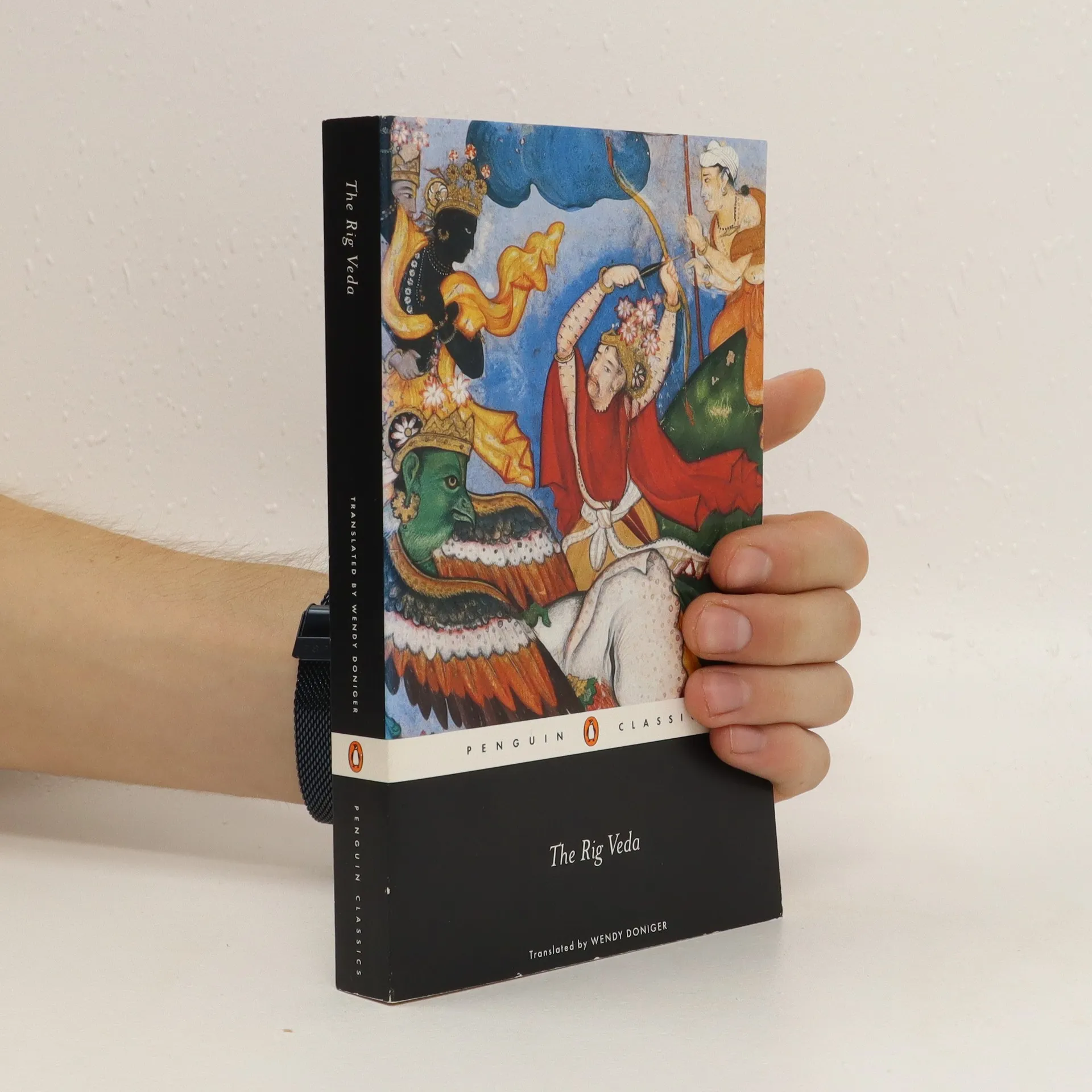
    The Rig Veda
    Śiva : the erotic ascetic
    Shamanism. Archaic Techniques of Ecstasy
    After the War
    • The Dharma of Unfaithful Wives and Faithful Jackals

      Some Moral Tales From The Mahabharata

      • 224 pages
      • 8 hours of reading

      Exploring the creation of enchanting women by Brahma, this book delves into the deeper motivations behind their existence in mythology. It examines themes of beauty, desire, and the interplay between divine intention and human experience. Through captivating narratives, it reveals the significance of these figures in cultural and spiritual contexts, posing thought-provoking questions about femininity and the divine in ancient lore. The story intertwines mythological elements with philosophical inquiries, inviting readers to reflect on the nature of attraction and creation.

      The Dharma of Unfaithful Wives and Faithful Jackals2024
      3.3
    • The final years of the Mahabharata's surviving heroes are explored through debates on the justice of war and the meaning of life, culminating in their deaths and experiences in heaven and hell. This new translation by a distinguished Sanskrit scholar offers clear, contemporary prose, making the text accessible while providing a thoughtful critical apparatus. It promises to engage general readers and deepen the understanding of students interested in Indian civilization and world literature.

      After the War: The Last Books of the Mahabharata2022
    • Twenty-two-year-old Wendy Doniger arrived in Calcutta in August 1963, on a scholarship to study Sanskrit and Bengali. It was her first visit to the country. Over the coming year--a lot of it spent in Tagore's Shantiniketan--she would fall completely in love with the place she had till then known only through books.The India she describes in her letters back home to her parents is young, like her, still finding its feet, and learning to come to terms with the violence of Partition. But it is also a mature civilization which allows Vishnu to be depicted on the walls in a temple to Shiva; a culture of contradictions where extreme eroticism is tied to extreme chastity; and a land of the absurd where sociable station masters don't let train schedules come in the way of hospitality. The country comes alive though her vivid prose, introspective and yet playful, and her excitement is on full display whether she is telling of the paradoxes of Indian life.

      An American Girl in India:2022
      3.5
    • Examines the horse's significance throughout Indian history from the arrival of the Indo-Europeans, followed by the people who became the Mughals (who imported Arabian horses) and the British (who imported thoroughbreds and Walers).

      Winged Stallions and Wicked Mares2021
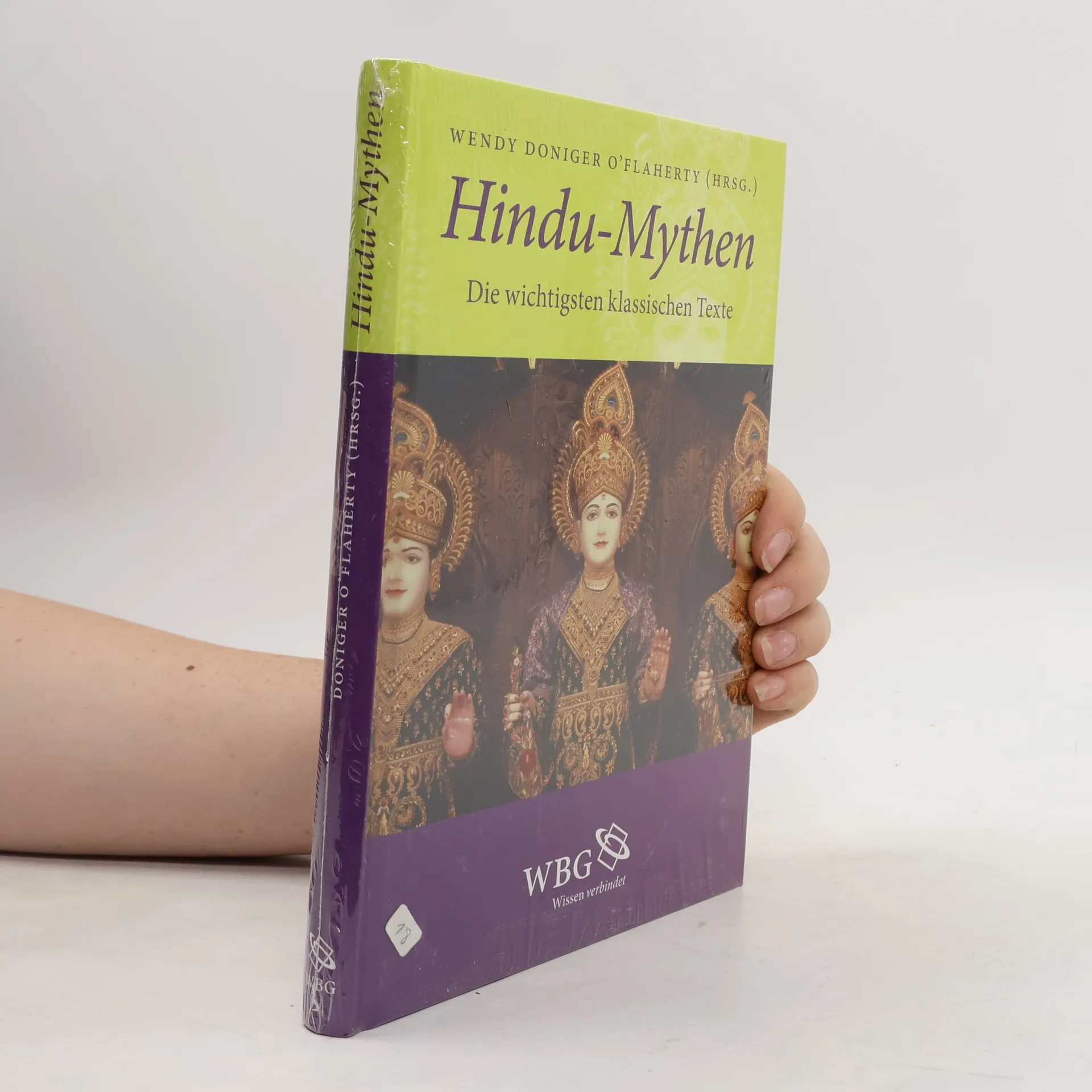
    • Hindu-Mythen

      Die wichtigsten klassischen Texte

      • 220 pages
      • 8 hours of reading

      Erstmals wird hier eine kommentierte Zusammenstellung klassischer Texte des Hinduismus aus vielen Jahrhunderten in deutscher Übersetzung präsentiert. Die Übersetzung eines bekannten Klassikers des englischsprachigen Raums gibt dem Leser einen guten Überblick über das hinduistische Denken und seine Mythen. Die fachkundige Kommentierung und historische Einordnung erleichtern das Verständnis.

      Hindu-Mythen2009
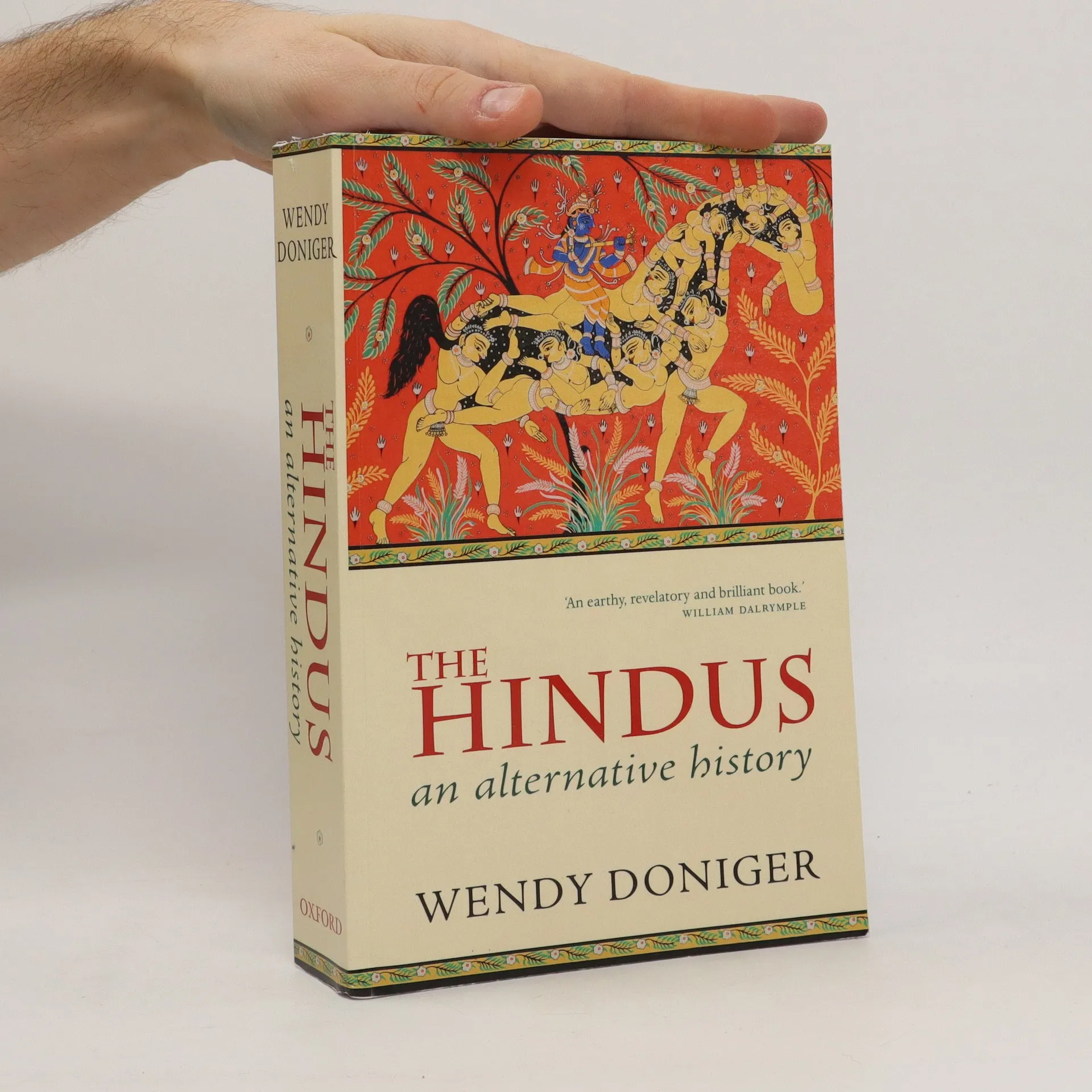
    • The Hindus : an alternative history

      • 779 pages
      • 28 hours of reading

      An engrossing and definitive narrative account of history and myth that offers a new way of understanding one of the world's oldest major religions from one of the world's foremost scholars on Hinduism.

      The Hindus : an alternative history2009
      3.7
    • Describes the beliefs, rituals, and symbols of shamanism and explores its practice in various cultures and influence on religious tradition

      Shamanism. Archaic Techniques of Ecstasy2004
      4.0
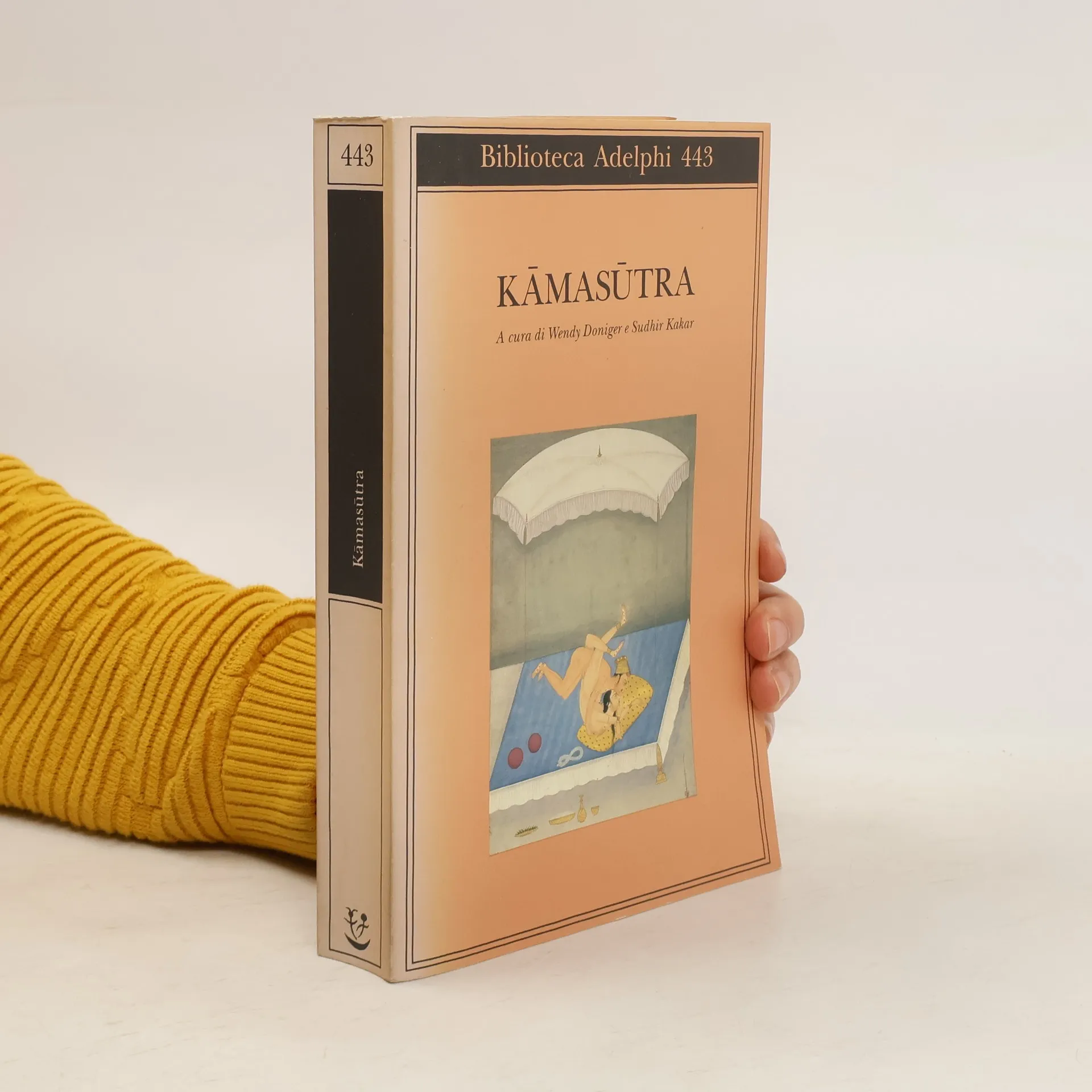
    • Biblioteca Adelphi - 443: Kāmasūtra

      • 335 pages
      • 12 hours of reading

      Amori leciti e illeciti, tattiche di seduzione, cataloghi di carezze, gemiti e percosse, posizioni erotiche consigliate o da evitare, suggerimenti per mariti e mogli, e consigli per cortigiane su come gestire relazioni. Questo è solo un assaggio di un’India sconosciuta, ben diversa dalle immagini bigotte occidentali, che emerge nel trattato sull’arte erotica composto da Vātsyāyana Mallanāga nel III secolo d.C. Wendy Doniger, una delle più versatili indologhe contemporanee, offre una nuova interpretazione del testo, lontano dalle prime traduzioni europee edulcorate o censurate, ma anche dalla riduzione a mera pornografia. Attraverso un commento moderno in hindi e il più antico a noi pervenuto, la Doniger restituisce il testo nella sua saggezza fondamentale, rivolta a un pubblico colto e raffinato, composto da aristocratici, mercanti e giovani ambiziosi. Questo manuale è prezioso per comprendere la concezione della sessualità nell’India classica, presentando un'affascinante ironia nella sua gravità. Il Kāmasūtra delinea una società che ha esplorato il kāma, il "desiderio", condensando il suo sapere in un manuale simile al Cortegiano, che insegna come comportarsi fino a quando, come osserva Vātsyāyana, "la ruota dell’estasi sessuale gira a pieno ritmo", momento in cui "non vi è manuale che tenga".

      Biblioteca Adelphi - 443: Kāmasūtra2003
    • In her later years, novelist Elizabeth Costello becomes consumed by the idea of human cruelty to animals, leading her to avoid eye contact with others. To her, meat-eating humans are complicit in a vast crime occurring in farms, slaughterhouses, and laboratories worldwide. Her son, a physics professor, admires her literary work but fears her animal rights lectures at his college. His colleagues challenge her views on the value of life beyond human reasoning, while his wife criticizes her vegetarianism as moral superiority. During a dinner following her first lecture, guests express a mix of sympathy and skepticism regarding animal rights, engaging in discussions that span philosophical, anthropological, and religious perspectives. For her son, Costello's demeanor is both offensive and oddly resonant. J. M. Coetzee uses fiction to delve into the complexities of animal rights, capturing Costello's sense of mortality and her alienation from humans, including her family. Presented as a Tanner Lecture at Princeton University, the narrative reflects the emotional weight of discussing contentious issues in an academic setting. The text features an introduction by political philosopher Amy Gutmann and responses from various scholars, including Wendy Doniger, Barbara Smuts, Marjorie Garber, and Peter Singer. Together, the lecture-fable and essays examine the profound social implications of moral conflict and confrontation.

      The University Center for Human Values Series: The Lives of Animals2001
      3.7