This author delves into the complexities of espionage and history, drawing from early experiences on a Northern Ireland farm to shape a unique perspective. A lifelong fascination with Russia and its global impact permeates her writing, offering readers deep insights into international affairs. Through detailed examinations of themes like 1920s spies, she uncovers hidden motivations and consequences of human actions. Her prose style, enriched by an interest in architectural history and travel, crafts a rich and immersive reading experience.
This is a guide to the evolution of jewelry which offers a survey of the
entire field. It traces developments from the Middle Ages to the present day
and analyzes jewelry's changing fashions and the gems used in its production.
The major jewelry houses are represented alongside unknown craftsmen.
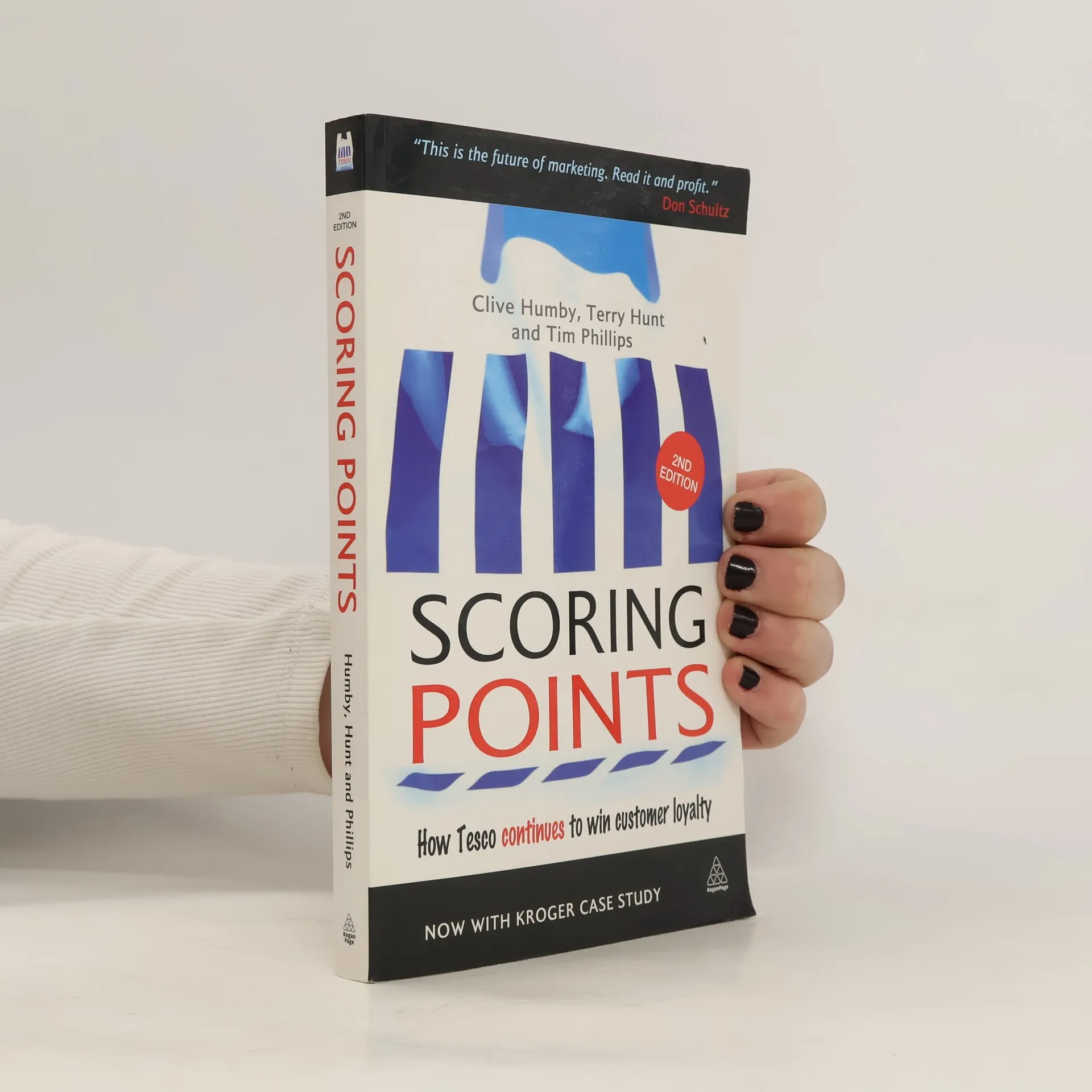
Humby and Terry Hunt, two major influences behind Tesco's spectacular transformation, and Tim Phillips, a leading business writer and broadcaster, present a compelling behind-the-scenes account of Tesco Clubcard--the successes, failures, and lessons learned.
Tim Phillips has been a journalist for 20 years, and during that time he has been slowly driven crazy by bad spokespeople: the jargon, the evasiveness, the inability to make a point or to answer a direct question. Now that every company has a small army dedicated to communications, the problem seems to be getting worse. That's why we should stop thinking about spin and management, and start concentrating on talking like human beings. Is this possible? Talk Normal is an attempt to find out.
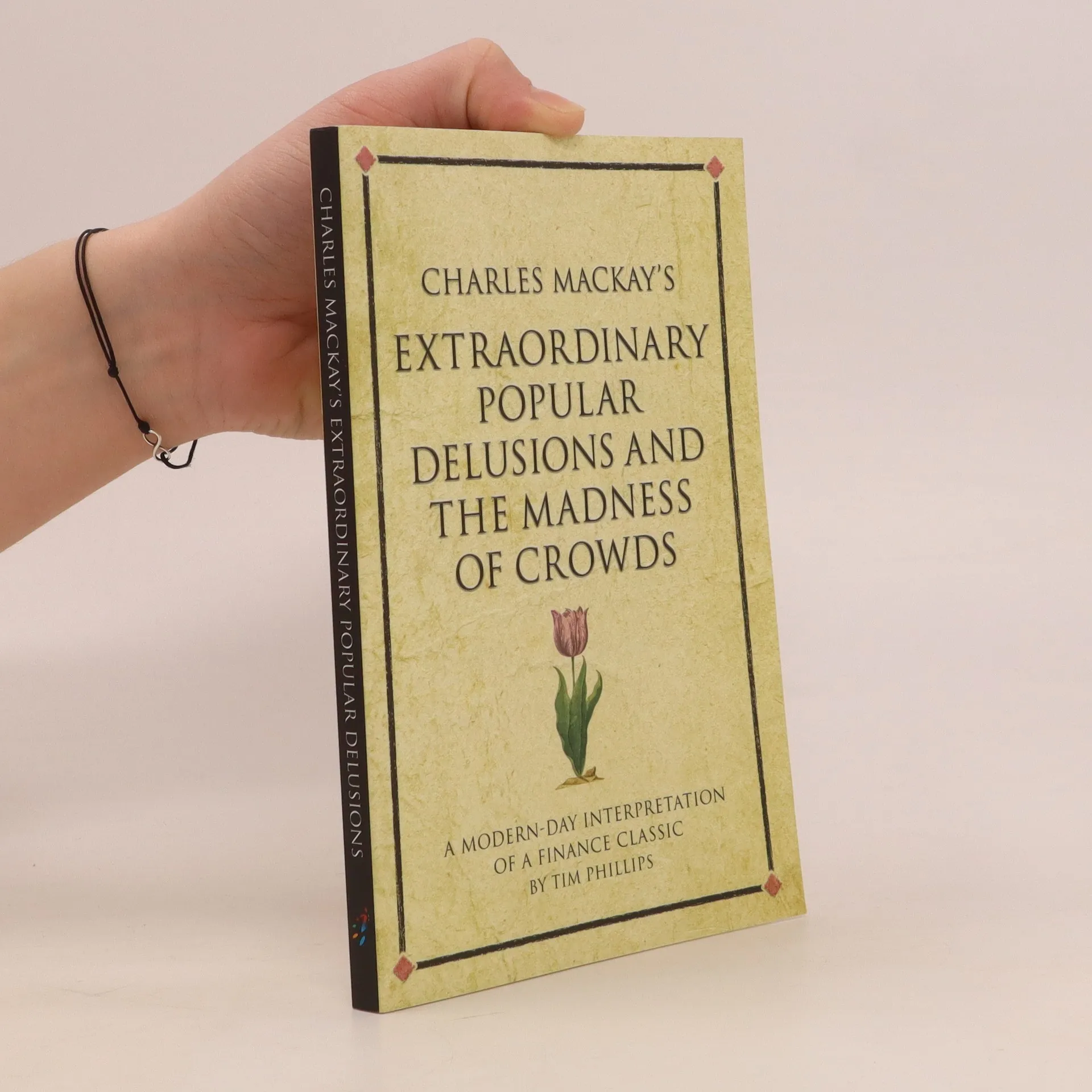
First published in 1841, Extraordinary Popular Delusions and the Madness of Crowds is often cited as the best book ever written about market psychology. Author Charles Mackay chronicles many celebrated financial manias, or 'bubbles', which demonstrate his assertion that "every age has its peculiar folly; some scheme, project, or fantasy into which it plunges, spurred on by the love of gain, the necessity of excitement, or the mere force of imitation." This still holds fast today! Among the alleged 'bubbles' described by Mackay is the infamous Dutch tulip mania, the South Sea Company bubble and the Mississippi Company bubble. And what do bubbles do? Why they burst of course. Tim Phillips's interpretation of Mackay's work is not a substitute for the original; its purpose is simply to illustrate the timeless nature of these inspirational insights by bringing them to life through modern business and political case studies. This brilliant interpretation of Extraordinary Popular Delusions... is an entertaining accompaniment to one of the most famous books ever written.
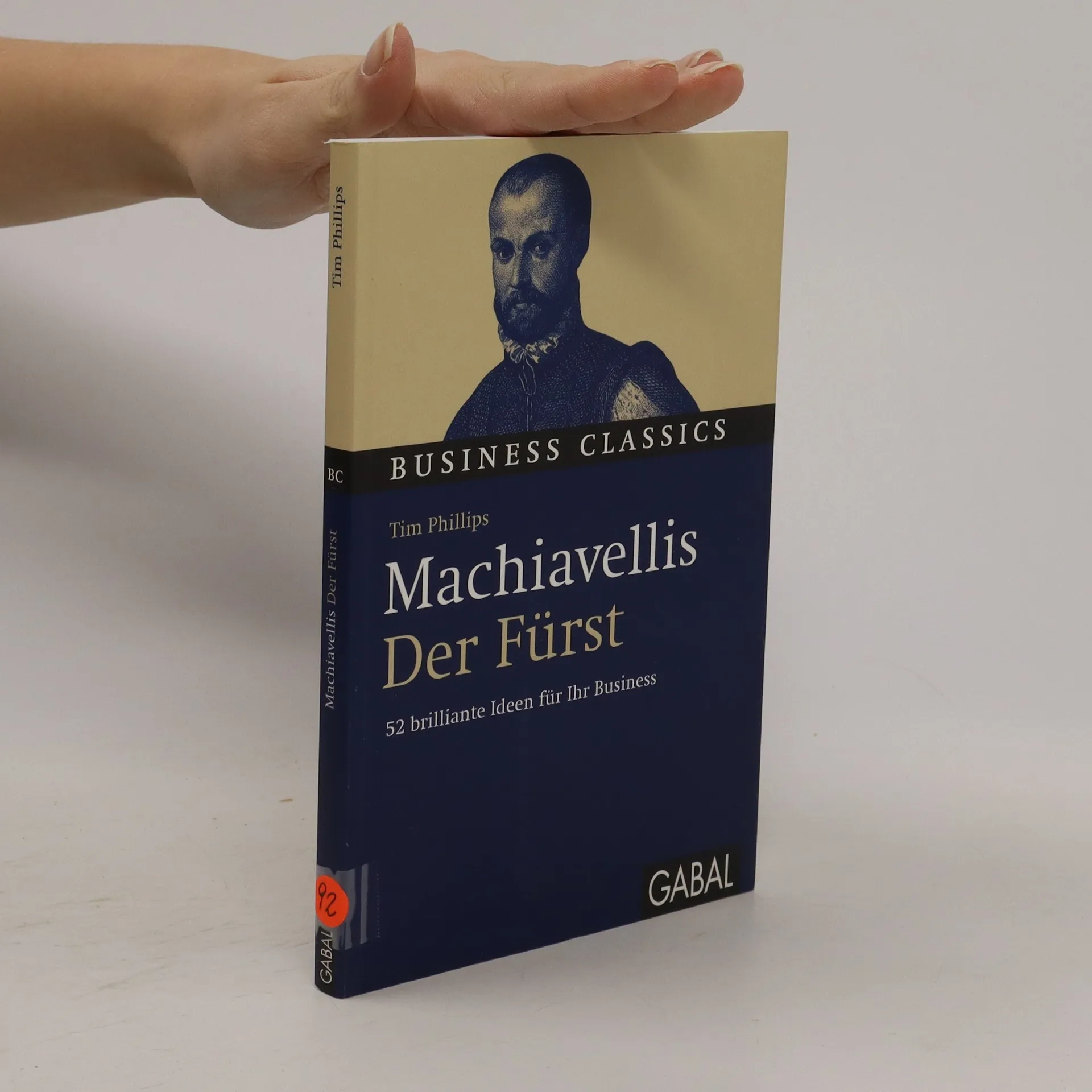
Niccolo Machiavellis „Der Fürst“ erschien 1532 und gilt seitdem als eine der am meisten polarisierenden Schriften der politischen Ökonomie. Sein ausschließlich erfolgsorientierter Zweckrationalismus und Amoralismus wird heute – fälschlicherweise – häufig zur Legitimation der so genannten Realpolitik herangezogen. Tim Phillips hat das Werk neu interpretiert und zeigt, was man im Geschäftsleben noch heute von Machiavelli lernen kann. Sie erfahren: - Warum Sie Macht einbüßen, wenn Sie sie nicht einSetzen und nutzen. - Wie Sie sich ehrgeizige Ziele Setzen. - Warum Sie sich mit dem Gegner Ihres Gegners gut stellen sollten.
Das Buch präsentiert 52 Ideen aus Bertrand Russells Eroberung des Glücks, ergänzt durch praktische Beispiele, Praxistipps und sinnige Zitate. Die erste Veröffentlichung des späteren Literaturnobelpreisträgers stammt aus dem Jahr 1930 und gehört zu seinen populären Schriften. Russell, ein Pionier der analytischen Philosophie, war seiner Zeit weit voraus: Atheist, Anwalt der Toleranz, Pazifist, Frauenrechtler und in Maßen Hedonist. Er hat ein Talent dafür, komplexe Probleme wie die Frage nach dem Glück so zu formulieren, dass jeder sich in der Lage sieht, sie zu beantworten. Glück ist nicht leicht zu erreichen, aber es ist erarbeitbar. Russell verspricht keine einfachen Lösungen und macht deutlich, dass das Streben nach Glück ein anstrengender Kampf ist, der auch in Niederlagen enden kann. Er verharmlost nicht, was für viele der schwierigste Kampf ihres Lebens ist: das Ringen um Glück. Stattdessen bietet er eine reichere Zukunft an, die durch klares Denken und Schlussfolgern aus unverbrüchlichen Axiomen erreicht werden kann. Dabei betont er den Wert von Logik und die Kraft des eigenständigen Denkens, das sich nicht von schnellen Scheinlösungen ablenken lässt.
Из фантастических сюжетов "Игры престолов" авторы извлекают и предлагают читателю жизненные и полезные уроки о том, как формируются и действуют явные и скрытые лидеры. Подробно разбирая мотивации и действия героев сериала, обращая наше внимание на их успехи и ошибки, Тим Филлипс и Ребекка Клэр создали настоящий учебник поведенческих моделей. Эта книга - отличный бизнес-инструмент для частного предпринимателя и менеджера-стажера небольшого предприятия до совладельца или генерального директора глобальной корпорации.
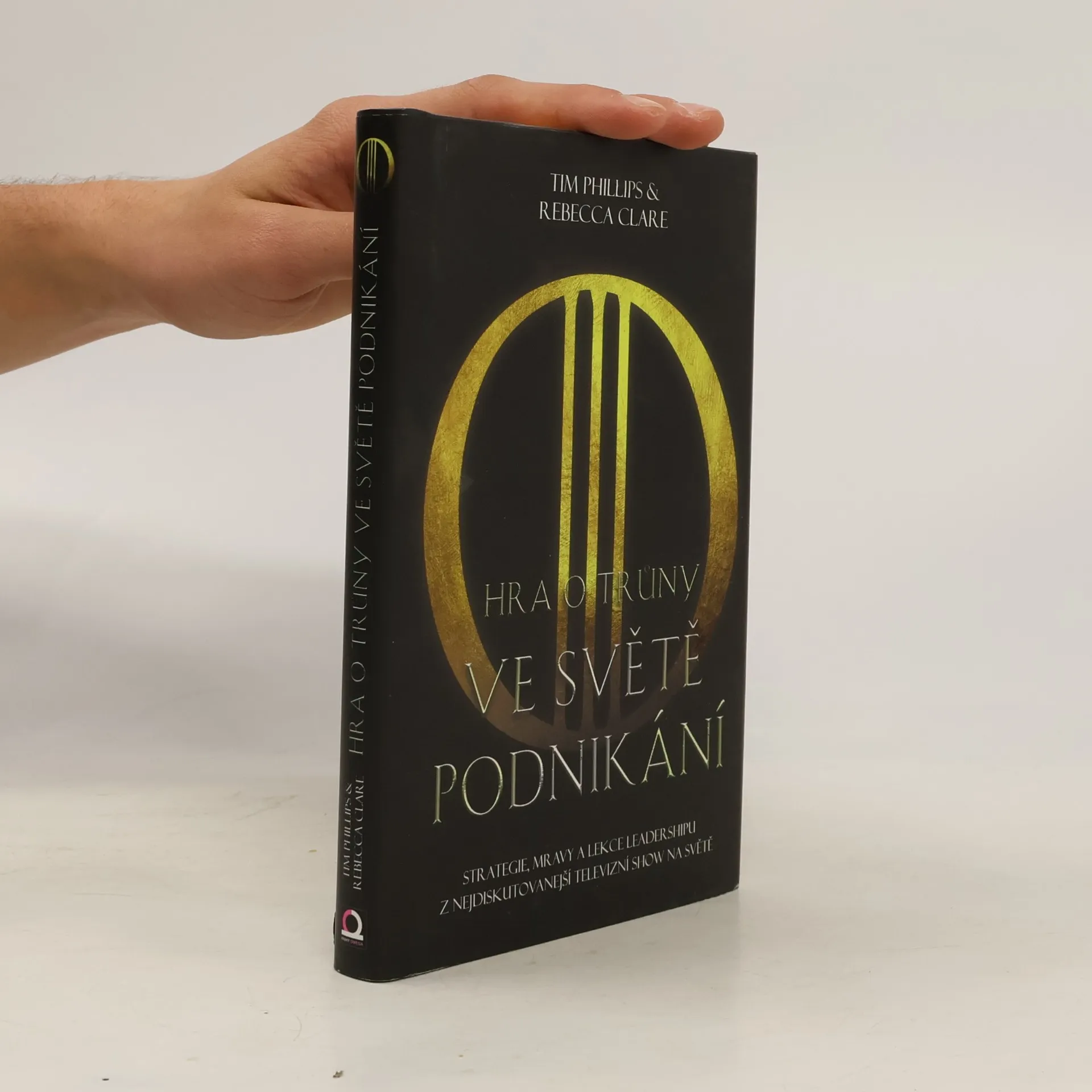
Seriál Hra o trůny je globální fenomén, který přilákal rekordní sledovanost televizních diváků a získal obrovskou mezinárodní fanouškovskou základnu, a zároveň posbíral řadu nominací a ocenění. Jak by tento seriál plný draků, ledových monster a jiných mohl mít něco společného se světem byznysu a podnikání?
V knize Hra o trůny ve světě podnikání nám její autoři, Tim Phillips a Rebecca Clare, fascinující a zároveň zábavnou formou poskytnou lekce leadershipu a managementu. Autoři berou konkrétní seriálový děj a jednání postav a ukazují, jak se můžeme poučit z jejich úspěchů (a častěji chyb), kterých se v seriálu dopouští. Tvoří paralely mezi seriálovým dějem a příklady ze světa byznysu a podnikání a ukazují, že seriál Hra o trůny není zdaleka jen zábavný program, ale také velmi poučný, a může pomoct všem, od řadových zaměstnanců až po vrcholné manažery, ať již pracují v malých soukromých firmách nebo nadnárodních korporacích.