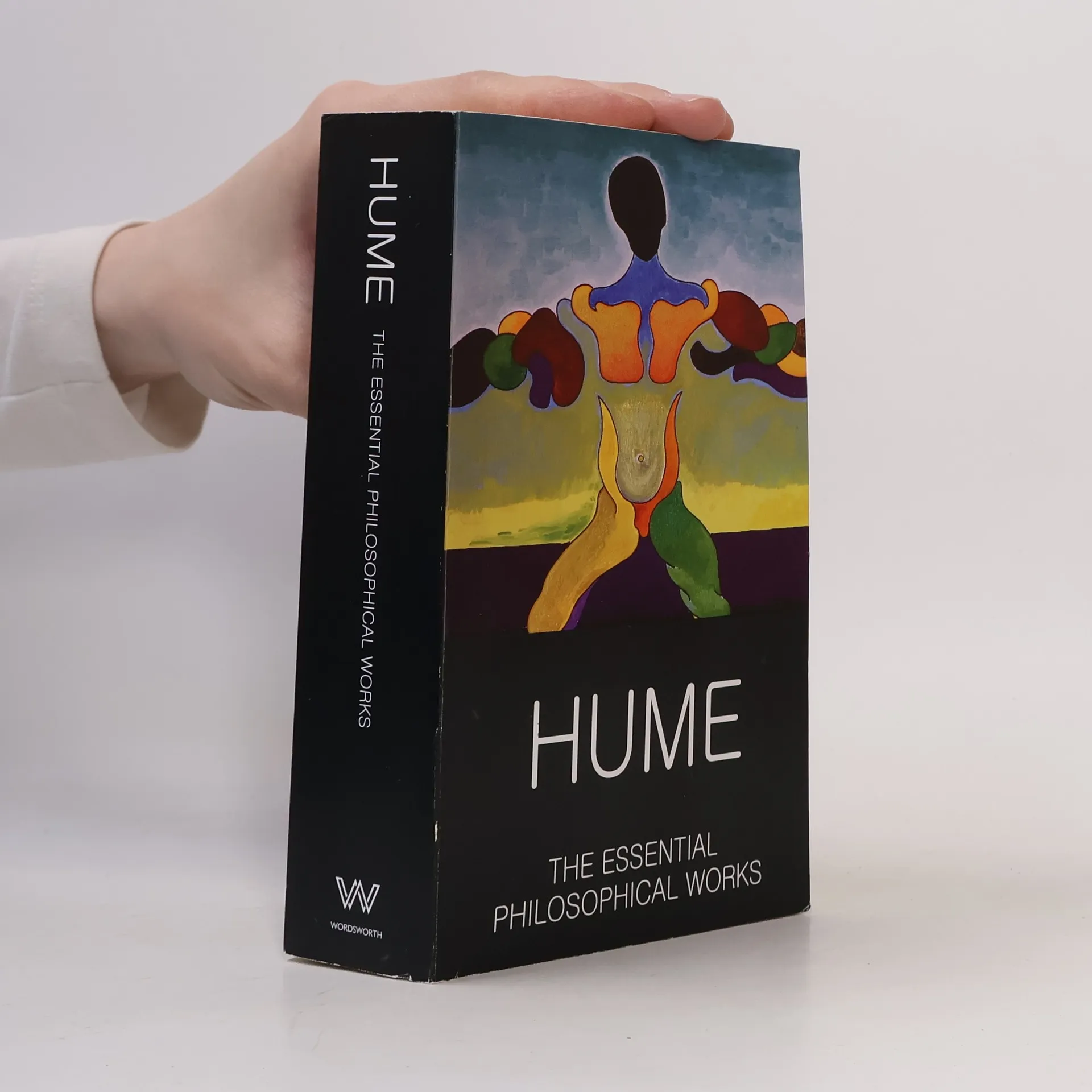
David Hume Series
April 26, 1711 – August 25, 1776
David Hume, a towering figure of the Scottish Enlightenment, fundamentally shaped Western thought through his radical philosophical empiricism and skepticism. He sought to establish a naturalistic 'science of man,' exploring the psychological underpinnings of human nature and concluding that desire, rather than reason, governs behavior. Hume argued that knowledge stems solely from direct experience, challenging the notion of innate ideas and questioning the rational justification of causality. His influential theories on free will and ethics, grounded in sentiment rather than abstract principles, continue to resonate in contemporary philosophy.