

Explore the latest books of this year!
Bookbot

Willa Muir

    Willa Muir was a Scottish novelist, essayist, and translator who explored feminist themes and rendered significant German works into English. Her essays offer a profound inquiry into the condition of women, marked by intellectual rigor and sharp insight. Beyond her original writing, Muir's translations, including those of Franz Kafka, brought vital European literature to new audiences. Her legacy lies in this potent combination of feminist thought and dedicated literary translation.

    The Trial
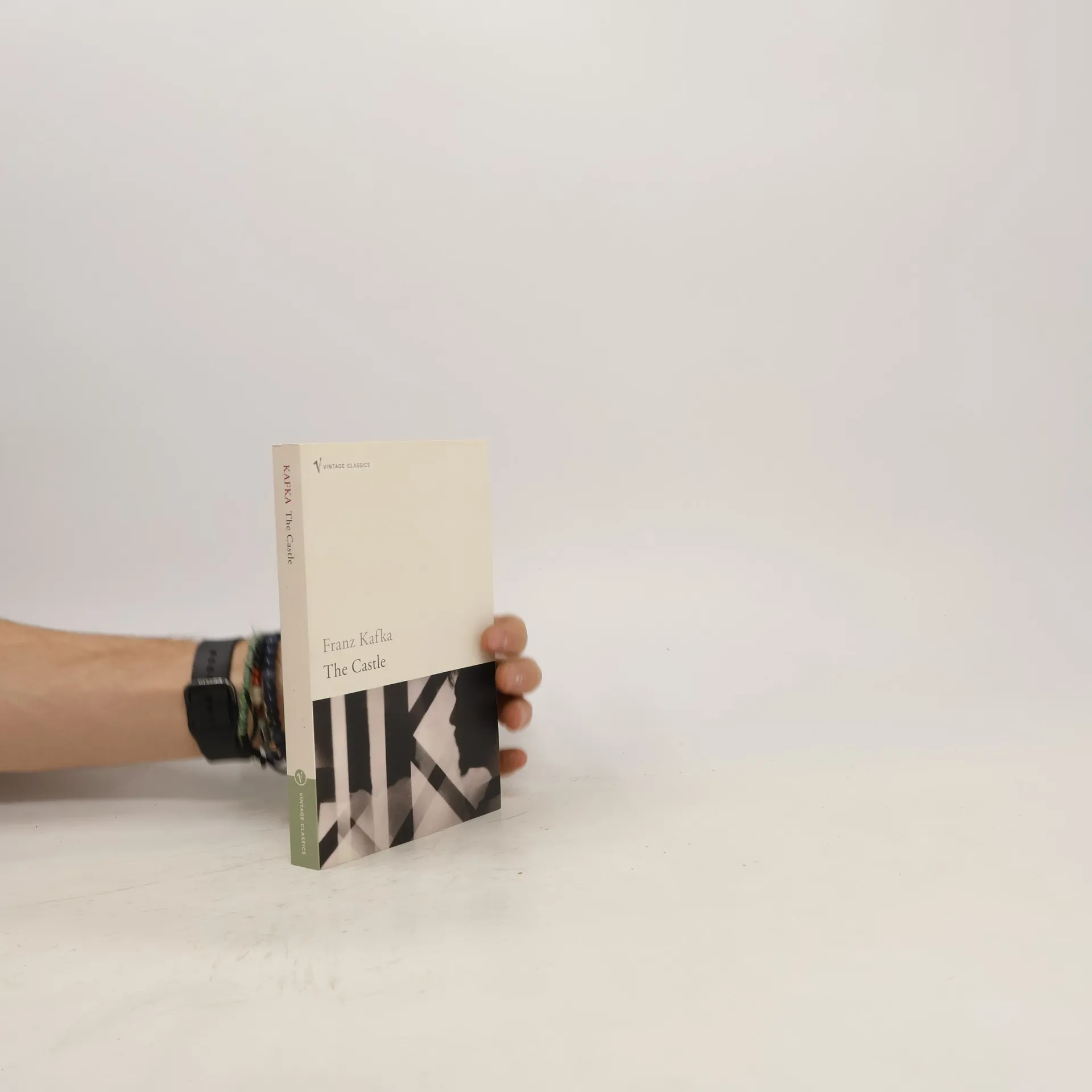
    The Castle
    The metamorphosis
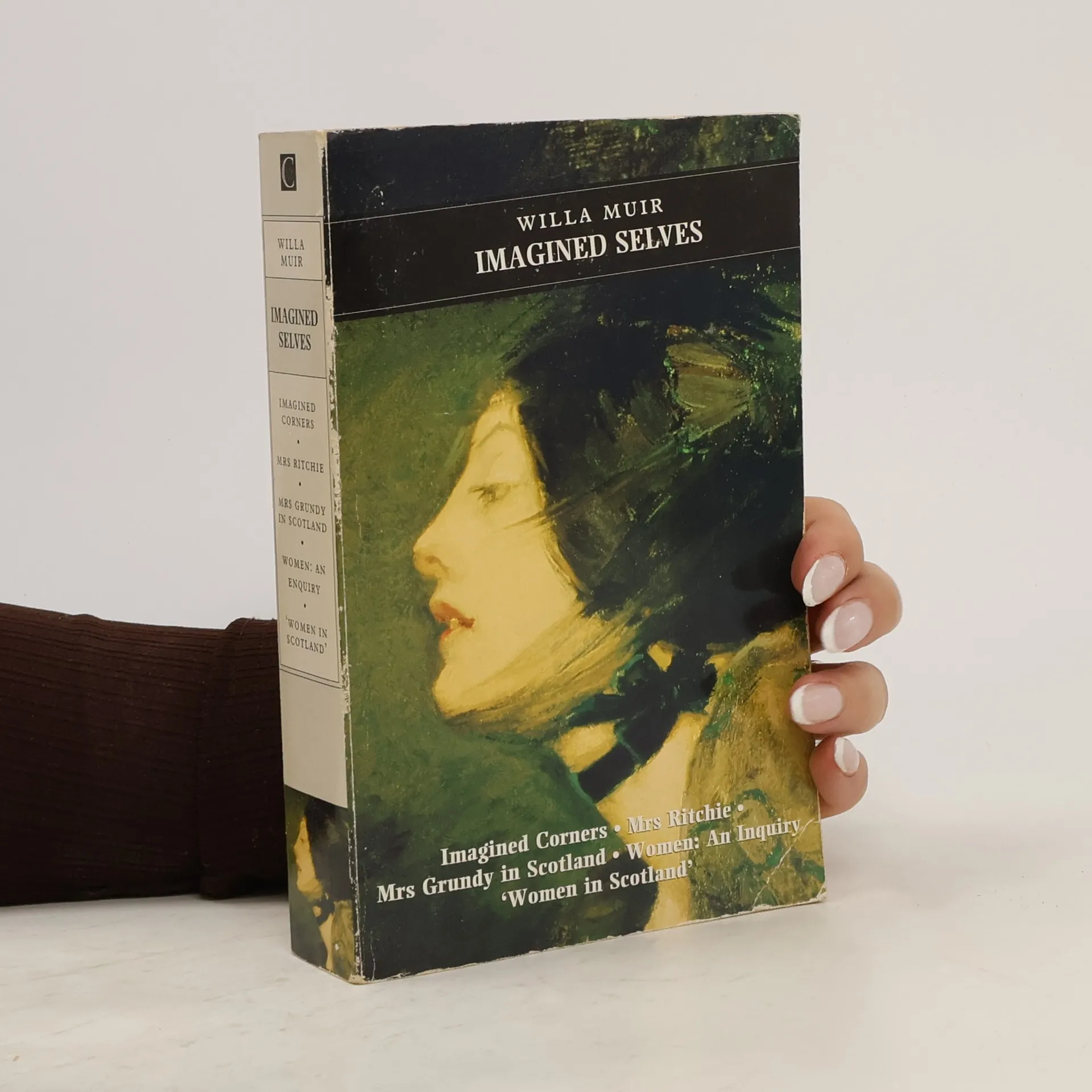
    Imagined Selves
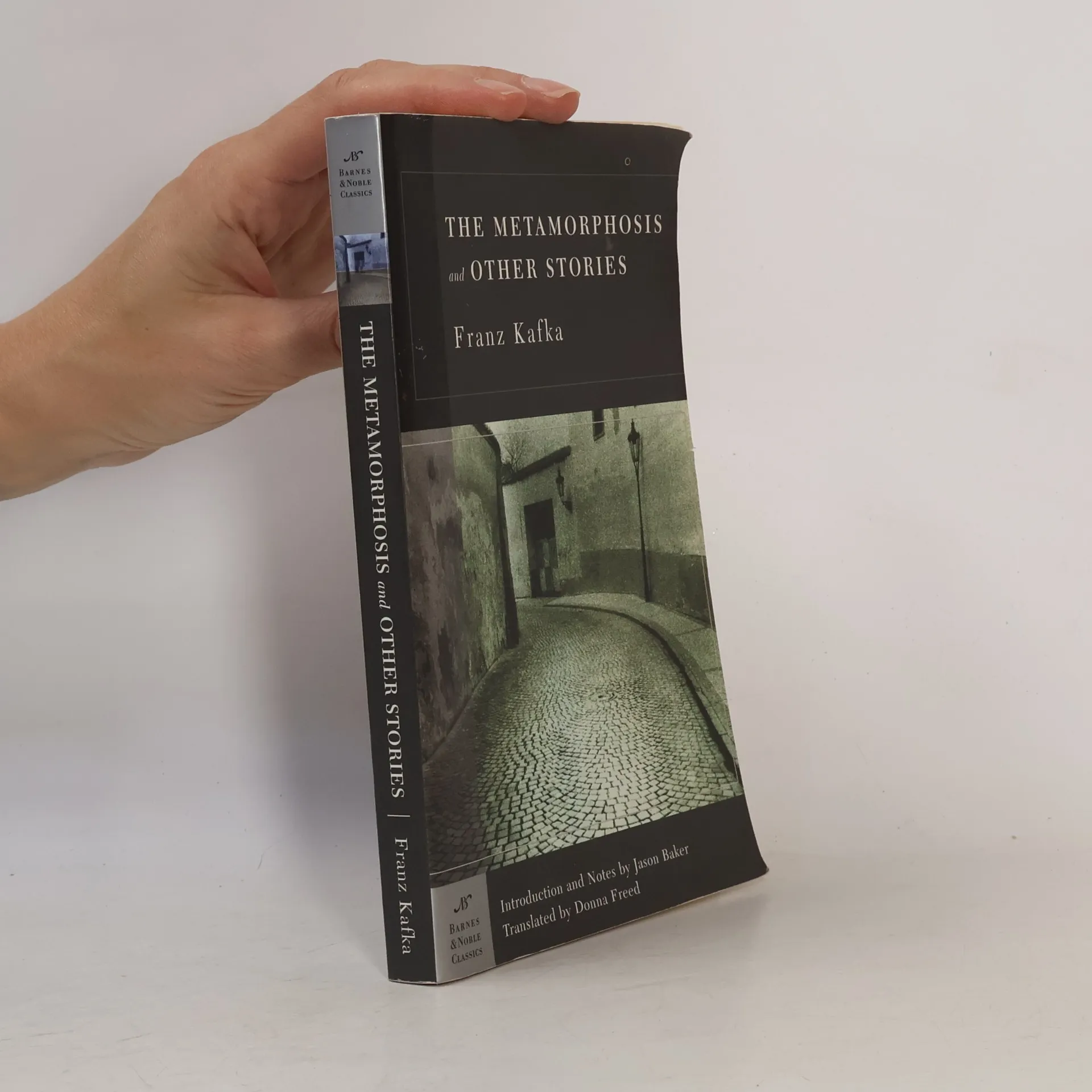
    Selected Short Stories of Franz Kafka
    The Usurpers
    • The Usurpers

      • 304 pages
      • 11 hours of reading

      The Usurpers, was based on the diaries Willa Muir kept in Prague in the period 1945-1948, when her husband was the Director the British Institute there. Under the guise of Utopians in Slavomania, it offers acute, humorous and sometimes acerbic observations on relations among the British and between them and their Czech allies and opponents.

      The Usurpers
      3.0
    • Selected Short Stories of Franz Kafka

      • 360 pages
      • 13 hours of reading

      Franz Kafka's enigmatic, deadpan, and deeply pessimistic stories are central to literary modernism. In 'The Metamorphosis', the estrangement of everyday life becomes corporealized when Gregor Samsa wakes up as a giant bug and wonders how he is going to get to work on time. Kafka inverts the implied degradation of a man's transformation into an animal in 'A Report of the Academy', an ape's address to a group of scientists.

      Selected Short Stories of Franz Kafka
      4.1
    • Imagined Selves

      • 712 pages
      • 25 hours of reading

      This volume is a celebration of the life and work of Willa Muir.

      Imagined Selves
      4.0
    • The metamorphosis

      • 120 pages
      • 5 hours of reading

      „Als Gregor Samsa eines Morgens aus unruhigen Träumen erwachte, fand er sich in seinem Bett zu einem ungeheueren Ungeziefer verwandelt. Er lag auf seinem panzerartig harten Rücken und sah, wenn er den Kopf ein wenig hob, seinen gewölbten, braunen, von bogenförmigen Versteifungen geteilten Bauch, auf dessen Höhe sich die Bettdecke, zum gänzlichen Niedergleiten bereit, kaum noch erhalten konnte. Seine vielen, im Vergleich zu seinem sonstigen Umfang kläglich dünnen Beine flimmerten ihm hilflos vor den Augen.“ In diese Ausgabe der berühmten Kafka-Erzählung wurde auch die Rückverwandlung des Gregor Samsa, die im Prager Tagblatt erschienene Fortsetzung der Erzählung aus der Feder des früh an Kehlkopftuberkulose verstorbenen Karl Brand (1895–1917), eines Bekannten Kafkas, mitabgedruckt.

      The metamorphosis
      4.1
    • The Castle

      • 320 pages
      • 12 hours of reading

      The Castle is the story of K., the unwanted Land Surveyor who is never to be admitted to the Castle nor accepted in the village, and yet cannot go home. As he encounters dualities of certainty and doubt, hope and fear, and reason and nonsense, K.'s struggles in the absurd, labyrinthine world where he finds himself seem to reveal an inexplicable truth about the nature of existence. Kafka began The Castle in 1922 and it was never finished, yet this, the last of his three great novels, draws fascinating conclusions that make it feel strangely complete.

      The Castle
      4.0
    • The Trial

      • 224 pages
      • 8 hours of reading

      On his thirtieth birthday, the bank clerk Josef K. is suddenly arrested by mysterious agents for an unspecified crime. He is told that he will be set free, but must make regular appearances at a court in the attic of a tenement building while his trial proceeds. Although he never comes to know the particulars of his case, Josef K. finds his life taken over by the opaque bureaucratic procedures and is tormented by the psychological pressures exerted by his legal nightmare. Published the year after the author's death, but written ten years earlier, The Trial is the most acclaimed of Kafka's three novels, and is both a haunting meditation on freedom and the powerlessness of the individual in the face of state power, and an ominous prefiguration of the totalitarian excesses of the twentieth century.

      The Trial
      3.9