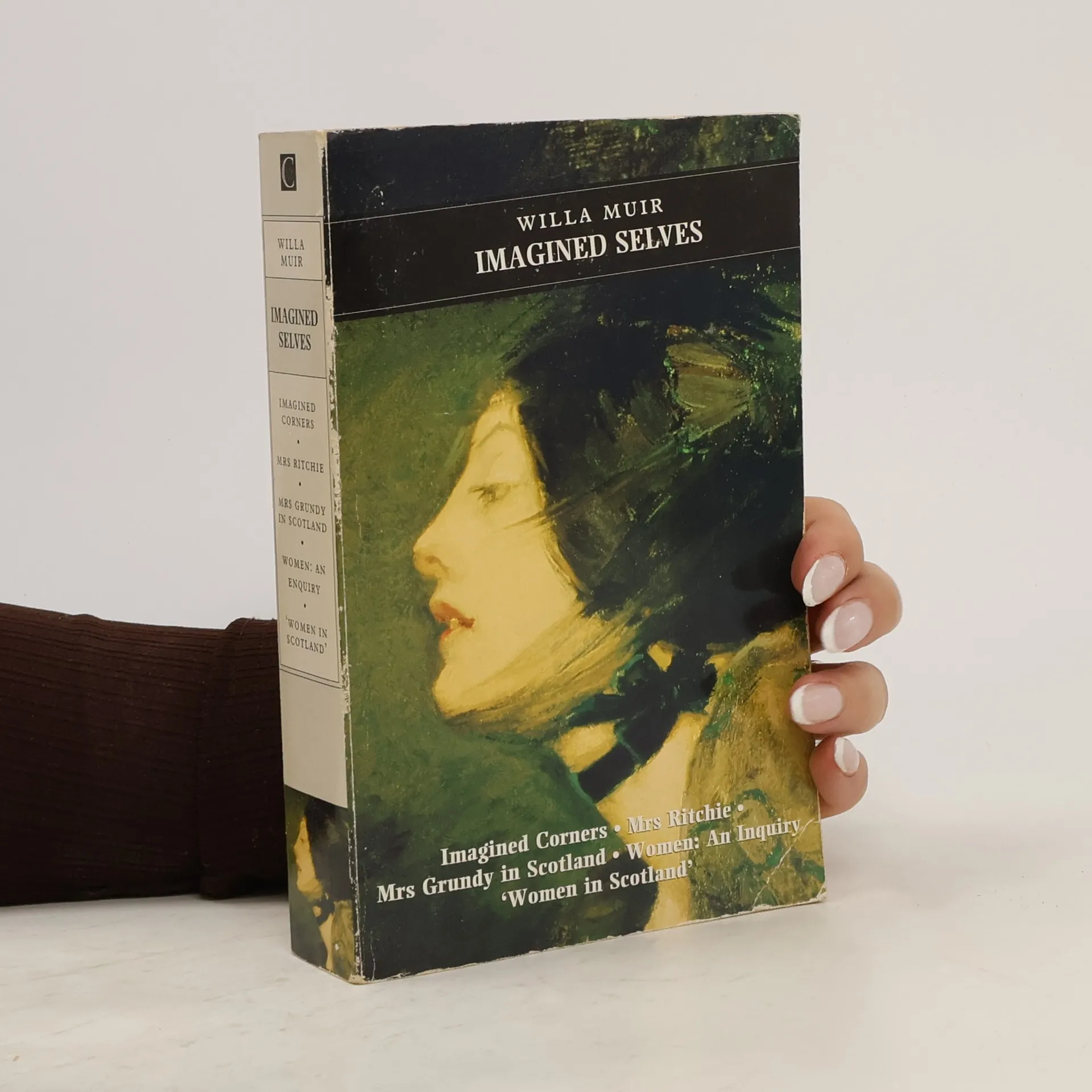
Imagined Selves
- 712 pages
- 25 hours of reading
This volume is a celebration of the life and work of Willa Muir.


Willa Muir was a Scottish novelist, essayist, and translator who explored feminist themes and rendered significant German works into English. Her essays offer a profound inquiry into the condition of women, marked by intellectual rigor and sharp insight. Beyond her original writing, Muir's translations, including those of Franz Kafka, brought vital European literature to new audiences. Her legacy lies in this potent combination of feminist thought and dedicated literary translation.


This volume is a celebration of the life and work of Willa Muir.
On his thirtieth birthday, the bank clerk Josef K. is suddenly arrested by mysterious agents for an unspecified crime. He is told that he will be set free, but must make regular appearances at a court in the attic of a tenement building while his trial proceeds. Although he never comes to know the particulars of his case, Josef K. finds his life taken over by the opaque bureaucratic procedures and is tormented by the psychological pressures exerted by his legal nightmare. Published the year after the author's death, but written ten years earlier, The Trial is the most acclaimed of Kafka's three novels, and is both a haunting meditation on freedom and the powerlessness of the individual in the face of state power, and an ominous prefiguration of the totalitarian excesses of the twentieth century.
Franz Kafka's nightmarish novels and short stories have come to symbolize modern man's anxiety and alienation in a bizarre, hostile, and dehumanized world. This vision is most fully realized in Kafka's masterpiece, "The Metamorphosis," a story that is both harrowing and amusing, and a landmark of modern literature. Bringing together some of Kafka's finest work, this collection demonstrates the richness and variety of the author's artistry. "The Judgment," which Kafka considered to be his decisive breakthrough, and "The Stoker," which became the first chapter of his novel "Amerika, are here included. These two, along with "The Metamorphosis," form a suite of stories Kafka referred to as "The Sons," and they collectively present a devastating portrait of the modern family. Jason Baker is a writer of short stories living in Brooklyn, New York
The story of K and his arrival in a village where he is never accepted, and his relentless, unavailing struggle with authority in order to gain entrance to the castle that seems to rule it. K's isolation and perplexity, his begging for the approval of elu
Franz Kafka's enigmatic, deadpan, and deeply pessimistic stories are central to literary modernism. In 'The Metamorphosis', the estrangement of everyday life becomes corporealized when Gregor Samsa wakes up as a giant bug and wonders how he is going to get to work on time. Kafka inverts the implied degradation of a man's transformation into an animal in 'A Report of the Academy', an ape's address to a group of scientists.