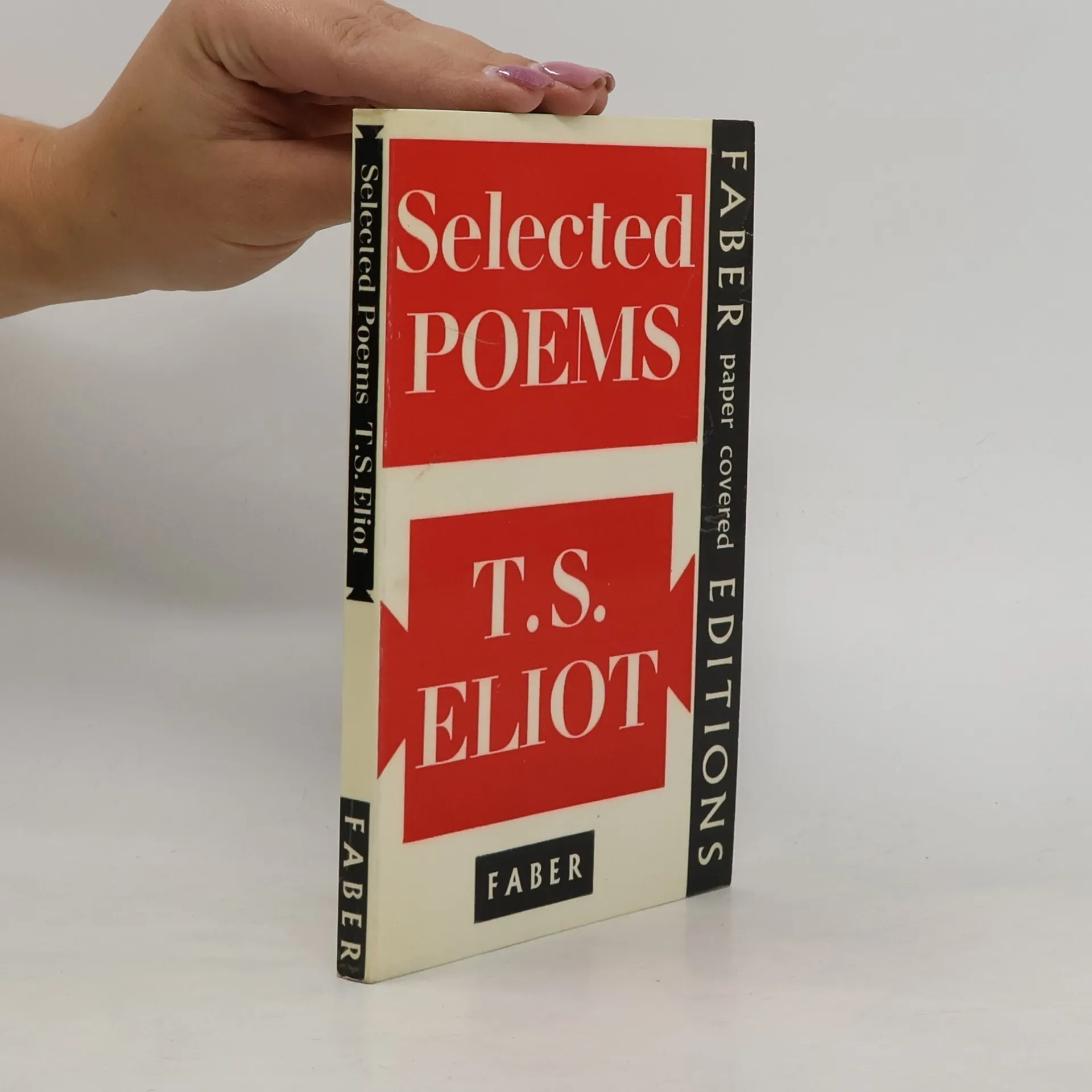
Presents a collection of the best known poems by Nobel Prize winning author T.S. Eliot.
Edwin Muir Books


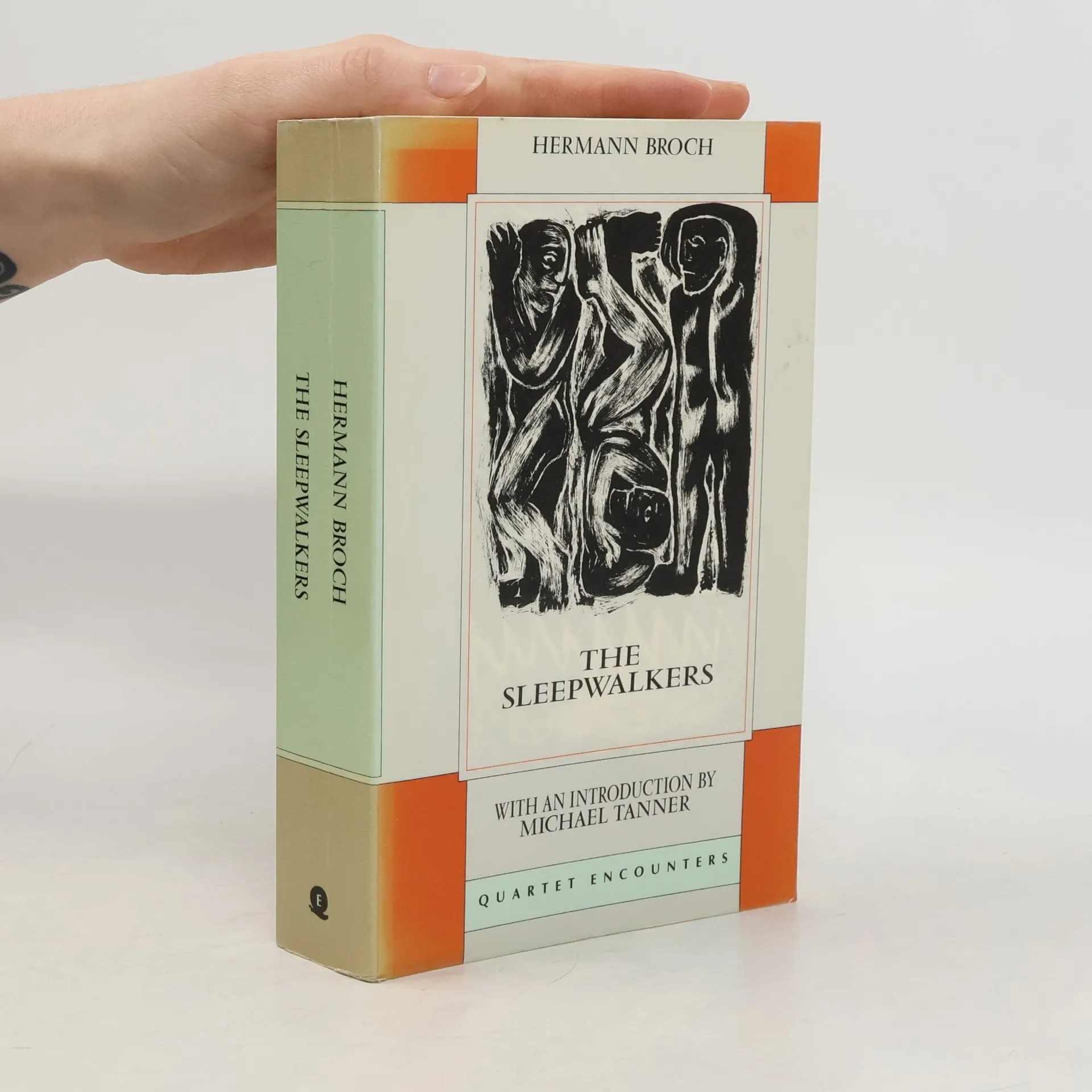
Quartet Encounters: The Sleepwalkers
- 648 pages
- 23 hours of reading
With his epic trilogy, The Sleepwalkers , Hermann Broch established himself as one of the great innovators of modern literature, a visionary writer-philosopher the equal of James Joyce, Thomas Mann, or Robert Musil. Even as he grounded his narratives in the intimate daily life of Germany, Broch was identifying the oceanic changes that would shortly sweep that life into the abyss. Whether he is writing about a neurotic army officer (The Romantic) , a disgruntled bookkeeper and would-be assassin (The Anarchist) , or an opportunistic war-deserter (The Realist) , Broch immerses himself in the twists of his characters' psyches, and at the same time soars above them, to produce a prophetic portrait of a world tormented by its loss of faith, morals, and reason.
Selected Short Stories of Franz Kafka
- 360 pages
- 13 hours of reading
Franz Kafka's enigmatic, deadpan, and deeply pessimistic stories are central to literary modernism. In 'The Metamorphosis', the estrangement of everyday life becomes corporealized when Gregor Samsa wakes up as a giant bug and wonders how he is going to get to work on time. Kafka inverts the implied degradation of a man's transformation into an animal in 'A Report of the Academy', an ape's address to a group of scientists.
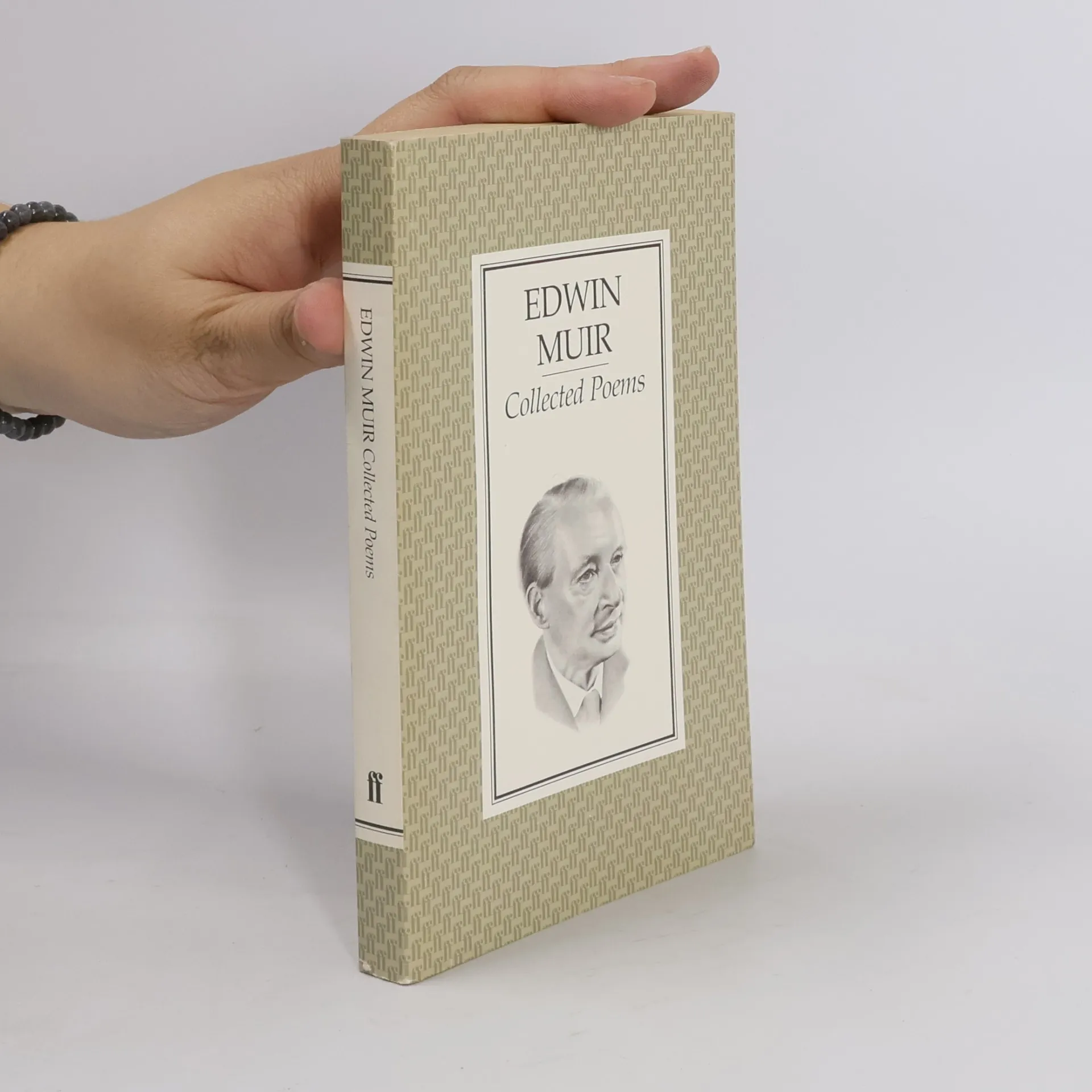
Collected poems
- 314 pages
- 11 hours of reading
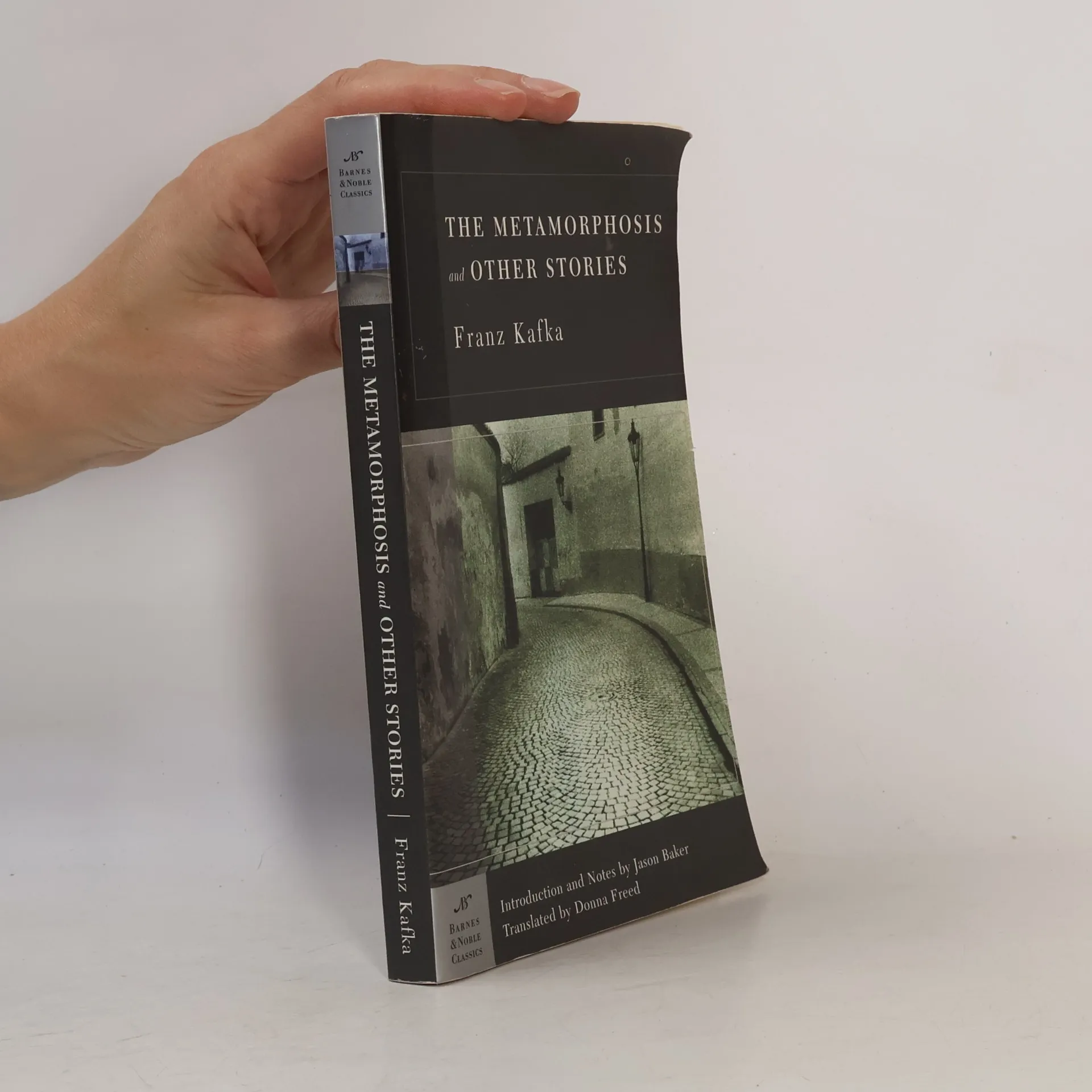
Metamorphosis and Other Stories (Barnes & Noble Classics Series)
- 224 pages
- 8 hours of reading
Franz Kafka's nightmarish novels and short stories have come to symbolize modern man's anxiety and alienation in a bizarre, hostile, and dehumanized world. This vision is most fully realized in Kafka's masterpiece, "The Metamorphosis," a story that is both harrowing and amusing, and a landmark of modern literature. Bringing together some of Kafka's finest work, this collection demonstrates the richness and variety of the author's artistry. "The Judgment," which Kafka considered to be his decisive breakthrough, and "The Stoker," which became the first chapter of his novel "Amerika, are here included. These two, along with "The Metamorphosis," form a suite of stories Kafka referred to as "The Sons," and they collectively present a devastating portrait of the modern family. Jason Baker is a writer of short stories living in Brooklyn, New York
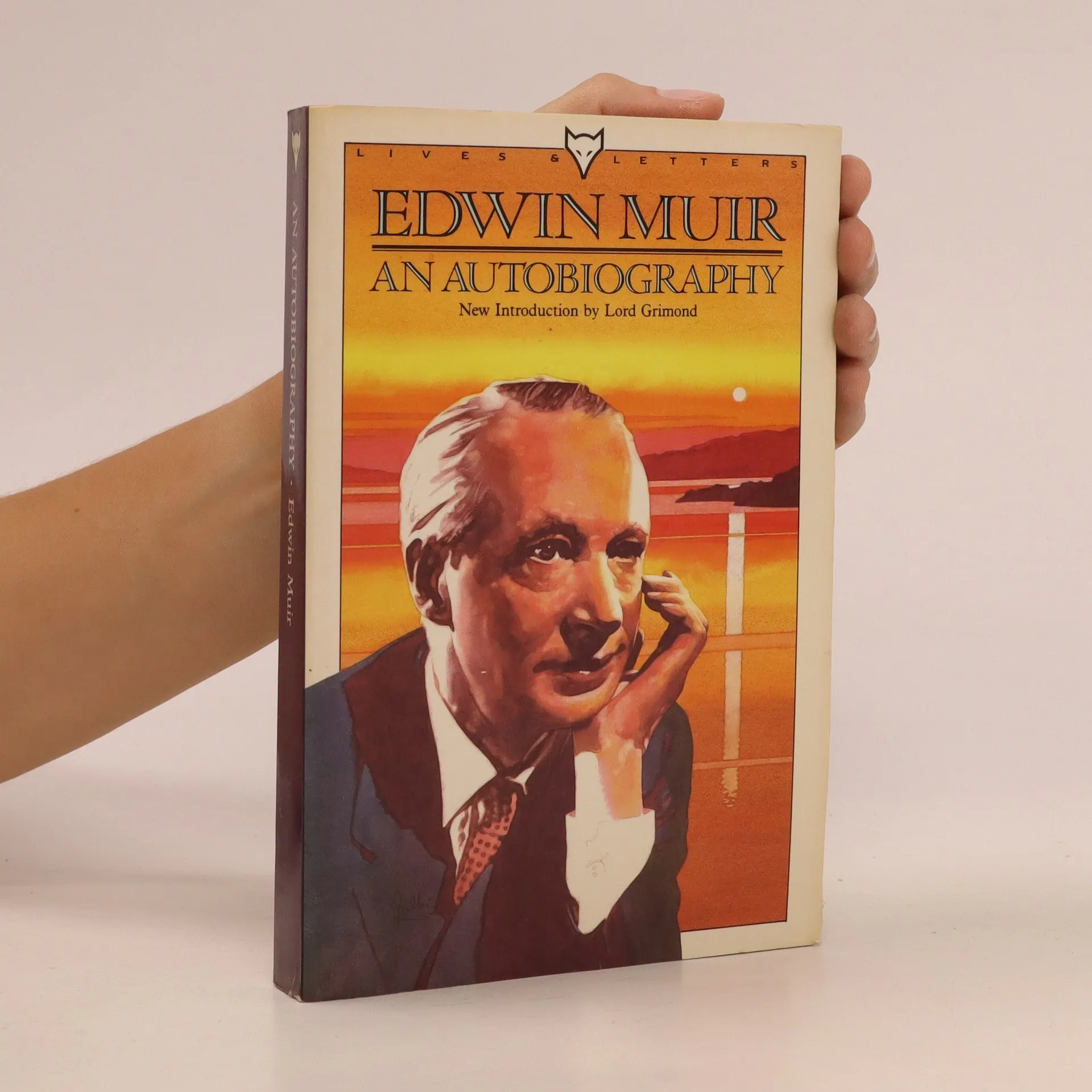
Edwin Muir: An Autobiography
- 287 pages
- 11 hours of reading
From his sheltered childhood in Orkney to the turmoil of industrial Glasgow, Edwin Muir was witness to some of the most traumatic years and events of our modern age. And yet, in his life and in his art, he was constantly haunted by the symbolic 'fable' which he longed to find beneath the surface reality of the everyday. From his dream notebooks to his travels in Eastern Europe, Muir paints an unforgettable picture of the slow and sometimes painful growth of a poet's sensibility as he comes to terms with his own nature amidst the terror and confusion of the twentieth century.
The Trial
- 224 pages
- 8 hours of reading
On his thirtieth birthday, the bank clerk Josef K. is suddenly arrested by mysterious agents for an unspecified crime. He is told that he will be set free, but must make regular appearances at a court in the attic of a tenement building while his trial proceeds. Although he never comes to know the particulars of his case, Josef K. finds his life taken over by the opaque bureaucratic procedures and is tormented by the psychological pressures exerted by his legal nightmare. Published the year after the author's death, but written ten years earlier, The Trial is the most acclaimed of Kafka's three novels, and is both a haunting meditation on freedom and the powerlessness of the individual in the face of state power, and an ominous prefiguration of the totalitarian excesses of the twentieth century.
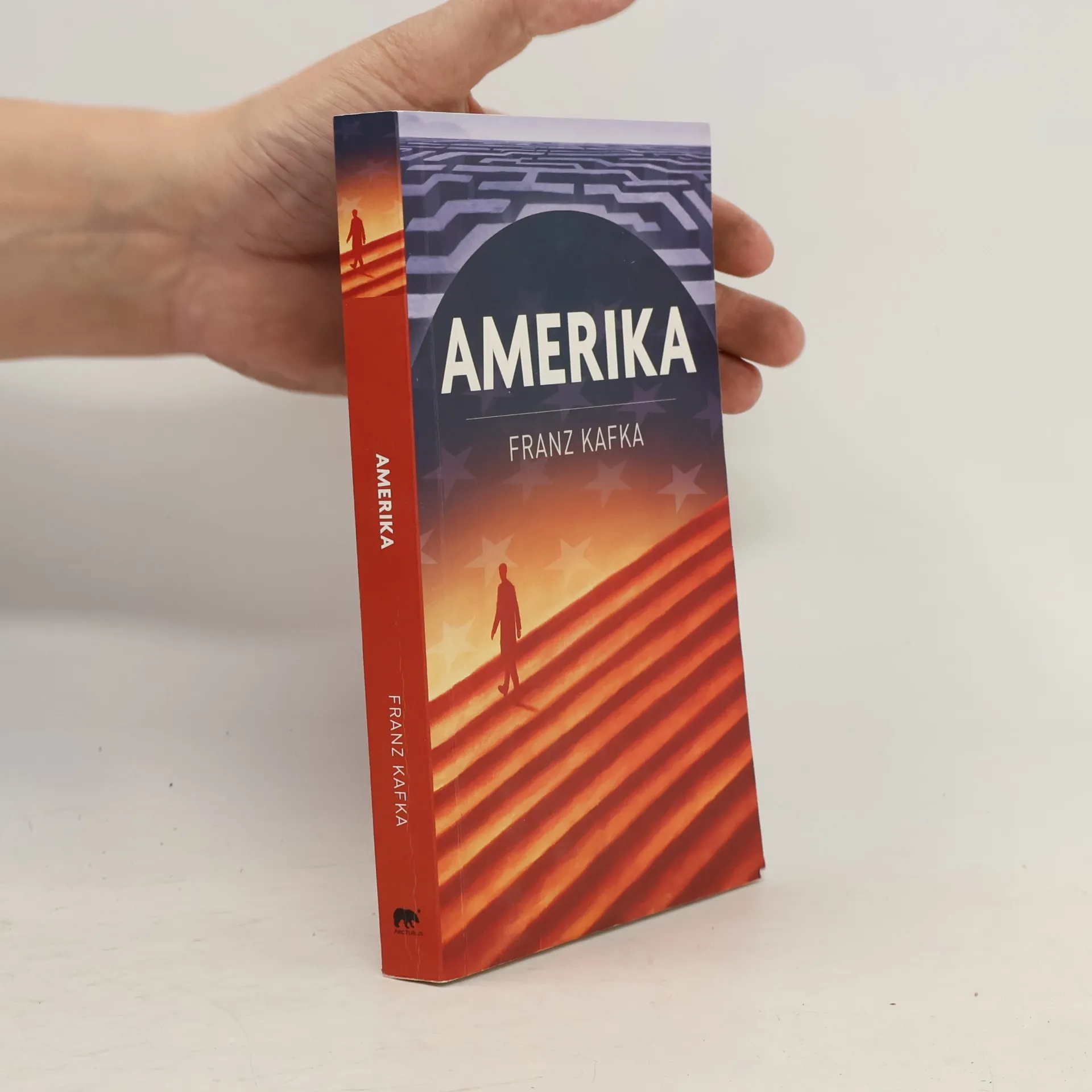
Amerika
- 288 pages
- 11 hours of reading
In America, Kafka leads the reader through a world of strips, hotels and offices that grow stranger and stranger and more comic and bewildering, the more realistically the author describes them.