
The trial
- 256 pages
- 9 hours of reading
First published in 1935, The Trial is a classic story of totalitarianism, sadism, and hysteria. With a labyrinth of meanings, author Franz Kafka explores the dark lives of killers.


First published in 1935, The Trial is a classic story of totalitarianism, sadism, and hysteria. With a labyrinth of meanings, author Franz Kafka explores the dark lives of killers.
Depicts the tragicomic misadventures of a young immigrant in New York.
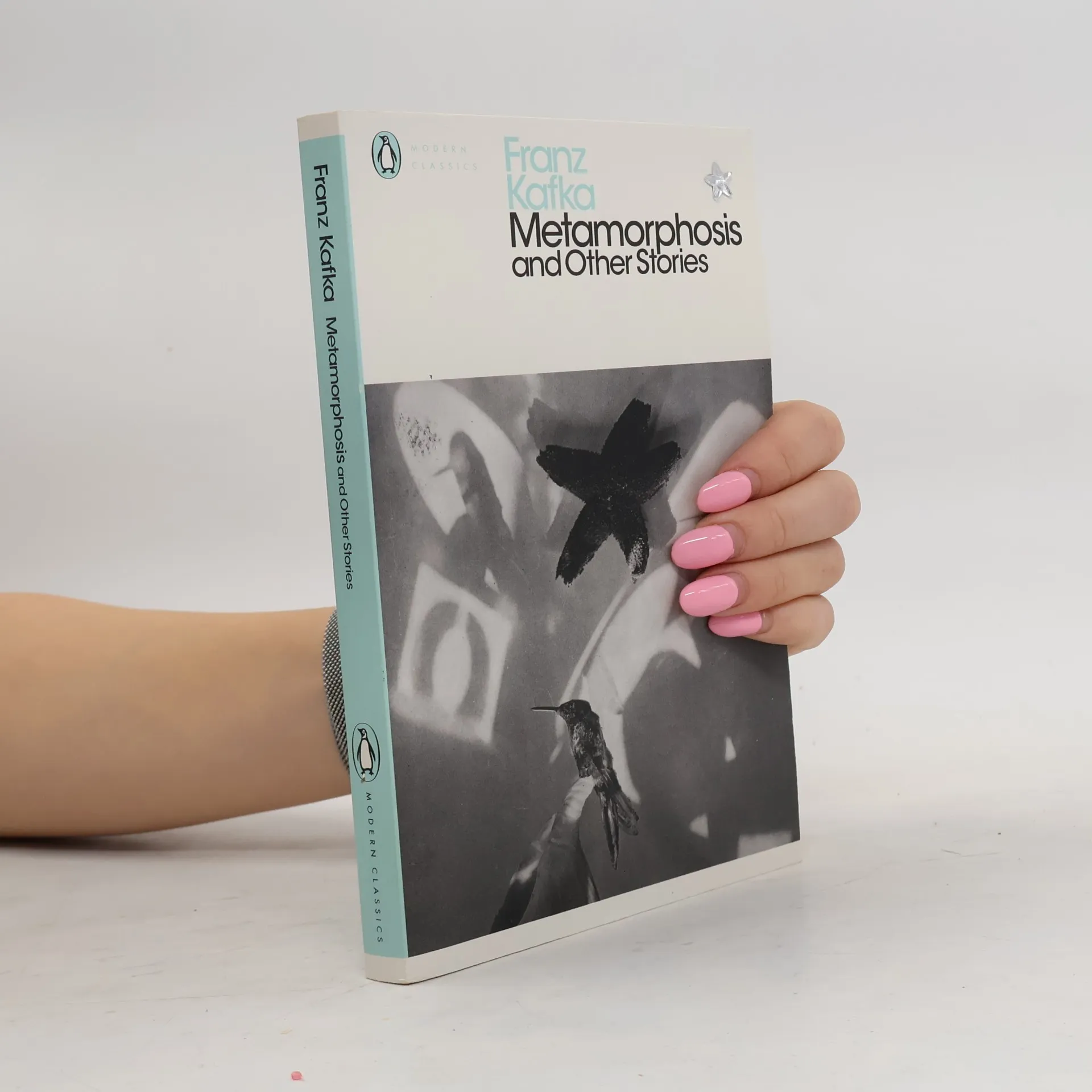
This collection of new translations brings together the small proportion of Kafka's works that he himself thought worthy of publication. It includes Metamorphosis, his most famous work, an exploration of horrific transformation and alienation; Meditation, a collection of his earlier studies; The Judgement, written in a single night of frenzied creativity; The Stoker, the first chapter of a novel set in America and a fascinating occasional piece, and The Aeroplanes at Brescia, Kafka's eyewitness account of an air display in 1909. Together, these stories reveal the breadth of Kafka's literary vision and the extraordinary imaginative depth of his thought.
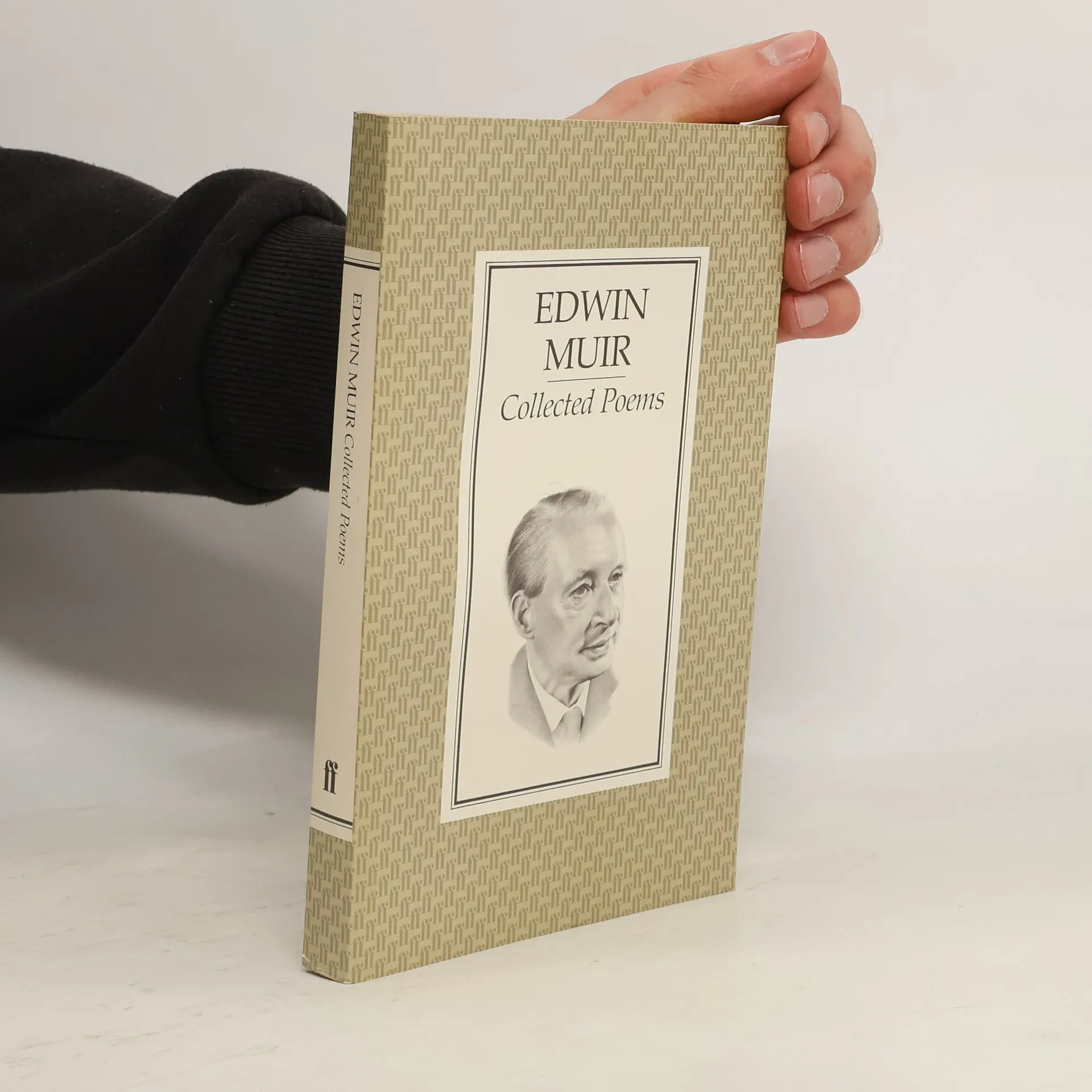
From his sheltered childhood in Orkney to the turmoil of industrial Glasgow, Edwin Muir was witness to some of the most traumatic years and events of our modern age. And yet, in his life and in his art, he was constantly haunted by the symbolic 'fable' which he longed to find beneath the surface reality of the everyday. From his dream notebooks to his travels in Eastern Europe, Muir paints an unforgettable picture of the slow and sometimes painful growth of a poet's sensibility as he comes to terms with his own nature amidst the terror and confusion of the twentieth century.
Franz Kafka's enigmatic, deadpan, and deeply pessimistic stories are central to literary modernism. In 'The Metamorphosis', the estrangement of everyday life becomes corporealized when Gregor Samsa wakes up as a giant bug and wonders how he is going to get to work on time. Kafka inverts the implied degradation of a man's transformation into an animal in 'A Report of the Academy', an ape's address to a group of scientists.