Dr. Jeffrey K. Liker delves into the core principles and practices that underpin Toyota's remarkable success. His work meticulously examines the company's culture, talent development strategies, and operational systems. Liker aims to distill these insights into actionable lessons for businesses seeking to emulate Toyota's efficiency and quality. His research offers a profound understanding of how to cultivate excellence through a dedicated focus on people, processes, and continuous improvement.
A Novel About Learning to Coach the Toyota Kata Way
344 pages
13 hours of reading
The book introduces a five-phase, dual-purpose coaching model designed to enhance leadership skills and team dynamics. It aims to inspire readers to evolve into the leaders they aspire to be, while also addressing the specific needs of their teams. Through a business novel format, it offers transformative insights on leadership and team management, encouraging a fresh perspective on effective coaching and collaboration.
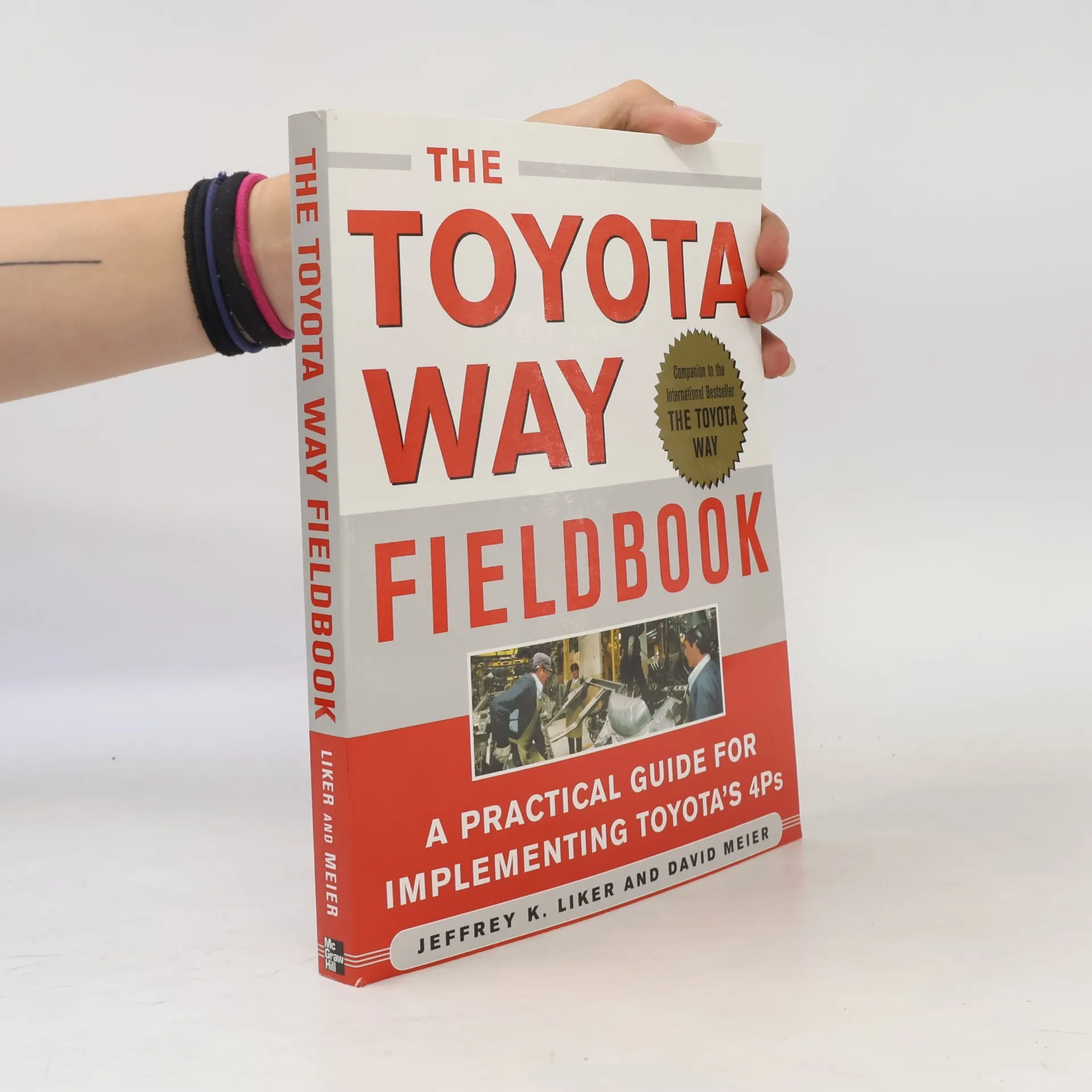
The Toyota Way Fieldbook is a companion to the international bestseller The Toyota Way. The Toyota Way Fieldbook builds on the philosophical aspects of Toyota's operating systems by detailing the concepts and providing practical examples for application that leaders need to bring Toyota's success-proven practices to life in any organization. The Toyota Way Fieldbook will help other companies learn from Toyota and develop systems that fit their unique cultures. The book begins with a review of the principles of the Toyota Way through the 4Ps model-Philosophy, Processes, People and Partners, and Problem Solving. Readers looking to learn from Toyota's lean systems will be provided with the inside knowledge they need to
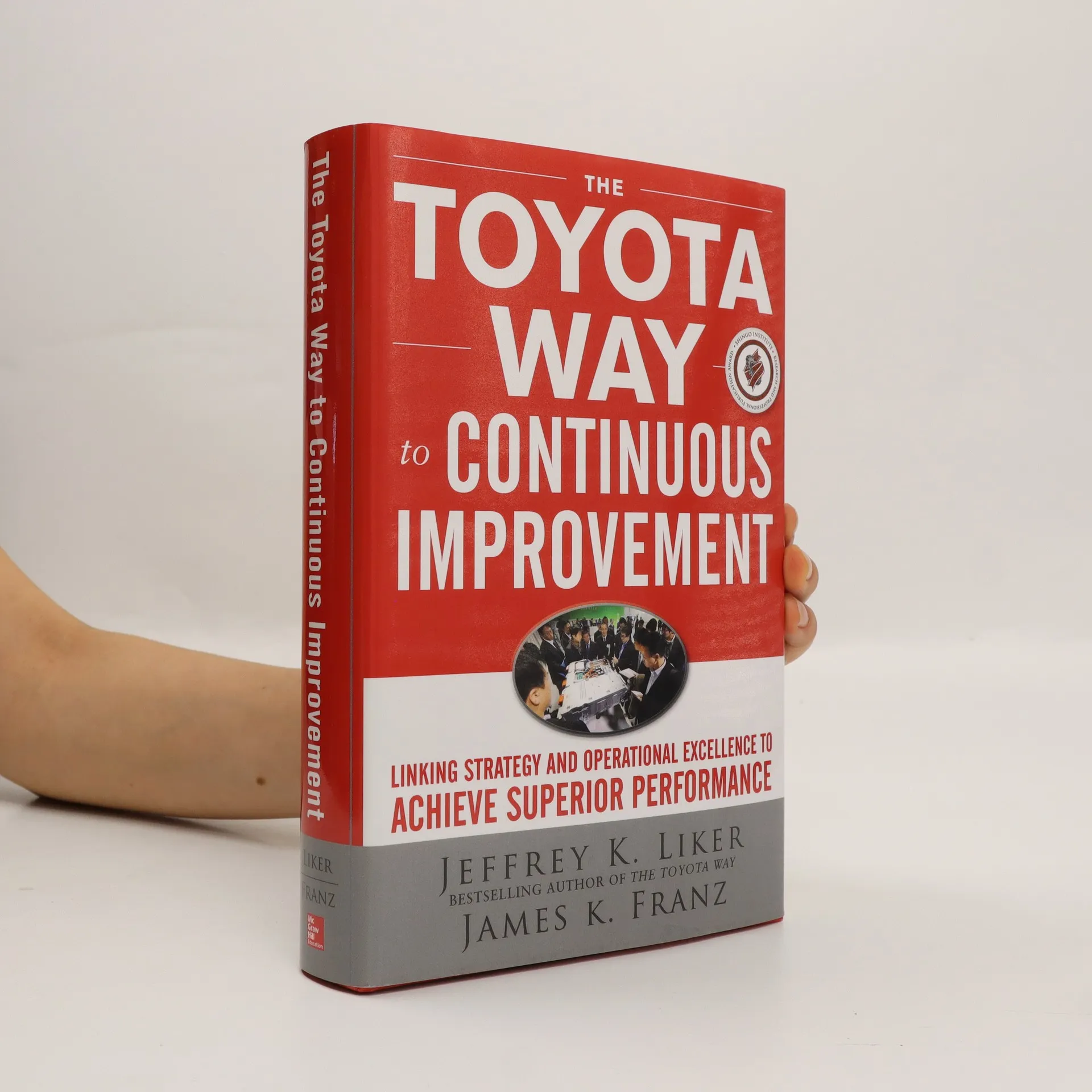
Building on the bestselling Toyota Way series by Jeffrey Liker, this book critically examines lean deployments, identifying root causes of their failures. It is divided into three sections:
The first section emphasizes the need to transcend mere implementation of lean tools and foster a culture of continuous improvement that aligns operational excellence with business strategy. Using the Plan-Do-Check-Adjust (PDCA) methodology, the authors contrast genuine PDCA thinking with superficial copying of lean solutions. They highlight the significance of developing people and how Toyota Way principles drive continuous improvement, stressing that lean systems must start with a purposeful direction.
The second section presents seven case studies from diverse industries, narrated by the sensei who led the transformations. These range from traditional manufacturing to healthcare, showcasing similar approaches despite industry differences.
The final section begins with a composite story of a company during its early lean implementation, discussing successes and challenges faced by senseis, including bureaucratic obstacles and the need for effective lean coaches. It explores the debate between slow, organic deployment versus fast, mechanistic approaches, revealing surprising insights. The book concludes with guidance on embedding continuous improvement into company culture and the crucial role of leadership in lean transformation. This
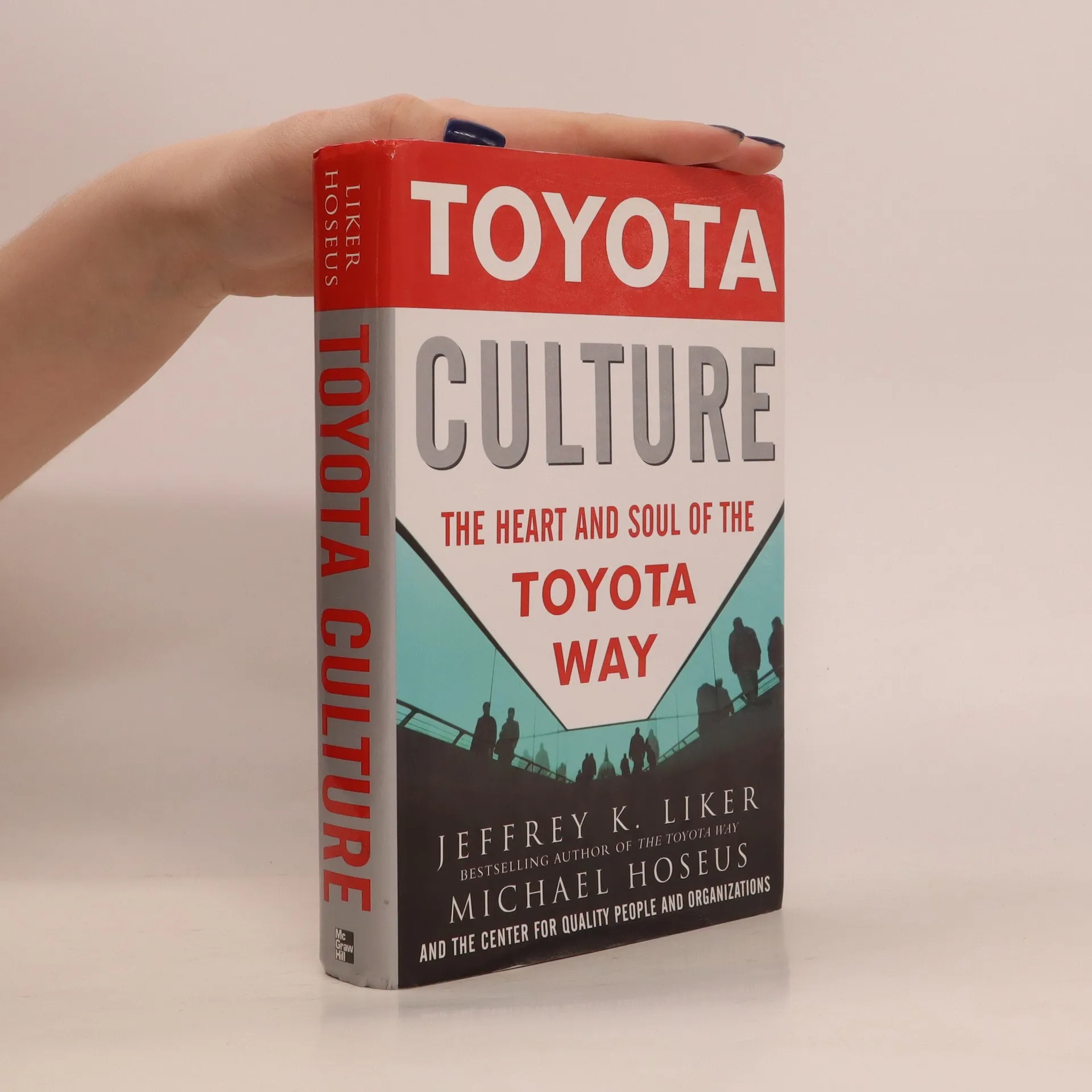
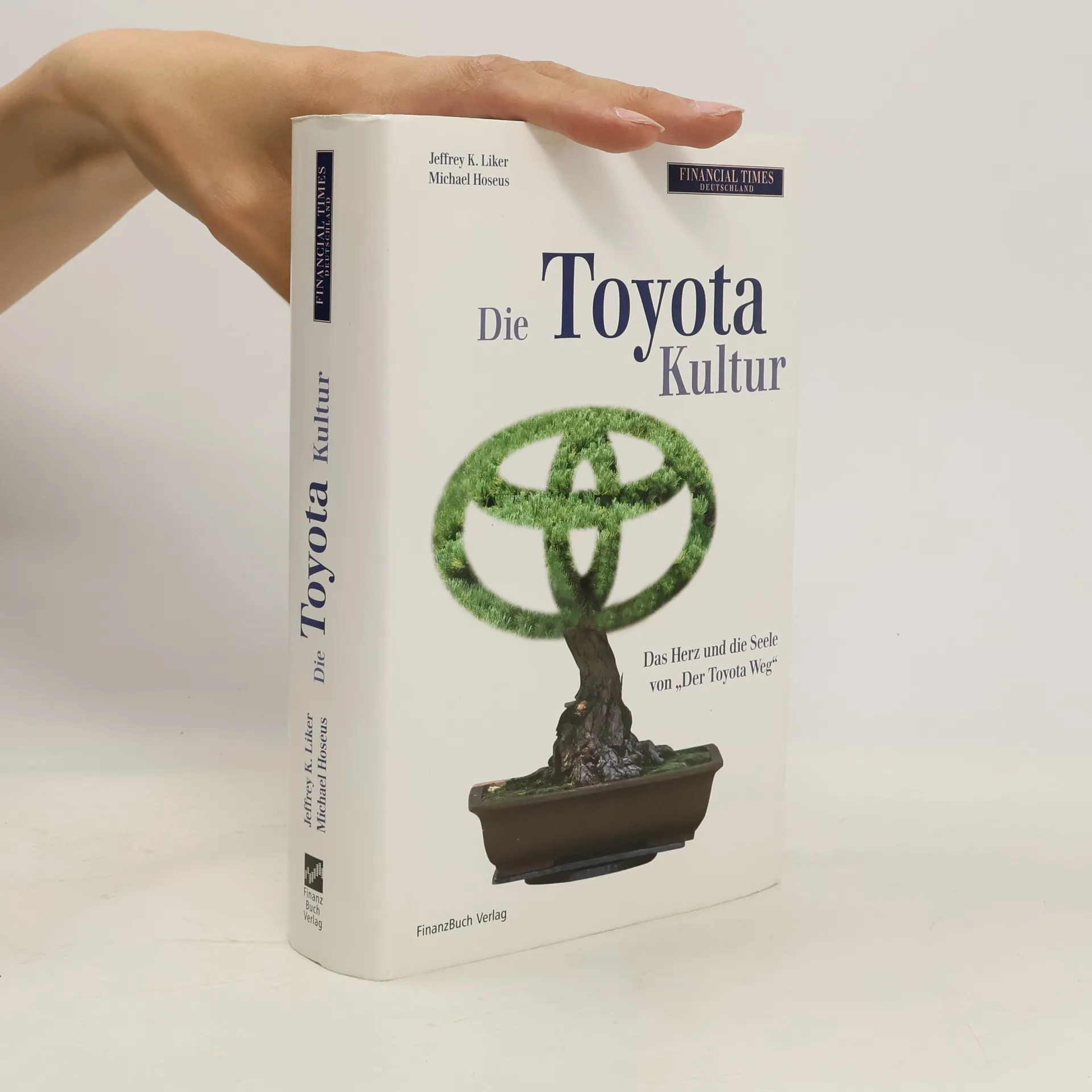
Winner of the Shingo Prize for Research and Professional Publication, 2009 The international bestseller The Toyota Way explained the company's success by introducing a revolutionary 4P model for organizational excellence-Philosophy, People, Process, and Problem Solving. Now, in Toyota Culture , preeminent Toyota authorities Jeffrey Liker and Michael Hoseus reveal how Toyota selects, develops, and motivates its people to become committed to building high-quality products-and how you can do the same for your company. Toyota Culture examines the “human systems” that Toyota has put in place to instill its founding principles of trust, mutual prosperity, and excellence in its plants, dealerships, and offices around the world. Beginning with a look at the evolution of the Toyota culture and why its people are the heart and soul of the Toyota Way, the authors explain the company's four-stage process for building and keeping quality Attract, Develop, Engage, and Inspire. Drawing upon numerous examples from Liker's decades of research as well as Hoseus' insider access as a Toyota manager, Toyota Culture gives you the tools you need
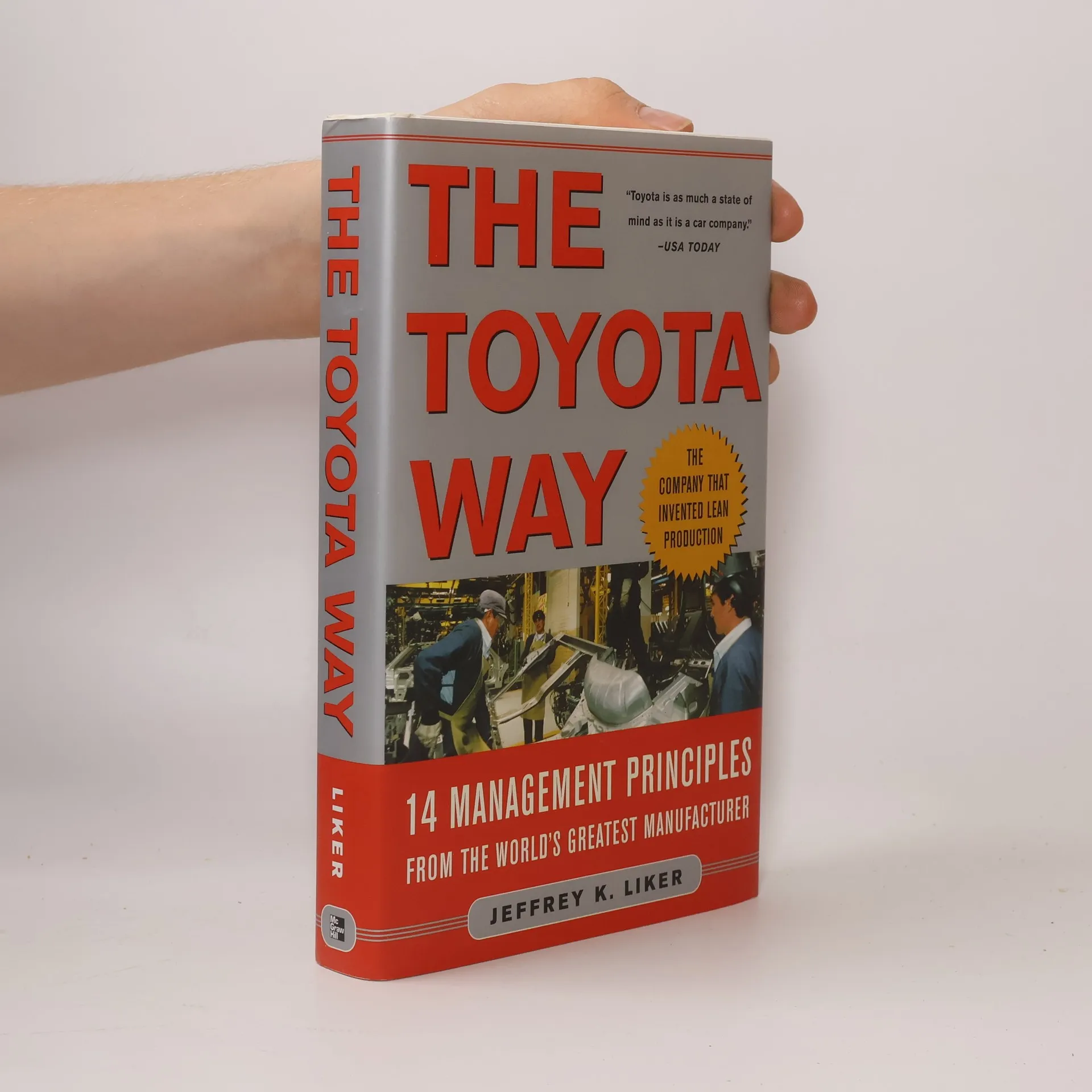
"How to speed up business processes, improve quality, and cut costs in any industry In factories around the world, Toyota consistently makes the highest-quality cars with the fewest defects of any competing manufacturer, while using fewer man-hours, less on-hand inventory, and half the floor space of its competitors. The Toyota Way is the first book for a general audience that explains the management principles and business philosophy behind Toyota's worldwide reputation for quality and reliability. Complete with profiles of organizations that have successfully adopted Toyota's principles, this book shows managers in every industry how to improve business processes by: Eliminating wasted time and resources Building quality into workplace systems Finding low-cost but reliable alternatives to expensive new technology Producing in small quantities Turning every employee into a qualitycontrol inspector"-- Provided by publisher
This book explains how the principles of lean manufacturing can be used to achieve substantial and sustainable competitive advantages in today's economic environment. Scientific models from operations research are presented to explain how and why these lean manufacturing principles should be applied. A branch of queuing theory known as factory physics is introduced, and its agreement with lean philosophy is demonstrated. The authors highlight the importance of culture and organizational structure and provide clear strategies for affecting change in any organization. A critical thinking approach to performance measurement is presented. Factory physics and lean thinking are both used to evaluate some common factory measures.
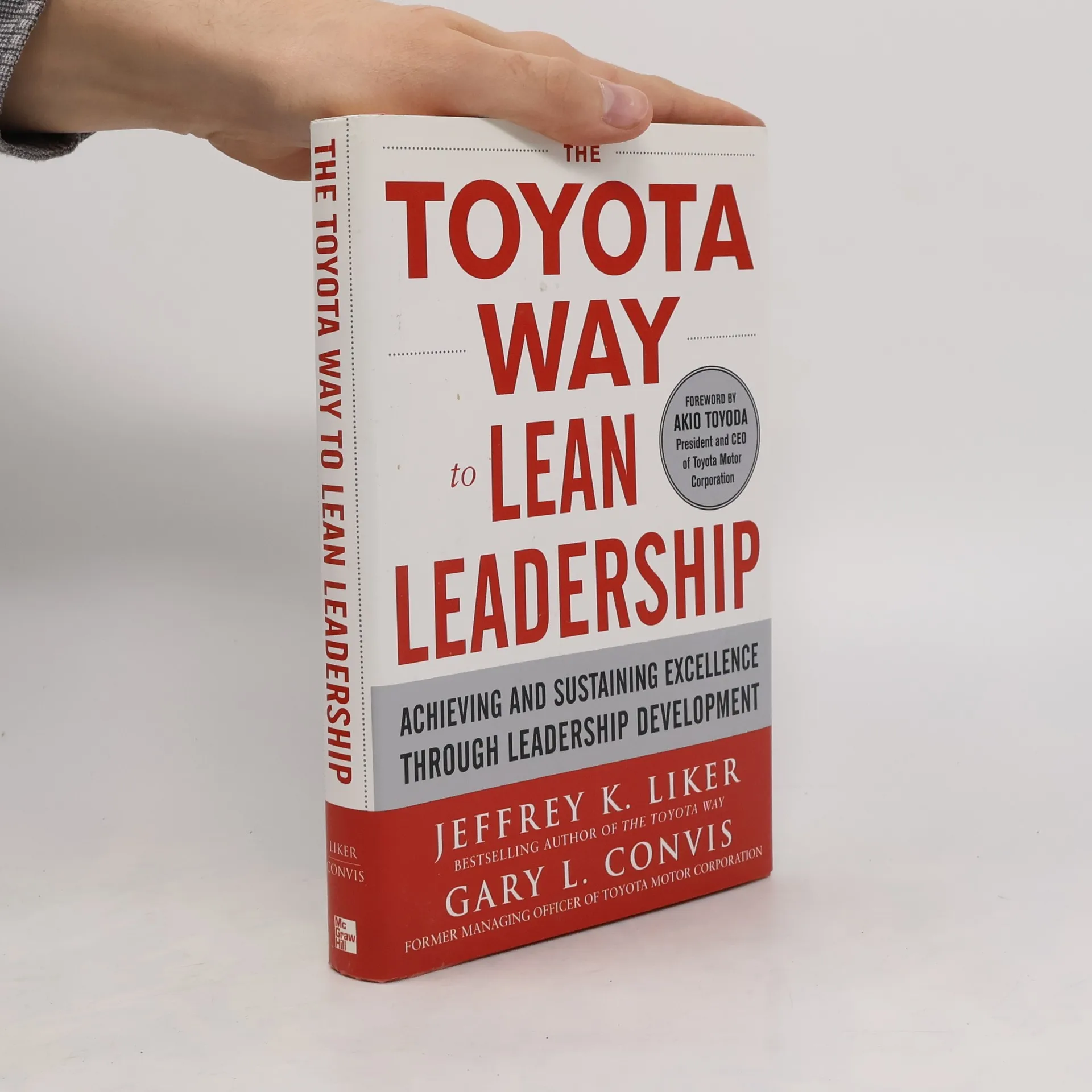
From the bestselling author of "The Toyota Way," the missing link to sustainable lean successa four-step leadership model that aligns company culture with lean processes
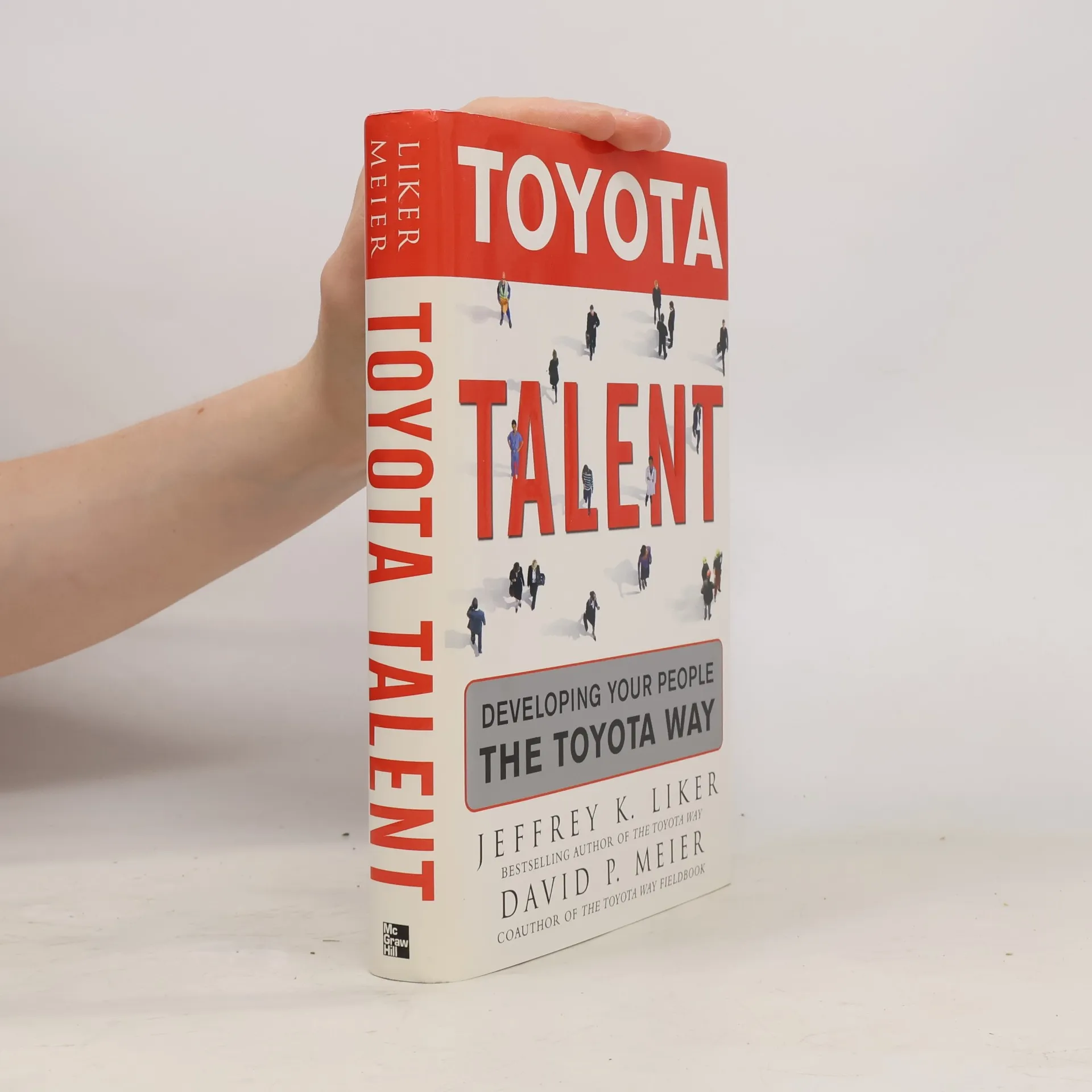
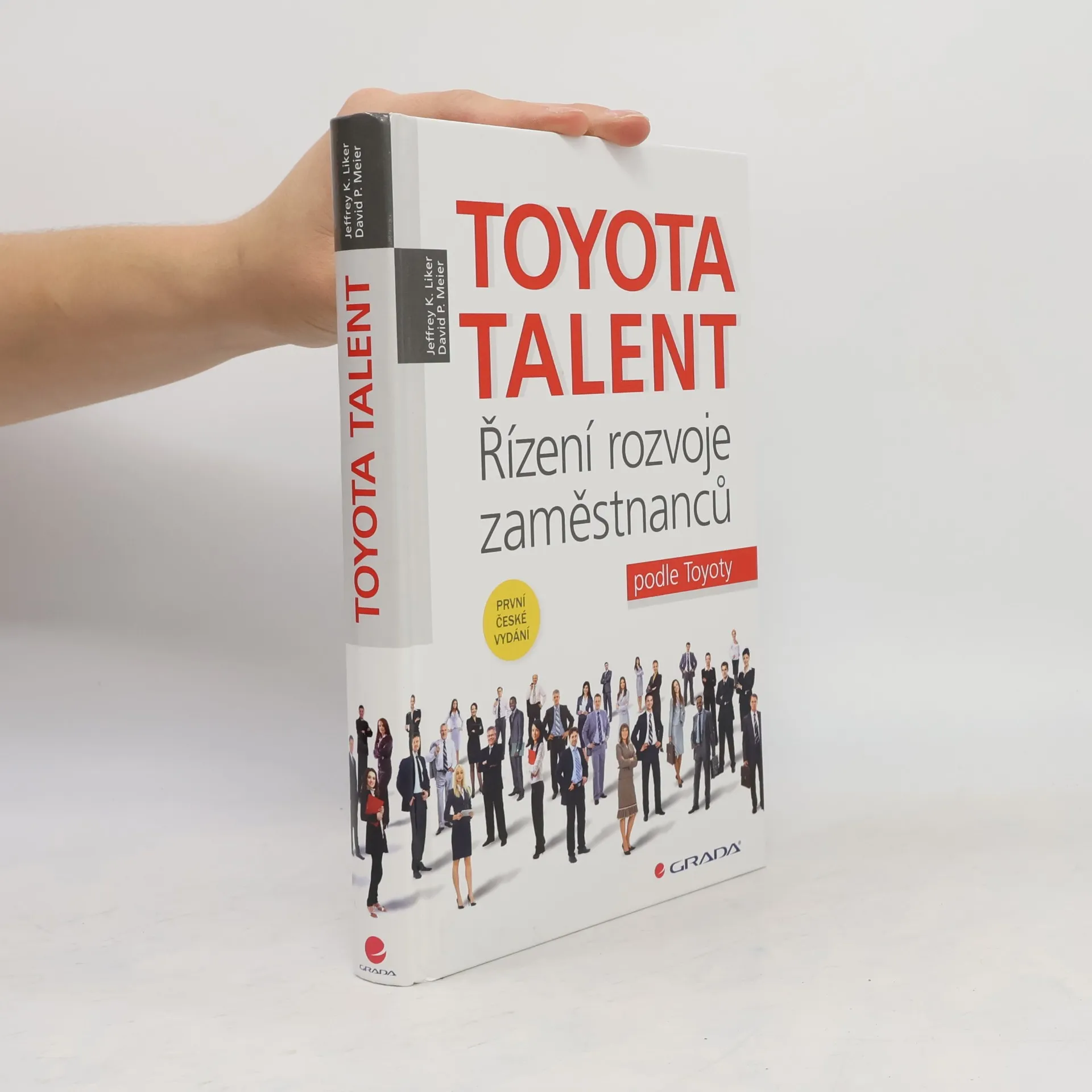
Toyota excels not only in car production but also in cultivating talented individuals. In this insightful work, the authors, experts on Toyota, share methodologies for developing high-performing employees. They emphasize the significance of fostering a learning and teaching culture within organizations. By reviewing Toyota's innovative approach to talent development, they illustrate how to train employees across various roles, from manufacturing to engineering and support staff.
The book offers practical guidance on identifying development needs and creating effective training plans. It explains how to break down complex jobs into teachable skills, set clear behavioral expectations, and prepare the workplace for success. Additionally, it highlights the importance of recognizing potential trainers within the workforce and effectively educating non-manufacturing staff.
With expert tips, training aids, and real-world examples from the authors' extensive research, this resource equips leaders to maximize the potential of their teams. By aligning employees with the company's philosophy, organizations can work collaboratively toward shared goals, ultimately achieving remarkable results.
This book uncovers the management principles that contribute to Toyota's global reputation for quality and reliability. It explains how to implement the 'Toyota Production System' or 'Lean Production' to enhance business process speed, product and service quality, and reduce costs across various industries.
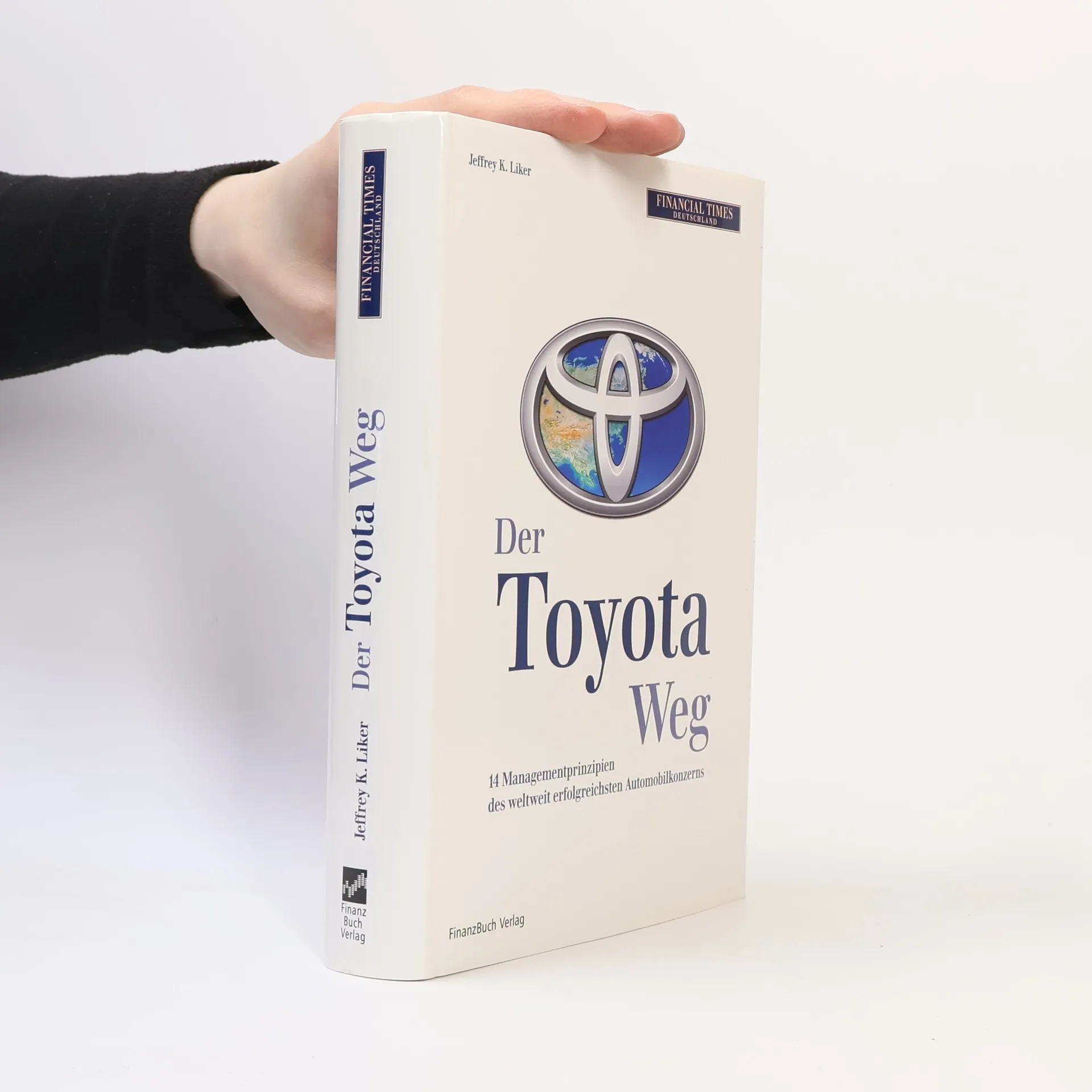
Mit seiner Unternehmensführung ist Toyota seit langem Vorbild für Firmen aus den unterschiedlichsten Branchen. Fast alle Automobilhersteller versuchten mehr oder weniger erfolgreich das legendäre Toyota-Produktionssystem (TPS) zu kopieren, das zum Ziel hat, die Kundenzufriedenheit in den drei Bereichen Qualität, Lieferzeit und Kosten zu erhöhen. Aufgrund des verschärften Wettbewerbs in der Automobilbranche drängt sich jetzt die Frage nach den Faktoren des Erfolgs immer mehr in den Mittelpunkt. Jeffrey K. Liker befasst sich in seinem Buch „Der Toyota Weg“ ausführlich mit dem warum und wieso. Aus zahlreichen Interviews und eigenen Anschauungen filtert der Autor die 14 Managementprinzipien heraus, die den Kern des Toyota-Erfolgs ausmachen. Diese Prinzipien untermauert er eindrucksvoll mit einer Fülle von Details, Anekdoten und Interview-Auszügen. Leicht verständlich erklärt er dem Leser die Managementsysteme, die Denkweise und die Philosophie, auf denen der Erfolg von Toyota basiert. So vermittelt er wertvolle Erkenntnisse, die sich auf jeden beliebigen Geschäftszweig bzw. jede Geschäftssituation übertragen lassen.
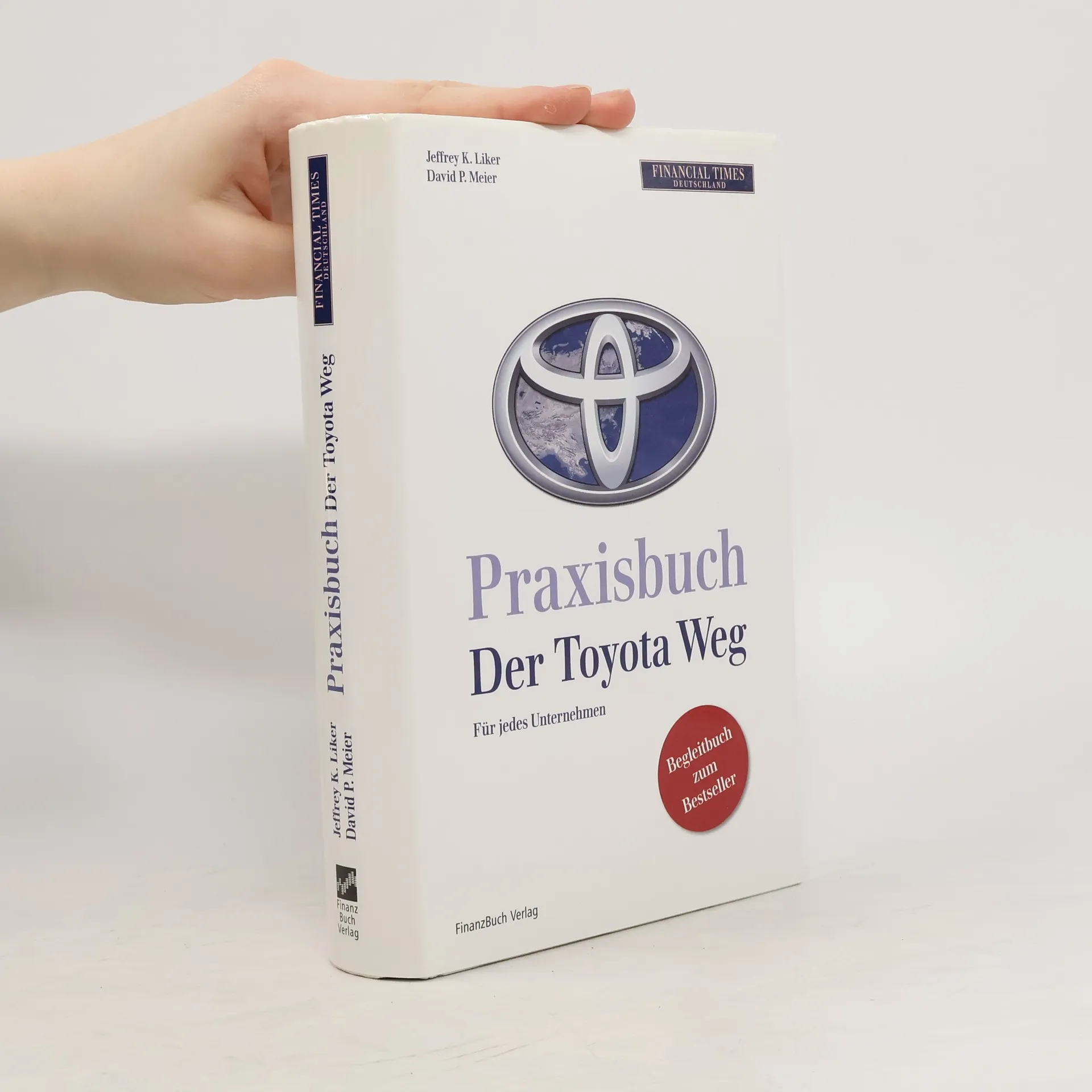
Toyota steht für herausragende Unternehmensführung und die Fähigkeit, sich erfolgreich an Veränderungen anzupassen. Der Konzern erzielt kontinuierlich Rekordgewinne, während viele Wettbewerber Marktanteile verlieren und Schwierigkeiten haben, profitabel zu wirtschaften. Das Geheimnis hinter diesem Erfolg ist eine funktionierende Unternehmenskultur und -ethik. Ein zentraler Aspekt des Toyota-Wegs ist die Erkenntnis, dass es immer mehr als einen Weg gibt, um gewünschte Ergebnisse zu erzielen. Lernen, Reflektieren und kontinuierliche Verbesserung sind entscheidend, um die Organisation langfristig zu stärken. Das Besondere am Toyota-Konzept ist seine Übertragbarkeit auf andere Unternehmen. In diesem Fieldbook zeigen die Autoren, wie die Firmenphilosophie und Ideen, die Toyotas Erfolg ermöglichen, Schritt für Schritt auf andere Organisationen angewendet werden können. Leser erhalten einen praktischen Leitfaden mit anschaulichen Beispielen, der ihnen hilft, die Stärken Toyotas effizient für den eigenen Erfolg zu nutzen.
Die 14 Managementprinzipien des weltweit erfolgreichsten Autokonzerns
600 pages
21 hours of reading
Mit seiner Unternehmensführung ist Toyota seit langem Vorbild für Firmen aus den unterschiedlichsten Branchen. Fast alle Automobilhersteller versuchten mehr oder weniger erfolgreich das legendäre Toyota-Produktionssystem (TPS) zu kopieren, das zum Ziel hat, die Kundenzufriedenheit in den drei Bereichen Qualität, Lieferzeit und Kosten zu erhöhen. Aufgrund des verschärften Wettbewerbs in der Automobilbranche drängt sich jetzt die Frage nach den Faktoren des Erfolgs immer mehr in den Mittelpunkt. Jeffrey K. Liker befasst sich in seinem Buch „Der Toyota Weg“ ausführlich mit dem warum und wieso. Aus zahlreichen Interviews und eigenen Anschauungen filtert der Autor die 14 Managementprinzipien heraus, die den Kern des Toyota-Erfolgs ausmachen. Diese Prinzipien untermauert er eindrucksvoll mit einer Fülle von Details, Anekdoten und Interview-Auszügen. Leicht verständlich erklärt er dem Leser die Managementsysteme, die Denkweise und die Philosophie, auf denen der Erfolg von Toyota basiert. So vermittelt er wertvolle Erkenntnisse, die sich auf jeden beliebigen Geschäftszweig bzw. jede Geschäftssituation übertragen lassen.
Jeffrey K. Liker ist Professor für Ingenieurwissenschaften an der University of Michigan. Er ist dort Direktor und Mitbegründer des „Japan Technology Management Program“. Als Gewinner von vier „Shingo Prizes for Excellence“ schreibt er regelmäßig für den „Harvard Business Review“ und den „Sloan Management Review“. Zudem berät Jeffrey K. Liker namhafte Firmen wie Daimler und Asia Pacific oder auch die U. S. Air Force. Michael Hoseus ist Geschäftsführer des „Center for Quality people and Organisations“. Er arbeitet mehr als 12 Jahre als Herstellungsmanager und Personalleiter in Toyotas Werk in Georgetown, Kentucky
Světově uznávaná publikace odkrývá tajemství výjimečných pracovních výkonů zaměstnanců Toyoty. Jeffrey Liker, autor bestselleru Tak to dělá Toyota, spolu s Davidem Meierem detailně popisují proces přípravy, tréninku a následovnictví, který vede ke špičkovým výsledkům. Kniha představuje jednoduchý přístup, jenž může společnostem pomoci dosáhnout úspěšného začlenění zaměstnanců do systému vysoce kvalitní štíhlé výroby. Autoři vám kromě mnoha jiného ukážou:
- Jak definovat organizační potřeby a cíle.
- Jak vytvářet rozvojové plány pro všechny zaměstnance a řídit rozvoj špičkových talentů.
- Jak analyzovat rutinní práci a vedlejší úkoly.
- Jak rozdělit práci s cílem efektivního tréninku.
- Jak změnit cyklus čistého tréninku a dosahování výsledků na cyklus kontinuálního vzdělávání a zlepšování.
S touto knihou se naučíte rozvíjet schopnosti svých lidí v prostředí vzájemné spolupráce a týmového ducha. Zjistíte, že není důležitý jen výsledek, ale i to, jak se k němu dospěje.
Kniha je určena personalistům, manažerům a podnikatelům.
Partnerem vydání knihy je společnost DMC management consulting s.r.o.
Tato kniha osvětluje zásady modelu řízení a podnikatelské filozofie, na nichž je založena celosvětová proslulost firmy TOYOTA v oblasti jakosti a spolehlivosti, a odhaluje její "tajnou zbraň", systém "štíhlé" výroby, který Toyota zavedla v padesátých letech minulého století a jejž během následujících desetiletí dále zdokonalovala.
Text je vhodným inspirativním průvodcem pro všechny organizace (a jejich manažery), které se chtějí učit všechny nezbytné kroky k tomu, aby dosahovaly vynikající úrovně výkonnosti a v konečném důsledku mohly napodobit mimořádný úspěch firmy Toyota.