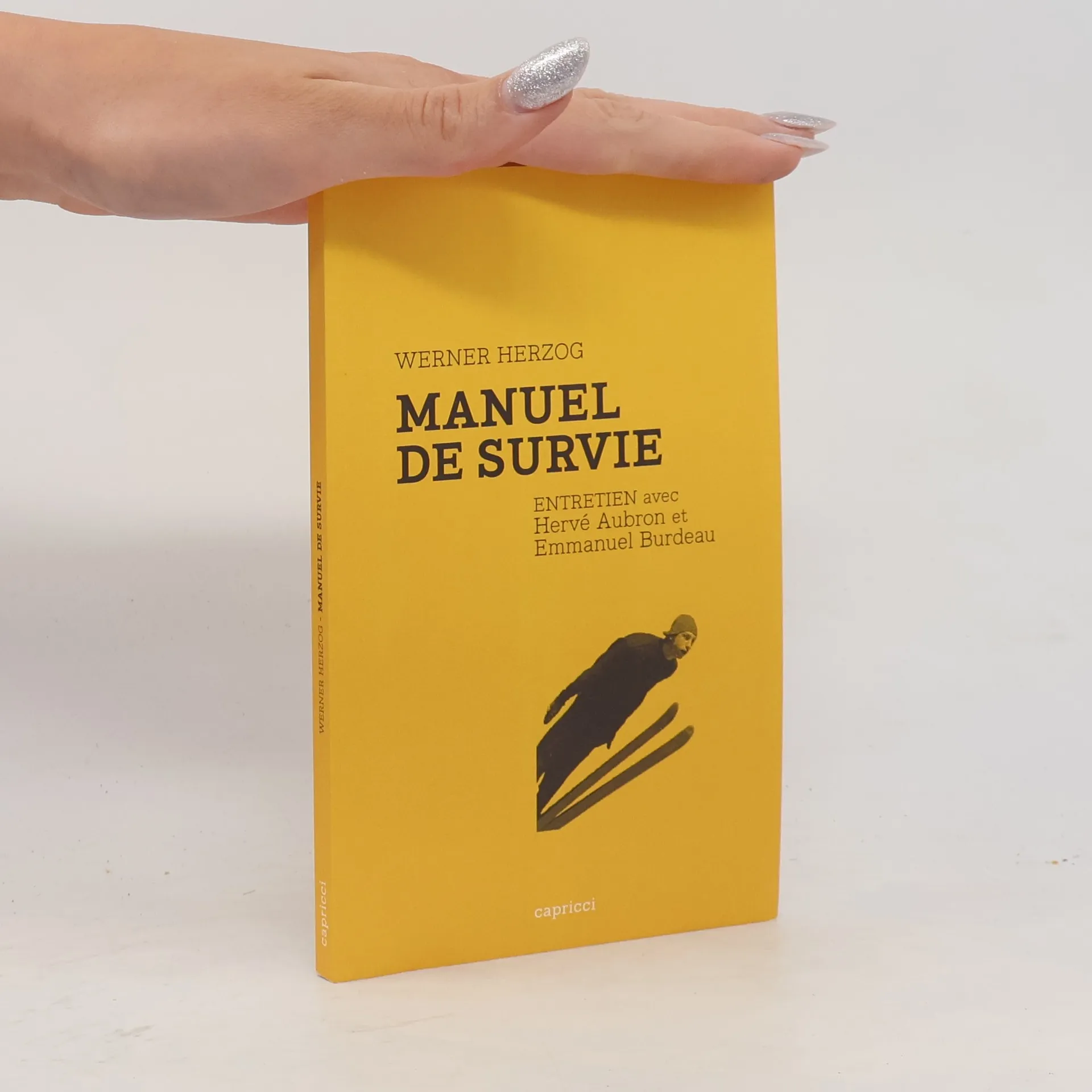


Explore the latest books of this year!
Bookbot

Werner Herzog

    September 5, 1942

    Werner Herzog is a filmmaker whose works often delve into the realm of impossible dreams and peculiar talents. Associated with the New German Cinema movement, his films are characterized by a distinctive exploration of the human condition. Herzog examines the boundaries of ambition and obsession, frequently set against the backdrop of unforgiving landscapes. His cinematic approach challenges viewers to contemplate the value of striving in the face of overwhelming odds.

    Werner Herzog
    The Twilight World
    Conquest of the Useless
    Werner Herzog
    Every Man for Himself and God Against All
    Screenplays
    A Guide for the Perplexed
    • A Guide for the Perplexed

      • 592 pages
      • 21 hours of reading
      4.7(27)Add rating

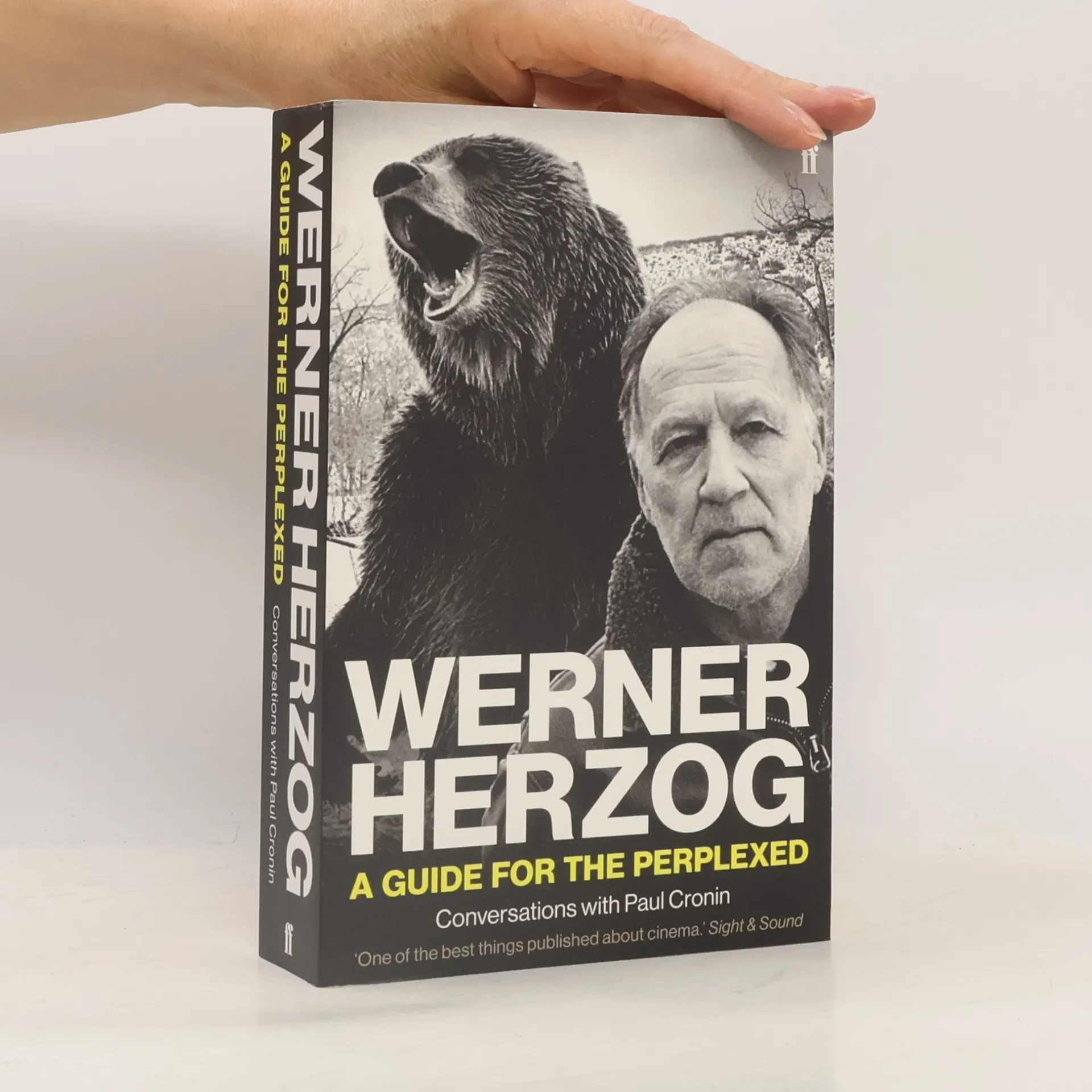
      'One of the best things published about cinema.' Sight & Sound Herzog was once hailed by Francois Truffaut as the most important director alive. Famous for his frequent collaborations with mercurial actor Klaus Kinski - including the epics Aguirre, the Wrath of God and Fitzcarraldo, and the terrifying Nosferatu - and more recently with documentaries such as Grizzly Man, Cave of Forgotten Dreams and Into the Abyss, Herzog has built a body of work that is one of the most vital in post-war German cinema. Here, he reflects on his legendary and inspiring career.


      A Guide for the Perplexed
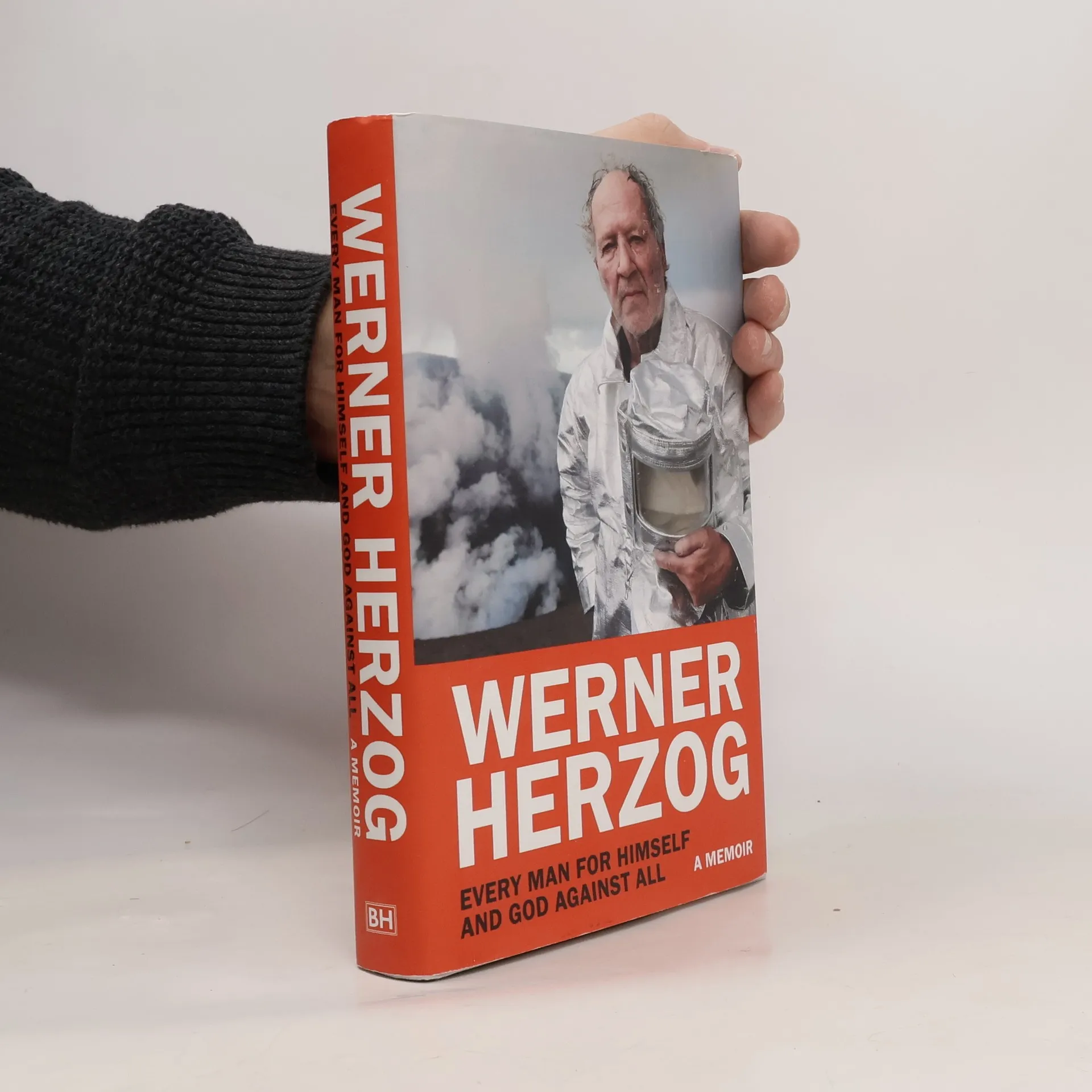
    • Werner Herzog is the undisputed master of extreme cinema: building an opera house in the middle of the jungle; walking from Munich to Paris in the dead of winter; descending into an active volcano; living in the wilderness among grizzly bears - he has always been intrigued by the extremes of human experience. From his early movies to his later documentaries, he has made a career out of exploring the boundaries of human endurance: what we are capable of in exceptional circumstances and what these situations reveal about who we really are. But these are not just great cinematic themes. During the making of his films, Herzog pushed himself and others to the limits, often putting himself in life-threatening situations. As a child in rural Bavaria, a single loaf of bread had to last his family all week. The hunger and deprivation he experienced during his early years perhaps explain his fascination with the limits of physical endurance.All his life, Herzog would embrace risk and danger, constantly looking for challenges and adventures. Filled to the brim with memorable stories and poignant observations, Every Man for Himself and God against All unveils the influences and ideas that drive his creativity and have shaped his unique view of the world. This book tells, for the first time, the story of his extraordinary and fascinating life.

      Every Man for Himself and God Against All
    • Werner Herzog

      • 208 pages
      • 8 hours of reading

      Interviews with the director of Signs of Life; Aguirre, the Wrath of God to Grizzly Man; and Cave of Forgotten Dreams

      Werner Herzog
    • Conquest of the Useless

      • 320 pages
      • 12 hours of reading
      4.0(2346)Add rating

      The diary captures the surreal and chaotic experiences of Werner Herzog during the filming of Fitzcarraldo, a film about a rubber baron's ambitious endeavor to transport a steamship over a mountain. Spanning from 1979 to 1981, Herzog’s entries reveal bizarre events, including attacks on the crew's camp and logistical nightmares. He emphasizes that these writings reflect his inner turmoil rather than a straightforward account of the film's production, offering a unique insight into the creative process of a visionary filmmaker amidst the challenges of the Amazon jungle.

      Conquest of the Useless
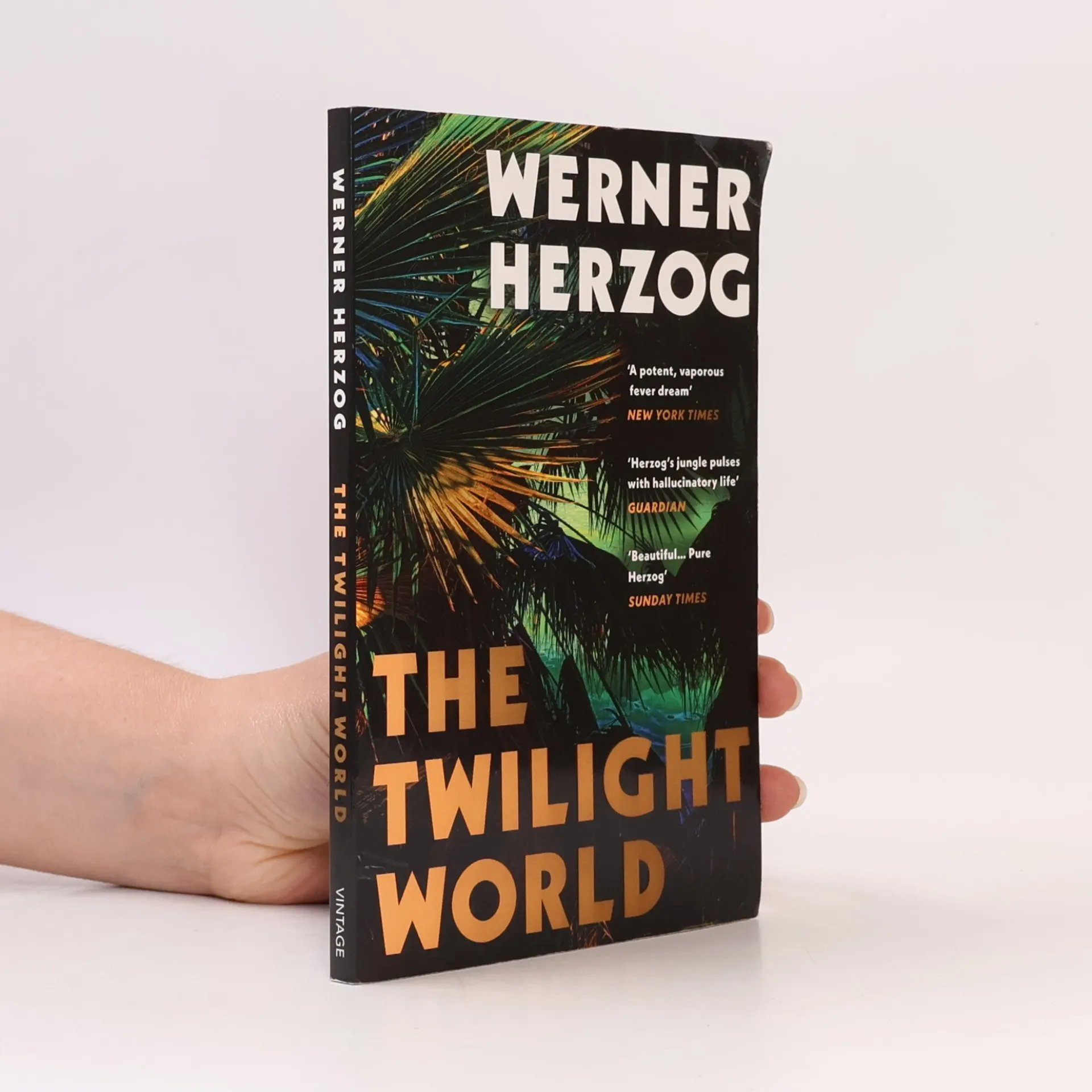
    • "Werner Herzog, one of the most revered filmmakers of all time, in his first book in many years, tells the story of Hiroo Onoda, a Japanese soldier who continued to defend a small island in the Philippines for twenty-nine years after the end of World War Two. In 1997, Werner Herzog was in Tokyo to direct an opera. His hosts there asked, whom would you like to meet? He replied instantly: Hiroo Onoda. Onoda was a former solider famous for having quixotically defended an island in the Philippines for decades after World War II, unaware the war was over. At their meeting, Herzog and Onoda spoke for hours, and together began to unravel Onoda's incredible story. At the end of 1944, on Lubang Island in the Philippines, with Japanese troops about to withdraw, Lieutenant Hiroo Onoda was given orders by his superior officer: Hold the island until the Imperial army's return. Defend the territory with guerilla tactics at all costs. There is only one rule: you are forbidden to die by your own hand. In the event of capture, give the enemy all the misleading information you can. Onoda dutifully retreated into the jungle, and so began his long campaign. Soon weeks turned into months, months into years, and years into decades. And all the while Onoda continued to follow his orders, surviving by any means necessary, at first with other soldiers, and then, finally, all alone in the jungle, like a phantom, becoming one with the natural world. Until eventually time itself seemed to melt away. In The Twilight World, Herzog immortalizes Onoda's years of absurd yet epic struggle, recounting his lonely mission in an inimitable, hypnotic style-part documentary, part poem, and part dream-that will be instantly recognizable to fans of his films. The result is something like a modern-day Robinson Crusoe: nothing less than a glowing, dancing meditation on the purpose and meaning we give our lives"-- Provided by publisher

      The Twilight World
    • Nosferatu

      The Vampyre

      • 172 pages
      • 7 hours of reading
      3.7(106)Add rating

      Retelling of Bram Stoker's Dracula based on the screenplay of the 1979 German film Nosferatu.

      Nosferatu
    • Mexico

      The Aztec Account of the Conquest [SCREENPLAY]

      • 156 pages
      • 6 hours of reading

      The screenplay presents an epic dramatization of Hernán Cortes' conquest of the Aztec empire in 1521, showcasing Werner Herzog's unique storytelling style. Although it has remained unfilmed for over thirty years, readers can now explore this ambitious narrative that delves into themes of power, culture, and the clash of civilizations. Herzog's vision offers a captivating glimpse into a pivotal moment in history, bringing to life the complexities of conquest and its lasting impact.

      Mexico