Irrationaler Überschwang
- 325 pages
- 12 hours of reading
Robert J. Shiller blickt hinter die Fassaden lieb gewonnener Vorstellungen und bestätigt all jene, die die Euphorie an den Börsen der Welt mit wachsendem Unbehagen verfolgen.


Robert Shiller is an American economist and author whose work delves into behavioral economics and its impact on financial markets. His writing examines the psychological factors that drive economic decisions and how these elements contribute to market bubbles and crises. Shiller's analyses highlight the role of social narratives and irrational behavior in shaping economic realities. He aims to illuminate the inherent instability of financial systems and propose avenues for greater stability.




Robert J. Shiller blickt hinter die Fassaden lieb gewonnener Vorstellungen und bestätigt all jene, die die Euphorie an den Börsen der Welt mit wachsendem Unbehagen verfolgen.
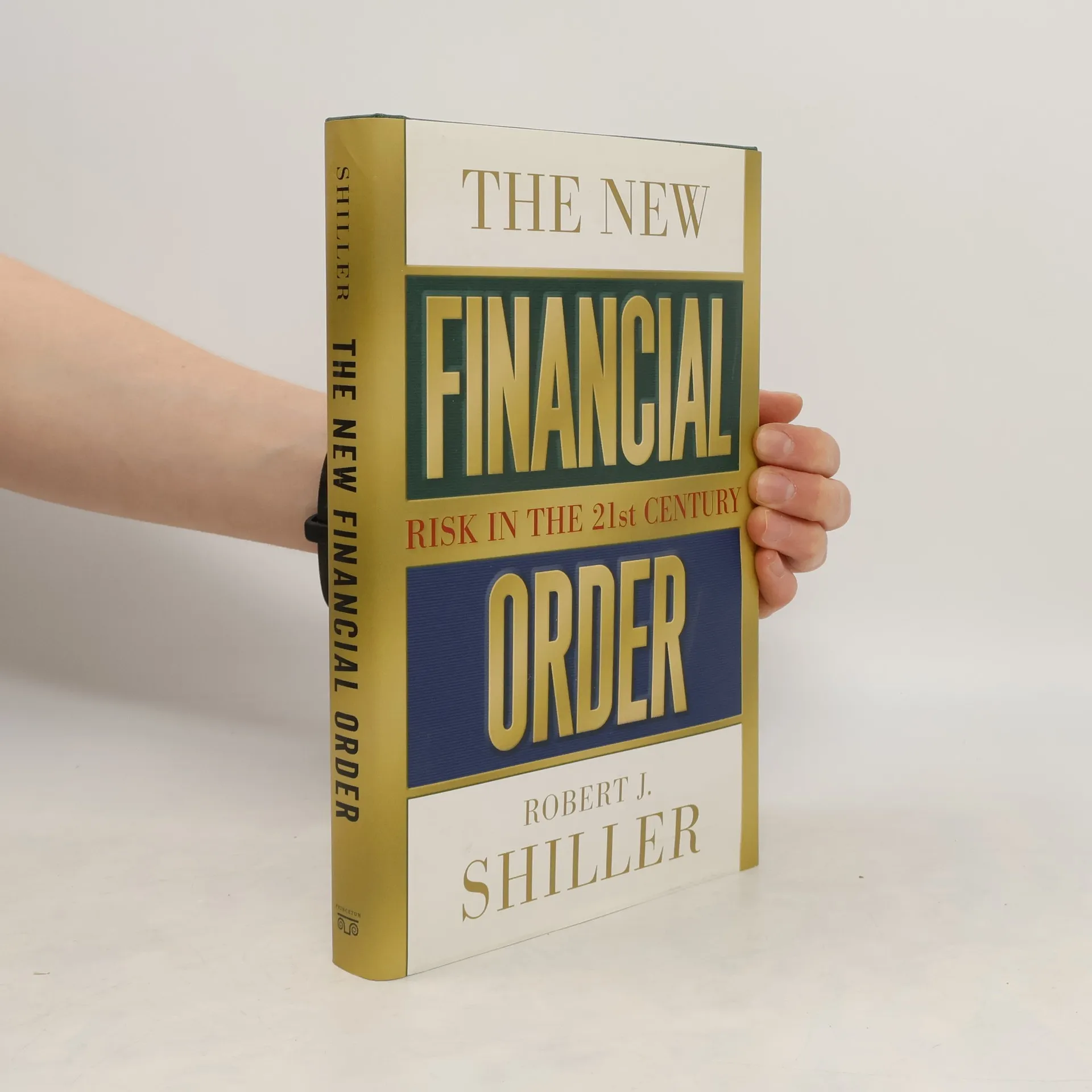
Examines the impact of a rapidly evolving global economy on the twenty-first century financial world and presents six fundamental principles for using information technology and advanced financial theory to hedge risk.
Acclaimed economists George Akerlof and Robert Shiller argue for the essential role of government in restoring economic confidence in the wake of the global financial crisis. They highlight how psychological forces, termed "animal spirits," have jeopardized national wealth, from blind faith in rising housing prices to declining trust in capital markets. Challenging traditional economic wisdom, Akerlof and Shiller propose a transformative vision that emphasizes the necessity of an active government role in economic policymaking. They revive the concept of animal spirits, originally introduced by John Maynard Keynes, to explain the psychological factors that contributed to the Great Depression and subsequent recovery. Akerlof and Shiller contend that managing these forces requires government intervention, as laissez-faire approaches are insufficient. They explore the pervasive impacts of animal spirits—such as confidence, fear, bad faith, and fairness—on contemporary economic life, critiquing Reaganomics, Thatcherism, and the rational expectations revolution for overlooking these dynamics. This work provides a roadmap for addressing current financial challenges, illustrating how leaders can effectively channel the powerful psychological forces influencing today's global economy.
The reputation of the financial industry could hardly be worse than it is today in the painful aftermath of the 2008 financial crisis. In this book, the author argues that, rather than condemning finance, we need to reclaim it for the common good. It shows how society can once again harness the power of finance for the greater good.
The subprime mortgage crisis has devastated millions and poses a significant threat to the U.S. and global economies. In this insightful work, economist Robert Shiller examines the crisis's origins and proposes bold solutions. He advocates for a comprehensive restructuring of the financial system to restore confidence in home buying and foster greater prosperity in the interconnected global economy. Shiller attributes the crisis to the irrational exuberance that fueled the recent economic bubbles in stocks and housing, leading to excessive credit extension and resulting in foreclosures, bankruptcies, and a global credit crunch. To regain market confidence, he argues for immediate bailouts, specifically targeting low-income victims of subprime deals. For a sustainable solution, Shiller emphasizes the need for leaders to overhaul the financial framework with initiatives designed to prevent future bubbles and mitigate risks. These include improved financial information, simplified legal contracts, expanded risk management markets, home equity insurance, income-linked home loans, and measures to protect consumers from hidden inflation. This compelling book is crucial for understanding the subprime crisis and exploring pathways to recovery.
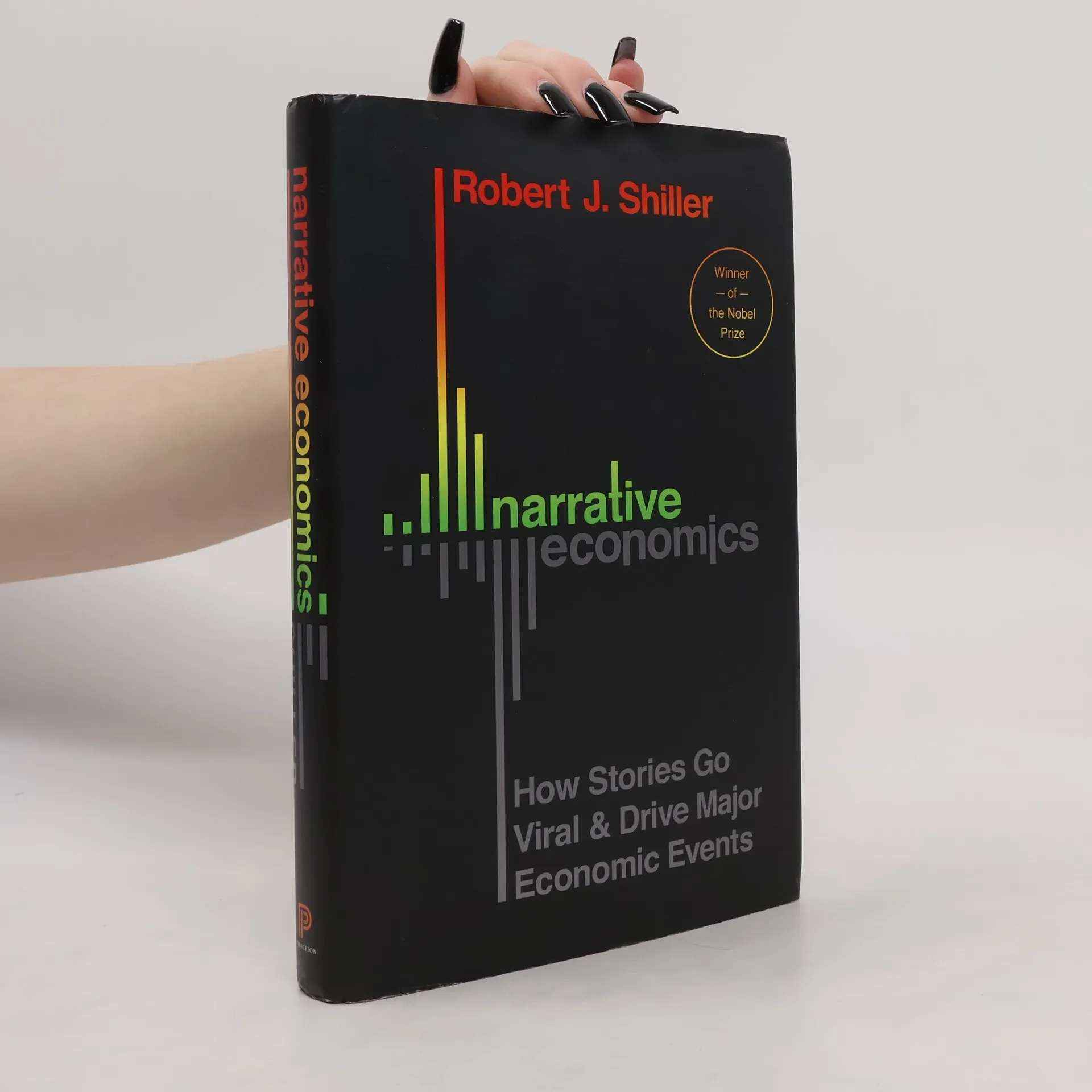
Economists have traditionally relied on financial aggregates like price-earnings ratios and asset prices for forecasts, often with limited success. Robert Shiller enhances this approach by incorporating insights from mass psychology, leading to the development of behavioral economics. He explores how psychological factors shape economic events and narratives, explaining the emergence and viral spread of popular economic stories and their impact on economic developments. In the preface, Shiller introduces narrative economics, referencing the Great Depression and World War II, and illustrates a contemporary example with the viral rise of Bitcoin. He discusses how narrative economics intersects with other disciplines and draws parallels to epidemiology in understanding how ideas spread. Shiller also examines recurring economic narratives, such as the gold standard, real estate booms, and stock market fluctuations. He concludes with a vision for future research in narrative economics, emphasizing the importance of understanding these narratives in shaping economic realities.
Since Adam Smith, the prevailing belief in economics has been that free markets enhance our material well-being through an "invisible hand." However, Nobel Prize-winning economists George Akerlof and Robert Shiller challenge this notion in a compelling way, arguing that markets can also be harmful. They assert that sellers will exploit our psychological weaknesses and ignorance for profit, manipulating and deceiving us. Instead of being purely beneficial, markets are filled with tricks and traps that "phish" us as "phools." This work introduces a new perspective in economics, emphasizing that markets both provide and take away. Through numerous stories, Akerlof and Shiller illustrate how phishing impacts nearly every aspect of life. We often overspend and then struggle to meet our financial obligations. The financial system experiences cycles of boom and bust, and we find ourselves swayed by advertising. Money distorts our political landscape, and we frequently overpay for gym memberships, cars, homes, and credit cards. Pharmaceutical companies market drugs that may offer little benefit or even pose risks. The authors delve into the pervasive nature of manipulation and deception across these domains, explaining a paradox: despite unprecedented levels of material comfort, many lead lives of quiet desperation. The book also highlights individuals who resist economic trickery and suggests that increased knowledge, reform, and re
Understanding Chinese Investment Behavior
Exploring the intricacies of financial decision-making, this book highlights key biases that influence human behavior, including over-confidence, naïve extrapolation, attention, and risk aversion. It delves into how these biases can lead both investors and corporations to make significant errors in their investment choices, offering valuable insights into improving decision-making processes in the financial realm.
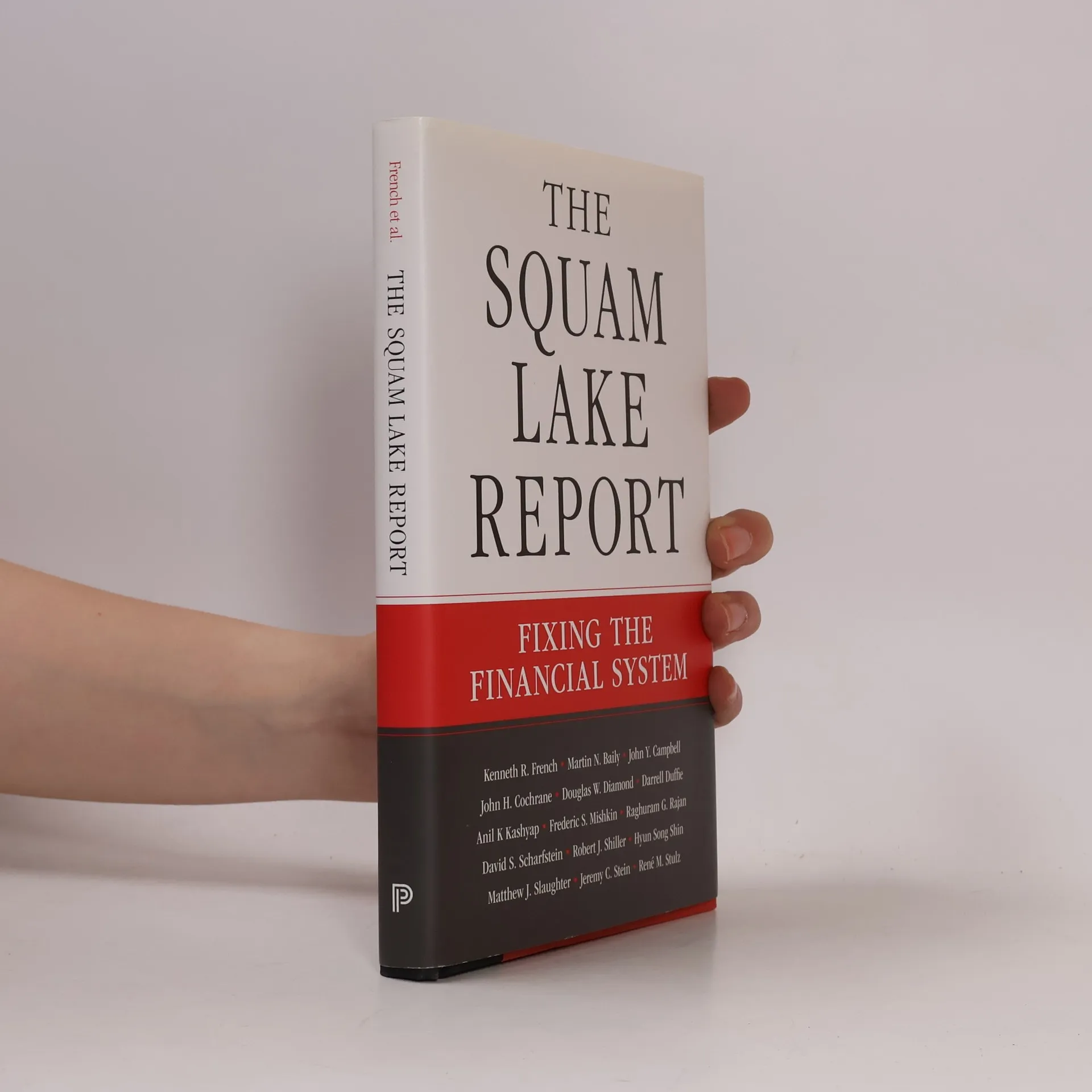
In the fall of 2008, fifteen leading economists gathered at Squam Lake, New Hampshire, to devise a long-term plan for financial regulation reform. The resulting insights form a unified, nonpartisan strategy aimed at addressing the issues plaguing global financial markets. Unlike the ideologically driven proposals that have dominated discussions, this report presents a clear action plan designed to transform financial regulation for future generations. The authors highlight the ongoing conflict between financial institutions and society, offering transparent solutions to bridge this divide. They identify critical gaps in the current regulatory framework concerning complex financial entities, retirement savings, and credit default swaps. Innovative ideas for new financial instruments are proposed to recapitalize banks without imposing costs on taxpayers. To mitigate the risk of large bank failures, the report advocates for higher capital requirements and the establishment of a systemic regulator within the central bank. By analyzing the failures of the financial system and recommending necessary reforms, this report combines extensive academic, private sector, and public policy expertise. Its urgent recommendations aim to enhance the financial well-being of all, making it essential reading for anyone concerned about the health of the global economy.