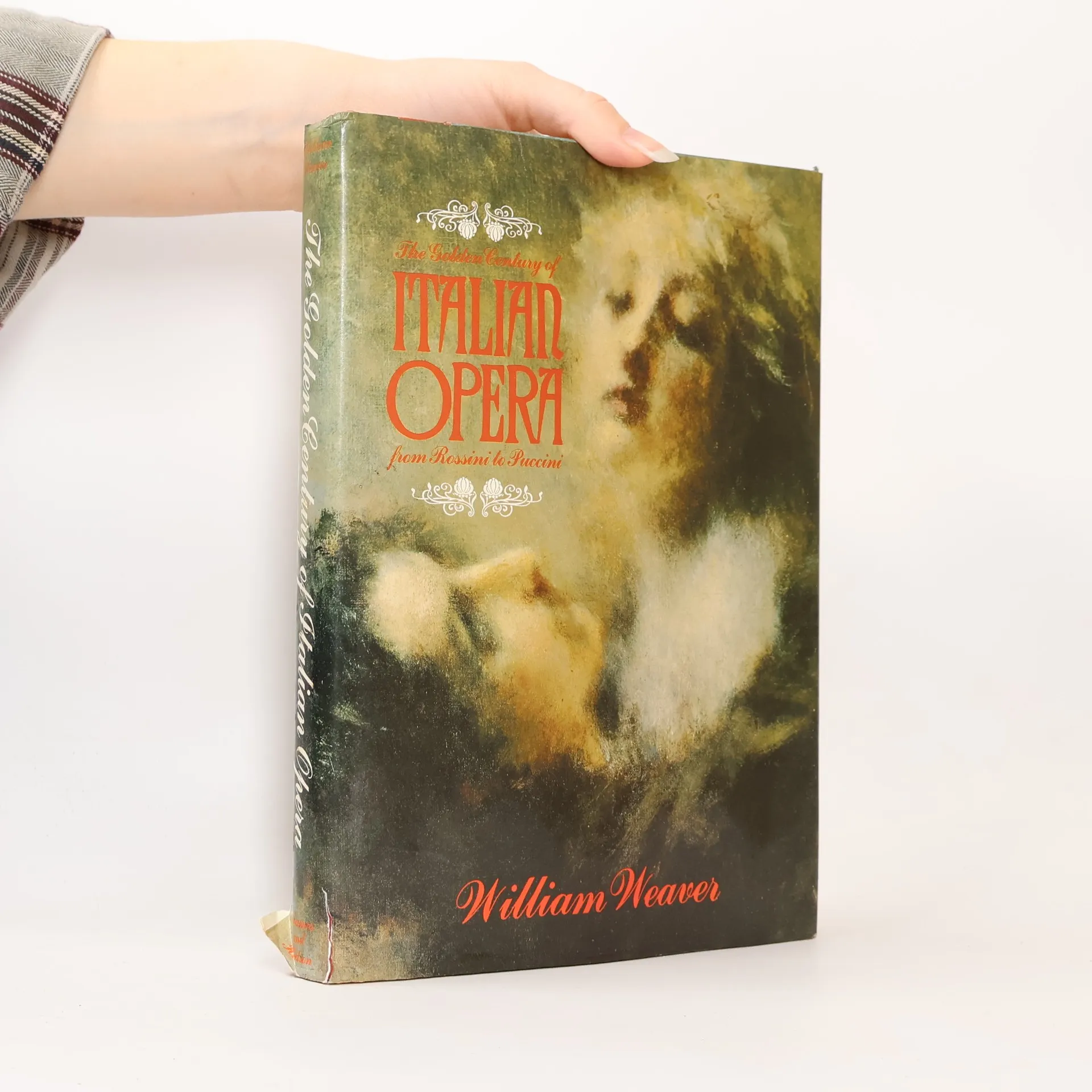
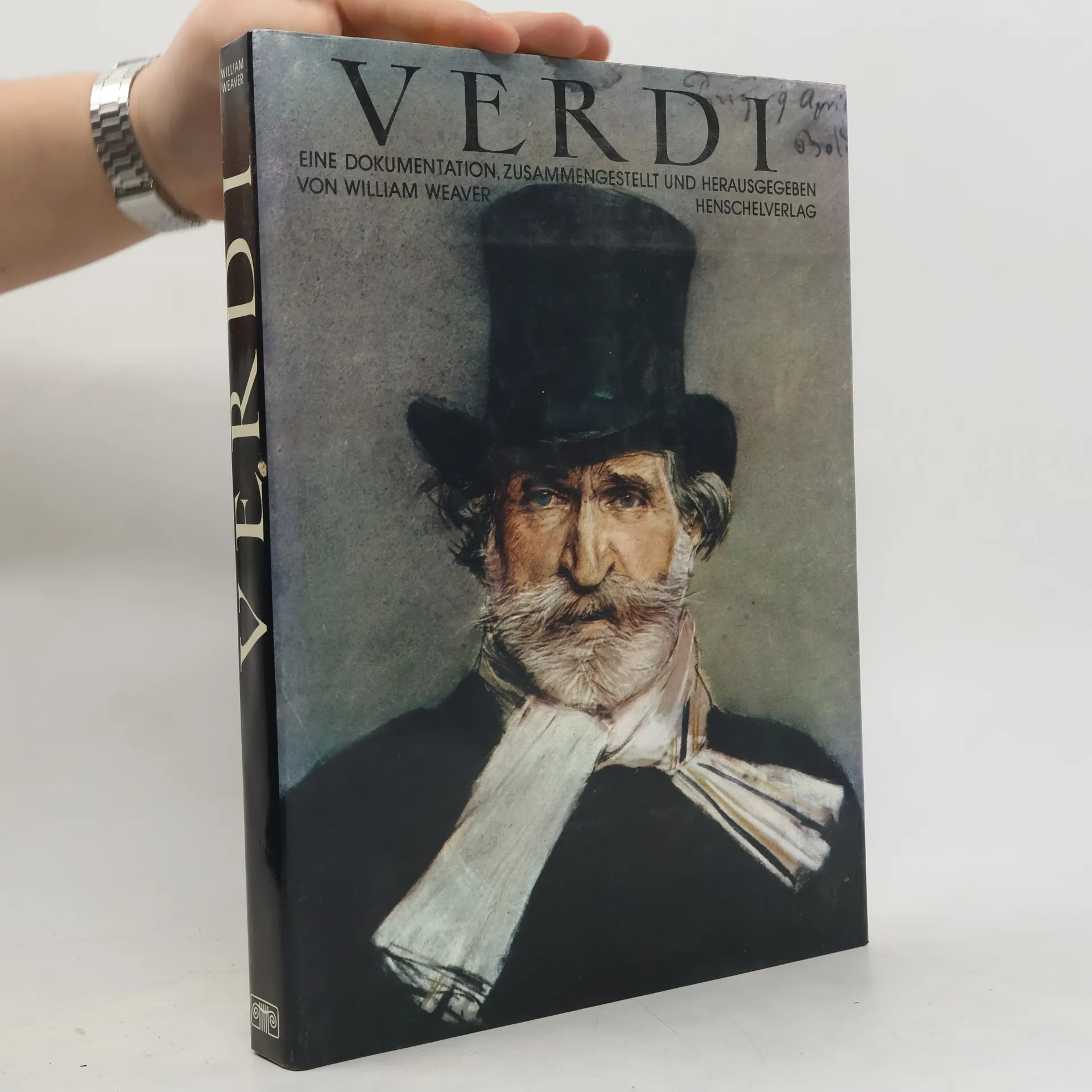
William Fense Weaver dedicated over fifty years to translating Italian literature, becoming a significant bridge between cultures. His extensive work encompassed not only prose but also poetry and opera libretti, showcasing a profound understanding of the nuances of Italian expression. Beyond translation, he contributed as a critic and commentator, demonstrating a deep engagement with the literary and operatic worlds.
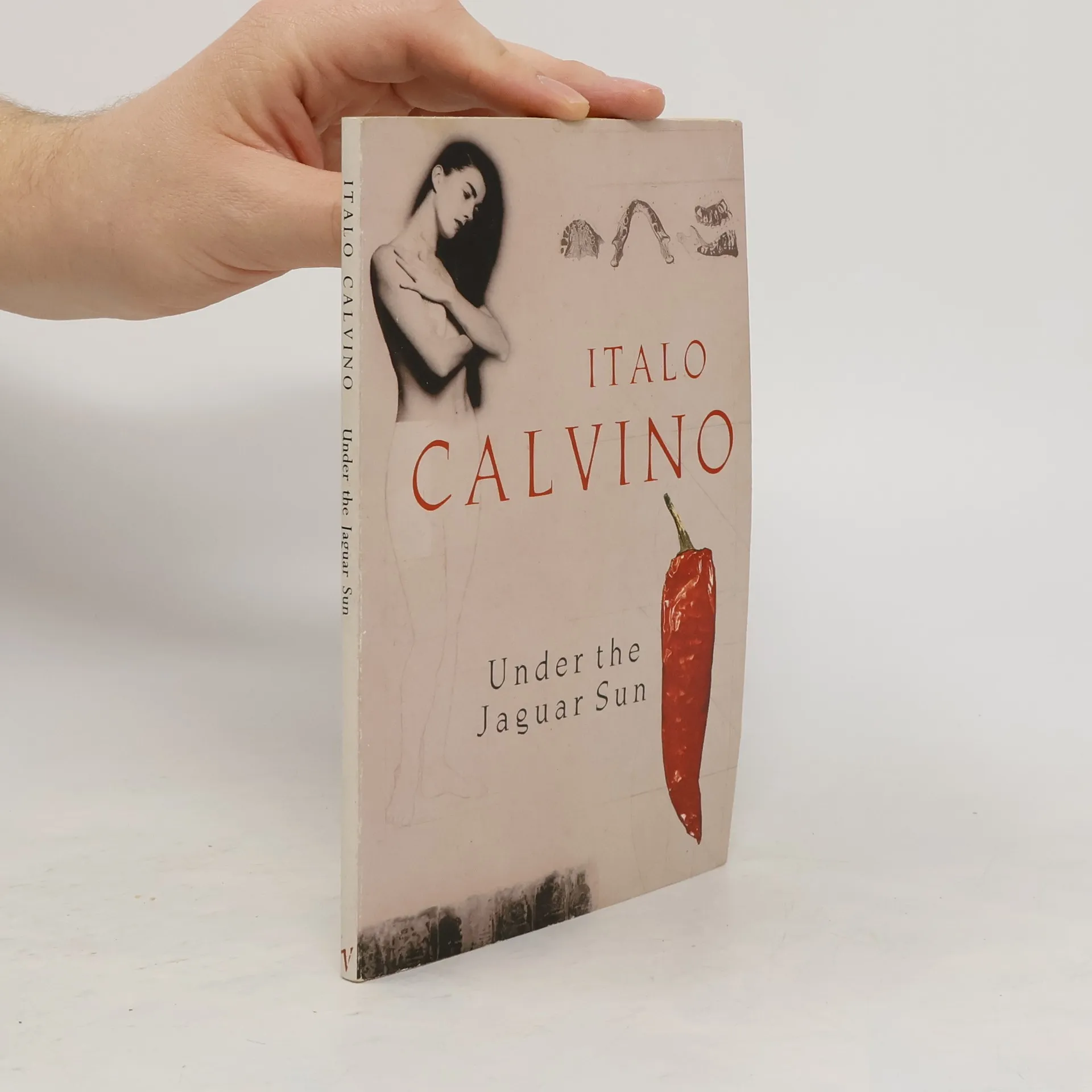
I went down, I climbed back up into the light of the jaguar sun - into the sea of the green sap of the leaves. The world spun, I plunged down, my throat cut by the knife of the king-priest ... The solar energy coursed along dense networks of blood and chlorophyll; I was living and dying in all the fibers of what is chewed and digested and in all the fibers that absorb the sun
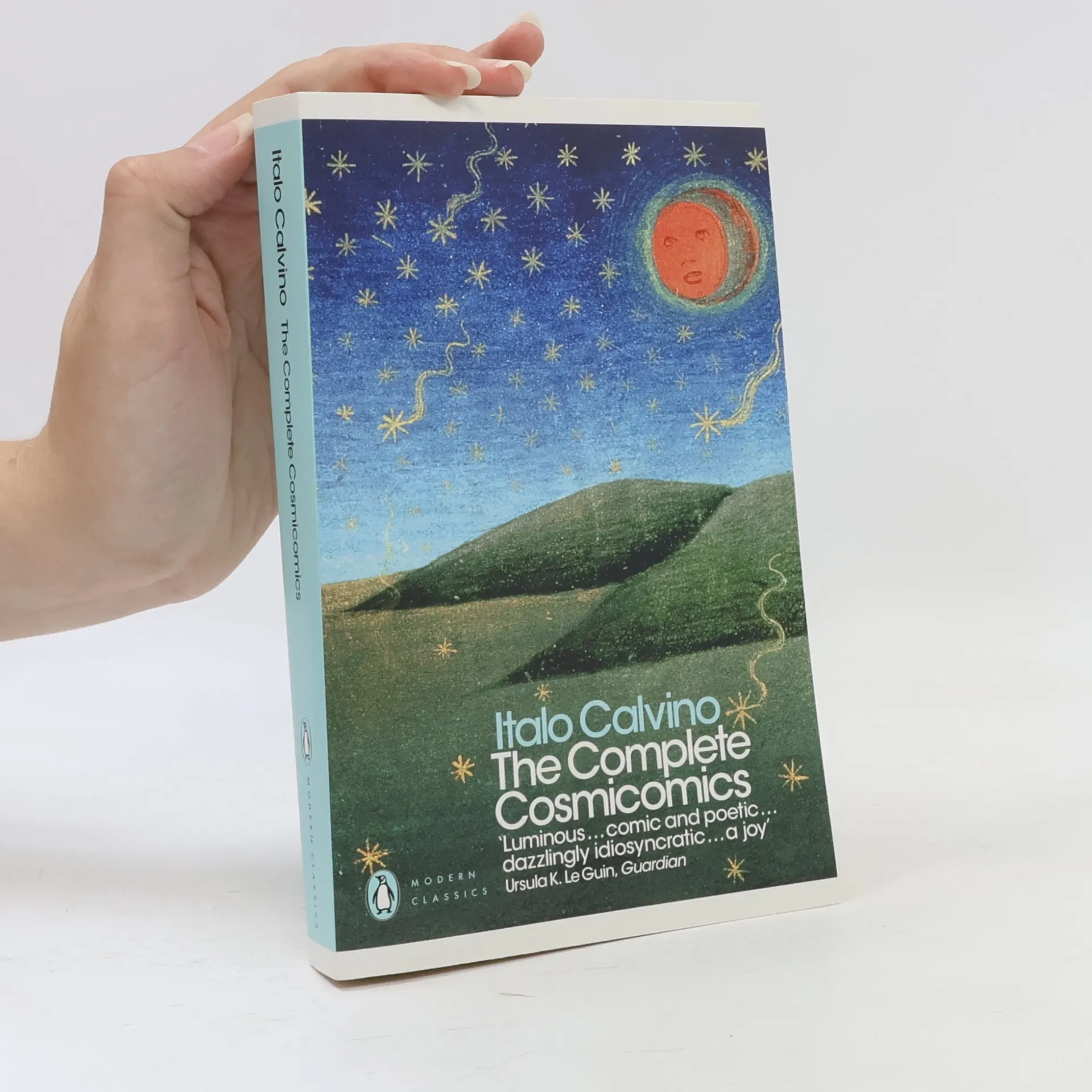
This title includes enchanting stories about the evolution of the universe, with characters that are fashioned from mathematical formulae and cellular structures. They disport themselves among galaxies, experience the solidification of planets, move from aquatic to terrestrial existence, play games with hydrogen atoms - and have time for a love life. 'Naturally, we were all there, old Qfwfq said, where else could we have been? Nobody knew then that there could be space. Or time either: what use did we have for time, packed in there like sardines?'.
In these three witty and fantastical stories, Italo Calvino explores the sensory aptitudes of the body in taste, hearing and smell. 'Each story continues Calvino's lifelong campaign to add more territory to the empire of the imagination; each discloses marvels in regions that we presumed exhausted' Time 'In all three stories, intellectual keenness accompanies intense receptiveness to sensuous nuance' Sunday Times
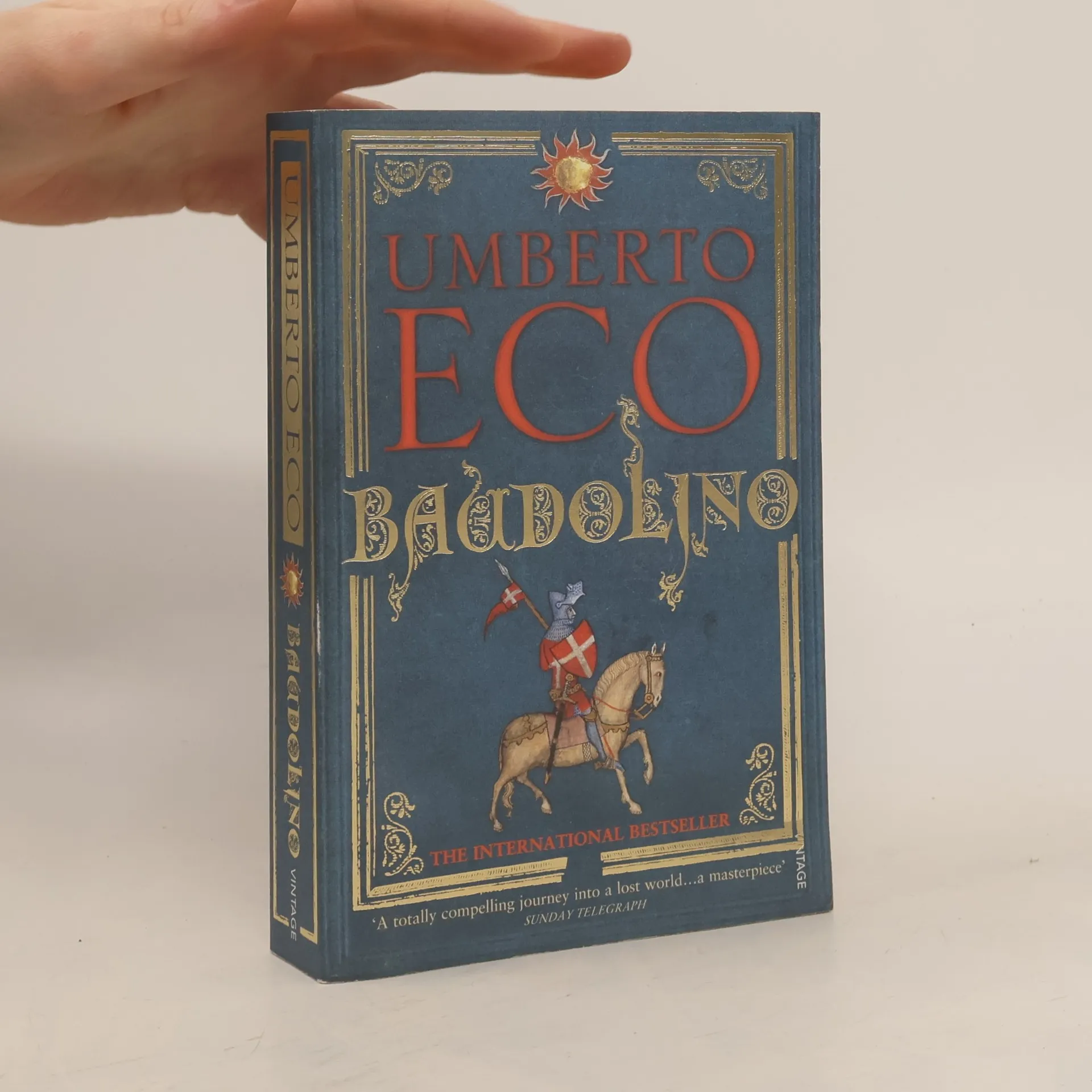
As always with Eco, this novel includes dazzling digressions, outrageous tricks, pages of extraordinary feeling and poetry, and vicarious reflections on our postmodern age. Baudolino is a marvellous tale by the author of 'The Name of the Rose'.
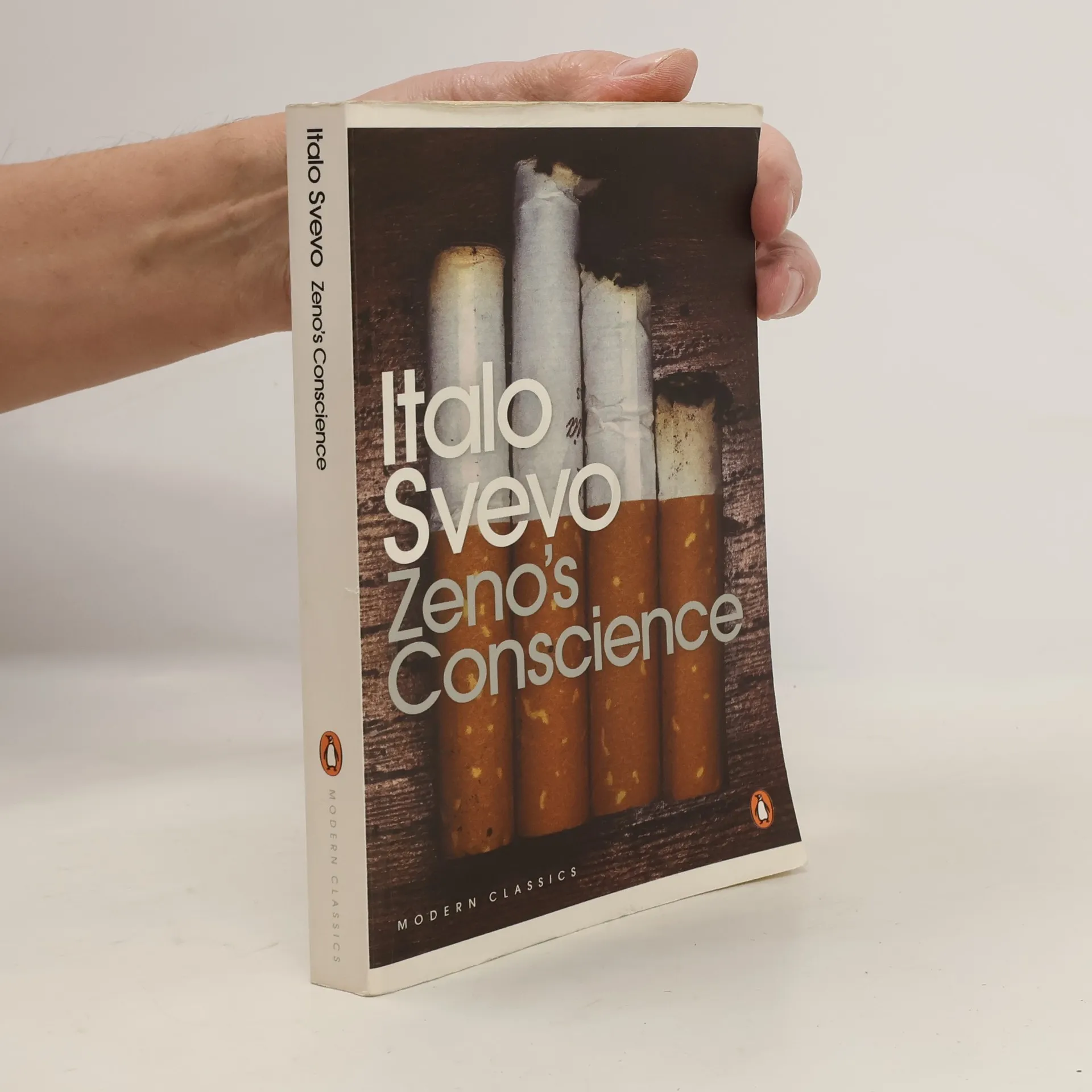
This enormously engaging, strange novel is both an engrossing saga of a family and a hilarious account of addiction and failure as its helpless hero, notionally undergoing psychiatric help, manages spectacularly to fail to give up smoking, run his business or make sense of his private life.A hymn to self-delusion and procrastination ZENO'S CONSCIENCE has provoked enormous affection in its readers both in Italian and English since its first publication in the 1920s.
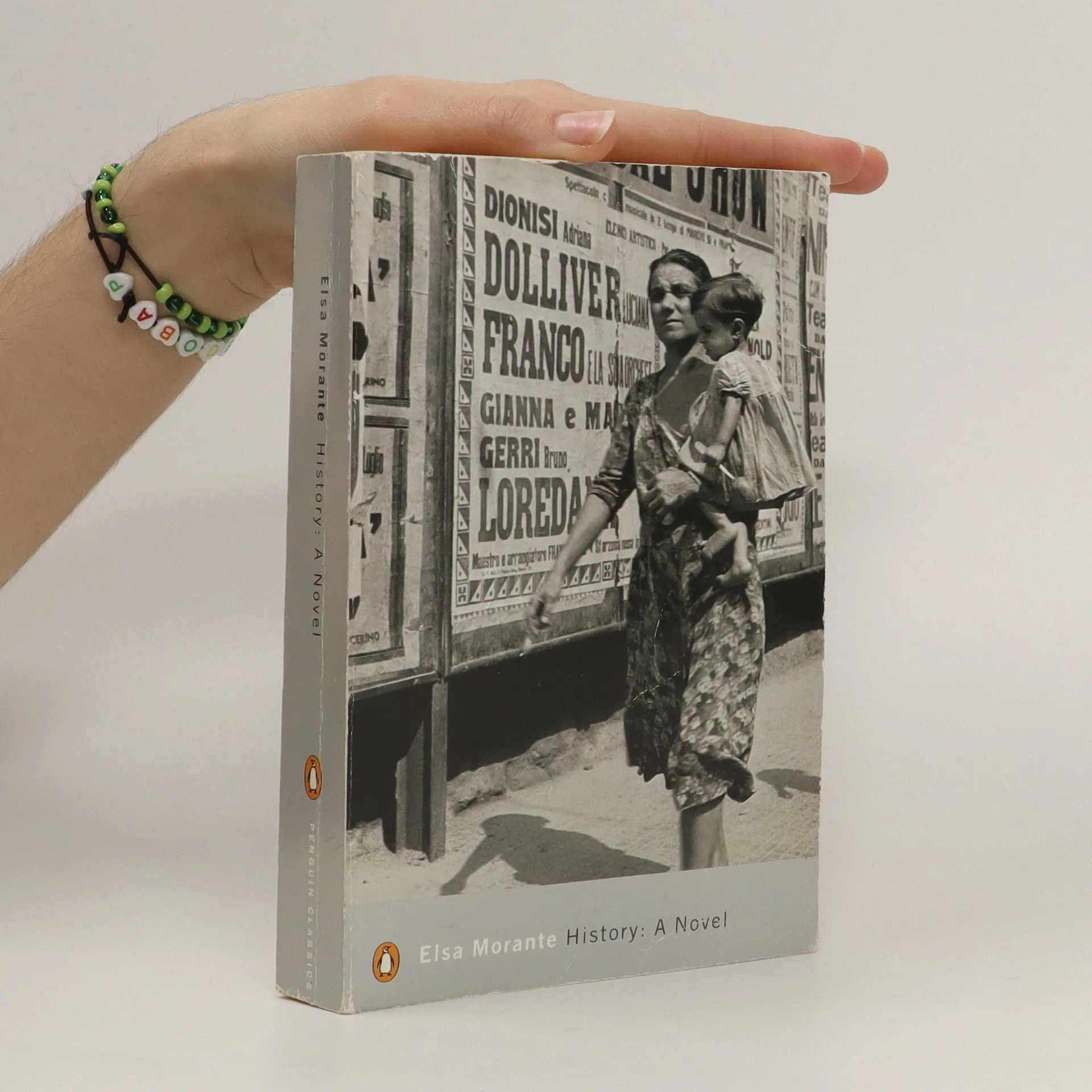
A soldier wandering through the streets of Rome resolves, rather drunkenly, that he must find himself a woman. It is Ida Mancuso's fate, at precisely that moment, to turn the corner of the street, laden with shopping. The soldier sees easy prey - but Ida confronts her nightmare vision. The year is 1941, the soldier is German and she is half-Jewish. Elsa Morante's brave novel evokes the real terrors, fears and hopes of a mother living through one of the most horrifying events in recent times. In marked contrast to the posturing fascists on the political stage, this is the history of the Second World War as the ordinary people of Italy experienced it.
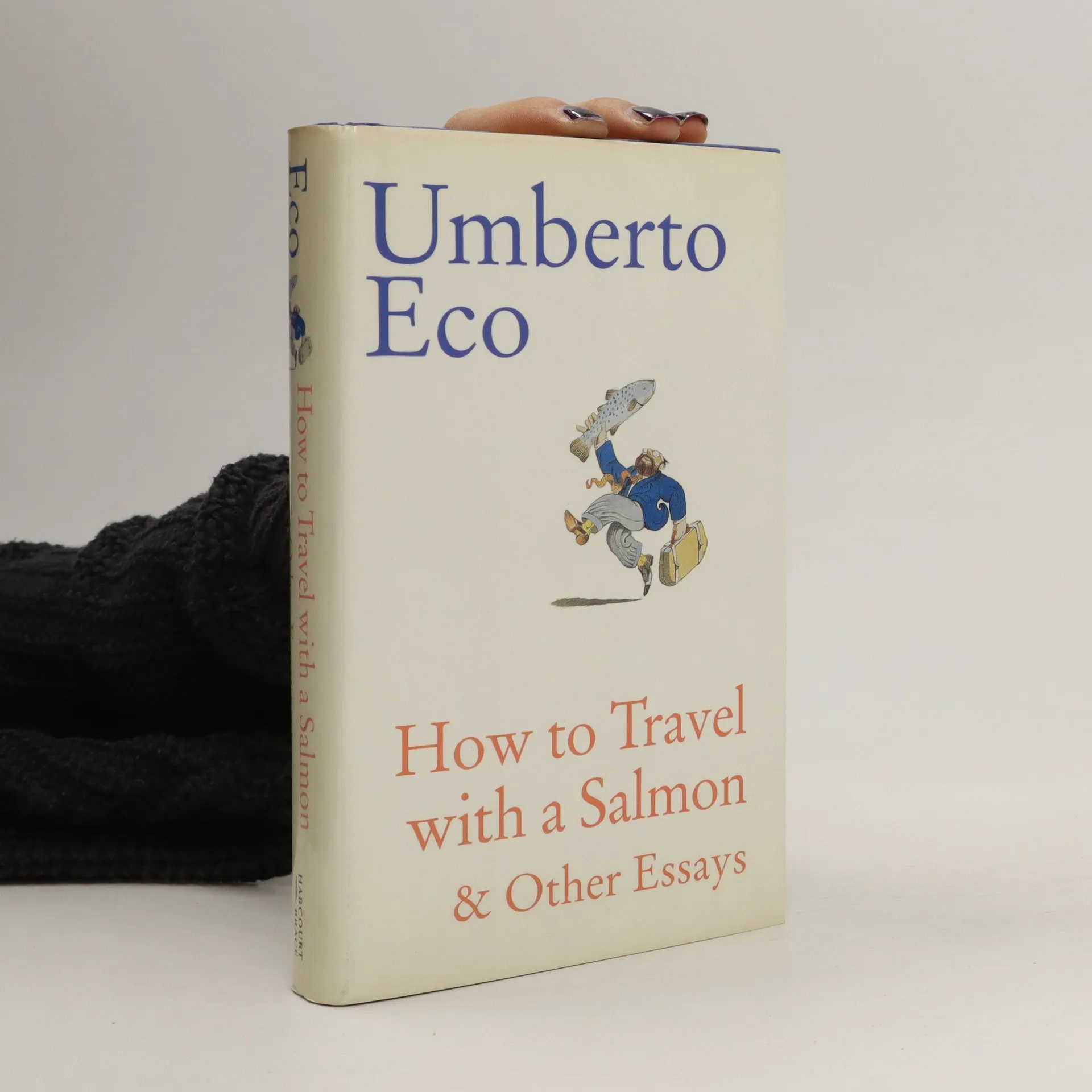
How to Travel with a Salmon is a highly engaging collection of what Umberto Eco calls his diario minimo - minimal diaries - after the magazine column in which he began "pursuing the pathways of parody.". These essays, written in the late eighties and early nineties, are his playful but unfailingly accurate takes on militarism, computer jargon, Westerns, art criticism, librarians, bureaucrats, meals on airplanes, Amtrak trains, bad coffee, maniacal taxi drivers, express mail, 33-function watches, fax machines and cellular phones, pornography, soccer fans, academia, and - last but definitely not least - the author's own self. How to Travel with a Salmon gives us Umberto Eco's acute vision of the absurdities of modern life.
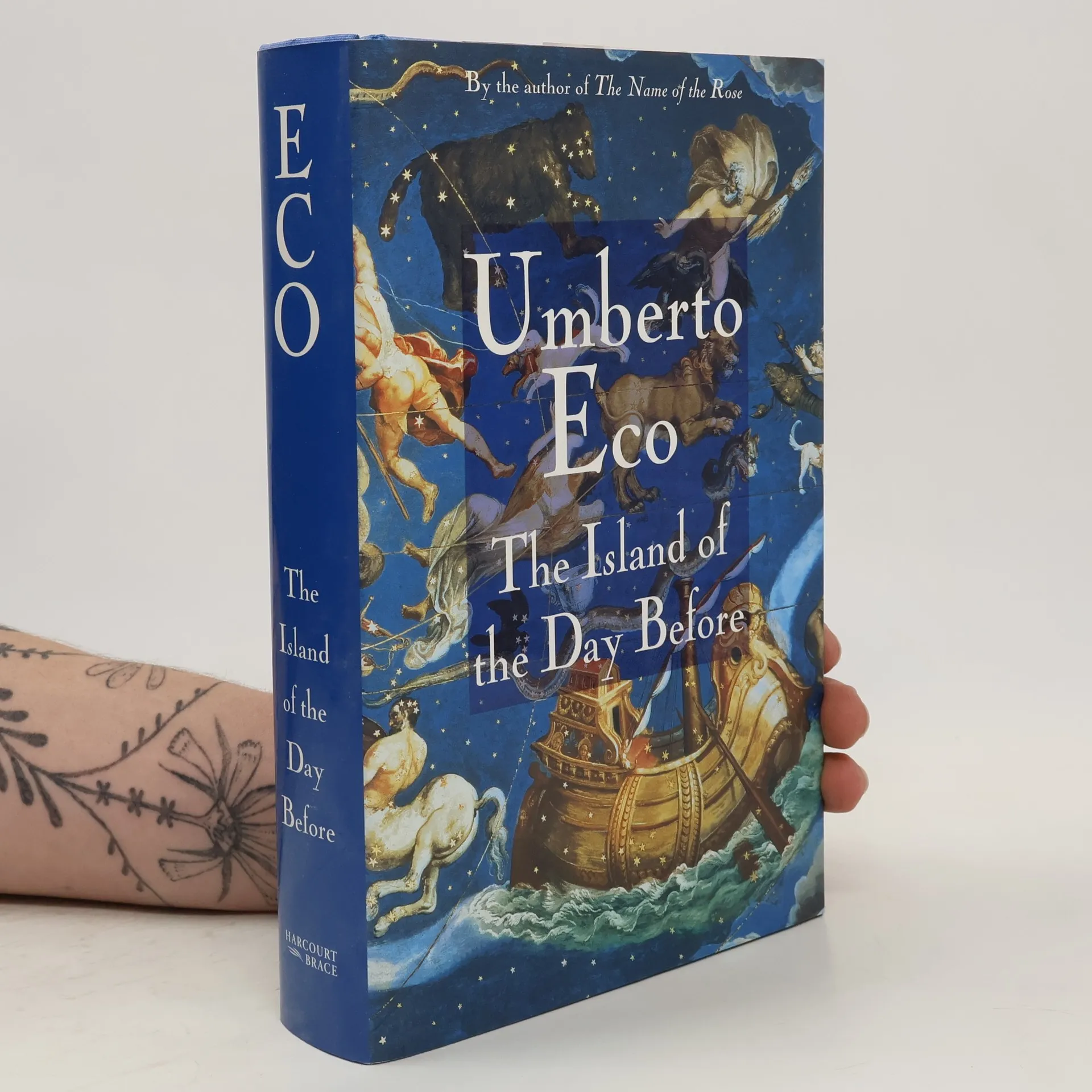
A romance of navigation and science in the mid-seventeenth century, by the author of The Name of the Rose After a violent storm in the South Pacific (the year is 1643), Roberto della Griva finds himself shipwrecked—on a ship. Swept from the Amaryllis, he has managed to pull himself aboard the Daphne, anchored in the bay of a beautiful island. The ship is fully provisioned, he discovers, but the crew is missing. As Roberto explores the different cabinets in the hold, he remembers chapters from his youth: Ferrante, his imaginary evil brother; the siege of Casale, that meaningless chess move in the Thirty Years' War in which he lost his father and his illusions; the Aristotelian metaphor-machine of Padre Emanuele; the lessons given him on Reasons of State, fencing, the writing of love letters, and blasphemy; the salons of Paris, the theory of the Powder of Sympathy, the approach of his unapproachable Lady, then prison, and finally the summons of Cardinal Mazarin himself. In this fascinating lyrical tale, Umberto Eco tells of an international race to establish the Punto Fijo; of a young dreamer searching for love and meaning; and of a most amazing old Jesuit who, with his clocks and maps, has plumbed the secrets of longitudes, the four moons of Jupiter, and the Flood.
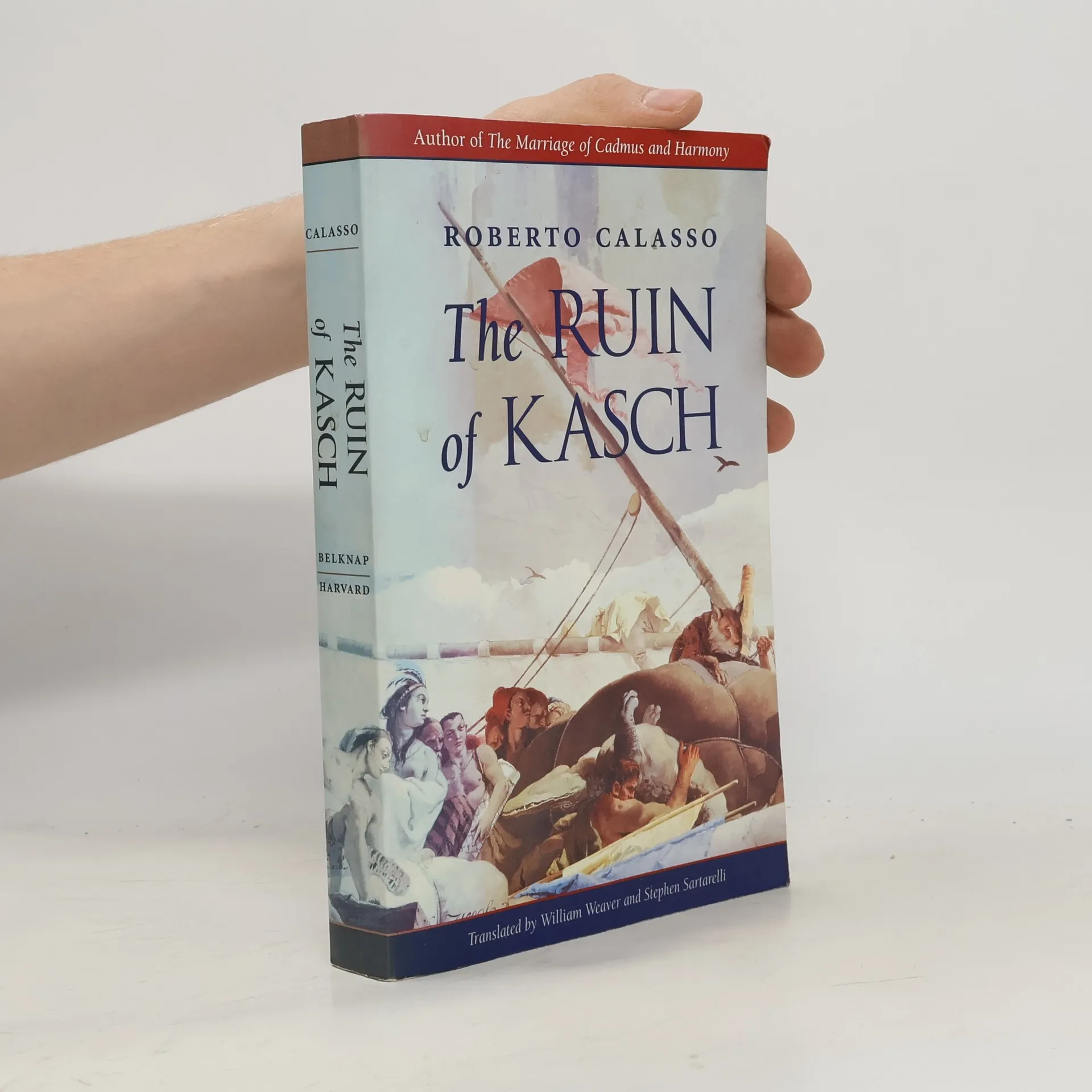
In this brilliant work, Roberto Calasso cracks the code of what Baudelaire named the Modern--the increasingly murderous period from the French Revolution to the end of World War II. From Talleyrand's France and the legendary African city of Kasch, to Lenin's Russia and the killing fields of Cambodia, Calasso leads us along an enticing maze of mythology, literature, art, and science to the pulsing heart of civilization, where he deciphers the deepest secrets of history.
This is a collection of parodies by the author of The Name of the Rose and Foucault's Pendulum. Professor Anouk Ooma of Prince Joseph's Land University addresses his colleagues on recent archaeological findings that shed light on the poetry of Italy before the Explosion, Columbus' landing in the New World is covered by TV reporters and structural analysis of the art of striptease as performed by Lilly Niagara of the Crazy Horse.
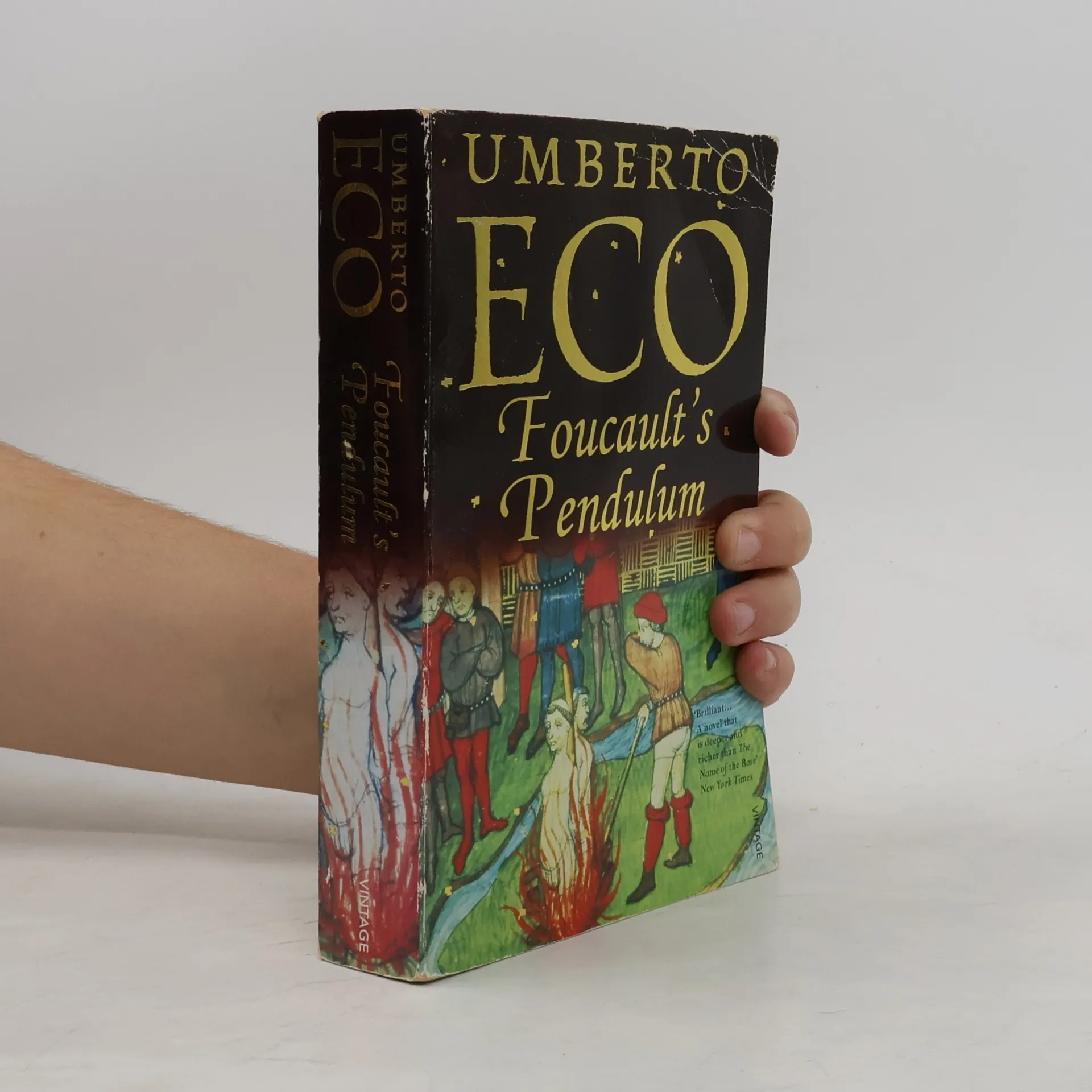
Three book editors, jaded by reading far too many crackpot manuscripts on the mystic and the occult, are inspired by an extraordinary conspiracy story told to them by a strange colonel to have some fun. They start feeding random bits of information into a powerful computer capable of inventing connections between the entries, thinking they are creating nothing more than an amusing game, but then their game starts to take over, the deaths start mounting, and they are forced into a frantic search for the truth
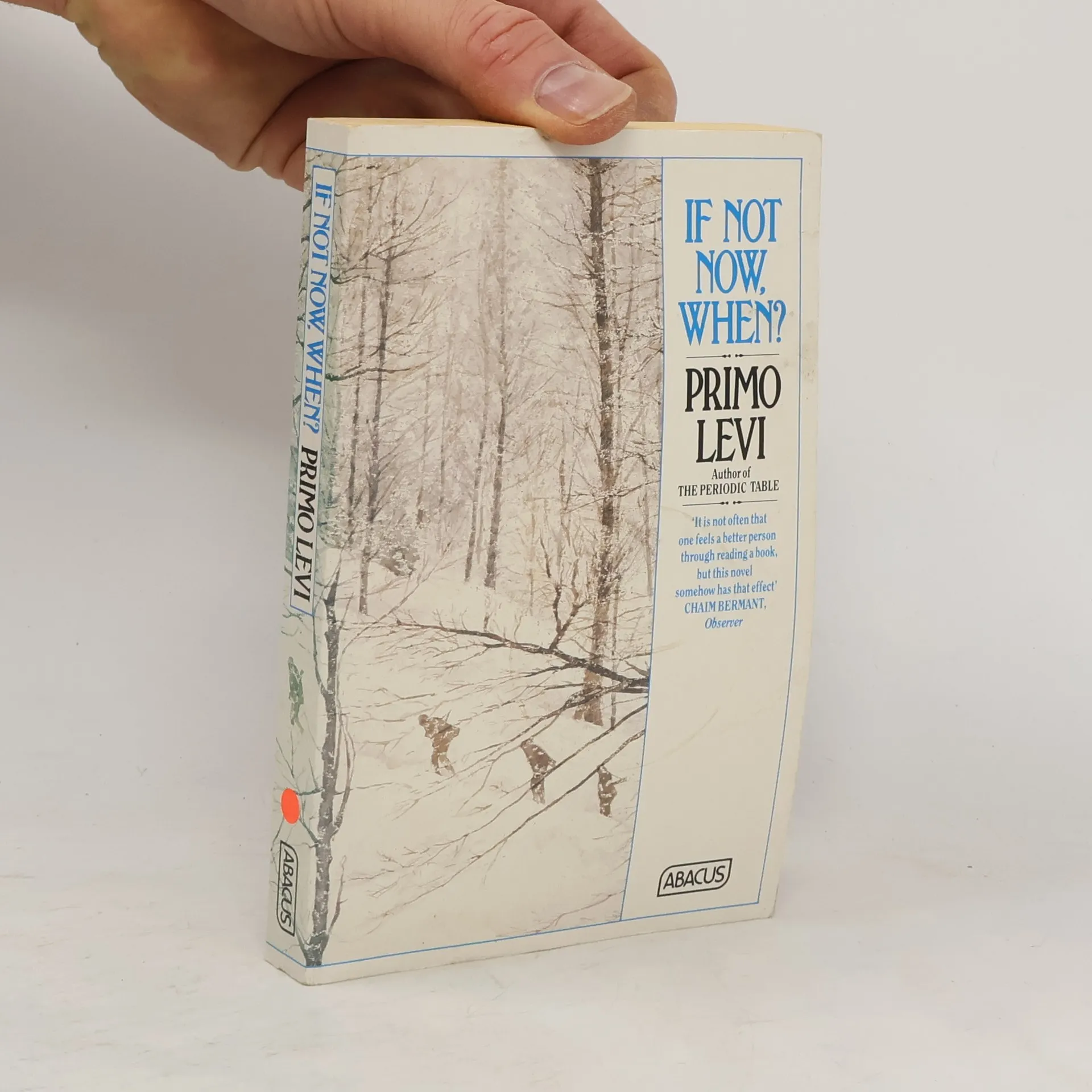
If I'm not for myself, who will be for me? If not this way, how? If not now, when?' So runs the Song of the Partisan. This enthralling novel pays tribute to the Jews who fought back during the holocaust. Based on a true story, it chronicles the adventures, crises and moral struggles of a group of Russian and Polish refugees as, stranded in occupied territory, they offer what resistance they can to the German army.
Holography, wax museums, the secret meaning of spectator sports, Superman and
the intellectual effects of over-tight jeans are just a few of the subjects
covered in this collection of witty, entertaining and thought-provoking
delights from Umberto Eco, celebrated author of The Name of the Rose.
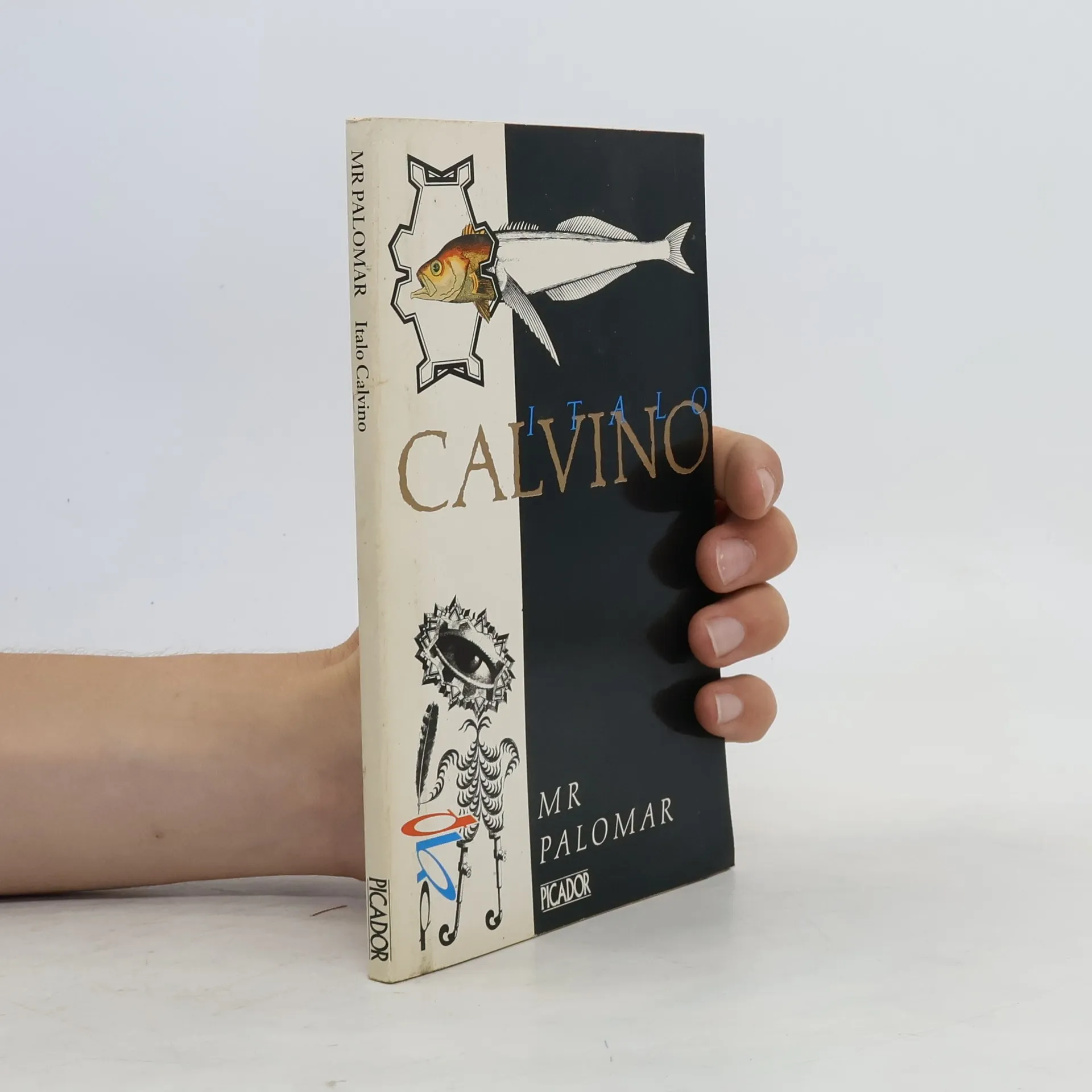
"Like the nervous hero of Mr. Palomar (superbly translated by William Weaver), Italo Calvino, always had a telescope's eye for what can only be called the thingness of things. Stars and planets, birds, a loaded food counter, all take on an extra reality, as though observed for the first time in wonder by a man previously blind. Mr Calvino was a magician whose voice commanded us: listen, look, understand. His tone was wryly humorous, his style perfect, his treatment literally fabulous. Through his minute attention to the surface of things he demonstrated the universal." — The Sunday Telegraph
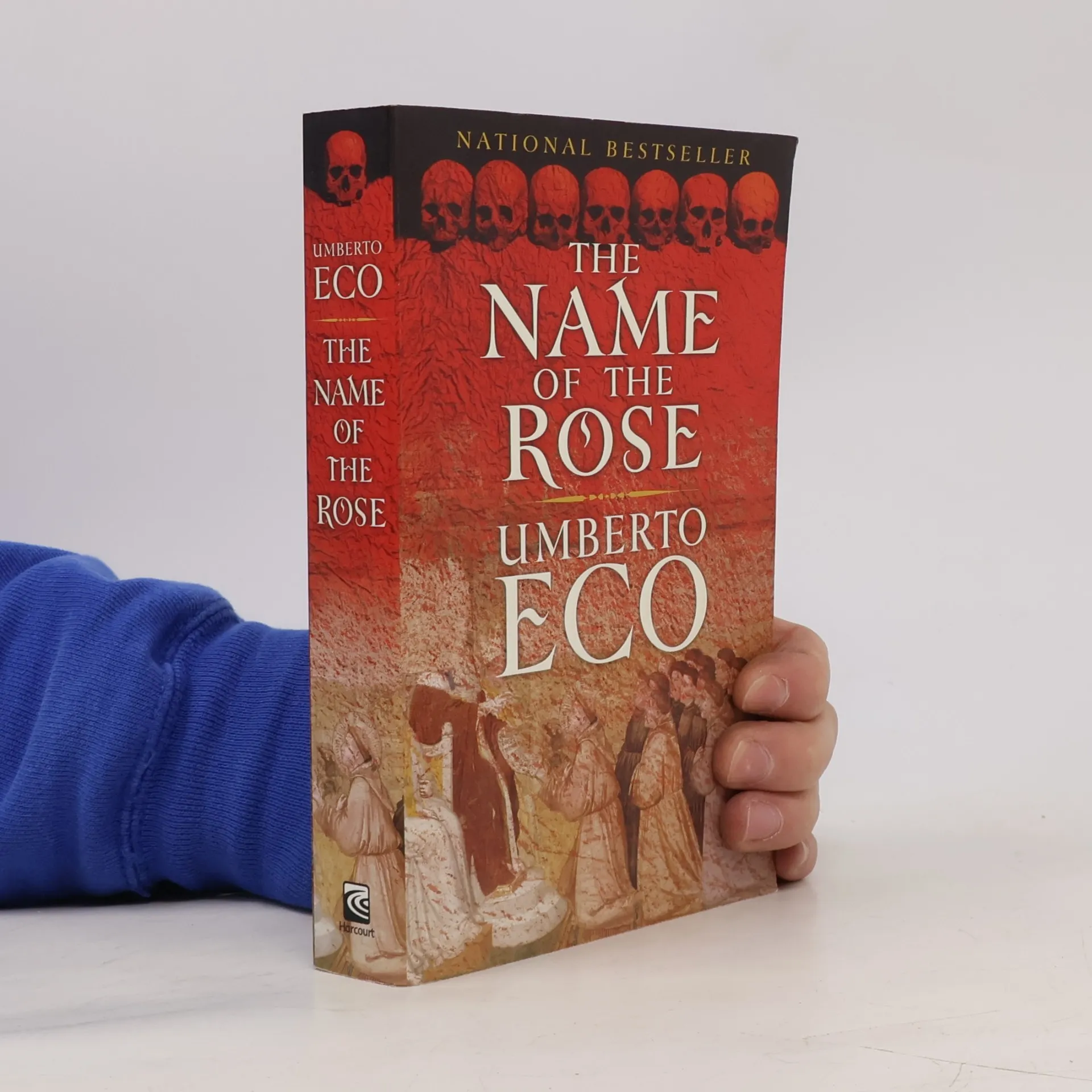
In 1327, finding his sensitive mission at an Italian abbey further complicated by seven bizarre deaths, Brother William of Baskerville turns detective.
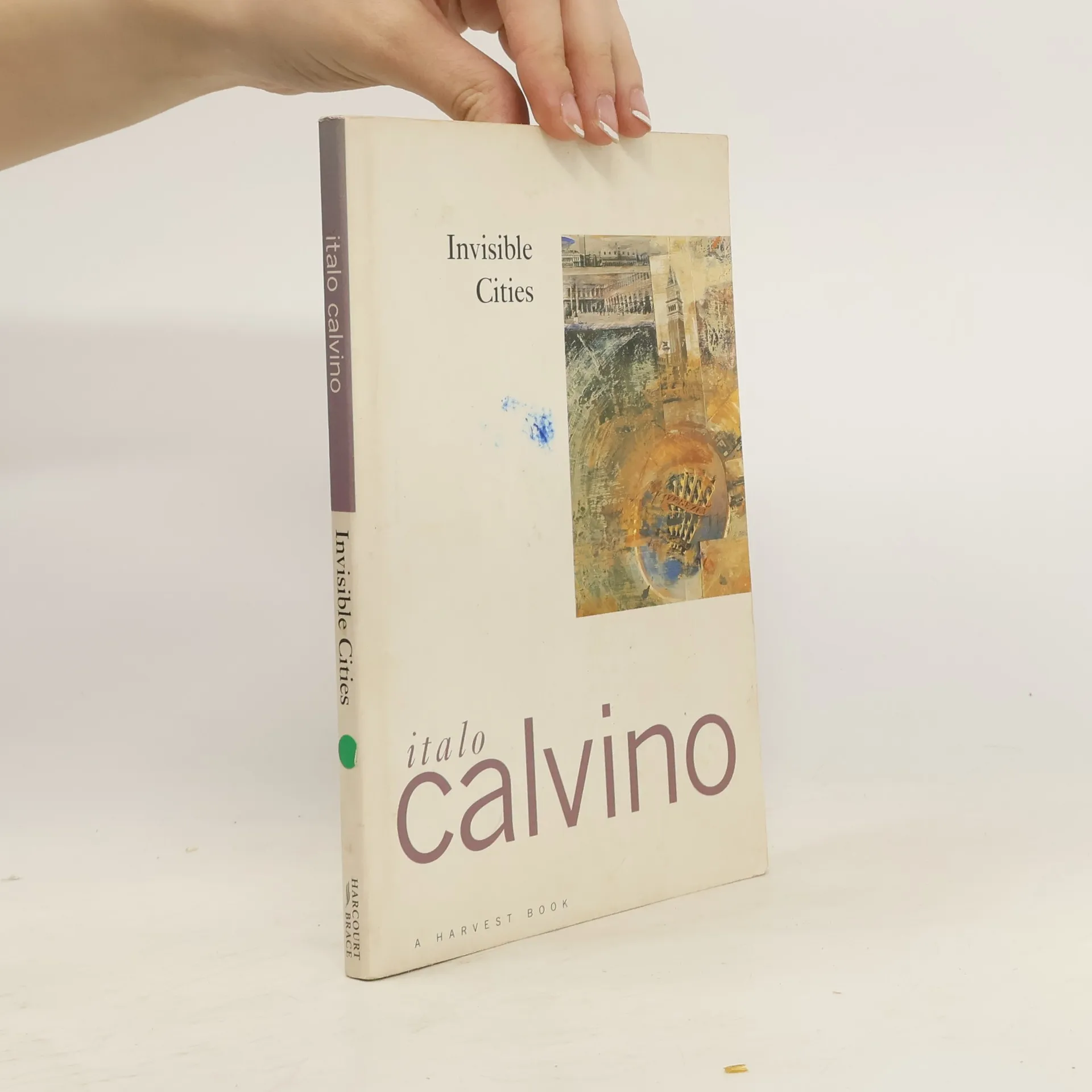
"Kublai Khan does not necessarily believe everything Marco Polo says when he describes the cities visited on his expeditions, but the emperor of the Tartars does continue listening to the young Venetian with greater attention and curiosity than he shows any other messenger or explorer of his." So begins Italo Calvino's compilation of fragmentary urban images. As Marco tells the khan about Armilla, which "has nothing that makes it seem a city, except the water pipes that rise vertically where the houses should be and spread out horizontally where the floors should be," the spider-web city of Octavia, and other marvelous burgs, it may be that he is creating them all out of his imagination, or perhaps he is recreating fine details of his native Venice over and over again, or perhaps he is simply recounting some of the myriad possible forms a city might take.
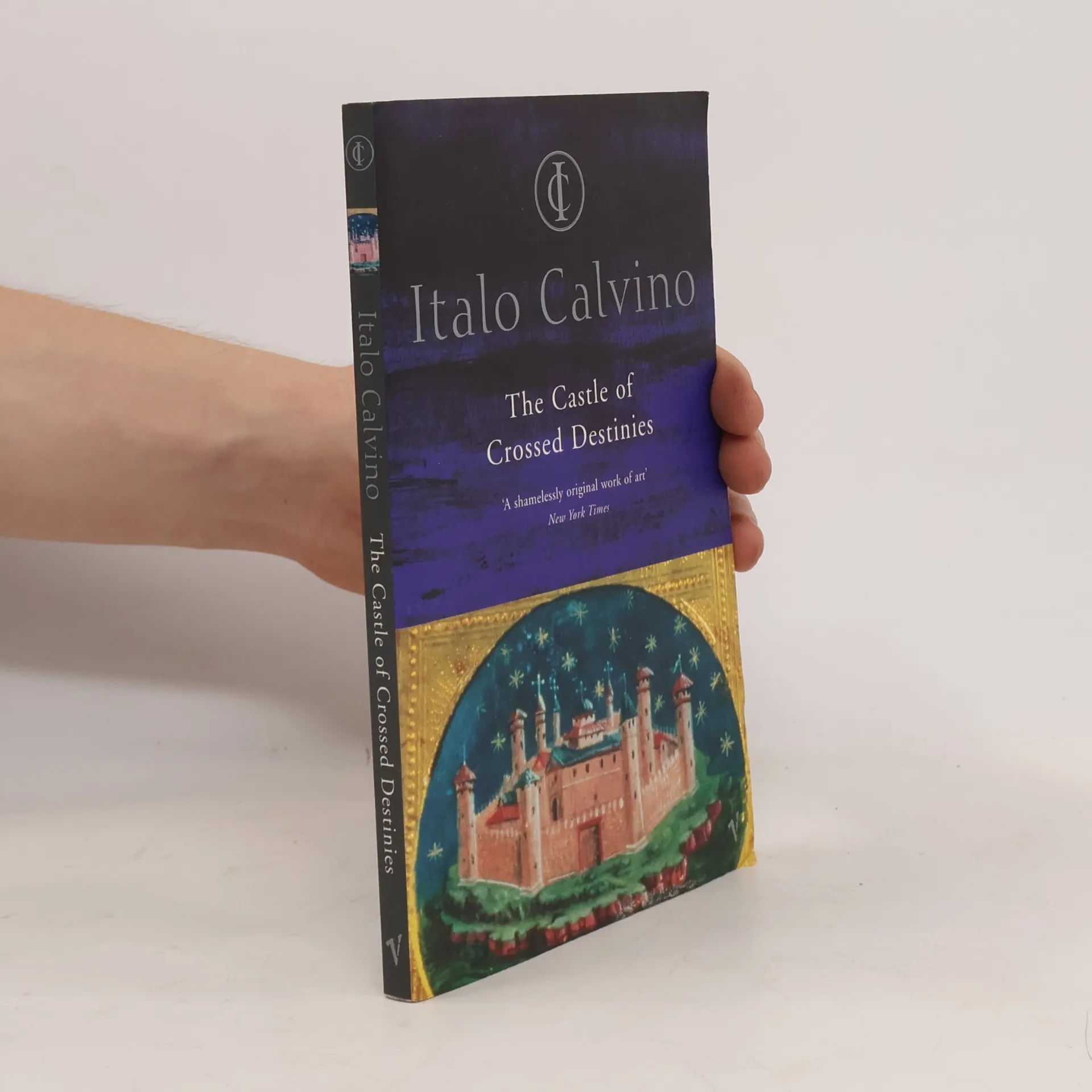
Calvino tells the mingled tales of The Castle of Crossed Destinies by means of tarot cards. Travellers meet in a castle - or, in a second section, a tavern - where their powers of speech are magically taken from them and a tarot card is placed at their di
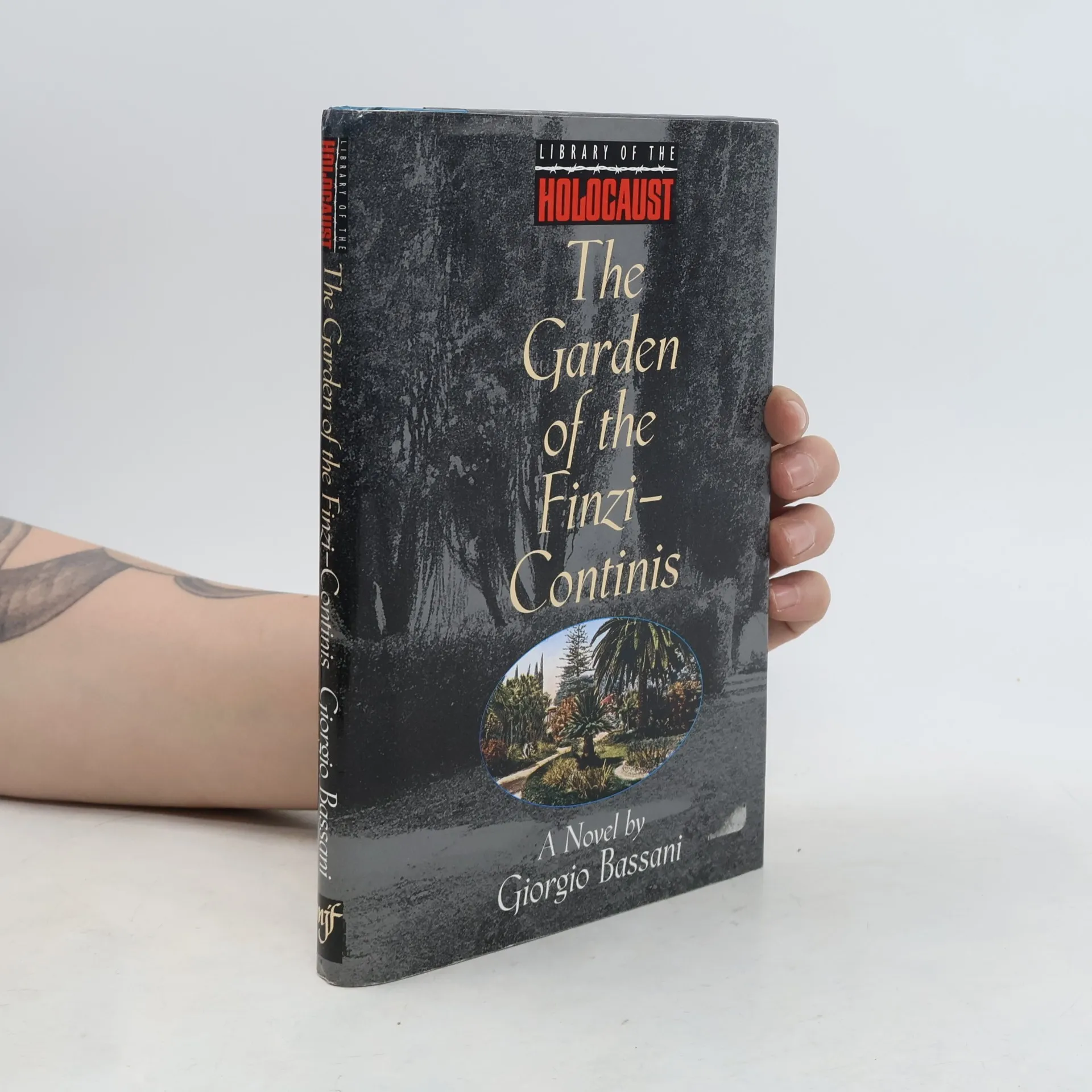
This is a haunting, elegiac novel which captures the mood and atmosphere of Italy (and in particular Ferrara) in the last summers of the thirties, focusing on an aristocratic Jewish family moving imperceptibly towards its doom. Vittorio De Sica turned the book into a film in 1970, winning the Academy Award for Best Foreign Language Film in 1974.