Explore the latest books of this year!
Bookbot

William Weaver

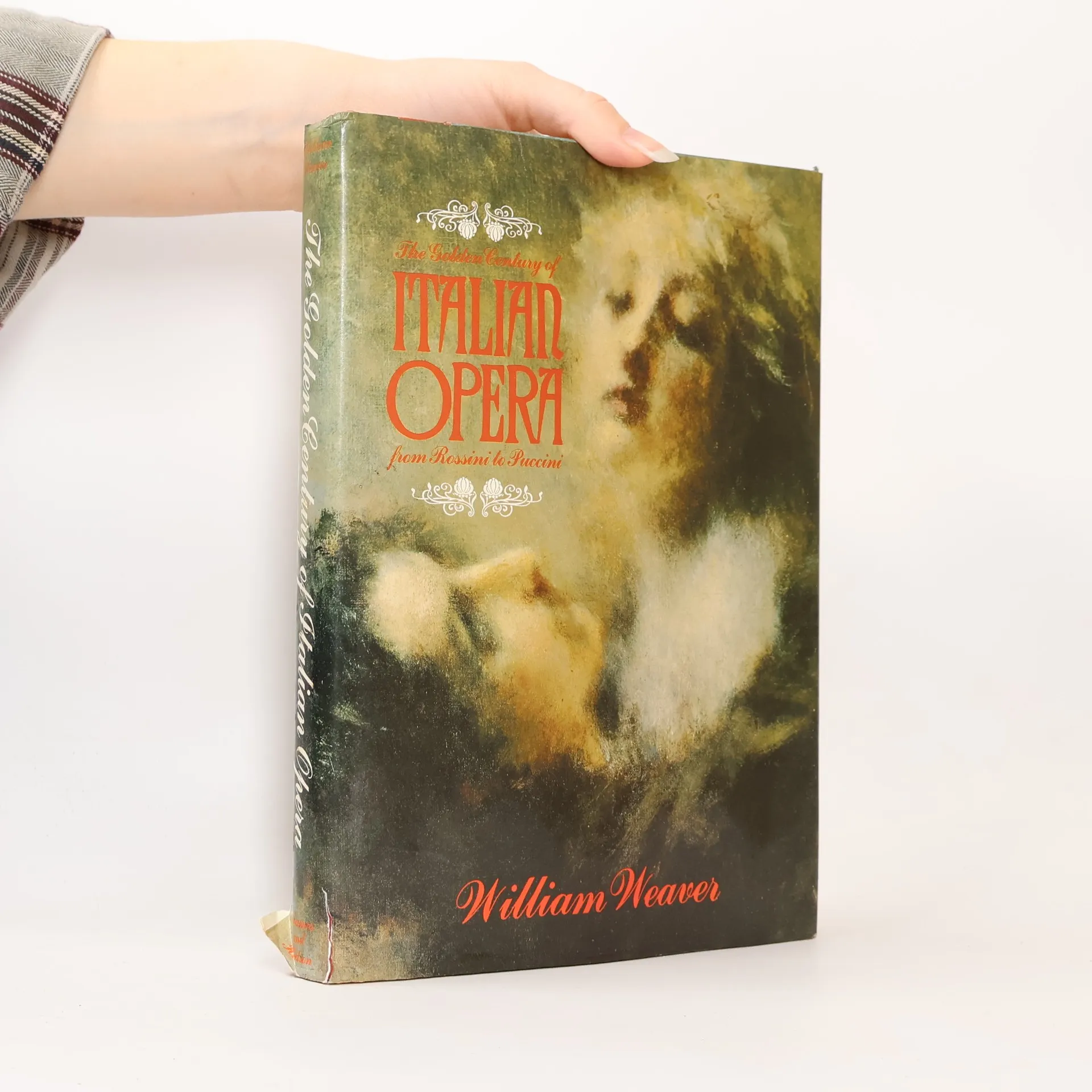
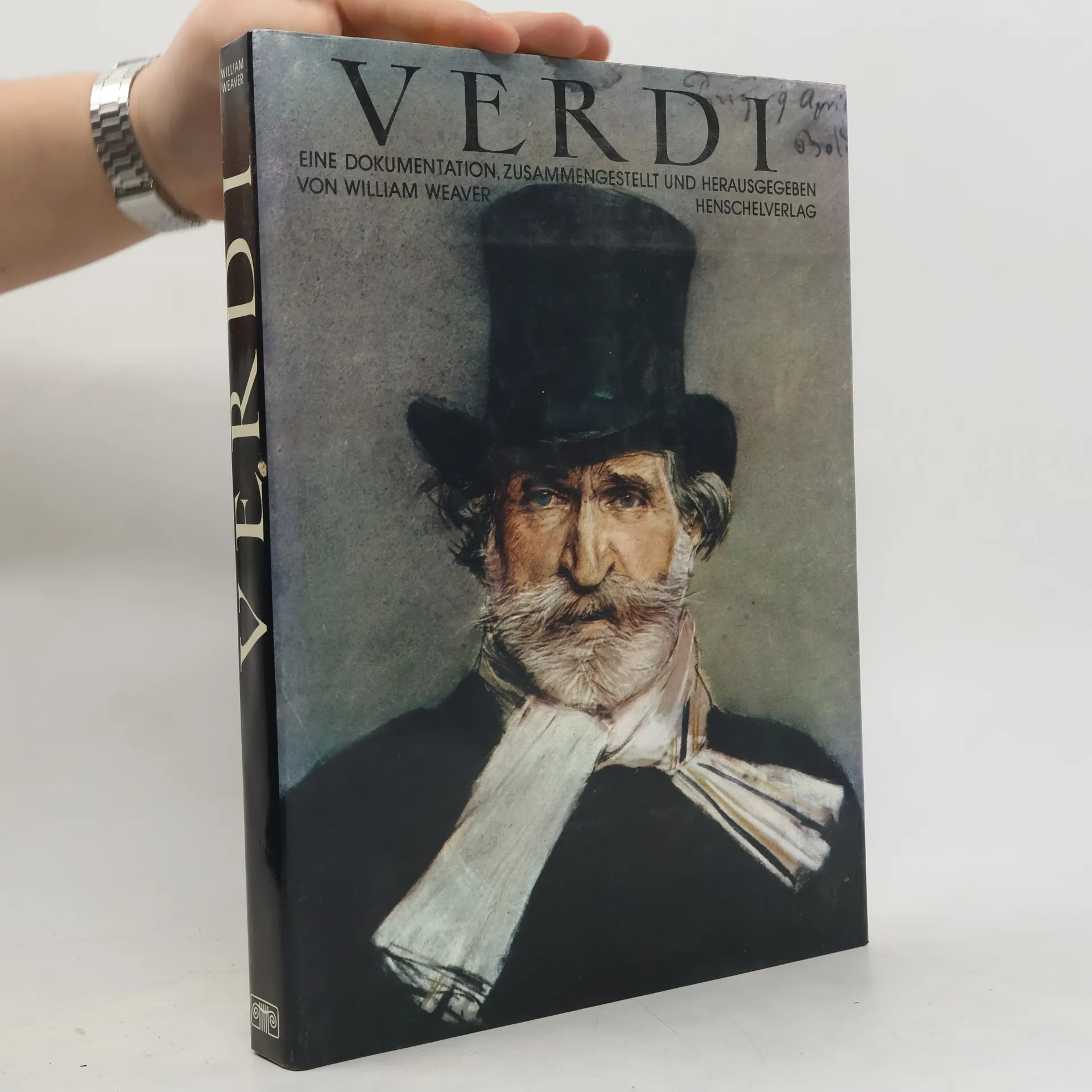
    William Fense Weaver dedicated over fifty years to translating Italian literature, becoming a significant bridge between cultures. His extensive work encompassed not only prose but also poetry and opera libretti, showcasing a profound understanding of the nuances of Italian expression. Beyond translation, he contributed as a critic and commentator, demonstrating a deep engagement with the literary and operatic worlds.

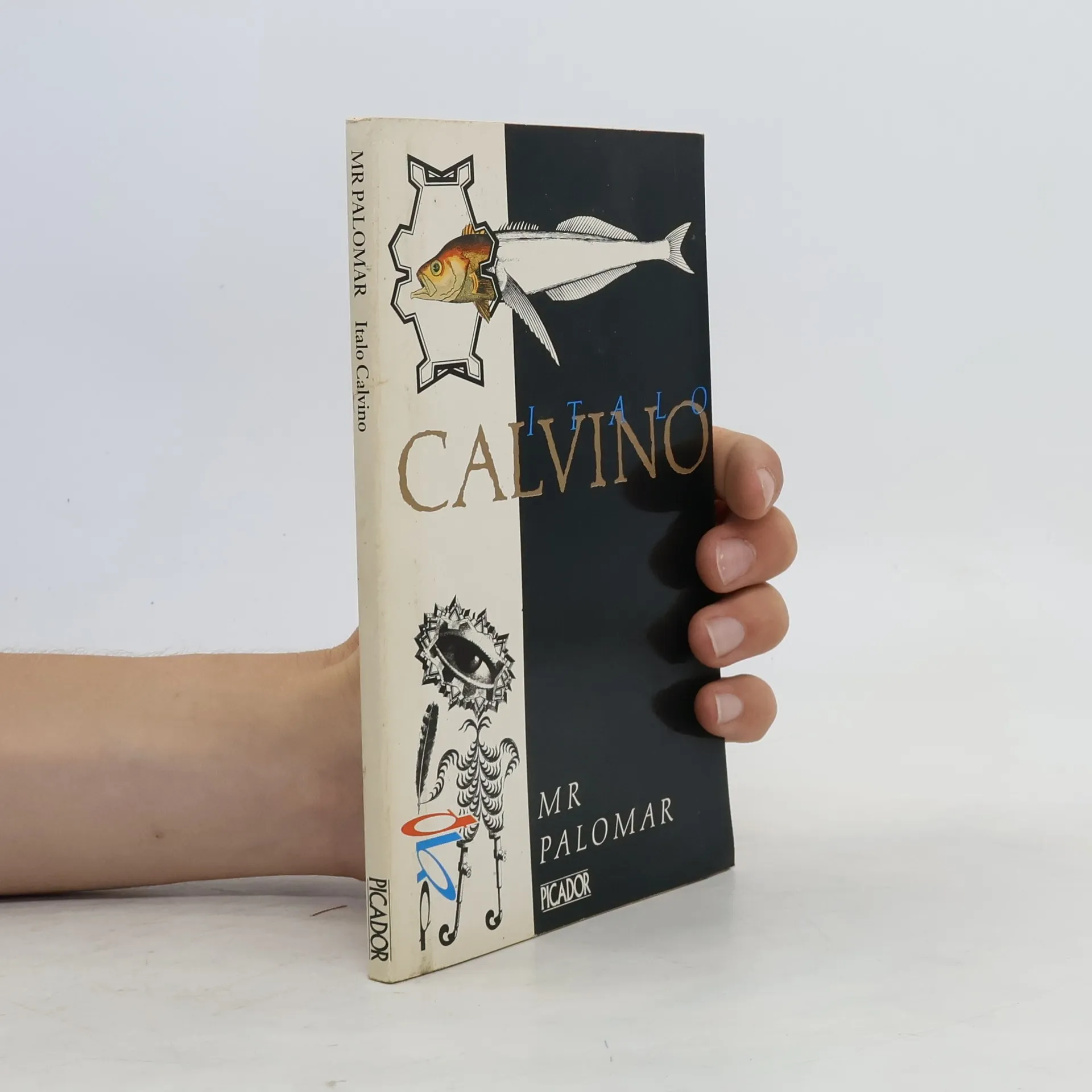
    Mr Palomar
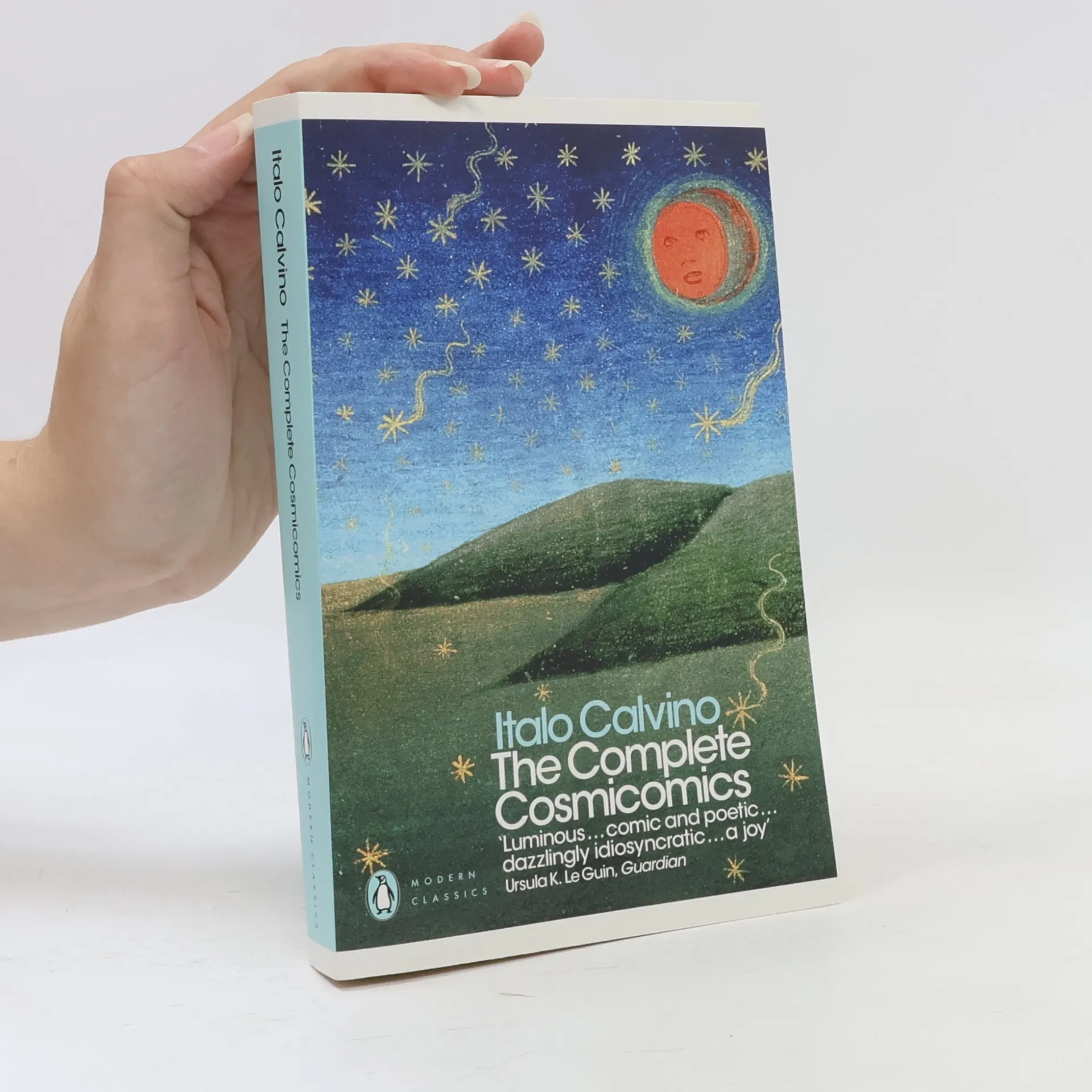
    The Complete Cosmicomics
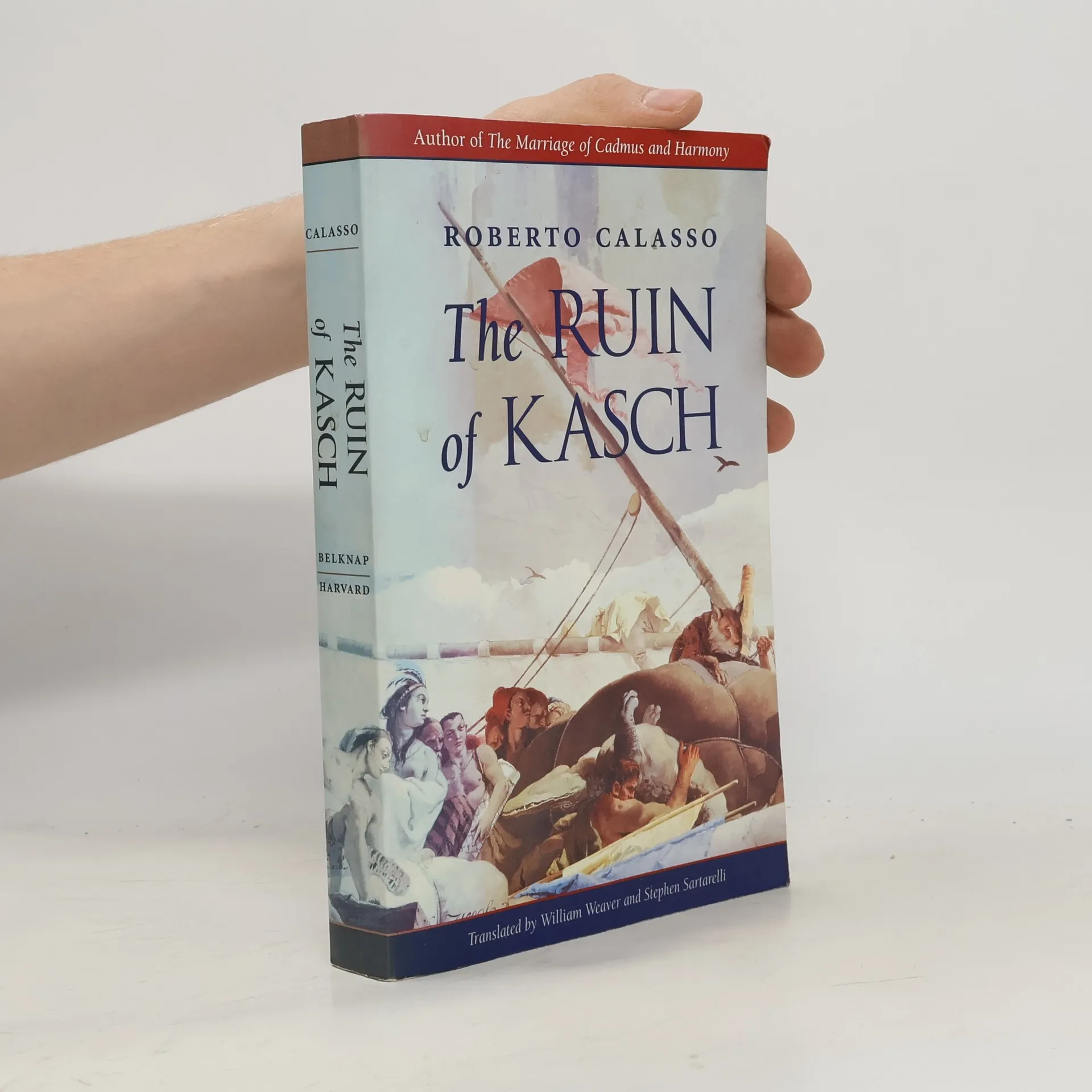
    The Ruin of Kasch
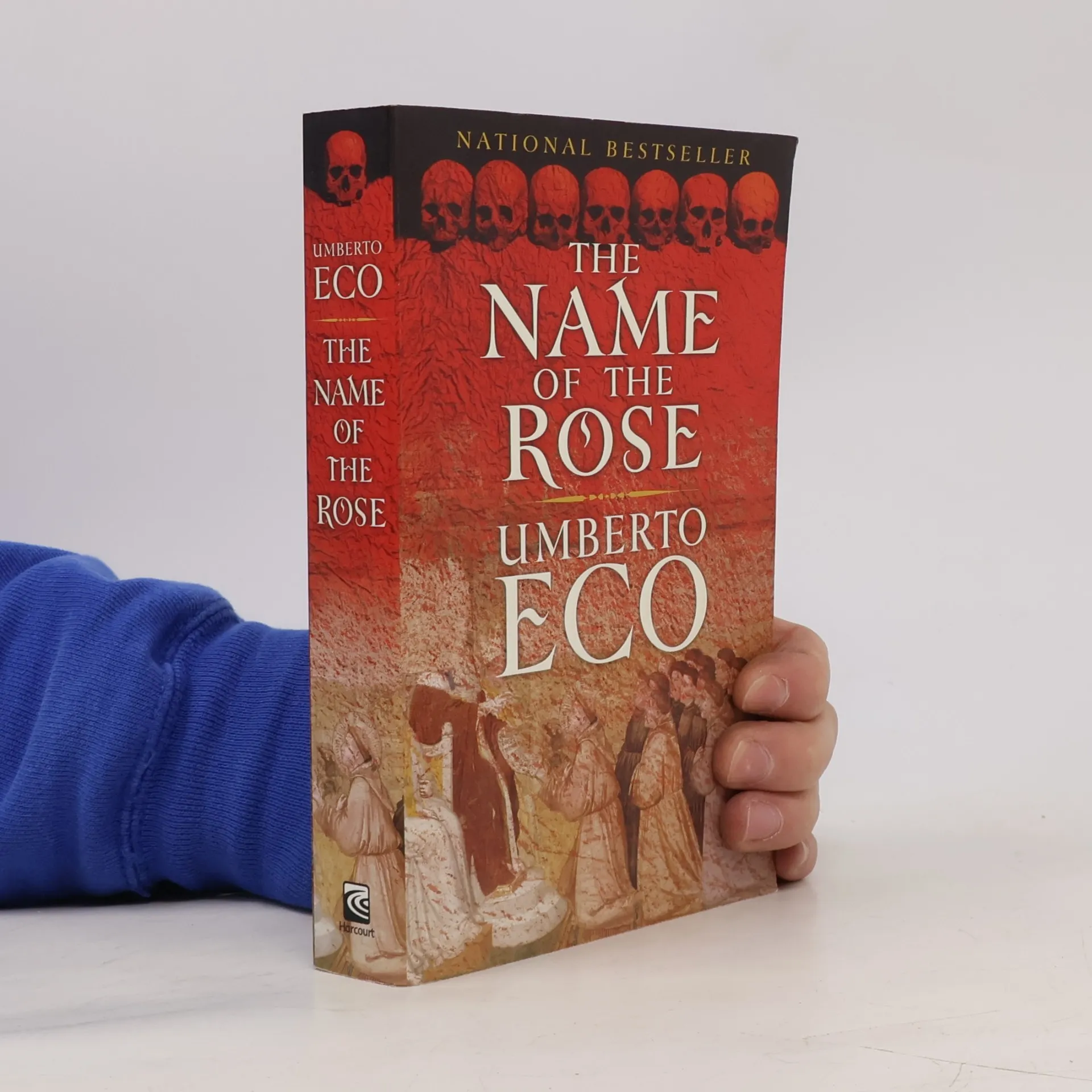
    The Name of the Rose
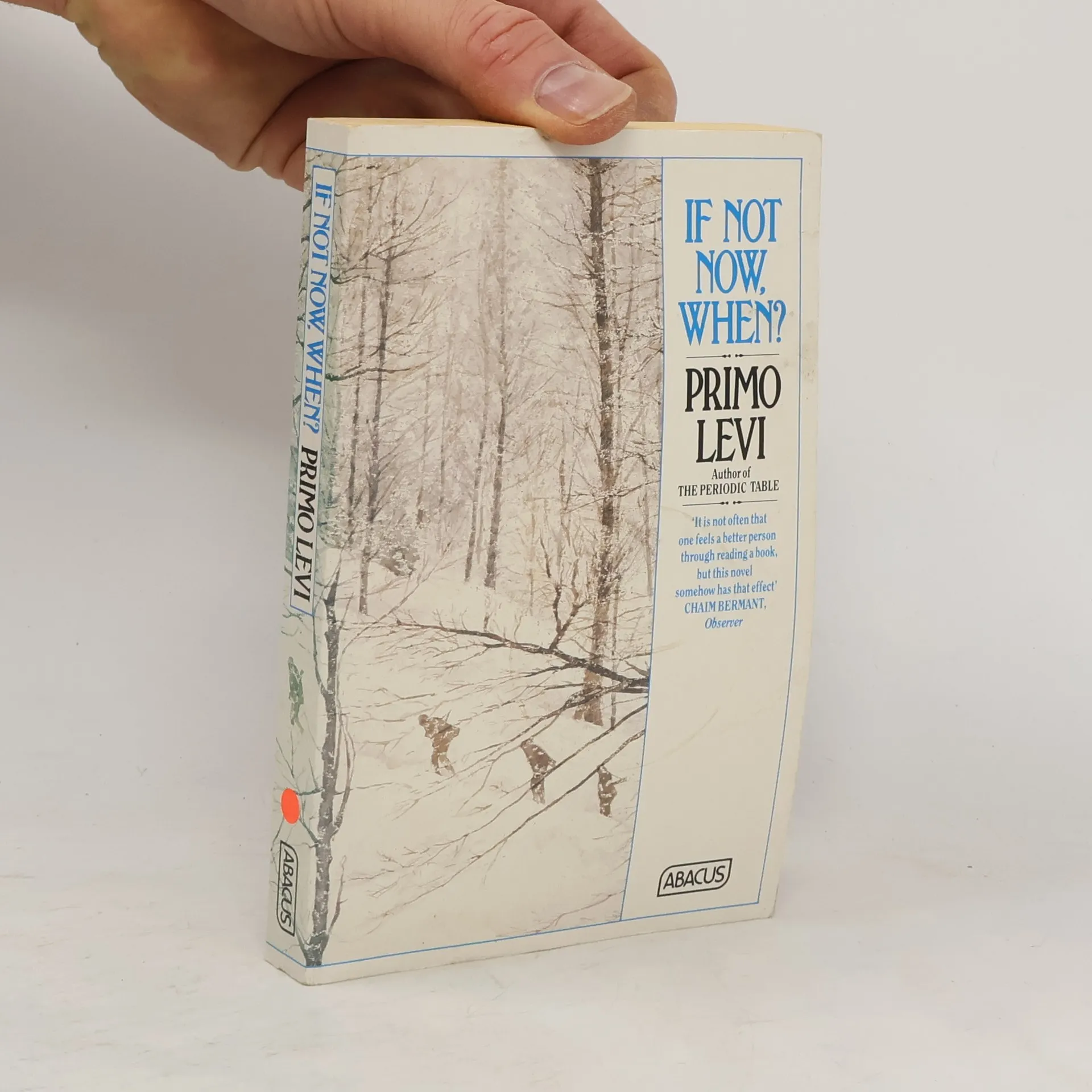
    If Not Now, When?
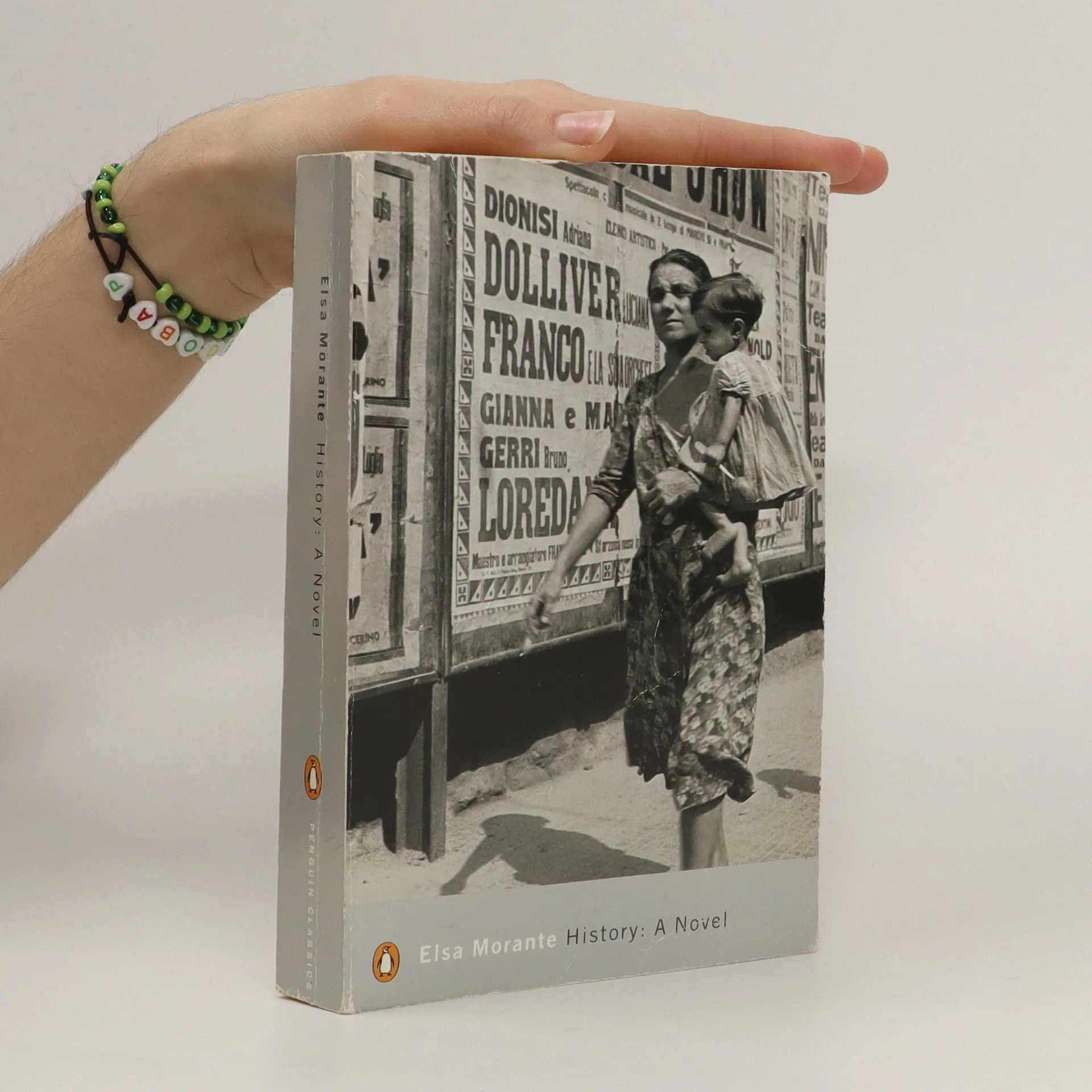
    History : a novel
    • History : a novel

      • 768 pages
      • 27 hours of reading

      A soldier wandering through the streets of Rome resolves, rather drunkenly, that he must find himself a woman. It is Ida Mancuso's fate, at precisely that moment, to turn the corner of the street, laden with shopping. The soldier sees easy prey - but Ida confronts her nightmare vision. The year is 1941, the soldier is German and she is half-Jewish. Elsa Morante's brave novel evokes the real terrors, fears and hopes of a mother living through one of the most horrifying events in recent times. In marked contrast to the posturing fascists on the political stage, this is the history of the Second World War as the ordinary people of Italy experienced it.
      History : a novel
      4.4
    • If Not Now, When?

      • 352 pages
      • 13 hours of reading

      Primo Levi was among the greatest witnesses to twentieth-century atrocity. In this gripping novel, based on a true story, he reveals the extraordinary lives of the Russian, Polish and Jewish partisans trapped behind enemy lines during the Second World War. Wracked by fear, hunger and fierce rivalries, they link up, fall apart, struggle to stay alive and to sabotage the efforts of the all-powerful German army. A compelling tale of action, resistance and epic adventure, it also reveals Levi's characteristic compassion and deep insight into the moral dilemmas of total war. It ranks alongside THE PERIOD TABLE and IF THIS IS A MAN as one of the rare authentic masterpieces of our times.

      If Not Now, When?
      4.3
    • The Name of the Rose

      • 502 pages
      • 18 hours of reading

      One after the other, half a dozen monks are found murdered in the most bizarre of ways. A learned Franciscan who is sent to solve the mysteries finds himself involved in the frightening events

      The Name of the Rose
      4.2
    • The Ruin of Kasch

      • 400 pages
      • 14 hours of reading

      In this brilliant work, Roberto Calasso cracks the code of what Baudelaire named the Modern--the increasingly murderous period from the French Revolution to the end of World War II. From Talleyrand's France and the legendary African city of Kasch, to Lenin's Russia and the killing fields of Cambodia, Calasso leads us along an enticing maze of mythology, literature, art, and science to the pulsing heart of civilization, where he deciphers the deepest secrets of history.

      The Ruin of Kasch
      4.1
    • The Complete Cosmicomics

      • 434 pages
      • 16 hours of reading

      This title includes enchanting stories about the evolution of the universe, with characters that are fashioned from mathematical formulae and cellular structures. They disport themselves among galaxies, experience the solidification of planets, move from aquatic to terrestrial existence, play games with hydrogen atoms - and have time for a love life. 'Naturally, we were all there, old Qfwfq said, where else could we have been? Nobody knew then that there could be space. Or time either: what use did we have for time, packed in there like sardines?'.

      The Complete Cosmicomics
      4.1
    • Mr Palomar

      • 118 pages
      • 5 hours of reading

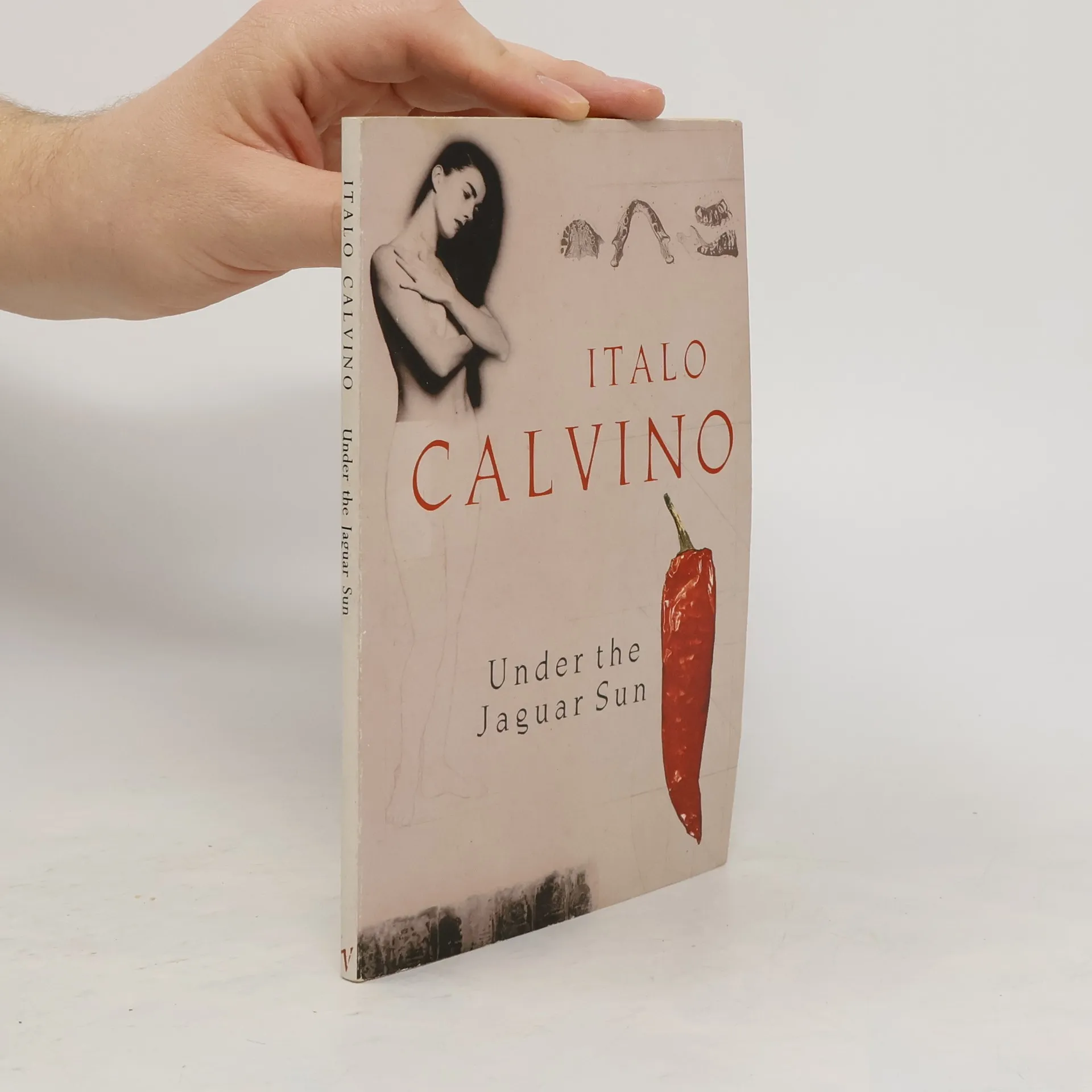
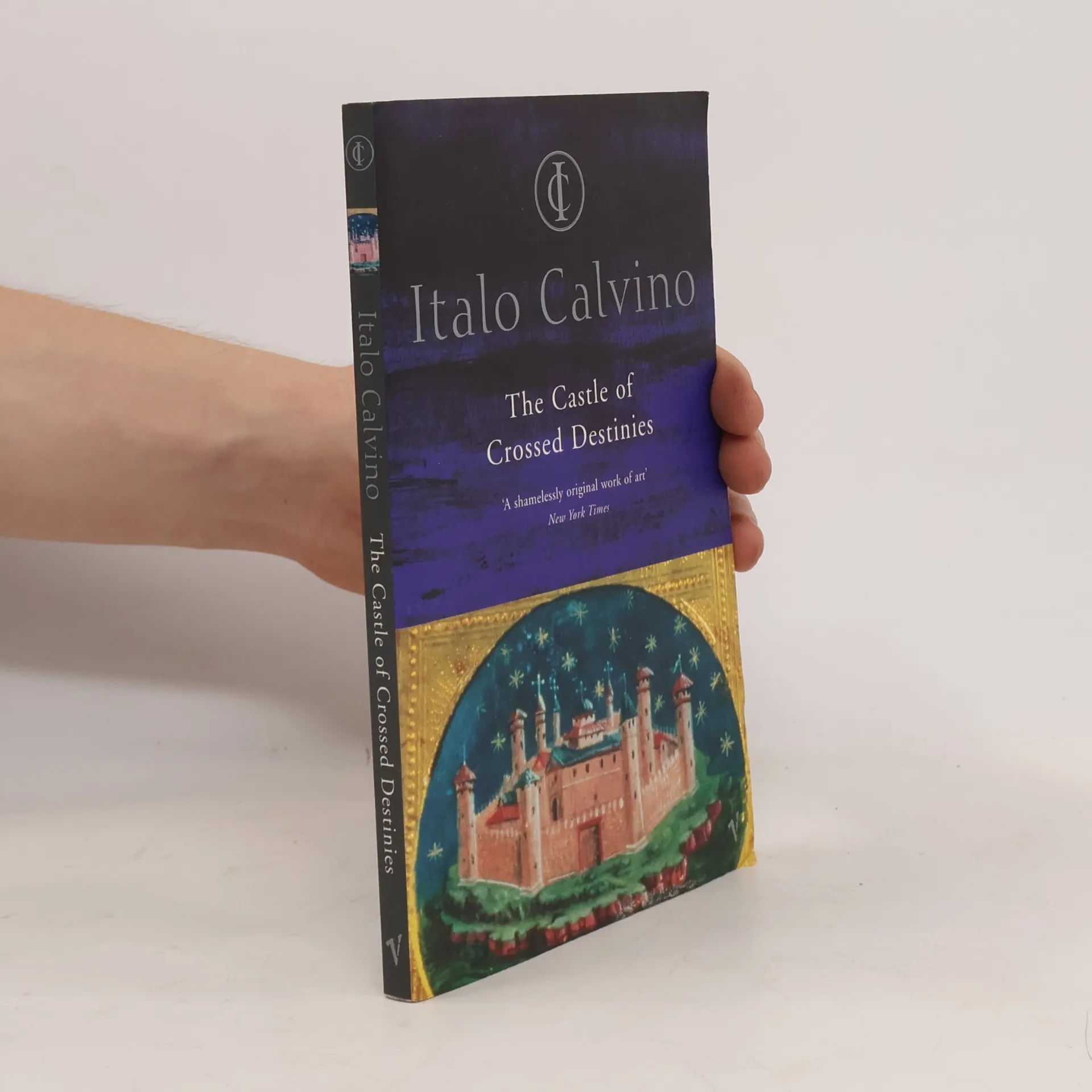
      "Like the nervous hero of Mr. Palomar (superbly translated by William Weaver), Italo Calvino, always had a telescope's eye for what can only be called the thingness of things. Stars and planets, birds, a loaded food counter, all take on an extra reality, as though observed for the first time in wonder by a man previously blind. Mr Calvino was a magician whose voice commanded us: listen, look, understand. His tone was wryly humorous, his style perfect, his treatment literally fabulous. Through his minute attention to the surface of things he demonstrated the universal." — The Sunday Telegraph

      Mr Palomar
      4.0
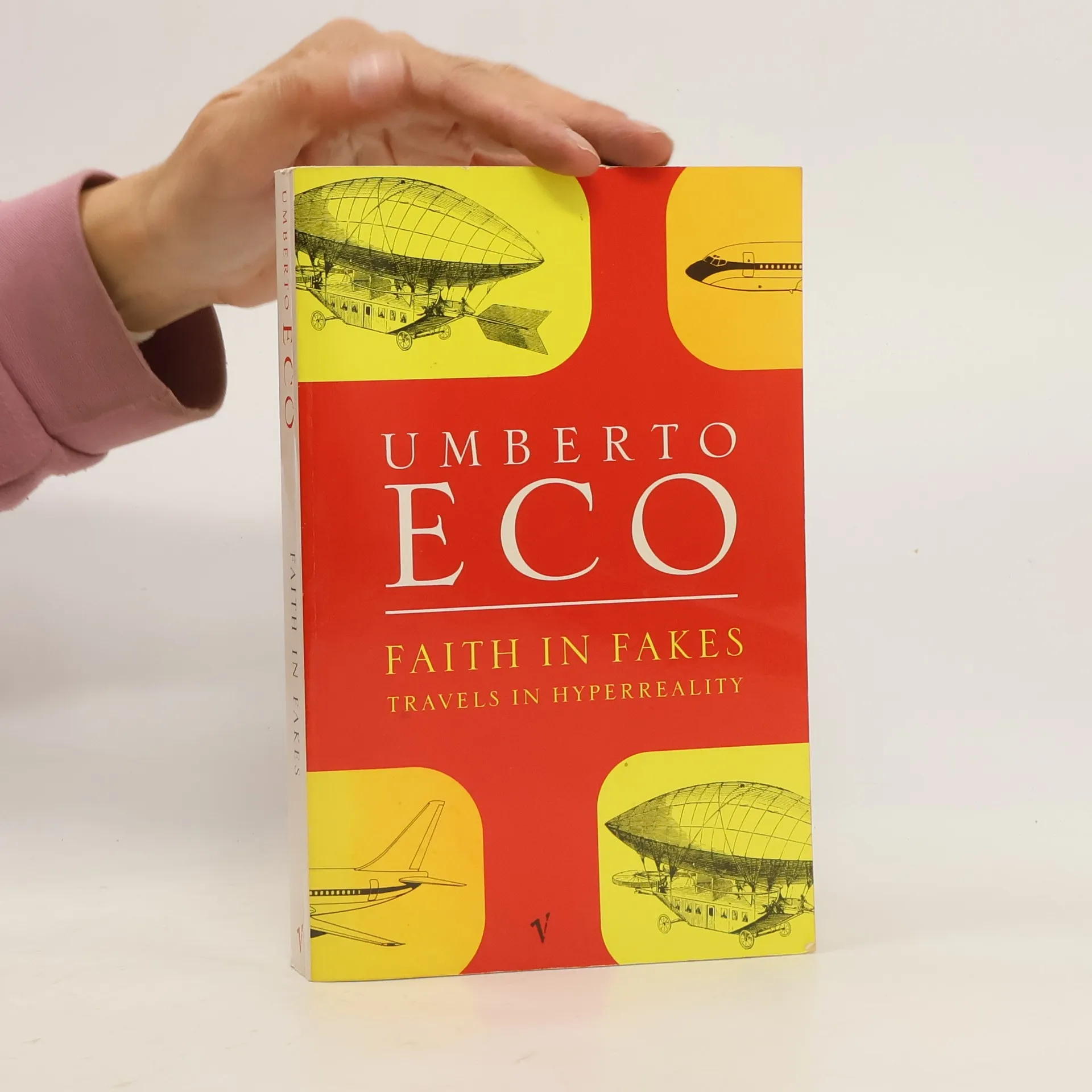
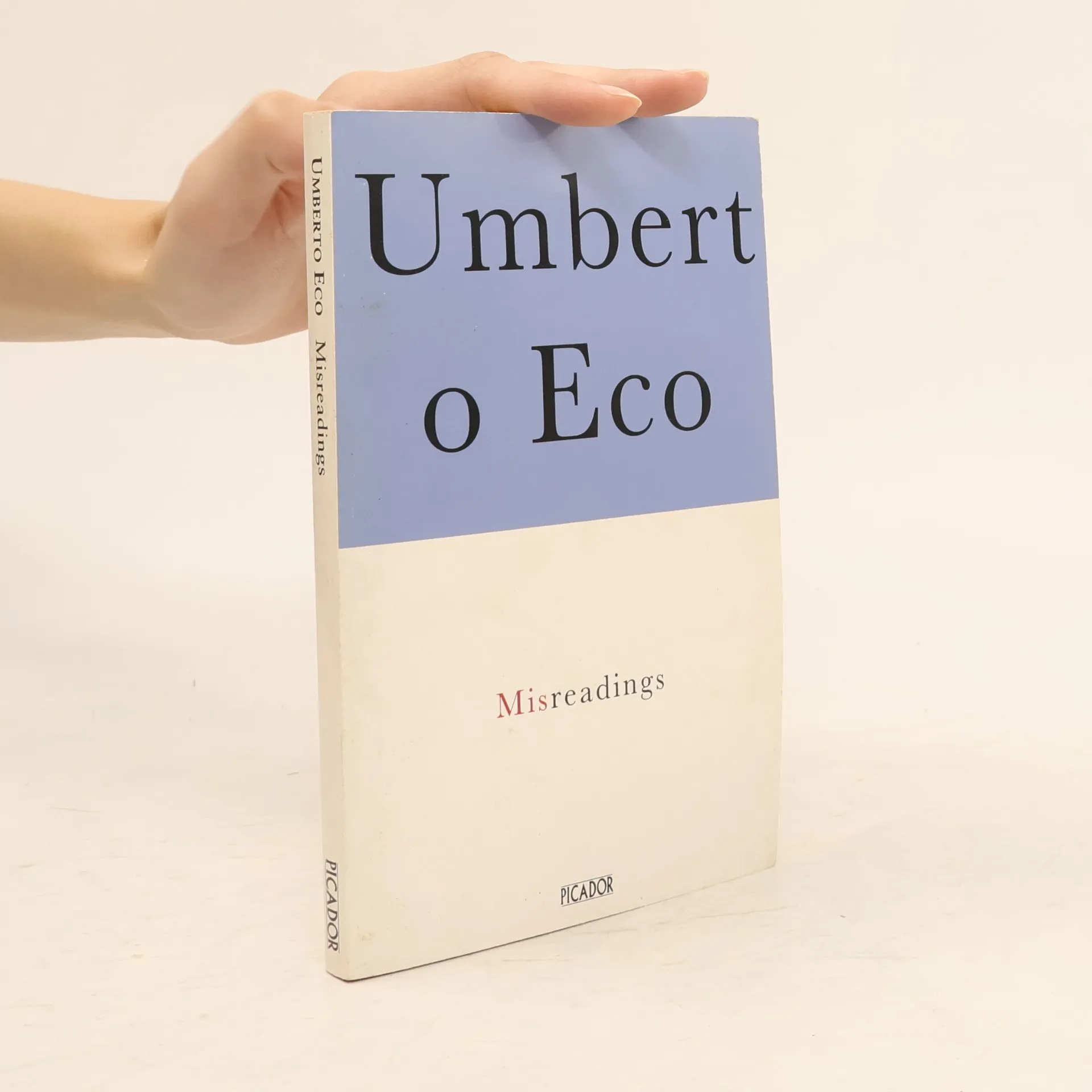
    • Travels in Hyper Reality

      • 328 pages
      • 12 hours of reading

      Eco displays in these essays the same wit, learning, and lively intelligence that delighted readers of The Name of the Rose and Foucault's Pendulum. His range is wide, and his insights are acute, frequently ironic, and often downright funny. Translated by William Weaver. A Helen and Kurt Wolff Book

      Travels in Hyper Reality
      3.9
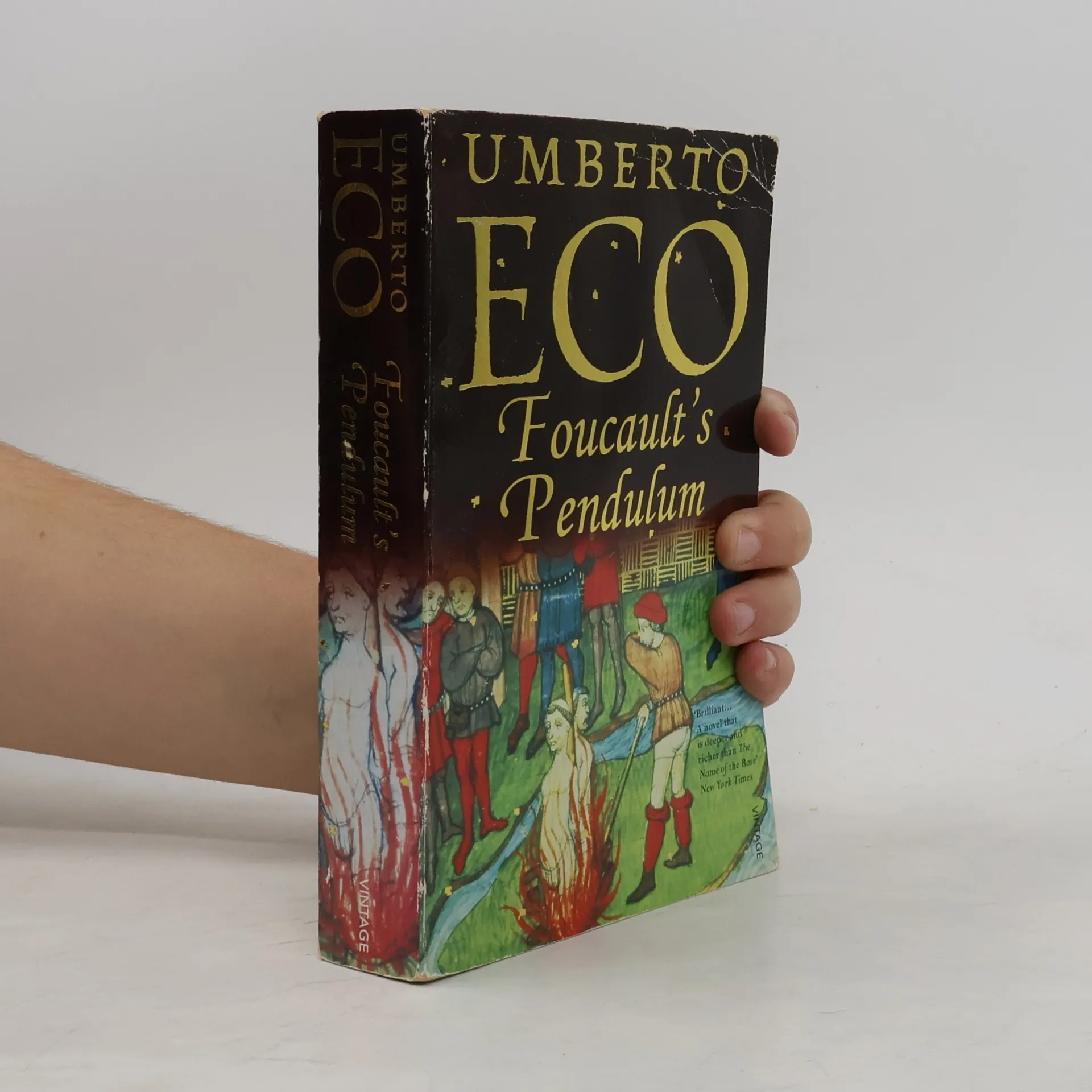
    • A student of philosophy in 1970s Milan, Casaubon is completing a thesis on the Templars, a monastic knighthood disbanded in the 1300s for questionable practices. At Pilades Bar, he meets up with Jacopo Belbo, an editor of obscure texts at Garamond Press. Together, with Belbo's colleague Distallevi, they scrutinize the fantastic theories of a prospective author, Colonel Ardenti, who claims that for seven centuries the Templars have been carrying out a complex scheme of revenge. When Ardenti disappears mysteriously, the three begin using their detailed knowledge of the occult sciences to construct a Plan for the Templars - only to discover too late that the Plan they have invented is in fact real. As brilliant and quirky as his Name of the rose, this book (not a novel in the strict sense of the word) is full of puns, allusions and literary references and "information" playfully and masterly manipulated by Eco

      Foucault's Pendulum
      3.9
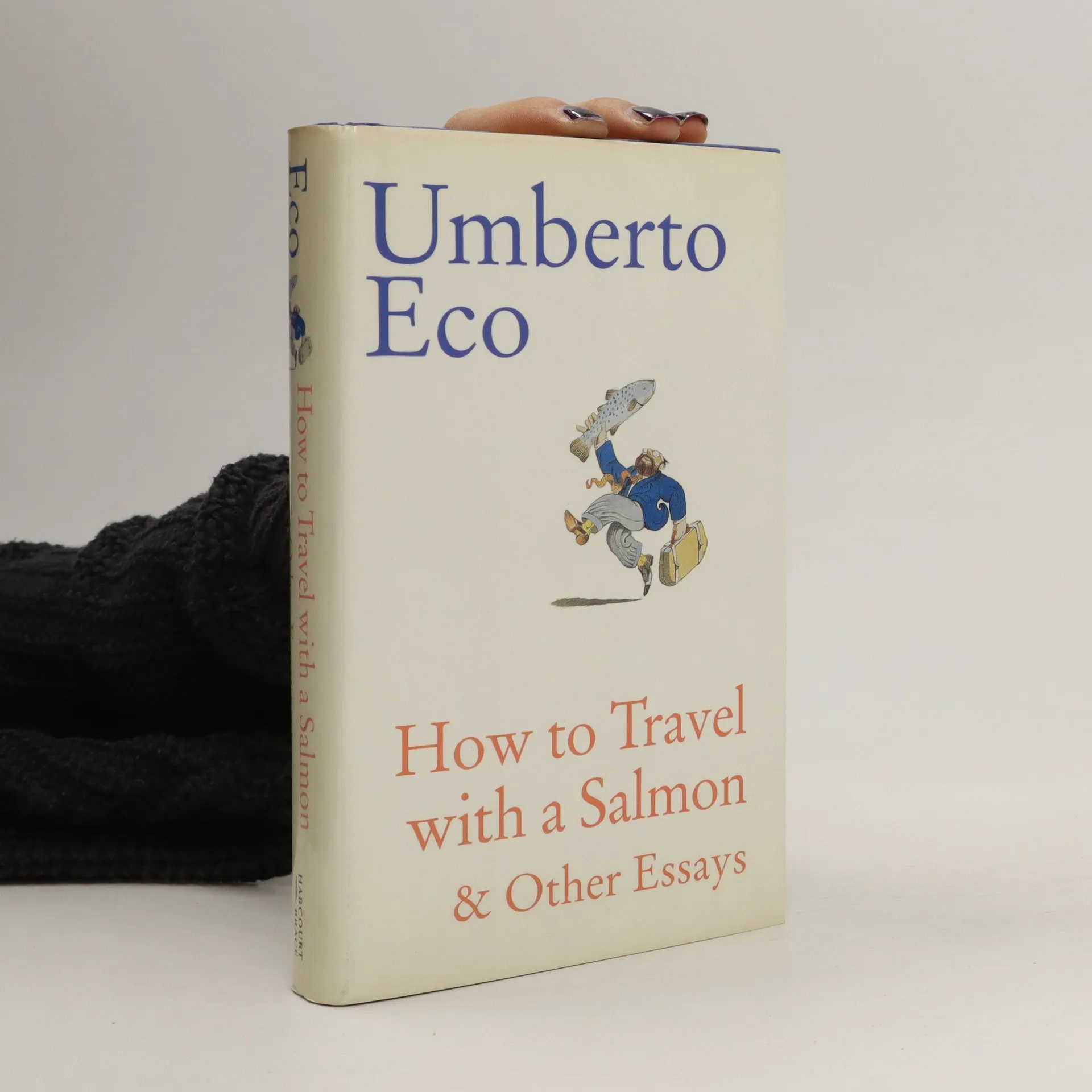
    • How to Travel with a Salmon is a highly engaging collection of what Umberto Eco calls his diario minimo - minimal diaries - after the magazine column in which he began "pursuing the pathways of parody.". These essays, written in the late eighties and early nineties, are his playful but unfailingly accurate takes on militarism, computer jargon, Westerns, art criticism, librarians, bureaucrats, meals on airplanes, Amtrak trains, bad coffee, maniacal taxi drivers, express mail, 33-function watches, fax machines and cellular phones, pornography, soccer fans, academia, and - last but definitely not least - the author's own self. How to Travel with a Salmon gives us Umberto Eco's acute vision of the absurdities of modern life.

      How to Travel with a Salmon & Other Essays
      3.9
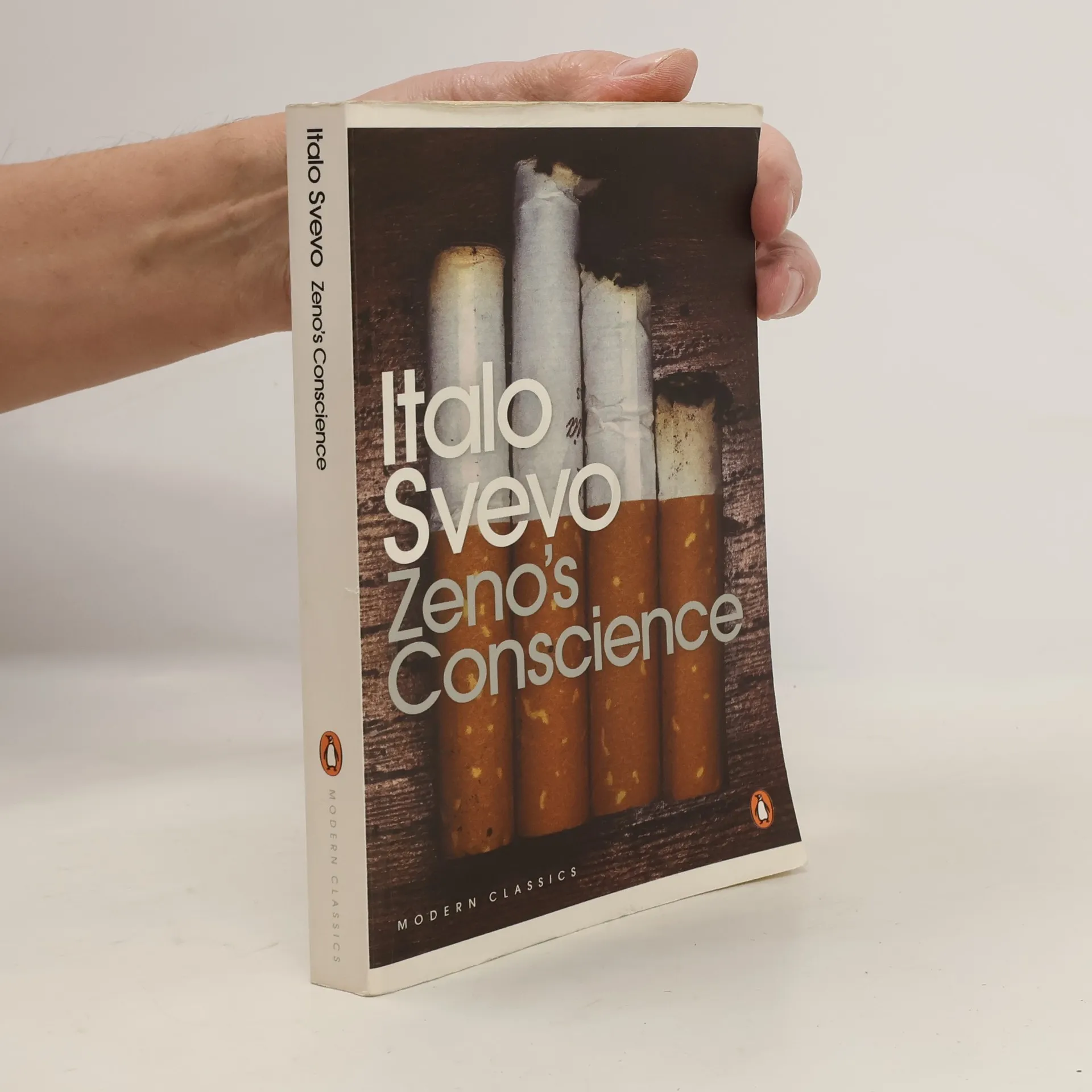
    • Zeno's conscience

      • 464 pages
      • 17 hours of reading

      This enormously engaging, strange novel is both an engrossing saga of a family and a hilarious account of addiction and failure as its helpless hero, notionally undergoing psychiatric help, manages spectacularly to fail to give up smoking, run his business or make sense of his private life.A hymn to self-delusion and procrastination ZENO'S CONSCIENCE has provoked enormous affection in its readers both in Italian and English since its first publication in the 1920s.

      Zeno's conscience
      3.9
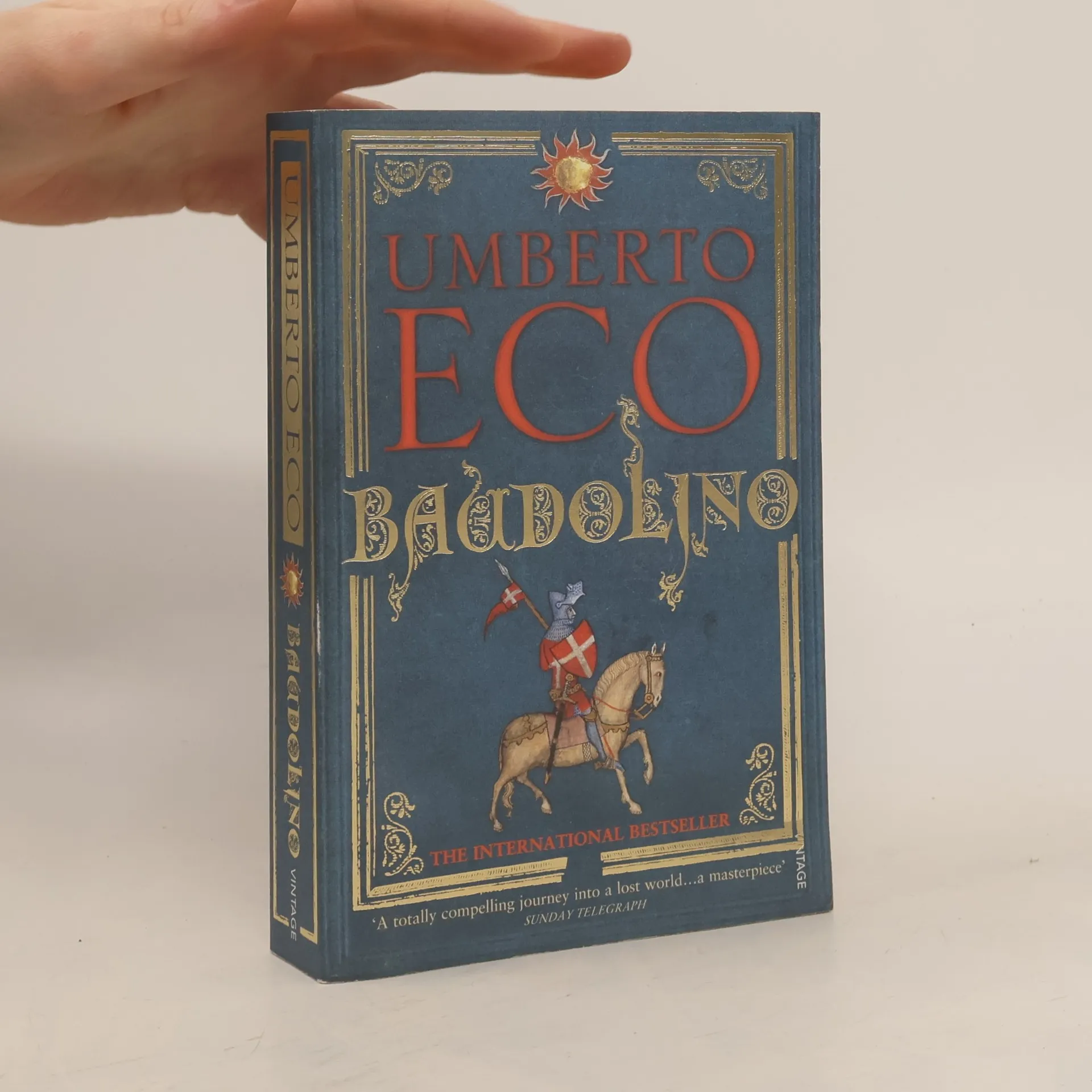
    • Eco returns to the Middle Ages with a wondrous, provocative tale of history, myth, and invention. In April 1204, as Constantinople is being sacked by the knights of the Fourth Crusade, Baudolino saves a Byzantine historian from certain death and begins to recount his fantastical story. Born a peasant in northern Italy, Baudolino possesses a talent for languages and a knack for deception. His life changes when he meets a foreign commander in the woods, who turns out to be Emperor Frederick Barbarossa. Adopted by the emperor, Baudolino is sent to the university in Paris, where he forms a fearless group of adventurous friends. Inspired by myths, they embark on a quest for Prester John, a legendary priest-king believed to rule a fantastical Eastern kingdom filled with bizarre creatures, eunuchs, unicorns, and beautiful maidens. As with Eco's other works, this novel features dazzling digressions, outrageous tricks, and profound reflections on our postmodern age. Baudolino is an utterly marvelous tale by the inimitable author of The Name of the Rose.

      Baudolino
      3.5
    • The Island of the day before

      • 528 pages
      • 19 hours of reading

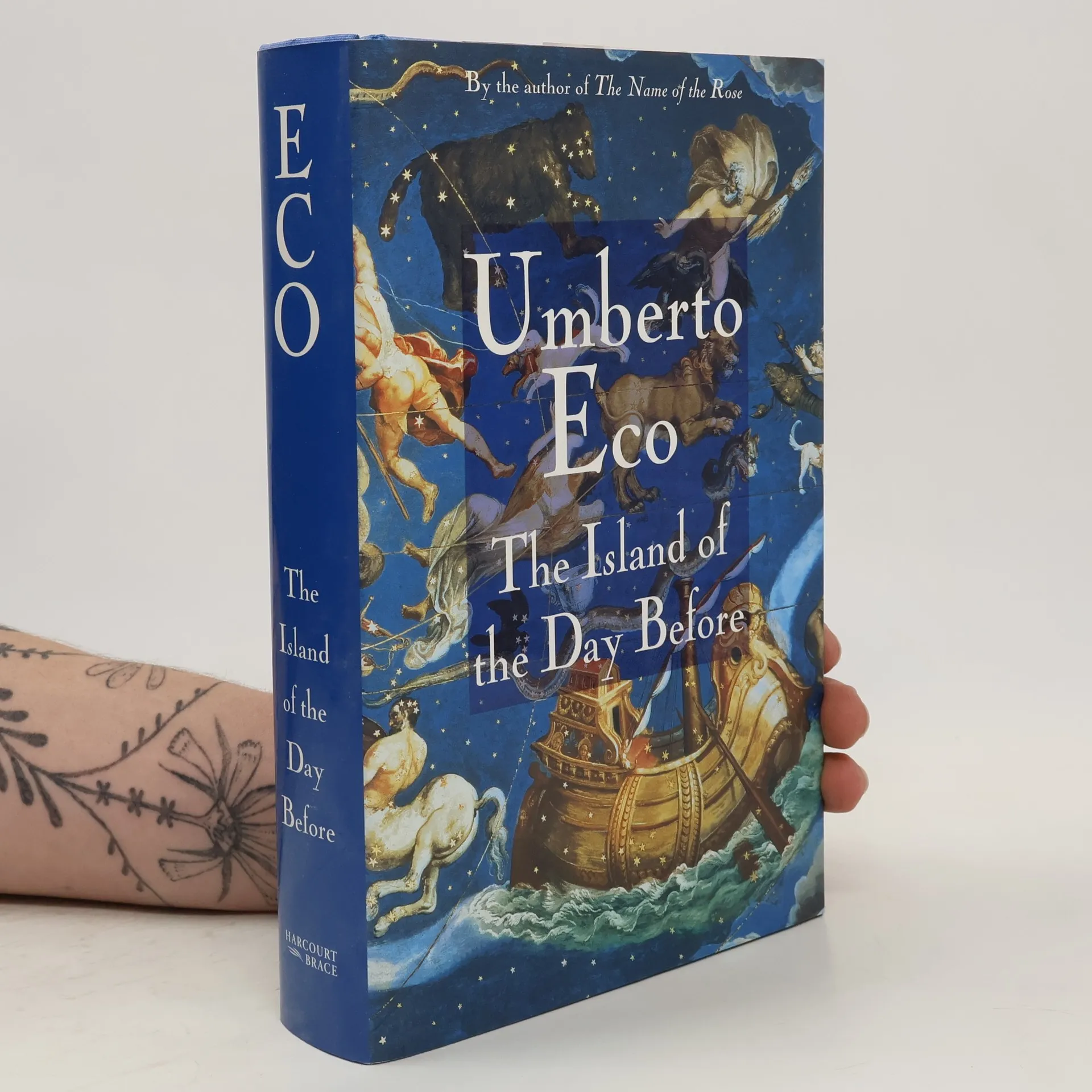
      After a violent storm in the South Pacific (the year is 1643), Roberto della Griva finds himself shipwrecked - on a ship. Swept from the Amaryllis, he has managed to pull himself aboard the Daphne, anchored in the bay of a beautiful island. The ship is fully provisioned, he discovers, but the crew is missing. In this fascinating, lyrical tale, Umberto Eco tells of an international race to establish the Punto Fijo of a young dreamer searching for love and meaning; and of a most amazing old Jesuit who, with his clocks and maps, has plumbed the secrets of longitudes, the four moons of Jupiter, and the Flood.

      The Island of the day before
      3.5