Explore the latest books of this year!
Bookbot

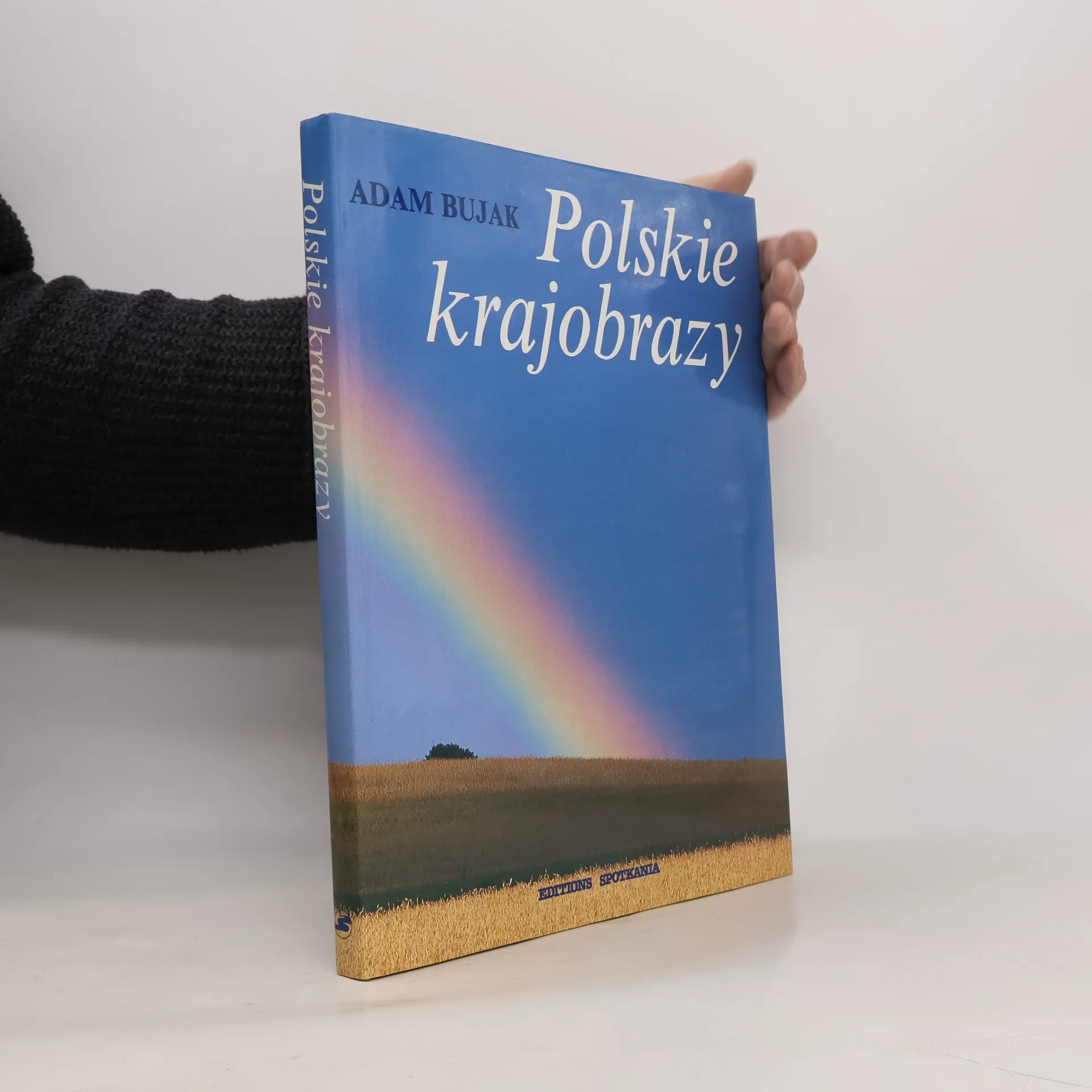
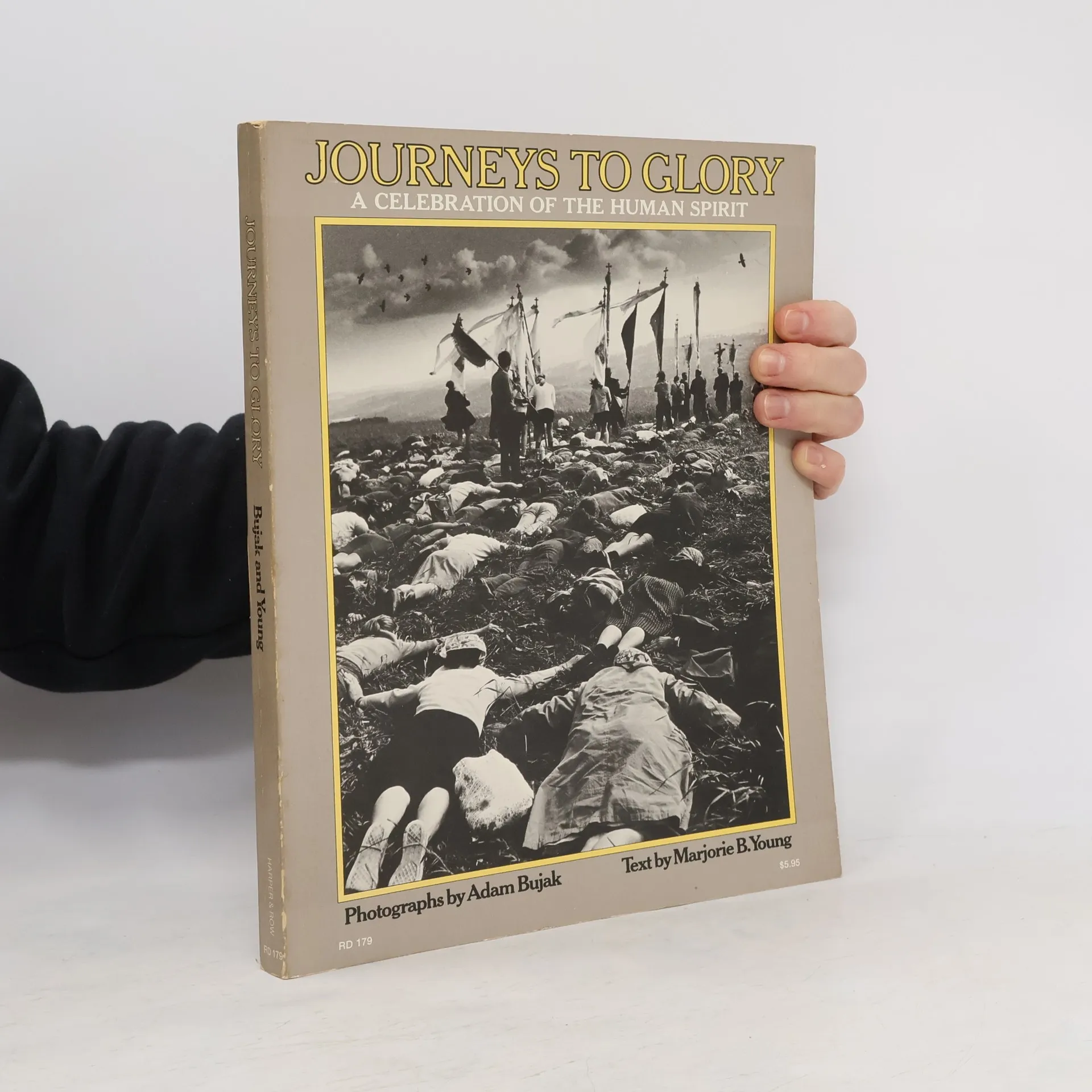
Adam Bujak

    May 12, 1942

    Adam Bujak is a Polish artistic photographer renowned for his role as Pope John Paul II's personal photographer. However, his work extends far beyond documenting one individual; he is also a dedicated chronicler of Polish history, traditions, customs, and architecture. Bujak possesses a remarkable ability to capture the essence of religious rituals across various faiths, focusing deeply on the participants' emotions and the fleeting moments of human experience. His unique talent and unassuming nature grant him access to often inaccessible places, such as contemplative monasteries and secluded communities, allowing his lens to preserve their unique atmospheres.

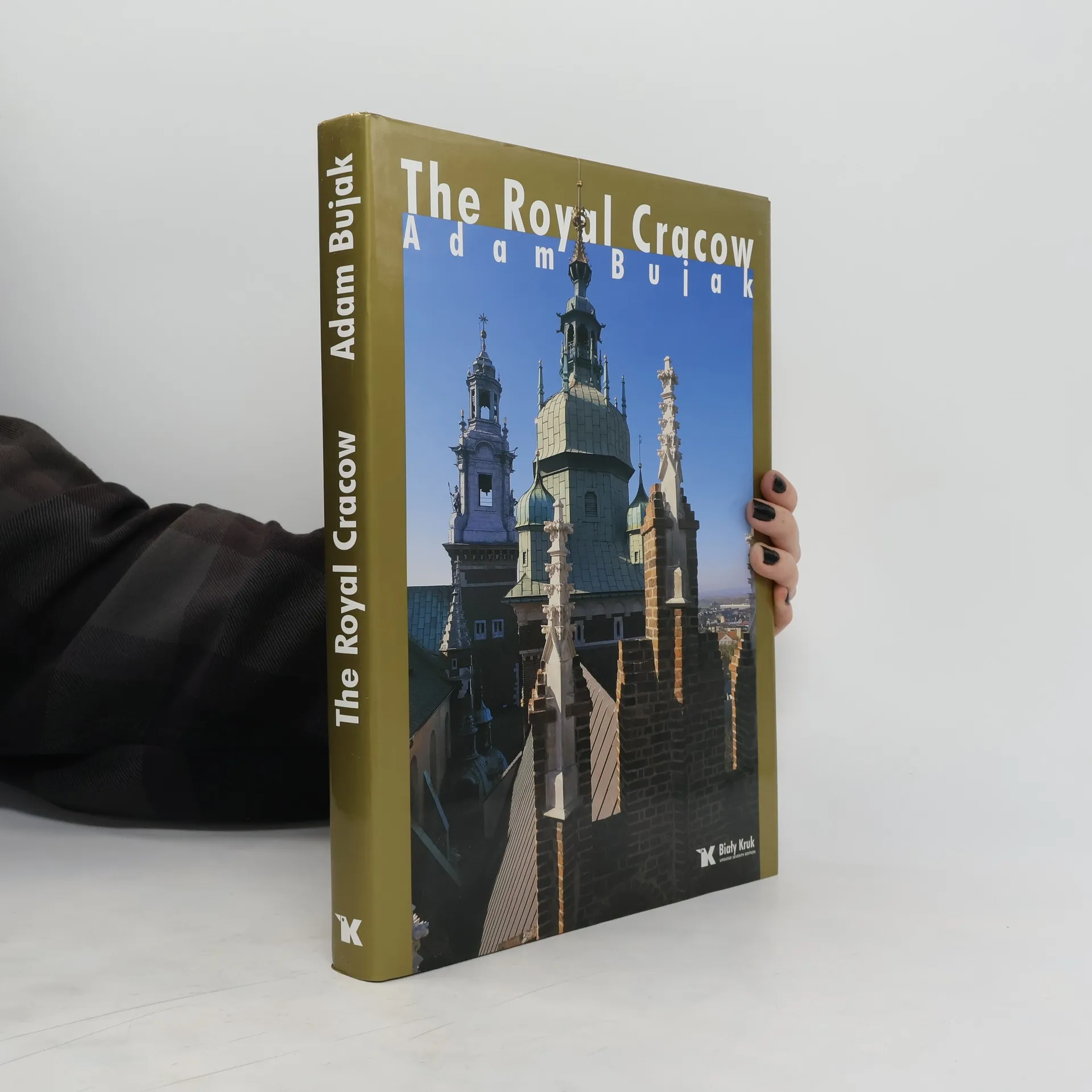
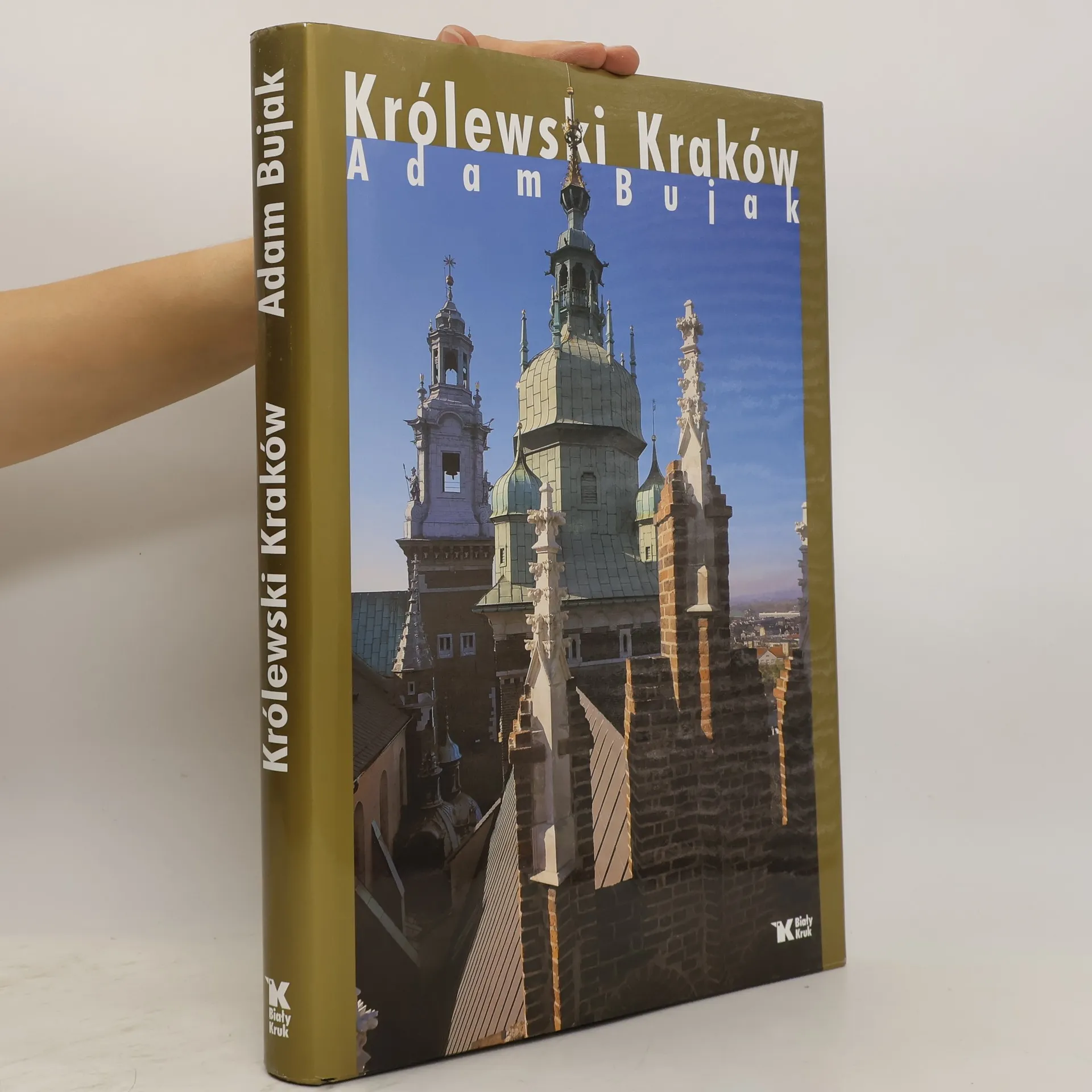
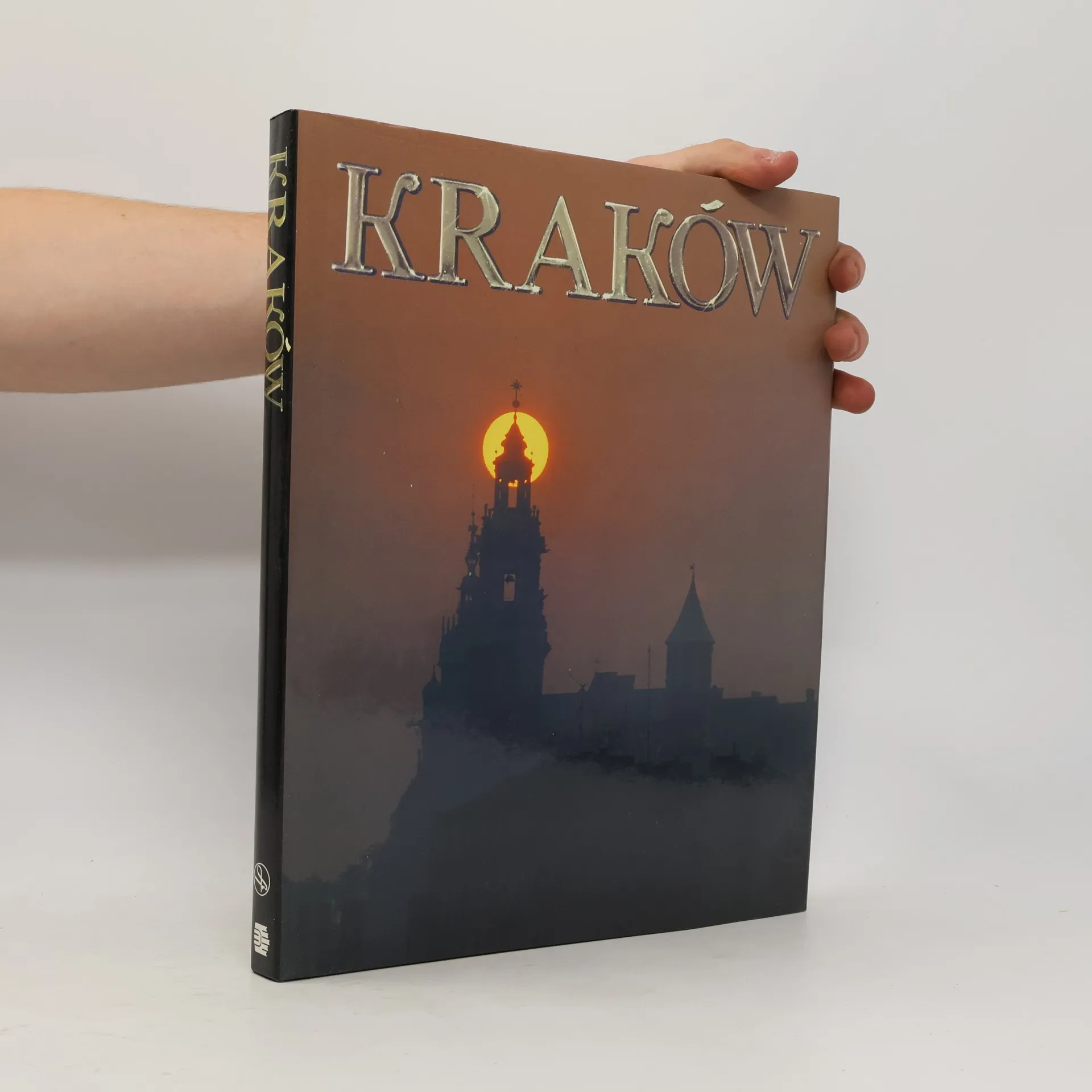
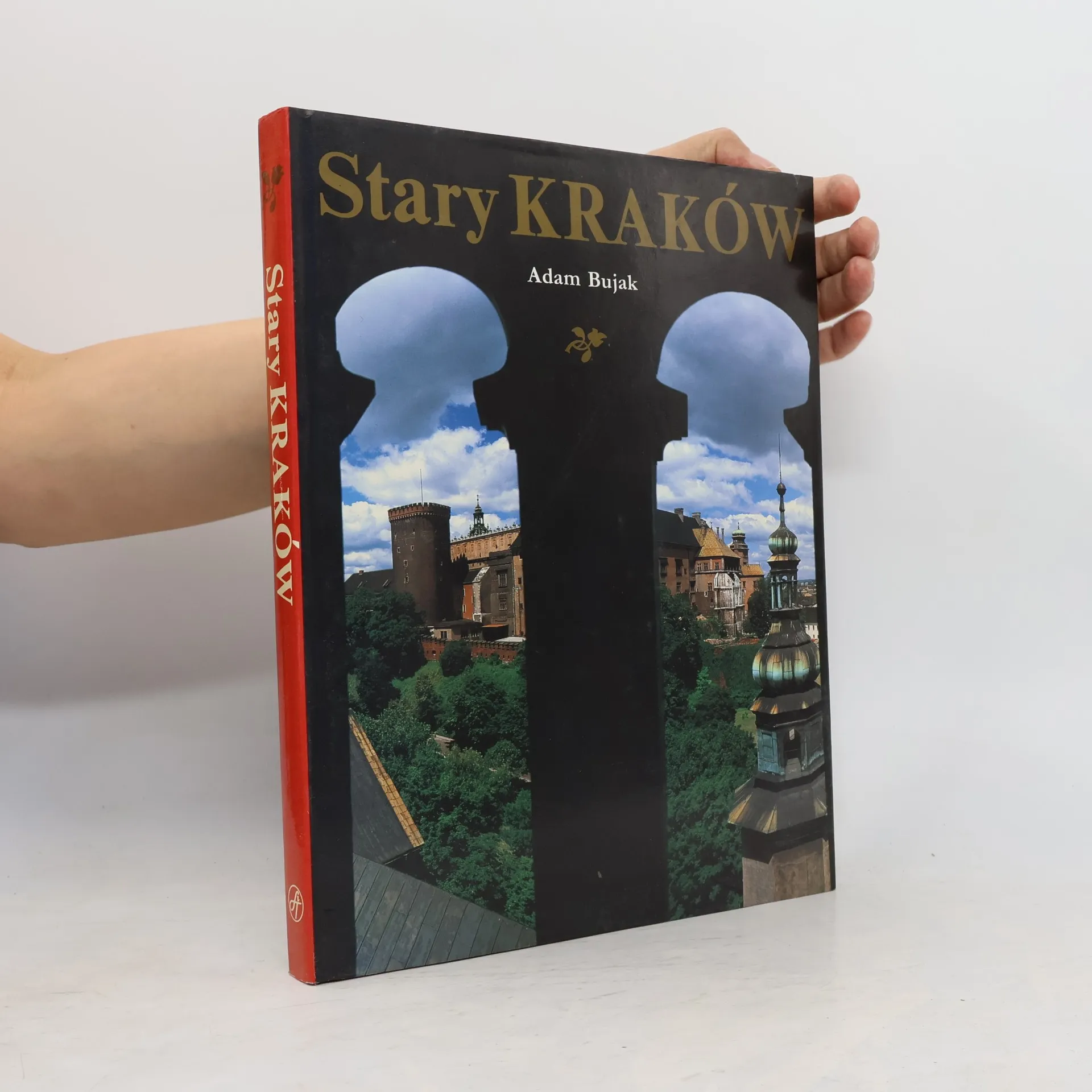
    The royal Cracow
    The Cracow millennium
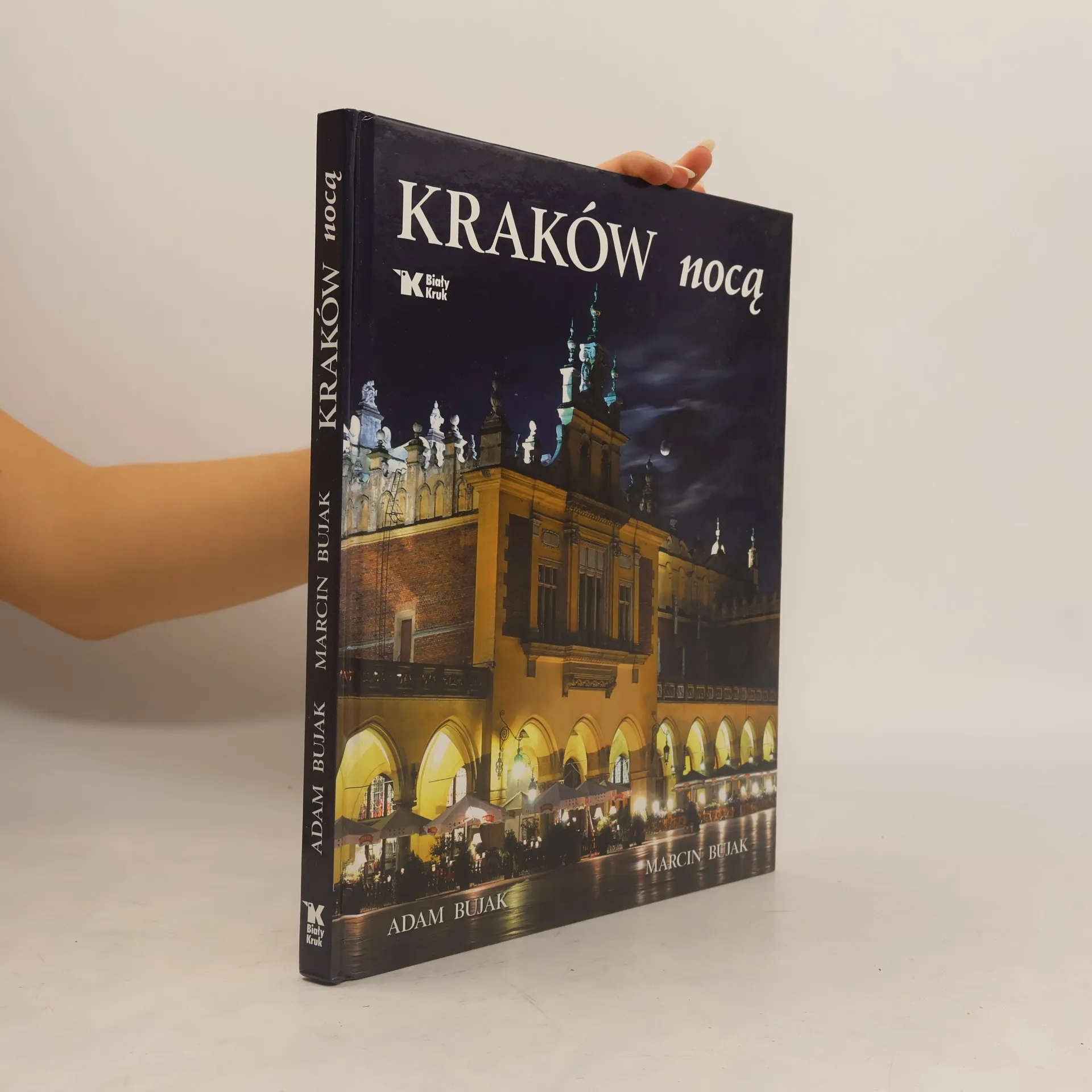
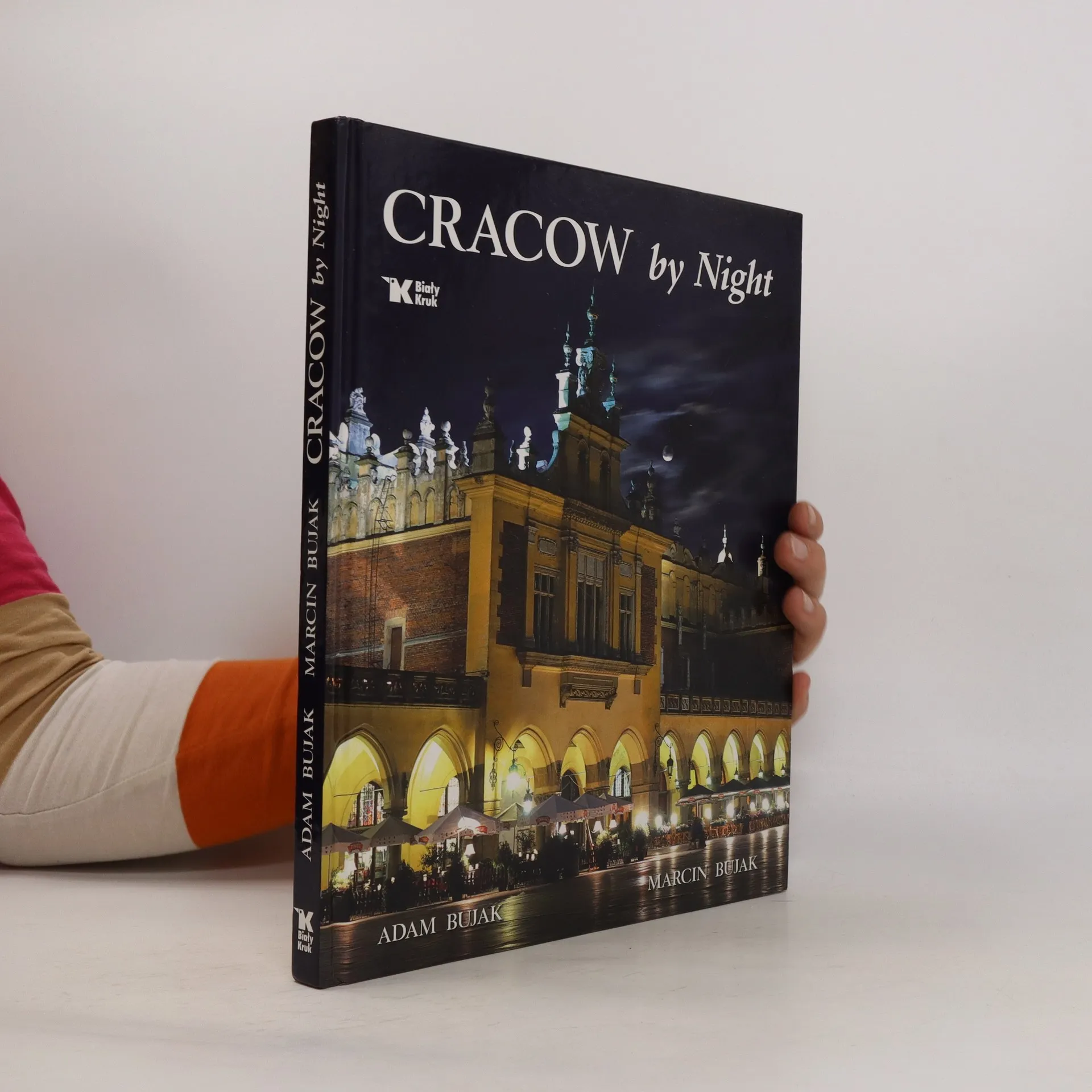
    Cracow by Night
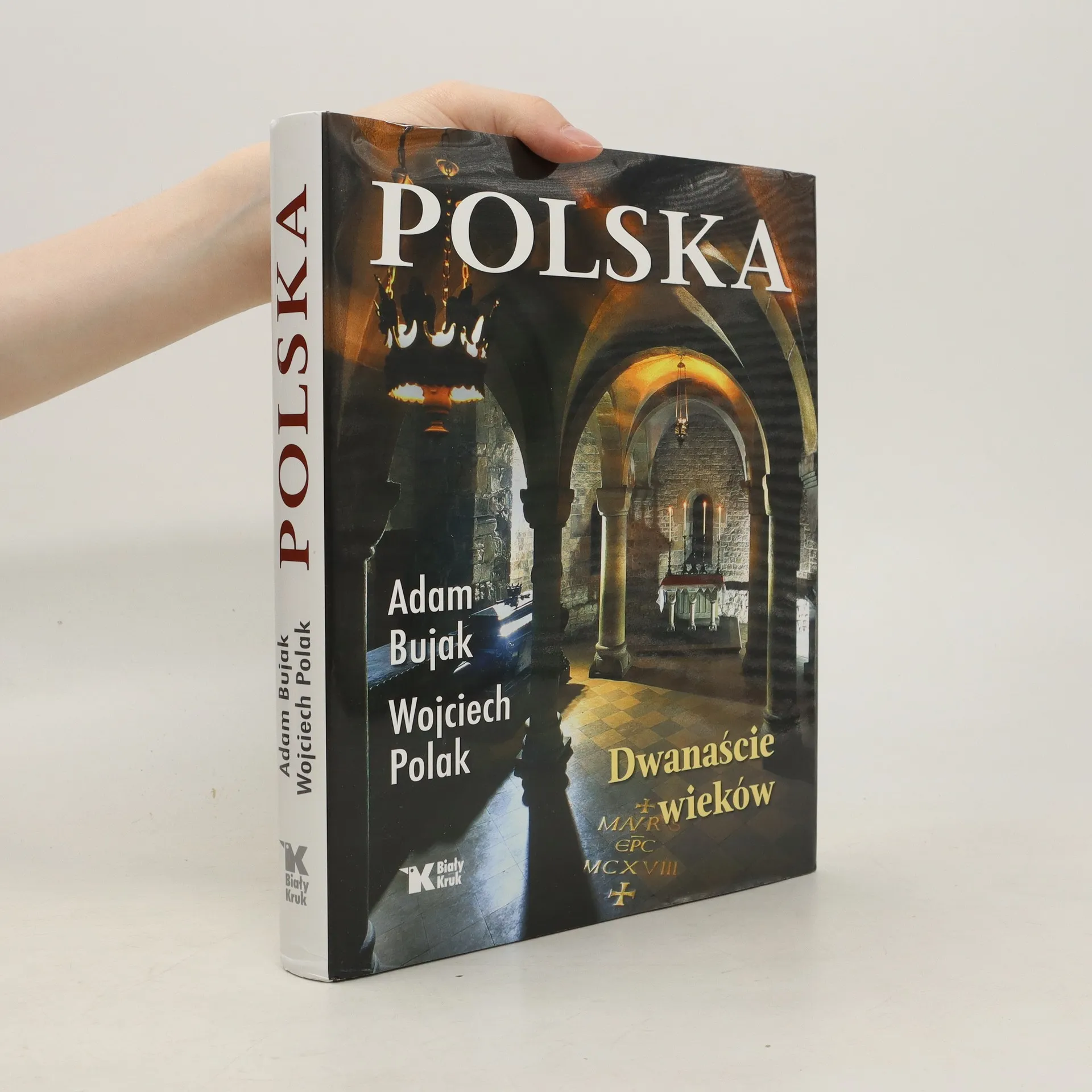
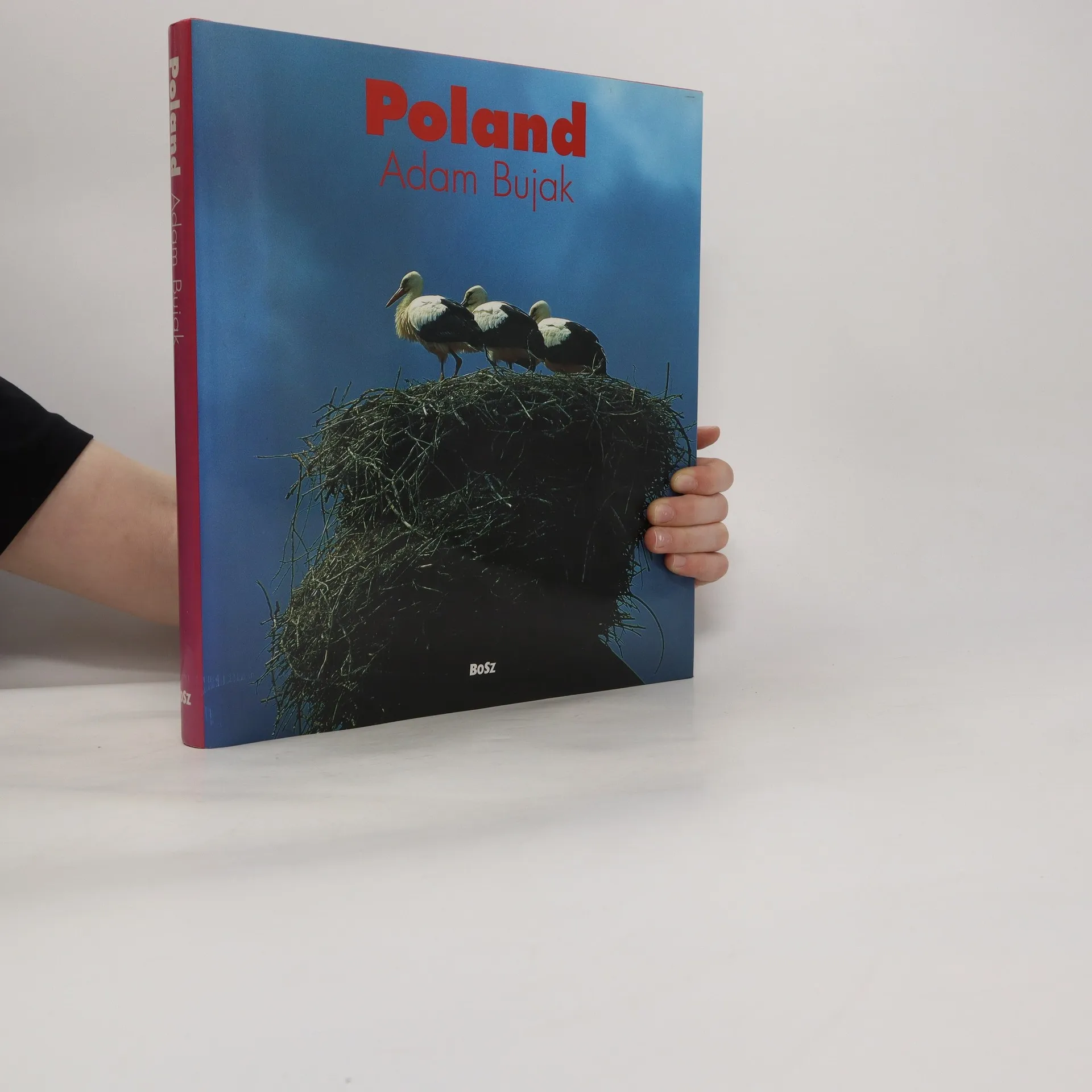
    Poland
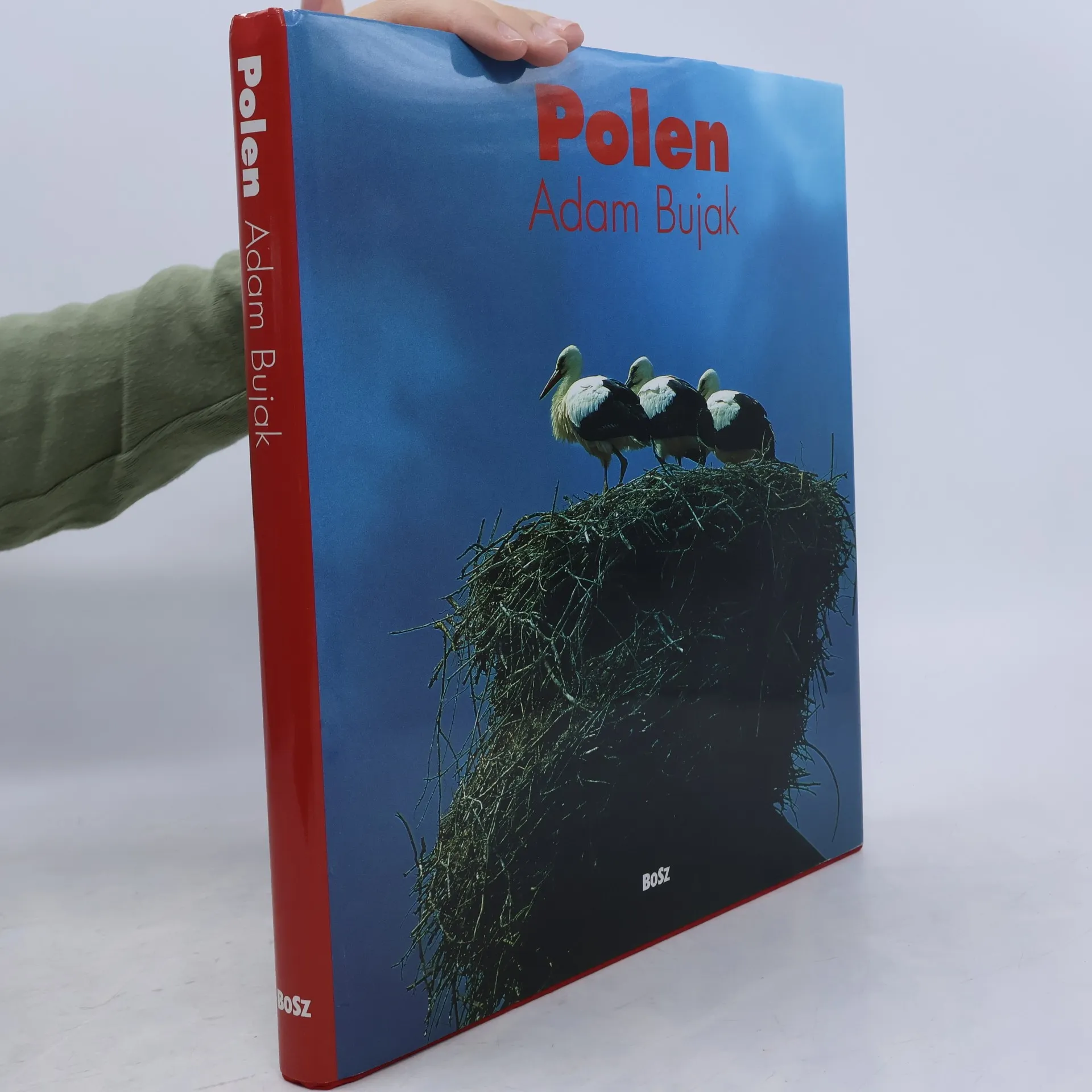
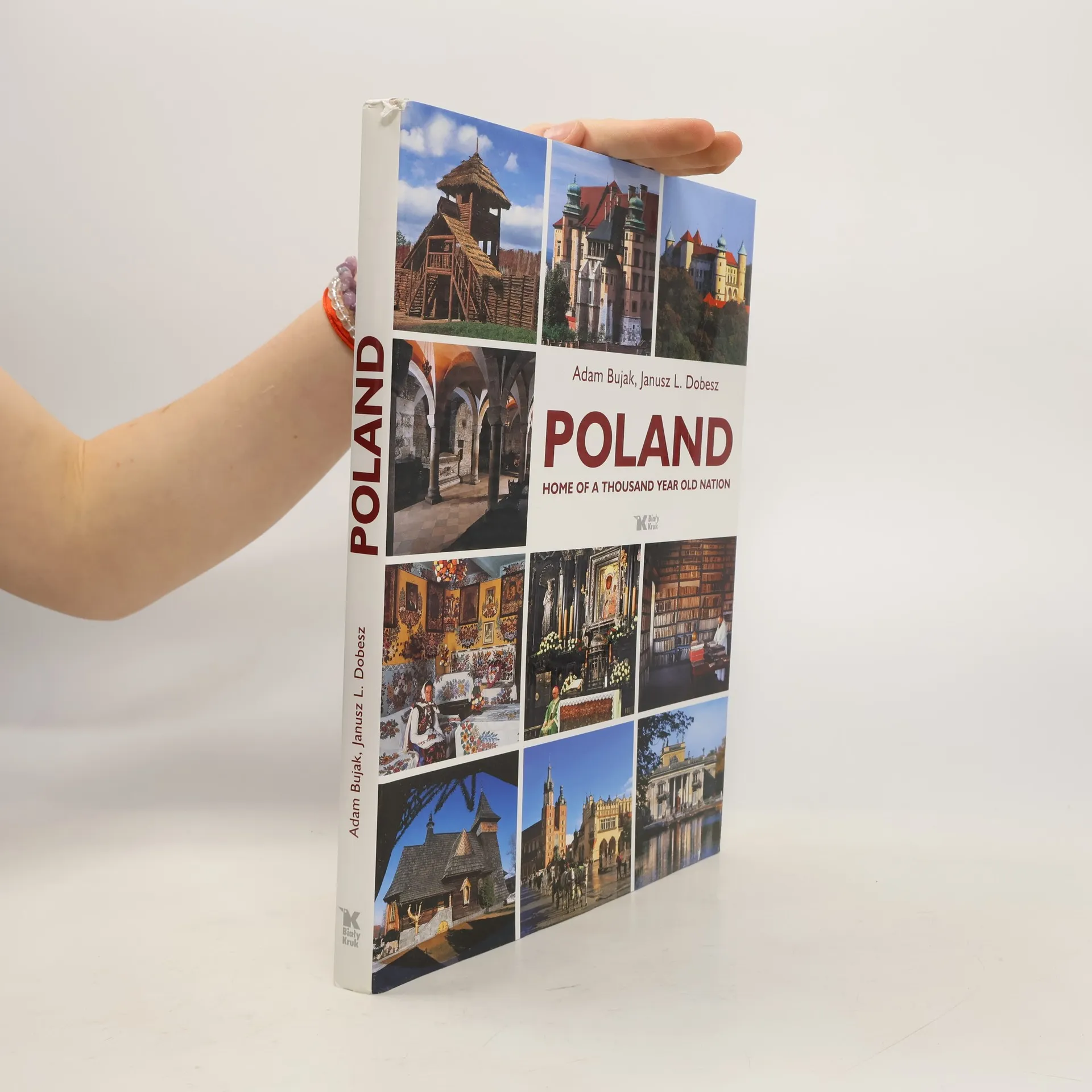
    Poland. Home of a Thousand Year Old Nation.
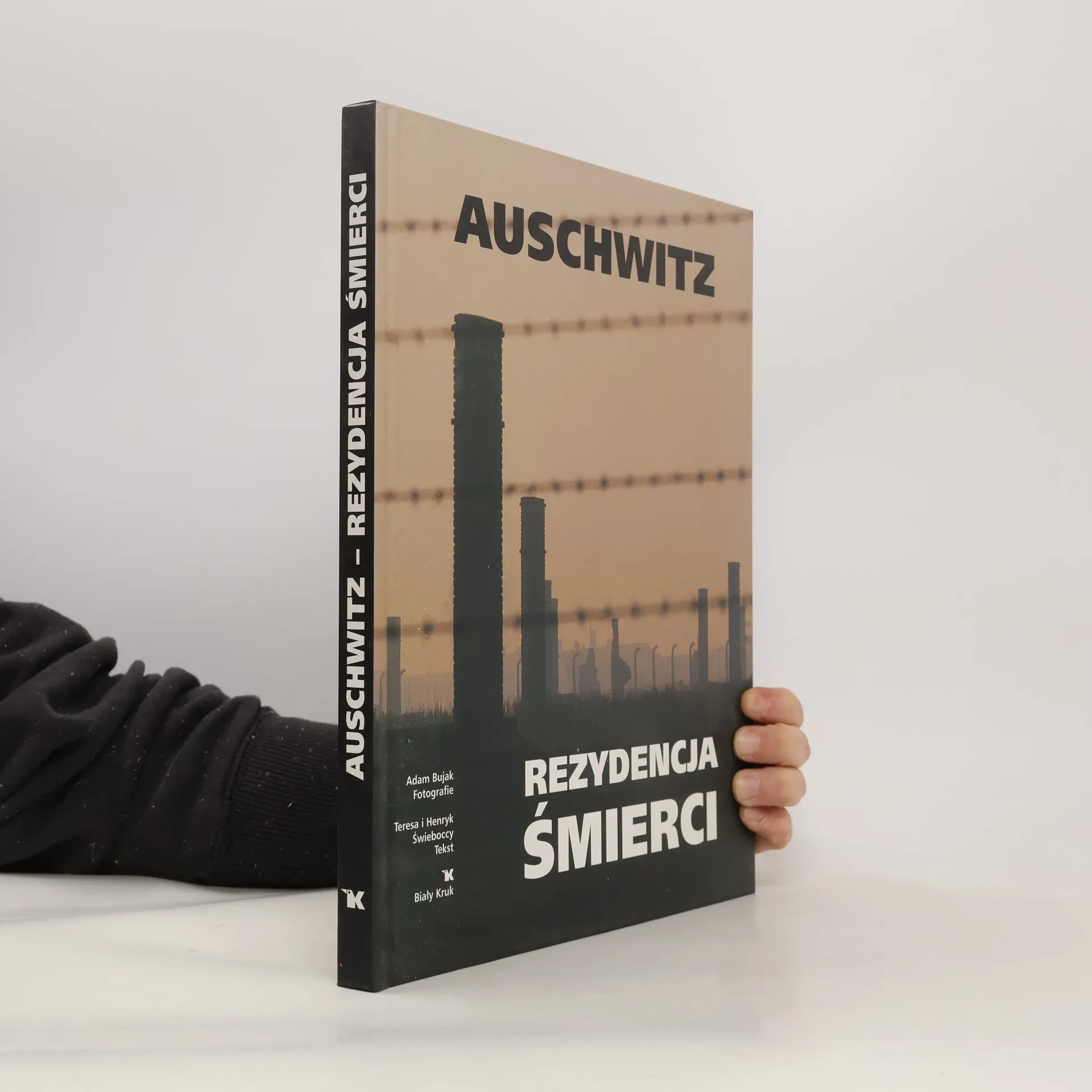
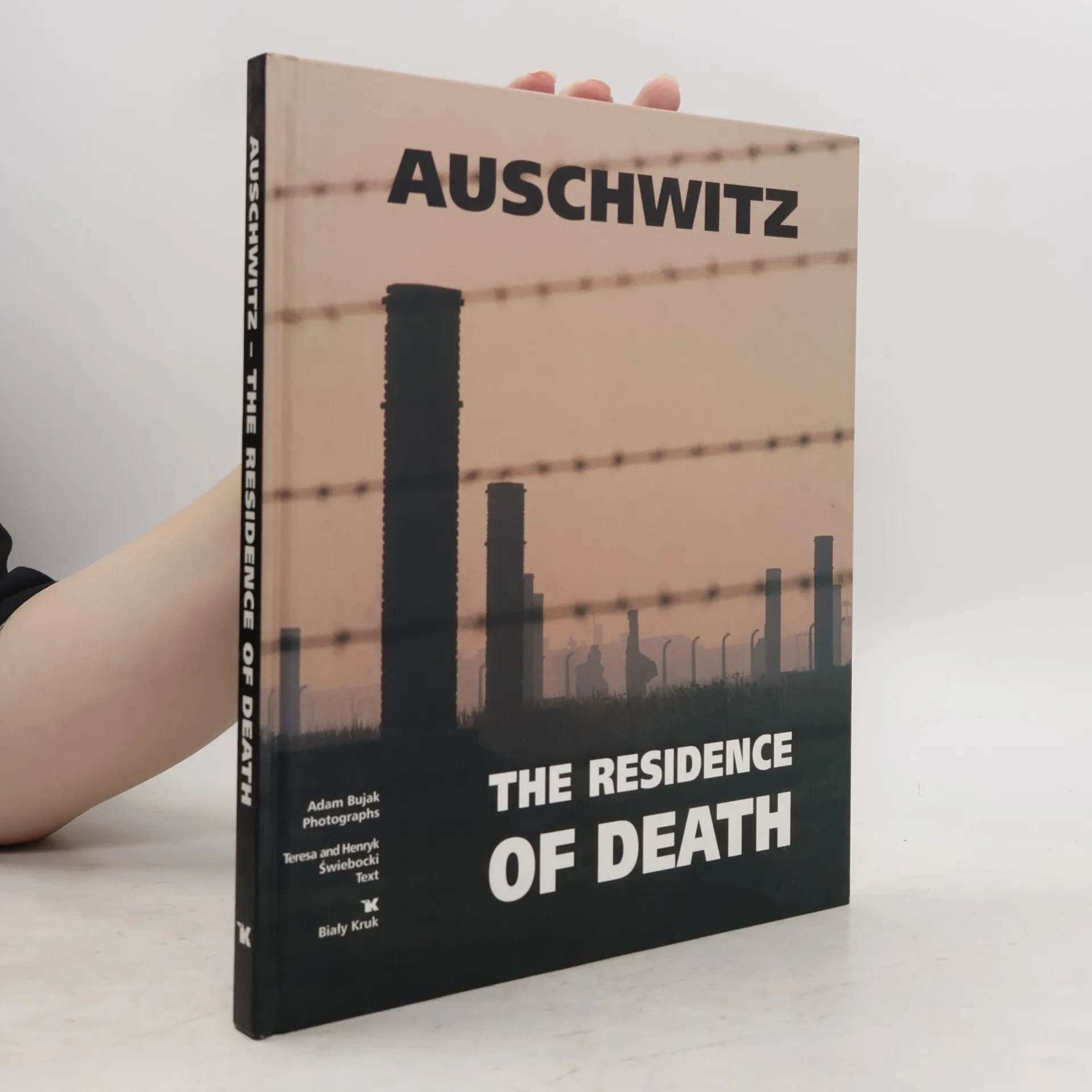
    Auschwitz : the residence of death
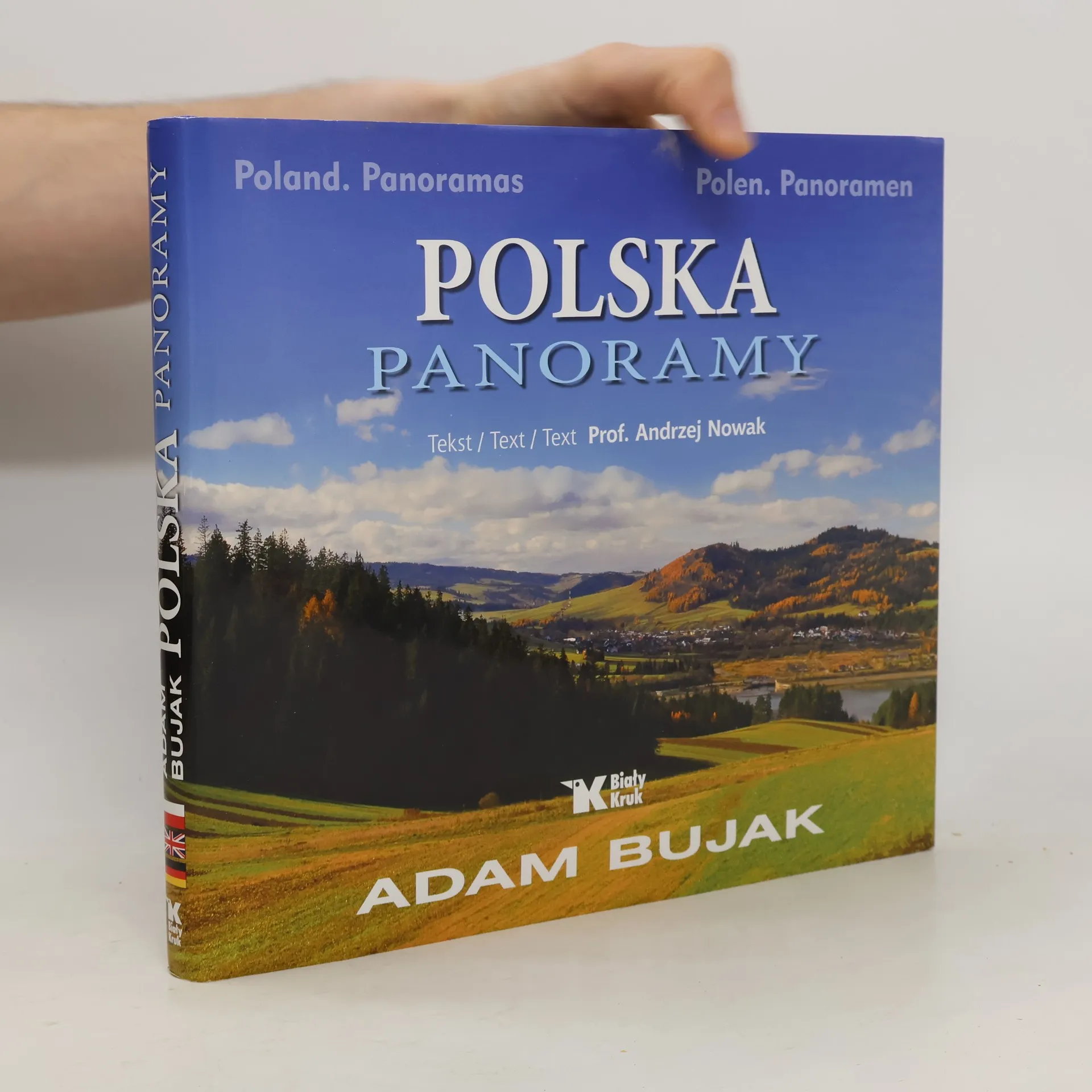
    • The most interesting album on Poland, presenting its history, culture and beautiful landscapes. The pictures by the best Polish photographer Adam Bujak make this album different from the other publications on the same topic, introducing the viewer in the unique atmosphere of the book. The photographs by Adam Bujak are divided into 8 Strongholds, Folklore, Landscapes, Residences, Churches, Symbols, Cities and Graves. The album explains such Polish symbols as the chapel at Jasna Góra, the statue of Nicholas Copernicus or the picture of Pope John Paul II with Lech Walesa. Other parts present beautiful landscapes, castles, along with the best known like Wawel in Cracow or the Royal Castle in Warsaw, and the most attractive corners of Poland. The album was awarded the first prize at the Poznan International Review of Countrylovers’ and Tourist Books. It also won a distinction of "The Book of Fall 2000" at the Review of Publishing Novelties awarded by Raczynscy Library in Poznan. The book has six language Polish, English, German, French, Italian and Spanish.

      Poland
    • Cracow has never been shown is such a way A romantic place filled with mystery and mysticism Wonderful historical monuments in a fairyland light Grand historical events in extraordinary colorful scenery Charming nooks and crannies of a Medieval city The loneliness of monks and lovers Celebration of multitudes and a graveyard reverie Beauty at every step you take This is Cracow by night

      Cracow by Night
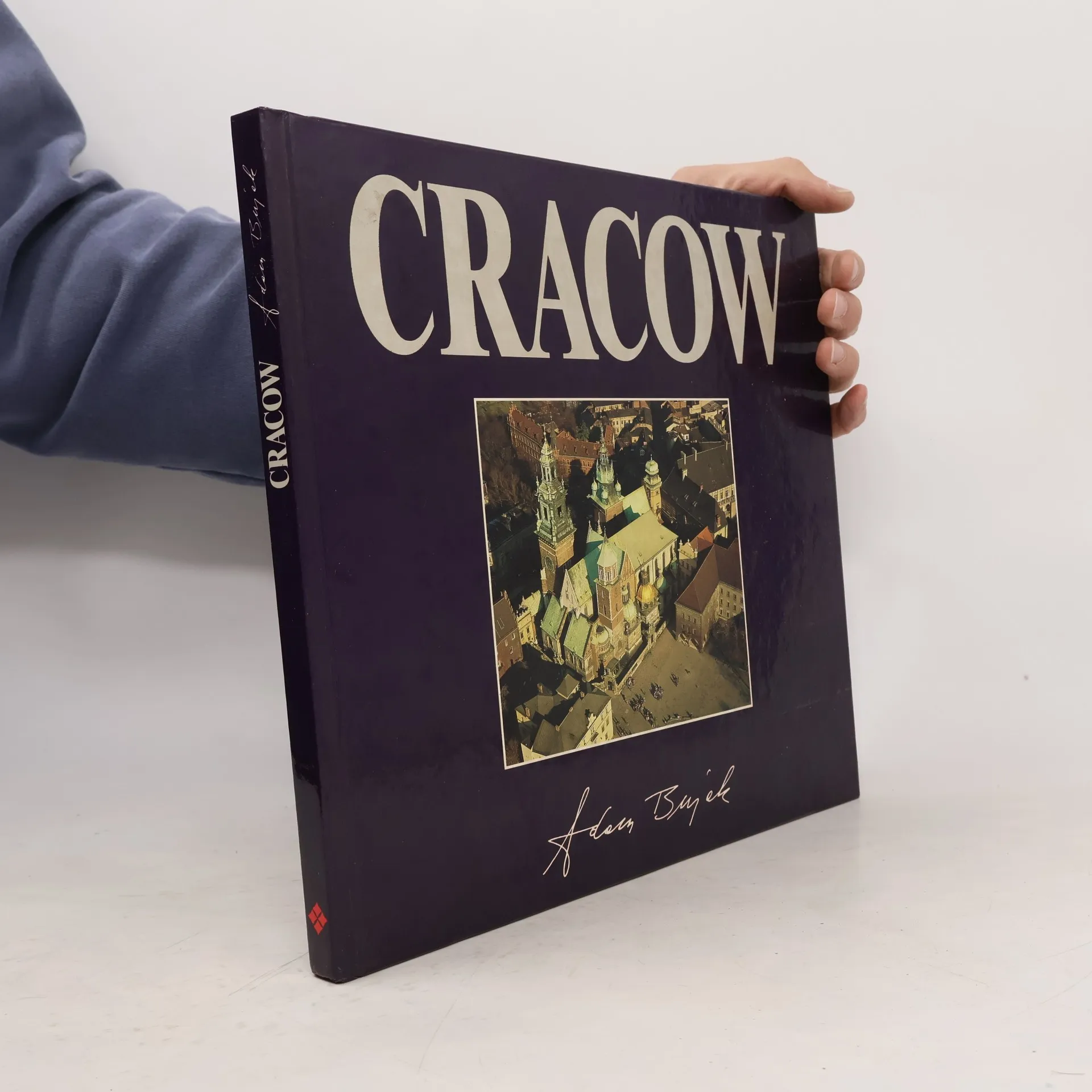
    • Near Fine/No Jacket. First Edition Hardcover. Inscribed to Tom Pendry (now Lord Pendry) from Cracow Deputy Mayor. No other marks or inscriptions. No creasing to covers or to spine. A very clean very tight copy with bright unmarked laminated boards and no bumping to corners. Unpaginated, ca 100pp. Lavishly illustrated guide to the sights of Cracow with detailed captions. Text in English. ISBN 8385331247

      Cracow from the air
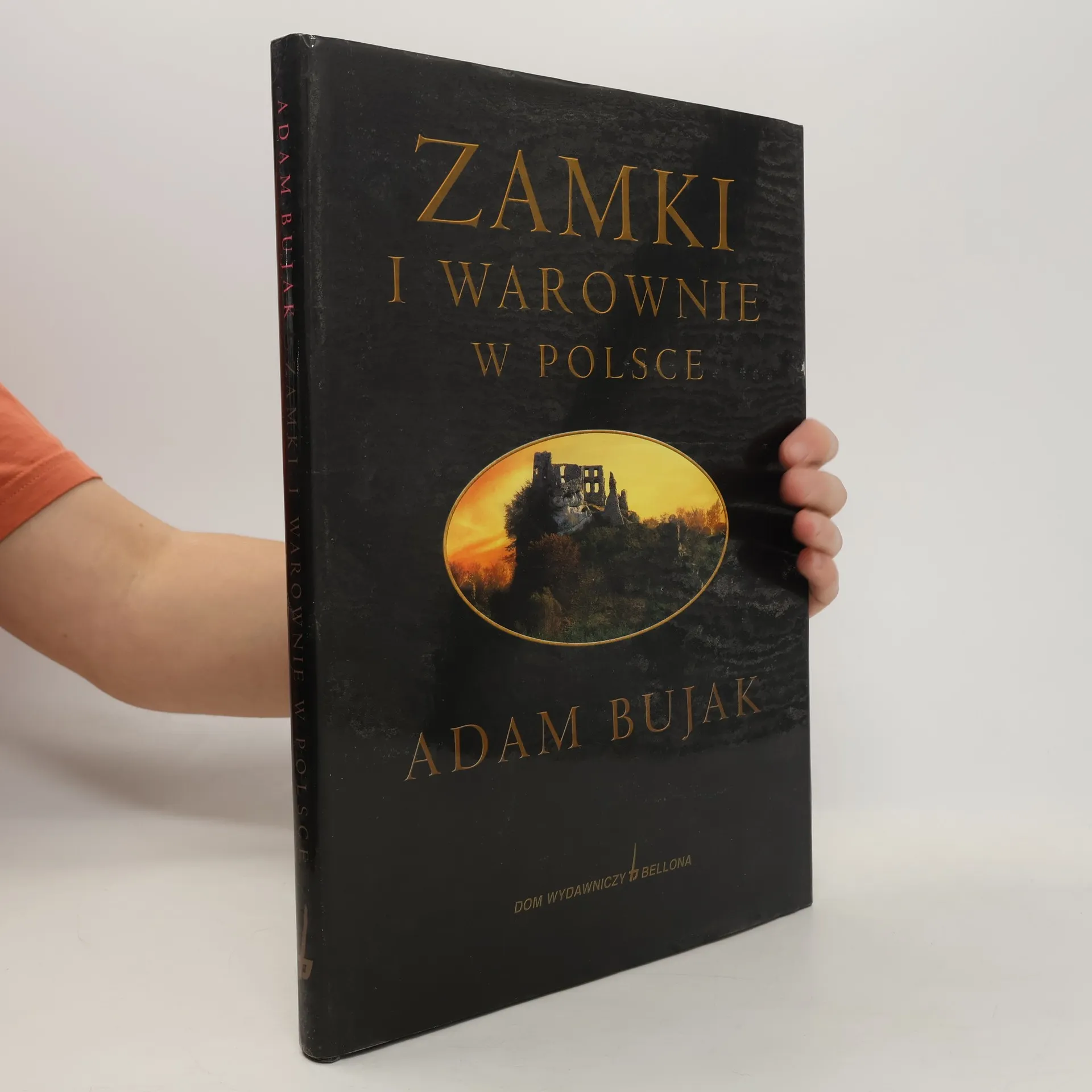
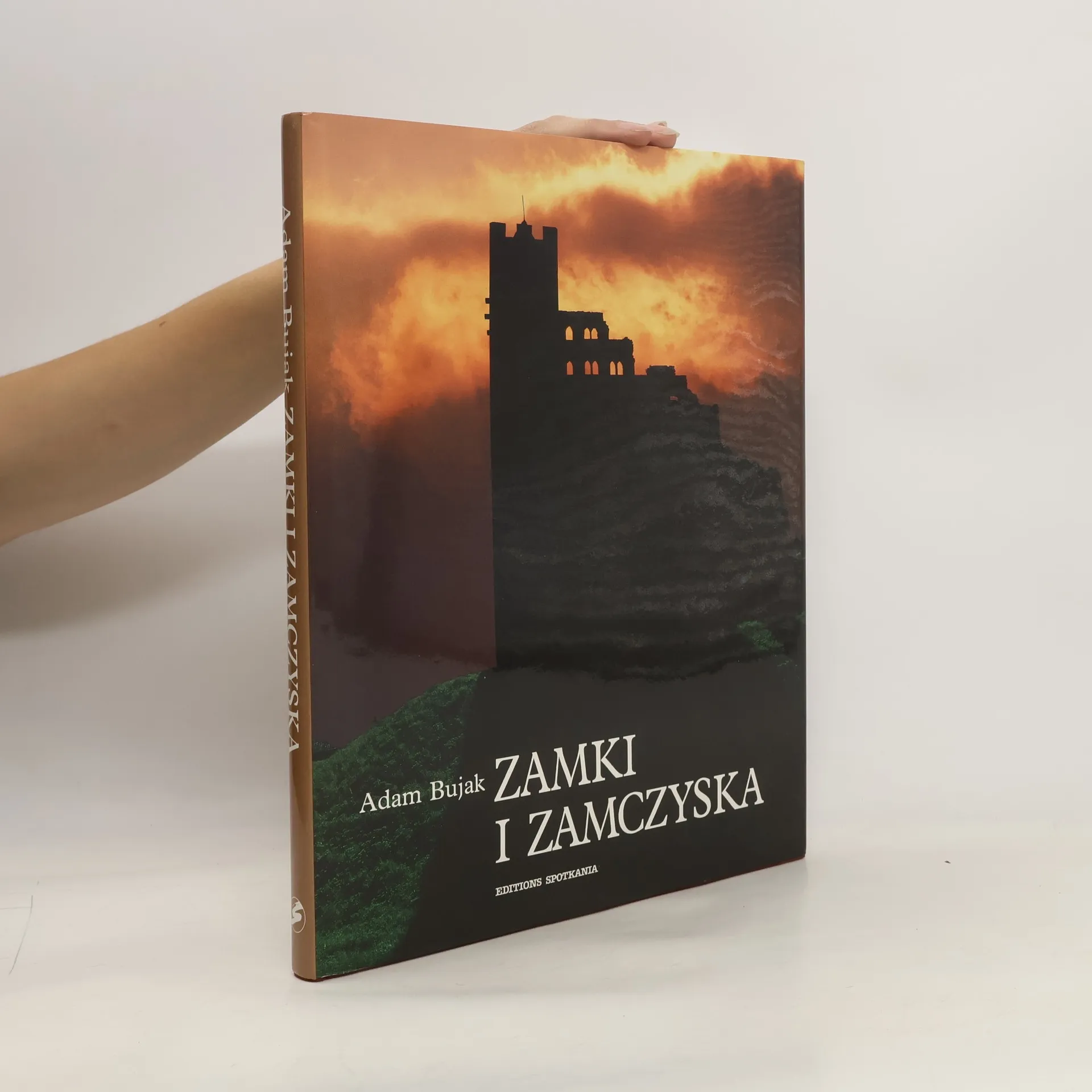
    • Zamki, warownie, obronne dwory, które stoją w granicach dzisiejszej Rzeczypospolitej, prezentują różne epoki i różne kultury. Architektura każdego z tych obiektów pozostaje materialnym wyrazem określonych strategii wojennych. Z murów, zachowanych choćby w szczątkowej formie, można odczytać zmagania dwóch zwalczających się sił, oblegania i bycia obleganym. Ale dzisiejszy stan budowli rzadko jest wypadkową tylko tej zantagonizowanej pary. Jest jeszcze inna - czas i miejsce. Ich solidarne współdziałanie zwykliśmy nazywać losem. Niektórzy tę siłę postrzegali inaczej. Na zamku Pieskowa Skała można przeczytać wyryty w XVI wieku, na życzenie Stanisława Szafrańca, napis: "Mnie tu dla obrony zbudowano, a Bogu w opiekę oddano. Gdyż bez pomocy jego nie obroni nikt niczego". Zamek przetrwał. Przetrwały urocze, a niewielkie budowle obronne w Oporowie w centralnej Polsce, w Dębnie, w Wojnowicach. To jakby szyderstwo z wysiłku inżynierów, pracujących na wielkość Krzyżtoporu Ossolińskich, Ogrodzieńca Bonerów czy krzyżackich gniazd w Toruniu i Radzyniu Chełmińskim. A może kara za zbytnią pychę człowieka.

      Zamki i warownie w Polsce