Die 27ste Stadt: Roman | »Jonathan Franzens imponierendes Frühwerk." Wolfgang Schneider, FAZ
- 672 pages
- 24 hours of reading


Jonathan Franzen is an author whose novels delve into the complexities of modern life. His works frequently explore family dynamics, societal trends, and the search for meaning in contemporary times. Franzen's prose is recognized for its sharp insight and its capacity to capture the psychological depth of his characters. He writes about the experience of being human in the present era, with his books often eliciting strong emotional responses and prompting deep reflection.



Crossroads is the first novel in Jonathan Franzen's A Key to All Mythologies. The trilogy tells the story of a Midwestern family across three generations, mirroring the preoccupations and dilemmas of the United States from the Vietnam War to the 2020s
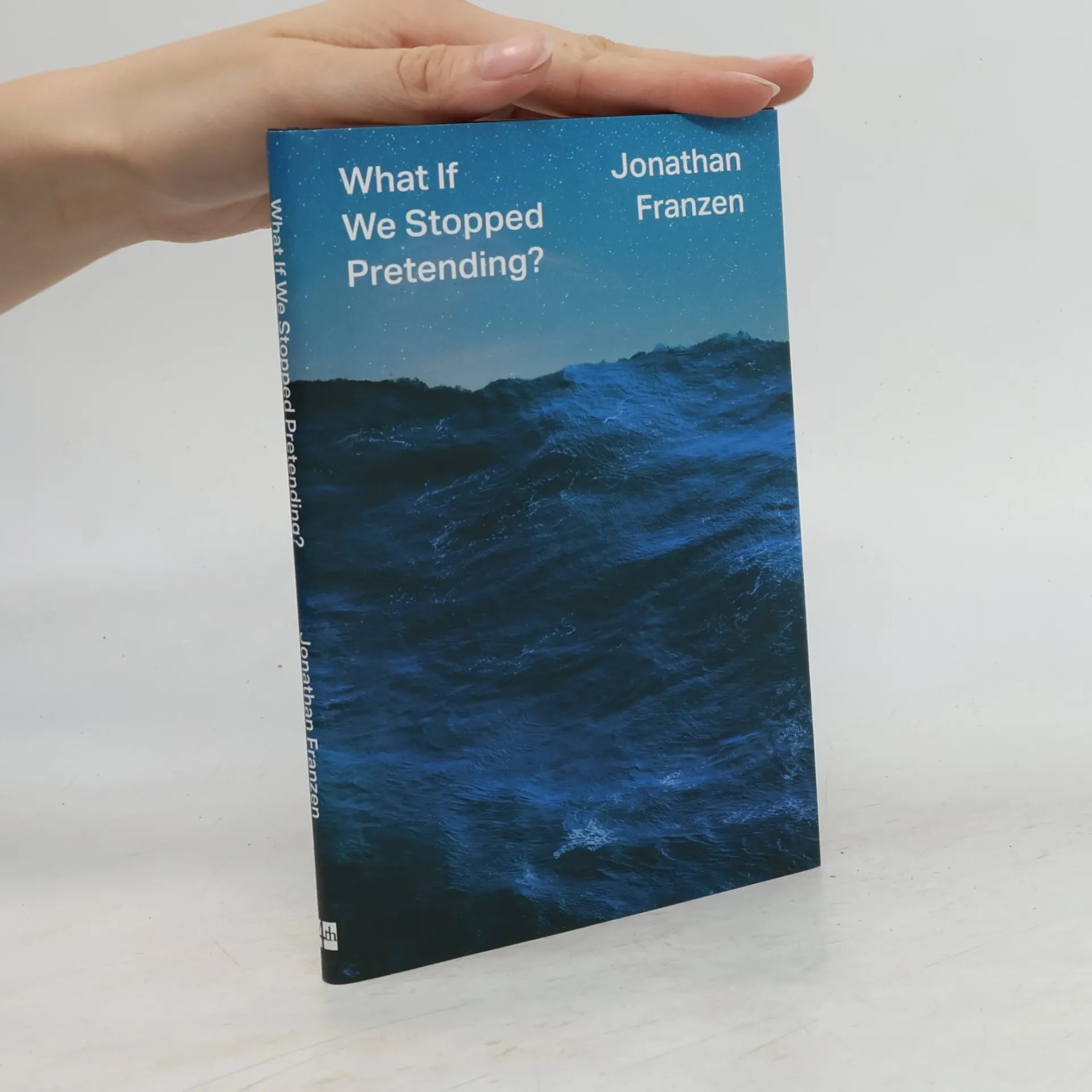
The climate crisis is here. Our chance to stop it has come and gone, but this doesn't have to mean the world is ending.
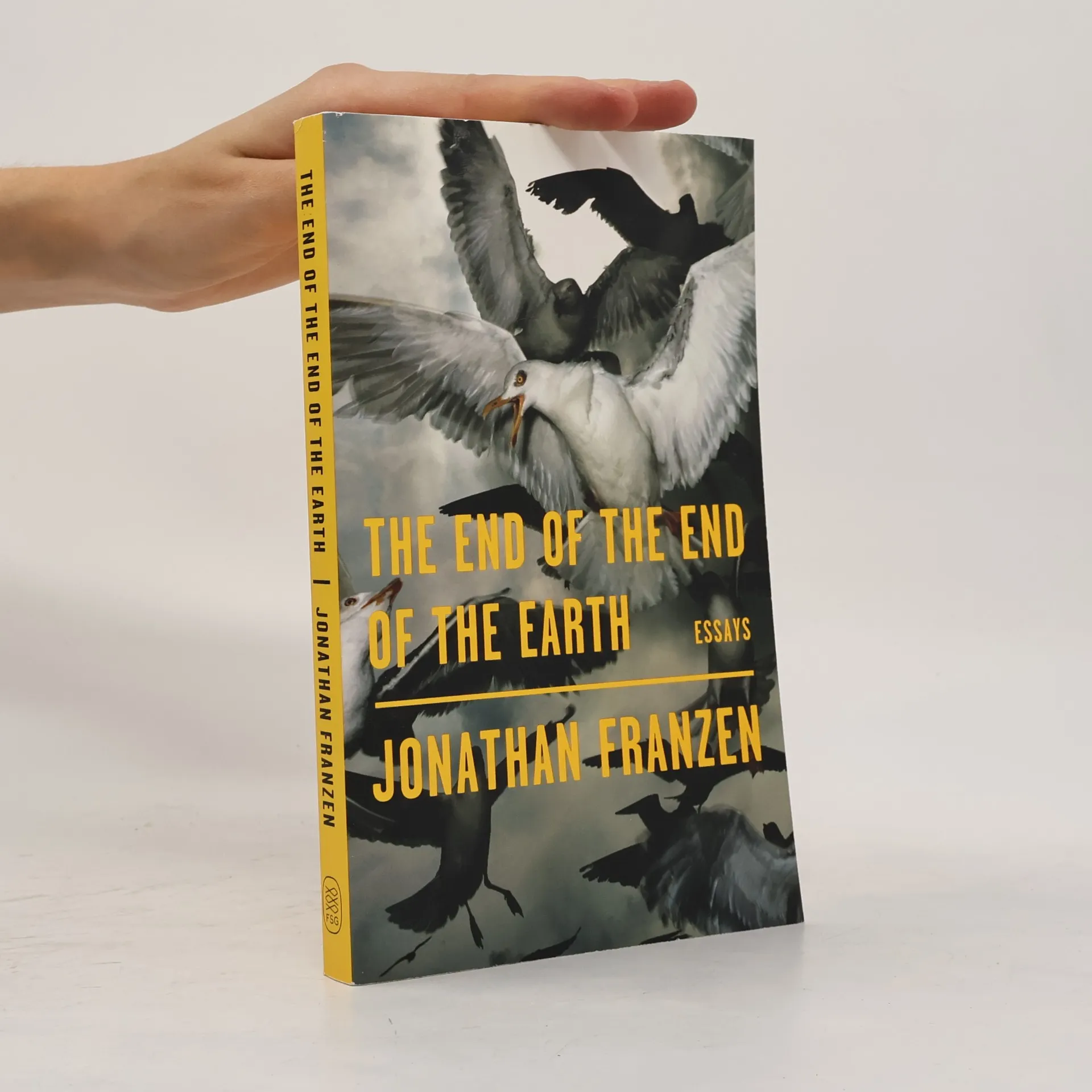
A sharp and provocative new essay collection from the award-winning author of Freedom and The Corrections In The End of the End of the Earth, which gathers essays and speeches written mostly in the past five years, Jonathan Franzen returns with renewed vigor to the themes--both human and literary--that have long preoccupied him. Whether exploring his complex relationship with his uncle, recounting his young adulthood in New York, or offering an illuminating look at the global seabird crisis, these pieces contain all the wit and disabused realism that we've come to expect from Franzen. Taken together, these essays trace the progress of a unique and mature mind wrestling with itself, with literature, and with some of the most important issues of our day, made more pressing by the current political milieu. The End of the End of the Earth is remarkable, provocative, and necessary.
A magnum opus for our morally complex times from the author ofFreedom. Purity Tyler, known to all as Pip, is an outspoken, forthright young woman struggling to make a life for herself. She sleeps in an rickety commune in Oakland. She's in love with an unavailable older man and is saddled with staggering college debt. She has a crazy mother and doesn't know who her father is. A chance encounter leads her to an internship in South America with the world-famous Sunlight Project, the president of which is Andreas Wolf, a charismatic genius who grew up privileged but disaffected in the German Democratic Republic. Like numerous women before her, she becomes obsessed with Andreas, and they have an intense, unsettling relationship. Eventually, he finds her work back in the United States. What lies underneath is a wild tale of hidden identities, secret wealth, neurotic fidelity, sociopathy, and murder. The truth of Pip's parentage lies at the centre of this maelstrom, but before it is resolved Franzen takes us from the rain-drenched forests of northern California, to paranoid East Berlin before the fall of the Wall, to the paradisiacal mountain valleys of Bolivia, exposing us to the vagaries of radical politics, the problematic seductions of the internet, and the no-holds-barred war between the sexes. Featuring an unforgettable cast of inimitable Franzenian characters, Purity is deeply troubling, richly moving, and hilarious.
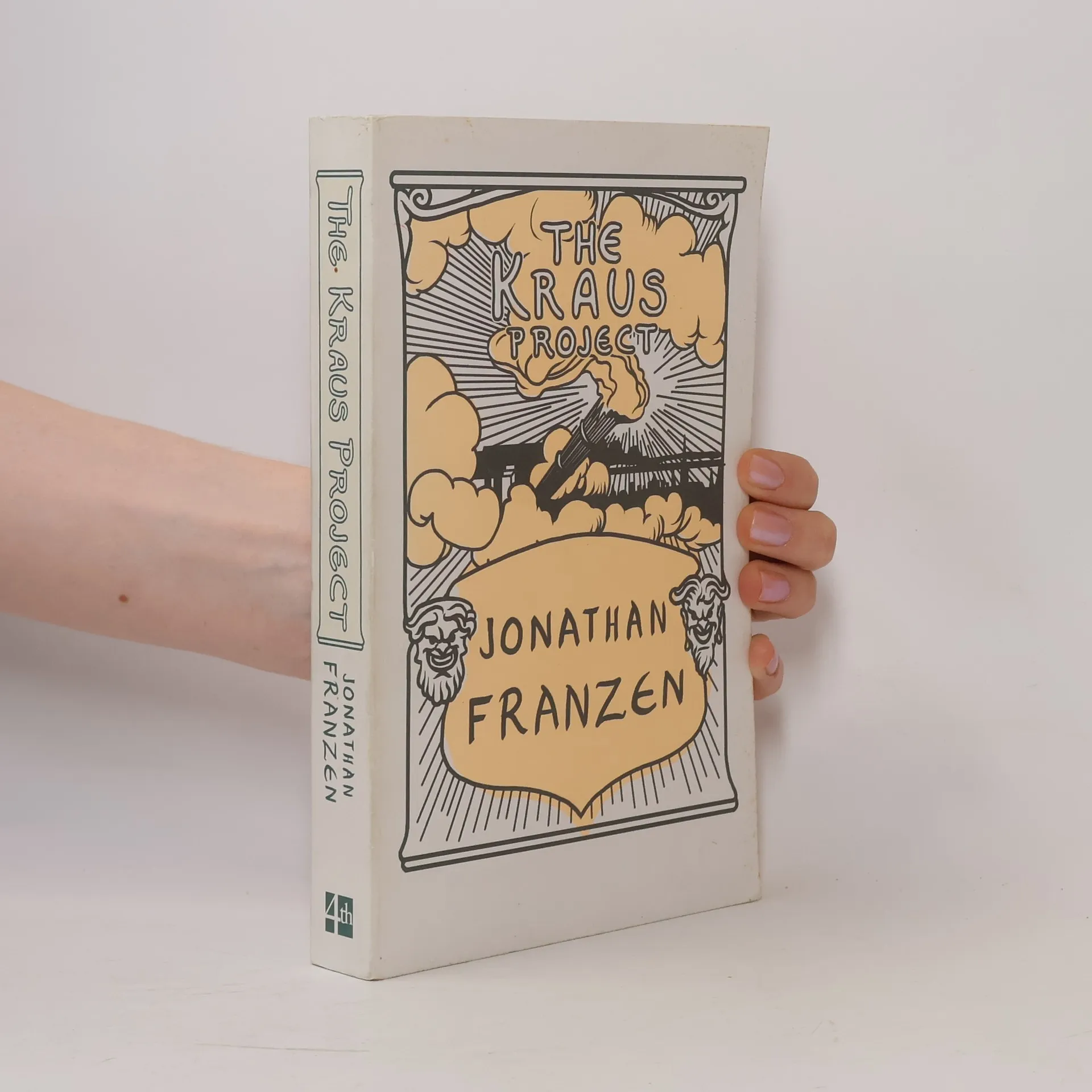
100 years ago, the Viennese satirist Karl Kraus was among the most penetrating and prophetic writers in Europe: a relentless critic of the popular media's manipulation of reality, the dehumanizing machinery of technology and consumerism, and the jingoistic rhetoric of a fading empire. But even though his followers included Franz Kafka and Walter Benjamin, he remained something of a lonely prophet, and few people today are familiar with his work. Thankfully, Jonathan Franzen is one of them. In 'The Kraus Project', Franzen not only presents and annotates his definitive new translations of Kraus, with supplementary notes from the Kraus scholar Paul Reitter and the Austrian writer Daniel Kehlmann. In Franzen Kraus has found his match: a novelist unafraid to voice unpopular opinions strongly, a critic capable of untangling Kraus's often dense arguments.
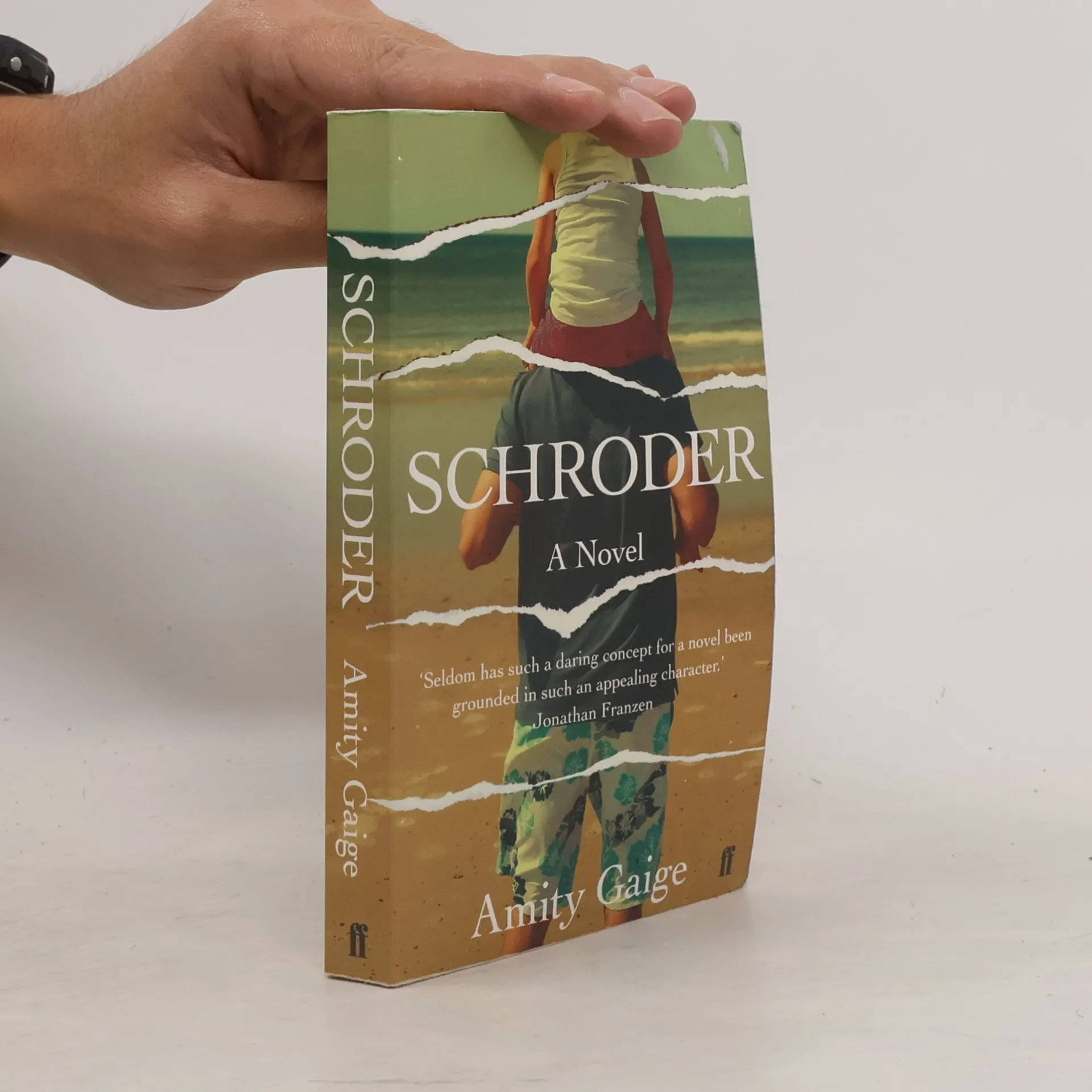
Attending summer camp as a boy, Erik Schroder -- a first generation East German immigrant -- adopts the name of Eric Kennedy, a decision that will set him on an improbable and transformative journey. SCHRODER relates the story of how years later, Erik finds himself on an urgent escape to Lake Champlain, Vermont with his daughter, hiding from authorities amidst a heated custody battle with estranged wife, Laura, who is unaware of his previous identity. From a correctional facility, Erik surveys the course of his life: his love for Laura, his childhood, his experience as a father. In this way, this sweeping and deftly-imagined novel is an exploration of the identities we take on in our lives-those we are born with, and those we construct for ourselves.
The new book of essays from Jonathan Franzen, author of Freedom.
A wonderful, warm novel from a major new American voice.
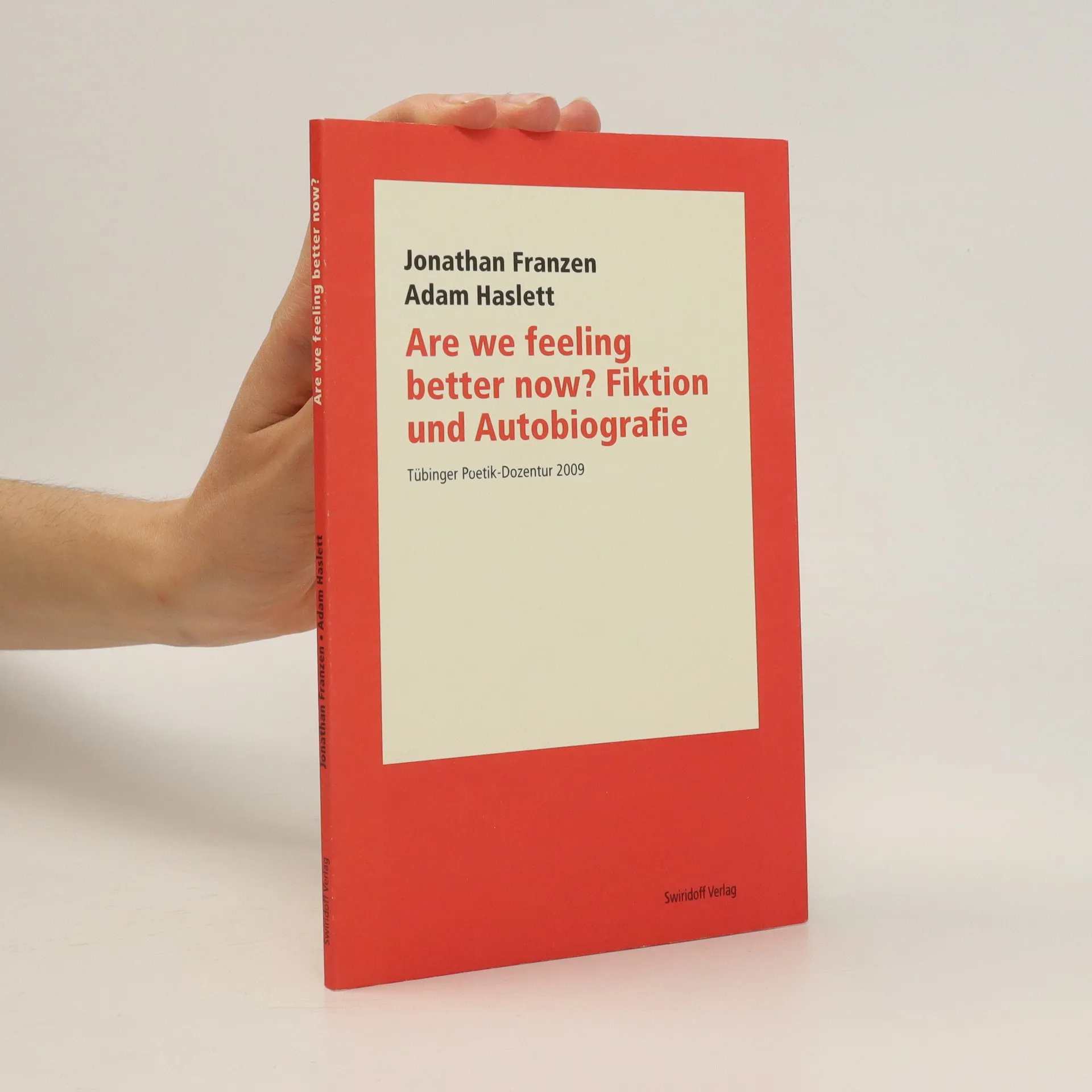
In diesem Band der Tübinger Poetik-Vorlesungen 2009 untersuchen Jonathan Franzen und Adam Haslett das Wechselspiel zwischen Leben und Schreiben. Poetikvorlesungen bieten Wissen, das aus Erfahrung und persönlichen Erlebnissen stammt, und sollen keine bloßen Wiederholungen bereits veröffentlichter Texte sein. Stattdessen wird eine biografisch gesättigte Reflexion über das eigene Schreiben und Lesen angestrebt. Diese Vorlesungen thematisieren die Funktion, Wirkung und Rolle des Autors, wobei nicht nur die Rolle im Text, sondern auch die Person des Autors, seine Stimme, Geschichte und Präsenz im Mittelpunkt stehen. Die Frage nach dem Autobiografischen im Roman ist für den Autor von Bedeutung und geht über literaturwissenschaftliche Überlegungen hinaus. Franzen sieht einen Roman als persönlichen Kampf an, während Haslett betont, dass Schriftsteller die Bücher schreiben, die sie selbst lesen möchten. Beide Autoren reflektieren über die Herausforderungen, die das Schreiben mit sich bringt, und die Sehnsucht nach Anerkennung der inneren Konflikte. Franzen, geboren 1959, ist bekannt für Werke wie „Die Korrekturen“, während Haslett, Jahrgang 1970, mit „Union Atlantic“ über die Finanzkrise des 21. Jahrhunderts schrieb.
'Deeper, funnier, sadder and truer than a work of fiction has any right to be' Independent on Sunday 'Both a page-turner and a work of art ... an almost perfectly written novel' Evening Standard This is the story of the Berglunds, their son Joey, their daughter Jessica and their friend Richard Katz. It is about how we use and abuse our freedom; about the beginning and ending of love; teenage lust; the unexpectedness of adult life; why we compete with our friends; how we betray those closest to us; and why things almost never work out as they 'should'. It is a story about the human heart, and what it leads us to do to ourselves and each other.
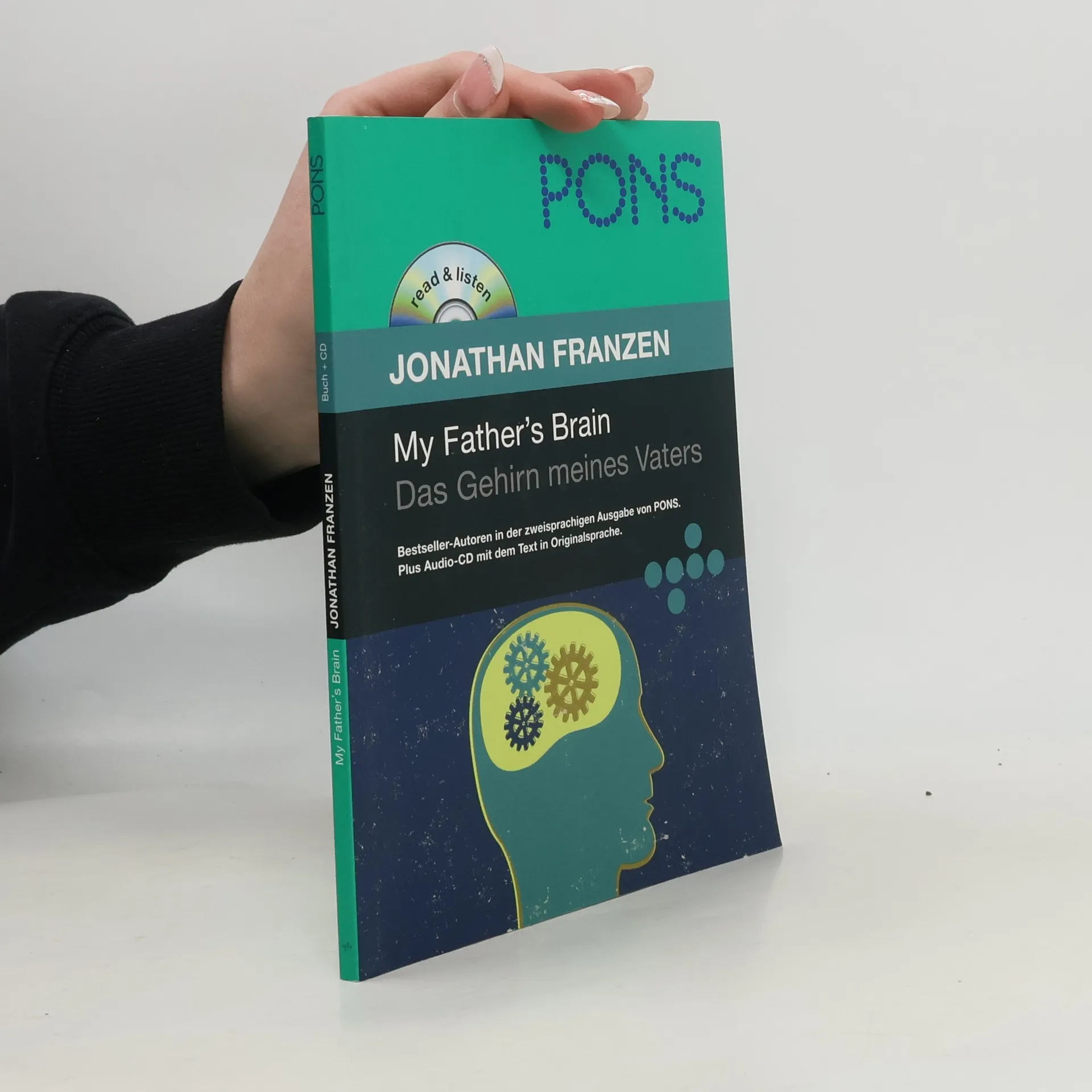
« Aurait-il pu y avoir pire maladie pour lui que l’Alzheimer ? Dans ses premiers stades, elle a dissous les liens personnels qui l’avaient préservé des pires effets de son isolement dépressif. Dans ses derniers stades, elle l’a dépouillé des protections de l’âge adulte, du moyen de cacher l’enfant en lui. J’aurais préféré qu’il ait plutôt une crise cardiaque. »Jonathan Franzen a vu son père s’éteindre peu à peu. À partir d’une autopsie de son cerveau que celui-ci avait gagné de son vivant, il revient sur le fléau qui a rongé petit à petit sa famille : la découverte de la maladie, une épouse qui doit devenir mère, ne plus être reconnu… jusqu’au dernier souffle.
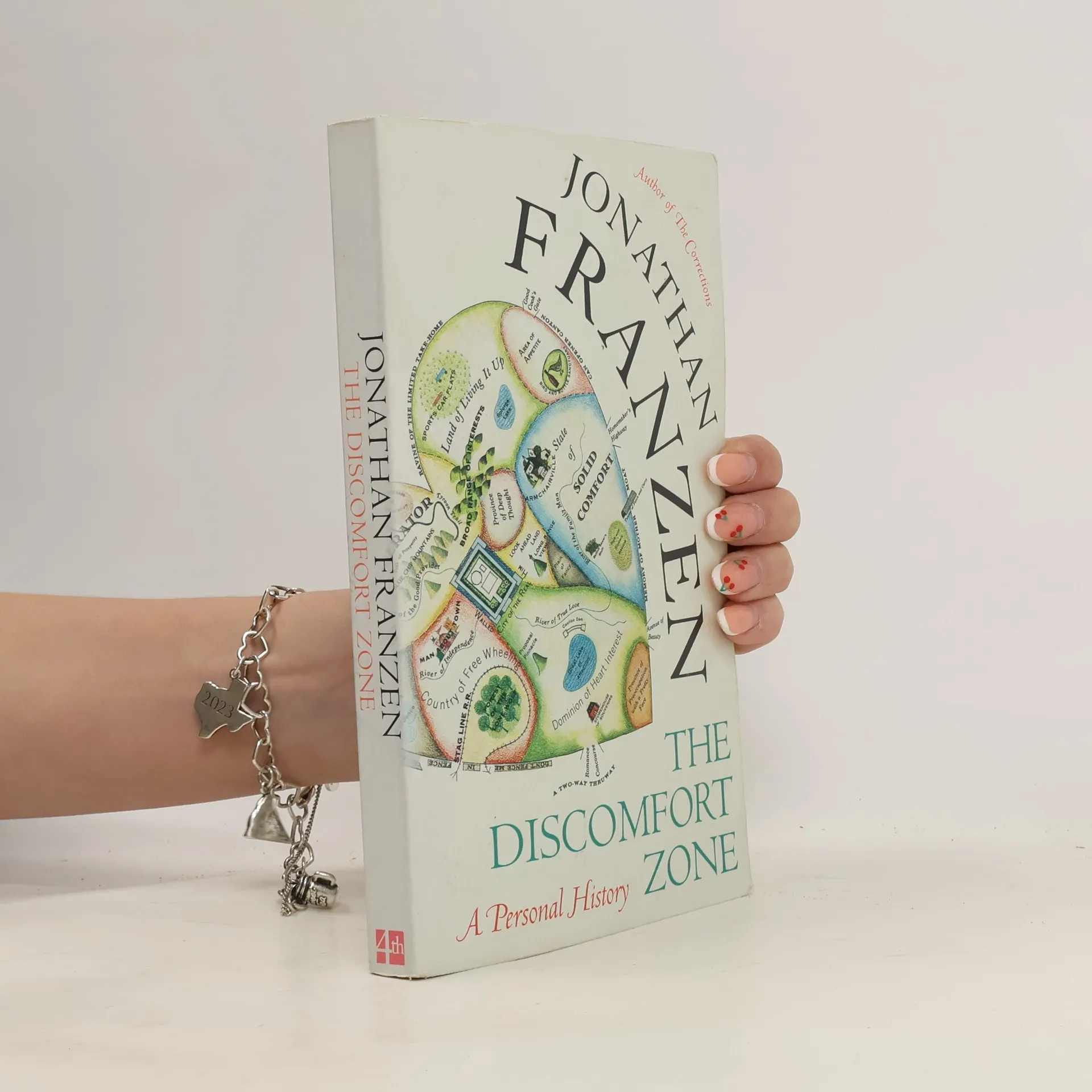
Jonathan Franzen arrived late, and last, in a family of boys in Webster Groves, Missouri. This is his memoir of his growth from a 'small and fundamentally ridiculous person, ' through an adolescence both excruciating and strangely happy, into an adult with embarrassing and unexpected passions
A Great American Novel -- from the author of 'Borrowed Finery'. Otto and Sophie Bentwood live childless in a renovated Brooklyn brownstone. The complete works of Goethe line their bookshelf, their stainless steel kitchen is newly installed, and their Mercedes is parked outside. After Sophie is bitten on the hand while trying to feed a half-starved neighbourhood cat, a series of small and ominous disasters begin to plague their lives, revealing the faultlines and fractures in a marriage -- and a society -- wrenching itself apart. Includes an introduction by Jonathan Franzen.
The author presents his 1996 work, "The Harper's Essay," offering additional writings that consider a central theme of the erosion of civic life and private dignity and the increasing persistence of loneliness in postmodern American.
A cloth bag containing ten copies of the title, that may also include a folder with miscellaneous notes, discussion questions, biographical information, and reading lists to assist book group discussion leaders.
Louis Holland arrives in Boston in a spring of ecological upheaval (a rash of earthquakes on the North Shore) and odd luck: the first one kills his grandmother. Louis tries to maintain his independence, but falls in love with a Harvard seismologist whose discoveries about the earthquakes' cause complicate everything.
Reprint. Originally published: New York: Farrar Straus Giroux, 1988