Dom Casmurro
- 224 pages
- 8 hours of reading
First published in 1899, Dom Casmurro is acknowledged as the finest achievement of the great Brazilian novelist Machado de Assis, and among the most important novels ever written in the Portuguese language.


Machado de Assis stands as the preeminent voice in Brazilian literature. His literary output profoundly shaped subsequent Brazilian literary movements and continues to resonate with readers. Machado's narratives delve into the complexities of the human psyche with a distinctive ironic touch, offering keen observations on society. Though his international acclaim grew posthumously, he is now recognized as a towering figure in world literature.




First published in 1899, Dom Casmurro is acknowledged as the finest achievement of the great Brazilian novelist Machado de Assis, and among the most important novels ever written in the Portuguese language.
A vibrant new translation of Machado de Assis's classic novel about a young man flush with newfound wealth, who promptly gets swindled
Two gentlemen standing outside a church in Rio de Janeiro see a respectable lady emerge - one of them has an unexpected, and to him inexplicable story to tell about her past life as a prostitute; a popular composer of polkas burns the midnight oil in a desperate attempt to create great classical music; a teenager finds himself caught up by the sight of the bare arms of an older woman who lives with his employer; an impoverished, lazy young man turns to the lucrative trade of catching runaway slaves; dull, monotonous Mariana has a tiff with her husband about the hat he wears to town, and decides to sing "the Marseillaise of matrimony" by going off on a trip to town herself with her more daring, flirtatious friend Sophia.These are some of the situations developed in these stories, some of the most brilliant to have been written in the nineteenth century. They echo Poe and Gogol, they anticipate Joyce, they have been compared to contemporary works by Chekhov, Maupassant, and Henry James, yet they are not quite like any of these. Anyone who has read Epitaph of a Small Winner or Dom Casmurro, his most famous novels, will want to savour these stories - those who haven't, will find them a varied and enjoyable introduction to Machado's work.
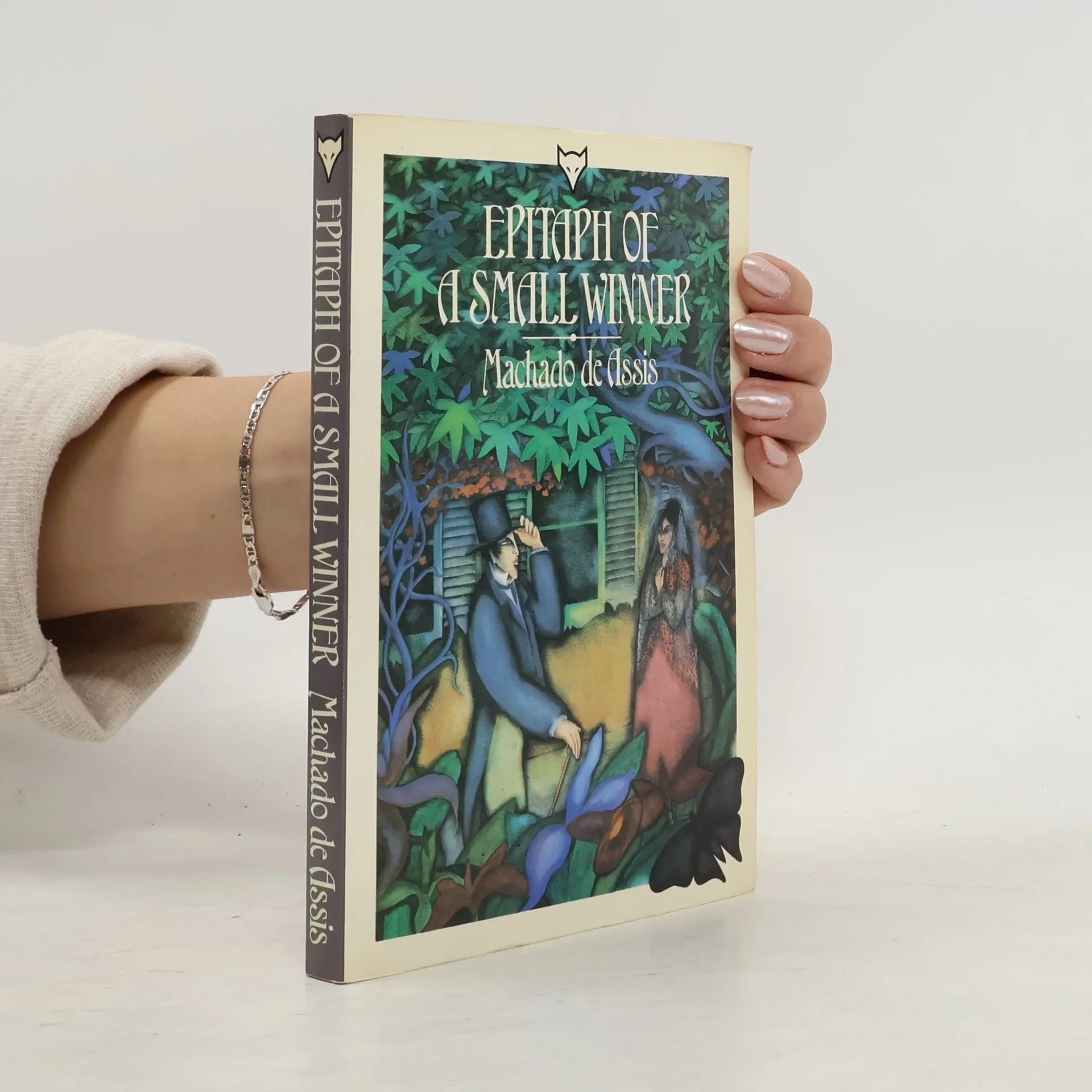
“I am a deceased writer not in the sense of one who has written and is now deceased, but in the sense of one who had died and is now writing.” So begins the posthumous memoir of Braz Cubas, a wealthy nineteenth-century Brazilian. Though the grave has given Cubas the distance to examine his rather undistinguished life, it has not dampened his sense of humor. In the tradition of Laurence Stern’s Tristram Shamdy, Epitaph of a Small Winner is one of the wittiest self-portraits in literary history.
Accompanied by a thorough introduction to Brazil's Machado, Machado's Brazil, these vibrant new translations of eight of Machado de Assis's best-known short stories bring nineteenth-century Brazilian society and culture to life for modern readers.
15 Years of the CBHSF. 515 Years of the São Francisco River
Dieses Buch ist eine Sammlung von 21 Geschichten von Machado de Assis.
Finalista do Jabuti. Coletânea organizada por Ítalo Moriconi, pautada por critérios como gosto e qualidade, reafirmando o alto nível de nossa produção além de apresentar uma galeria de autores e textos há muito esquecidos ou ainda não descobertos.
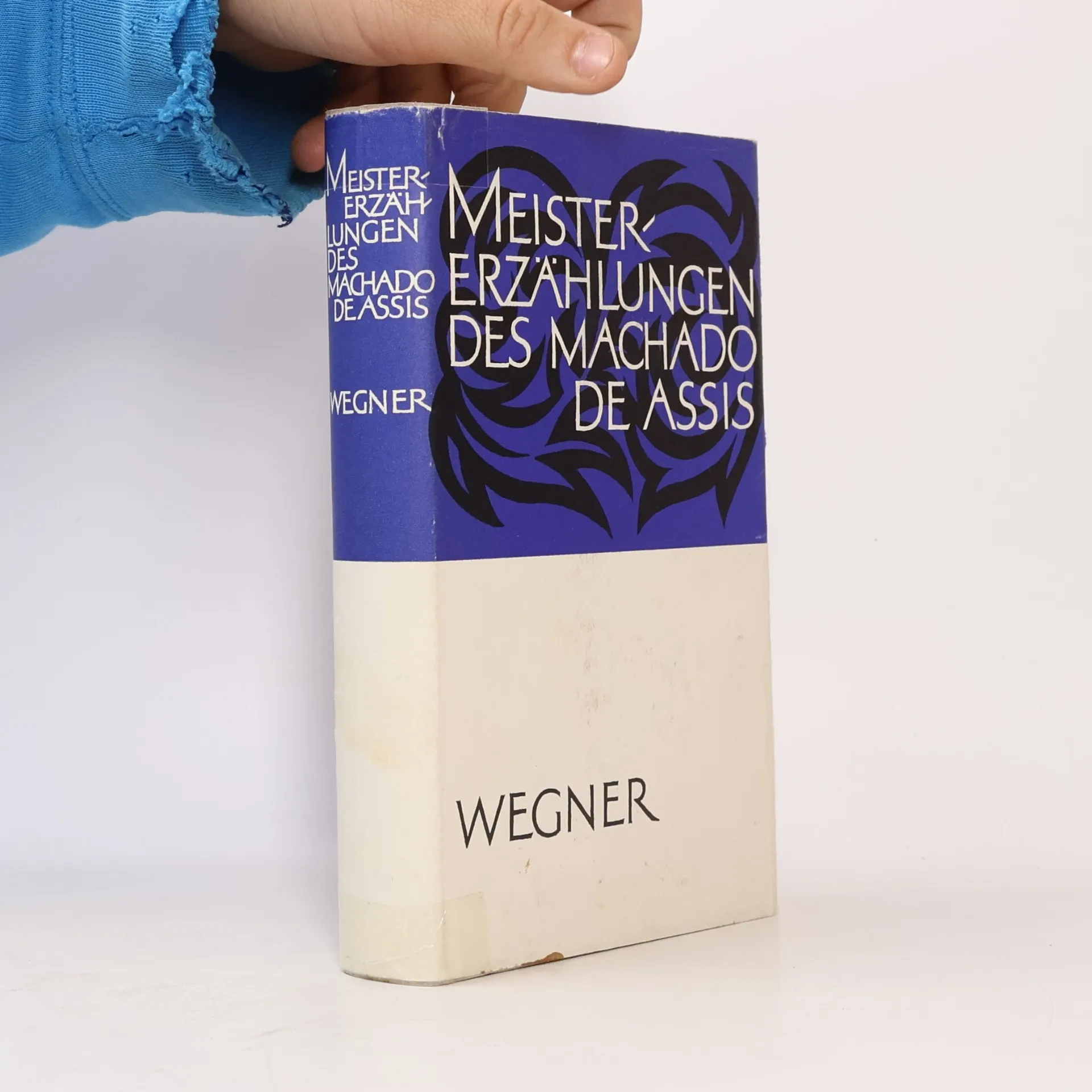
«Der großartigste lateinamerikanische Autor aller Zeiten.» Susan Sontag Was wäre geschehen, hätte nicht Jesus die Bergpredigt gehalten, sondern der Teufel? Was, wenn Männer und Frauen ihre Seelen und Rollen tauschten? Joaquim Maria Machado de Assis, berühmtester Klassiker Brasiliens und Vorbote des Magischen Realismus, stellt in seinen Erzählungen ironisch alle Konventionen auf den Kopf. Lustvoll spielt er mit den Erwartungen seiner Leser und lotet Grenzen aus: von Gut und Böse, Vernunft und Wahnsinn, bürgerlichem Schein und Sein. Dieser Auswahlband versammelt Machado de Assis' beste Geschichten – allesamt Neu- und deutsche Erstübersetzungen – zu einem Panorama kompromissloser Originalität.
An alternative cover edition for this ISBN can be found here.Publicados pelo autor em 1896, os 16 contos desta coletânea representam o apogeu da narrativa curta em Machado de Assis, destaque para 'A Cartomante', 'Um Homem Célebre' e 'O Enfermeiro'.
Une montre en or apparaît sur une table de nuit; les bras d'une femme troublent un adolescent; une cartomancienne révèle un avenir radieux; un miroir ne reflète plus un jeune homme et permet la naissance d'une nouvelle théorie sur l'âme humaine; une jeune femme sage se donne à un passant; un compositeur est saisi par la polka; une dame refuse obstinément de vieillir; un jeune homme écoute une femme, un soir de Noel, et ne comprend plus rien...... L'auteur met en scène ces situations pour l'intense plaisir du lecteur qui y retrouve la joie, le bonheur et l'incertitude qui ravit l'intelligence.
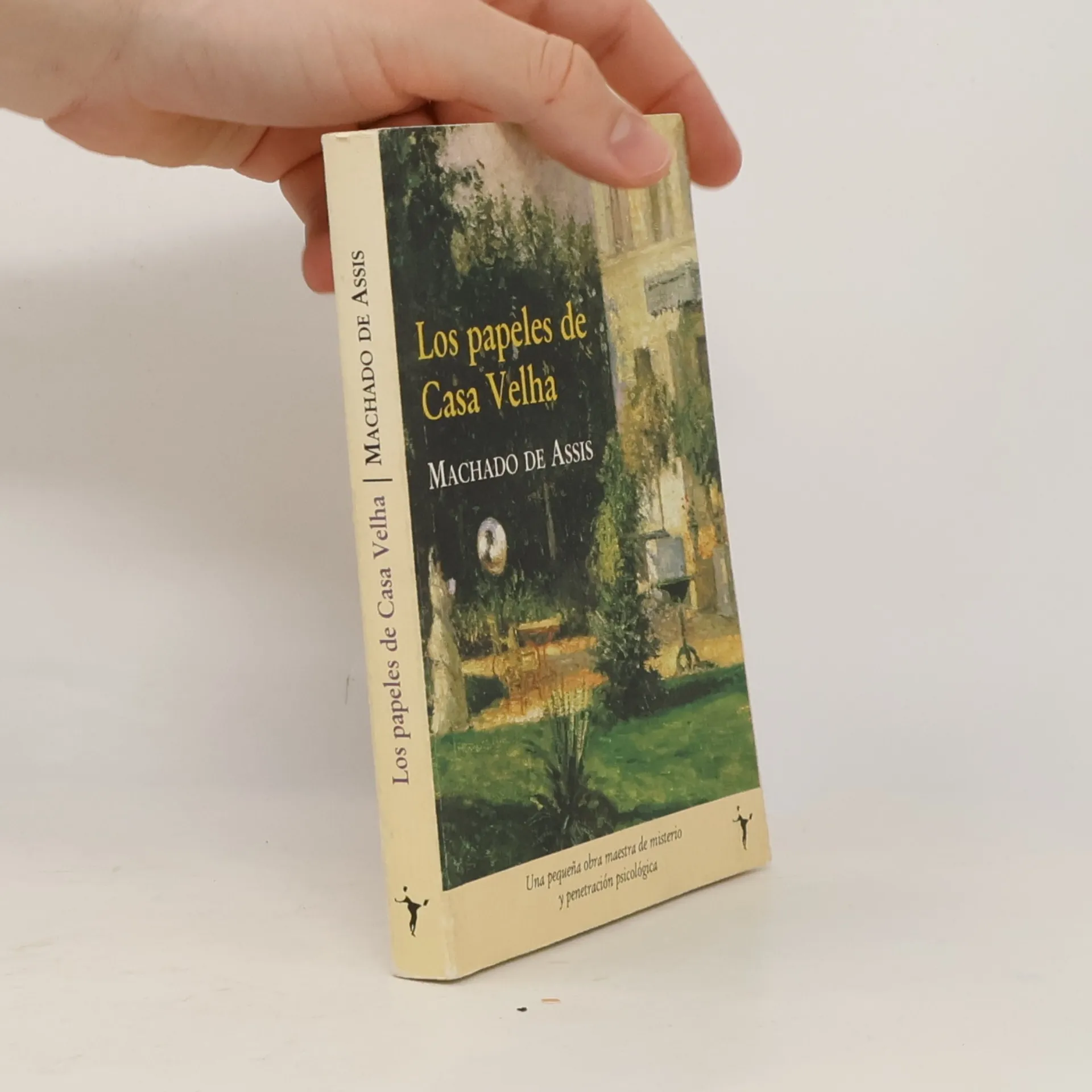
Los papeles de Casa Velha , del gran escritor brasileño Machado de Assis, publicada por entregas en 1885 y póstumamente en libro (1944), es una pequeña obra maestra de misterio y penetración psicológica. Traducida por primera vez al español por Juan Sebastián Cárdenas, inaugura nuestra Biblioteca Machado de Assis. Un cura metido a historiador se introduce en Casa Velha, mansión de un difunto ex ministro. Sin embargo, muy pronto su investigación abandonará los legajos para centrarse en el amor prohibido entre el heredero de la familia y la angélica hija de los empleados. La anécdota no es tan importante como «el método» del autor: penetrar en la conciencia de los personajes y sondear su funcionamiento. «Muchas de las cosas que yo admiraba en Kafka o Dostoievski ya estaban en Machado de Assis», nos dice el profesor Basilio Losada, especialista en literatura portuguesa y traductor de José Saramago.
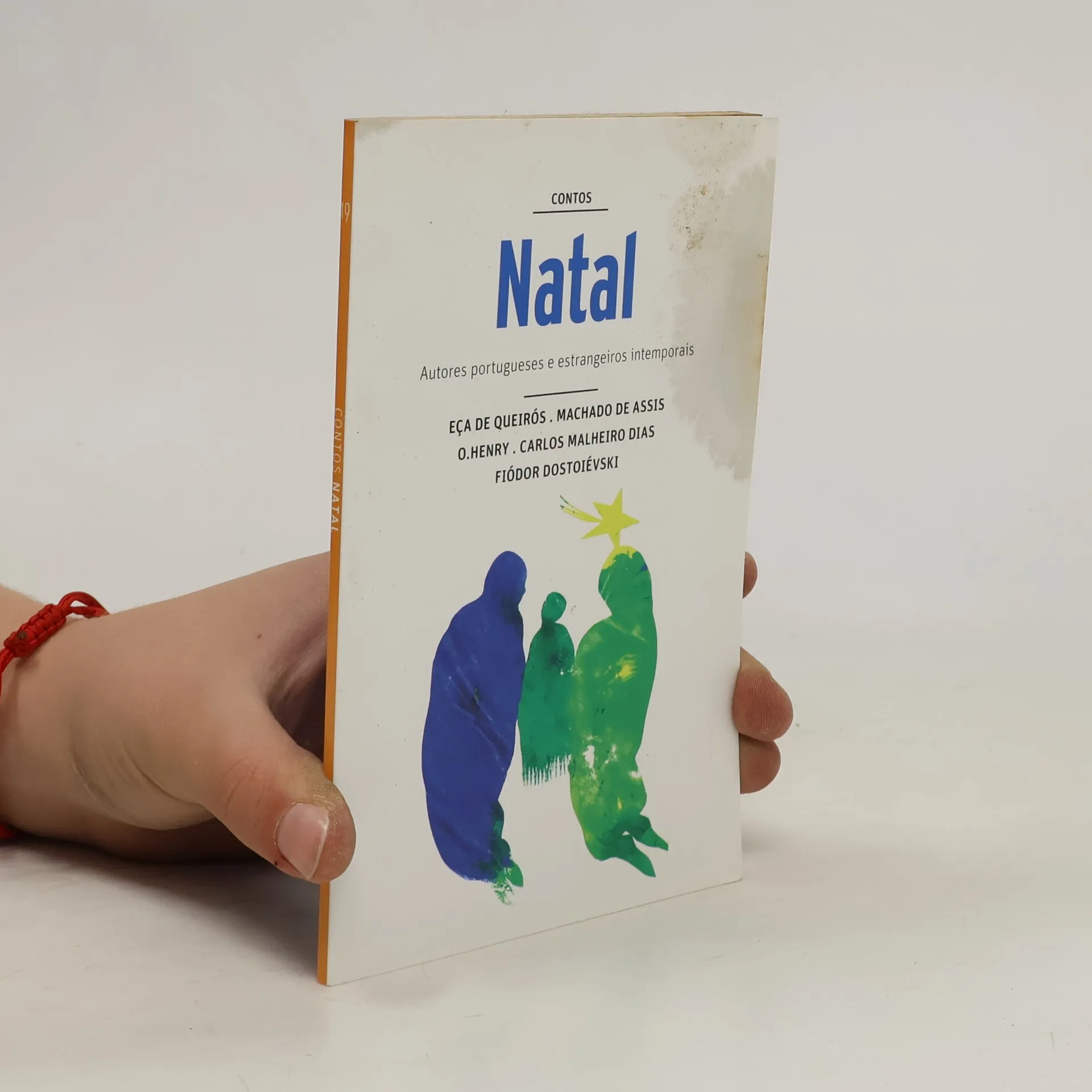
Autores portugueses e estrangeiros intemporais
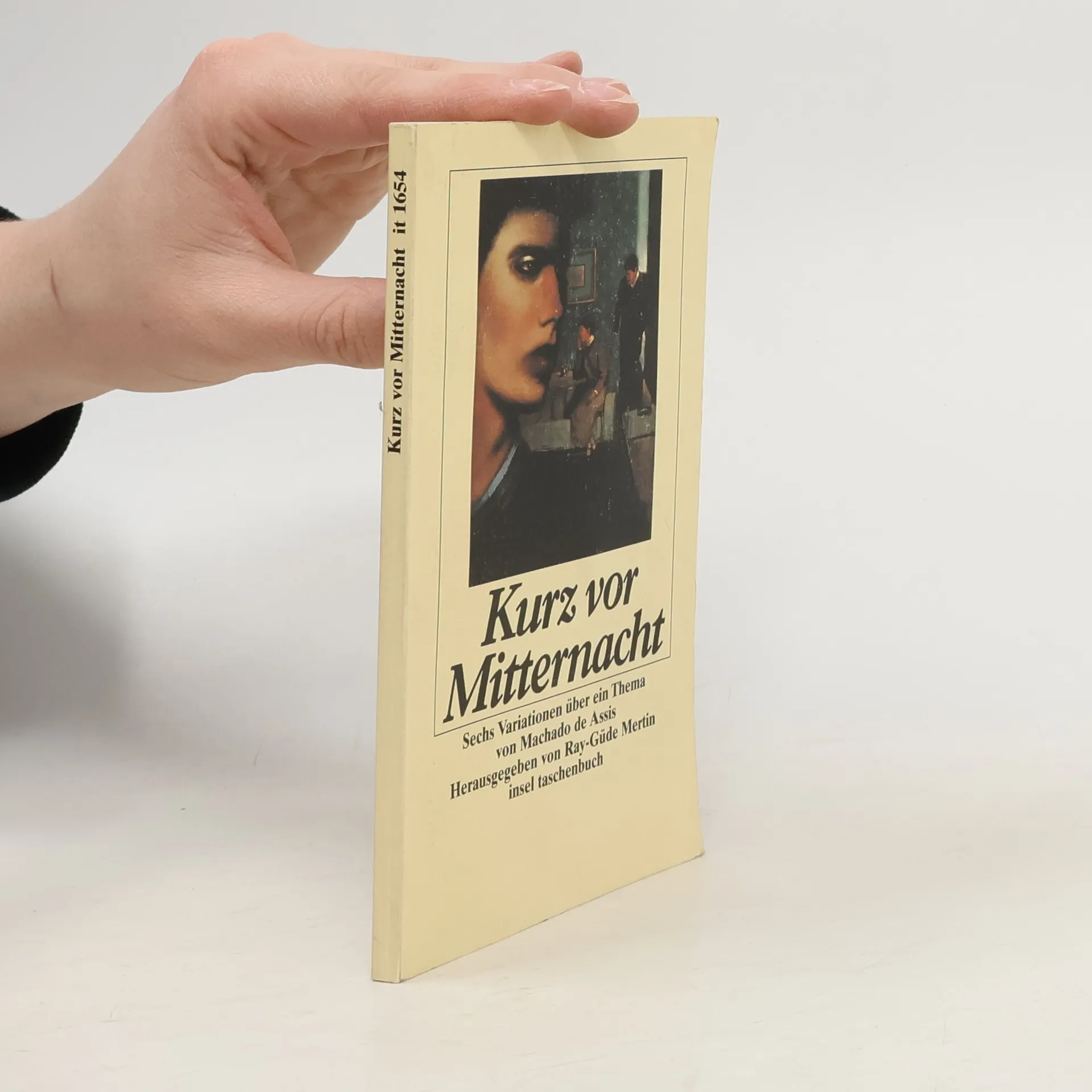
Sechs Variationen über ein Thema von Machado de Assis
Kurz vor Mitternacht - Sechs Variationen über ein Thema von Machado de Assis - bk681; Insel Verlag; Hrg. Ray Güde Mertin; pocket_book; 1994
Prvá knižná zbierka brazílskeho majstra poviedok Machada de Assis. V siedmich krátkych prózach sa autor venuje rozličným podobám manželstva a okolnostiam i pohnútkam, ktoré hrdinov vedú k jeho uzatvoreniu. A zďaleka za tým nehľadajte iba lásku. Získa niekdajší zhýralec Luís Soares srdce svojej sesternice? Nájde krásna Eugênia šťastie u tajomného neznámeho? Dokáže sa sveták Gomes skutočne zmeniť? Prostredníctvom odpovedí na tieto otázky spoznáte, ako žila vyššia spoločnosť Ria de Janeiro a ako kriticky na ňu hľadel Machado de Assis.
Dvojjazyčná zbierka zahŕňa najznámejšiu novelu Psychiater a sedem poviedok brazílskeho majstra kratších prozaických útvarov Machada de Assis. Od humorných a satirických, cez psychologické, až po mrazivé. Autor vodí čitateľa ulicami Ria de Janeiro devätnásteho storočia a prostredníctvom svojho brilantného pozorovacieho talentu mu odhaľuje rozličné vlastnosti a pohnútky jeho obyvateľov, či už ide o neveru, pokrytectvo, politické alebo vedecké ambície. A dokazuje nám, že ľudská podstata sa od jeho čias až tak veľmi nezmenila. Dvojjazyčná publikácia vám okrem hlbokého literárneho zážitku pomôže rozšíriť si slovnú zásobu a začítať sa do diela aj v portugalčine.
Román brazilského klasika o jinošství, studiích, lásce a manželství dvou přátel s obrazem společnosti brazilského císařství a republiky ve druhé polovině 19. století, vyprávěný s lehkým humorem, vyúsťuje v překvapující drama nevěry a žárlivosti.