Czech Fairy-tales
- 116 pages
- 5 hours of reading



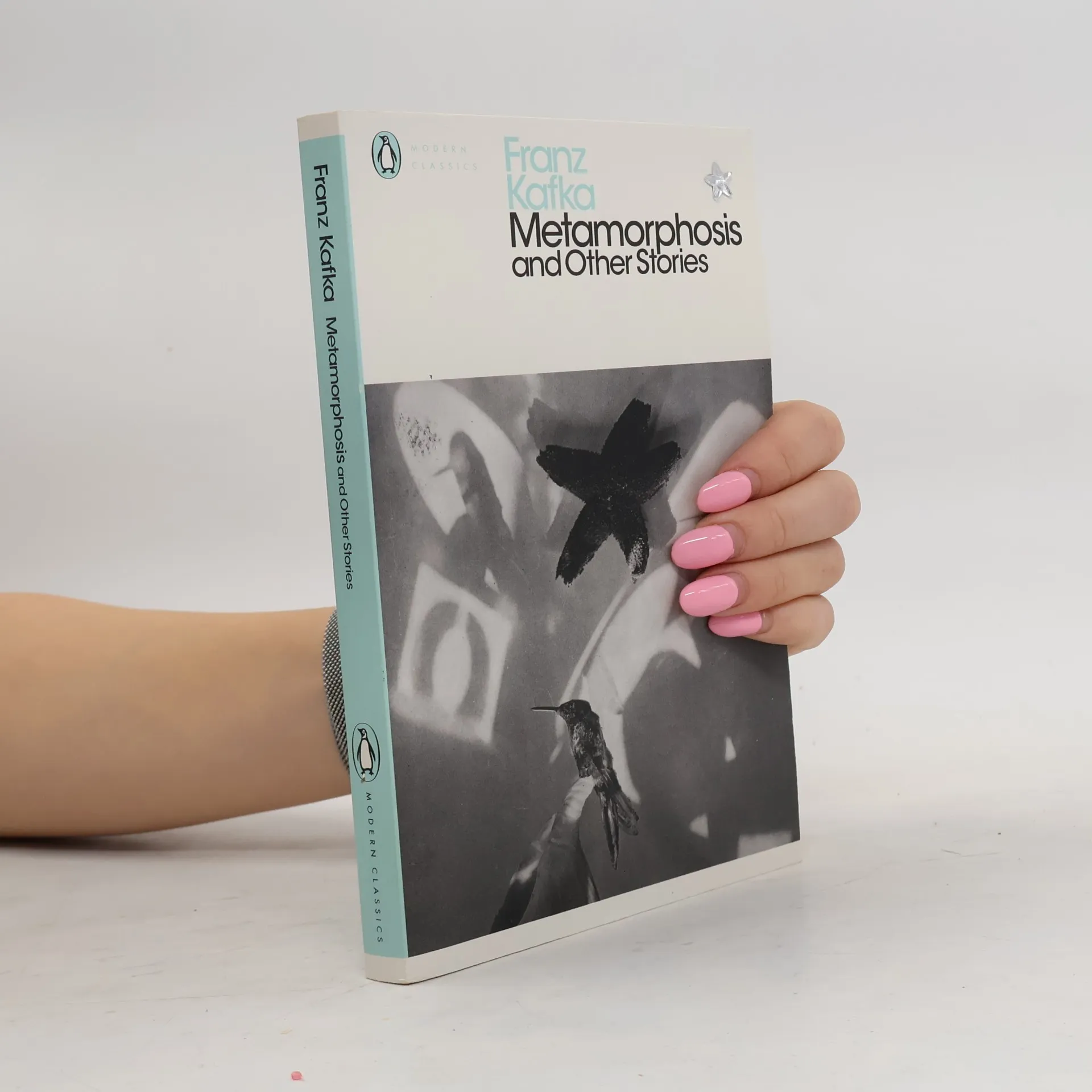
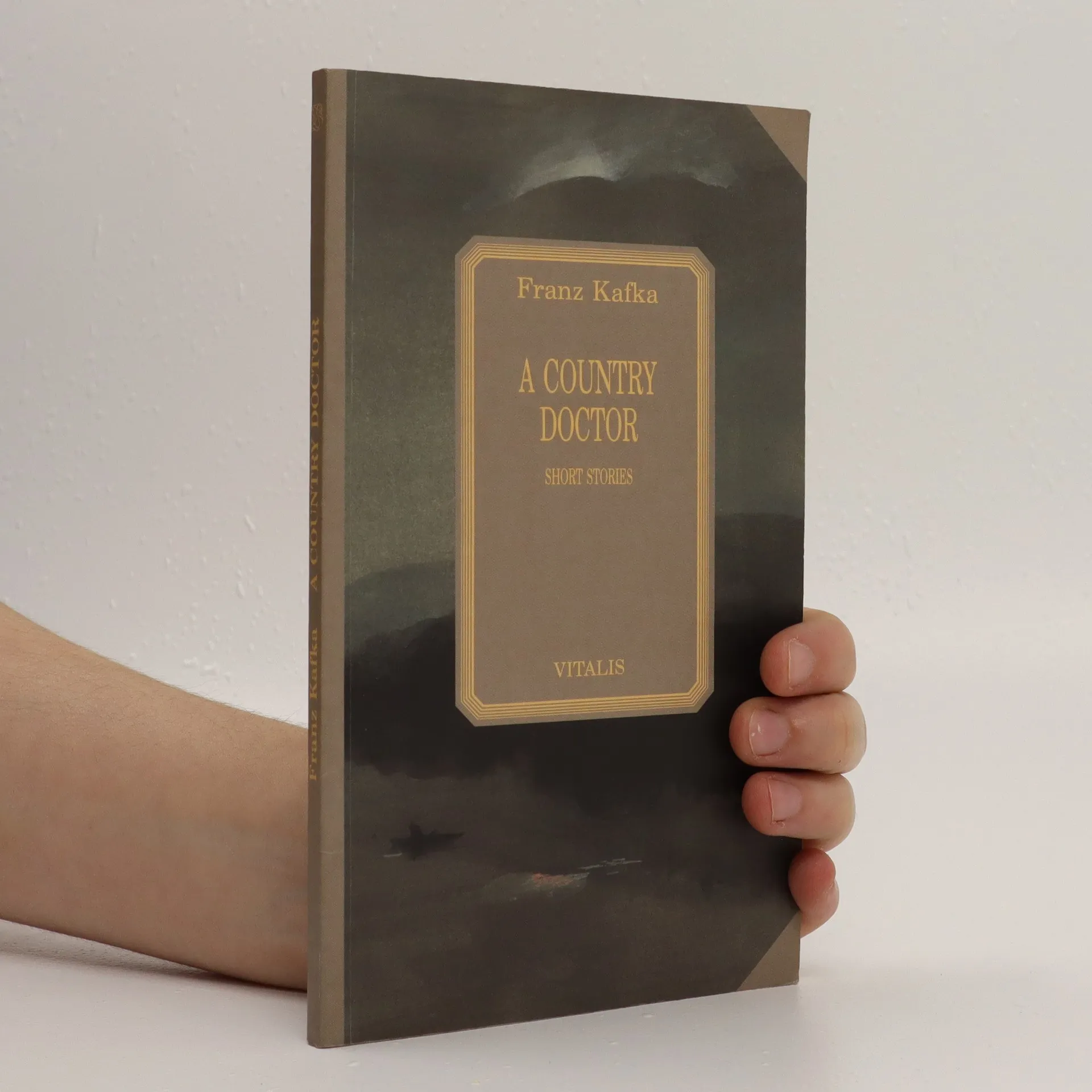
This collection of new translations brings together the small proportion of Kafka's works that he himself thought worthy of publication. It includes Metamorphosis, his most famous work, an exploration of horrific transformation and alienation; Meditation, a collection of his earlier studies; The Judgement, written in a single night of frenzied creativity; The Stoker, the first chapter of a novel set in America and a fascinating occasional piece, and The Aeroplanes at Brescia, Kafka's eyewitness account of an air display in 1909. Together, these stories reveal the breadth of Kafka's literary vision and the extraordinary imaginative depth of his thought.
Two short stories address Prague's relationship to Western Europe, particularly Germany, and the distemper of Europe at the turn of the century
Set at the foot of the Giant mountains- is a grandmother, who embodies the ideal of motherliness with her plain wisdom, goodness and love. The father of the Prosek family living in the country idyll is compelled to spend a large part of the year in the imperial town of Vienna due to his work. Thus, the grandmother is brought home to tend to the children and the property. With this background, the author evolves the most significant work of pros in Czech literature and creates "one of the most beautiful female figures in world literature.
Jan Nerudas erstmals 1878 veröffentlichte Erzählungen führen den Leser ins verträumte Prag des 19. Jahrhunderts. Zwischen den verwinkelten Gassen, stolzen Adelspalästen und prächtigen Kirchen der Kleinseite lebten und strebten jene originellen Gestalten, denen Neruda in den Kleinseitner Geschichten Unsterblichkeit verlieh, etwa die besorgte Frau Lakmus, der alternde Junggeselle Doktor Loukot, die reizende Otylka oder die unversöhnlichen Kontrahenten Ryšánek und Schlegl. Nerudas großer Klassiker hat bis heute nichts von seinem Reiz verloren und gehört zu den unverzichtbaren Werken der tschechischen Literatur. Prädikat: lesenswert.
contains 19 fairytales translated from German
„Alles, was über dieses Buch gesagt werden kann, ist nur tastendes Nebenher. Man muß es selbst nachlesen, Zeile für Zeile, wie hier aus einem oft lieblichen Zusammensein von Ironie und Pietät die drohende Strenge des letztes Gerichts auftaucht. Mit diesem Buch nun wächst er vollends in die Nähe großer, zeitlos-prophetischer Kunst, eines Dante, eines Hölderlin. Was einer stammelnden Generation versagt blieb, woran sie sich ekstatisch verblutete: in diesen Fragmenten tritt es als künstlerische Vollendung in unsere Tage.“ Hans Sahl, in: Das Tagebuch (Januar 1927) „… so entsteht dieselbe Atmosphäre des Grauens und der Qual, die im Prozeß (grauenhafter, spukhafter) zu spüren war. Fragt man mich aber, welches der beiden Werke , schöner‘ ist, so muß ich bekennen: das Schloß. Denn in diesem Werk ist der große Erzähler Franz Kafka der Märchendichter, den seine kleineren früheren Werke ahnen ließen. Es gibt zauberhafte Seiten in diesem Märchen-Roman, seltsam humoristische Seiten, die ein Grauen und ein Lachen zugleich im Leser erwecken.“ Ludwig Winder, in: Bohemia (Januar 1927)
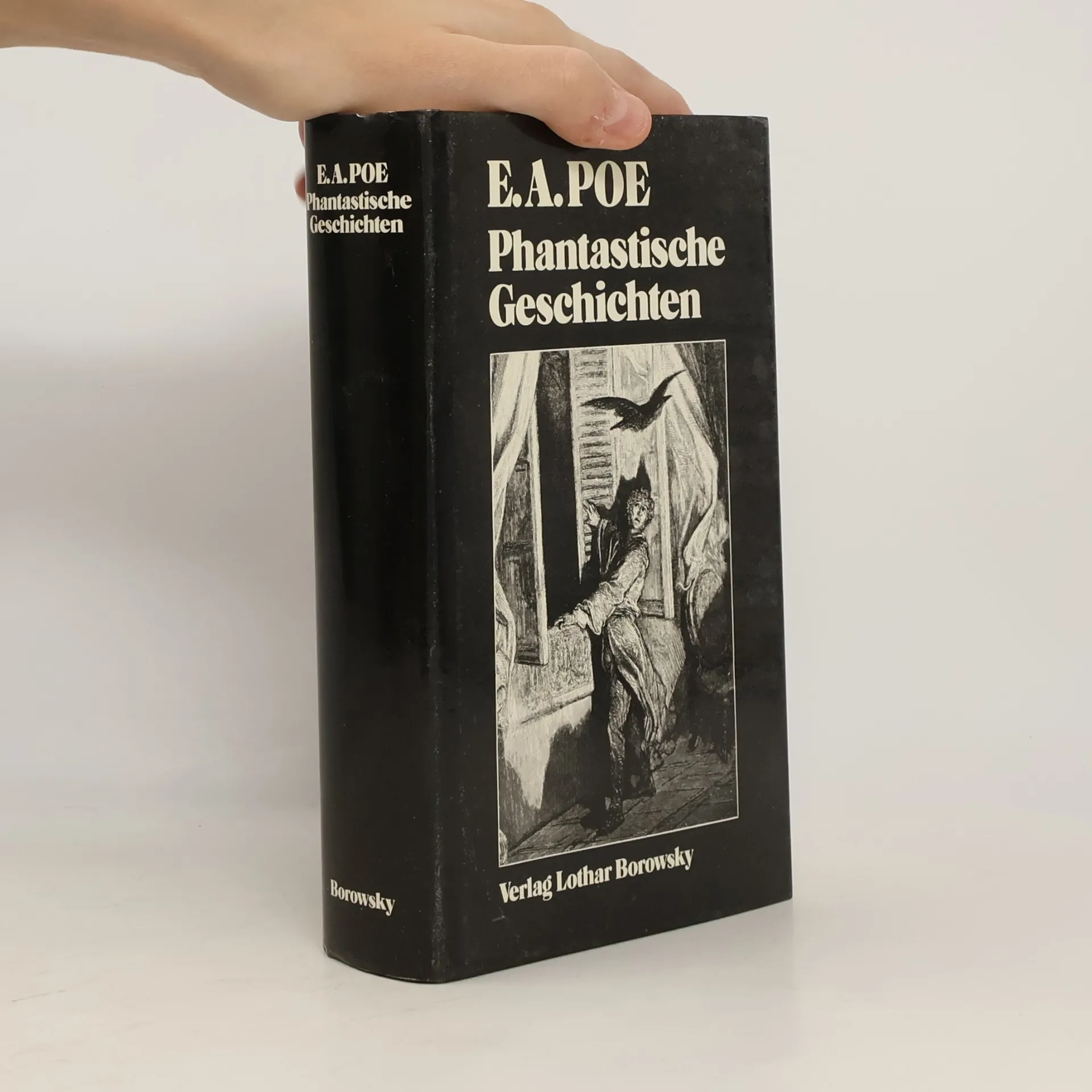
Erzählungen: - Metzengerstein - Eine Geschichte aus Jerusalem - Stelldichein - Berenice - Morella - König Pest - Eine nicht unallegorische Geschichte - Ligeia - Das System des Doktor Teer und Professor Feder - Eleonora - Das ovale Portrait - Die Maske des roten Todes - Die Augengläser - Du bist der Mann - Die Sphinx - Hopp-Frosch - Von Kempelens Erfindung Phantastische Fahrten: - Das Manuskript in der Flasche - Die unvergleichlichen Abenteuer eines gewissen Hans Pfaall - Ein Sturz in den Malstrom - Die längliche Kiste - Der Elch - Die Domäne von Arnheim - Landors Landhaus Der Geist des Bösen: - Der Untergang des Hauses Usher - William Wilson - Der Mann in der Menge - Die Grube und das Pendel - Das verräterische Herz - Der schwarze Kater - Eine Erzählung aus den rauhen Bergen - Das vorzeitige Begräbnis - Mesmerische Offenbarung - Der Kobold der Perversion - Die Tatsachen im Fall Valdemar - Das Faß Amontillado Detektivgeschichten: - Die Morde in der Rue Morgue - Das Geheimnis um Marie Rogets Tod - Der Goldkäfer - Der entwendete Brief Gedichte und Prosa: - Schatten - Eine Parabel - Schweigen - Eine Fabel Gedichte: - Tamerlane - Der Rabe - Ulalume - Annabel Lee
On his thirtieth birthday, the bank clerk Josef K. is suddenly arrested by mysterious agents for an unspecified crime. He is told that he will be set free, but must make regular appearances at a court in the attic of a tenement building while his trial proceeds. Although he never comes to know the particulars of his case, Josef K. finds his life taken over by the opaque bureaucratic procedures and is tormented by the psychological pressures exerted by his legal nightmare. Published the year after the author's death, but written ten years earlier, The Trial is the most acclaimed of Kafka's three novels, and is both a haunting meditation on freedom and the powerlessness of the individual in the face of state power, and an ominous prefiguration of the totalitarian excesses of the twentieth century.
At the Prague Castle, in house No. 22, in the Golden Lane, Franz Kafka (1883-1924) wrote these short stories, which were published in his lifetime under this title.
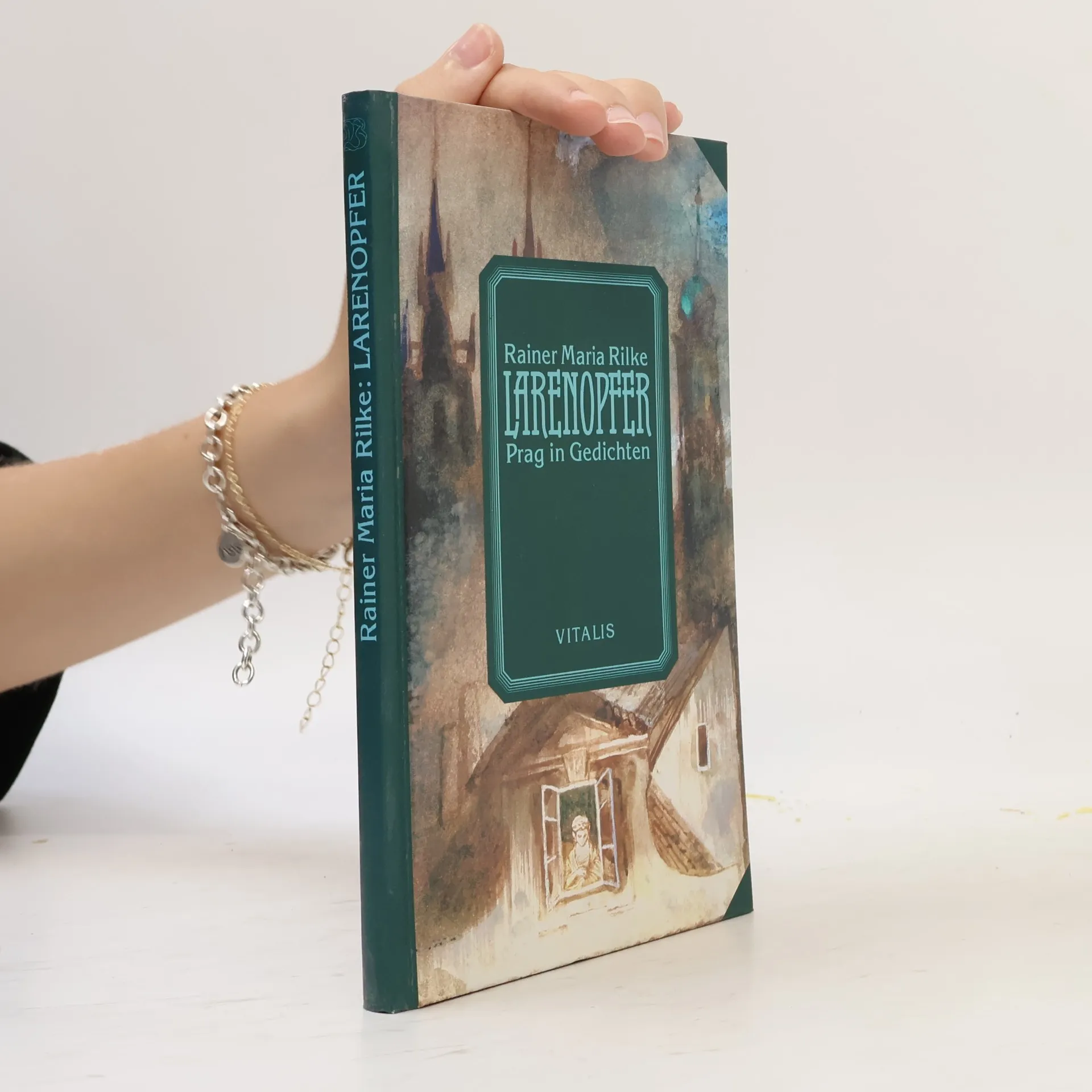
Der Gedichtband Larenopfer (1895) des erst zwanzigjährigen Rainer Maria Rilke (1875–1926) ist ganz seiner Heimatstadt Prag gewidmet. Wie ein poetischer Fremdenführer geleitet er den Leser durch die „Goldene Stadt“, blickt vom Hradschin hinab auf ihre Türme, Kuppeln und Paläste, erinnert an ihre Geschichte und gedenkt ihrer Bewohner. Während im ausgehenden 19. Jahrhundert die nationalen Spannungen im Land beständig zunehmen, bilden das tschechische, das deutsche und das jüdische Volk im Larenopfer noch eine selbstverständliche Einheit – so lebt in Rilkes Gedichten eine Stadt fort, wie es sie heute nicht mehr gibt.
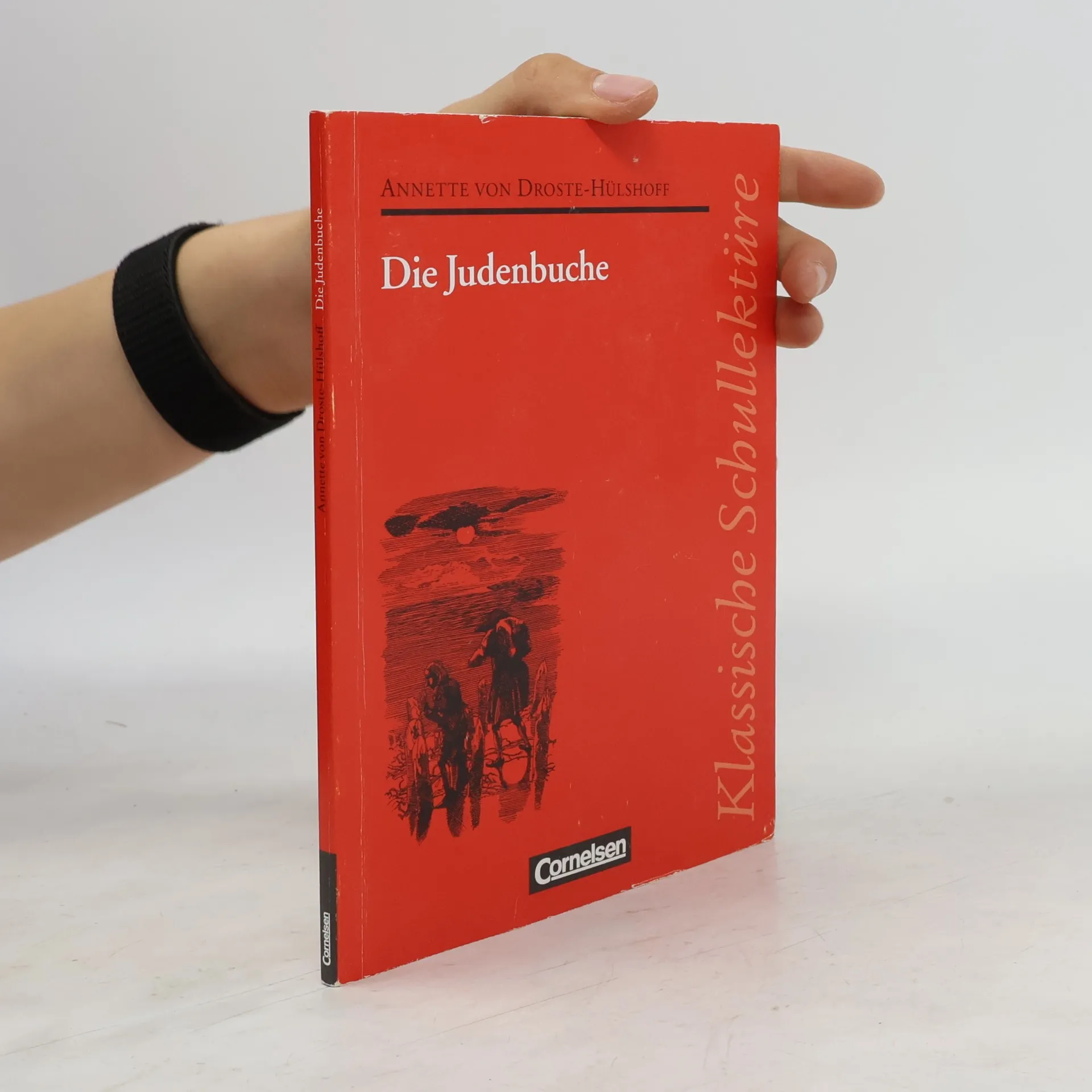
Der 1842 erschienenen Novelle Die Judenbuche von Annette von Droste-Hülshoff liegt eine wahre Begebenheit zugrunde. Es ist die Geschichte des aus verarmten Verhältnissen stammenden Friedrich Mergel, dessen Mord an dem Juden Aaron erst Jahrzehnte nach der Tat aufgedeckt werden kann. Das große Interesse an Annette von Droste-Hülshoffs bekanntester Erzählung hat nicht nur mit dem Stoff zu tun: ein historisch verbürgter Kriminalfall, das westfälische Dorfmilieu und das Zeitkolorit (der Untertitel lautet: "Ein Sittengemälde aus dem gebirgigten Westfalen"); es ist vor allem die Darstellungsweise, die durch scheinbare oder tatsächliche Dunkelheit oder Mehrdeutigkeit eine Vielzahl von Deutungen und Deutungsebenen möglich macht. Diese Kunst der Darstellung macht Droste-Hülshoffs Judenbuche zu einem herausragenden Beispiel der Novellistik des 19. Jahrhunderts.
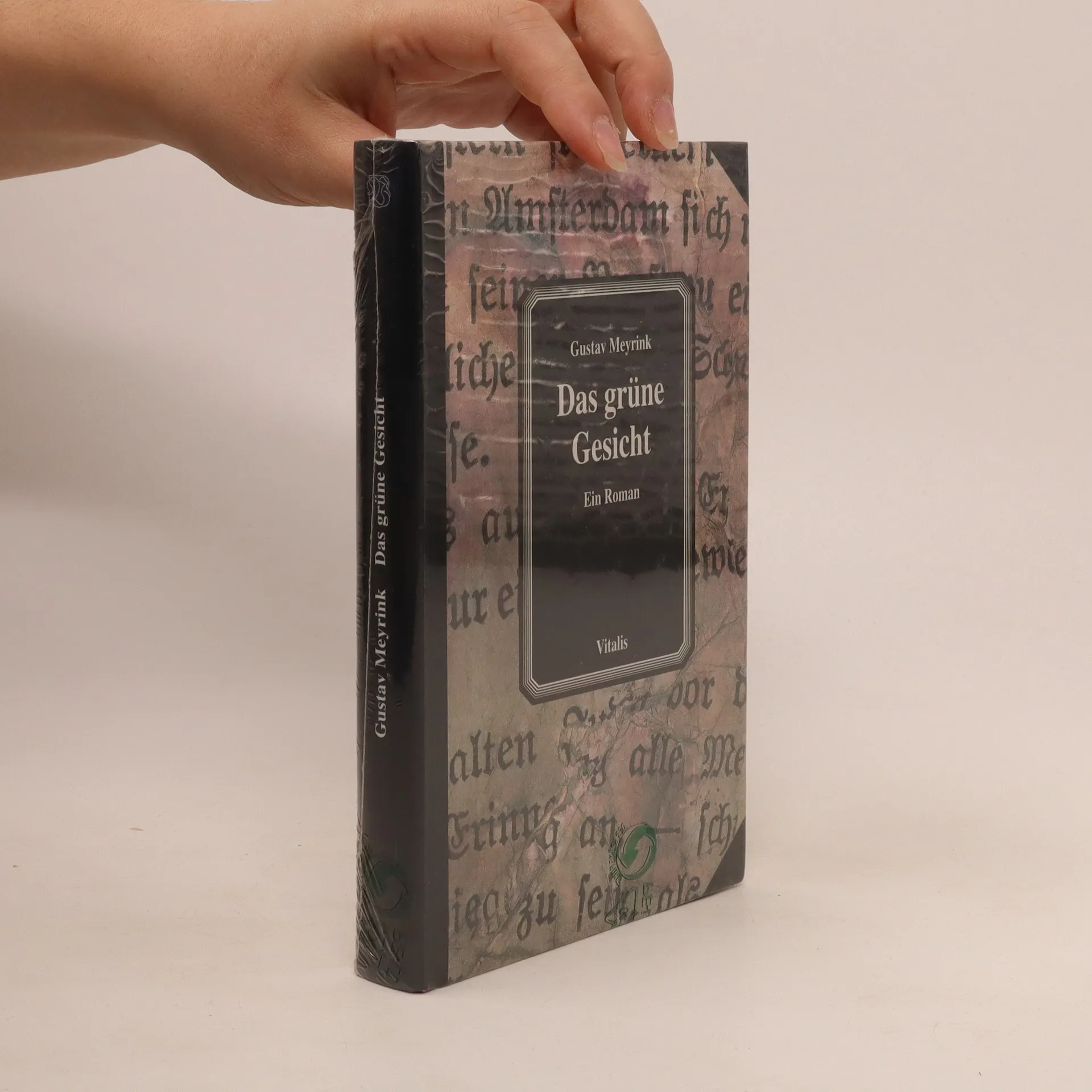
Das dunkle und verwinkelte alte Amsterdam dient Gustav Meyrink (1868–1932) als Kulisse für die mystischen und unheimlichen Bilder dieses Romans. Einer Gruppe von Freunden erscheint immer wieder ein „Grünes Gesicht“, das beklemmende Visionen eines hinter den alten Häusern lauernden Ereignisses weckt. Als irgendwann eine rätselhafte Tagebuchrolle auftaucht, nimmt das Phantom Gestalt an. „Er ist kein Gespenst, und wenn er auch einmal zu dir kommen wird wie ein Gespenst, so fürchte dich nicht, er ist der einzige Mensch auf Erden, der kein Gespenst ist. Auf der Stirne trägt er eine schwarze Binde, darunter ist das Zeichen des Ewigen Lebens verborgen.“
Der Glöckner von Notre-Dame trug seinem Schöpfer Victor Hugo (1802–1885) den Ruf ein, der „Shakespeare“ des Romans zu sein. Das Werk besteht als bedeutendster Roman der französischen Hochromantik – es hat bis heute nichts von seinem Glanz eingebüßt. Hugo führt den Leser in das Paris des 14. Jahrhunderts, in die Stadt der Diebe, Krüppel und Mörder, der Gestrauchelten und der Frommen. Vor dem Hintergrund der mittelalterlichen Stadt ersteht dem faszinierten Leser die Silhouette der stolzen Kathedrale Notre-Dame de Paris, mit der untrennbar die Gestalt des tragischen Quasimodo verbunden bleibt.
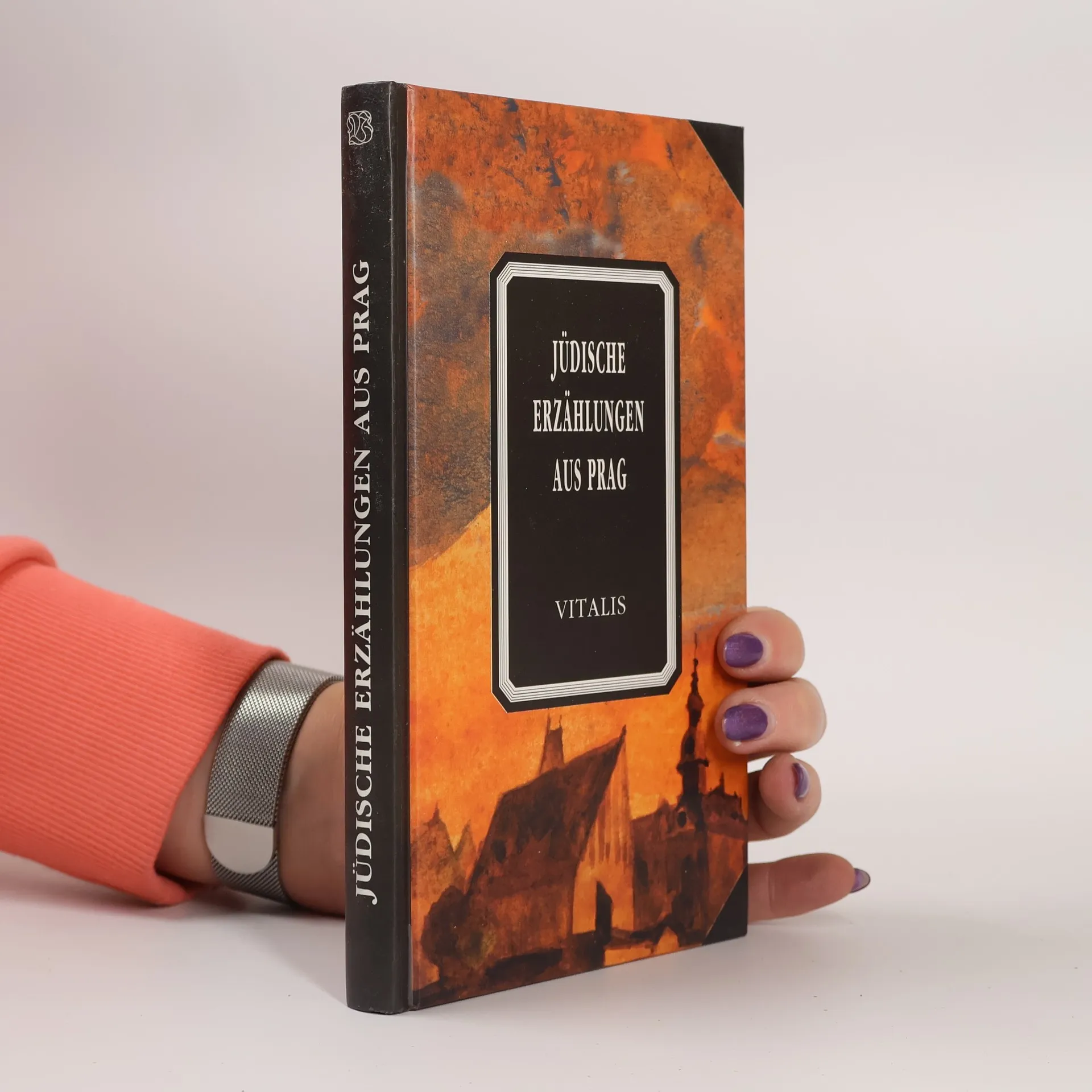
Ein Wassermann in der Moldau und sprechende Tiere, fliegende Dämonen, Diebesgesindel und barmherzige Menschen, dazwischen immer wieder die alttestamentarischen Könige Salomo und David –aus diesem bunten Garn ist der Stoff jüdischer Märchen und Legenden gewoben. Voll hintergründiger Lebensweisheit und getragen vom tiefen Glauben an eine höhere Gerechtigkeit, eröffnen sie jung und alt mannigfaltige Einblicke in die jüdische Kultur und Weltsicht. So höre denn, wer Ohren hat: „Es gab einst einen König im Perserlande.“
Kniha obsahuje odborné rady, jídelníčky pro děti různého stáří a mnoho předpisů na pokrmy pro děti.
Tento výbor z díla Rudolfa Kalčíka je prvním souborným vydáním autorových povídek z různých sbírek, které mu získaly velikou popularitu. Obsahuje povídky s historickými vojenskými náměty, doplněné povídkou O zapomenutém sirkaři, knižně dosud nepublikovanou
One of the great masterpieces of Russian literature, the Red Cavalry cycle retains today the shocking freshness that made Babel's reputation when the stories were first published in the 1920s. Using his own experiences as a journalist and propagandist with the Red Army during the war against Poland, Babel brings to life an astonishing cast of characters from the exuberant, violent era of early Soviet history: commissars and colonels, Cossacks and peasants, and among them the bespectacled, Jewish writer/intellectual, observing it all and trying to establish his role in the new Russia.Drawn from the acclaimed, award-winning Complete Works of Isaac Babel, this volume includes all of the Red Cavalry cycle; Babel's 1920 diary, from which the material for the fiction was drawn; and his preliminary sketches for the stories—the whole constituting a fascinating picture of a great writer turning life into art.
Proslulý geolog a sibiřský průzkumník profesor Lichačov se stal ve stockholmské emigraci za I. světové války předmětem zájmu a intrik západoevropských kapitalistických podnikatelů, kteří jej chtěli získat pro své plány. Jejich záměrem bylo vykořistit nerostné bohatství Sibiře. Dobrodružný rámec příběhu ukazuje dramatický úsek ze života Sibiře a představuje rázovité postavy lovců, vyhnanců, mladých revolucionářů, starověrců, pravoslavných popů, dělníků, sedláků i carských úředníků. Kniha obsahuje kompletní čtyři části (které před tím vycházely samostatně): Útěk, Káťa, Polja, Akimov.
«Les tons bleus s'étaient effacés, la montagne avait flambé d'un coup, et maintenant des flammèches d'air chaud vibraient à hauteur d'homme sur le reg caillouteux. Dans quelques instants, de la terre surchauffée allait monter, monter la brume de sable. » Chargé de capturer un Touareg meurtrier, le lieutenant Beaufort, rude Savoyard et novice du désert, prend le commandement de l'expédition du professeur Lignac. Sur la route secrète de l'or et des esclaves, marquée du sceau de Salomon, tensions et conflits se multiplient, alors qu'un bras vengeur cherche à décimer le convoi. Au bout du monde, dans la nuit bleue d'un Sahara purulent de vipères et de frelons géants, une aventure terrible et exaltante soudera pour toujours ces hommes en quête de paix intérieure. --Ce texte fait référence à une édition épuisée ou non disponible de ce titre. --- Un roman sur les bivouacs du Sahara et sur la fascination du désert.
Cyklus, uvedený básní Zastřená tvář ze sbírky Domov (1938) byl napsán a vydán v r. 1936 k stému výročí Máchovy smrti. Hora v něm dává zaznít těm otázkám, které vzrušují jeho vlastní mysl. Nalézá přitom styčné body mezi svým a Máchovým básnickým charakterem. Proti hrůze z časua prchavosti života staví lidské dílo, tvůrčí čin.
Patnáctiletý Billy Casper je kluk, jakých se ještě dnes po ulicích severoanglických průmyslových měst potulují tisíce: neúplná rodina mu už dávno přestala být skutečným domovem, do individualisticky soutěživého školního prostředí se nedokáže zařadit a ví jen, že o kariéru ve společnosti, která jej beztak už vystrčila ze svého středu, nemá zájem. Od svých vrstevníků a vyhlídek na bezútěšnou budoucnost se vzdálí až ve chvíli, kdy v mláděti poštolky, které získá, nalezne věrného druha a tvora stejně nepoddajného a toužícího po svobodě a volnosti…
V románu o cti, nepočestnosti a lásce se Václav Erben vrací do doby krále Jiříka z Poděbrad, tedy do druhé poloviny patnáctého století, kdy se obyvatelstvo české země stále ještě vzpamatovávalo z politického, hospodářského a morálního kolapsu předchozích časů. Ačkoliv autor vytvořil toto dílo již před čtrnácti lety, zdá se nám, jakoby v historické metafoře hovořilo i k dnešku. Vypráví se zde o proměně charakteru rytíře Bartoloměje - zpočátku veskrze poctivého postaršího muže najímaného nejvyšším mincmistrem Království českého k dopravě a ochraně pregencního stříbra a mincí, zasílaných z kutnohorského Vlašského dvora do Prahy - v člověka podvodně připraveného o majetek. Potom se však sám dá rovněž na nepočestnou cestu (když se děj přesune do penězokazecké dílny v koněpruských jeskyních u Berouna) - a hle! Namísto aby byl zákonem přísně potrestán, čeká ho na samém konci jmenování: stane se - přestože nekalým způsobem zbohatlý - zástupcem nejvyššího hofmistra, čili druhým nejvýznamnějším mincovním úředníkem království. Trpce ironicky laděný příběh poutá plastičností obrazů tehdejšího života ve městě, na venkovské tvrzi, i kresbou přírody, neotřelou barvou slov, a možná že především kontrastem racionálně promýšlených finančních transakcí s hlasem srdce: stárnoucí hrdina se zpočátku lásce brání, nakonec se však dočká i opožděného otcovství...
Román vypráví o procesu zrání mladého muže v samostatného člena společnosti v duchu humanistických ideálů německé klasiky. V knize se čtenář setkává se silnými charaktery protagonistů, kteří v krizových okamžicích života jsou přísní k sobě, zocelují se odříkáním a kázní, zachraňují se tvořivou prací a službou bližnímu. Na cestě k dospělosti prochází hlavní hrdina školou života – odrůstá rodičovskému domu, musí se osvědčit v povolání, hledá životní vzory a potkává svou velkou lásku. Autor jako zanícený vyznavač klidného vývoje společnosti kreslí před očima čtenářů obraz harmonického světa a snaží se vštípit jim touhu po klidném, činorodém životě v souladu s přírodou a mravními principy. Sebevzdělávání a zapojení člověka do řádu přírody a společnosti je základním tématem autorova výchovného úsilí.
Celý román je vlastně popisem stavů člověka, který žije s vědomím, že zanedlouho zemře. Mladý inženýr zjišťuje, že trpí nevyléčitelnou nemocí. Zbývá mu několik týdnů přinejlepším měsíců života. Jak využít tento čas co nejlépe? Jak se rozloučit s milovanou ženou, s přáteli? Je vůbec v lidských silách radovat se ještě z něčeho s takovouto vyhlídkou? Je možné zůstat statečný?
Z Lopatinových zápisků
Z Lopatinových zápisků. Román ve třech novelách.
Kniha o osobách i událostech kolem Mnichova roku 1938 a dalších událostech.
Román o ruském dramatikovi A. S. Gribojedovi dokresluje to, co nevyplynulo z jeho satirické komedie Hoře z rozumu. Zachycuje hrdinův život po porážce děkabristů, jeho osudy v Persii, kde z carova pověření hájil osudy ruského státu jako vyslanec a kde v troskách vyslanectví nalezl smrt.
Jedná se o vybraný soubor básní bulharsko-makedonského autora, ktervý vychází ze skutečných zážitků. Jedná se o válečnou, revoluční poezii. Básně jsou antipolem pozůstatku symbolusmu. Jsou v nich mlhavé abstrakce, prudké kontrasty, napjatý expresivní text. Ukazuje v nich jak je svět opravdový, drsný, vnějšími formami antiestetický. Mluví z něj majestát dělnické třídy, je v něm vzrušení doby, o dějinách budoucnosti a minulosti. Mám svojí vlast Mám svojí vlast - a nad tou ve dne modravá obloha se naklání. Večerní lampiony hvědné zhasání nad ní zrána svítání. Když se však v noci vracím tiše ve stínu mlčících střech bez světel, cítím, jak u mé rodné chýše v tmě na srdce mně míří nepřítel. Ty, maminko, vždy učilas mě, abych měl každého jak tebe rád. Rád bych miloval, matko šťastně - kdybych byl svobodný a neměl hlad.
Realistický a kritický pohled na současnost. Autor si pro svůj záměr vybral prostředí exportního oddělení fiktivního podniku, pracujícího na zakázku pro socialistický i kapitalistický svět, a zalidnil je postavami nejrůznějšího typu, sociálního původu, stupně vzdělání, věku, soukromých i politických osudů. S nimi pak roztáčí kolotoč každodenních příběhů, dějů a vztahů, v němž nechybí boj o udržení nebo získání vyššího postavení za jakoukoliv cenu, neurvalý zápas s konkurenty, intriky, zneužívání moci pro osobní zájmy, nezákonné obohacování na úkor společnosti atd. Je to obraz života - syrový, bez idealizace a heroizace, mnohotvárný a složitý...
Román moskevského spisovatele a novináře má autobiografické rysy. V první části líčí život ve vysokoškolské koleji v turkmenském Ašchabádu a soužití několika studentů poznamenaných válkou. Druhá část sleduje jejich osudy až do přítomnosti.
Výbor z české poezie k 30. výročí národně osvobozeneckého boje a osvobození Československa. Préniový výtisk pro čloeny ERB klubu.
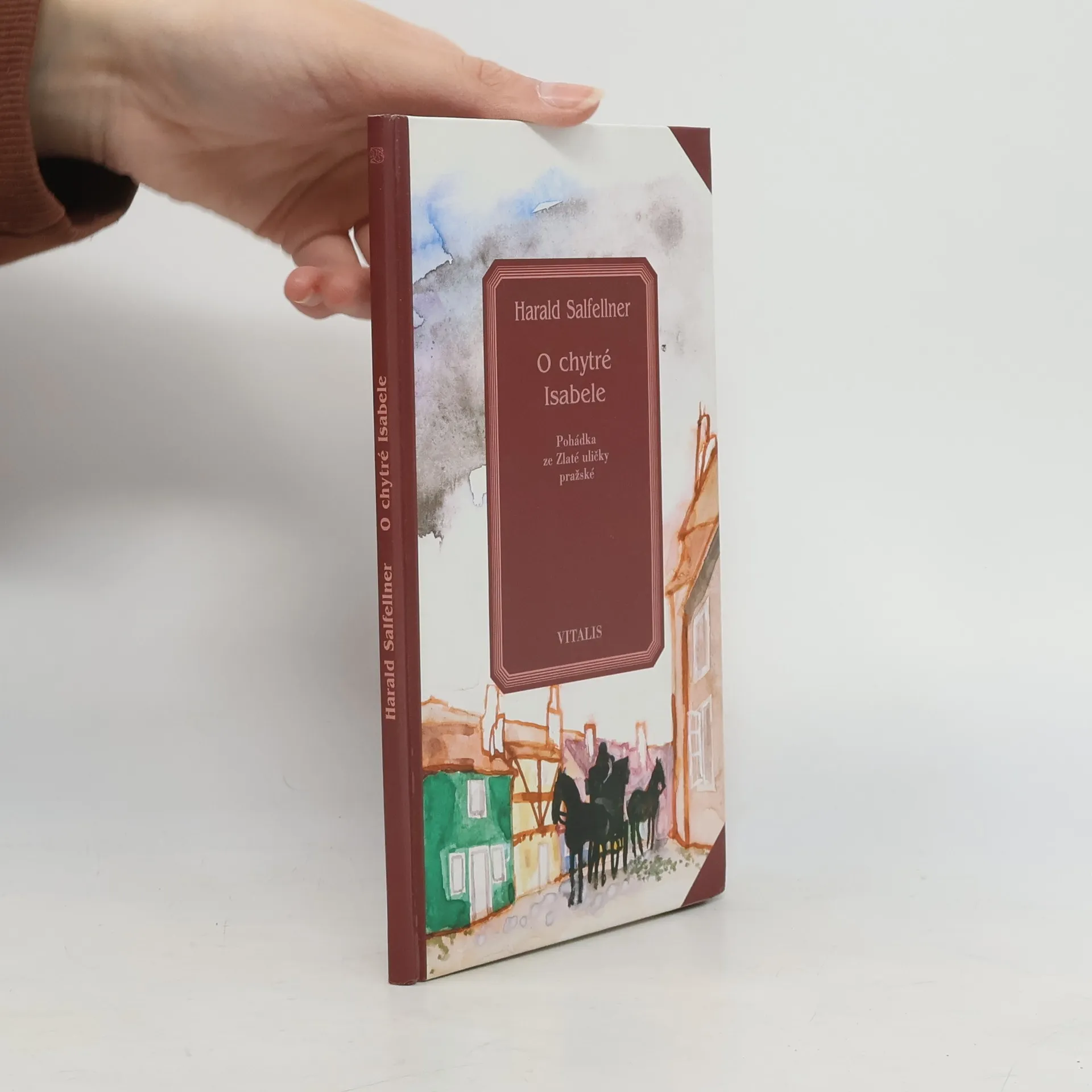
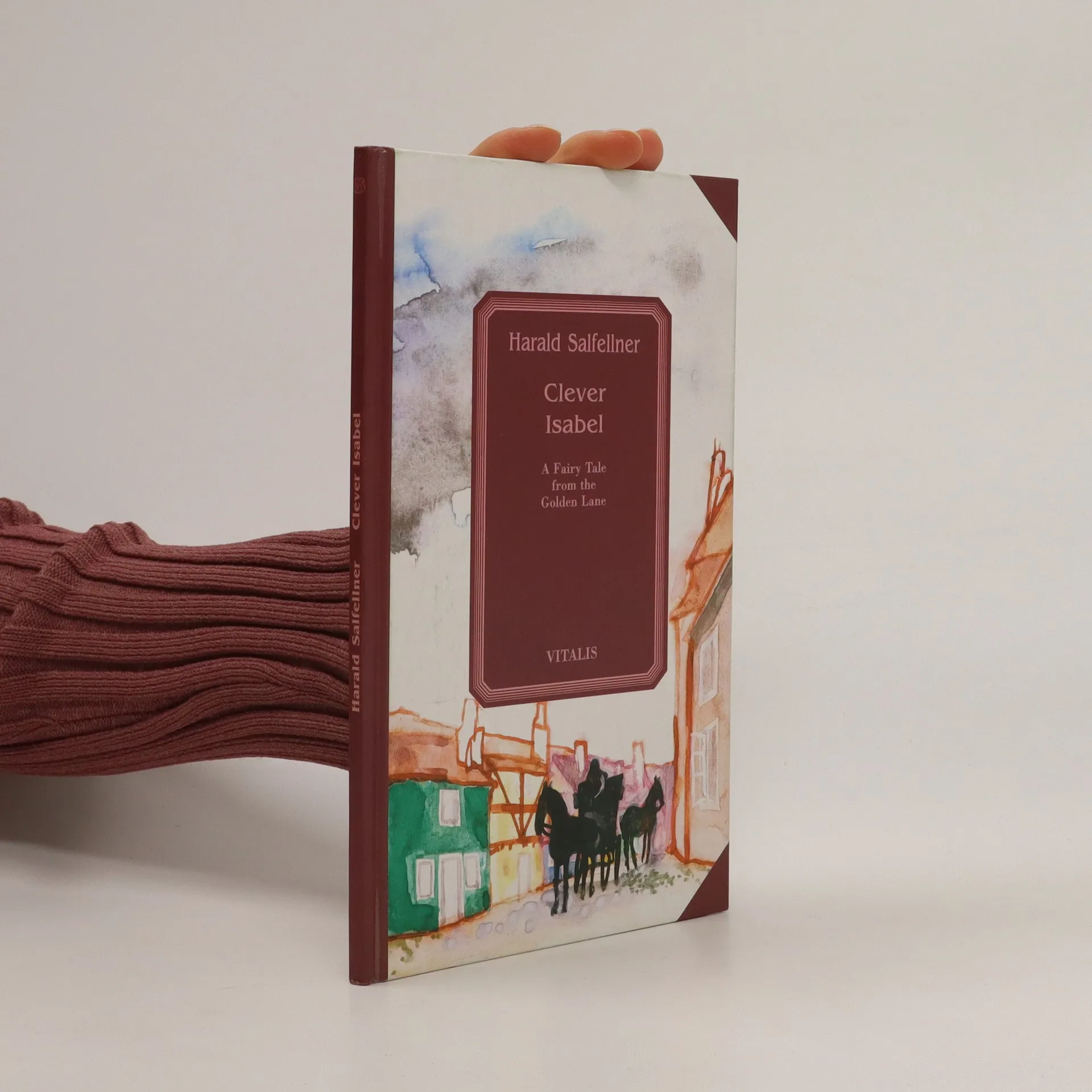
For over a thousand years, the proud Prague Castle has stood atop a hill overlooking the city. Mighty princes, kings, and emperors held court there, shaping the fate of the land of Bohemia. Yet, aside from the palace, a curious little alley has survived to this day: the Golden Lane. In its quaint, colorful houses, simple and poor people once lived. These tiny homes often contain only a single room! Centuries ago, the gatekeepers—guards at the castle gates—found shelter here. Old legends speak of so-called alchemists who tried to discover the recipe for creating gold in the narrow cellars of these houses, giving the lane various names like "Golden Lane," "Alchemist's Lane," or "Goldmaker's Lane." About fifty years ago, the last residents left the narrow Golden Lane. However, the small alley is not uninhabited: various animals have moved into the abandoned houses—kittens, sparrows, beetles, fireflies—and among them is the little monkey Fips, the protagonist of this story.
Toto ojedinělé kartografické dílo zobrazuje souvisle oblast velké Prahy a středních Čech v jednotném měřítku 1 : 20 000. Na 142 mapových stranách je zobrazeno území o rozměrech 80 x 55 km s následujícím ohraničením – od Slaného, přes Velvary, Kralupy n.Vltavou, Veltrusy, Neratovice, Kostelec nad Labem, Brandýs nad Labem-Starou Boleslav, Lysou nad Labem, Milovice, Sadskou, Poříčany, Český Brod, Kostelec nad Černými Lesy, Čerčany, Poříčí a Týnec nad Sázavou, Štěchovice, Mníšek pod Brdy, Zdice, Beroun, Lány, Nové Strašecí, Stochov, Kladno až po Zlonice. Mapa zohledňuje správní uspořádání a členění obcí, platné od počátku roku 2005. V mapě jsou dále zobrazeny nové příměstské obytné soubory se jmény ulic a nová obchodní a zábavní centra, jakož i síť městské a příměstské dopravy se všemi zastávkami. Rozsáhlý rejstřík obsahuje přes 16 000 hesel a obsahuje všechny existující názvy ulic ve městech a obcích.
2. aktualizované vydání - skripta


![Der Glöckner von Notre-Dame : [ein historischer Roman]](https://rezised-images.knhbt.cz/1920x1920/48538584.webp)