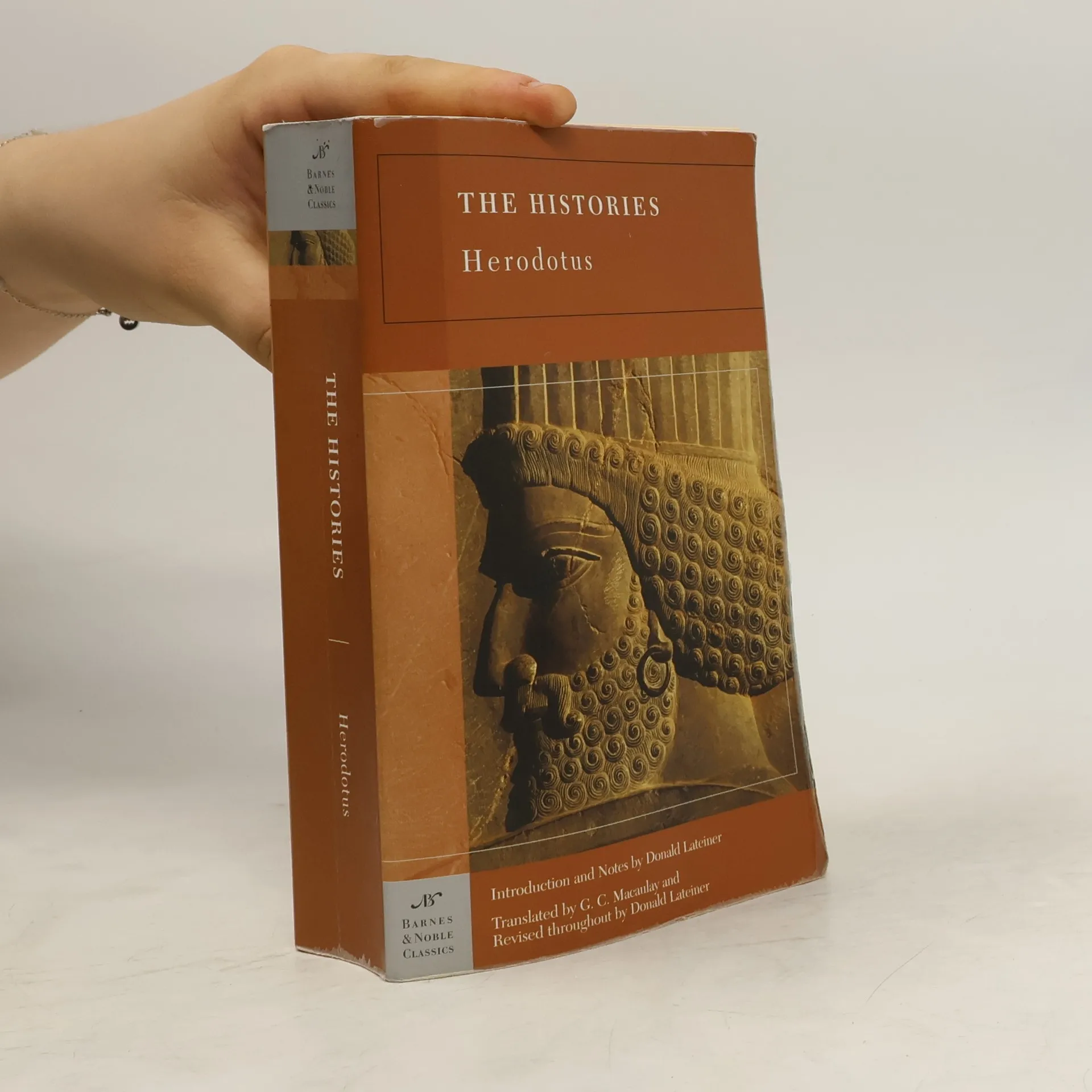
The world's first great narrative history, Herodotus's The Histories vividly describes how the Greeks—few in number, poor, and disunited—managed to repulse a massive invasion by the powerful Persian army in the 5th century b.c. This amazing upset victory changed the course of western civilization, as the cities that led the resistance—Athens and Sparta—became the two major powers on the Greek mainland. The remarkable period that followed introduced revolutionary ideas about democracy, education, philosophy, drama, and—thanks to Herodotus—the writing of history. A wonderful storyteller, Herodotus filled the Histories with amusing anecdotes and dialogue, human details about the lives of important political figures, and a kaleidoscope of viewpoints from people of many lands. Magnificent in compass and enormously entertaining, the Histories is not only the leading source of original information for Greek history during the all-important period between 550 and 479 b.c., but also an artistic masterpiece that created a new genre of literature. Features maps of several noted battles, index of proper names, and a general index.
Tom Holland Books

Dominion: How the Christian Revolution Remade the World
- 624 pages
- 22 hours of reading
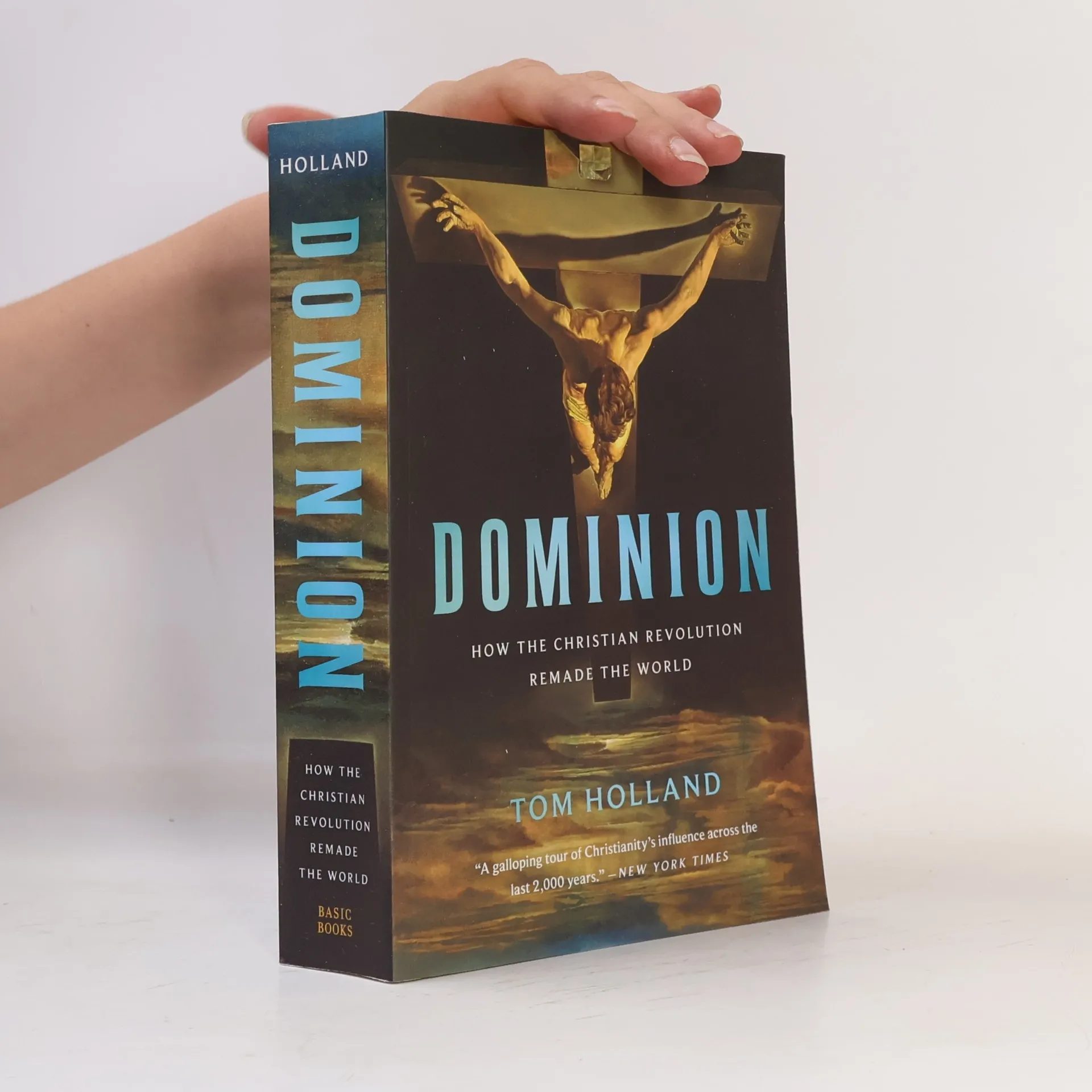
A "marvelous" (Economist) account of how the Christian Revolution forged the Western imagination Crucifixion, the Romans believed, was the worst fate imaginable, a punishment reserved for slaves. How astonishing it was, then, that people should have come to believe that one particular victim of crucifixion -- an obscure provincial by the name of Jesus -- was to be worshipped as a god. Dominion explores the implications of this shocking conviction as they have reverberated throughout history. Today, the West remains utterly saturated by Christian assumptions. As Tom Holland demonstrates, our morals and ethics are not universal but are instead the fruits of a very distinctive civilization. Concepts such as secularism, liberalism, science, and homosexuality are deeply rooted in a Christian seedbed. From Babylon to the Beatles, Saint Michael to #MeToo, Dominion tells the story of how Christianity transformed the modern world.
The Wolf-Girl, the Greeks and the Gods: a Tale of the Persian Wars
- 208 pages
- 8 hours of reading
Set against the backdrop of the Persian Wars, the narrative follows young Gorgo, the princess of Sparta, who is warned of an impending invasion by her dying mother. As the drums of war sound, Gorgo, infused with the blood of gods, navigates a treacherous landscape of politics and vengeance. Her awakening supernatural powers position her as a key figure in defending Sparta against a formidable empire. This retelling blends mythology with historical grit, enhanced by Jason Cockcroft's stunning illustrations, creating a captivating and memorable story.
Rubicon
- 406 pages
- 15 hours of reading
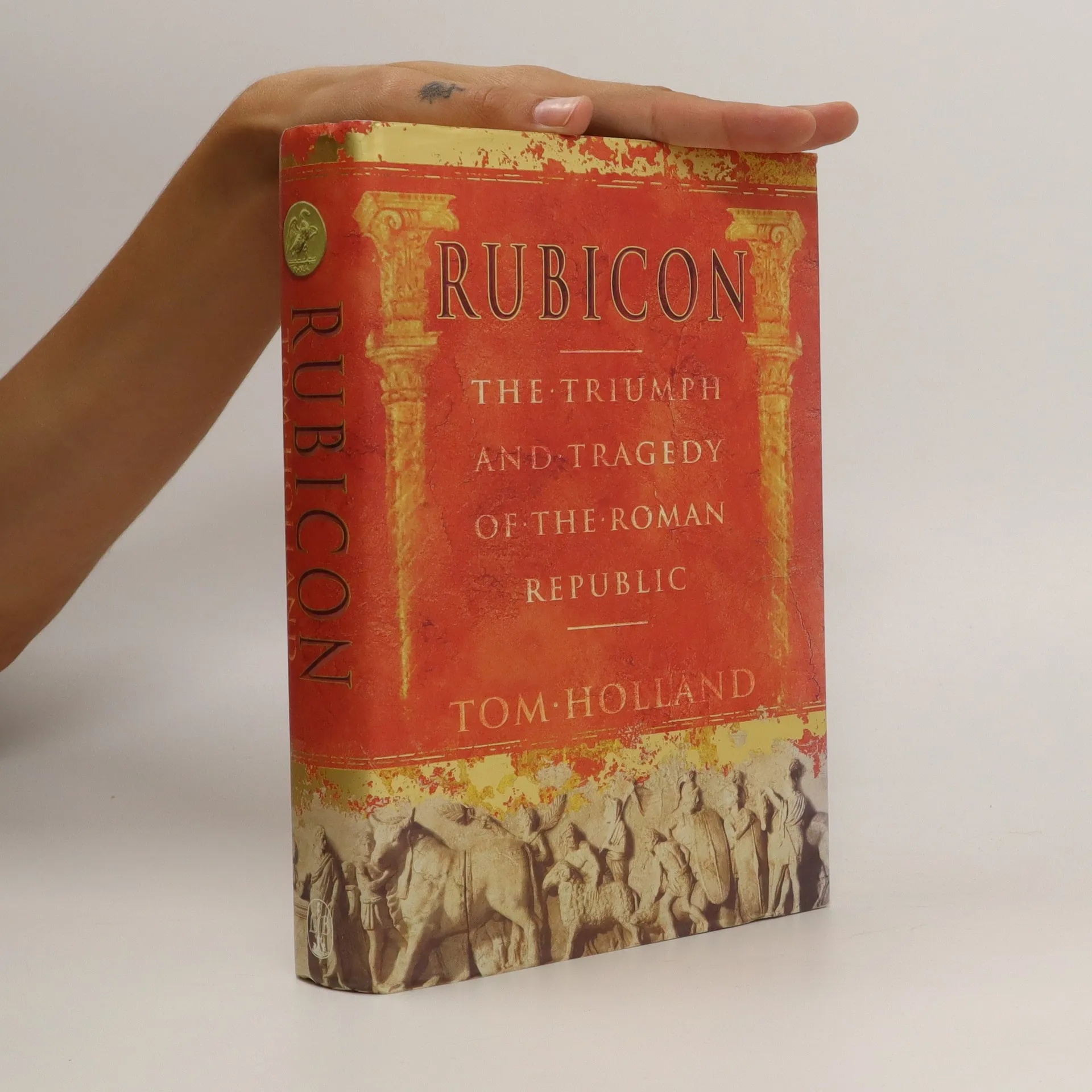
The Roman Republic was the most remarkable state in history. What began as a small community of peasants camped among marshes and hills ended up ruling the known world. Rubicon paints a vivid portrait of the Republic at the climax of its greatness - the same greatness which would herald the catastrophe of its fall. It is a story of incomparable drama. This was the century of Julius Caesar, the gambler whose addiction to glory led him to the banks of the Rubicon, and beyond; of Cicero, whose defence of freedom would make him a byword for eloquence; of Spartacus, the slave who dared to challenge a superpower; of Cleopatra, the queen who did the same. Tom Holland brings to life this strange and unsettling civilization, with its extremes of ambition and self-sacrifice, bloodshed and desire. Yet alien as it was, the Republic still holds up a mirror to us. Its citizens were obsessed by celebrity chefs, all-night dancing and exotic pets; they fought elections in law courts and were addicted to spin; they toppled foreign tyrants in the name of self-defence. Two thousand years may have passed, but we remain the Romans' heirs.
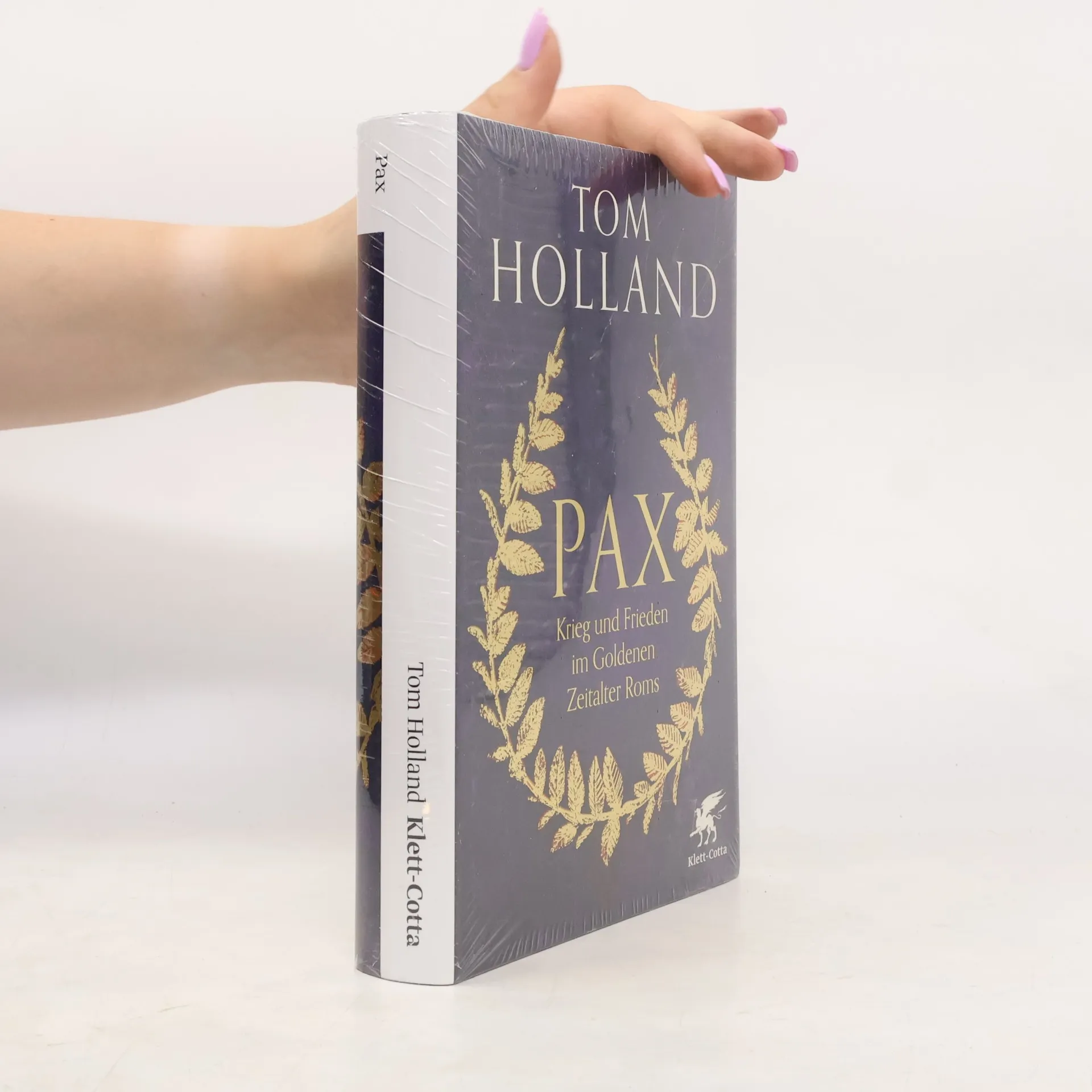
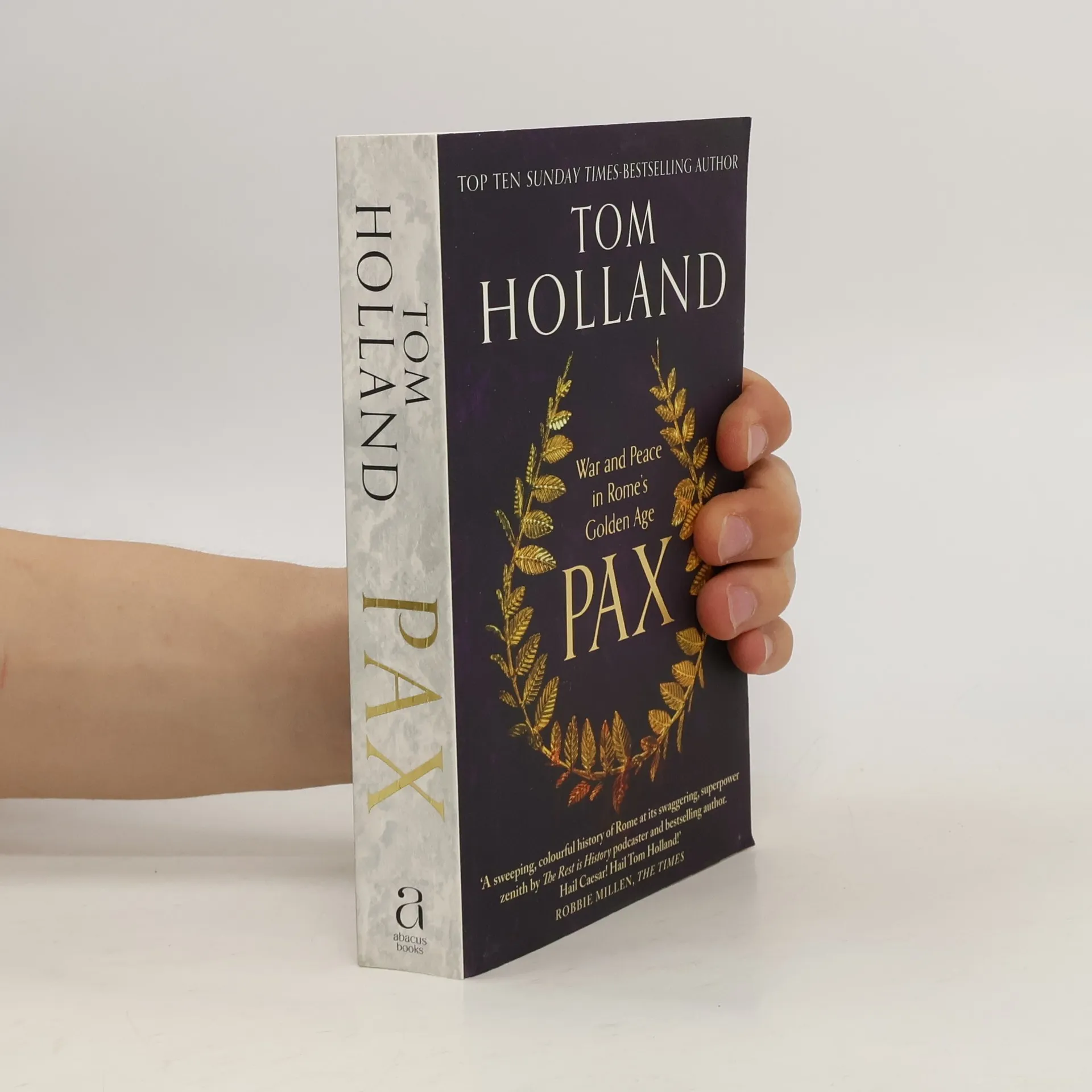
Pax
- 448 pages
- 16 hours of reading
The third in the epic trilogy narrating the history of the Roman Empire from renowned historian Tom Holland[Bokinfo].
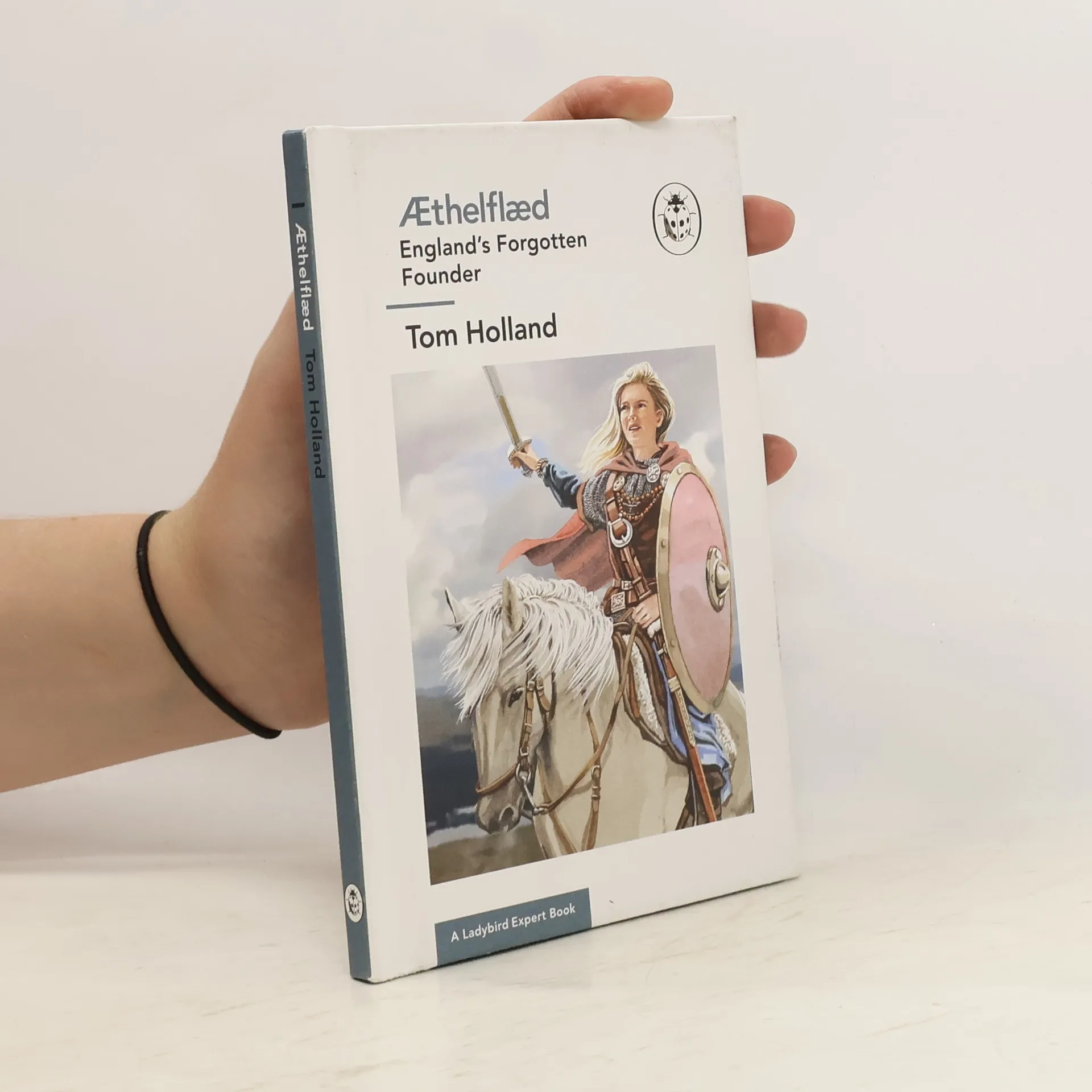
AEthelflaed: A Ladybird Expert Book
- 56 pages
- 2 hours of reading
DISCOVER THE MOST INFLUENTIAL WOMAN THAT ENGLISH HISTORY FORGOT Part of the ALL-NEW LADYBIRD EXPERT SERIES. - Who was Æthelflæd? - What role did she play in the founding of England? - How has her legacy lasted to this day? DISCOVER the epic history of England's forgotten queen. Planting cities, sponsoring learning and defeating her people's enemies, Æthelflæd laid the foundations of a kingdom that lasts to this day. Tom Holland's Æthelflæd puts a spotlight on this formidable leader, pulling her out of the shadowy history of the dark ages.
In 480 BC, Xerxes, the King of Persia, led an invasion of mainland Greece. Its success should have been a formality. For seventy years, victory - rapid, spectacular victory - had seemed the birthright of the Persian Empire. In the space of a single generation, they had swept across the Near East, shattering ancient kingdoms, storming famous cities, putting together an empire which stretched from India to the shores of the Aegean. As a result of those conquests, Xerxes ruled as the most powerful man on the planet. Yet somehow, astonishingly, against the largest expeditionary force ever assembled, the Greeks of the mainland managed to hold out. The Persians were turned back. Greece remained free. Had the Greeks been defeated at Salamis, not only would the West have lost its first struggle for independence and survival, but it is unlikely that there would ever have been such and entity as the West at all. Tom Holland's brilliant new book describes the very first 'clash of Empires' between East and West. Once again he has found extraordinary parallels between the ancient world and our own. There is no competing popular book describing these events.
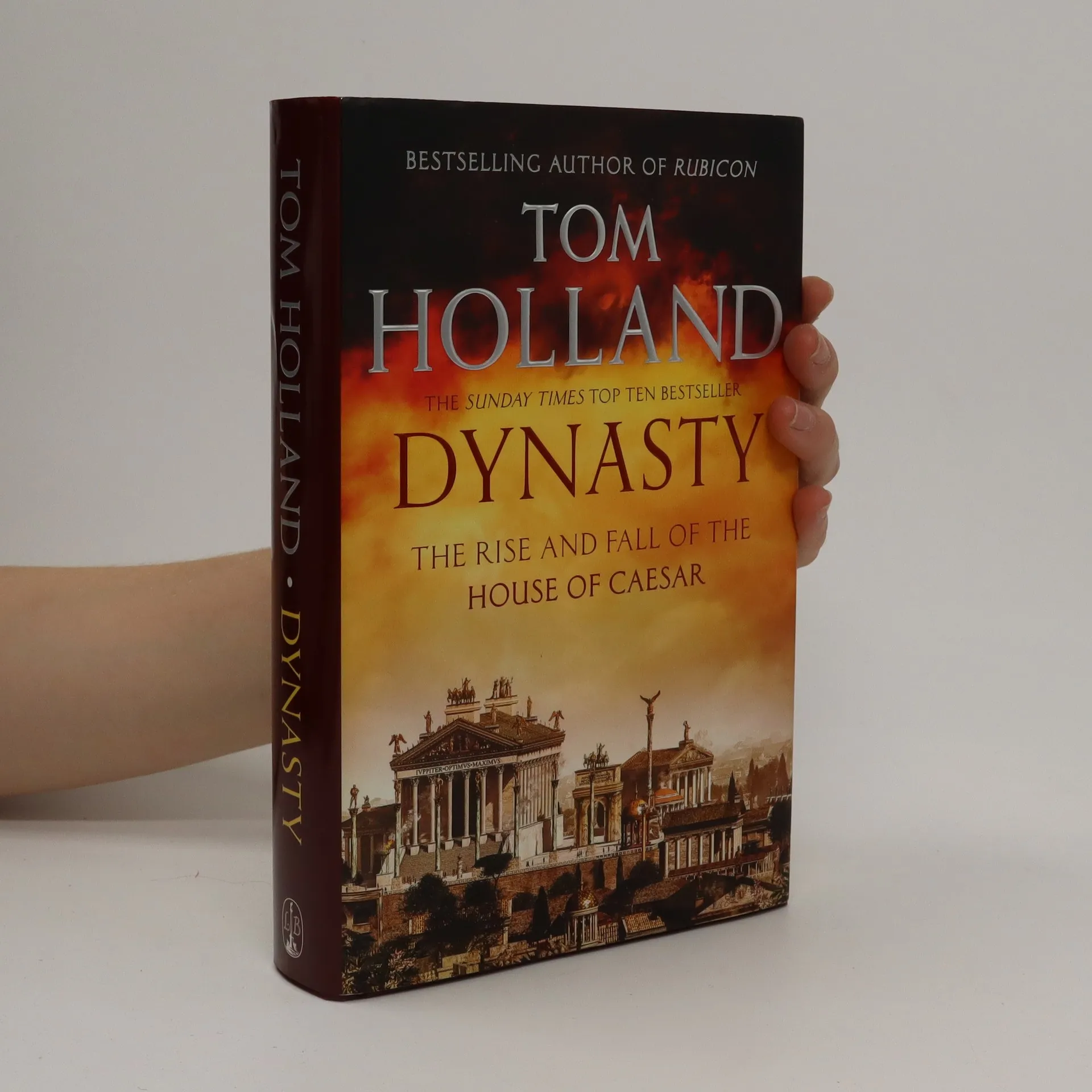
A masterful history of Rome's first imperial dynasty by the award-winning author of Rubicon, Persian Fire and In the Shadow of the Sword.
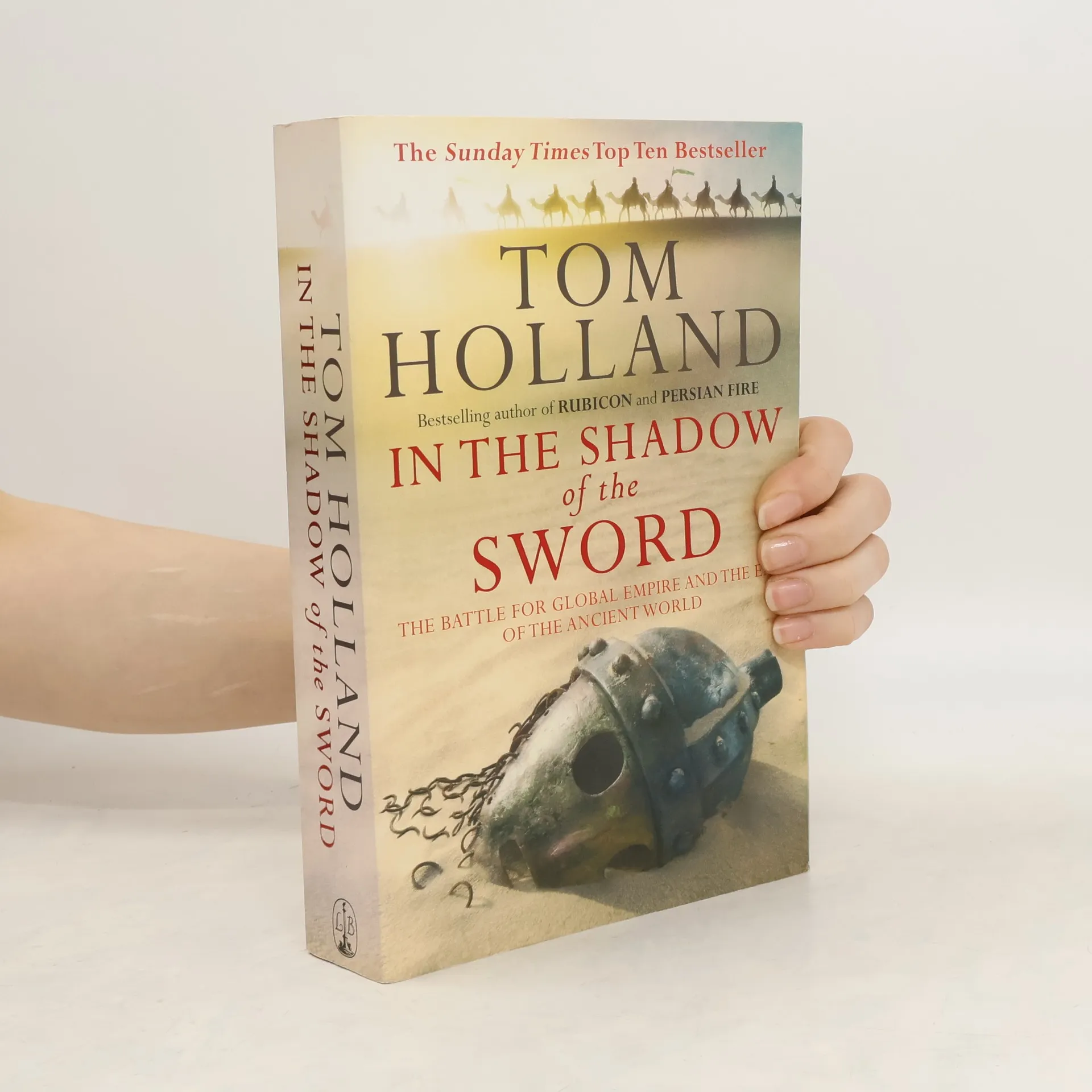
In the Shadow of the Sword
The Battle for Global Empire and the End of the Ancient World
No less than the collapse of the Roman Republic or the Persian invasion of Greece, the evolution of an Arab empire is one of the supreme narratives of ancient history; a story dazzlingly rich in drama, character and achievement. Just like the Romans, the Arabs came from nowhere to carve out a stupefyingly vast dominion - except that they achieved their conquests, not over the course of centuries, as the Romans did, but in a matter of decades. Just like the Greeks during the Persian wars, they overcame seemingly insuperable odds to emerge triumphant against the greatest empire of the day - not by standing on the defensive, however, but by hurling themselves against all who lay in their path. IN THE SHADOW OF THE SWORD effectively completes Tom Holland's trilogy describing the Ancient World. It represents an extraordinary achievement by the most exciting and readable young British historian working today
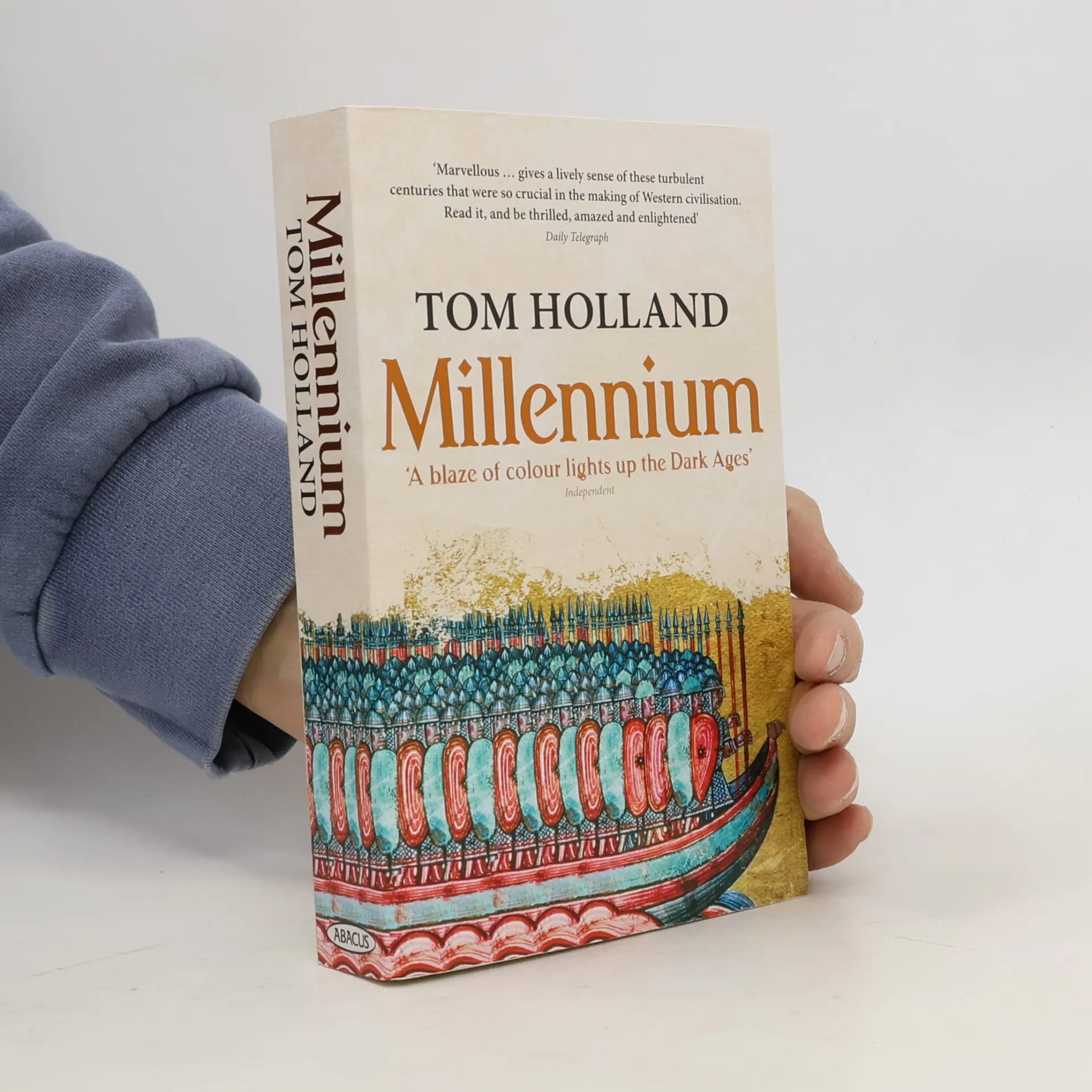
Millennium
- 512 pages
- 18 hours of reading
A panoramic account of the two centuries on either side of the apocalyptic year 1000. This was the age of Canute, William the Conqueror and Pope Gregory VII, of Vikings, monks and serfs, of the earliest castles and the invention of knighthood, and of the primal conflict between church and state.
The 12-Week Triathlete
- 256 pages
- 9 hours of reading
Imagine being able to compete in a triathlon in just three short months! You can, with this all-encompassing, easy-to-use training program! The 12-Week Triathlete gives the most exciting, encouraging, and up-to-date exercise information for the fitness enthusiast. Whether you're a beginner or a seasoned triathlete, this book offers a complete program that will help you strengthen, tone-up, and both physically and mentally prepare for the big day. It will appeal to both men and women and
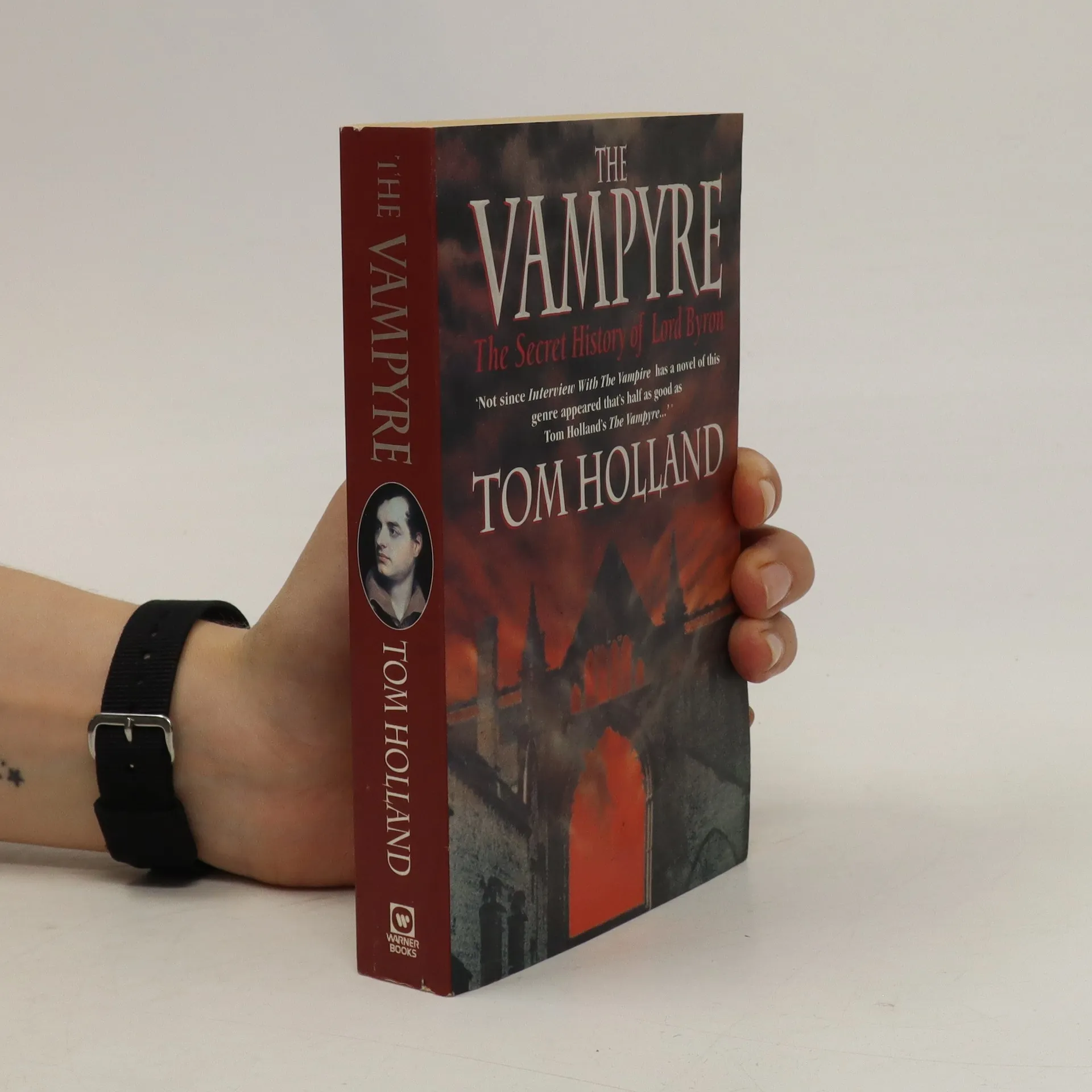
The Vampyre
- 406 pages
- 15 hours of reading
The Secret History of Lord Byron... Legendary poet Lord Byron comes to life with incendiary brilliance in this spellbinding blend of gothic imagination and documented fact that paints an unforgettable portrait of the nineteenth-century romantic genius as the world's most formidable vampire. Wandering in the mountains of Greece, Byron is drawn to the beauty of a mysterious fugitive slave; soon he is utterly entranced, and his fate is sealed. The supreme sensualist embarks on a life of adventure even his genius could not have foreseen; chosen to enjoy powers beyond those any vampire has ever known, Byron enters a dark, intoxicating world, traversing centuries of long-lost secrets, ancient arts, and scorching excesses of evil. But Byron's gift is also his torment: an all consuming thirst that withers life at the root, damning all those he loves... With its impeccable scholarship and breathtaking storytelling, THE VAMPYRE is a wonderful combination of fact and fantasy, both compelling and also strangely plausible...
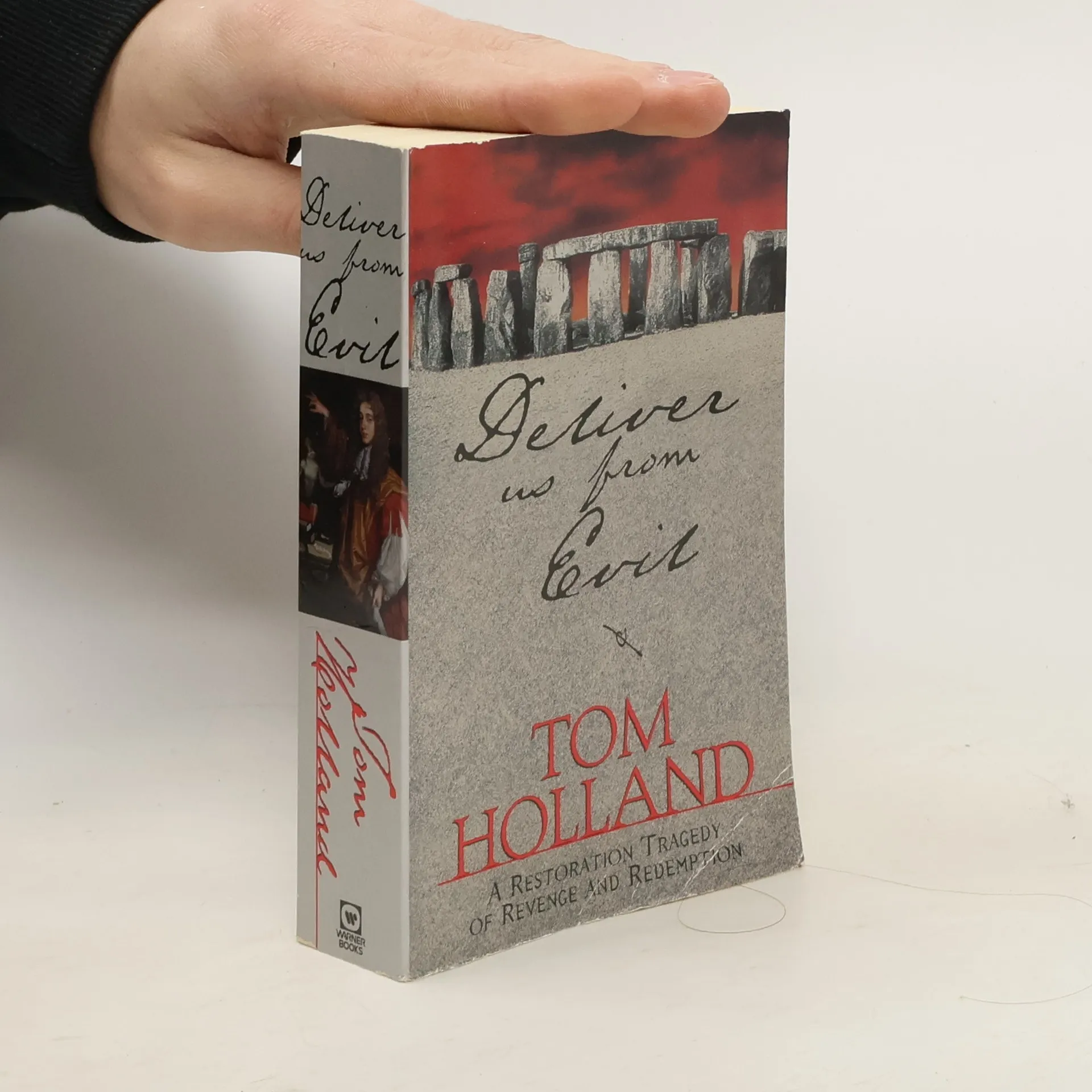
Deliver Us from Evil
- 579 pages
- 21 hours of reading
Wiltshire, during the dying days of Oliver Cromwell's Republic. Robert Vaughan is the son of a Parliamentarian officer who is investigating a series of grisly murders which suggest a link with Satanic rituals at Stonehenge. The return of a notoriously wicked Cavalier, signalling the impending royalist restoration, leads to a terrible tragedy for the Vaughans. Robert's flight from his violent, terrifying past leads him to Restoration London, where he works as scribe for Milton, and where he survives the Plague and the Great Fire. But Robert is led along a dark path, to vampirism and beyond, as he devotes himself to gaining the powers that will enable him to fight an evil killer of seemingly satanic powers. He will travel the globe, from the ancient ghetto of Prague to the virgin forest of the New World, as he aims to gain revenge on those who betrayed him.
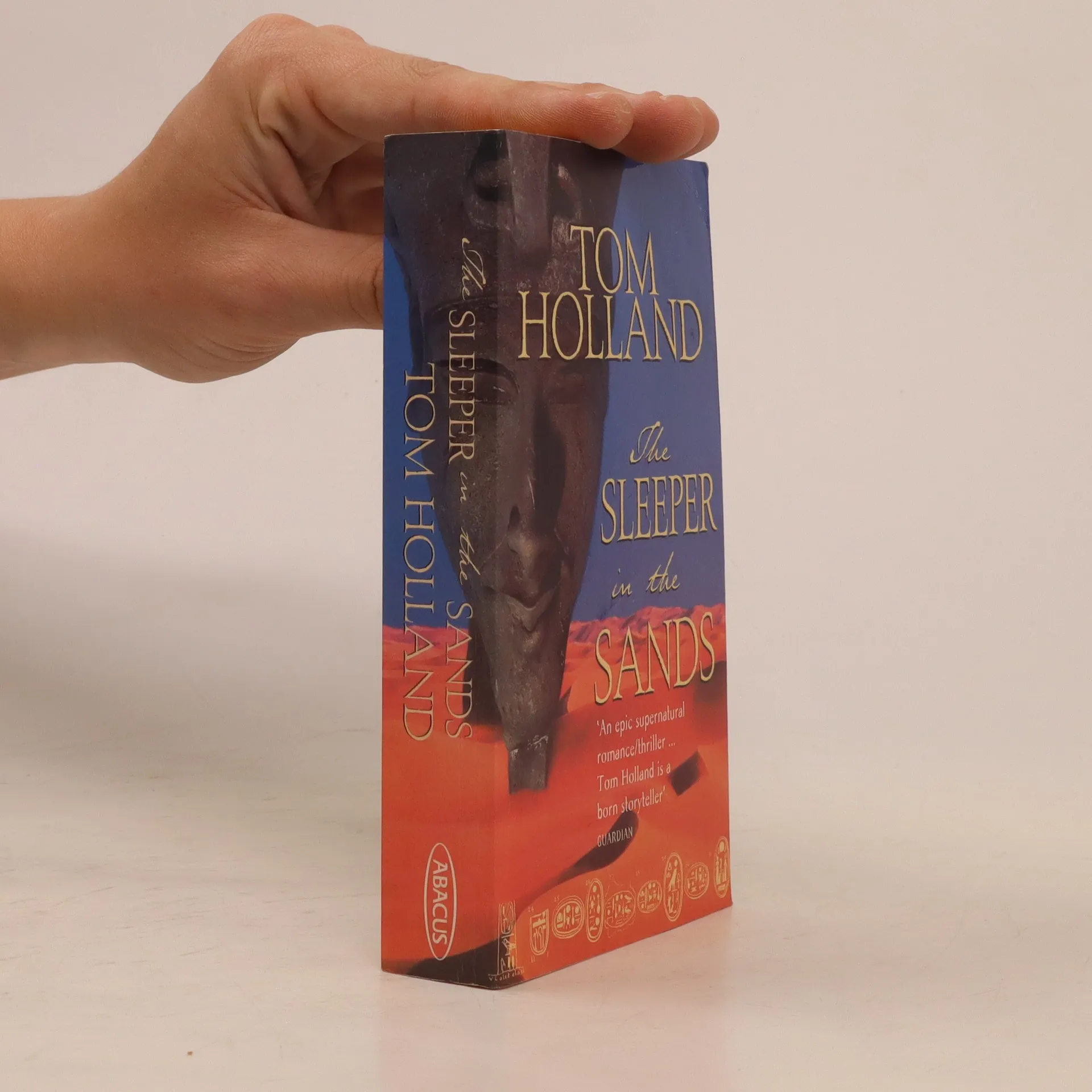
The Sleeper in the Sands
- 448 pages
- 16 hours of reading
Egypt, 1922: the Valley of the Kings. After years of fruitless labour, the archaeologist Howard Carter discovers a mysterious tomb, sealed and marked with a terrible curse. But what is the nature of the tomb's deadly secret? And what is the web of strange connections spreading back through millennia, to the very heart of Egypt's fabulous past? In a glorious Arabian Nightmare of lost cities, treacherous priests and daring archaeologists, an ancient civilisation shimmers into life; colourful, magical, and unutterably strange. 'True adventure stories are all too scarce nowadays. And adventure stories that have the capacity to make the reader think and wonder are an even rarer commodity. Tom Holland's latest novel manages both with tremendous verve ... a galloping page-turner' DAILY TELEGRAPH
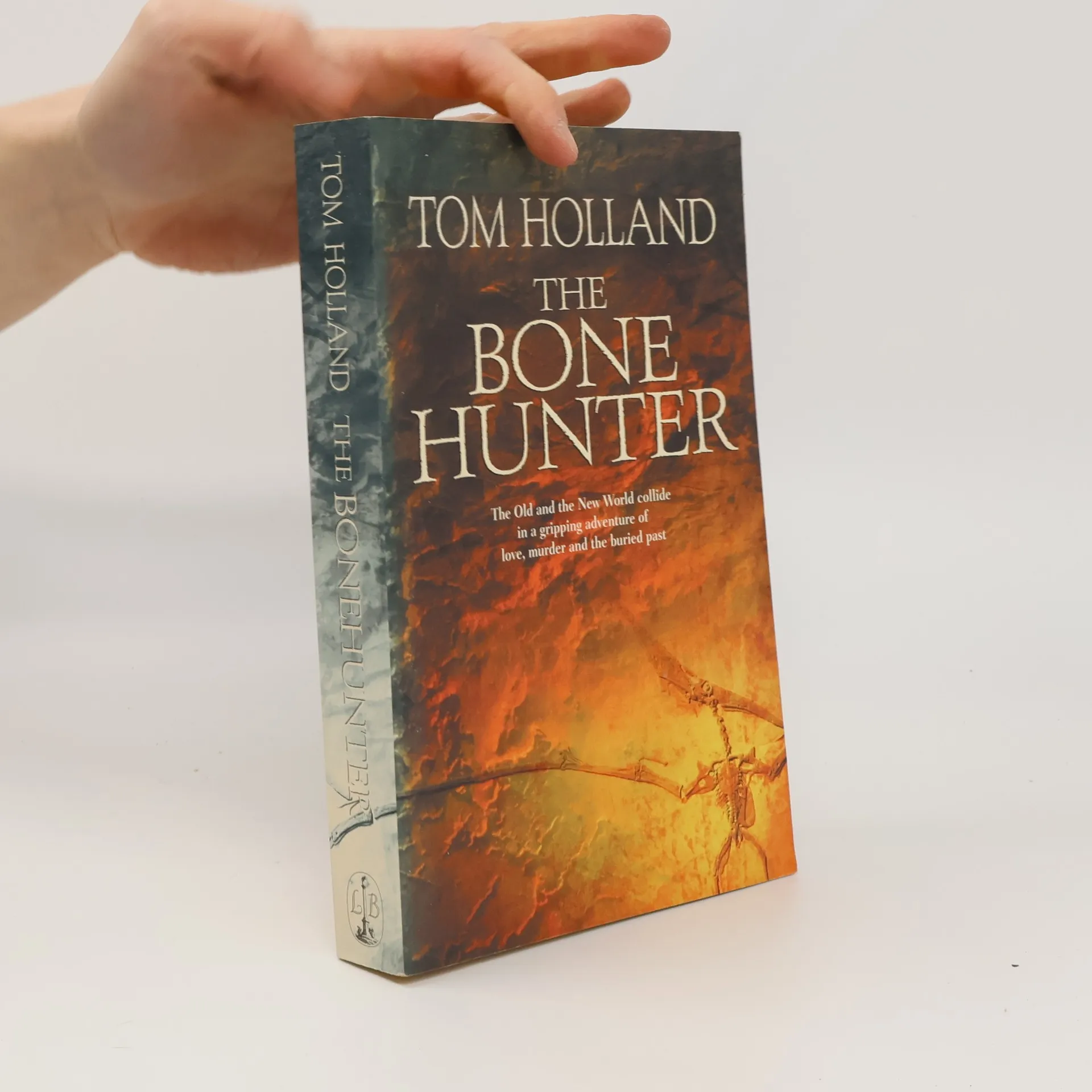
The Bonehunter
- 370 pages
- 13 hours of reading
It is 1878 and Captain John Paley Dawkins, an English amateur palaeontologist, has staked his meagre inheritance upon an expedition to find a pterodactyl, set up by geologist Sheldon Prescott. Wary of Prescott's wilful daughter Lilian, they are soon forced together in a life-threatening quest.
Prayer and the Goodness of God
Learning about prayer through Christians in discussion
- 90 pages
- 4 hours of reading
Challenging conventional ideas, this book offers a thought-provoking journey that balances discomfort with tranquility. It respects the reader's perspectives while introducing fresh concepts, evoking a range of emotions from laughter to tears. The narrative promises to engage and provoke reflection, making it a unique reading experience that resonates on multiple levels.
The book explores the often-misunderstood significance of the Passover and Exodus, arguing that this misunderstanding has deprived the Church of essential teachings from Jesus and the apostles. It delves into historical evidence that highlights how these key events in Jewish and world history have been overlooked, ultimately aiming to reconnect readers with the foundational aspects of their faith.
Tom Wright and The Search For Truth
A Theological Evaluation 2nd Edition Revised and Expanded
- 490 pages
- 18 hours of reading
The revised and extended edition addresses critical feedback from the first version, making it essential for serious Bible readers. It delves into key issues and interpretations, encouraging a deeper understanding and engagement with biblical texts. This comprehensive exploration offers insights that challenge and enrich the reader's perspective on scripture.
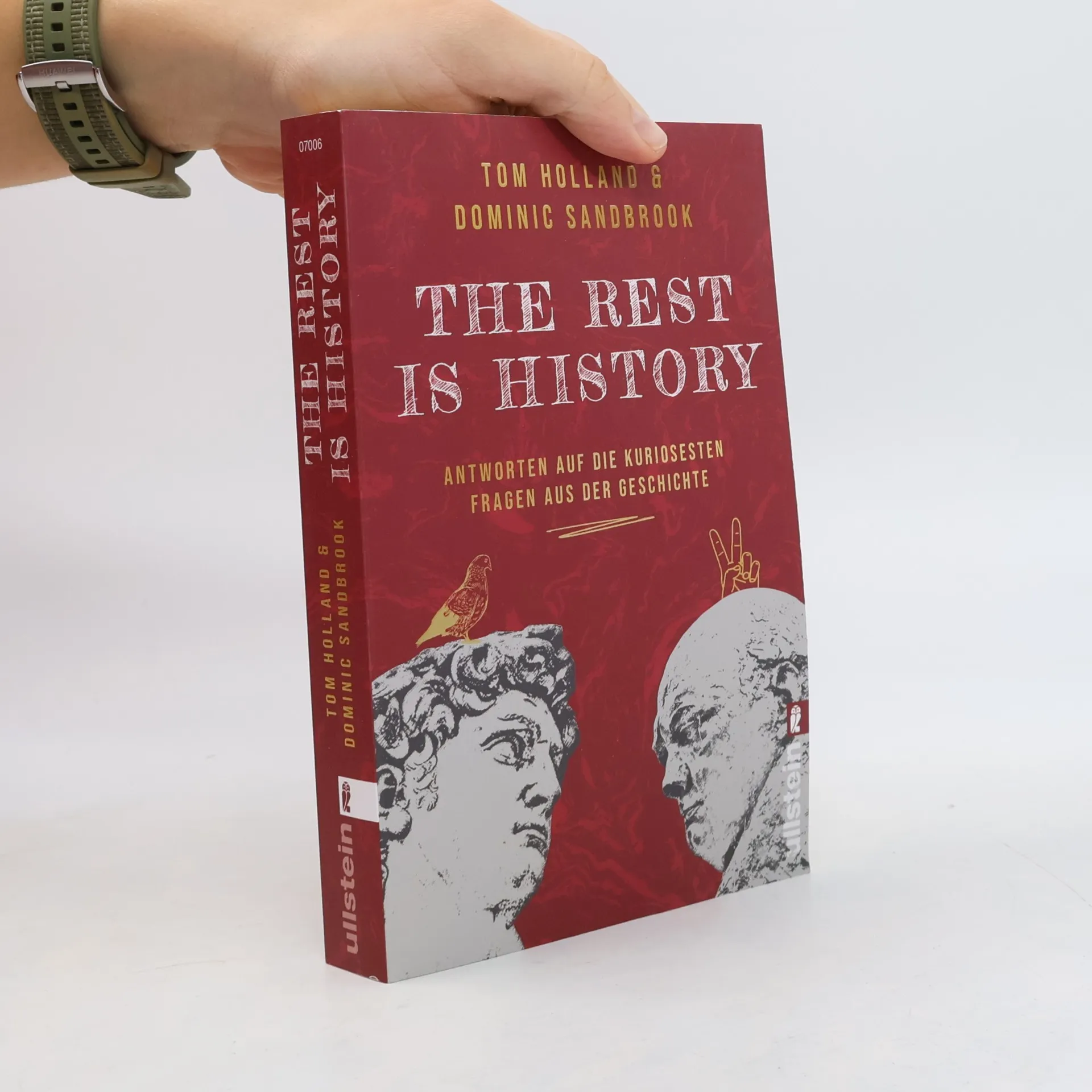
From the podcast legends who brought you The Rest is History comes The Rest is History Returns!This time Tom Holland and Dominic Sandbrook bring you an alphabetical miscellany, taking on some of history's best and most bizarre moments. Charge forth against the traitors of the American Revolution, journey through Baghdad to discover the origins of the Arabian Nights and head to Sicily to witness the first face-off between Carthage and Rome.Along the way you'll find the answers to questions like:- Who was Jesus's wife?- What would it have been like to live-tweet through the eruption of Vesuvius?- Why did the Romans inspire so much American science fiction?- Which Mitford sister tried to seduce her girlish crush, Adolf Hitler?- Who are history's top 10 monkeys?- Was Henry V's great-grandfather, Edward III, the biggest 'lad' in British history?But that's not all - this book also includes puzzles and a pub quiz. So dust off your tricorne hat, grab your lasso and get ready for a rollicking rollercoaster through the past . . .
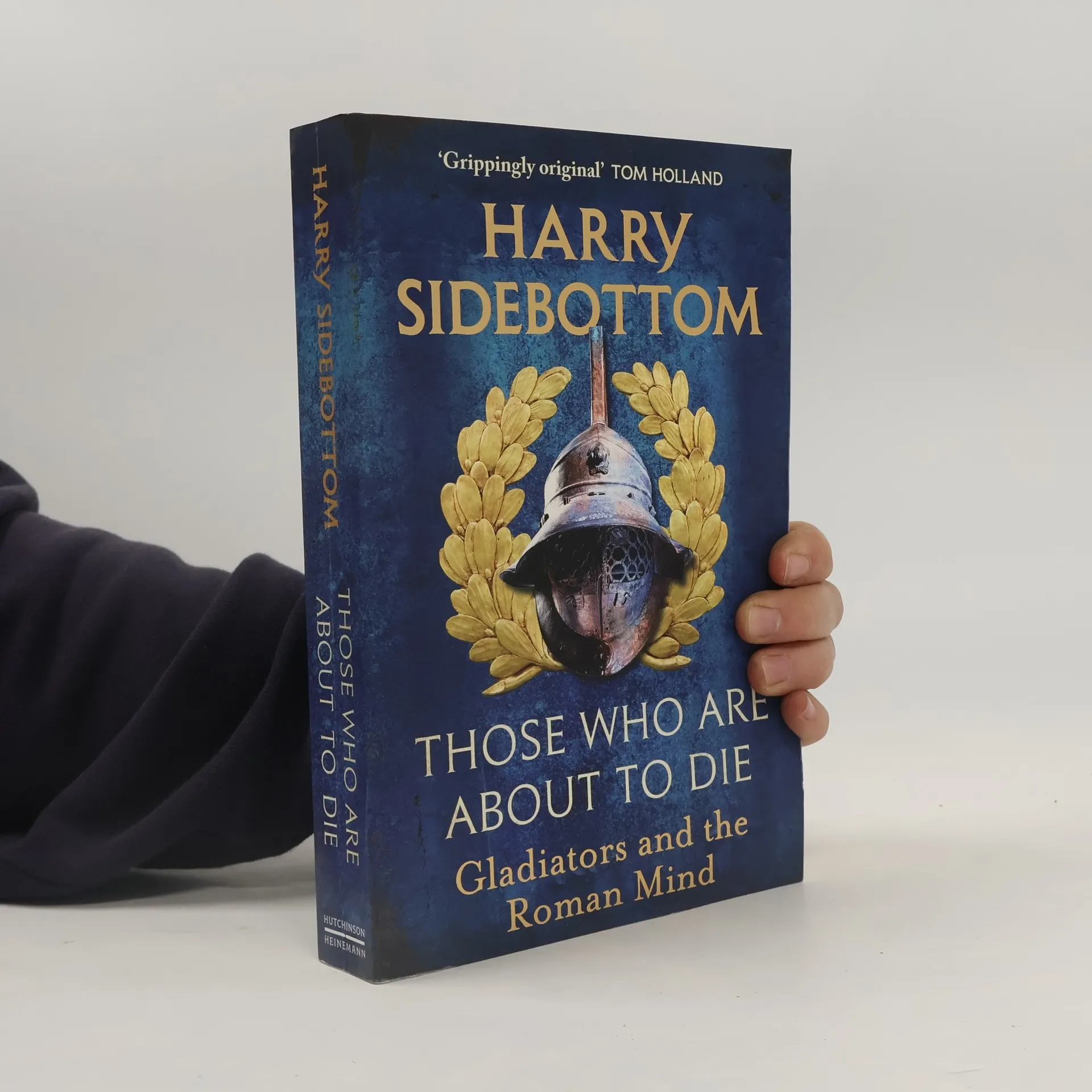
Dressed in armour and clutching a bloody sword, the Roman gladiator is the most iconic figure of the ancient world. Both fascinating and repulsive to us now, he was in his own time a deeply controversial character, by turns hated and idealized - and always at the heart of Roman culture. But what did he really mean to the Romans? What did they see in the gladiator and the spectacle of the games? And what does he reveal to us today about the Roman way of life? Brilliantly written and meticulously researched, this book tells the stories of the gladiators and those who observed them - from grand emperors to lowly slaves - illuminating and analysing the all-consuming passion of the Roman Empire for the spectacle of mortal combat. In doing so, it reveals Roman ideas about everything from freedom and servitude to sex and desire, from courage and cowardice to death and the afterlife. Taking readers on an unforgettable twenty-four-hour adventure - beginning the night before the games and ending the evening after - Those Who Are About To Die gives a blow-by-blow account of what life was really like in the brutally unforgiving arena of the ancient world.
Die Historiker Tom Holland und Dominic Sandbrook erkunden unterhaltsam die faszinierendsten Momente der Geschichte, von Alexander dem Großen bis Tolkien. Sie beantworten ungewöhnliche Fragen, wie die nach dem Trojanischen Krieg, der katastrophalsten Party der Geschichte und den Verbindungen zwischen Nixon und antiken Herrschern.
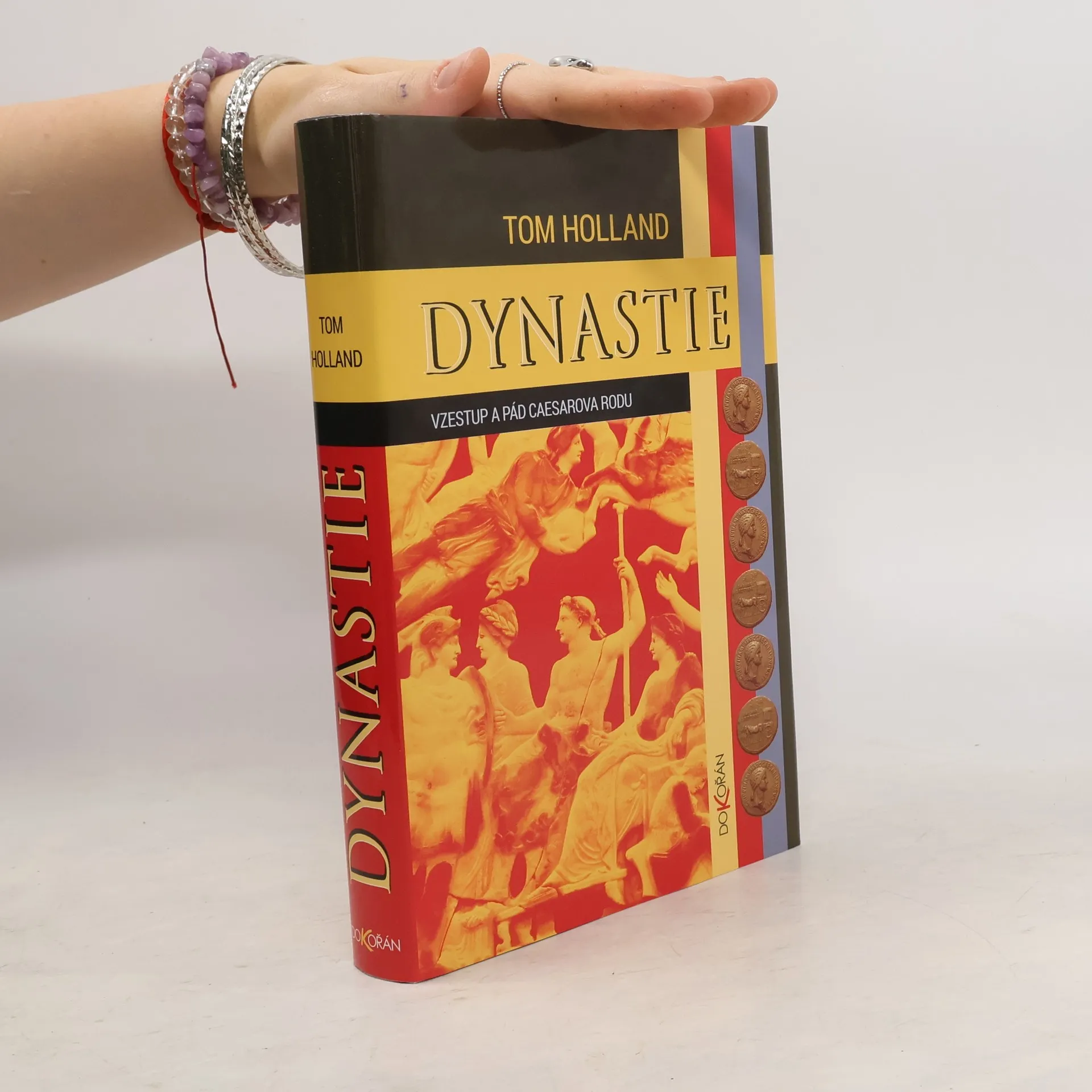
Dynastie : vzestup a pád Caesarova rodu
- 448 pages
- 16 hours of reading
Římu nejprve vládli králové a pak se stal republikou. Ale poté co dobyl svět, se jeho republika zhroutila a Řím se topil v krvi. Občanské války byly tak strašné, že římský lid nakonec přivítal vládu autokrata, který mu dokázal přinést mír. Jejich nový pán si říkal Augustus (Vznešený) nebo také „oblíbenec bohů“. Křiklavé kouzlo dynastie, kterou Augustus založil, se nikdy nevytratilo. Žádná jiná rodina se jí nemůže vyrovnat galerií předních postav, jež vyvolávají zájem i znepokojení. Tiberius, slavný vojevůdce, který skončil jako zahořklý samotář, nechvalně proslulý svým zvráceným chováním; Caligula, mistr krutostí a ponižování, jenž chtěl jmenovat konzulem svého koně; Agrippina, která svými manévry dostala k moci svého syna Nera, jenž ji dal nakonec zavraždit; a samotný Nero, který závodil na olympijských hrách, oženil se s eunuchem a po požáru Říma si v centru metropole vystavěl vlastní palác neřestných rozkoší. Tom Holland přináší oslnivý portrét první císařské dynastie Říma. V tomto strhujícím příběhu nalezneme vrahy i ctihodné senátory, cizoložníky i vlasaté barbary, pletichařící matky i zdráhající se gladiátory. Dynastie je freskou rodiny, která přetvořila a ohromila Řím.
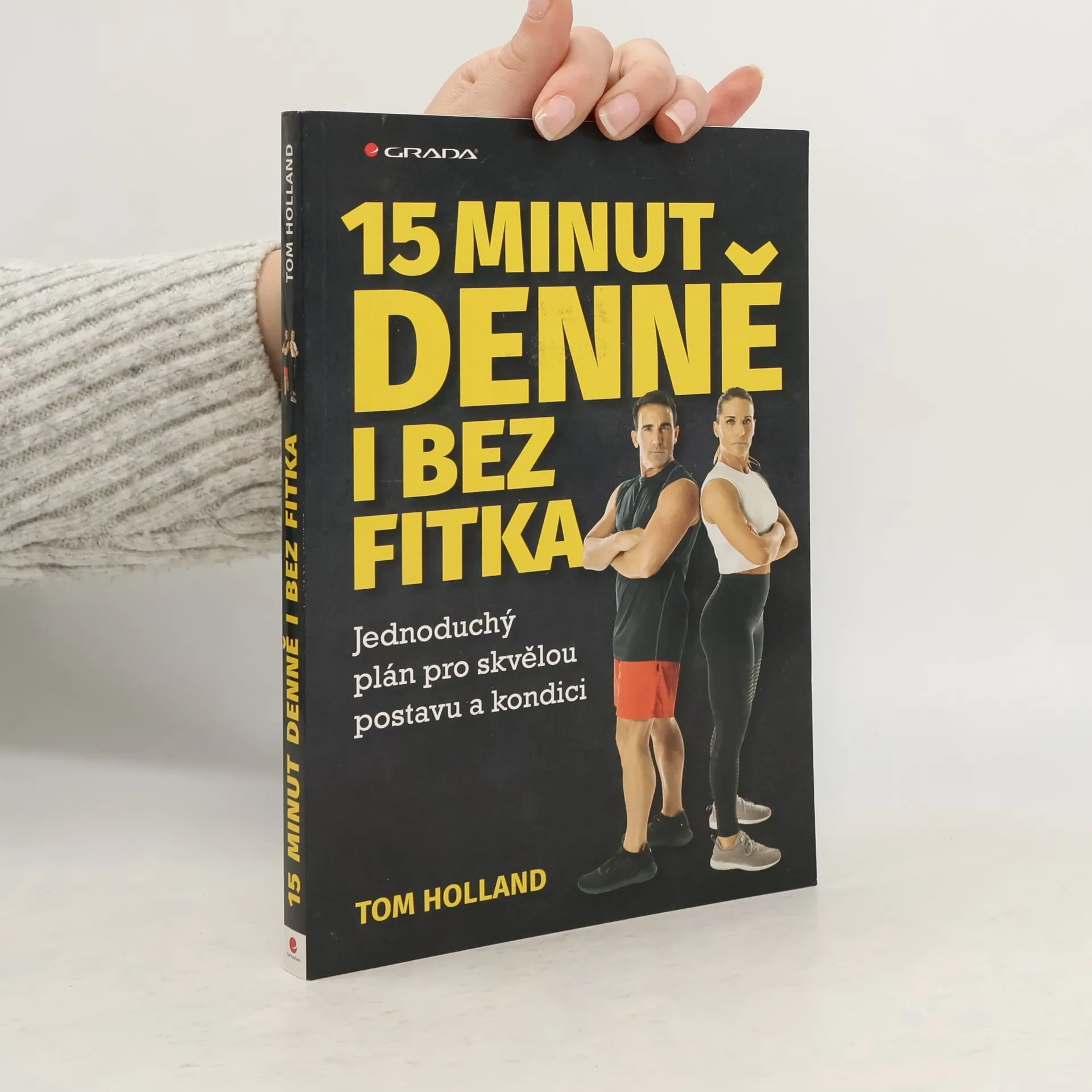
15 minut denně i bez fitka : jednoduchý plán pro skvělou postavu a kondici
- 208 pages
- 8 hours of reading
Chcete se dostat do lepší fyzické kondice a vypracovat si perfektní postavu, ale zároveň vás odrazuje představa trávení dlouhých hodin v posilovně? Zkušený fitness trenér Tom Holland vám ukáže, že nejde o to, jak dlouho a kde cvičíte, ale o to, jak cvičíte. Díky metodě „s umírněností nejdál dojdeš“ přináší Holland ideální řešení pro zaneprázdněné lidi, kteří nemají čas nebo chuť chodit do posilovny. Ve své knize využívá své znalosti a zkušenosti, které získal jako fitness trenér, vyvrací stále opakované mýty o cvičení a nabízí čtenářům zvládnutelnou formu cvičení pro každého – 30 pětiminutových sad cviků zaměřených na všechny části těla, které můžete dělat, kdykoliv a kdekoliv chcete. Dostat se do formy nikdy nebylo tak jednoduché!