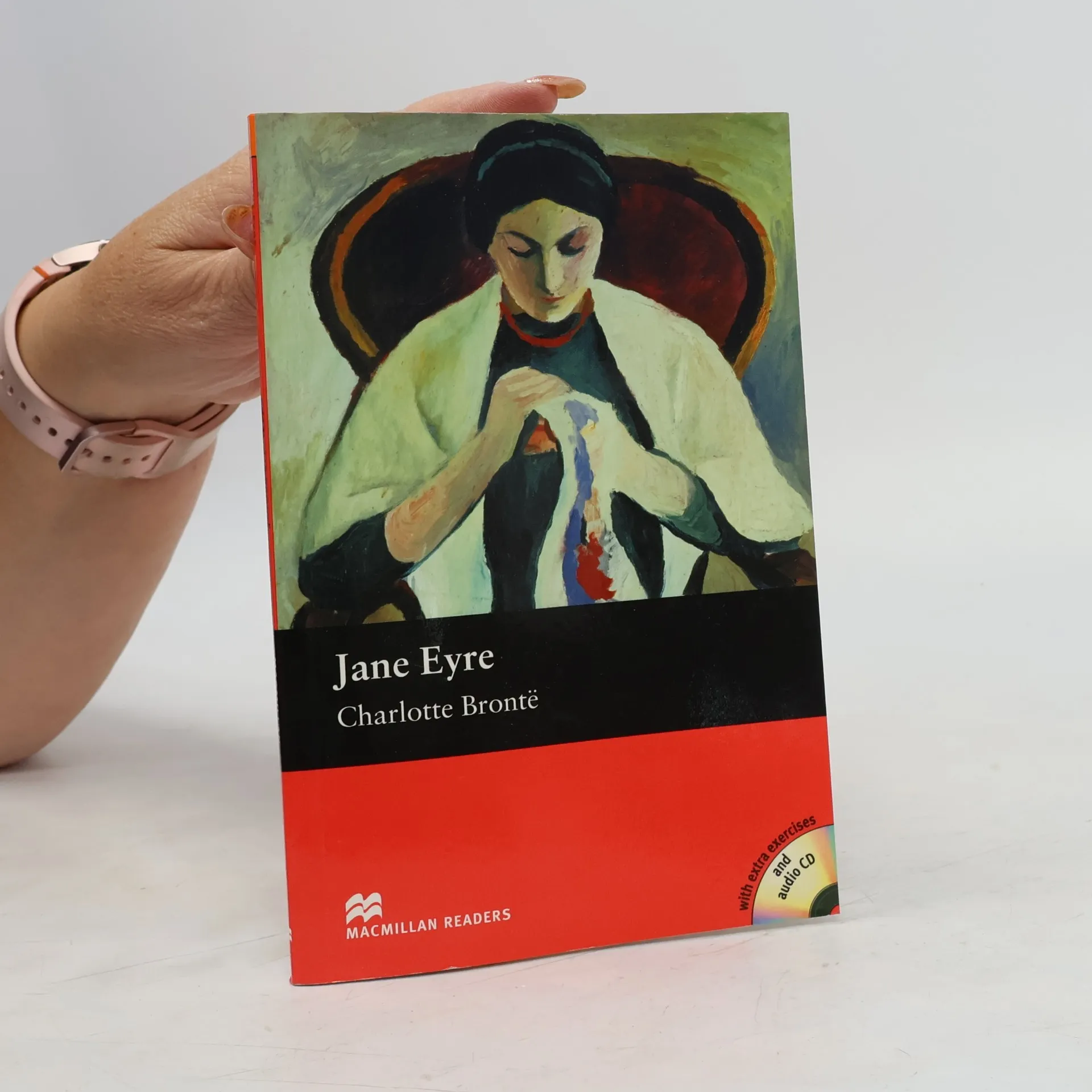
The Macmillan Readers series is one of the most popular simplified readers for learners of English. The information is controlled, with pictures explaining some of the difficult vocabulary. This brilliant book has 600 basic words for Beginner-level students and is a classic love story between Jane and her boss Mr Rochester.
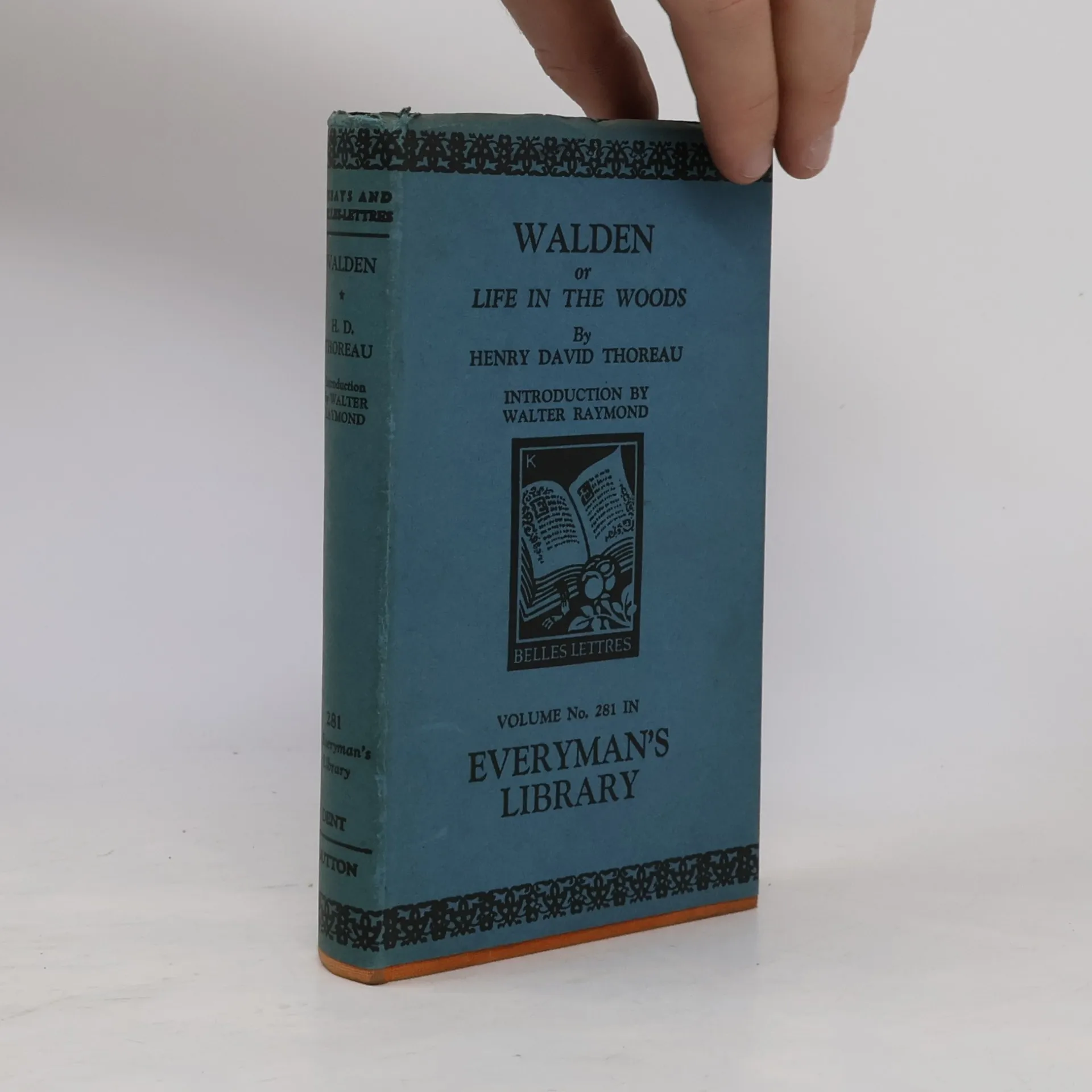
In March 1845, Henry David Thoreau moved into a small cabin in the woods surrounding Walden Pond. Here he conducted a two-year social experiment, removing himself almost entirely from society while instead engaging with the sounds, the animals and the passers-by that inhabited the wilderness. In this isolation he built his own shelter and sourced his own food, testing the limits of his capacity to be self-reliant. From this experience the masterpiece Walden emerged; it is Thoreau's manifesto for simplicity, self-sufficiency and detachment from the unnecessary constructs of urban societies and economies. Thoreau's thoughtful, witty and memorable journal asks us to question absolutely everything we have come to believe about how to live.
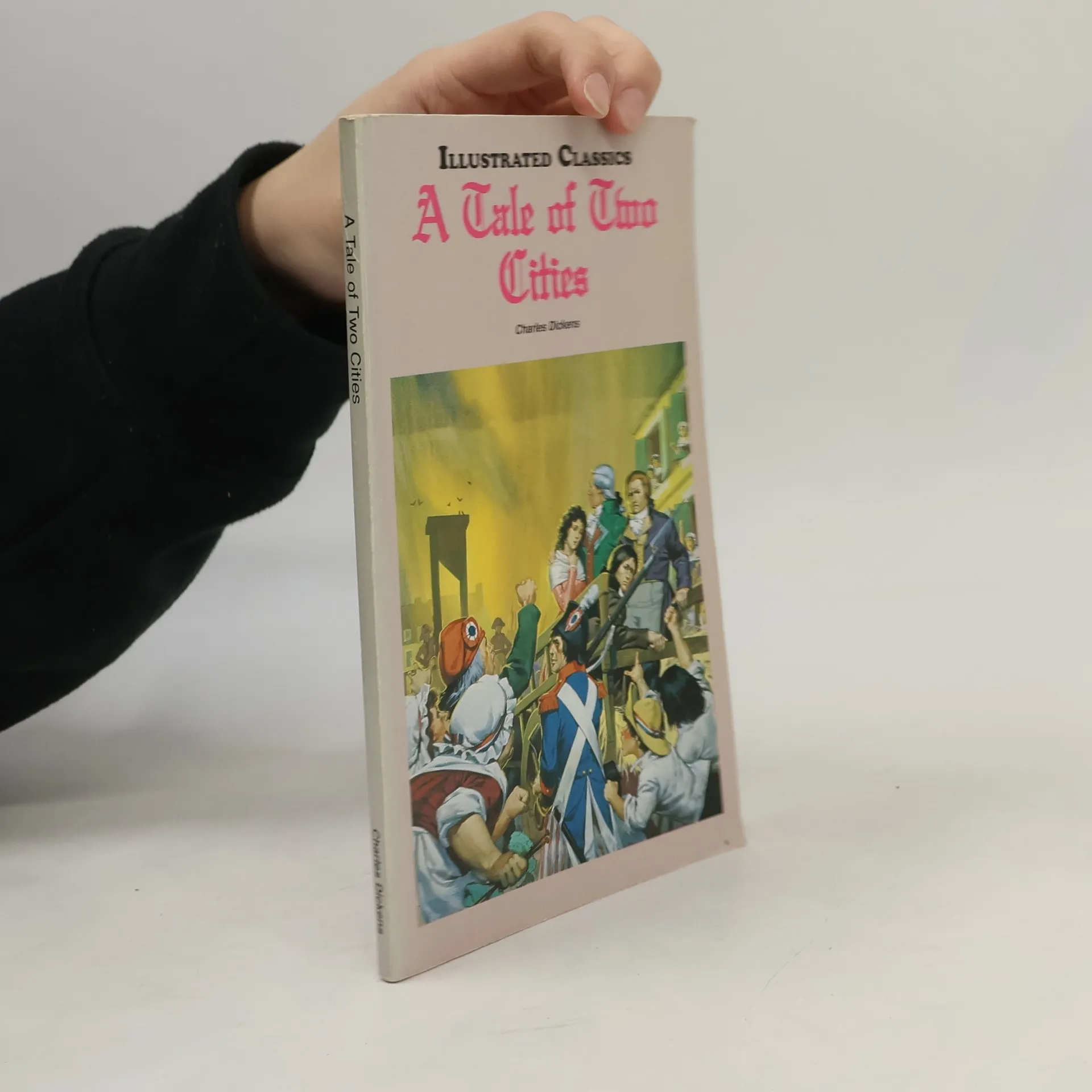
An epic story of love, sacrifice and redemption amidst horrific violence and world changing events, interweaving one family's intensely personal drama with the terror and chaos of the French Revolution.
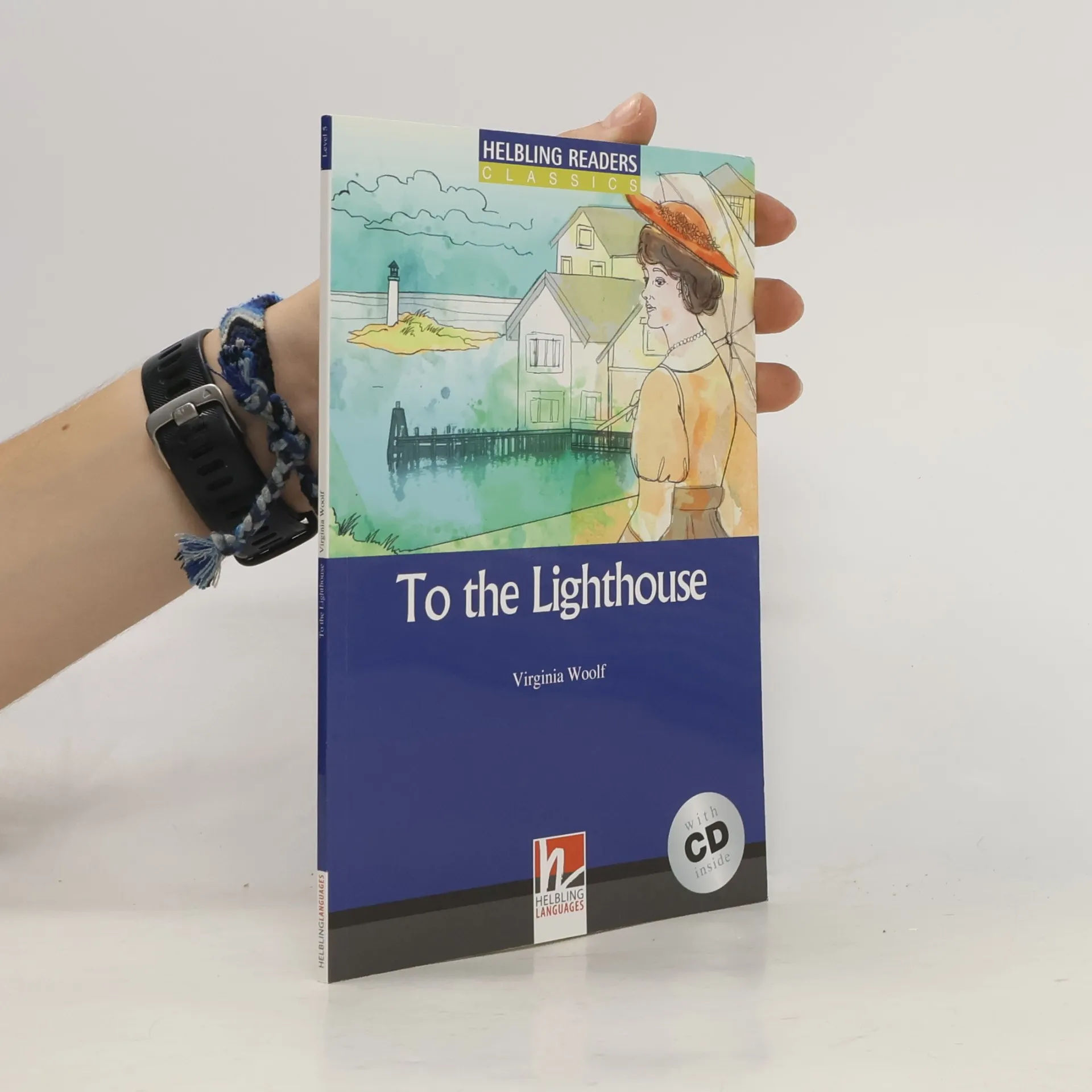
Mrs Ramsey has gathered her friends and family around her in the family's summer house on the Isle of Skye. As the children play and the adults paint, talk and think, the relationships between them develop and change.Can true happiness ever be achieved or is it destined to exist only as a poignant memory?